
Driving comfort goes beyond luxury; it’s about how easily a car responds, how well it handles, and how stress-free it feels even after years of use. Some cars retain that effortless quality for decades, with steering that stays precise and controls that remain intuitive.
Others lose their ease as they age developing heavy steering, sluggish transmissions, or electronics that make driving more complicated than enjoyable.
Dealers, owners, and enthusiasts alike recognize that the best cars are those that continue to feel natural and predictable long after their showroom days.
Such vehicles often combine durable components, smart ergonomics, and mechanical simplicity that resists wear. The ones that don’t maintain this balance become frustrating to operate, even if they once seemed advanced.
This article compares cars that maintain their easy-to-drive nature against those that fade in that aspect over time.
By observing real-world performance, owner feedback, and engineering design, we identify which vehicles remain effortless companions on the road and which ones slowly turn into burdens behind the wheel.
Also Read: 5 Cars That Rarely Blow Turbos vs 5 That Constantly Fail
5 Cars That Stay Easy to Drive Forever
Ease of driving is a hallmark of good design. Cars that achieve this balance do so not through gimmicks but through thoughtful engineering and consistency.
They feel predictable in traffic, stable on highways, and comfortable in every environment. More importantly, they retain that quality year after year, even after tens of thousands of miles.
Dealers and long-time owners appreciate vehicles that keep their steering light, controls intuitive, and suspension forgiving.
These traits reduce fatigue and make daily commutes feel effortless. Cars that remain easy to drive also tend to have excellent visibility, smooth transmissions, and reliable brakes details that don’t fade with age.
The following five vehicles have earned long-standing reputations for staying driver-friendly through time and wear. They are cars people can trust to remain smooth, stable, and confidence-inspiring, whether brand new or with 200,000 kilometers behind them.
Each model proves that true ease of driving doesn’t come from advanced electronics alone but from a combination of mechanical refinement and design discipline.
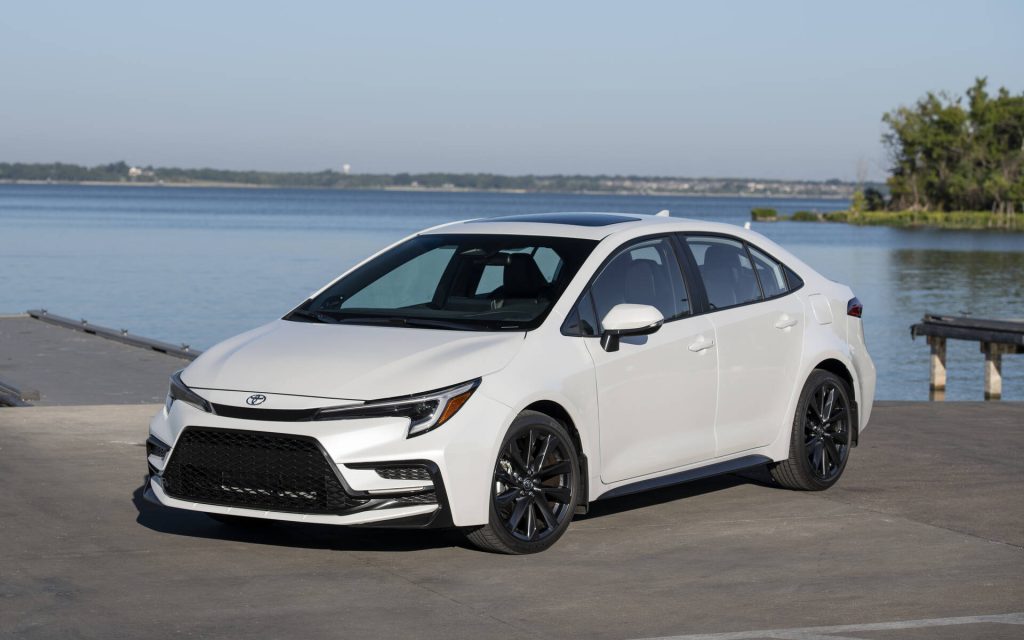
1. Toyota Corolla
Few cars have sustained an effortless driving experience as consistently as the Toyota Corolla. From early models in the 1970s to the latest generations, the Corolla has always been engineered for simplicity, comfort, and predictability.
Its light steering, smooth automatic transmission, and balanced suspension make it one of the most forgiving vehicles on the road.
Dealers appreciate that even older Corollas retain their easy-handling nature. Power steering components and transmissions rarely fail, and Toyota’s focus on straightforward controls means drivers don’t struggle with complicated electronics.
The Corolla’s small size and excellent visibility also make parking and maneuvering simple qualities especially valued by urban drivers and seniors.
What keeps it easy to drive “forever” is its consistency. Toyota has refined its design slowly, improving safety and comfort without losing the car’s simple character.
The result is a vehicle that never feels outdated or overly technical. Drivers quickly adapt to it, whether they’re first-time owners or seasoned motorists.
Writing about the Corolla here makes perfect sense because it represents everything that defines lasting ease of use. It isn’t flashy, but it’s always dependable, familiar, and low-stress to operate. That combination keeps the Corolla one of the most driver-friendly cars of all time.
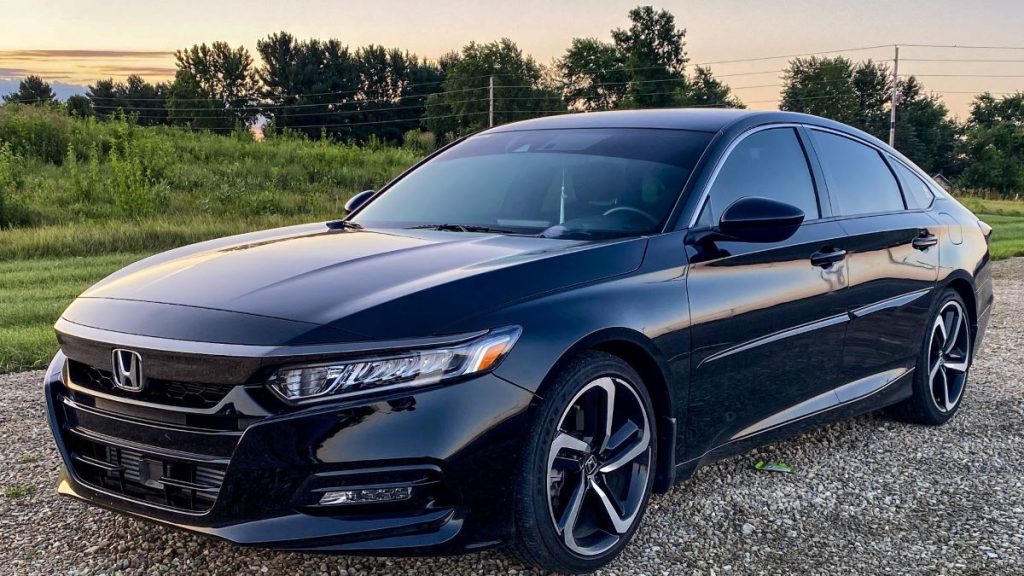
2. Honda Accord
The Honda Accord has built its reputation on balance comfortable yet engaging, simple yet refined. Dealers and drivers alike recognize it as one of the easiest midsize sedans to live with year after year.
The reason lies in its precise steering, linear acceleration, and excellent visibility. Every generation refines these traits without compromising the car’s core comfort.
From city driving to long highway trips, the Accord maintains a light, predictable feel. Its steering feedback gives just enough resistance to inspire confidence without making low-speed turns difficult.
The cabin layout remains intuitive, with controls positioned exactly where drivers expect them. Honda’s attention to ergonomics means that even after a decade, everything from the gear lever to the climate knobs works smoothly and consistently.
Reliability plays a large role in why the Accord stays easy to drive forever. The powertrain holds up well, transmission issues are rare, and the suspension ages gracefully.
Many used models still drive like new with minimal maintenance. Dealers also value this dependability because it keeps owners loyal and reduces post-sale complaints.
The Accord earns its place here because it reflects the ideal blend of comfort and control. It’s a sedan that remains effortless, no matter how many years or kilometers pass a quality few cars sustain so naturally.
3. Mazda3
The Mazda3 stands out for blending driver enjoyment with long-term ease of operation. It’s known for sharp handling and responsive steering, yet it never feels demanding.
That balance is what makes it so easy to drive, even after years of wear. Dealers often describe it as one of the most rewarding compact cars to recommend, because it satisfies both new drivers and experienced ones.
Mazda’s engineering philosophy centers on creating a direct connection between the driver and the car. The result is a vehicle that responds smoothly to inputs and remains composed on all road types.
Even with high mileage, the steering stays tight, the clutch (on manual models) engages predictably, and the automatic transmission remains fluid.
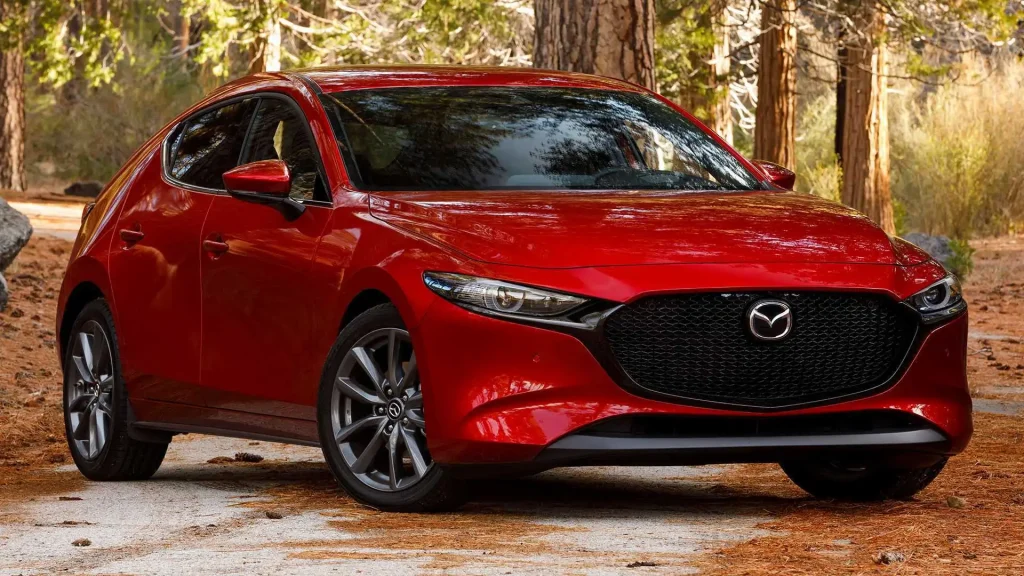
Another advantage is its compact size paired with excellent seat positioning. Visibility is strong, and the car’s turning radius is small, making city parking and maneuvering simple. Owners appreciate how the Mazda3 feels nimble yet stable, a trait that doesn’t fade with time.
Writing about the Mazda3 here is fitting because it highlights how a car can stay easy to drive through mechanical precision, not just comfort tuning. It delivers consistent balance and engagement without ever feeling tiring, proving that thoughtful design ensures effortless driving for life.
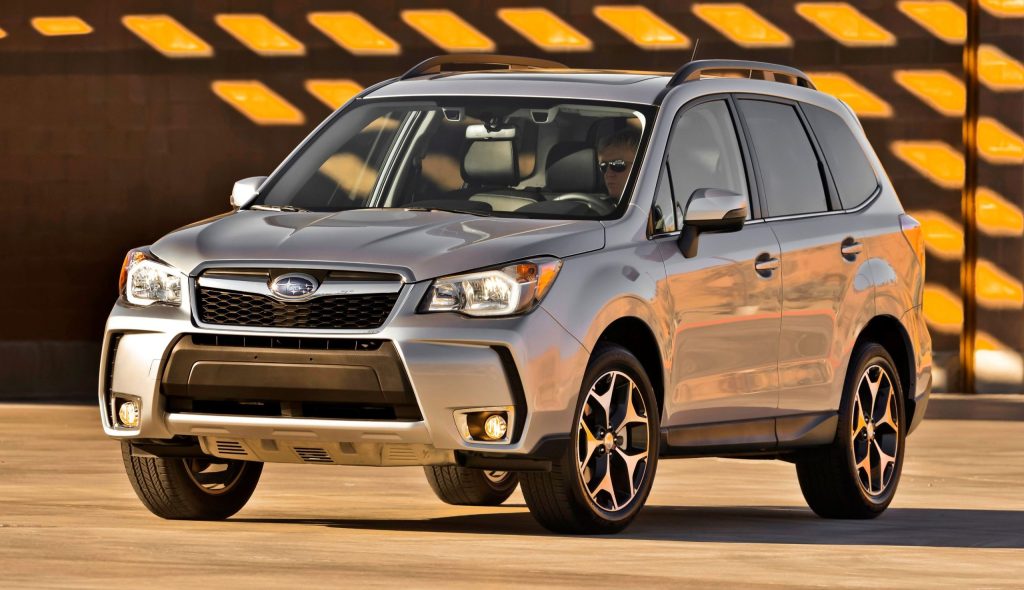
4. Subaru Forester
The Subaru Forester has long been admired for its calm, confident driving nature. Dealers often describe it as one of the easiest SUVs to handle, and owners agree.
Its tall seating position, large windows, and symmetrical all-wheel-drive system create a sense of control that remains intact year after year. Even as mileage climbs, the Forester’s steering stays light and predictable, making it simple for drivers of all ages to enjoy.
What sets it apart is how well its balance between power and comfort endures. The continuously variable transmission operates smoothly, and Subaru’s suspension tuning softens rough roads without removing feedback.
Drivers always know what the tires are doing, yet the vehicle never feels harsh or tiring. These qualities make it appealing to both city drivers and those in regions with challenging weather conditions.
Dealers appreciate that the Forester’s long-term mechanical reliability supports its reputation for easy drivability.
Powertrain components and chassis systems hold up well, and maintenance costs remain manageable. Even older models are often resold with confidence because their driving feel changes very little over time.
The Forester deserves its place on this list because it offers effortless command on the road combined with genuine comfort. Its predictable handling and excellent visibility make it a car that remains naturally easy to drive, year after year.
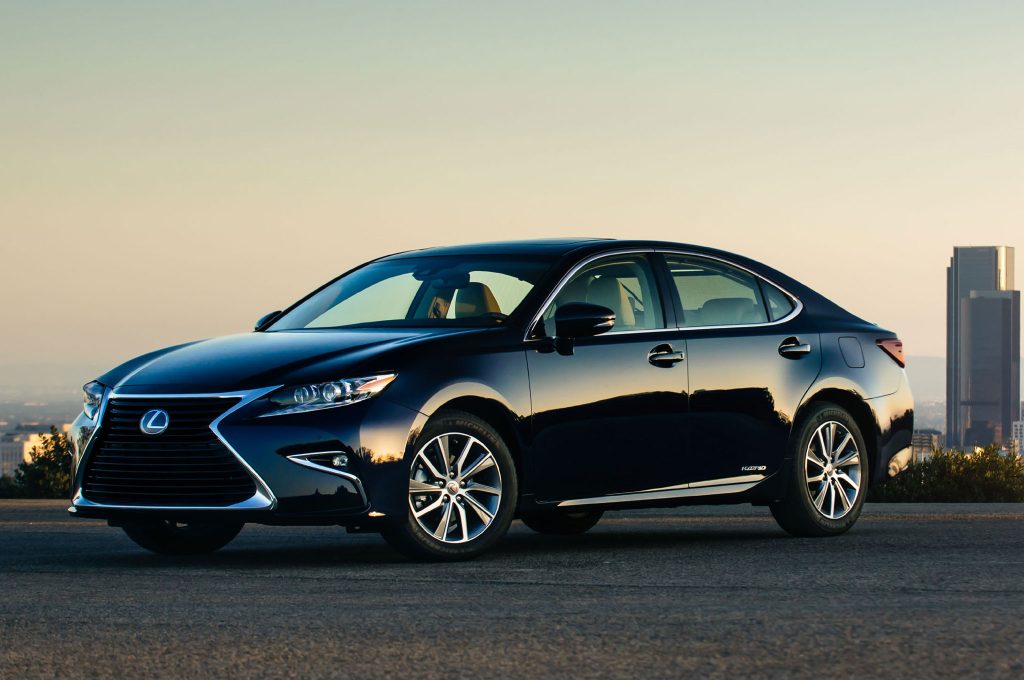
5. Lexus ES 350
The Lexus ES 350 defines what it means to stay easy to drive forever. From its quiet cabin to its smooth power delivery, the ES 350 prioritizes comfort and effortlessness in every aspect.
Even after years of ownership, its refinement doesn’t fade a rare accomplishment among luxury sedans. Drivers enjoy light steering, gentle braking, and near-silent operation that never feels fatiguing.
Lexus engineered the ES 350 with one goal: long-term comfort without complexity. The automatic transmission shifts seamlessly, and the suspension absorbs bumps gracefully, creating a driving experience that feels consistent across decades of use.
Dealers often recommend it to customers seeking longevity because its build quality ensures the car remains smooth, even at high mileage.
Owners consistently praise the ES 350 for aging gracefully. The powertrain remains reliable, and the interior controls stay simple to operate no excessive technology that becomes confusing over time. Service departments find few complaints beyond routine maintenance, which helps maintain strong resale confidence.
Writing about the ES 350 here matters because it demonstrates how durability and design discipline keep a car comfortable long after competitors fade.
It’s a sedan that continues to feel new, even when it isn’t, standing as one of the most timelessly easy-to-drive vehicles ever produced.
5 Cars That Don’t Stay Easy to Drive
Not every car ages gracefully behind the wheel. Some vehicles start out smooth and confident but gradually lose that effortless quality that once made them appealing.
Over time, steering systems stiffen, transmissions hesitate, and technology that once seemed modern becomes clunky or distracting. These are the models that test a driver’s patience rather than support it.
Dealers and owners notice this pattern clearly. Certain cars simply don’t hold their composure as they age, even with proper maintenance.
The causes vary complicated electronics, poor-quality materials, or drivetrains that don’t respond as well after years of wear. When these issues combine, the once easy driving experience turns into one that demands more effort and tolerance.
The following five vehicles represent cars that lose their easygoing nature too soon. While some may still offer value or comfort, they fail to maintain that effortless control that defines long-term driving satisfaction.
Each example shows how design choices, reliability concerns, or overlooked engineering details can make even a once-praised car feel cumbersome over time.
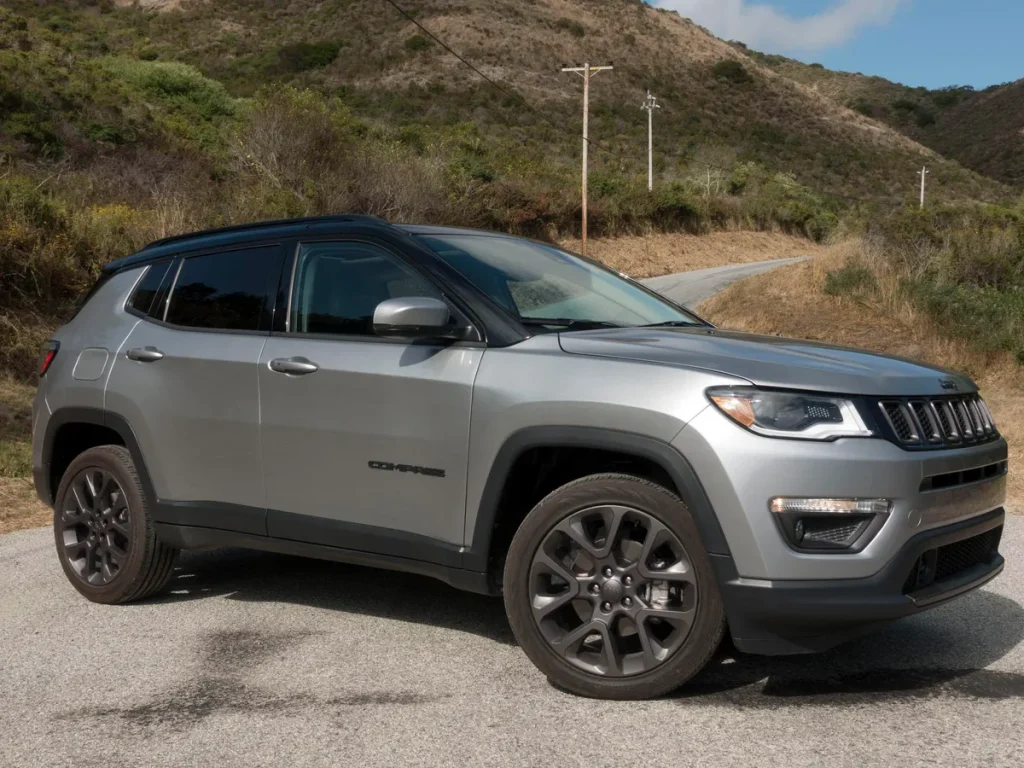
1. Jeep Compass
The Jeep Compass has always aimed to deliver a compact SUV experience with off-road character, but it often fails to retain its easy drivability over time.
When new, the Compass feels composed and confident, but as years pass, owners report heavier steering, inconsistent throttle response, and noisy transmissions. Dealers recognize this pattern, making them cautious about recommending older Compass models to everyday drivers.
One of the main issues lies in the drivetrain calibration. Both automatic and manual versions tend to develop rough shifts and sluggish acceleration as mileage increases.
Combined with a stiff suspension setup, the Compass loses its smoothness on city roads, especially compared to rivals that age more gracefully. Its cabin design, while functional, can also feel dated quickly, with controls that don’t age as intuitively as other SUVs in its class.
Dealers often find used Compass models less appealing for trade because their condition varies widely depending on maintenance. Some remain serviceable, while others feel prematurely worn. This unpredictability affects resale confidence and customer satisfaction.
The Compass belongs here because it illustrates how inconsistent engineering and uneven durability can turn a car that once felt confident into one that feels tiring. Its ease of driving fades far sooner than it should.
2. Ford Focus
The Ford Focus started with promise comfortable, well-handling, and easy to drive when new. However, its long-term performance often tells a different story.
Dealers and owners alike note that the Focus tends to lose its composure with age, particularly in models equipped with the dual-clutch automatic transmission. What begins as a smooth, responsive drive often becomes jerky and unpredictable.
The transmission’s hesitation during acceleration and gear changes leads to frustration, especially in stop-and-go traffic. Over time, clutch wear intensifies the problem, creating a driving feel that’s far from effortless.
Steering components also tend to stiffen, and the once-supple suspension can grow rough, especially on models that haven’t received timely maintenance. These issues make older Focus units difficult for dealers to recommend confidently.

Interior aging compounds the challenge. Buttons wear out, and infotainment systems lag, reducing the sense of simplicity that once made the Focus appealing. Dealers frequently remark that test drives with higher-mileage models result in customer hesitation due to these inconsistencies.
Writing about the Focus here makes sense because it demonstrates how mechanical and electronic degradation can erode a car’s natural drivability. Despite its strong start, the Focus becomes a reminder that initial comfort doesn’t always translate into lasting ease behind the wheel.
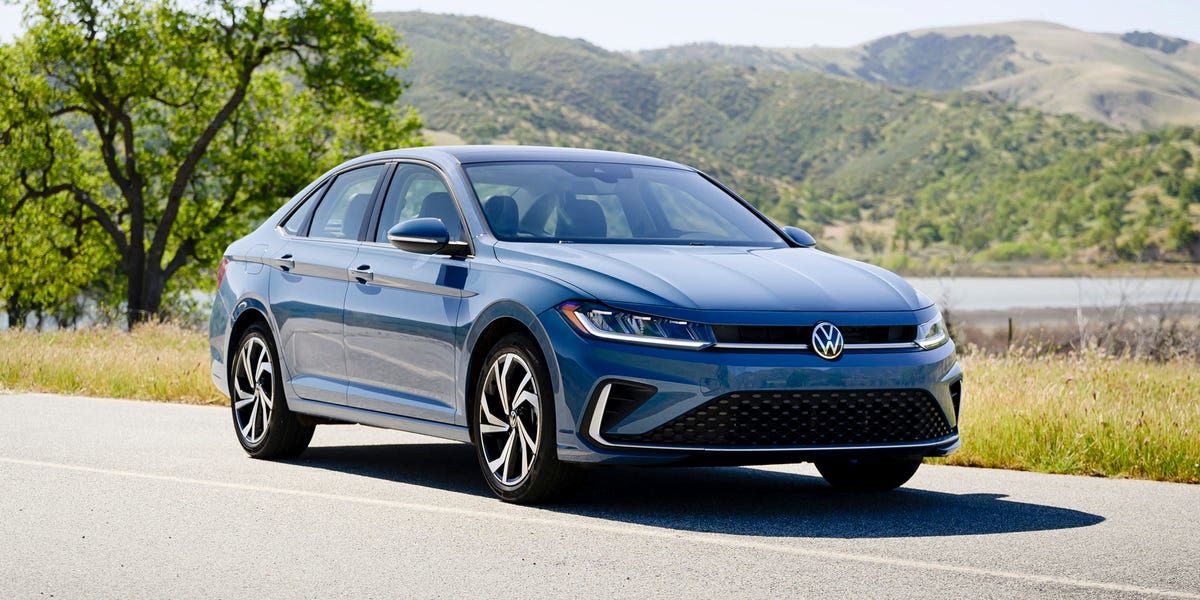
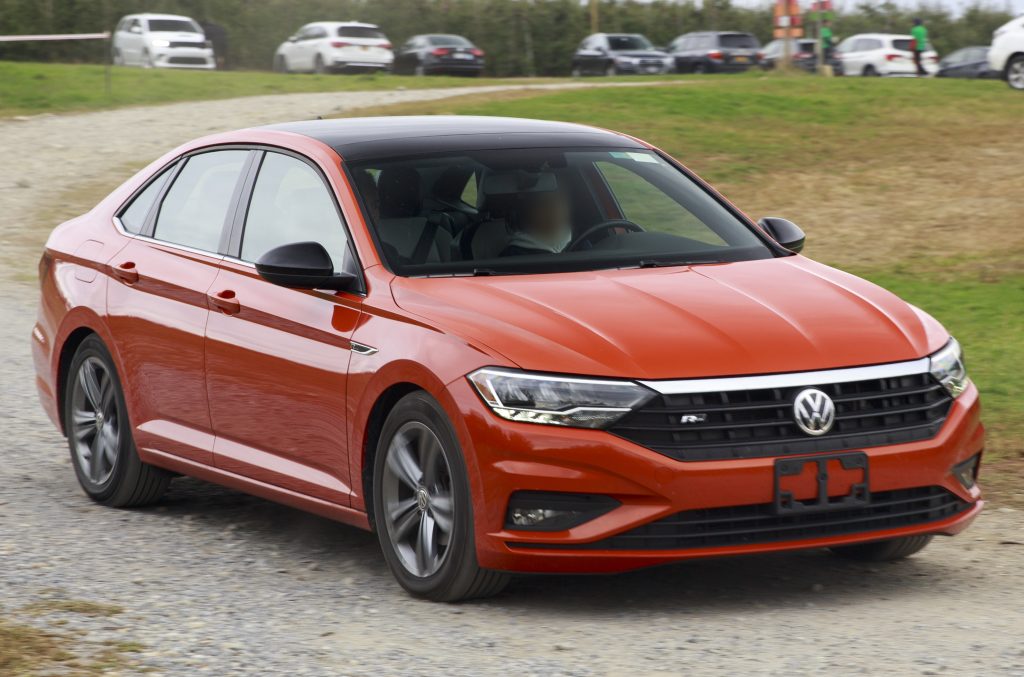
3. Volkswagen Jetta
The Volkswagen Jetta is often praised for its composed ride and precise steering when new, but these qualities can diminish over time.
Dealers and owners frequently report that older models develop heavier steering, less responsive throttle control, and an overall feeling of stiffness that reduces ease of driving. While it may retain its aesthetic appeal, the driving experience can feel less fluid with age.
Transmission reliability plays a major role. Certain automatic versions, particularly those equipped with dual-clutch systems, tend to become hesitant and jerky after extended use.
Clutch replacements are expensive, and unresolved issues lead to inconsistent acceleration that erodes driver confidence. The suspension also ages less gracefully than competitors, with components producing more road noise and harsher responses over time.
Cabin ergonomics contribute to the problem. Buttons and switches wear unevenly, and older infotainment systems can slow down or freeze, interrupting the intuitive feel that new models provide.
Dealers note that higher-mileage Jettas often require extra explanations during test drives to reassure prospective buyers.
The Jetta belongs on this list because it highlights how vehicles that start smooth can gradually lose their effortless nature. Even a car with strong design fundamentals can fail to maintain ease of driving if mechanical and electronic components degrade or age poorly.
4. Hyundai Elantra
The Hyundai Elantra begins life as a comfortable and user-friendly compact sedan, but it doesn’t always maintain that simplicity as it ages.
Dealers and owners often report stiffer steering, less responsive brakes, and a general decline in the car’s predictability after several years of use. These changes can make what was once an easy-to-drive car feel more demanding and fatiguing.
One key factor is the suspension and chassis setup. Over time, bushings, shocks, and struts wear faster than expected, particularly on models driven in harsh conditions.
The result is reduced ride comfort, increased vibration, and a less composed handling experience. Steering systems can also stiffen, making low-speed maneuvers, such as parking, more labor-intensive than when the car was new.
The Elantra’s automatic transmissions, while initially smooth, are prone to rough shifts in older units, especially those that haven’t been serviced regularly. Infotainment controls and interior buttons may degrade, reducing intuitive operation and adding small frustrations for the driver.
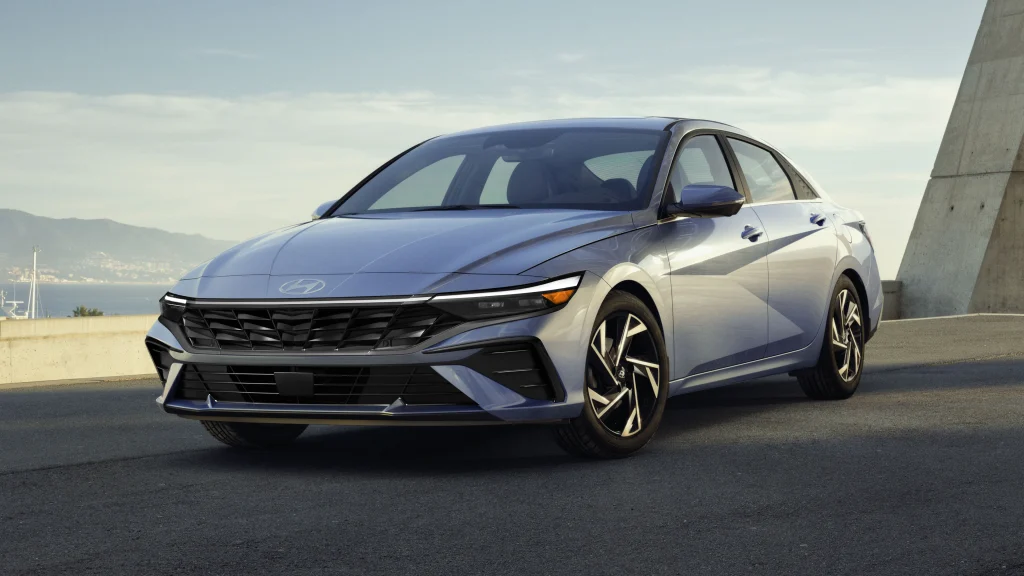
Dealers often note that high-mileage Elantras require extra care to remain appealing in used markets. Buyers may hesitate when test-driving these older models because the ease of operation they expect has diminished.
The Elantra earns its place here because it demonstrates how even a widely praised compact sedan can lose its effortless character over time.
Mechanical wear, electronic aging, and subtle ergonomic declines combine to make driving less enjoyable, emphasizing the importance of durability in design.
5. Chevrolet Malibu
The Chevrolet Malibu is a midsize sedan that initially offers smooth handling, responsive brakes, and a comfortable ride.
However, over time, many owners and dealers report that these qualities decline, leaving the car less easy to drive. Older Malibus often develop heavier steering, less precise throttle response, and a suspension that feels harsh on uneven roads.
Transmission reliability contributes significantly to this decline. Automatic models, particularly those produced before recent redesigns, have been prone to hesitation and rough shifting after prolonged use.
Drivers notice that smooth acceleration gives way to jerky performance, which can undermine confidence in both city traffic and highway driving.
The cabin experience also changes. Buttons and touchscreen controls wear unevenly, and visibility issues can emerge if mirrors or windows fog or misalign over years of use. These subtle changes reduce the intuitive feel that makes a car effortless when new.
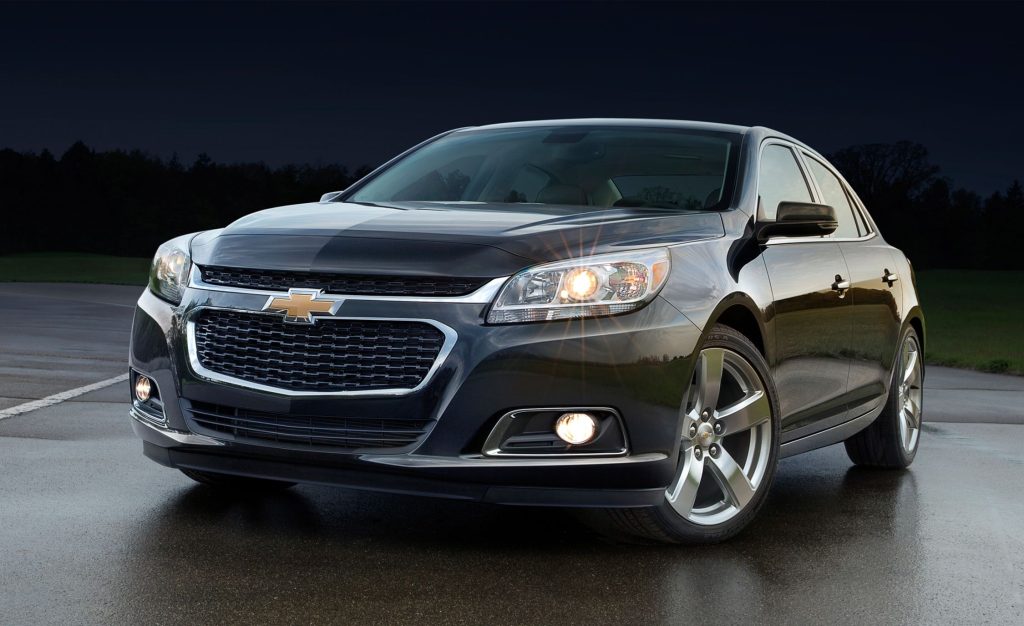
Dealers often find that higher-mileage Malibus require explanation and reassurance during test drives, since customers expect a vehicle that feels modern and responsive.
The Malibu’s placement on this list underscores how aging components can transform a car that was initially easy to operate into one that demands more attention.
It shows that even popular, well-built sedans can lose their effortless nature without consistent engineering durability and thoughtful maintenance.
Examining the cars that stay easy to drive versus those that don’t highlights the importance of design, reliability, and mechanical integrity in long-term ownership.
Driving ease is not solely determined by initial comfort or performance; it depends on how well a vehicle maintains predictable responses over years and kilometers.
The five vehicles that remain effortless the Toyota Corolla, Honda Accord, Mazda3, Subaru Forester, and Lexus ES 350 share common traits. Each was engineered with consistent steering, durable transmissions, and suspension systems that age gracefully.
Interior controls stay intuitive, visibility remains strong, and powertrains maintain smoothness even after extended use. Dealers appreciate these cars because they retain their reputation, encourage repeat customers, and require minimal corrective maintenance.
Owners enjoy the reassurance that daily driving remains stress-free, whether commuting, parking, or traveling long distances.
These models demonstrate that long-term ease of driving is the result of careful engineering, durable materials, and predictable mechanical behavior.
In contrast, the Jeep Compass, Ford Focus, Volkswagen Jetta, Hyundai Elantra, and Chevrolet Malibu show how quickly driving comfort can fade.
Stiffening steering, deteriorating suspension, transmission issues, and aging electronics combine to create a more demanding driving experience over time.
Dealers often note reduced trade-in appeal and increased post-sale service demands for these vehicles, making them less desirable in the used market.
Owners report higher fatigue and frustration, even if the car initially felt comfortable and simple to operate. These examples illustrate that initial drivability is not enough; long-term performance depends on durability and consistent design execution.
The comparison between these two groups emphasizes a simple truth: cars that remain easy to drive are the ones that offer lasting reliability, intuitive controls, and mechanical resilience.
Vehicles that lose these qualities turn even routine driving into a challenge, undermining owner confidence and satisfaction.
For buyers, choosing a car with enduring ease of operation ensures long-term enjoyment and lower stress.
For dealers, these qualities translate into better resale value, smoother sales, and stronger reputation. Ultimately, long-term drivability is a defining factor in a car’s overall success and longevity on the road.
Also Read: 5 SUVs That Families Keep for Generations vs 5 That Don’t Last
