
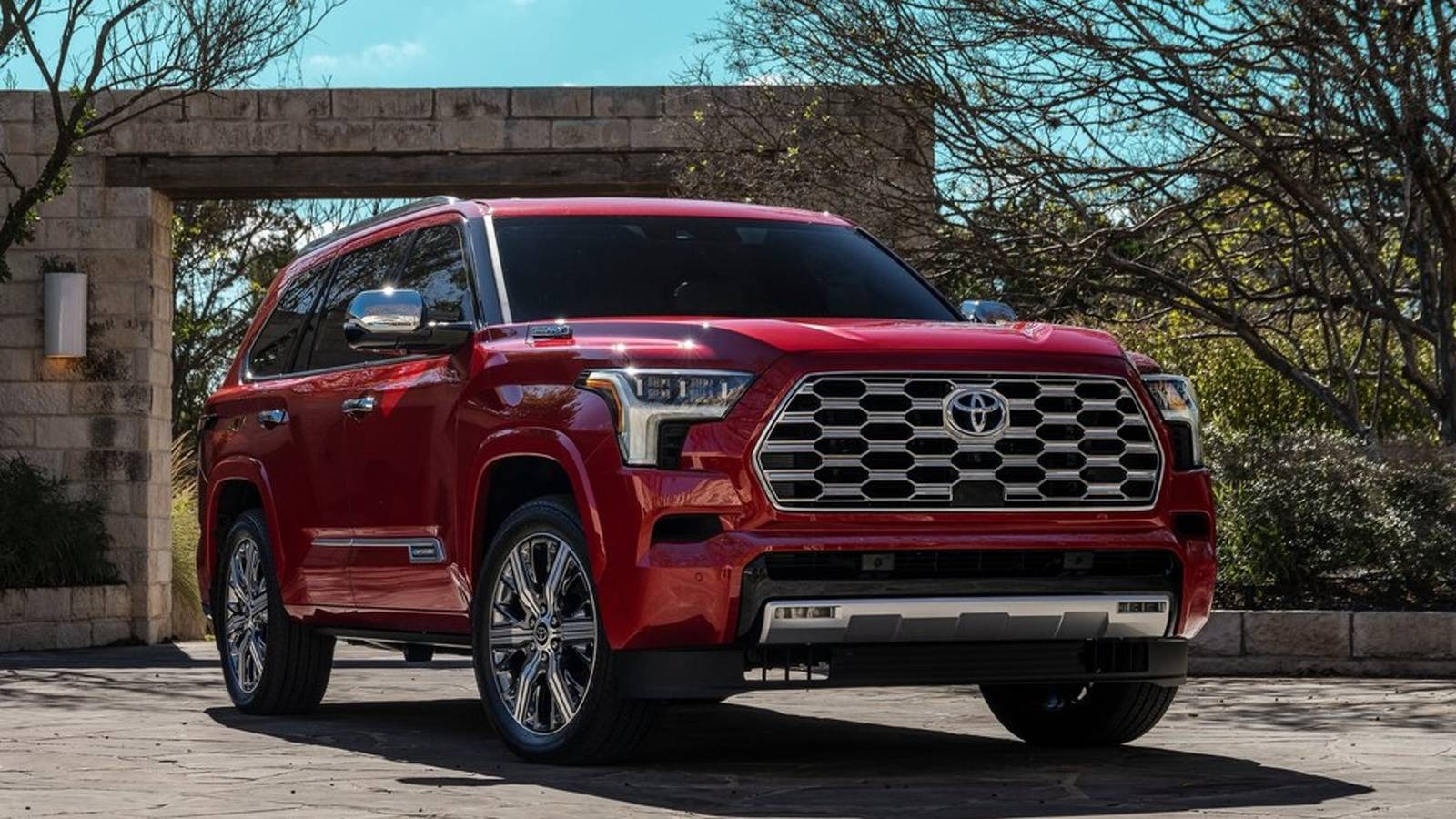
Toyota trucks have earned a reputation for reliability, toughness, and longevity, but not every model ages equally well. Some trucks become legends, routinely surpassing 300,000 miles with minimal issues.
Others, despite strong sales or appealing features, falter as years pass, developing mechanical problems or significant wear that makes them less dependable.
Understanding which Toyota trucks maintain their resilience versus those that deteriorate helps buyers, collectors, and enthusiasts make informed decisions.
Trucks that refuse to die combine robust engineering, durable components, and design choices that hold up under extreme use. These vehicles remain reliable workhorses, capable of handling heavy loads, rough terrain, and long-term ownership without losing functionality.
On the other hand, trucks that fail to maintain durability often suffer from recurring maintenance issues, premature wear, or design limitations.
These problems erode confidence and increase ownership costs. By comparing these two groups, it becomes clear which models have truly earned the “built to last” reputation and which ones fall short over time.
This article identifies five Toyota trucks that consistently prove their longevity and five that struggle to do so, explaining why each performs the way it does and offering insight into what makes a truck truly durable in the long run.
Also Read: 5 SUVs That Families Keep for Generations vs 5 That Don’t Last
5 Toyota Trucks That Refuse to Die
Certain Toyota trucks have become synonymous with durability. They maintain performance under heavy use, survive high-mileage ownership, and require fewer major repairs than competitors.
Dealers, mechanics, and enthusiasts often highlight these models for their ability to continue operating smoothly decades after their initial release.
What sets these trucks apart is a combination of factors. Engines and transmissions are engineered for longevity, suspensions are tough enough to withstand frequent hauling or off-road conditions, and electrical systems are straightforward enough to minimize failures.
Beyond mechanical integrity, Toyota trucks that refuse to die also tend to retain high resale value, reflecting confidence from both owners and buyers in the used market.
This section examines five models that consistently demonstrate these qualities. Each truck is known for reliability, durability, and the ability to endure demanding conditions.
The goal is to showcase vehicles that live up to the Toyota reputation for toughness, helping prospective buyers, collectors, and truck enthusiasts understand which models stand the test of time.
1. Toyota Tacoma
The Toyota Tacoma has long been recognized as one of the most durable midsize trucks on the market. Its reputation is built on a strong frame, reliable engines, and components designed to withstand extensive wear and tear.
Owners regularly report Tacomas surpassing 300,000 miles while maintaining consistent performance, making it a favorite among those seeking a dependable truck for work or recreation.
Key to the Tacoma’s longevity is its engine and drivetrain design. The 4-cylinder and V6 options are known for resilience, and Toyota’s transmission engineering ensures minimal issues even under heavy load or off-road conditions.
Suspension components, including leaf springs and shock absorbers, are robust enough to endure repeated stress without compromising ride quality.
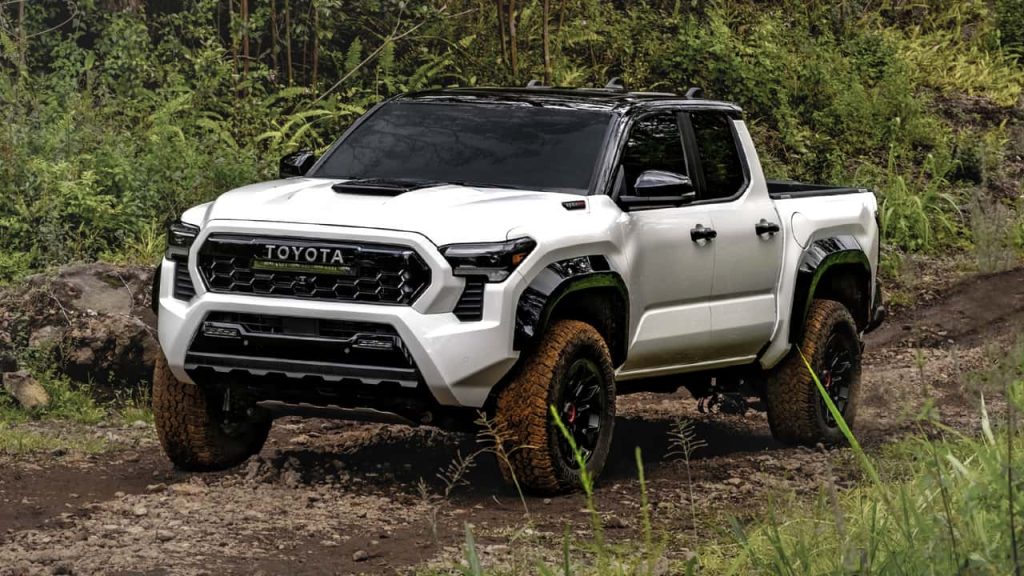
The Tacoma also benefits from straightforward mechanical systems that are easy to service. Replacement parts are widely available, and repairs tend to be predictable and cost-effective. This accessibility enables the truck to remain operational well beyond the typical lifespan of its competitors.
Dealers and mechanics alike praise the Tacoma for its long-term reliability. Its resale value reflects the confidence buyers place in its durability, and trade-ins are often in excellent condition even after heavy use.
Writing about the Tacoma here is essential because it exemplifies how thoughtful engineering, component durability, and ease of maintenance combine to create a truck that truly refuses to die.
2. Toyota Tundra
The Toyota Tundra is a full-size pickup renowned for its durability and long-term reliability. It was designed to handle heavy towing, frequent hauling, and challenging conditions, making it a favorite among owners who need a truck that will last for decades.
Many Tundra owners report vehicles surpassing 250,000 to 300,000 miles with minimal major repairs, a testament to Toyota’s engineering focus on longevity.
At the heart of the Tundra’s resilience is its engine and drivetrain. The V8 engines are known for their robustness, delivering consistent power without frequent mechanical issues.
The automatic transmission is built to handle high torque loads, and the frame is constructed with heavy-duty steel, ensuring structural integrity even under extreme stress.
Suspension components, including leaf springs and shock absorbers, are engineered to endure repeated off-road and towing conditions without early wear.
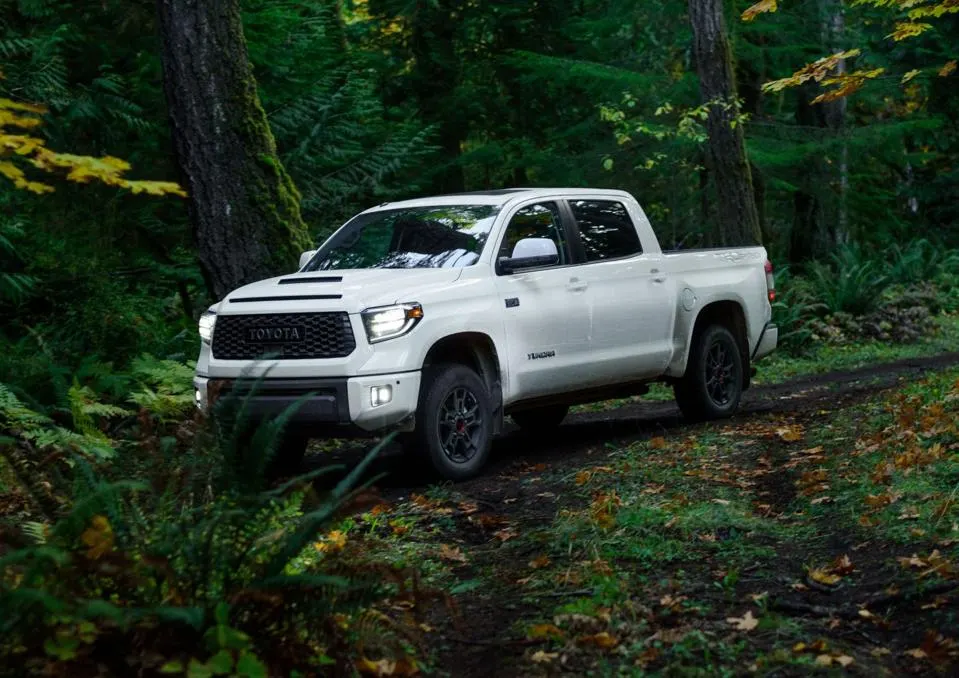
Electrical systems are straightforward, minimizing failures and costly repairs. Combined with Toyota’s reliable braking and steering systems, the Tundra remains predictable and easy to maintain over time.
Dealers also note the Tundra’s strong resale value, reflecting buyers’ confidence in its durability. Replacement parts are widely available, and routine maintenance tends to be straightforward, further extending the truck’s usable life.
Writing about the Tundra here highlights how a combination of powerful engineering, rugged components, and ease of maintenance produces a vehicle that continues performing reliably for decades.
3. Toyota Hilux
The Toyota Hilux is often regarded as one of the most indestructible trucks ever made. Popular worldwide, especially in regions with challenging terrain, it has built a reputation for surviving extreme conditions while continuing to perform reliably.
Its reputation for durability makes it an ideal choice for those seeking a truck that can endure heavy use and long-term ownership.
The Hilux’s longevity stems from its mechanical simplicity and robust engineering. Engines, whether diesel or petrol, are designed to tolerate high mileage and harsh operating conditions without frequent failures.
The manual and automatic transmissions are resilient, capable of handling repeated load stress without significant wear. The ladder-frame chassis and reinforced suspension are engineered to withstand off-road impacts, heavy loads, and uneven terrain.
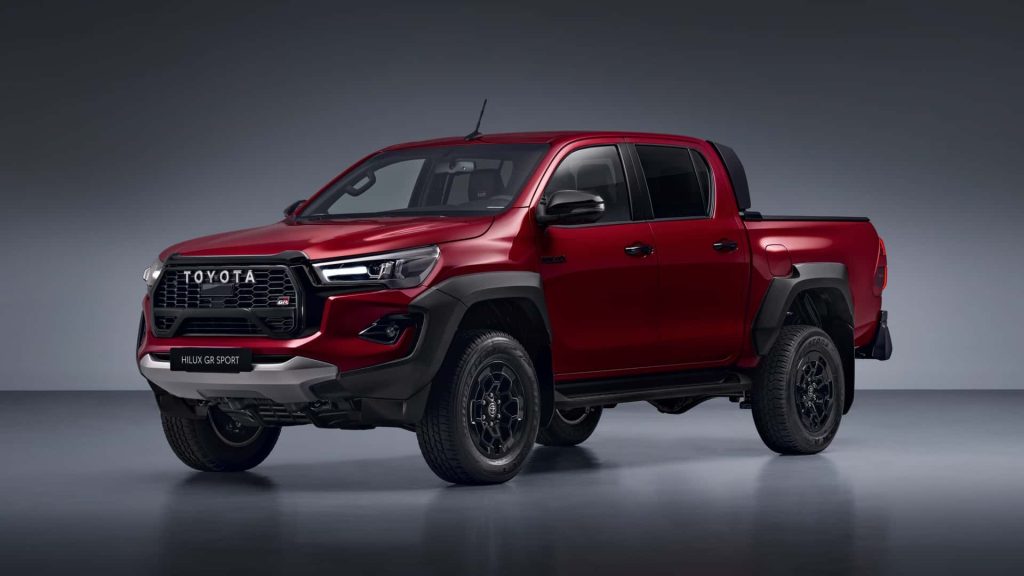
Toyota also prioritized component accessibility and serviceability in the Hilux. Mechanical parts are widely available globally, and repairs are relatively straightforward, contributing to the truck’s ability to remain operational for decades.
Electrical and control systems are minimalistic, further reducing the potential for long-term failures. Dealers and owners consistently praise the Hilux for its resale value and consistent performance, even after high-mileage use.
It’s a truck that continues to deliver predictable handling, dependable braking, and smooth steering long after other vehicles in its class have begun to falter.
Including the Hilux in this section demonstrates how durability, simplicity, and thoughtful engineering allow a truck to truly refuse to die.
4. Toyota 4Runner
While technically an SUV built on a truck platform, the Toyota 4Runner shares many traits with durable pickups, making it an essential inclusion in this list.
The 4Runner has earned a reputation for longevity and reliability, often reaching 300,000 miles or more without major mechanical issues. Its rugged design and proven drivetrain make it suitable for both daily driving and off-road adventures.
The 4Runner’s durability comes from its robust body-on-frame construction, reliable V6 engine, and well-engineered suspension.
Components like shock absorbers, bushings, and control arms are built to withstand heavy use, maintaining ride quality even after years of wear. Its automatic transmission is known for smooth, consistent shifts, and the four-wheel-drive system remains dependable under challenging conditions.
Toyota also emphasizes simplicity in the 4Runner’s mechanical and electrical systems, reducing the risk of long-term failures. Repairs and maintenance are straightforward, with parts widely available and reasonably priced.
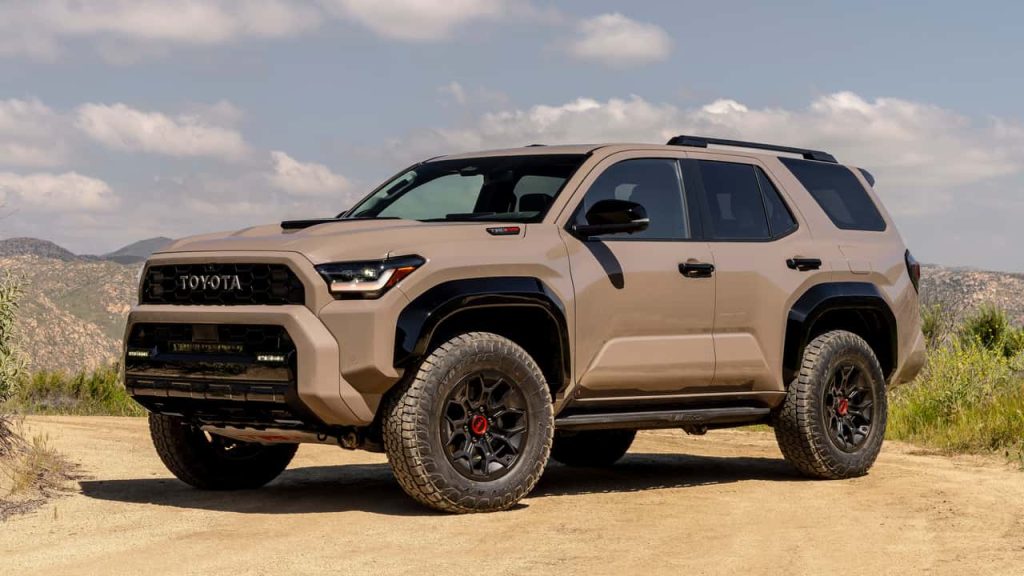
Dealers note that even older 4Runners continue to sell well due to their reliability, a testament to the model’s enduring appeal.
Writing about the 4Runner highlights how a vehicle can blend SUV versatility with pickup durability.
Its combination of mechanical resilience, strong drivetrain, and straightforward design ensures it continues performing effectively long after most competitors have aged poorly, making it a true truck that refuses to die.
5. Toyota Land Cruiser Pickup / 70 Series
The Toyota Land Cruiser Pickup, particularly the 70 Series, is legendary for toughness and longevity. Originally designed for extreme conditions and heavy-duty use, it remains in production in certain markets due to its unmatched durability.
Owners report these trucks functioning reliably for hundreds of thousands of miles, even under severe off-road and commercial use.
The 70 Series excels because of its mechanical simplicity and rugged construction. The ladder-frame chassis, solid axles, and durable suspension components can withstand rough terrain and heavy loads with minimal maintenance.
Engines, both diesel and petrol, are engineered for longevity, and the manual or automatic transmissions maintain performance even after high-mileage use.
Electrical systems are minimalistic, reducing the risk of failures, while interior components are designed for practicality rather than luxury, contributing to long-term usability.
Toyota also makes replacement parts widely available, even in remote regions, which ensures these pickups remain operational decades after their initial sale.
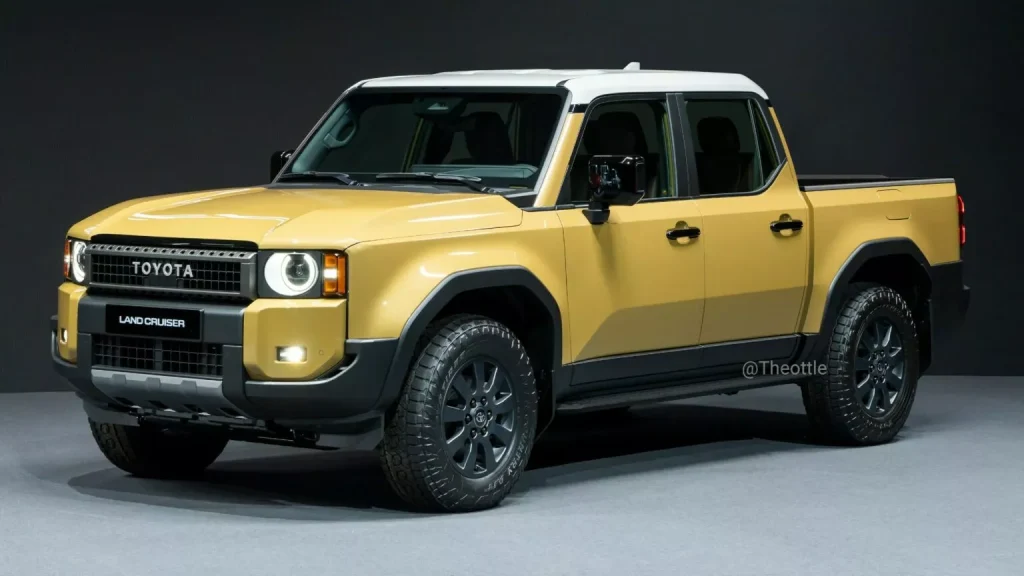
Dealers and owners praise the 70 Series for its predictability, low-maintenance requirements, and dependable drivability under extreme conditions.
Its resale value reflects confidence in its durability. Including the Land Cruiser Pickup in this section underscores how Toyota’s focus on rugged engineering, mechanical simplicity, and component resilience produces a truck that genuinely refuses to die.
5 Toyota Trucks That Don’t Refuse to Die
Not all Toyota trucks maintain the legendary durability the brand is known for. While Toyota is celebrated for building long-lasting vehicles, some models or specific generations have proven more susceptible to mechanical issues, wear, or design flaws that reduce their lifespan.
These trucks often require significant repairs or maintenance sooner than expected, making them less dependable over time.
Several factors contribute to a truck losing its longevity. Engine and transmission problems, premature suspension wear, or complex electronic systems that fail more easily can all affect durability.
Even minor design oversights, such as poorly engineered cooling systems or insufficient rust protection, can significantly impact a truck’s ability to remain reliable in the long term.
This section highlights five Toyota trucks that tend to age poorly or fail to maintain the resilience expected from the brand.
Each example explains the specific reasons for reduced longevity, helping buyers, mechanics, and enthusiasts understand why some models fall short.
By comparing these trucks to the previously discussed durable models, it becomes clear that even within a brand renowned for toughness, longevity is not guaranteed.
1. Toyota Tacoma Pre-2016
While the Toyota Tacoma is renowned for longevity in general, early pre-2016 models show weaknesses that can affect long-term reliability.
These generations often suffer from frame rust, particularly in regions with heavy winter salt usage. Rust compromises structural integrity and can lead to costly repairs, especially in the truck’s undercarriage and suspension mounts.
Transmission issues are another concern in older Tacomas, particularly the automatic versions. Some owners report rough shifting or early transmission wear, especially under heavy towing or off-road conditions. While not universal, these problems make certain pre-2016 Tacomas less dependable than their later counterparts.
The engines, while generally reliable, occasionally exhibit premature wear on timing components or valve lifters if maintenance schedules are not strictly followed.
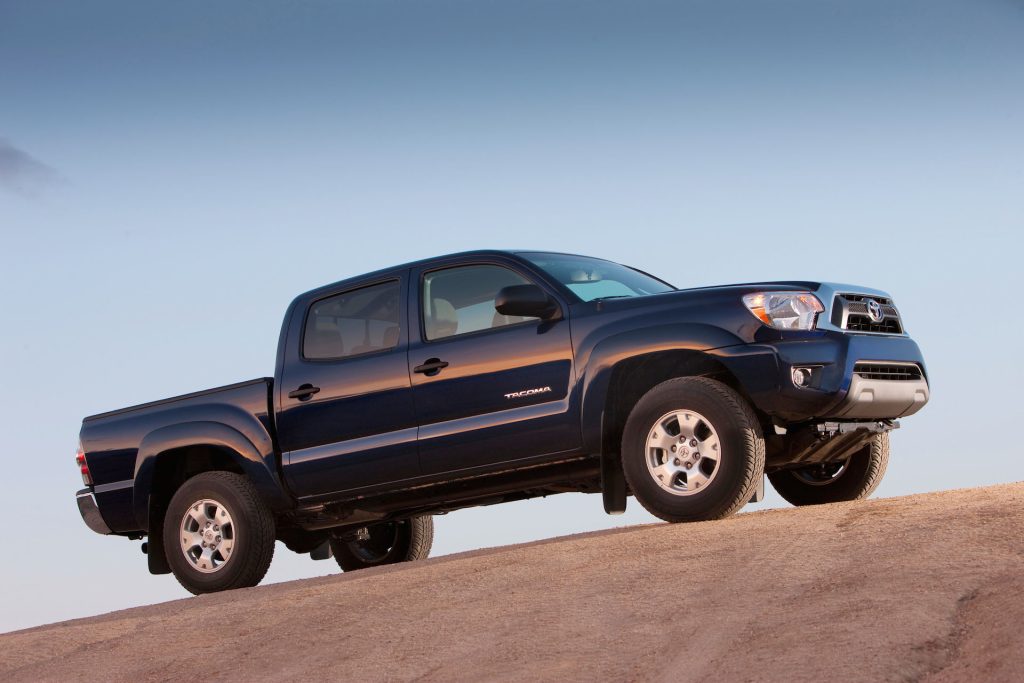
Electrical systems in older Tacomas also tend to experience minor glitches, from faulty sensors to dashboard warning lights, which can frustrate owners and complicate maintenance.
Dealers and mechanics often advise caution when purchasing older Tacomas for high-mileage use. While many still perform adequately, these specific vulnerabilities mean that not all pre-2016 Tacomas “refuse to die.”
Including this truck highlights that even legendary models can have generations that fall short of expectations, emphasizing the importance of careful research when choosing a durable vehicle.
2. Toyota Tundra First Generation (2000–2006)
The first-generation Toyota Tundra, introduced in 2000, was generally praised for comfort and power but demonstrates durability issues compared to later models.
One common problem is frame corrosion in northern climates, where exposure to road salt accelerates rust, affecting suspension mounts and structural integrity.
Engine longevity can also be a concern. While V8 engines in these early Tundras are powerful, some units experience oil consumption issues or premature wear on timing components if not maintained meticulously.
The automatic transmission in certain trims occasionally develops shifting hesitation after high mileage, reducing driving confidence and increasing maintenance costs.
Suspension components, such as bushings and shocks, also wear more quickly in these models than in later Tundras.
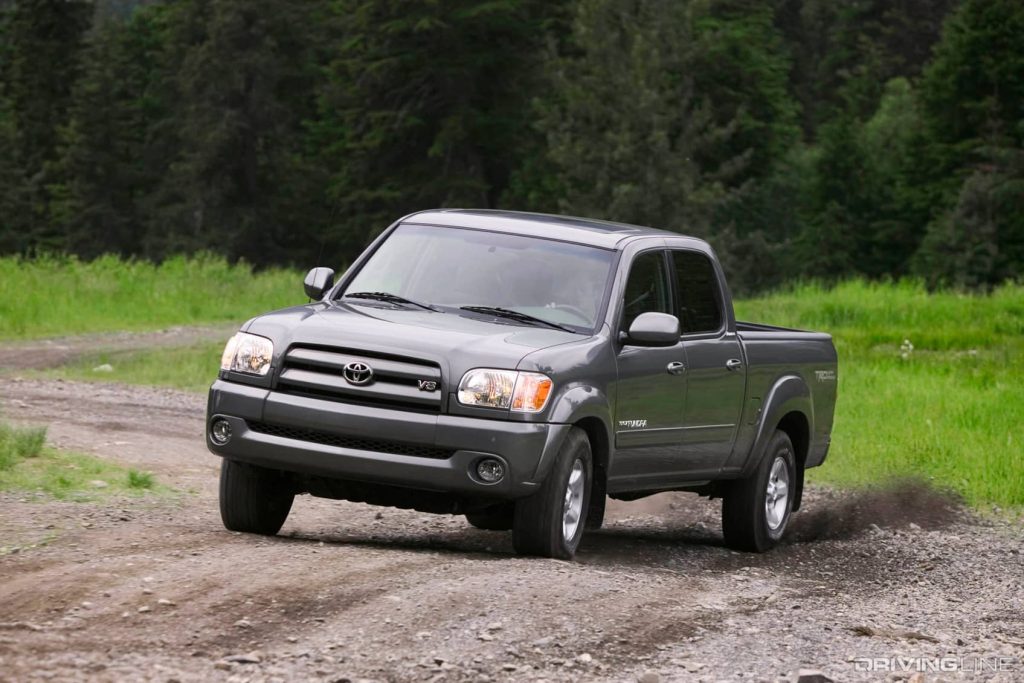
Drivers who frequently haul heavy loads or drive off-road may encounter reduced ride quality or uneven handling over time. Electrical systems in early Tundras are also less robust, with reports of malfunctioning sensors or instrument cluster failures.
Dealers often approach first-generation Tundras with caution for high-mileage trade-ins. While many remain operational, their propensity for rust, mechanical wear, and aging components prevents them from achieving the “refuse to die” reputation of newer models.
Including the first-generation Tundra emphasizes how even durable Toyota trucks can have vulnerable periods in their production history, illustrating the importance of generation-specific research for long-term reliability.
3. Toyota Sequoia 2001–2007
The early-generation Toyota Sequoia, produced between 2001 and 2007, is a full-size SUV built on a truck platform, yet it exhibits durability issues that prevent it from truly “refusing to die.”
While praised for its spacious interior and towing capability, these Sequoias often encounter mechanical challenges that reduce long-term reliability.
One primary concern is the 4.7-liter V8 engine, which in some units experiences premature wear on the timing belt and associated components. Failure to replace these parts on schedule can lead to expensive engine damage.
Additionally, certain automatic transmissions in these models display rough shifting or hesitation after prolonged use, which can frustrate drivers and increase maintenance costs.
Suspension components, including control arms and bushings, wear more quickly than in comparable Toyota trucks, particularly under heavy loads or off-road use. Rust also becomes an issue in regions with frequent road salt, affecting the frame and undercarriage over time.
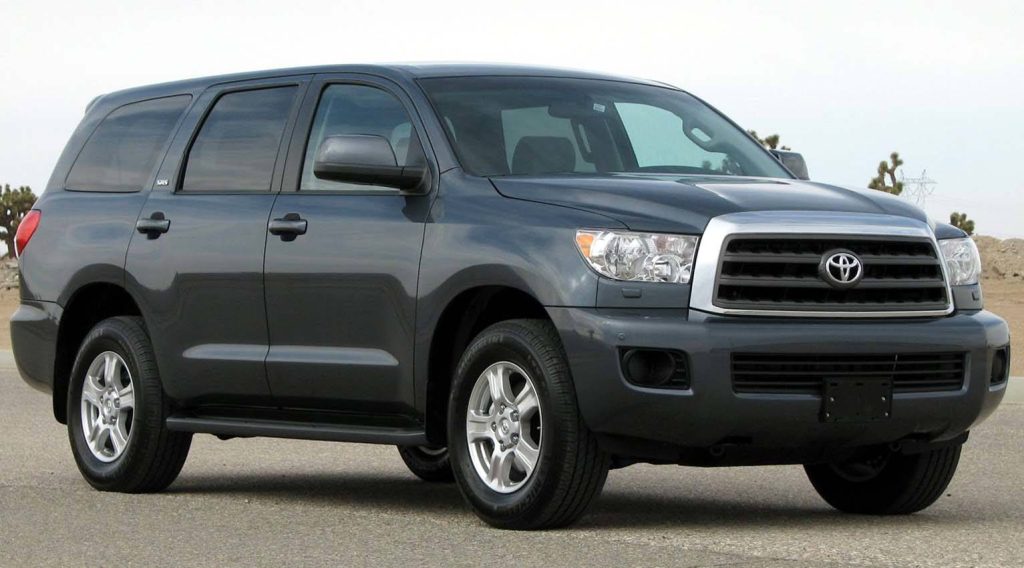
Electrical systems, including early infotainment units and sensor modules, are prone to minor failures that complicate repairs. Dealers note that trade-in values for these Sequoias are lower than expected due to potential maintenance and repair concerns.
Including the early Sequoia in this section highlights that even a large, seemingly robust truck-based SUV can experience age-related durability issues.
It emphasizes the importance of generation-specific research when assessing the longevity of Toyota’s larger models, showing that not all vehicles maintain the brand’s legendary toughness.
4. Toyota Hilux Early 2000s Export Models
While the Toyota Hilux is globally recognized for durability, early 2000s export models show vulnerabilities that reduce their ability to “refuse to die.” Certain production years faced issues with engine components, including premature wear of timing chains or diesel injectors, particularly under heavy or commercial use.
Transmission problems also affect some early Hilux models. Manual transmissions occasionally develop gear synchronizer wear, leading to grinding during shifts, while automatic transmissions in specific trims can exhibit rough or delayed shifting after extended use. These issues undermine the truck’s dependable drivability.
Suspension components, including leaf springs and shock mounts, can wear faster in trucks used frequently on rough roads or for towing.
Additionally, corrosion protection in certain export markets was insufficient, leading to frame rust that compromises long-term structural integrity. Electrical systems are minimal but occasionally experience sensor failures, particularly in high-mileage units.
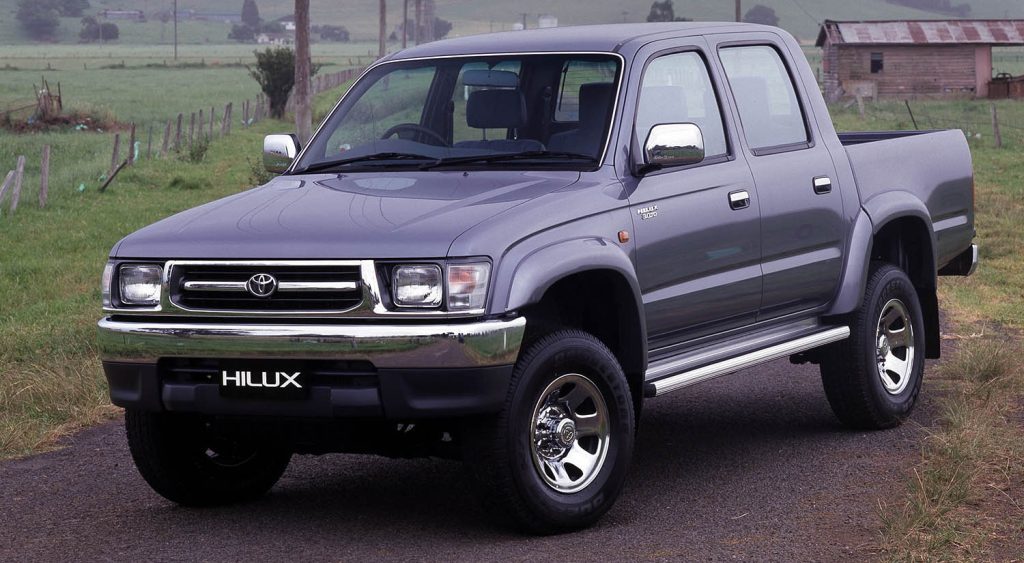
Dealers and owners report that while these Hilux models are still functional, they require more frequent maintenance than later generations to maintain reliability. Resale values reflect buyer caution due to these mechanical and structural concerns.
Including early 2000s Hilux export models in this section illustrates that even globally renowned trucks are not immune to generation-specific durability problems. It highlights how production details, regional specifications, and maintenance history can affect a vehicle’s ability to remain a long-term workhorse.
5. Toyota 4Runner 1996–2002
The Toyota 4Runner built between 1996 and 2002 is often celebrated for off-road capability, but it shows long-term durability issues that prevent it from truly “refusing to die.”
While these 4Runners are mechanically solid in some respects, several components tend to wear prematurely, reducing overall longevity compared to newer or more robust Toyota trucks.
One major concern is the suspension system. Older 4Runners frequently experience worn control arm bushings, shocks, and sway bar links, especially in vehicles regularly used off-road or for heavy-duty driving. This wear affects ride quality, handling, and overall drivability.
Transmission and drivetrain issues are also present in some units. Automatic transmissions may develop rough or delayed shifts after high mileage, and the transfer case in 4WD models can become noisy or fail if not maintained properly.
Engine components, such as valve guides and timing chains, occasionally show accelerated wear in higher-mileage vehicles, increasing maintenance requirements.
Rust and corrosion are another factor, particularly in northern climates or areas with heavy road salt. Frame and undercarriage rust can compromise structural integrity over time, leading to costly repairs and diminished confidence in long-term use.
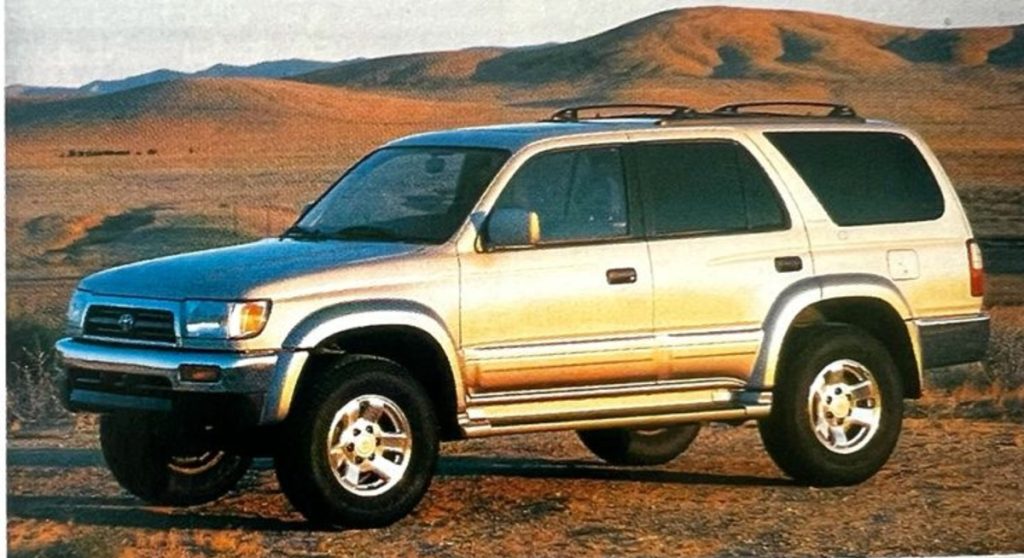
Dealers often advise careful inspection of these 4Runners when considering high-mileage purchases. While still capable, these models require more attention and repairs than newer or more rugged Toyota trucks.
Including this generation emphasizes that even well-regarded vehicles can experience durability challenges, illustrating that generation-specific factors play a crucial role in long-term truck reliability.
Comparing Toyota trucks that refuse to die with those that struggle over time highlights the importance of design, engineering, and maintenance in long-term vehicle durability.
Trucks like the Toyota Tacoma, Tundra, Hilux, 4Runner, and Land Cruiser Pickup/70 Series demonstrate how thoughtful engineering and robust components can produce vehicles that remain reliable for hundreds of thousands of miles.
These models feature durable engines, resilient transmissions, and suspensions built to withstand heavy loads, off-road conditions, and long-term wear.
Minimalistic electrical systems, straightforward maintenance procedures, and widely available replacement parts further enhance their longevity.
Owners and dealers alike appreciate these trucks for predictable handling, consistent performance, and sustained resale value, making them ideal for both work and recreational use.
In contrast, certain Toyota trucks or specific generations such as the pre-2016 Tacoma, first-generation Tundra, early Sequoia, early 2000s Hilux export models, and 4Runner 1996–2002 show that even a brand known for durability can produce vehicles that falter over time.
Common issues include rust and corrosion, premature suspension wear, transmission hesitation, engine component degradation, and electrical glitches. These factors reduce ease of maintenance, driving confidence, and long-term reliability.
Dealers often note lower trade-in values and increased service requirements for these models, while owners face more frequent repairs to maintain basic functionality.
This comparison underscores a key principle: durability is not uniform across all models or production years. Longevity depends on a combination of robust design, quality materials, engineering simplicity, and regular maintenance.
Toyota trucks that maintain these standards continue to perform well decades after production, while those that do not experience challenges that limit their lifespan.
For buyers, enthusiasts, and fleet operators, understanding these differences is essential. Choosing a truck with proven durability ensures long-term dependability, lower ownership costs, and confidence in demanding conditions.
For dealers and mechanics, it provides insight into which models hold value and which may require additional scrutiny or maintenance over time.
Ultimately, the ability of a Toyota truck to “refuse to die” reflects careful engineering and resilience, qualities that define the brand’s enduring reputation in the pickup and SUV market.
Also Read: 12 Trucks With the Longest-Lasting Frames in 2025
