
Mechanics are often the most reliable source of insight when it comes to vehicle durability, drivability, and long-term maintenance.
Their daily experience with repairs and inspections allows them to identify which trucks are dependable and which are prone to problems.
While some models consistently deliver years of trouble-free service, others can require frequent repairs, costly parts, or complicated maintenance procedures.
Understanding which trucks mechanics endorse versus those they warn against can save buyers both time and money. Trucks that earn mechanic approval are typically built with durable engines, well-engineered transmissions, and suspension systems that age gracefully.
They also feature simpler mechanical systems that minimize potential failures, and parts are generally easier to source and service.
Conversely, trucks that mechanics caution about often combine complex systems, sensitive electronics, and designs prone to wear, leading to higher repair costs and reduced reliability.
Identifying these patterns helps owners make informed choices and highlights the importance of long-term usability over initial appeal.
This article compares five trucks that mechanics consistently recommend for durability and performance with five that they suggest cautioning against.
Each example explains the factors influencing reliability and maintenance, showing how professional experience can guide practical and lasting vehicle decisions.
Also Read: 5 Cars That Rarely Blow Turbos vs 5 That Constantly Fail
5 Trucks That Mechanics Endorse
Some trucks earn the respect of mechanics for their reliability, durability, and straightforward design. These vehicles tend to require fewer repairs over time, have durable engines and transmissions, and offer accessible components that simplify routine maintenance.
For buyers seeking a dependable truck, mechanic endorsements are often the most valuable guidance available.
Mechanics typically appreciate trucks with strong, well-tested powertrains, robust suspension systems, and minimal electronic complications.
Trucks that endure high mileage while maintaining drivability are often recommended for both work and personal use. They also retain higher resale value, reflecting confidence from both professionals and owners.
This section highlights five trucks that mechanics consistently endorse for reliability and ease of maintenance. Each truck demonstrates characteristics that reduce long-term repair needs, including solid engineering, accessible service components, and proven mechanical systems.
By analyzing these trucks, readers gain insight into what makes a vehicle reliable over the long term and why professional endorsement matters when selecting a truck.
1. Toyota Tacoma
The Toyota Tacoma is a midsize truck that mechanics frequently endorse due to its consistent reliability, durable drivetrain, and robust suspension.
Known for long-term performance, Tacomas often surpass 300,000 miles without major issues, making them a favorite among both professional drivers and casual owners.
Mechanics praise the Tacoma’s 4-cylinder and V6 engines for resilience under heavy loads, off-road conditions, and high-mileage usage. The automatic and manual transmissions are equally dependable, shifting smoothly even after years of frequent use.
Suspension components, including leaf springs and shocks, are engineered to withstand harsh treatment without premature wear, maintaining both comfort and handling.
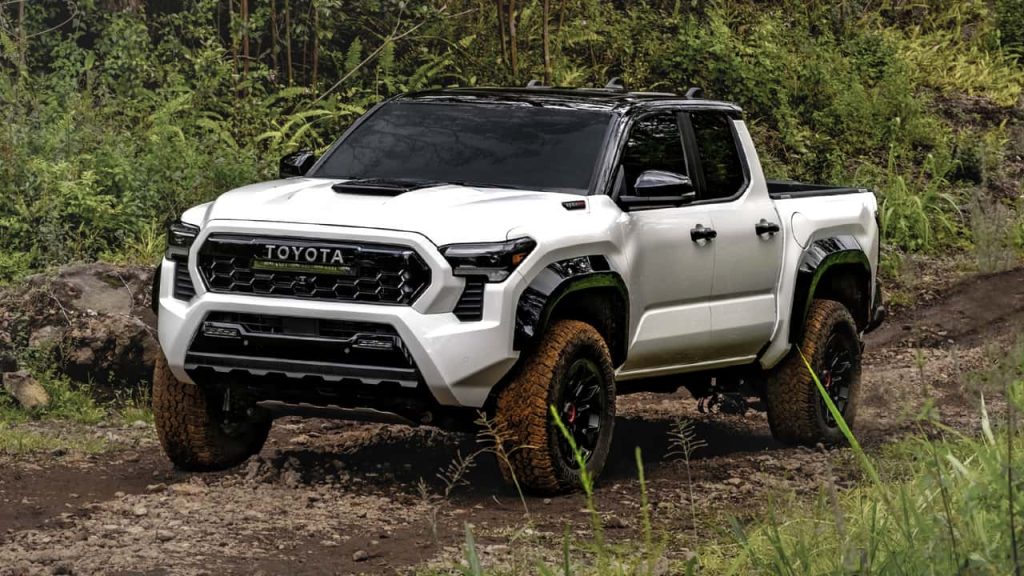
Part of the Tacoma’s mechanic-friendly reputation comes from its straightforward design. Replacement parts are widely available, repairs are predictable, and most issues can be resolved without specialized tools or extensive labor. Electrical systems are minimalistic, reducing the risk of failures and long-term complications.
Dealers and professionals note that the Tacoma retains high resale value, reflecting confidence in its durability. Routine maintenance is straightforward, further enhancing longevity.
Writing about the Tacoma demonstrates how strong engineering, mechanical simplicity, and robust components combine to create a truck that not only performs well but also earns professional trust for long-term reliability.
2. Ford F-150
The Ford F-150 is one of the best-selling full-size trucks in history, and mechanics frequently endorse it for its durability and ease of maintenance. Known for strong engines, robust frames, and reliable transmissions, the F-150 remains a staple for both commercial and personal use.
Mechanics particularly value the 5.0-liter V8 and EcoBoost engines for their long-term reliability when properly maintained. These powertrains provide consistent performance under heavy towing, hauling, and daily driving.
The transmissions, both automatic and manual in select models, are engineered to handle high torque and repeated stress, contributing to smooth long-term operation.
Suspension and chassis components are designed for longevity. Heavy-duty shock absorbers, reinforced control arms, and durable leaf springs ensure the F-150 maintains stability even under demanding conditions.
Routine maintenance, including oil changes and brake service, is straightforward, with parts widely available, making repairs predictable and cost-effective.
Mechanics also appreciate the simplicity of certain electronic systems in recent models, minimizing potential failures compared to more complex competitors. Dealers note strong resale values for F-150s, reflecting confidence from both owners and professionals.
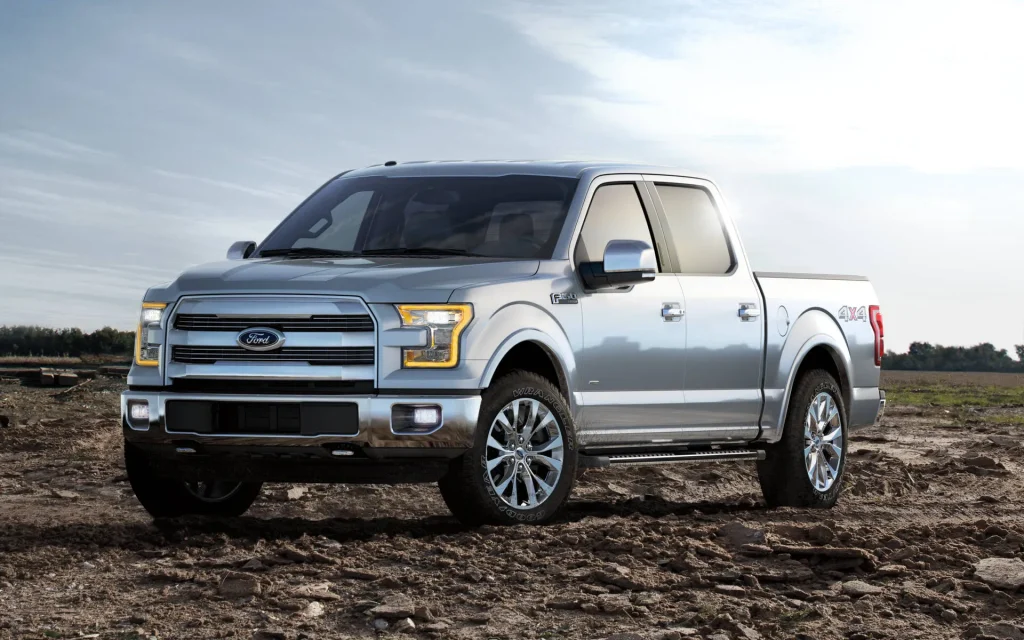
Including the Ford F-150 in this section highlights how a combination of durable powertrains, dependable components, and accessible maintenance makes a truck highly recommendable.
Its continued popularity among professionals, fleet operators, and enthusiasts demonstrates why mechanics consistently endorse it for reliability and long-term performance.
3. Chevrolet Silverado 1500
The Chevrolet Silverado 1500 is another full-size truck mechanics regularly recommend for its durability, straightforward design, and reliable performance. Known for strong V8 engines and well-built frames, the Silverado is a dependable choice for both heavy-duty work and everyday driving.
Mechanics often highlight the 5.3-liter and 6.2-liter V8 engines for their ability to handle high mileage without major failures.
Transmissions, particularly the 6-speed and 8-speed automatics, are praised for smooth operation and resilience under repeated towing and hauling.
The Silverado’s suspension system, including reinforced control arms and heavy-duty shocks, ensures consistent ride quality over time.
Another factor contributing to mechanic endorsements is the truck’s accessibility. Components are easier to reach for maintenance and repairs, parts are widely available, and routine servicing is predictable.
Electrical systems are relatively simple for a modern truck, minimizing the likelihood of persistent faults that could reduce longevity.
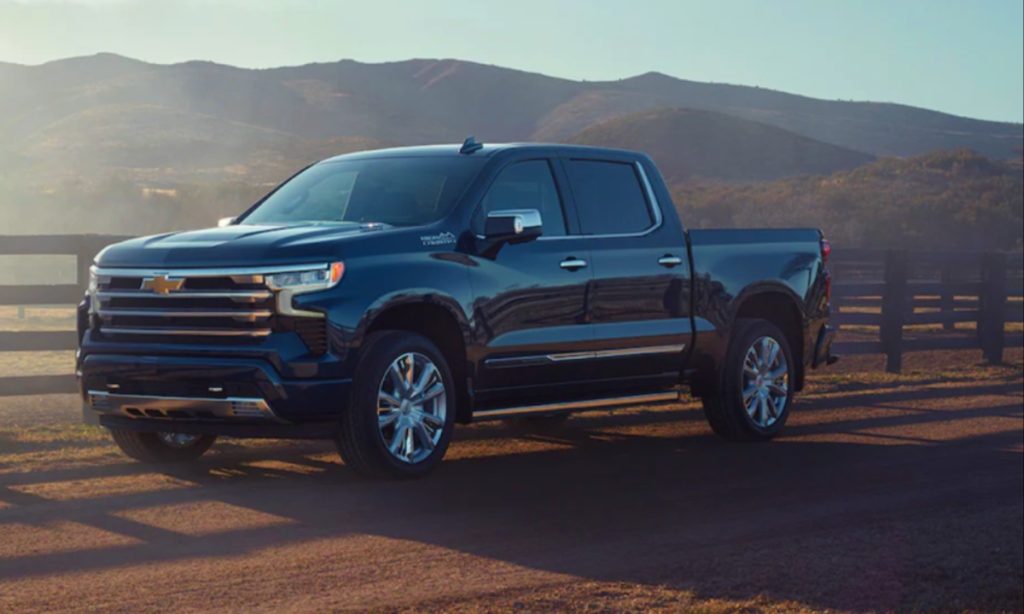
Dealers note that Silverado trucks retain strong resale value, reflecting confidence in their long-term reliability. Mechanics also appreciate how consistent performance and durability reduce unexpected repair costs, making ownership less stressful.
Including the Chevrolet Silverado 1500 demonstrates how engineering focus on durability, simple maintenance, and dependable components can produce a truck that earns professional approval.
Its combination of reliability, accessibility, and robust construction makes it one of the most endorsed full-size pickups in the eyes of mechanics.
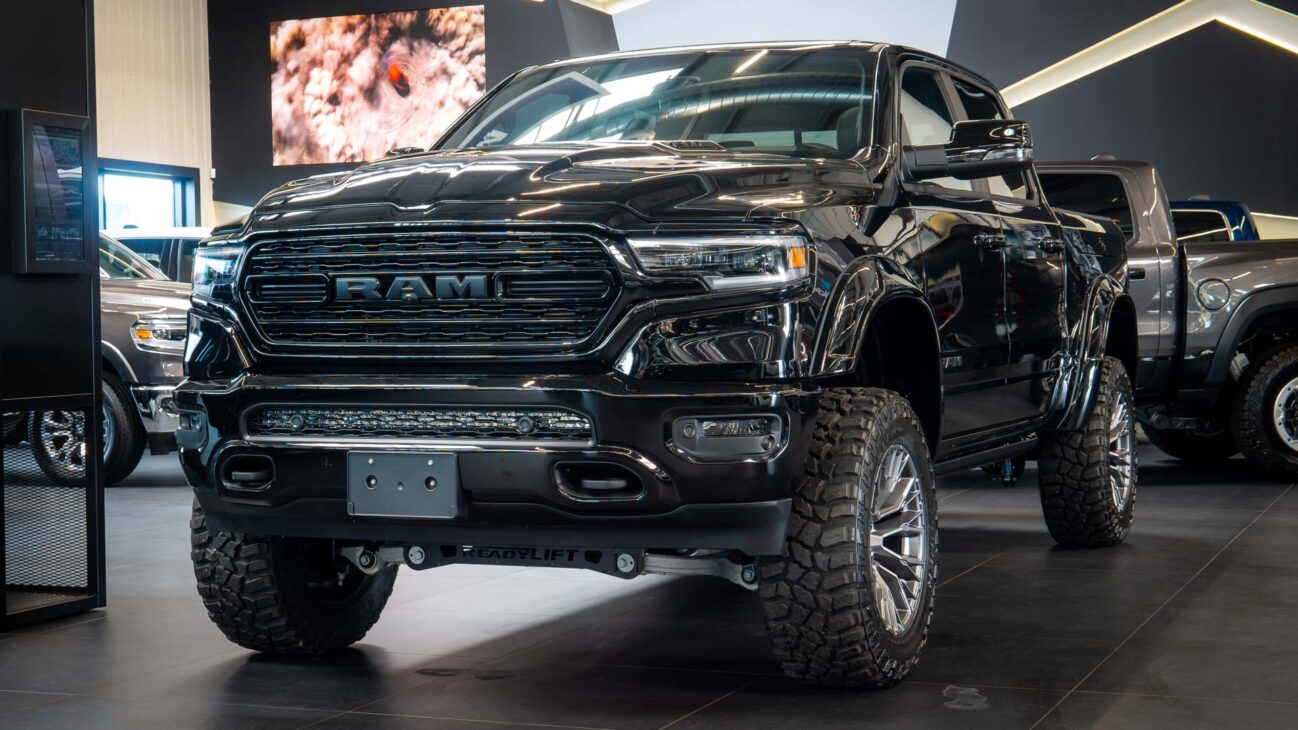
4. Ram 1500
The Ram 1500 is frequently endorsed by mechanics for its solid engineering, durable powertrains, and smooth handling. While newer models incorporate more electronics, the core mechanical systems have proven reliable, making the Ram 1500 a trusted choice for both commercial and personal use.
Mechanics highlight the 5.7-liter HEMI V8 engine for its long-term durability and consistent performance under heavy towing and hauling.
The eight-speed automatic transmission is praised for smooth shifting and resilience, provided maintenance schedules are followed. The combination of engine and transmission contributes to predictable, low-maintenance operation that mechanics appreciate.
Suspension design also earns mechanic approval. Ram 1500s with coil-spring or air suspension systems provide comfortable handling while maintaining strength for work purposes. Control arms, bushings, and shock absorbers are engineered to endure long-term stress, reducing wear-related repairs.
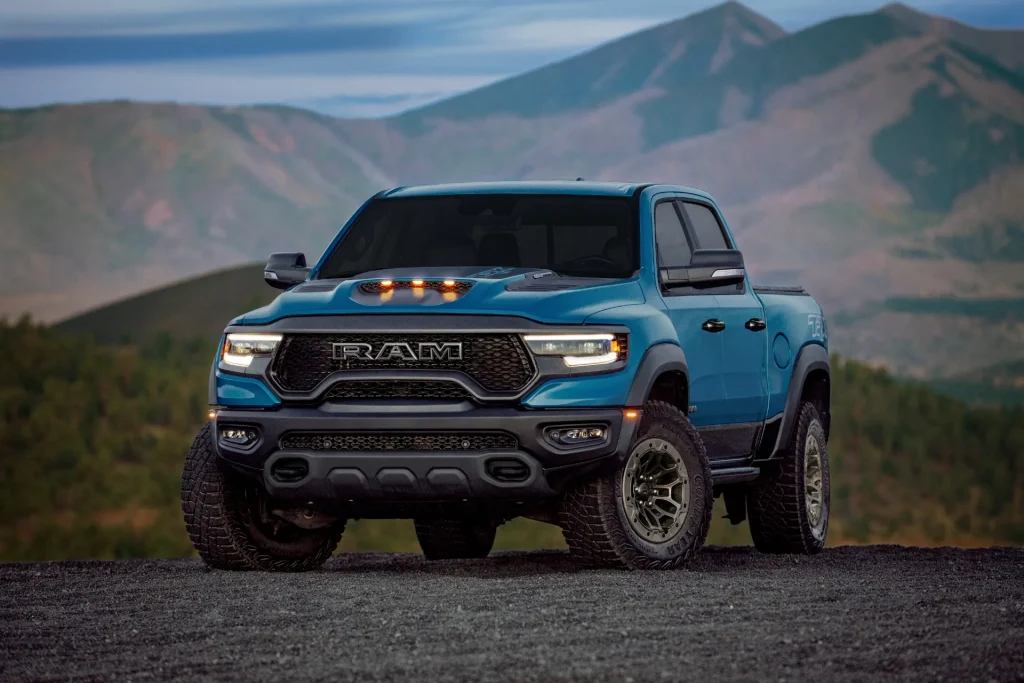
Another advantage is accessibility. Routine maintenance, from oil changes to brake service, is straightforward, and parts are widely available, which simplifies repairs and reduces downtime. Electrical systems, while more complex than older trucks, are generally reliable, with most issues quickly resolved by professionals.
Dealers and mechanics note that Ram 1500s retain strong resale value, further reflecting confidence in durability and performance.
Writing about the Ram 1500 highlights how robust engineering, durable components, and service-friendly design combine to create a truck that consistently earns professional trust and recommendations for long-term reliability.
5. Toyota Tundra
The Toyota Tundra is widely endorsed by mechanics due to its full-size durability, dependable drivetrain, and minimal long-term issues. Known for its reliability in both consumer and commercial markets, the Tundra consistently earns praise for predictable performance and longevity.
Mechanics often cite the 5.7-liter V8 engine as a standout for its durability, even under heavy towing or off-road use. The automatic transmission is engineered to handle repeated stress, providing smooth shifts over hundreds of thousands of miles.
Suspension components, including reinforced control arms and heavy-duty shocks, maintain ride quality and handling under demanding conditions.
Part of the Tundra’s mechanic-friendly reputation comes from its straightforward design. Repairs are generally simple, replacement parts are widely available, and routine maintenance is predictable and cost-effective. Minimal electronic complexity reduces potential failures and keeps service time and cost manageable.
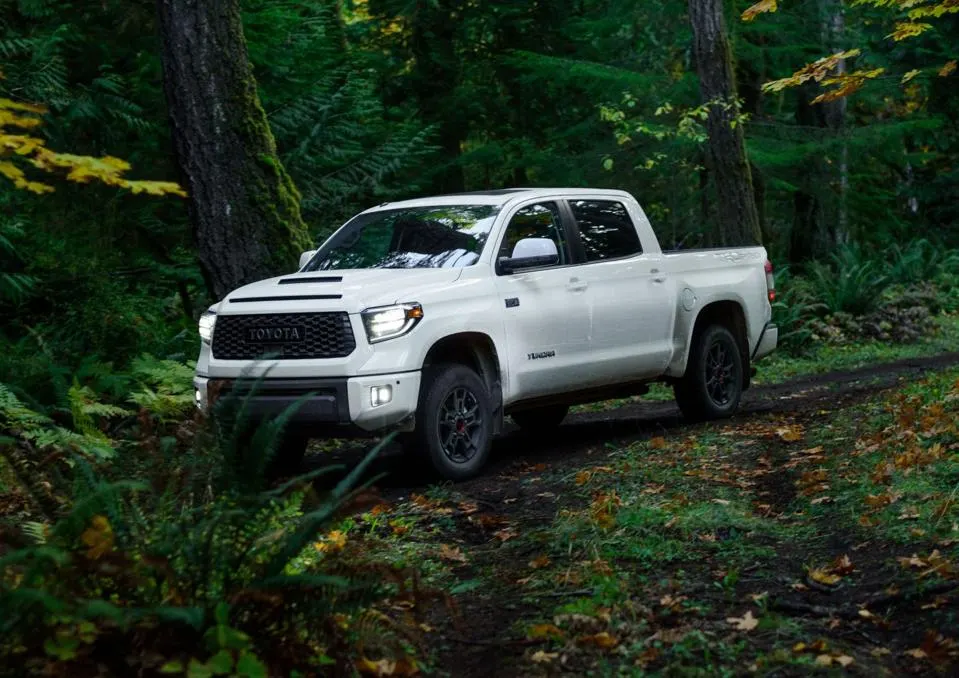
Dealers note that Tundras retain excellent resale value, reflecting both owner and professional confidence. High-mileage trucks remain in strong operational condition, which is a significant factor in mechanic endorsements.
Including the Tundra in this section emphasizes how durability, robust engineering, and service accessibility combine to create a truck consistently recommended by professionals.
It demonstrates that when mechanical simplicity meets thoughtful design, a vehicle can earn long-term trust, proving that the Tundra is not just capable it is dependable for years of heavy use.
5 Trucks Mechanics Warn Against
Even within reputable brands, certain trucks demonstrate patterns of maintenance issues, mechanical failures, or design flaws that make mechanics cautious.
These vehicles often require frequent repairs, costly replacement parts, or specialized labor, which reduces long-term reliability and increases ownership stress.
Mechanics rely on years of hands-on experience to identify which trucks consistently face problems. Trucks they warn against often have complex electronics, sensitive engine components, or suspension systems prone to wear. Some may perform well initially but fail to maintain durability over time.
Understanding which trucks mechanics caution against helps buyers make informed decisions and avoid long-term frustration. These trucks may still appeal due to price, features, or appearance, but knowledge of potential weaknesses ensures buyers can anticipate maintenance challenges and costs.
This section highlights five trucks that mechanics frequently advise caution with. Each example explains the specific reasons for reduced reliability, drawing on mechanical design, component longevity, and observed performance over time.
Comparing these vehicles with those mechanics endorse provides insight into what separates dependable trucks from those likely to require ongoing repairs, helping readers make smarter long-term choices.
1. Dodge Dakota
The Dodge Dakota, particularly models from the early 2000s, is frequently warned against by mechanics due to engine, transmission, and suspension issues. While initially appealing for its compact size and utility, these trucks have a history of reliability problems that reduce long-term confidence.
One primary concern is the 3.7-liter V6 engine, which can experience premature intake manifold and cooling system failures.
Transmission problems, including rough shifting in automatic units, are also common, especially in trucks subjected to towing or heavy-duty use. Mechanics note that repeated repairs for these issues are costly and often unavoidable after high mileage.
Suspension components, including control arms and bushings, tend to wear faster than comparable trucks, affecting ride quality and handling. Rust in the frame and undercarriage is another concern, particularly in northern climates, increasing the likelihood of structural issues over time.
Electrical systems can be problematic as well, with sensors, wiring harnesses, and instrument clusters frequently requiring attention. This combination of engine, transmission, suspension, and electrical issues makes the Dakota a truck that mechanics recommend prospective buyers approach cautiously.
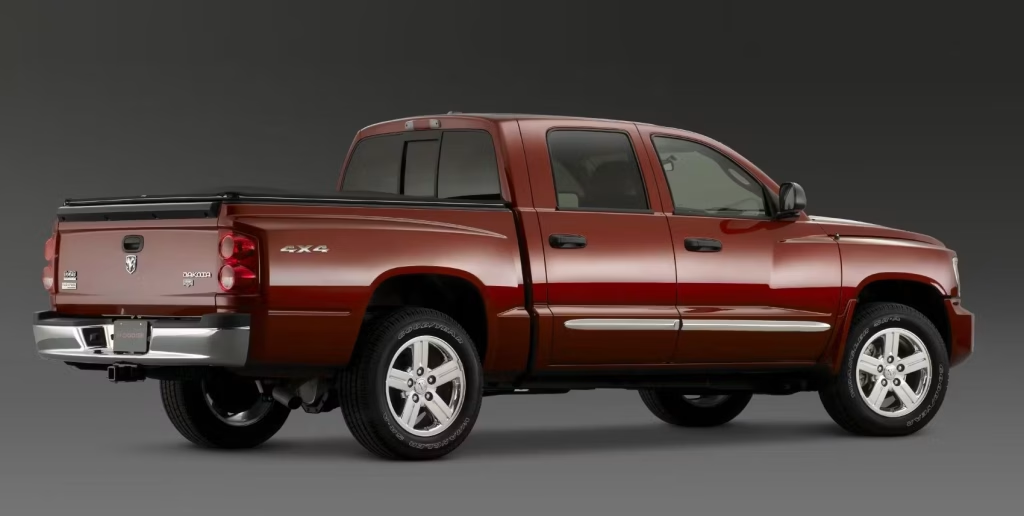
Including the Dodge Dakota highlights how design choices, component weaknesses, and maintenance demands can affect a truck’s long-term dependability.
While some units remain operational, the likelihood of recurring repairs and associated costs prevents it from being a vehicle mechanics confidently endorse.
2. Nissan Frontier (Early 2000s)
The early 2000s Nissan Frontier is a compact truck that mechanics often warn about due to drivetrain, suspension, and rust issues. While popular for affordability and size, these models frequently require attention that undermines their long-term reliability.
Engine wear is a common problem in older Frontiers, particularly the 3.3-liter V6, which can develop timing chain stretch, oil consumption, or valve wear over high mileage. Transmission issues also appear, with automatic units sometimes shifting roughly or developing hesitation after prolonged use, increasing repair frequency.
Suspension components, including control arms, bushings, and shocks, show accelerated wear, particularly in vehicles regularly carrying loads or traveling off-road. Rust is another persistent concern in northern climates, affecting frame integrity and suspension mounts.
Electrical systems, including early sensor modules and instrument clusters, are prone to minor failures that complicate maintenance and reduce dependability.
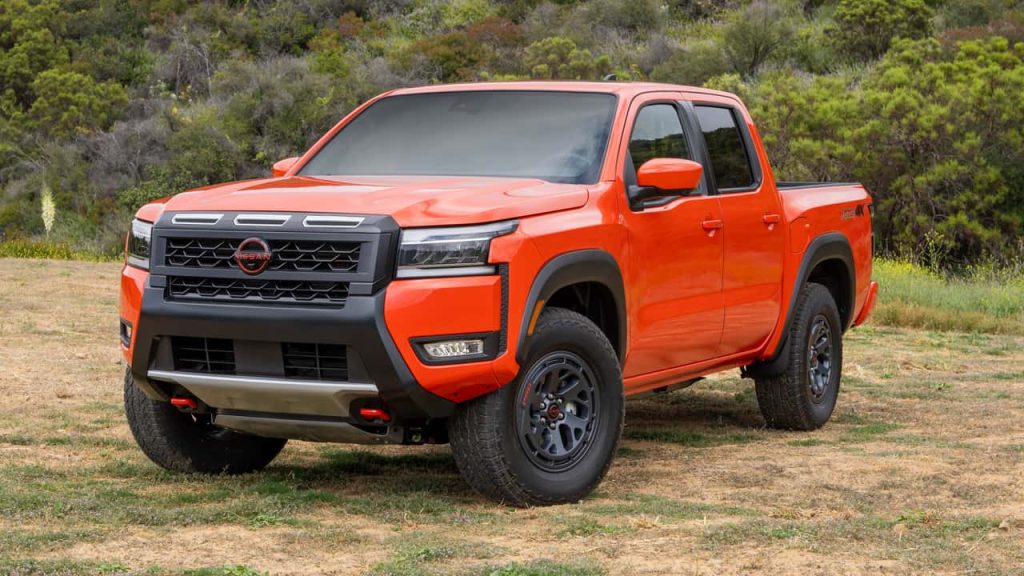
Mechanics note that while Frontiers can remain functional with diligent maintenance, the cost and frequency of repairs make them less desirable for long-term ownership. Dealers often price these trucks lower to reflect anticipated maintenance needs, further highlighting durability concerns.
Including the early Nissan Frontier demonstrates that compact trucks, despite initial appeal, may fall short in mechanical reliability and long-term durability.
Professional warnings focus on drivetrain weaknesses, suspension wear, and rust vulnerability, helping prospective buyers anticipate issues and make informed decisions.
3. Chevrolet Colorado (Mid-2000s)
The Chevrolet Colorado, particularly mid-2000s models, is frequently flagged by mechanics due to engine, transmission, and suspension concerns.
While offering a compact size and competitive pricing, these trucks often encounter reliability issues that require ongoing attention.
Engine problems are among the most common complaints. The 3.5-liter and 3.7-liter engines occasionally suffer from oil consumption, premature wear on timing components, or valve issues.
These engine problems can lead to costly repairs and reduced long-term reliability. Automatic transmissions in these models sometimes develop harsh or delayed shifting after prolonged use, affecting drivability and necessitating early servicing.
Suspension components, such as control arms, bushings, and shocks, wear faster than expected, particularly under heavy loads or off-road conditions.
Rust also becomes a concern in regions with road salt exposure, impacting the frame and undercarriage. Electrical systems, though minimal, can experience sensor failures or dashboard warning glitches that complicate maintenance.
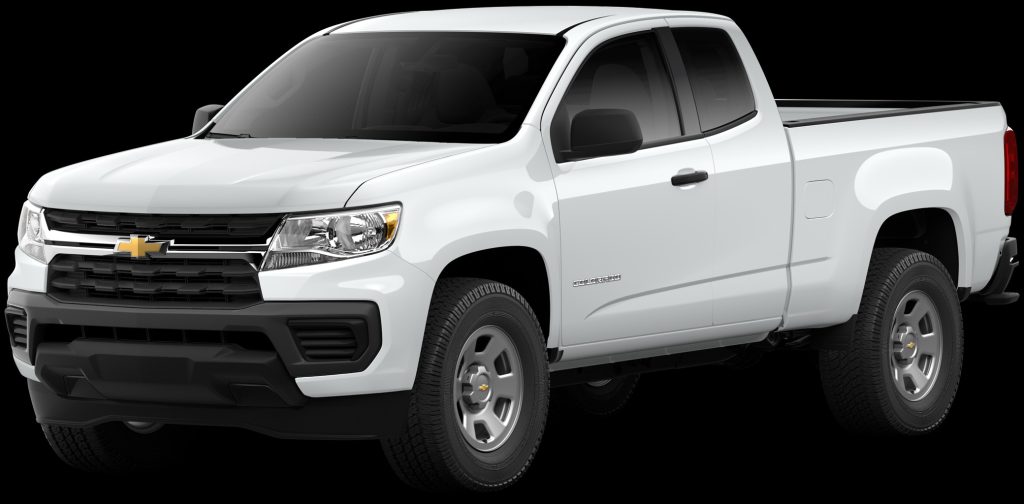
Mechanics warn prospective buyers that while some Colorado trucks remain operational, frequent repairs and ongoing maintenance make them less dependable than other models.
Dealers often adjust pricing to reflect anticipated mechanical challenges, highlighting these trucks’ vulnerability compared to more robust competitors.
Including the mid-2000s Chevrolet Colorado in this section illustrates that affordability and initial appeal may come at the cost of reliability.
Its combination of drivetrain, suspension, and rust issues explains why professionals advise caution, demonstrating that not all trucks maintain their performance over the long term.
4. GMC Canyon (Mid-2000s)
The GMC Canyon, a close sibling of the Chevrolet Colorado, shares many mechanical weaknesses that prompt caution from mechanics. Mid-2000s models often exhibit engine, transmission, and suspension vulnerabilities that reduce their long-term reliability.
Engine concerns primarily involve the 3.5-liter and 3.7-liter units, which can suffer from premature wear on timing chains, valve components, or oil consumption.
These issues may lead to costly repairs if not addressed proactively. Automatic transmissions occasionally experience rough or delayed shifting, affecting drivability and reliability over time.
Suspension components, including control arms, shocks, and bushings, wear faster than anticipated, especially in vehicles frequently carrying heavy loads or driven off-road. Rust also impacts older Canyons in regions with road salt, particularly around the frame and undercarriage, increasing structural vulnerability.
Electrical issues, though not widespread, can occur with sensors and dashboard warning systems, complicating diagnostics and repairs. Mechanics advise prospective buyers to factor in these potential challenges when considering ownership.
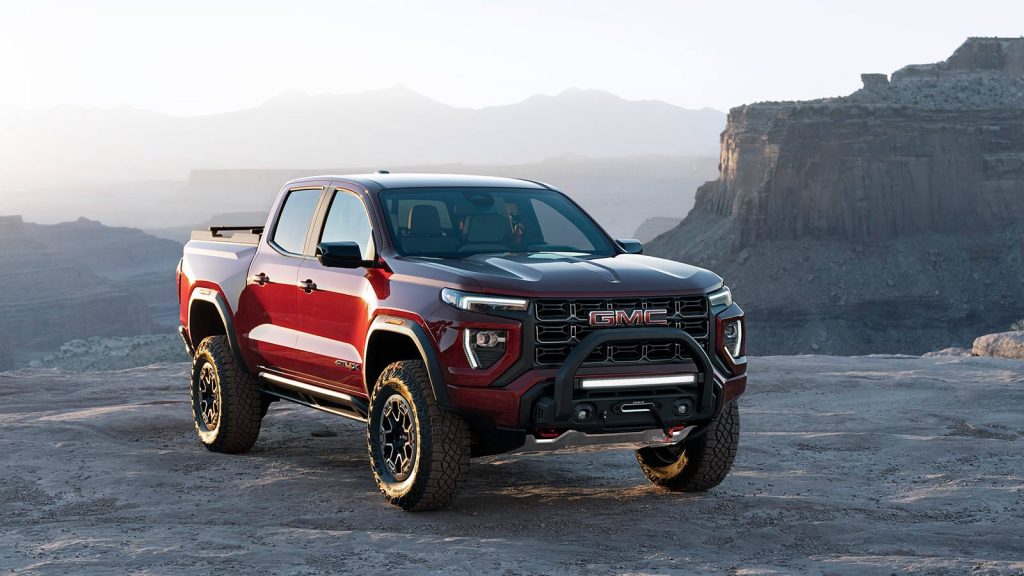
Dealers often price mid-2000s Canyons lower to account for maintenance expectations, reflecting professional caution. While some trucks remain functional with diligent upkeep, their likelihood of recurring repairs prevents them from earning mechanic endorsements for long-term dependability.
Including the GMC Canyon highlights how shared platform weaknesses and recurring mechanical issues can affect trucks across brands.
This example demonstrates that even vehicles from reputable manufacturers may struggle with durability when specific engineering or design elements underperform.
5. Dodge Ram 2500 (Early 2000s)
The early 2000s Dodge Ram 2500 is often warned against by mechanics due to engine, transmission, and suspension challenges that affect long-term reliability. While marketed for heavy-duty performance, many trucks in this generation require frequent repairs that can discourage prospective owners.
Engine concerns primarily involve the 5.9-liter Cummins diesel and 5.7-liter HEMI V8. Mechanics report issues such as premature injector wear, turbocharger failures, and occasional overheating problems in high-mileage units.
Gasoline engines may develop oil leaks or wear on timing components, which can lead to expensive repairs if not addressed promptly.
Transmission reliability is another concern. Automatic units sometimes experience rough or delayed shifting, particularly under towing conditions, while manual transmissions in diesel models can develop clutch or gear synchronizer issues over time.
Suspension components, including heavy-duty shocks and control arms, are prone to wear, especially when trucks are frequently loaded or driven on rough terrain.
Rust is another factor in northern climates, affecting frames and undercarriage components, which may compromise structural integrity over time. Electrical systems, while minimal, occasionally experience sensor or gauge cluster malfunctions that complicate maintenance.
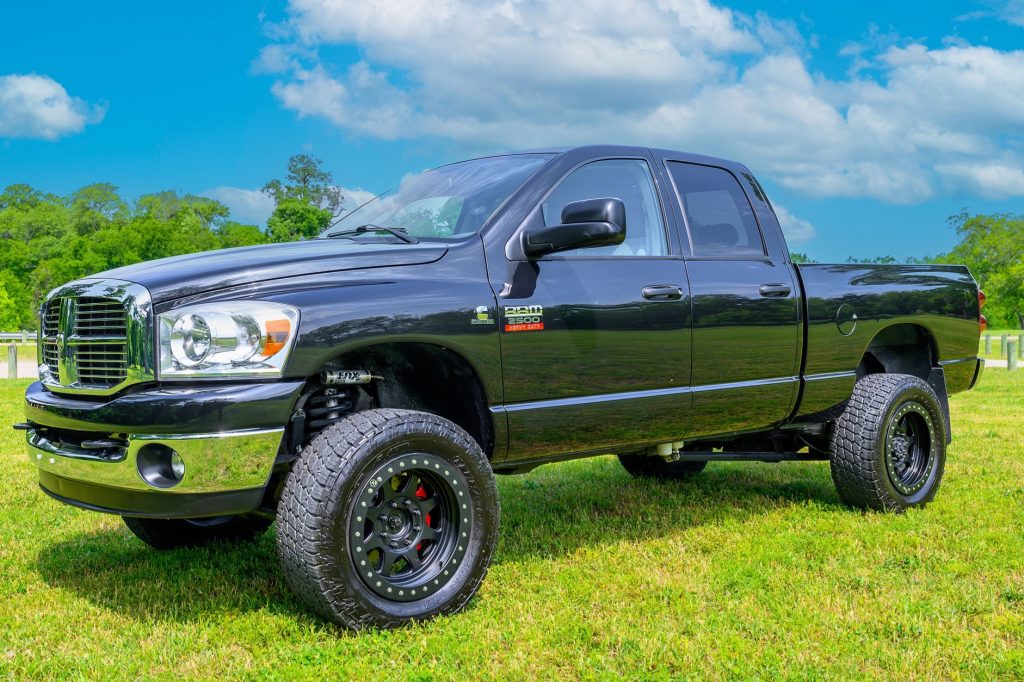
Dealers often adjust resale value to reflect anticipated maintenance costs, and mechanics advise caution for buyers seeking low-maintenance ownership.
Including the early Dodge Ram 2500 emphasizes that even trucks designed for heavy-duty work may face durability challenges, illustrating how engineering choices, component wear, and maintenance requirements influence long-term reliability.
Comparing trucks that mechanics endorse with those they warn against demonstrates the clear impact of engineering, component quality, and maintenance requirements on long-term reliability.
Trucks like the Toyota Tacoma, Ford F-150, Chevrolet Silverado 1500, Ram 1500, and Toyota Tundra earn mechanic approval due to their durable engines, reliable transmissions, and robust suspensions.
These vehicles combine mechanical simplicity with thoughtful design, making routine maintenance straightforward, parts easily accessible, and long-term performance predictable. Strong resale value reflects professional and owner confidence, reinforcing their reputation as dependable trucks for work, recreation, and daily driving.
Common issues include engine wear, transmission roughness, suspension deterioration, rust, and occasional electrical faults.
These problems often require more frequent repairs, higher maintenance costs, and more complex servicing, making ownership less predictable and less cost-effective over time. Dealers frequently adjust pricing to reflect these anticipated challenges, signaling professional concern.
This comparison emphasizes that even trucks from reputable manufacturers vary significantly in long-term dependability. Mechanic endorsements often align with vehicles designed with robust engineering, durability-focused components, and ease of maintenance.
Conversely, trucks warned against typically include models where design compromises, sensitive electronics, or structural vulnerabilities reduce reliability.
For buyers, fleet operators, and truck enthusiasts, understanding these distinctions is crucial. Choosing a mechanic-endorsed truck ensures fewer surprises, lower repair costs, and confidence in demanding conditions. Recognizing vehicles mechanics warn against helps avoid long-term frustrations and costly repairs.
Ultimately, professional insight demonstrates that durability, service accessibility, and proven mechanical performance determine a truck’s true reliability.
Trucks that earn mechanic endorsements consistently combine these factors, while those warned against reveal how vulnerabilities in engineering or components can impact long-term ownership.
Making informed decisions based on these insights ensures practical, dependable, and enduring truck ownership.
Also Read: 12 Trucks With the Longest-Lasting Frames in 2025
