
Some cars are built to last, and mechanics often refer to these as “overbuilt tanks.” These vehicles are designed with strong frames, durable engines, and mechanical simplicity that allows them to endure years of hard use. Unlike cars that focus solely on luxury or performance, overbuilt vehicles prioritize longevity, reliability, and ease of maintenance.
Automakers that produced these models often emphasized robustness over cutting-edge technology. While modern vehicles have many electronic systems, these overbuilt cars rely on mechanical engineering that can withstand high mileage and tough conditions.
Components like engines, transmissions, suspensions, and chassis are designed to handle stress, whether it’s towing, heavy commuting, or daily wear and tear.
Part availability also plays a role in a car’s longevity. Vehicles considered overbuilt often have components that are widely available and easy to service.
This allows owners to perform repairs quickly, keeping the vehicle operational for decades. Mechanics appreciate these cars because they are less prone to unexpected failures and offer straightforward repair processes.
Versatility adds to their reputation. Many overbuilt vehicles can serve multiple purposes, from family transportation to work duties, while remaining dependable. They often maintain performance and structural integrity long after similar models have aged poorly.
The following sections highlight ten cars that mechanics commonly call “overbuilt tanks.” Each model demonstrates exceptional durability, reliability, and practical engineering.
These cars prove that thoughtful design and robust construction can result in vehicles that survive high mileage, tough conditions, and years of use, earning them respect among mechanics and enthusiasts alike.
Also Read: 5 Early Hybrids With Legendary Battery Life vs 5 That Failed Early
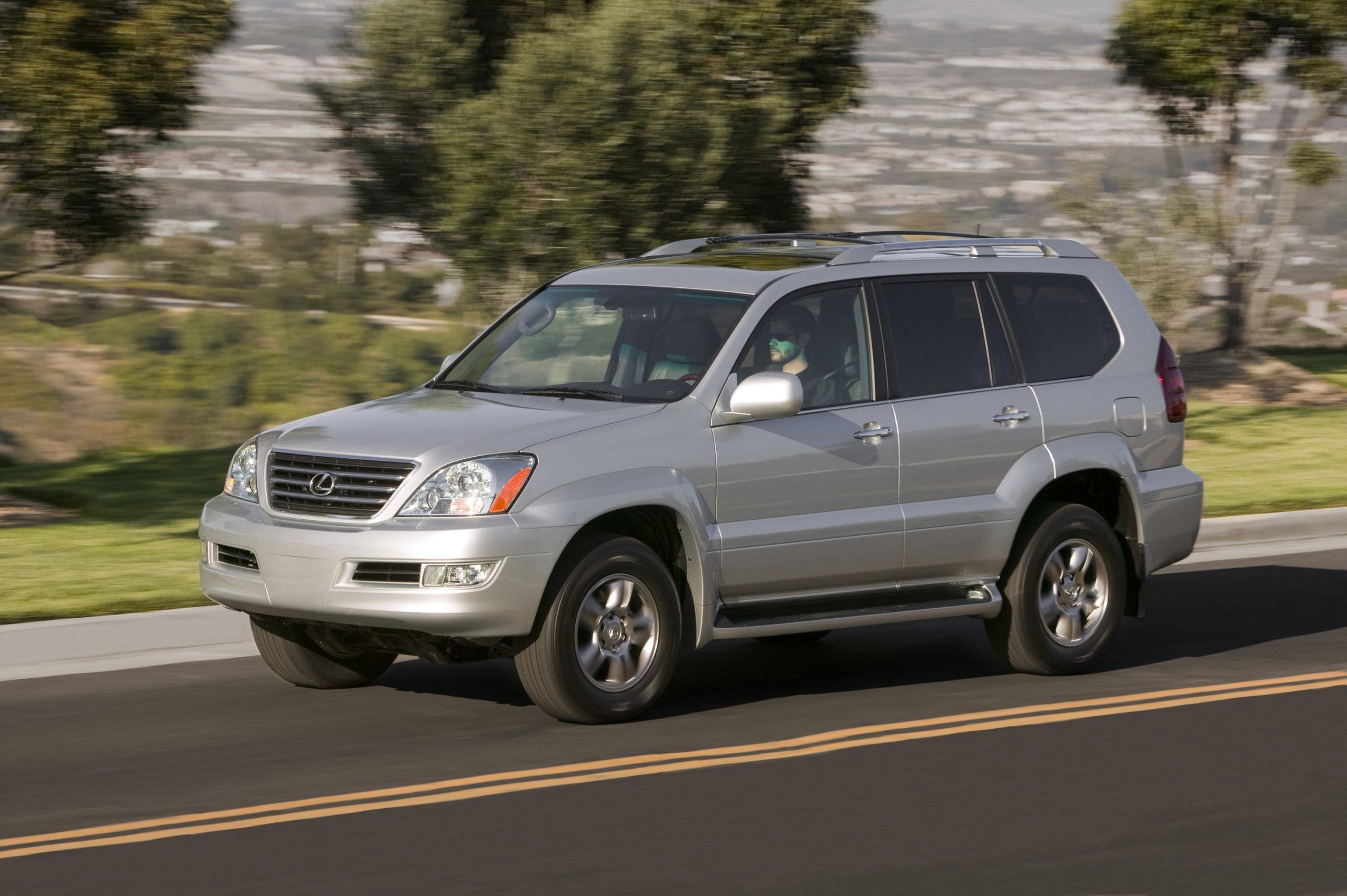
1. Toyota Land Cruiser (J80/J100 Series)
The Toyota Land Cruiser is widely regarded as one of the most durable vehicles ever built. Models from the J80 and J100 series exemplify overbuilt engineering, combining a robust body-on-frame chassis with reliable engines.
The 4.5-liter inline-six and 4.7-liter V8 engines are known for longevity. With regular maintenance, these engines can surpass 300,000 miles. Their simple mechanical design makes them easier to repair compared to modern vehicles loaded with electronics.
Suspension and drivetrain components were built for extreme durability. Solid axles, heavy-duty springs, and reinforced frames allow the Land Cruiser to endure harsh off-road conditions, heavy towing, and prolonged use. The robust construction ensures minimal wear, even under stress.
Parts availability contributes to its overbuilt reputation. Replacement components are widely accessible, and mechanics are familiar with these vehicles, making repairs straightforward. Owners often perform routine maintenance themselves, further extending the vehicle’s lifespan.

Versatility is another reason the Land Cruiser is considered an overbuilt tank. It serves as a daily driver, family vehicle, off-road adventurer, and towing vehicle, maintaining performance in all roles. This combination of durability, practicality, and reliability has earned it a legendary reputation among mechanics and enthusiasts worldwide.
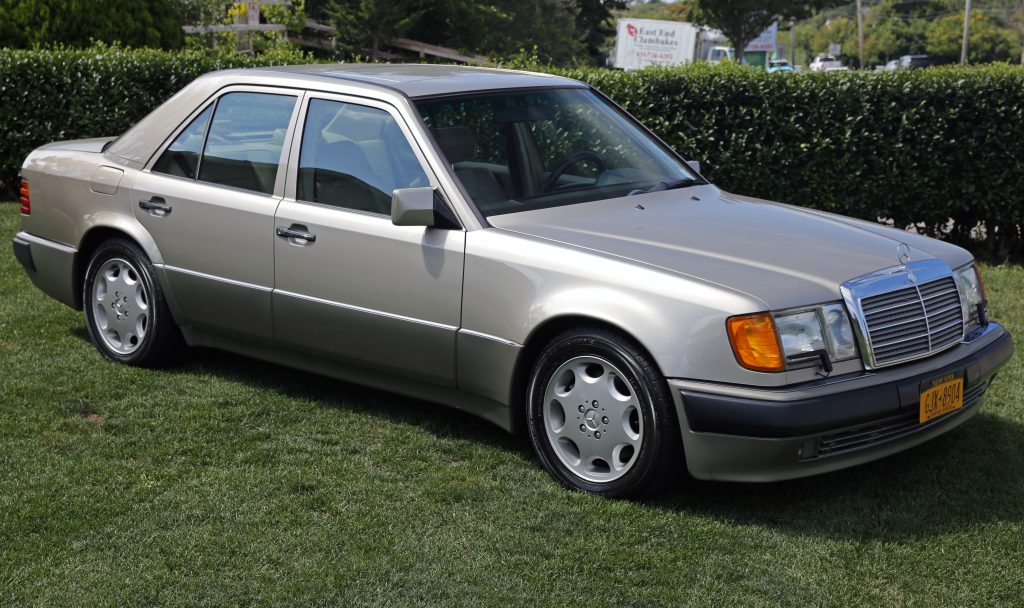
2. Mercedes-Benz W124 E-Class
The Mercedes-Benz W124 E-Class is a classic example of German engineering focused on longevity. Built in the late 1980s and early 1990s, it is known for mechanical strength, reliability, and impressive mileage endurance.
Engine options, such as the 3.0-liter inline-six and diesel variants, are highly durable. Many W124s still operate well past 300,000 miles with consistent maintenance. Their mechanical simplicity reduces the likelihood of major failures, which is why mechanics praise this model.
The chassis and suspension are exceptionally strong. Reinforced frames, independent front suspension, and durable rear axles make the W124 capable of handling heavy use without compromising comfort. The engineering ensures that wear and tear are minimized even under extended usage.
Maintenance and parts availability are straightforward. Replacement components are accessible, and the mechanical design allows for repairs without requiring specialized equipment. Routine servicing, such as oil changes and fluid inspections, is enough to keep these vehicles running for decades.
The W124 E-Class also combines durability with comfort and practicality. Its versatile nature makes it suitable for long commutes, family use, and even heavy-duty driving, all while maintaining structural integrity. This combination of overbuilt engineering and reliability has earned it a reputation as one of the most enduring cars ever produced.
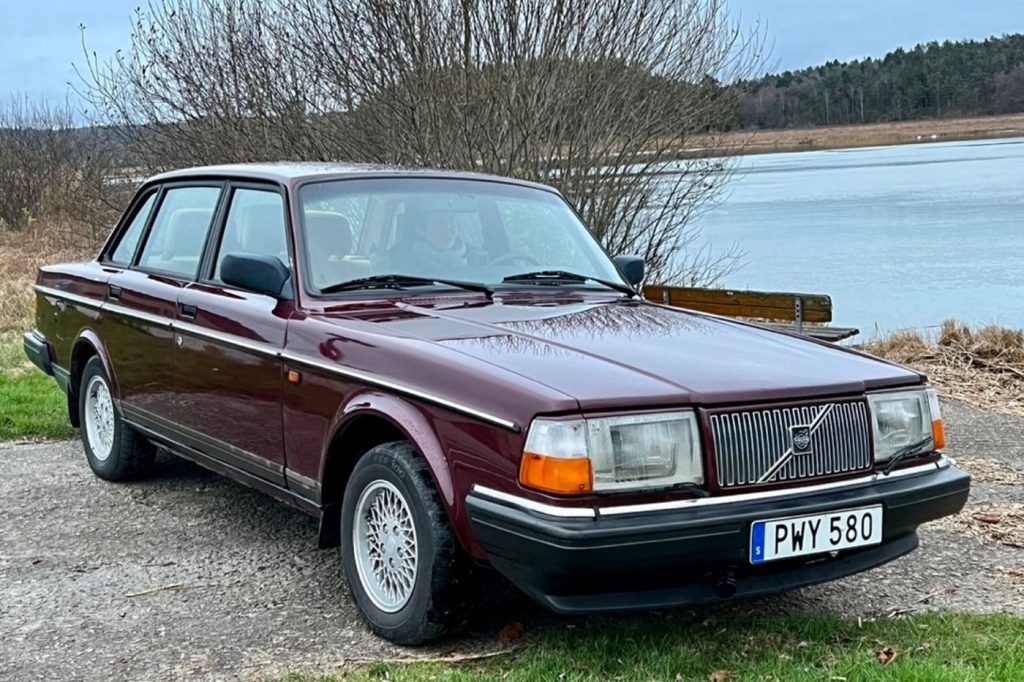
3. Volvo 240
The Volvo 240 is a legendary overbuilt car known for its durability and mechanical simplicity. Produced from the 1970s through the early 1990s, it became famous for reliability and longevity, often surpassing 300,000 miles with proper care.
Its engines, including the 2.3-liter inline-four and 2.0-liter diesel variants, are robust and mechanically straightforward. These engines are known to tolerate high mileage while remaining functional. Routine maintenance such as oil changes, timing belt replacements, and fluid checks is usually enough to keep them running for decades.
The 240’s chassis and suspension are designed for longevity. Solid construction, reinforced frame components, and simple suspension systems allow the car to handle daily driving, rough roads, and even mild off-road conditions without significant wear.
Parts availability and familiarity among mechanics also contribute to its overbuilt status. Replacement parts remain accessible even decades after production, making repairs less complicated and more cost-effective. Owners who maintain their 240s carefully often drive them well into their third decade.
The vehicle’s versatility adds to its reputation. While it is a reliable commuter, it can also carry heavy loads or function as a practical family car. Its combination of mechanical simplicity, durability, and comfort has made it a favorite among mechanics and enthusiasts who value longevity over luxury or performance.
The Volvo 240 demonstrates that careful engineering, straightforward mechanics, and strong materials can create a vehicle that endures well beyond its expected lifespan. Its reputation as an overbuilt tank continues to this day.
4. Lexus LS 400
The Lexus LS 400, introduced in 1989, is another vehicle often called an overbuilt tank. It was designed to compete with European luxury sedans while maintaining Japanese reliability, durability, and long-term performance.
Its 4.0-liter V8 engine is legendary for longevity. With proper maintenance, LS 400s often surpass 300,000 miles. The engine is mechanically simple, which reduces potential points of failure compared to modern luxury cars filled with electronics.
The chassis, suspension, and drivetrain are engineered for strength. Reinforced frame construction, independent suspension, and durable drivetrain components allow the LS 400 to handle long-term use and high mileage while providing a smooth ride.
Maintenance is straightforward, and parts are widely available. Mechanics appreciate the LS 400 because routine servicing, including oil changes, transmission checks, and brake inspections, can be performed easily. Many owners maintain these cars for decades, often reporting minimal major repairs.

Versatility and comfort complement its durability. The LS 400 functions well as a luxury commuter, long-distance traveler, and family car. Its combination of reliability, engineering strength, and comfort has earned it praise from both mechanics and enthusiasts.
The Lexus LS 400 remains a benchmark for overbuilt engineering. Its reliable engine, reinforced chassis, and mechanical simplicity ensure that this luxury sedan continues to operate effectively long after many competitors have failed.
5. Honda Accord (Third and Fourth Generation)
The Honda Accord from the late 1980s and early 1990s is widely regarded as overbuilt for its era. Its combination of reliable engineering, simple mechanical design, and durable materials has allowed many examples to last well beyond 300,000 miles.
Engine options, including the 2.0-liter four-cylinder and the 2.2-liter V6, are known for mechanical resilience. These engines are straightforward and easy to maintain, which minimizes the likelihood of serious failures. Routine oil changes, timing belt replacements, and fluid checks often ensure longevity.
The chassis and suspension are also built to last. Front struts and rear multi-link suspension components are durable and withstand the stress of daily driving, even on rough roads. The car’s unibody construction is strong, providing stability and structural integrity over decades.
Parts availability contributes to the Accord’s overbuilt reputation. Replacement components are abundant, and mechanics are familiar with the vehicle’s design, making repairs easier and more cost-effective. Many owners perform DIY maintenance, which adds to the car’s lifespan.

Versatility enhances its appeal. The Accord functions as a daily commuter, family car, and light cargo hauler, all while maintaining reliability. Its practical design, combined with strong engineering, ensures it continues to perform long after many contemporaries have failed.
The Honda Accord demonstrates that simple, reliable engineering combined with accessible maintenance can produce a vehicle that stands the test of time. Its overbuilt components, dependable engines, and strong chassis continue to make it a favorite among mechanics and enthusiasts alike.
6. Chevrolet Tahoe (First Generation)
The first-generation Chevrolet Tahoe, introduced in the early 1990s, is a full-size SUV known for its durability and overbuilt engineering. Built on a truck chassis, it combines strength, reliability, and utility in one package.
Engine options such as the 5.7-liter V8 and 4.8-liter V8 are recognized for longevity. With routine maintenance, these engines can exceed 250,000 miles while maintaining performance. Mechanical simplicity reduces the risk of unexpected failures and makes repairs easier.
The Tahoe’s suspension and drivetrain were designed to endure tough conditions. Solid axles, leaf springs, and reinforced frame components allow it to handle heavy loads, towing, and off-road driving. The robust construction ensures minimal wear, even under demanding use.
Parts availability adds to its reputation as an overbuilt vehicle. Replacement components are widely accessible, and many mechanics are familiar with the model. Routine servicing, including fluid changes, brake checks, and oil maintenance, helps keep the Tahoe operational for decades.

Versatility is another factor in its longevity. The Tahoe serves as a family SUV, a utility vehicle, and an off-road-capable truck. Its combination of comfort, reliability, and strong engineering makes it a vehicle that owners trust for long-term use.
The first-generation Chevrolet Tahoe demonstrates that full-size SUVs built with durable components and practical engineering can last for decades. Its reliable engines, reinforced chassis, and straightforward maintenance make it a true overbuilt tank that continues to survive and perform today.
7. Toyota Camry (XV10/XV20 Series)
The Toyota Camry from the mid-1990s, particularly the XV10 and XV20 series, is widely regarded as an overbuilt sedan. Its strong construction, reliable engines, and mechanical simplicity allow it to endure hundreds of thousands of miles.
Engine options such as the 2.2-liter four-cylinder and 3.0-liter V6 are known for durability. With regular maintenance, these engines often exceed 300,000 miles. Their simple design makes repairs straightforward and minimizes the risk of major failures.
The chassis and suspension contribute to longevity. Reinforced frames, durable control arms, and reliable suspension components allow the Camry to withstand years of daily driving. Its unibody construction maintains structural integrity even under high mileage.
Parts availability further supports its long lifespan. Replacement components are easy to source, and mechanics are familiar with common repairs, reducing downtime and repair costs. Routine servicing, such as oil changes, brake maintenance, and fluid checks, keeps the vehicle operating efficiently.
Versatility and practicality add to its reputation. The Camry functions well as a daily commuter, family vehicle, and long-distance traveler. Its dependable performance, combined with low-maintenance engineering, ensures that many models continue running decades after production.

The Toyota Camry XV10 and XV20 series demonstrate that thoughtful engineering, mechanical simplicity, and strong materials can create a vehicle capable of enduring high mileage. Its reputation as an overbuilt tank makes it a favorite among mechanics and owners seeking reliability.
8. Honda Civic (Fourth and Fifth Generation)
The Honda Civic from the late 1980s and 1990s is often cited as an overbuilt vehicle due to its mechanical simplicity, reliability, and longevity. Many examples still run well past 250,000 miles.
Engine options, including the 1.5-liter and 1.6-liter inline-four engines, are designed for durability. They are easy to maintain, tolerate high mileage, and have fewer complex components compared to modern engines. Routine oil changes, timing belt replacements, and minor repairs help them last for decades.
The chassis and suspension are engineered to endure long-term use. Reinforced subframes, simple front and rear suspension setups, and reliable components provide stability and longevity. Even high-mileage Civics often maintain structural integrity.
Parts availability and ease of repair are key factors. Replacement components are abundant, and mechanics are familiar with common repairs, which makes servicing less expensive and more accessible. Owners who perform routine maintenance can extend the vehicle’s lifespan considerably.

Versatility makes the Civic appealing. It functions as a daily driver, light cargo vehicle, and commuter-friendly car. Its fuel efficiency, reliability, and ease of repair ensure it continues to serve owners for decades.
The Honda Civic demonstrates that a combination of simple engineering, durable engines, and accessible maintenance can produce a vehicle that lasts far beyond its expected lifespan. Its reputation as an overbuilt tank remains strong among mechanics and car enthusiasts alike.
9. Mercedes-Benz G-Class (W463)
The Mercedes-Benz G-Class, especially the W463 series, is often called an overbuilt tank due to its military-inspired construction and extreme durability. Introduced in the late 1980s, it remains one of the most rugged luxury SUVs ever produced.
Engine options, including the 4.2-liter inline-six, 5.0-liter V8, and later diesel variants, are known for long-term reliability. With proper maintenance, these engines can exceed 300,000 miles. Mechanical simplicity and robust components reduce the risk of major failures, even under heavy use.
The G-Class features a body-on-frame chassis and solid axles front and rear, providing unmatched structural strength. Its suspension is designed to handle heavy loads and off-road stress, allowing it to endure extreme driving conditions while maintaining reliability.
Parts availability and ease of repair contribute to its overbuilt reputation. Replacement components are widely accessible, and many mechanics are familiar with its design. Routine servicing, such as oil changes, brake checks, and suspension inspections, ensures continued performance over decades.
Versatility adds to the G-Class’s appeal. It functions as a luxury SUV, off-road vehicle, and towing workhorse, demonstrating durability across multiple roles. Its reputation for toughness, combined with comfort and engineering quality, has made it a favorite among enthusiasts and mechanics who value long-lasting vehicles.

The Mercedes-Benz G-Class exemplifies overbuilt engineering, combining durability, reliable engines, and strong construction. Its longevity ensures it continues to perform effectively even decades after production, solidifying its status as one of the most enduring vehicles ever made.
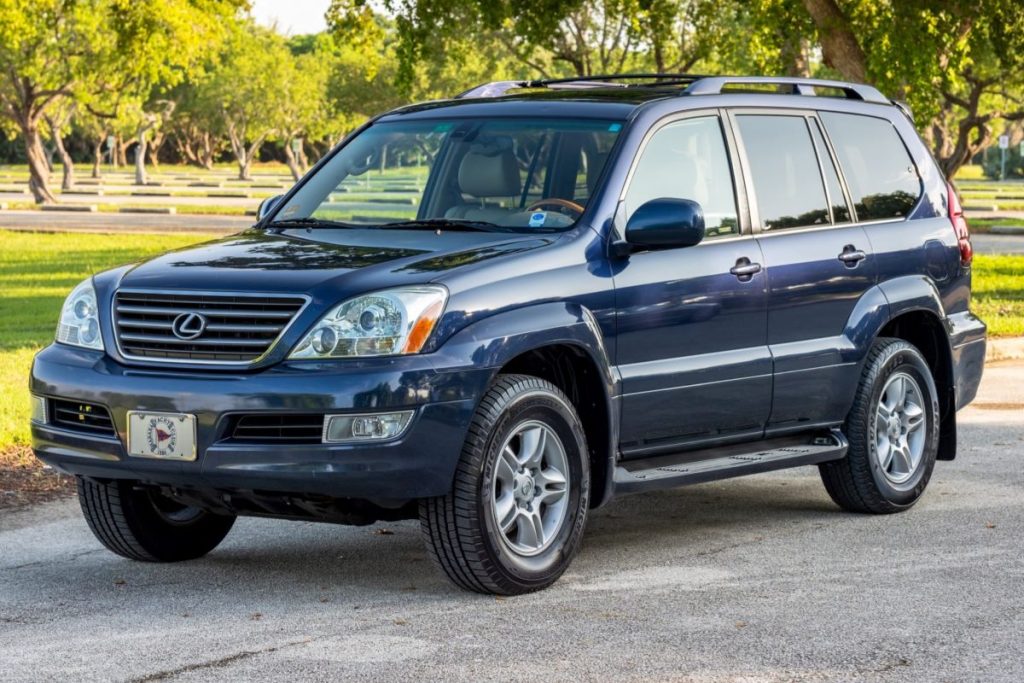
10. Lexus GX 470
The Lexus GX 470, introduced in the early 2000s, is built on a Toyota Land Cruiser Prado platform and is frequently described as an overbuilt SUV. Its engineering focuses on strength, reliability, and long-term performance.
The 4.7-liter V8 engine is highly durable and capable of exceeding 250,000 miles with routine maintenance. Its mechanical simplicity reduces the likelihood of major failures, while high-quality materials ensure longevity under heavy use.
Suspension and drivetrain components are engineered for rugged conditions. Solid axles, reinforced frame elements, and heavy-duty suspension parts allow the GX 470 to handle off-road trails, towing, and daily driving without significant wear.
Parts availability and serviceability make it easier to maintain. Mechanics are familiar with its systems, and replacement components are widely available, ensuring that routine servicing like oil changes, fluid inspections, and brake maintenance can be performed efficiently.
Versatility is another factor in its long-lasting performance. The GX 470 serves as a luxury SUV, family vehicle, and off-road capable car, maintaining reliability across all roles. Its combination of comfort, engineering strength, and durability earns it praise from mechanics and owners alike.
The Lexus GX 470 demonstrates that vehicles designed with strong construction, reliable engines, and accessible maintenance can endure long-term use. Its reputation as an overbuilt tank remains firmly established, and many GX 470s continue to operate reliably years after their original production.
Overbuilt vehicles are characterized by durable construction, reliable engines, and straightforward mechanical design that allow them to endure high mileage and demanding conditions. The ten cars discussed in this article showcase these qualities, demonstrating why mechanics often call them “overbuilt tanks.”
Toyota vehicles feature prominently among overbuilt models. The Land Cruiser and Lexus GX 470 are renowned for their rugged body-on-frame construction, solid axles, and reliable engines.
Both vehicles can endure decades of heavy use, off-road conditions, and towing, making them staples for owners who value long-term dependability.
Similarly, the Toyota Camry demonstrates that even mid-size sedans can be engineered for longevity, combining simple engines, reinforced chassis, and accessible maintenance to achieve extraordinary durability.
Honda models like the Accord and Civic illustrate how mechanical simplicity and reliable engineering contribute to longevity. Their engines, suspension, and unibody construction are built to withstand extensive daily driving while minimizing potential failures.
Routine maintenance, coupled with widespread parts availability, ensures that many of these vehicles remain operational well beyond 300,000 miles.
European engineering is represented by the Mercedes-Benz W124 E-Class and the G-Class, as well as the Lexus LS 400. These vehicles combine durability, high-quality materials, and precise engineering.
While the W124 and LS 400 are sedans, the G-Class is an SUV designed for extreme off-road durability. Each demonstrates that careful engineering, robust components, and accessible servicing result in vehicles that maintain performance and structural integrity over decades.
Volvo’s 240 series also exemplifies overbuilt engineering. Its reinforced chassis, simple engines, and straightforward suspension make it highly durable and low-maintenance.
Similarly, full-size SUVs like the Chevrolet Tahoe and Chevrolet S-10 Blazer show that American vehicles from the 1980s and 1990s can endure heavy use due to solid frames, dependable engines, and rugged suspension systems.
Versatility is a common trait among overbuilt vehicles. Many of these cars, from family sedans to full-size SUVs, can handle multiple roles such as commuting, towing, off-road driving, or family transport without compromising reliability.
Mechanical simplicity, widespread parts availability, and strong construction all combine to ensure that these vehicles survive high mileage and tough conditions.
Ultimately, the ten vehicles highlighted in this article demonstrate that durability and longevity are achievable through thoughtful engineering, quality materials, and accessible maintenance.
From Japanese reliability to European precision and American ruggedness, these overbuilt tanks have earned their reputations by surviving decades of use while remaining operational, reliable, and respected among mechanics and car enthusiasts alike.
Also Read: 5 Toyota Trucks That Refuse to Die vs 5 That Don’t
