The 2000s were a pivotal decade for the SUV market. Car enthusiasts and everyday drivers alike witnessed a shift in how SUVs were designed, driven, and perceived.
The early 2000s brought in rugged, body-on-frame models reminiscent of classic off-roaders, while the mid to late 2000s leaned towards blending utility with comfort, creating vehicles that could handle both city streets and weekend adventures.
Unlike some cars that become dated quickly, certain SUVs from this era have managed to retain their appeal, both aesthetically and mechanically.
What makes an SUV age gracefully isn’t just its looks; it’s a combination of factors. Reliability, build quality, design that doesn’t scream its era, and performance that doesn’t feel outdated all play a role.
Some SUVs have become modern icons, their boxy frames, classic lines, and robust engines aging like fine wine. Enthusiasts often praise these vehicles for their versatility; they can still handle off-road excursions, accommodate families comfortably, and maintain a certain cachet in the used-car market.
Another reason some SUVs endure is their ability to adapt to changes in technology and lifestyle without losing their identity.
While new SUVs boast infotainment systems, hybrid powertrains, and advanced safety features, the older models often keep things simple yet effective. Their durability, ease of maintenance, and timeless design have made them favorites among collectors and daily drivers alike.
In this article, we will take a look at 10 SUVs from the 2000s that have aged gracefully, exploring why they remain relevant, desirable, and admired even decades after their launch. These vehicles showcase the perfect balance between durability, style, and performance, proving that a well-designed SUV doesn’t just survive the years it thrives.
10 SUVs That Have Aged Gracefully Since the 2000s
The SUVs we remember fondly from the 2000s all share certain qualities: strong reliability, timeless styling, and a driving experience that still feels satisfying today.
They were built to last, and their designs were often bold but not overdone, striking the perfect balance between ruggedness and sophistication. Many of these SUVs have become collector favorites, while others remain practical daily drivers decades later.
Some models stood out because of their off-road prowess, giving drivers confidence on any terrain. Others were impressed with luxurious interiors, innovative features, or a combination of both. Even years after production, these SUVs don’t look completely outdated, making them appealing to enthusiasts who want a classic feel without sacrificing modern usability.
What’s remarkable is how many of these vehicles still retain high resale values. Cars like the Toyota Land Cruiser or the Lexus GX have proven that a solid frame, dependable drivetrain, and thoughtful design can create a long-lasting impression. Owners often praise these SUVs for their comfort, reliability, and timeless appeal.
Below, we dive into 10 SUVs that have not only survived the passage of time but have actually improved in reputation, showcasing how certain vehicles transcend trends and maintain relevance.
From luxury models to off-road legends, each of these SUVs demonstrates a unique combination of style, performance, and longevity that has helped them age gracefully since the 2000s.
ALSO READ: 15 Hybrids That Run Forever With Simple Maintenance
1. Toyota Land Cruiser
The Toyota Land Cruiser has always been synonymous with durability and off-road capability. The 2000s models, particularly the 100 Series and early 200 Series, exemplify why the Land Cruiser is considered one of the most enduring SUVs ever made. Its reputation for reliability is practically legendary, with many examples easily surpassing 300,000 miles without major issues.
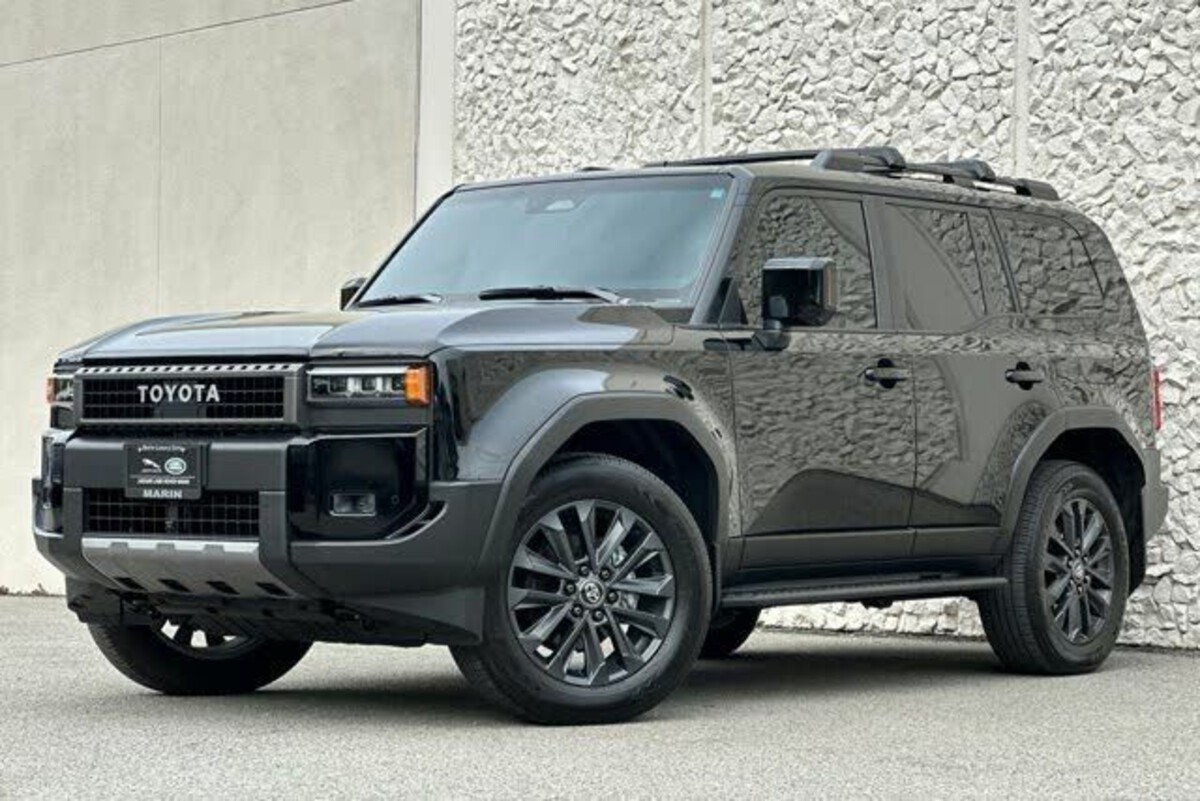
Design-wise, the Land Cruiser has aged exceptionally well. Its bold but restrained styling doesn’t look out of place today, with a commanding grille, squared-off wheel arches, and a muscular stance that communicates both power and elegance. Inside, the cabins remain comfortable and practical, featuring high-quality materials that have held up over time.
Mechanically, these Land Cruisers were built to endure the harshest conditions. Equipped with robust V8 engines, advanced four-wheel-drive systems, and durable suspension setups, they excel both on and off the road. Despite their age, many owners still report trouble-free driving, which is why these SUVs are popular among adventurers and overlanders.
Another factor contributing to its longevity is the abundance of aftermarket support and parts availability, making maintenance and restoration straightforward. This accessibility has helped the Land Cruiser maintain its desirability even as newer models flood the market.
Ultimately, the Land Cruiser’s combination of rugged durability, timeless design, and reliable engineering ensures that it doesn’t just survive the years it thrives. It’s no wonder enthusiasts and collectors continue to seek out these models, appreciating how a vehicle designed in the early 2000s can remain as capable and stylish as many modern SUVs.
2. Lexus LX 470
The Lexus LX 470, introduced in the late 1990s but refined throughout the 2000s, quickly established itself as a luxury SUV that could handle off-road challenges without compromising comfort. Based on the Toyota Land Cruiser platform, the LX 470 shares the legendary durability and performance of its sibling while offering a plush, refined interior that set a benchmark for luxury SUVs of its time.
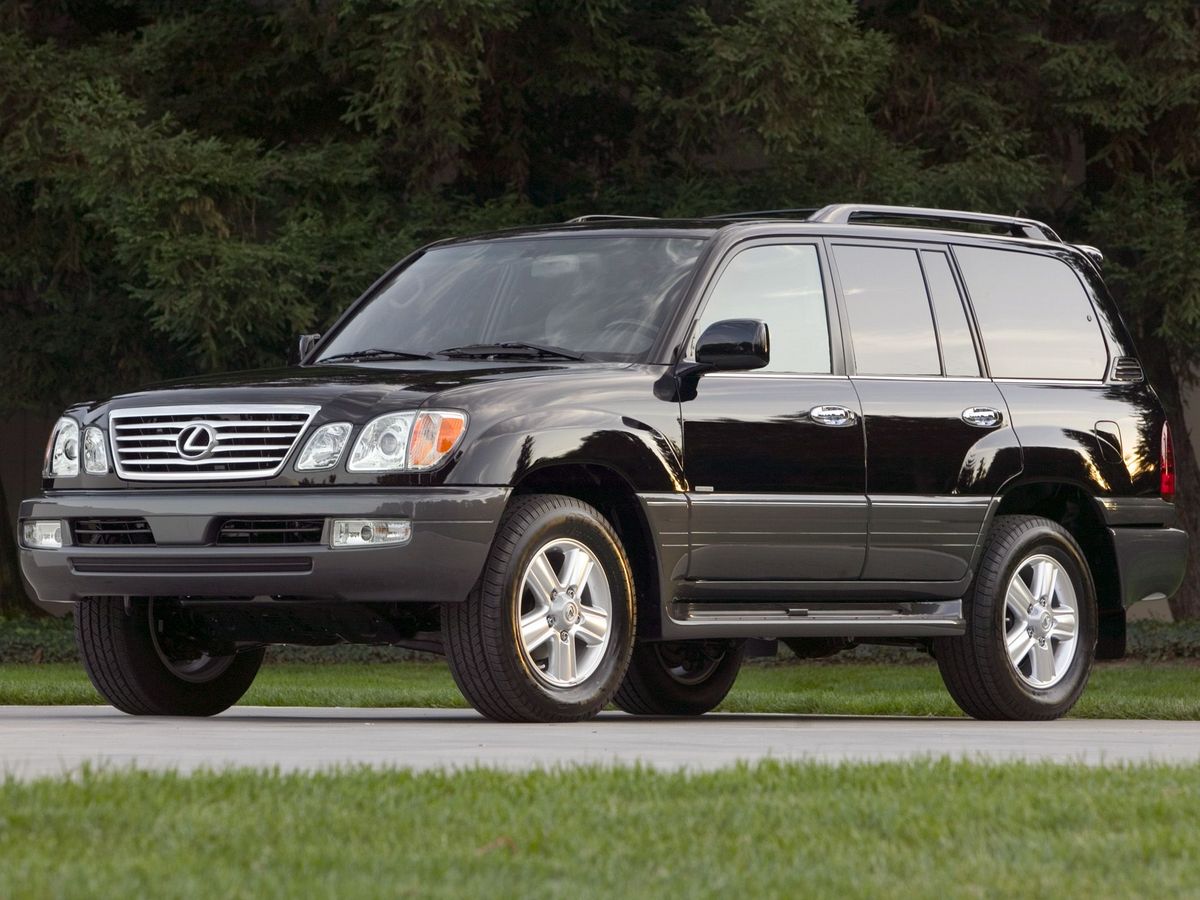
Inside, the LX 470’s cabin was loaded with high-end materials, leather seats, wood trims, and advanced (for the time) technology, including climate control, premium audio, and a navigation system. Despite being over two decades old, the interior design remains elegant and functional, avoiding the overly flashy aesthetics that can make other older SUVs look dated.
On the road, the LX 470 is surprisingly composed. Its V8 engine provides smooth power delivery, while the suspension absorbs bumps with grace, offering a comfortable ride for both city driving and long-distance travel. Off-road enthusiasts appreciate its full-time 4WD system and rugged construction, which allow it to traverse difficult terrain without breaking a sweat.
Reliability is another reason the LX 470 has aged so well. Lexus’s commitment to quality engineering ensures that many of these SUVs are still on the road with minimal issues, and replacement parts are widely available. This combination of luxury, durability, and timeless design has made the LX 470 a favorite among both collectors and drivers who value comfort and dependability.
In essence, the Lexus LX 470 proves that a luxury SUV can maintain its charm, performance, and relevance years after its initial release. Its blend of refinement and rugged capability ensures it remains a standout choice even in today’s crowded SUV market.
3. Jeep Grand Cherokee
The Jeep Grand Cherokee from the 2000s, particularly the WJ (1999–2004) and WK (2005–2010) generations, has maintained a strong reputation among SUV enthusiasts. Known for combining off-road capability with everyday usability, these models have aged remarkably well thanks to their iconic design and functional versatility.
Styling was one of the WJ and WK’s strong points. The slightly rounded edges of the WJ and the more muscular stance of the WK gave the Grand Cherokee a look that feels modern even decades later. Its bold grille, prominent headlights, and rugged yet refined silhouette make it instantly recognizable on the road.
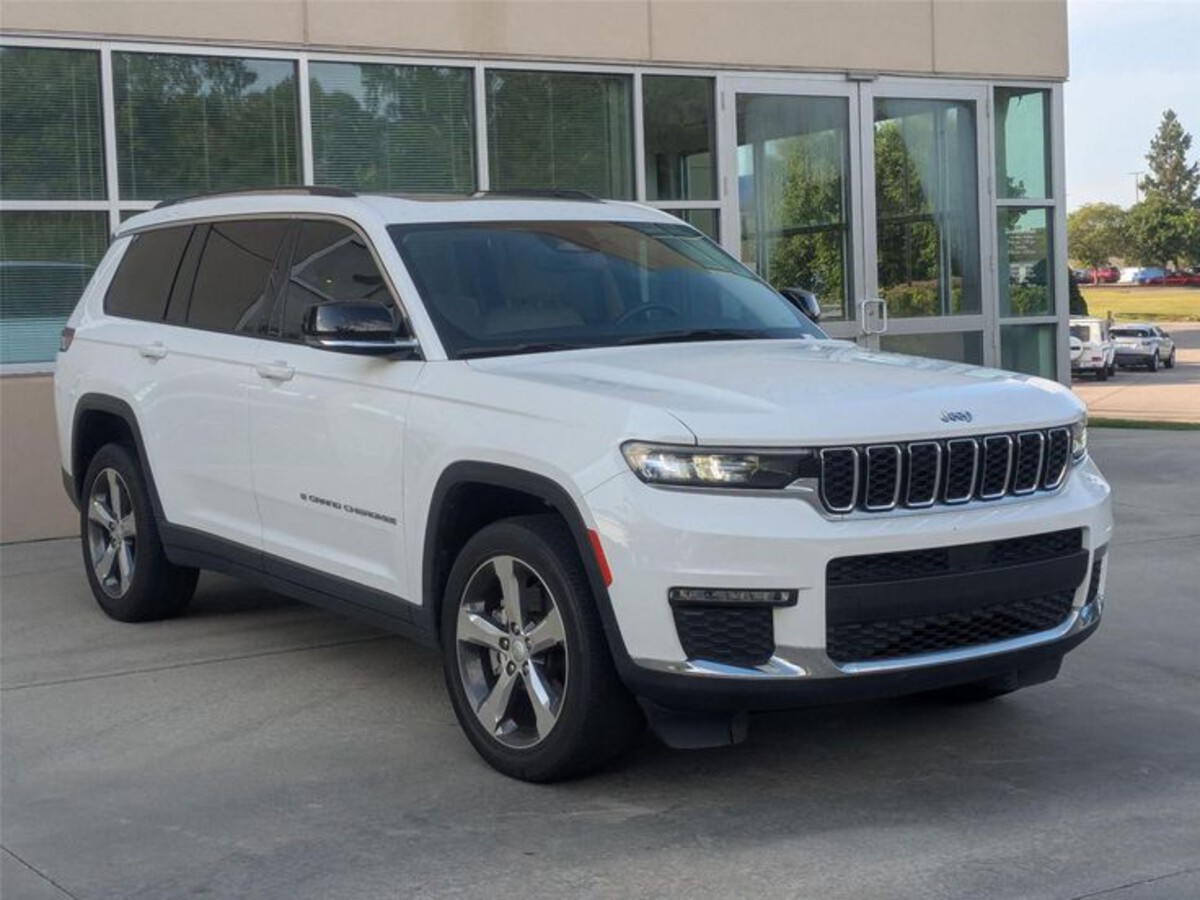
Performance-wise, the Grand Cherokee offered a range of engines, including the durable inline-six and powerful V8 options. Paired with capable 4WD systems, these SUVs could tackle rough terrain while still providing a comfortable ride in urban settings.
Owners often praise their towing capacity and road-handling balance, making them versatile for families, adventurers, and daily commuters alike.
Interior quality varied slightly across trims but generally offered a blend of comfort, durability, and functionality. Features like leather seats, navigation, and premium sound systems enhanced the appeal for drivers seeking a balance between luxury and practicality.
What truly sets the Grand Cherokee apart is its resilience. Despite being over a decade old, many 2000s models remain roadworthy, thanks to solid engineering and a community of enthusiasts keeping these SUVs maintained.
This combination of timeless styling, capable performance, and enduring popularity ensures that the Jeep Grand Cherokee remains a standout example of a 2000s SUV that has aged gracefully.
4. BMW X5 (E53)
The first-generation BMW X5 (E53), launched in 1999 and produced through 2006, revolutionized the luxury SUV segment. BMW’s Sports Activity Vehicle concept combined the driving dynamics of a car with the utility of an SUV, and the E53 X5 remains an icon of that era.
Styling was bold yet sophisticated, with clean lines, a distinctive kidney grille, and a balanced proportion that still looks elegant today. The interior exudes quality, featuring high-grade materials, intuitive controls, and a driver-focused layout. Many E53 X5s have aged well because the design avoided fads, giving it a timeless appeal.
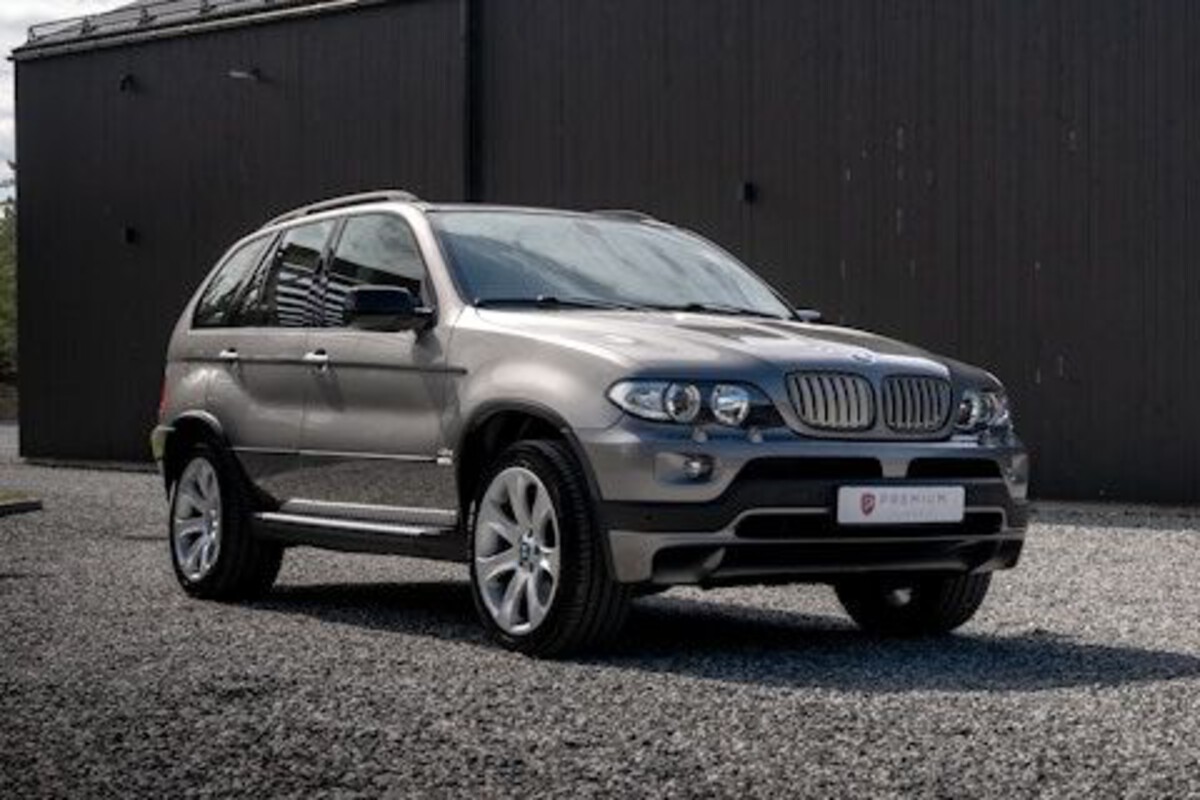
Under the hood, the X5 offered a variety of engines, including inline-sixes and V8s, known for smooth power delivery and strong performance. The all-wheel-drive system provided traction in all conditions, while the suspension struck a balance between sporty handling and comfort, making it a pleasure to drive on highways and winding roads alike.
Durability has been generally good, especially for well-maintained models, and the availability of replacement parts and enthusiast knowledge has helped owners keep these SUVs in top shape. While maintenance can be pricier than non-luxury SUVs, the reward is a vehicle that continues to impress years after its release.
The E53 X5 also marked BMW’s commitment to blending performance with utility, offering ample cargo space, a versatile cabin, and technology that was advanced for its time. Its combination of stylish design, driving enjoyment, and long-term appeal ensures that the first-generation X5 remains a classic that has aged gracefully.
5. Mercedes-Benz ML-Class (W163/W164)
The Mercedes-Benz ML-Class, particularly the W163 (1997–2005) and W164 (2005–2011) generations, played a key role in establishing luxury SUVs as mainstream vehicles. These SUVs offered the perfect combination of premium comfort, capable performance, and Mercedes’ renowned engineering reliability.
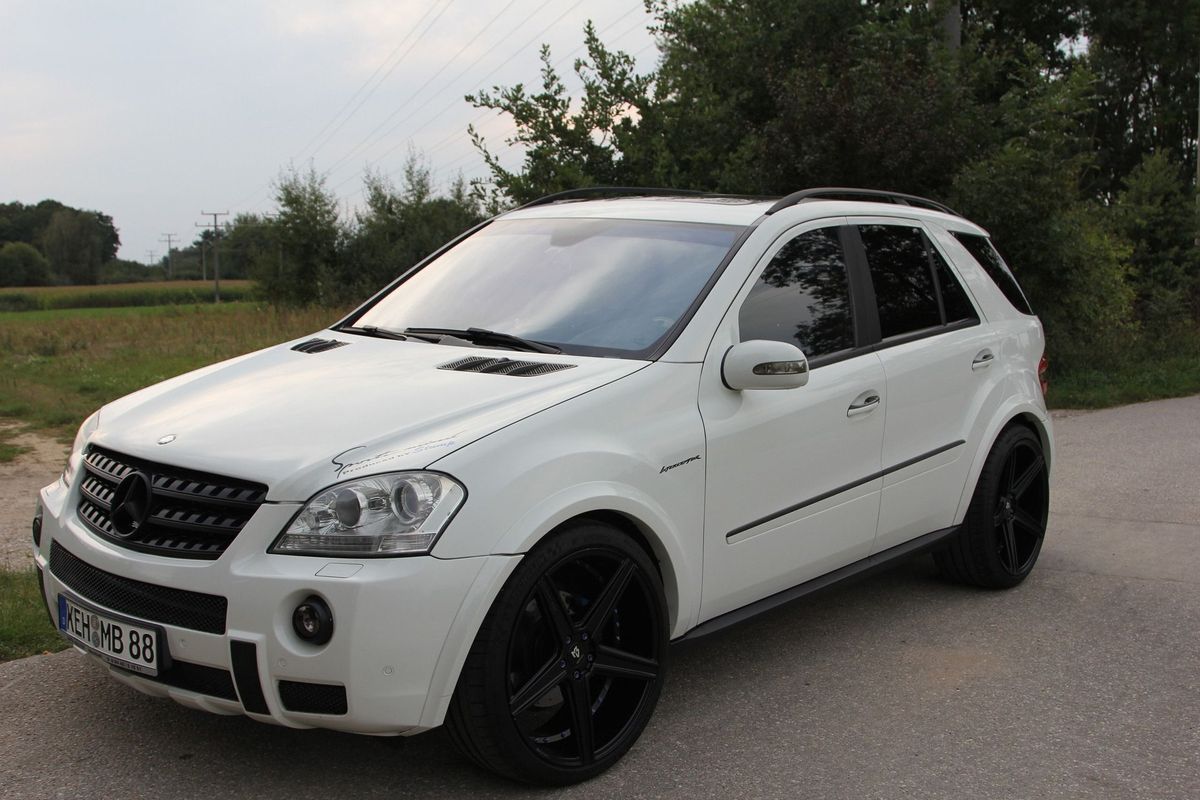
The design of the W163 and W164 was both practical and elegant. Rounded lines, subtle chrome accents, and a commanding stance give these SUVs a look that doesn’t scream “early 2000s,” allowing them to remain stylish years later.
Inside, the cabin was comfortable and intuitive, featuring high-quality materials, leather upholstery, and user-friendly technology that prioritized both driver and passenger convenience.
Performance was another highlight. From smooth V6 engines to more powerful V8 variants, the ML-Class delivered a composed and confident ride. Its all-wheel-drive system ensured capable handling in various road conditions, making it versatile for city driving, highways, or light off-road use.
One of the main reasons the ML-Class has aged well is Mercedes’ focus on reliability and durability. Regular maintenance ensures that many of these SUVs continue to operate seamlessly, while parts availability makes upkeep manageable. Additionally, the balance of luxury, utility, and performance helped these models maintain strong resale values and ongoing popularity among enthusiasts.
In conclusion, the ML-Class exemplifies how a luxury SUV can maintain its charm and functionality over time. With its combination of refined design, capable engineering, and enduring appeal, the Mercedes-Benz ML-Class from the 2000s remains a standout choice for those seeking a premium vehicle that has truly aged gracefully.
ALSO READ: 9 Chevys Known to Outlast Rivals While in Long Term Use
6. Range Rover (L322)
The Range Rover L322, produced from 2002 to 2012, represents a golden era for luxury off-road vehicles. Combining unmatched off-road capability with high-end luxury, this Range Rover has aged like a fine wine, remaining highly desirable decades after its introduction.
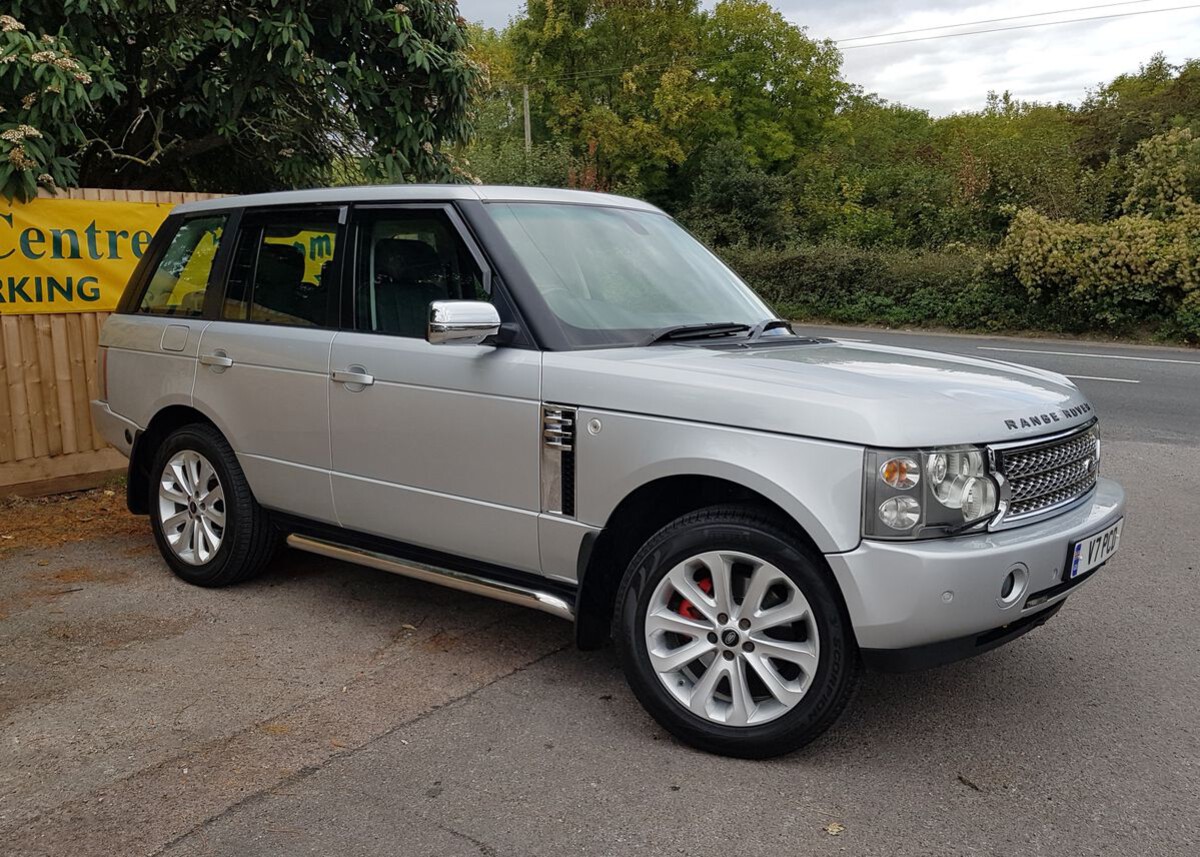
Aesthetically, the L322 has maintained its presence on the road thanks to clean, understated lines and an imposing silhouette.
Unlike many modern SUVs with overly aggressive styling, the L322’s design exudes confidence and elegance, a style that remains timeless. Inside, the cabin blends luxury and practicality. Soft leather seats, real wood trim, and advanced features for the time created a comfortable environment for drivers and passengers alike.
The L322 is also renowned for its off-road performance. With full-time four-wheel drive, adjustable air suspension, and a range of powerful engines, this Range Rover could tackle rugged terrain without compromising on comfort. Its engineering quality means that, with proper maintenance, these SUVs continue to perform reliably even today.
Reliability concerns exist, as with most complex luxury vehicles, but dedicated maintenance and availability of parts have helped enthusiasts keep these vehicles on the road. The L322 has also become a collector favorite due to its combination of capability and luxury, further cementing its status as a classic SUV.
Ultimately, the Range Rover L322 demonstrates that a vehicle can balance opulence and ruggedness while standing the test of time. Its timeless design, robust performance, and luxurious interior ensure that it remains a highly regarded SUV from the 2000s, beloved by collectors and daily drivers alike.
7. Toyota RAV4 (Second Generation)
The second-generation Toyota RAV4 (2000–2005) brought compact SUVs to a new level of practicality and style. Unlike larger, more rugged SUVs, the RAV4 focused on versatility, fuel efficiency, and ease of driving, which helped it age gracefully in an evolving automotive market.
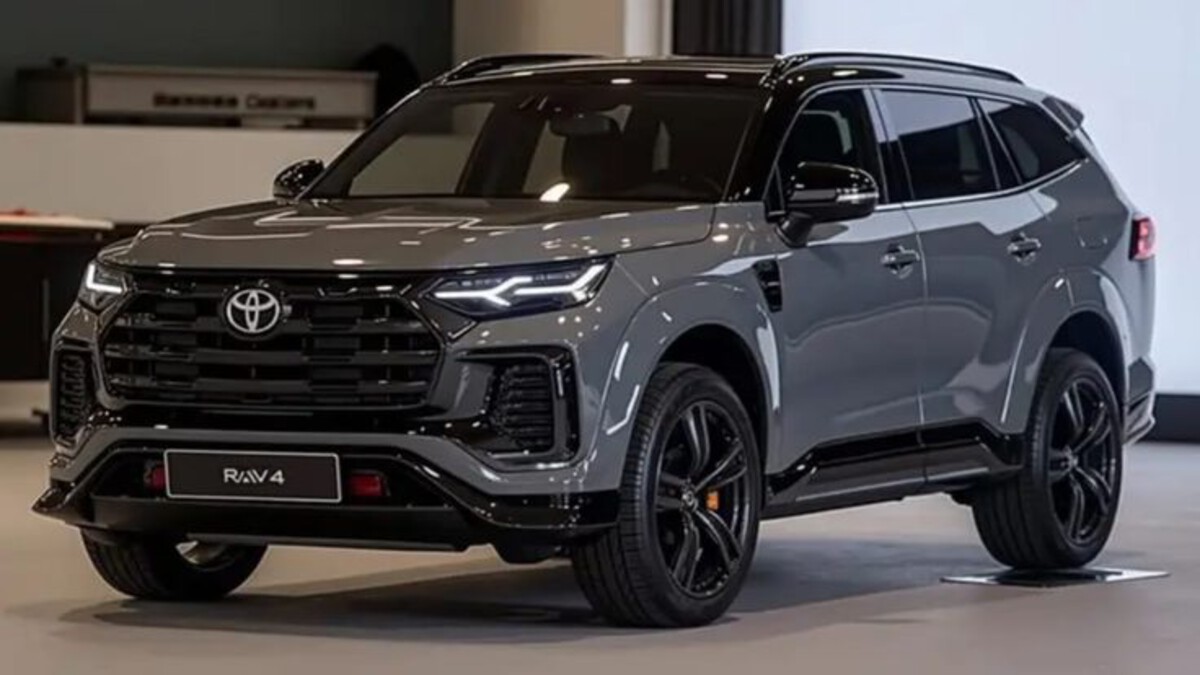
Styling was compact yet modern for its time. Rounded edges, a sporty stance, and functional design elements made the RAV4 appealing to both city drivers and outdoor enthusiasts. Its boxy-cornered yet smooth profile avoided dated looks, allowing the SUV to remain attractive years after production.
Performance was reliable and efficient. With a choice of four-cylinder engines, the RAV4 offered a balance of power and fuel economy. While not designed for heavy off-roading, it featured an all-wheel-drive option suitable for light off-road use, snow, or rainy conditions. Drivers appreciated its maneuverability, comfort, and low maintenance costs.
Inside, the cabin emphasized practicality. The RAV4 offered flexible seating, reasonable cargo space, and user-friendly controls. Materials were durable, and the layout avoided unnecessary complexity, making it feel fresh even years later.
Its reliability is a major factor in its enduring appeal. Toyota’s engineering ensured that many second-generation RAV4s are still on the road, often exceeding 200,000 miles with routine maintenance. Affordable parts and easy service make it a favorite among used car buyers seeking a dependable compact SUV.
In short, the second-generation RAV4 exemplifies how a small SUV can remain relevant long after its debut. Its combination of stylish design, practicality, and long-term reliability ensures that it has aged gracefully since the early 2000s.
8. Honda CR-V (Second Generation)
The second-generation Honda CR-V (2002–2006) became a benchmark for compact SUVs, offering a practical, reliable, and stylish package that has aged exceptionally well. Its focus on versatility, comfort, and fuel efficiency made it a popular choice among families and urban drivers.
The CR-V’s design was clean, simple, and functional. Rounded edges, a prominent front grille, and well-proportioned body panels helped it avoid the dated appearance that plagues many older SUVs. Its exterior still looks contemporary, demonstrating Honda’s commitment to timeless styling.
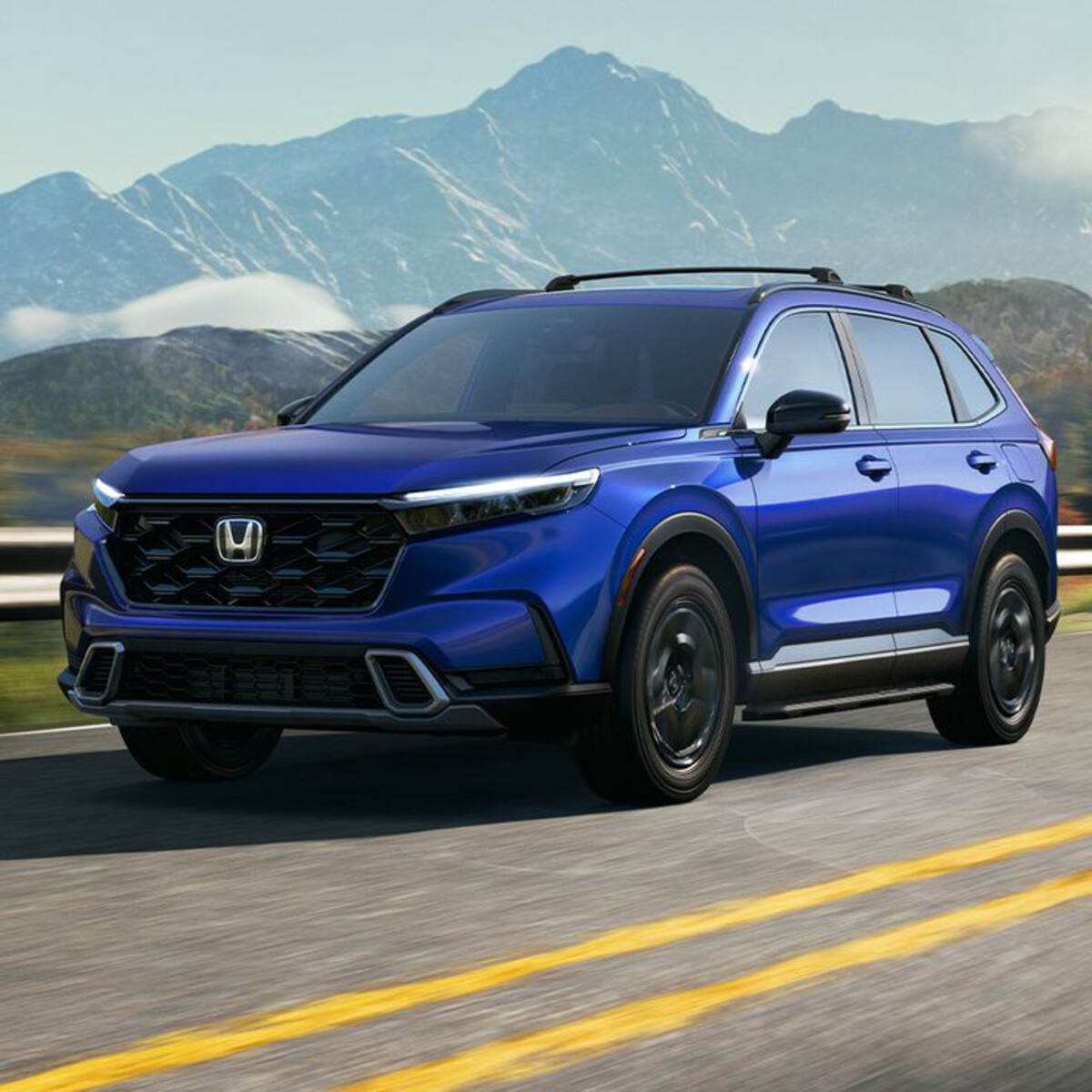
Under the hood, the CR-V featured a dependable four-cylinder engine paired with front-wheel drive or optional all-wheel drive. Performance was smooth and adequate for daily driving, commuting, and light off-road conditions. Fuel efficiency and low maintenance costs added to its practicality.
The interior emphasized usability. Fold-flat rear seats, generous cargo space, and durable materials created a functional and comfortable environment. Features like air conditioning, a decent sound system, and power accessories enhanced the user experience without complicating the design.
Longevity is a key reason the second-generation CR-V has aged gracefully. Honda’s reputation for reliability ensures that many of these SUVs remain in excellent condition decades later. Affordable parts and a strong service network make upkeep manageable, maintaining its appeal among second-hand buyers.
Ultimately, the CR-V demonstrates how a compact SUV can combine style, practicality, and reliability to remain relevant over time. Its timeless design, efficient performance, and long-lasting build quality have helped it retain popularity well into the present day.
9. Ford Explorer (Third Generation)
The third-generation Ford Explorer (2002–2005) marked a turning point for Ford’s midsize SUV lineup. With improved styling, refined engineering, and enhanced comfort, the Explorer became one of the most enduring SUVs of the 2000s.
Styling changes included smoother lines, a more aerodynamic shape, and a modernized front fascia. Unlike previous boxy Explorers, this generation offered a sleeker profile while maintaining its rugged identity. These design choices helped it avoid looking outdated even years later.
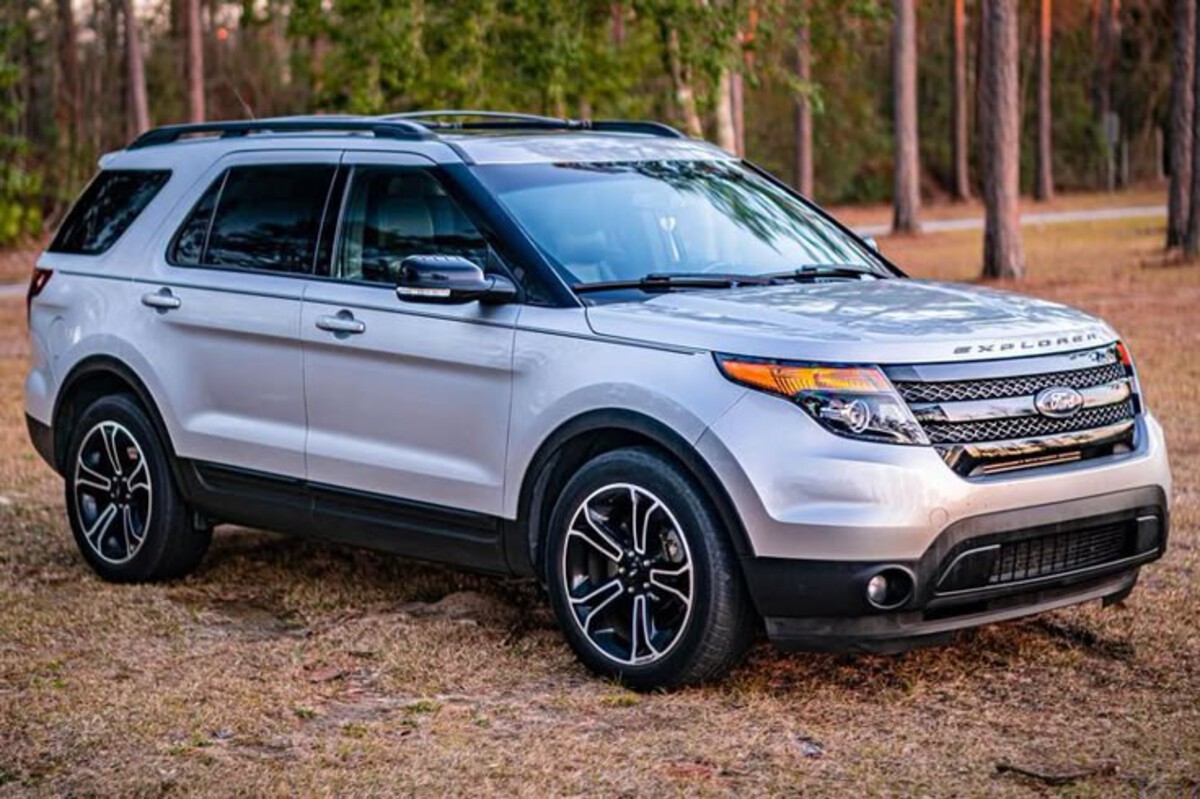
Performance-wise, the third-gen Explorer offered V6 and V8 engines, paired with rear-wheel drive or four-wheel drive options. The SUV provided a smooth, confident ride on highways while maintaining off-road capabilities for moderate adventures. Its towing capacity and strong chassis added to its versatility, appealing to families and outdoor enthusiasts alike.
Inside, the cabin focused on comfort and practicality. Seating for up to seven passengers, durable materials, and intuitive controls made the Explorer a reliable family SUV. Optional features like leather seats, premium audio, and sunroofs enhanced its appeal without appearing overly dated.
Reliability and longevity have contributed to its enduring popularity. Many well-maintained third-generation Explorers continue to operate efficiently, and aftermarket parts availability makes repairs manageable. Its balance of comfort, capability, and timeless design ensures it remains a desirable option in the used SUV market.
The third-generation Ford Explorer stands as a testament to how a mainstream SUV can maintain relevance over decades. With its versatile performance, practical interior, and stylish yet understated design, it continues to be appreciated by both enthusiasts and everyday drivers.
10. Subaru Forester (Second Generation)
The second-generation Subaru Forester (2002–2008) redefined the compact crossover segment with its combination of reliability, practicality, and all-weather capability. Its timeless design, coupled with Subaru’s renowned all-wheel-drive system, has helped it age gracefully.
The exterior styling was functional yet modern. Its boxy, upright design maximized interior space, while subtle curves and clean lines prevented it from appearing dated. The Forester’s elevated stance and rugged detailing gave it a versatile look suitable for urban and outdoor settings alike.
Performance was reliable and efficient. Equipped with a flat-four “boxer” engine and standard all-wheel drive, the Forester offered excellent handling, stability, and traction in various conditions. Its fuel efficiency and low maintenance costs contributed to its lasting popularity among practical SUV buyers.
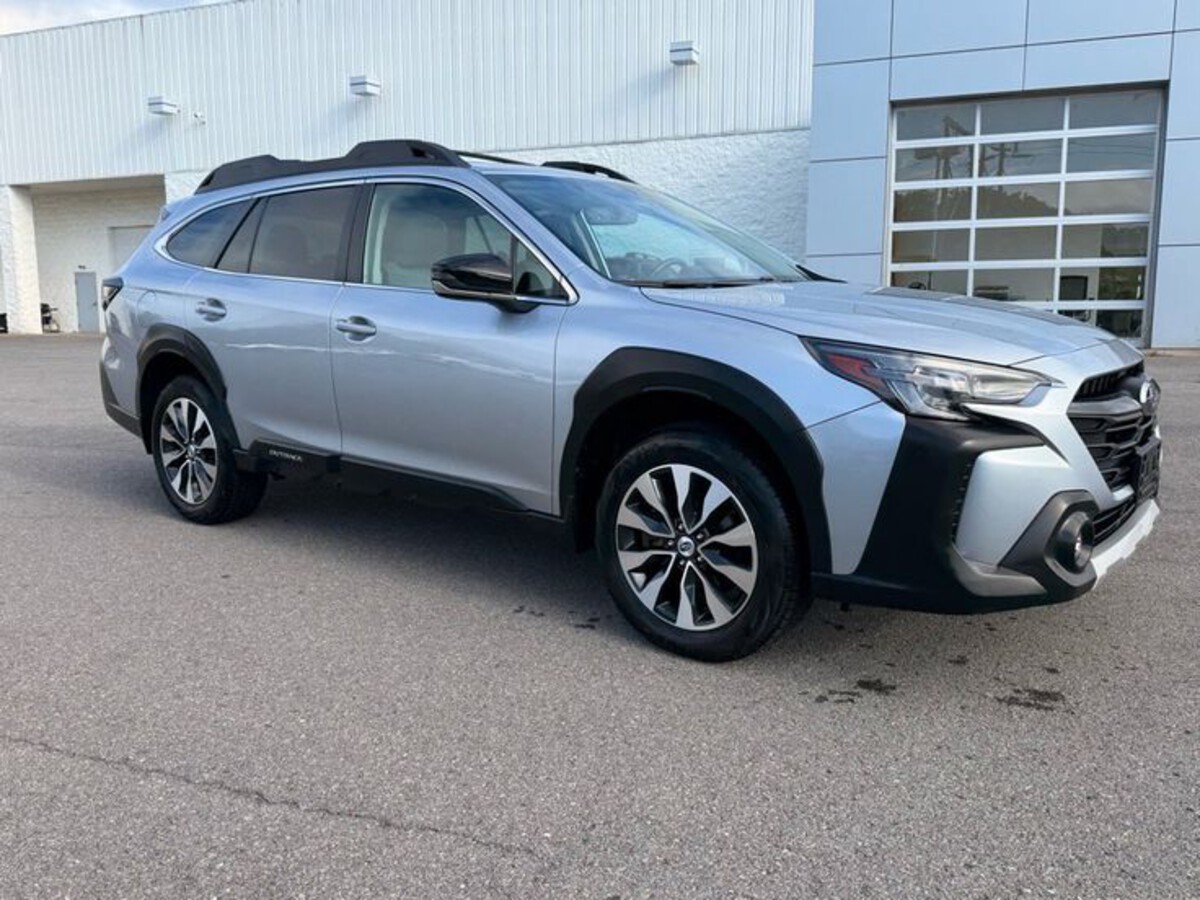
Inside, the cabin focused on usability and comfort. Flexible seating, ample cargo space, and simple controls made the Forester a versatile choice for families and adventure seekers. Materials were durable, and the ergonomic layout ensured a pleasant driving experience even years after production.
Longevity is a key factor in the Forester’s enduring appeal. Subaru’s engineering ensures that many second-generation models remain roadworthy, often exceeding 200,000 miles with proper care. Affordable parts and widespread service networks make upkeep manageable, maintaining its relevance in the used SUV market.
Looking back at the SUVs of the 2000s, it’s clear that some models weren’t just vehicles—they were statements of durability, style, and versatility. From rugged off-roaders to refined luxury crossovers, the decade produced SUVs that have stood the test of time, proving that thoughtful engineering and timeless design pay off in the long run.
These 10 SUVs, ranging from the Toyota Land Cruiser’s legendary reliability to the Subaru Forester’s practical all-weather capability, showcase how certain vehicles age gracefully without losing relevance.
One key factor that allowed these SUVs to remain appealing is their combination of reliability and performance. While many vehicles from that era have struggled with outdated mechanics or fading aesthetics, these models have maintained their core strengths.
The Land Cruiser and Lexus LX 470 still dominate off-road adventures, while luxury SUVs like the BMW X5 and Range Rover L322 continue to impress with comfort and presence. Even compact SUVs, such as the Honda CR-V and Toyota RAV4, retain practicality and fuel efficiency, proving that a smaller package can age just as well.
Another reason these SUVs have endured is their timeless design. Unlike many vehicles that follow short-lived trends, these models avoided overcomplicated styling or gimmicks, giving them a look that still feels contemporary today. Interiors were built with durable materials and thoughtful layouts, allowing comfort and functionality to hold up over years of use.
Ultimately, the 2000s proved that an SUV could be more than a status symbol; it could be a dependable, versatile companion. Whether for daily driving, family trips, or off-road exploration, these 10 SUVs continue to deliver value, style, and reliability.
Their enduring popularity highlights a simple truth: a well-designed, well-built SUV doesn’t just survive, it thrives, remaining relevant, desirable, and admired even decades later.