In an era where vehicles are loaded with digital screens, subscription-based features, and ever-increasing prices, some drivers are making a surprising choice: they’re holding onto their old, high-mileage cars even those that have crossed the million-mile mark.
It might sound irrational at first. After all, why keep driving something that’s seen more road than most cars will in three lifetimes?
But for a growing number of Americans, these “million-mile cars” aren’t just mechanical survivors they’re trusted partners, financial lifelines, and badges of pride in a disposable age.
The million-mile car has long been a mythical milestone a feat usually achieved by a handful of famously reliable models like the Toyota Camry, Honda Accord, or Volvo 240.
But as car prices continue to soar, hitting a million miles isn’t just a personal goal anymore; it’s becoming a practical decision. Drivers today are more motivated than ever to keep cars running longer, and those who hit that extraordinary benchmark often have deep reasons for never letting go.
One of the biggest reasons drivers keep their million-mile cars is simple economics. The average new car in the US now costs over $47,000 a record high that puts vehicle ownership out of reach for many middle-class Americans.
Even used cars have skyrocketed in price, with models five to ten years old often selling for what new cars cost just a decade ago.
For drivers who already own a fully paid-off, mechanically sound vehicle, the cost-benefit calculation is obvious.
Keeping a high-mileage car maintained even one that’s old enough to vote can be far cheaper than taking on a new car loan, higher insurance premiums, and expensive maintenance plans.
Also Read: 10 Affordable Cars That Refuse to Quit in College Parking Lots
Then there’s reliability and the trust that builds over time. A million-mile car is rarely a fluke. It’s almost always a vehicle with a rock-solid powertrain and an owner who understands its quirks, strengths, and maintenance rhythm better than anyone else could.
After hundreds of oil changes, timing belt replacements, and transmission flushes, many long-term owners reach a point where the car becomes more predictable than anything they could buy new.
A fresh-off-the-lot model might have advanced safety systems and hybrid efficiency, but it also comes with unknown reliability and, often, more complicated and expensive repair needs.
By contrast, a seasoned vehicle with known history and easy-to-access parts can feel like an old friend who never lets you down.
Another factor driving the million-mile club is emotional attachment. For many owners, their high-mileage car represents decades of memories road trips, family milestones, daily commutes, and personal history.
It’s more than metal and mechanics; it’s a tangible timeline of their life. When you’ve crossed the country multiple times in the same car, seen it through marriages, graduations, or career changes, it becomes difficult to part ways.
In a culture where cars often symbolize freedom and independence, that emotional bond carries weight. For some, selling such a car feels like abandoning a loyal companion that’s seen it all.
A sense of pride also plays a major role. There’s a growing community of million-mile car owners who share their stories online and at auto events. Reaching a million miles isn’t easy it takes meticulous care, regular maintenance, and often a touch of mechanical know-how.
Many who achieve it wear that milestone like a badge of honor, proof of their dedication and the car’s durability.
Toyota famously awarded medallions and plaques to owners whose cars reached one million miles, and Volvo once celebrated Irv Gordon, who drove his 1966 P1800 over 3 million miles before passing away in 2018.
These stories inspire others to aim for longevity rather than instant gratification. The engineering of certain older vehicles also plays a huge part in why people keep them.
Many pre-2010 vehicles were built with simpler mechanical systems and fewer electronic components. That simplicity translates to easier maintenance, more affordable repairs, and greater long-term reliability.
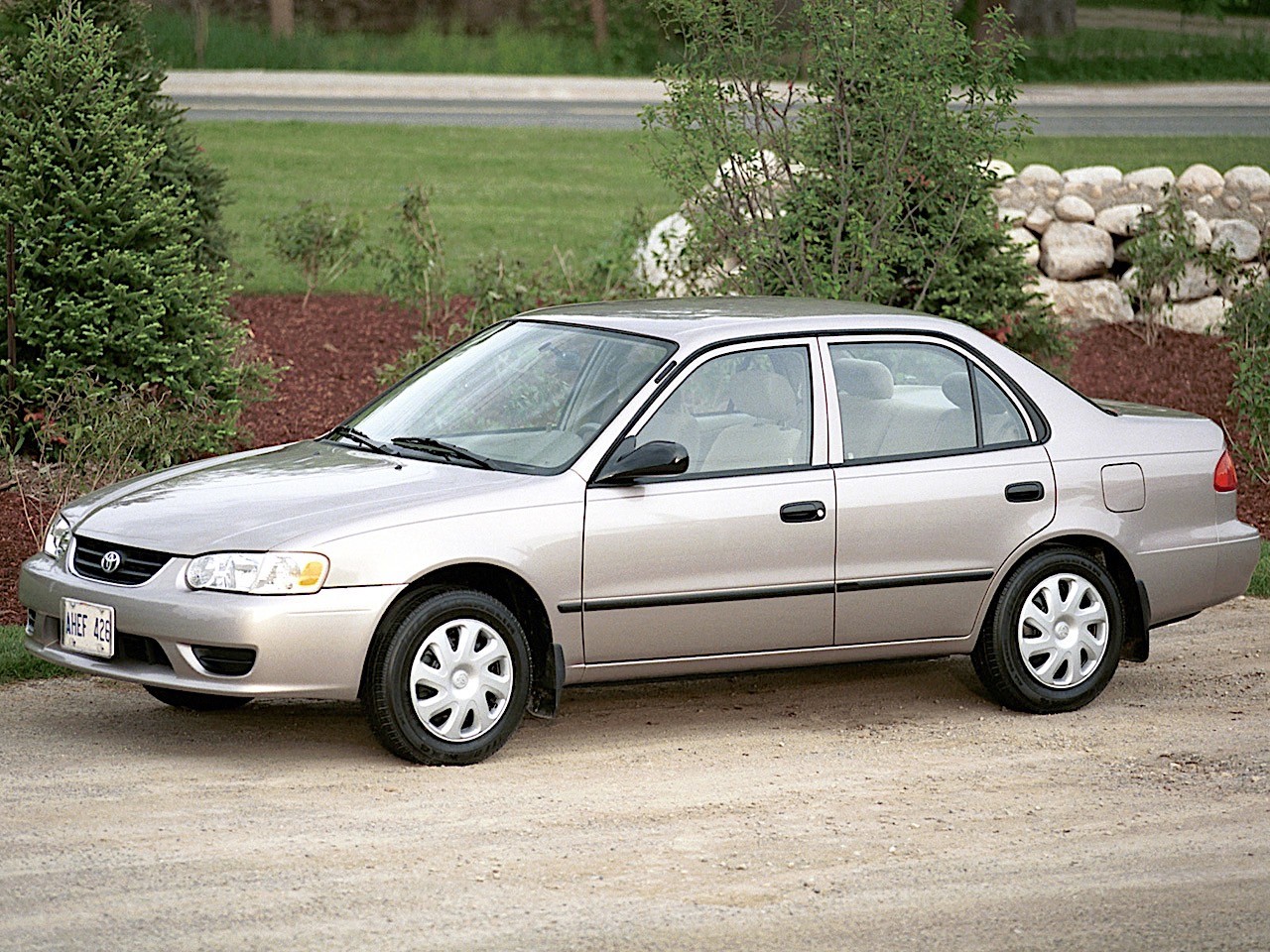
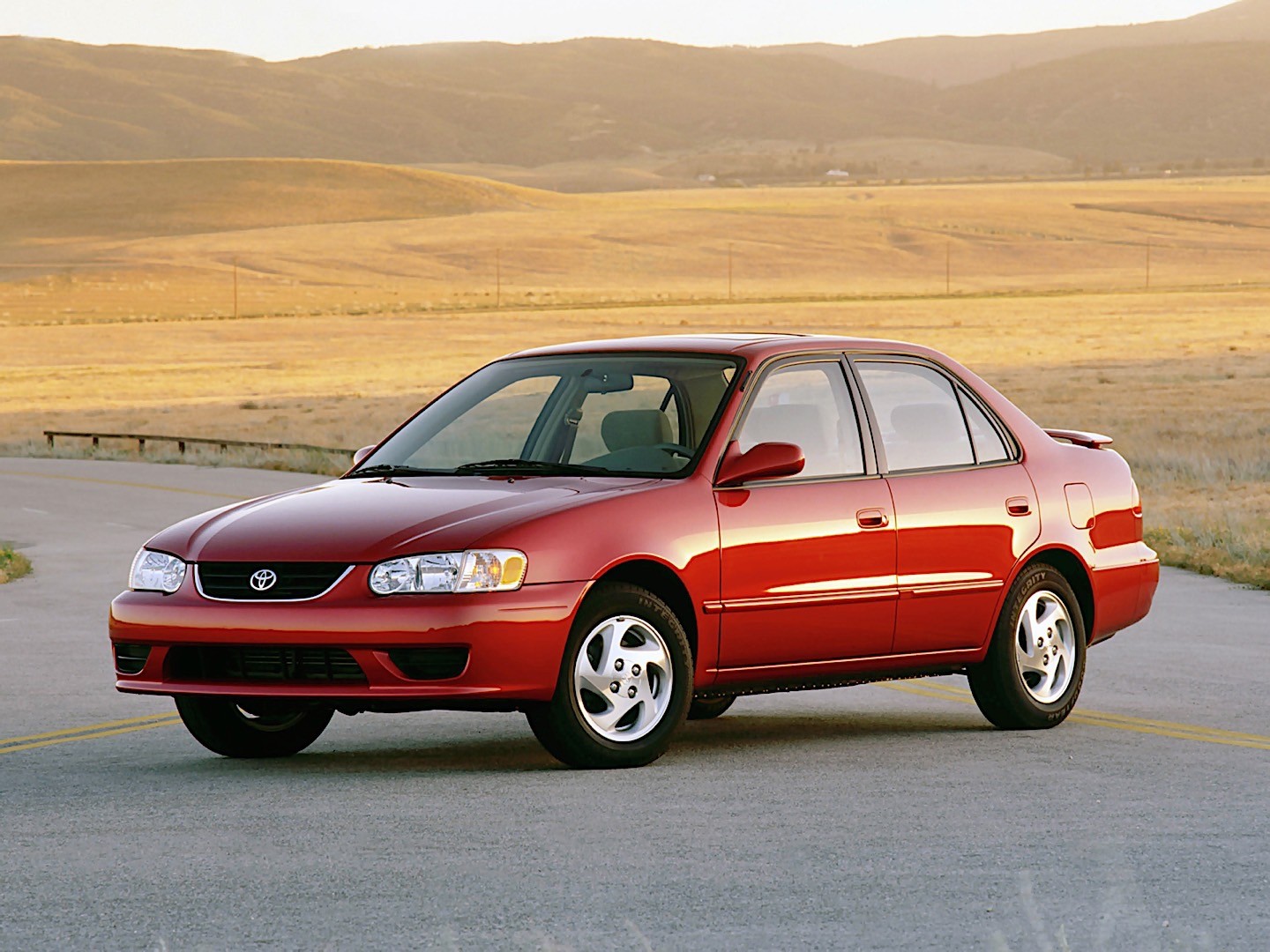
Modern cars, in contrast, rely heavily on complex electronics and proprietary systems that can be expensive to fix once they age. A million-mile Toyota Corolla from the early 2000s might have fewer features, but it can often outlast a modern SUV loaded with screens and sensors that fail before 150,000 miles.
In the US, the culture of car maintenance itself has also evolved. With the rise of YouTube tutorials, DIY repair communities, and independent mechanics sharing knowledge, keeping an older car running no longer feels daunting.
Also Read: 10 Hondas That Last Forever Without Major Repairs
Owners can diagnose check engine lights, replace alternators, and even rebuild engines with step-by-step guides.
This democratization of repair knowledge means more people can maintain their vehicles to last longer, without relying on dealership service centers that charge premium rates.
Environmental consciousness also factors into the decision for some owners. While new cars may boast higher fuel efficiency or hybrid powertrains, manufacturing a new vehicle produces significant carbon emissions often more than years of driving an existing one.
For eco-minded drivers, keeping a high-mileage car running responsibly can actually be a greener choice than scrapping it for something new. Extending a car’s lifespan avoids the energy costs of new production and minimizes the waste associated with disposal.
There’s also the simple comfort of familiarity. A car that’s been with you for hundreds of thousands of miles fits you perfectly the seat, the steering feel, even the sound of the engine.
Many drivers say that when they sit behind the wheel of their old car, it just feels right. New cars, despite all their advanced technology, can feel soulless or overly complicated. For drivers who value connection over convenience, the comfort of a familiar cabin wins every time.
Insurance and registration costs are another underrated advantage. Older cars typically cost much less to insure, and registration fees are minimal compared to new models.
This means keeping an old car on the road often frees up hundreds or even thousands of dollars annually. For retirees or budget-conscious families, that’s a meaningful saving and one more reason not to let go of a vehicle that still does its job well.
Finally, there’s a philosophical shift at play. More Americans are beginning to question the “newer is better” mindset that’s dominated car culture for decades.
With automakers pushing software updates, subscription fees for features like heated seats, and higher repair costs, many drivers are finding comfort in older, analog vehicles that simply do what they were built to do drive.
A million-mile car embodies self-sufficiency, craftsmanship, and a kind of timeless reliability that’s becoming rare in modern automotive design.
In a world of constant upgrades, over-the-air updates, and planned obsolescence, the million-mile car stands as a quiet rebellion.
It represents patience in a culture of consumption, and a celebration of engineering built to last.
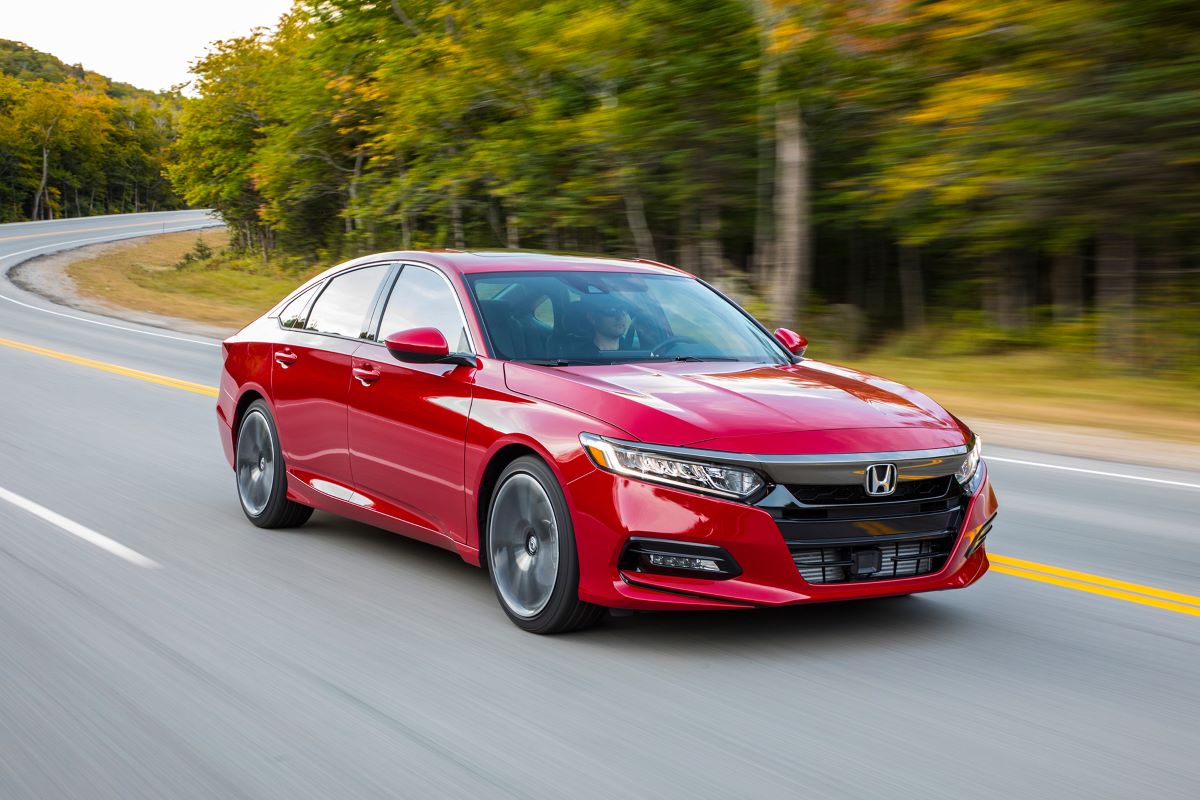
Whether it’s a diesel pickup that’s hauled loads for two decades, a Honda Accord that’s seen four sets of tires a year, or a Volvo that’s crossed every state line, these vehicles prove that longevity is more than possible it’s rewarding.
For many Americans, keeping a million-mile car isn’t about nostalgia or thriftiness alone. It’s about trust, pride, and independence. It’s a declaration that reliability and care still matter more than status or novelty.
And in that way, those who choose to keep their million-mile cars may just be the smartest drivers on the road.