
Trucks have long been the backbone of work and adventure, but some models stand out for their ability to exceed expectations year after year. From full-size powerhouses to nimble midsize pickups, certain trucks continue to impress owners with unmatched reliability, rugged performance, and thoughtful design.
Whether towing heavy loads, handling rough trails, or providing daily comfort, these vehicles prove that durability is about consistently delivering confidence behind the wheel.
In this roundup, we explore eight trucks that keep surprising their owners, blending power, technology, and resilience in ways that make them trusted companions for both work and play.
From American classics like the Ford F-150 to versatile midsize pickups like the Toyota Tacoma, each model demonstrates that longevity and dependability are achievable without sacrificing comfort, style, or innovation.
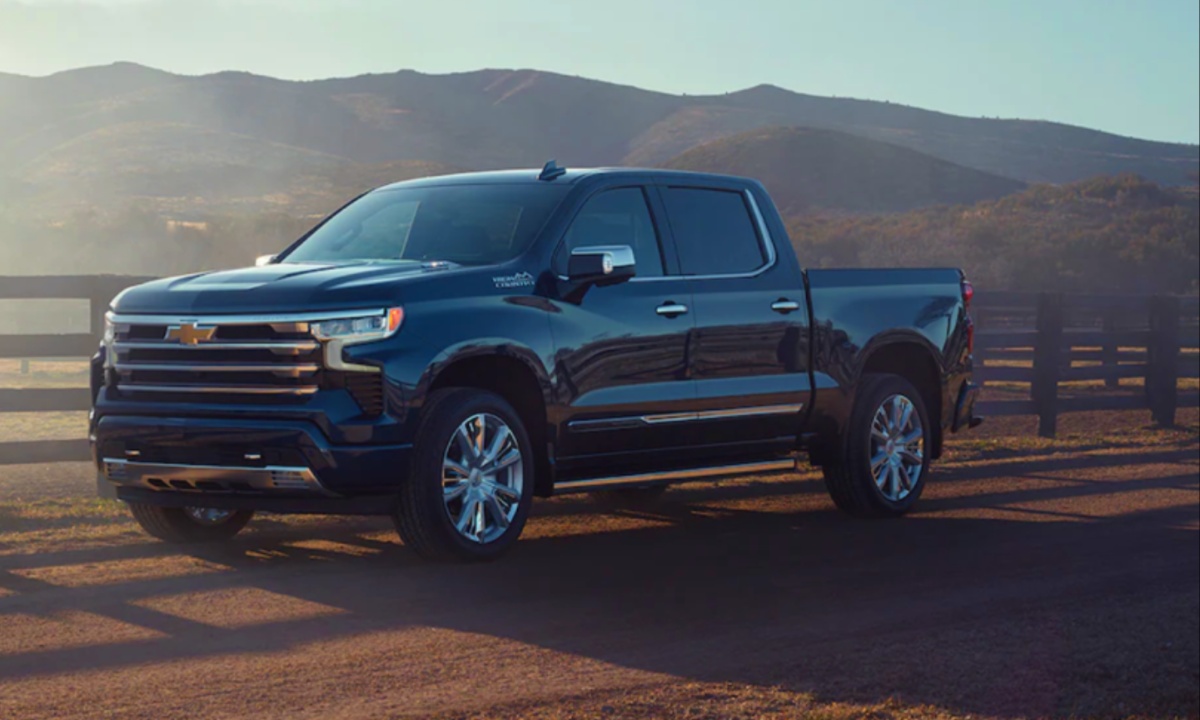
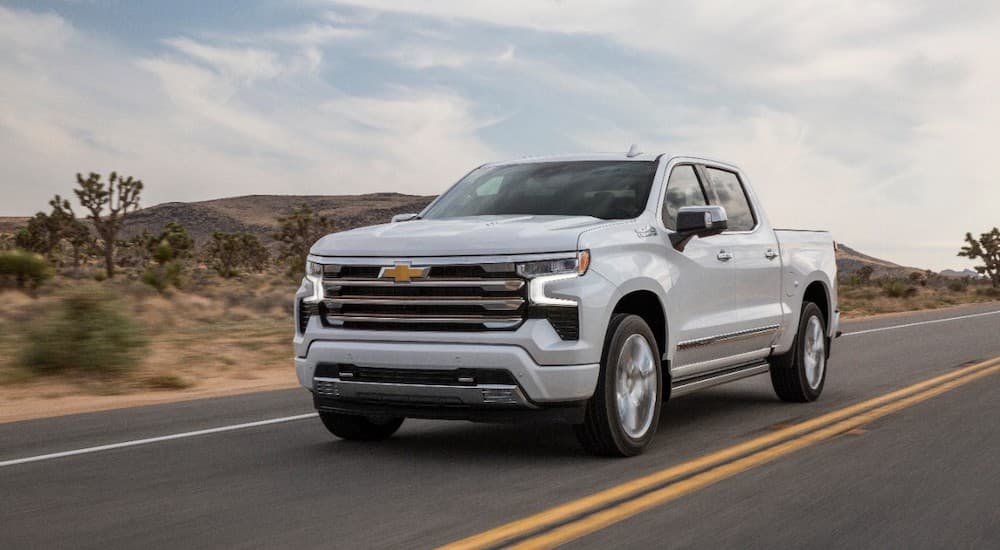
1. Chevrolet Silverado 1500: A Balanced Blend of Power, Comfort, and Technology
The Chevrolet Silverado 1500 stands as one of the most popular full-size pickup trucks on the market, appealing to a broad range of drivers with its strong performance, versatile powertrains, and practical design.
Earning a reliability score of 3.5 out of 5 from RepairPal and ranking 5th among 17 full-size trucks, the Silverado combines dependability with reasonable ownership costs and minimal major repair issues, making it an appealing choice for both work and everyday use.
Behind the wheel, the Silverado 1500 delivers capable and confident performance. The tested High Country trim with a 5.3-liter V8 and four-wheel drive accelerates from 0 to 60 mph in around 7 seconds, a respectable figure for its class. While not as quick as the Ford F-150, it provides ample power for towing, hauling, and daily driving. Smooth transmission shifts and strong low-end torque make urban driving and highway cruising effortless.
Handling is generally stable, with well-controlled body roll during turns. However, the steering feels a bit light, and midcorner bumps can disrupt its composure slightly. For off-road enthusiasts, the Z71 Off-Road Package or Trail Boss trim enhances the Silverado’s ruggedness and traction, making it better suited for rough terrain.
The Silverado’s cabin comfort is solid, though not class-leading. Seats offer good support for long trips, even if they lack the plushness found in the Ram 1500 or Ford F-150. Ride quality is smooth on highways, absorbing most small bumps with ease, though rougher roads can make the truck feel bouncy.
The climate control system is effective, though its small buttons may challenge usability. A standout feature is the split-heated and ventilated front seats, exclusive to GM, offering customizable comfort. Cabin noise remains minimal under light throttle but grows coarse when pushed hard.
Chevrolet has significantly improved the interior design, moving away from the outdated style of earlier models. The latest cabin is modern and intuitive, featuring high-quality materials in upper trims like the High Country and sportier accents in the ZR2. Controls are well laid out with a clear, responsive 13.4-inch touchscreen that supports Apple CarPlay and Android Auto (both wireless).
Technology is a major strength. The infotainment system integrates Google-powered voice recognition, enabling natural language commands to control music, navigation, or climate settings. Multiple exterior cameras assist in parking, while driver aids like adaptive cruise control, rear cross-traffic alert, and Super Cruise (on top trims) add layers of convenience and safety.
Equipped with the 5.3-liter V8 and 3.23 axle gearing, the Silverado offers robust towing and hauling capacity, supported by a deeper and wider bed than most competitors. Its well-designed tie-down points and flexible storage areas add practicality, though rivals like the F-150 and Ram 1500 provide more adaptable center consoles.
For families, the crew cab offers generous rear legroom and car seat anchors in all three positions, though loading small children can be challenging due to ride height.
Fuel efficiency is decent for a full-size truck, with an EPA estimate of 17 mpg combined for the V8 4WD model, achievable in real-world conditions. The diesel six-cylinder variant remains the most fuel-efficient choice in the lineup.
While the Silverado 1500 is competitively equipped, it tends to be priced slightly higher than key rivals without offering clear advantages in design or material quality. Its warranty coverage is average but includes one free maintenance visit. Despite its premium cost, the Silverado’s balance of performance, reliability, technology, and comfort secures its place as a strong contender in the full-size pickup segment.
The Chevrolet Silverado 1500 delivers a reliable and capable experience, with modern tech and improved refinement, making it a well-rounded choice for drivers seeking versatility and everyday usability in a rugged package.
2. Ford F-150: America’s Best-Selling Truck Redefining Power, Comfort, and Versatility
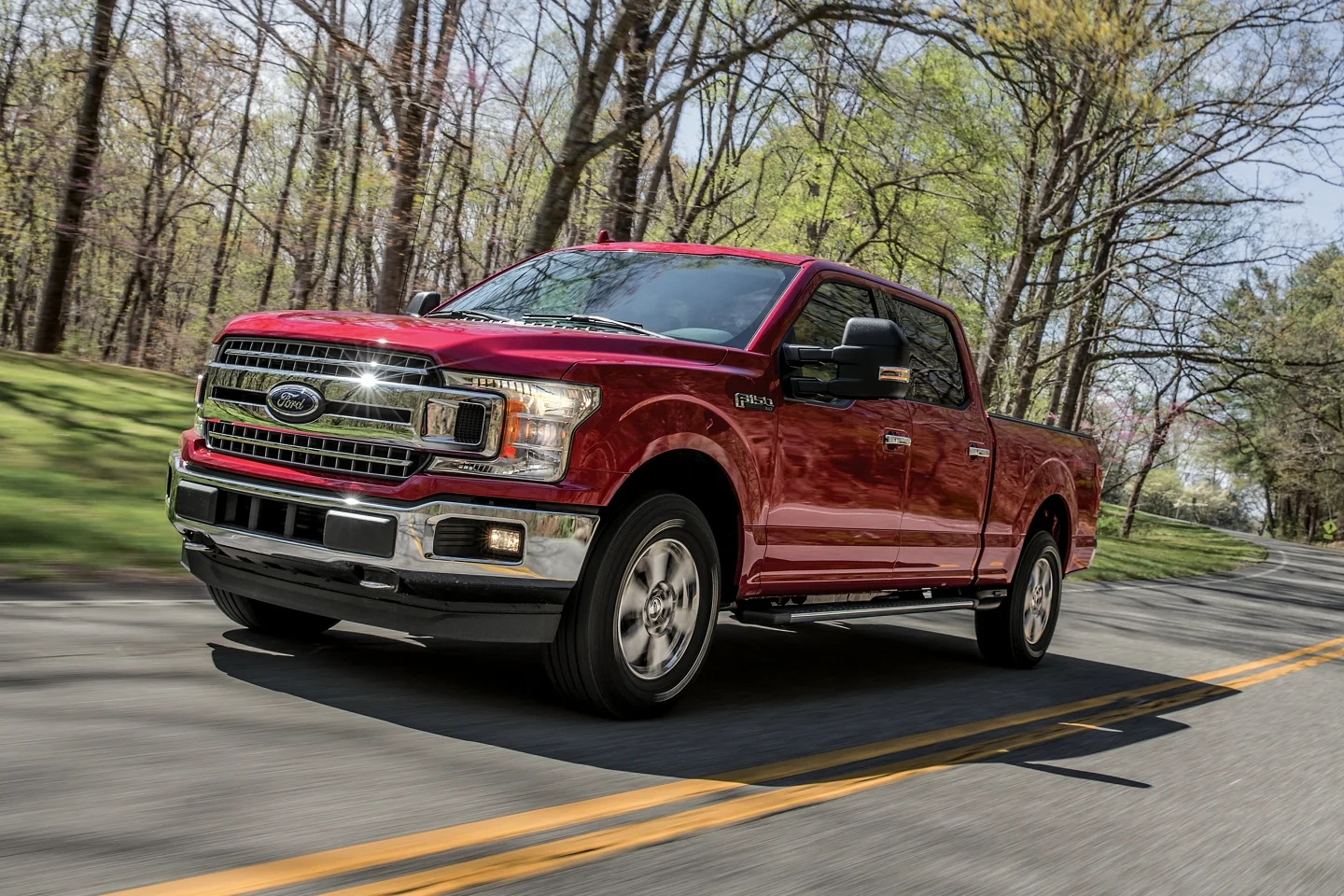
The Ford F-150 has earned its reputation as America’s best-selling vehicle for good reason. Combining strong performance, advanced technology, and exceptional versatility, it appeals to drivers from all walks of life, from daily commuters to heavy-duty haulers.
With a reliability score of 3.5/5 and an average annual repair cost of $788 (below the full-size truck average of $936), the F-150 balances dependability and affordability. Its powerful engine lineup, excellent towing and payload capabilities, and innovative features help it maintain dominance in the full-size pickup segment.
The Ford F-150’s performance options cater to nearly every driver’s needs. Its lineup includes a turbocharged V6, a traditional V8, and an innovative PowerBoost hybrid. During testing, the hybrid version accelerated from 0 to 60 mph in 5.8 seconds, showing impressive quickness for a truck of its size. Though slightly slower than the Ram 1500’s inline-six, it remains powerful and efficient.
The F-150’s steering precision is one of its standout qualities. Direct and quick, it makes the large truck feel nimble in tight spaces and stable at highway speeds. The braking system inspires confidence, especially when regenerating power in hybrid models. Whether towing heavy loads or driving through city streets, the F-150 maintains excellent composure, proving both practical and fun to drive.
Comfort levels in the F-150 vary depending on the trim and features selected. The front seats offer generous support and can be equipped with heating, ventilation, and even massage functions, a rarity in its class. The climate control system is effective and maintains the set temperature with minimal adjustment.
On the road, the F-150 delivers a smooth and quiet experience, with minimal road and wind noise. Ride quality is commendable for a full-size pickup, balancing comfort and utility. Most engines emit a satisfying sound, though the PowerBoost hybrid can sound and feel like a generator during battery charging, slightly diminishing the otherwise premium feel.
Inside, the F-150 blends practicality with thoughtful design. The interior layout is intuitive, making controls easy to locate and operate—even with gloves on. The cabin provides ample space, especially in the crew cab configuration, ensuring passengers in both rows have generous legroom. The adjustable seating, steering wheel, and pedals accommodate drivers of all sizes.
Visibility is excellent, thanks to large windows and a scalloped front door design that improves sightlines. For added convenience, the optional surround-view camera system provides 360-degree visibility, simplifying parking and maneuvering in tight spaces.
Technology is one of the F-150’s strongest assets. A 12-inch touchscreen anchors the dashboard, offering crisp graphics and easy navigation. Apple CarPlay and Android Auto come standard, while Ford’s BlueCruise system enables hands-free highway driving, a standout feature in real-world use.
Another remarkable innovation is Pro Power Onboard, a built-in generator system available in three output levels (2.0 kW, 2.4 kW, and 7.2 kW). This system allows users to power tools, appliances, or camping equipment directly from the truck bed, making the F-150 an invaluable partner for work or recreation.
When it comes to towing and hauling, the F-150 leads its class. Properly equipped, it can tow up to 13,500 pounds and haul up to 2,445 pounds. The bed isn’t the largest in its class, but features like the optional split-opening tailgate, power up/down function, and tailgate step enhance accessibility and usability.
Fuel efficiency is competitive, ranging from 19 mpg combined with the 3.5-liter V6 to 23 mpg combined with the hybrid. While the Silverado’s diesel variant edges ahead in fuel economy, the F-150 strikes an excellent balance between power and efficiency.
The Ford F-150 offers strong value across its trim levels. It can be configured for bare-bones utility or full luxury, depending on the buyer’s priorities. Higher trims deliver premium touches such as advanced safety features, superior comfort, and cutting-edge technology.
Although Ford’s warranty coverage is average compared to rivals, the F-150’s customization potential, innovative features, and longstanding reliability make it one of the most versatile and rewarding pickups available today.
The Ford F-150 sets the benchmark for full-size pickups by offering a compelling combination of performance, comfort, and innovation, solidifying its position as America’s top-selling and most trusted truck.
3. Ford Ranger: A Reliable and Tech-Savvy Midsize Pickup
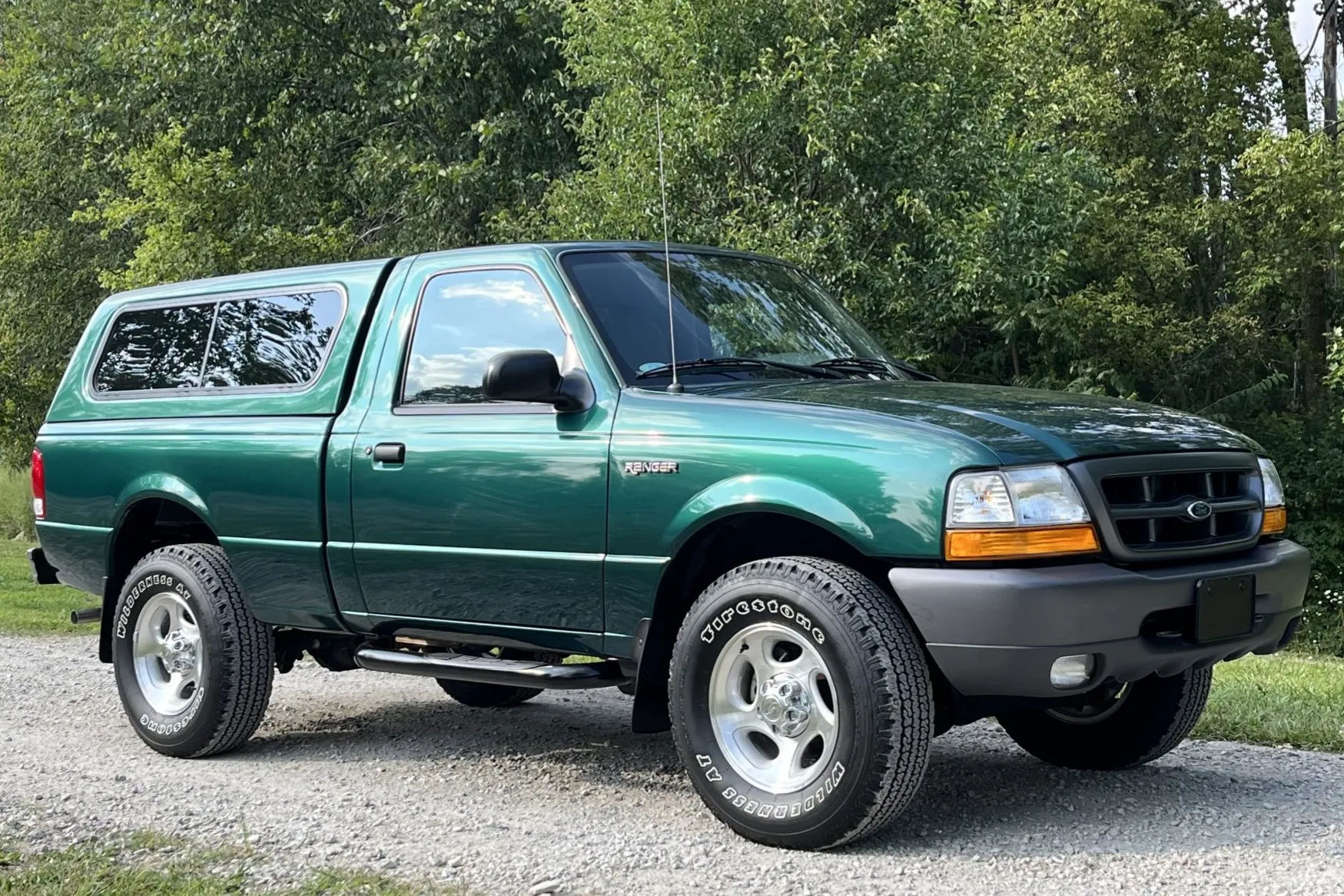
The Ford Ranger is a strong contender in the midsize truck segment, earning a 4/5 reliability rating and ranking third out of seven for dependability. Its below-average repair costs and infrequent trips to the shop make it appealing for those prioritizing long-term ownership.
Beyond reliability, the Ranger is often chosen for its turbocharged engine, extensive safety features, and affordable pricing relative to similar midsize trucks.
The Ranger delivers a responsive driving experience, especially considering its midsize stature. The base turbocharged four-cylinder engine allows the four-wheel-drive Lariat trim to accelerate from 0 to 60 mph in 6.7 seconds, outpacing the Toyota Tacoma by a full second. A V6 option improves acceleration slightly to 6.2 seconds and provides extra power for passing or merging.
Handling is confident, with the truck remaining stable around corners and easy to control on highways. The steering provides a balanced amount of heft and assistance, while low-speed maneuvering in parking lots is straightforward. Although acceleration at very low speeds can feel a bit sluggish, the Ranger quickly makes up for it when power is needed.
Ride quality in the Ranger is notably smooth, surpassing many of its midsize competitors. The front seats are comfortable and supportive, providing sufficient comfort for long trips. In the Raptor trim, additional bolstering enhances off-road stability. Noise levels are typical for a turbocharged four-cylinder engine, becoming coarse when the throttle is applied aggressively, but this is common among midsize trucks.
The Ranger’s cabin provides ample front-seat space and adjustable seating and steering wheel options, making it easy to find a comfortable driving position. Visibility is excellent, aided by the low hood design. Rear legroom is more limited than in trucks like the Honda Ridgeline or Jeep Gladiator, but is sufficient for children or occasional adult passengers.
Controls and the center touchscreen are conveniently positioned for the driver, although some on-screen climate buttons can be distracting while driving. Quick-access buttons for features such as the optional camera system improve usability.
The Ranger excels in connectivity and safety technology. Wireless Android Auto and Apple CarPlay allow seamless smartphone integration, while the infotainment system supports basic natural speech recognition.
Driver-assist features are unobtrusive and effective in everyday driving. The optional surround-view camera delivers high-resolution images in all directions, with a forward-facing camera displaying front tire paths for precise off-road navigation.
The Ranger comes with a single cab-and-bed combination, featuring a short but widened bed with 4 feet of space between wheelwells, enough for a sheet of plywood to lie flat.
Its payload capacity reaches 1,805 pounds, and maximum towing is 7,500 pounds, slightly below the Chevrolet Colorado. Innovative technology such as Pro Trailer Backup Assist allows drivers to reverse with a trailer using a simple knob in the center console.
Fuel economy is competitive for the segment, with both 2WD and 4WD four-cylinder models achieving 22 mpg combined, while the V6 averages 20 mpg combined.
The Ranger delivers a strong value proposition through quality materials, refined interior design, and advanced technology. While it is priced slightly higher than the Chevrolet Colorado at each trim level, it surpasses the Toyota Tacoma in refinement, making it a worthwhile investment for buyers seeking a dependable, comfortable, and technologically capable midsize truck.
The Ford Ranger combines reliability, performance, and advanced features in a midsize package, providing a practical and enjoyable driving experience without compromising on technology or comfort.
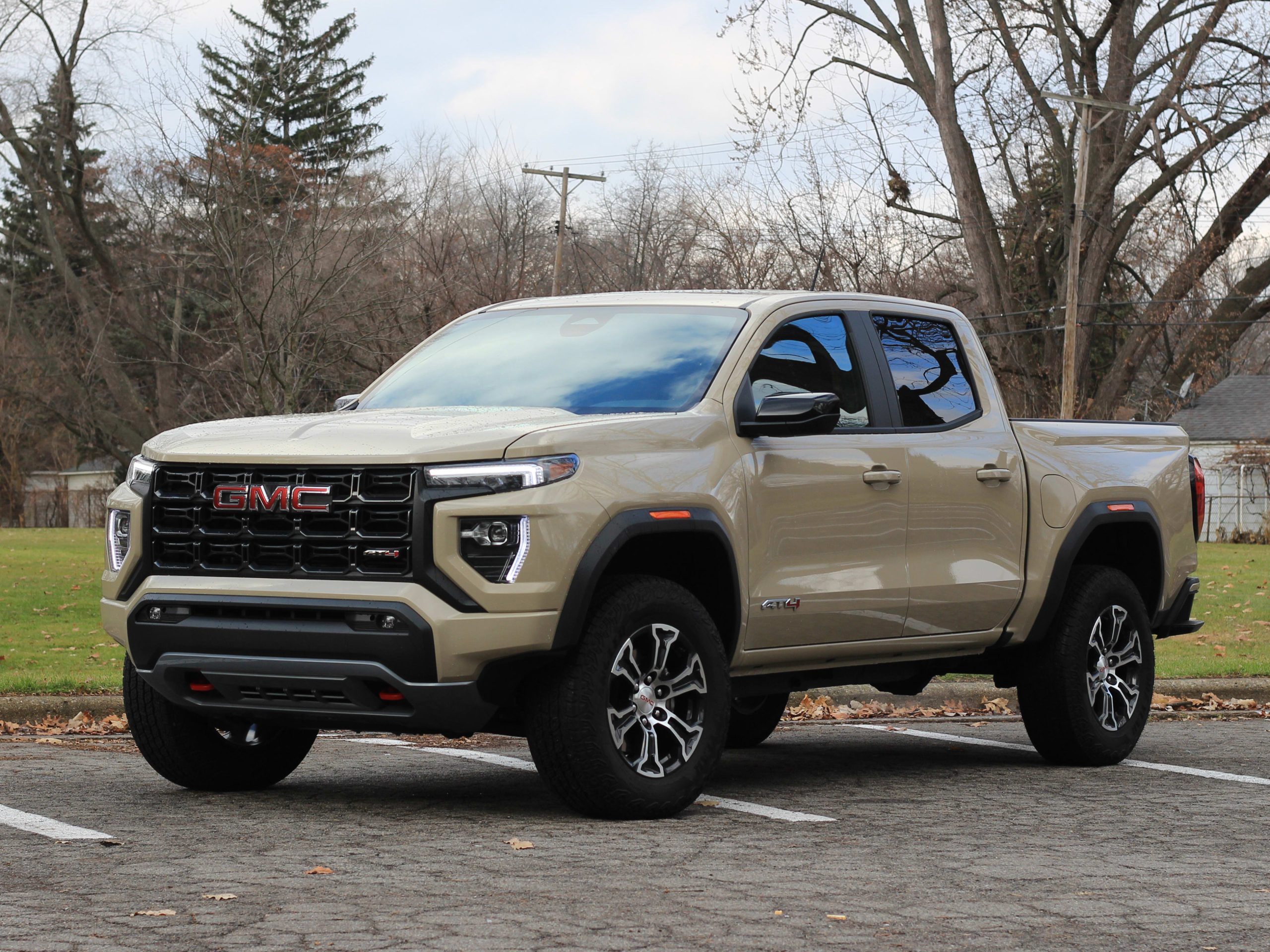
4. GMC Canyon: A Comfortable and Capable Midsize Pickup
The GMC Canyon is a midsize pickup that blends towing capability, maneuverability, and comfort in a single package. With a 4/5 reliability rating from RepairPal and annual repair costs averaging $652, $104 below the average for all vehicles, the Canyon is both dependable and affordable to maintain. Its spacious cabin, smooth ride, and practical features make it a strong choice for buyers seeking a midsize truck that performs well on and off the road.
The Canyon drives well for a midsize truck, with the turbocharged four-cylinder engine delivering strong acceleration. In the AT4X trim tested, the truck accelerated from 0 to 60 mph in 8.2 seconds, slightly slower due to the added weight of upgraded suspension, wheels, and tires.
Standard models perform closer to the high six-second range. Steering is precise and well-weighted, providing stability on highways and confidence on rocky trails in off-road trims.
Ride comfort in the Canyon is impressive, balancing firmness and compliance. The truck absorbs bumps effectively, and AT4X models with upgraded suspension offer a smoother ride. Front seats are cushy, though thigh support is limited, and the seat bottoms are flatter than some rivals.
The climate control system excels, with effective air conditioning, heated seats, and intuitive physical controls. Rear passengers benefit from dedicated air vents, and cabin noise remains low on city streets.
The Canyon shares much of its cabin design with the Chevrolet Colorado, providing a functional and user-friendly layout. Most controls are physical and easily accessible, though some functions, like headlight operation, require the touchscreen.
Entry and exit can be challenging on taller trims due to the lack of a driver-side grab handle. Cabin space is adequate, with reasonable rear legroom and headroom. Visibility is enhanced by upright windows and well-placed mirrors.
The Canyon offers strong tech features, including wireless Apple CarPlay and Android Auto, a wireless charging pad, and a Google-based infotainment system. Voice commands allow users to adjust climate settings, navigate, or access information from the web.
Advanced driver aids are available, such as adaptive cruise control, lane-keeping assist, blind-spot warning, and multiple camera angles, including an underbody camera for off-road maneuvering.
The Canyon is offered in a crew cab with a 5-foot bed. The bed is wide and easy to load, though tall sides can make side access slightly more difficult. Payload capacity reaches 1,700 pounds, and towing capacity peaks at 7,700 pounds, placing the Canyon among the best midsize trucks for hauling.
Bed features include hooks and an adjustable panel to secure loads. Cabin storage is more limited than rivals, but a small under-seat storage bin is available.
Fuel economy ranges from 16 to 20 mpg combined, depending on trim and drivetrain, with off-road configurations performing at the lower end of that range.
The GMC Canyon is positioned as a slightly premium midsize pickup, reflected in its higher starting price compared to competitors like the Chevrolet Colorado. Fit and finish are solid, with no noticeable rattles, though the interior does not feel markedly more upscale than other midsize trucks.
Warranty coverage includes three years/36,000 miles basic and five years/60,000 miles powertrain, along with five years of roadside assistance and one year of free maintenance.
The GMC Canyon combines strong towing ability, a comfortable cabin, and modern technology, making it a dependable midsize pickup with a slight premium feel, ideal for buyers seeking capability and refinement in a compact package.
Also Read: 10 Trucks That Hold Value Better Than Gold
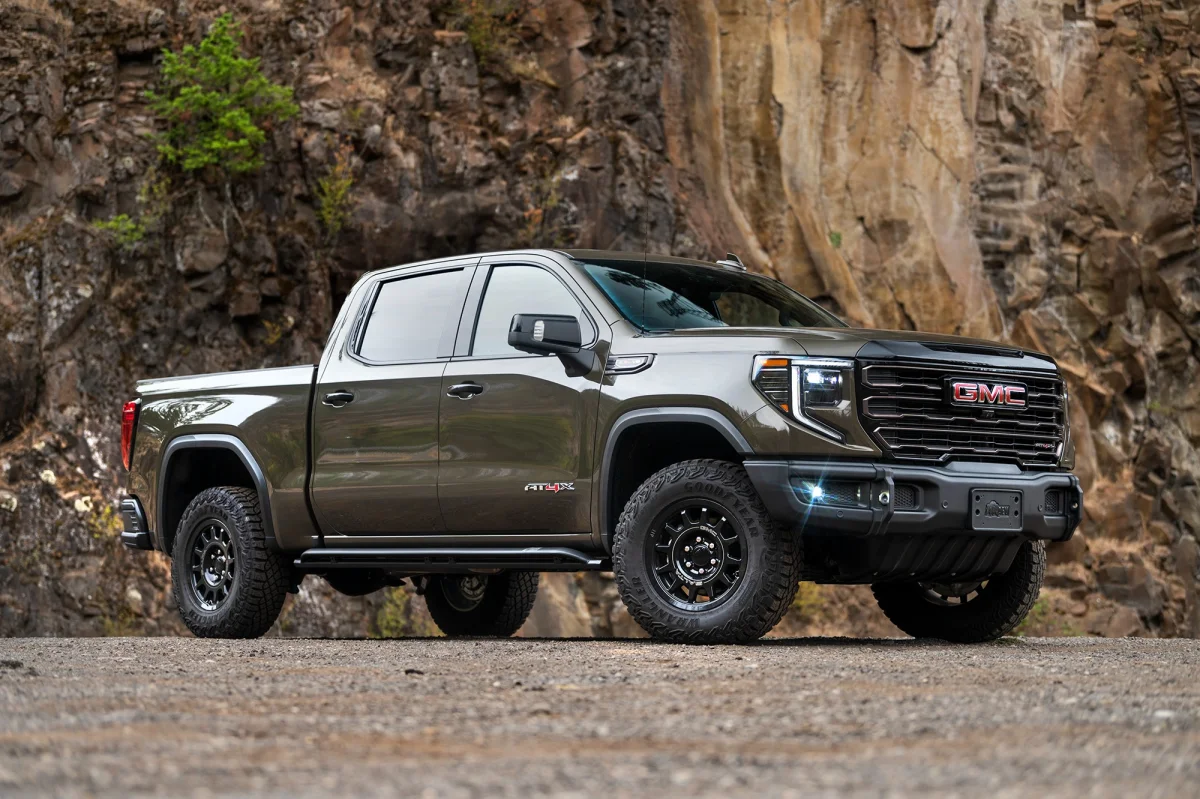
5. GMC Sierra 1500: A Spacious and Powerful Full-Size Pickup
The GMC Sierra 1500 is a light-duty full-size pickup that offers variety, capability, and comfort. With multiple powertrain options, a roomy cabin, generous bed capacity, and numerous tie-down points, it caters to both work and recreational use. The Sierra earns a 3.5/5 reliability rating, with owners reporting fewer unexpected repairs and below-average ownership costs, making it a dependable choice in the full-size segment.
The Sierra 1500 delivers strong acceleration and competent handling for a full-size truck. Our test vehicle, a crew cab with four-wheel drive and the 6.2-liter V8, accelerated from 0 to 60 mph in 6.2 seconds. The 10-speed transmission shifts smoothly, and braking performance is impressive, though brake pedal feedback can feel vague during routine stops.
Handling is less agile than some competitors, with noticeable body lean in turns and numb steering feel. Off-road capability is average, but the Traction Select system helps manage wheelspin and throttle response in low-traction conditions.
Front seats in the Sierra are comfortable, though not as plush as the F-150 or Ram 1500. The ride is smooth on highways and absorbs minor bumps well, though it can become bouncy on uneven roads.
The climate control system efficiently heats and cools the cabin, while heated split front seats, allowing separate seatback and seat cushion adjustments, are a GM-exclusive convenience. Engine noise is well-muted under light throttle, with the V8 delivering an assertive but not intrusive sound under heavy acceleration.
The Sierra’s cabin provides generous space for front and rear passengers, especially in crew-cab configurations where three adults can fit comfortably in the back. Adjustable seats and steering wheel allow drivers of all sizes to find a comfortable position.
The layout of controls, knobs, and touchscreen is intuitive, with responsive and quick-booting systems. Visibility can be challenging due to the truck’s hood height and thick pillars, but the surround-view camera system effectively mitigates blind spots.
Technology is a key strength for the Sierra. A 13.4-inch touchscreen offers high-resolution maps, quick responsiveness, and user-friendly navigation. The Google-powered voice recognition system allows natural language commands for media, climate, and navigation. Apple CarPlay and Android Auto are available wirelessly, and optional wireless charging is included on higher trims.
Driver assistance features include adaptive cruise control, multiple exterior cameras, and rear cross-traffic alerts. GM’s hands-free Super Cruise is offered on Denali trims, while abrupt braking was observed in stop-and-go traffic during testing.
The Sierra 1500’s bed is large and versatile, with numerous tie-down points and the exclusive MultiPro tailgate offering six configurations. Top trims include a trailer brake controller, multiple trailer camera angles, and memory settings for trailers. Maximum payload and towing figures are respectable but not class-leading. Interior storage is generous, with a large center console and multiple cupholders.
Fuel economy for the 6.2-liter V8 4WD model is EPA-estimated at 17 mpg combined, with diesel variants reaching up to 26 mpg combined. Our real-world testing closely matched these estimates at 17.6 mpg.
The Sierra 1500 is sturdy, well-built, and packed with features, but higher trims carry a significant price premium. Aside from the MultiPro tailgate, few features justify the cost compared with competitors. Standard warranty coverage includes three years/36,000 miles basic and five years/60,000 miles powertrain, with the first scheduled maintenance visit included.
The GMC Sierra 1500 offers strong performance, a spacious cabin, and advanced technology, making it a capable and comfortable full-size pickup, though premium trims can be expensive relative to competitors.
6. Honda Ridgeline: The Midsize Pickup That Drives Like a Car
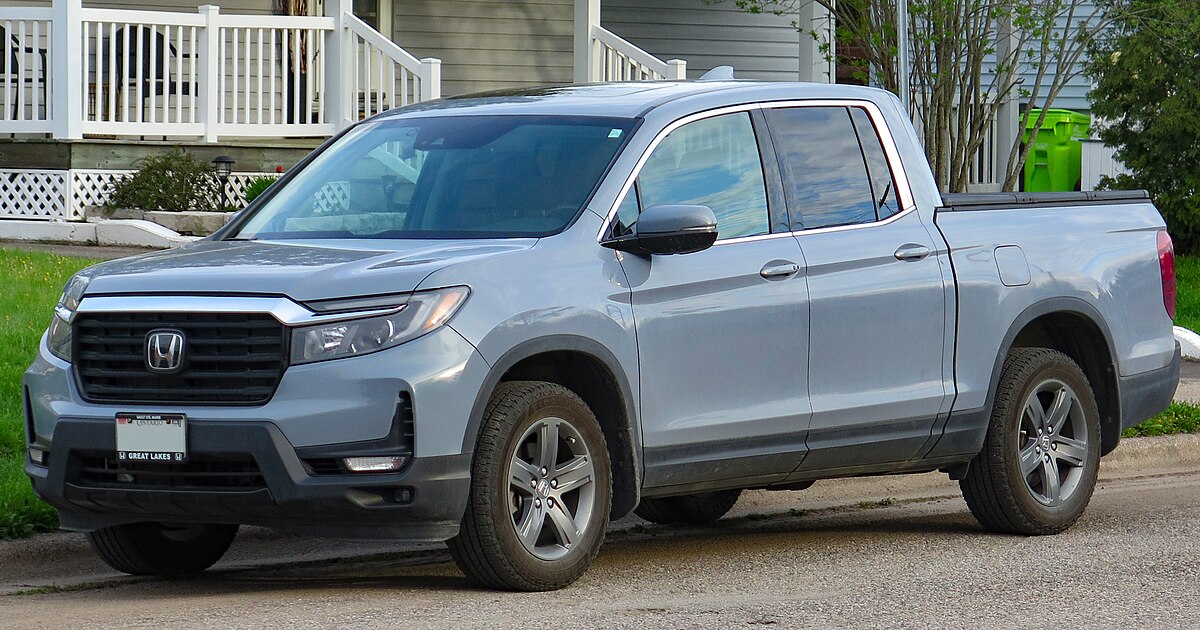
The Honda Ridgeline stands out in the midsize truck segment for its car-like handling, quiet cabin, and versatile design. It earns a 3.5/5 reliability rating with lower-than-average repair costs, offering an appealing mix of dependability and comfort.
Unique features such as a two-way tailgate, lockable in-bed trunk, and spacious, family-friendly interior make it a practical choice for buyers who want a pickup without the harshness of traditional trucks.
The Ridgeline drives more like an SUV than a traditional truck, thanks to its unibody construction. Steering is precise, and the truck remains confident in turns, even over bumps.
The standard V6 engine delivers solid acceleration, with our TrailSport test model reaching 0 to 60 mph in 7.0 seconds, competitive with turbocharged four-cylinder midsize pickups. Transmission response can be slow when downshifting, but the truck provides enough power for passing and merging.
The TrailSport trim adds mild off-road capability, including underbody protection, off-road-tuned suspension, and all-terrain tires. However, low-range gearing and extreme wheel articulation for rugged trails are not available, so hardcore off-roading is limited.
The Ridgeline offers a smooth and compliant ride, absorbing road imperfections with ease. Front seats provide broad, supportive cushions for long-distance comfort, while side bolsters help keep smaller drivers in place. Cabin noise and vibration are minimal, though the V6 engine is noticeable under heavy acceleration. Tri-zone automatic climate control is standard, effectively heating and cooling the cabin for all passengers.
The Ridgeline’s cabin is spacious and accessible, with wide-opening doors and generous legroom. Visibility is strong, aided by a squared-off hood and a large rear window. The rear seat area is roomy, making it easy to install child safety seats, and the flat cabin floor adds to passenger comfort.
Technology features are functional, though not as large-scale as some competitors. A 9-inch touchscreen is easy to use, and wireless Apple CarPlay and Android Auto are standard. The stereo is adequate but favors the rear cabin in volume settings.
Most driver-assist features come standard, including adaptive cruise control, forward collision mitigation, and lane keeping assistance. However, some systems are overly sensitive, and adaptive cruise only functions above 20 mph, limiting utility in stop-and-go traffic.
The Ridgeline offers a bed that accommodates 4-foot-wide plywood sheets without resting on wheelwells, a payload capacity of 1,583 pounds, and a maximum towing capacity of 5,000 pounds.
Its lockable in-bed trunk and two-way tailgate provide extra versatility. Interior storage is generous, with numerous cubbies, a large center console, and under-seat storage. The rear seat is spacious, making child seat installation straightforward.
Fuel economy is solid, with the TrailSport trim rated at 20 mpg combined, aligning with real-world results and competitive with turbocharged four-cylinder rivals.
The Ridgeline delivers strong value with standard driver-assist features, smartphone integration, and tri-zone climate control, even on base trims. Top trims remain competitively priced while offering a family-friendly cabin and solid build quality. Warranty coverage includes three years/36,000 miles basic and five years/60,000 miles powertrain, consistent with segment norms.
The Honda Ridgeline provides a smooth, comfortable, and practical pickup experience, excelling in versatility, interior space, and user-friendly features, making it an ideal choice for buyers who want truck utility without compromising comfort or drivability.
7. Nissan Frontier: The Most Reliable Midsize Pickup
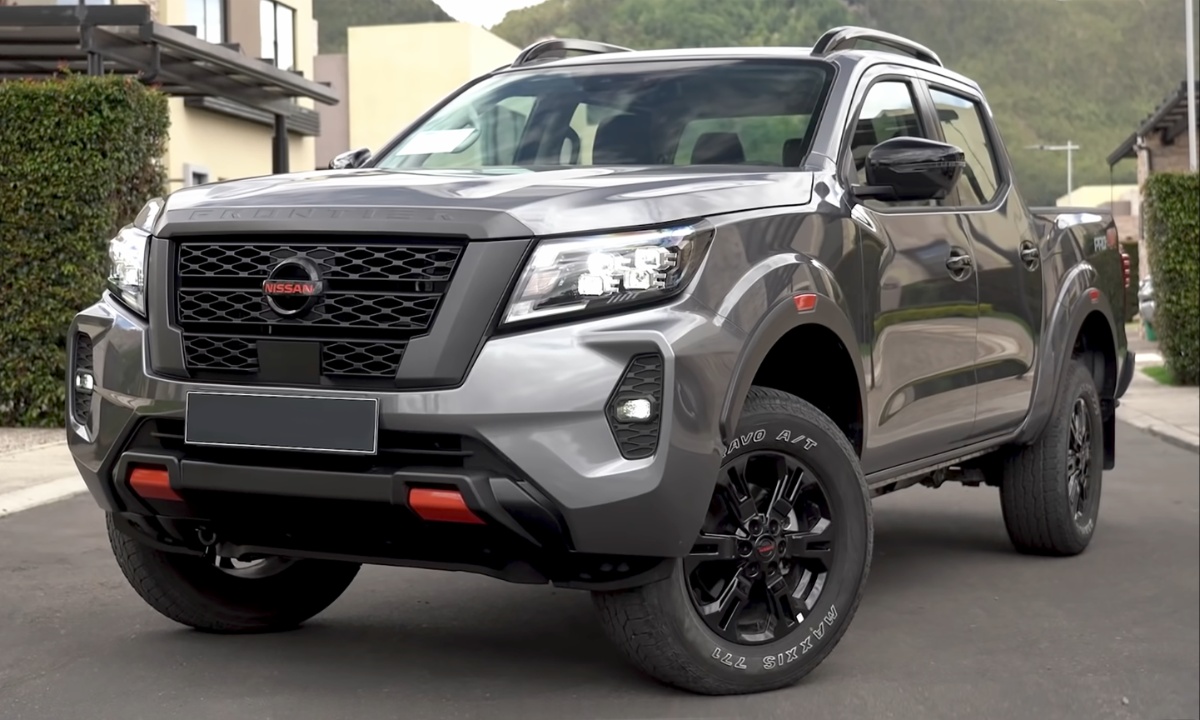
The Nissan Frontier ranks at the top of midsize trucks for reliability, earning a 4/5 rating from RepairPal. Annual repair costs are below average at $470, and the truck requires fewer unplanned shop visits compared with rivals. Beyond reliability, the Frontier offers strong engine performance, competent off-road ability, and stable handling, making it a practical choice for buyers seeking a dependable midsize pickup.
The Frontier is not the fastest midsize truck, with the Pro-4X test truck accelerating from 0 to 60 mph in 7.8 seconds, which is average for its class. However, its midrange power and smooth-shifting transmission make daily driving and highway merging effortless. Braking is strong yet easy to modulate, providing confidence in city and highway conditions.
Handling is secure around turns, even with off-road-oriented tires. The truck feels heavy at low speeds, particularly in tight parking lots or off-road maneuvers, but it can handle moderate trails without difficulty.
Ride quality is a highlight for the Frontier, as it absorbs dips, bumps, and rough roads well. The front seats are firm and flat, which can reduce long-term comfort, and limited seat adjustments make finding the ideal driving position a challenge. The climate system is straightforward and effective, but rear passengers lack dedicated vents, and highway wind noise is more noticeable than in some competitors.
The Frontier’s interior has seen significant improvement, featuring a large, easy-to-read infotainment touchscreen while retaining physical buttons for climate control and key functions.
Some controls are not logically arranged, and instrument panel menus can be cumbersome. Rear legroom is tight for adults, limiting long-ride comfort. Outward visibility is adequate, and an optional surround-view camera aids parking, though image quality is low-resolution.
Tech offerings include an 8-inch standard touchscreen or optional 12.3-inch display, optional wireless charging, and a 10-speaker Fender audio system. Standard driver-assist features include driver attention warning, automatic emergency braking, and trailer sway control, all of which performed reliably during testing.
The Frontier supports a maximum payload of 1,620 pounds and towing up to 7,150 pounds, sufficient for most small to midsize trailers. Bed accessories such as adjustable tie-down cleats, underrail lighting, a spray-in bedliner, and a 120-volt outlet enhance utility. Cabin storage is generous with a large tray near the shifter, underarm console, and multiple cupholders.
Fuel economy for the 4WD V6 model is EPA-estimated at 19 mpg combined, confirmed by real-world testing at 19.9 mpg, placing it on par with most midsize 4WD trucks.
The Frontier is competitively priced relative to other midsize trucks, offering solid build quality and dependable performance. Warranty coverage includes three years/36,000 miles basic and five years/60,000 miles powertrain, though roadside assistance duration is shorter than most competitors, and free maintenance is not included.
The Nissan Frontier is a highly reliable, well-built midsize pickup that balances everyday drivability, competent towing, and off-road readiness, making it an excellent choice for buyers who prioritize dependability and practical utility.
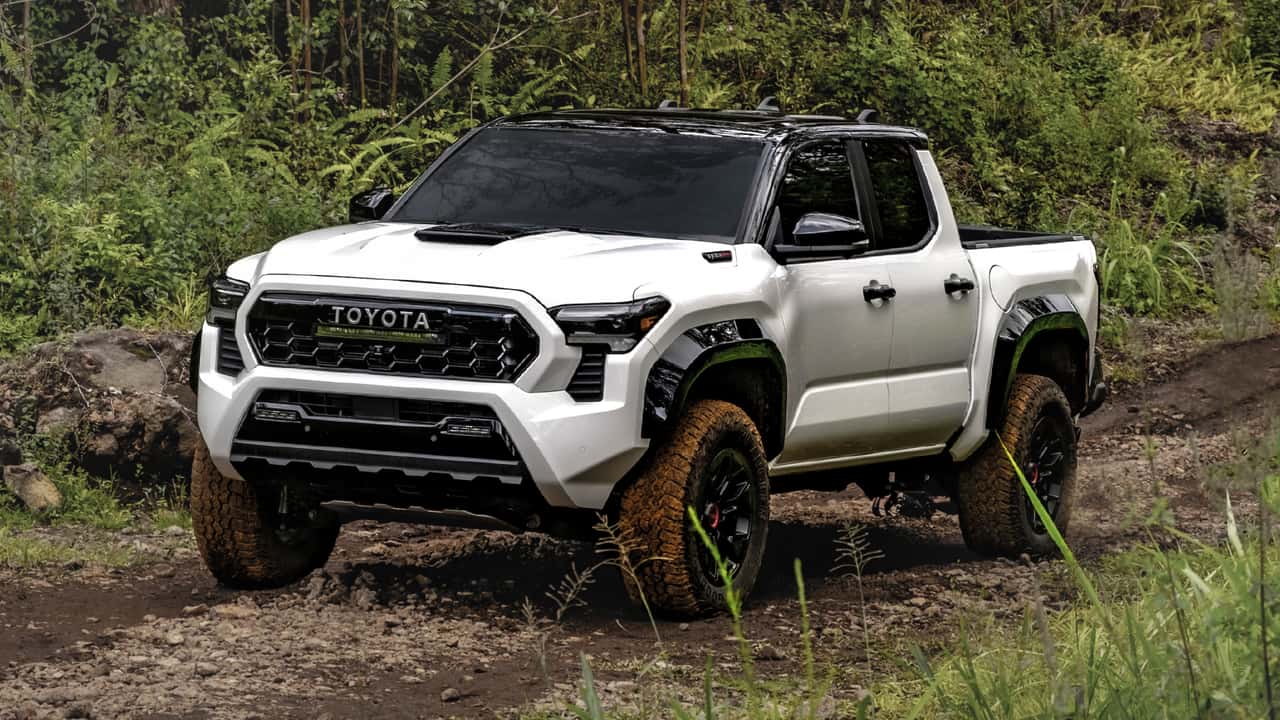
8. Toyota Tacoma: A Versatile and Reliable Midsize Pickup
The Toyota Tacoma is a well-rounded midsize truck, known for its reliability, diverse trim levels, and off-road capability. It earns an above-average 3.5/5 reliability rating, with lower-than-average annual repair costs and infrequent shop visits. Tacoma buyers can choose trims ranging from basic work trucks to off-road-ready models or more upscale configurations, ensuring there’s a version to suit a variety of needs.
The Tacoma delivers solid on-road performance, with our TRD Sport test model reaching 0 to 60 mph in 7.6 seconds and the TRD Pro with the i-Force Max hybrid powertrain hitting 7.4 seconds.
Both engines provide smooth and responsive transmission shifts, with no gear hunting on hills. Braking performance is excellent, offering smooth and controlled stopping, while steering is light, accurate, and stable at highway speeds.
Off-road capability depends on the trim: lower trims offer basic traction, while TRD Sport and TRD Pro models feature trick shock absorbers and advanced traction control. The TRD Pro excels in most off-road situations, though heavy off-road hardware can slightly compromise speed and agility.
Front seats are wide and supportive, accommodating drivers and passengers of varying sizes. Cloth seats are durable but slightly coarse, while optional synthetic leather adds refinement. Rear seat space is typical for midsize trucks, with shorter and lower cushions making longer rides less comfortable.
Higher trims, like the TRD Pro, include large shock-absorbing seats that limit rear passenger comfort. Ride quality varies by trim: lower trims feel stiff, while advanced suspension in higher trims smooths the road experience. Climate controls are clear, intuitive, and easy to operate even with gloves.
The Tacoma interior emphasizes rugged practicality. An 8-inch standard touchscreen or optional 14-inch display dominates the dash, offering crisp graphics and intuitive menus. Physical buttons remain prevalent, enhancing usability. Rear seat access is slightly limited, especially in TRD Pro models. Driver adjustability is strong, with tilt-and-telescoping steering and ample headroom for taller drivers.
Tacoma technology is functional and modern. Wireless Apple CarPlay and Android Auto are standard, with multiple USB-C ports and optional wireless charging pads. Advanced driver-assist features come standard across all trims, including automatic emergency braking, lane departure alert, and full-speed adaptive cruise control, and they operate reliably without being overly intrusive.
Tacoma offers versatile storage options both in the cabin and the bed. Rear seatbacks fold, cushions flip up, and XtraCab and Double Cab configurations include additional interior storage. A household-style power outlet is standard, with hybrid trims providing up to 2,400 watts. Maximum payload is 1,710 pounds, and towing capacity reaches 6,500 pounds, sufficient for most small to midsize trailers.
Fuel economy is competitive, with our 4WD TRD Sport averaging 22.6 mpg, slightly better than Toyota’s 21 mpg estimate. The i-Force Max hybrid provides similar fuel efficiency while delivering more horsepower and torque, without requiring premium gasoline.
The Tacoma offers a broad range of trims to fit diverse budgets and purposes. Lower trims are utilitarian with limited features, while higher trims provide advanced suspension, off-road equipment, and refined interiors.
Warranty coverage includes three years/36,000 miles basic and six years/60,000 miles powertrain, along with two years of free maintenance and roadside assistance, giving the Tacoma a strong ownership value proposition.
The Toyota Tacoma blends reliability, versatility, and off-road capability, making it a solid choice for buyers seeking a durable and practical midsize pickup.
Durability is not merely a selling point but the hallmark of a truck that earns loyalty over time. The eight models highlighted here show that a well-built truck can combine toughness, comfort, and technology while offering more than just utility on the road.
Owners consistently report satisfaction, low maintenance surprises, and performance that endures far beyond expectations. From full-size legends like the Chevrolet Silverado 1500 and GMC Sierra 1500 to midsize innovators such as the Honda Ridgeline and Nissan Frontier, these trucks prove that reliability and versatility go hand in hand.
Choosing a truck from this list means investing in a vehicle that delivers peace of mind, strong performance, and a proven ability to tackle any task or terrain. For drivers who value longevity and capability, these eight trucks are living proof that durability still matters and continues to impress.
