
In the American automotive market, the resale value of a vehicle can be as important as its performance, reliability, or comfort.
For many car owners, the decision to buy a certain model hinges on how well it will hold its value down the line. While luxury cars and high-performance vehicles may seem like sure bets, that’s not always the case.
Some everyday vehicles have quietly earned reputations for retaining incredible resale value, while others despite flashy badges and premium pricing lose value faster than expected.
Here’s a breakdown of five cars that surprise owners with high resale value and five that disappoint when it’s time to sell.
Cars That Surprise Owners With High Resale Value
Most cars start losing value the moment they leave the dealership lot, but not all. Some vehicles manage to hold their worth remarkably well, surprising owners when it’s time to trade in or sell.
These cars defy the typical depreciation curve with a mix of reliability, brand reputation, and enduring demand in the used market. In this list, we spotlight the cars that continue to turn heads not just on the road, but also on the resale market, proving that smart buying decisions can truly pay off down the line.
1. Toyota Tacoma
The Toyota Tacoma continues to dominate resale charts year after year, often outperforming far more expensive trucks.
Despite being a midsize pickup in a market obsessed with full-size models, the Tacoma’s combination of legendary reliability, bulletproof powertrains, and strong off-road heritage keeps its value sky-high.
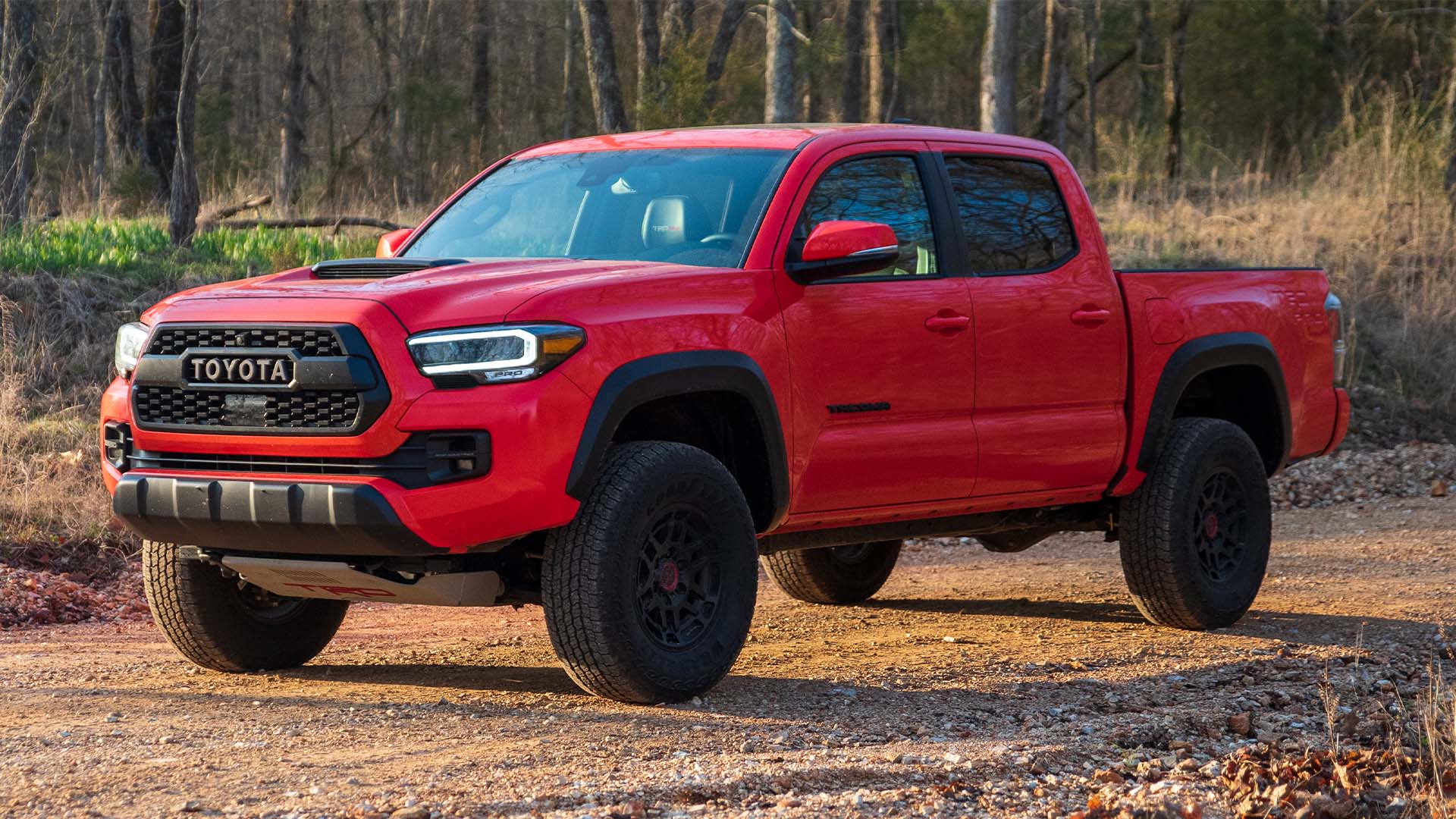
Owners are often shocked to find that their five-year-old Tacoma can sell for nearly 75% of its original value, according to data from Kelley Blue Book.
The Tacoma’s appeal among adventure-seekers, tradesmen, and overlanding enthusiasts ensures there’s always a line of buyers waiting especially for the TRD Off-Road and TRD Pro trims.
For 2017, the Toyota Tacoma builds on its strong midsize pickup reputation with the return of an off-road favorite, the TRD Pro trim. This rugged variant brings serious trail capability straight from the factory, featuring Fox internal bypass shocks, a TRD Pro front skid plate, Rigid Industries LED fog lights, and unique black alloy wheels wrapped in all-terrain tires.
TRD Pro badging and exclusive color options like Cement Gray, Barcelona Red Metallic, and Super White set it apart visually. Other updates for 2017 include a power sliding rear window for Double Cab models and a refreshed SR5 appearance package with color-matched fenders and new alloy wheels.
Under the hood, the Tacoma continues with its familiar engine lineup: a 2.7-liter four-cylinder for basic duty and a stronger 3.5-liter V6 producing 278 horsepower and 265 lb-ft of torque. Both pair with either a six-speed automatic or available manual transmission.
Properly equipped, V6 models can tow up to 6,800 pounds. Toyota also keeps safety in focus with multiple airbags and available blind-spot monitoring.
While not the smoothest on rough pavement, the Tacoma delivers a confident, capable driving experience, especially in its TRD trims, which combine rugged performance with the solid build quality and reliability that have long defined Toyota’s best-selling pickup.
Also Read: 5 Cars With Dependable Start-Stop Systems and 5 That Annoy Owners
2. Honda Civic
While the Civic has long been America’s go-to affordable sedan, few expect it to retain such impressive value over time. The key is Honda’s consistency in quality and reliability traits that translate directly to resale strength.
Even older Civics from the late 2000s command strong prices on the used market, particularly the sporty Si and well-kept EX trims.
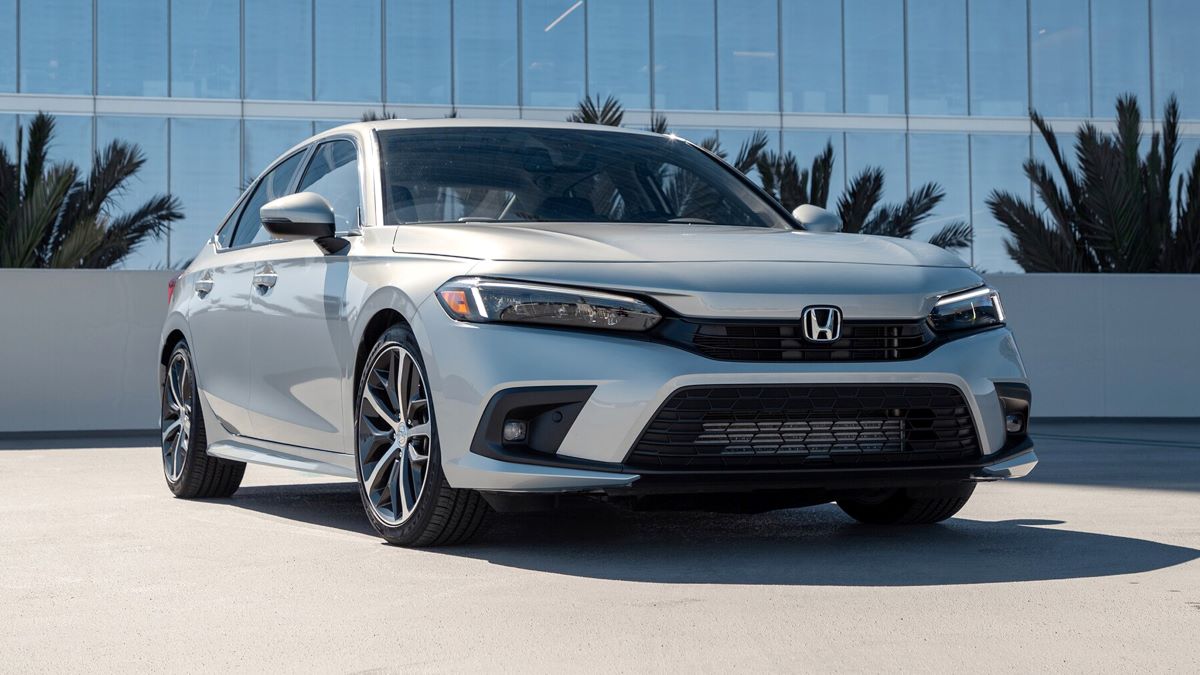
Buyers trust Civics because they last, deliver exceptional fuel economy, and carry low maintenance costs. In a world where many compact cars depreciate rapidly, the Civic’s reputation turns it into a surprisingly profitable long-term investment for owners.
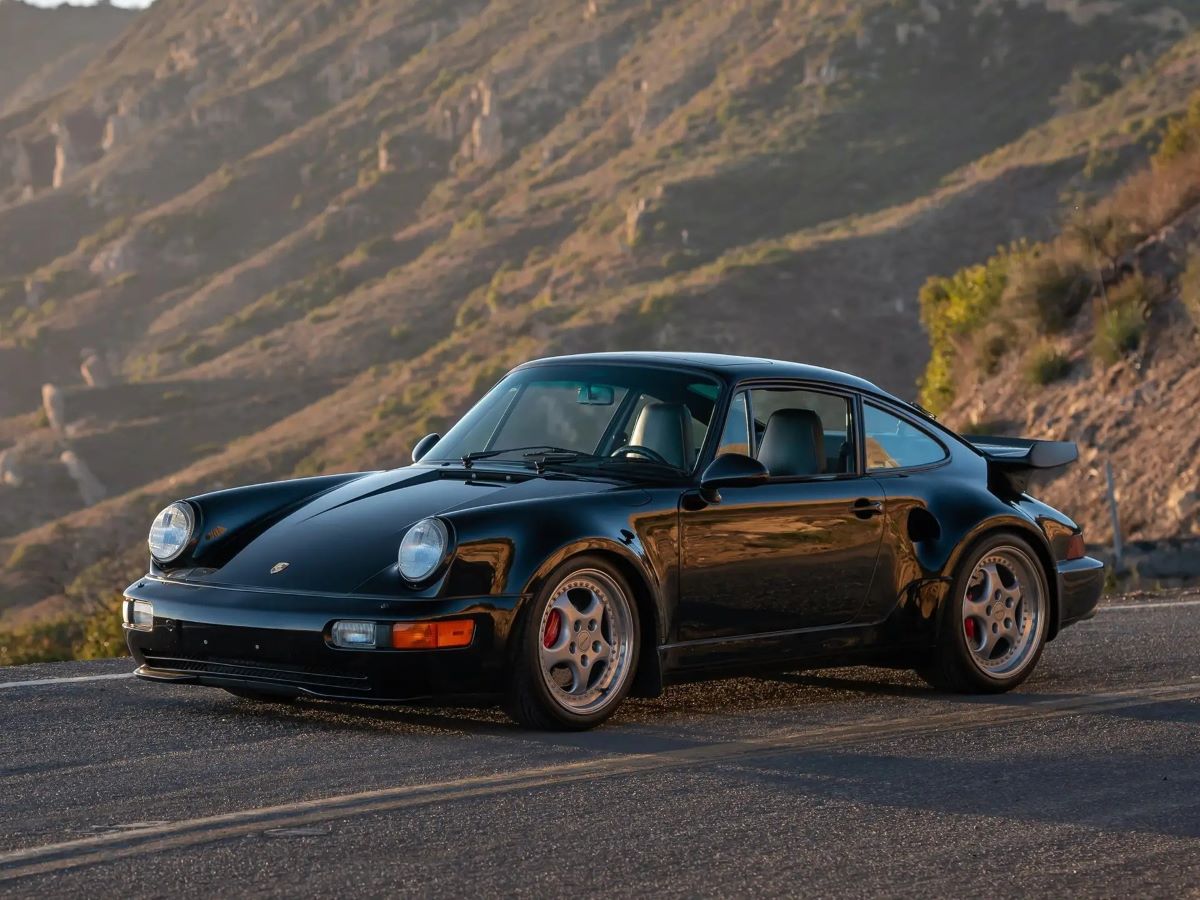
3. Porsche 911
Sports cars typically depreciate quickly, but the Porsche 911 stands as a glaring exception. While some exotic models lose half their value within three years, the 911’s timeless design, robust build quality, and enduring enthusiast demand keep it on the opposite trajectory.
Certain trims, like the 911 Carrera GTS or manual 911 Targa, even appreciate under the right market conditions. Owners often discover that their older 911s especially those with naturally aspirated engines can fetch more than what they initially paid if well-maintained.
This combination of prestige and performance makes the 911 one of the most value-stable luxury cars ever made.
Porsche has once again pushed the boundaries of performance with its latest 911 Turbo S, a hybrid monster that redefines what it means to go fast.
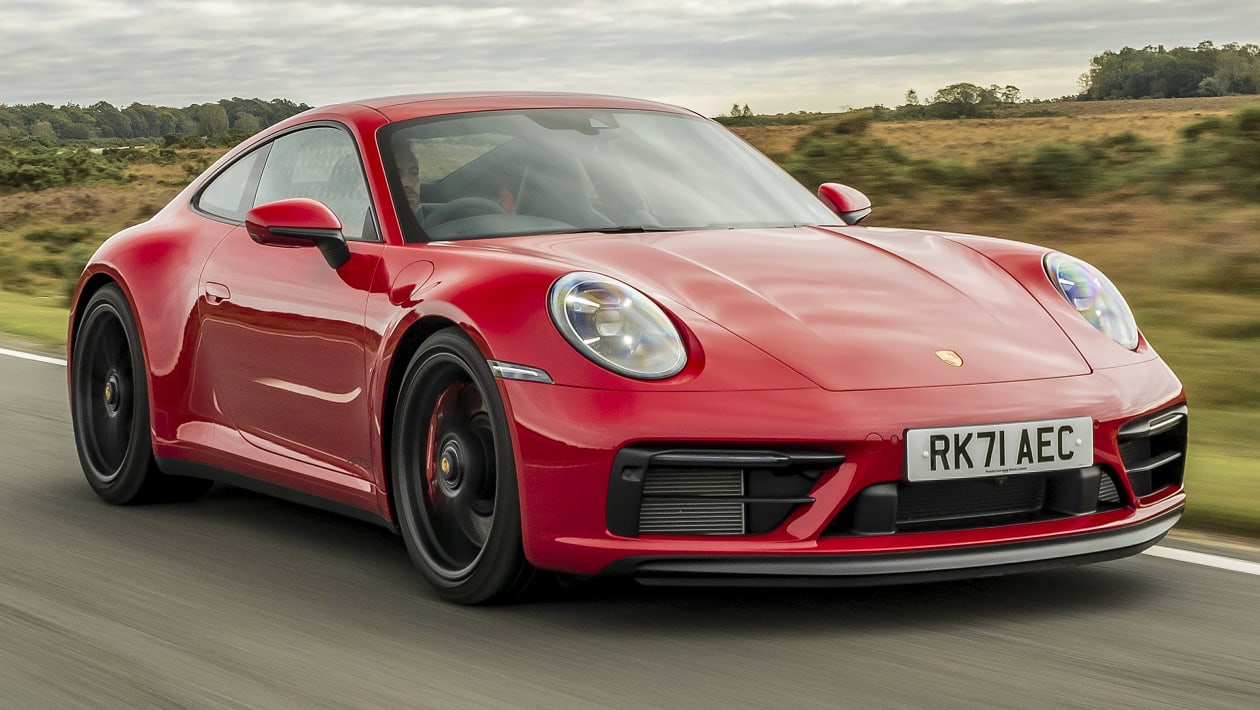
Building on the T-Hybrid setup first seen in the Carrera GTS, this new range-topping 911 combines twin turbochargers with a 3.6-liter flat-six engine and an electric motor powered by a 1.9-kWh battery.
A staggering 701 horsepower, 61 more than before, with torque holding steady at 590 lb-ft. Porsche claims a blistering 0–60 mph sprint in just 2.4 seconds, though knowing Porsche’s conservative estimates, real-world tests could see it dipping closer to the 2-second mark.
Despite a modest 180-pound weight gain from its hybrid hardware, the 2026 Turbo S shows no signs of slowing down. In fact, it obliterated its predecessor’s Nürburgring lap time by a jaw-dropping 14 seconds, clocking in at 7:03.92.
With upgraded 20- and 21-inch wheels, massive carbon-ceramic brakes, active aero, and Porsche’s advanced Dynamic Chassis Control system, the new Turbo S blends cutting-edge hybrid technology with the raw performance DNA that defines the 911 nameplate, proving that electrification doesn’t dull the thrill, it amplifies it.
Also Read: 12 Affordable Performance Cars With Long Lives
4. Subaru Crosstrek
Subaru has built a strong reputation for durable, practical vehicles, and the Crosstrek is one of its best examples. It’s affordable, yet it holds value like a luxury SUV.
The Crosstrek’s formula standard all-wheel drive, excellent safety ratings, and rugged versatility appeals to a broad market of outdoor-loving Americans.
Demand for used Crosstreks consistently exceeds supply, and because Subaru owners often hold onto their cars for a decade or longer, finding one in good condition is tough.
That scarcity keeps prices high, surprising many owners who realize they could sell their used model for only slightly less than what they paid years earlier.
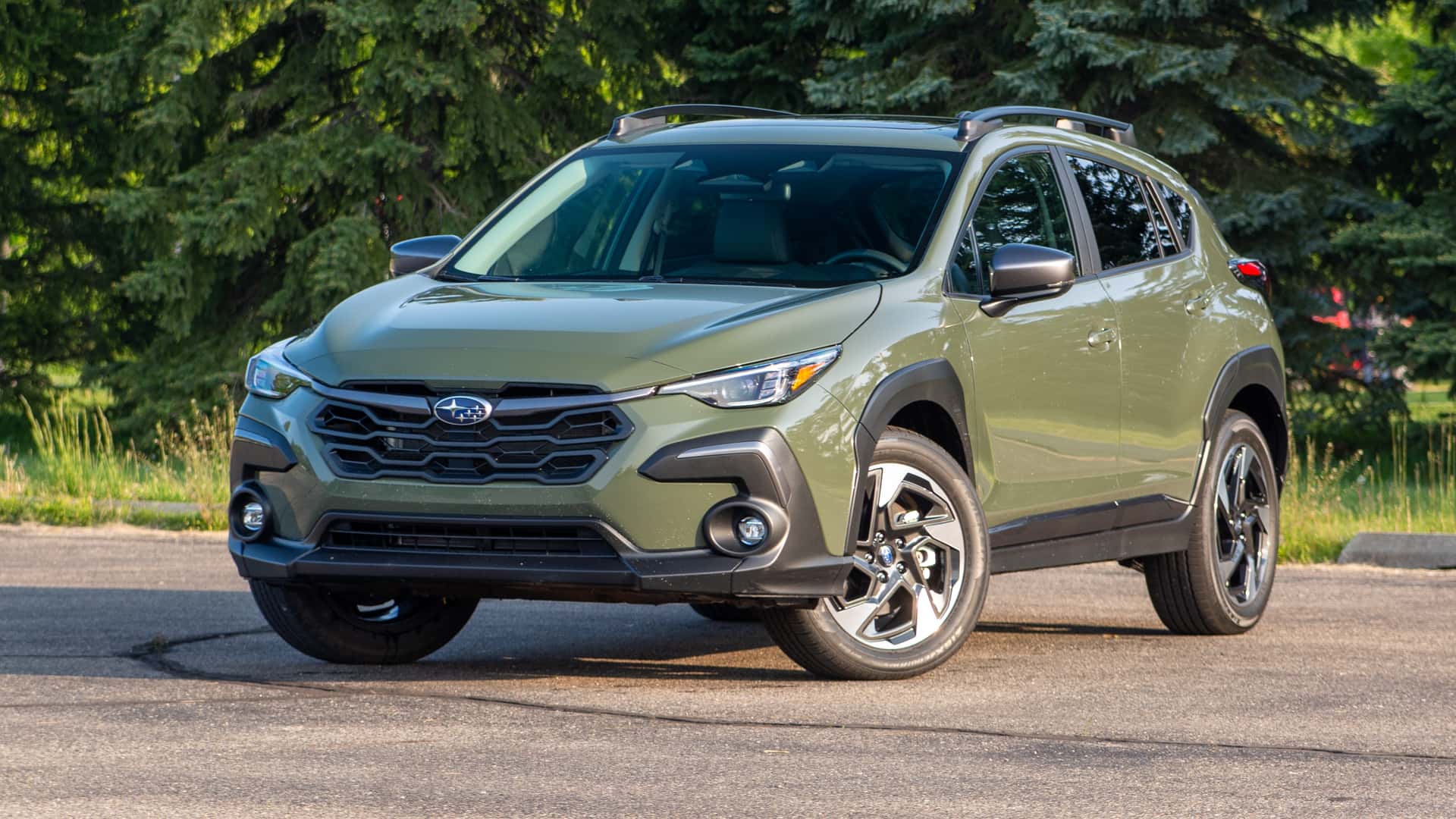
The 2020 Subaru Crosstrek may wear rugged styling cues, with its chunky body cladding, raised suspension, and adventure-ready attitude, but beneath the surface, it behaves more like a well-mannered hatchback than a hardcore off-roader.
Built on the same platform as the Subaru Impreza, the Crosstrek blends carlike handling with the brand’s hallmark all-wheel-drive capability, giving it a confident, surefooted feel in all weather conditions. Power comes from a modest 2.0-liter four-cylinder engine or an optional plug-in hybrid setup that can travel up to 17 miles on electricity alone.
While it won’t be tackling rock trails anytime soon, the Crosstrek strikes an appealing balance between practicality, comfort, and value.
For buyers seeking SUV versatility without sacrificing everyday drivability, the 2020 Crosstrek remains one of the most well-rounded options in the subcompact crossover segment.
5. Lexus GX 460
Luxury SUVs usually depreciate fast, but the Lexus GX 460 bucks that trend in spectacular fashion.
Underneath its refined looks lies the same tough body-on-frame construction found in Toyota’s Land Cruiser Prado meaning it’s as comfortable climbing mountains as it is cruising highways.
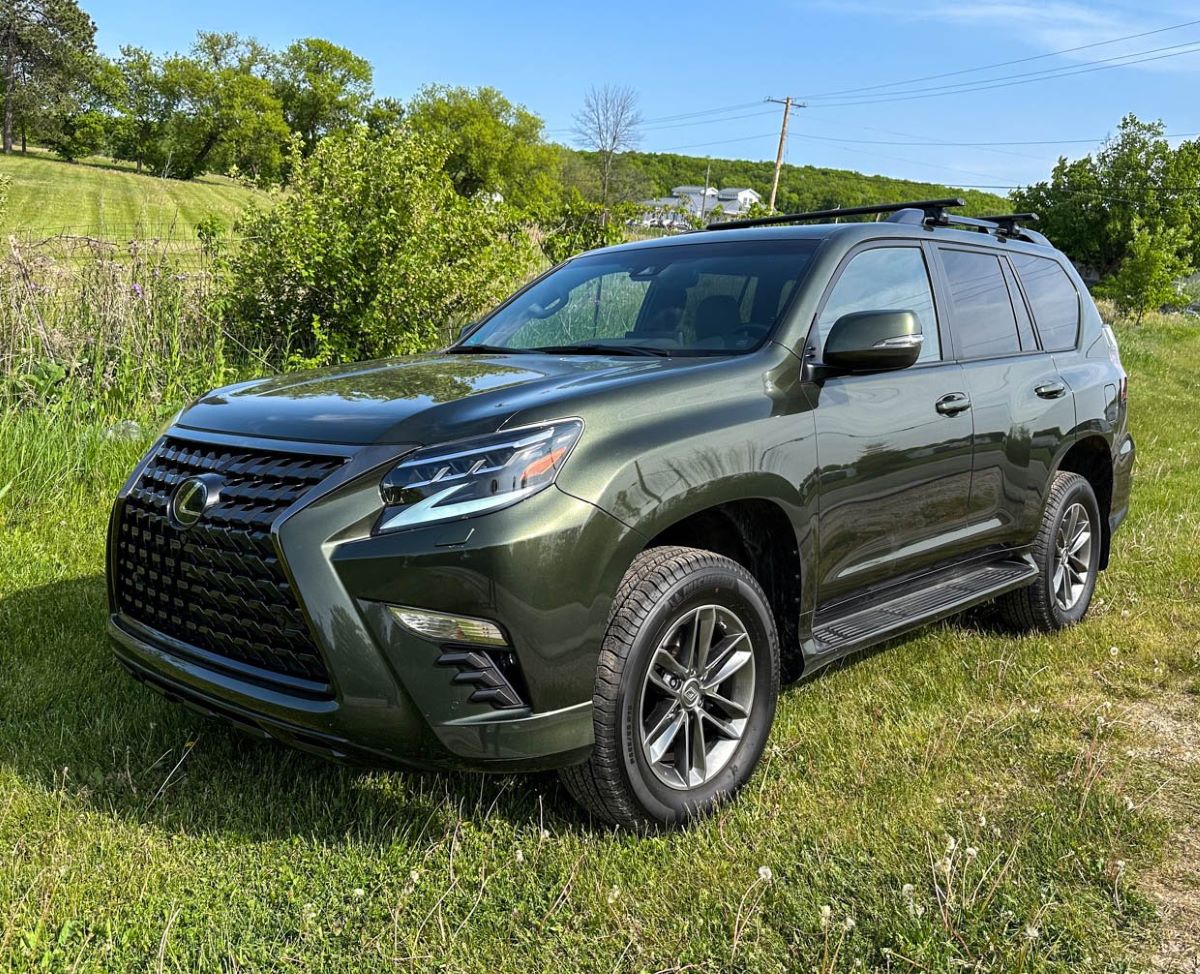
Its unmatched reliability record, combined with a loyal off-road enthusiast base, gives the GX an enduring resale advantage.
Buyers are willing to pay top dollar for older GX models because they know they’ll get a near-indestructible luxury vehicle that still feels modern. It’s one of those rare luxury SUVs where high mileage barely dents its value.
Cars That Don’t Hold Their Value as Well
Not every car ages gracefully in the resale market. While some vehicles retain impressive value over time, others lose a significant chunk of their worth the moment they’re driven off the lot.
Factors like high maintenance costs, rapid model updates, low demand, or weak brand reputation can all play a role in dragging down resale prices.
In this article, we take a closer look at the cars that don’t hold their value as well, the ones that may look appealing new but end up leaving owners disappointed when it’s time to sell or trade in.
1. BMW 7 Series
The BMW 7 Series epitomizes luxury and technology, but those same qualities work against it in the resale market. Its complex electronics, high maintenance costs, and rapid model updates cause depreciation to accelerate dramatically.
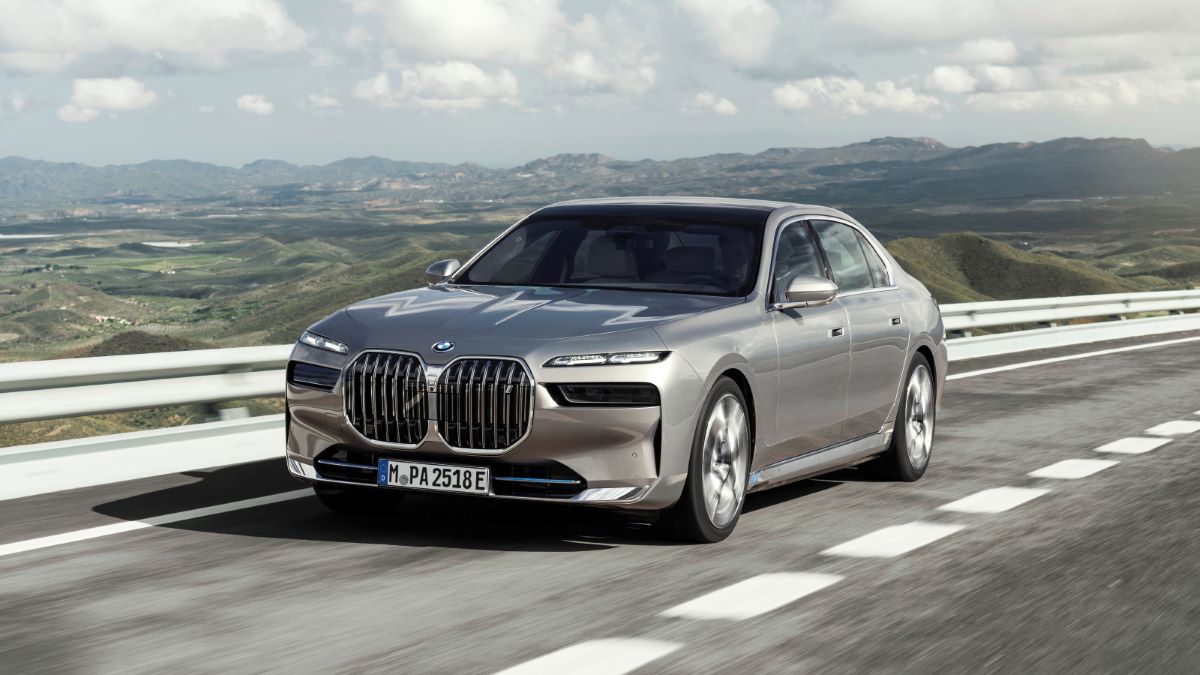
Within five years, many 7 Series models lose more than 60% of their original value. The car’s market is narrow few used buyers want to take on the financial risk of maintaining a flagship German sedan once it’s out of warranty.
Despite offering a world-class driving experience, the 7 Series has become a classic case of luxury that doesn’t age gracefully from an ownership cost perspective.
2. Nissan Altima
The Nissan Altima is one of America’s most common sedans, but its abundance on the used market hurts its resale value. While it offers comfort and affordability, the Altima struggles to match the reliability and brand prestige of competitors like Toyota or Honda.
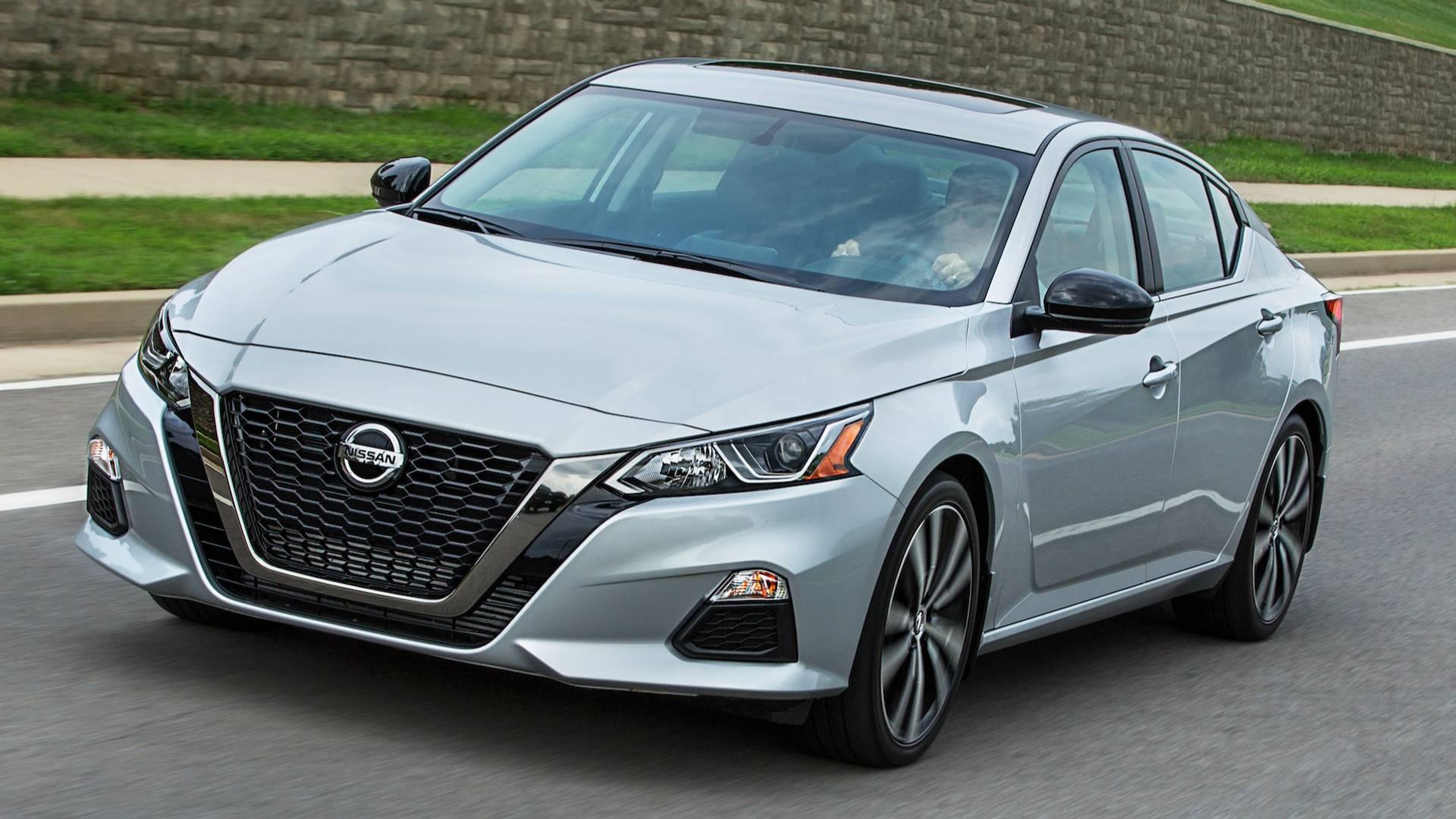
The CVT transmission, which has a mixed reliability reputation, further weakens its resale potential. Depreciation kicks in quickly, with five-year-old Altimas often losing more than half their original value.
For budget-conscious buyers, this can make them a good used purchase but for sellers, it’s a disappointing return.
Even with its 2023 refresh, the Nissan Altima continues to trail behind class leaders like the Honda Accord and Toyota Camry. While its sleek styling and solid build quality give it a more premium feel, the driving experience still leaves room for improvement.
The continuously variable transmission (CVT) remains a weak point, delivering sluggish responses and inconsistent acceleration. Braking performance is serviceable but lacks pedal feedback, and some testers noted unusual sensations through the pedal during everyday stops.
On the positive side, the Altima’s steering feels precise, and the cabin offers a comfortable, upscale environment with a large infotainment display, though its interface and low-res backup camera feel dated.
For 2025, Nissan drops the VC-Turbo engine option entirely, leaving buyers with fewer powertrain choices and no hybrid alternative to compete with the Accord or Camry.
With pricing ranging from around $28,000 to $36,000 across its five trims (S, SV, SV Special Edition, SR, and SL), the Altima remains competitively priced but lacks the refinement, technology, and efficiency that make its rivals stand out.
3. Jaguar XF
British luxury cars have long been notorious for steep depreciation, and the Jaguar XF continues that trend. While it’s stylish, fast, and undeniably premium, reliability concerns and limited dealer networks in the U.S. make used buyers wary.
Maintenance costs are steep, and parts availability can be an issue. Even though the XF competes with the BMW 5 Series and Audi A6 on paper, it can lose up to 65% of its value within five years.
Many XF owners are shocked when they discover how much their sleek sedan has depreciated compared to similarly priced German rivals.
As Jaguar’s last remaining sedan, the 2024 XF carries the torch for the brand’s luxury heritage amid an SUV-dominated lineup. With its sleek proportions, sculpted lines, and unmistakably British charm, the XF reminds drivers that few automakers do design quite like Jaguar.
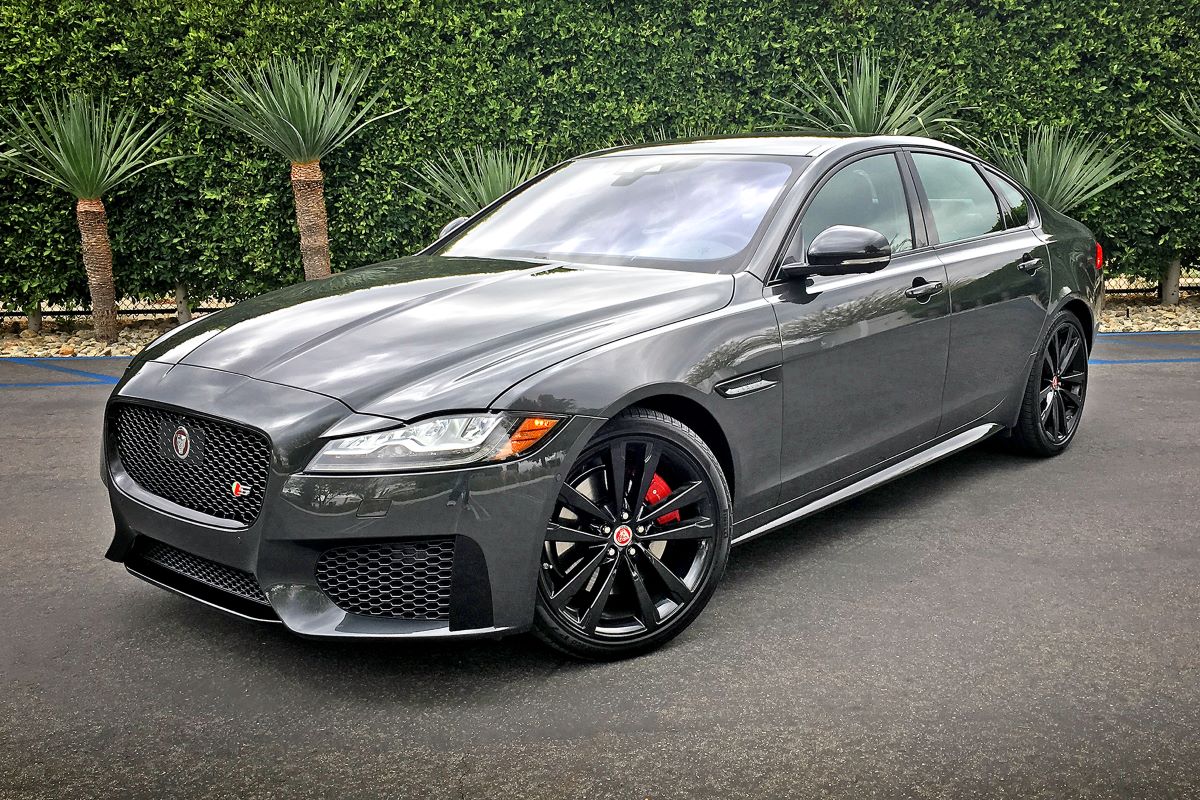
Power comes from a turbocharged 2.0-liter four-cylinder available in two tunes: the 246-hp P250 and the 296-hp P300, the latter paired with standard all-wheel drive.
While its performance trails rivals that offer six-cylinder options, the XF compensates with refined road manners, a composed ride, and balanced handling that make it a pleasure to drive both in the city and on the highway.
Inside, the XF’s cabin matches its exterior elegance, showcasing high-quality materials and a clean, modern layout. The 11.4-inch touchscreen infotainment system, Meridian audio setup, and digital gauge cluster help keep it feeling contemporary, though competitors such as the BMW 5-Series, Genesis G80, and Mercedes-Benz E-Class still outshine it in cutting-edge tech.
With simplified trims and added standard features for 2024, including a heated steering wheel and power-adjustable column, the XF remains an appealing, stylish choice for those who want luxury with character, even if it’s starting to show its age.
4. Chevrolet Malibu
Despite being a mainstay in the American sedan market, the Chevrolet Malibu has struggled to retain value partly because the segment itself is shrinking.
With consumers shifting to SUVs and crossovers, sedans like the Malibu are seeing weaker resale performance across the board. While the Malibu is comfortable and efficient, it doesn’t have the loyal following or resale reputation that Toyota or Honda sedans enjoy.
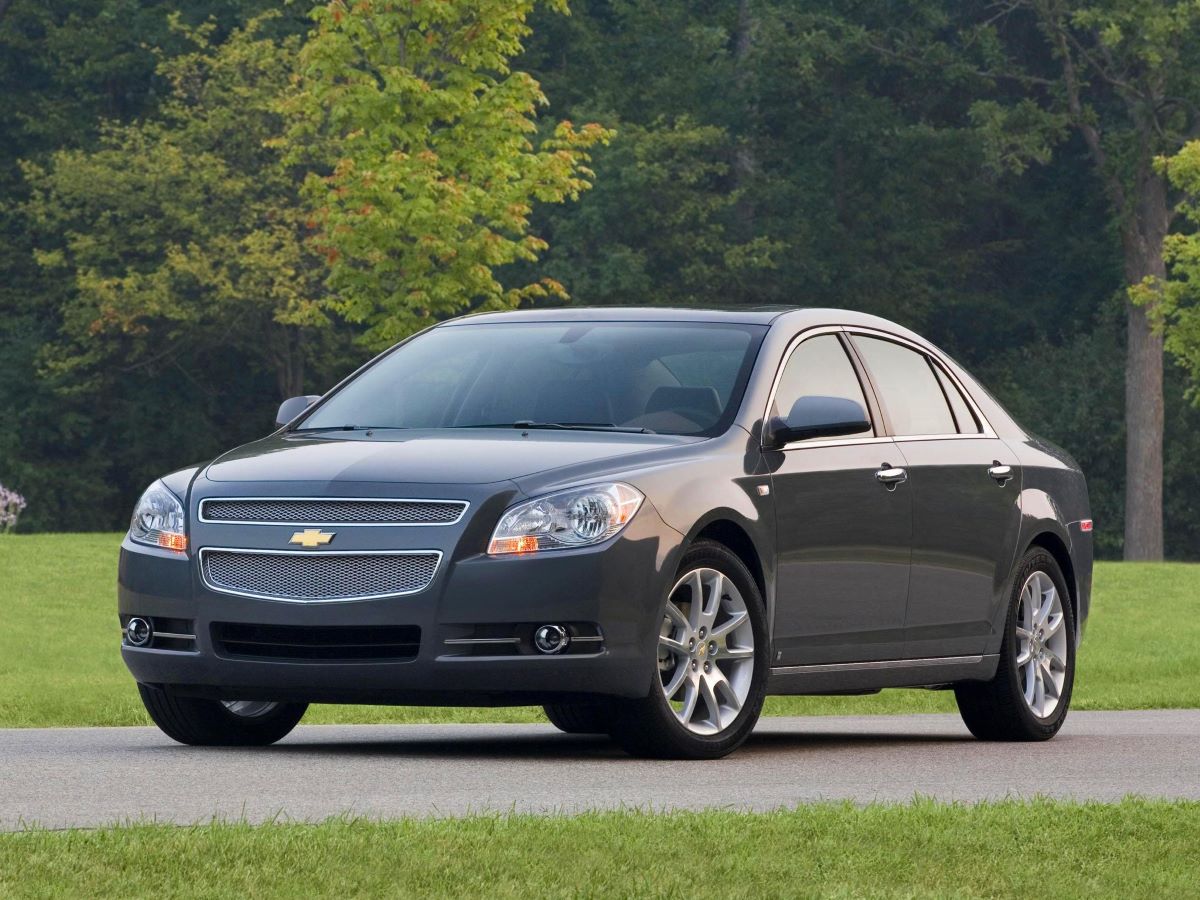
Fleet sales also dilute used values, since many Malibus enter the market after heavy commercial use. Even well-maintained models depreciate faster than the average midsize car, leaving owners disappointed at trade-in time.
The 2025 Chevrolet Malibu continues to serve as a solid, no-nonsense midsize sedan that prioritizes comfort and ease of use over excitement.
With its light steering and smooth ride, the Malibu is easy to drive and well-suited for daily commuting, though it doesn’t deliver much in terms of driving thrills.
Power comes from a 163-horsepower turbocharged 1.5-liter four-cylinder engine paired with a continuously variable transmission (CVT) and front-wheel drive. While this setup provides adequate performance for city driving, it can feel a bit strained during highway passing or uphill climbs.
Fuel economy is decent but slightly below the segment average, with an EPA estimate of 28 mpg in the city and 36 mpg on the highway. Inside, the Malibu’s cabin offers generous passenger space and supportive front seats, but its dated design and abundance of hard plastics make it feel behind the times.
The 15.7-cubic-foot trunk provides typical cargo capacity for the class. Overall, the 2025 Malibu remains a comfortable, straightforward choice for those who value simplicity and affordability in a midsize sedan, even if it lacks the refinement and modern flair of newer competitors.
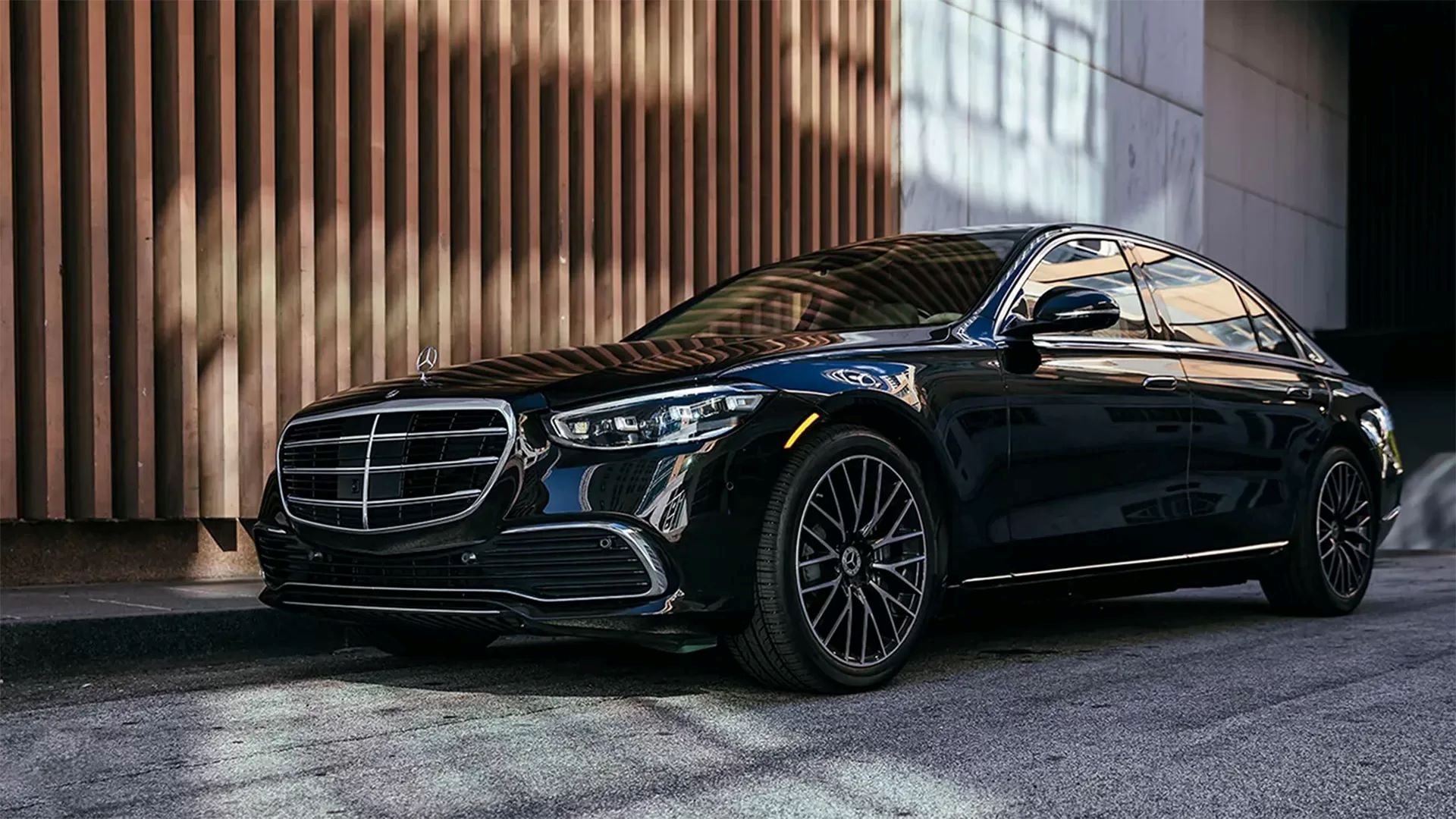
5. Mercedes-Benz S-Class
The S-Class represents the pinnacle of Mercedes engineering and luxury, but it’s also infamous for jaw-dropping depreciation.
Like the BMW 7 Series, the S-Class comes loaded with advanced tech air suspension, driver assistance systems, and complex infotainment that can be costly to repair as the car ages.
Once the warranty expires, upkeep costs can scare away used buyers. As a result, a six-figure S-Class can lose 60–70% of its value in just a few years. Ironically, that makes it a fantastic deal for secondhand buyers but for original owners, it’s a financial gut punch.
When it comes to resale value, perception doesn’t always align with reality. Many everyday vehicles outperform luxury models simply because they’re reliable, easy to maintain, and in constant demand.
The Toyota Tacoma, Honda Civic, and Subaru Crosstrek prove that practical design and long-term durability matter more than luxury badges when it’s time to resell.
Aside from a handful of new paint colors and upholstery choices, the 2023 Mercedes-Benz S-Class returns largely unchanged.
As the brand’s flagship sedan, the S-Class remains the ultimate “Mercedes-Benz of Mercedes-Benzes.” Though luxury rivals such as the BMW 7 Series, Audi A8, and Tesla Model S constantly challenge its dominance, there’s still nothing quite like the S-Class.
The S-Class stands as a cornerstone of the Mercedes-Benz lineup. While it’s not the company’s best-selling model, it best represents the luxury, refinement, and technological innovation synonymous with the three-pointed star.
The newest version continues that legacy with poise. Overflowing with cutting-edge tech, from its expansive OLED display to a vast array of advanced safety features, the S-Class is more than just a showcase of technology.
Beneath all the sophistication lies a genuinely impressive vehicle that blends plush comfort with engaging performance. Its engines are smooth yet powerful, and the interior pampers occupants with lavish leather and exceptional legroom.
Still, a few hints suggest the S-Class may be slipping slightly. Some cost-cutting materials have made their way inside, and the exterior design feels evolutionary rather than revolutionary.
The S500 features a 3.0-liter turbocharged inline-six paired with a mild-hybrid setup that generates 429 hp and 384 lb-ft of torque. Mercedes-Benz says it can sprint from 0–60 mph in under five seconds, with EPA estimates of 21/30 mpg city/highway.
Stepping up to the S580 brings a 4.0-liter twin-turbo V-8 delivering 496 hp and 516 lb-ft. In testing, the S580 reached 60 mph in just four seconds flat. The Mercedes-Maybach S580 uses the same engine but, due to its extra weight, fuel economy drops slightly from 16/25 mpg to 15/24 mpg.
The S580e plug-in hybrid joins the range later, combining the inline-six with an electric motor for a total of 510 hp and 553 lb-ft of torque. It can hit 60 mph in as little as 4.5 seconds and offers an estimated 51 mpg-e combined, plus 46 miles of all-electric range.
With the introduction of the EQS-Class, Mercedes-Benz made it clear that its most forward-thinking innovations will debut in the electric counterpart to its flagship sedan.
The most striking example is the 56-inch Hyperscreen, which stretches across nearly the entire dashboard. It’s dazzling, dramatic, and a bit over-the-top, but undeniably innovative, giving the EQS-Class a technological advantage over the traditional S-Class.
The electric model also wins in practicality, offering greater cargo capacity and a folding rear seat. Its ride quality is extraordinarily serene, made even smoother by its silent all-electric drivetrain.
However, the S-Class still holds its appeal. The EQS’s distinctive styling is bold but not universally admired, and Mercedes-Benz’s electric brake feel still lags behind the precision of the gas-powered S-Class. As a result, the conventional sedan offers a more natural and intuitive drive.
Even so, the future seems clear, electric power is steadily taking over. Mercedes-Benz continues to invest heavily in EV development, and the shift toward electrification is only accelerating.
As expected from Mercedes-Benz’s flagship, the S-Class comes packed with the brand’s top-tier safety systems. Standard equipment includes automatic emergency braking, adaptive cruise control, and Level 2 semi-autonomous driving.
One standout innovation is Car-to-X communication, which lets the S-Class exchange information with a central system to alert drivers of potential hazards ahead. Additional features include lane keeping assist, a 360-degree camera, automatic high-beams, and driver attention monitoring.
When it comes to luggage capacity, the S-Class trails some competitors. While passenger space is generous, trunk room falls short of the BMW 7 Series.
The S-Class has long served as Mercedes-Benz’s technology showcase, and while this generation may not be as revolutionary as past models, it remains the best execution of the brand’s MBUX system to date.
A 12.8-inch portrait-style OLED touchscreen dominates the dashboard, offering a slick, intuitive interface. Unlike Tesla, Mercedes-Benz retains a separate 12.3-inch digital gauge cluster for essential driving information.
The voice assistant is impressively responsive, allowing users to perform nearly any command verbally. Navigation, surround sound, wireless charging, and smartphone integration come standard. The system can even identify drivers by fingerprint, or optionally, facial recognition, and automatically load their preferred settings.
Everything feels distinctly futuristic, and nearly all features are included on every trim level. Optional upgrades include an augmented reality head-up display, an enhanced surround sound system, a 3D instrument cluster, and Wi-Fi capability.
The 2023 S-Class lineup consists of the S500, S580, Mercedes-Maybach S580, and Mercedes-Maybach S680. Prices start north of $110,000, while the most lavish versions exceed $200,000.
For buyers who prefer to be chauffeured, the Maybach models provide near-Rolls-Royce levels of opulence, with variants like the Maybach Night Series offering customization options that rival those of its British competitors.
For most, however, the S500 delivers more than enough. It’s quicker than most sedans on the road, and nearly every luxury and tech feature is included as standard. Every version, no matter the price or trim, captures what makes the S-Class special.
Meanwhile, vehicles like the BMW 7 Series and Mercedes-Benz S-Class remind us that prestige doesn’t guarantee lasting value especially when repair costs skyrocket.
For American car buyers, understanding this dynamic is crucial. Whether you’re shopping for a family SUV or a sports coupe, considering resale value from the start can save thousands down the road.
Cars that surprise you with high resale don’t just make ownership cheaper they prove that smart engineering, brand trust, and loyal followings are what truly sustain value in the ever-changing U.S. auto market.
