
For decades, the collector car market has thrived on nostalgia, rarity, and the ever-shifting tastes of enthusiasts. What was once a used car can, in time, transform into a prized collectible worth six figures or more.
In the United States, this pattern has played out repeatedly: think of how 1990s Japanese sports cars, air-cooled Porsches, and even some American muscle from the 1980s have soared in value.
As the next generation of collectors particularly millennials and Gen Z buyers enter the scene, new trends are emerging.
These younger enthusiasts often crave vehicles that blend analog driving feel with modern reliability, or unique designs that evoke the golden eras of performance and innovation.
Below are 15 cars that, while still relatively affordable or accessible today, are destined to become future auction stars.
1. Lexus LFA
The Lexus LFA was never just another supercar it was a statement of engineering perfection. With its 4.8-liter V10 capable of revving to 9,000 rpm and a sound developed in collaboration with Yamaha’s musical engineers, the LFA has already achieved legend status.
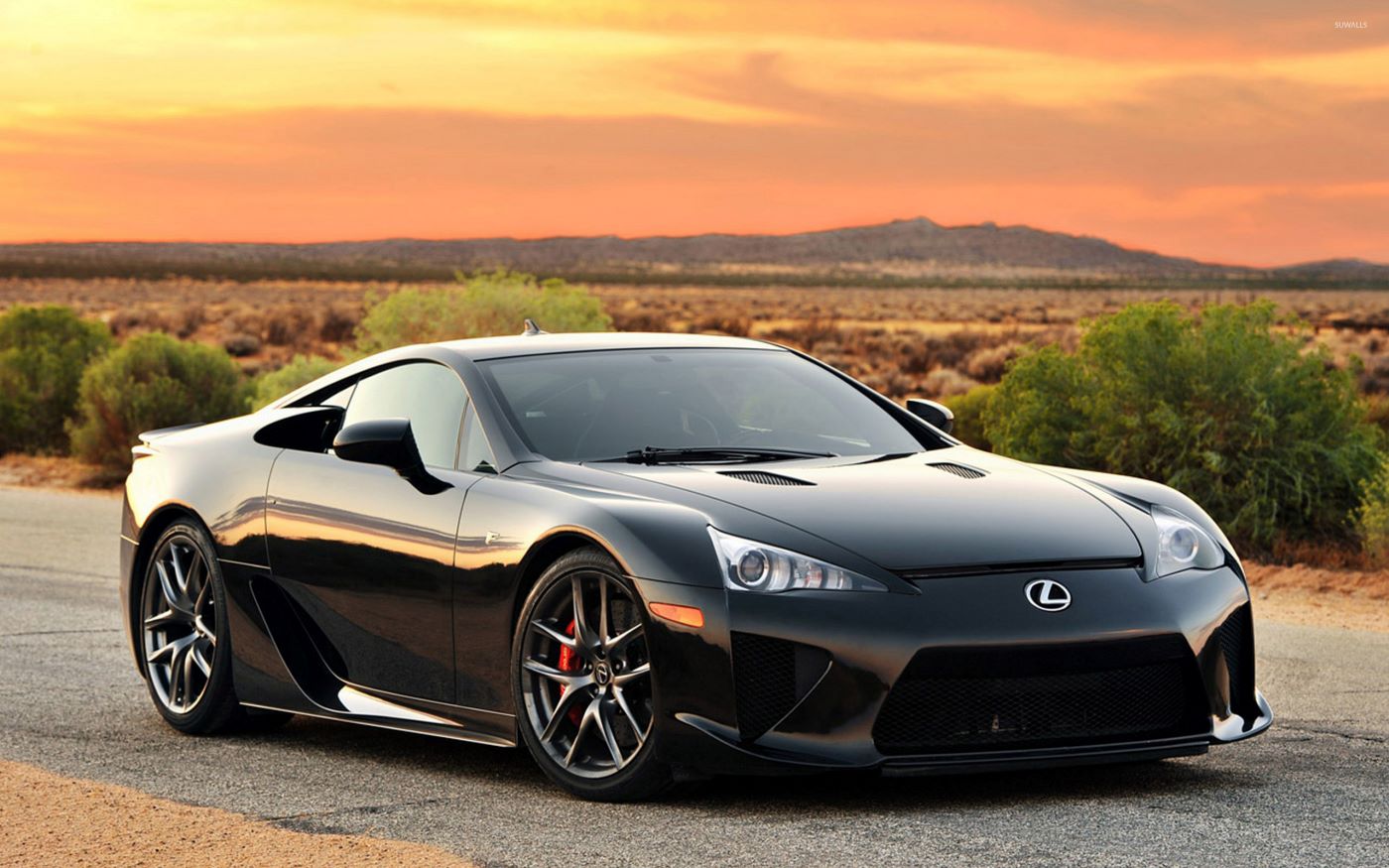
Only 500 units were ever produced, and while prices have already started to climb, the car’s long-term desirability is undeniable.
In a future where naturally aspirated engines become extinct, the LFA’s blend of craftsmanship, sound, and exclusivity ensures it’ll headline future auctions.
Also Read: Top 10 Cars That Survive Teen Drivers and Keep Going
2. BMW M2 (F87)
BMW’s M2 represents a return to what enthusiasts loved most about the brand: compact size, rear-wheel drive, and raw performance. Unlike its larger M3 and M4 siblings, the M2 channels the spirit of the E30 M3 lightweight and perfectly balanced.
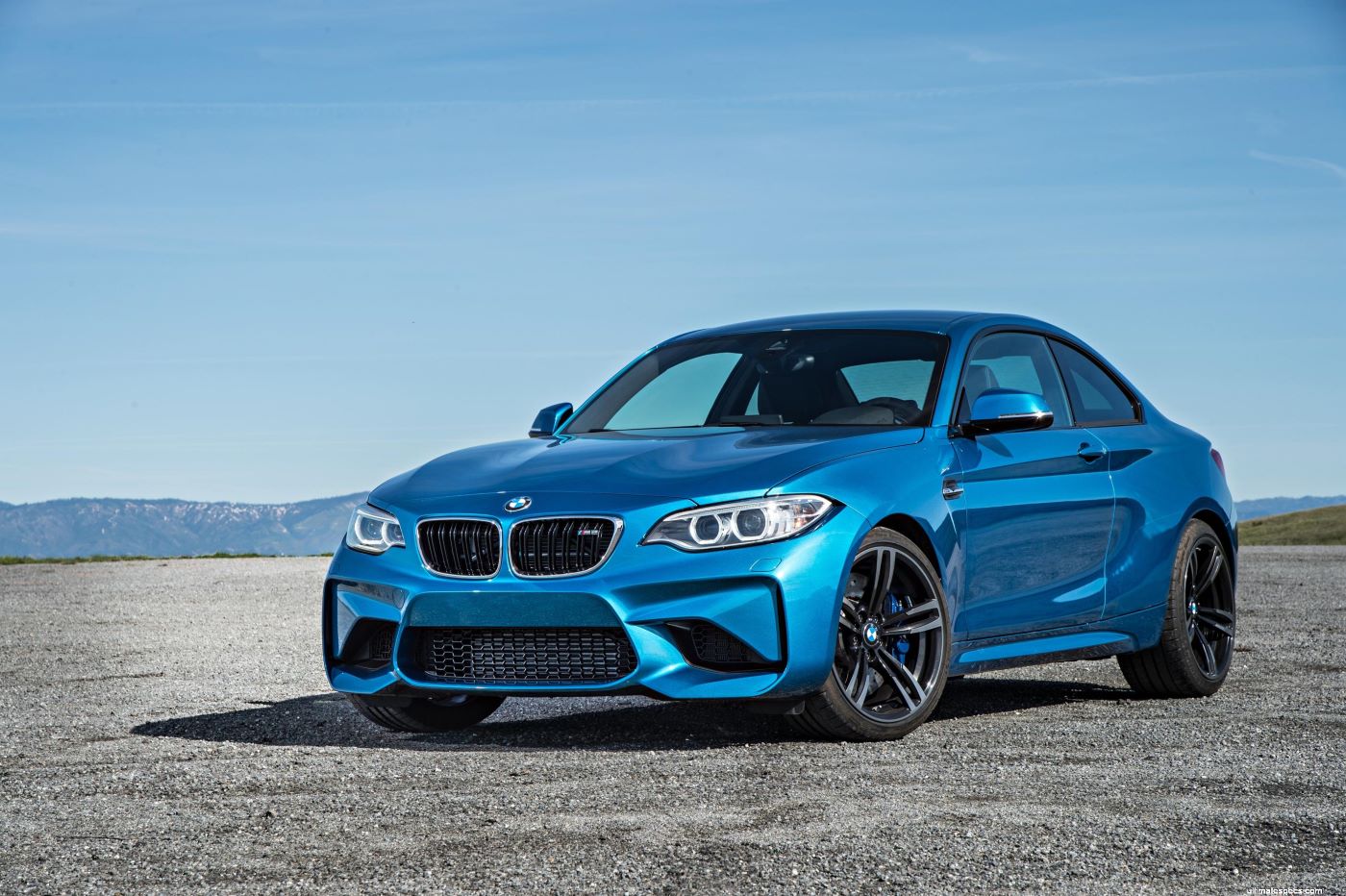
The six-speed manual versions, in particular, are expected to command serious money in the coming decades as analog driving experiences vanish from modern lineups.
3. Dodge Viper ACR (2016–2017)
The final Dodge Viper ACR embodies American performance at its purest brutal, loud, and unapologetically manual. With its monstrous 8.4-liter V10 and aerodynamic wizardry that set production car lap records, this last-of-its-kind Viper represents the end of an era.
Collectors are already hoarding pristine examples, but the full explosion in value will likely occur once the nostalgia of the combustion era deepens.
The 2016 Dodge Viper defies the direction in which modern sports cars are headed. For enthusiasts with an insatiable hunger for unfiltered performance, it’s exhilarating. For everyone else, it can quickly become exhausting.
At the heart of the Viper lies a massive 10-cylinder engine that delivers an astonishing 645 horsepower, wedged between absurdly wide tires beneath an extended hood.
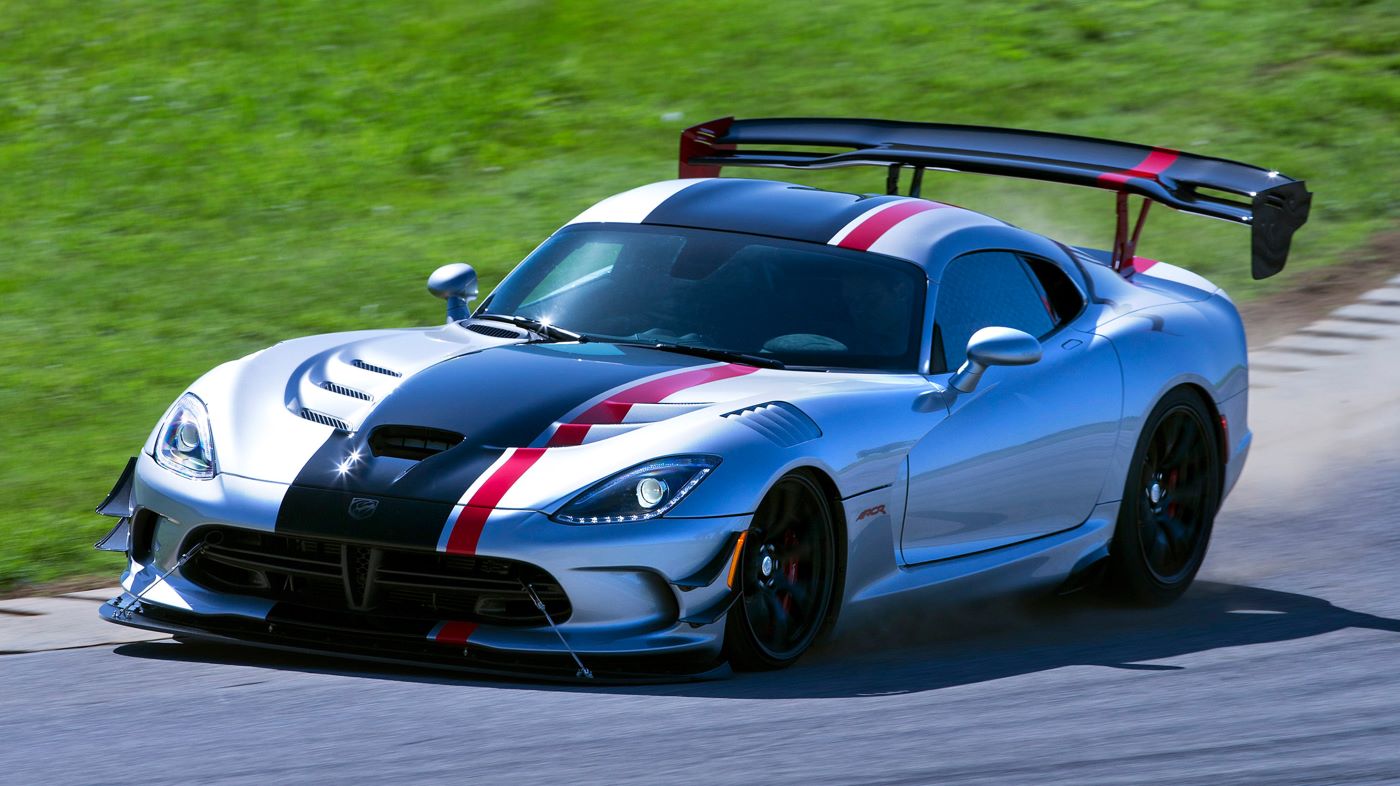
When pushed to its limits, it produces an ear-splitting roar, though at low speeds it’s more reminiscent of a delivery truck. In the hands of a skilled driver, its handling capabilities are exceptional, but for the inexperienced, it can be intimidating, even perilous.
With performance as its singular mission, the Viper sacrifices comfort and convenience in noticeable ways. It’s not particularly comfortable to begin with, and long journeys can feel punishing. These extremes become even more pronounced with the return of the track-oriented ACR (American Club Racing) variant, which pushes the car’s uncompromising nature even further.
4. Subaru WRX STI (Final EJ25 Model)
The final WRX STI powered by Subaru’s EJ25 engine marks the closing chapter of a rally icon. It’s not just about performance it’s about an entire generation that grew up watching these cars dominate stages in the WRC and in video games like Gran Turismo.
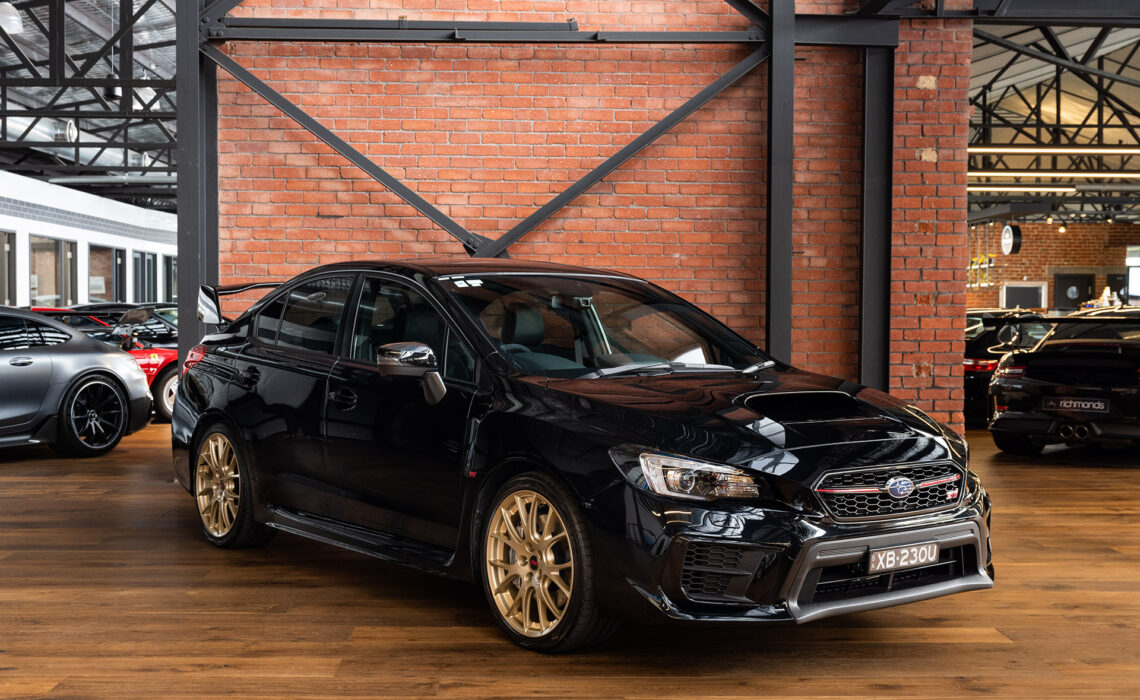
Future collectors will prize clean, unmodified examples, particularly the 2021 model year, as symbols of an enthusiast culture that prized driving engagement over efficiency.
5. Chevrolet Corvette Z06 (C7)
Before the C8 Corvette redefined the American sports car with a mid-engine layout, the front-engine C7 Z06 was the ultimate evolution of classic Corvette DNA.
Its supercharged 6.2-liter LT4 V8 delivers 650 horsepower, and its aggressive styling and analog dynamics ensure that it will age gracefully. Future buyers will see it as the last great front-engine, manual-transmission Corvette a combination that’s already fading fast.
The Chevrolet Corvette C7 Z06, produced between 2014 and 2019, represents one of the most powerful and technologically advanced iterations of the iconic American sports car.
Designed as a high-performance coupe with unmistakable Corvette DNA, the Z06 combined aggressive styling, track-ready engineering, and everyday drivability in one striking package.
Under the hood, the Corvette C7 Z06 is powered by a 6.2-liter (6162 cm³ / 376 cu-in) supercharged V8 engine, featuring direct fuel injection and a longitudinal front-mounted layout.
This powerhouse delivers an impressive 634 PS (625 hp / 466 kW), channeled exclusively to the rear wheels through a 7-speed manual transmission with a dry dual-disc clutch.
With a compression ratio of 10.0:1 and a supercharger paired with an intercooler, the Z06 delivers explosive acceleration and relentless power across the rev range.
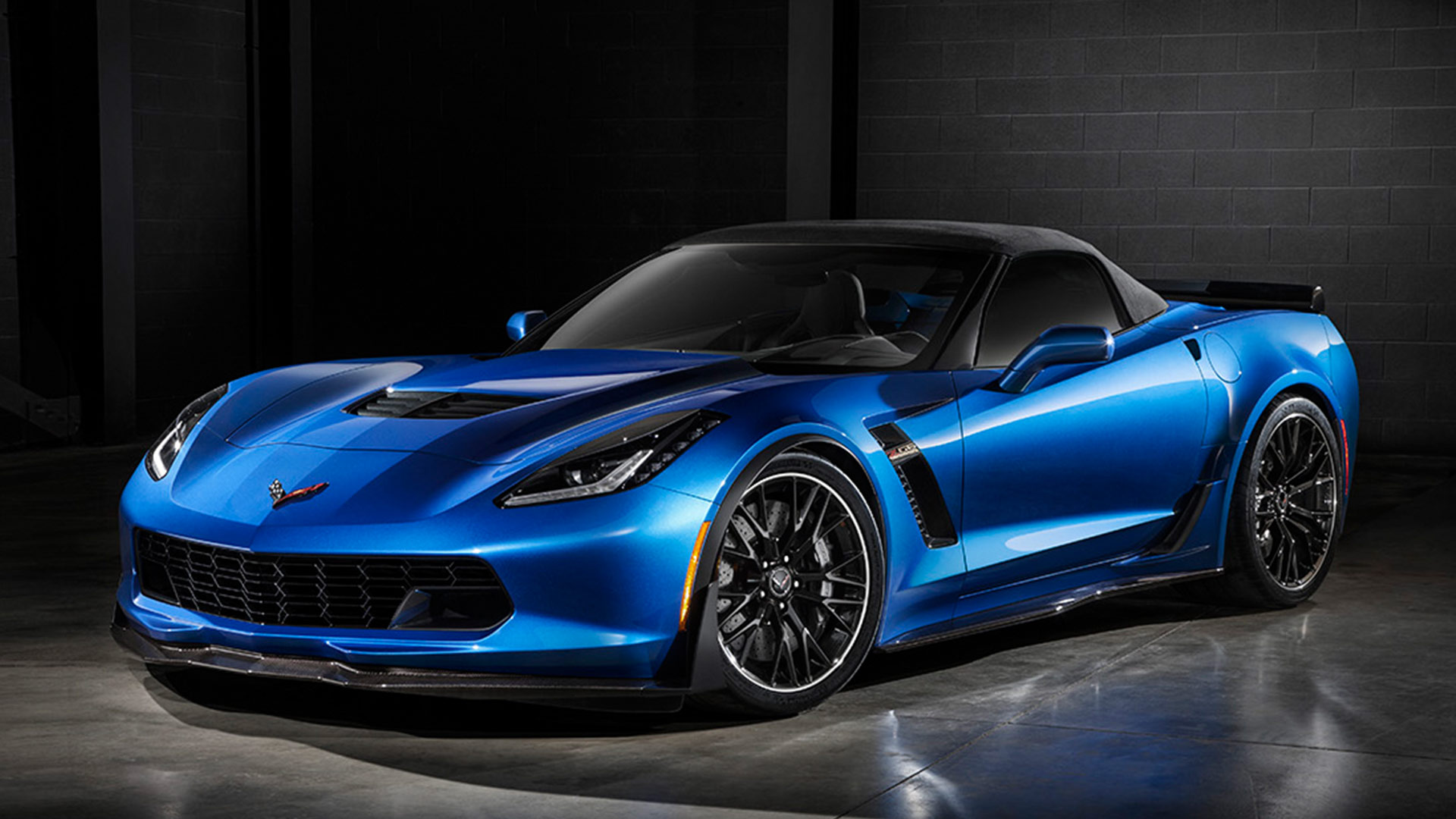
The coupe’s dimensions emphasize its athletic stance, measuring 449.2 cm (176.85 inches) in length, 192.9 cm (75.94 inches) in width, and 123.5 cm (48.62 inches) in height, riding on a 271.0 cm (106.69-inch) wheelbase. Its aerodynamic bodywork and wide track give it excellent road presence and stability at high speeds.
Inside, the two-seat configuration offers a blend of comfort and performance-oriented design, with 425 liters (15 cu-ft) of cargo capacity providing a surprising dose of practicality for a supercar of this caliber.
Performance is further enhanced by vented disc brakes measuring 370 mm (14.57 inches) in the front and 365 mm (14.37 inches) in the rear, ensuring powerful and consistent stopping capability.
The Z06 rides on 19-inch front wheels wrapped in 285/30 tires and massive 20-inch rear wheels fitted with 335/25 tires, giving it exceptional grip and cornering prowess. Steering is handled by an electric rack-and-pinion system, providing precision and responsiveness on both road and track.
The combination of its supercharged V8 performance, advanced chassis, and classic Corvette styling ensures the C7 Z06’s place as one of Chevrolet’s most iconic and collectible performance machines.
Also Read: 8 Checks That Stop a Chevy Colorado From Breaking Down Early
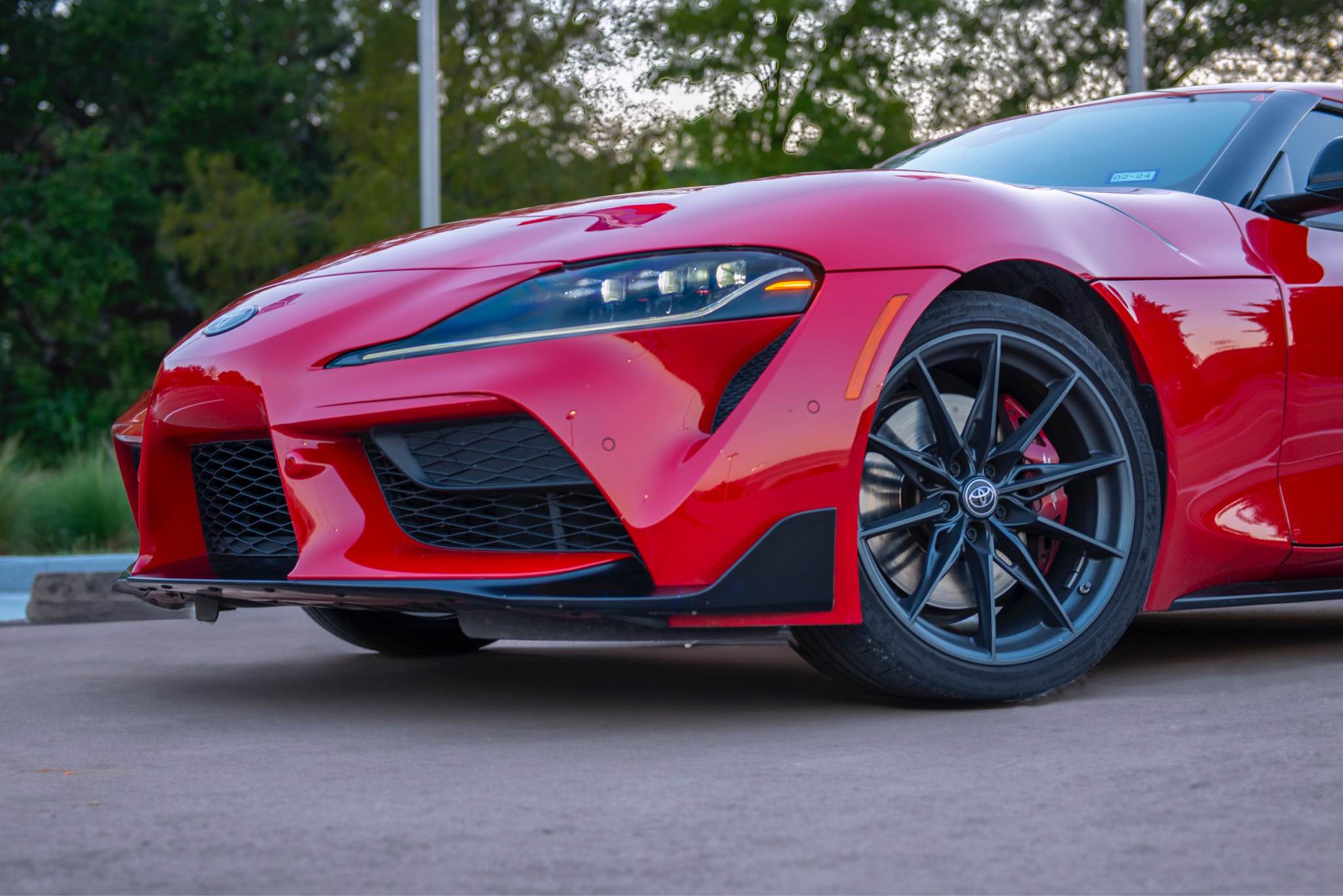
6. Toyota GR Supra (A90 Manual)
When Toyota reintroduced the Supra in 2019, purists were divided due to its BMW partnership. But the introduction of a six-speed manual in the later GR Supra models revived its credibility among enthusiasts.
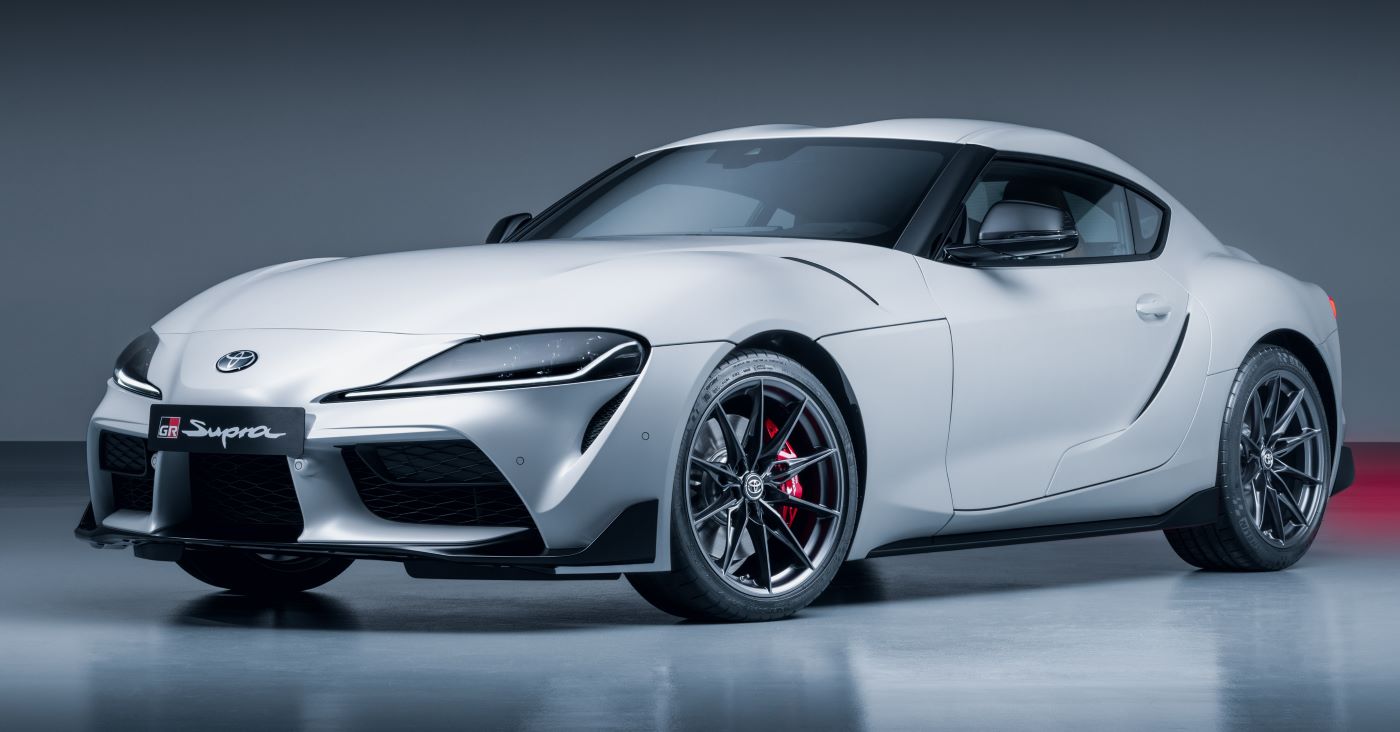
Limited production, coupled with Toyota’s tuning reliability and cult following, will make this version a hot commodity at future auctions especially once production stops and the hybrid age fully takes over.
7. Ford GT (2005–2006)
Inspired by the original Le Mans-winning GT40, the 2005–06 Ford GT represents American heritage wrapped in modern engineering.
With a supercharged 5.4-liter V8 and a design that perfectly balanced retro and modern cues, it’s already fetching strong prices.
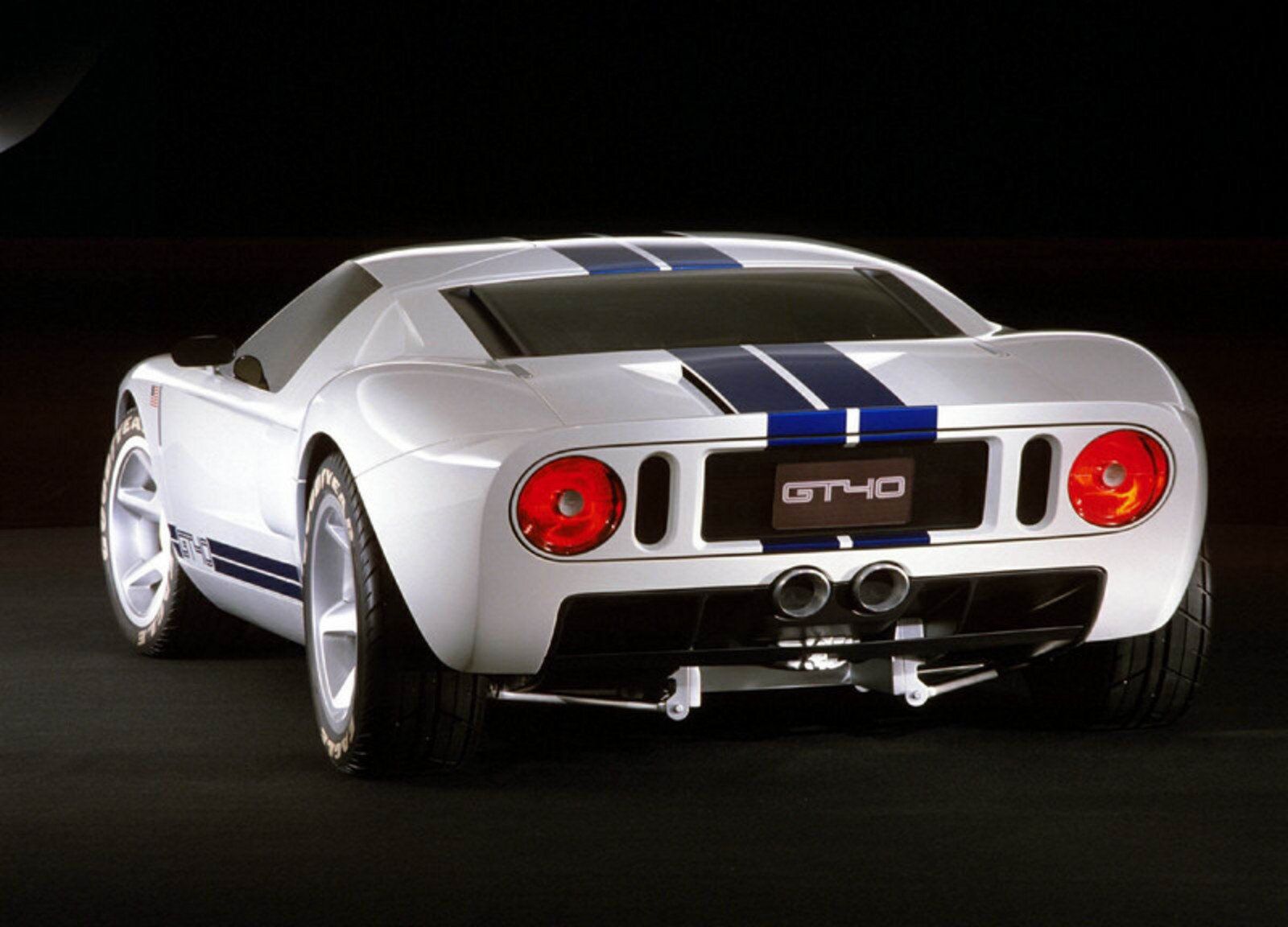
But as the market continues to romanticize early-2000s icons, the first modern GT’s value will only climb higher particularly unmodified, low-mileage examples.
Created as a modern homage to its legendary ancestor, the Ford GT was a limited-production, mid-engine supercar designed to demonstrate Ford’s engineering excellence and celebrate the company’s centennial milestone.
This was far more than a nostalgic design revival, it was a purpose-built performance icon engineered to compete head-to-head with Europe’s elite, blending classic styling cues with cutting-edge technology.
At the core of the Ford GT is a 5.4-liter supercharged V8, a purebred American engine producing 550 horsepower and 500 lb-ft of torque.
Mated to a 6-speed manual transmission, the GT delivers an electrifying driving experience, rocketing from 0 to 60 mph in approximately 3.3 seconds and achieving a top speed of 205 mph.
Its roots-type Eaton supercharger provides instant throttle response, while the aluminum engine block and forged internals showcase the car’s race-inspired durability and precision engineering.
The Ford GT’s exterior pays remarkable tribute to the original GT40, maintaining its low profile, aerodynamic silhouette, and distinctive side air intakes.
Modern refinements such as HID headlights, lightweight aluminum body panels, and an integrated rear diffuser enhance both form and function. The signature clamshell rear hatch, revealing the mid-mounted V8, is both a mechanical marvel and a nostalgic nod to the GT’s racing heritage.
Inside, the Ford GT’s cabin strikes a balance between minimalist race car aesthetics and modern-day comfort. The use of carbon fiber and aluminum reduces weight while maintaining a raw, driver-centric atmosphere.
GT40-inspired toggle switches, a wide center tunnel, and deeply bolstered Sparco leather seats further strengthen the car’s undeniable connection to Ford’s motorsport legacy.
8. Porsche Cayman GT4 (981 Generation)
The 981 Cayman GT4 achieved near-universal acclaim for its perfect chassis balance and naturally aspirated 3.8-liter flat-six. Unlike newer GT4s, the 981 is rawer and more connected a tactile experience that Porsche has since refined out of existence.
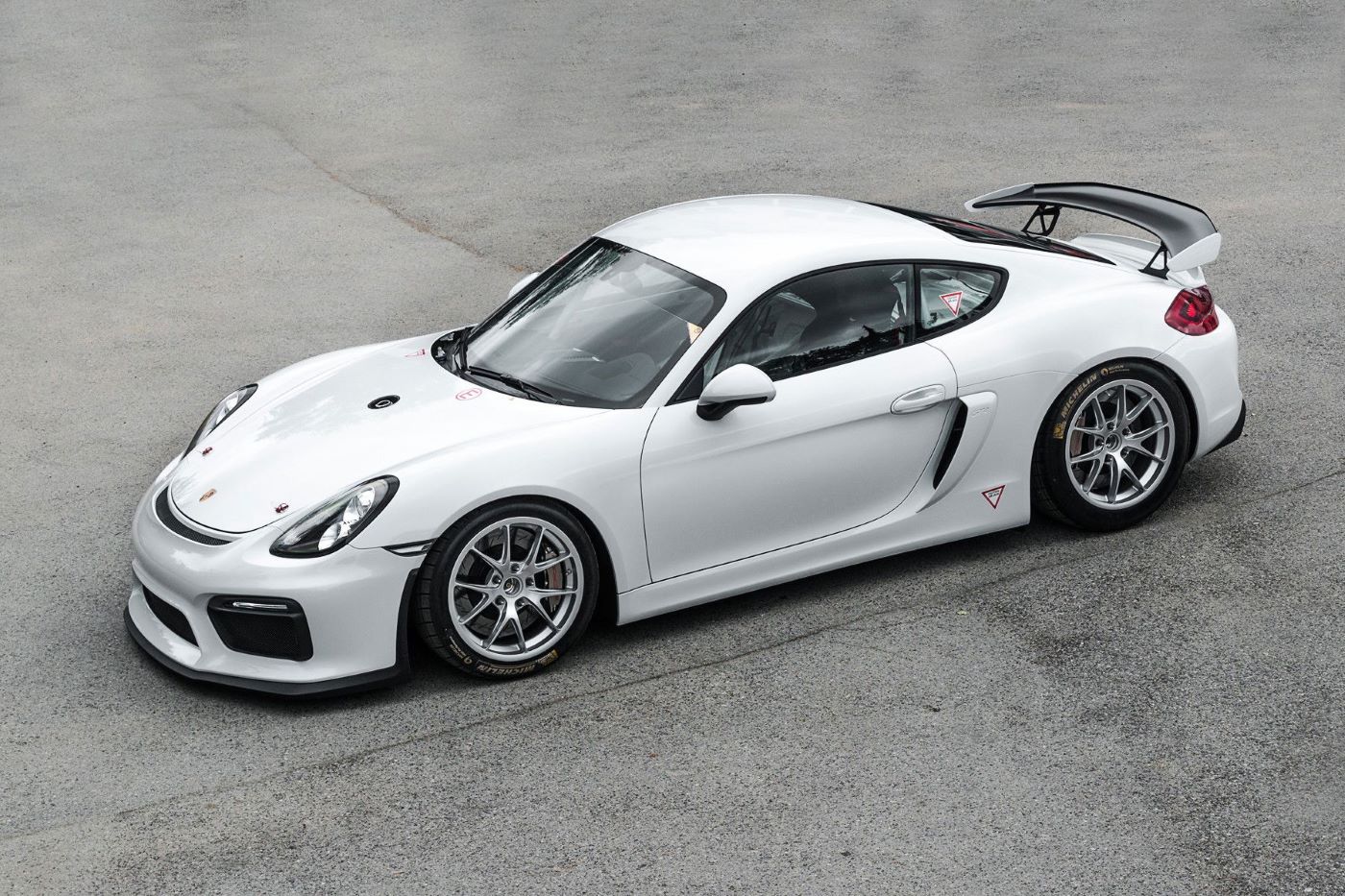
It represents a sweet spot in Porsche’s history where driver engagement trumped digital precision, and collectors recognize its importance as such.
9. Acura NSX (Second Generation)
The hybrid Acura NSX was underappreciated when new, overshadowed by European rivals. But history tends to reward innovation. Its advanced electric all-wheel-drive system, twin-turbo V6, and Honda reliability will, in hindsight, make it one of the most fascinating supercars of its time.
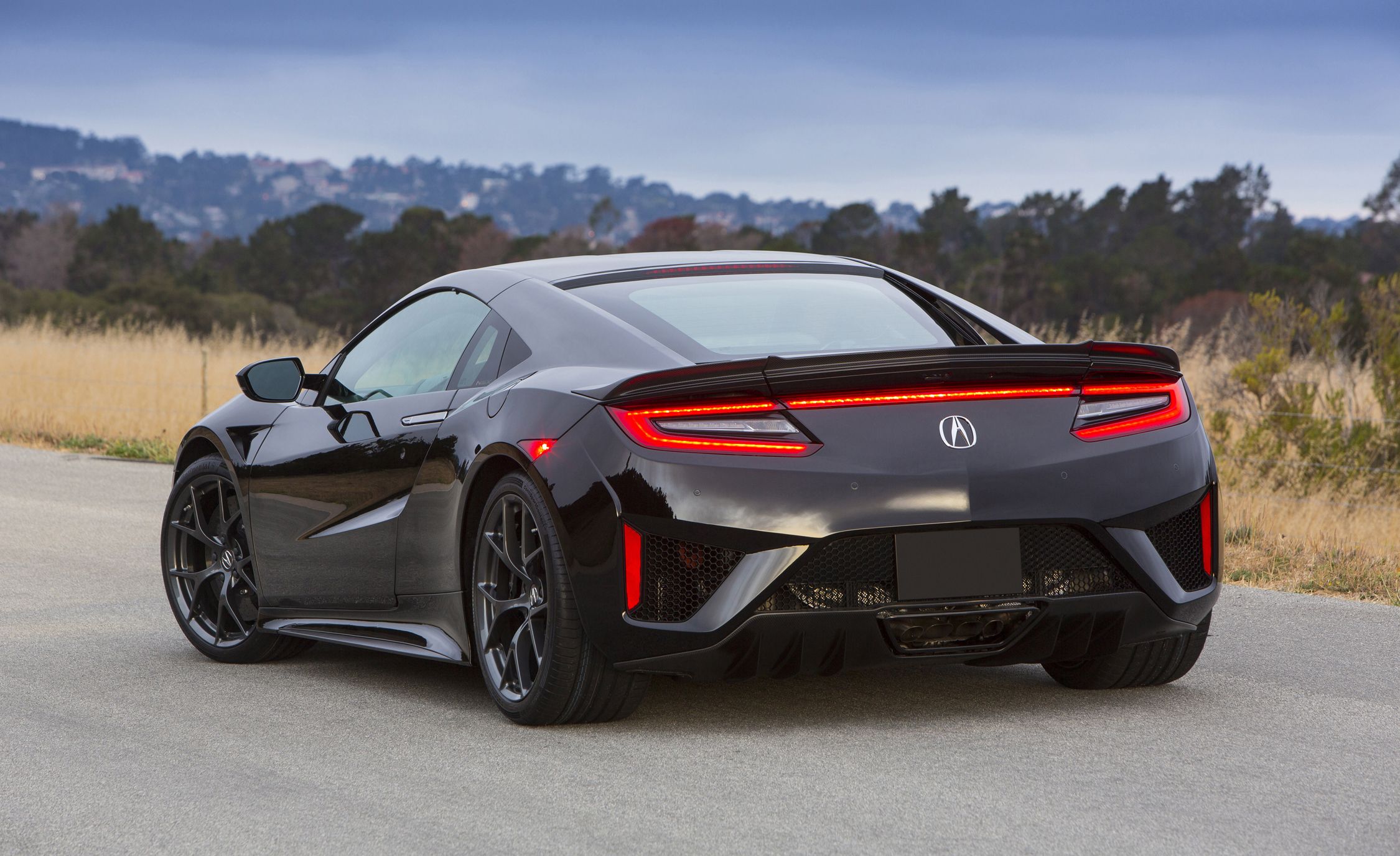
As values of the first-generation NSX skyrocketed, the second-gen’s eventual collector surge feels inevitable especially given its limited production numbers.
10. Tesla Roadster (First Generation)
Electric cars may not scream “collectible” yet, but the first Tesla Roadster represents the beginning of a revolution. Built on a Lotus Elise chassis, it combined lightweight engineering with groundbreaking EV tech.
With Tesla now a household name, the original Roadster’s historical significance is undeniable it’s the Model T of the electric age, and collectors will eventually treat it as such.
When looking back at Tesla’s history and lineup, it’s easy to overlook the company’s very first car: the first-generation Tesla Roadster. Produced in small numbers and sold for just five years, this pioneering model often gets overshadowed by the brand’s later successes, like the Model S and Model 3.
Because so few Roadsters were built and Tesla has since become a global automotive powerhouse, the original car is frequently left out of discussions about the brand’s evolution. Yet, this early effort played a crucial role in shaping Tesla’s identity, it was the vehicle that started it all.
Those who own one today may be holding onto a future classic, thanks to its unique character, rarity, and historical importance. Let’s take a closer look at how it came to be and why it remains so significant.
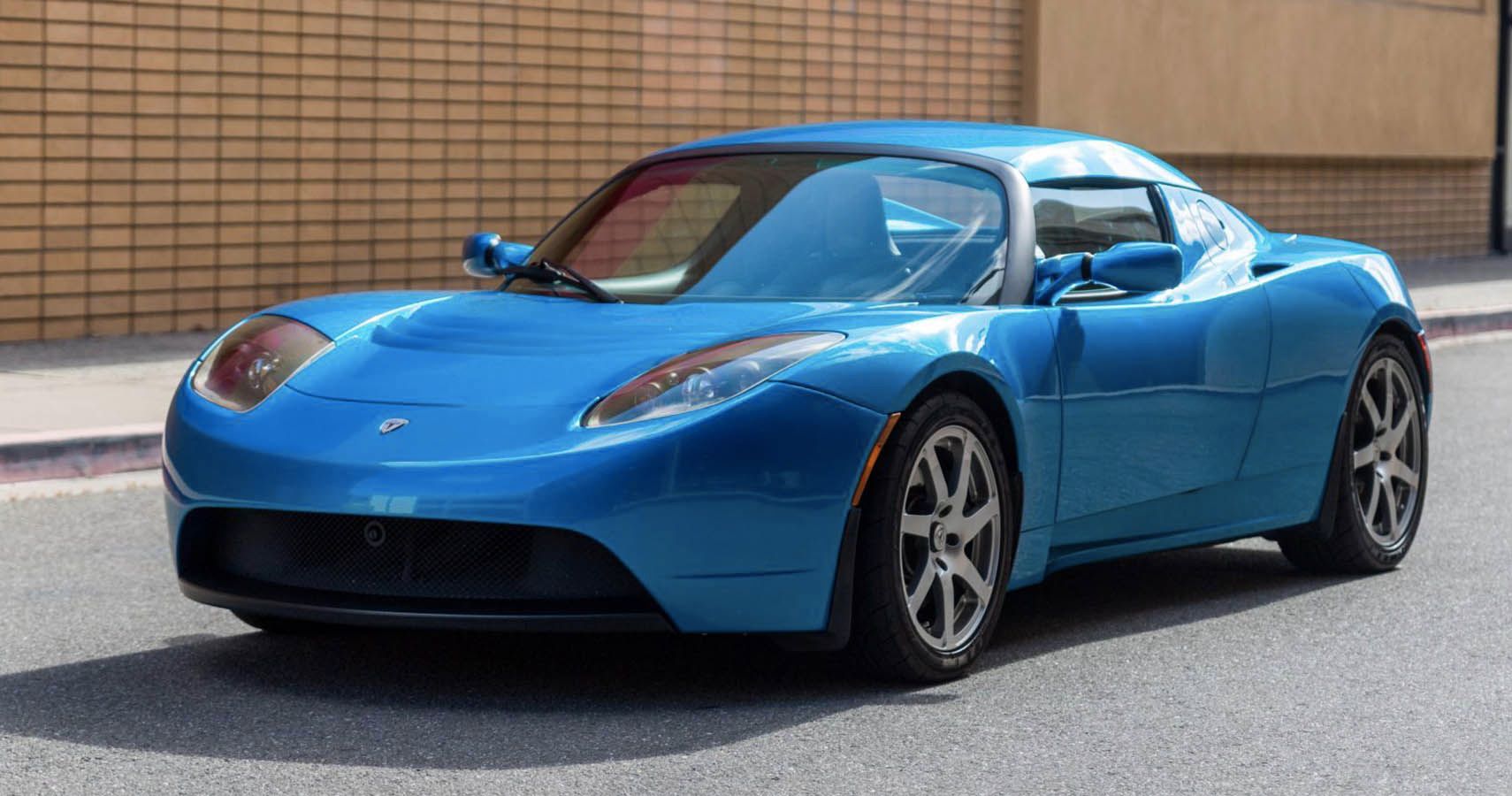
The Tesla Roadster marked the company’s entry into the automotive world when it launched in 2008, remaining in production until 2012.
It holds a special place not only in Tesla’s story but also in the broader history of electric vehicles, it was the first highway-legal, all-electric production car to use lithium-ion battery cells.
Under its sleek exterior, the Roadster featured a single electric motor that produced 248 horsepower in its original form. Every version of the Roadster came equipped with a single-speed transmission.
It was also a trailblazer in driving range, being the first EV capable of traveling more than 244 miles on a single charge, a major achievement at the time.
In 2010, Tesla refreshed the Roadster, giving it a more premium interior, an improved climate control system, and a new display that allowed drivers to monitor performance data in real time.
By 2012, as production drew to a close, Tesla released a special “Final Edition” of the Roadster, limited to just 15 units.
While these cars were mechanically identical to the standard model, they stood out thanks to exclusive cosmetic touches, including hood stripes, unique wheels, and a distinctive Atomic Red paint color.
11. Nissan GT-R (R35 Early Models)
When the R35 GT-R launched in 2007, it shattered performance benchmarks for cars double its price. Nicknamed “Godzilla,” it brought supercar speed to the masses. Early, low-mileage examples particularly pre-facelift models are poised for appreciation.
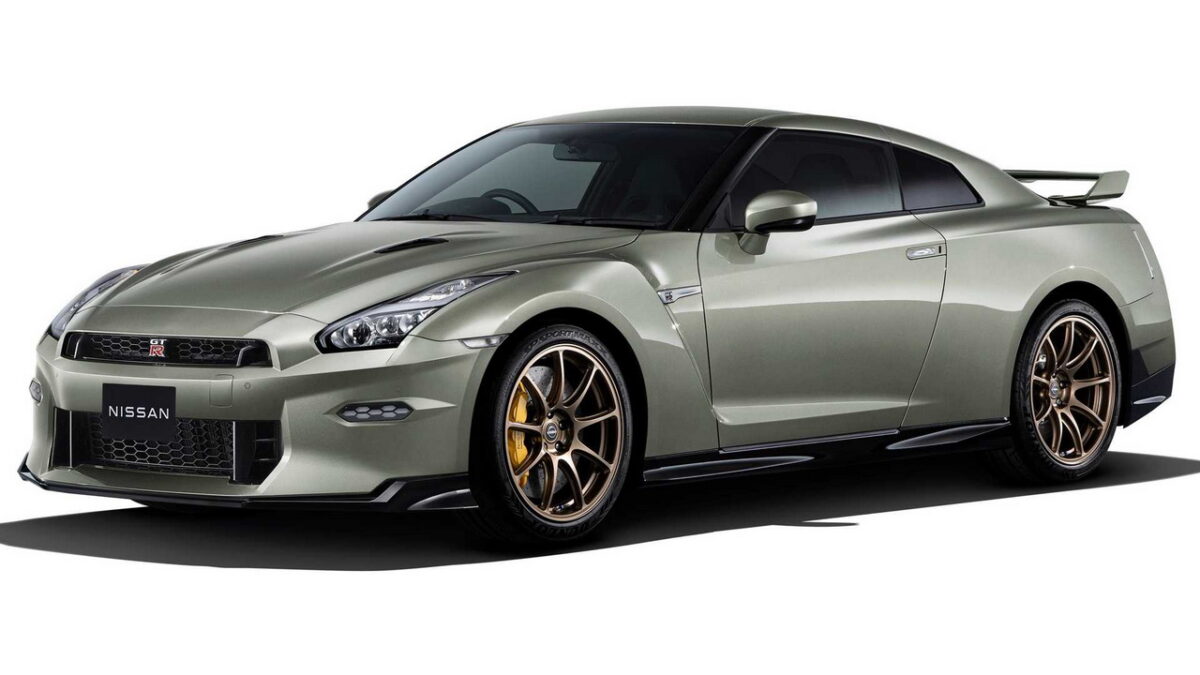
As Nissan gradually moves away from the GT-R’s analog nature, these early R35s will be viewed as the purest embodiment of the car’s brute-force magic.
The GT-R nameplate carries a storied history that dates back to the 1960s, originally used by Prince Motor Company, a Japanese manufacturer that later merged with Datsun-Nissan.
Over the decades, vehicles wearing the Skyline GT-R badge became increasingly powerful and sophisticated. With the introduction of the ATTESA E-TS all-wheel-drive system, these cars achieved remarkable levels of traction and performance, earning a reputation for dominating both the street and the track.
When the 2007 GT-R debuted, it officially dropped the “Skyline” name but carried forward the performance legacy that enthusiasts expected. It could easily hold its own against the Ferrari F430, Porsche 911 Turbo, and Lamborghini Gallardo, proving that Nissan’s engineering prowess could challenge Europe’s elite.
A facelift in 2011 enhanced both style and performance. The redesigned front bumper integrated LED daytime running lights, while a new rear diffuser improved aerodynamic efficiency. Updated wheel designs added a bolder, more aggressive stance to the car’s already commanding presence.
Inside, Nissan upgraded the materials and build quality, giving the GT-R’s cabin a more premium feel. The infotainment system, originally designed to display performance metrics such as G-forces, lap times, and temperatures, also handled navigation and audio controls.
Under the hood, the twin-turbocharged 3.8-liter V6 engine underwent steady improvements over the years. Power output climbed from 500 horsepower in 2009 to 530 horsepower by 2012, and eventually to 545 horsepower in 2016.
Each GT-R engine was hand-assembled by a single Takumi craftsman, meaning every car carried its own subtle differences in output and character. For that reason, Nissan’s quoted horsepower figures represented the minimum performance each unit would deliver, many, in reality, offered even more.
12. Mazda RX-7 (FD3S)
Rotary engines may be gone, but their legend endures and none is more beloved than the third-generation RX-7. Its lightweight design, timeless styling, and turbocharged rotary heart make it one of the most charismatic cars of the 1990s.
The Mazda RX-7, a name that echoes through the hearts of car enthusiasts and racers alike. Known by its chassis code FD3S, the third-generation RX-7 is a machine that has firmly cemented its place in automotive history thanks to its breathtaking design, unique rotary engine, and thrilling performance.
Even decades later, the RX-7 continues to captivate drivers around the world. However, like any automotive icon, it comes with its fair share of quirks and flaws that every owner or potential buyer should know.
Debuting in 1992, the FD3S RX-7 represented a bold evolution in Mazda’s sports car lineage. Its sleek, aerodynamic curves and timeless proportions make it one of the most visually stunning production cars ever built, we’d easily rank it in our top three best-looking cars of all time.
Beneath the sculpted hood sat a 1.3-liter twin-rotor Wankel rotary engine paired with a twin-turbocharging system, producing 236 horsepower and 218 lb-ft of torque.
This lightweight setup granted the RX-7 an almost perfect 50:50 weight balance, resulting in an incredibly agile and precise driving experience, whether carving through mountain roads or tearing up the track.
The FD’s sequential twin-turbo system played a major role in its exhilarating performance, but it also became one of its most notorious trouble spots. Designed to reduce turbo lag and deliver smooth power transitions, the system’s intricate layout proved temperamental and challenging to maintain.
Owners often report issues with inconsistent boost pressure and turbos not engaging properly. The web of vacuum lines, actuators, and valves makes troubleshooting a nightmare for the uninitiated. Because of this complexity, many experienced tuners recommend converting to a single-turbo setup.
While not a cheap modification, it simplifies maintenance, improves reliability, and delivers sharper throttle response, ultimately making the FD RX-7 more enjoyable and manageable to own.
The RX-7’s interior has also been a source of frustration for many enthusiasts. Mazda’s use of lightweight plastic materials helped keep the car nimble but came at the expense of durability. Over time, especially in cars exposed to sunlight, the plastics tend to crack and become brittle.
Common problem areas include the dashboard, door panels, passenger-side door pull, and center console. These cosmetic issues don’t affect performance, but they can detract from the car’s overall feel and aesthetic.
Despite its imperfections, the Mazda FD3S RX-7 remains a legend among JDM enthusiasts. Its high-revving rotary engine, stunning lines, and intoxicating driving dynamics make it a car that many are willing to forgive for its flaws.
Anyone looking to buy one should simply understand the potential maintenance demands and budget accordingly.
In the end, the FD RX-7 embodies everything that makes a sports car special, innovation, passion, and performance. Yes, it has its quirks, but the sheer joy of driving one far outweighs the challenges.
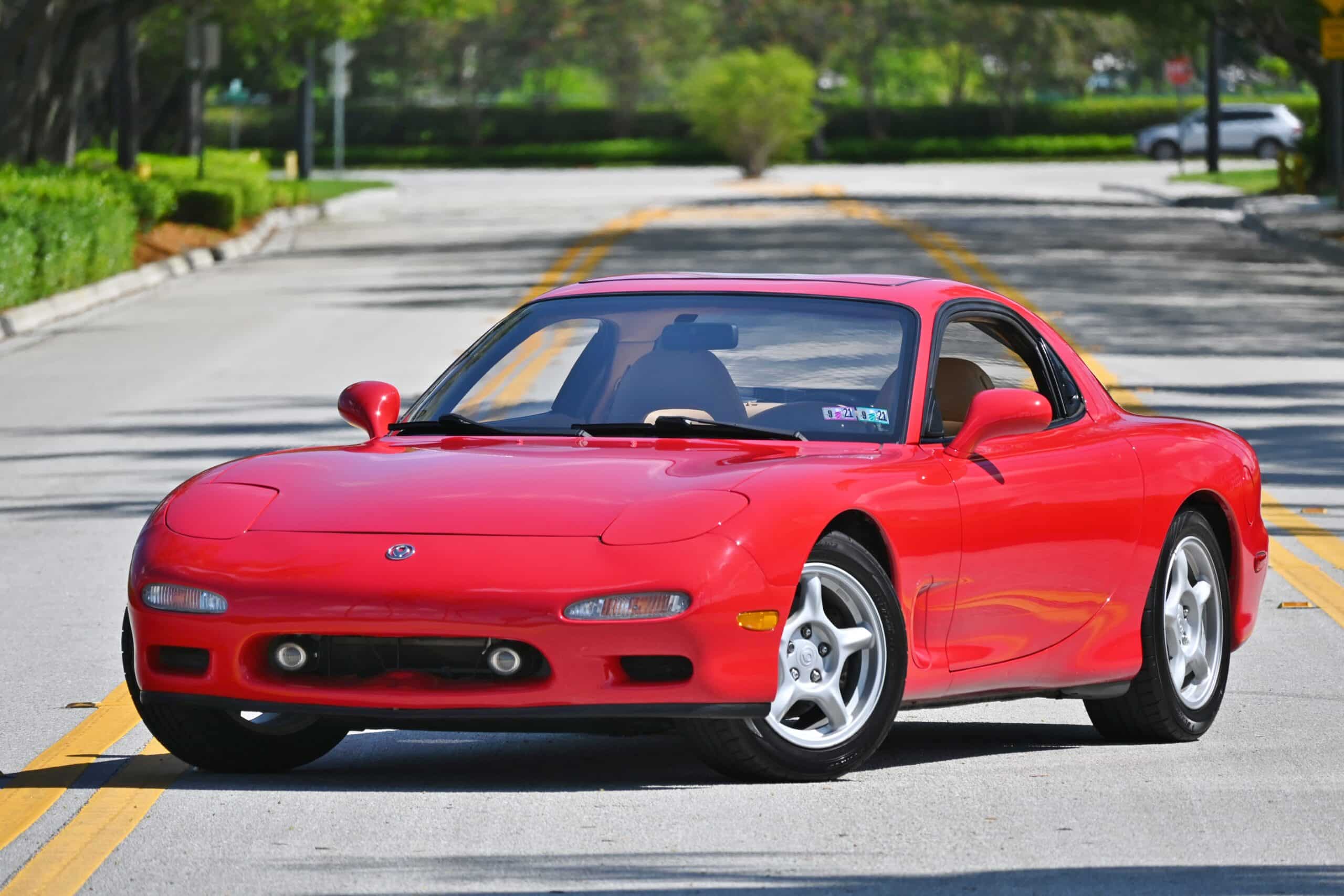
Clean, original examples have already skyrocketed in value, and as the supply dwindles, it’s only a matter of time before pristine RX-7s dominate auction headlines like Supras and Skylines have.
13. Audi R8 (Manual V8 Models)
When the Audi R8 debuted, it proved that everyday usability and supercar performance could coexist. The first-generation manual-transmission V8 models now stand out as a dying breed naturally aspirated, mid-engine, and driver-focused.
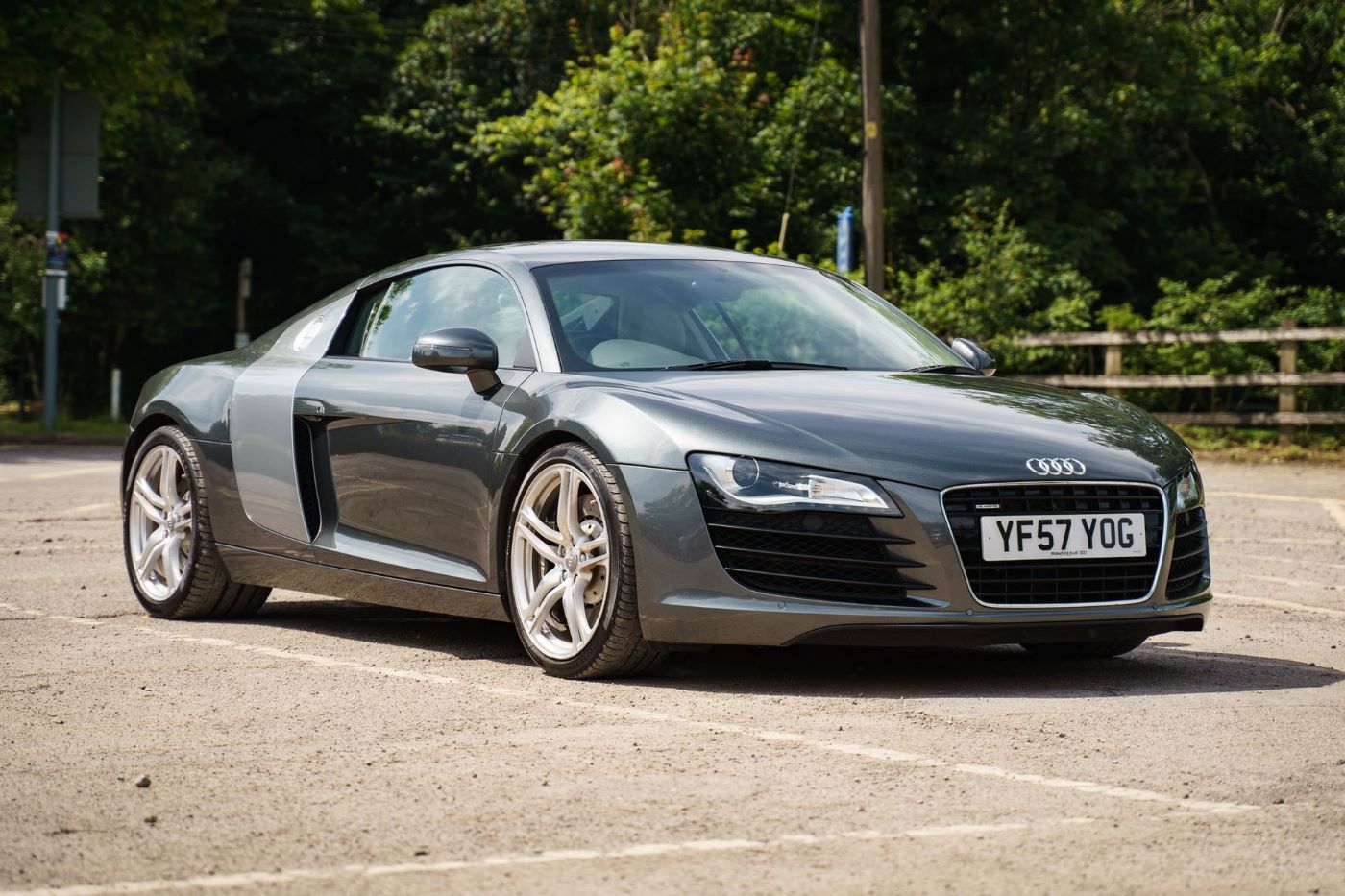
As Audi’s performance lineup shifts toward electrification, early R8s with gated shifters will become icons of a simpler, more mechanical era.
14. Mercedes-Benz SLS AMG
With its gullwing doors and handcrafted 6.2-liter V8, the SLS AMG was a spiritual successor to the legendary 300SL. Its naturally aspirated powertrain and stunning proportions have already earned it a cult following.
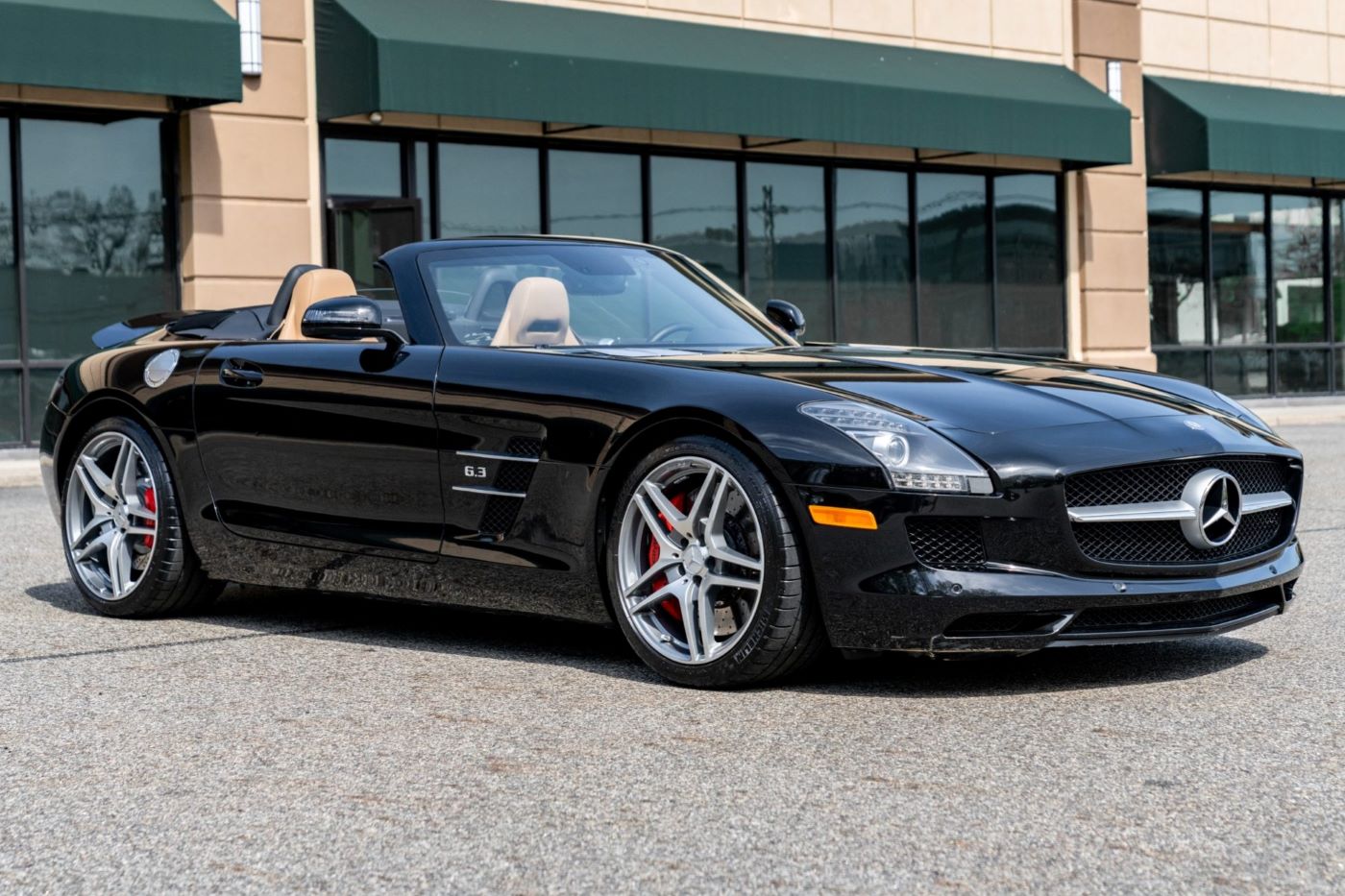
As AMG transitions toward hybrid and electric setups, the SLS will remain a symbol of the brand’s most visceral engineering one destined for million-dollar valuations in decades to come.
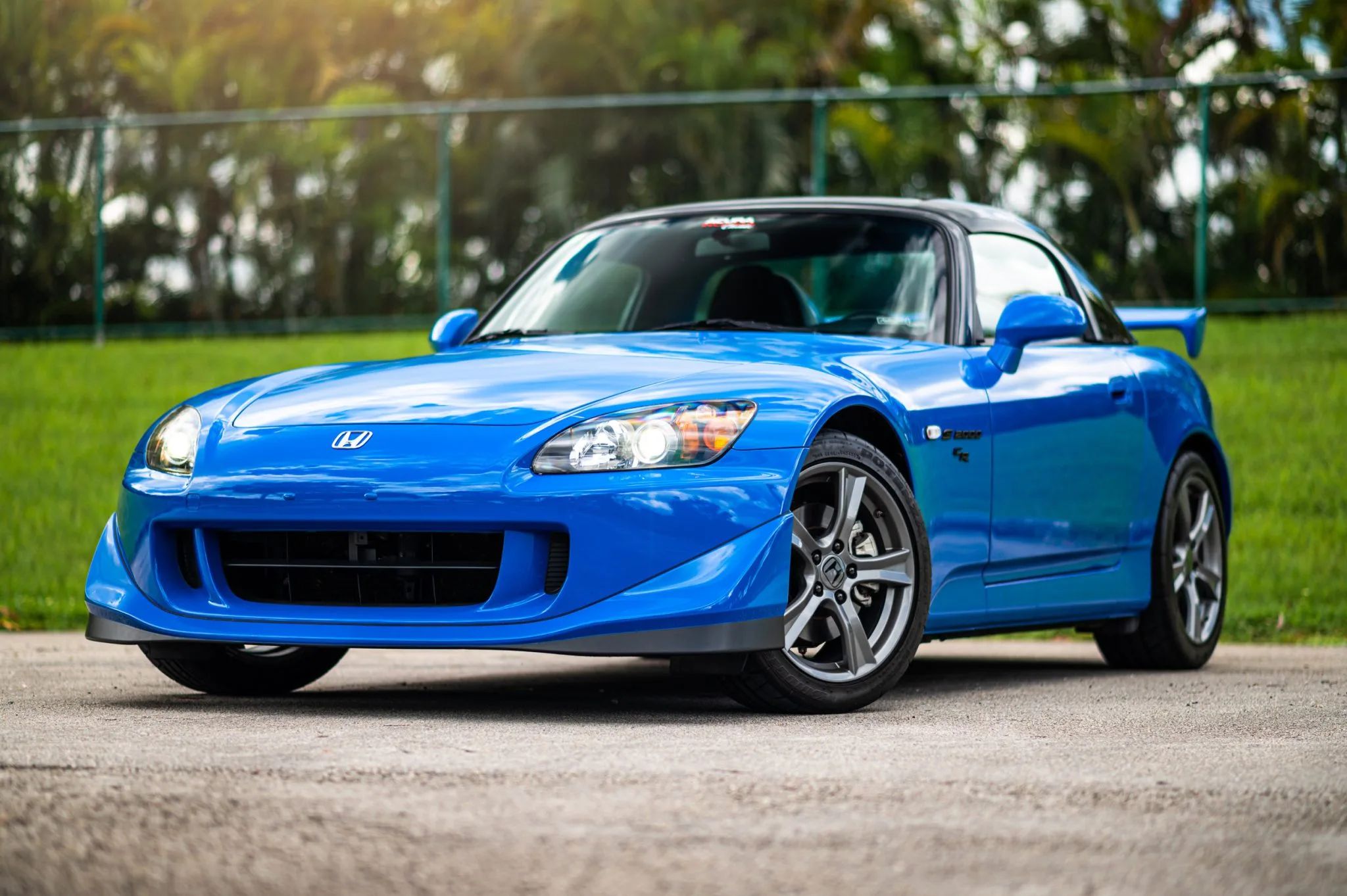
15. Honda S2000
Few cars embody pure driving joy like the Honda S2000. Its 9,000-rpm redline, razor-sharp handling, and minimalist approach to performance make it one of the most rewarding sports cars ever built.
As enthusiasts increasingly crave analog experiences, clean, unmodified S2000s especially the AP1 models will become highly sought-after collectibles. Its approachable nature today belies the premium it will command in the collector market of the future.
Predicting future auction stars requires understanding not only market trends but also emotional value. Cars that combine mechanical purity, limited production, and cultural significance tend to appreciate most.
The models on this list represent the final breaths of certain eras whether it’s the last naturally aspirated engines, manual gearboxes, or purely mechanical sports cars.
As the industry pivots toward electrification and autonomy, these vehicles will stand as rolling monuments to passion, performance, and the golden age of driving.
For collectors and enthusiasts alike, the time to secure these future legends is now before nostalgia turns them into seven-figure dreams.
