
For years, hybrid vehicles carried a mixed reputation. Many drivers believed these cars were only efficient in their early years and that their batteries would fail long before the odometer reached high numbers.
That myth, once common among skeptics, has been proven wrong time and again by owners who continue to rack up miles with surprising ease.
Today’s hybrids are built to last. Stronger battery packs, better cooling systems, and smarter energy management have helped them stay dependable far beyond what anyone expected a decade ago.
The technology that once seemed fragile has matured into something remarkably durable. In fact, some hybrids have shown better longevity than many traditional gas engines.
Drivers now report vehicles surpassing 200,000 miles while still returning excellent fuel economy and smooth performance. These cars aren’t just efficient at the pump.
They are examples of how engineering progress and thoughtful design can change public perception. From family sedans to compact crossovers, the newest generation of hybrids continues to prove that dependability doesn’t stop at high mileage.
This list highlights ten hybrids that have consistently defied expectations. They retain strong resale value, show minimal battery degradation, and often require fewer major repairs than their non-hybrid counterparts. Some have become symbols of reliability, while others quietly earn loyal followings through years of trouble-free driving.
Each of these vehicles demonstrates that the hybrid label no longer means short-term technology.
Instead, it represents a class of cars that stand the test of time, delivering both efficiency and endurance mile after mile. These ten models are proof that the era of mileage myths is finally behind us.
Also Read: 12 Hybrids That Don’t Struggle With Longevity
1. Toyota Prius
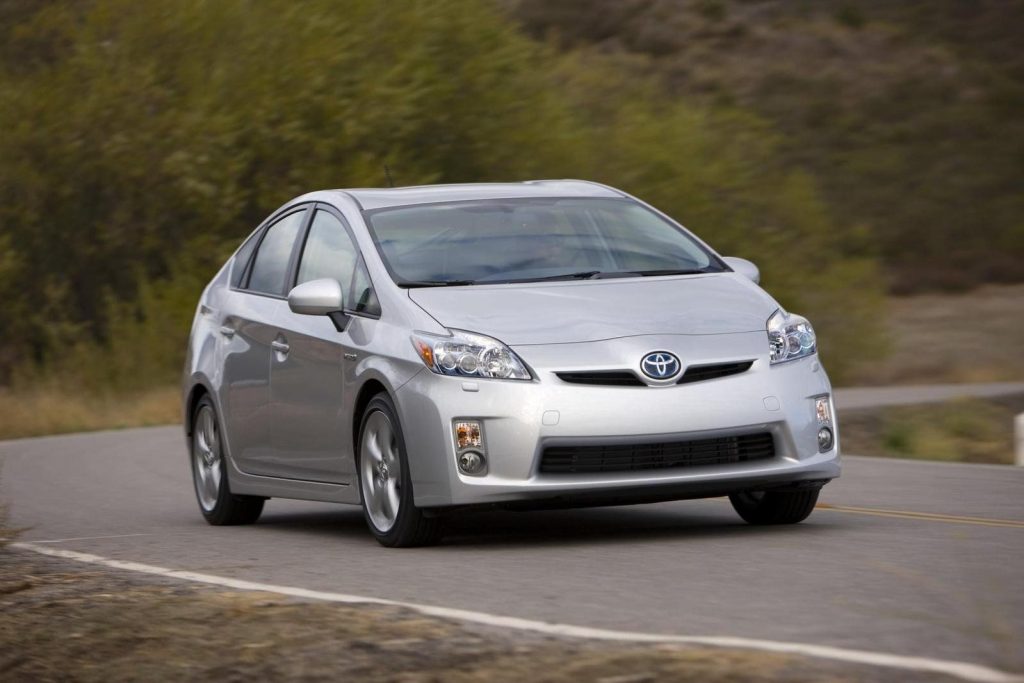
Few vehicles have changed public perception about hybrids as much as the Toyota Prius. When it arrived in the early 2000s, many doubted whether a car powered by both a gas engine and electric motor could hold up over time. Yet, two decades later, the Prius has proven that its reputation for reliability is well earned.
Owners frequently report Priuses running past 250,000 miles with original batteries still in place. Toyota’s hybrid system has become known for its simplicity and balance.
The car’s nickel-metal hydride battery, though not as energy-dense as newer lithium units, has a long cycle life and is well protected by cooling systems that prevent overheating. Maintenance costs are low because the regenerative braking system reduces wear on pads and rotors.
The Prius also benefits from a continuously variable transmission that keeps the engine operating within its most efficient range. Fewer moving parts mean fewer mechanical failures, which adds to the car’s long-term dependability.
Even the suspension and steering components are designed with durability in mind, making it one of the least expensive hybrids to maintain.
Fuel economy remains impressive even with age. Many high-mileage owners still record over 45 miles per gallon, showing that performance loss over time is minimal. The combination of lightweight construction and efficient aerodynamics helps the car maintain consistent results long after the odometer turns six digits.
Resale value is another measure of its endurance. Used Priuses continue to fetch strong prices because buyers recognize how well they age. The battery replacement myth has faded as real-world data proves most packs last the life of the car.
With steady reliability and modest operating costs, the Prius remains the benchmark for hybrid durability. It has not only survived skepticism but redefined what longevity means for eco-friendly cars.
2. Honda Accord Hybrid
The Honda Accord Hybrid has earned its place as one of the most balanced and durable hybrid sedans ever built. Combining the comfort and reputation of the regular Accord with an electric-assisted powertrain, it manages to deliver excellent mileage without compromising on longevity.
Honda’s two-motor hybrid system has been refined over several generations. It uses a smart configuration that allows the gasoline engine to act primarily as a generator during city driving, reducing strain and wear.
At higher speeds, the engine connects directly to the wheels, creating a smooth blend of efficiency and performance. This design reduces mechanical stress and extends component life significantly.
Battery reliability has also been a strong point for the Accord Hybrid. The car’s lithium-ion pack operates under tight temperature control, with active cooling keeping cells healthy even in harsh climates.
Many examples have crossed 200,000 miles with no major battery issues. Owners often note that performance and fuel economy remain consistent year after year.
Inside, the Accord Hybrid retains the same high-quality materials and craftsmanship found in its gasoline counterpart. The comfortable cabin, quiet ride, and strong safety record encourage owners to keep their cars longer.
Because of Honda’s emphasis on mechanical simplicity and robust parts sourcing, replacement costs are moderate compared to other hybrids in its class.
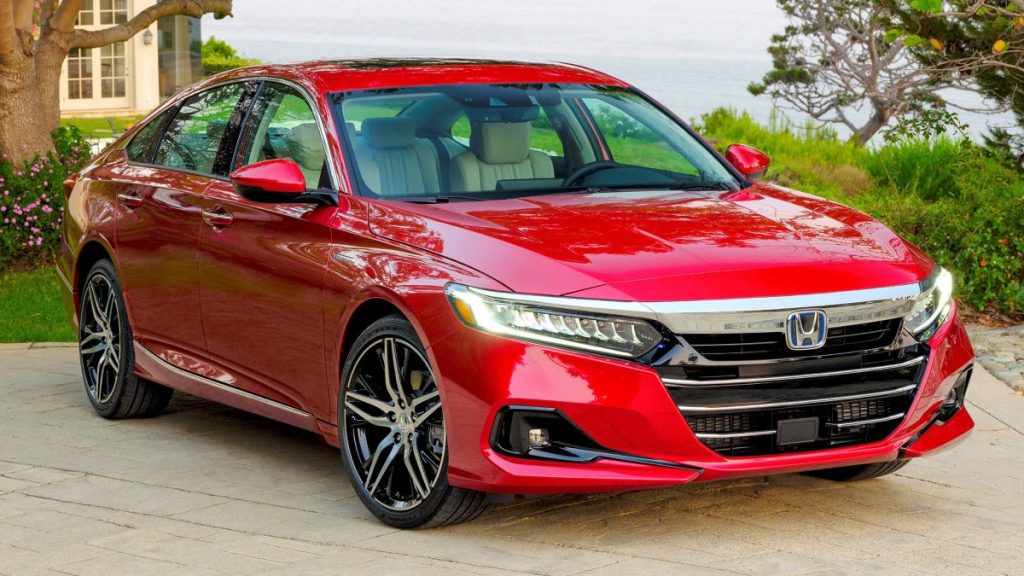
Fuel economy figures remain competitive even as the vehicle ages, with real-world averages often exceeding 45 miles per gallon. The combination of strong engineering and sensible design makes it appealing to both commuters and families looking for lasting value.
The Accord Hybrid has effectively proven that hybrid technology can coexist with long-term reliability. It doesn’t just save fuel; it provides peace of mind for years of ownership.
Its consistent performance across high-mileage examples makes it one of the most trusted hybrid sedans available, turning early doubts about hybrid durability into outdated memories.
3. Ford Escape Hybrid
The Ford Escape Hybrid was one of the first American SUVs to show that fuel efficiency and toughness could exist together. Introduced in the mid-2000s, it was designed to meet the needs of families who wanted hybrid efficiency without giving up utility or reliability. What surprised many was how well it held up over long miles.
Its hybrid system, co-developed with Toyota, turned out to be exceptionally durable. The combination of a 2.3-liter gasoline engine and an electric motor created a balance between performance and economy that still feels relevant today.
Owners often report these vehicles surpassing 200,000 miles with only routine servicing, which is rare for compact SUVs of that era.
A key reason for its longevity lies in the simplicity of its hybrid design. The battery pack, located beneath the rear cargo area, is air-cooled to prevent heat damage.
Ford engineered the control software to avoid overcharging or deep draining the cells, which significantly extends battery life. Many original packs remain functional after 15 years of use.
The Escape Hybrid also benefits from its efficient continuously variable transmission and regenerative braking system.
These features reduce engine wear and minimize the need for frequent brake replacements. The four-cylinder engine is known for being smooth and low-maintenance, with accessible components that make servicing easy and affordable.
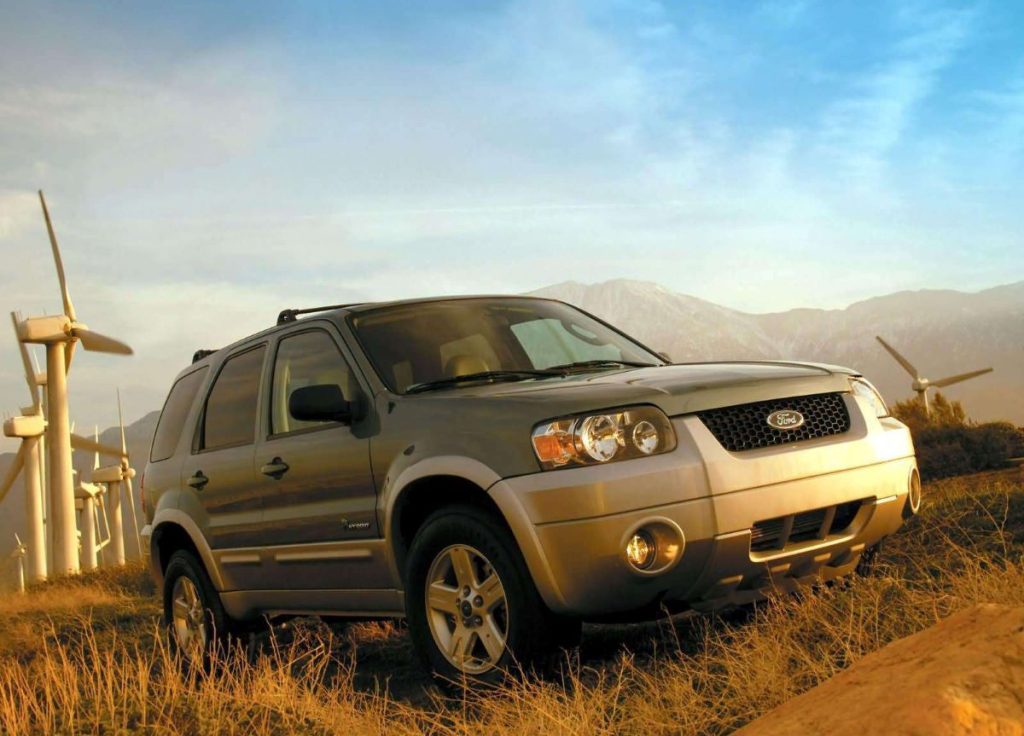
Real-world users have praised the Escape Hybrid for keeping its fuel economy figures well past 150,000 miles, with many reporting averages around 35 miles per gallon in mixed driving. Its tough chassis and suspension system make it a practical option for those who value both efficiency and endurance.
Even older models continue to command solid resale prices because of their proven record. The Escape Hybrid’s reputation for reliability has carried over to newer versions, but the original remains a standout example of how American engineering adapted to hybrid technology and delivered something built to last.
4. Lexus RX 400h
When Lexus introduced the RX 400h, it aimed to blend luxury with advanced technology. What followed was a pleasant surprise: an upscale hybrid that aged better than most premium vehicles in its class.
It became one of the first luxury SUVs to prove that hybrid systems could stay dependable for well over a decade.
Under the hood, the RX 400h uses a 3.3-liter V6 engine paired with electric motors on both axles, creating an all-wheel-drive setup that feels smooth and refined. The system prioritizes efficiency but never sacrifices power. More importantly, it distributes electrical load evenly, keeping battery stress to a minimum.
Lexus engineers designed the hybrid components with overengineering in mind. The cooling systems for both the inverter and battery are robust, and the transmission’s design minimizes wear.
Many owners report crossing 250,000 miles with only regular maintenance and fluid changes. The hybrid battery, often thought of as a weak point in early systems, has shown remarkable endurance with few reported failures.
Inside, the RX 400h retains the comfort and quietness that Lexus is known for. Cabin materials resist wear, electronics stay functional, and suspension components maintain their integrity far longer than expected. Combined with Toyota’s track record for reliability, this model quickly earned the trust of drivers who wanted a long-term luxury investment.
Fuel economy remains strong for an SUV of its size, often exceeding 28 miles per gallon even in older models. The seamless transition between electric and gasoline power continues to impress drivers years later.
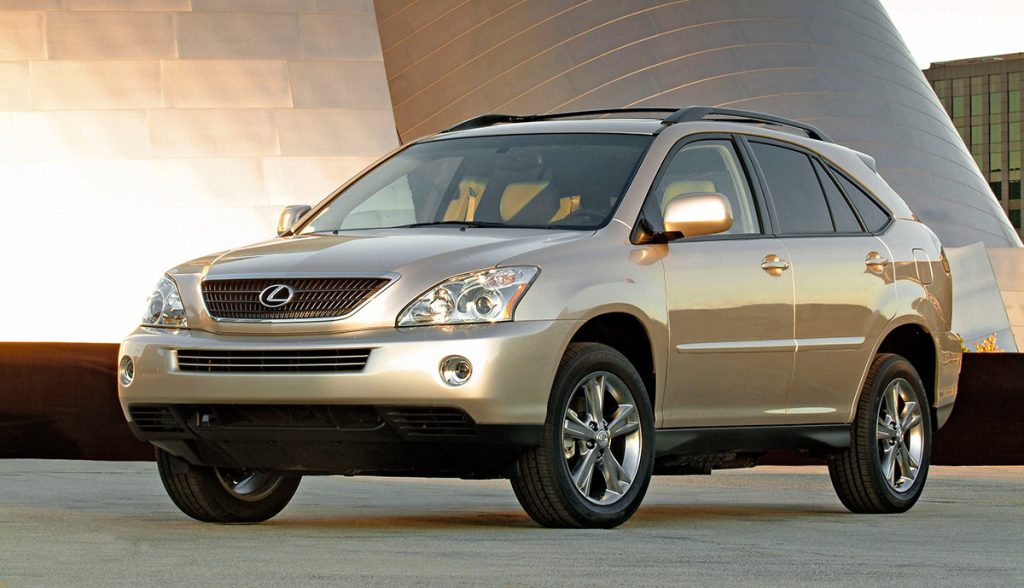
The RX 400h stands as one of the clearest examples of hybrid technology done right. It showed that a luxury SUV could deliver lasting performance, comfort, and value without giving up the reliability expected from a traditional engine. Time has confirmed its status as a hybrid that truly defies mileage myths.
5. Toyota Camry Hybrid
The Toyota Camry Hybrid has become one of the most trusted midsize sedans for drivers who want both long life and excellent fuel efficiency. Over the years, it has built a reputation for being nearly indestructible, and many owners now view it as one of the best all-around hybrid choices for high-mileage use.
Its strength lies in Toyota’s proven Hybrid Synergy Drive system, shared with the Prius but tuned for a more powerful experience.
The combination of a 2.5-liter gasoline engine and an electric motor creates smooth, responsive acceleration without overworking either component. This balanced setup keeps internal wear low, extending the life of both the engine and transmission.
Battery durability has always been a point of pride for the Camry Hybrid. The cooling system is efficient and prevents cell damage, even in warm climates.
Many examples have surpassed 250,000 miles with their original battery still performing well. Toyota’s use of reliable nickel-metal hydride and, in later models, lithium-ion packs has ensured consistent performance across generations.
Drivers appreciate how the car continues to return fuel economy near its original ratings, even with age. The combination of regenerative braking, aerodynamic design, and advanced energy management helps preserve efficiency well beyond 200,000 miles.
Owners also enjoy reduced maintenance costs, as the hybrid system minimizes brake wear and limits the strain on fluids and filters.
The Camry Hybrid’s interior quality is another reason owners keep it for so long. Seats remain comfortable, electronics rarely fail, and road noise stays minimal. It feels solid and composed even as the mileage climbs.
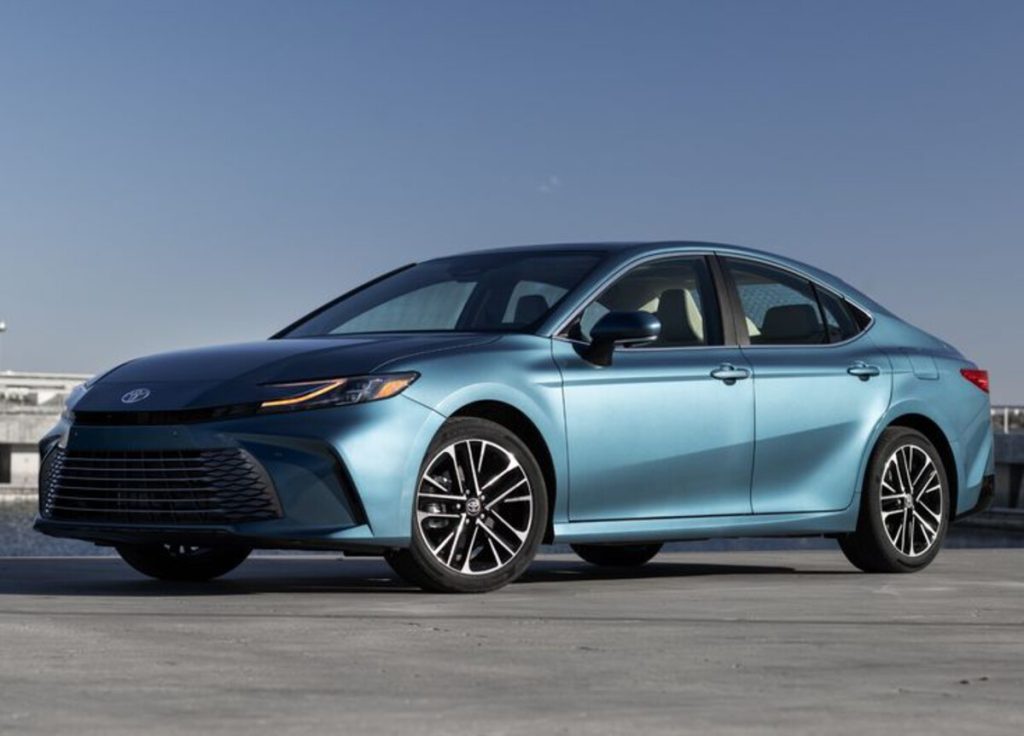
Because of its reliability and low operating costs, resale values remain high. Many buyers actively seek used Camry Hybrids, confident that they will continue running strong for years.
The car’s legacy proves that hybrid sedans can deliver lasting dependability without sacrificing performance or comfort. The Camry Hybrid continues to stand as one of Toyota’s finest examples of long-term hybrid engineering.
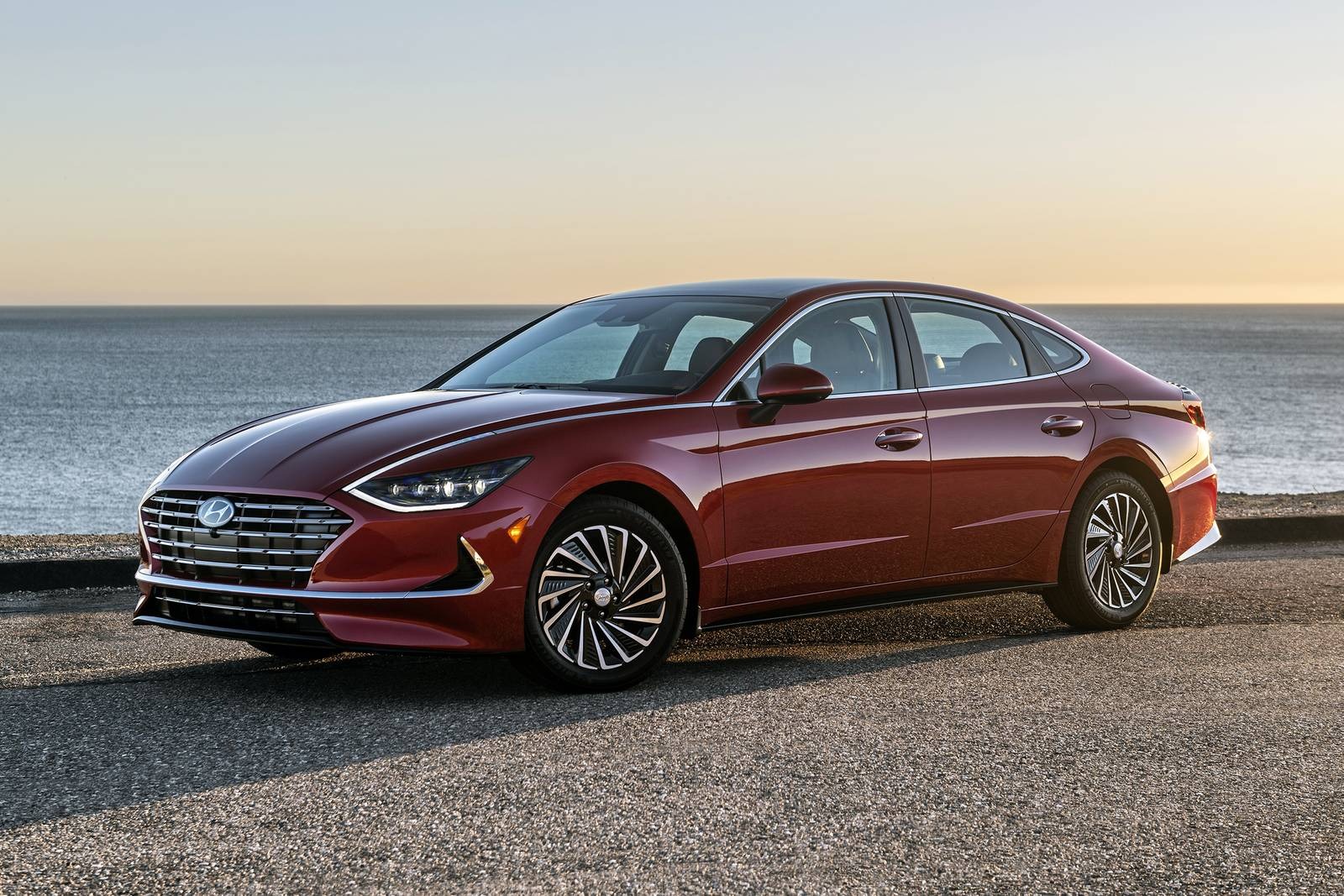
6. Hyundai Sonata Hybrid
The Hyundai Sonata Hybrid represents how far modern hybrid technology has come. Once seen as an underdog, Hyundai has refined this model into one of the most dependable midsize hybrids available today. It consistently impresses with its strong efficiency, comfort, and mechanical resilience over time.
Under the hood, the Sonata Hybrid pairs a 2.0-liter gasoline engine with an electric motor that works through a conventional six-speed automatic transmission.
This setup gives it a more natural driving feel compared to some continuously variable systems. The design also reduces long-term mechanical stress by balancing load distribution across both power sources.
Hyundai focused heavily on battery management and cooling efficiency. The lithium-ion polymer battery is lightweight and compact, yet it handles temperature extremes well.
Many owners have driven past 200,000 miles without seeing a noticeable drop in performance or fuel economy. The electric components are sealed and well-protected, minimizing corrosion or moisture damage.
Routine maintenance is straightforward and affordable. The regenerative braking system limits brake wear, and the engine operates in its most efficient range during city driving, helping extend the lifespan of key parts.
The hybrid powertrain has proven to be one of Hyundai’s most robust systems to date, benefiting from continuous software refinements that improve energy recovery and reliability.
Interior quality also contributes to its long-term appeal. The materials resist wear, the electronics stay functional, and comfort levels remain consistent with age. Drivers praise how quiet and composed it feels even after years of use.
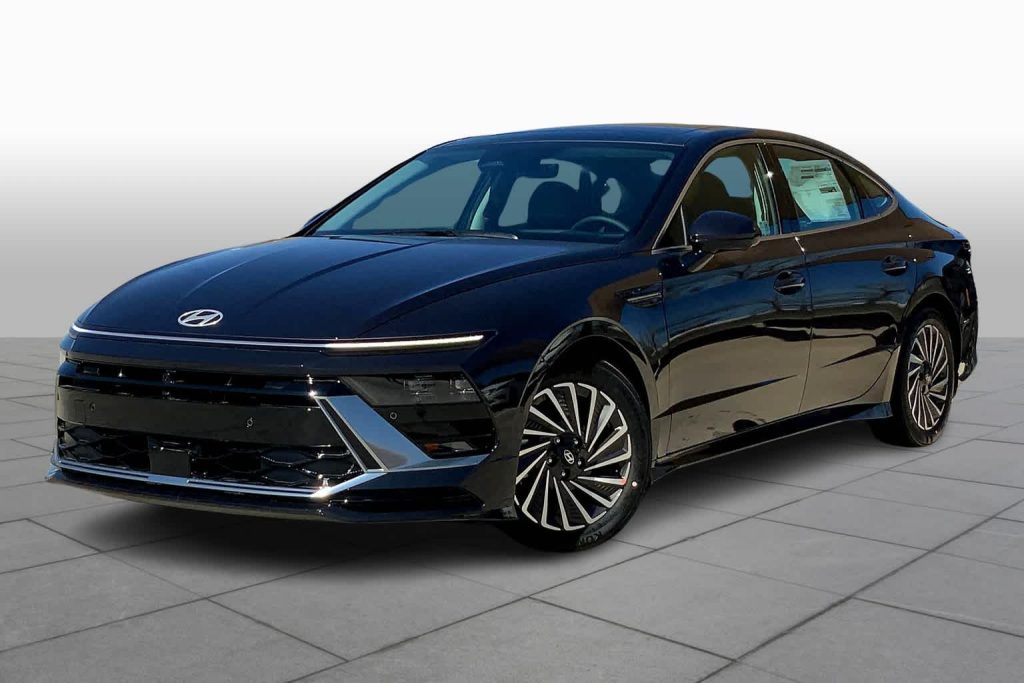
Fuel economy remains among the best in its class, often averaging 45 to 50 miles per gallon. Combined with low maintenance costs, the Sonata Hybrid offers long-term value that rivals more expensive models.
Its track record proves Hyundai has mastered the hybrid formula. With high-mileage examples performing just as reliably as their lower-mile counterparts, the Sonata Hybrid has secured its reputation as one of the best-kept secrets among dependable hybrid sedans.
7. Lexus ES 300h
The Lexus ES 300h has long been admired for blending quiet comfort with hybrid efficiency that lasts far beyond expectations.
It proves that luxury cars can be both elegant and exceptionally reliable. Many owners continue driving theirs well past 200,000 miles with minimal issues, which speaks volumes about Lexus engineering.
Its foundation is Toyota’s dependable hybrid system, refined for smoothness and refinement. The 2.5-liter gasoline engine works in harmony with an electric motor, allowing effortless transitions between power sources.
This arrangement not only enhances comfort but also limits wear, helping the car maintain consistent performance as the mileage increases.
Battery longevity is one of the ES 300h’s strongest traits. The battery pack, positioned near the rear axle for balance, uses advanced temperature control to prevent cell damage.
Owners report that even after years of heavy use, the battery retains excellent capacity. Routine maintenance remains simple, and repair costs are lower than those of most luxury sedans.
Fuel economy is another reason for its enduring appeal. Many drivers continue to achieve over 40 miles per gallon, even after a decade of ownership. The hybrid powertrain’s seamless efficiency allows for relaxed highway cruising and effortless city driving without noticeable aging effects.
Inside, the ES 300h feels timeless. The interior materials resist fading and wear, and the build quality remains tight and quiet. The car’s suspension and steering components are engineered for longevity, keeping the ride smooth and precise even as miles accumulate.
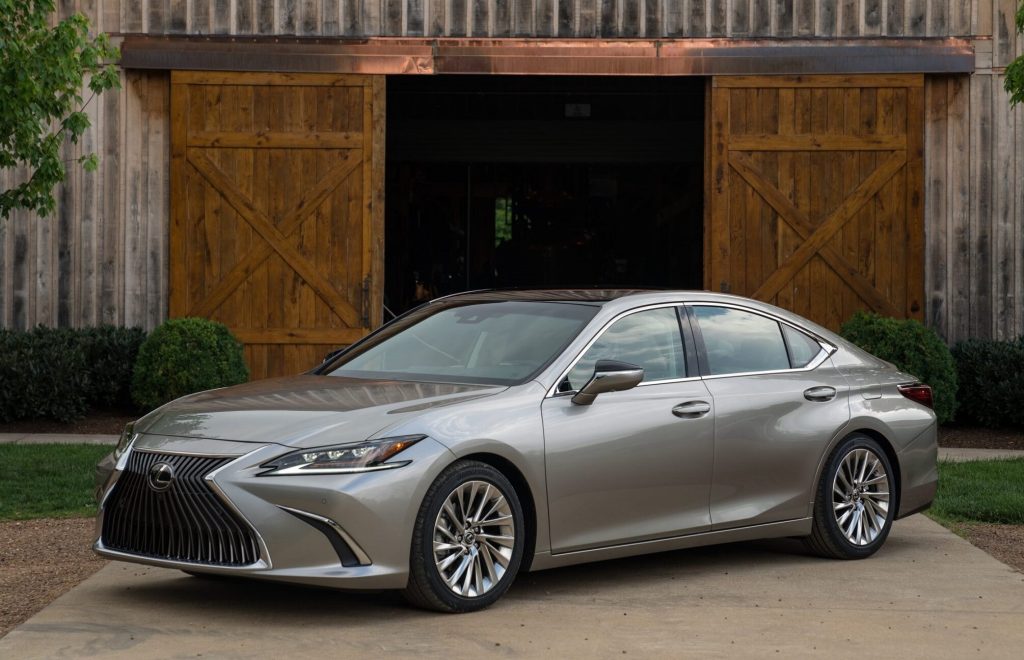
Resale value stays strong, largely because of its stellar reliability record. Pre-owned models are in high demand among buyers who want a luxury sedan that feels new even after years of use.
The Lexus ES 300h stands as a refined example of how hybrid technology can deliver both comfort and endurance. It continues to prove that eco-friendly cars can offer luxury without sacrificing the long-term dependability drivers expect from the Lexus name.
8. Ford Fusion Hybrid
The Ford Fusion Hybrid showed that American automakers could compete directly with the most dependable hybrids from Japan. Introduced as part of Ford’s shift toward efficiency, it quickly earned a reputation for being smooth, reliable, and capable of handling high mileage with ease.
At its core is a 2.0-liter Atkinson-cycle engine paired with an electric motor, producing a balanced and refined drive.
The continuously variable transmission keeps power delivery seamless while reducing mechanical strain. This setup allows the Fusion Hybrid to maintain excellent reliability, even after years of consistent use.
Battery performance has been a standout feature. The air-cooled lithium-ion pack is well-protected and designed for gradual energy cycling, preventing rapid degradation.
Many owners have reported reaching over 200,000 miles without needing major hybrid component replacements. Its electrical systems are shielded effectively against moisture and corrosion, ensuring long-term durability.
Maintenance requirements are minimal. Regenerative braking reduces wear on brake components, and the hybrid powertrain limits the need for frequent oil changes since the gasoline engine often shuts off at low speeds. These features help keep operating costs low and extend the life of critical parts.
Comfort and practicality further add to the Fusion Hybrid’s appeal. The cabin is spacious, materials are solid, and road noise remains controlled even after years of use. Owners often praise the suspension for staying composed and the steering for retaining its smooth feel long after the car’s early years.
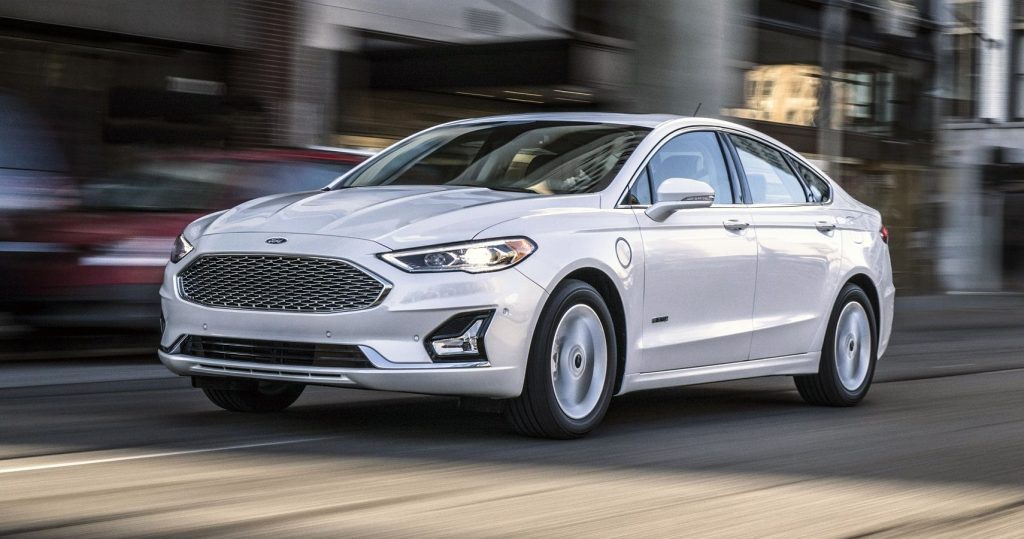
Fuel economy stays steady at around 40 to 44 miles per gallon, making it one of the more efficient midsize sedans even today. Its durability and consistent performance have turned it into a used-car favorite among hybrid shoppers.
The Ford Fusion Hybrid demonstrated that domestic engineering could match Toyota and Honda in hybrid reliability. With its proven high-mileage track record and strong everyday usability, it remains one of the most dependable American-built hybrids ever produced.
9. Toyota Highlander Hybrid
The Toyota Highlander Hybrid has proven that large family SUVs can deliver impressive longevity without giving up performance or comfort.
Since its introduction, it has earned respect for combining three-row practicality with the proven reliability of Toyota’s hybrid system. Owners consistently report high-mileage examples still performing like new, a rare achievement for a vehicle of its size.
Power comes from a V6 gasoline engine paired with electric motors that provide instant torque and improved traction. The hybrid system manages power delivery efficiently, ensuring that both engine and electric components share the workload evenly.
This balanced design reduces internal stress, leading to smoother operation over time and fewer mechanical problems.
Battery health has been another strength of the Highlander Hybrid. The battery pack is well-cooled and integrated into the chassis for stability and temperature control.
Even in older models, the system maintains consistent performance without significant capacity loss. Owners often find the original hybrid batteries lasting well beyond 200,000 miles, supported by Toyota’s long-standing experience in hybrid engineering.
Maintenance costs remain modest compared to traditional SUVs. Regenerative braking preserves brake life, and the hybrid drivetrain limits engine idling, reducing wear on internal components. The vehicle’s continuously variable transmission further cuts down on mechanical strain by keeping the engine within optimal power ranges.
Interior quality and ride comfort also help this model age gracefully. Seats remain supportive, and materials show minimal wear even after years of family use. The suspension design ensures a composed and quiet ride, adding to its reputation as a long-lasting travel companion.
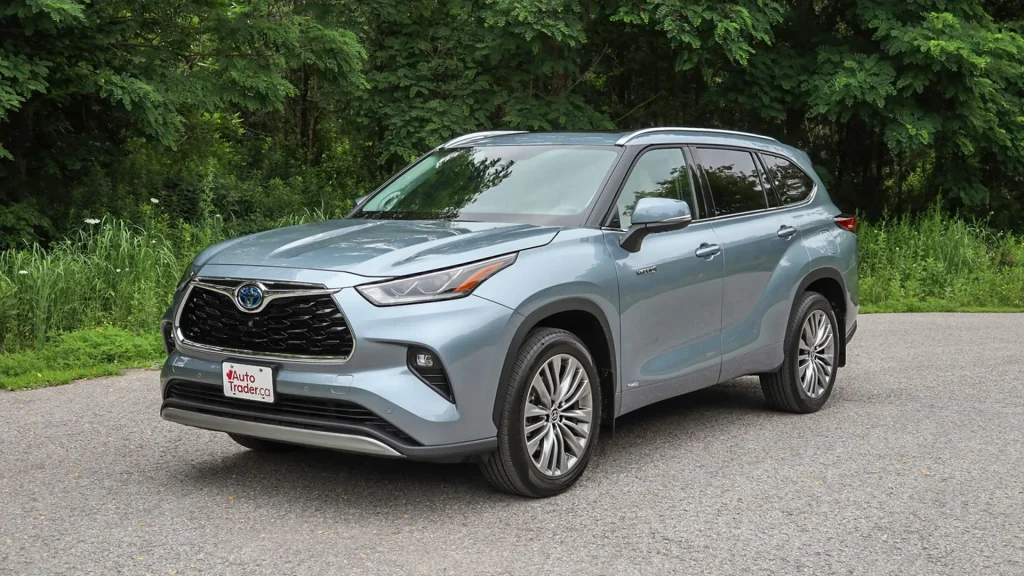
Fuel efficiency remains strong for a mid-size SUV, often averaging between 30 and 35 miles per gallon. That consistency in both power and economy has made it a favorite among long-term owners.
The Highlander Hybrid proves that hybrid technology isn’t limited to small cars. It delivers durability, comfort, and practicality while maintaining Toyota’s hallmark dependability. It continues to stand out as one of the most reliable hybrid SUVs ever built.
10. Honda Insight
The Honda Insight has a special place in hybrid history as one of the first models to bring fuel efficiency to mainstream attention. Over its generations, it has evolved from a lightweight commuter to a refined and dependable sedan that stands the test of time.
Honda’s hybrid system in the Insight uses a parallel configuration, allowing both the gasoline engine and electric motor to assist one another directly.
This simple yet effective setup minimizes friction losses and keeps mechanical stress low. The design results in long-term reliability and fewer powertrain issues compared to more complex hybrid layouts.
The Insight’s battery system has proven to be remarkably durable. Early nickel-metal hydride packs and later lithium-ion units both hold up well under high mileage.
Proper thermal management ensures that even after years of heavy use, most cars retain strong battery performance. Owners regularly report reaching 200,000 miles or more with no significant hybrid component failures.
The vehicle’s lightweight design also contributes to its longevity. With less strain on the suspension and drivetrain, the Insight remains responsive and easy to maintain. Its regenerative braking system helps preserve brake components, and the efficient engine design limits oil consumption, keeping maintenance costs predictable.
Interior quality, though simple, has aged gracefully across generations. Seats stay comfortable, electronics remain functional, and the cabin insulation continues to block out road noise effectively. The Insight may not be the flashiest hybrid, but its reliability record has made it a long-term favorite among economy-minded drivers.
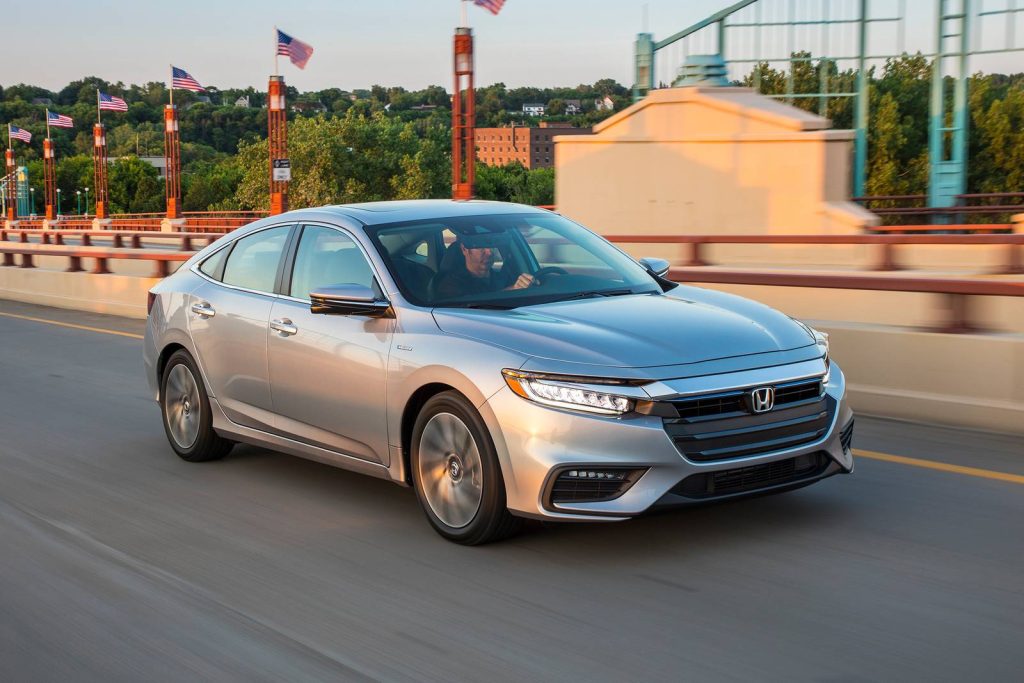
Fuel efficiency is consistently excellent, often exceeding 45 miles per gallon in real-world driving. What makes it stand out, however, is how well it retains that performance even at high mileage. The hybrid system continues to operate smoothly with little drop in output.
The Honda Insight represents the essence of dependable hybrid motoring. It delivers efficiency, reliability, and simplicity that few cars can match. By remaining consistent across generations, it has proven that a hybrid can achieve both high mileage and lasting performance without compromise.
