
Some cars become more than just modes of transportation as they age. Certain vehicles are known to improve in performance and reliability over time, thanks to robust engineering, durable components, and refined mechanics. These cars reward owners with a driving experience that strengthens with mileage rather than declines.
Mechanical durability is key to this phenomenon. Engines built with high-quality materials, precise tolerances, and simple designs often run more smoothly after initial wear-in. Transmissions, differentials, and drivetrains that are well-constructed can settle into optimal operation, allowing the vehicle to perform better as it accumulates miles.
Chassis and suspension systems also benefit from proper use and maintenance. Components like bushings, control arms, and shocks can adapt over time, providing improved handling, comfort, and responsiveness. A car that is maintained consistently often becomes more predictable and confident to drive with each passing year.
Some cars are designed to handle increased mileage without compromising reliability. Regular servicing, including fluid changes, brake checks, and engine tuning, helps these vehicles perform better as their mechanical systems settle. The combination of quality engineering and attentive maintenance is what allows certain cars to grow stronger over time.
This article highlights ten vehicles that improve in performance as they age. From compact sedans to high-performance sports cars, these cars demonstrate that time and mileage do not always diminish a vehicle’s capability.
Instead, careful maintenance and solid engineering allow them to remain dependable, enjoyable, and in some cases, even stronger than when they were new. Each model on this list has earned a reputation for gaining reliability, handling, and driving satisfaction with age.
Also Read: 10 Cars Known to Surpass 300,000 Miles Trouble-Free
1. Lexus LS 400
The Lexus LS 400, introduced in the late 1980s, quickly earned a reputation for smooth performance, quiet operation, and mechanical reliability. Over the years, owners have noted that this flagship sedan often improves in overall driving quality as it ages.
Engine durability is a key factor in the LS 400’s long-term performance. Its V8 engine was engineered with precision and high-quality components.
With proper maintenance, including regular oil changes, filter replacements, and timely spark plug servicing, the engine continues to run smoothly and efficiently. Some owners report increased responsiveness and consistent power delivery as the engine components settle and wear evenly.
Transmission and drivetrain components contribute to long-term strength. The automatic transmission in the LS 400 is renowned for smooth, consistent shifts. Over time, minor settling of internal components can enhance shift quality and reliability. Routine maintenance of the driveshaft, differential, and transmission fluid ensures the drivetrain continues to perform at its best.
The chassis and suspension system also benefit from careful use. Independent suspension design, combined with quality bushings and shock absorbers, adapts over time, improving ride comfort and handling. Well-maintained suspensions often become more predictable and composed with mileage, enhancing the car’s overall driving experience.
Maintenance is practical and straightforward. Replacement parts are widely available, and routine tasks such as brake servicing, fluid changes, and minor repairs are accessible. Attentive owners find that the LS 400 continues to perform reliably for hundreds of thousands of miles.
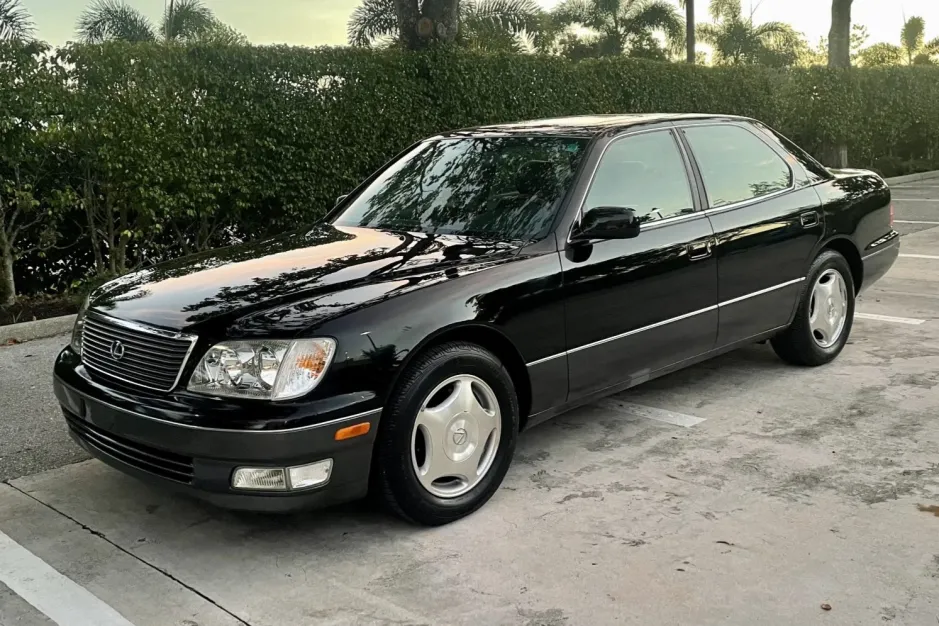
Interior and exterior durability further contribute to the car’s appeal. High-quality materials, such as leather seating, wood trim, and metal components, retain functionality over decades. Rust-resistant body panels help preserve structural integrity and aesthetics.
The Lexus LS 400 demonstrates that a combination of precise engineering, durable materials, and attentive maintenance can result in a car that improves with age. Its engine, transmission, and suspension continue to perform reliably, making it a standout example of a vehicle that grows stronger over time.
2. Toyota 4Runner
The Toyota 4Runner, a midsize SUV introduced in the mid-1980s, is widely recognized for its long-term reliability and off-road capability. Many 4Runners continue performing strongly in 2025, and owners often report improved handling and drivetrain performance as mileage increases.
Engine reliability is a cornerstone of the 4Runner’s enduring strength. Four-cylinder and V6 engines are mechanically simple and built to last.
Regular maintenance, including oil changes, air and fuel filter replacements, and spark plug servicing, allows the engine to maintain consistent performance. Many owners notice smoother operation and improved throttle response as the engine components settle with use.
Transmission and drivetrain components are durable and straightforward. Manual and automatic transmissions shift reliably, while the part-time four-wheel-drive system is built to withstand heavy use. Routine servicing of the transfer case, differential, and driveshaft helps maintain optimal performance over time.
Suspension and chassis design contribute to long-term performance. The solid rear axle and independent front suspension provide stability and ride comfort. Over time, bushings, shocks, and control arms adapt and settle, improving handling and responsiveness. Well-maintained suspension components enhance predictability both on and off the road.
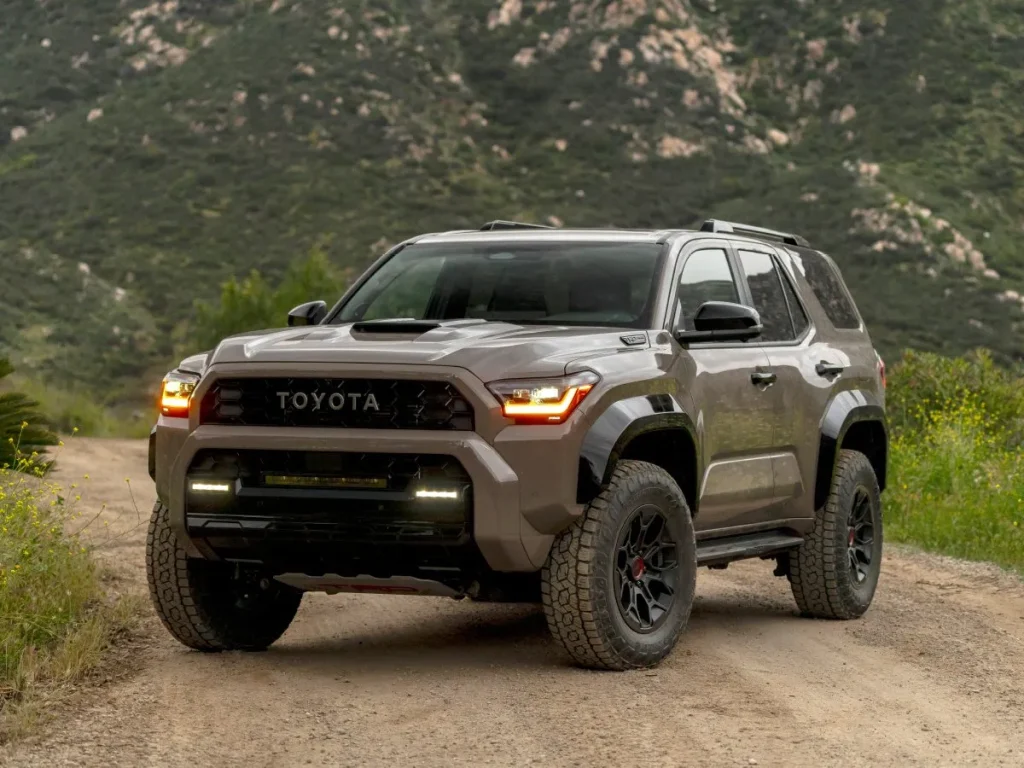
Maintenance is practical and accessible. Replacement parts are widely available, and routine servicing, such as brake work, fluid changes, and minor repairs, is straightforward. This ease of upkeep ensures the 4Runner continues to perform reliably for hundreds of thousands of miles.
Interior and exterior durability further enhance the vehicle’s strength. Seats, dashboard components, and basic electronics remain functional with proper care. Body panels resist rust when treated appropriately, and the SUV’s rugged construction helps it endure decades of use.
The Toyota 4Runner demonstrates that careful maintenance, durable engineering, and simple mechanical design can allow a vehicle to improve with age. Its engine, drivetrain, and suspension become more refined over time, making it a dependable SUV that grows stronger with mileage.
3. Honda Accord
The Honda Accord, a compact-to-midsize sedan introduced in the 1970s and continually refined, is known for reliability and long-term performance. Many Accords continue to perform smoothly even after high mileage, with owners often noticing improvements in engine efficiency and overall drivability over time.
Engine reliability is a key reason the Accord improves with age. Inline-four engines are mechanically simple and built with high-quality materials.
Regular oil changes, timing belt replacements, and spark plug servicing keep the engine operating efficiently. Over time, the engine components settle, reducing friction and contributing to smoother operation and more consistent power delivery.
Transmission and drivetrain components are durable and responsive. Manual and automatic transmissions shift smoothly, and regular maintenance, including fluid changes and clutch adjustments, ensures long-term reliability. Owners often notice improved shift quality and responsiveness as components break in properly over years of use.
The chassis and suspension system also benefit from mileage. Independent front suspension and solid rear suspension design provide a balance of comfort and handling. Bushings, shocks, and control arms gradually settle over time, improving ride stability and predictability. Well-maintained Accords become more composed, enhancing driving confidence with age.
Maintenance is practical and accessible. Replacement parts are widely available, and routine tasks such as brake servicing, fluid changes, and minor repairs are straightforward. Attentive owners can preserve or even improve the vehicle’s performance for hundreds of thousands of miles.
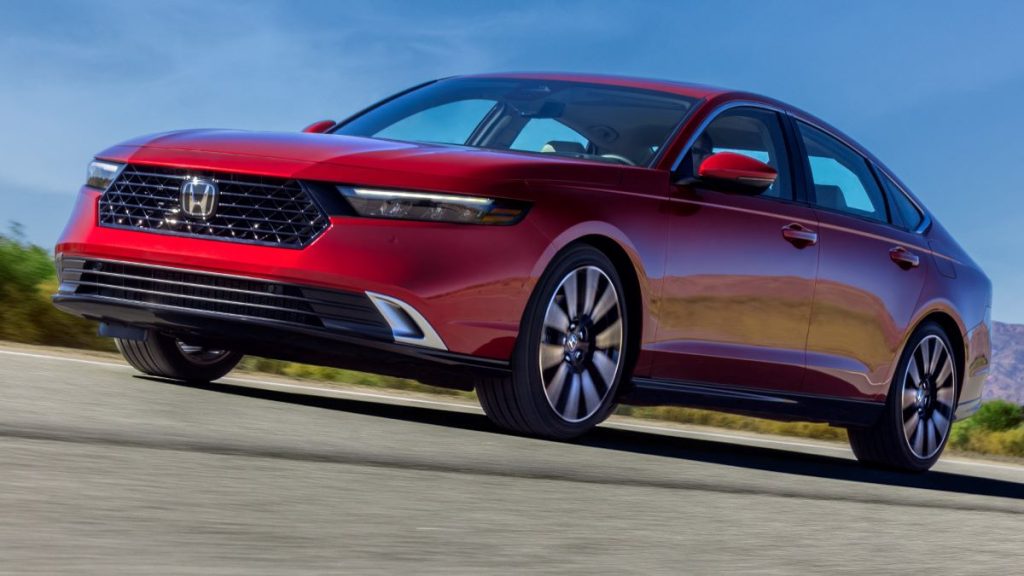
Interior and exterior durability further support long-term performance. Seats, dashboards, and basic electronics retain functionality with proper care, while steel body panels resist corrosion. A well-maintained exterior and interior ensure that the car remains enjoyable to drive over decades.
The Honda Accord demonstrates that thoughtful engineering, durable materials, and consistent maintenance can result in a vehicle that improves with age. Its engine, drivetrain, and suspension all benefit from mileage, making it a practical and reliable choice for long-term ownership.
4. Subaru Outback
The Subaru Outback, introduced in the 1990s as a rugged wagon, is celebrated for its durability, all-wheel-drive system, and long-term performance. Many Outbacks continue to perform reliably in 2025, with owners noting improved drivability and handling as mileage accumulates.
Engine reliability is central to the Outback’s strength. Boxer engines are mechanically balanced and built for longevity. Routine oil changes, timing belt or chain servicing, and spark plug maintenance allow the engine to operate efficiently. Over time, engine components settle, contributing to smoother performance and consistent power delivery.
Transmission and drivetrain systems are durable and responsive. Manual and automatic transmissions shift reliably, and the symmetrical all-wheel-drive system provides consistent traction and stability.
Regular maintenance of the differential, driveshaft, and transmission ensures continued dependable operation. Some owners report improved drivetrain smoothness as the system “breaks in” over years of use.
Suspension and chassis design enhance longevity. Independent suspension and robust bushings provide stability and comfort.
As suspension components settle, handling becomes more predictable and refined, improving both on-road and off-road performance. Well-maintained Outbacks continue to deliver a comfortable and confident driving experience.
Maintenance is practical and straightforward. Replacement parts are widely available, and routine service, including brake work, fluid changes, and minor repairs, is accessible. This makes it easier for owners to maintain or improve vehicle performance over decades.
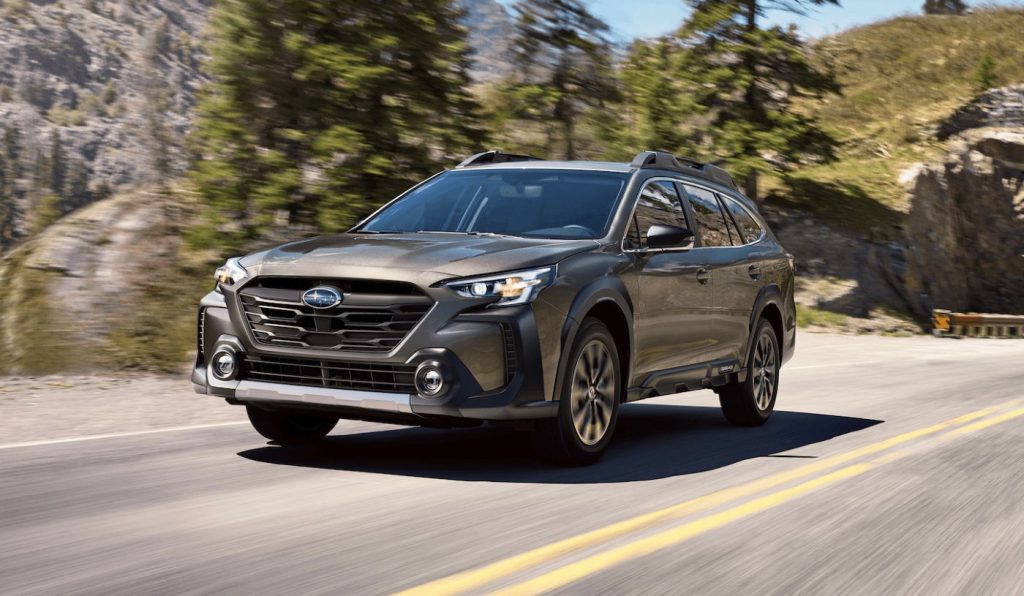
Interior and exterior durability further support long-term reliability. Seats, dashboards, and electronics remain functional, while steel body panels and rust-resistant coatings preserve structural integrity.
The Subaru Outback demonstrates that a combination of durable engineering, simple maintenance, and balanced design can result in a vehicle that improves with age. Its engine, drivetrain, and suspension all become more refined over time, making it a reliable and enjoyable choice for long-term ownership.
5. Toyota Camry
The Toyota Camry, a midsize sedan introduced in the early 1980s, is renowned for reliability and long-term performance. Many Camry models continue performing well decades later, with owners often noticing smoother operation and improved overall drivability as mileage accumulates.
Engine durability is central to the Camry’s ability to improve with age. Four-cylinder and V6 engines are mechanically simple and built to last.
Regular maintenance, including oil changes, timing belt replacements, and spark plug servicing, ensures consistent performance. Over time, engine components settle, reducing friction and allowing the Camry to run more smoothly and efficiently.
Transmission and drivetrain systems are equally reliable. Automatic and manual transmissions shift consistently, and proper fluid maintenance helps maintain optimal performance. As components settle over years of use, gear shifts often feel smoother and more precise, contributing to a more enjoyable driving experience.
Chassis and suspension also benefit from mileage. Independent suspension setups provide a balance of comfort and handling, while shocks, bushings, and control arms gradually adapt. This settling often results in improved stability and predictability on the road, enhancing driver confidence.
Maintenance is straightforward and widely supported. Replacement parts are readily available, and routine tasks such as brake servicing, fluid changes, and minor repairs are practical. Attentive owners can maintain or even enhance the Camry’s performance over hundreds of thousands of miles.
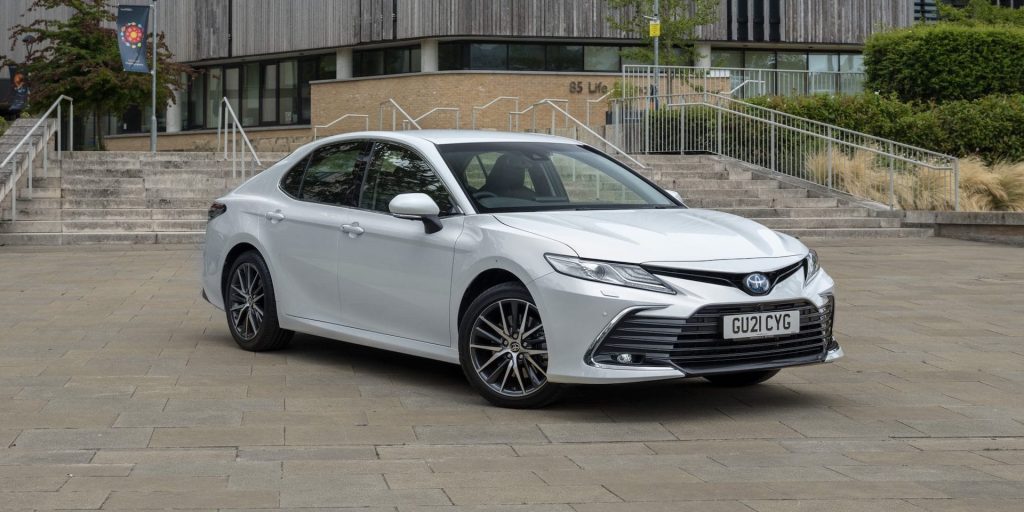
Interior and exterior durability further support long-term strength. Seats, dashboards, and basic electronic systems remain functional with proper care. Steel body panels resist corrosion when treated, preserving both structural integrity and aesthetic appeal.
The Toyota Camry demonstrates that durable engineering, practical maintenance, and mechanical simplicity allow a vehicle to improve with age. Its engine, drivetrain, and suspension often become smoother and more predictable over time, making it a reliable and enjoyable car for long-term ownership.
6. Volvo XC70
The Volvo XC70, a rugged wagon and crossover introduced in the late 1990s, is praised for durability, all-wheel-drive capability, and long-term performance. Many XC70s continue running reliably in 2025, with owners noting enhanced handling, drivetrain smoothness, and overall driving comfort as mileage increases.
Engine reliability is a key factor in the XC70’s long-term strength. Inline-five and inline-six engines are robust, mechanically balanced, and simple to maintain.
Routine oil changes, timing belt or chain servicing, and spark plug maintenance allow these engines to operate efficiently. Over time, engine components settle, producing smoother performance and more consistent power delivery.
Transmission and drivetrain systems are durable. Automatic transmissions shift consistently, while the all-wheel-drive system provides reliable traction and stability.
Regular maintenance of the differential, driveshaft, and transmission ensures dependable operation. Many owners report improved drivetrain smoothness as the system adapts over time.
Chassis and suspension design enhance handling and comfort. Independent suspension and quality bushings provide stability and ride quality.
As suspension components settle and wear evenly, handling often becomes more predictable and refined. Well-maintained XC70s continue to offer a composed and comfortable driving experience.
Maintenance is practical and accessible. Replacement parts are widely available, and routine servicing, such as brake work, fluid changes, and minor repairs, is straightforward. This ease of upkeep ensures the XC70 can continue performing reliably over decades.
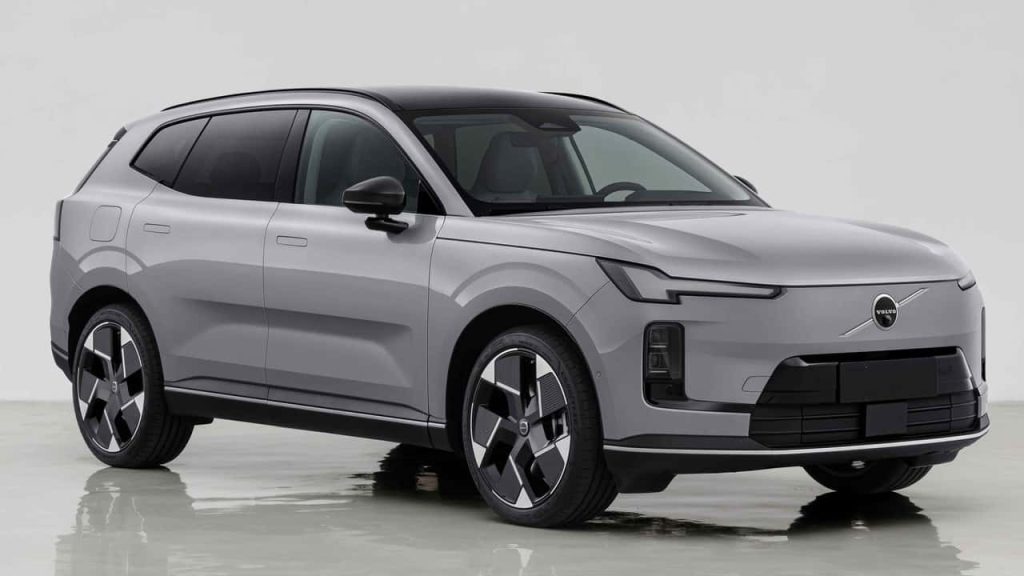
Interior and exterior durability further contribute to longevity. Seats, dashboards, and electronics retain functionality with proper care, while steel body panels resist rust when maintained. These features help the vehicle remain both practical and enjoyable for long-term ownership.
The Volvo XC70 demonstrates that thoughtful engineering, durable construction, and regular maintenance allow a car to improve with age. Its engine, drivetrain, and suspension all benefit from mileage, making it a dependable, smooth, and enjoyable vehicle for decades of use.
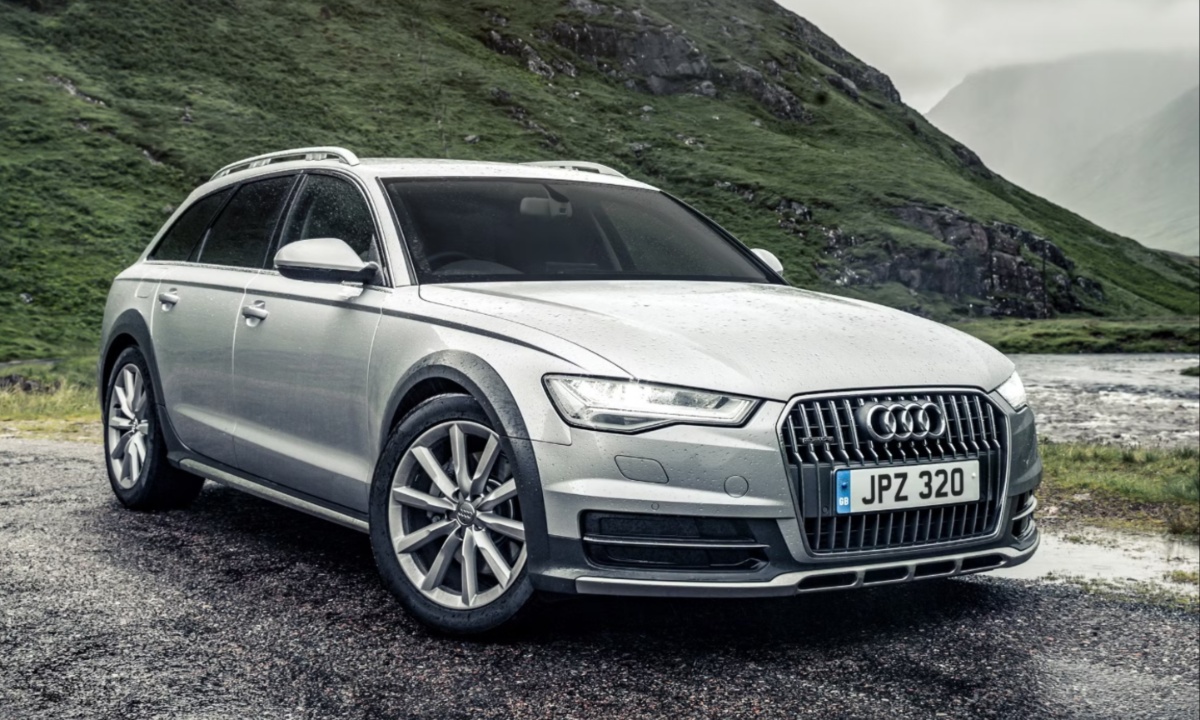
7. Audi A6
The Audi A6, introduced in the mid-1990s, is a midsize luxury sedan known for its refined engineering and long-term reliability. Many A6 models continue to perform smoothly in 2025, with owners noticing improved drivability and engine refinement as mileage accumulates.
Engine reliability is a major factor in the A6’s performance over time. Inline-four, V6, and V8 engines are engineered with precision and high-quality components.
With regular oil changes, timing belt or chain maintenance, and spark plug servicing, the engine continues to operate efficiently. Over the years, components settle, contributing to smoother operation and consistent power delivery.
Transmission and drivetrain systems are durable and responsive. Automatic and manual transmissions shift reliably, and routine maintenance of the transmission fluid, driveshaft, and differentials helps maintain optimal performance. Many owners report enhanced shift smoothness and improved drivetrain feel as mileage increases.
Chassis and suspension design also benefits from proper use. Independent suspension with durable bushings provides a balance of comfort and handling. As components settle, the vehicle’s ride quality and predictability often improve, making it more composed and confident on the road.
Maintenance is practical and accessible. Replacement parts are widely available, and routine service such as brake checks, fluid changes, and minor repairs are straightforward. Attentive maintenance contributes to long-term reliability and enhanced performance.
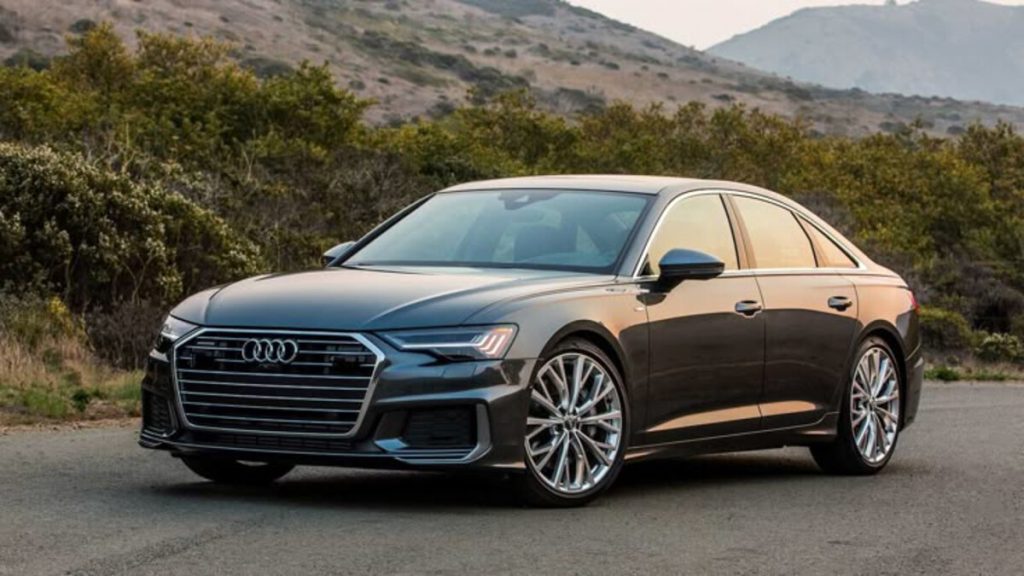
Interior and exterior durability further support the A6’s longevity. Seats, dashboards, and electronics remain functional with proper care, while rust-resistant body panels preserve structural integrity. The combination of refined materials and reliable engineering allows the A6 to maintain both performance and appearance.
The Audi A6 demonstrates that quality engineering, practical maintenance, and well-designed components allow a car to improve with age. Its engine, transmission, and suspension settle and adapt over time, resulting in a more refined, reliable, and enjoyable driving experience.
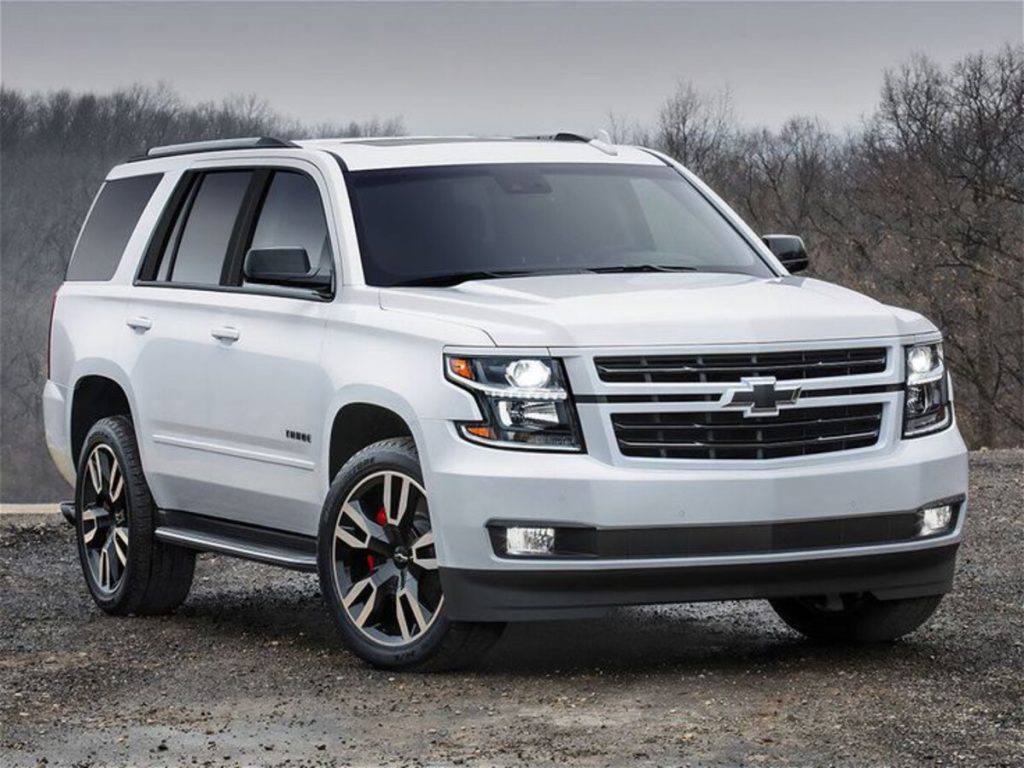
8. Chevrolet Tahoe
The Chevrolet Tahoe, a full-size SUV introduced in the 1990s, is celebrated for durability, strong towing capability, and long-term performance. Many Tahoe models continue running reliably in 2025, with drivers noting improved ride stability and drivetrain responsiveness as mileage increases.
Engine reliability is a key factor in the Tahoe’s longevity. V8 engines are built to handle heavy loads and extended use. Routine maintenance, including oil changes, filter replacements, and spark plug servicing, ensures consistent performance. Over time, engine components settle, improving smoothness and throttle response.
Transmission and drivetrain components are equally robust. Automatic transmissions shift reliably, and the four-wheel-drive system provides consistent traction.
Regular maintenance of the differential, driveshaft, and transmission fluid supports long-term dependable operation. Owners often report smoother shifts and improved drivetrain efficiency as the vehicle accumulates miles.
Suspension and chassis design enhance handling and ride quality. Independent front suspension and solid rear axle setups provide stability and comfort.
Bushings, shocks, and control arms adapt over time, improving predictability and responsiveness. Well-maintained Tahoes become more comfortable and composed as mileage increases.
Maintenance is practical and accessible. Replacement parts are widely available, and routine service tasks like brake servicing, fluid changes, and minor repairs are straightforward. This accessibility ensures the Tahoe continues performing reliably over decades.
Interior and exterior durability further contribute to long-term strength. Seats, dashboards, and electronics remain functional with proper care, while steel body panels resist corrosion. Rugged construction helps the SUV maintain reliability, even after years of heavy use.
The Chevrolet Tahoe demonstrates that durable engineering, simple maintenance, and robust construction allow a vehicle to improve with age. Its engine, drivetrain, and suspension settle and adapt over time, enhancing performance and comfort for long-term ownership.
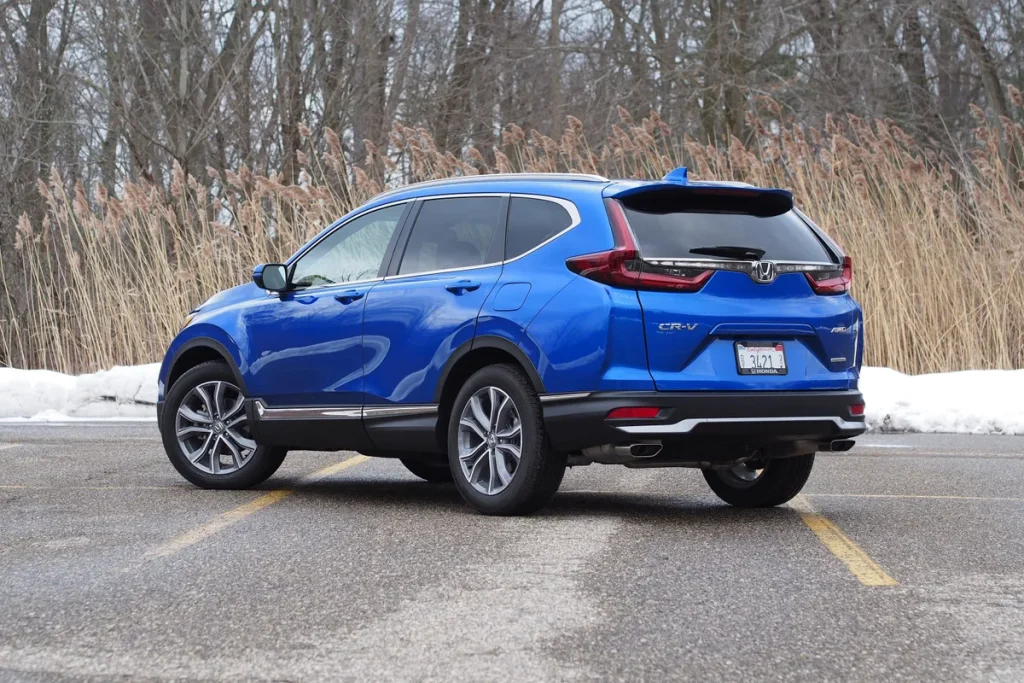
9. Honda CR-V
The Honda CR-V, introduced in the mid-1990s as a compact SUV, is celebrated for its reliability, practicality, and long-term performance. Many CR-Vs continue to run smoothly in 2025, with owners reporting improved drivability and mechanical refinement as mileage accumulates.
Engine reliability is central to the CR-V’s long-term performance. Inline-four engines are mechanically simple, durable, and fuel-efficient.
Regular maintenance, including oil changes, air and fuel filter servicing, and spark plug replacement, ensures consistent operation. Over time, engine components settle, reducing internal friction and improving smoothness and throttle response.
Transmission and drivetrain systems contribute to lasting performance. Automatic and manual transmissions shift reliably, and the all-wheel-drive system provides traction and stability.
Routine servicing of the differential, driveshaft, and transmission fluid helps maintain dependable operation. Owners often notice smoother shifting and improved drivetrain responsiveness as the vehicle ages.
Suspension and chassis design enhance both comfort and handling. Independent suspension, combined with quality bushings and shocks, provides stability and predictable handling. As suspension components settle over time, ride quality and responsiveness improve, making the vehicle feel more composed on the road.
Maintenance is practical and accessible. Replacement parts are widely available, and routine tasks such as brake servicing, fluid changes, and minor repairs are straightforward. This ease of upkeep ensures the CR-V continues to perform reliably for hundreds of thousands of miles.
Interior and exterior durability further supports long-term reliability. Seats, dashboards, and basic electronics remain functional with proper care, while steel body panels resist rust and corrosion. A well-maintained interior and exterior help preserve both functionality and appearance.
The Honda CR-V demonstrates that thoughtful engineering, durable materials, and consistent maintenance allow a vehicle to improve with age. Its engine, drivetrain, and suspension all benefit from mileage, resulting in smoother, more reliable, and more enjoyable driving over time.
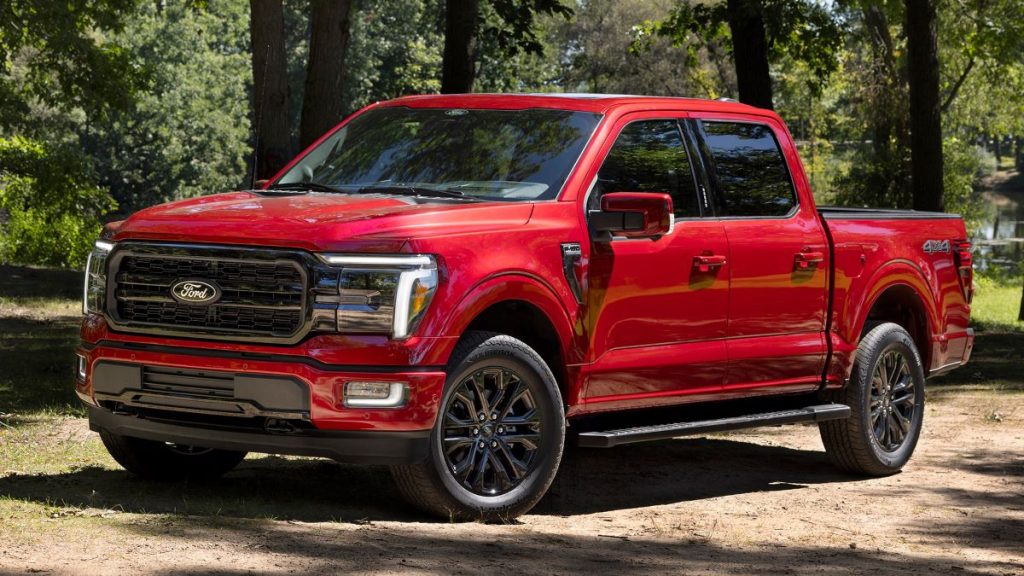
10. Ford F-150
The Ford F-150, a full-size pickup truck introduced in the 1970s, is renowned for durability, versatility, and long-term reliability. Many F-150s continue performing strongly in 2025, with owners noting improved drivability, smoother operation, and enhanced handling as mileage increases.
Engine reliability is a major reason the F-150 improves with age. V6 and V8 engines are robust, mechanically simple, and designed for heavy use.
Regular oil changes, filter replacements, and ignition maintenance keep the engines performing efficiently. Over time, engine components settle, reducing friction and producing smoother, more responsive operation.
Transmission and drivetrain components are durable and serviceable. Automatic and manual transmissions shift consistently, while four-wheel-drive systems provide traction and strength.
Routine maintenance of the differential, driveshaft, and transmission fluid ensures long-term reliability. Many owners report smoother gear shifts and improved driveline efficiency as mileage grows.
Chassis and suspension design contribute to handling and ride quality. Independent front suspension and solid rear axle setups provide stability and load-bearing capacity. Shocks, bushings, and control arms gradually settle over time, improving ride predictability and comfort under both light and heavy loads.
Maintenance is practical and accessible. Replacement parts are readily available, and routine service such as brake checks, fluid changes, and minor repairs is straightforward. This accessibility allows the F-150 to remain functional and reliable over decades.
Interior and exterior durability further enhances longevity. Seats, dashboards, and basic electronics retain functionality, while steel body panels resist rust when properly cared for. Rugged construction and straightforward engineering ensure long-term reliability.
The Ford F-150 demonstrates that durable construction, practical maintenance, and strong engineering allow a vehicle to improve with age. Its engine, drivetrain, and suspension settle over time, resulting in smoother operation, better handling, and continued dependability for long-term ownership.
Some vehicles are engineered to improve rather than decline with age, rewarding owners with enhanced performance, smoother operation, and increased reliability over time.
Cars that combine durable engines, strong drivetrains, and well-designed suspension systems often continue performing better as mileage accumulates.
Luxury sedans like the Lexus LS 400 and Audi A6 showcase how precision engineering and high-quality materials can lead to smoother engines, refined transmissions, and more comfortable handling over the years.
Routine maintenance, including oil changes, filter replacements, and transmission servicing, allows these cars to settle into optimal performance. Drivers often notice improved shift quality and consistent power delivery as components wear in evenly.
Midsize and compact cars, such as the Honda Accord, Toyota Camry, and Subaru Outback, benefit from mechanically simple engines and accessible maintenance.
Over time, engines, transmissions, and suspension components settle, improving drivability and responsiveness. Predictable handling and comfortable ride quality are often enhanced after thousands of miles, demonstrating that careful upkeep can make these vehicles stronger with age.
SUVs and trucks, including the Toyota 4Runner, Honda CR-V, Chevrolet Tahoe, and Ford F-150, combine robust construction and durable drivetrains to handle heavy use while improving in performance.
All-wheel-drive or four-wheel-drive systems, suspension bushings, and shocks adapt over time, providing more predictable handling and better ride stability. Regular maintenance ensures these vehicles remain reliable for decades, even under demanding conditions.
The Volvo XC70 exemplifies the balance of comfort, durability, and all-weather capability. Its engine, drivetrain, and suspension benefit from mileage, improving smoothness and driving confidence.
Across all ten vehicles, a common theme emerges: attentive maintenance, high-quality engineering, and durable materials allow cars to improve with age. Engines settle, suspensions adapt, and drivetrains become more refined.
These vehicles prove that careful ownership and thoughtful design can result in cars that are not only long-lasting but often more enjoyable and reliable as they accumulate miles.
Also Read: 10 Cars From the 60s That Still Run in 2025
