
Cars from the 1970s hold a special place in automotive history. Many of these vehicles were built with simplicity and durability in mind, allowing them to endure decades of use. Despite being over forty years old, some models continue to perform reliably in 2025, surprising drivers with their longevity and practicality.
Mechanical reliability is a key factor in why these cars still run well today. Engines from this era were often simpler than modern designs, making them easier to maintain and repair. Well-built transmissions and robust drivetrains contribute to long-term dependability, while straightforward electrical systems reduce the risk of costly failures.
Another factor is the quality of materials and construction. Steel frames, solid suspensions, and durable body panels help many 1970s cars withstand the test of time. Owners who maintain their vehicles with regular servicing, oil changes, and careful handling can preserve both performance and appearance, even after decades on the road.
Some cars from the 1970s have gained recognition for their lasting appeal. Iconic models retain their charm through distinctive styling, balanced performance, and mechanical reliability. They are appreciated not only for nostalgia but also for their continued usability as everyday drivers or weekend vehicles.
This list highlights ten retro cars from the 1970s that remain reliable in 2025. Each vehicle has proven its ability to endure time while continuing to deliver dependable performance.
From classic sedans to sporty coupes, these cars demonstrate that careful engineering and thoughtful maintenance can result in vehicles that remain practical and enjoyable, decades after their original release.
Also Read: 10 Cars Known to Surpass 300,000 Miles Trouble-Free
1. Datsun 240Z
The Datsun 240Z is one of the most iconic sports cars from the 1970s, celebrated for its performance, handling, and reliability. Despite being over 50 years old, many examples continue running smoothly in 2025, proving the engineering quality of this classic Japanese coupe.
Engine reliability is a cornerstone of the 240Z’s longevity. Powered by a 2.4-liter inline-six, the engine delivers a balance of power and efficiency while remaining simple to maintain.
With regular oil changes, timing adjustments, and spark plug servicing, these engines often run trouble-free even after high mileage. Many enthusiasts report 240Zs performing reliably well past 200,000 miles with proper care.
Transmission and drivetrain components are equally durable. The five-speed manual transmission is robust, providing precise shifts while handling the car’s sporty power output. Rear-wheel-drive mechanics are straightforward, reducing the likelihood of complex failures. Routine maintenance of the clutch and differential ensures continued smooth operation over decades.
Suspension and chassis design support long-term performance. Independent front suspension and a semi-trailing arm rear setup provide agile handling while maintaining stability.
Components such as shocks, bushings, and control arms can be replaced or refurbished, keeping the car comfortable and responsive even after years of use.
Maintenance is practical and accessible. Parts for the 240Z are widely available through specialty suppliers, and routine servicing tasks like brake replacement and fluid changes are straightforward. The simplicity of its mechanical systems allows owners to perform many repairs themselves, contributing to its continued reliability.
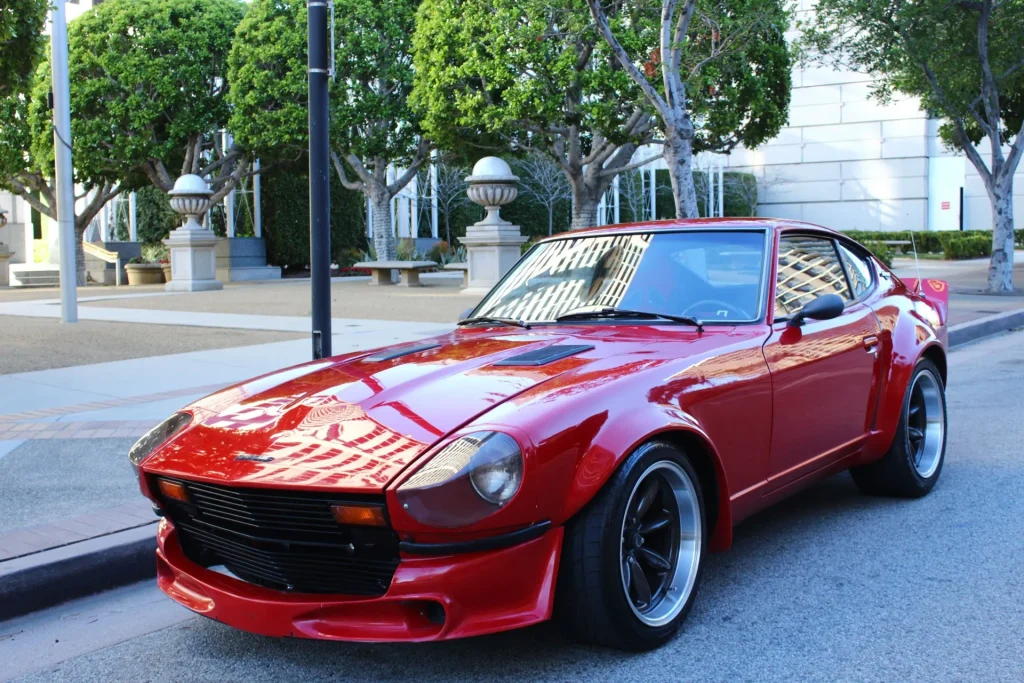
The Datsun 240Z also benefits from its durable body and interior. Steel panels resist rust when properly cared for, and interior elements, such as seats and dashboard, often retain their quality with regular attention.
This combination of durable engineering, manageable maintenance, and aesthetic appeal ensures the 240Z remains a dependable and enjoyable classic.
Its mix of performance, reliability, and ease of maintenance makes the Datsun 240Z a standout 1970s sports car that continues to perform admirably in 2025, proving that well-designed classics can endure decades without losing their practicality or charm.
2. Mercedes-Benz W123
The Mercedes-Benz W123 is widely regarded as one of the most reliable sedans ever produced. Introduced in the mid-1970s, this series became famous for mechanical durability, solid construction, and long-lasting performance. Many W123s are still on the road in 2025, offering dependable transportation decades after their release.
Engine reliability is a defining feature. Offered with a range of petrol and diesel engines, the W123 is known for strong performance and longevity.
Diesel variants, in particular, have a reputation for extraordinary endurance, with many exceeding 300,000 miles when maintained properly. Regular oil changes, filter replacements, and valve adjustments are key to keeping these engines running efficiently.
The transmission and drivetrain are robust. Manual and automatic transmissions shift smoothly and withstand extended use. Rear-wheel-drive configuration is simple and durable, minimizing mechanical complications. Coupled with a well-engineered differential, the W123 remains capable of reliable operation even after decades of service.
Chassis and suspension design contribute to longevity. A strong ladder-frame chassis, combined with independent front suspension and semi-trailing rear arms, provides stability, comfort, and durability. Replacement components are widely available, allowing the car to maintain its original ride quality and handling characteristics.
Maintenance is straightforward, with accessible mechanical components and plentiful spare parts. Regular servicing, such as brake work, fluid changes, and minor adjustments, can be performed without extensive difficulty. The car’s simple electronics further reduce the risk of unexpected failures, supporting long-term reliability.
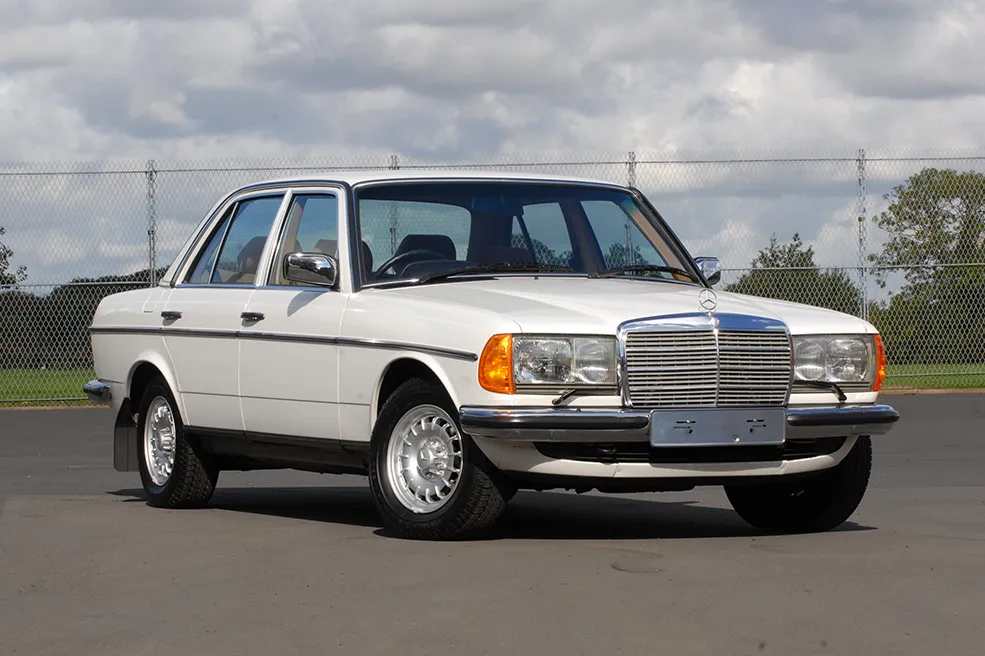
The W123’s interior and exterior also demonstrate durability. High-quality materials, such as well-padded seats and solid metal trim, age gracefully. Rust-resistant body panels and quality paint ensure that many vehicles remain visually appealing decades after production.
The Mercedes-Benz W123 proves that thoughtful engineering, durable construction, and practical maintenance can result in a classic sedan that remains reliable and functional even in 2025. Its combination of comfort, mechanical strength, and longevity continues to attract enthusiasts and collectors alike.
3. Chevrolet Corvette C3
The Chevrolet Corvette C3, produced from the late 1960s through the 1970s, remains one of the most recognizable American sports cars. Despite its age, many C3 models continue to perform reliably in 2025, thanks to robust engineering and a focus on driver enjoyment.
Engine durability is central to the Corvette C3’s lasting appeal. V8 engines, ranging from small-block to big-block variants, deliver strong power and are mechanically straightforward.
With regular maintenance such as oil changes, ignition tuning, and periodic valve adjustments, these engines continue to provide reliable performance. Many enthusiasts report smooth operation even after high mileage.
Transmission and drivetrain components are equally resilient. Manual and automatic transmissions are built to handle the car’s horsepower while remaining serviceable over decades. Rear-wheel-drive mechanics, including the differential and driveshaft, are straightforward to maintain, reducing the likelihood of complex failures.
The chassis and suspension are designed for both comfort and performance. Independent front suspension and transverse leaf-spring rear suspension provide responsive handling while absorbing road imperfections. Shocks, bushings, and control arms can be replaced to maintain the car’s original handling characteristics.
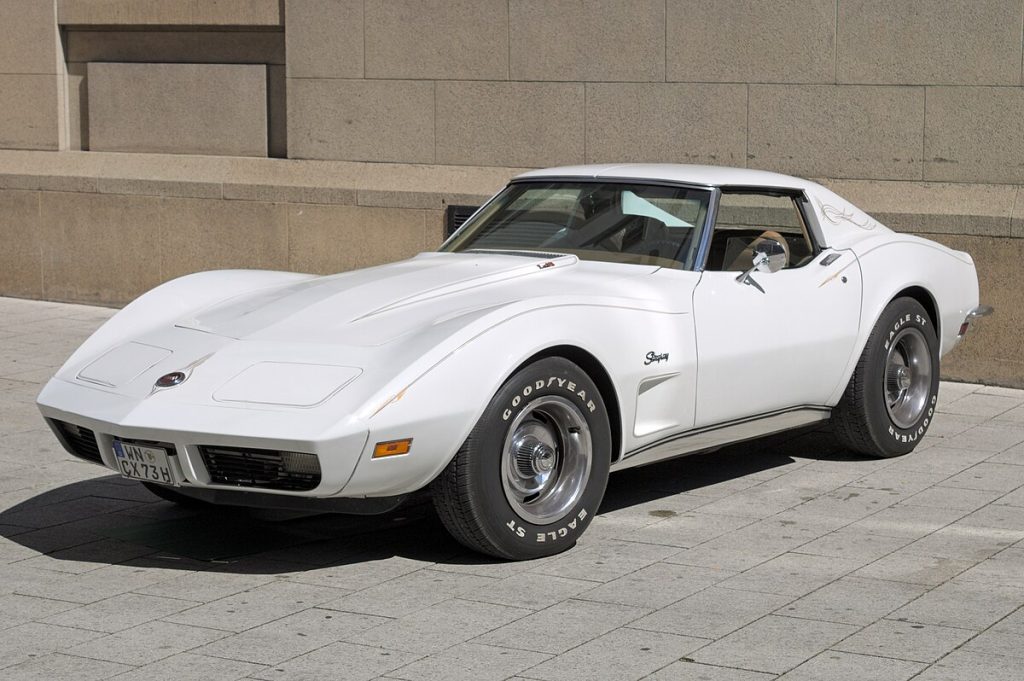
Maintenance is accessible and practical. Parts availability is strong, thanks to the Corvette’s enduring popularity. Routine tasks such as brake servicing, fluid changes, and minor engine adjustments are manageable for owners, contributing to the car’s continued reliability.
The interior and exterior also demonstrate longevity. Durable seats, quality dashboards, and a simple electrical system allow these elements to remain functional over decades. Fiberglass body panels resist rust, preserving the car’s appearance and structural integrity when properly cared for.
The Chevrolet Corvette C3 proves that classic sports cars can combine performance and longevity. Its robust V8 engines, straightforward drivetrain, and well-built chassis ensure continued reliability.
For enthusiasts seeking a vintage American sports car that performs well in 2025, the Corvette C3 offers a mix of power, durability, and enduring appeal that few others match.
4. BMW 2002
The BMW 2002 is a compact sports sedan from the 1970s that has earned a reputation for reliability, driving enjoyment, and mechanical simplicity. Many examples remain in daily use in 2025, thanks to thoughtful engineering and straightforward maintenance.
Engine reliability is a major reason for the 2002’s longevity. Its four-cylinder engines are known for smooth power delivery and robust construction. With regular oil changes, valve adjustments, and spark plug servicing, these engines often continue running efficiently for hundreds of thousands of miles.
Transmission and drivetrain systems are durable. Manual transmissions shift crisply and handle long-term use well. Rear-wheel-drive configuration is simple and strong, minimizing mechanical issues over decades. Routine maintenance of the clutch, driveshaft, and differential ensures reliable performance for multiple owners.
The chassis and suspension contribute to lasting reliability. Independent front suspension and semi-trailing arm rear suspension provide a balance of handling precision and comfort. Shocks, bushings, and control arms are easily serviceable, allowing the car to maintain its ride quality and stability over time.
Maintenance is practical, with accessible components and parts widely available through classic car suppliers. Brake servicing, fluid changes, and minor repairs are straightforward, allowing owners to keep the 2002 in excellent working condition.
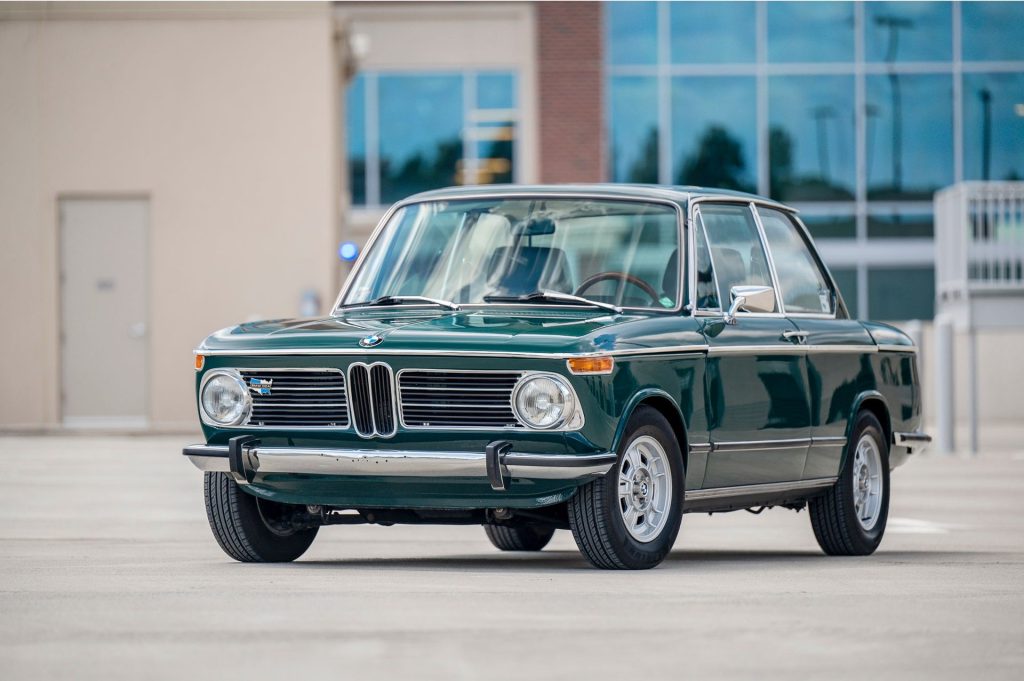
Interior and exterior durability further enhance value. Simple yet well-built interiors retain functionality, and steel body panels, when cared for, resist rust and corrosion. Electrical systems are uncomplicated, reducing potential issues and supporting long-term reliability.
The BMW 2002 demonstrates that mechanical simplicity, thoughtful engineering, and proper maintenance can result in a classic car that remains dependable even decades after production. Its blend of performance, durability, and charm makes it one of the most reliable 1970s vehicles still performing in 2025.
5. Datsun 510
The Datsun 510, produced in the late 1960s and 1970s, is widely regarded as one of the most reliable compact cars of its era. Known for its simple engineering, lightweight design, and solid construction, the 510 continues to perform dependably in 2025.
Engine reliability is a defining factor in the 510’s longevity. Equipped with a four-cylinder engine, the car delivers modest power with remarkable durability. Routine oil changes, periodic valve adjustments, and ignition maintenance keep the engine running efficiently. Many 510s are still performing reliably well beyond 200,000 miles.
Transmission and drivetrain components are robust. Manual transmissions are straightforward, providing precise shifts while resisting wear over decades. Rear-wheel-drive mechanics, including the differential and driveshaft, are simple to maintain and service, contributing to the car’s long-term dependability.
Suspension and chassis design enhance durability. Independent front suspension and solid rear axle setups provide a comfortable yet responsive ride. Shocks, bushings, and control arms can be replaced as needed, maintaining handling performance and structural stability.
Maintenance is practical and accessible. Replacement parts are widely available through classic car suppliers, and routine tasks such as brake servicing, fluid changes, and minor engine adjustments are manageable for most owners. This simplicity has helped many Datsun 510s remain roadworthy for decades.
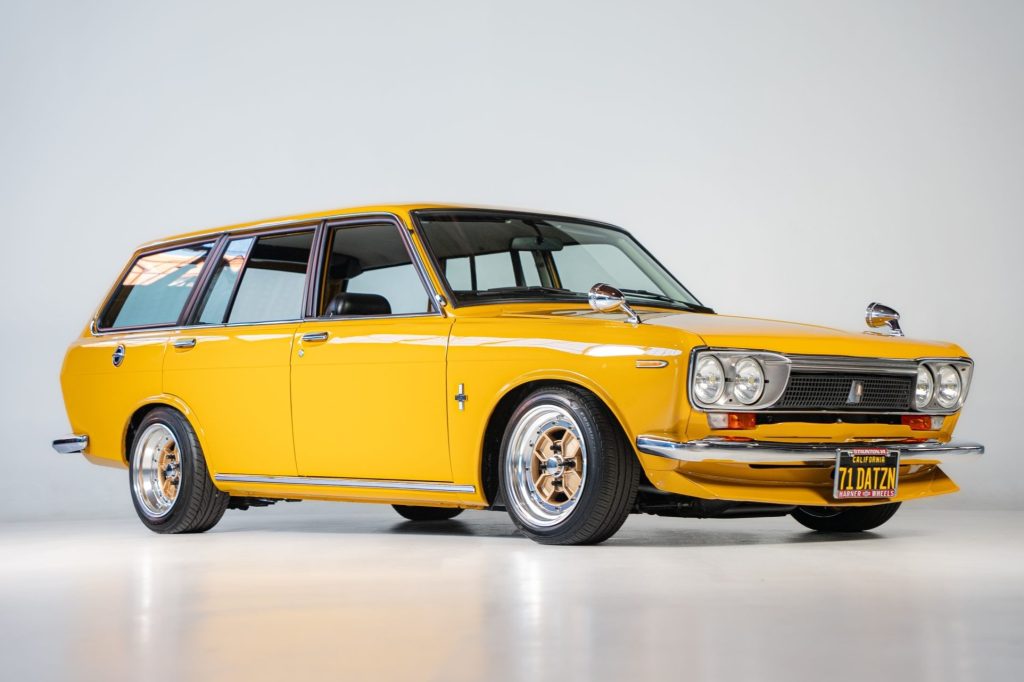
Interior and exterior durability further support long-term reliability. Seats, dashboards, and controls retain their functionality, while steel body panels, when properly maintained, resist rust and corrosion. The straightforward electrical system reduces the likelihood of unexpected failures.
The Datsun 510 demonstrates that a small, well-engineered car can remain reliable for decades. Its combination of mechanical simplicity, accessible maintenance, and durable construction allows it to continue performing in 2025, making it a standout example of a 1970s vehicle that endures.
6. Ford Mustang II
The Ford Mustang II, introduced in the early 1970s, is often remembered for its compact size and practicality. Despite criticisms at the time, the Mustang II has proven reliable over the decades, with many examples still performing dependably in 2025.
Engine reliability is a key factor in its longevity. Four-cylinder and V6 engines provide adequate performance while remaining mechanically simple. Regular maintenance, including oil changes, tune-ups, and fluid servicing, ensures long-term reliability. Many Mustang IIs continue to run smoothly with high mileage.
Transmission and drivetrain components are durable. Manual and automatic transmissions are straightforward to service, while rear-wheel-drive mechanics allow for easy maintenance. Routine attention to the differential and driveshaft supports continued dependable performance.
Chassis and suspension components contribute to the car’s enduring performance. Independent front suspension and a solid rear axle provide a balance of comfort and handling. Shocks, control arms, and bushings can be replaced or upgraded, keeping the car responsive and stable over decades.
Maintenance is practical and manageable. Parts availability is strong, with many components still produced for classic car enthusiasts. Tasks such as brake servicing, fluid changes, and minor repairs are simple, which helps the Mustang II remain roadworthy.
Interior and exterior durability also add to longevity. Seats, dashboards, and basic electrical systems withstand time when maintained properly. Steel body panels, with attention to rust prevention, preserve the vehicle’s structural integrity and appearance.
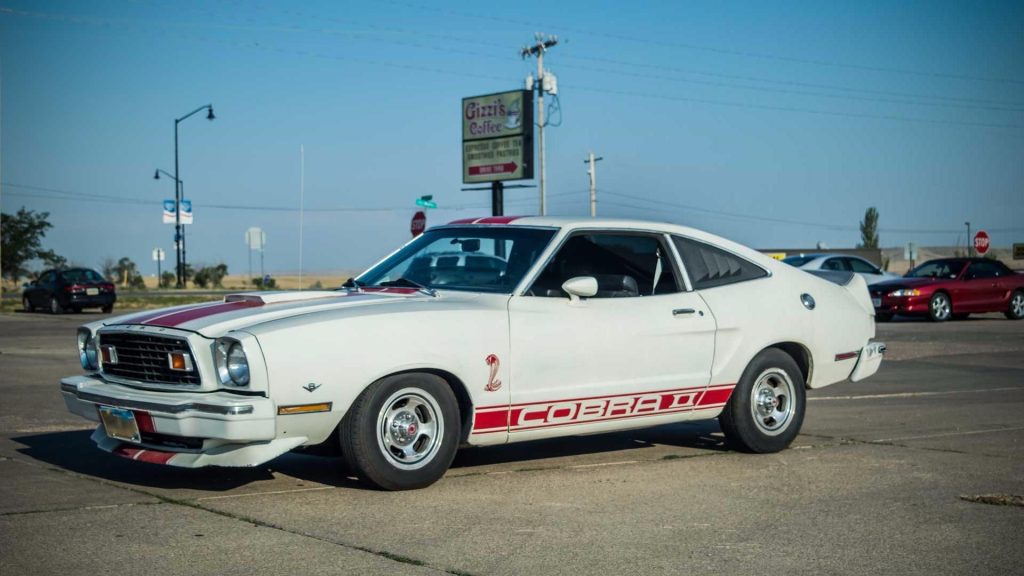
The Ford Mustang II demonstrates that compact, well-built vehicles from the 1970s can continue to perform reliably in 2025. Its combination of mechanical simplicity, accessible maintenance, and durable design ensures it remains a practical and dependable classic car for enthusiasts today.
7. Pontiac Firebird
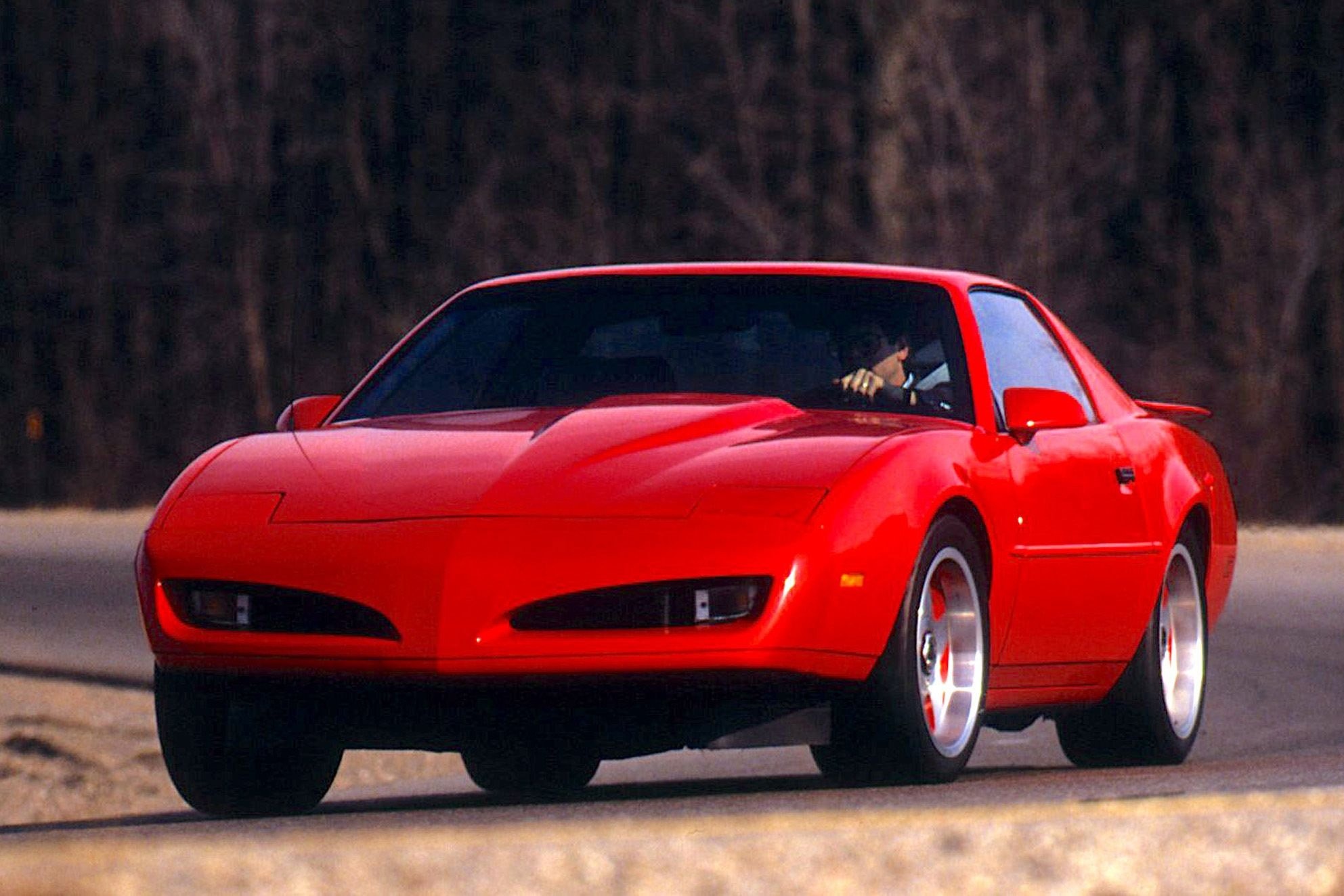
The Pontiac Firebird, introduced in the late 1960s and popular throughout the 1970s, remains a reliable classic sports car in 2025. Known for its aggressive styling, strong engines, and durable construction, the Firebird continues to impress enthusiasts decades after its release.
Engine durability is a key reason for its lasting appeal. The Firebird was offered with a range of inline-six and V8 engines, many of which are mechanically straightforward and robust.
Routine maintenance such as oil changes, ignition servicing, and periodic valve adjustments ensures consistent performance. Many Firebirds still run reliably beyond 200,000 miles.
Transmission and drivetrain components contribute to long-term reliability. Manual and automatic transmissions are simple to maintain and capable of handling the car’s power output. Rear-wheel-drive systems, along with serviceable differentials and driveshafts, reduce mechanical complexity, supporting decades of dependable operation.
Suspension and chassis design support lasting performance. Independent front suspension and solid rear axle configurations provide both handling precision and comfort. Shocks, bushings, and control arms can be replaced to maintain stability and driving responsiveness over time.
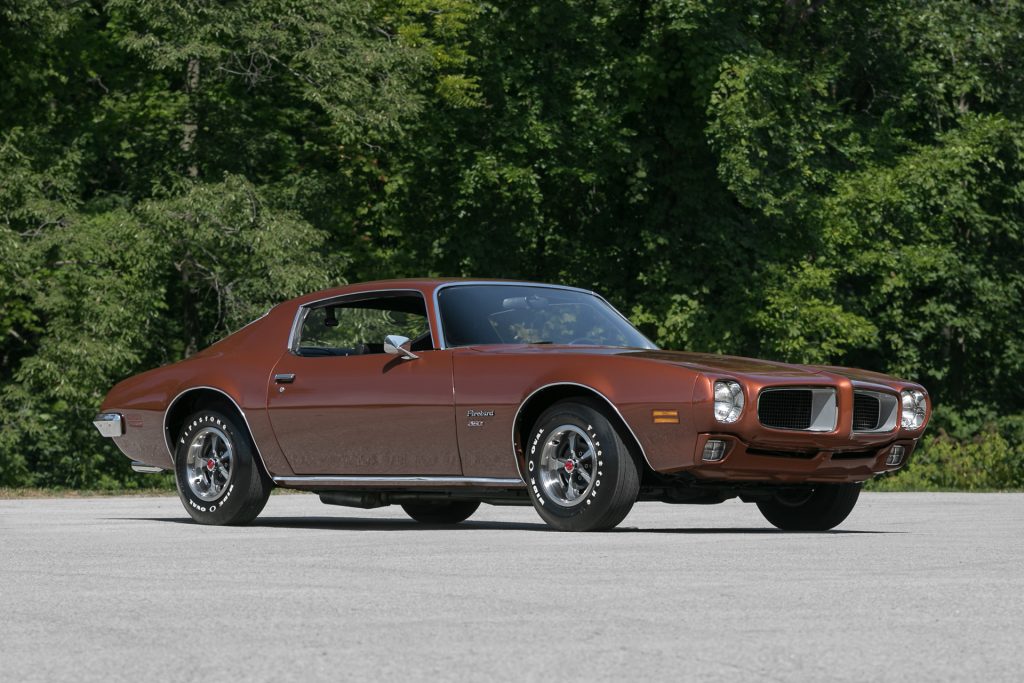
Maintenance is practical and accessible. Replacement parts are widely available, and routine service tasks such as brake work, fluid changes, and minor repairs are straightforward. This accessibility ensures that Firebirds can remain functional and dependable decades after production.
Interior and exterior components also demonstrate durability. Seats, dashboards, and basic electrical systems retain functionality with proper care, while steel body panels, when protected from rust, maintain structural integrity. Combined with classic styling, this durability enhances both reliability and collectible value.
The Pontiac Firebird illustrates that a well-engineered sports car can endure decades without sacrificing performance. Its combination of strong engines, straightforward mechanical systems, and replaceable components allows it to remain a reliable and enjoyable classic car in 2025.
8. Volvo 240
The Volvo 240, a staple of 1970s automotive engineering, is renowned for its legendary reliability. Many 240s remain in daily use in 2025, a testament to its robust construction, simple mechanics, and emphasis on safety and longevity.
Engine reliability is a major factor in the 240’s enduring performance. Inline-four and inline-six engines are mechanically simple, robust, and easy to maintain. With regular oil changes, timing adjustments, and spark plug servicing, these engines often exceed 300,000 miles while maintaining smooth operation.
Transmission and drivetrain components are equally durable. Manual and automatic transmissions shift reliably, and the rear-wheel-drive setup is simple to service. Routine maintenance on the differential and driveshaft ensures the 240 remains dependable for decades.
Chassis and suspension contribute to long-term reliability. MacPherson strut front suspension and leaf-spring or coil rear suspension provide a comfortable ride while enduring years of use. Shocks, bushings, and control arms can be replaced or refurbished, maintaining stability and handling performance.
Maintenance is practical and widely supported. Parts availability remains strong due to the 240’s enduring popularity, and routine tasks such as brake servicing, fluid changes, and minor repairs are straightforward. This accessibility supports the car’s continued dependability.
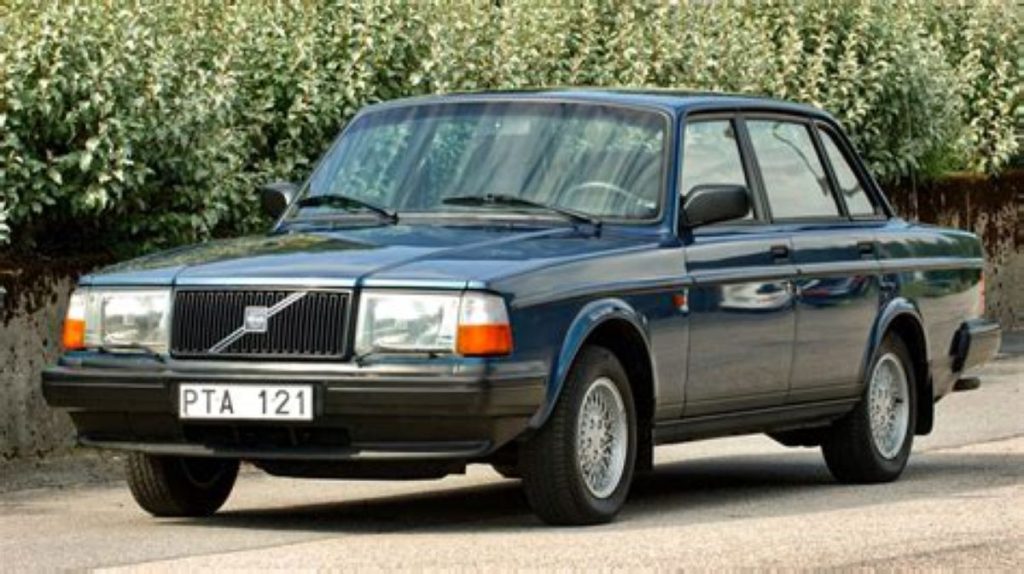
Interior and exterior features also enhance longevity. Seats, dashboards, and controls retain functionality over time, and body panels resist corrosion when cared for properly. The simplicity of the electrical system reduces unexpected failures, contributing to overall reliability.
The Volvo 240 demonstrates that thoughtful engineering, robust materials, and practical maintenance can result in a car that remains reliable decades after production. Its combination of durability, simplicity, and comfort makes it a standout 1970s vehicle still performing in 2025.
9. Toyota Celica
The Toyota Celica, introduced in the early 1970s, remains a reliable classic in 2025. Known for its sporty design, efficient engines, and solid build quality, the Celica continues to deliver dependable performance decades after its release.
Engine durability is a key factor in its longevity. The Celica’s four-cylinder engines are simple, robust, and easy to maintain. Routine maintenance, including oil changes, valve adjustments, and timing checks, keeps these engines performing efficiently. Many Celicas continue running smoothly with high mileage.
Transmission and drivetrain components are straightforward and durable. Manual and automatic transmissions shift reliably, while the rear-wheel-drive setup reduces mechanical complexity. Regular servicing of the differential and driveshaft ensures long-term dependable performance.
Chassis and suspension design enhance both comfort and reliability. Independent front suspension and solid rear axle setups provide stable handling and a smooth ride. Shocks, bushings, and control arms are easily replaceable, maintaining the car’s responsiveness and safety over time.
Maintenance is practical and widely supported. Replacement parts are readily available, and routine tasks like brake servicing, fluid changes, and minor engine repairs are manageable. This accessibility has helped many Celicas remain roadworthy for decades.
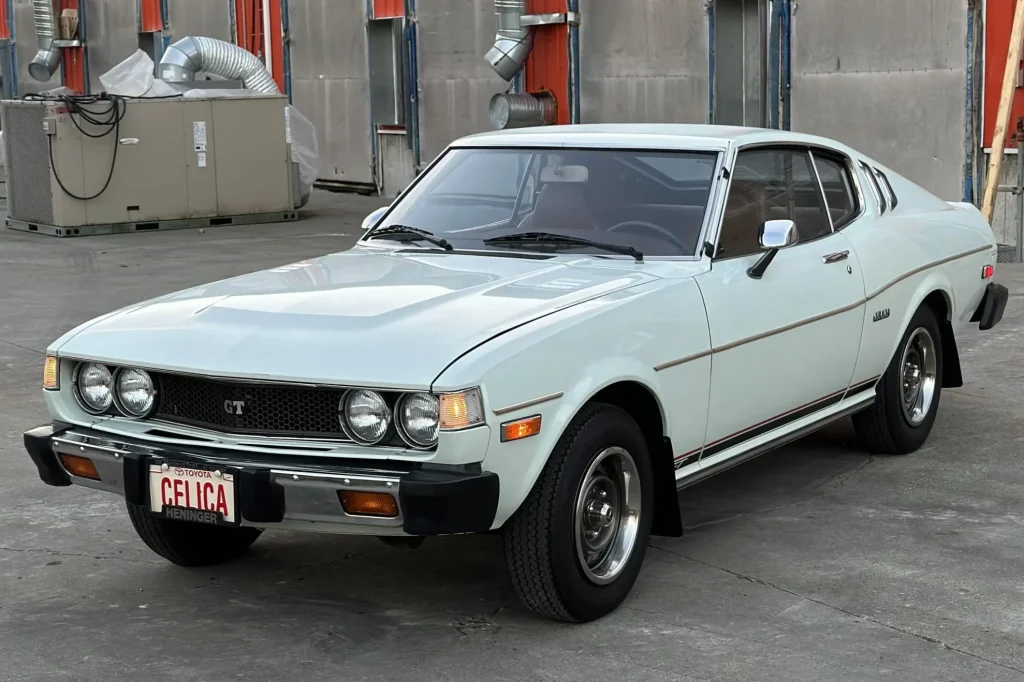
Interior and exterior components also contribute to the car’s durability. Seats, dashboards, and basic controls hold up well with proper care, while steel body panels resist rust when maintained correctly. The simple electrical system further supports long-term reliability.
The Toyota Celica demonstrates that mechanical simplicity, thoughtful engineering, and accessible maintenance can create a classic car that remains practical and reliable in 2025.
Its combination of sporty performance, solid construction, and ease of upkeep makes it a standout 1970s vehicle for enthusiasts and collectors alike.
10. Ford Bronco
The Ford Bronco, a rugged SUV introduced in the mid-1960s and popular throughout the 1970s, continues to perform reliably in 2025. Built for durability and off-road capability, many first- and second-generation Broncos remain roadworthy decades later.
Engine reliability is a cornerstone of the Bronco’s longevity. Inline-six and V8 engines are mechanically simple and durable. Routine oil changes, ignition checks, and fluid servicing keep these engines running efficiently. Well-maintained Broncos often exceed 200,000 miles without major issues.
Transmission and drivetrain components are strong and accessible. Manual and automatic transmissions shift smoothly, while the four-wheel-drive system provides traction and durability. Regular maintenance of the differential, transfer case, and driveshaft ensures dependable operation over time.
Chassis and suspension are designed for rugged use. Leaf springs, reinforced control arms, and durable shock absorbers maintain stability and ride comfort on rough terrain. Rust-resistant body panels and a strong frame contribute to structural integrity and long-term value.
Maintenance is practical and manageable. Parts are widely available for classic Broncos, and routine tasks such as brake servicing, fluid changes, and minor repairs are straightforward. This ease of maintenance supports continued reliability.
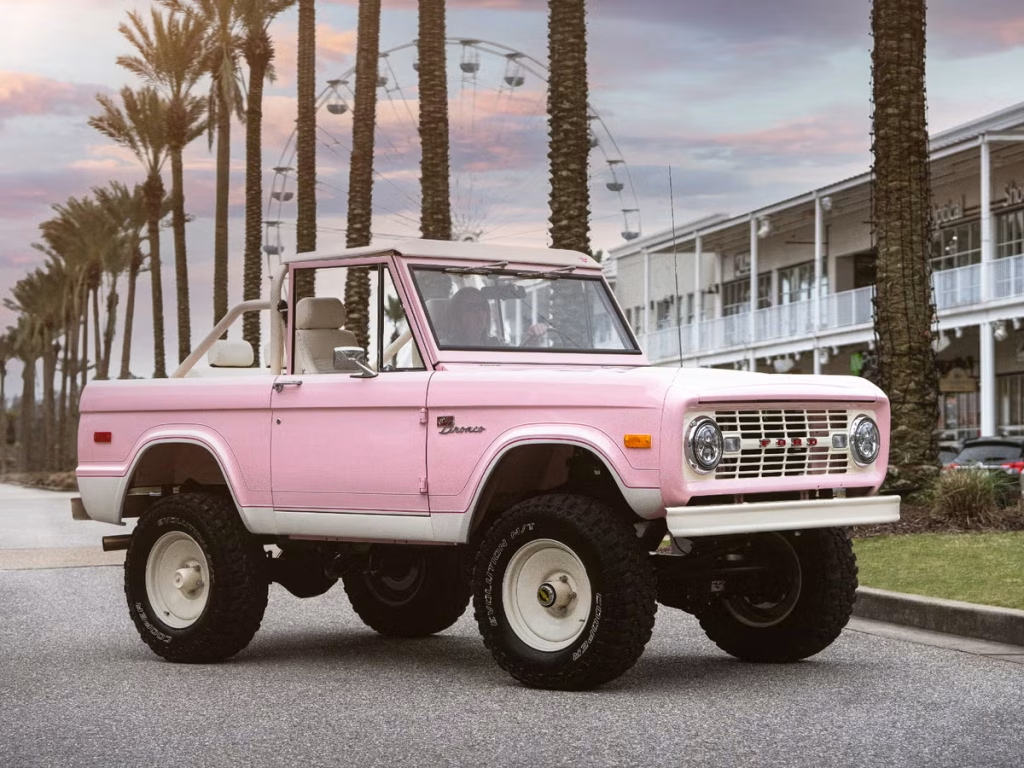
Interior and exterior durability further enhance longevity. Simple interiors, durable seats, and a basic electrical system reduce potential failures, while steel body panels, with proper care, resist corrosion. This combination of robust engineering and straightforward design allows the Bronco to remain functional and enjoyable.
The Ford Bronco demonstrates that a rugged, well-built vehicle from the 1970s can continue performing reliably in 2025. Its combination of durability, simple mechanics, and off-road capability makes it a standout classic SUV that remains practical and collectible decades after its release.
Also Read: 10 Cars From the 60s That Still Run in 2025
