
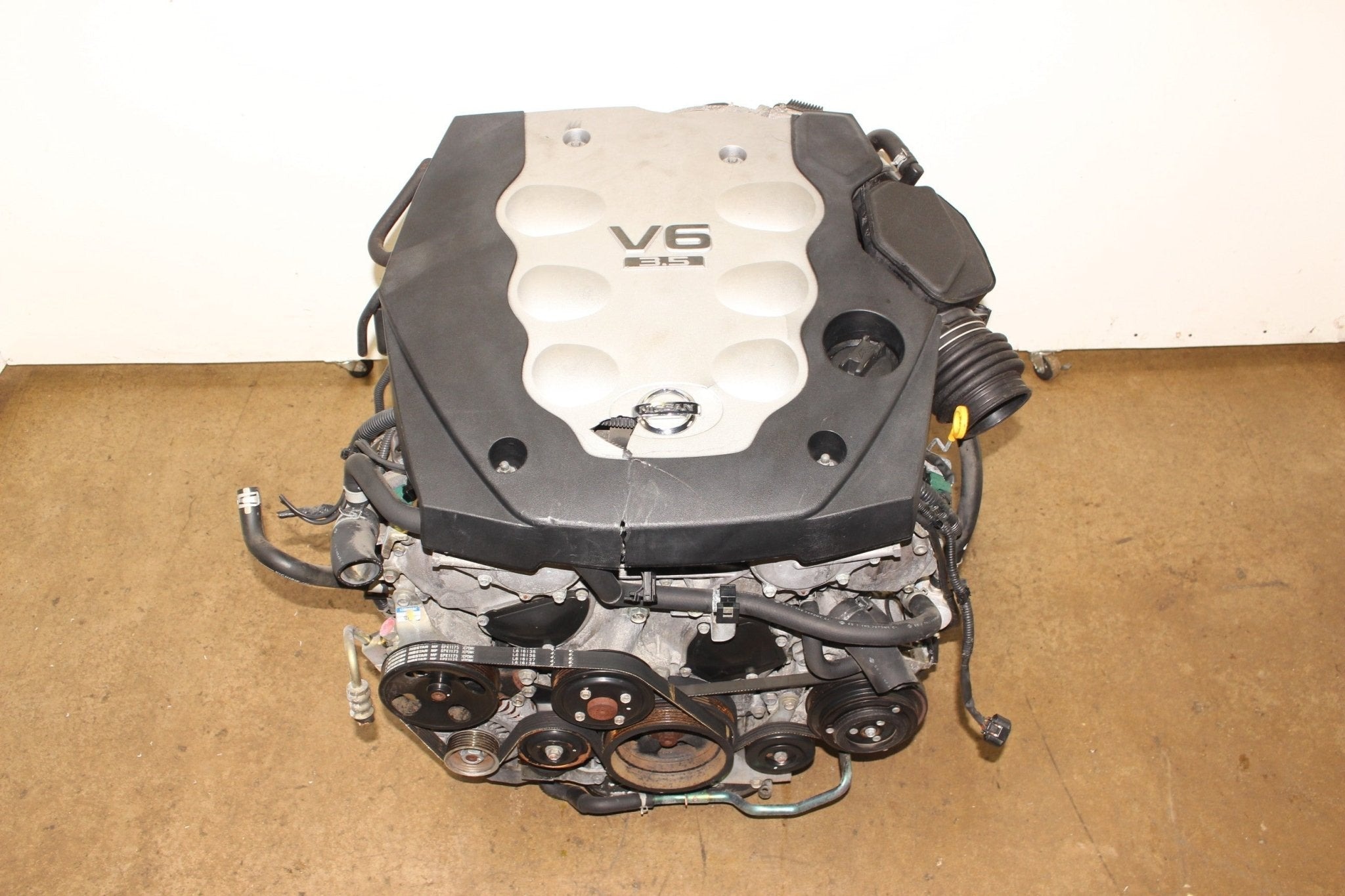
The V6 engine has long been the middle ground between power and practicality. It’s compact enough to fit in a wide range of cars, yet strong enough to deliver smooth performance without the bulk of a V8.
Over the decades, automakers across the globe have perfected and ruined this layout in equal measure. Some V6 engines have become symbols of mechanical strength, while others earned reputations for early wear, overheating, or excessive maintenance needs.
This article compares both sides of that history. On one end are the V6 engines that continue to impress long after leaving the factory.
They handle hundreds of thousands of miles with ease, keeping their refinement and dependability intact. On the other are those that, despite promising specifications, have left owners facing costly repairs far sooner than expected.
The goal is to highlight what separates engineering triumph from over-complication. A few of these engines represent peak mechanical balance, while others expose the risks of prioritizing innovation over longevity.
The V6 design can be brilliant or burdensome depending on execution, and this comparison shows exactly why some shine with time and why others simply fade out too soon.
Also Read: 5 Cars With Seats That Stay Comfortable vs 5 That Don’t
5 V6 Engines That Shine Long-Term
The most durable V6 engines succeed because of strong internal construction, balanced cooling, and simple but proven technology.
They resist common wear points that plague lesser designs timing chain issues, head gasket failures, and oil leaks. These powerplants were built with the understanding that steady performance matters more than squeezing out a few extra horsepower.
This section focuses on five V6 engines known for long-term dependability. Each has a record of lasting past 300,000 miles when maintained properly, often outliving the vehicles they were fitted to. They represent a standard of engineering where consistency and refinement outweigh flash or marketing claims.
I’m writing about these engines because they show how patience and practicality create longevity.
They remain smooth, strong, and serviceable years after others fail. From Toyota’s bulletproof designs to Honda’s balanced systems and GM’s surprising comeback stories, these V6s prove that reliability never goes out of fashion.
Each one tells a story about how the right design choices lead to lasting trust between driver and machine. They are reminders that great engines don’t just perform they endure, becoming mechanical companions through countless miles and years.
1. Toyota 3.5L V6 (2GR-FE)
Toyota’s 3.5-liter 2GR-FE V6 is one of the most respected modern engines for a reason. Found in vehicles like the Camry, Avalon, Sienna, Highlander, and Lexus ES350, it combines strong performance with almost unmatched durability.
Its aluminum block and heads are carefully engineered to resist warping and heat damage, while its timing chain system rarely fails.
Even with high mileage, the 2GR-FE maintains its smoothness. It produces a consistent power curve and minimal vibration, thanks to precise balancing and efficient fuel delivery. Many owners report passing 300,000 miles with only routine maintenance such as oil changes and spark plugs.
I’m writing about the 2GR-FE because it demonstrates how proper design can turn a mainstream engine into a long-term benchmark.
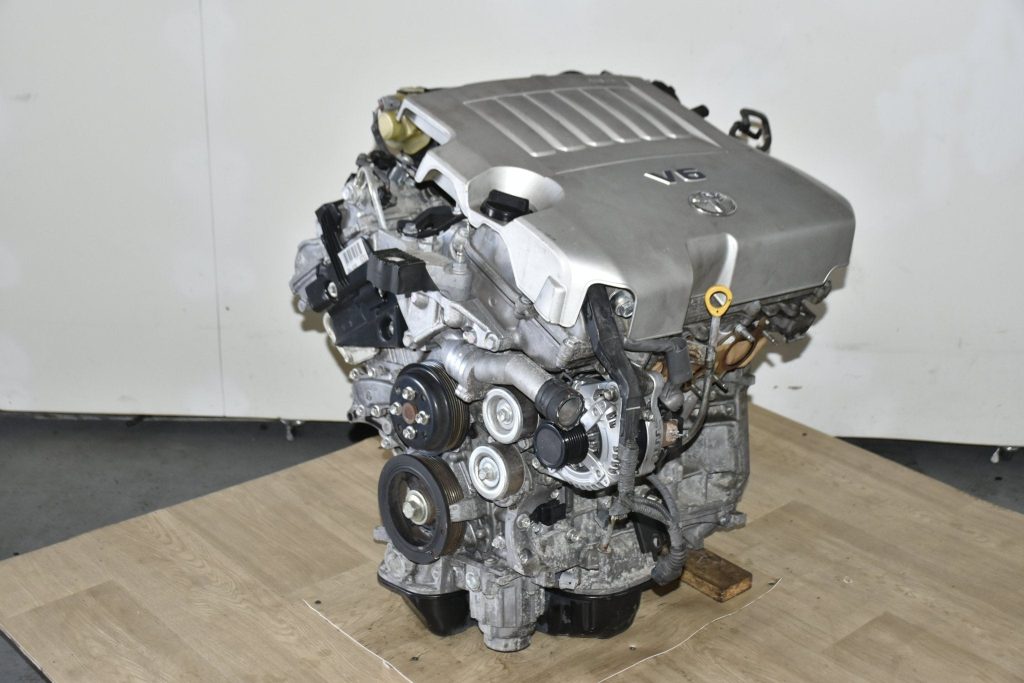
Toyota avoided unnecessary complexity, focusing on materials and tolerances that withstand both time and stress. The result is an engine that feels refined when new and nearly the same decades later.
Another reason for its reputation is its versatility. It performs equally well in sedans, SUVs, and minivans, adapting to every application without showing weakness.
Few V6 engines combine strength, smoothness, and low ownership cost as well as this one. It remains one of Toyota’s proudest achievements in modern engineering.
2. Nissan 3.5L V6 (VQ35DE)
The Nissan VQ35DE is widely regarded as one of the most durable V6 engines ever built. Found in cars like the Nissan 350Z, Altima, Maxima, and Infiniti G35, this engine combines strong performance with long-term reliability. Its aluminum block and heads, paired with a forged crankshaft and balanced internals, allow it to run smoothly well past 200,000 miles.
Owners praise the VQ35DE for its effortless power delivery and quiet operation. The engine produces a smooth torque curve that makes both daily commuting and spirited driving enjoyable. Proper maintenance, including regular oil changes and timing chain inspections, is often enough to keep the engine performing at its peak for decades.
I’m writing about the VQ35DE because it highlights how careful engineering can create a V6 that feels both lively and dependable.
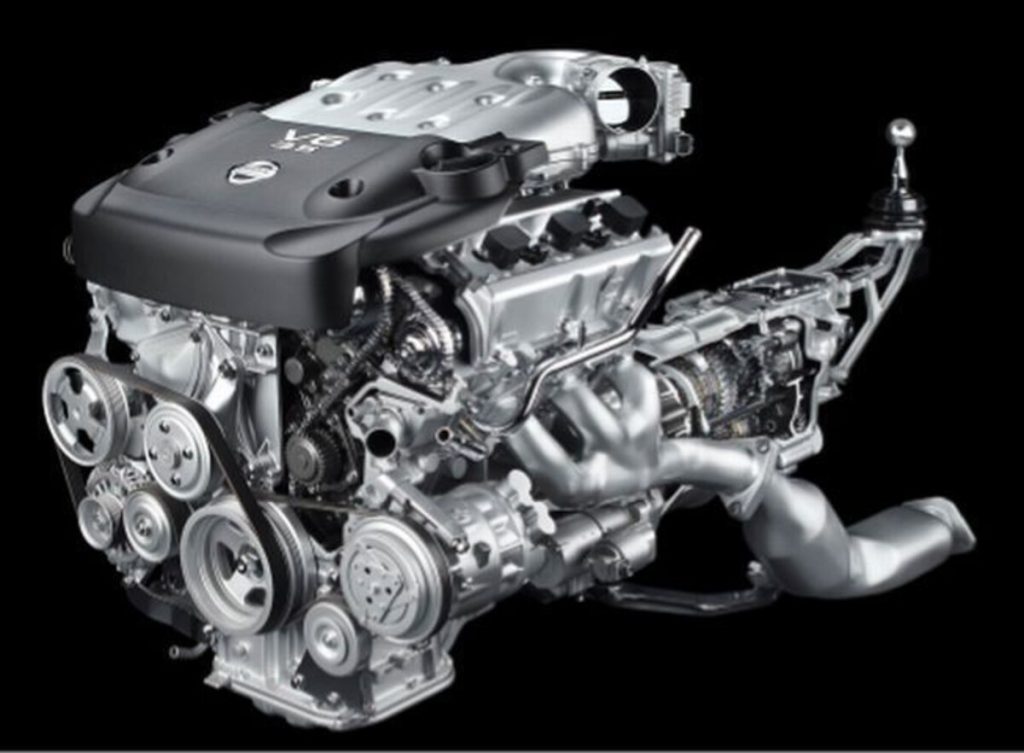
Nissan refined this engine over multiple generations, focusing on heat management, lubrication, and material strength. These design choices helped prevent common issues like oil pump failure or excessive valve wear, which plague lesser engines.
Even in high-performance applications like the 350Z and Infiniti G35, the VQ35DE retains its smoothness and balance. It demonstrates that a V6 can deliver impressive horsepower without compromising durability.
For owners seeking a V6 that offers excitement and longevity, this engine remains a top recommendation decades after its introduction.
3. Honda 3.5L V6 (J35)
The Honda J35 V6 powers models like the Accord, Odyssey, Pilot, and Ridgeline. Known for its smooth operation, strong reliability, and excellent fuel efficiency, it has been a staple of Honda’s lineup for years. The aluminum block and heads, combined with Honda’s precise engineering, ensure minimal vibration and consistent performance over high mileage.
Many owners report the J35 running flawlessly beyond 250,000 miles with routine maintenance.
Valve adjustments are rarely needed, timing components are durable, and oil consumption is minimal. Its naturally aspirated design contributes to simplicity and reliability, avoiding the complexity of forced induction systems.
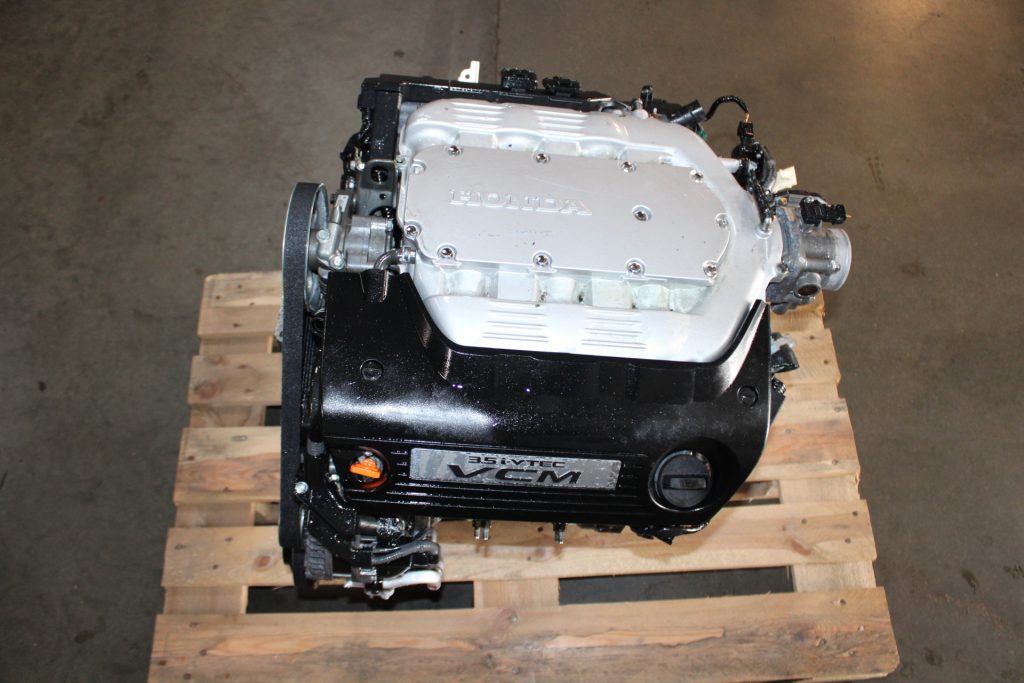
I’m writing about the J35 because it illustrates Honda’s philosophy of balancing performance and longevity. The engine’s low internal stress, efficient cooling, and strong materials all contribute to its long-term smoothness.
Drivers experience linear power delivery and quiet operation, which makes it suitable for family vehicles, SUVs, and performance models alike.
The J35 also benefits from excellent parts availability and serviceability. Mechanics worldwide understand its design, which further enhances reliability.
This engine is proof that careful engineering and conservative tuning can make a V6 both fun to drive and durable, earning a place among the best long-lasting V6 engines.
4. GM 3.8L V6 (3800 Series II)
The GM 3.8L V6, particularly the Series II variant, powered vehicles like the Buick Regal, Pontiac Grand Prix, and Chevrolet Impala. It is legendary for reliability, smooth operation, and longevity. Its cast-iron block and aluminum heads create durability, while the robust crankshaft and balanced pistons reduce vibration.
Owners frequently report the 3800 Series II exceeding 300,000 miles without major repairs. The engine’s simplicity, coupled with proven components, makes it highly serviceable and resistant to common V6 problems such as timing chain wear or head gasket failure.
I’m writing about this engine because it demonstrates how traditional American engineering focused on endurance.
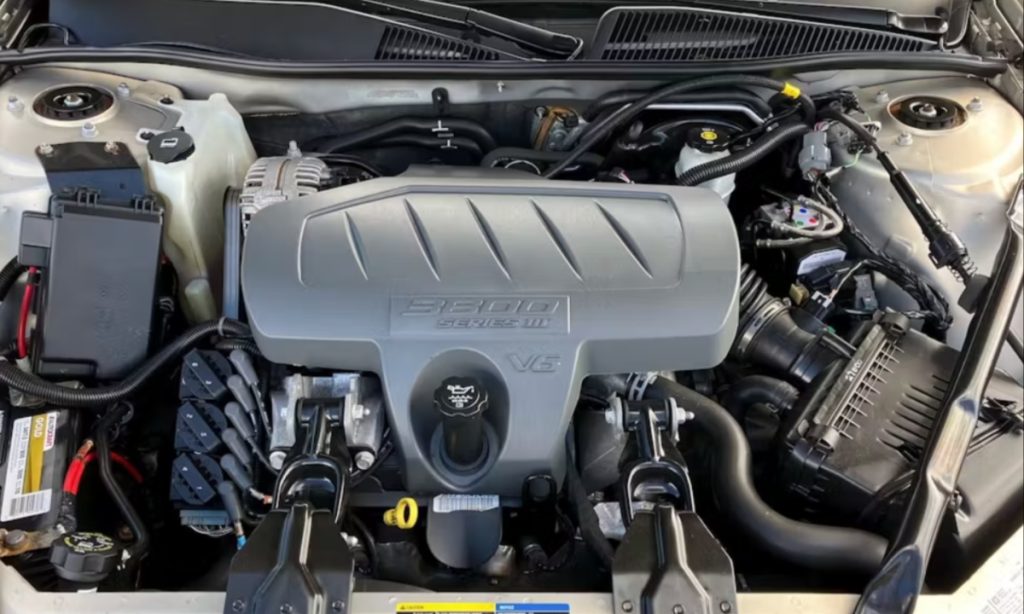
Despite being naturally aspirated or supercharged in some models, it maintains smoothness and refinement. Its torque delivery is predictable and steady, giving drivers confidence at both city speeds and highway cruising.
The 3800 Series II’s reputation for durability has made it a benchmark among domestic V6 engines. Even after decades, it remains one of the few engines that blends smooth operation, power, and minimal maintenance requirements a true long-term performer.
5. Mercedes-Benz 3.5L V6 (M276)
The Mercedes-Benz M276 V6, introduced in the early 2010s, powers models like the E-Class, C-Class, and GLE.
It replaced the older M272 engine, addressing previous issues while improving efficiency and smoothness. Its aluminum block, direct injection system, and carefully balanced internals create a quiet, refined, and durable engine.
Owners report that the M276 remains smooth and reliable well past 150,000 miles, provided regular maintenance is observed. Problems that plagued earlier Mercedes V6 engines, such as timing chain failures and balance shaft issues, are largely resolved in this design.
I’m writing about the M276 because it exemplifies how modern engineering can achieve both performance and long-term reliability.
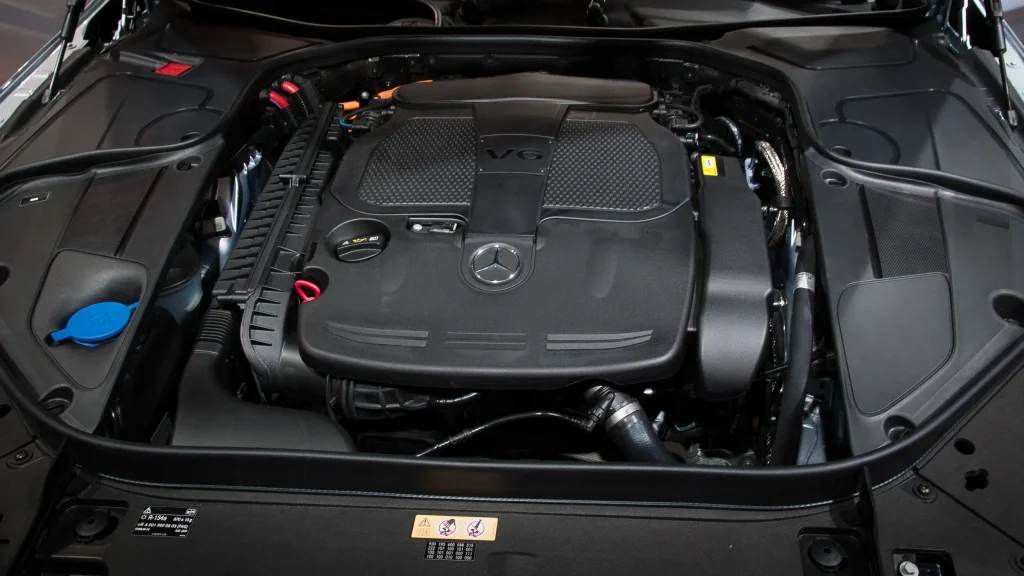
Its power delivery is linear, vibrations are minimal, and the engine feels composed at all speeds. It proves that even luxury European engines can offer decades of dependable service when design lessons are properly applied.
With solid construction, careful cooling, and robust internal components, the M276 shines as a modern V6 that blends refinement, performance, and longevity. For buyers seeking a durable European V6, it remains one of the best choices.
5 V6 Engines That Disappoint
Not all V6 engines live up to expectations. Some start with impressive specifications but reveal flaws as mileage increases. Common issues include timing chain failures, overheating, excessive oil consumption, and complex electronic systems that reduce long-term reliability.
While the layout itself is inherently balanced, poor materials, rushed engineering, or overcomplicated designs can make even a well-designed engine disappointing over time.
This section highlights five V6 engines that earned reputations for frustrating owners. Each one had promise strong performance, smooth initial operation, or advanced features but ultimately failed to provide the longevity expected of its class.
By examining these engines, drivers can understand why some V6s require frequent maintenance, early overhauls, or costly repairs.
I’m writing about these engines to show that power and refinement on paper do not always translate into durability. They offer lessons in design trade-offs, emphasizing that the best engines balance innovation with mechanical simplicity.
Understanding where these V6s fall short helps enthusiasts make informed decisions and appreciate the engineering choices behind truly reliable long-term performers.
1. BMW N52 3.0L V6
The BMW N52 3.0L V6, produced from 2004 to 2015, powered vehicles like the 3-Series, 5-Series, and Z4. It was praised for smooth operation and efficient performance, but over time, it has become notorious for reliability issues that affect long-term smoothness.
Owners frequently report failures with the electric water pump, thermostat, and valve cover gaskets.
These problems can cause overheating or oil leaks, leading to rough idling and loss of refinement. Additionally, the plastic intake manifold components are prone to cracking, which can further disrupt engine performance.
I’m writing about the N52 because it highlights how complex engineering can undermine longevity.
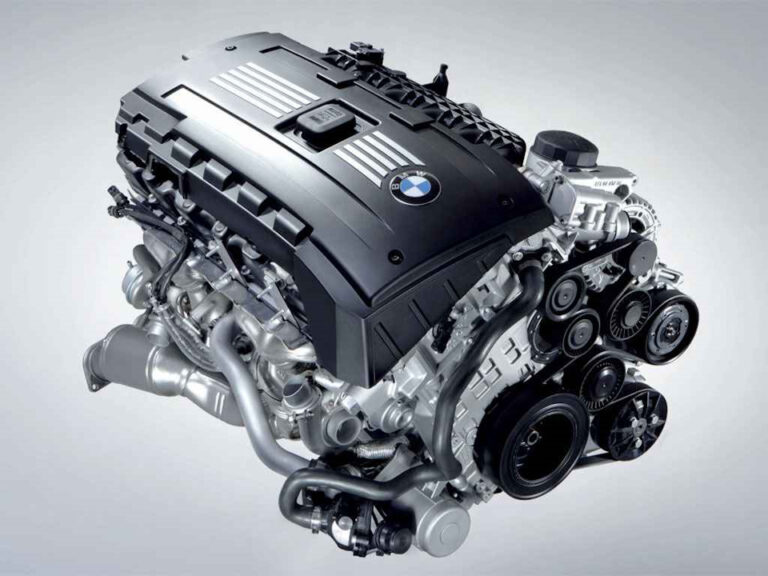
While it features BMW’s signature smoothness when new, the combination of aluminum blocks, plastic components, and high-pressure cooling systems makes it vulnerable as mileage increases.
Regular maintenance helps, but even well-cared-for examples may experience issues before 150,000 miles.
The N52 demonstrates that smooth V6 operation at low mileage does not guarantee long-term reliability. Its early charm can fade quickly, leaving owners with frequent repairs and an engine that no longer delivers the effortless refinement expected of BMW inline-six derivatives.
2. Mercedes-Benz M272 3.5L V6
The Mercedes-Benz M272 V6, used in models like the C-Class, E-Class, and CLK from 2004 to 2010, initially impressed with smooth operation and decent power. However, over time, it became infamous for reliability problems that affected both performance and long-term smoothness.
Common issues include timing chain tensioner failures, balance shaft gear wear, and camshaft adjuster problems. These components can cause rattling noises, rough idling, and even engine misfires. Oil leaks from valve cover gaskets and intake manifolds are also widespread, leading to maintenance headaches for owners.
I’m writing about the M272 because it shows how engineering shortcuts and complex designs can compromise longevity.
Despite its smooth operation when new, this engine requires vigilant maintenance to avoid severe issues. Even with careful care, some components are prone to early wear, making the M272 less dependable than its Mercedes predecessors.
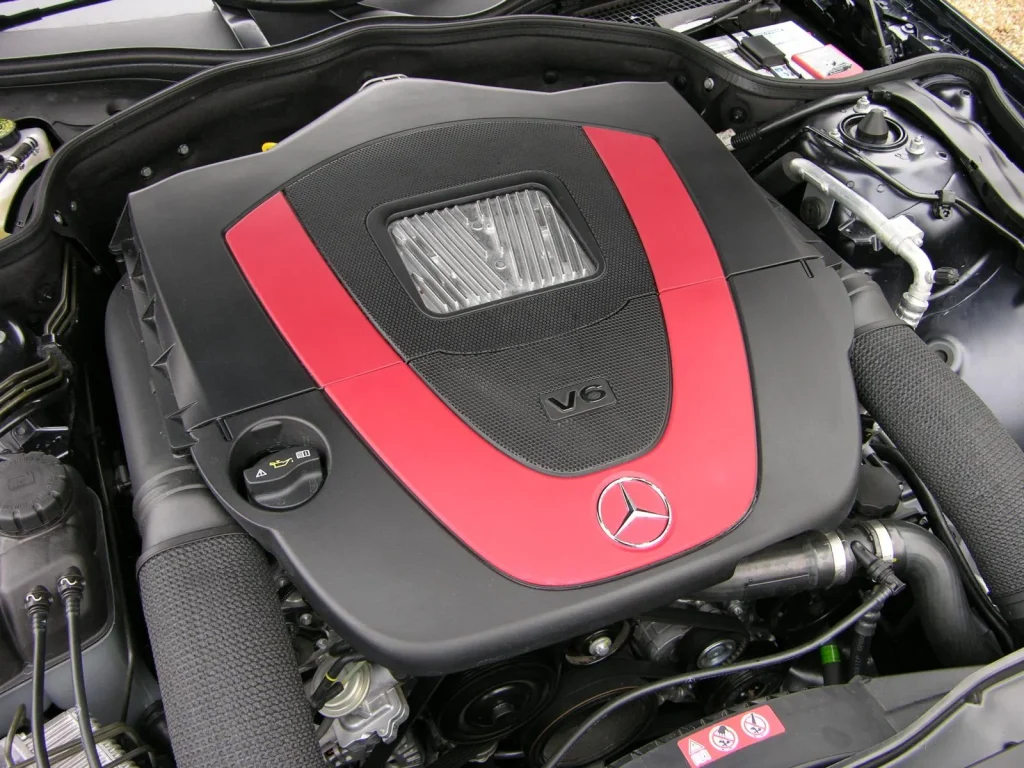
The engine’s reputation suffers further from expensive repairs. Replacing timing chain components or balance shafts can be labor-intensive, often costing thousands. These issues make the M272 a poor choice for buyers seeking a V6 that maintains long-term refinement.
The M272 demonstrates that smooth V6 operation alone cannot ensure durability. While the engine delivers power and quiet operation initially, structural weaknesses and design compromises lead to disappointment for owners seeking a reliable long-term engine.
3. Ford 3.5L EcoBoost V6 (Early Versions)
Ford’s early 3.5L EcoBoost V6, introduced in 2009, promised strong turbocharged performance in vehicles like the F-150 and Explorer. While it delivers impressive power, early versions faced reliability problems that affected long-term smoothness.
Owners reported carbon buildup in direct injection systems, turbocharger failures, and timing chain wear. These issues often caused rough idling, hesitation, and inconsistent power delivery, especially in high-mileage engines. Cooling system challenges and overheating in some applications also accelerated wear on internal components.
I’m writing about the early EcoBoost V6 because it highlights the risks of introducing complex technology without long-term testing.
Turbocharging and direct injection improve performance but can compromise durability if tolerances or maintenance intervals are not ideal. Owners seeking a dependable V6 often find themselves performing expensive repairs to restore the smoothness that was expected.
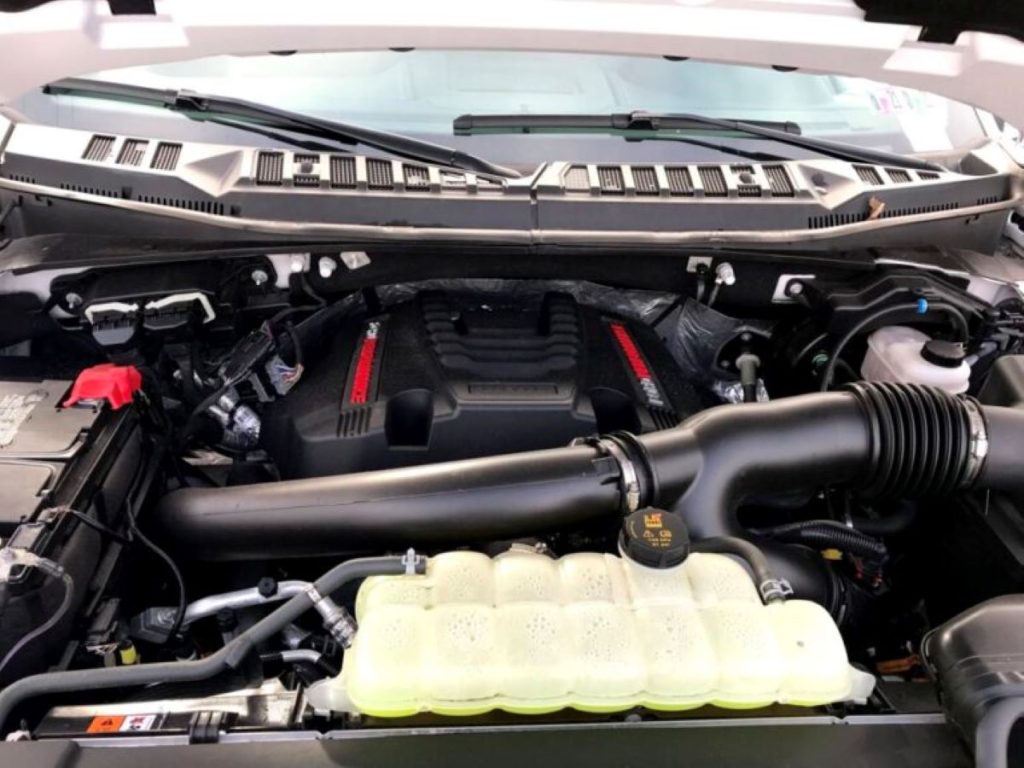
The EcoBoost’s experience shows that even modern engines with advanced engineering can disappoint.
While the layout is inherently balanced, forced induction and direct injection introduce additional stress points that reduce long-term reliability. This engine reminds buyers that complexity can come at the cost of enduring refinement.
4. Nissan 3.5L VQ35HR
The Nissan VQ35HR, a high-revving variant of the VQ35DE, powered vehicles like the Infiniti G37 and 350Z in the late 2000s. While it offers performance improvements, it presents several long-term reliability challenges compared to its predecessor.
Problems reported by owners include premature valve guide wear, oil consumption, and timing chain tensioner issues.
These failures can lead to rough idle, vibration, and reduced smoothness as mileage accumulates. The high-revving nature of the engine, combined with tighter tolerances, makes it more sensitive to maintenance lapses than the earlier VQ35DE.
I’m writing about the VQ35HR because it demonstrates how pushing performance boundaries can reduce long-term dependability.
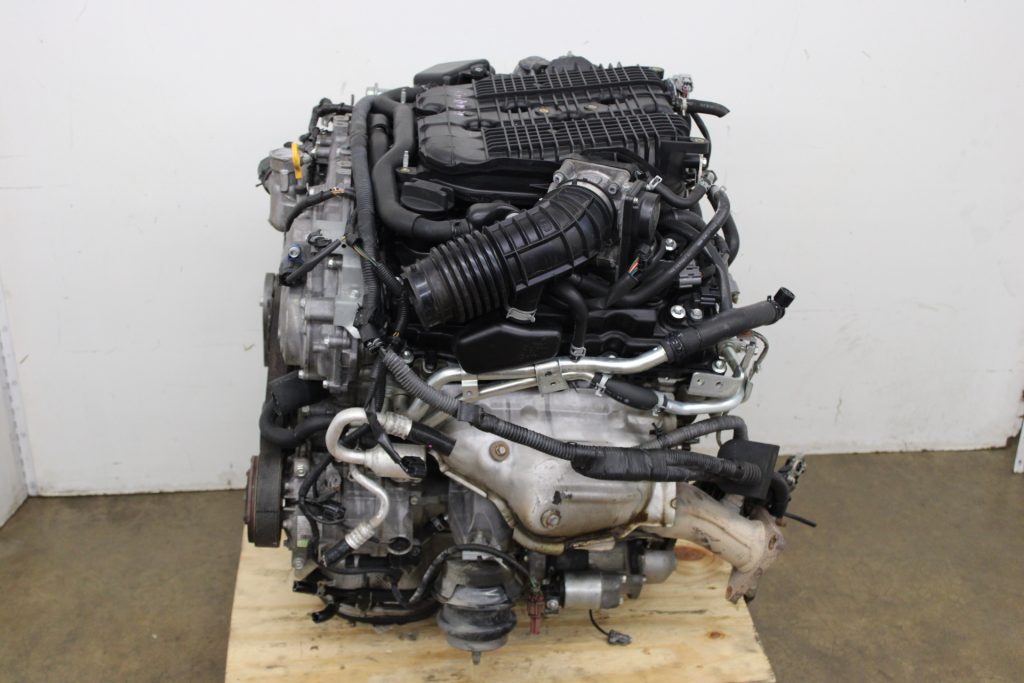
While the engine excels in acceleration and sound quality, it lacks the forgiving nature that made the original VQ35DE legendary. Without careful maintenance, owners experience early signs of mechanical fatigue, undermining the smooth V6 experience expected from Nissan.
Despite being an enthusiast favorite, the VQ35HR is not ideal for those seeking a worry-free V6 with enduring refinement. It emphasizes the balance between performance upgrades and long-term durability a balance that this engine struggles to maintain.
5. Chrysler 3.6L Pentastar V6 (Early Models)
The Chrysler 3.6L Pentastar V6 powers vehicles such as the Jeep Grand Cherokee, Chrysler 300, and Dodge Charger. While the engine offers modern performance and good fuel efficiency, early versions had issues that affected long-term smoothness.
Owners reported problems with timing chain stretch, camshaft lobe wear, and early water pump failures. Oil leaks from gaskets and seals were also common, leading to rough idle and vibration over time. Electrical and sensor malfunctions in the variable valve timing system added further maintenance challenges.
I’m writing about the Pentastar V6 because it highlights how a modern engine can disappoint despite its balanced layout and promising specifications. While reliable after revisions, the early engines showed that engineering and production teething problems can compromise long-term refinement.
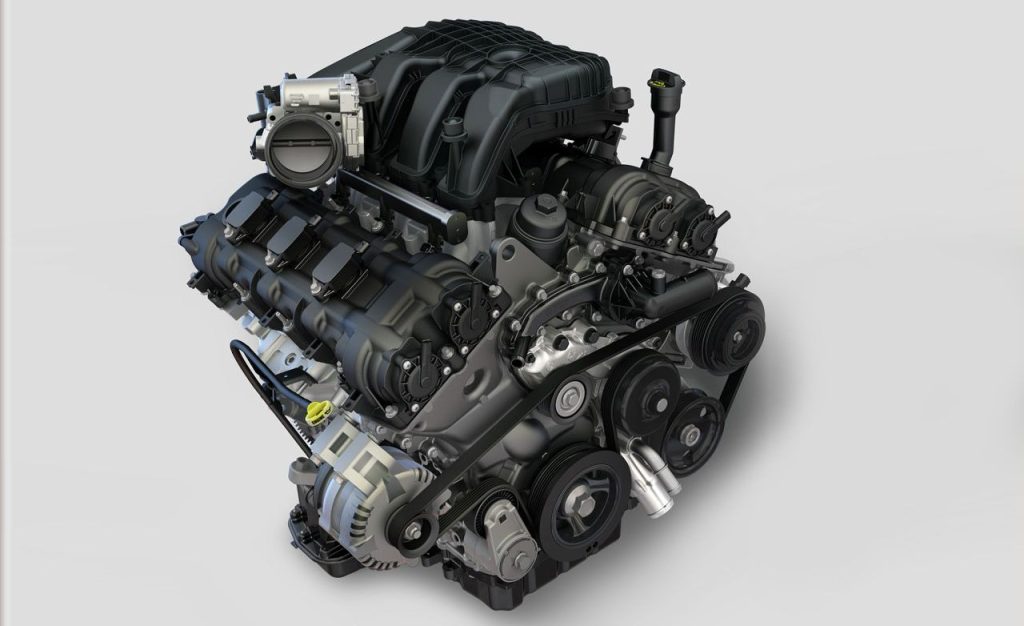
The Pentastar V6 illustrates that smooth operation when new does not guarantee durability. Owners expecting low-maintenance performance sometimes encounter expensive repairs that erode the initial driving experience.
This engine serves as a reminder that even modern V6 designs can face reliability hurdles if early design flaws are not fully addressed.
V6 engines have long served as the middle ground between efficiency and performance. They offer smoother operation than most four-cylinder units and greater practicality than larger V8s.
Yet, while some V6s have stood the test of time with refined power delivery and bulletproof durability, others have faltered due to engineering flaws or poor material choices.
This comparison between the V6 engines that shine long-term and those that disappoint provides a clear reflection of how thoughtful design, proper maintenance, and balanced tuning define longevity in this crucial engine segment.
The engines that shine long-term share common characteristics robust construction, proven mechanical simplicity, and engineering that prioritizes balance over complexity. The Toyota 2GR-FE, for instance, remains a benchmark for its consistency and smoothness even after hundreds of thousands of miles.
Its timing chain-driven setup, strong block design, and efficient cooling system have made it one of the most dependable V6s ever built.
Likewise, Honda’s J35 V6 continues to prove its worth, blending seamless performance with reliability across a range of models from the Accord to the Pilot. Owners appreciate how it maintains quiet, vibration-free operation even after extensive use, reflecting Honda’s mastery of mechanical harmony.
Similarly, the Nissan VQ35DE earns its reputation for being nearly indestructible when maintained properly. Found in models like the Altima, Maxima, and 350Z, it combines linear power delivery with internal balance that sustains smooth operation over time.
The Ford Duratec 3.0L V6, though modest in performance, exemplifies long-term durability through its simplicity. With minimal electronic interference and a sturdy mechanical base, it remains an engine that just keeps running.
Completing the list, the GM 3800 Series II V6 is a classic example of bulletproof engineering. Its iron block and proven pushrod design allow it to survive neglect that would destroy most modern engines, while still delivering refined operation for hundreds of thousands of miles.
These successful engines underscore one consistent truth: long-term refinement is not just about output or technology but also about mechanical balance, cooling efficiency, and material integrity.
Each of these powerplants offers evidence that manufacturers who design with longevity in mind often create engines that become legends among owners and mechanics alike.
On the other hand, the V6 engines that disappoint show how excessive complexity or design shortcuts can ruin long-term reliability.
The Volkswagen VR6, though admired for its sound and compact layout, suffers from timing chain tensioner issues, oil leaks, and overheating in older models. Its uniqueness came at the cost of serviceability and consistent durability.
The Mercedes-Benz M272 suffered similar fate despite a promising design, its balance shaft and timing system issues created a maintenance nightmare that undercut its premium image.
Ford’s early 3.5L EcoBoost serves as another reminder that cutting-edge technology must be thoroughly refined before mass production.
Turbocharging and direct injection offered great performance, but early designs led to carbon buildup, stretched timing chains, and cooling failures, reducing the long-term smoothness expected from a V6.
The Nissan VQ35HR, though powerful and responsive, failed to match the legendary dependability of its predecessor due to oil consumption and timing-related weaknesses. Lastly, Chrysler’s early 3.6L Pentastar engines demonstrated how design errors such as cam wear and chain stretch can overshadow an otherwise capable engine platform.
The distinction between the winners and losers comes down to engineering philosophy. Engines that shine long-term were built during times when mechanical endurance was a priority, with less dependence on complex electronic systems.
They feature forgiving designs that can handle varied maintenance habits and real-world driving conditions. Meanwhile, the disappointing engines often arose from aggressive technological pushes or cost-cutting decisions that neglected durability.
Ultimately, longevity in V6 engines is achieved not by flashy specifications or marketing claims but by balance, precision, and proven design discipline.
The enduring success of engines like Toyota’s 2GR-FE or Honda’s J35 proves that refinement and reliability can coexist naturally.
Meanwhile, engines like the M272 or early EcoBoost highlight that even respected brands can falter when they prioritize innovation over durability.
This contrast defines the legacy of the V6 an engine configuration that continues to reveal the strengths and weaknesses of automotive engineering philosophies across generations.
Also Read: 5 Cars That Stay Luxurious at 300k vs 5 That Don’t
