
Weather conditions play a critical role in how SUVs perform and how safe they are on the road. While some models excel in handling heavy rain, strong winds, and stormy conditions, others struggle, leaving drivers feeling uneasy and at higher risk.
Factors such as stability, traction control, braking performance, and all-wheel-drive systems determine how well a vehicle can cope with challenging weather.
SUVs that handle storms well typically combine advanced safety technology with mechanical reliability.
Features like all-wheel or four-wheel drive, stability assist, anti-lock braking, and proper weight distribution give drivers confidence, especially during sudden downpours, slippery roads, or gusty winds.
These vehicles are designed to maintain control and minimize risk, which is why they are highly valued by safety-conscious buyers.
On the other hand, SUVs that do not perform well in stormy conditions often have less capable traction systems, weaker brakes, or higher centers of gravity that make them prone to slipping or tipping.
Buyers of these vehicles must be aware of their limitations, and sellers should note that these models may face slower demand in regions prone to harsh weather.
This article highlights two categories: SUVs that handle storms exceptionally well and those that do not.
By examining performance, safety features, and design factors, readers will gain insight into which vehicles offer reliability during inclement weather and which ones require extra caution.
Also Read: 5 BMW Sedans That Survive Longevity Tests vs 5 That Don’t
5 SUVs That Handle Storms Well
Certain SUVs are built to handle severe weather with confidence, offering drivers stability, traction, and control in stormy conditions.
These vehicles provide peace of mind during heavy rain, strong winds, and slippery roads, making them highly desirable for safety-conscious buyers.
The combination of advanced safety features, drivetrain capability, and well-balanced design allows these SUVs to maintain performance even when conditions become challenging.
All-wheel-drive or four-wheel-drive systems are often key components, ensuring power is distributed effectively to all wheels and improving grip on wet or uneven surfaces.
Stability control, anti-lock braking, and responsive steering enhance handling, helping drivers avoid skidding or loss of control.
Additionally, proper suspension tuning and weight distribution reduce the likelihood of tipping in gusty conditions, a critical consideration for taller vehicles.
This section highlights five SUVs that perform exceptionally well in storms. Each selection is based on safety ratings, real-world performance, and owner experience.
The detailed breakdown explains why these vehicles are trusted in adverse weather, offering reassurance to both new and experienced drivers.
Understanding these features allows buyers to make informed choices and helps sellers emphasize the capabilities that make these SUVs standout options for storm-prone areas.
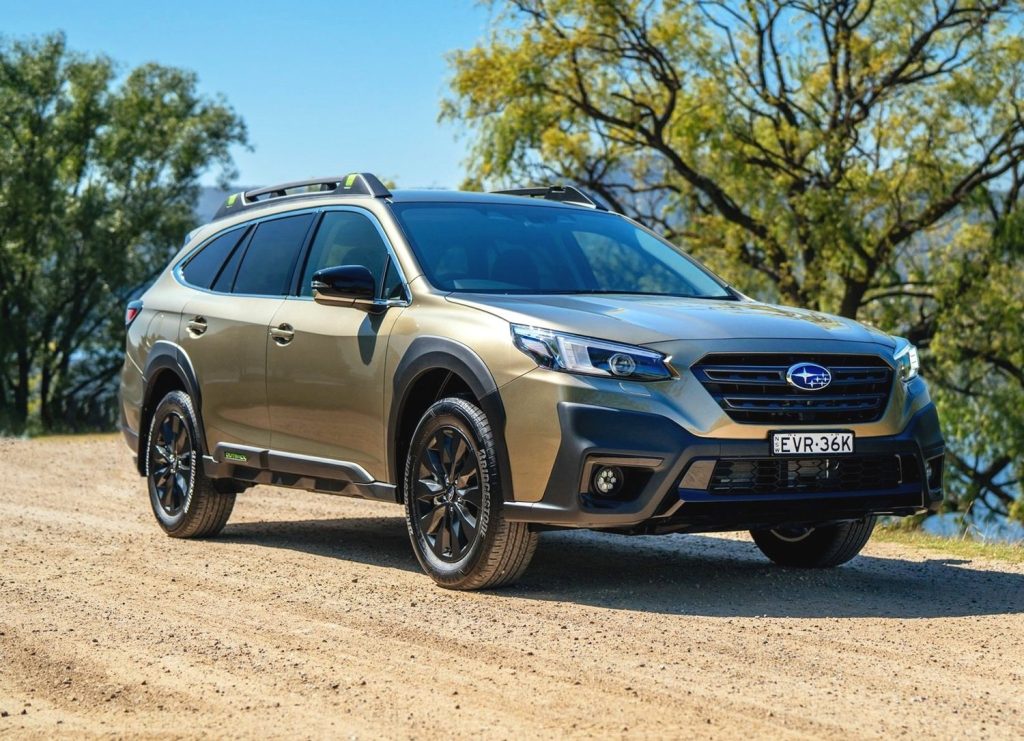
1. Subaru Outback
The Subaru Outback is renowned for its ability to handle challenging weather conditions, making it a top choice for drivers in storm-prone areas
. Standard all-wheel-drive ensures consistent traction across wet, snowy, or uneven surfaces, giving drivers confidence when roads are slippery.
This system distributes power to the wheels that need it most, helping prevent skidding and maintaining control even in sudden downpours or on rain-soaked roads.
Stability and braking are also strengths. The Outback comes with advanced safety features such as Vehicle Dynamics Control, traction control, and anti-lock brakes, all of which work together to reduce the risk of losing control during emergency maneuvers.
Its low center of gravity compared to taller SUVs reduces the chance of tipping in strong winds, enhancing overall safety.
The interior complements its storm-handling capabilities. Drivers benefit from excellent visibility, user-friendly controls, and well-placed infotainment and safety systems, allowing them to focus on the road during adverse conditions.
Tires and suspension are tuned to balance comfort with secure handling, further improving performance on slippery or uneven surfaces.
Owners consistently praise the Outback for its reliability in harsh weather, which has helped it build a strong reputation in regions prone to storms.
Whether navigating flooded streets or snowy highways, the vehicle offers a combination of mechanical reliability and technological assistance that makes it a dependable choice. Its design emphasizes safety without sacrificing comfort, which is why it frequently ranks among the top SUVs for handling stormy conditions.
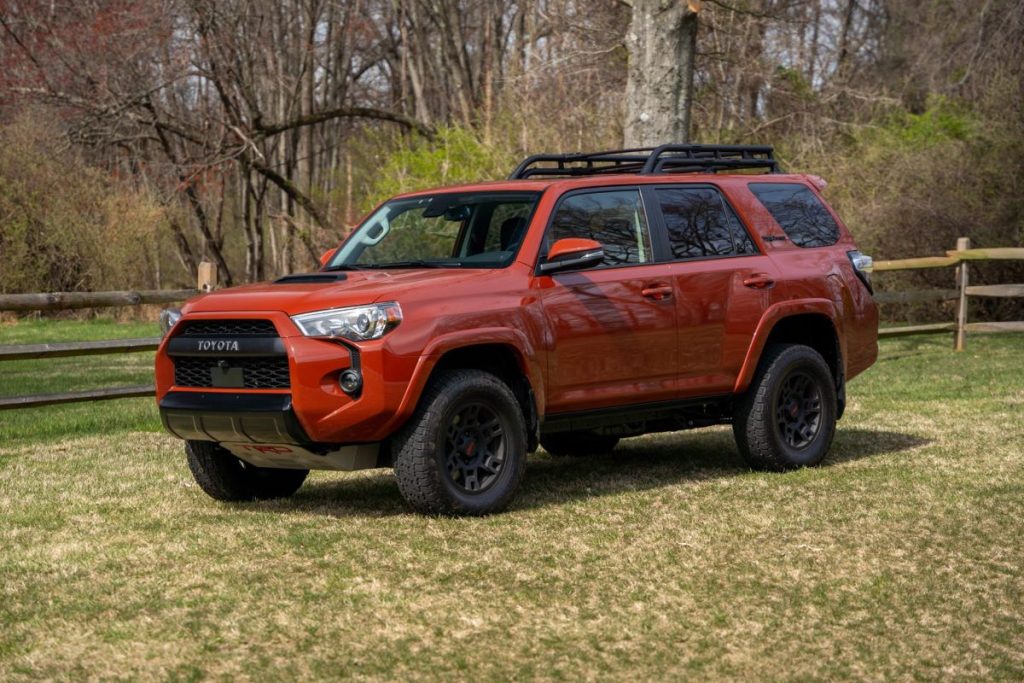
2. Toyota 4Runner
The Toyota 4Runner excels in severe weather thanks to its rugged construction, off-road capability, and advanced traction systems.
Many trims come equipped with part-time or full-time four-wheel-drive, which ensures maximum grip on slippery roads and reduces the likelihood of losing control during heavy rain or snow.
Ground clearance is another advantage. The 4Runner sits higher than most SUVs in its class, allowing it to traverse flooded streets or uneven terrain without compromising stability.
Its body-on-frame construction adds structural rigidity, enhancing control in gusty conditions and providing a solid feel on challenging surfaces.
Toyota’s safety features also contribute to storm performance. Modern 4Runners include systems like stability control, traction assist, and multiple braking aids that help drivers maintain control in slippery conditions. Even older models retain mechanical robustness that allows confident handling during extreme weather.
The interior offers good visibility, which is essential for reacting to sudden hazards, while seating and control placement allow drivers to focus on the road rather than struggling with complicated interfaces. Tires and suspension tuning support both comfort and stability, balancing everyday usability with storm-ready performance.
The 4Runner’s combination of proven drivetrain, elevated stance, and safety features makes it a reliable option for drivers who face heavy rain, snow, or gusty winds regularly. Its reputation for durability and storm-handling capability ensures it remains a top choice for safety-minded SUV buyers.
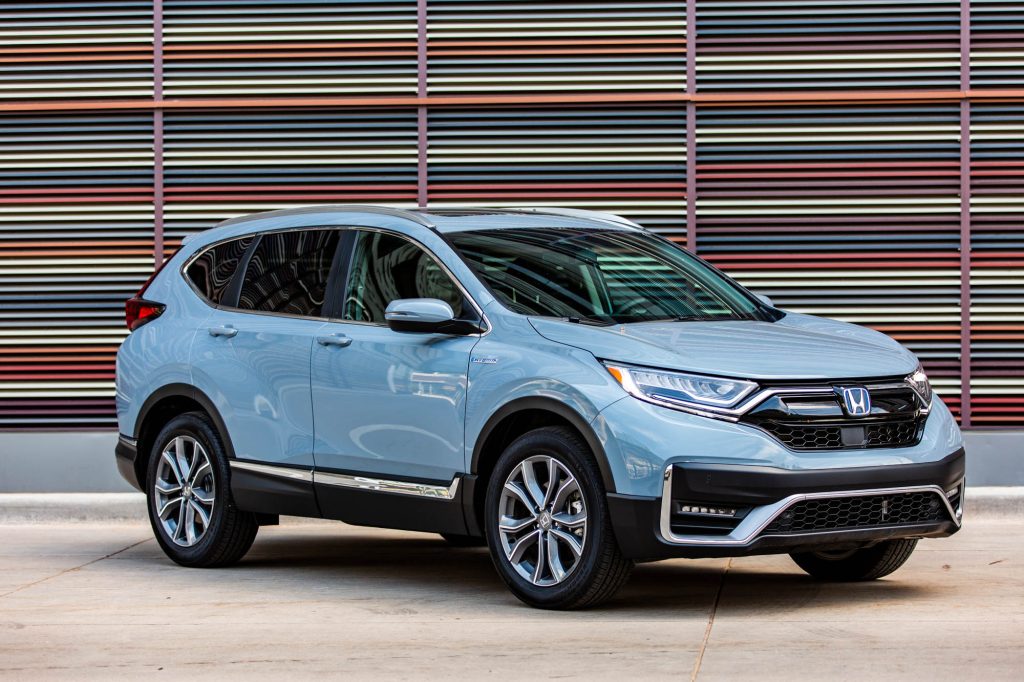
3. Honda CR-V
The Honda CR-V is widely recognized for its balanced performance in adverse weather, making it a reliable option for storm-prone regions.
Equipped with an intelligent all-wheel-drive system in most trims, the CR-V provides consistent traction across slippery or wet surfaces. This system automatically directs power to the wheels that need it most, minimizing the risk of slipping during heavy rain or snow.
Safety is a significant factor in storm handling. The CR-V includes features such as Vehicle Stability Assist, anti-lock brakes, and traction control, all designed to enhance control in challenging conditions.
Newer models also come with Honda Sensing technologies, including collision mitigation and lane-keeping assist, which help drivers navigate safely during reduced visibility and sudden hazards caused by stormy weather.
The vehicle’s handling is complemented by a stable chassis and well-tuned suspension, which reduce body roll and maintain balance during sudden maneuvers. Its compact size and responsive steering provide better control compared to larger, heavier SUVs, especially on narrow or slippery roads.
Driver confidence is further enhanced by excellent visibility, intuitive controls, and well-designed interior ergonomics, allowing attention to remain on road conditions. Tires and braking systems are optimized for wet and slick surfaces, supporting reliable stopping power when needed.
Overall, the CR-V combines reliability, smart engineering, and safety technology to provide dependable storm performance.
Its reputation for stability and control in inclement weather makes it a preferred choice for families and commuters who prioritize safety and peace of mind.
This balance of performance, technology, and practicality explains why it consistently ranks among the top storm-capable SUVs.
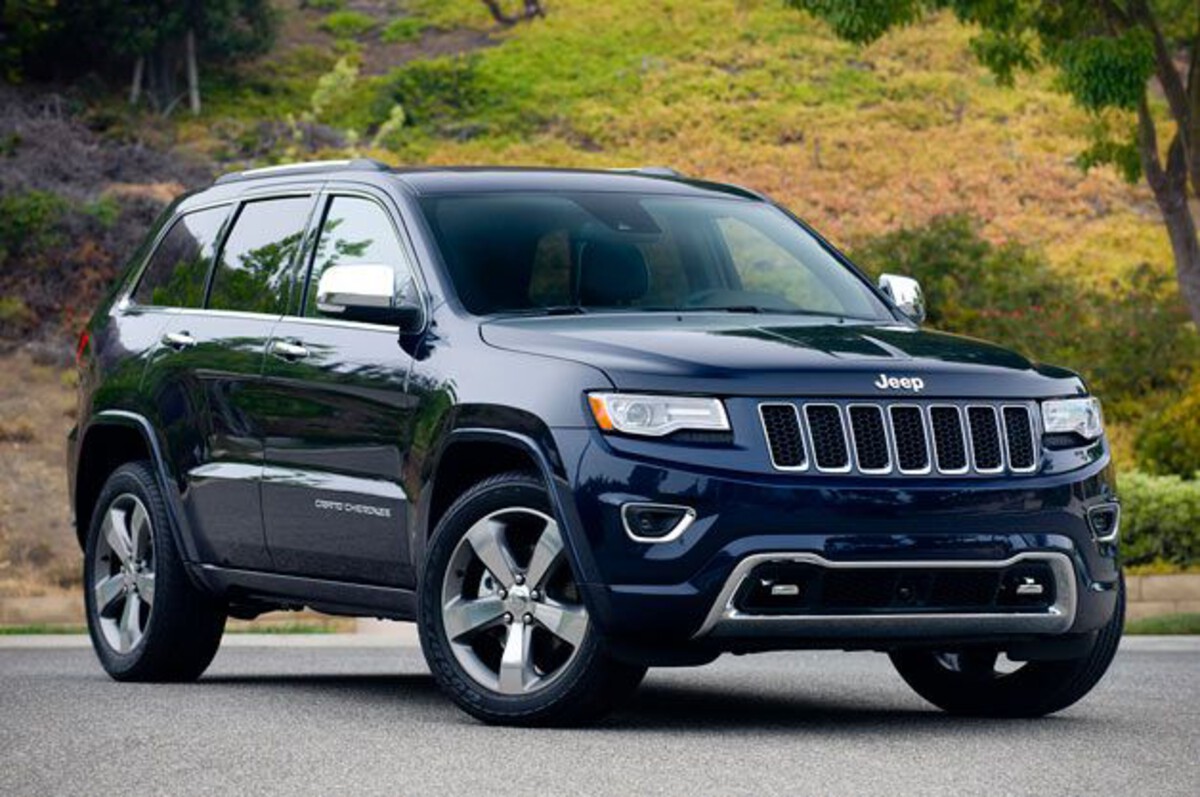
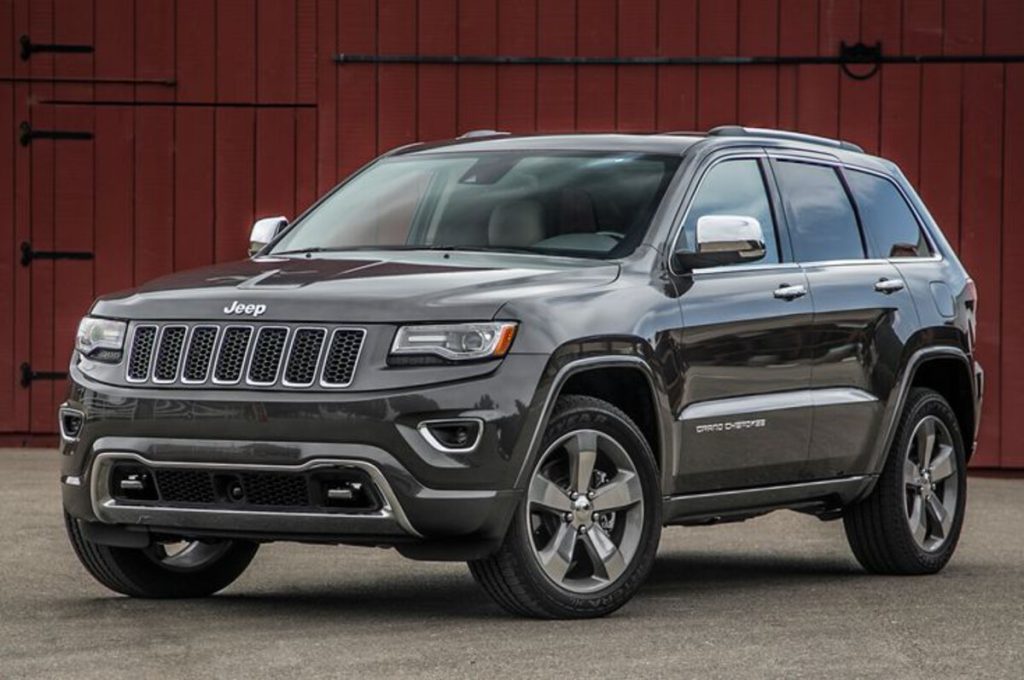
4. Jeep Grand Cherokee
The Jeep Grand Cherokee is built for challenging conditions, offering exceptional capability during storms and severe weather. Its four-wheel-drive systems, available in multiple configurations, allow the vehicle to maintain traction on wet, muddy, or uneven roads, helping prevent skidding and loss of control.
Suspension tuning and ride height contribute to its storm-handling abilities. The Grand Cherokee’s higher ground clearance helps navigate flooded streets or water-covered surfaces, while a solid chassis and robust frame reduce body sway and enhance stability in strong winds. Advanced traction management systems adapt to road conditions, distributing torque effectively to maintain grip.
Safety features are integral to its storm performance. Anti-lock brakes, stability control, and hill-descent assist help drivers manage sudden braking or steep, slippery terrain safely. Driver-assistance technologies in newer models further enhance control during low-visibility conditions.
The interior is designed with driver awareness in mind. Excellent visibility, intuitive control placement, and ergonomic seating allow the driver to focus on road hazards instead of struggling with the cabin.
Tires and braking systems are optimized for adverse conditions, ensuring responsive handling during emergencies.
Owners praise the Grand Cherokee for its ability to handle both on-road storms and off-road challenges, making it a versatile and dependable SUV.
Its combination of rugged design, advanced safety technology, and capable drivetrains ensures confidence in stormy conditions, which is why it remains a leading choice for those requiring an SUV that can handle severe weather reliably.
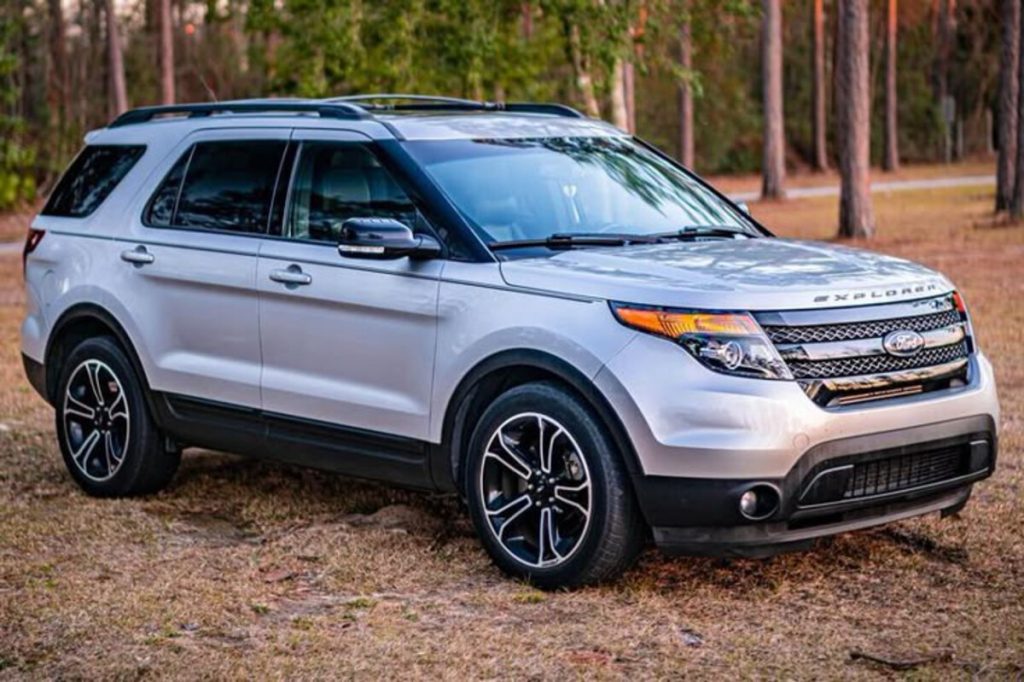
5. Ford Explorer
The Ford Explorer is a midsize SUV that performs exceptionally well in stormy conditions, combining all-wheel-drive capability with advanced safety features and stable handling.
Many trims include intelligent all-wheel-drive systems that distribute power to the wheels with the most traction, ensuring controlled acceleration and minimizing the risk of slipping on wet or icy roads.
Stability and braking are strengths of the Explorer. Anti-lock brakes, electronic stability control, and traction control help drivers maintain control during sudden maneuvers, while the SUV’s well-balanced chassis and suspension reduce body roll and enhance confidence in gusty conditions.
The vehicle’s higher ground clearance provides added advantage when driving through water-covered streets or uneven surfaces.
The interior complements its storm-ready performance. Drivers benefit from a commanding view of the road, intuitive controls, and seating designed for comfort during long drives in challenging conditions.
Modern trims also include driver-assistance technologies like blind-spot monitoring, lane-keeping assist, and adaptive cruise control, which further enhance safety during adverse weather.
Tire selection and braking performance play a significant role as well. The Explorer comes equipped with tires suitable for a variety of road surfaces, improving grip in rain or snow. Suspension tuning ensures that handling remains responsive, even under sudden directional changes or emergency stops.
Owners frequently praise the Explorer for its combination of capability, comfort, and safety during storms.
Its strong performance in both wet and windy conditions, along with advanced technological support, makes it a reliable choice for families and commuters who need assurance in unpredictable weather. The Explorer’s blend of traction, stability, and driver-focused features ensures it remains a top option for storm-ready SUVs.
5 SUVs That Don’t Handle Storms Well
Not all SUVs are equally capable when it comes to handling severe weather. Some models struggle with stability, traction, and braking performance in rain, snow, or gusty winds, which can make driving stressful and potentially unsafe.
Factors such as higher centers of gravity, less capable traction systems, weaker braking performance, and limited safety features often contribute to slower response and reduced control in stormy conditions.
SUVs that do not handle storms well may also suffer from interior design or visibility limitations, making it harder for drivers to react quickly to hazards.
Older models or those designed primarily for style or comfort rather than performance often face these challenges. Buyers in regions prone to heavy rain, flooding, or strong winds need to be particularly aware of these limitations.
This section highlights five SUVs that tend to perform poorly in stormy conditions. Each example discusses the specific factors that limit performance, such as drivetrain capability, weight distribution, or braking efficiency.
Understanding which vehicles are less adept in severe weather helps buyers make safer choices and enables sellers to manage expectations when marketing these models.
By examining these SUVs, readers can see why certain designs and engineering choices affect storm handling, helping them assess risk and select vehicles that align with their safety and performance needs.
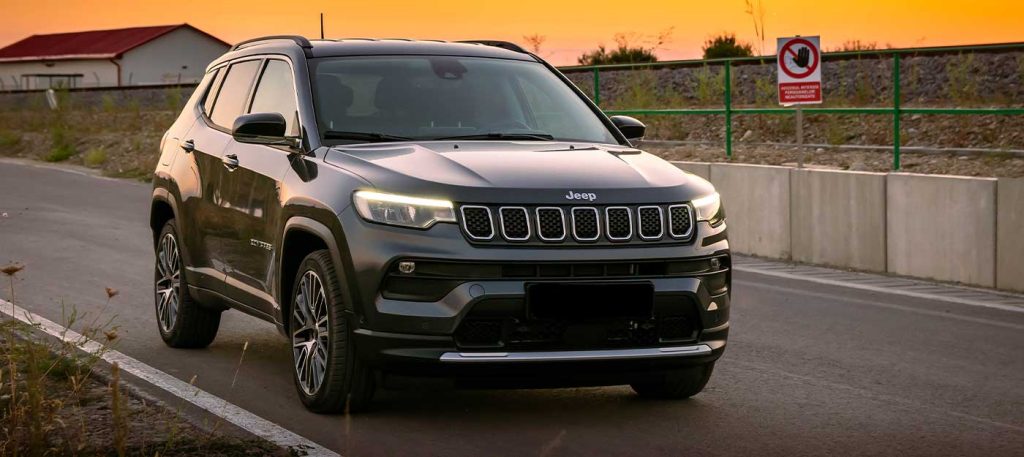
1. Jeep Compass
The Jeep Compass, while popular for its style and off-road branding, often struggles in stormy conditions, particularly on wet or icy roads. Its traction system is less capable compared to more robust all-wheel-drive or four-wheel-drive setups.
Entry-level trims often lack advanced traction management, which can lead to wheel slip and reduced control during heavy rain or snow.
Stability is another concern. The Compass has a higher center of gravity than compact crossovers, which can make it feel less planted during sudden maneuvers in gusty winds. Combined with lighter weight compared to larger SUVs, this contributes to a tendency to sway or feel unsettled in adverse conditions.
Braking performance is adequate under normal circumstances, but under wet or slippery conditions, stopping distances can increase.
Anti-lock brakes and stability controls help but may not fully compensate for the SUV’s limitations. Tires, particularly stock all-season options, may struggle for grip on slick surfaces, further affecting control.
Interior visibility also impacts storm performance. While the cabin is comfortable, blind spots and smaller windows make it harder for drivers to react quickly to hazards during heavy rain or low-visibility conditions.
Overall, the Compass is better suited for light off-road or dry-road driving rather than navigating storms.
Buyers in areas with frequent rain, snow, or gusty conditions need to be cautious, as this SUV’s combination of higher center of gravity, limited traction, and modest stability systems makes it a less reliable choice during severe weather.
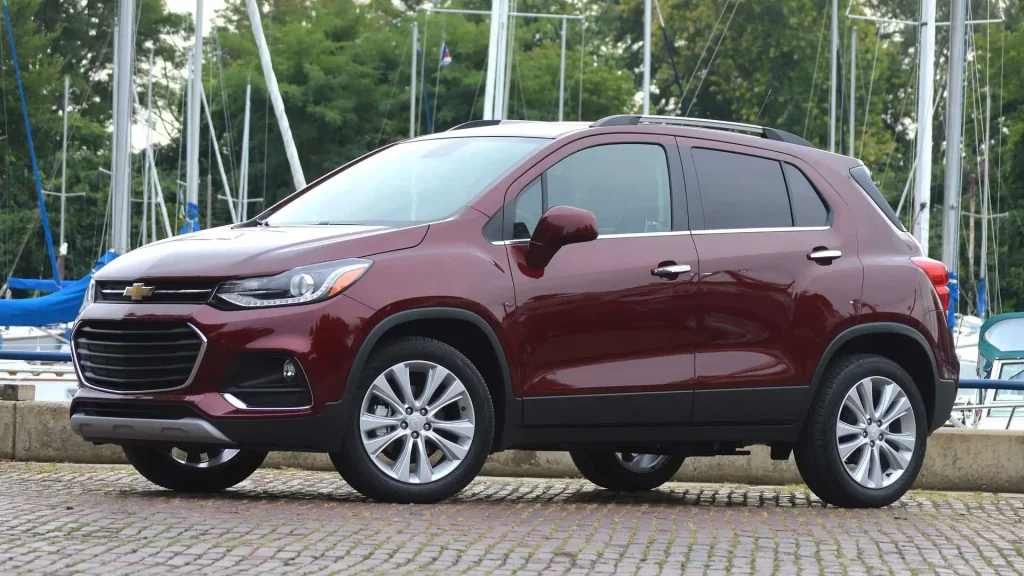
2. Chevrolet Trax
The Chevrolet Trax is a compact SUV that struggles in stormy weather due to limited traction capabilities and relatively lightweight construction.
While it offers front-wheel-drive as standard, all-wheel-drive is available only in select trims, and even then, it is less sophisticated than systems found in competitors, reducing its effectiveness on wet or slippery roads.
The Trax’s small size and short wheelbase can lead to instability during heavy rain or in strong crosswinds. Its higher center of gravity for a small vehicle exacerbates this effect, making it more prone to swaying or loss of control.
Braking performance is modest, and while anti-lock brakes and stability control are present, they may not fully mitigate the SUV’s handling challenges during storms. Tires are generally designed for urban driving rather than enhanced wet-weather grip, which can affect stopping distances and cornering ability.
Visibility is also limited in certain trims, with smaller rear windows and thicker pillars reducing the driver’s ability to quickly detect hazards on slick roads.
For buyers in regions prone to storms, the Trax may not provide the confidence or stability needed for safe driving.
Its lightweight frame, limited traction, and modest braking capabilities make it less capable in adverse weather, meaning drivers need to exercise extra caution or consider more storm-ready alternatives.
3. Nissan Rogue
The Nissan Rogue, while popular for urban and suburban driving, has limitations in stormy conditions. Its standard front-wheel-drive configuration in most trims offers less traction on wet or icy roads compared to true all-wheel-drive systems.
Even the available all-wheel-drive is not as robust as those in more capable SUVs, reducing confidence when handling heavy rain or snow.
Stability is another concern. The Rogue has a higher center of gravity relative to its wheelbase, which can lead to increased body roll during sudden maneuvers or gusty winds. The combination of lightweight construction and compact design contributes to a less planted feel on slick or uneven surfaces.
Braking performance can be affected in storms. While anti-lock brakes and electronic stability control assist the driver, stopping distances may be longer on wet roads, and the SUV can feel more prone to sliding under emergency braking.
Tires on stock trims are generally all-season options, which are not optimized for heavy rain or icy conditions, further impacting traction.
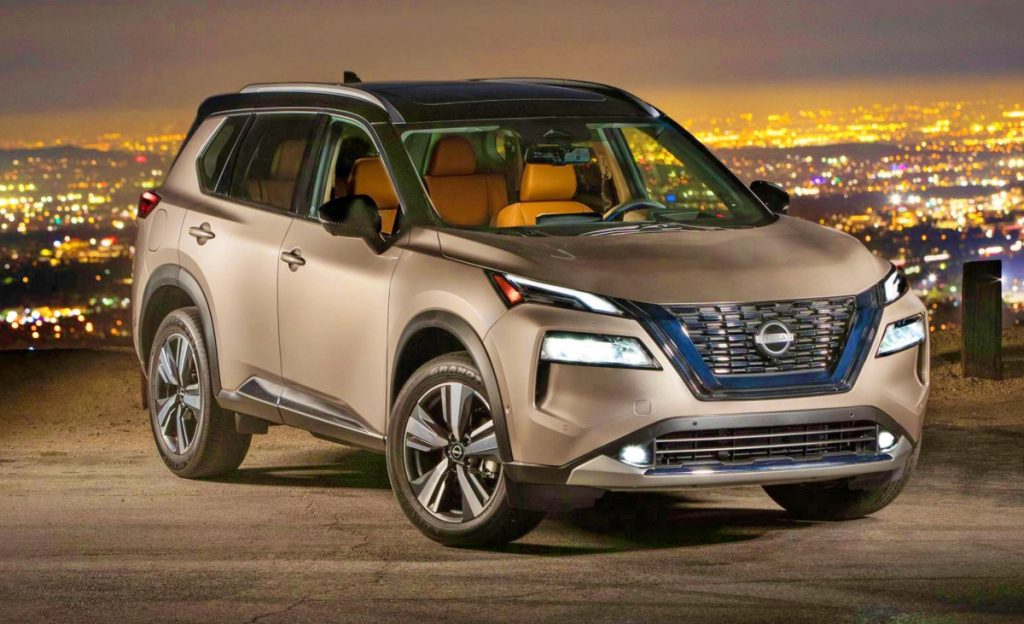
Visibility issues in certain trims also affect storm performance. The Rogue’s rear and side pillars can create blind spots, making it harder to detect obstacles quickly in low-visibility weather.
Overall, the Rogue’s limitations in traction, stability, and braking make it less suited for storm-prone regions. Drivers should exercise caution in heavy rain or snow and consider vehicles with stronger all-wheel-drive systems and better storm-handling characteristics.
Its urban-friendly design comes at the cost of confidence during severe weather, explaining why it ranks among SUVs that do not handle storms well.
4. Hyundai Tucson
The Hyundai Tucson faces challenges in stormy conditions due to its moderate traction systems and handling characteristics. While some trims feature all-wheel-drive, the system is less sophisticated than those in SUVs designed for adverse weather.
Front-wheel-drive variants, which are more common, can struggle on slippery roads, particularly during heavy rain or snow.
Stability is affected by the Tucson’s higher seating position and relatively narrow track. In strong crosswinds or during sudden maneuvers, the SUV can feel top-heavy, increasing driver concern and reducing confidence in storm conditions.
Braking is adequate on dry roads, but wet surfaces amplify stopping distances. Traction and stability controls help mitigate some risk, but the Tucson’s lightweight chassis and moderate suspension tuning do not provide the same level of planted handling as competitors. Tires on standard trims may also offer limited grip on slick surfaces.
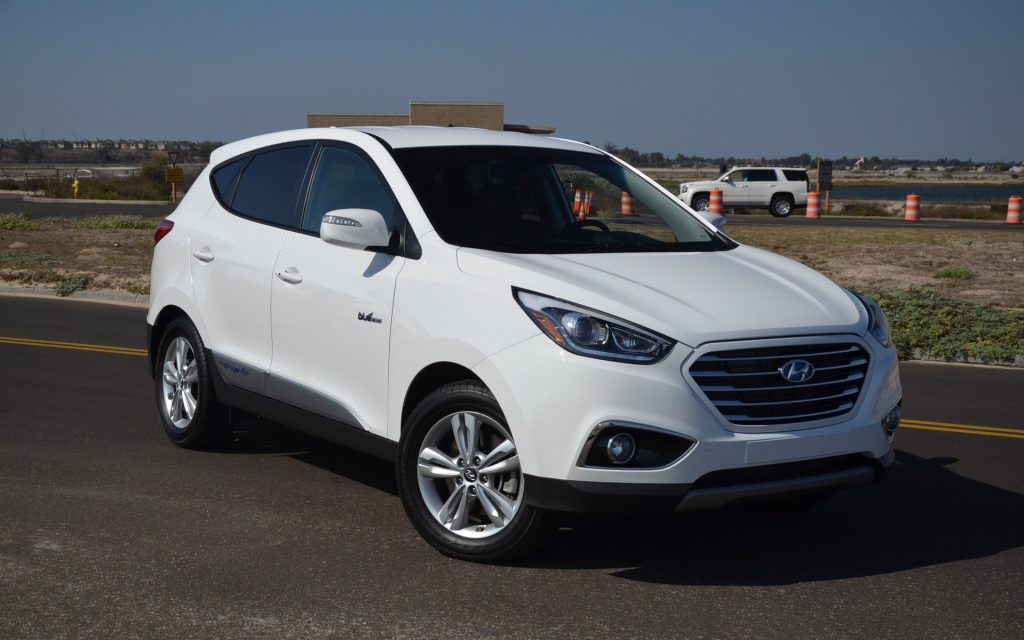
Visibility is generally good but not exceptional. Thicker pillars and smaller rear windows in certain trims reduce the driver’s ability to react quickly to hazards in low-visibility conditions.
Overall, while the Tucson is a reliable and comfortable SUV for everyday driving, its moderate traction, stability, and braking systems make it less capable in stormy weather.
Buyers in regions with frequent storms should consider these limitations, as the vehicle’s performance in adverse conditions may not inspire the same confidence as storm-ready SUVs.
5. Volkswagen Tiguan
The Volkswagen Tiguan, while stylish and comfortable, is less effective in stormy conditions due to its drivetrain limitations and handling characteristics. Many trims come with front-wheel drive as standard, which reduces traction on wet or icy roads.
Although all-wheel-drive is available, it is not as advanced as systems in more storm-capable SUVs, limiting its effectiveness in heavy rain, snow, or slippery terrain.
Stability is another area of concern. The Tiguan’s compact size and higher center of gravity make it prone to body roll during sudden maneuvers or strong crosswinds.
Drivers may notice a less planted feel compared to SUVs with broader tracks and more robust chassis design, particularly when navigating wet roads or gusty conditions.
Braking performance, while adequate under normal conditions, can be compromised on slick surfaces. Anti-lock brakes and electronic stability systems help, but stopping distances are often longer than in more capable storm-ready vehicles.
Tires on standard trims are optimized for comfort and efficiency rather than maximum wet traction, which further reduces confidence in adverse weather.
Visibility also affects safety during storms. While the Tiguan offers a modern cabin with driver-assistance technologies in newer models, pillar placement and smaller rear windows can create blind spots, making it harder to quickly spot obstacles or other vehicles in low-visibility conditions.
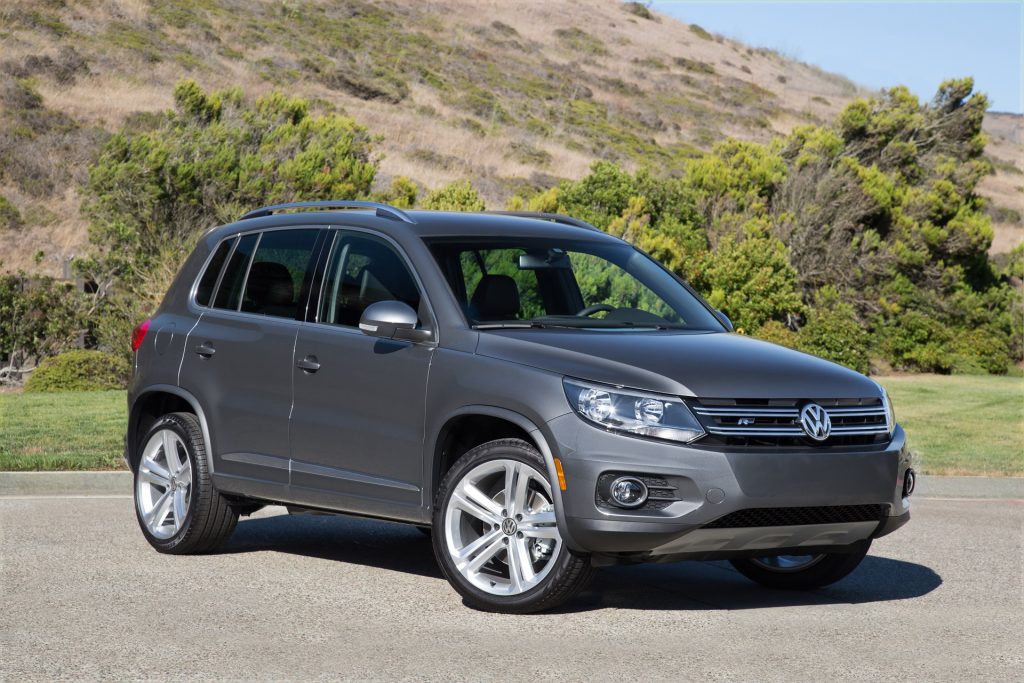
Overall, the Tiguan’s combination of less capable traction systems, higher center of gravity, and modest braking performance makes it less suitable for drivers facing frequent storms.
Buyers should exercise caution and consider vehicles with stronger all-wheel-drive, stability, and braking systems if storm handling is a priority.
While comfortable and efficient, the Tiguan ranks among SUVs that do not perform as well in severe weather, highlighting the importance of understanding each vehicle’s limitations before purchase.
Also Read: 5 Cars That Families Pass Down Generations vs 5 That Give Up Early
