
Cars become collectors’ items for many reasons: rarity, design, performance, and historical significance. Some models were ordinary at launch but have grown immensely valuable due to demand, limited production, or cultural impact.
For enthusiasts and investors alike, these vehicles offer more than just driving pleasure they represent automotive milestones.
Certain cars have captured attention because of their engineering feats. Unique engines, lightweight chassis, and groundbreaking technology can turn a production model into a highly sought-after collectible. Even small variations in trim, color, or options can dramatically influence value over time.
Cultural and historical context also plays a role. Vehicles tied to famous personalities, movies, or notable events often attract collector interest.
Popularity in motorsports or groundbreaking racing achievements can further increase a car’s desirability among enthusiasts. These factors create a combination of scarcity and prestige that fuels skyrocketing value.
Maintenance, originality, and condition are critical for collectible cars. Preserving original parts, paint, and interiors significantly affects market demand. Cars that remain mechanically sound while maintaining authenticity are often the most prized.
This article highlights fifteen cars that have experienced remarkable rises in collector value. Each entry will detail why the car became highly sought after, notable design or performance elements, and examples of market trends that contributed to its fame.
From classic American muscle cars to European sports icons, these models illustrate how factors such as rarity, performance, and cultural significance intertwine to create enduring desirability.
Whether you are a seasoned collector or simply curious about automotive history, understanding why these cars soared in value provides insight into the market and showcases the evolution of modern collecting trends.
By examining each car individually, we can appreciate the combination of craftsmanship, rarity, and story that makes collectors chase these vehicles relentlessly.
Also Read: 12 Hybrids That Don’t Struggle With Longevity
1. 1969 Chevrolet Camaro ZL1
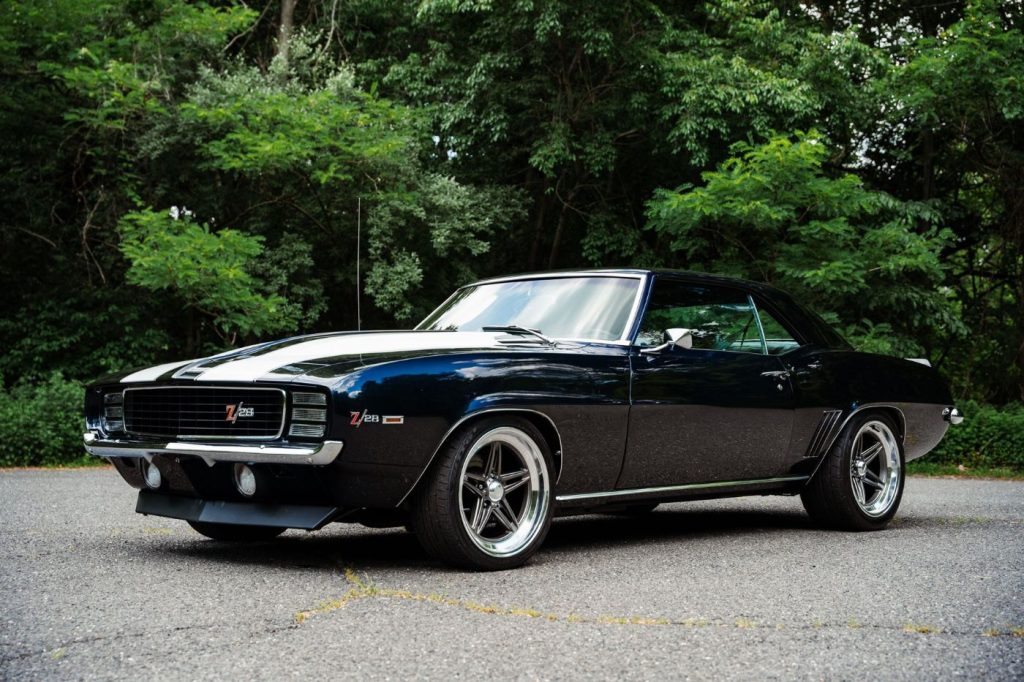
The 1969 Chevrolet Camaro ZL1 is one of the rarest muscle cars ever produced. Its small-block V8 engine was replaced with an all-aluminum 427-cubic-inch V8, designed primarily for drag racing. Only 69 units were built, making it extremely scarce and highly desirable among collectors.
Performance was its standout feature. The ZL1 could produce over 430 horsepower while keeping weight lower than many competitors. This allowed for exceptional straight-line speed and racing potential. Its handling, while basic by modern standards, was tuned for performance, making it a formidable track car for its era.
Design elements also contribute to its collector appeal. The Camaro’s aggressive front end, bold lines, and functional hood cowl add visual distinction. Original ZL1 badges and trim are now extremely rare, making restored or untouched examples especially valuable.
Market trends reflect the ZL1’s scarcity. At auctions, prices can reach seven figures, particularly for models with matching numbers and documented history. Cars that retain original components and minimal restoration commands the highest interest from enthusiasts.
Ownership of a ZL1 is not just about performance; it is about historical significance. The car represents a pinnacle of Chevrolet’s muscle car era and a commitment to high-performance engineering. For collectors, its rarity combined with racing pedigree ensures that the ZL1 remains a top target for investment and admiration.
2. 1990 Acura NSX
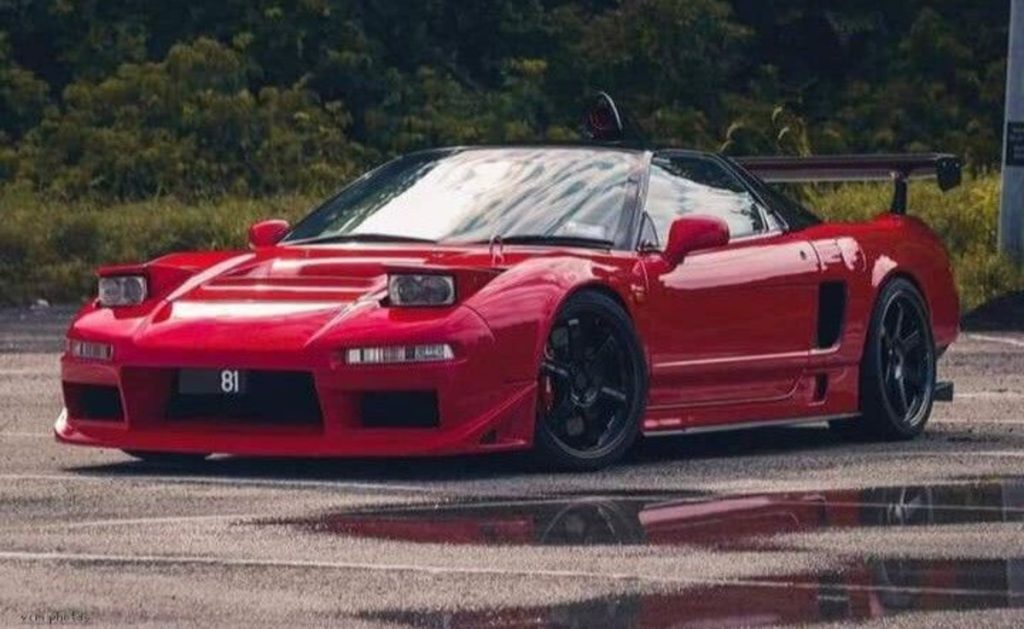
The 1990 Acura NSX was a game-changer in the sports car segment. Developed with input from Formula 1 legend Ayrton Senna, the NSX combined everyday usability with exotic performance. It was Honda’s answer to high-end European sports cars, and its precision engineering quickly garnered attention.
The NSX featured a mid-mounted 3.0-liter V6 with VTEC technology, producing 270 horsepower.
This engine was known for high-revving smoothness and reliability, a combination rare in supercars of that era. The lightweight aluminum body and rigid chassis contributed to excellent handling and driving dynamics.
Design was both aerodynamic and practical. The pop-up headlights, sleek lines, and functional interior made it a car that was exciting to drive and visually timeless. Many early models have survived in excellent condition due to the car’s reliability, enhancing their collector value.
The NSX became an instant icon among car enthusiasts. Its performance rivaled Ferrari and Porsche models, yet it offered superior dependability. Early examples, particularly first-year models and those with manual transmissions, now fetch significantly higher prices at auctions.
Collectors prize the NSX not only for performance but for its cultural impact. As one of the first Japanese supercars to challenge European dominance, it marked a turning point in automotive history. Its combination of rarity, engineering excellence, and iconic design ensures it remains highly sought after by collectors today.
3. 1970 Dodge Challenger R/T HEMI
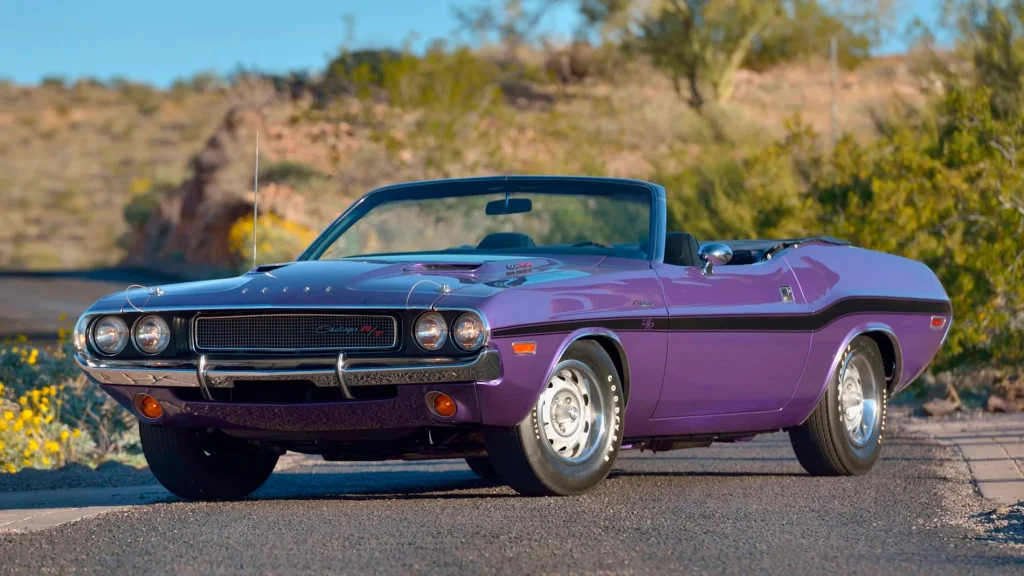
The 1970 Dodge Challenger R/T HEMI is a standout classic American muscle car. Its 426-cubic-inch HEMI V8 engine made it a powerhouse on the street and the strip. Limited production numbers and iconic performance credentials make it highly desirable among collectors.
Performance is a key factor in its fame. The HEMI V8 delivered 425 horsepower and exceptional torque, enabling rapid acceleration and top speeds that few cars of the era could match. Paired with heavy-duty suspension and drivetrain components, the car could handle its power reliably.
Design distinguishes the Challenger R/T from competitors. Its wide stance, bold grille, and racing-inspired stripes gave it an aggressive and timeless look. Interior features such as bucket seats, Rallye gauges, and woodgrain accents contributed to its premium appeal.
Rarity and provenance play a significant role in collector value. Early models with original engines and documented histories command the highest prices. Over the decades, well-maintained examples have increased dramatically in value, particularly those with factory HEMI engines.
Cultural significance enhances its appeal. The Challenger R/T represents the peak of the muscle car era, a period when American automakers competed fiercely for performance supremacy. Its combination of power, style, and scarcity ensures that it remains a must-have for muscle car enthusiasts.
4. 1987 Porsche 911 Carrera 3.2
The 1987 Porsche 911 Carrera 3.2 is one of the most revered classic European sports cars. Its air-cooled 3.2-liter flat-six engine offered a balance of performance, reliability, and driving enjoyment. The 911 Carrera 3.2 was the final evolution of its generation, making it highly collectible.
Performance is central to its fame. Producing approximately 231 horsepower, the car offered impressive acceleration and precision handling. Its rear-engine layout and lightweight construction provided a driving experience that remains thrilling even decades later.
Design is iconic. The classic 911 silhouette, distinctive round headlights, and rear spoiler make it instantly recognizable. Interiors were functional yet driver-focused, emphasizing control and ergonomics for spirited driving.
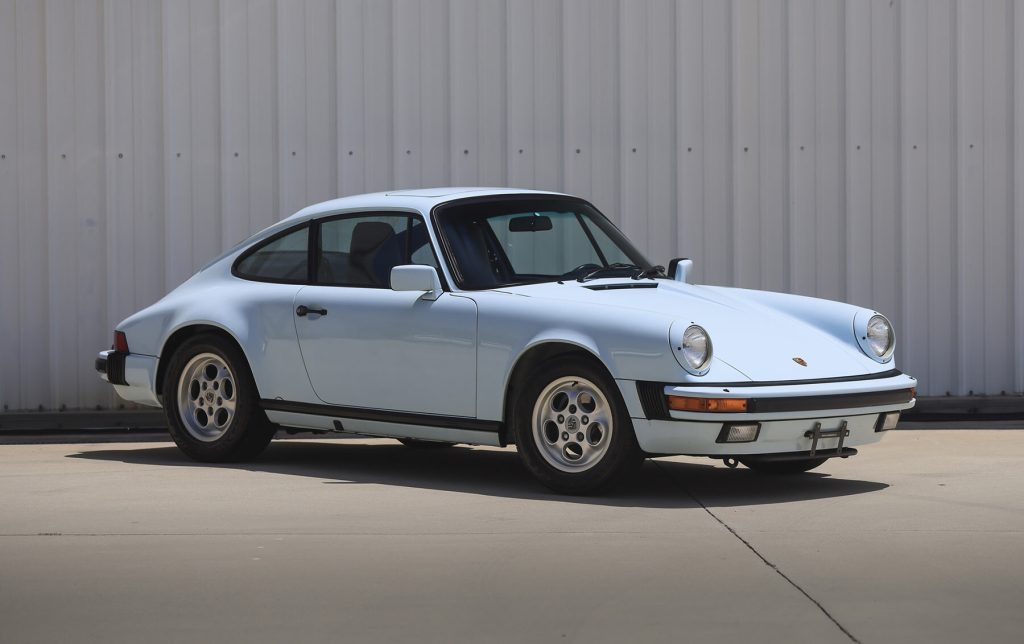
Rarity adds to its value. Well-preserved examples with matching numbers and original components are scarce. Models with limited edition features or special colors have appreciated even more in the collector market.
The Carrera 3.2 represents a key chapter in Porsche history. It combines engineering excellence, aesthetic appeal, and driving engagement, which has led to soaring interest among enthusiasts. Its enduring legacy ensures that it remains a highly sought-after collector car.
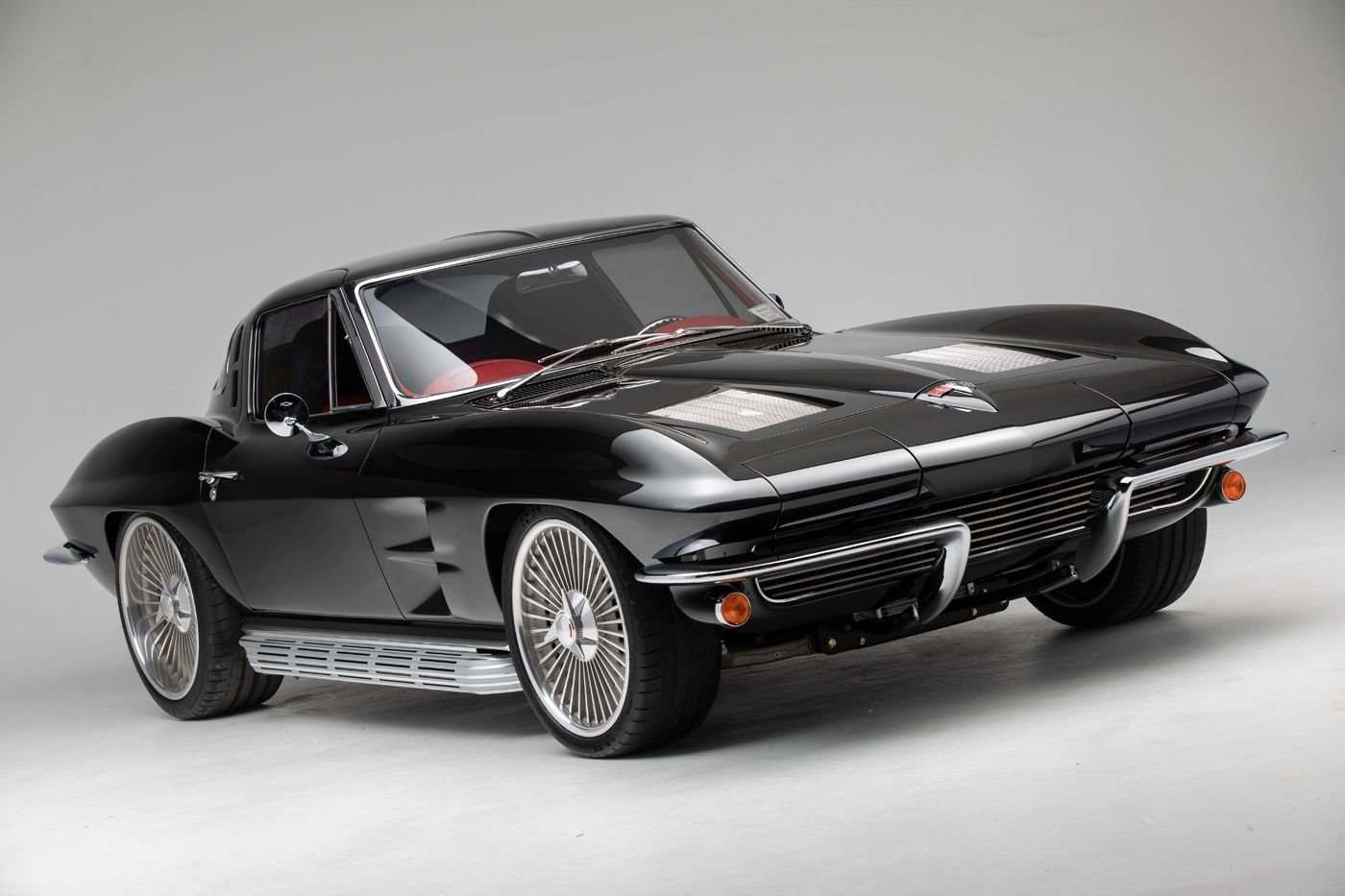
5. 1963 Chevrolet Corvette Sting Ray
The 1963 Chevrolet Corvette Sting Ray marked a turning point for American sports cars. Its split-window coupe design and advanced engineering made it an instant classic. The Corvette combined style, performance, and innovation, creating strong appeal among collectors today.
Under the hood, the Corvette offered several engine options, including a 327-cubic-inch V8 capable of producing up to 360 horsepower.
Lightweight construction and improved aerodynamics allowed it to handle corners more effectively than previous generations. This combination of power and agility contributed to its racing and performance reputation.
Design is a major factor in its collector status. The split rear window is particularly iconic, appearing only in 1963 models. Its long hood, short deck, and sleek curves make it instantly recognizable. Interiors offered a driver-focused cockpit with innovative features for the era, enhancing both comfort and usability.
Rarity enhances the Sting Ray’s value. First-year examples in original condition are scarce, and models with performance packages or special trims are especially coveted. Cars with documented history, matching numbers, and minimal restoration can reach extremely high prices at auctions.
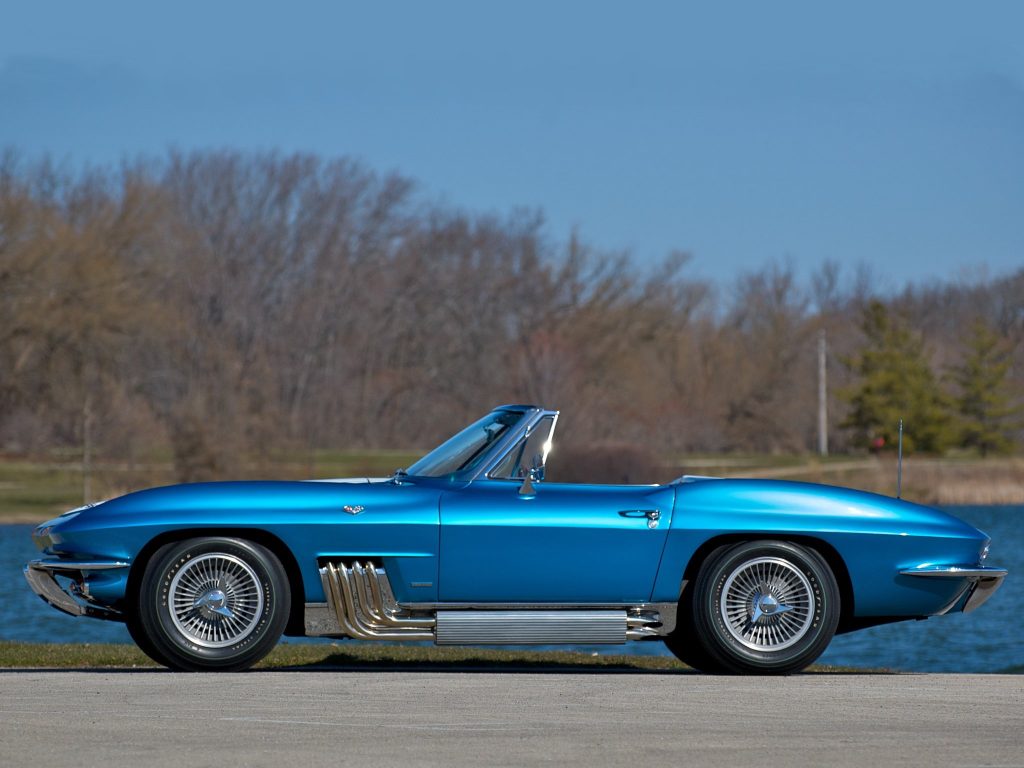
Cultural significance also contributes to its fame. The Corvette Sting Ray symbolized the golden era of American sports cars, blending performance with style.
Its presence in movies, automotive media, and car shows has reinforced its reputation as a must-own collector car. Enthusiasts prize it for its combination of historical importance, distinctive design, and impressive engineering.
Overall, the 1963 Corvette Sting Ray stands as a defining model in Corvette history. Its limited production, unique styling, and performance capabilities ensure it remains highly desirable among collectors and enthusiasts decades after its introduction.
6. 1995 Ferrari F50
The 1995 Ferrari F50 represents Ferrari’s commitment to producing road cars with Formula 1 technology. Limited to just 349 units worldwide, it remains one of the rarest modern supercars, making it highly sought after among collectors.
Performance is the F50’s most notable feature. Powered by a 4.7-liter V12 derived from Ferrari’s F1 engines, it produced 513 horsepower. Lightweight carbon fiber and aluminum construction enhanced acceleration and handling, delivering a raw driving experience that few road cars could match.
Design is both functional and striking. Aerodynamic lines, a prominent rear wing, and large air intakes reflect the car’s racing heritage. The interior is minimalistic, focused on driving dynamics, with lightweight materials and ergonomic controls emphasizing performance over luxury.
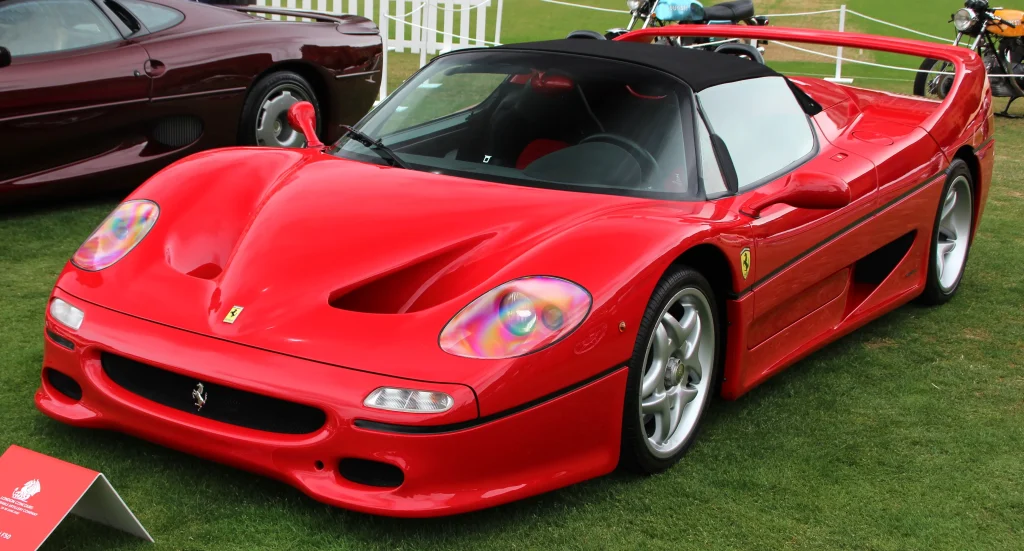
Rarity drives its collector value. Limited production, coupled with many units still in private collections, makes acquiring an F50 extremely difficult. Early buyers and enthusiasts who maintain original condition find that these cars appreciate significantly over time.
Cultural relevance contributes to its status. The F50 embodies the 1990s era of high-performance Italian supercars and Ferrari’s F1 pedigree. Its engineering, design, and exclusivity make it a milestone in Ferrari history and a coveted item for collectors worldwide.
7. 1971 Plymouth Hemi ‘Cuda
The 1971 Plymouth Hemi ‘Cuda is an icon of American muscle. Built for speed and dominance on the drag strip, it combined raw power with aggressive styling. Its rarity and performance credentials have made it a coveted collector car.
Under the hood, the Hemi ‘Cuda featured the legendary 426-cubic-inch HEMI V8, producing 425 horsepower. Its engine was paired with heavy-duty components to manage the immense power. Acceleration was blistering, and the car could achieve quarter-mile times that rivaled contemporary racers.
Design sets the ‘Cuda apart. The long hood, short rear deck, and functional hood scoop give it an unmistakable look. Bold stripes, distinctive tail lights, and performance badges add to its appeal. Interiors were simple but driver-focused, emphasizing control during spirited driving.
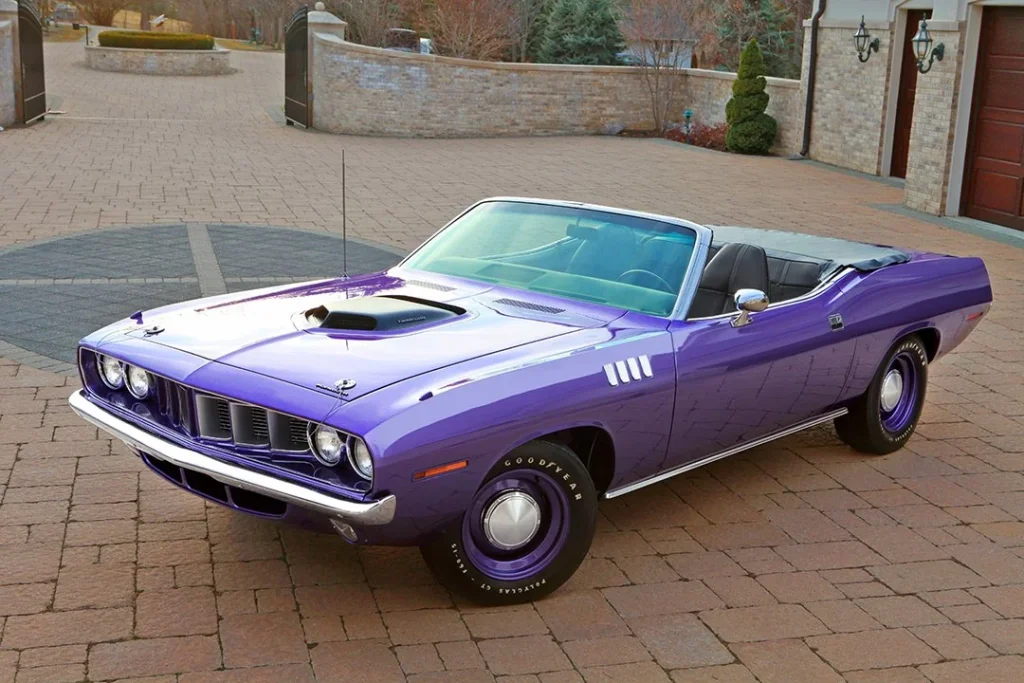
Limited production contributes to its collector value. Only a few hundred Hemi-equipped ‘Cudas were built, and fewer survive today in original condition. Cars with documented history, original engines, and matching numbers command top prices at auctions.
Cultural significance adds to its desirability. The ‘Cuda embodies the peak of the muscle car era, representing the intense competition between American manufacturers for performance supremacy. Its combination of style, power, and scarcity ensures that it continues to attract collectors and enthusiasts.
Market trends confirm its status. Auction results frequently exceed seven figures for well-preserved examples. Cars that maintain originality and minimal restoration are particularly prized. The Hemi ‘Cuda is not just a car; it is a symbol of muscle car culture and a high-value collector asset.
8. 2005 Ford GT
The 2005 Ford GT revived the legacy of the legendary GT40 race car. Combining advanced engineering, performance, and striking design, it quickly became a modern collectible. Its limited production and racing heritage have fueled its desirability.
The GT features a supercharged 5.4-liter V8 producing 550 horsepower. Mid-engine layout and lightweight aluminum construction give it exceptional handling and acceleration. Its performance rivals many European supercars of the era, making it a standout on both track and road.
Design is both aggressive and functional. Aerodynamic bodywork, large air intakes, and a distinctive rear end echo the original GT40 while incorporating modern styling cues. The interior focuses on the driver, with minimal distractions and high-performance seating.
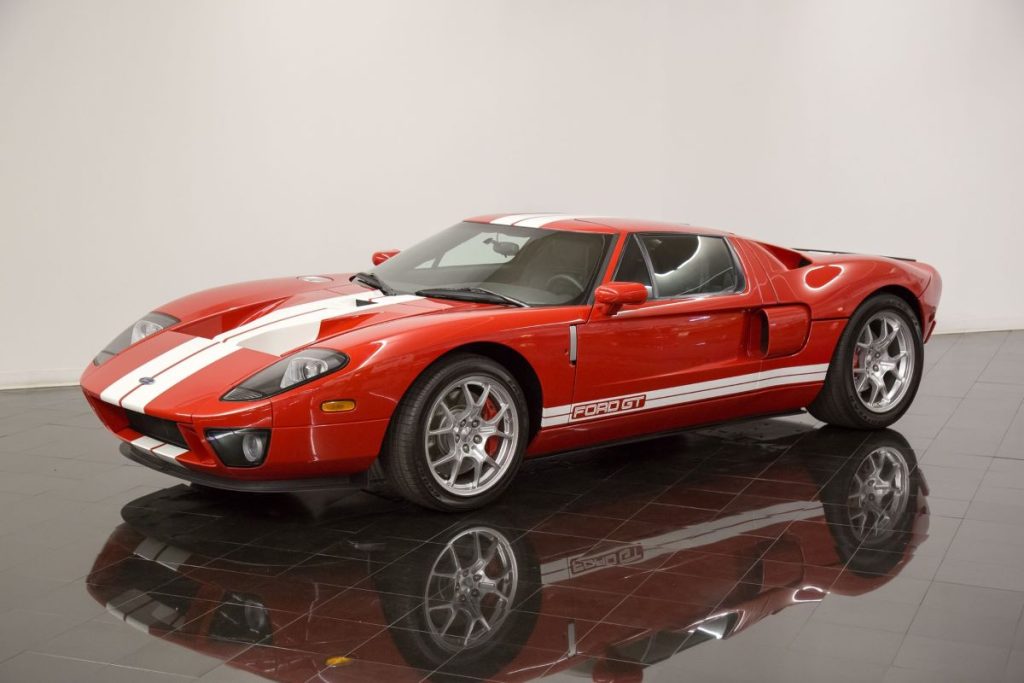
Scarcity drives collector interest. Only 4,038 units of the 2005-2006 GT were built. Well-maintained, low-mileage examples are especially valuable, and cars with original specifications command premium prices at auctions.
Cultural relevance also enhances its appeal. The GT celebrated Ford’s racing heritage and reintroduced the GT40’s iconic performance philosophy to a new generation. Enthusiasts prize it for blending historical significance with modern engineering, creating a highly collectible and investment-worthy car.
9. 1967 Shelby GT500
The 1967 Shelby GT500 is an American muscle car legend. Its combination of power, styling, and racing pedigree makes it a favorite among collectors. Developed by Carroll Shelby, it was designed to outperform standard Mustangs while offering a unique and aggressive appearance.
Under the hood, the GT500 featured a 428-cubic-inch V8 engine, producing 355 horsepower. The powertrain was paired with upgraded suspension, brakes, and drivetrain components to handle the extra output. This made it one of the fastest and most capable muscle cars of its time.
Design elements distinguish the GT500. Its wide body, functional air scoops, and dual stripes create a bold, instantly recognizable look. Inside, features like racing-inspired gauges, bucket seats, and Shelby-specific trim contribute to its performance-focused charm.
Rarity adds to its collector appeal. Limited production numbers, especially with matching engines and documented histories, make original GT500s highly valuable. Well-preserved or correctly restored models command premium prices at auctions and private sales.
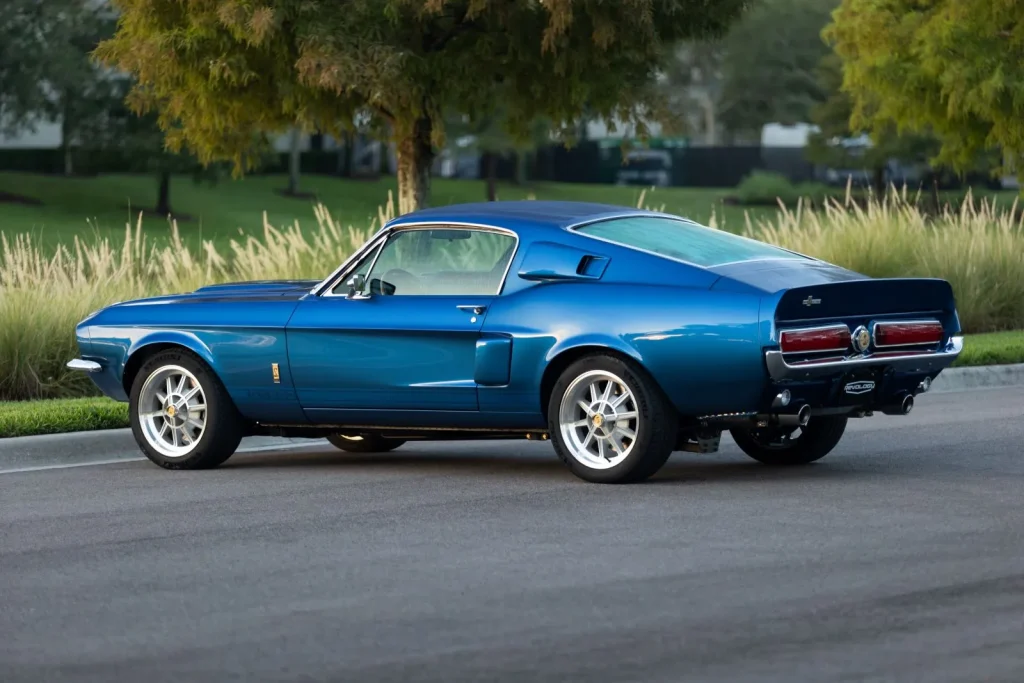
Cultural significance enhances its desirability. The GT500 symbolizes the golden era of American muscle cars and represents Carroll Shelby’s vision for performance engineering. Its presence in films, media, and automotive history further solidifies its reputation as a highly collectible car.
Market trends demonstrate rising value. Early production models and rare options like manual transmissions or special colors increase interest. The combination of scarcity, performance, and iconic design ensures that the 1967 Shelby GT500 remains a prized asset for collectors worldwide.
Collectors prize the GT500 not only for performance but for its historical significance. Its racing-inspired engineering, bold aesthetics, and limited numbers create a car that continues to captivate enthusiasts decades after its introduction. Owning a GT500 is seen as possessing a piece of American muscle car history.
10. 1981 DeLorean DMC-12
The 1981 DeLorean DMC-12 became instantly iconic thanks to its stainless-steel body and gullwing doors. While initially controversial, it quickly gained fame due to its unique design and pop culture presence. Today, it is highly sought after by collectors.
Performance was modest for a sports car. Powered by a 2.85-liter V6 engine producing 130 horsepower, the DMC-12 was not designed for speed but for style and innovation. Its rear-mounted engine and independent suspension offered decent handling but emphasized uniqueness over raw performance.
Design is central to its collector appeal. Stainless steel panels, gullwing doors, and angular lines create an unmistakable profile. The interior, though simple, complements the futuristic exterior. Original features, such as brushed metal trim and DMC badging, are critical for collector value.
Rarity drives interest. Only about 9,000 units were produced, and surviving examples in good condition are limited. Cars with original parts, minimal modifications, and documented histories command the highest prices.
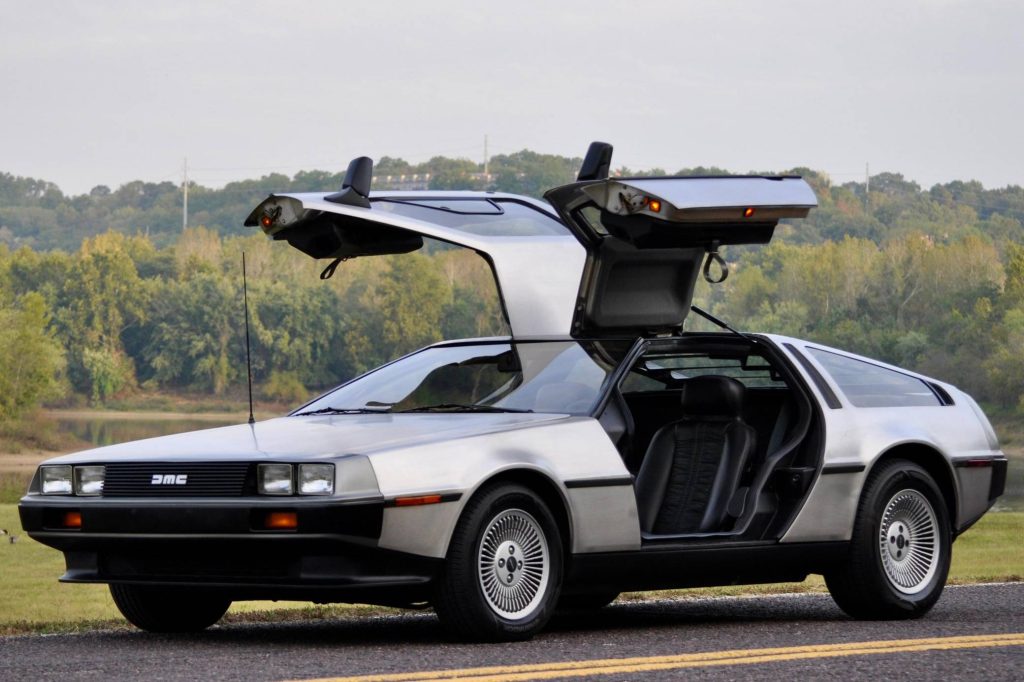
Cultural relevance has significantly influenced its value. Appearances in movies, especially the Back to the Future series, cemented its status as a cultural icon. Enthusiasts and collectors value it as both an automotive milestone and a pop culture symbol.
Market trends show steady appreciation. Early models, limited editions, or cars with low mileage can fetch high prices. The combination of innovative design, rarity, and media influence makes the DeLorean DMC-12 a unique and highly collectible car.
11. 1973 BMW 3.0 CSL
The 1973 BMW 3.0 CSL is a rare and highly desirable European sports coupe. Originally built as a homologation model for touring car racing, it combined lightweight construction, powerful engines, and aerodynamic enhancements. Its racing pedigree has made it a standout among collectors.
Performance is a key factor in its fame. The 3.0-liter inline-six engine produced between 200 and 206 horsepower, depending on configuration.
Lightweight aluminum components and aerodynamic modifications, including a distinctive rear spoiler, improved handling and high-speed stability. This made the CSL both competitive on the track and thrilling to drive on the road.
Design sets it apart from other BMWs of the era. Wide fender flares, a unique front air dam, and rear spoilers distinguish it visually. Interiors were stripped-down for racing, emphasizing lightweight materials, sport seats, and functional controls. These features added to both performance and collectible value.
Rarity significantly increases its appeal. Only a few hundred CSLs were built for the early 1970s racing season.
Well-preserved or original examples with documented racing history command exceptionally high prices today. Collectors seek models that maintain authenticity, including original paint, engine, and chassis numbers.
Cultural and historical significance contributes to its status. The 3.0 CSL represents BMW’s entry into serious touring car racing and highlights the company’s engineering innovations of the period. Its combination of performance, scarcity, and design elegance ensures that it remains highly coveted among enthusiasts.
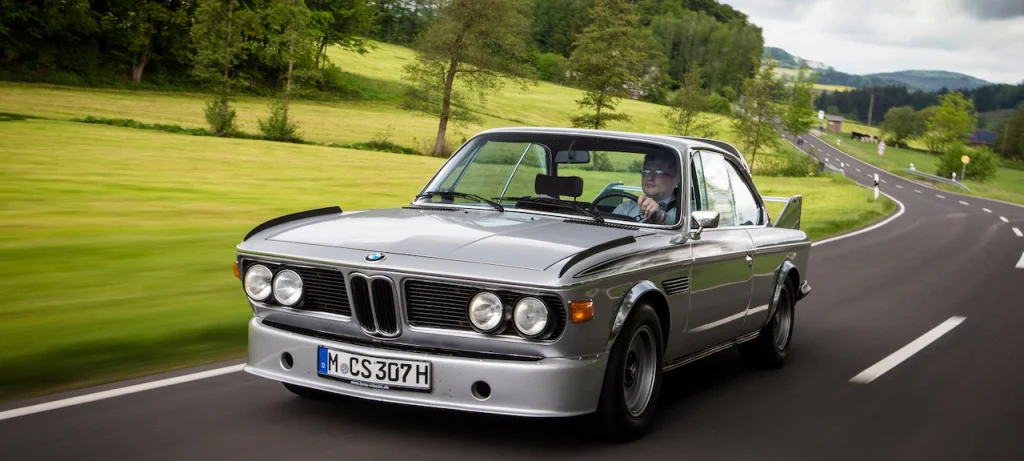
Market trends show continuous appreciation. Auction results for the 3.0 CSL often exceed several million dollars for pristine models. Cars with racing provenance or unique specifications are particularly sought after, reflecting the enduring impact of the model on automotive history.
Overall, the 1973 BMW 3.0 CSL blends performance, rarity, and historical significance. Its racing heritage, distinctive design, and limited production ensure that it remains one of the most sought-after collector cars from Europe.
12. 1997 Toyota Supra RZ
The 1997 Toyota Supra RZ is widely recognized as one of the most iconic Japanese sports cars. Its combination of powerful engine technology, tuning potential, and sleek design has made it highly sought after by collectors worldwide.
Under the hood, the Supra RZ featured the 2JZ-GTE 3.0-liter inline-six twin-turbo engine, producing 276 horsepower in factory specification. Its robust construction, combined with a strong transmission, allowed for extensive tuning potential, which has contributed to its enduring popularity in the performance community.
Performance on the road and track is exceptional. The Supra RZ could accelerate quickly, handled curves with precision, and remained stable at high speeds. Its combination of power, balance, and reliability made it one of the most admired Japanese sports cars of the 1990s.
Design was sleek and aerodynamic. Its smooth lines, pop-up headlights, and distinctive rear wing provided both visual appeal and functional downforce. Interiors were driver-focused, offering supportive seats and simple yet effective instrumentation.
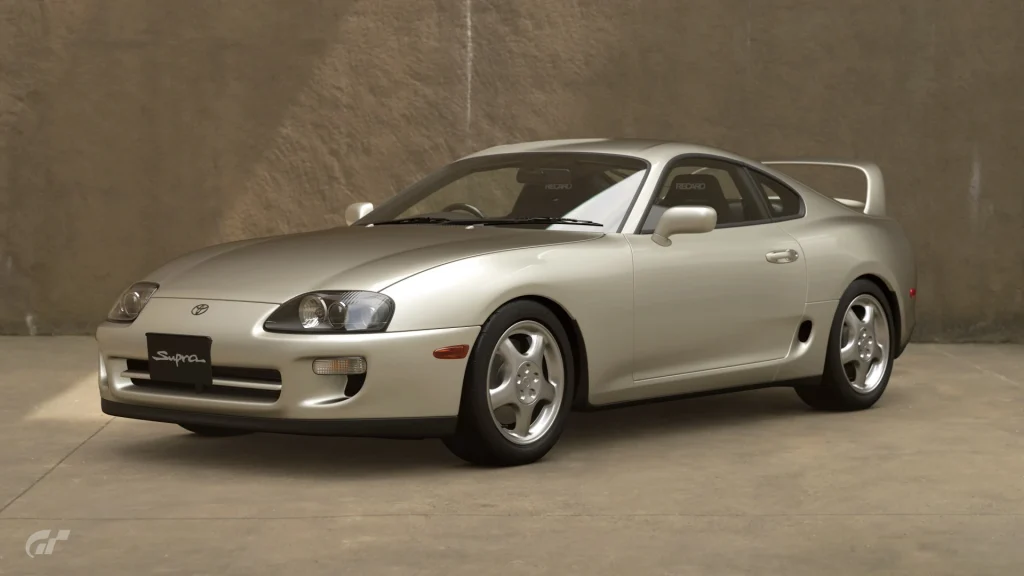
Rarity enhances its collector status. While the Supra was produced in larger numbers than many European supercars, the RZ trim with manual transmission and specific options is scarce. Low-mileage, original-condition models are especially valuable, and these examples often fetch high prices in the market.
Cultural significance boosts its value. The Supra became a global icon through car culture, motorsports, and media appearances. Its combination of performance, tuning potential, and timeless design has cemented its place as a top collector car from Japan.
13. 1965 Ford Mustang GT350
The 1965 Ford Mustang GT350 is a landmark in American performance cars. Developed by Carroll Shelby, it transformed the standard Mustang into a racing-ready machine. Its combination of rarity, performance, and iconic styling has made it a top collector vehicle.
Under the hood, the GT350 featured a 289-cubic-inch V8 engine producing 306 horsepower. Lightweight components, a reinforced chassis, and performance-tuned suspension allowed it to excel on both road and track. Its responsiveness and handling were revolutionary for a production car at the time.
Design distinguishes the GT350. The iconic Shelby stripes, functional hood scoop, and distinctive badges create a visually striking appearance. Interiors were minimal yet functional, focusing on driving experience and control. Every detail was crafted to complement the car’s performance-oriented purpose.
Rarity increases its collector appeal. Only a few thousand GT350s were produced in 1965, and original, well-preserved examples are extremely sought after. Matching numbers, original paint, and documented history can dramatically increase market value.
Cultural and historical significance also drives its desirability. The GT350 represents the beginning of the Mustang’s transformation into a performance legend. Its success in racing and its association with Carroll Shelby contribute to its legendary status among enthusiasts and collectors.
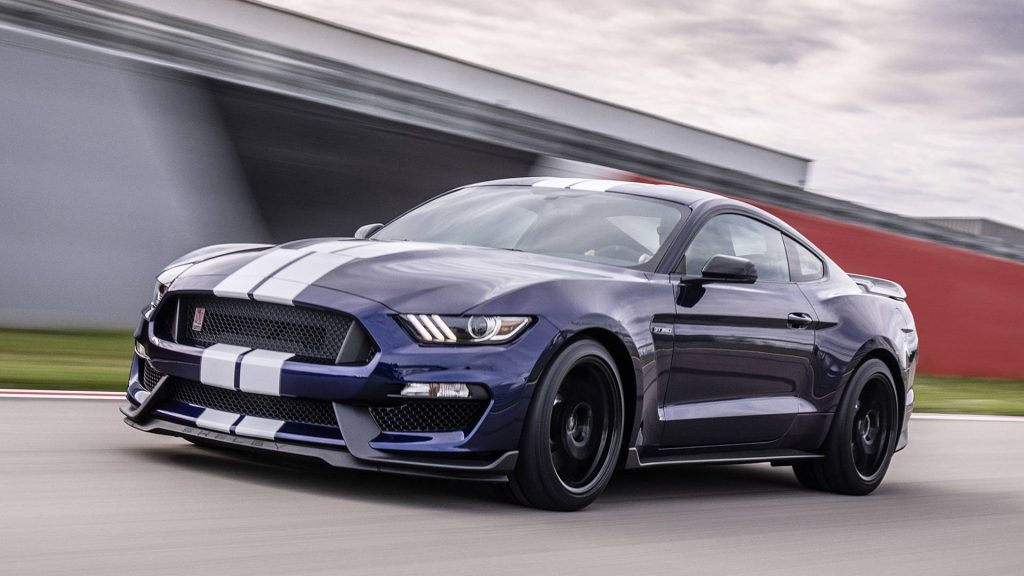
Market trends reflect strong demand. Auction results show that early GT350 models frequently achieve premium prices, especially rare color combinations or low-mileage examples. Collectors prize authenticity and originality, ensuring the 1965 GT350 remains one of the most valuable Mustangs ever produced.
The GT350’s blend of performance, heritage, and limited availability guarantees its lasting appeal. Its status as a symbol of American muscle car excellence secures its place on any serious collector’s list.
14. 1989 Lamborghini Countach 25th Anniversary
The 1989 Lamborghini Countach 25th Anniversary is a pinnacle of Italian supercar design. Built to celebrate Lamborghini’s quarter-century milestone, it featured enhanced performance, styling updates, and exclusivity, making it highly desirable among collectors.
Performance came from a 5.2-liter V12 engine producing 455 horsepower. Its rear-wheel-drive layout, lightweight construction, and advanced suspension allowed rapid acceleration and precise handling. For the era, the Countach offered a thrilling and raw driving experience.
Design is iconic. The wedge-shaped body, sharp angles, and dramatic scissor doors became the epitome of exotic car styling. Limited-edition details, such as unique paint schemes, special interior trims, and alloy wheels, enhance its collectible status.
Rarity is significant. Only a few hundred units of the 25th Anniversary edition were produced. Models with original paint, documented history, and well-maintained interiors are highly sought after in the collector market, often commanding premium prices.
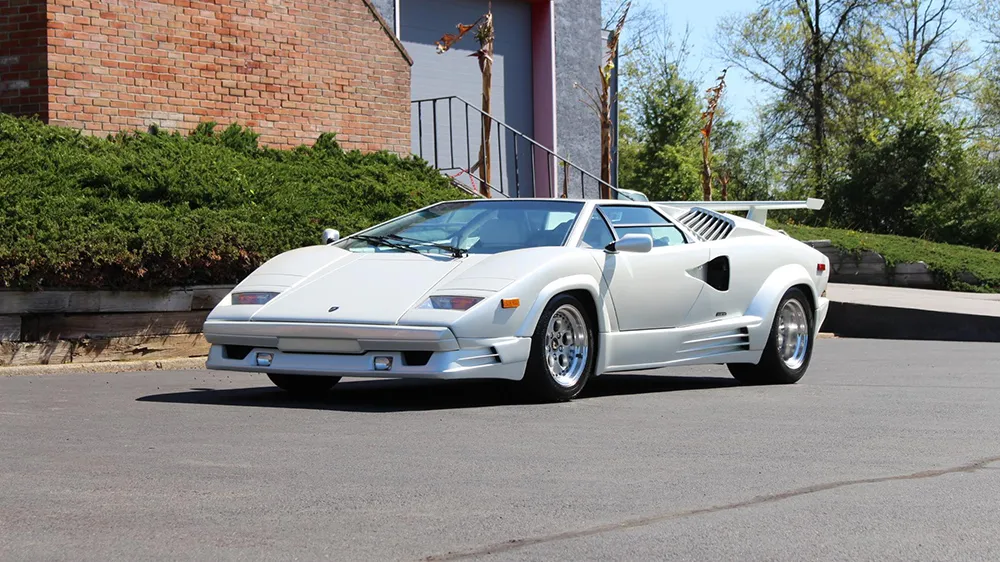
Cultural influence adds to its value. The Countach has become synonymous with 1980s automotive excess and exotic car culture. Its presence in media, magazines, and high-profile ownership has cemented its reputation as a symbol of performance and design ambition.
Market trends reflect consistent appreciation. Limited supply, combined with high demand among enthusiasts and collectors, ensures the 25th Anniversary Countach continues to achieve significant auction results. Its rarity, performance, and iconic design solidify its position as one of the most coveted Lamborghinis in history.
The 1989 Countach 25th Anniversary stands as a blend of extreme design, engineering, and limited production, securing its place among the world’s most collectible supercars.
15. 2002 Ferrari Enzo
The 2002 Ferrari Enzo is a modern supercar icon. Named after the company’s founder, it represents Ferrari’s pinnacle of technology and performance for the early 2000s. Its combination of rarity, engineering, and design makes it highly sought after by collectors worldwide.
Performance is the Enzo’s defining feature. It is powered by a 6.0-liter V12 producing 651 horsepower, paired with a sequential manual transmission.
Advanced aerodynamics, a carbon-fiber chassis, and race-inspired suspension deliver exceptional handling and acceleration, rivaling contemporary Formula 1 cars in drivability.
Design is instantly recognizable. Sharp angles, functional vents, and a low, aggressive stance emphasize both form and function. Interiors are focused on the driver, with minimalist controls, supportive seats, and lightweight materials reflecting the car’s performance-oriented nature.
Rarity significantly boosts collector value. Ferrari produced only 400 units worldwide. Early models with low mileage, original paint, and documented ownership history fetch record prices at auctions. Limited availability and strong brand reputation contribute to its skyrocketing value.
Cultural significance plays a role. The Enzo embodies Ferrari’s commitment to technological innovation and motorsport heritage.
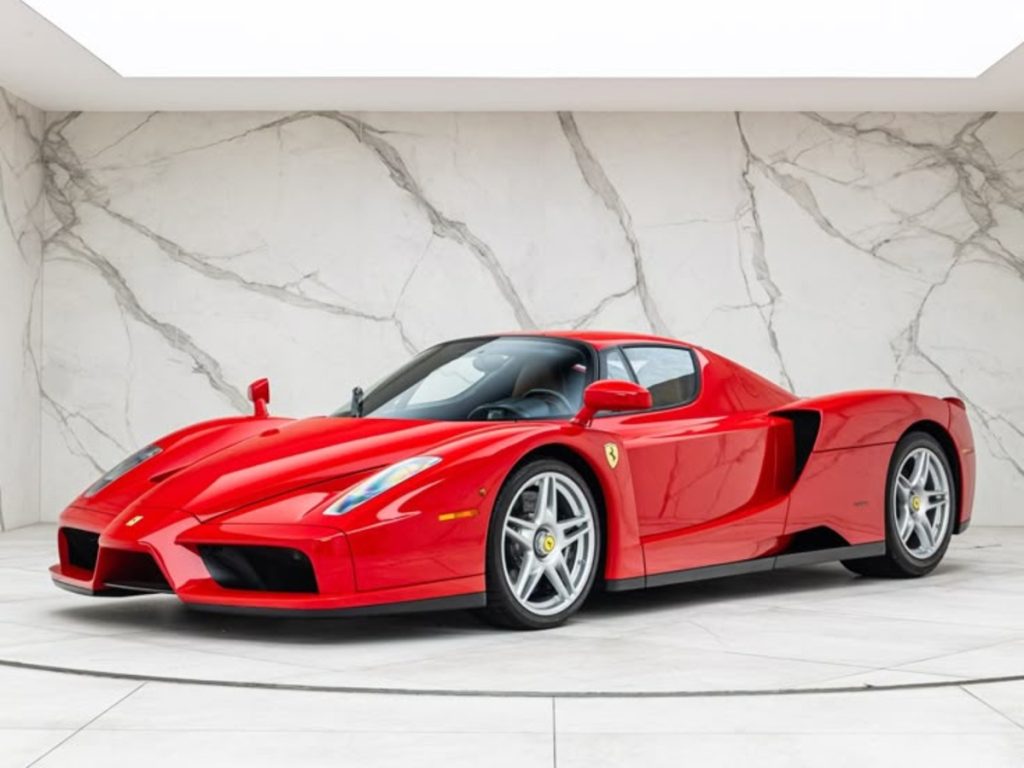
It is often featured in media, car shows, and private collections, further cementing its iconic status. Its legacy has influenced subsequent Ferrari models and continues to inspire supercar design.
Market trends confirm its value. Auctions frequently exceed several million dollars for well-preserved examples. Cars with factory options, special editions, or celebrity provenance command even higher prices.
Collectors prize originality, performance pedigree, and design, making the Enzo one of the most desirable modern Ferraris.
Overall, the 2002 Ferrari Enzo combines extreme performance, exclusivity, and historical significance. Its rarity, technological innovation, and timeless design make it a standout among 21st-century supercars and a highly prized collector car for enthusiasts globally.
These fifteen cars demonstrate how rarity, performance, design, and historical significance influence collector value.
From classic American muscle to European sports cars, each vehicle represents a milestone in automotive history. Limited production numbers, unique engineering features, and cultural impact all contribute to their desirability.
American muscle cars like the 1969 Camaro ZL1, 1971 Hemi ‘Cuda, and 1965 GT350 show how raw power and iconic styling can make a car highly collectible. These models combined high performance with bold designs that continue to capture enthusiasts’ attention decades later.
European icons such as the 1987 Porsche 911 Carrera 3.2, 1973 BMW 3.0 CSL, and 1989 Lamborghini Countach 25th Anniversary highlight engineering excellence and design sophistication. Their limited numbers, racing pedigrees, and timeless styling have created strong collector markets.
Modern supercars like the 2005 Ford GT, 1997 Toyota Supra RZ, and 2002 Ferrari Enzo illustrate how performance, technological innovation, and brand heritage drive value. Even with higher production numbers than classic vehicles, their rarity and exceptional performance make them highly sought after.
Cultural influence, media appearances, and motorsport history also play critical roles. Cars associated with famous personalities, racing success, or pop culture gain an additional layer of desirability, enhancing both market value and prestige.
Maintaining originality and condition is essential. Collectors value cars with original paint, matching engines, documented histories, and minimal modifications. Well-preserved examples consistently command higher prices and attract long-term interest.
In examining these fifteen cars, it becomes clear that collector fame is the result of multiple factors aligning: performance, rarity, design, cultural significance, and historical impact.
Whether it’s the first-year Acura NSX, the Ferrari F50, or the Toyota Supra RZ, these vehicles have not only excelled in their time but have also become enduring symbols of automotive excellence.
For enthusiasts and investors alike, understanding why these cars have skyrocketed in value provides insight into the dynamics of the collector market.
Each model demonstrates how exceptional engineering, limited availability, and cultural relevance create cars that remain desirable for generations.
