
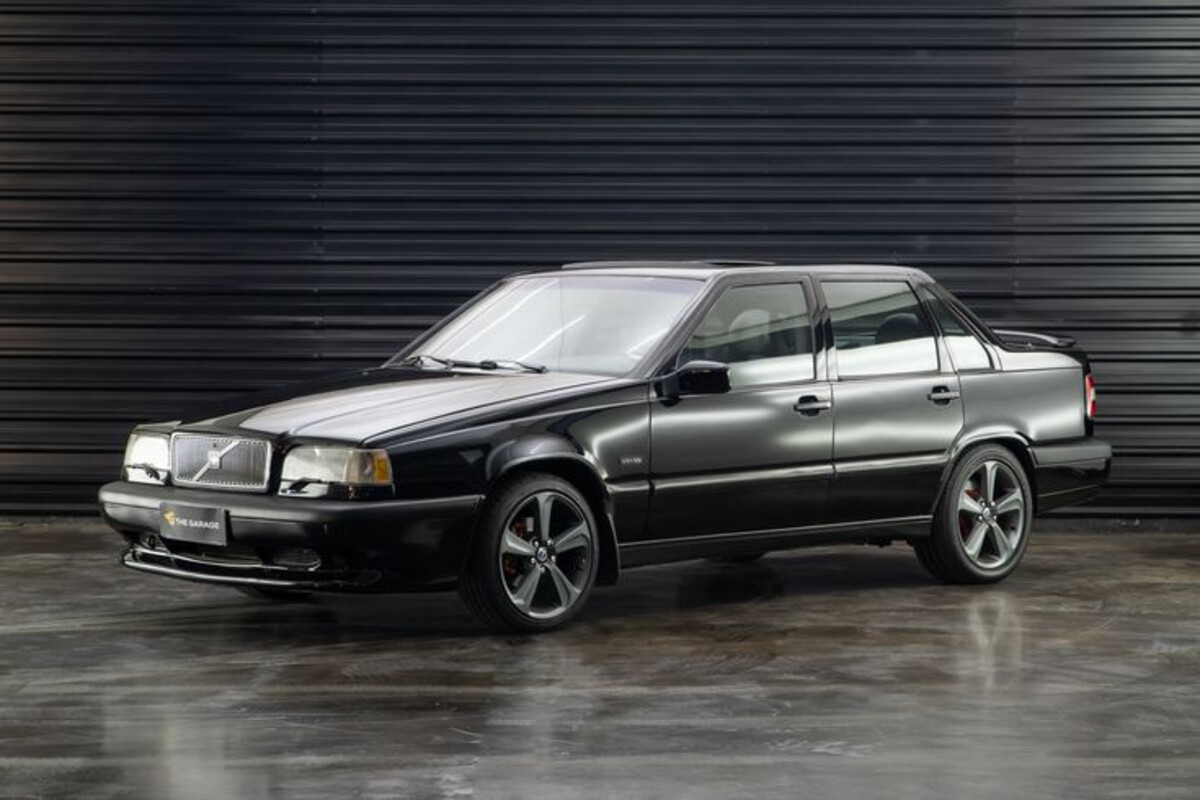
The 1990s produced some of the most dependable vehicles on the road, combining solid engineering with simplicity that modern cars often lack.
Many cars from this decade continue to run reliably, proving that careful design and durable components can outlast trends and technology. Drivers who maintain these vehicles properly often enjoy decades of consistent performance with minimal major repairs.
Unlike some contemporary cars that rely heavily on electronics, 90s vehicles were built with straightforward mechanics. Engines, transmissions, and suspensions were designed to last, making routine maintenance easy and cost-effective.
This practicality helped many models survive high mileage without significant issues. Collectors and everyday drivers alike appreciate how these cars age gracefully while retaining usability.
Japanese manufacturers dominated the reliability rankings, with brands like Toyota, Honda, and Nissan producing models that rarely fail when cared for.
American and European automakers also offered dependable choices, especially in segments focused on durability rather than style. The result is a diverse range of vehicles from compact cars to family sedans that still perform admirably.
This list highlights 14 cars from the 90s known for their long-term reliability. Each model has a proven track record, supported by owner reports and maintenance histories.
These vehicles demonstrate that thoughtful engineering and consistent upkeep can make a car last far beyond its expected lifespan. They are ideal options for buyers seeking durability, affordability, and low-stress ownership.
Also Read: 12 Subaru Sedans That Keep Running Strong
1. Toyota Camry (1992–1996)
The Toyota Camry from the early to mid-1990s remains one of the most reliable sedans ever produced. Known for its unassuming design and balanced engineering, this generation of Camry earned a reputation for longevity. Owners often report mileage exceeding 300,000 with routine maintenance.
Under the hood, the 4-cylinder and V6 engines were simple, durable, and easy to service. These engines rarely required major repairs, and parts were widely available, keeping maintenance costs low. The transmission, particularly the automatic, was engineered to handle long-term wear without frequent issues.
The Camry’s suspension provided a smooth ride while being resilient to rough roads. This combination of comfort and durability made it a popular choice for families and commuters. Its predictable handling and consistent performance added to its practical appeal.
Investors and buyers alike appreciate the Camry for more than reliability. Its resale value remained strong due to low depreciation compared with competitors. Clean examples from the 1990s are still sought after, with original interiors and paint commanding a premium in some markets.
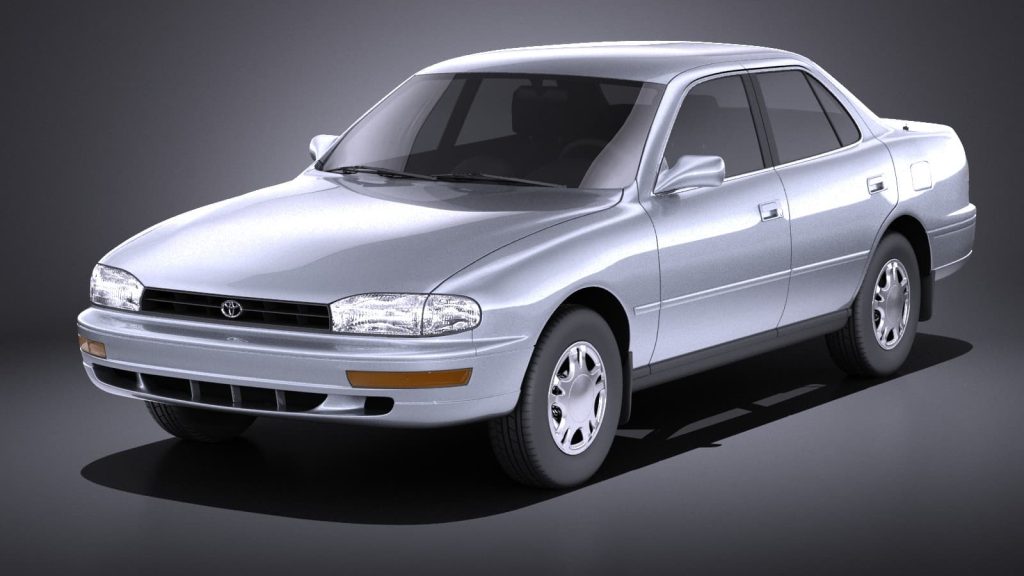
Even after decades, the Camry’s design and functionality feel modern enough for daily use. Owners value its quiet engine, spacious interior, and strong build quality.
Whether used for commuting, road trips, or as a secondary vehicle, the early 90s Camry continues to demonstrate why Toyota became synonymous with dependable cars that last.
2. Honda Accord (1990–1995)
The Honda Accord of the early 90s is widely regarded as a benchmark for reliability. Its combination of efficient engineering, robust engines, and straightforward design helped it maintain strong performance for decades. Many units still operate with minimal repairs when properly maintained.
Accord engines from this period, particularly the 4-cylinder options, are known for endurance. They can often reach high mileage without requiring major overhauls. The automatic and manual transmissions were similarly robust, providing smooth operation and longevity.
The Accord’s suspension and chassis were designed for comfort without sacrificing durability. Road handling remained predictable, and the car’s lightweight yet sturdy construction helped reduce wear over time. Interiors were built to last, with quality materials that resisted fading and tearing.
Maintenance is simple and affordable. Replacement parts are widely available, and the car’s mechanical layout makes servicing straightforward. This practicality contributed to its widespread adoption as a daily driver and family sedan.
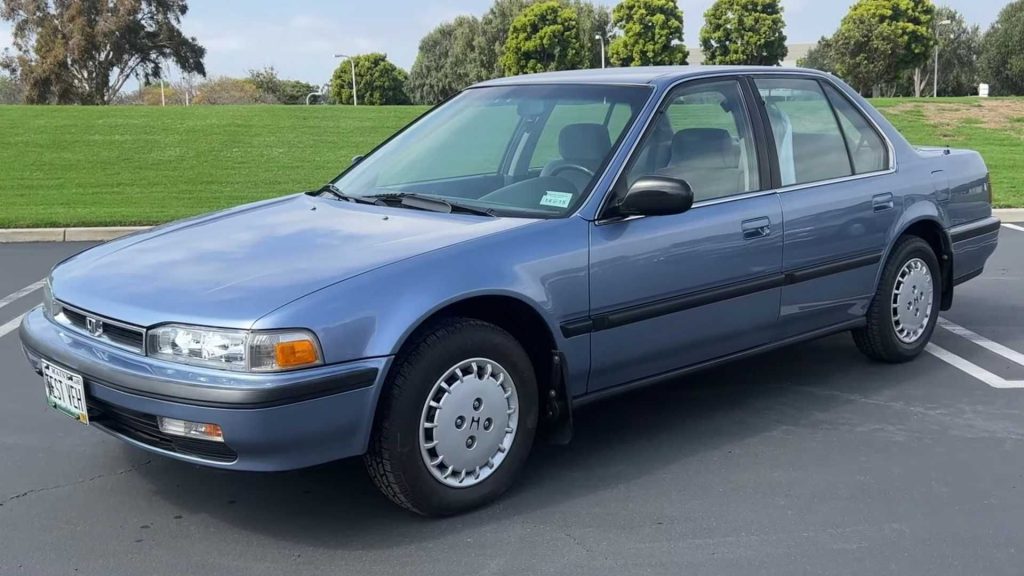
Many owners still seek early 90s Accords for their reliability and low cost of ownership. The car’s reputation for longevity has made it a popular choice in the used car market.
Clean, well-kept examples are considered dependable vehicles that deliver consistent performance without frequent repairs, making the 1990–1995 Honda Accord a standout for anyone valuing long-term reliability.
3. Nissan Maxima (1991–1995)
The Nissan Maxima from the early 90s combined sporty performance with dependable engineering. It became known as the “four-door sports car” due to its smooth handling and reliable drivetrain, making it a favorite for both enthusiasts and practical drivers.
The Maxima’s V6 engine, particularly the VG30DE, delivered strong power while maintaining durability. Regular maintenance kept these engines running for hundreds of thousands of miles. The automatic transmission, paired with this engine, proved long-lasting and resistant to common mechanical issues.
Owners appreciated the Maxima for its comfortable ride and solid construction. The suspension was designed to handle daily commuting and occasional spirited driving without premature wear. Interior materials, including seats and trim, resisted degradation better than many competitors.
Parts availability is another reason the Maxima remains dependable. Replacement components are plentiful, and repairs are generally straightforward, which keeps maintenance costs reasonable. This ease of service contributed to its popularity among families and long-term drivers.
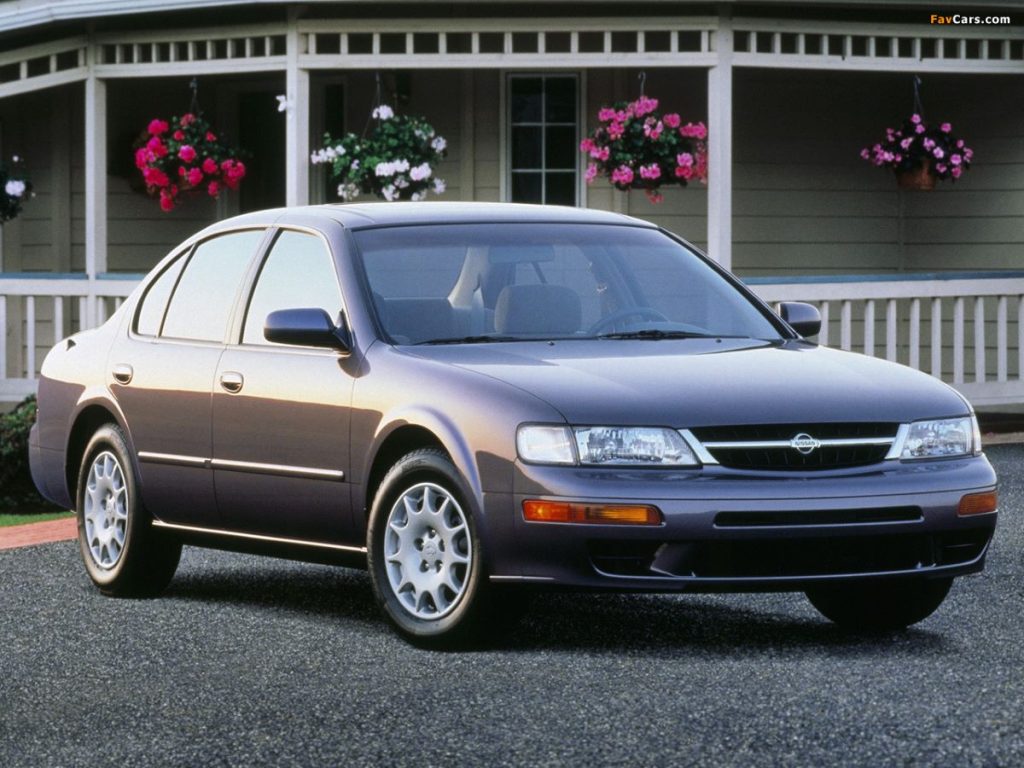
The car’s strong resale value also reflects its reliability. Well-maintained early 90s Maximas still hold up in the used car market, often sought for their balance of performance and low-maintenance operation.
Drivers value its smooth acceleration, solid braking, and longevity, making it one of the most dependable 90s sedans.
4. Lexus LS400 (1990–1994)
The Lexus LS400 set a new standard for luxury and reliability in the early 1990s. Toyota’s flagship sedan combined smooth refinement with mechanical precision, earning a reputation for running flawlessly for decades.
Powered by a 4.0-liter V8, the LS400 delivered effortless acceleration and minimal mechanical issues. The engine and transmission were engineered for longevity, often exceeding 300,000 miles without major intervention. Regular maintenance was straightforward, and the build quality minimized the risk of premature wear.
Ride comfort and quietness were key strengths. The suspension absorbed road imperfections while maintaining excellent handling. Interior components, including leather, wood trim, and electronics, were durable and designed to function well over long periods.
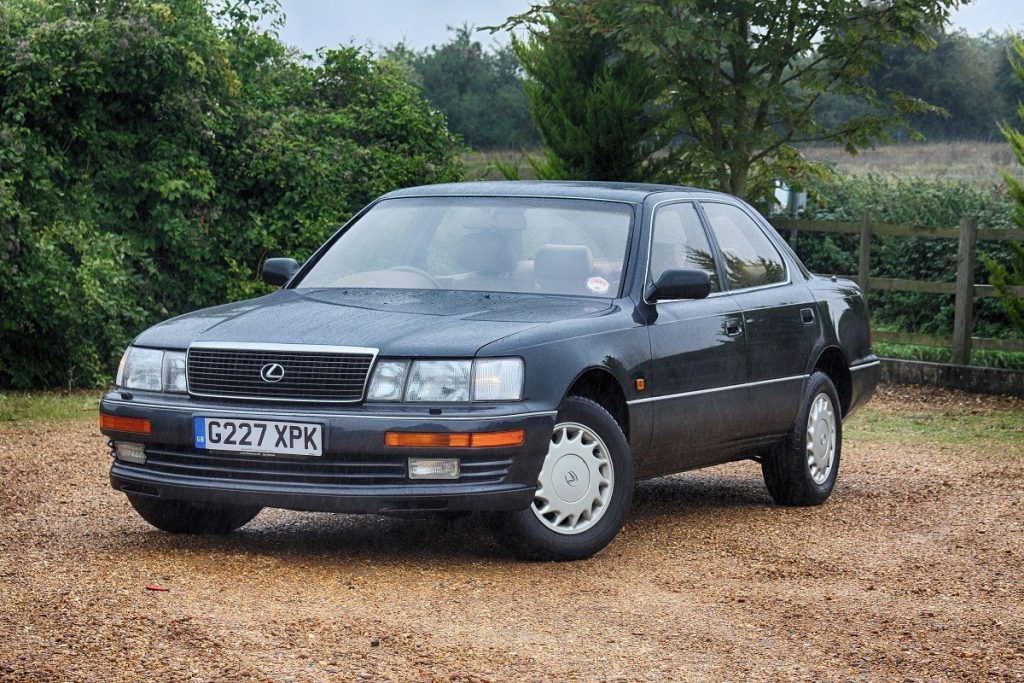
Investors and drivers value the LS400 for its blend of luxury and reliability. Many early models are still in service, demonstrating that high-end cars from this era could combine elegance with dependability. Routine servicing kept these vehicles in excellent shape, and the wide availability of parts supports continued usability.
The early 90s LS400 remains a standout example of how thoughtful engineering can produce a car that performs consistently while offering comfort and prestige. Its enduring reliability ensures it is a safe choice for buyers seeking a long-lasting luxury vehicle.
5. Mazda MX-5 Miata (1990–1997)
The Mazda MX-5 Miata from the 1990s is celebrated for being a fun, lightweight roadster while maintaining remarkable reliability. Its simple design, robust engine, and minimal electronics make it one of the most dependable sports cars of the decade.
The 1.6- and 1.8-liter inline-four engines are known for longevity and efficiency. Many examples have surpassed 200,000 miles with routine oil changes and scheduled maintenance. The five-speed manual transmission is especially durable, offering smooth operation for both city driving and spirited road trips.
Owners also value the Miata for its straightforward mechanical layout. Limited electronic components reduce the chance of complex failures, and most repairs are easily handled by enthusiasts or general mechanics. This practicality contributes to low ownership costs.
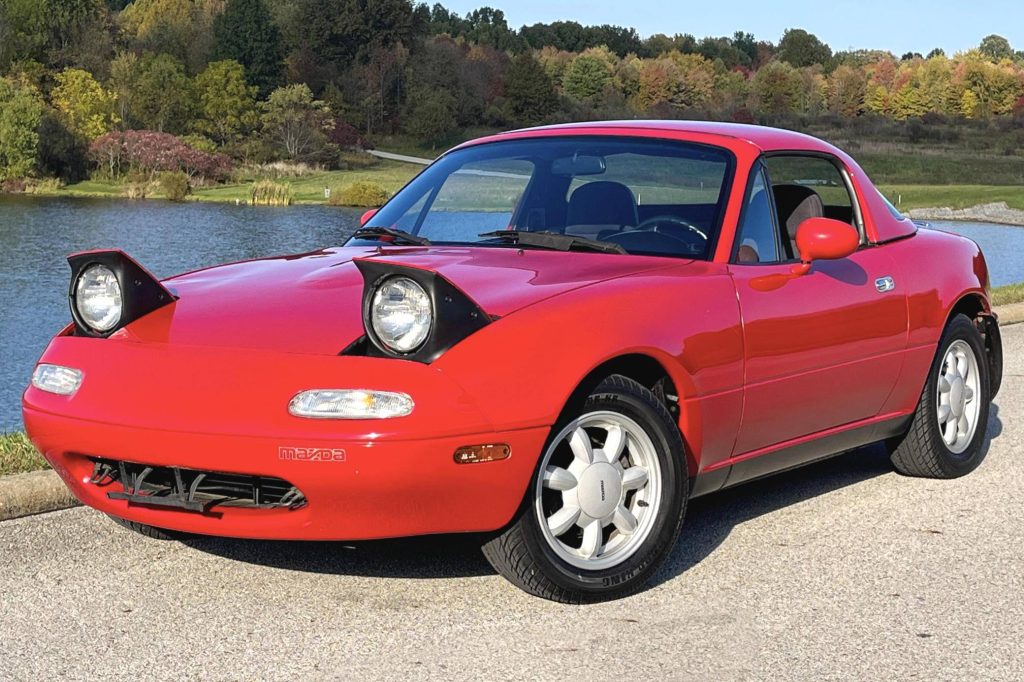
The car’s lightweight construction and balanced chassis also contribute to its longevity. Suspension components are straightforward and long-lasting, while the simple soft-top roof is easy to maintain or replace. Interior materials are minimal but resistant to wear, adding to the car’s overall durability.
Collectors and daily drivers alike praise the MX-5 for how well it combines driving enjoyment with low-maintenance reliability. Early 90s models remain widely available, yet clean examples are increasingly valued due to their strong performance and proven longevity.
The Miata demonstrates that a small sports car can be both fun and dependable, making it one of the most reliable cars from the 1990s.
6. Honda Civic (1992–1995)
The Honda Civic from the early 90s continues to be a benchmark for small car reliability. Known for its fuel efficiency, simple mechanics, and solid build, this generation has been a top choice for drivers seeking low-maintenance, long-lasting vehicles.
The Civic’s 1.5- and 1.6-liter engines are recognized for endurance. Many units reach high mileage without major repairs, and the transmissions, both automatic and manual, are known to withstand years of use. Regular servicing is straightforward, which contributes to the model’s overall dependability.
Suspension components and chassis design were built to handle city streets and light highway use with minimal wear. Interiors were simple but durable, with seats and controls designed to remain functional over decades.
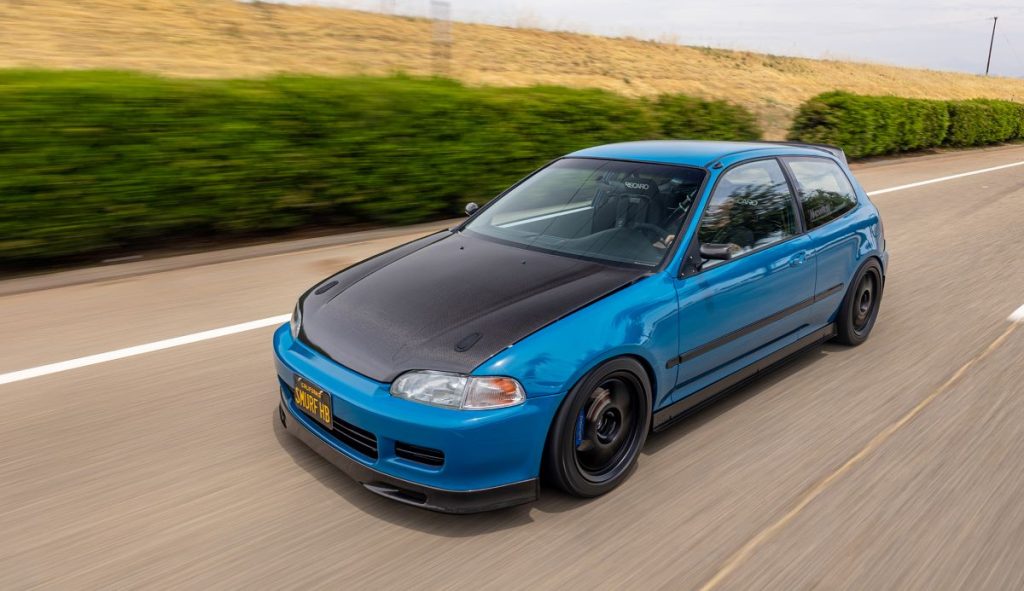
Parts availability and ease of maintenance add to the Civic’s reputation. Replacement parts are inexpensive and widely accessible, which keeps long-term ownership costs low. Its mechanical simplicity appeals to first-time buyers and enthusiasts alike.
The early 90s Civic remains a popular choice for those valuing reliability and practicality. With minimal issues reported over the years, many examples continue to serve as daily drivers or weekend cars. Its consistent performance and strong reputation make the 1992–1995 Honda Civic one of the most dependable vehicles of the 1990s.
7. Subaru Legacy (1990–1994)
The Subaru Legacy from the early 1990s is recognized for its all-wheel-drive system and enduring reliability. This compact sedan and wagon offered drivers a dependable option for both city streets and harsh weather conditions.
Powered by a flat-four engine, the Legacy provides long-lasting performance with proper maintenance.
Its mechanical simplicity, paired with a durable transmission, ensures that many examples exceed 200,000 miles without major issues. Regular servicing, such as oil changes and timing belt replacements, keeps these cars running smoothly for decades.
Subaru’s all-wheel-drive system, though complex, has proven reliable with consistent care. It enhances traction and stability, making the Legacy a practical choice in regions with snow or rain. Suspension components and braking systems were built for longevity, reducing the need for frequent repairs.
Owners also value the interior durability. Seats and controls were designed to endure long-term use, while the wagon configuration adds versatility without compromising reliability. The Legacy’s straightforward electronics further contribute to ease of ownership, minimizing costly failures common in modern vehicles.
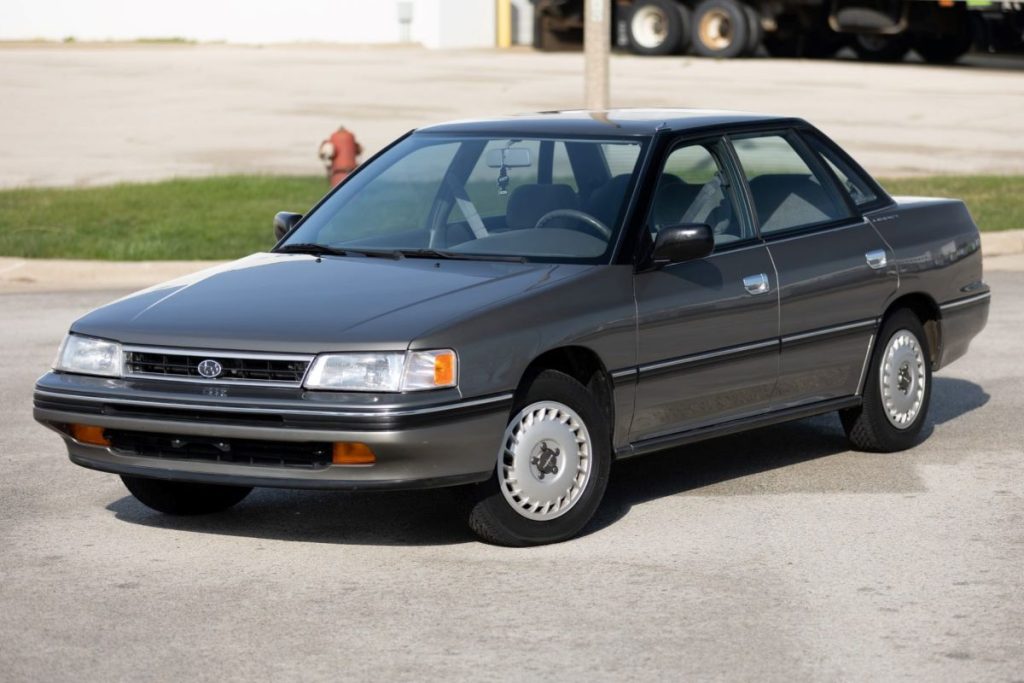
In addition to dependability, the Legacy offers good resale value due to its reputation for lasting performance. Enthusiasts often seek early models for both everyday driving and collector interest.
The 1990–1994 Subaru Legacy stands as a testament to thoughtful engineering, demonstrating that a practical, AWD sedan can remain reliable over decades while maintaining versatility and comfort.
8. Toyota Corolla (1993–1997)
The Toyota Corolla from the mid-1990s has long been synonymous with reliability. Simple engineering, durable engines, and low-cost maintenance made it a practical choice for families and commuters alike.
The 1.6- and 1.8-liter engines are recognized for longevity, with many examples surpassing 250,000 miles when regularly serviced. Transmissions, whether manual or automatic, are similarly resilient, providing decades of smooth operation.
The Corolla’s suspension is engineered for comfort and durability, handling urban driving and light highway use with minimal wear.
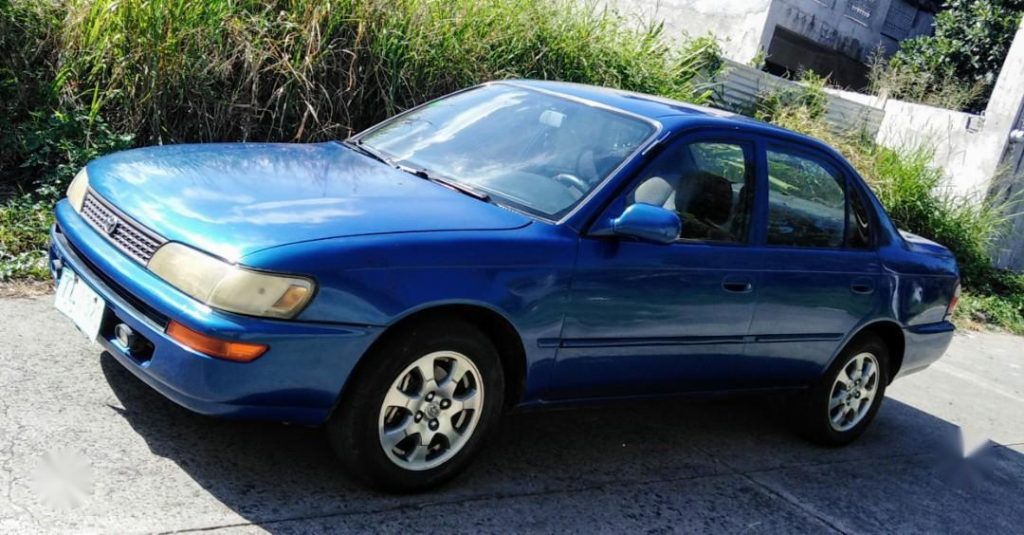
Owners appreciate the straightforward design, which reduces repair complexity and keeps maintenance costs low. Interiors were built to last, with seats, controls, and trim resisting wear and fading. The car’s light weight and efficient engineering further contribute to minimal stress on major components.
Parts availability is abundant, and service knowledge is widespread, allowing owners to keep their vehicles in top condition. Many mid-90s Corollas remain on the road today, proving their dependability and ease of upkeep.
The Corolla’s reputation for longevity has made it a popular choice for practical buyers seeking peace of mind.
Its combination of mechanical simplicity, efficiency, and durability ensures that the 1993–1997 Corolla remains one of the most reliable and enduring vehicles from the 1990s, capable of delivering consistent performance year after year.
9. Volvo 850 (1992–1996)
The Volvo 850 from the early 1990s is widely regarded for its safety and long-term reliability. Known for its boxy styling and robust engineering, it offered drivers a dependable sedan or wagon capable of high mileage with minimal issues.
The 850’s five-cylinder engine was designed for durability and smooth operation. Regular maintenance, including timely oil changes and belt replacements, allows many examples to surpass 250,000 miles. The automatic and manual transmissions were similarly reliable, providing consistent performance over decades.
Volvo’s attention to structural integrity contributed to the car’s longevity. The chassis and suspension components were engineered to withstand wear from daily driving, while brakes and steering systems were built for durability. Interior materials were also selected for resilience, ensuring seats and controls held up over time.
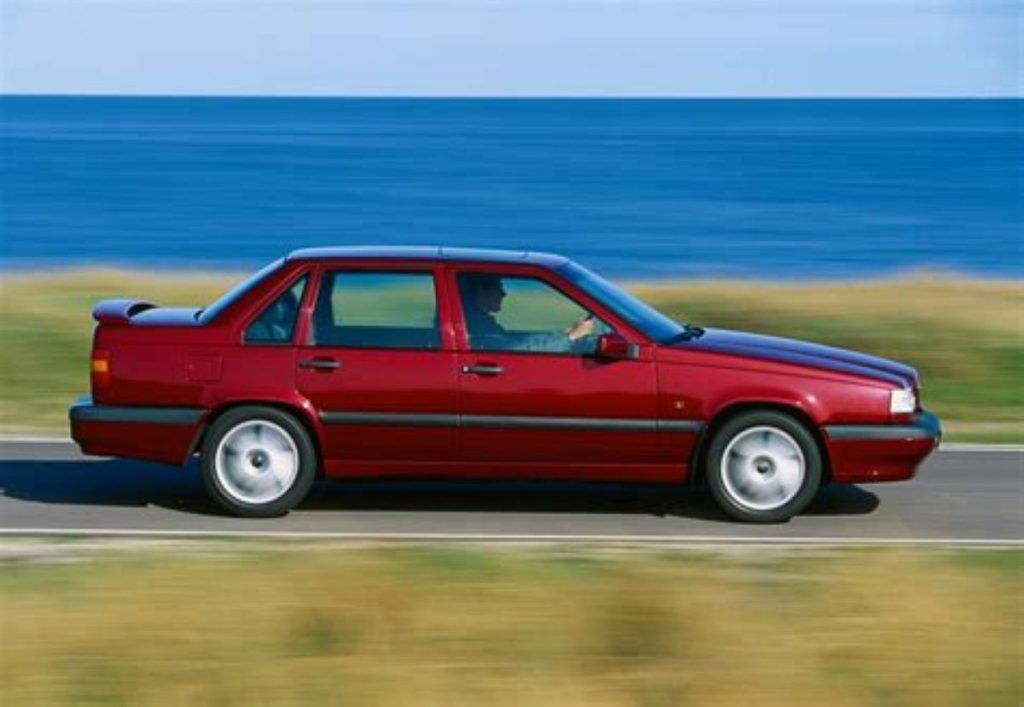
Parts availability and simple mechanical design make servicing straightforward. Replacement components are widely accessible, and repair procedures are often less complex than in contemporaries with more electronics. This ease of maintenance adds to the 850’s reputation as a practical and reliable vehicle.
Collectors and owners value the 850 for its combination of safety, comfort, and endurance. Many early 90s models remain in use, proving the effectiveness of Volvo’s engineering philosophy.
The 1992–1996 Volvo 850 demonstrates that a well-built European sedan can deliver decades of reliable service while maintaining strong usability and practicality.
10. Acura Integra (1991–1995)
The Acura Integra from the early 1990s is praised for its reliable performance and sporty character. It offered drivers a fun, lightweight sedan or coupe while maintaining the durability that Honda was known for, making it a favorite among enthusiasts and everyday drivers alike.
The Integra’s 1.8-liter inline-four engine provides long-lasting performance when maintained regularly. Both manual and automatic transmissions are known for durability, delivering smooth operation for years. The car’s suspension and chassis are engineered to handle spirited driving without excessive wear, adding to overall longevity.
Interior components were built to withstand heavy use. Seats, controls, and dashboard materials age well, making long-term ownership practical. The minimal use of electronics further reduces potential maintenance issues.
Parts availability and straightforward repair processes make the Integra an accessible and cost-effective choice for drivers seeking reliability. Many early 90s models are still in service, with high mileage examples proving the vehicle’s durability.
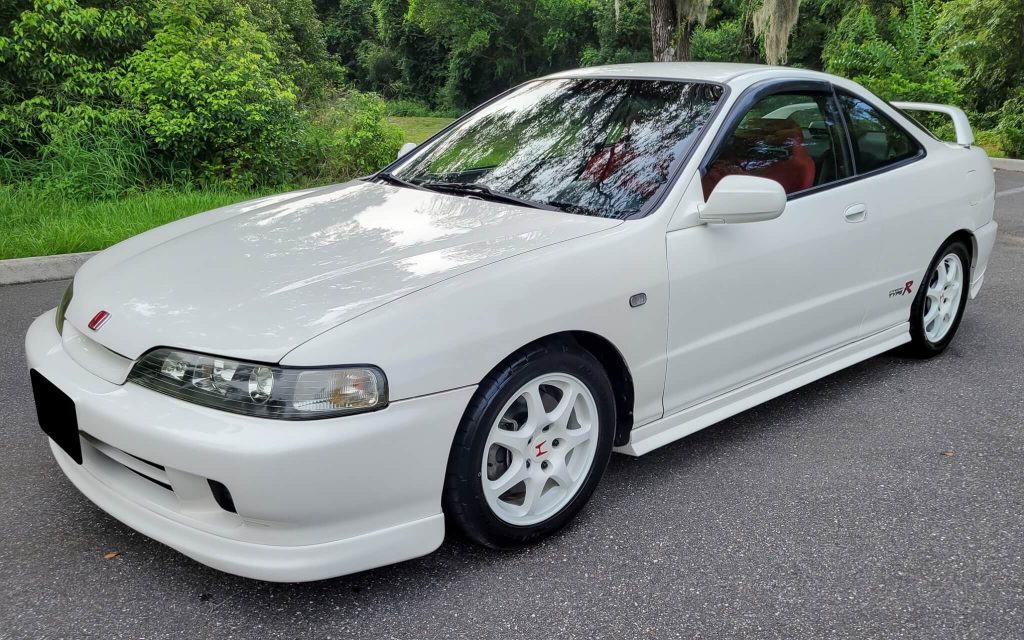
The 1991–1995 Acura Integra combines engaging performance with long-term reliability. Its solid engineering, low-maintenance requirements, and robust components have earned it a lasting reputation. Drivers can rely on this model for consistent operation, demonstrating why it remains one of the most dependable cars from the 1990s.
11. Ford Taurus (1992–1995)
The Ford Taurus from the early 1990s became a popular family sedan due to its dependable engineering and practical design. It combined comfort, durability, and straightforward mechanics, making it a long-lasting option for drivers seeking reliability.
Under the hood, the Taurus offered V6 engines that were known for smooth performance and durability. With proper maintenance, including regular oil changes and transmission service, many examples continue to operate well beyond 200,000 miles. The automatic transmissions of this era proved particularly robust, handling years of use with minimal issues.
The Taurus’ suspension was designed for comfort and resilience. Its components could handle daily driving and longer road trips without frequent repairs. Interiors were built with quality materials, ensuring that seats, controls, and trim remained functional even after years of use.
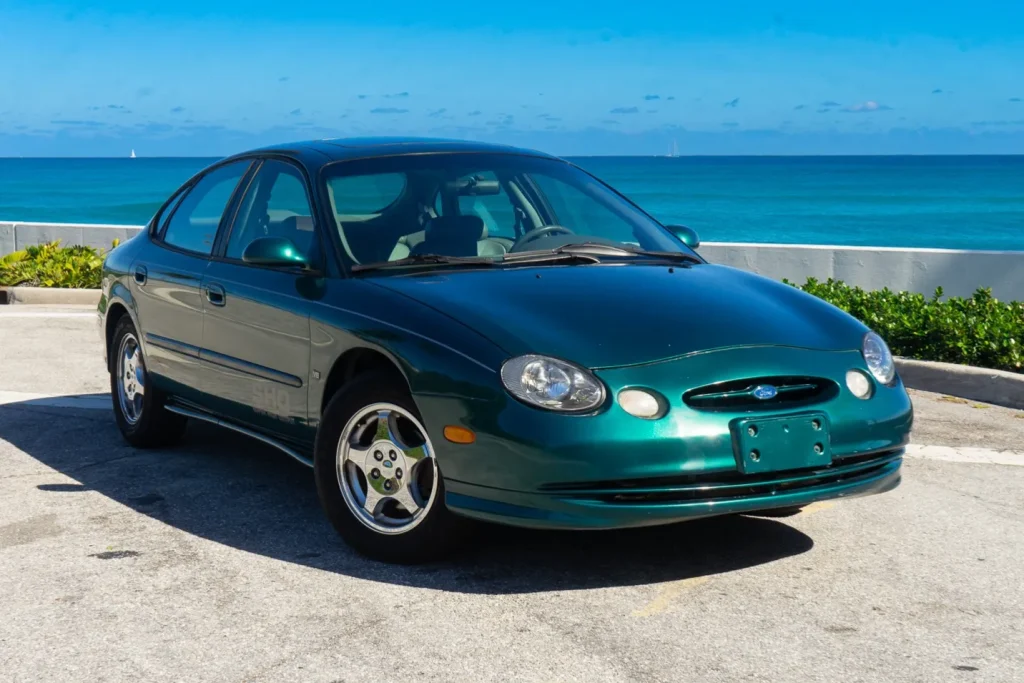
Owners appreciated the Taurus for its practical layout and ease of maintenance. Replacement parts are widely available, and repairs are straightforward, contributing to its continued reliability. This accessibility, combined with durable engineering, helped it maintain a strong reputation among buyers.
Many early 90s Taurus models are still in service today. Their consistent performance and low maintenance requirements make them a solid choice for practical drivers. The 1992–1995 Ford Taurus demonstrates how a well-designed family sedan can remain dependable over decades while providing comfort and utility.
12. Subaru Impreza (1993–1997)
The Subaru Impreza from the mid-1990s is recognized for its all-wheel-drive capability and enduring reliability. This compact car gained popularity for its solid performance, longevity, and versatility in different driving conditions.
Powered by durable flat-four engines, the Impreza delivers consistent performance over long periods.
Regular maintenance, including timely oil changes and belt replacements, ensures the engine and transmission remain dependable for hundreds of thousands of miles. Both automatic and manual transmissions have proven resilient.
The all-wheel-drive system enhances stability and traction, making the Impreza practical for regions with adverse weather.
Suspension components and brakes were engineered for longevity, reducing the need for frequent repairs. Interiors were constructed with durable materials, maintaining comfort and usability over time.
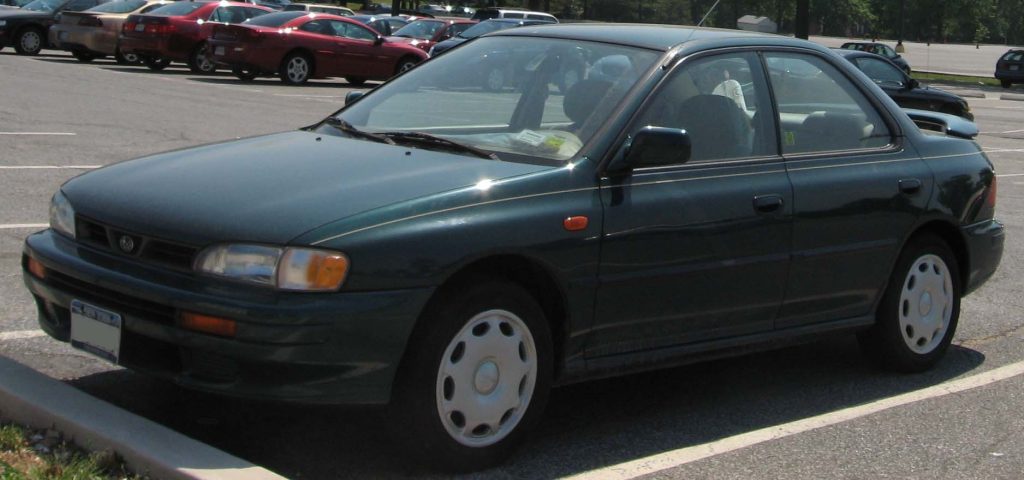
Parts availability and simplicity of design contribute to its reliability. Replacement components are easy to source, and repair procedures are manageable, keeping long-term ownership costs low. Many early models remain in active use today, demonstrating the car’s robust engineering.
The 1993–1997 Subaru Impreza continues to be a dependable choice for drivers seeking a compact car with durability and all-weather capability. Its combination of practicality, resilient mechanics, and low-maintenance operation secures its position as one of the most reliable vehicles from the 1990s.
13. Lexus ES300 (1992–1996)
The Lexus ES300 from the early to mid-1990s is widely praised for its combination of luxury and long-term reliability. Built on a solid platform with refined engineering, it offers comfort without compromising durability, making it one of the most dependable sedans of the decade.
Under the hood, the ES300 features a smooth 3.0-liter V6 engine. With routine maintenance, this engine can surpass 300,000 miles while maintaining consistent performance. The automatic transmission is equally reliable, providing seamless shifts and minimal mechanical issues over decades of use.
Ride comfort and interior quality are standout features. The suspension was engineered for smooth handling, while seats and trim materials were chosen for durability. Electronics are minimal compared with modern vehicles, reducing potential long-term failures and maintenance complications.
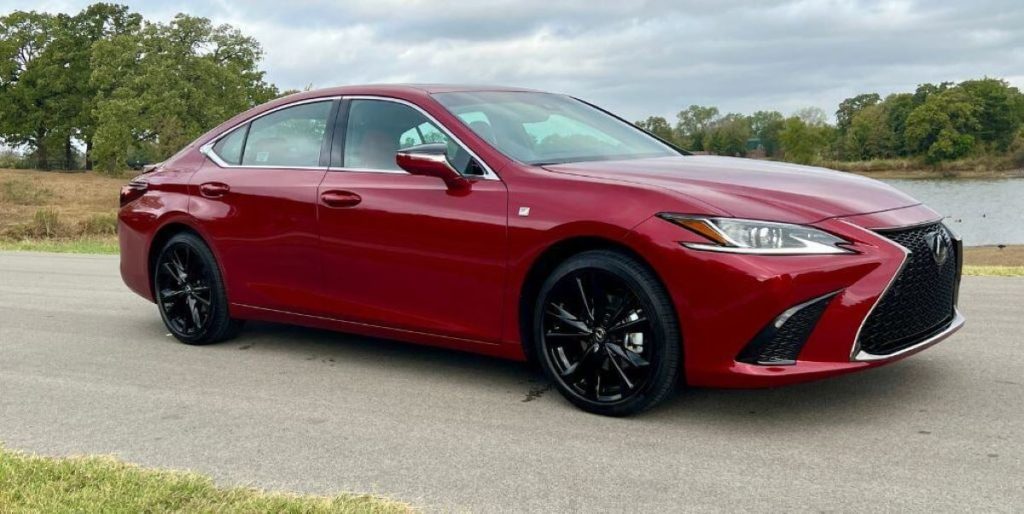
Maintenance is straightforward. Parts are readily available, and service is generally simple, which keeps ownership costs manageable. Many early 90s ES300s continue to operate flawlessly, serving as daily drivers or long-distance cruisers.
Owners value the ES300 for its quiet performance, smooth ride, and low-maintenance operation. The car’s ability to deliver luxury without frequent repairs makes it a standout among mid-90s sedans.
Its combination of comfort, dependability, and resilience ensures that the 1992–1996 Lexus ES300 remains a reliable choice for drivers seeking long-term ownership satisfaction.
14. Toyota 4Runner (1990–1995)
The Toyota 4Runner from the early 1990s is a compact SUV known for its rugged build and lasting reliability. It became a favorite for families and outdoor enthusiasts who needed a vehicle capable of handling both daily commutes and off-road adventures.
The 4Runner’s engines, particularly the 3.0-liter V6, are recognized for durability and long-term performance. Many examples exceed 250,000 miles with routine maintenance. The transmissions, whether automatic or manual, have proven dependable under varied driving conditions.
Suspension and chassis components were designed to withstand rough terrain, providing years of dependable service.
Interior materials were chosen for longevity, with seats and trim that remain functional and comfortable over time. Minimal electronics reduce potential failures, contributing to low maintenance costs.
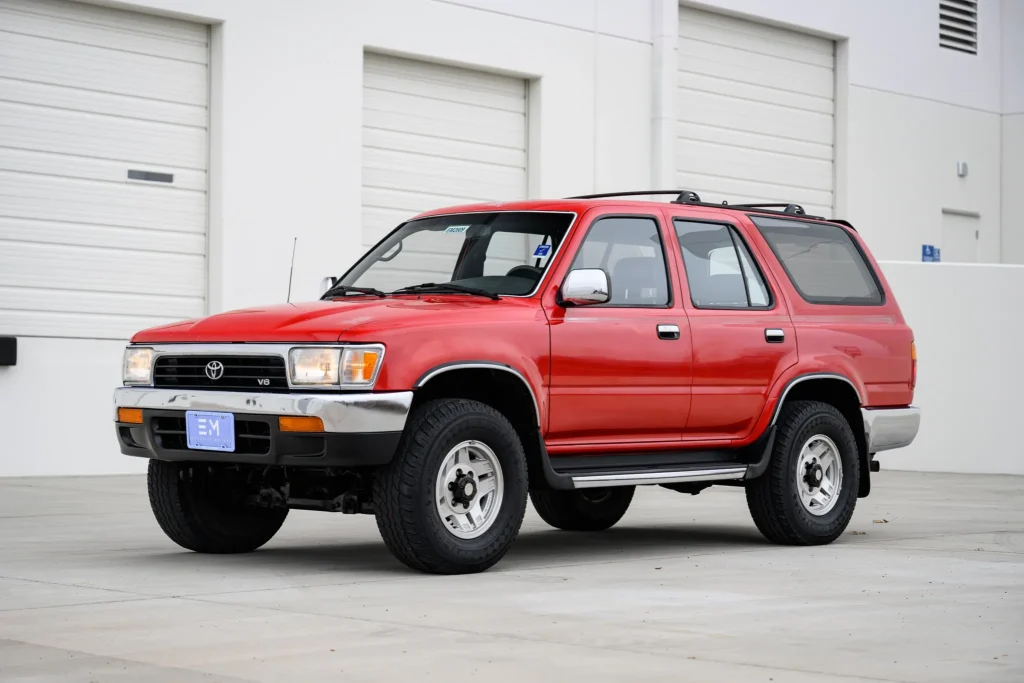
Parts are widely available, and repairs are straightforward, making the 4Runner practical for long-term ownership. Many early 90s models remain in active use, demonstrating the vehicle’s robust engineering and versatility.
The 1990–1995 Toyota 4Runner continues to be sought after for its durability, practicality, and ability to handle diverse driving conditions. Its proven longevity, low-maintenance operation, and solid construction make it one of the most reliable vehicles from the 1990s.
Also Read: 12 Sedans From the 80s That Defy Aging
