
City driving presents unique challenges for vehicles. Stop-and-go traffic, potholes, tight parking spaces, and frequent short trips place constant stress on engines, transmissions, brakes, and suspension components.
Not every car is equipped to handle this environment reliably, and choices matter when it comes to long-term ownership.
Some cars excel in urban settings, offering durable engines, efficient fuel consumption, and compact designs that make daily commuting, errands, and parking easier.
These vehicles tend to require less maintenance, cope well with city wear and tear, and maintain performance even under heavy traffic conditions. Families, professionals, and city dwellers consistently recommend them for reliability and peace of mind.
Other cars struggle with the demands of city life. Poor suspension tuning, frequent mechanical issues, and higher maintenance costs can frustrate owners.
Vehicles that are prone to overheating in stop-and-go traffic, experience premature brake wear, or have sensitive electronics often fail to provide dependable service in urban environments. Owners quickly notice the strain on performance and comfort, and these vehicles typically depreciate faster in the used market.
This article examines both sides. The first section highlights five cars that remain reliable in cities, demonstrating durable engineering, low maintenance, and practical urban usability.
The second section focuses on five cars that frequently struggle in city conditions, highlighting common issues and design limitations that lead to frustration, higher costs, and poor long-term ownership experiences.
Understanding which cars thrive and which fail in cities allows buyers to make informed decisions. Reliability in urban driving is not just a convenience it’s a financial and safety consideration. The following entries reveal the vehicles that deliver dependable service and those that fail to meet city-driving demands.
Also Read: 5 V8 Engines That Deliver Decades of Service vs 5 That Don’t
5 Cars That Stay Reliable in Cities
City-friendly reliability depends on a combination of engineering, design, and practical features. Vehicles that perform well in urban settings handle frequent braking, tight turns, stop-and-go traffic, and varied road surfaces without compromising longevity.
Reliable city cars typically have durable engines, responsive transmissions, and suspension systems that absorb potholes and bumps efficiently. Compact size and maneuverability make parking and navigating crowded streets easier, while thoughtful interior layouts enhance daily usability.
Maintenance and repair costs are also critical. Cars that require less frequent servicing, have widely available parts, and maintain consistent performance reduce stress and long-term expenses for city owners. Fuel efficiency is an added advantage, given the prevalence of short trips and slow traffic conditions that otherwise increase fuel consumption.
Safety remains essential, as urban environments involve unpredictable traffic, cyclists, and pedestrians. Features like advanced braking systems, lane-keeping assist, and collision warning technologies enhance confidence for drivers navigating tight spaces and congested streets.
In this section, we examine five cars that consistently demonstrate reliability in city conditions. Each entry highlights why the vehicle is recommended for urban use, emphasizing mechanical durability, low maintenance demands, and practicality.
These models are chosen based on real-world performance, owner satisfaction, and their ability to handle the unique challenges of city driving.
The following detailed entries will explain how each car balances performance, comfort, and dependability, providing a clear guide for anyone seeking a vehicle that remains resilient under urban stresses while offering practical benefits for daily life.
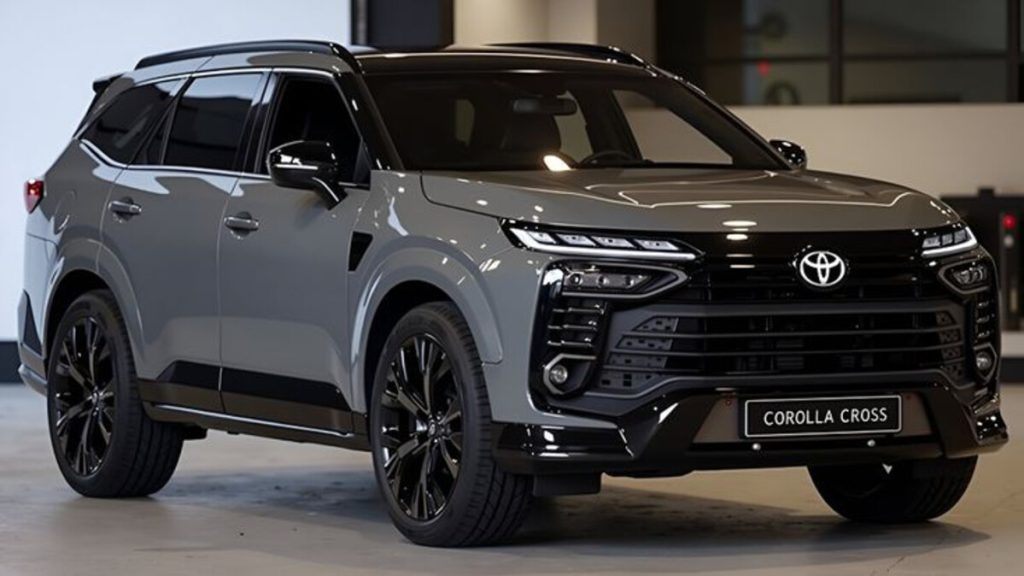
1. Toyota Corolla
The Toyota Corolla has built a reputation for reliability, particularly in urban environments. Its compact size, durable engine, and smooth transmission make it ideal for stop-and-go traffic and tight city streets.
The Corolla’s suspension is tuned to handle uneven roads and potholes without transmitting excessive shock to passengers. This design reduces wear and tear on suspension components, contributing to long-term reliability. Braking systems are responsive, which is essential for frequent stops at intersections and heavy traffic.
Fuel efficiency is another strong point. City driving often involves short trips and idling, but the Corolla manages fuel consumption effectively, minimizing the cost of ownership. Hybrid variants further enhance efficiency for drivers who navigate congested streets daily.
Maintenance is straightforward and inexpensive compared with competitors. Parts are widely available, and Toyota’s reputation for mechanical durability ensures that engines and transmissions last well over 200,000 miles with minimal major repairs.
Safety is a priority for urban driving. The Corolla offers advanced features such as automatic emergency braking, lane departure warning, and adaptive cruise control. These systems help prevent accidents in congested conditions and enhance driver confidence.
Interior design emphasizes practicality. Controls are intuitive, visibility is good for maneuvering through traffic, and the cabin layout accommodates passengers comfortably even during short city trips.
Overall, the Toyota Corolla demonstrates how compact engineering, robust mechanics, and thoughtful safety features make a vehicle dependable in urban environments. Its combination of low maintenance, fuel efficiency, and durable performance keeps it a top choice for city dwellers seeking long-term reliability.
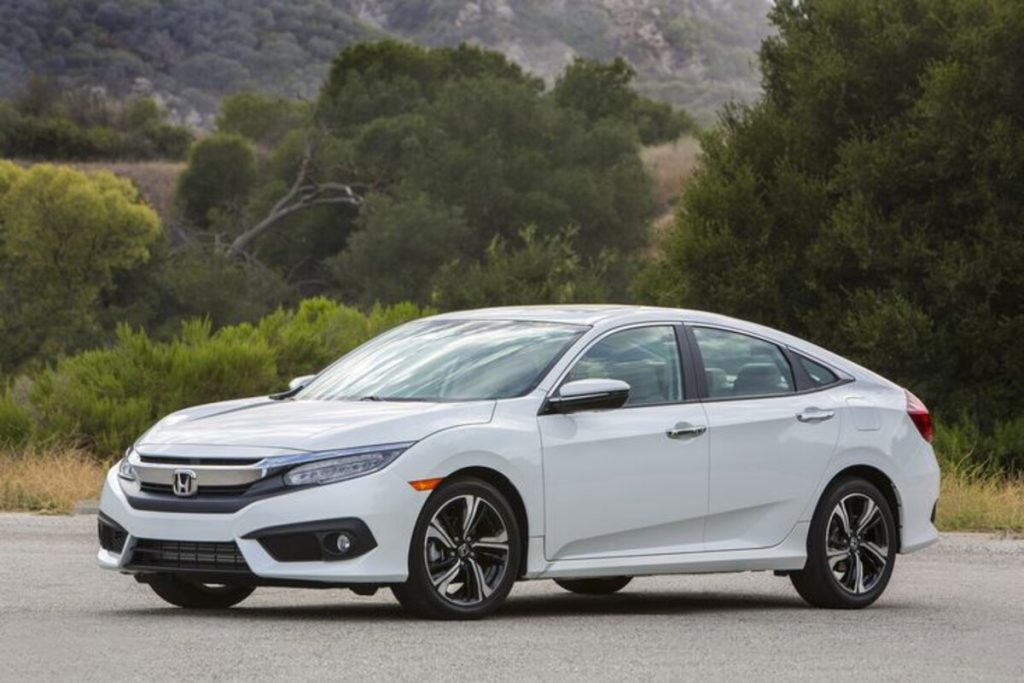
2. Honda Civic
The Honda Civic remains a benchmark for city reliability due to its proven mechanical components and nimble design. Its compact footprint allows easy navigation through tight streets and parking lots, while the engine and transmission perform consistently under stop-and-go conditions.
Suspension and chassis design absorb urban road imperfections effectively. Potholes, bumps, and uneven surfaces are handled without significant stress on components, reducing repair frequency and long-term wear.
Fuel efficiency is excellent, particularly in CVT or hybrid variants. The Civic can handle frequent short trips without excessive consumption, making it cost-effective for city commuting.
Maintenance is predictable and affordable. Honda’s widespread service network ensures parts are available, and the engines and transmissions are known for longevity. Many Civics exceed 200,000 miles with routine upkeep, even with rigorous city use.
Safety features enhance urban confidence. Automatic emergency braking, lane-keeping assist, and collision mitigation systems help prevent minor accidents in congested traffic. Visibility is good, with well-positioned mirrors and a thoughtfully designed dashboard for city maneuvering.
Interior practicality adds to reliability. Comfortable seating, intuitive controls, and adequate cargo space make daily errands or commuting less stressful. Despite its compact size, the Civic manages to balance passenger comfort and utility efficiently.
Overall, the Honda Civic combines mechanical dependability, fuel efficiency, and urban practicality. It is a vehicle that consistently delivers reliable performance in city conditions, making it a recommended choice for drivers seeking peace of mind and long-term value.
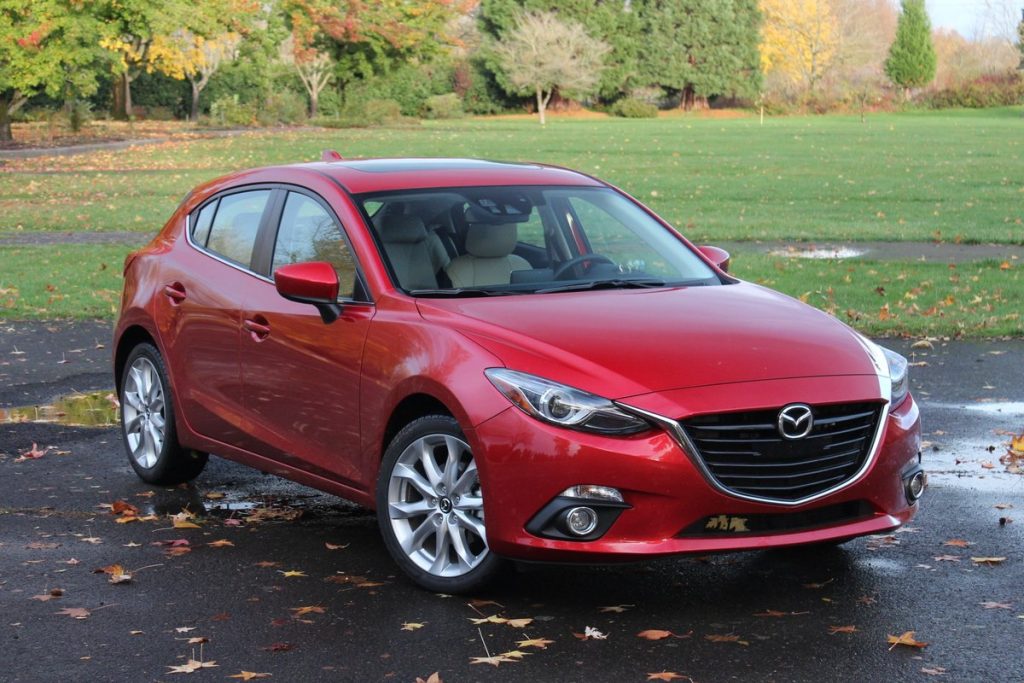
3. Mazda3
The Mazda3 is highly regarded for city reliability due to its combination of durable engineering and nimble handling. Its compact size and precise steering make navigating crowded streets and tight parking spaces effortless.
The suspension is tuned to absorb urban road irregularities effectively. Potholes and uneven surfaces are handled without transferring excessive force to the cabin, which reduces wear on key components and contributes to long-term reliability. Braking is responsive, critical for frequent stops in city traffic.
Engines and transmissions in the Mazda3 are robust. Whether equipped with a SkyActiv gasoline engine or the automatic transmission, the vehicle demonstrates consistent performance in stop-and-go conditions. Many owners report exceeding 200,000 miles with minimal major repairs, highlighting its dependability.
Fuel efficiency is a major advantage in urban environments. The Mazda3 delivers competitive mileage for city commuting, reducing ownership costs. Hybrid models are available in certain markets, further improving fuel economy for short trips and congested driving conditions.
Maintenance is straightforward. Parts are accessible, and service costs remain reasonable compared with other compact cars, making it practical for daily city use. Mazda’s engineering focus on longevity ensures minimal surprises over years of ownership.
Safety features also support city driving. Advanced driver-assistance systems, such as blind-spot monitoring, lane departure warning, and adaptive braking, enhance confidence when navigating traffic-heavy streets. Visibility from the driver’s seat is optimized for urban maneuvering.
Interior design balances comfort and practicality. Seating is ergonomic, and cabin controls are intuitive, allowing drivers to focus on the road. Cargo space is adequate for groceries, commuting needs, or small trips, reinforcing its city-friendly appeal.
Overall, the Mazda3 combines reliable mechanical components, fuel efficiency, and practical design. Its urban-oriented features and proven performance make it a standout choice for drivers seeking a compact, dependable car capable of enduring the demands of city life.
4. Hyundai Kona
The Hyundai Kona is a compact crossover that excels in city reliability. Its small footprint allows easy navigation through congested streets, tight corners, and crowded parking lots, while the vehicle’s drivetrain remains dependable under frequent stop-and-go conditions.
Suspension and chassis design absorb potholes and road imperfections effectively, minimizing stress on components. This engineering ensures long-term durability even in urban settings where roads can be rough and irregular.
Engine performance is consistent, with both naturally aspirated and turbocharged options providing reliable acceleration for city traffic. Transmissions are smooth and responsive, enhancing drivability in stop-and-go scenarios and reducing wear over time.
Fuel efficiency is another key advantage. The Kona’s engines perform well in city conditions, providing competitive mileage and reducing overall fuel expenses. Electric variants offer an even more economical solution for urban commuting.
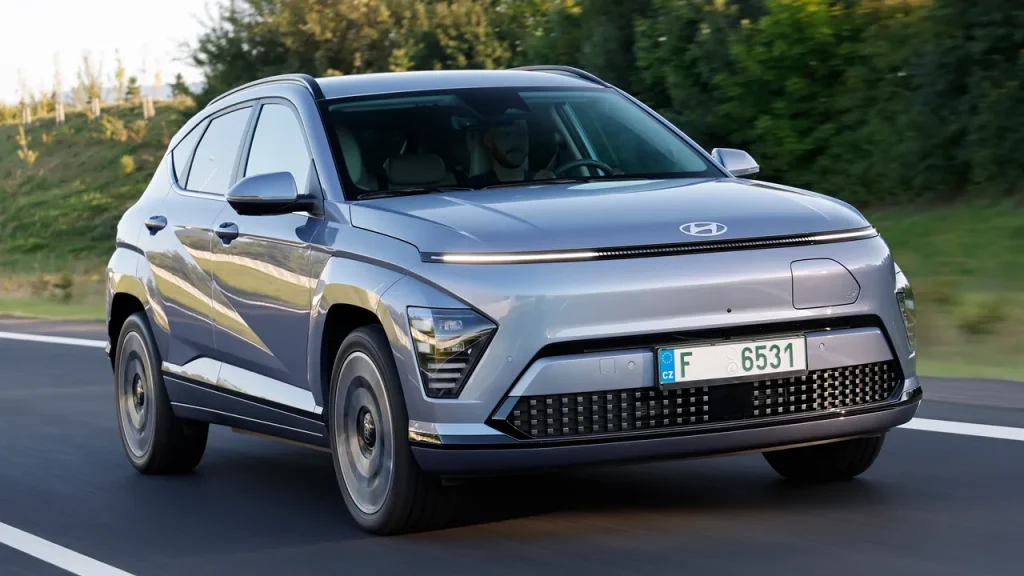
Maintenance is manageable. Hyundai offers a strong warranty and wide service network, ensuring access to parts and reducing potential downtime. The vehicle’s components are built to endure the stresses of daily urban driving, contributing to a low cost of ownership.
Safety is prioritized for city use. Standard features include forward collision avoidance, lane-keeping assist, and driver attention monitoring, which enhance confidence in heavy traffic and complex intersections. Crash-test ratings further reinforce reliability in urban environments.
Interior design supports daily practicality. Ergonomic seating, easy-to-reach controls, and adequate storage spaces allow drivers to manage errands, groceries, or passengers efficiently. Visibility is well-optimized for city navigation.
Overall, the Hyundai Kona combines durable engineering, safety, fuel efficiency, and urban practicality. Its compact size, reliable drivetrain, and thoughtful design make it a recommended choice for drivers seeking a dependable car that thrives in city conditions.
5. Toyota Prius
The Toyota Prius is widely recognized for city reliability, particularly due to its hybrid powertrain and efficient engineering. Its compact design and smooth handling make it ideal for stop-and-go traffic, tight parking, and urban commutes.
One of the Prius’s major strengths is its hybrid engine system. The combination of electric and gasoline power reduces stress on the internal combustion engine during frequent stops, which is common in city driving. This system also improves fuel efficiency dramatically, making it cost-effective for daily urban travel.
The suspension and braking systems are designed to absorb city road irregularities and frequent stopping. Regenerative braking not only improves efficiency but also reduces wear on traditional brake components, extending longevity and minimizing maintenance costs.
Mechanical reliability is exceptional. Engines, transmissions, and hybrid components have proven to endure high-mileage city use. Many Prius owners report vehicles surpassing 200,000 miles with minimal major repairs, underscoring the model’s durability and dependability.
Maintenance remains predictable and affordable. Parts are widely available, and Toyota’s network ensures that service is convenient. Combined with the hybrid system’s longevity, this makes the Prius particularly suited for city drivers who prioritize low upkeep.
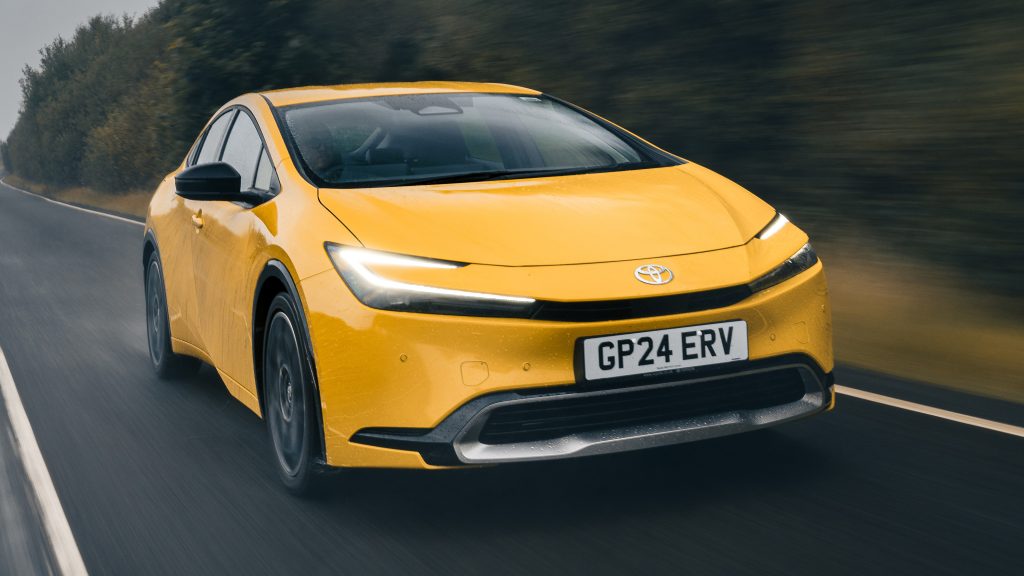
Safety features are robust and support urban driving. Standard technologies include adaptive cruise control, lane departure warning, automated emergency braking, and pedestrian detection, all of which help prevent accidents in congested traffic conditions. Visibility is enhanced by well-placed mirrors and a thoughtfully designed cabin.
Interior layout and cargo space are practical for city needs. Despite its compact footprint, the Prius accommodates passengers comfortably and provides sufficient room for groceries, bags, or small luggage. Controls are intuitive, ensuring a stress-free urban driving experience.
Overall, the Toyota Prius combines fuel efficiency, mechanical reliability, and practical design to excel in city conditions. Its hybrid powertrain, low maintenance, and advanced safety features make it a top choice for drivers seeking a dependable vehicle that thrives under urban stress and daily commuting demands.
5 Cars That Fail in Cities
Not all vehicles handle urban driving well. City conditions place unique stresses on engines, transmissions, brakes, and suspension, revealing weaknesses in cars that may perform adequately on highways or open roads.
Some models struggle to cope with stop-and-go traffic, tight parking spaces, and frequent short trips, leading to frustration, higher maintenance costs, and reliability concerns.
Mechanical reliability is a primary factor. Vehicles prone to engine overheating, transmission issues, or premature brake wear often fail to meet the demands of urban environments. Electrical malfunctions, such as failing infotainment systems or sensors, further reduce confidence in city conditions.
Practicality also influences urban suitability. Cars with cramped interiors, limited cargo space, or poor visibility become cumbersome when navigating crowded streets or carrying passengers and daily essentials. Features designed for comfort on highways may not translate effectively to frequent city use.
Safety performance is critical in cities, where collisions, pedestrians, and cyclists are more common. Vehicles that lack modern driver-assistance systems or demonstrate inconsistent crash-test results provide less protection in dense traffic conditions. Families and daily commuters naturally avoid cars that compromise safety.
Ownership costs are another consideration. Frequent repairs, steep depreciation, and high fuel consumption under stop-and-go traffic make some vehicles costly to maintain in urban settings. These factors contribute to a negative reputation among city drivers.
This section highlights five cars that commonly fail in cities. Each entry examines specific shortcomings, such as mechanical weaknesses, limited practicality, and safety concerns, explaining why these vehicles underperform under urban stresses.
Understanding which models struggle helps buyers make informed decisions, avoiding cars that may create ongoing frustration, maintenance burdens, or safety risks in city environments.
1. Fiat 500
The Fiat 500, while compact and stylish, often struggles in city driving due to mechanical reliability and practicality concerns. Its small size is helpful for tight parking, but other aspects of urban performance are problematic.
Owners frequently report transmission issues, particularly with automatic models, including hesitation, jerky shifts, and occasional failure. Engine performance can also be inconsistent, especially during stop-and-go traffic, which increases driver stress and maintenance costs.
Suspension components are prone to wear in urban conditions. The low ride height and stiff suspension make potholes and uneven roads more noticeable, potentially leading to premature wear on shocks, struts, and tires.
Interior space is limited. Rear seating is cramped, making it difficult to carry passengers comfortably. Cargo capacity is minimal, which restricts practical use for errands, groceries, or commuting with larger items.
Safety ratings are another concern. While newer models have some driver-assistance features, crash-test performance is average, and many older models lack modern systems like automatic emergency braking or lane-keeping assist. City drivers who prioritize safety often find the 500 insufficient for urban risks.
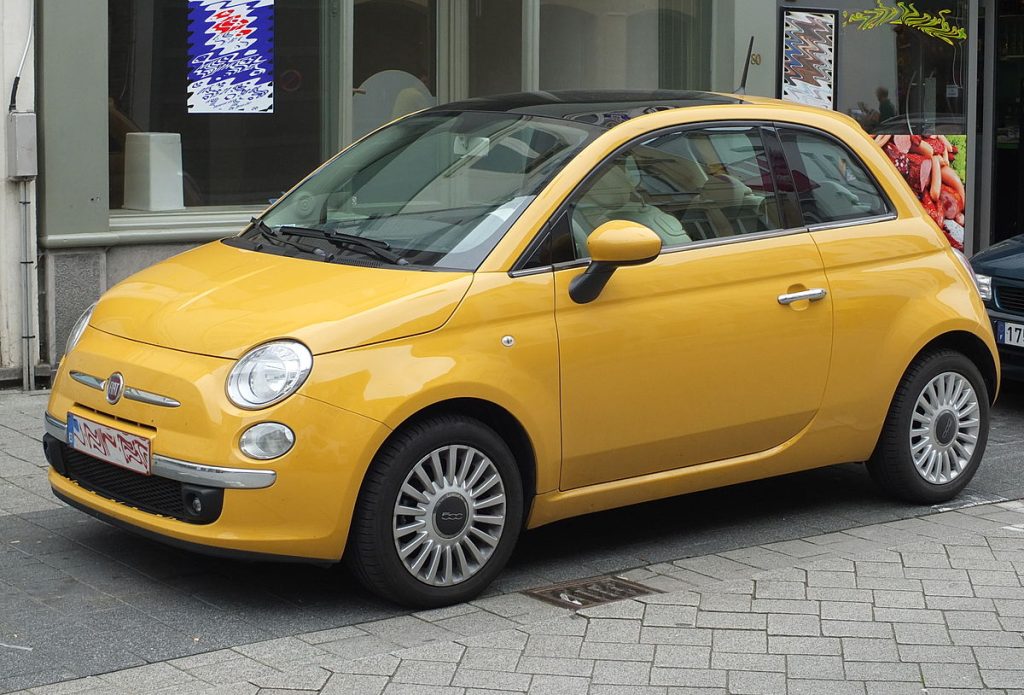
Maintenance costs can be higher than expected, partly due to the brand’s limited service network in some areas. Replacement parts for engine, transmission, and suspension components can be expensive, which adds to long-term ownership stress.
Overall, the Fiat 500 illustrates that compact size alone does not guarantee city reliability. Mechanical weaknesses, limited space, and safety concerns make it a less suitable option for urban drivers seeking a dependable, practical car.
Families and commuters often advise exploring alternatives that balance size, durability, and functionality more effectively.
2. Mini Cooper
The Mini Cooper, despite its iconic styling and small footprint, often underperforms in city reliability due to frequent mechanical and maintenance issues. Its compact design aids maneuverability, but urban stresses expose its vulnerabilities.
Transmission problems are common, particularly in automatic models, causing jerky shifts and unexpected hesitations. Engine reliability can also be inconsistent under stop-and-go traffic, increasing repair frequency and costs.
Suspension components are sensitive to potholes and uneven surfaces, typical of city streets. Owners report premature wear of shocks, struts, and bushings, which diminishes ride quality and increases maintenance expenses over time.
Interior space is limited, with cramped rear seats and minimal cargo capacity. For daily commuting, errands, or carrying multiple passengers, the Mini Cooper proves less practical compared with competitors in its segment.
Safety is another concern. While newer Coopers have modern driver-assistance systems, earlier models lack features like collision avoidance or lane-assist. Crash-test results are average, which reduces confidence in busy urban traffic.
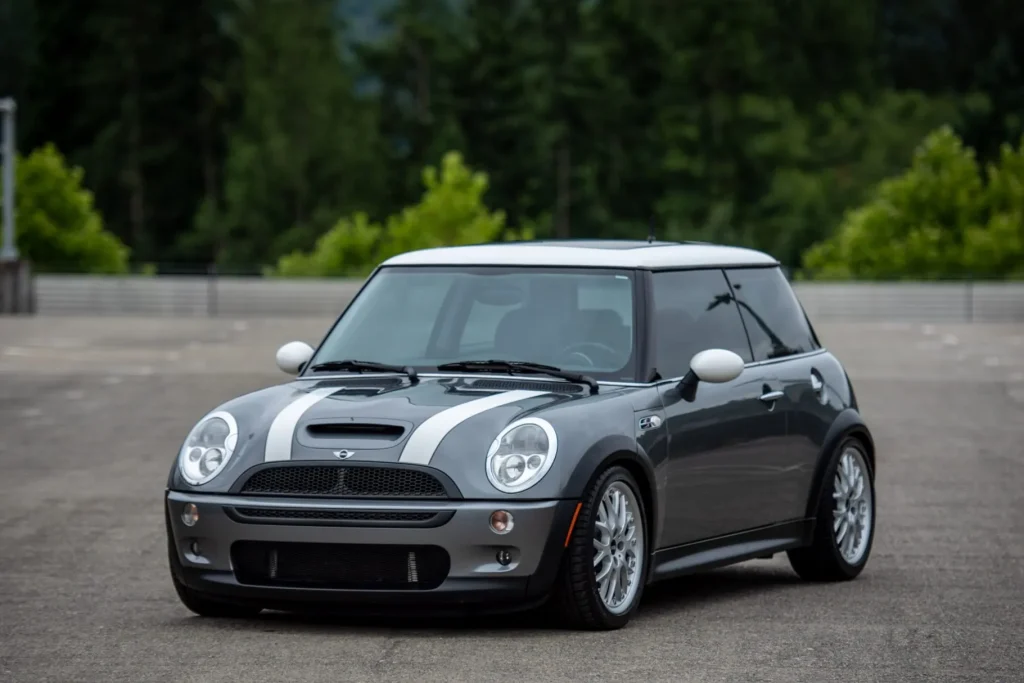
Ownership costs are high. Replacement parts, specialized service, and frequent repairs combine to make the Mini Cooper an expensive city car in the long term. Reliability issues, coupled with maintenance complexity, discourage drivers seeking dependable daily transportation.
Overall, the Mini Cooper demonstrates that style and compactness do not ensure city suitability. Families and commuters who prioritize reliability, practicality, and low maintenance often avoid this model, opting instead for vehicles engineered to withstand urban driving challenges.
3. Nissan Juke
The Nissan Juke, though compact and sporty, often struggles with city reliability. Its design prioritizes style over practicality, leading to several challenges for urban driving.
Engine performance is inconsistent under stop-and-go traffic. Many owners report turbocharged engine issues, including hesitation and unexpected stalling, which can increase stress and repair costs. Automatic transmissions in certain trims also exhibit jerky or delayed shifts, reducing confidence during city commuting.
Suspension durability is another concern. The Juke’s stiff suspension makes driving over potholes or uneven roads uncomfortable, while the components are prone to accelerated wear in city conditions. Frequent short trips and heavy braking contribute to premature brake and suspension issues.
Interior space is limited. Rear seats are cramped, making it difficult to accommodate multiple passengers comfortably. Cargo capacity is minimal, which restricts practicality for daily errands, shopping, or commuting with larger items.
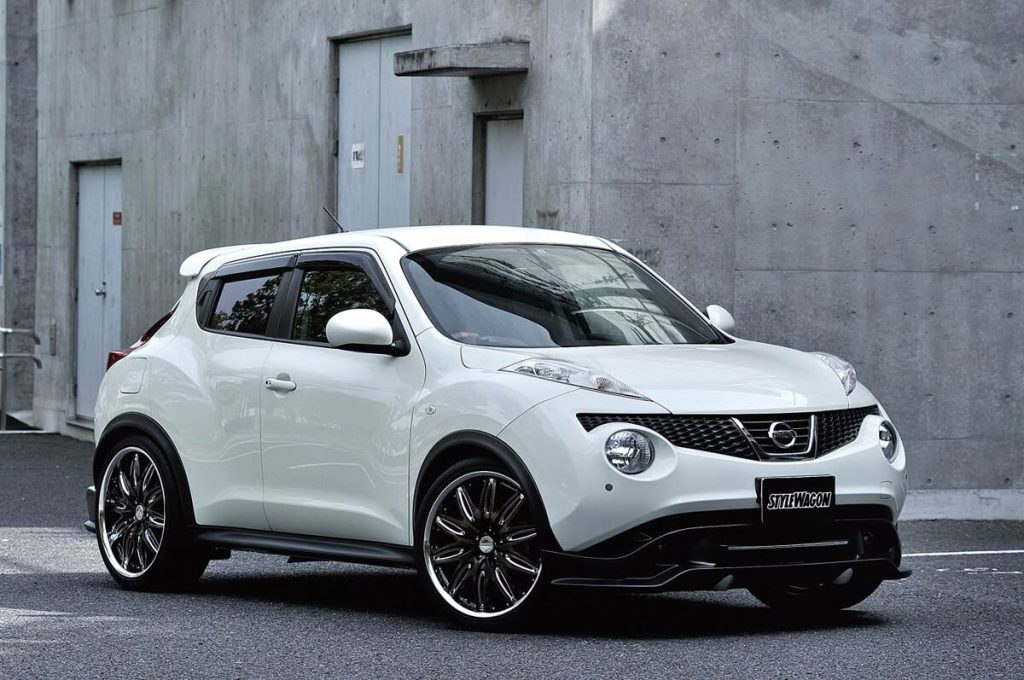
Safety performance varies across model years. While newer trims include driver-assistance technologies, many Juke models lack comprehensive safety features such as lane-keeping assist or automatic emergency braking. Crash-test ratings are adequate but not exceptional for urban environments.
Maintenance costs can be high. Turbo engines and sensitive electronics require careful servicing, and parts are more expensive than typical subcompact vehicles. Depreciation is also steep, making it less attractive for long-term city ownership.
4. Chevrolet Spark
The Chevrolet Spark is designed as a budget-friendly city car, but reliability issues often undermine its urban suitability. Its small size is helpful for parking, yet it struggles under the demands of frequent urban driving.
Engine performance is adequate but not robust. Owners report early wear on engine components, reduced performance under heavy city traffic, and occasional overheating during extended idling. Manual transmissions are reliable, but automatic versions frequently exhibit jerky shifts, especially in stop-and-go conditions.
Suspension components are not durable for rough city roads. Potholes and speed bumps accelerate wear on shocks and struts, reducing ride quality and increasing repair costs. Brakes also wear faster due to frequent stops, adding to maintenance concerns.
Interior space is very limited. Rear seats are cramped, and cargo space is minimal, making it impractical for families, commuting, or errands requiring luggage or shopping storage.
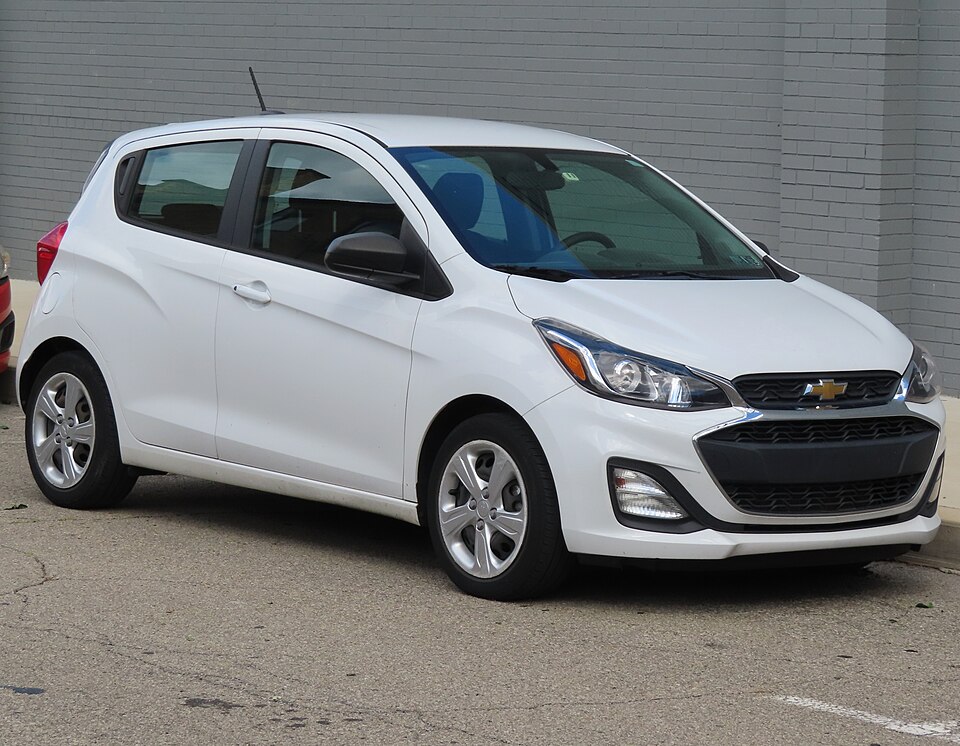
Safety is a concern. The Spark lacks comprehensive driver-assistance systems in many trims, and crash-test results are below average for the subcompact segment. Urban drivers looking for protection in congested streets may find it insufficient.
Overall maintenance costs are relatively high for a budget car due to frequent minor repairs and part replacements. Depreciation is steep, further discouraging long-term ownership in cities.
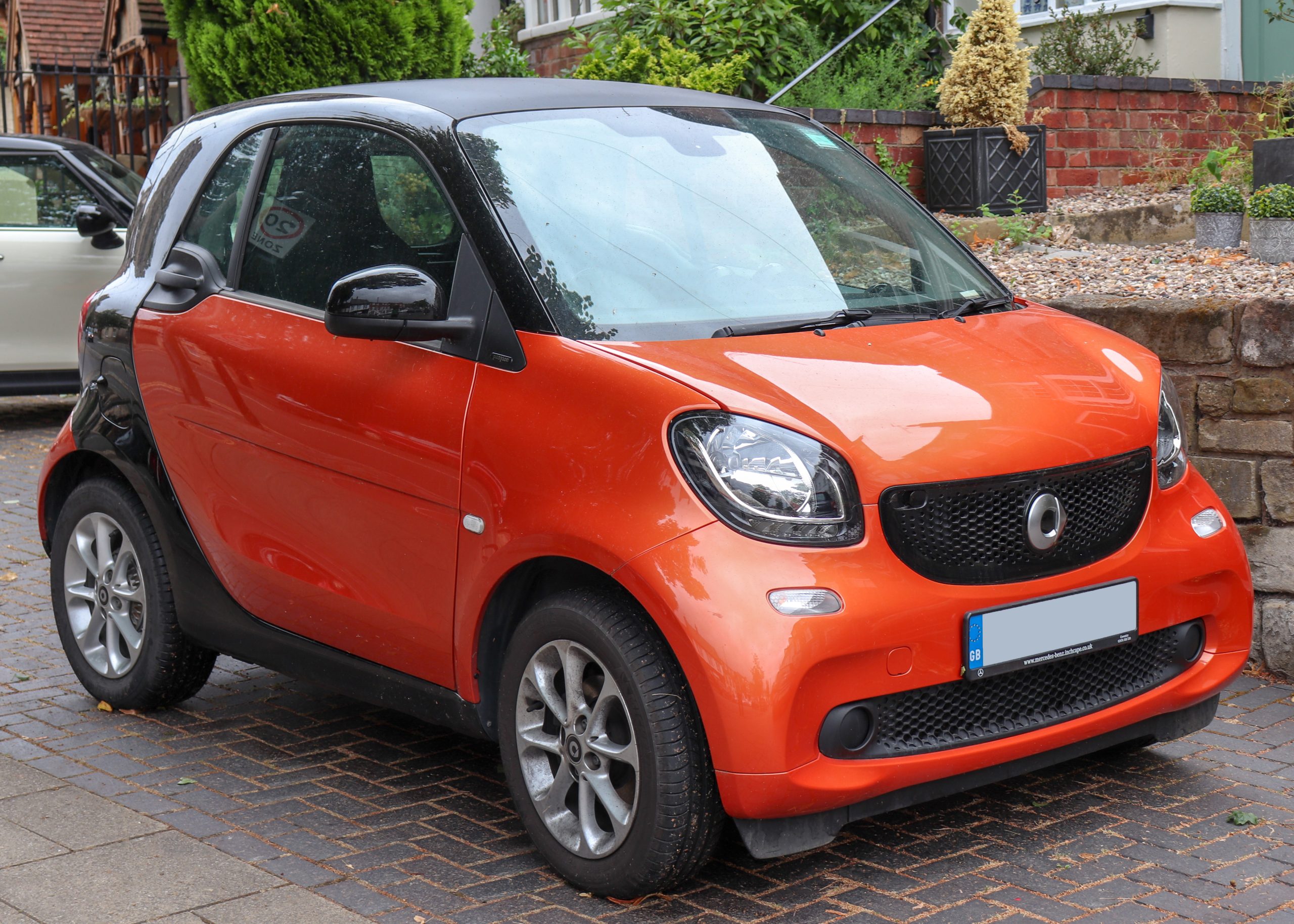
5. Smart Fortwo
The Smart Fortwo is one of the smallest cars available, making parking effortless, but city reliability is often compromised by mechanical and usability issues. Its tiny design exposes the vehicle to limitations that impact long-term urban ownership.
Engine power is minimal, and acceleration struggles when merging into traffic or climbing hills with a fully loaded cabin. Automatic transmissions can be unresponsive, particularly in older models, which creates challenges in stop-and-go traffic.
Suspension and ride quality are poor on rough city streets. Potholes and uneven pavement are harshly felt, and suspension components wear quickly, leading to frequent repairs and higher maintenance costs.
Interior space is extremely limited. Only two passengers can be accommodated, and cargo room is minimal. This makes daily errands, groceries, or transporting children and belongings difficult, reducing practicality for families or commuters.
Safety ratings are low compared with competitors. While its small size aids maneuverability, crash-test performance is below average, and driver-assistance features are limited or unavailable. In busy city traffic, this can pose a risk to occupants.
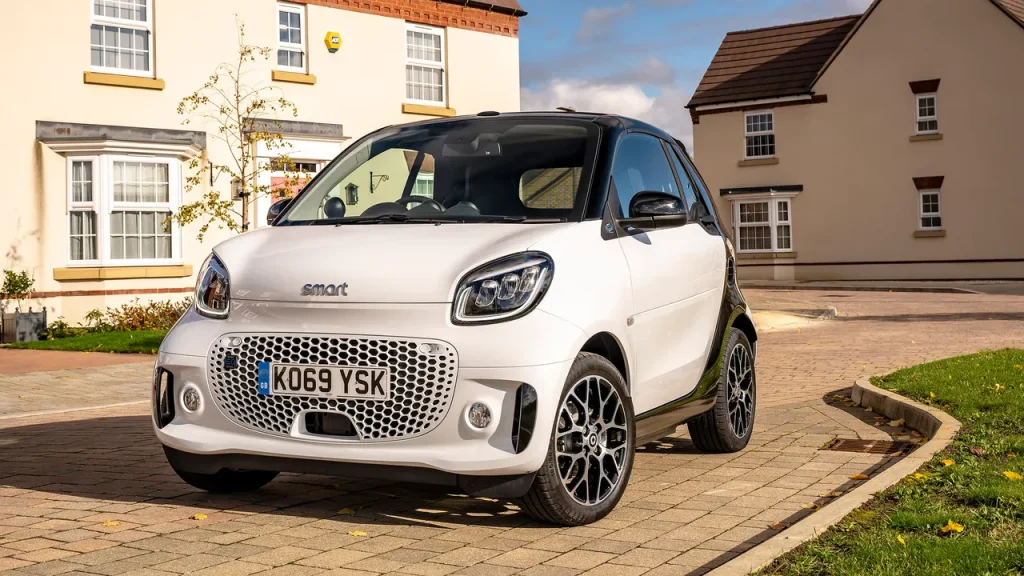
Maintenance and ownership costs are disproportionate to its size. Frequent repairs, limited service networks, and specialized parts make long-term urban ownership challenging.
Overall, the Smart Fortwo demonstrates that extreme compactness does not guarantee urban reliability. Its mechanical weaknesses, poor practicality, and limited safety features lead families and city drivers to often avoid it for daily city use.
City driving demands vehicles that can withstand frequent stops, uneven roads, and tight maneuvering while remaining safe, efficient, and dependable.
Cars that stay reliable in cities, such as the Toyota Corolla, Honda Civic, Mazda3, Hyundai Kona, and Toyota Prius, excel because they combine durable engineering, responsive transmissions, and suspension systems designed to absorb urban road stresses.
Their compact size and thoughtful interiors make parking and passenger transport easier, while fuel-efficient engines reduce the cost of stop-and-go driving.
Advanced safety features and consistent crash-test performance further enhance urban confidence, making these vehicles practical and low-maintenance for daily commuting.
In contrast, cars that fail in cities including the Fiat 500, Mini Cooper, Nissan Juke, Chevrolet Spark, and Smart Fortwo, struggle with reliability, durability, and usability.
Common issues include transmission problems, engine stress under frequent stops, suspension wear, and limited cargo or passenger space.
Safety features are often inconsistent or lacking, and maintenance costs are higher relative to performance. These limitations make ownership frustrating and costly over time.
Ultimately, the key difference lies in reliability, practicality, and urban-focused design. Choosing vehicles engineered to handle city conditions ensures comfort, lower long-term costs, and peace of mind, while avoiding models prone to failure in stop-and-go traffic prevents ongoing maintenance challenges and safety concerns.
Also Read: 5 Hybrids That Stay Reliable Across States vs 5 That Don’t
