
The quality and durability of a car’s cabin play a significant role in ownership satisfaction. While engines, transmissions, and drivetrains are important, the interior often defines the long-term experience for drivers and passengers.
Some cars feature cabins that maintain their appearance, comfort, and functionality over time. High-quality materials, thoughtful design, and robust assembly ensure that buttons, surfaces, and seating remain in good condition even after years of use.
Vehicles with aging-resistant cabins continue to provide a pleasant experience without extensive upkeep or replacement of interior components.
Other cars struggle to maintain interior quality. Materials may fade, crack, or wear quickly, buttons can become sticky, and seats may lose support or upholstery may tear. These issues make daily use less enjoyable and can lead to costly repairs or replacement, affecting long-term ownership satisfaction.
This article examines both categories. The first section highlights five cars whose cabins age exceptionally well, emphasizing durability, material quality, and design that withstands time.
The second section focuses on five cars with interiors that tend to degrade quickly, outlining the common issues that reduce comfort, aesthetics, and practicality over time.
Understanding these distinctions helps buyers select vehicles that remain enjoyable and functional for years to come.
Also Read: 10 Cars That Stay Reliable for Multiple Generations
5 Cars With Cabins That Age Well
Cabin longevity depends on material quality, construction, and design choices. Cars with aging-resistant interiors use durable plastics, soft-touch surfaces, and leather or fabric that maintains appearance and support over time.
Ergonomics also matter. Controls that remain intuitive, buttons that resist wear, and seats that preserve shape and comfort all contribute to a cabin that remains pleasant for daily use and long drives.
These cars often feature timeless design. Instead of trendy, short-lived styling cues, they rely on clean lines and layouts that continue to feel modern years after production. Low-maintenance finishes prevent fading, staining, or cracking, while well-assembled panels and trim resist rattles and squeaks.
In this section, five vehicles are highlighted for their cabin durability. Each entry explains why the interior remains functional, comfortable, and visually appealing over time.
Factors include material quality, craftsmanship, maintenance ease, and design that withstands trends and wear. These cars demonstrate that investing in quality materials and thoughtful interior construction pays off with lasting satisfaction and reliability for drivers and passengers alike.
1. Lexus ES
The Lexus ES is renowned for its cabin quality and durability. From soft-touch surfaces to well-padded seats, every material is chosen to withstand years of daily use without showing excessive wear.
Leather seating remains supple over time, resisting cracks and stains, while stitching retains its shape even after long-term use. Dashboard materials and door panels use soft-touch plastics and quality trims that resist fading from sunlight, maintaining a premium appearance for years.
Ergonomics are a strength. Buttons, knobs, and touch controls are intuitively placed and maintain functionality despite frequent use. The infotainment system is user-friendly, reducing frustration and wear on frequently accessed controls.
Noise insulation is excellent, minimizing road and wind noise. This not only enhances comfort but also reduces stress on interior components caused by vibrations. Carpets and floor mats are durable, maintaining appearance and comfort even with regular foot traffic.
Timeless design ensures that the cabin does not feel outdated even after years of ownership. Simple, elegant layouts and neutral color schemes help maintain a fresh appearance without reliance on fleeting trends.
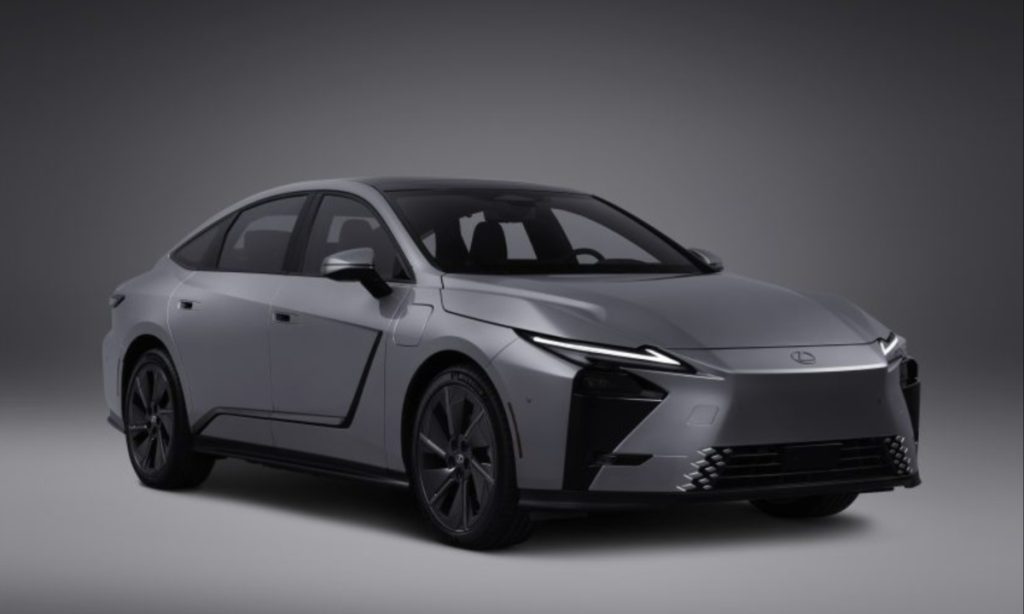
Owners report minimal issues with rattles, squeaks, or interior wear, even after high mileage. This combination of materials, design, and assembly quality makes the Lexus ES cabin a benchmark for longevity, providing a comfortable and visually appealing interior that remains reliable over many years.
2. Honda Accord
The Honda Accord’s cabin is recognized for practical durability. High-quality plastics, firm seating, and resilient trims ensure that daily use does not result in rapid wear or deterioration.
Seats, whether cloth or leather, maintain support and resist sagging. The dashboard and door panels use materials that avoid fading or cracking, while touchpoints like steering wheels and gear shifters retain their texture over time.
Controls and infotainment systems are designed to endure frequent interaction. Buttons remain responsive, and the layout is intuitive, reducing strain on both materials and driver usability.
Noise insulation and ride quality contribute to cabin longevity. Reduced vibrations and minimal rattling prevent loosening of panels and protect interior components from accelerated wear.
Carpets and mats are durable and maintain appearance even with regular city commuting or longer trips. Storage compartments and cup holders are reinforced, preventing breakage or deformation.
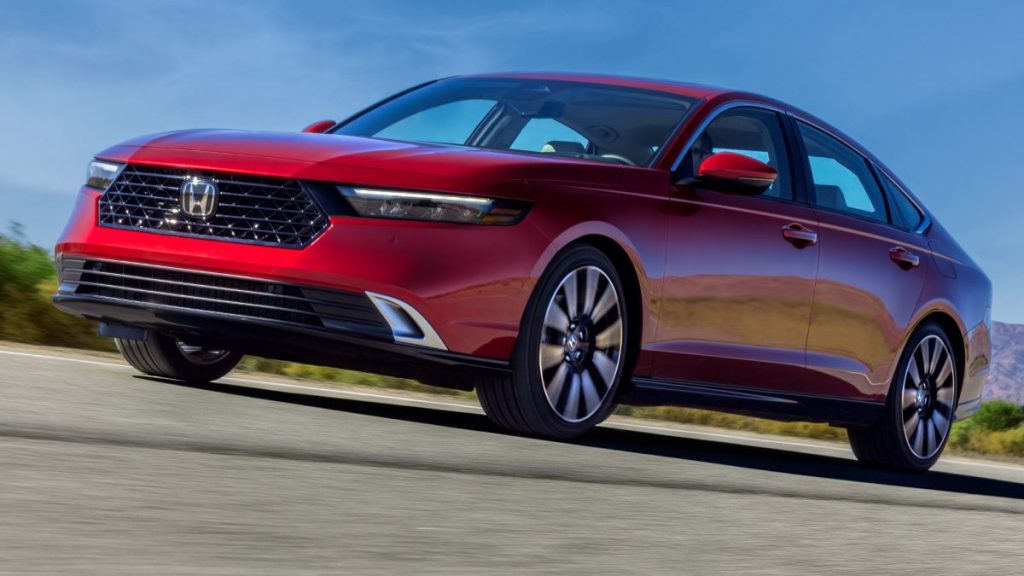
The Accord’s interior design is timeless, relying on clean lines and neutral colors rather than trendy accents. This approach helps the cabin feel modern even years after production, avoiding the dated look that often occurs with less thoughtfully designed interiors.
Overall, the Honda Accord demonstrates that practical material selection, ergonomic design, and solid assembly create a cabin that ages gracefully. Drivers benefit from an interior that remains visually appealing, functional, and comfortable long after the initial purchase.
3. Toyota Camry
The Toyota Camry is celebrated for its cabin durability and long-term comfort. Materials are selected to resist wear, maintaining a fresh and clean appearance even after years of daily use.
Seats, whether fabric or leather, hold their shape and support well over time. Leather options resist cracking, while fabric alternatives remain free from excessive pilling or fading. Dashboard surfaces and door panels feature soft-touch plastics that do not discolor or warp, even with extended sun exposure.
Controls and switches are robust. Infotainment knobs, buttons, and touchscreens withstand frequent interaction without failure. Layouts are ergonomic, allowing drivers and passengers to operate features with minimal effort and reduced wear on interior elements.
Noise insulation is effective, preventing vibration-related damage and providing a quiet, comfortable cabin environment. Carpets and mats are durable, maintaining appearance under heavy foot traffic and regular commuting.
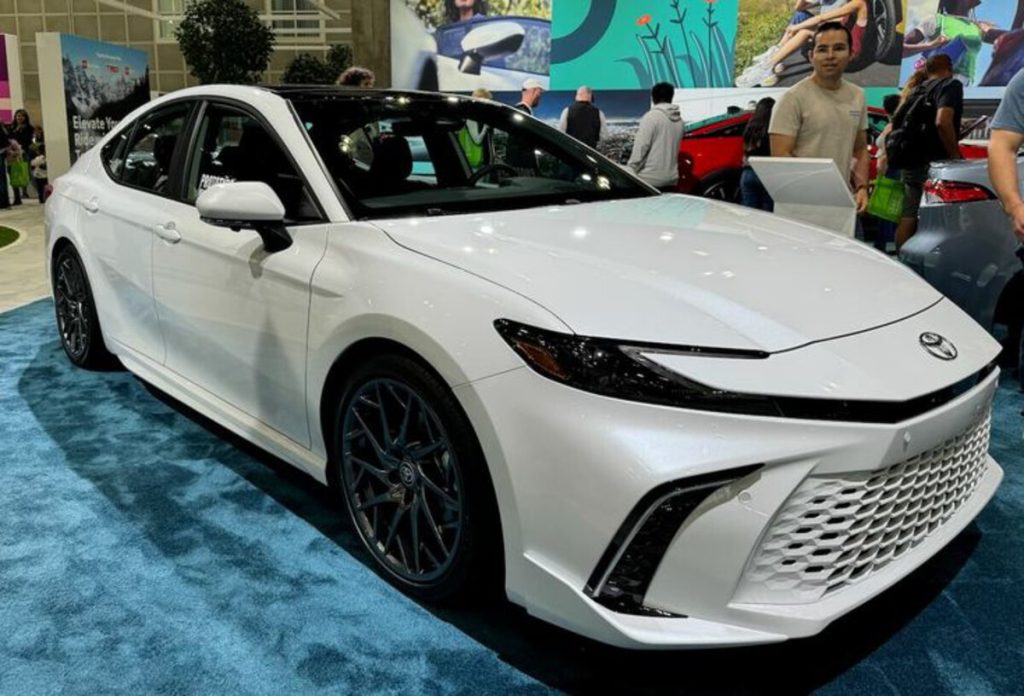
The Camry’s interior design focuses on clean lines and neutral tones. This timeless approach ensures that the cabin continues to look modern and sophisticated even as years pass, avoiding dated or trendy elements that often fail to age well.
Owners report very few rattles or squeaks over long-term ownership. Overall, the Toyota Camry demonstrates that a combination of quality materials, thoughtful design, and strong assembly practices can produce a cabin that ages gracefully while remaining functional, comfortable, and visually appealing for years.
4. Lexus RX
The Lexus RX sets a high standard for luxury cabins that maintain their quality over time. The use of premium leather, soft-touch plastics, and high-grade trim materials ensures long-term durability and comfort.
Seats retain support and cushion integrity even after extensive use. Leather upholstery resists cracking and fading, and stitching remains intact, contributing to a refined appearance throughout ownership. Dashboard and door panels use soft-touch materials that endure heat and sun exposure without warping or discoloration.
Ergonomics are excellent. Buttons, knobs, and infotainment controls are durable and retain responsiveness despite frequent use. Noise insulation and refined suspension reduce vibrations, preventing interior components from loosening or developing rattles.
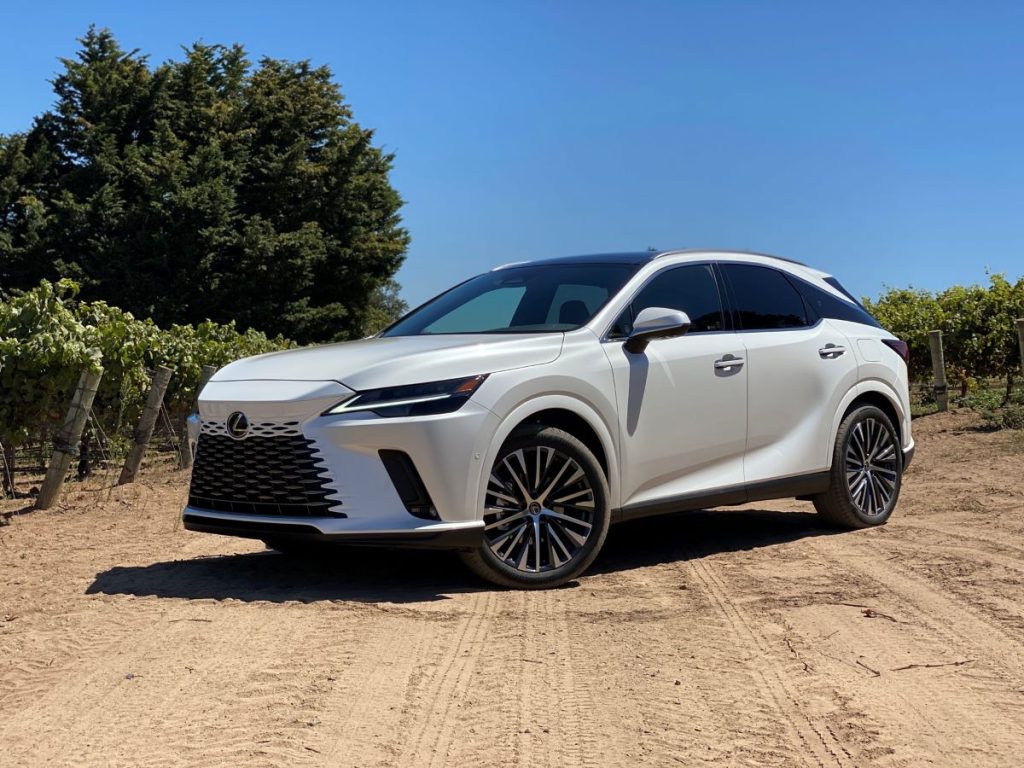
The interior design is elegant and timeless. Clean lines, neutral color palettes, and minimalistic accents ensure the cabin remains visually appealing, avoiding trends that quickly feel dated. Storage compartments, cup holders, and control panels are built to last, maintaining functionality even after years of use.
Owners report few issues with squeaks, rattles, or material degradation, even with high-mileage examples. This combination of quality materials, thoughtful engineering, and craftsmanship makes the Lexus RX cabin a benchmark for longevity, providing a consistently luxurious and functional interior for long-term ownership.
5. Audi A6
The Audi A6 is renowned for interior craftsmanship that endures over time. Premium leather, aluminum, and soft-touch plastics are combined to create a cabin that is both visually striking and exceptionally durable.
Seats maintain shape and comfort even after years of use. Leather surfaces resist wear, while stitching and panel trim remain intact. Dashboard and door panels feature materials that withstand heat, sunlight, and daily interaction without fading or warping.
Controls, including infotainment and climate systems, retain responsiveness over long-term use. Ergonomics are thoughtfully designed, ensuring frequent use does not result in accelerated wear or user frustration.
Noise insulation and ride quality protect interior components from vibrations and rattles, extending the life of panels, switches, and trim. Carpets and mats remain resilient, even under heavy foot traffic or long-distance driving.
Design is modern yet timeless. Clean lines, balanced proportions, and understated elegance allow the cabin to remain contemporary despite years of ownership. Functional compartments, cup holders, and storage areas are built to endure repeated use.
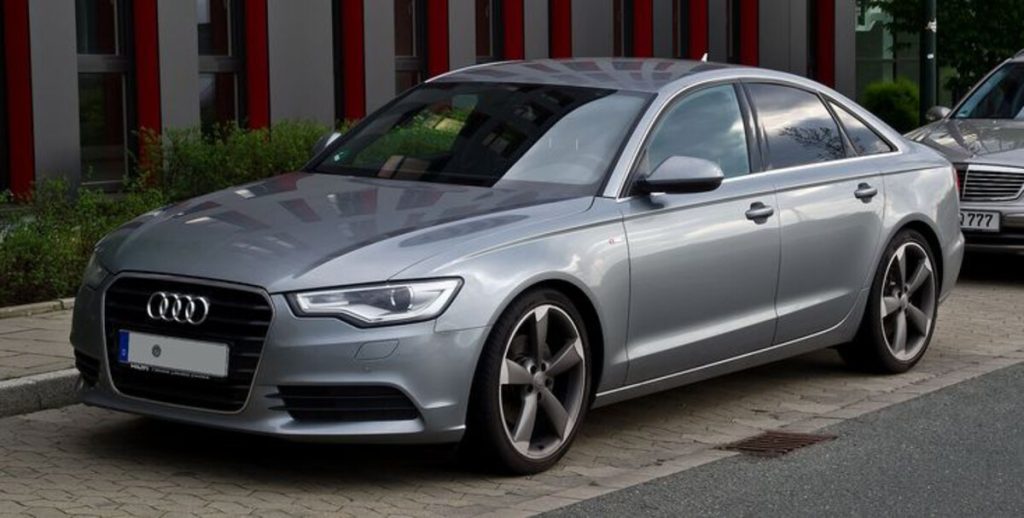
Owners report minimal issues with squeaks, rattles, or interior degradation over high-mileage ownership. The Audi A6 demonstrates that careful material selection, engineering, and craftsmanship can create a cabin that not only looks premium but continues to function reliably and maintain aesthetic appeal over many years.
5 Cars With Cabins That Don’t Age Well
Not all vehicles maintain interior quality over time. Some cabins show wear quickly, with materials fading, cracking, or developing squeaks and rattles after a few years of daily use.
Common issues include leather seats that crack, fabric that stains or pills, and plastics that discolor or warp. Controls, buttons, and touchscreens may become less responsive, reducing comfort and usability. Poor assembly can lead to rattles and squeaks, further diminishing the ownership experience.
Design choices also impact how a cabin ages. Trend-focused interiors with flashy accents or complex layouts may appear outdated within a few years. Vehicles that use low-quality materials may look worn even with careful maintenance, affecting the overall perception of the car.
In this section, we highlight five cars whose cabins do not stand the test of time. Each entry examines specific shortcomings, including material degradation, poor ergonomics, and design flaws, explaining why these interiors fail to maintain comfort, functionality, and visual appeal over years of ownership.
Understanding these limitations helps buyers avoid vehicles that may require costly repairs or create frustration as components wear or break down, ensuring a better long-term cabin experience.
1. Fiat 500
The Fiat 500, while stylish and compact, often struggles with interior durability. Materials used in the cabin, such as plastics and leatherette, show wear quickly under daily use.
Seats may develop creases and sagging, particularly with repeated use over several years. Leatherette surfaces can crack or peel, reducing both comfort and aesthetic appeal. Cloth seats are prone to pilling or staining, especially in high-traffic urban environments.
Dashboard and door panels feature soft-touch plastics that can discolor or warp over time, particularly in vehicles exposed to sunlight. Buttons and knobs sometimes become loose or sticky, affecting usability and long-term reliability.
Noise and vibration management is limited. Rattles and squeaks often develop in older models, which diminishes the perception of quality and comfort. Carpets and floor mats show rapid wear in high-traffic areas, further impacting the cabin’s appearance.
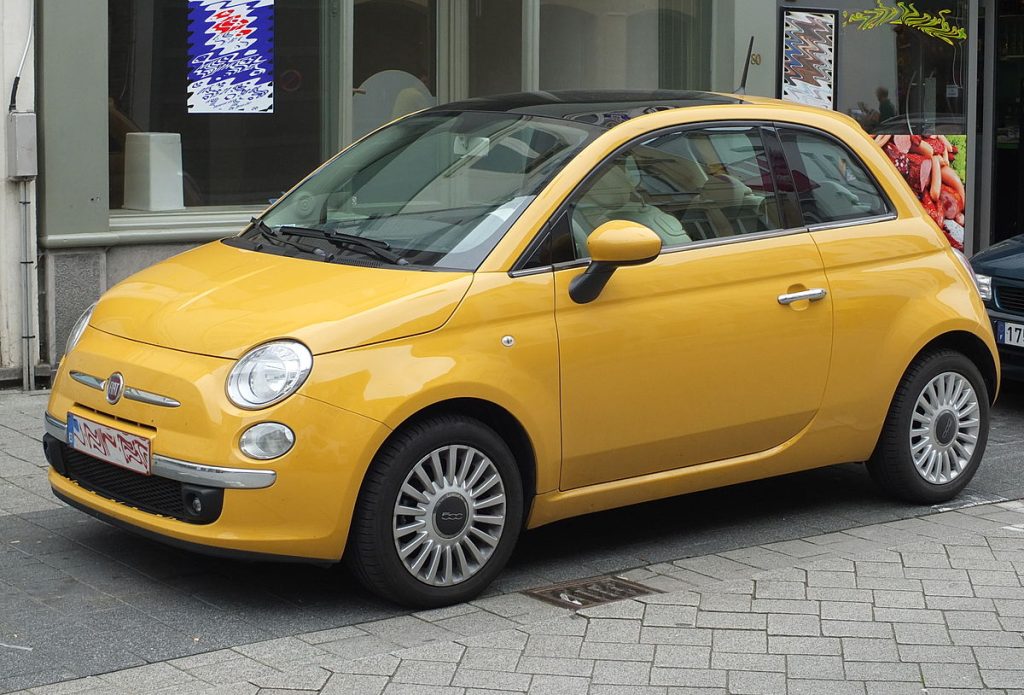
Infotainment systems and control layouts are prone to aging poorly. Touchscreens may lose responsiveness, and frequently used buttons often show signs of wear, contributing to a less enjoyable driving experience over time.
Overall, the Fiat 500 demonstrates that a focus on compact design and style can come at the expense of interior durability. Owners often face the challenge of a cabin that degrades faster than expected, requiring careful maintenance to keep the car looking and feeling acceptable.
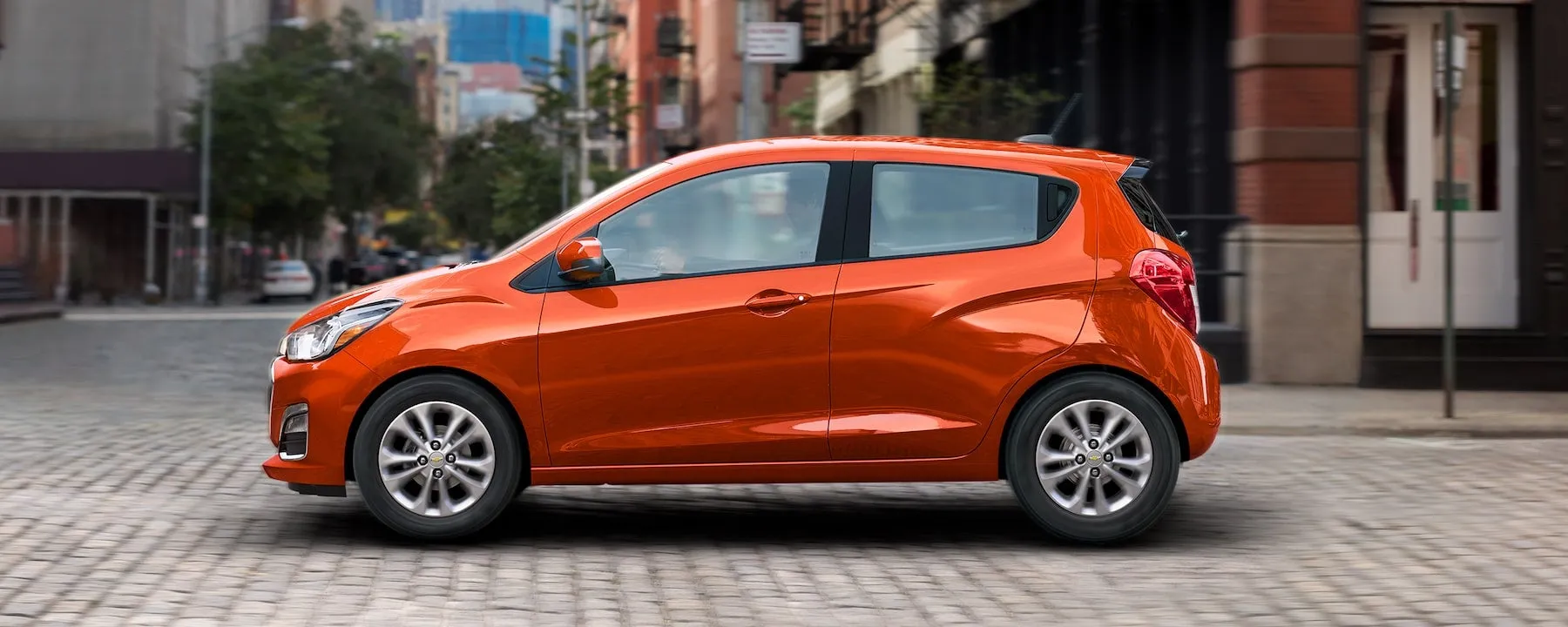
2. Chevrolet Spark
The Chevrolet Spark is an entry-level subcompact car that frequently suffers from rapid interior wear. Materials in the cabin, such as plastics, fabric, and synthetic trims, degrade quickly under normal use.
Seats, especially fabric options, can stain, pill, or lose shape over time. Leatherette seats in higher trims often crack and fade, particularly in regions with strong sun exposure. This reduces comfort and the overall sense of quality.
Dashboard plastics are prone to scratching, warping, and discoloration. Buttons and control knobs may become loose or sticky after repeated use, diminishing usability and contributing to a worn feel. Infotainment systems can develop responsiveness issues as they age.
Cabin noise is noticeable, and rattles develop in older models due to loose interior panels and poorly fitted trim. Carpets and floor mats show accelerated wear, especially with regular city commuting, further detracting from the cabin experience.
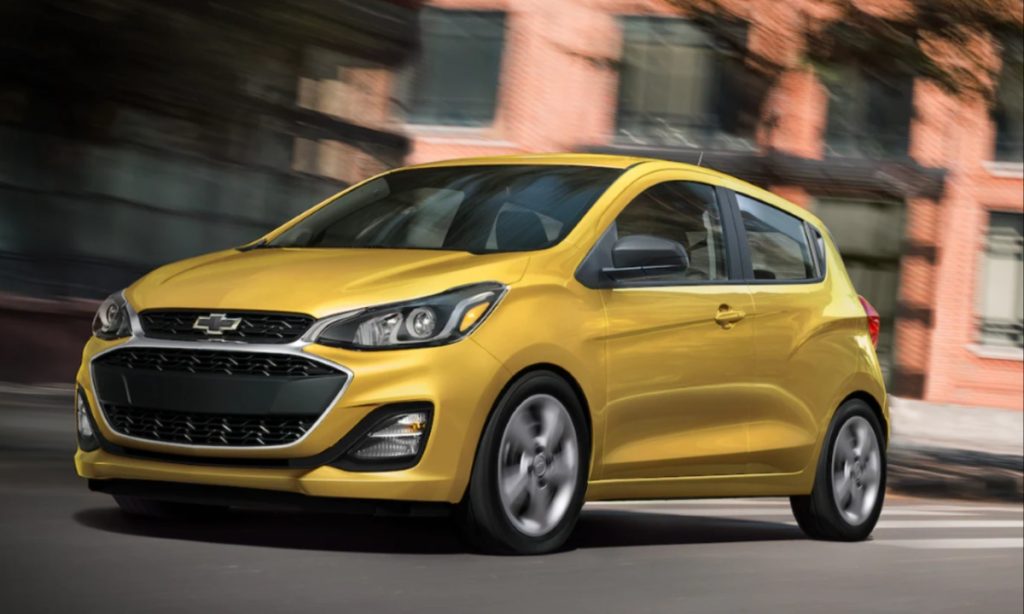
Ergonomics are basic, with control placement and storage solutions that fail to age well. Small design flaws, combined with lower-quality materials, make the Spark’s interior feel dated and worn within just a few years.
Overall, the Chevrolet Spark illustrates that inexpensive design and material choices often result in a cabin that struggles with longevity. Owners may face ongoing cosmetic and functional issues, requiring repairs or replacements to maintain usability and appearance.
3. Nissan Juke
The Nissan Juke often struggles with cabin longevity. While its bold design appeals initially, the interior materials tend to degrade quickly with everyday use.
Seats are prone to sagging and wrinkling. Cloth options pill and stain easily, while leatherette may crack or peel, especially on older models exposed to sunlight. This reduces both comfort and visual appeal over time.
Dashboard and door panels are made from lower-grade plastics that can fade, warp, or scratch. Buttons and knobs are subject to loosening or wear, and frequently used infotainment controls often show signs of degradation, affecting overall usability.
Noise insulation is limited. Vibrations and rattles develop in older models, and panel fitment can become inconsistent, resulting in squeaks during driving. Carpets and floor mats also show rapid wear under normal daily use, contributing to a tired cabin appearance.
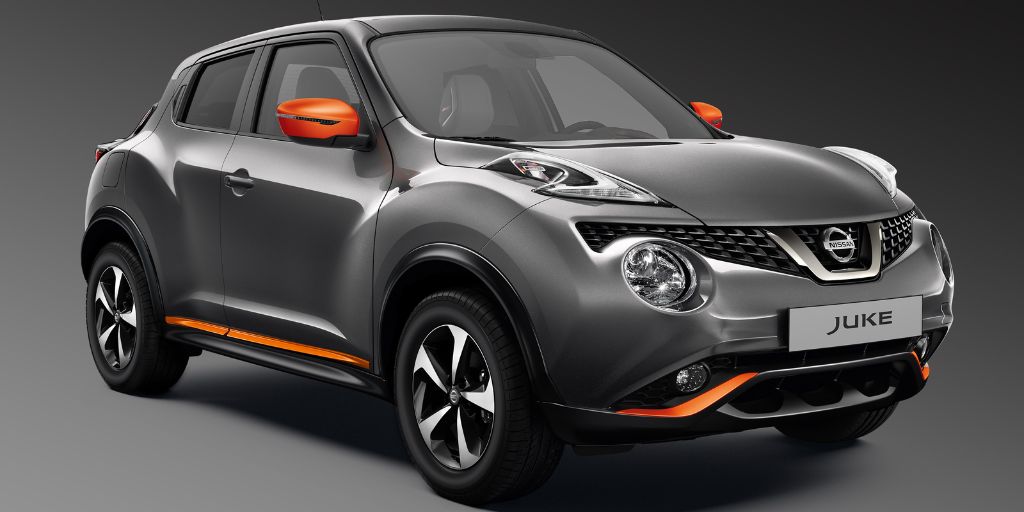
Ergonomic compromises further reduce practicality. Storage compartments are small and sometimes awkwardly placed, making daily errands or transporting personal items less convenient. Trend-focused design elements can feel dated within a few years, reducing the perceived value of the cabin.
Overall, the Nissan Juke illustrates that flashy styling does not guarantee long-term interior quality. Owners often experience fading, wear, and reduced functionality, which can make the car feel older and less enjoyable sooner than expected.
4. Mini Cooper
The Mini Cooper’s cabin, while distinctive and stylish, tends to age poorly under regular use. Its design and materials can degrade rapidly, affecting comfort and functionality.
Seats may lose support over time, with leatherette cracking or fabric pilling. High-contact areas, such as the steering wheel, gear shift, and frequently used buttons, often show visible wear within a few years.
Dashboard plastics and trim pieces are prone to scratching, discoloration, and warping. Infotainment controls, toggle switches, and knobs may lose responsiveness, diminishing user experience and contributing to a worn feel.
Noise insulation is inconsistent. Older models develop rattles and squeaks due to loose panels and trim, reducing the cabin’s perceived quality. Carpets and mats wear quickly, especially under frequent commuting conditions.
The interior design is trend-focused, incorporating playful colors and accents that can feel outdated within a short period. Ergonomic compromises, such as cramped rear seating and limited storage, further highlight the cabin’s lack of long-term practicality.
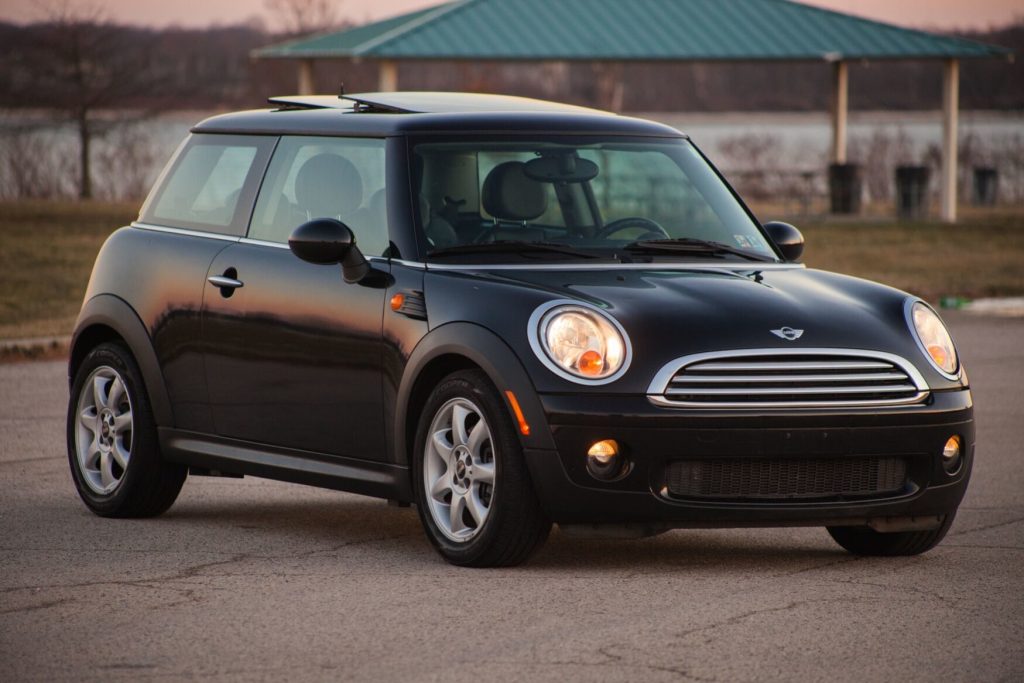
Overall, the Mini Cooper demonstrates that style and compactness do not guarantee durability. Cabin components, materials, and finishes degrade faster than expected, requiring maintenance or replacement to maintain usability and comfort.
5. Fiat Panda
The Fiat Panda is an economical city car, but its cabin struggles to maintain quality over time. Materials, assembly, and design choices contribute to a lack of durability under daily use.
Seats are basic and tend to sag or lose cushioning quickly. Fabric options pill and stain, while leatherette alternatives crack or fade. These issues diminish both comfort and aesthetic appeal, particularly with regular commuting.
Dashboard and door panels are made from inexpensive plastics that scratch, warp, or discolor with sun exposure. Buttons, switches, and knobs wear visibly, with frequently used components losing functionality or tactile feel.
Noise and vibration management is limited. Panels may loosen over time, creating rattles, and carpets wear quickly under foot traffic. Ergonomics are simple but do not withstand repeated use, and storage solutions are minimal, reducing practicality for everyday tasks.
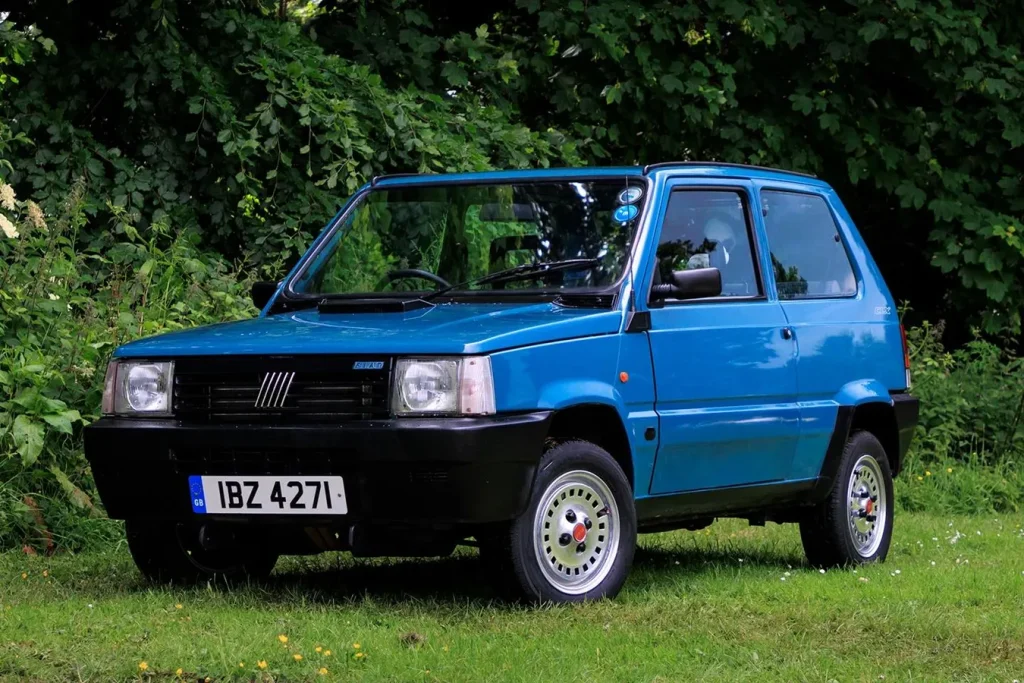
Trend-driven design elements make the cabin feel dated sooner than neutral, timeless interiors. This combination of low-quality materials and basic construction results in a cabin that shows its age rapidly.
Overall, the Fiat Panda demonstrates that budget-friendly design choices often compromise long-term interior quality. Owners face rapid wear, decreased comfort, and reduced functionality, making it a less appealing choice for those seeking a cabin that ages gracefully.
The longevity of a car’s cabin is a key factor in overall ownership satisfaction. Vehicles with interiors that age well maintain comfort, aesthetics, and functionality over years of daily use, while cabins that degrade quickly can make even a mechanically reliable car feel frustrating and low quality.
Cars such as the Lexus ES, Honda Accord, Toyota Camry, Lexus RX, and Audi A6 exemplify interiors that stand the test of time. These vehicles use high-quality materials, including supple leather, soft-touch plastics, and durable trims that resist fading, cracking, or wear.
Seats maintain support and comfort, dashboards and panels retain their appearance, and controls and infotainment systems remain responsive even after extensive use.
Noise insulation and solid assembly prevent rattles and squeaks, contributing to a quiet, enjoyable cabin environment. Timeless design ensures that these interiors remain visually appealing and modern, avoiding trend-driven elements that can feel outdated quickly.
Practical considerations, such as intuitive ergonomics, adequate storage, and functional layouts, further enhance their long-term usability. Owners of these vehicles often report minimal issues with interior degradation, reinforcing their reputation for durable, well-crafted cabins.
In contrast, vehicles like the Fiat 500, Chevrolet Spark, Nissan Juke, Mini Cooper, and Fiat Panda struggle with aging interiors. Materials often degrade rapidly leatherette can crack, cloth can pill or stain, and plastics may warp or fade.
Buttons, knobs, and touchscreen controls frequently lose responsiveness, while panels may loosen, causing rattles and squeaks. Carpets and mats wear quickly, and storage solutions are often minimal or awkwardly placed.
Trend-focused design choices can feel outdated within a few years, compounding the perception of deterioration. These issues reduce comfort, usability, and visual appeal, creating a cabin that feels worn and less enjoyable over time.
Owners of these cars often face ongoing maintenance or cosmetic repairs to preserve usability, which increases both cost and frustration.
Ultimately, the difference between cabins that age well and those that don’t lies in material quality, design choices, assembly standards, and attention to ergonomics.
Selecting a vehicle with a durable, well-constructed interior ensures long-term comfort, practicality, and satisfaction, while avoiding cars with fragile, trend-focused, or low-quality cabins prevents premature wear, maintenance challenges, and declining enjoyment over the years.
Also Read: 10 Best Side-by-Sides To Buy For Off-Roading in 2025
