When it comes to longevity, some cars are not just reliable; they are built to last for hundreds of thousands of miles. Mechanics are often asked which vehicles can truly go the distance, and while many modern cars perform well, only a few have proven they can surpass 500,000 miles.
From compact sedans to heavy-duty pickups, these vehicles combine durable engineering, dependable powertrains, and practical designs that keep them running smoothly even after years of daily use.
In this list, we will explore 10 cars mechanics say can hit 500,000 miles, including affordable daily drivers, iconic sports cars, and rugged trucks.
Each model has earned its reputation through real-world endurance, thoughtful maintenance requirements, and design choices that prioritize longevity. Whether you are shopping for a long-lasting commuter car or a legendary workhorse, these vehicles show that mileage is just a number.
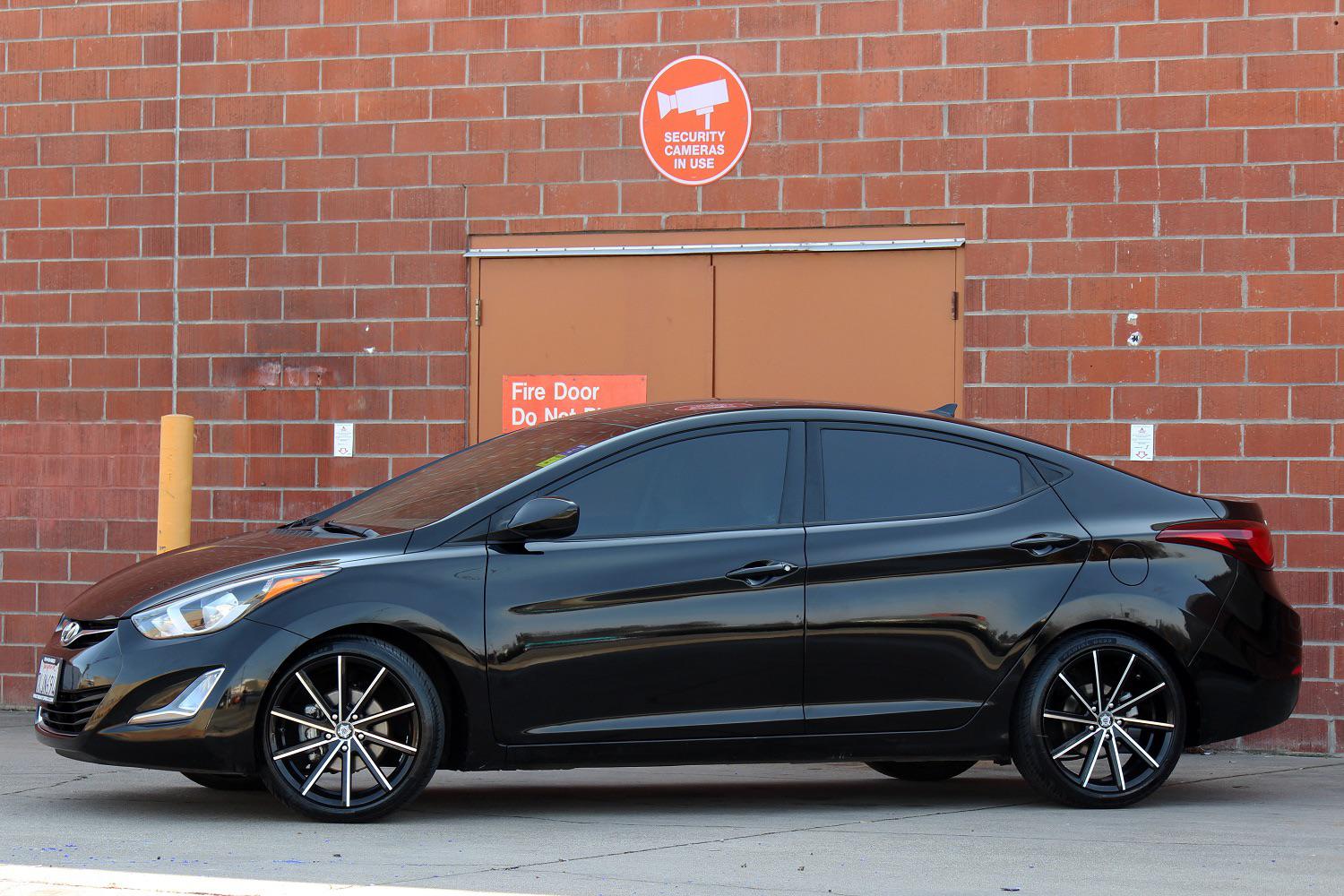
1. 2010–2015 Hyundai Elantra: Reliable and Efficient Compact Sedan
The 2010–2015 Hyundai Elantra is a compact sedan that combines reliability, fuel efficiency, and practicality, making it an appealing choice for everyday driving.
While it may not be as sporty as rivals like the Honda Civic or Mazda 3, the Elantra stands out with a roomy interior, an intuitive infotainment system, and low ownership costs. Its reputation for reliability is a key factor, with Hyundai vehicles consistently achieving high mileage and strong owner satisfaction.
The Elantra is offered in several trims, including SE, Limited, and Sport, each with distinct powertrains. SE and Limited models feature a 1.8-liter four-cylinder engine producing 145 horsepower and 130 lb-ft of torque, paired with either a six-speed manual or automatic transmission.
Fuel economy is strong, with the SE achieving an EPA-estimated 32 mpg combined for the automatic version and 31 mpg for the manual. The Sport trim features a larger 2.0-liter four-cylinder engine with 173 horsepower and 154 lb-ft of torque, capable of 0 to 60 mph in 8.2 seconds. Its fuel economy is rated at 28 mpg combined, depending on transmission choice.
Safety is a strong point for the Elantra, with standard features including antilock disc brakes, stability and traction control, hill-start assist, front-seat side airbags, and side curtain airbags. The Limited and Sport trims offer a rearview camera, and Blue Link telematics provides remote access, emergency assistance, and theft recovery.
Government crash testing rated the Elantra five stars for occupant protection, with four stars for frontal crash protection and five stars for side-impact protection.
The IIHS awarded the car “Good” in multiple crash tests, though the small-overlap frontal-offset test earned a second-best “Acceptable” rating.
On the road, the Elantra is quiet, stable, and composed, particularly on highways. The 1.8-liter engine delivers adequate performance for daily driving, while the 2.0-liter Sport engine provides stronger acceleration. Ride quality can feel firm over rough pavement, but handling is secure and predictable.
Inside, the cabin is attractive, featuring swooping design lines, intuitive controls, and a spacious interior for passengers. The backseat is comfortable for children, though taller adults may find headroom limited. Cargo capacity is generous, with a 14.8-cubic-foot trunk and low liftover height, making the Elantra practical for everyday needs.
The 2010–2015 Hyundai Elantra offers a combination of fuel efficiency, reliability, and well-thought-out design, making it a top choice for a compact sedan that is dependable, affordable, and practical.
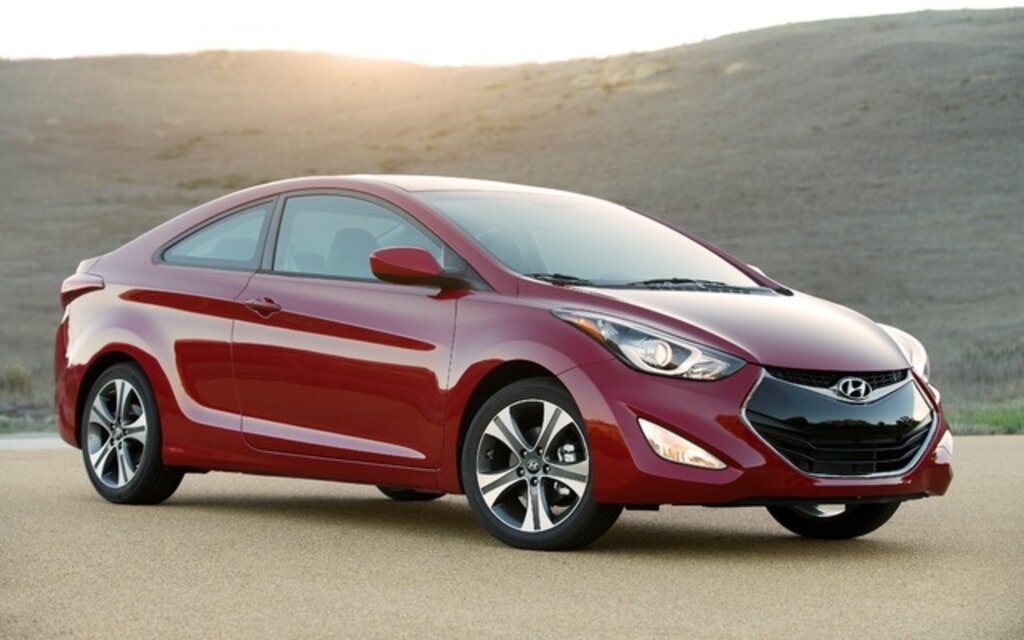
2. 1997–2004 Chevrolet Corvette: American Muscle Perfected
The 1997–2004 Chevrolet Corvette, known as the C5 generation, is an iconic American sports car that combines raw power, precise engineering, and distinctive styling. Built to refine the lessons of previous generations, the C5 Corvette offers improved interior materials, enhanced mechanics, and a driving experience that remains a bargain for enthusiasts.
Its reputation as a high-performance, affordable sports car is supported by real-world durability, with examples like a Corvette reaching over 773,000 miles during daily use before being donated to the National Chevrolet Museum.
At the heart of the Corvette is the standard LS1 5.7-liter V8 engine, producing 350 horsepower and 360 lb-ft of torque, or 375 lb-ft with the manual transmission. Acceleration is impressive, with the four-speed automatic reaching 60 mph in just over 5 seconds.
The six-speed manual reduces that time by nearly half a second. Traction control, through acceleration slip regulation, helps manage the power and maintain stability on slippery surfaces.
The later Z06 model elevated performance with the LS6 V8, generating 405 horsepower and 400 lb-ft of torque, combined with a retuned suspension, race-caliber brakes, and a lightweight chassis. With 0-to-60 times around 4 seconds and quarter-mile runs near 12.5 seconds, the Z06 placed the Corvette among serious competitors to exotic European sports cars.
The C5 Corvette also excels in handling and safety. A second-generation Active Handling System keeps the car stable, while large 17-inch front and 18-inch rear tires provide exceptional grip. Four-wheel disc antilock brakes deliver strong stopping power under extreme conditions.
Inside, the Corvette features large analog gauges, logically placed controls, and a spacious cabin for two passengers. Cargo space is generous for a sports car, with 25 cubic feet beneath the rear hatch glass, more than previous Corvettes and even some sedans.
The 1997–2004 Corvette remains one of the best American sports cars ever produced. Its combination of power, handling, practicality, and value allows it to compete with high-end performance cars while remaining accessible. For enthusiasts seeking a thrilling driving experience without an exotic price tag, the C5 Corvette delivers, proving that American muscle can be fast and refined
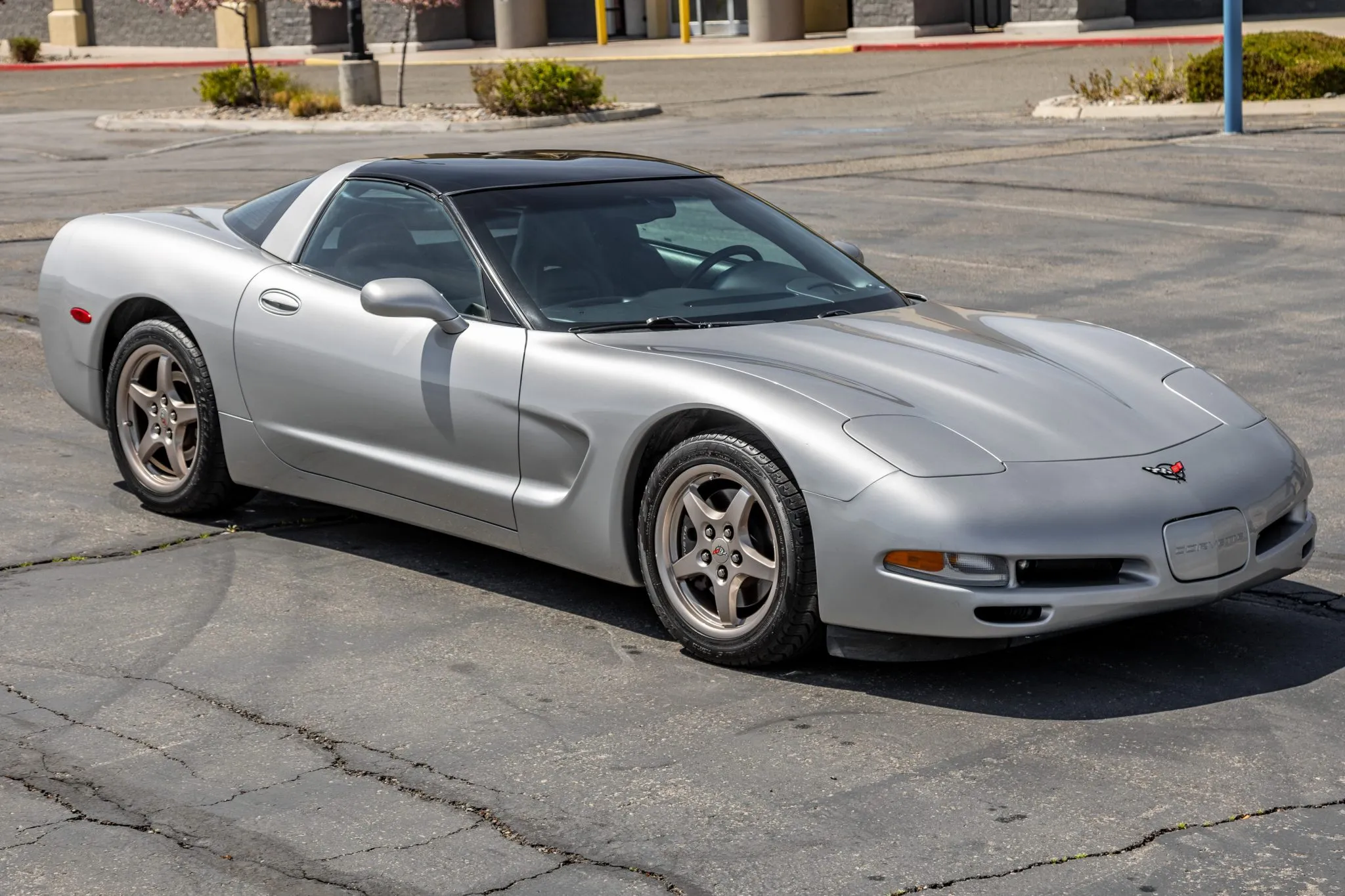
3. 1993–1996 Mercedes-Benz E-Class: Luxury and Durability Refined
The 1993–1996 Mercedes-Benz E-Class is often considered the last “true” Mercedes, embodying elegance, solid engineering, and luxury before cost-cutting measures affected later models.
This generation of the E-Class offers a refined driving experience, spacious interiors, and high levels of comfort for both drivers and passengers. Its reputation for durability is reinforced by real-world examples, such as a Mercedes taxi in Albania that has accumulated over 980,000 miles, showing the marque’s legendary longevity.
The 1996 E-Class introduced a fresh design while maintaining familiar Mercedes styling cues. It featured round headlamps with integrated low beams, parking lights, turn signals, and fog lamps, giving the car a retro yet distinctive look.
The cabin was upgraded with automatic climate control, dust and pollen filtration, standard leather seating in E320 models, and three-position memory for the driver’s seat, steering wheel, headrests, and side mirrors. Additional convenience features include front and rear cupholders and well-placed controls, combining luxury with practicality.
Performance options ranged from the E320 with a 217-horsepower 3.2-liter inline-six to the E420 V8 producing 275 horsepower. Diesel variants, such as the E300, provided fuel-efficient alternatives, while all models came with five-speed automatic transmissions and rear-wheel drive. The engines delivered smooth, confident acceleration and refined power delivery suited to highway cruising or city driving.
Safety and handling were enhanced with standard anti-lock brakes, traction control, child-safety locks on rear doors, dual airbags, and inflatable door restraints. The E420 could be equipped with an Electronic Stability Program (ESP) to improve control in slippery conditions. An infrared remote security system was also standard.
The 1993–1996 E-Class competed strongly with contemporaries like the BMW 5-Series and Lexus LS400, blending understated elegance with reliable engineering and thoughtful features.
Its combination of style, comfort, safety, and longevity makes this E-Class a standout in the luxury sedan segment. For drivers seeking a durable, refined vehicle with classic Mercedes presence, this generation of the E-Class remains a highly desirable choice.
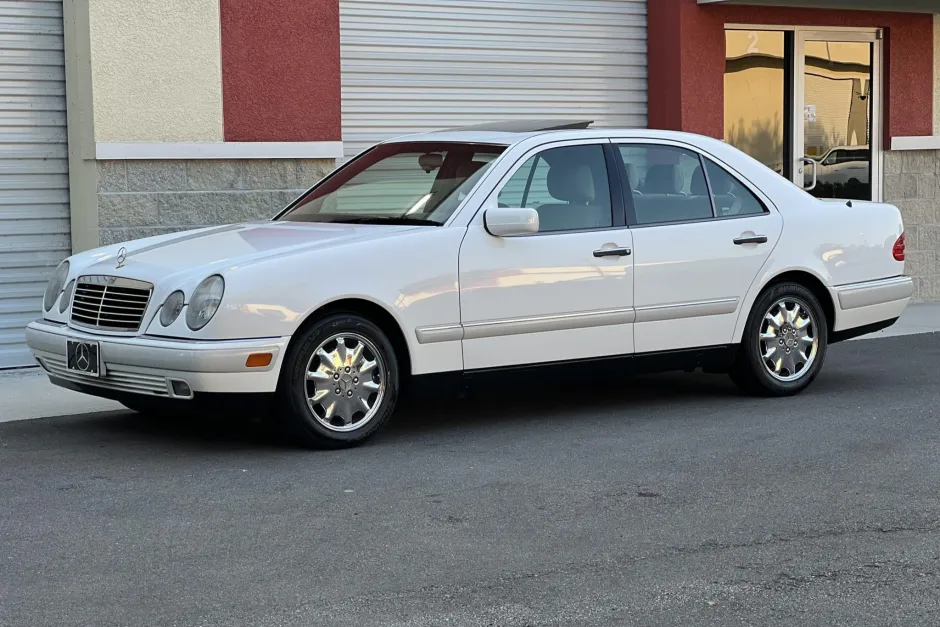
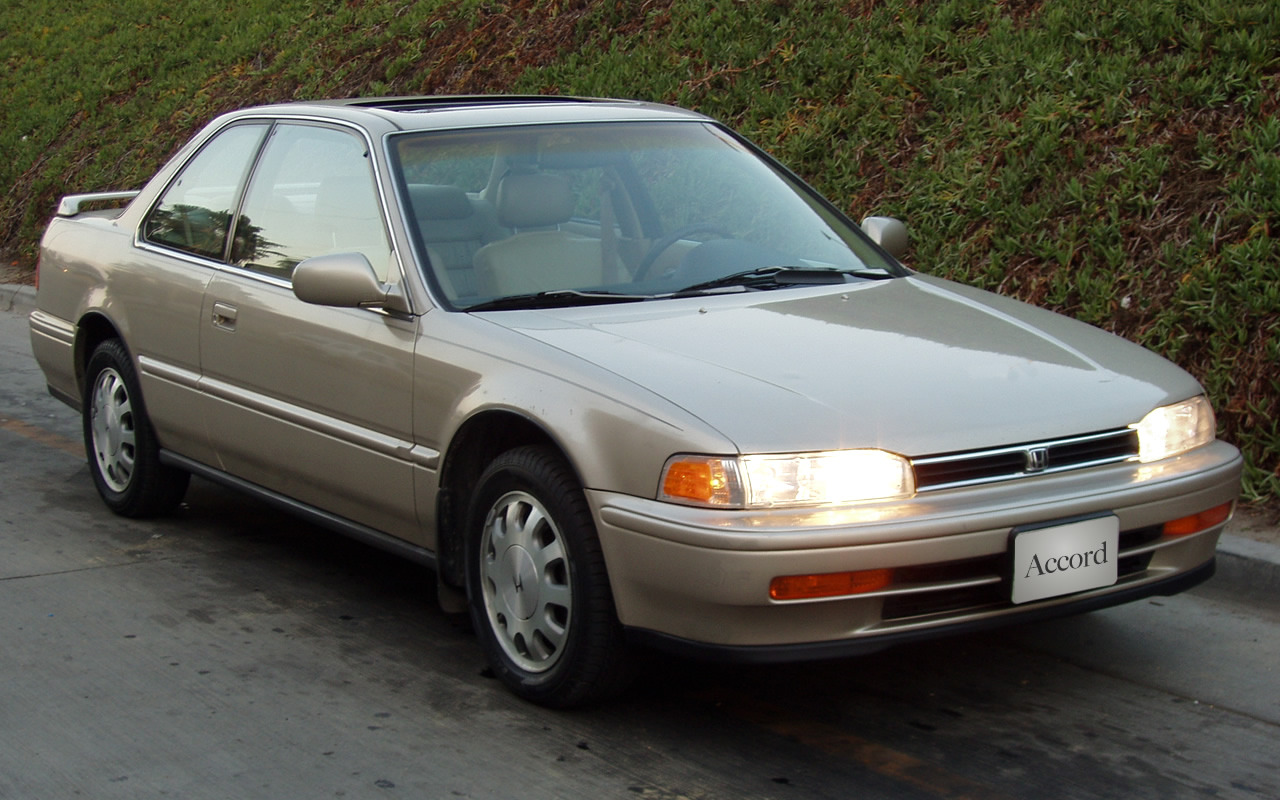
4. 1990–1993 Honda Accord: Reliable and Long-Lasting Japanese Sedan
The 1990–1993 Honda Accord, part of the fourth generation, is widely recognized for its reliability, engineering quality, and long-lasting performance. With a subtle and understated design, this generation of Accord conceals clever engineering under the hood, making it both practical and dependable.
It has earned a reputation as a “bulletproof” vehicle among owners, with some examples surpassing one million miles, highlighting the model’s durability and build quality.
This generation introduced a completely redesigned drivetrain, powered by a 2.2-liter inline-four engine producing up to 130 horsepower. The engine features a secondary balance system that reduces vibrations and improves ride comfort, making the car smooth and enjoyable for daily driving.
The transmissions of this era are known for their robustness, providing reliable performance and capable of lasting well over 200,000 miles when properly maintained.
Common issues with the 1990–1993 Accord are typically minor and well-documented. Owners report occasional problems such as faulty ignition switches, intermittent power locks, flashing check engine or D4 lights, and radio or climate control display malfunctions.
These issues are generally inexpensive and easy to repair, with parts widely available due to the model’s popularity and longevity. Proper maintenance is essential to maximize the car’s lifespan and avoid more serious problems.
The fourth-generation Accord is especially valued for its high reliability ratings, long lifespan, and straightforward engineering. Its combination of sturdy engine, dependable transmission, and simple yet effective systems makes it a strong choice for first-time buyers, commuters, or anyone seeking a durable used vehicle.
When purchasing a 1990–1993 Accord, it is important to check the maintenance history to ensure the car has been cared for over the years. With regular servicing, these vehicles can continue to deliver exceptional performance, comfort, and dependability. For drivers looking for a practical, well-built sedan that can endure high mileage, this generation of Honda Accord remains a standout choice.
5. 1973–1989 Porsche 911 Turbo: Iconic Performance and Enduring Design
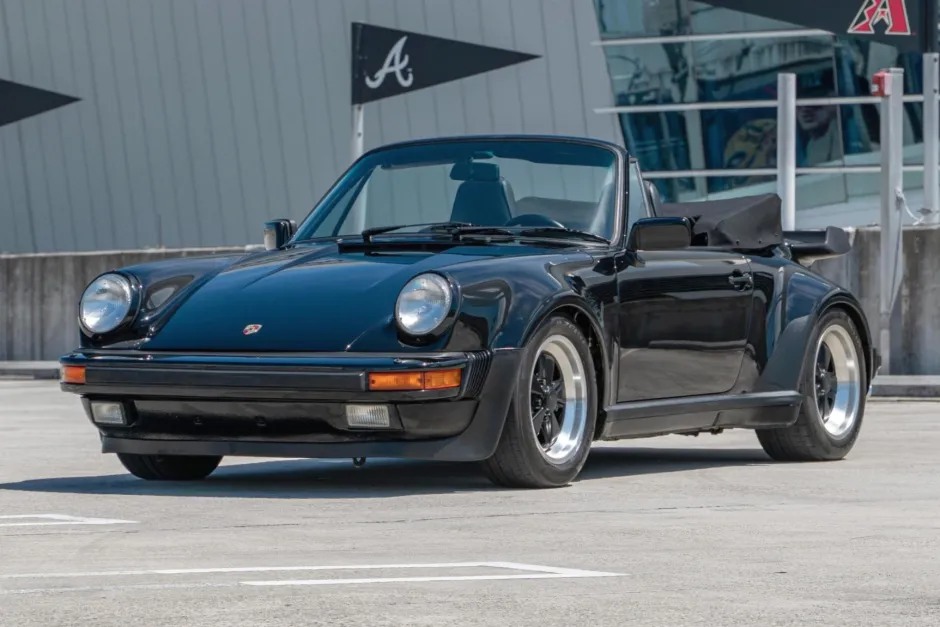
The 1973–1989 Porsche 911 Turbo, also known as the 930 generation, is an iconic sports car celebrated for its timeless design, exceptional engineering, and high-performance capabilities.
Even decades after its introduction, the 911 Turbo remains a standout for enthusiasts, blending classic styling with a powerful turbocharged flat-six engine. Its reputation is strengthened by real-world durability, with examples such as a 911 Turbo accumulating over 725,000 miles while remaining operational, demonstrating the model’s long-term reliability when properly maintained.
Under the hood, the 911 Turbo is powered by a 3.0-liter turbocharged flat-six engine producing 260 horsepower. The drivetrain is known for robustness but requires careful, specialized maintenance. Engine checks, such as measuring oil levels with a running hot engine, are essential to ensure optimal performance.
Cooling system components, including radiators and air-conditioning condensers, are vulnerable and can be costly to repair if damaged. The steel brake discs are durable but require regular driving to prevent corrosion.
The 930 Turbo is generally reliable, but certain recalls and maintenance requirements should be noted. A 1992 recall addressed potential cruise control linkage failures, where plastic ball sockets could break and jam the throttle. The solution involved replacing these components with steel-ball sockets.
Owners are advised to avoid using cruise control until repairs are applied. High-quality servicing by specialist technicians is essential to maintain the car’s performance and reliability, though parts and labor costs are higher than average due to the car’s complex engineering.
Despite the higher cost of ownership, the 911 Turbo offers a rewarding driving experience, capable of thrilling track performance and confident street cruising. The 1989 model, marking the final year of the 930 generation, exemplifies the combination of engineering excellence, driving excitement, and enduring style that has made the Porsche 911 Turbo a legend.
Enthusiasts seeking a classic sports car with a proven record of reliability, powerful performance, and unmatched character will find the 1973–1989 911 Turbo an exceptional choice.
Also Read: 5 Cars That Surprise Owners With High Resale vs 5 That Don’t
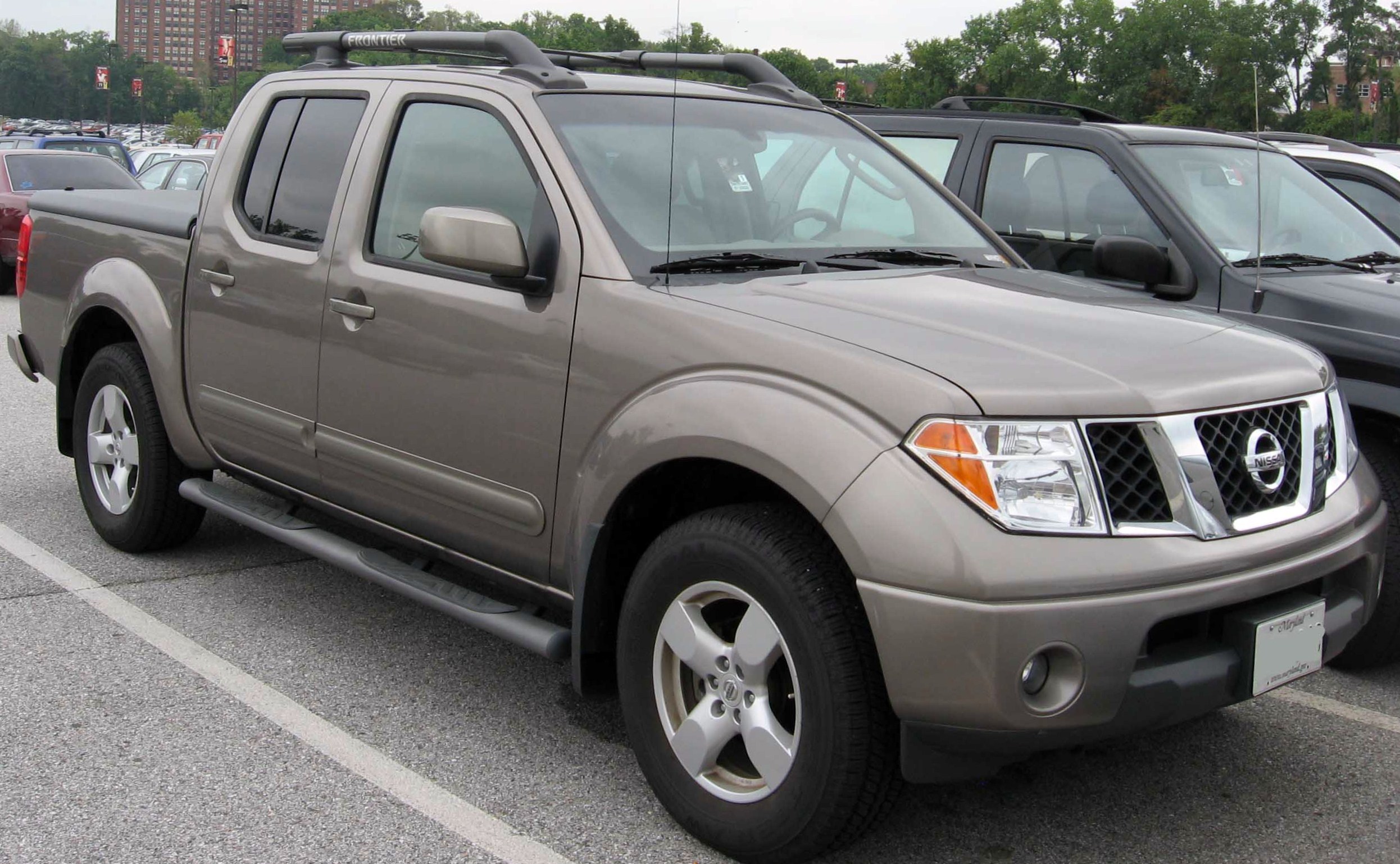
6. 2005–2007 Nissan Frontier: A Rugged and Versatile Midsize Pickup
The 2005–2007 Nissan Frontier is a compact yet capable pickup that combines utility with the appeal of a full-sized truck. Known for its rugged design and customization options, the Frontier has earned a loyal following among enthusiasts seeking a reliable, versatile vehicle.
Originally based on the Nissan Navara, the Frontier has evolved into a standalone model and continues to thrive, with the latest 2023 iteration carrying the same core traits. Its durability is highlighted by real-world achievements, such as a Frontier reaching one million miles, demonstrating the brand’s reputation for long-lasting performance.
Buyers can choose between King Cab (extended cab) and Crew Cab configurations, though regular cabs are unavailable. Crew Cabs match King Cab lengths but provide more interior space with rear doors for easier access.
Some 2007 SE and LE Crew Cabs offer long-bed options, allowing for a 6-foot, 1-inch cargo bed. All models feature split-folding rear seats for flexible cabin storage. Interior comfort is good, though the cabin relies on hard plastic more than some competitors.
Performance varies by engine. The base XE model uses a 2.5-liter inline-4 producing 152 hp and 171 lb-ft of torque, suitable for basic work duties. Most models, however, are equipped with a 4.0-liter V6 delivering 261 hp and 281 lb-ft of torque, paired with either a manual or automatic transmission.
The V6 provides strong low-end torque, smooth shifting, and towing capabilities up to 6,500 pounds when properly equipped. Ride quality is commendable for a midsize pickup, with responsive steering and capable off-road performance thanks to 10.1 inches of ground clearance and suspension designed for rough terrain.
Safety is robust, with standard antilock brakes and optional side-impact and curtain airbags. Higher trims offer stability control, hill start assist, and hill descent control. Crash testing results are strong, with NHTSA ratings of four to five stars for frontal and side impacts, and IIHS ratings of “Good” for occupant protection.
The Frontier’s utility is enhanced by the “Utili-track” bed channel tie-down system, factory spray-in bedliner, and a variety of accessories, including dividers, cargo trays, and bike racks.
These features, combined with its rugged V6 drivetrain, comfortable interior, and off-road readiness, make the 2005–2007 Nissan Frontier a top choice in the midsize pickup segment, rivaling competitors like the Toyota Tacoma in versatility and value.
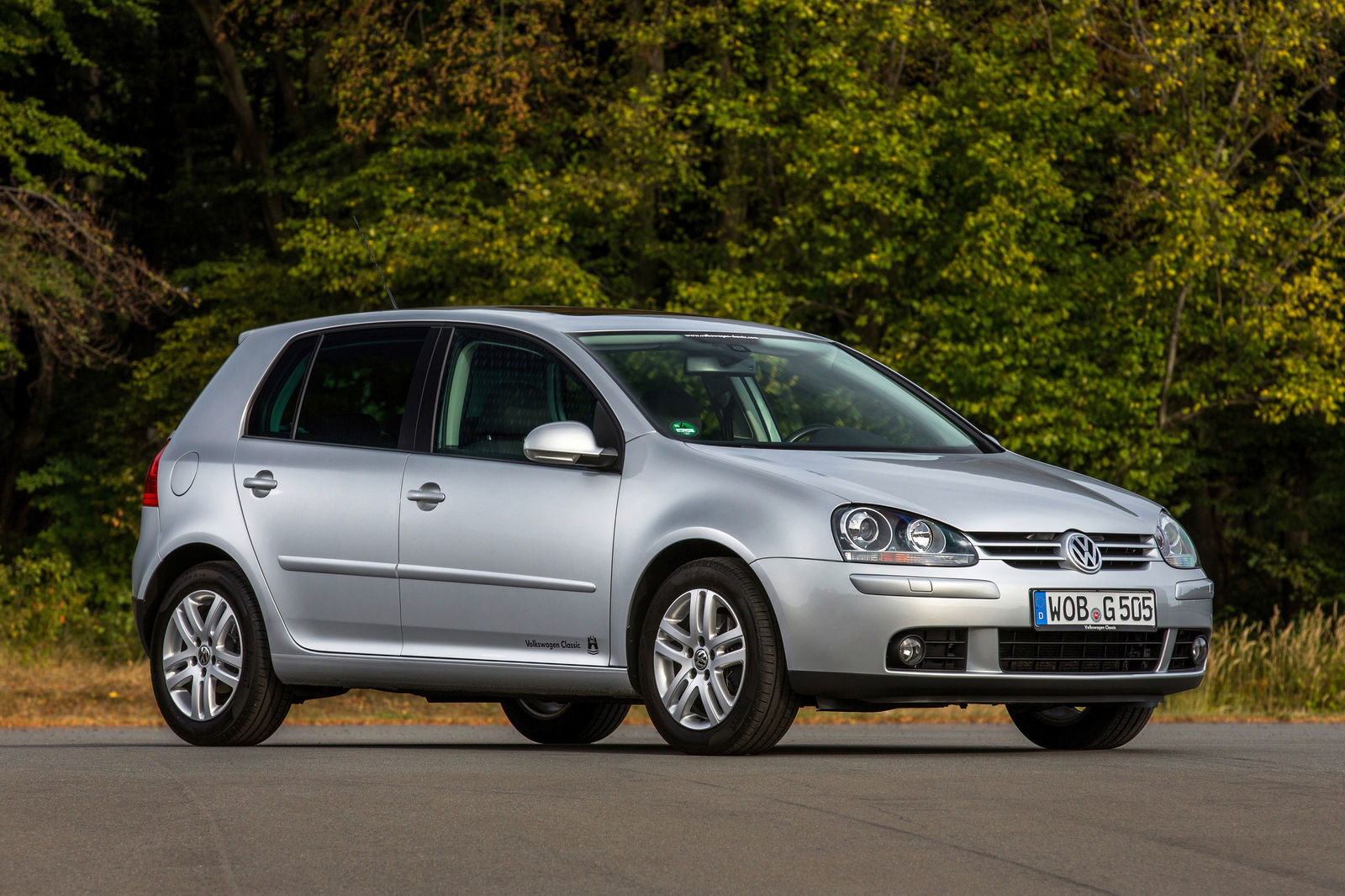
7. 2003–2008 Volkswagen Golf: A Popular and Versatile Hatchback
The 2003–2008 Volkswagen Golf, also known as the Mk5 Golf, is a widely recognized hatchback celebrated for its versatility, driving experience, and broad appeal. Part of Volkswagen’s long-standing reputation for producing “people’s cars,” the Golf has been a favorite among families and enthusiasts alike.
This generation offered a range of models, from comfortable and economical versions to sportier GTI and R variants, providing something for nearly every type of driver. Its global popularity is underscored by remarkable real-world durability, with owners reporting milestone achievements such as reaching one million miles, sometimes even with the original engine intact.
While the Golf Mk5 is praised for its engineering and performance, it has a mixed reliability record. Common issues reported by owners include electrical problems such as faulty central locking systems, window regulators, ABS/ESP sensors, and other components.
Gasoline engines, particularly FSI models, can face fuel pump failures and timing chain tensioner issues. The DSG automatic transmission also has known vulnerabilities.
On the suspension side, cracking rear springs, worn components, and creaking or rattling noises can occur, along with minor problems like condensation in lights, brake light switch faults, and water leaks. Diesel TDI models are generally considered more reliable, but proper maintenance remains crucial to avoid costly repairs.
For potential buyers, several precautions can help ensure a satisfactory purchase. Checking the car’s maintenance records is essential, as regular servicing can significantly reduce the risk of mechanical issues.
Inspecting body panels for even gaps can reveal past accident damage, while testing all electronics from windows to climate control can prevent surprises. A thorough test drive is recommended to identify any suspension noise or transmission concerns. Diesel TDI variants are worth considering for those prioritizing durability and long-term reliability.
The 2003–2008 Volkswagen Golf remains a versatile and engaging hatchback that appeals to a wide range of drivers. Despite some reliability concerns, its solid performance, practical design, and available sporty trims make it a standout choice in its segment, balancing everyday usability with enjoyable driving dynamics.
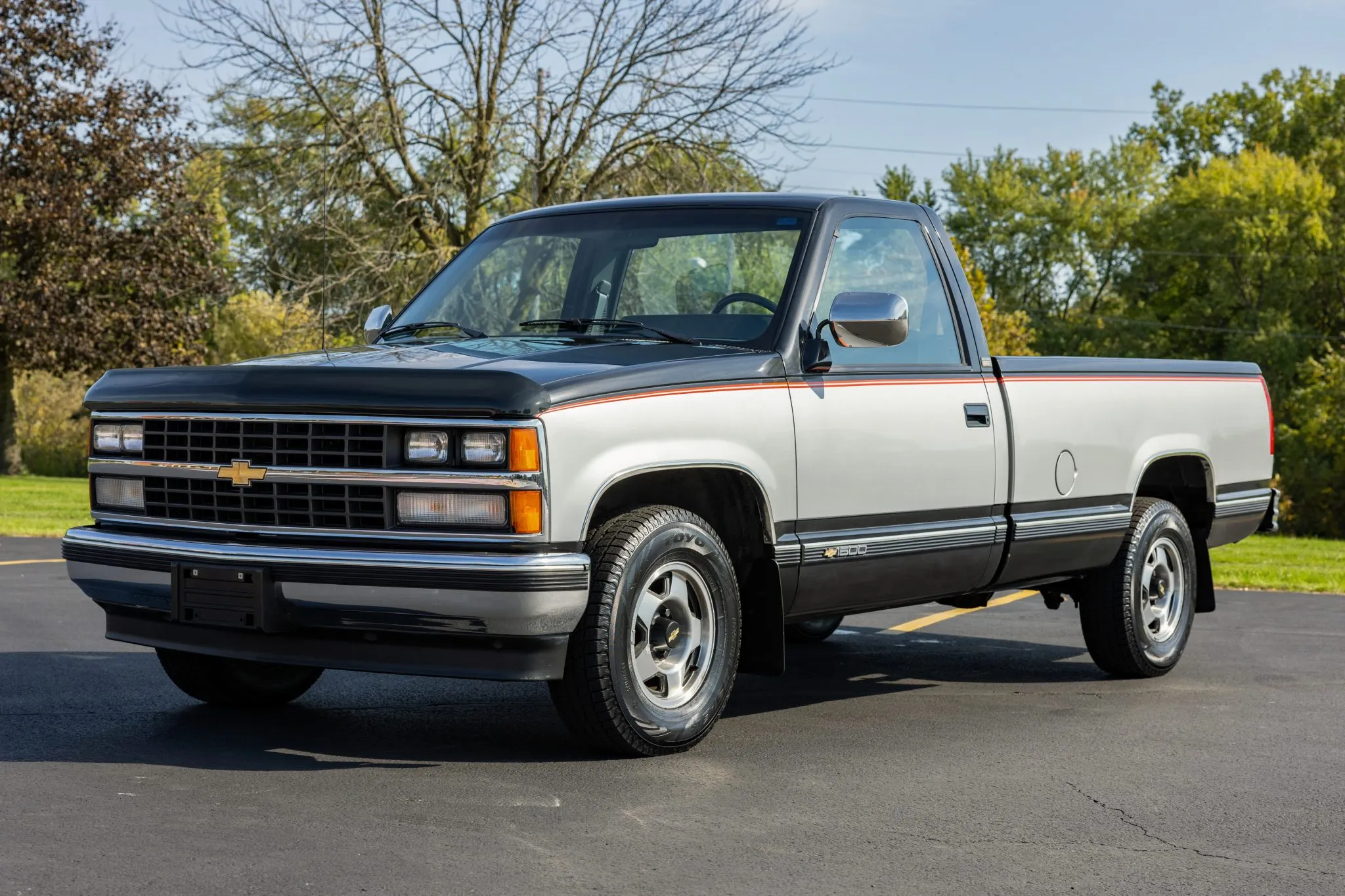
8. 1988–2002 Chevrolet Silverado: Durable, Practical, and Versatile
The 1988–2002 Chevrolet Silverado is a full-size pickup that blends practicality, capability, and comfort, making it a standout in the competitive half-ton truck segment. Building on decades of Chevrolet truck expertise, this generation of Silverado evolved from a light-duty vehicle into a rugged and reliable pickup capable of handling work, towing, and daily driving.
Its reputation for longevity is exemplified by real-world achievements, such as a 1991 Silverado reaching one million miles while being used for daily deliveries north of Chicago, proving the truck’s enduring reliability.
The Silverado is available in two cab styles, regular and extended, with three trim levels. Base trucks are designed for work use, featuring vinyl bench seats, rubber flooring, and minimal amenities.
The mid-grade LS trim adds comfort and convenience with cloth upholstery, air conditioning, power windows and locks, cruise control, CD player, remote keyless entry, and chrome trim. Top-tier LT models include leather upholstery, aluminum wheels, OnStar communications, and premium audio, appealing to buyers seeking both utility and refinement.
Engine options range from a 4.3-liter V6 to 5.3-liter V8s, with most buyers opting for the Vortec V8 engines producing 270 to 285 horsepower. A five-speed manual transmission is standard on regular-cab trucks, while the 4L60-E four-speed automatic, which features a tow-haul mode, is available on regular cabs and standard on extended and crew cab models.
These powertrains, combined with a three-section lightweight yet stiff frame, provide a smooth ride, quiet interior, and solid towing performance.
The Silverado’s handling and safety are enhanced by four-wheel disc brakes with ABS, power rack-and-pinion steering on lighter models, and optional electronic traction assist. Unique to this generation is the PROTEC composite truck box on extended-cab 4X4 Z71 models. Lighter than steel, it protects against dents, scratches, and corrosion while increasing payload capacity to 1,000 pounds.
Inside, the cabin is practical and user-friendly, with intuitive climate controls, clear gauges, and a spacious interior, particularly on extended-cab models with rear doors for easy access. Rear seats offer comfort without sacrificing cabin space for front passengers, and the seatbelt design simplifies entry and exit.
With its versatile engine lineup, multiple cab and trim options, and thoughtful features such as the PROTEC bed, the 1988–2002 Chevrolet Silverado delivers a combination of durability, capability, and comfort. This generation continues to be a reliable and attractive choice for truck buyers seeking a practical and long-lasting full-size pickup.
9. 2005–2015 Toyota Tacoma: Durable and Capable Mid-Size Pickup
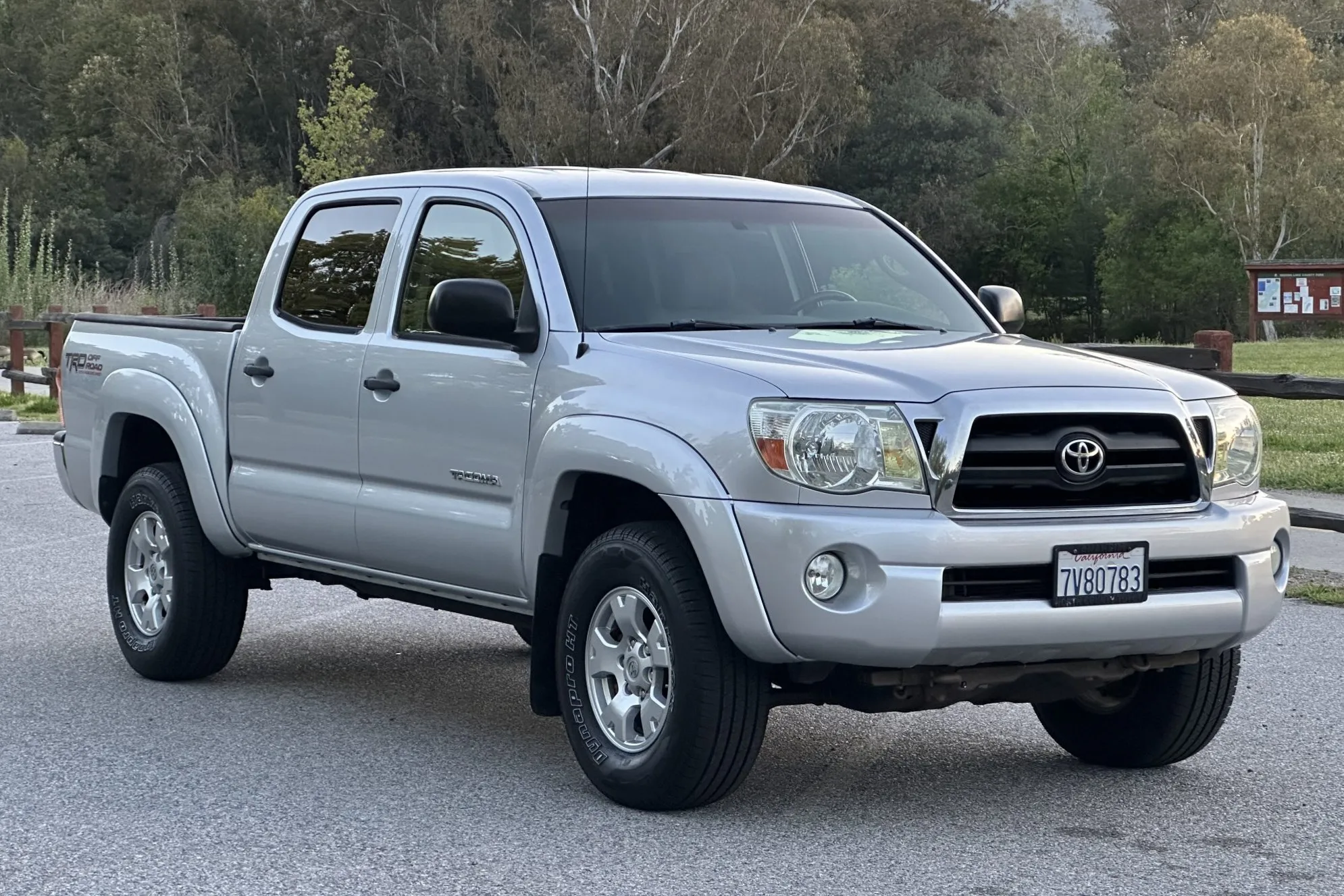
The 2005–2015 Toyota Tacoma, part of the second generation, is a mid-size pickup that combines durability, practicality, and off-road capability. This generation grew in size and capability, establishing itself as a compelling option for adventurers, small-business owners, and those seeking a reliable workhorse.
Its reputation for longevity is exemplified by real-world achievements, such as a Tacoma reaching 1.5 million miles, demonstrating the truck’s enduring reliability when properly maintained.
The Tacoma offers a choice of two engines. The base 2.7-liter four-cylinder produces 159 horsepower and 180 lb-ft of torque. Rear-wheel-drive Access Cab models come standard with a five-speed manual, while the PreRunner Access and Double Cab versions are rear-wheel drive only and include a four-speed automatic.
Fuel economy for the four-cylinder ranges from an EPA-estimated 22 mpg combined for rear-wheel-drive manual models to 17–19 mpg for four-wheel-drive configurations. The optional 4.0-liter V6 generates 236 horsepower and 266 lb-ft of torque, paired with either a six-speed manual or five-speed automatic.
Properly equipped, the V6 Tacoma can tow up to 6,500 pounds, and performance testing shows a 4WD Double Cab V6 reaching 60 mph in 7.7 seconds, which is quick for the midsize segment.
Safety features include antilock brakes with brake assist, stability control, front-seat side-impact airbags, full-length curtain airbags, and active front head restraints.
Crash testing rated the Tacoma four stars for frontal crash protection on extended-cab models, three stars for crew-cab frontal impacts, and five stars for side-impact protection. The IIHS rated the Tacoma “Good” in moderate-overlap frontal offset and side crash tests, while roof strength received a “Marginal” rating.
On the road, the four-cylinder engine is adequate for light work, offering reasonable fuel economy, though it can feel noisy. The V6 provides robust performance and is ideal for towing or heavy-duty tasks.
Ride quality is firm but acceptable, particularly with TRD suspension packages. Off-road capability is a highlight, especially with the TRD Off-Road package or the four-cylinder 4WD Access Cab, which is a versatile and affordable option for off-road enthusiasts.
The Tacoma’s cabin emphasizes practicality over luxury, featuring straightforward controls, a standard touchscreen with iPod/USB and Bluetooth connectivity, and durable materials. Front seats offer firm support, and the Double Cab rear seats are surprisingly spacious. Utility is enhanced with a composite bedliner, optional 115-volt bed outlet, and fold-up or flip-down rear seats for added storage.
The 2005–2015 Toyota Tacoma blends rugged reliability, capable performance, and practical design, making it a standout choice in the mid-size pickup segment for both work and recreation.
10. 2011–2016 Ford Super Duty: Heavy-Duty Capability with Durability
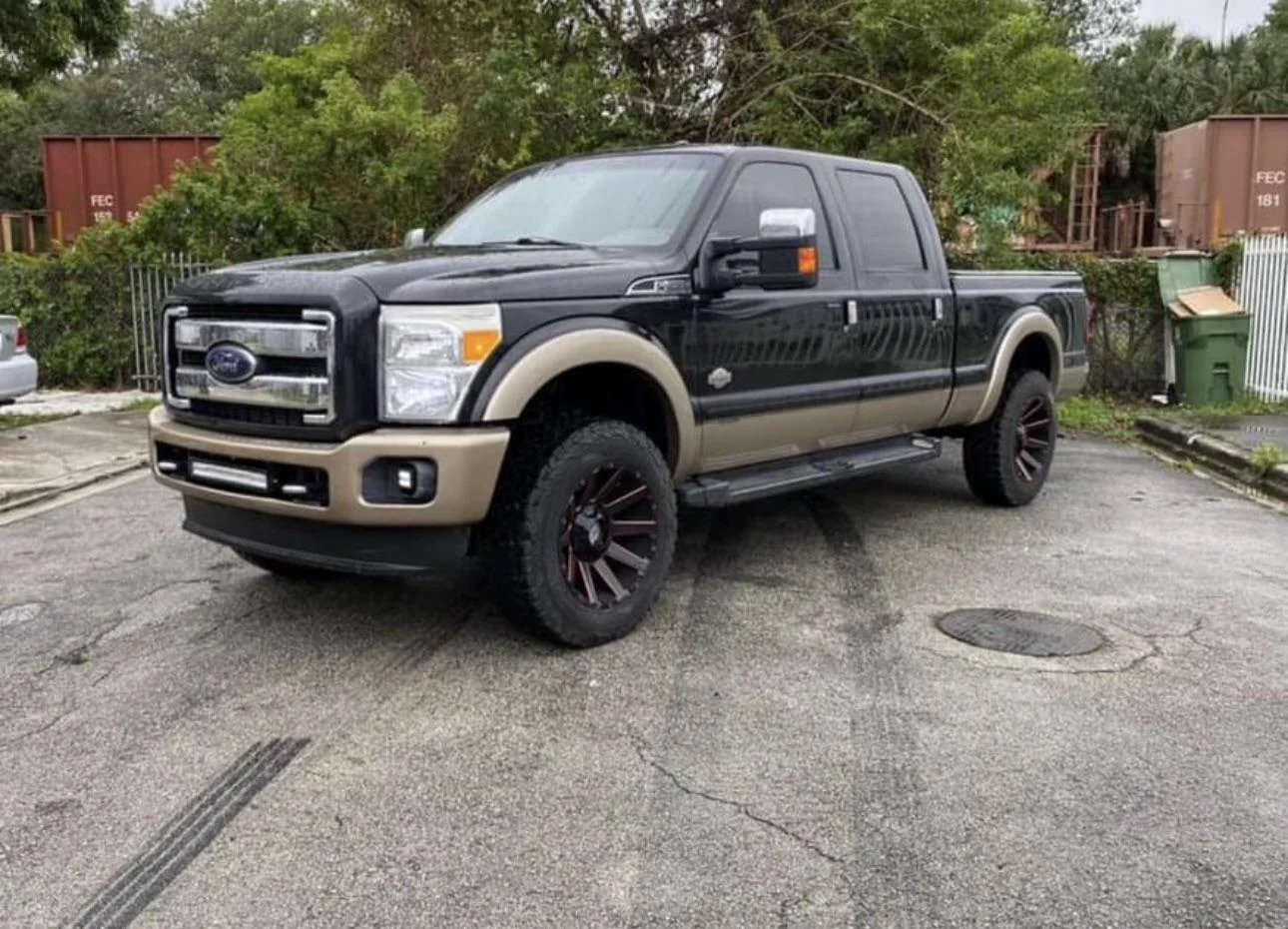
The 2011–2016 Ford Super Duty is a full-size, heavy-duty pickup designed for demanding work while maintaining comfort for daily driving. Renowned for its towing and payload capacity, this generation of Super Duty trucks continues Ford’s tradition of building some of the toughest trucks in the segment.
Its reputation for durability is reflected in real-world use, with examples like a 2013 F-350 achieving over 1.3 million miles, although it required extensive maintenance, including multiple turbo replacements, a new transmission, and windshield repairs.
Powering the Super Duty is a choice of engines, highlighted by the 6.7-liter V8 diesel producing 400 horsepower. This engine provides strong torque and the capability to haul and tow heavy loads with ease.
Diesel variants are equipped with a Diesel Exhaust Fluid (DEF) system from 2012 onward, which helps meet emissions standards but can be prone to failures such as NOx sensor replacements or faulty metering units. The 6R140 transmission introduced in 2011 is generally reliable but can suffer clutch or support issues if exposed to aftermarket tuning that increases power output.
Common problems with the 2011–2016 Super Duty include the “death wobble,” a violent shaking of the front end caused by worn suspension components, loose bolts, or alignment issues. Other known issues include bent brake rotors from heavy braking, fuel tank clogging from liner delamination in diesel tanks, leaking power steering systems, and undercarriage rust due to missing factory wheel well liners.
Many of these problems can require costly repairs, but proper maintenance and careful driving help extend the truck’s life significantly. Installing aftermarket wheel well liners can prevent corrosion on models missing factory coverage.
Safety and drivability are supported by a solid suspension, robust braking system, and features designed for heavy-duty use. The Super Duty rides comfortably for a truck of its size, and its strong drivetrain makes it capable of handling both work-site tasks and long-haul driving.
With its combination of towing power, durability, and adaptability, the 2011–2016 Ford Super Duty is a top choice for anyone needing a serious work truck. While maintenance can be demanding, these trucks reward owners who care for them with longevity and exceptional capability.
Reaching 500,000 miles is not just a dream; it is possible with the right car and proper care. The vehicles on this list have shown that longevity does not compromise performance, comfort, or style. From the reliable Hyundai Elantra to the powerful Ford Super Duty, each car offers unique advantages for drivers seeking a durable investment.
Regular maintenance is important, but these models reward owners with years of dependable service and peace of mind. Choosing a car with proven endurance means fewer surprises, lower long-term costs, and the satisfaction of driving a vehicle that stands the test of time.
Whether you value luxury, performance, or rugged utility, these 10 cars show that hitting half a million miles is achievable, and they can continue running for many more.
Also Read: 5 Cars That Last Longer in Cities vs 5 That Fail Fast