
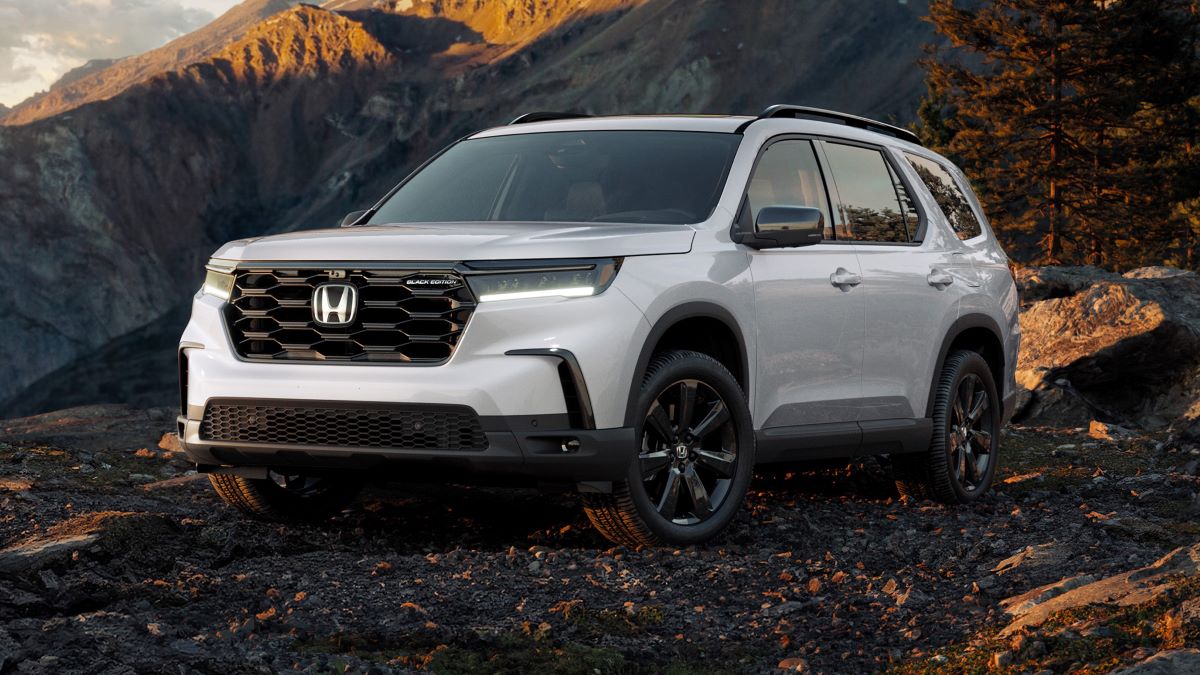
For decades, Honda has built its reputation on reliability, efficiency, and engineering that endures the test of time.
While the brand’s sedans like the Accord and Civic have long been reliability icons, Honda’s trucks particularly the Ridgeline have also earned recognition for their longevity and performance.
However, not all Honda trucks share the same bulletproof DNA. Some generations have proven nearly unstoppable, racking up hundreds of thousands of miles, while others have faltered with transmission issues, frame rust, or poor resale values.
In the U.S. truck market, where competitors like Toyota, Ford, and Chevrolet dominate, Honda has carved out a niche by blending car-like comfort with utility.
Yet, with multiple model years and redesigns over the decades, some Hondas stand the test of time better than others. Here’s a look at five Honda trucks that outlast their rivals and five that struggle to keep up.
Honda Trucks That Outlast Rivals
When it comes to reliability and longevity, Honda has built a reputation few automakers can match, and that extends beyond its cars and SUVs. Honda trucks, while fewer in number, have consistently proven their ability to go the distance, combining durability, smart engineering, and everyday usability.
From the rugged Ridgeline to the versatile Passport-based utility builds, these trucks often outlast their rivals with fewer breakdowns and lower maintenance costs. In this article, we’ll explore the Honda trucks that stand the test of time and continue to perform long after competitors have started to show their age.
1. 2006–2014 Honda Ridgeline (First Generation)
The first-generation Ridgeline redefined what a midsize truck could be. Built on a unibody platform derived from the Pilot SUV, it delivered SUV-like handling, all-wheel-drive capability, and one of the most innovative features in the segment a lockable in-bed trunk.
Owners routinely report these early Ridgelines lasting well beyond 250,000 miles with minimal drivetrain issues.
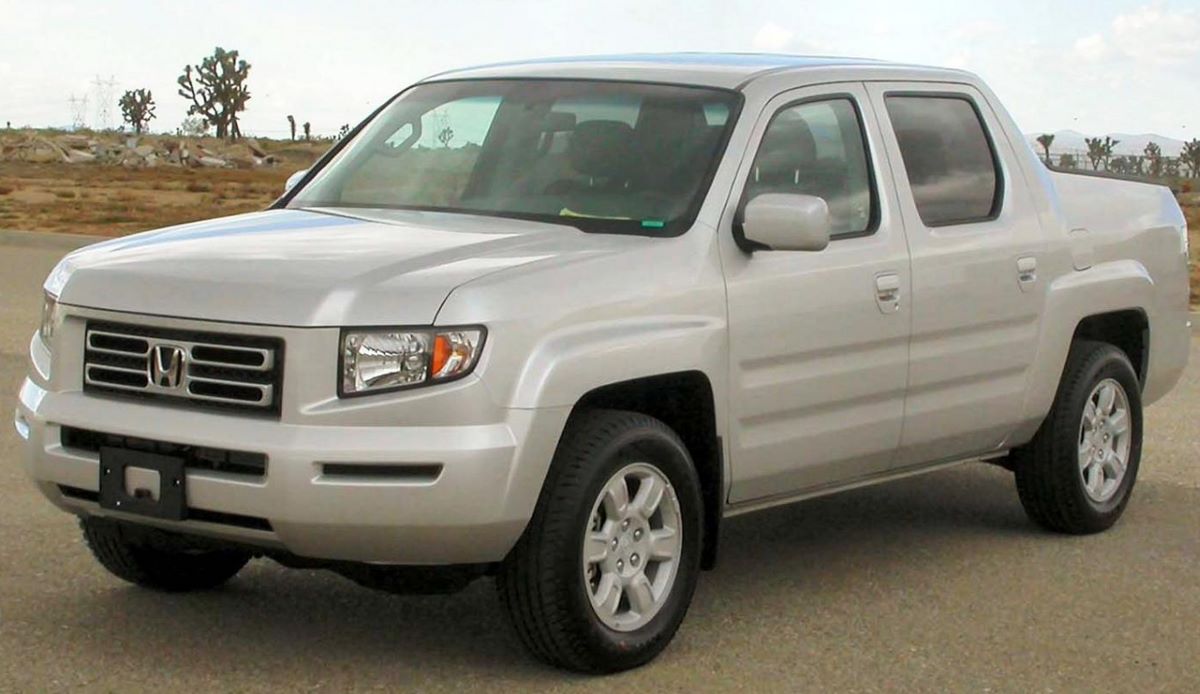
Its 3.5-liter V6 engine is virtually indestructible if maintained properly, and unlike body-on-frame rivals like the Chevy Colorado or Nissan Frontier, the Ridgeline avoids many of the corrosion and suspension issues that plague older trucks.
The combination of Honda’s engineering and a comfortable ride made it one of the longest-lasting trucks in its class.
Also Read: 5 Honda Sedans That Outlast Rivals vs 5 That Don’t
2. 2017–2020 Honda Ridgeline (Second Generation)
The second-generation Ridgeline took the foundation of the original and refined it further.
With improved sound insulation, more power, and advanced safety features like Honda Sensing, this model became a reliable family truck that still delivered utility.
The 3.5-liter V6 returned this time paired with a more efficient six-speed automatic transmission.
While purists criticized its lack of off-road prowess, the Ridgeline proved its reliability where it mattered: daily use, towing small trailers, and road-tripping without drama.
Owners often praise its longevity, noting fewer transmission problems and smoother operation than comparable Ford Rangers or Chevy Colorados of the same era.
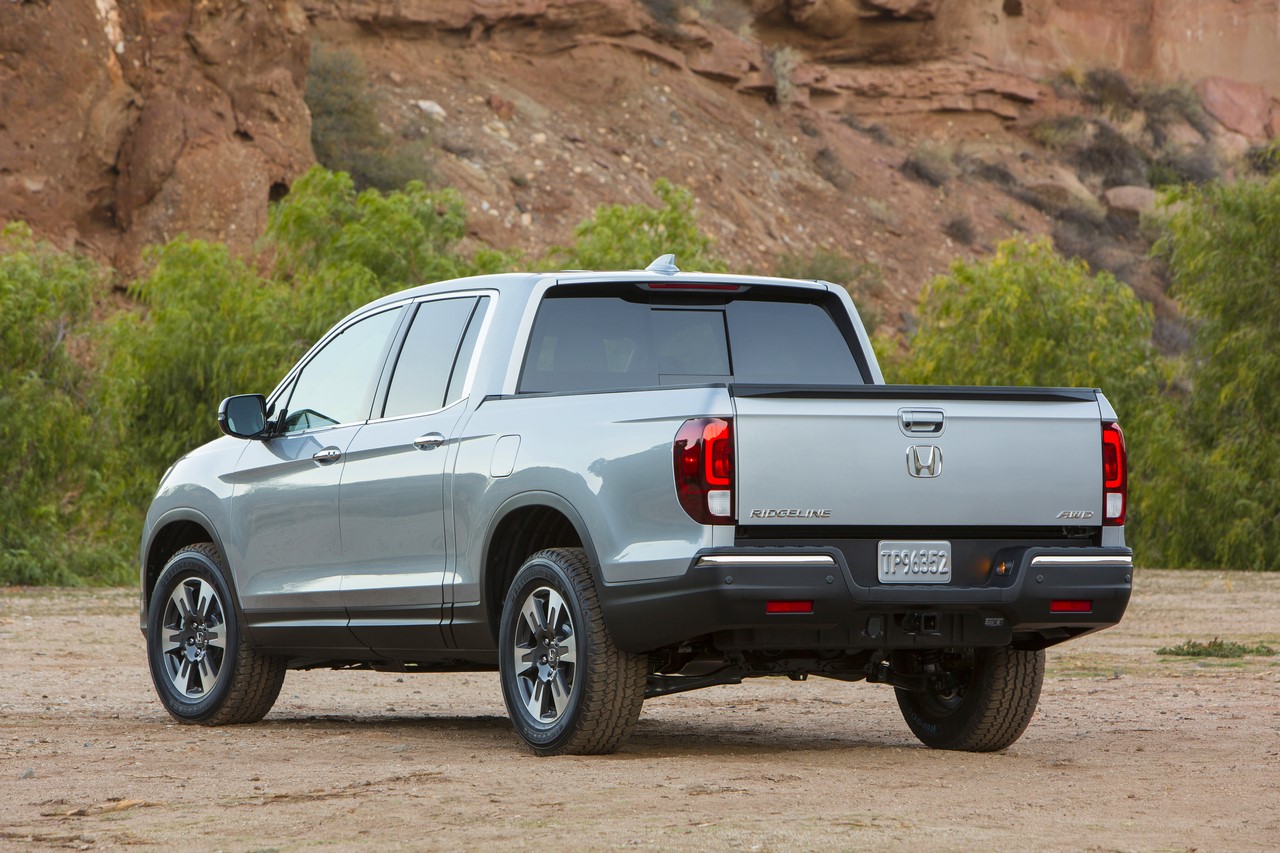
After a brief production hiatus, Honda introduced the second-generation Ridgeline in 2016 for the 2017 model year. It retained the 3.5-liter V6 but introduced new transmissions and improved overall performance.
Unlike the early first-gen models, this generation hasn’t suffered from major cylinder failures. Early reports indicate that the most reliable second-gen year to date is the 2024 model.
The second generation is often underrated as a capable pickup. Owner complaints over the past five model years are minimal, and earlier issues from the initial YK2 models were addressed via recalls and engineering updates.
The most common problems in the 2017–2019 models involved electrical issues and fuel system malfunctions, such as injector failures.
While newer models have fewer reported issues, the full picture of long-term reliability has yet to emerge. Early production hiccups are typical for any new generation, but Honda has largely resolved these concerns in later years.
Overall, the second-generation Ridgeline has seen fewer complaints following its first model year than the first generation. Initial issues in the 2017 model were addressed in subsequent years, and reliability has steadily improved.
For used buyers, facelifted first-gen YK1 models in good condition remain a solid choice.
However, if your budget allows, opting for a later second-generation Ridgeline can help you avoid early-model headaches and enjoy the benefits of Honda’s ongoing refinements.
3. 2021–2024 Honda Ridgeline (Facelift Model)
The latest Ridgeline models combine long-term reliability with modern tech. These years benefited from design upgrades, a sturdier front fascia, and continued refinement of the AWD system.
Honda also improved transmission tuning and cooling, addressing one of the few weak spots in earlier iterations. Consumer Reports and J.D. Power reliability scores remain high, and resale values have held strong.
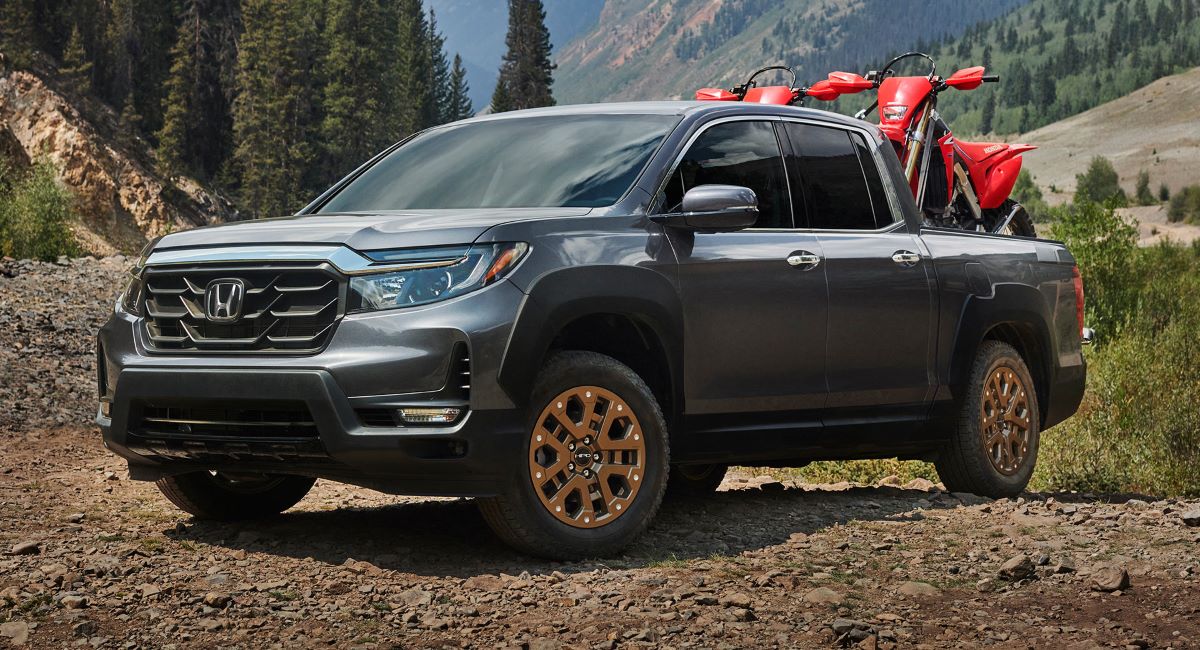
For buyers seeking a truck that’s practical, durable, and unlikely to break the bank with repairs, these modern Ridgelines are among the most dependable choices in the midsize category.
4. 2003–2008 Honda Element (as a Compact Truck Alternative)
While not a truck in the traditional sense, the Honda Element earns its place on this list as a rugged, boxy hauler that rivals compact pickups in versatility.
Built on a Civic platform, the Element’s 2.4-liter engine is known for lasting 300,000 miles or more with basic maintenance. The rubberized interior and fold-flat seats made it perfect for camping, hauling gear, or small-business use.
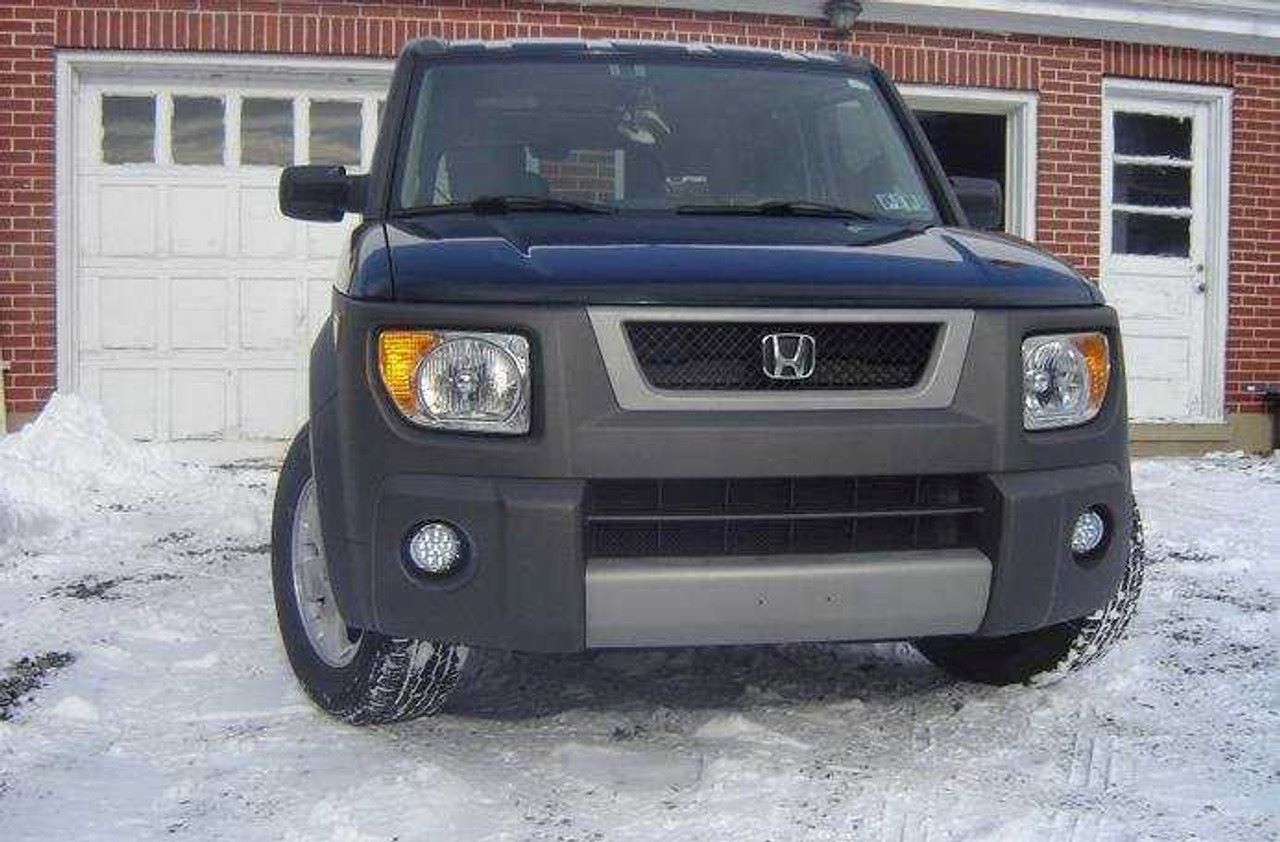
Compared to rivals like the Chevy HHR Panel or Subaru Baja, the Element’s longevity and reliability are unmatched.
Many owners continue to daily-drive their Elements two decades later, proving Honda’s smaller vehicles can work truck-like miracles in durability.
Honda is a company known for doing its homework, rarely bringing a product to market before it’s fully developed and ready to make a serious impact on the competition. Most vehicles in Honda’s lineup are well-regarded and practically sell themselves, needing little introduction.
Now in its third year, the 2005 Honda Element targets young, active Generation-Y buyers seeking an affordable vehicle that combines versatile cargo-hauling capability with a sporty personality.
The Element is loaded with features designed to handle mountain bikes on the trail, surfboards to the beach, or even a 27-inch TV to a dorm or apartment. Despite its compact dimensions, a wheelbase of just 101.4 inches and an overall length of 166.5 inches, the interior feels surprisingly spacious.
Remarkably, the Element is 8 inches shorter than a Civic coupe, yet the tall 74-inch body (8 inches taller than a CR-V) provides elevated seating and generous legroom.
A major innovation is the absence of a B-pillar, which allows the doors to swing wide open, the front doors up to 78 degrees and the rear doors a full 90 degrees, creating a 55.5-inch-wide entryway for loading bulky items.
Typically, this kind of design can compromise structural rigidity, but Honda addressed the challenge by effectively embedding a reinforced vertical brace within each rear door, ensuring the Element maintains a strong, safe body structure.
Also Read: 10 Hacks That Keep a Honda Element Reliable Forever
5. 2011–2015 Honda Pilot (Truck-Based Utility)
The Pilot may be marketed as an SUV, but it shares much of its underpinnings with the Ridgeline, making it a close cousin in Honda’s truck lineup.
The second-generation Pilot features the same 3.5-liter V6 and strong AWD system that helped define Honda’s durability in the utility class.
Many owners report Pilots from this era surpassing 250,000 miles without major issues. Compared to the Ford Explorer or Dodge Durango of the same period, the Pilot holds its value longer and suffers far fewer transmission and electrical failures.
In terms of build quality and long-term reliability, it’s a quiet champion in Honda’s truck-based stable.
At first glance, the 2011 Honda Pilot appears well-suited to serve as a family hauler. It offers generous space for both passengers and cargo, earns excellent crash-test ratings, and carries Honda’s long-standing reputation for reliability.
However, there are three notable shortcomings that leave the Pilot trailing its competitors: its lackluster acceleration, underwhelming braking performance, and only average fuel efficiency.
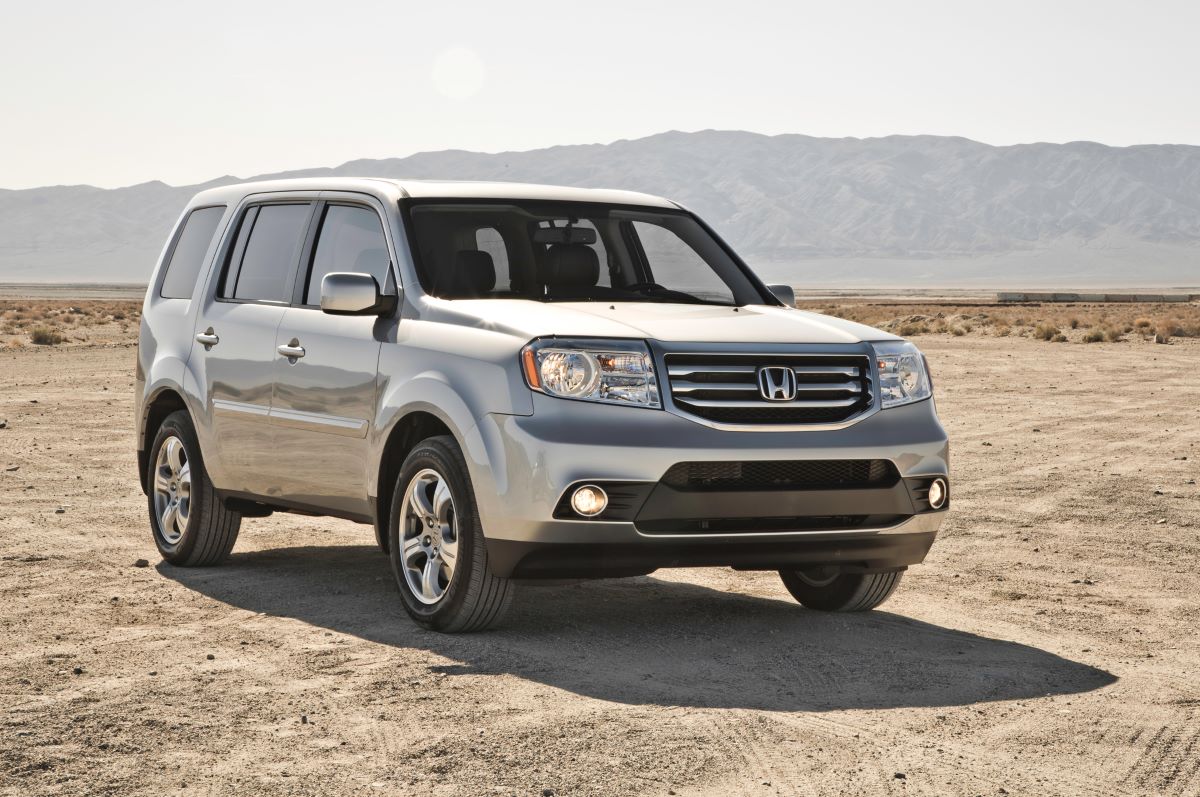
Individually, any of these flaws might be overlooked, but combined, they contribute to a driving experience that struggles to stand out amid a sea of capable rivals.
On the positive side, Honda has ensured the Pilot’s third-row seating is spacious enough to accommodate actual adults, making it a viable alternative for families who might otherwise consider a minivan.
Classic Pilot strengths like a smooth, well-cushioned ride, refined powertrain, and optional four-wheel drive remain intact.
For 2011, updates are minimal: navigation is now available on EX-L models, and the top-tier Touring trim adds a rear DVD entertainment system.
Overall, the 2011 Honda Pilot is a reasonable option in the midsize or large crossover SUV category. Yet discerning buyers who sample other models are likely to find it somewhat lacking, reputation alone may not carry it.
The 2011 Ford Flex, for instance, is a strong all-around contender, boasting a more comfortable interior, additional features, and stronger performance.
The 2011 Honda Pilot is powered by a 3.5-liter V6 engine producing 250 horsepower and 253 pound-feet of torque.
A five-speed automatic transmission is standard, and while front-wheel drive comes standard, all Pilot models can be equipped with an all-wheel-drive system that automatically transfers up to 70 percent of power to the rear wheels when front-wheel slippage occurs.
This system also offers a driver-selectable “lock” mode, sending maximum torque to the rear wheels at speeds below 19 mph.
In performance testing, we recorded a Pilot Touring accelerating from zero to 60 mph in a leisurely 9.7 seconds, a full second or two slower than many competitors.
Fuel efficiency benefits from Honda’s Variable Cylinder Management (VCM) technology, which deactivates half of the V6’s cylinders when full power isn’t needed.
Honda Trucks That Don’t Outlast Rivals
Honda may be known for its bulletproof reliability, but not every truck bearing the brand’s badge lives up to that reputation.
While models like the Ridgeline offer comfort, innovation, and refined driving manners, some owners have discovered that long-term toughness isn’t always Honda’s strong suit in the truck segment.
From transmission issues to wear-related problems that appear earlier than expected, a few Honda trucks simply don’t match the longevity of their competitors. In this article, we’ll take a closer look at the Honda trucks that fall short when it comes to outlasting their rivals.
1. 2009–2011 Honda Ridgeline
This transitional period between Ridgeline generations wasn’t Honda’s best. While still largely dependable, models from these years suffered from premature suspension wear, transmission hesitation, and issues with the rear differential fluid causing early wear in AWD systems.
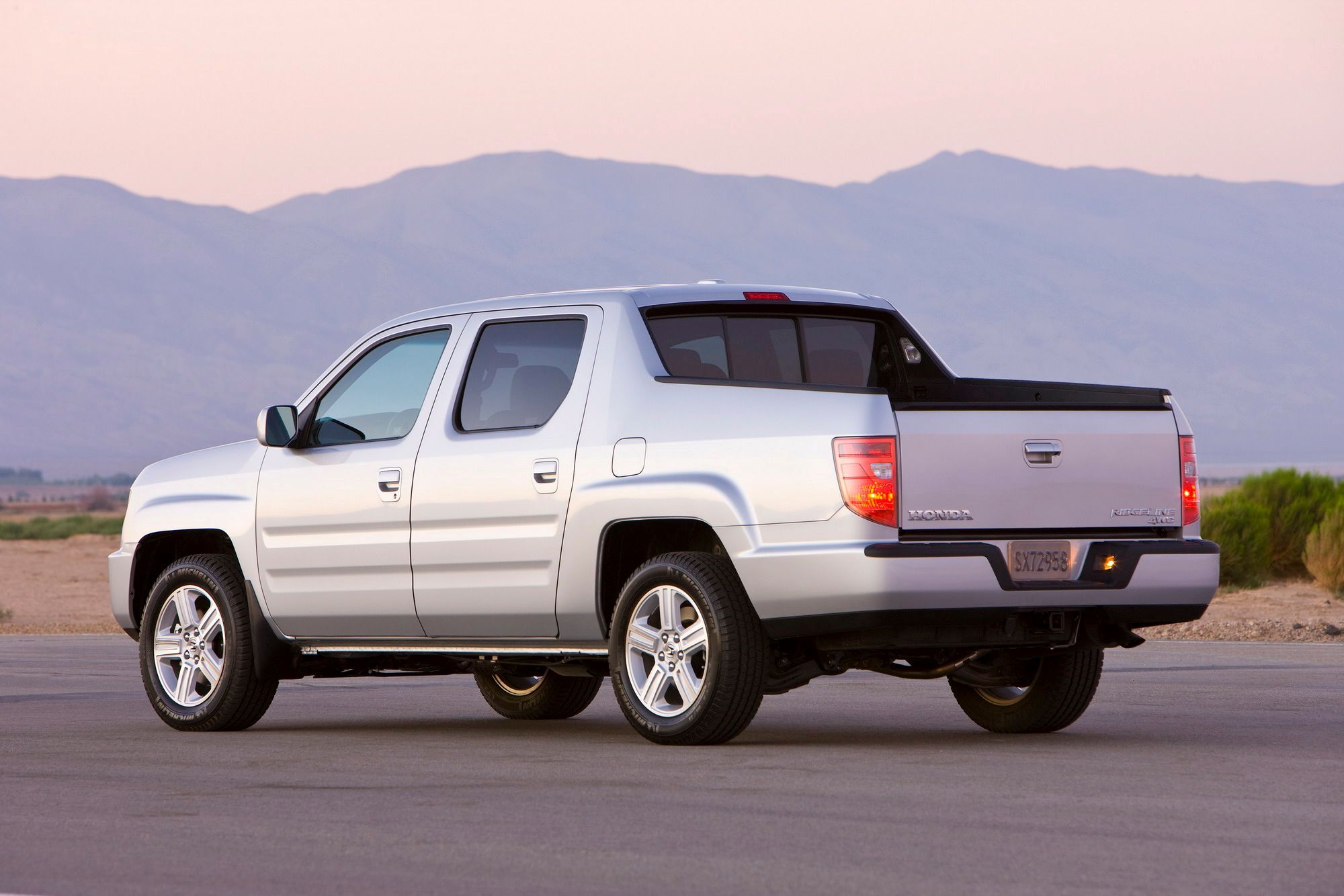
Owners also reported frame rust developing faster than expected in regions with heavy road salt. Compared to the Toyota Tacoma of the same era famous for 300,000-mile lifespans the late first-gen Ridgeline struggles to match that kind of durability without costly upkeep.
2. 2001–2002 Honda Passport
The Passport’s first-generation revival was a misstep for Honda. Co-developed with Isuzu and based on the Rodeo, it never met the brand’s usual reliability standards. Engine oil leaks, premature rust, and frame corrosion plagued these models.
In fact, some Passports were recalled due to severe frame rust that rendered them unsafe. While marketed as a Honda truck, it lacked true Honda DNA, and that showed over time.
Compared to Toyota’s 4Runner or Ford Explorer from the same era, the Passport aged poorly both mechanically and cosmetically. The Honda Passport has quietly carved out its place over the past eight years.
While the midsize SUV spotlight often shines on the Ford Explorer, Toyota 4Runner, Dodge Durango, and Nissan Pathfinder, the Passport has steadily evolved into a package that blends power, space, and versatility, even if it doesn’t dominate the segment, it presents an appealing overall offering.
Originally introduced in 1993 as a rebadged Isuzu Rodeo, the Passport allowed Honda to enter the booming SUV market without developing its own truck from scratch. By 1998, the Passport underwent a full redesign.
Still produced by Isuzu at its Lafayette, Ind., plant, the updated Honda grew larger inside, became more comfortable, and gained more power.
The base 3.2-liter V6 produces 205 horsepower and 214 pound-feet of torque at a relatively low 3,000 rpm, delivering enough punch for most weekend adventures.
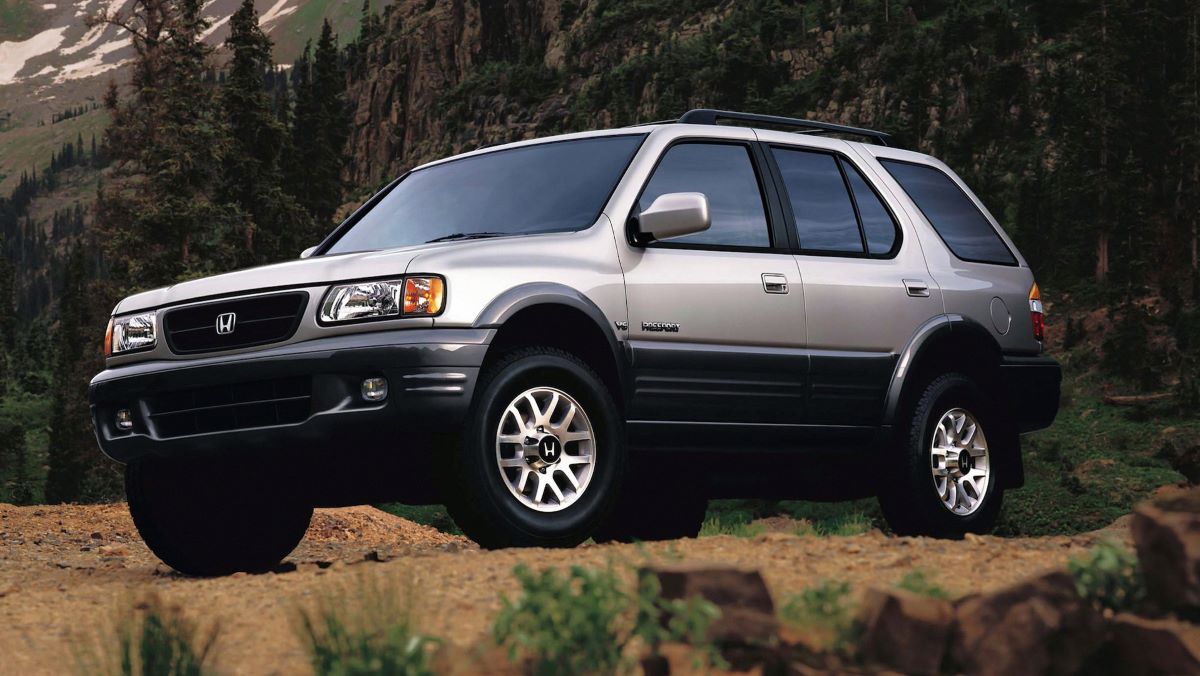
However, with no V8 option available, the Passport falls short when compared with other models in this class, even the Nissan Pathfinder’s V6 reaches up to 250 horsepower.
Two trims, the content-heavy LX and the better-equipped EX, are offered with either two- or four-wheel drive. The four-wheel-drive system features a shift-on-the-fly transfer case operated via a dash-mounted button, though its placement is awkward.
On the road, the Passport feels undersprung off-road and a bit soft on the highway, pleasing neither environment. Isuzu’s Rodeo offers a driver-selectable suspension to address this, a feature not shared with Honda.
Braking varies by drivetrain: four-wheel-drive models feature disc brakes at all four corners, while rear-wheel-drive models pair front discs with rear drums. Standard safety equipment includes ABS and dual front airbags.
Basic convenience features include power windows, power locks, dual power mirrors, cruise control, air conditioning, and an eight-speaker stereo with cassette.
The EX trim adds a four-speed automatic, foglights, interior woodgrain trim, leather-wrapped steering wheel, 16-inch alloy wheels, dual heated power mirrors, a power moonroof, and keyless entry.
A luxury package for the EX adds a four-way power driver’s seat, leather upholstery and door-panel trim, an in-dash CD changer, and two-tone paint with body-side molding.
While fit and finish don’t fully meet Honda’s usual high standards, most interior materials are of reasonable quality.
Ergonomics are user-friendly, though front-seat comfort leaves something to be desired. Rear seats are roomy and supportive, and folding them down creates 81.1 cubic feet of cargo space.
On the outside, the Passport is striking. Its square, muscular profile gives it an athletic, rugged presence, perfect for camping trips.
3. 1994–1997 Honda Passport (First Generation)
The original Passport was Honda’s first experiment in entering the SUV/truck market, and it, too, was built by Isuzu. It was reliable when new but failed to deliver the long-term dependability expected from a Honda badge.
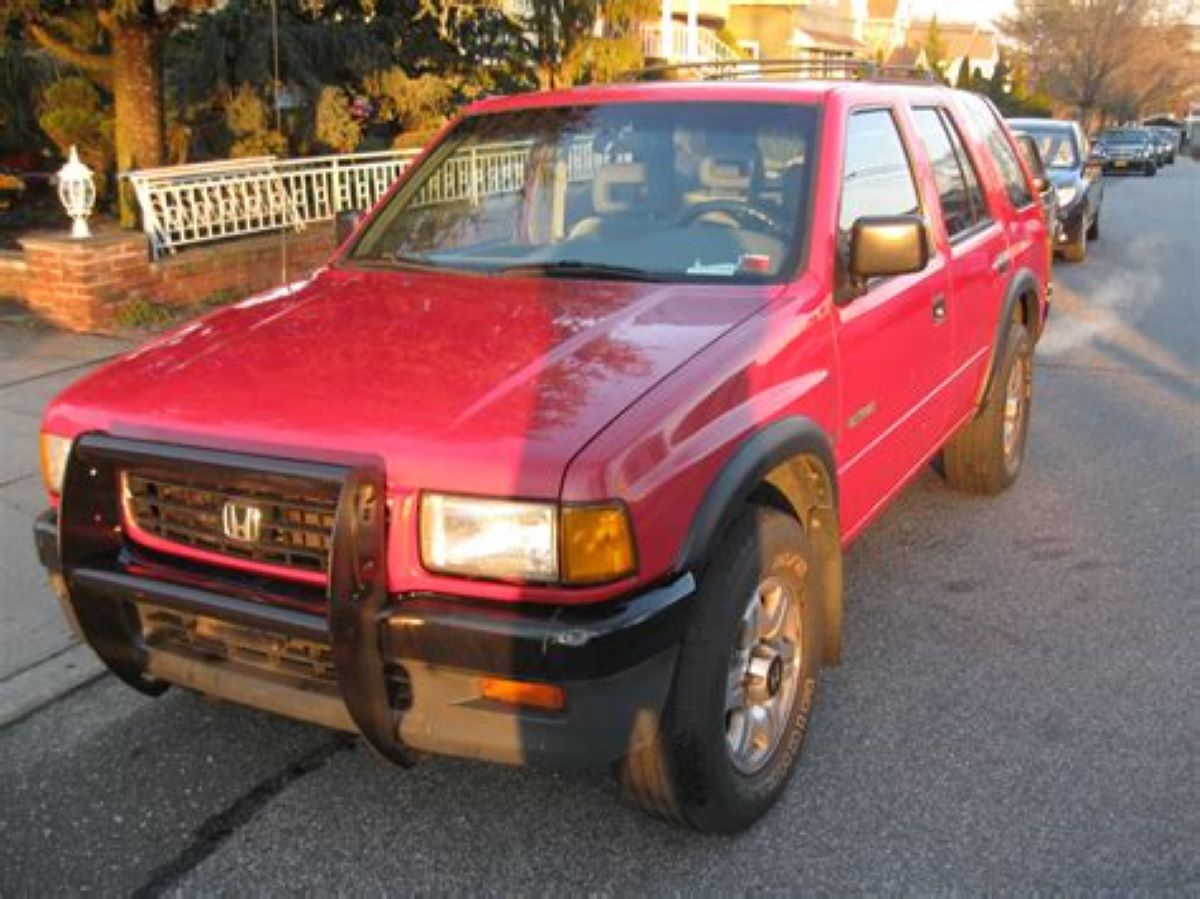
The 3.2-liter V6 was sturdy but thirsty, and corrosion issues, weak transmission performance, and limited parts availability hurt its longevity.
Many examples didn’t make it past 150,000 miles without major repairs, a short lifespan compared to the bulletproof Toyota 4Runner or Nissan Pathfinder of the 1990s.
4. 2016 Honda Ridgeline (Early Second Generation)
The debut year of the second-generation Ridgeline suffered from growing pains. Early production models had problems with infotainment system failures, weak tailgate latches, and transmission software issues that caused rough shifting.
While most were later addressed through updates and recalls, these early 2016 units don’t have the same bulletproof reputation as later ones. Resale values also took a slight hit, as many buyers preferred the refined 2017 and 2018 models that fixed early bugs.
More than a decade after the Ridgeline first joined Honda’s lineup, the automaker introduced a completely new generation in 2016 for the 2017 model year, and the improvements were substantial.
Bigger, bolder, and more powerful, the second-generation Honda Ridgeline aimed to validate Honda’s decision to create a family-oriented pickup.
Built on the same platform as the Honda Pilot, it was designed as a versatile companion for camping enthusiasts and families who didn’t want to maneuver a bulky vehicle for daily errands.
Additionally, it delivered crossover-like comfort and handling thanks to its all-wheel independent suspension and solved one of the most common pickup problems: the lack of a usable locking trunk.
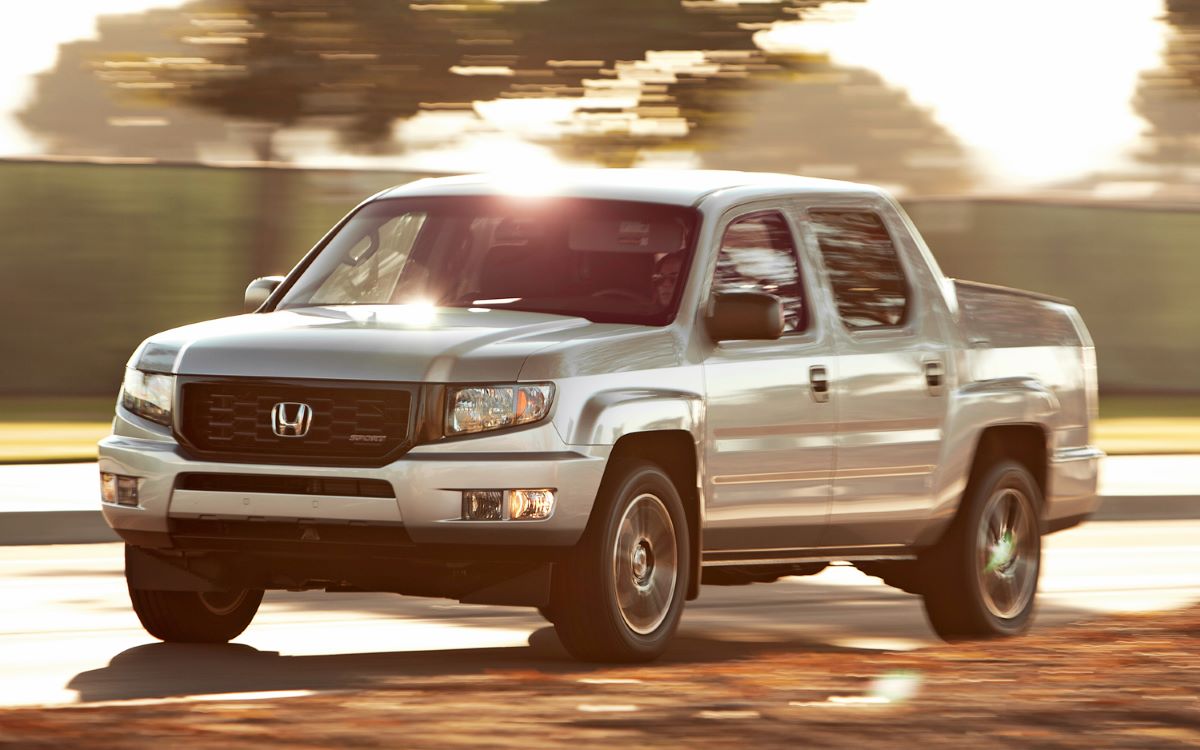
Like its predecessor, the 2017 Ridgeline was designed and manufactured in the U.S.A. Its front fascia appeared sportier, featuring wide, swept-back projector headlights with integrated LED daytime running lights.
These flanked a broad grille with horizontal slats, where Honda’s emblem took center stage. The body-colored bumper incorporated angled lines beneath the headlights, while the RTS trim added fog lamps within the apron on either side of the lower air intake.
From the side, the 2017 Ridgeline appeared less rugged than the previous generation, partly due to a less steeply raked windshield. A slightly forward-leaning stance enhanced the pickup’s sporty image.
All trims came standard with 17- or 18-inch alloy wheels, flared wheel arches, and sculpted door panels featuring a single crease that highlighted the door handles. At the rear, tall, corner-mounted LED taillights included lower reversing lights.
As before, the tailgate could swing open sideways up to 80 degrees or fold down like a conventional pickup. The rear bumper featured an integrated step in the center for easier bed access.
Inside, the 2017 Ridgeline accommodated five adults with comfortable front bucket seats and a 60/40 split flip-up bench in the back. The driver faced a refreshed instrument panel with a 4.2-inch color display.
Borrowing the entire dashboard from the Honda Pilot, the second-generation Ridgeline featured a five-inch touchscreen atop the center stack, with higher trims receiving an eight-inch unit.
Both screens supported Apple CarPlay and Android Auto. Between the front seats, a center console housed cup holders, the gear selector, and a cubby beneath the folding armrest.
Beneath the surface, the 2017 Ridgeline rode on an entirely new platform while retaining all-wheel independent suspension. Front-wheel drive was standard, with all-wheel drive available as an option.
A transversely mounted V6 engine powered the truck, producing 280 hp (284 PS), 30 more than the previous generation, and was paired with a six-speed automatic transmission.
5. 1993 Honda Acty (Imported Kei Truck)
Though never officially sold in the U.S., many Acty mini-trucks have been imported by enthusiasts for farm or utility use. While charming and capable for their size, these trucks weren’t designed for long U.S.-style highway driving.
Their small 660cc engines often wear out faster when pushed beyond their design limits, and parts availability can be a nightmare.
Compared to compact workhorses like the Ford Ranger or Toyota Pickup from the same period, the Acty simply doesn’t have the endurance or support network to compete long-term in American conditions.
When it comes to trucks, Honda’s reputation remains mostly intact, but it’s not perfect. The Ridgeline especially from the 2006–2014 and 2017–2024 eras proves Honda can make a truck that outlasts and outperforms many rivals in real-world ownership.
This 1993 Honda Acty is a right-hand-drive kei pickup equipped with a 656cc inline-three engine, a five-speed manual transaxle, Real Time four-wheel drive, and air conditioning.
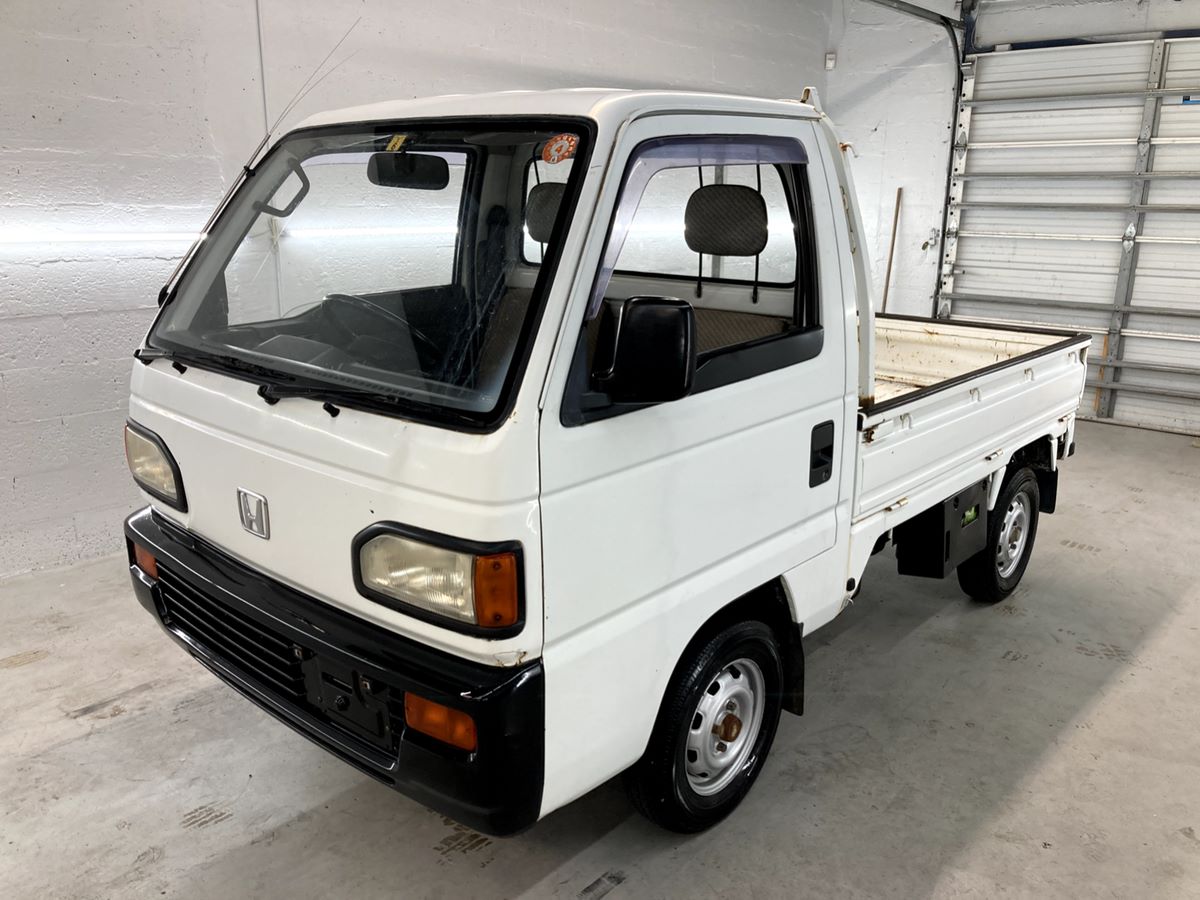
Finished in white with a black interior, the truck was imported to the U.S. by the selling dealer in July 2025 and shows 43,000 kilometers (~27,000 miles) on the odometer. It is being offered at no reserve, complete with import documents and a clean Maryland title.
The truck was refinished prior to importation to the U.S. According to the selling dealer, the bed has a load capacity of 350 kg (~770 lbs) and features a headache rack, cargo light, and drop-down sides.
Inside, the cab features gray upholstery on the seats and includes air conditioning, along with a Clarion AM radio for entertainment.
The instrument cluster is equipped with a 130 km/h speedometer and a six-digit mechanical odometer reading 43,000 kilometers (~27,000 miles).
Power comes from the 656cc E07A inline-three engine, paired with a five-speed manual transaxle and Honda’s Real Time four-wheel-drive system. An oil change was performed in July 2025.
On the other hand, the rebadged Passport SUVs from the ’90s and early 2000s remind us that not every vehicle wearing a Honda badge embodies the brand’s legendary reliability.
For American truck buyers seeking a dependable, versatile midsize pickup, the Ridgeline remains a smart choice especially in its later generations.
But for collectors and used buyers, knowing which Hondas to avoid can make the difference between a truck that lasts 20 years and one that’s a costly mistake.
