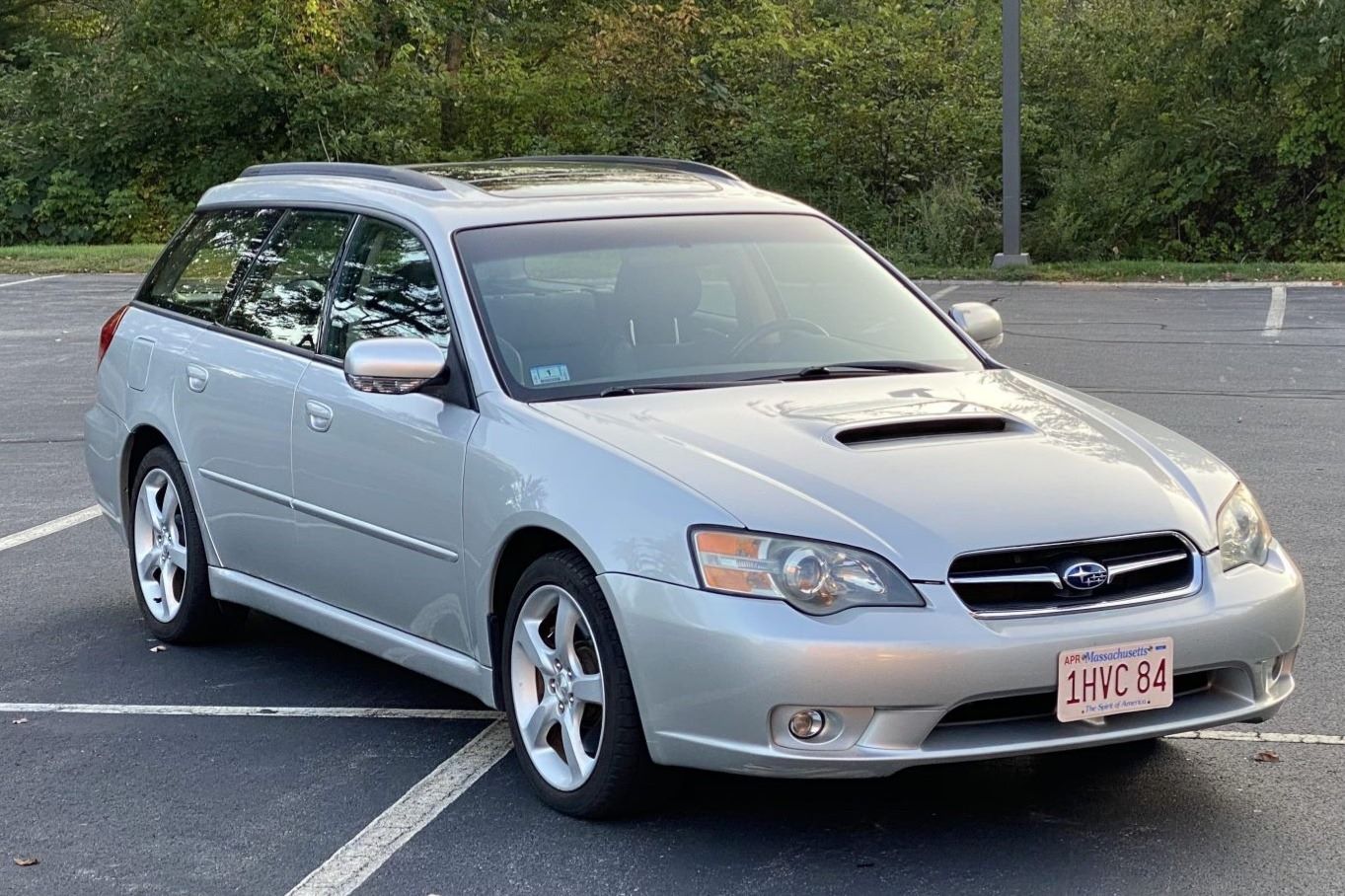
Subaru has built its reputation on dependability, ruggedness, and a unique blend of all-weather performance and practicality.
For decades, the brand has catered to American drivers who want vehicles that can handle snow, dirt roads, and daily commuting without breaking a sweat.
While SUVs like the Outback and Forester get much of the attention, Subaru’s sedans have quietly developed a cult following for their longevity and capability.
Whether it’s the boxer engine design, symmetrical all-wheel-drive system, or simple, robust engineering, certain Subaru sedans just keep running strong long after their competitors fade.
Below, we’ll explore 12 Subaru sedans that have proven to be durable, long-lasting, and worth every mile from classics of the past to current models still earning their reputation on American roads.
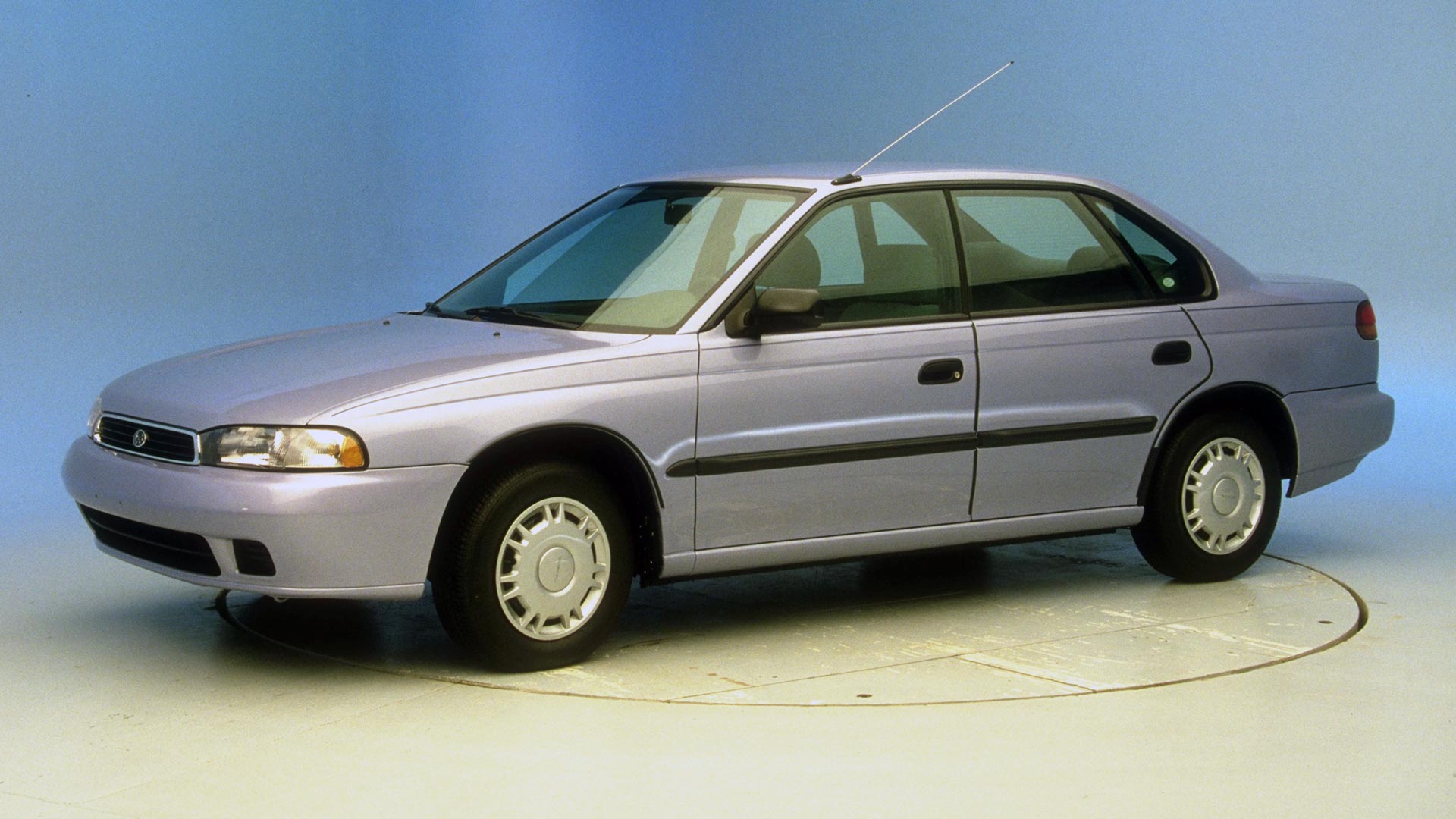
1. Subaru Legacy (1995–1999)
The mid-to-late ‘90s Subaru Legacy was one of the first sedans that truly solidified Subaru’s image as a reliable, all-weather car.
Featuring a full-time all-wheel-drive system and a horizontally opposed engine, these models routinely last well past 250,000 miles with basic maintenance.
The EJ22 engine, in particular, has earned legendary status for its bulletproof nature. Owners often praise the Legacy’s ability to handle snow and rough terrain as if it were an SUV and that was decades before “crossovers” became a thing.
Recently, Subaru made a strategic decision to distinguish itself from mainstream automakers by focusing on all-wheel-drive models. A wise move, as the brand’s loyal customers often remain devoted in part because of the wide selection of AWD vehicles in Subaru’s lineup.
Today, Subaru is experiencing rising success in the United States, driven both by consumer recognition of the safety advantages of all-wheel-drive vehicles and the growing popularity of sport-utility vehicles.
In 1996, Subaru introduced a rugged, elevated version of its hot-selling Legacy station wagon. Named the Outback, it was marketed as the world’s first sport-utility wagon, though it seems that both Subaru marketing and much of the buying public had forgotten the AMC Eagle Sportwagon from the early 1980s.
For 1997, the Outback continues to lead the pack. Subaru has added leather seating, woodgrain trim, and gold badging to this already popular wagon, creating the Limited Edition.
The only element still missing is the vinyl “woody” siding. All Outbacks for the year are equipped with a 2.5-liter engine, even those with manual transmissions. After driving the Outback, we were impressed by its on-road handling as well as its off-road capability. It’s an excellent family vehicle, and we recommend it.
The 2.5GT also deserves attention. Available in both sedan and wagon formats, the 2.5GT finally offers a much-needed manual transmission. For 1997, it also receives revised styling, increased horsepower and torque, and larger tires. The less performance-oriented but still well-equipped LSi models are only available with an automatic transmission and lean more toward luxury than sportiness.
Subaru’s Legacy lineup also offers strong value. The L model has moved up to fill the gap left by the discontinued LS model, adding standard features such as cruise control, four-wheel disc brakes with ABS, and power door locks for 1997. The standout, however, is the Brighton Wagon.
With all-wheel drive, an 80-watt sound system, and air conditioning all standard, this wagon is priced significantly lower than most two-wheel-drive wagons on the market. Add a set of alloy wheels, and few would guess it’s the most affordable model in the lineup. The only limitation is that ABS is not available on the Brighton.
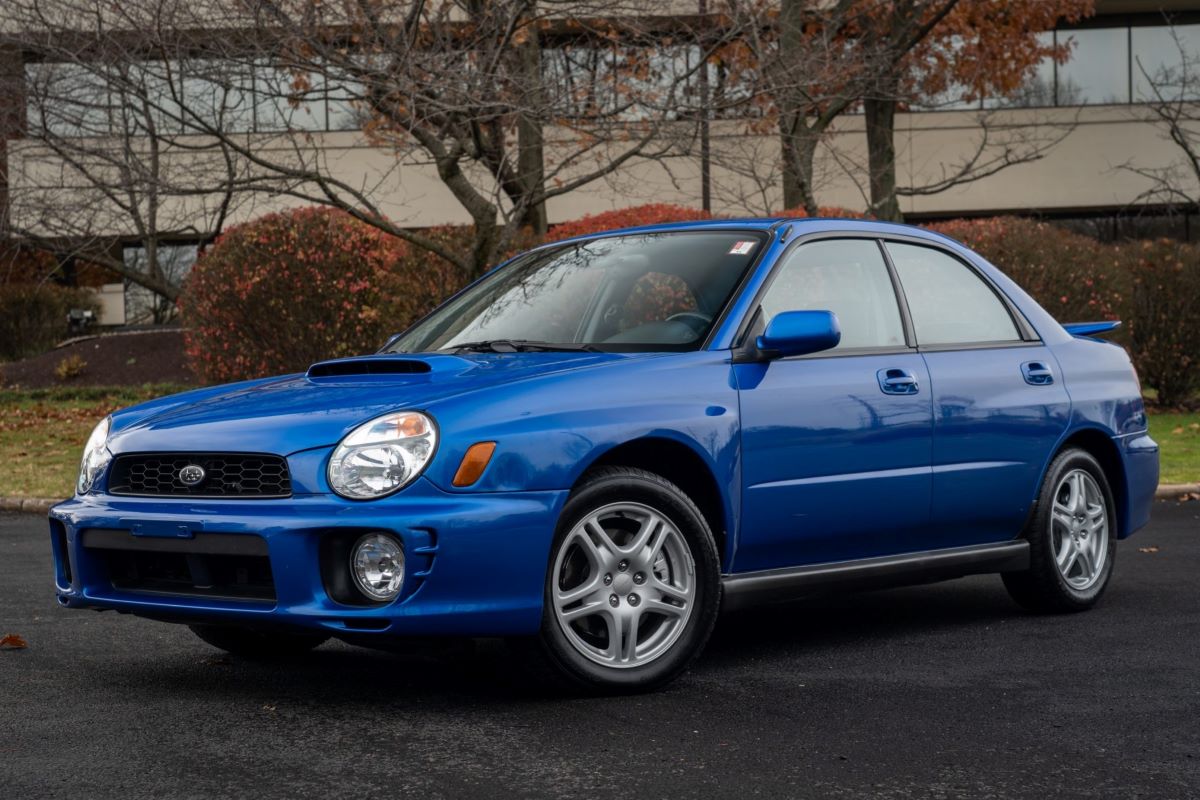
2. Subaru Impreza (2002–2007)
Before the WRX became a performance icon, the regular Impreza sedan was already earning a name for itself as a durable daily driver. These early-2000s Imprezas are simple, compact, and remarkably tough.
The naturally aspirated 2.5-liter engine offers decent power and can run for hundreds of thousands of miles when serviced regularly.
In rust-prone states, the underbody can suffer over time, but mechanically, these sedans are some of Subaru’s most enduring builds.
In the compact segment, the Subaru Impreza stands out as the only model that comes standard with all-wheel drive. Offered as either a sedan or a practical four-door hatchback, the Impreza provides a spacious interior and one of the most comprehensive suites of active safety features available today.
For driving enthusiasts seeking a more performance-oriented option, Subaru also offers the WRX sports sedan, a rally-bred machine designed for excitement behind the wheel.
Subaru introduced the original Impreza for the 1993 model year, available in both front- and all-wheel-drive configurations. Globally, three body styles were offered: coupe, sedan, and wagon. In the United States, a rugged variant of the wagon, called the Impreza Outback Sport, debuted for the 1995 model year as the top-tier trim.
Starting in 1997, Subaru made all-wheel drive standard on the Impreza in North America, emphasizing the system as a key differentiator for its vehicles. The first-generation WRX was not sold in North America; however, in other markets, multiple WRX variants were available, including the ultra-rare 22B STI.
The second-generation Impreza arrived in 2000, bringing with it the significant news that Subaru would offer the WRX for the North American market. Unlike its predecessor, this generation was limited to sedan and wagon body styles, with the coupe discontinued.
Between 2000 and the end of production in 2007, the second-generation Impreza underwent three facelifts: the original “bug eye” design from 2000 to 2002, the updated look with traditional rectangular headlights from 2002 to 2005, and finally the polarizing “jet intakes and wings” front fascia from 2005 to 2007.
Subaru introduced the WRX to the U.S. market in 2002, powered by a 227-hp 2.0-liter turbocharged four-cylinder engine, while the WRX STI followed in 2004, featuring a 2.5-liter turbo-four from the EJ engine family and a six-speed manual transmission as the only option.
3. Subaru WRX (2004–2007)
The WRX may have been born from rally roots, but it’s not just a performance machine it’s also one of the toughest Subarus ever made.
Early WRX sedans, especially those with the EJ205 and EJ255 engines, were built for enthusiasts who loved to drive hard.
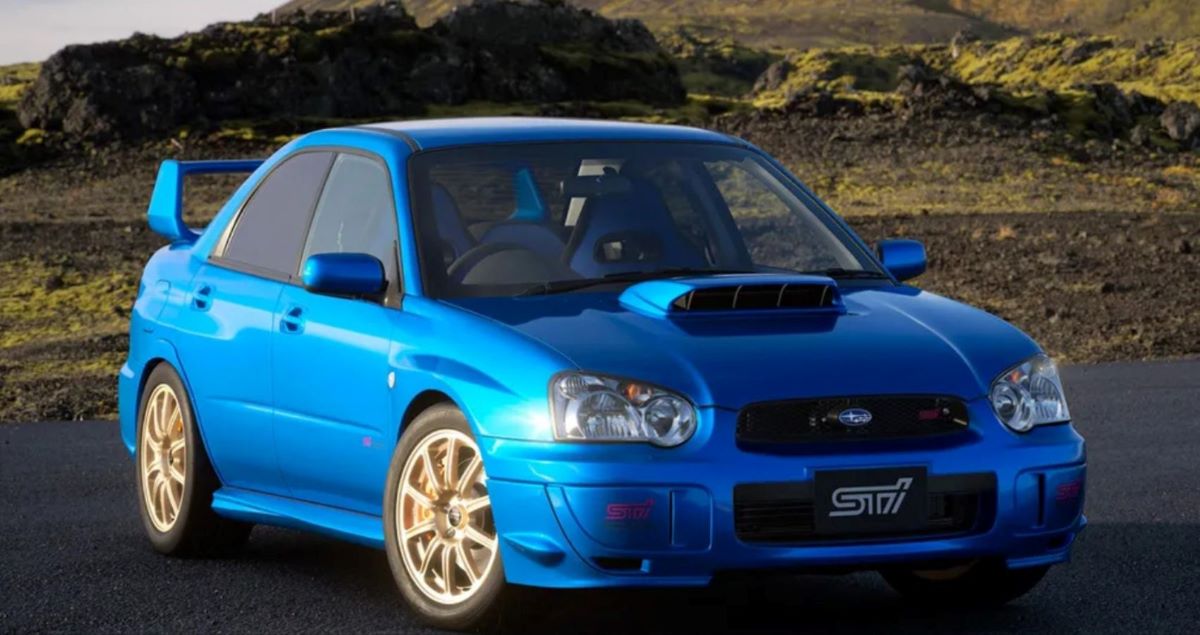
Despite the potential for abuse, many of these turbocharged models are still running today, thanks to Subaru’s sturdy drivetrain and AWD layout.
When maintained properly, a 2004 WRX can easily exceed 200,000 miles proof that performance and reliability can coexist.
4. Subaru Legacy (2005–2009)
This generation marked a leap in refinement without sacrificing the rugged Subaru DNA. The 2005–2009 Legacy sedans came with improved interiors, available turbocharged power, and better rust protection.
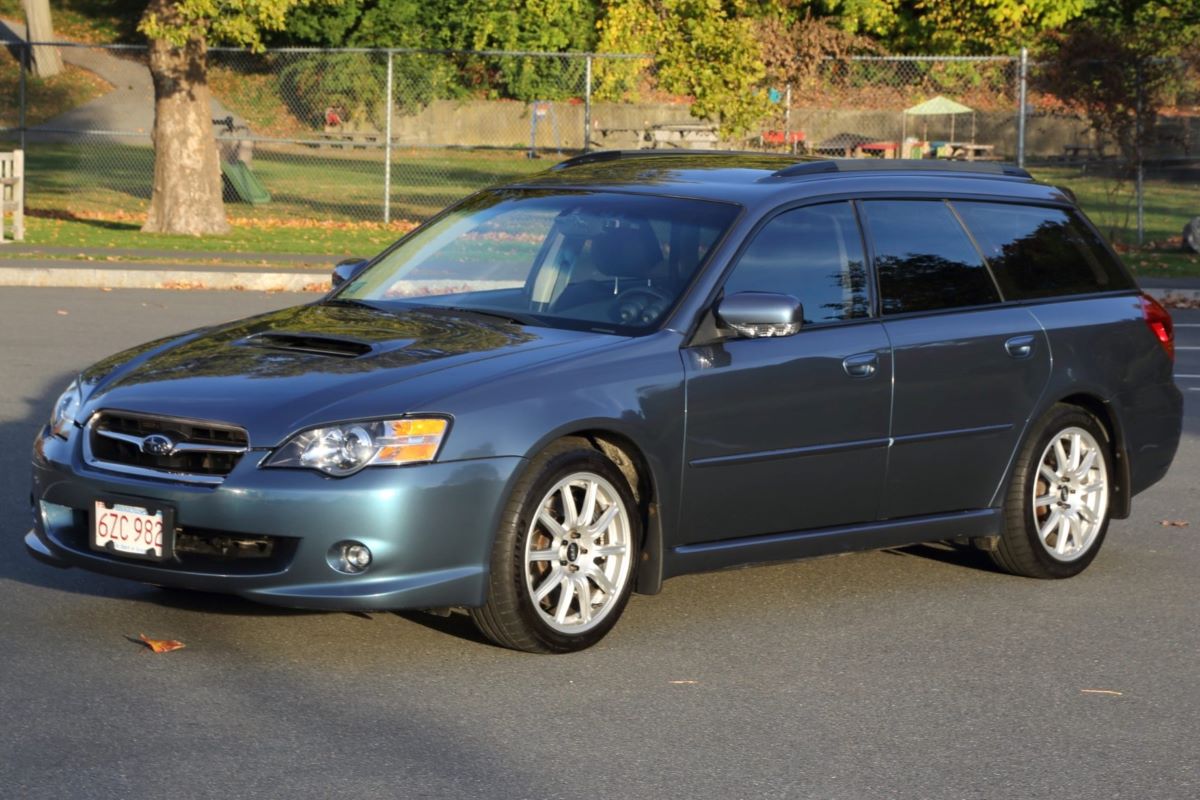
The 2.5i model, with its naturally aspirated boxer engine, remains one of the easiest Subarus to maintain. These cars still feel modern enough to daily drive comfortably while offering the mechanical simplicity older Subaru fans appreciate.
5. Subaru Impreza (2008–2011)
By the late 2000s, Subaru had refined the Impreza into a compact sedan that appealed to both economy-minded buyers and loyal brand fans. While the styling was more subdued than earlier models, the reliability stayed consistent.
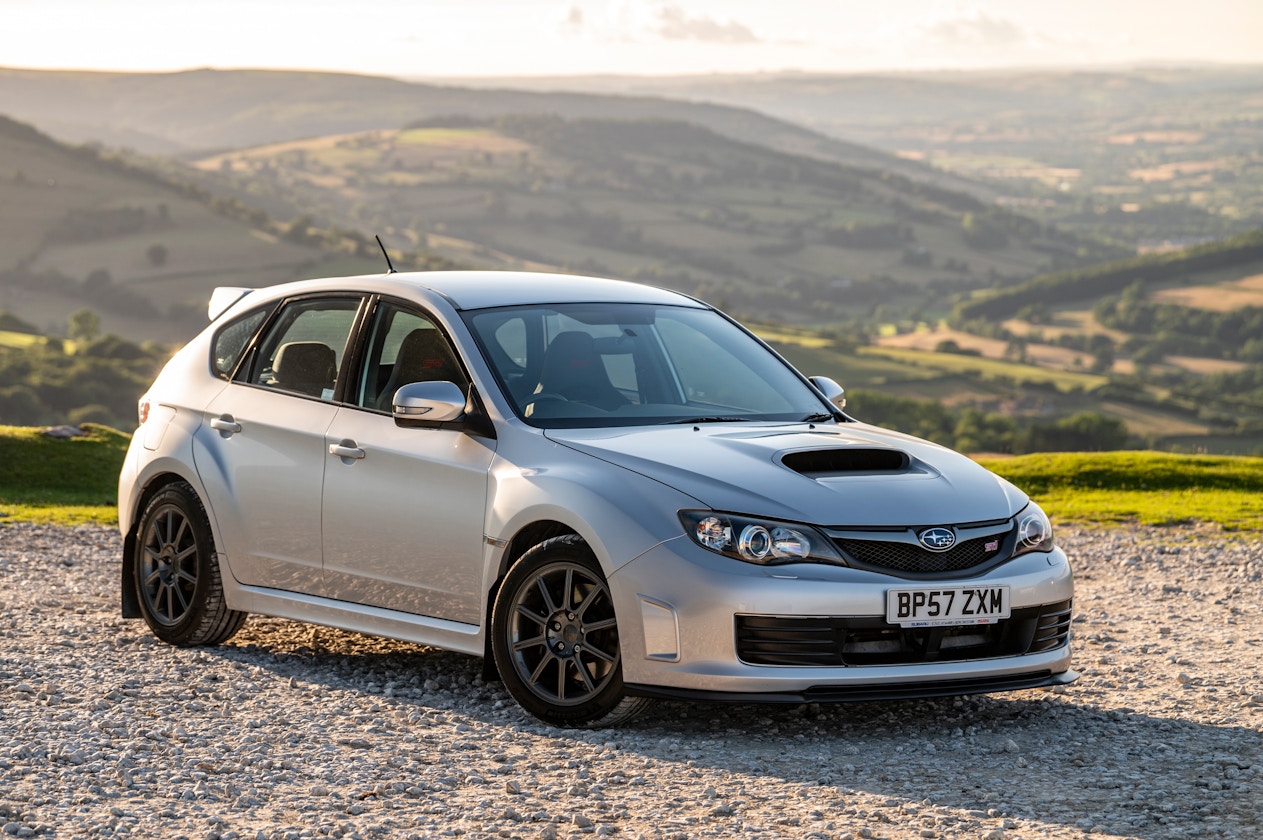
These sedans featured robust engines that didn’t suffer from the same head gasket issues that plagued earlier generations.
The Impreza’s balance of fuel efficiency and AWD traction made it a favorite in regions like the Pacific Northwest and the Midwest.
6. Subaru WRX STI (2008–2014)
If you think performance sedans can’t last, the WRX STI is here to prove otherwise. This generation of the STI is often driven hard, modified, and raced yet it keeps running strong.
Subaru’s 2.5-liter turbocharged boxer engine is famously overbuilt, capable of handling high boost pressures and still making it past 150,000 miles with regular oil changes.
The six-speed manual transmission is one of the toughest in the industry, designed for motorsport abuse but happy to tackle daily commutes.
The Special Edition is the fierce all-wheel-drive proto-rally STI that enthusiasts know and love, but Subaru has incorporated the suspension tuning from the Japan-only STI spec C to make it firmer, less prone to understeer in corners, and generally sharper on pavement.
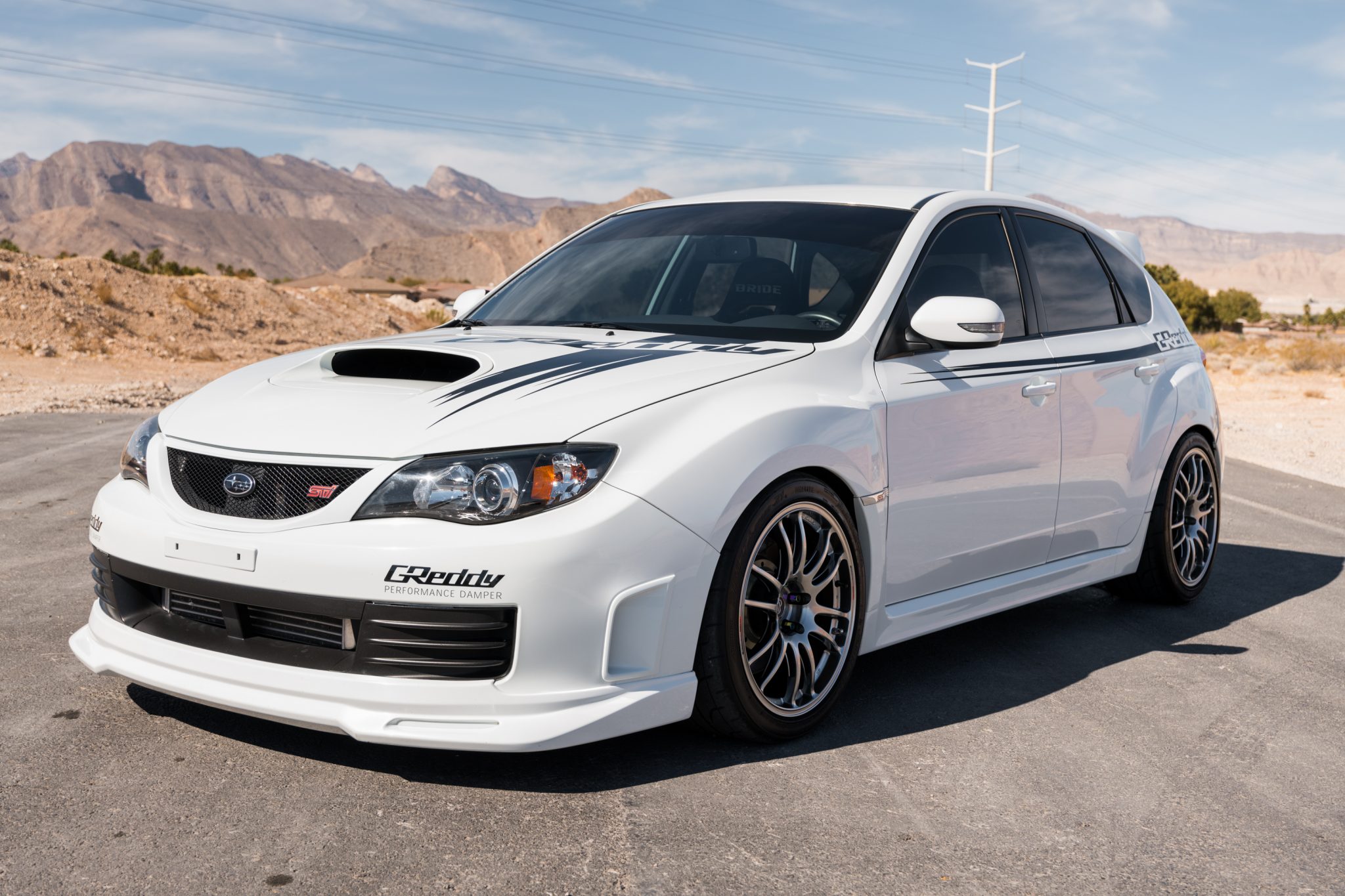
At the same time, Subaru has trimmed some of the luxury features found in the regular STI and reduced the price by $2,000, bringing it to $33,690.
Only 500 units will be built for the U.S. in 2010, the first 125 in exclusive Aspen White, with the remainder in black, blue, or dark gray metallic. After this limited run, the SE will be discontinued, likely to be replaced by another one-year special edition.
The suspension tweaks borrowed from the spec C are relatively minor. The front springs are 16 percent stiffer, while the rear springs are 29 percent stiffer.
Firmer rear subframe bushings prevent cornering loads from twisting the subframe and altering the rear geometry, though this comes at the expense of ride isolation. The car sits just a hair lower (0.04 inch) and features a slightly thicker rear anti-roll bar.
We tested the results at the winding 1.8-mile Streets of Willow Springs racetrack in California’s high desert north of Los Angeles and found that these suspension changes do indeed give the STI SE greater steering responsiveness through tight corners.
It is a more trackable STI than the regular model, which, while sharing the same 305-hp engine and driver-tunable all-wheel-drive system, can feel prone to tire-scrubbing understeer in turns. Many STI owners have upgraded their cars’ suspension on their own to achieve a sharper turn-in, and now Subaru has done it for you, while lowering the price at the same time.
7. Subaru Legacy (2010–2014)
The fifth-generation Legacy marked Subaru’s transition into a larger, more comfortable mid-size sedan. Even as the car became more mainstream, its mechanical integrity remained excellent.
The 2.5-liter flat-four engine and CVT pairing proved surprisingly durable, and the AWD system kept its reputation intact. For many families, this Legacy generation is the one that simply never dies a dependable road trip car with minimal fuss.
Among midsize sedans, the 2012 Subaru Legacy certainly carves out a niche for itself, though some of the features that make it unique also limit its broader appeal.
Much of what sets the 2012 Legacy apart lies under the hood. While nearly every other midsize four-door relies on the familiar formula of front-wheel drive paired with either an inline-4 or V6 engine, the Legacy continues to offer standard all-wheel drive and horizontally opposed “boxer” four- and six-cylinder engines, including a turbocharged option. Beyond its powertrain, the Legacy’s styling has always stood out from the crowd, for better or worse.
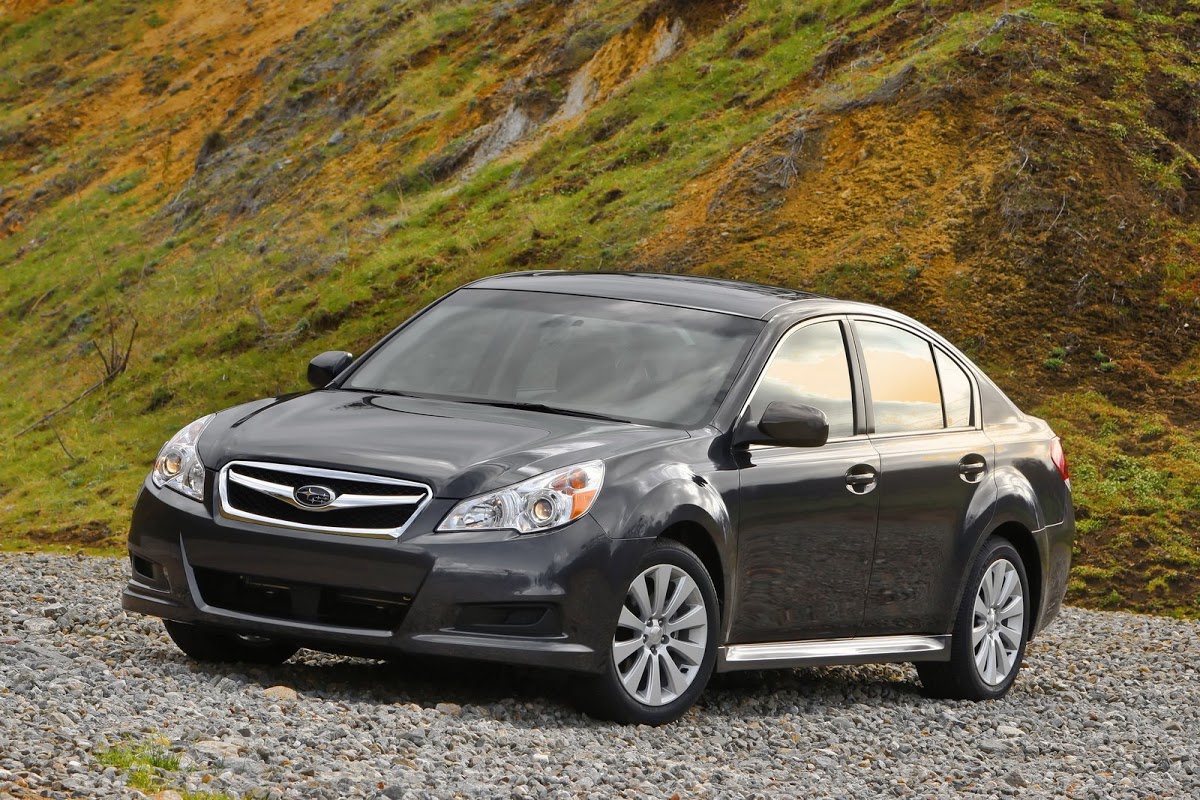
On the downside, the Legacy’s extra weight and the reduced efficiency of sending power to all four wheels result in less favorable fuel economy figures. Its road-holding ability in inclement weather is certainly a plus, but for those living in milder climates, it may be harder to justify.
Additionally, the sporty 2.5 GT Limited is not available with an automatic transmission, and the somewhat finicky navigation system is offered only on the range-topping trim levels.
For buyers specifically seeking all-wheel drive, the Ford Fusion is worth considering. Yet for those who don’t automatically follow the crowd, the 2012 Subaru Legacy stands out as a solid, non-conformist choice.
All 2012 Subaru Legacy models come standard with all-wheel drive, with buyers given a choice of engines and transmissions. The base 2.5-liter horizontally opposed four-cylinder engine produces 170 horsepower and 170 pound-feet of torque.
A six-speed manual transmission, which includes a hill-holder feature, is standard on the 2.5i and 2.5i Premium trims, while a CVT is optional on those models and standard on the 2.5i Limited.
8. Subaru Impreza (2012–2016)
The introduction of the FB20 engine in this Impreza generation brought improved fuel economy and lower emissions, but Subaru didn’t compromise on durability.
These sedans continue to be favorites among commuters who live in snowy states, and many examples are still on their original drivetrains well past 200,000 miles.
This era also saw Subaru’s build quality improve, especially in interior materials and cabin insulation, making the Impreza feel more premium without losing its toughness.
The latest Impreza is more well-rounded, and the 2013 Subaru Impreza builds on its growing acceptance with several thoughtful improvements. Bluetooth now comes standard across all models, along with iPod connectivity and steering-wheel-mounted audio controls. Additionally, the optional navigation system package has been upgraded to include a rearview camera.
The Impreza continues to deliver the qualities that brought it into the mainstream: a spacious interior, a comfortable and compliant ride, and fuel economy that competes well within its class. Its biggest advantage remains its standard all-wheel drive, which has endeared the Subaru to drivers who face a wide range of wet and slippery conditions throughout the year.
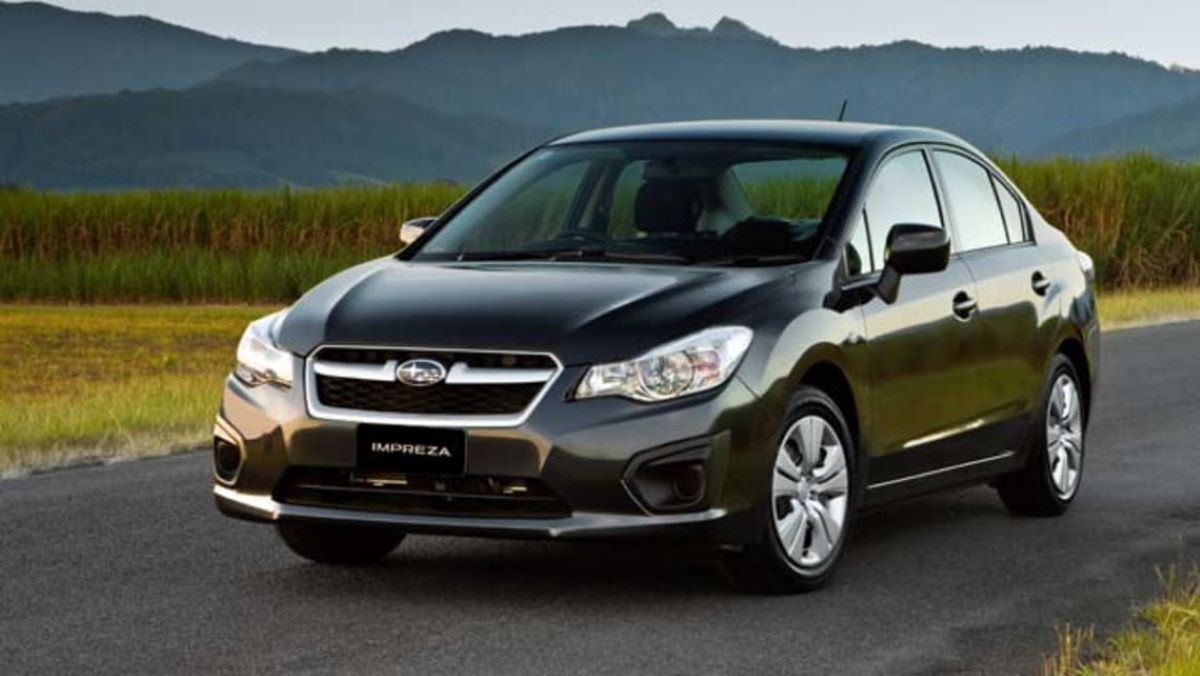
For buyers who do not prioritize all-wheel drive, other small sedans and hatchbacks may offer stronger appeal. The 2013 Ford Focus boasts a more refined interior and advanced technology features, while the 2013 Mazda3 feels more agile in city driving.
The stylish 2013 Hyundai Elantra and Elantra GT also provide enjoyable options for those seeking a sedan/hatchback combination. All of these alternatives generally deliver better fuel economy. Still, with its spaciousness, utility, and sure-footed handling, the Impreza remains a solid choice within this segment.
The 2013 Subaru Impreza 2.0i models are powered by a 2.0-liter horizontally opposed “boxer” four-cylinder engine, producing 148 horsepower and 145 pound-feet of torque.
A five-speed manual transmission is standard, paired with an all-wheel-drive system that distributes power evenly at a 50/50 front/rear ratio. An optional continuously variable transmission (CVT) is also available, linked to a different all-wheel-drive system that sends more power to the front wheels under normal conditions but shifts torque rearward when traction is needed.
9. Subaru WRX (2015–2021)
With the introduction of the FA20 turbo engine, Subaru brought modern performance and efficiency to the WRX lineup. While some enthusiasts were skeptical at first, these sedans have proven to be reliable when maintained properly.
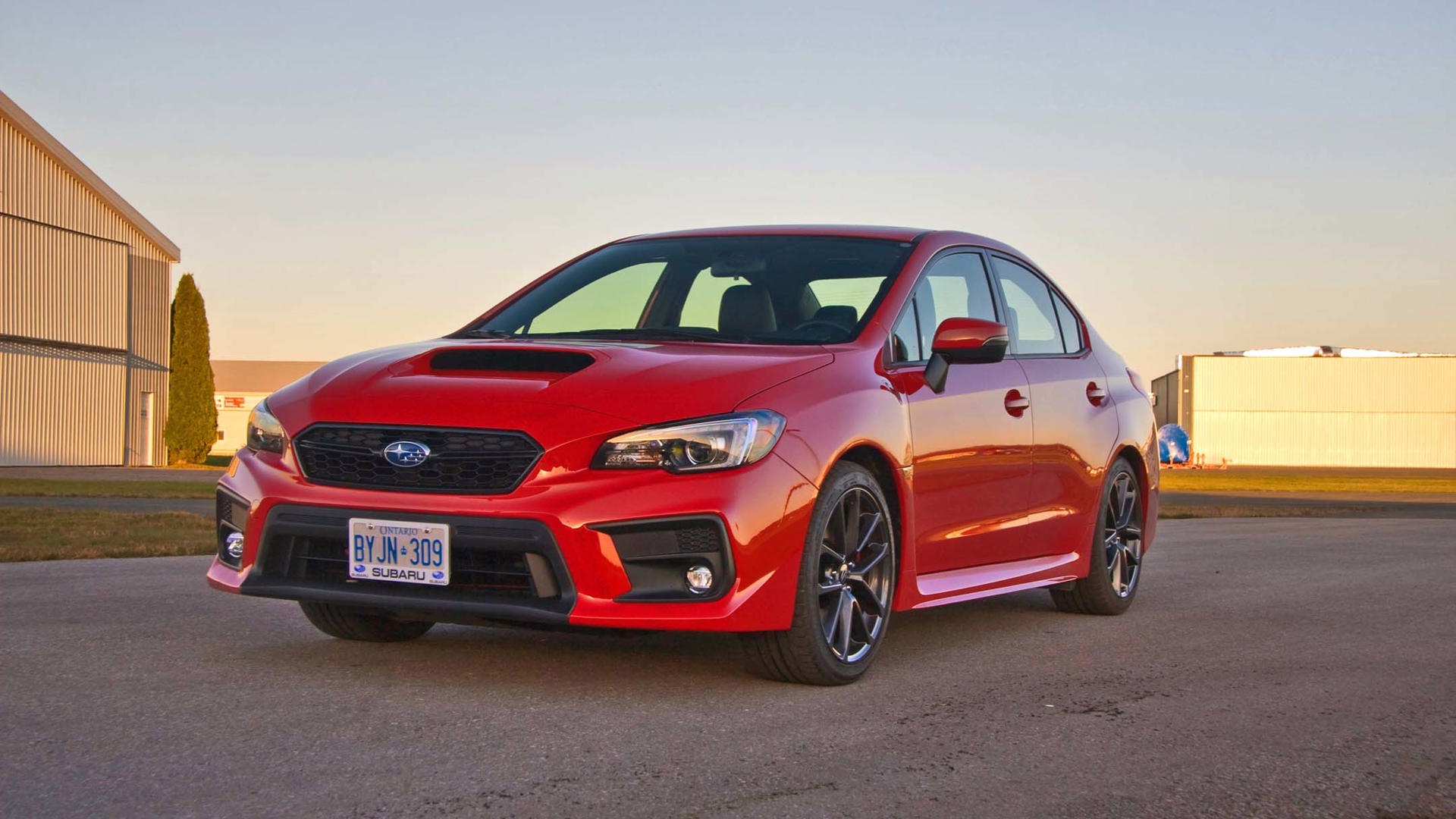
The WRX’s blend of all-weather traction, sporty handling, and solid build has made it one of the few modern performance cars you can daily drive for a decade without fear. Many 2015 models are now approaching 150,000 miles with no major issues.
10. Subaru Legacy (2015–2019)
This Legacy generation hit a sweet spot modern safety tech, comfortable ride, and traditional Subaru reliability. It’s not the flashiest sedan on the road, but it’s one of the most durable.
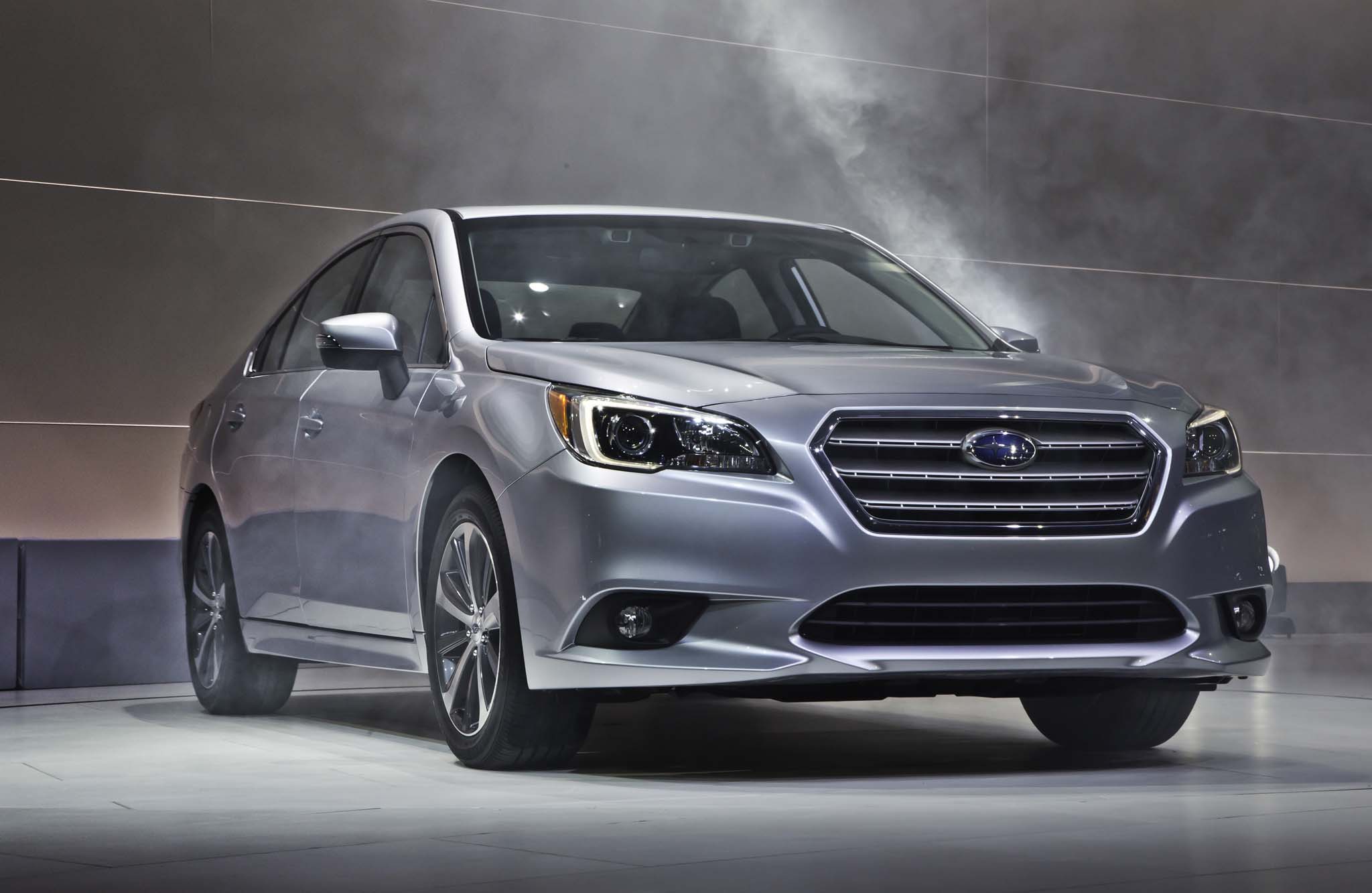
The CVT transmission here is smoother and more reliable than in earlier iterations, and the 2.5-liter flat-four remains a low-stress, easy-to-maintain workhorse.
These sedans continue to rank high in owner satisfaction surveys for longevity and all-season performance.
If you want to see plenty of Subarus, head to regions where it rains and snows. Standard all-wheel drive, offered on every Subaru except the BRZ sport coupe, has made the brand especially popular in areas like New England and the Pacific Northwest.
Yet Subarus have always retained a certain quirky character, which may help sales in Oregon but has kept the Legacy from becoming a major contender in the competitive midsize sedan segment.
In recent years, Subaru has worked to broaden the Legacy’s appeal by making it feel more like a mainstream vehicle. The 2015 redesign brought improved passenger and cargo space along with significant upgrades to cabin materials and electronic controls. Subaru also enhanced fuel economy, addressing a previous weakness for the model.
Still, the 2016 Subaru Legacy retains several quirks. Chief among them is its standard all-wheel drive. While some competing midsize sedans offer AWD, it is typically reserved for higher trim levels or more powerful engine options. On the Legacy, AWD is standard without increasing the price or reducing fuel efficiency.
Another distinctive feature is its horizontally opposed “boxer” engines, including a 2.5-liter four-cylinder and a more potent 3.6-liter six-cylinder. These engines offer unique benefits and drawbacks but are most notable for how few manufacturers use this configuration.
Both engines are paired exclusively with a continuously variable automatic transmission (CVT) featuring steering-wheel-mounted paddle shifters that attempt to simulate a six-speed manual.
11. Subaru Impreza (2017–2023)
This Impreza generation was built on Subaru’s new Global Platform, significantly improving rigidity and crash protection. That same structural strength also contributes to long-term reliability fewer rattles, less wear, and a stronger foundation overall.
The engines and transmissions are more efficient and durable, with many examples showing excellent reliability even past 100,000 miles.
For budget-minded Americans wanting a small sedan that can endure years of harsh weather, this Impreza is a smart pick.
The 2017 Subaru Impreza is completely redesigned and built on an all-new platform. It is wider, longer, and lower than its predecessor, featuring a fresh, modern appearance. Key updates include a roomier interior, a more powerful four-cylinder engine, standard Apple CarPlay and Android Auto integration, and an expanded suite of safety features.
Redesigned for 2017, the Subaru Impreza is available as a compact sedan or hatchback. Known previously for its spacious interior, Subaru has widened the track to provide even more cabin space.
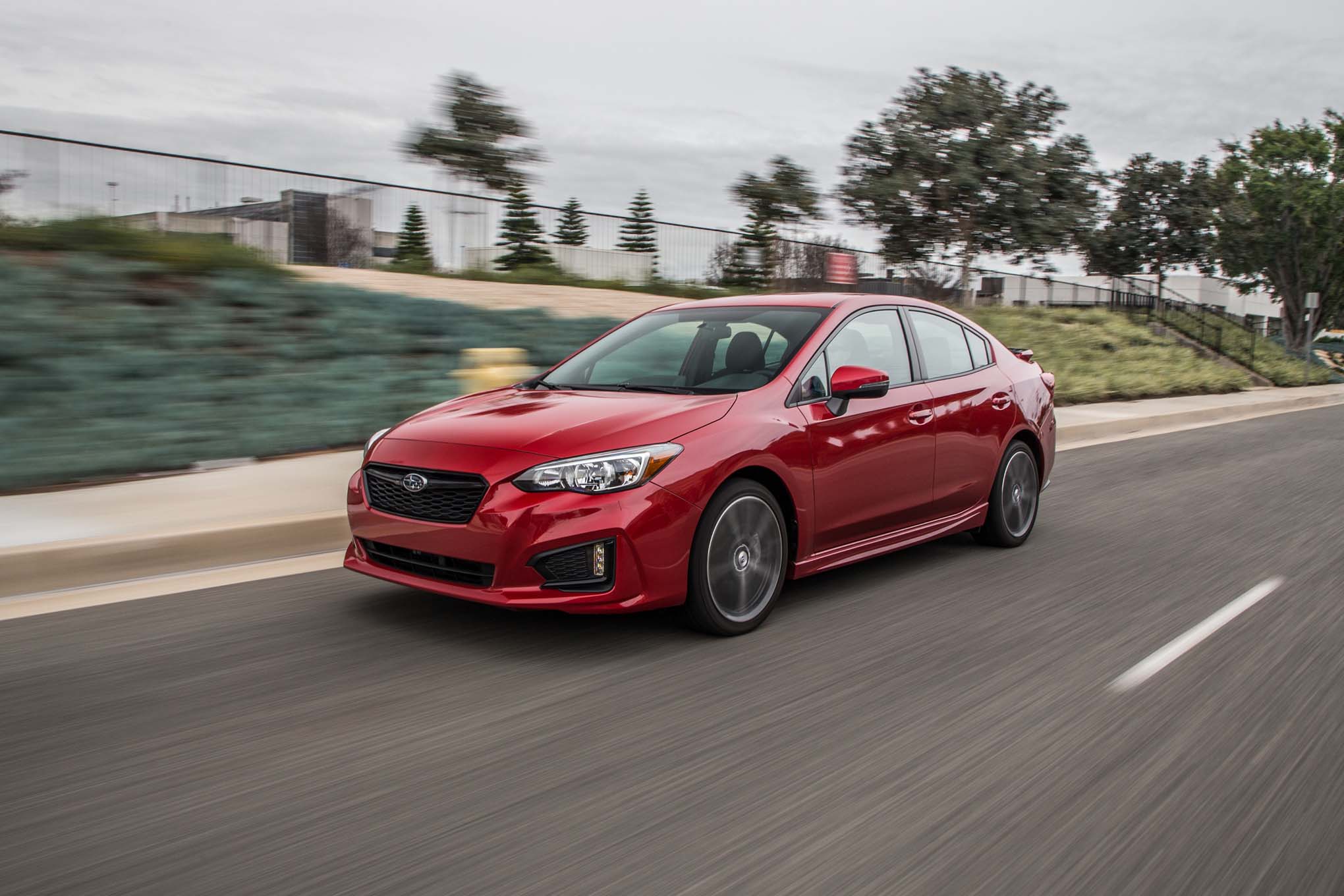
The interior has been upgraded with higher-quality materials, modern technology, and several useful safety enhancements. Combined with refreshed exterior styling and additional engine power, the 2017 Impreza is well-positioned within the competitive compact car segment.
Even with all of its upgrades, the Impreza still has a few notable shortcomings. Despite the increased power, the standard four-cylinder engine remains somewhat underpowered.
Interior materials, while improved, are not quite at the top of the class. Additionally, the optional continuously variable transmission (CVT) can be slightly noisy at times. However, none of these issues are significant enough to eliminate the Impreza from consideration.
Edmunds staff owned a 2017 Subaru Impreza for one year, driving nearly 20,000 miles. Our long-term test covered everything from seat comfort to real-world fuel economy.
The all-wheel-drive system was widely appreciated for its performance, though the engine responsiveness and interior materials were less impressive. Many common questions about ownership and day-to-day experience are addressed in our long-term review.
Rated 3.5 out of 5, the 2017 Subaru Impreza benefits from a complete redesign, with updated styling and features. It is quiet, comfortable, and offers more interior space than the previous model. With these improvements, the newest Impreza competes effectively with some of the best compact sedans on the market.
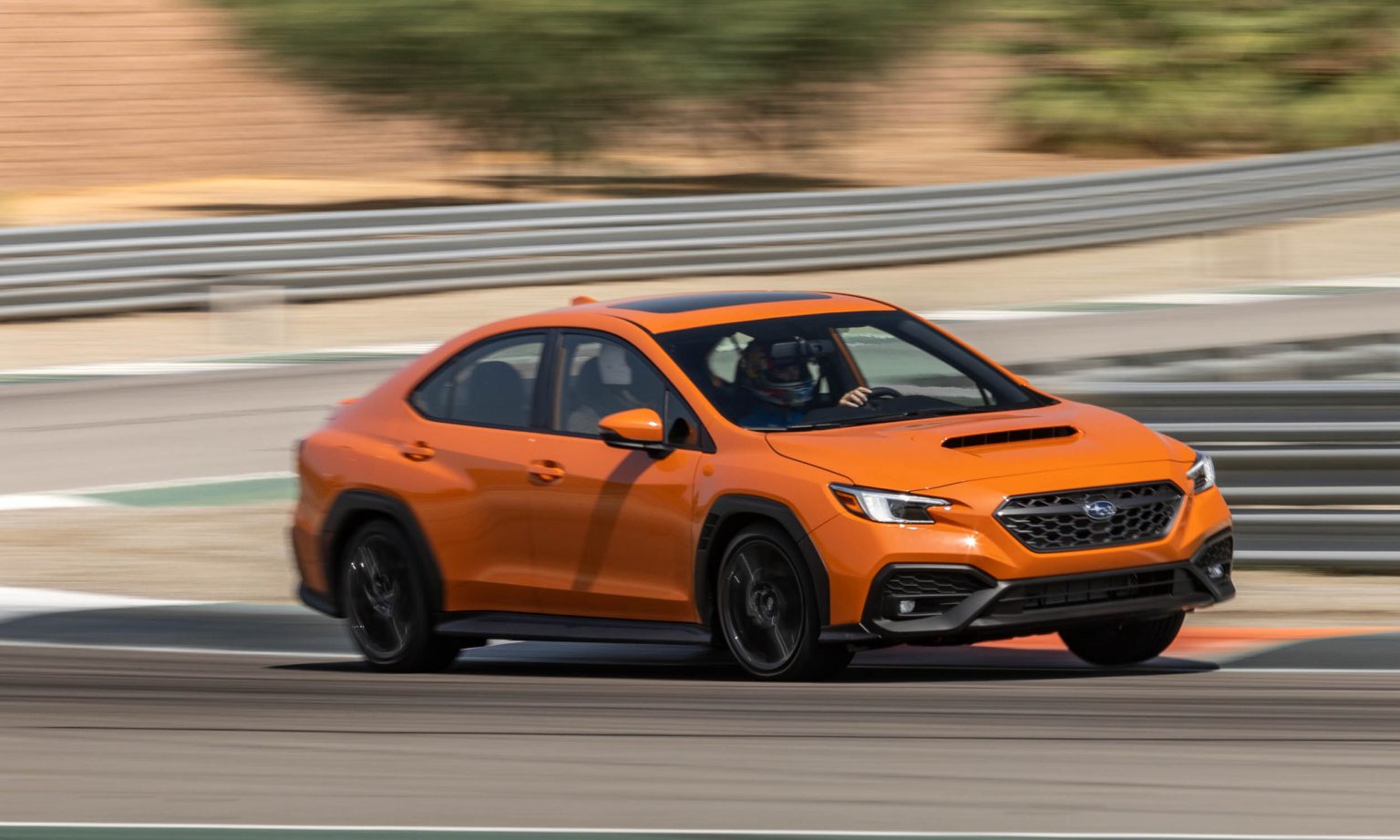
12. Subaru WRX (2022–Present)
The latest WRX is a testament to how far Subaru’s engineering has come without losing touch with its roots.
The new FA24 turbocharged engine offers strong power and refined reliability, while the chassis is built to handle abuse. Subaru’s continued use of symmetrical AWD and boxer engine layout ensures balanced wear and longevity.
While still a relatively new model, early data and owner reports show that this WRX continues Subaru’s tradition of sedans that simply keep going strong with or without rally aspirations.
While many brands claim longevity, Subaru sedans prove it year after year. From the rugged mid-’90s Legacy to the high-tech WRX of today, these cars consistently outperform expectations.
They might not be flashy or luxurious, but they have something far more valuable staying power.
Whether you’re in Maine, Colorado, or upstate New York, chances are you’ll see an older Subaru sedan still soldiering on, proving that the brand’s reputation for endurance isn’t just marketing it’s miles of truth.