
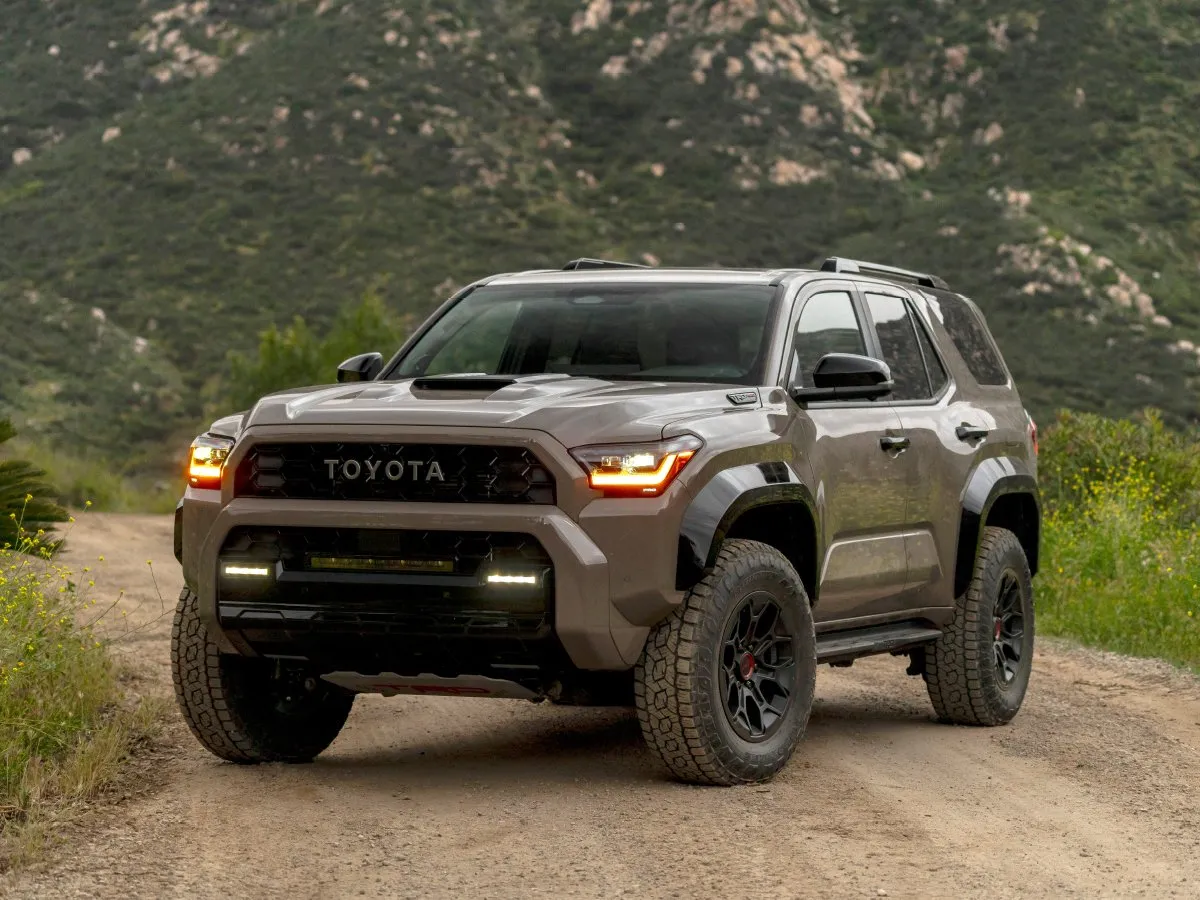
When it comes to owning a car, reliability isn’t just a feature it’s peace of mind. Few things are more satisfying than a vehicle that starts every morning, endures years of use, and asks for little more than routine maintenance.
In a world filled with advanced technology, touchscreens, and turbochargers, true mechanical durability has become increasingly rare. Yet, some cars continue to stand out for their resilience, simplicity, and engineering integrity. “8 Cars That Rarely Need Major Repairs” celebrates these enduring machines the ones that defy time, mileage, and neglect.
From the indestructible Ford Crown Victoria to the legendary Toyota 4Runner, these vehicles have earned reputations as the dependable workhorses of their classes. Whether you’re looking for a family sedan, rugged SUV, or all-weather wagon, these models prove that long-term dependability still exists. Built with quality, purpose, and proven design, they represent the best of automotive longevity.
1. Ford Crown Victoria: The Enduring American Workhorse
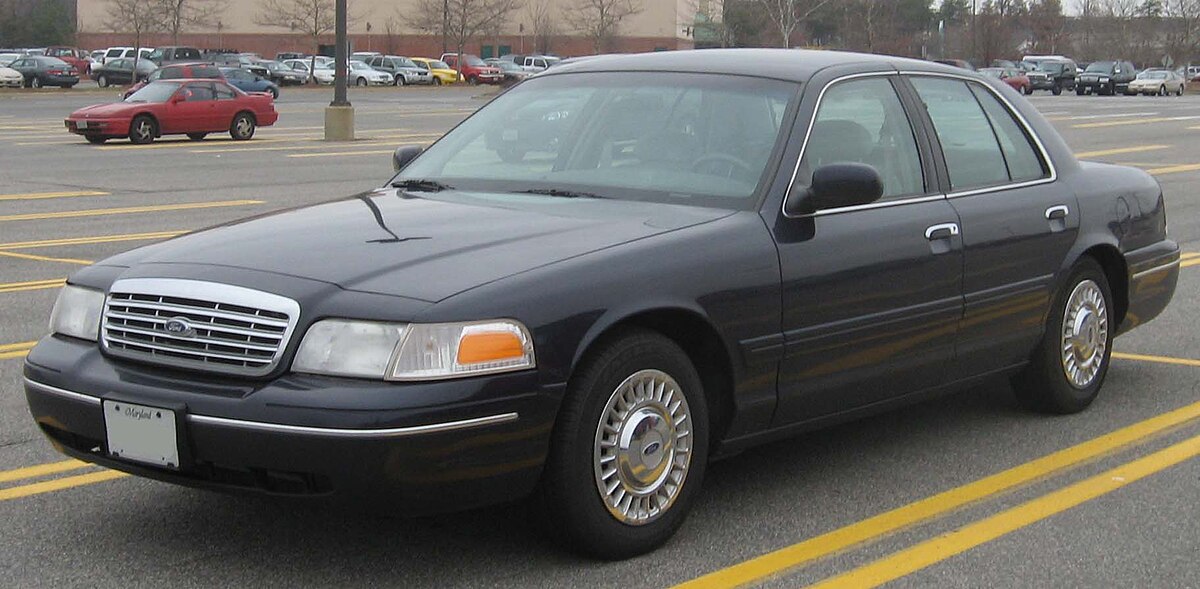
The Ford Crown Victoria represents a bygone era of American automotive design one focused on toughness, simplicity, and longevity. Though production ended in 2011, the Crown Vic remains a familiar sight on the road, especially in police fleets, taxi services, and among enthusiasts who appreciate its bulletproof mechanicals.
Many examples have surpassed 300,000 miles with little more than routine maintenance, a testament to Ford’s no-nonsense engineering philosophy.
At the heart of the Crown Victoria’s reputation is its 4.6-liter Modular V8 engine, a powerplant that prioritizes durability over outright performance.
Producing 224 horsepower in standard form (and up to 239 hp in sport-tuned models), the engine is smooth, reliable, and tolerant of neglect. It’s built with a sturdy iron block and aluminum heads, and it can run for decades with regular oil changes and cooling system care.
Paired with a four-speed automatic transmission, the drivetrain is simple, proven, and easy to service. The rear-wheel-drive layout further contributes to its longevity, eliminating the complexity of front or all-wheel-drive systems. This traditional setup makes it easier to repair and ideal for high-mileage duty cycles, which is why it dominated taxi and police fleets for decades.
The body-on-frame construction a rarity among sedans gives the Crown Vic exceptional durability. The full-length steel frame absorbs abuse that would cripple most unibody cars. It’s strong enough to survive curbs, rough roads, and the daily pounding of fleet use. The suspension system is also overbuilt, featuring a rugged solid rear axle and robust control arms designed for continuous service under heavy loads.
The Crown Victoria isn’t fast by modern standards, but it feels capable and confident. With the Performance and Handling Package, it gains slightly more power, a quicker rear axle ratio, and a firmer suspension setup that sharpens acceleration and cornering. The car’s 0–60 mph time hovers around eight seconds modest, yet adequate for highway merging or pursuit work.
Ride comfort is where the Crown Vic shines. The long wheelbase and soft suspension soak up road imperfections with ease, delivering a classic, smooth American sedan feel. Steering is light and predictable, ideal for long highway drives or city cruising. While handling is far from sporty, it’s stable and forgiving, offering the kind of controlled float that defined traditional full-size sedans.
The Crown Victoria’s safety record is impressive for its age. Equipped with four-wheel antilock disc brakes and optional traction control, it also offered side airbags on higher trims. Models fitted with side airbags earned five-star ratings in government crash tests and a “Good” rating from the IIHS in frontal-offset evaluations.
Inside, the Crown Vic is spacious and utilitarian. The standard front bench seat allows seating for six passengers, while models with bucket seats and a floor shifter seat five. Materials are plain but durable, reflecting its role as a workhorse rather than a luxury cruiser. The massive 21-cubic-foot trunk can easily accommodate luggage for four adults or the equipment demands of law enforcement and taxi operations.
One of the Crown Victoria’s greatest strengths is its ease of maintenance. Parts are cheap, widely available, and interchangeable with other Ford models. The simple mechanical layout means almost any repair shop can service it without issue. For do-it-yourself mechanics, the Crown Vic is refreshingly approachable free of complex electronics or fragile components.
The Ford Crown Victoria may not win style contests or corner like a modern sport sedan, but few cars can match its track record for reliability and endurance. Built to withstand years of punishment, it remains one of the most dependable full-size sedans ever made and a true symbol of American automotive resilience.
2. Toyota 4Runner: The Legend of Rugged Reliability and Enduring Strength
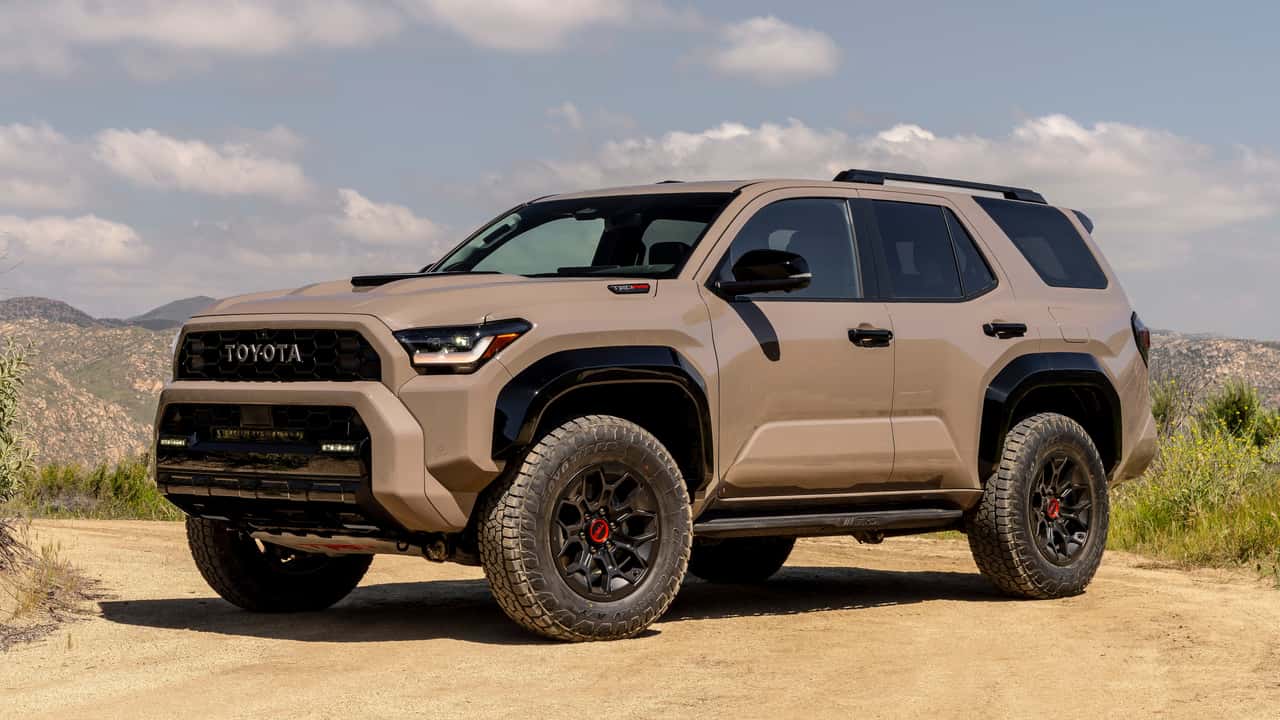
The Toyota 4Runner has built its legacy as one of the most durable and capable SUVs on the market. At a time when many modern SUVs prioritize comfort and car-like refinement, the 4Runner remains true to its roots as a body-on-frame SUV designed for endurance and toughness.
It’s common to find examples that have surpassed 300,000 miles, still running strong on original components. The 4Runner isn’t about luxury or trendiness it’s about dependability, ruggedness, and the confidence to take on any terrain.
At the heart of the 4Runner’s reputation is its 4.0L V6 engine, a proven powerplant known for its reliability and resilience under heavy use. It’s not the most efficient engine on the market, but its simple, naturally aspirated design eliminates the complexity of turbocharging or high-strain components.
This simplicity contributes to its exceptional longevity. Paired with a robust transmission and solid axles, the 4Runner’s drivetrain is engineered to withstand the demands of off-road adventures and everyday commuting alike.
The SUV’s suspension system is another standout element. Designed for rough terrain, it absorbs the punishment of trails and potholes with ease. Replacement parts such as shocks and control arms are widely available, straightforward to install, and rarely require attention before high mileage.
The frame and body construction further cement the 4Runner’s toughness, with rust-resistant coatings and strong weld points that endure even in harsh climates.
Maintenance is refreshingly simple for an SUV of this size and capability. The 4Runner is designed with accessibility in mind, allowing many owners to perform basic repairs themselves. The abundance of aftermarket support keeps costs manageable and customization options vast, from suspension upgrades to off-road accessories.
Behind the wheel, the 4Runner delivers performance rooted in strength rather than refinement. The gas-powered model accelerates from 0–60 mph in 8.2 seconds, while the hybrid version does it in 7.7 seconds.
Both provide enough power for daily use and light towing, though neither prioritizes speed. On pavement, however, the 4Runner reveals its truck-based nature. Body roll is noticeable, and the rear suspension can feel unsettled on smooth roads. The steering requires more input than expected but remains light and predictable.
Compared to rivals like the Ford Bronco and Jeep Wrangler, the 4Runner is more comfortable and less noisy, though it can’t match the composure of the Honda Passport. Toyota’s Safety Sense system comes standard on all trims, offering adaptive cruise control, lane keeping assistance, and blind-spot monitoring that operate smoothly and reliably.
Inside, the 4Runner’s cabin prioritizes durability over luxury. The front seats offer good comfort for long drives, but the rear seats feel tighter in both legroom and headroom, with flatter cushions and limited support. The small rear doors make installing child seats a bit tricky, and space becomes even more limited when a rear-facing seat is added.
Cabin isolation is decent, though engine noise becomes intrusive under heavy acceleration. The climate control system, with its chunky knobs and simple layout, is a highlight quick to heat or cool the cabin, and easy to use even with gloves on.
Depending on trim, the 4Runner features either an 8-inch or 14-inch touchscreen, both supporting wireless Apple CarPlay and Android Auto. There are numerous USB ports and an optional wireless charging pad, though it lacks a secure phone grip. Toyota’s built-in navigation and voice control are functional but require a paid data plan after a short trial.
In terms of practicality, the 4Runner shines. The cargo space measures 48.4 cubic feet behind the second row, ample for gear and groceries alike. With the third row in use, storage shrinks to 12.1 cubic feet, so seating for more than five compromises cargo capacity.
The 6,000-pound towing capacity is among the best in its class, giving the SUV true utility for trailers or small boats. Interior storage includes functional door pockets, small bins, and a clever shelf above the glovebox for quick-access items.
The 4Runner’s pricing spans a wide range, from accessible base models to premium TRD Pro and Trailhunter trims that can exceed $60,000. Despite the cost, the build quality is outstanding.
Even during off-road testing, the cabin remained free of rattles or squeaks. Fuel economy is modest, with gas models achieving up to 22 mpg combined in 2WD form and 21 mpg with 4WD. The hybrid version edges slightly higher at 23 mpg combined, a minor gain but a welcome improvement over previous generations.
The Toyota 4Runner remains one of the last authentic, old-school SUVs that prioritizes strength and reliability over modern flash. It’s not the smoothest or most refined option, but its bulletproof build quality, legendary drivetrain, and go-anywhere capability make it a favorite among adventurers and long-term owners alike.
On pavement, it may feel truck-like, but off-road, the 4Runner comes alive, confident, capable, and ready for anything. For those seeking a vehicle that can handle decades of use and countless miles, the 4Runner continues to be an unmatched symbol of rugged dependability.
3. Honda CR-V: The Compact SUV That Defines Long-Term Dependability
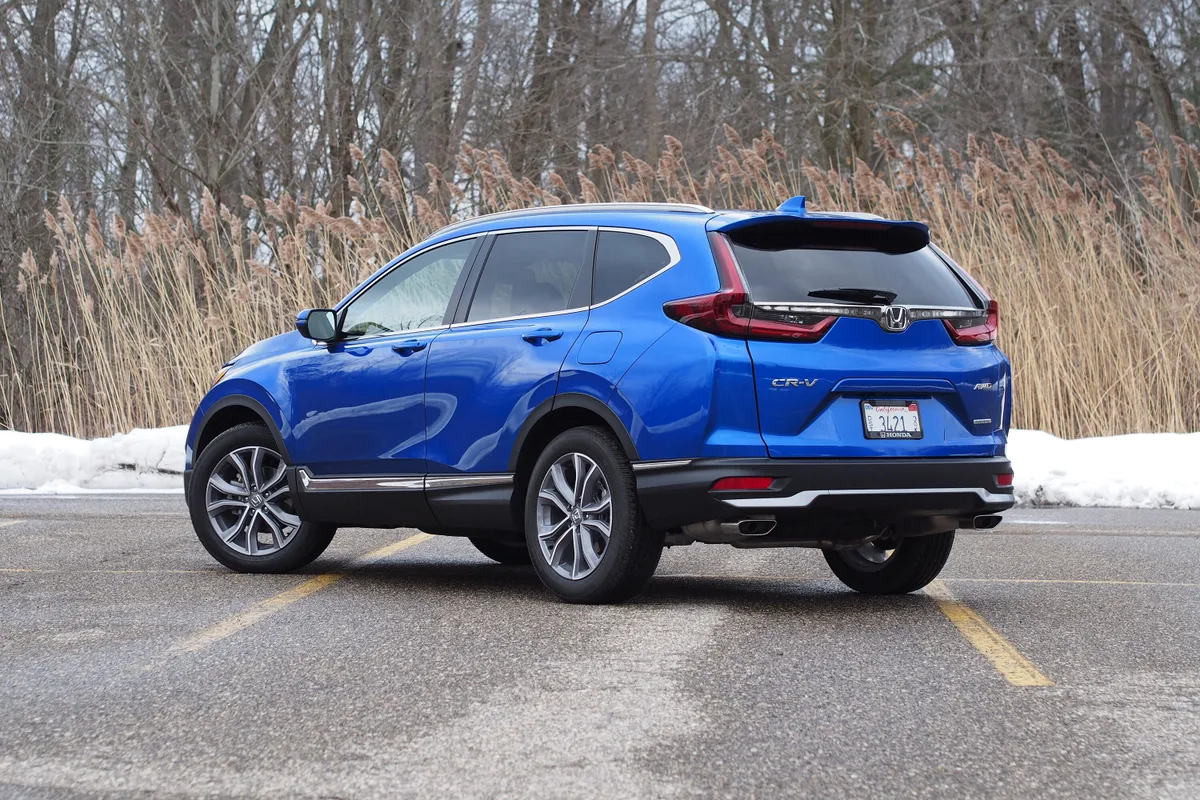
The Honda CR-V has been a cornerstone of the compact SUV market for years, known for its exceptional reliability and practical design. Many owners report driving these vehicles well past 300,000 miles with only routine maintenance. It is not built for off-road exploration or performance driving, but it excels in consistency, comfort, and dependability for daily use.
The CR-V’s reputation for longevity starts with Honda’s durable four-cylinder engines, especially the 2.4L versions from earlier generations. These engines are known for running smoothly over hundreds of thousands of miles without major mechanical issues.
Most use timing chains instead of belts, which lowers maintenance costs and eliminates the need for regular replacements. Paired with well-calibrated automatic transmissions, the powertrain is efficient, simple, and long-lasting.
The suspension and steering systems are built to handle years of wear without losing stability or comfort. Inside, materials and components resist deterioration, and controls continue to function properly even as mileage climbs. Seats remain supportive, and trim pieces rarely loosen, giving the interior a sense of strength and quality that holds up with time.
The CR-V’s compact footprint makes it easy to maneuver in cities, while the spacious cargo area accommodates families, travelers, and light utility work. Maintenance is straightforward and affordable because the CR-V is common, parts are easy to find, and most repair shops are familiar with it. Its mechanical simplicity, particularly in older models, is one of the main reasons it lasts so long.
The Honda CR-V delivers a smooth and balanced drive. It is not designed for excitement, but it responds well and feels stable on the road. The hybrid Sport Touring model reaches 60 mph in 8.0 seconds, while the 1.5L turbo version performs similarly. Brakes provide confident stopping power, and the hybrid transitions seamlessly between gas and electric power.
Steering is light and accurate, giving drivers a good sense of control. Ride quality is a standout feature because the suspension absorbs bumps and uneven pavement with ease. Visibility is excellent from the front due to large windows, although the rear view is more limited. Driver-assist systems function well, though some competitors offer a wider range of safety features.
The CR-V’s cabin focuses on space, comfort, and practicality. The front seats are supportive and highly adjustable, while the rear seat provides generous legroom for a compact SUV. Large windows create an open feel, and the wide door openings make entry and exit simple. The seating height is ideal for adults, and the layout makes it easy to install child seats.
Controls are intuitive, with physical climate knobs that are easy to use without distraction. Materials are designed for durability, with some hard plastics softened by attractive design details. The cabin stays quiet at highway speeds, making the CR-V a relaxing companion for daily drives or long trips.
Technology in the CR-V is practical but slightly behind some competitors. The 9-inch touchscreen works quickly and supports wireless Apple CarPlay and Android Auto. A wireless charging pad and multiple USB ports are available on most trims. The system is simple to navigate, though it lacks the larger display found in other Honda models.
Cargo space is generous for the class. Gas models provide ample storage capacity, while hybrid versions lose some space due to the battery and lack a spare tire. The wide cargo opening and tall interior make it easy to load larger items. Smaller storage solutions, such as the center console bin and large cupholders, add convenience for everyday use.
The CR-V costs slightly more than some rivals, but the build quality makes it a fair deal. The solid structure, tight assembly, and lack of interior rattles reflect Honda’s attention to detail. While some surfaces are made from harder plastic, the design helps disguise it and maintain an upscale feel.
Fuel efficiency is another advantage. The gas-only model achieves up to 30 mpg combined, and the hybrid reaches 40 mpg with front-wheel drive or 37 mpg with all-wheel drive. Real-world results often average around 33 mpg, which remains strong for the class.
The Honda CR-V remains one of the most trusted choices in the compact SUV category. It combines mechanical reliability, lasting comfort, and fuel efficiency in a way few vehicles can match.
The design may be modest, but the CR-V delivers where it counts by providing years of faithful service with minimal effort. For drivers who value practicality and long-term dependability, it continues to be one of the most reassuring vehicles on the market.
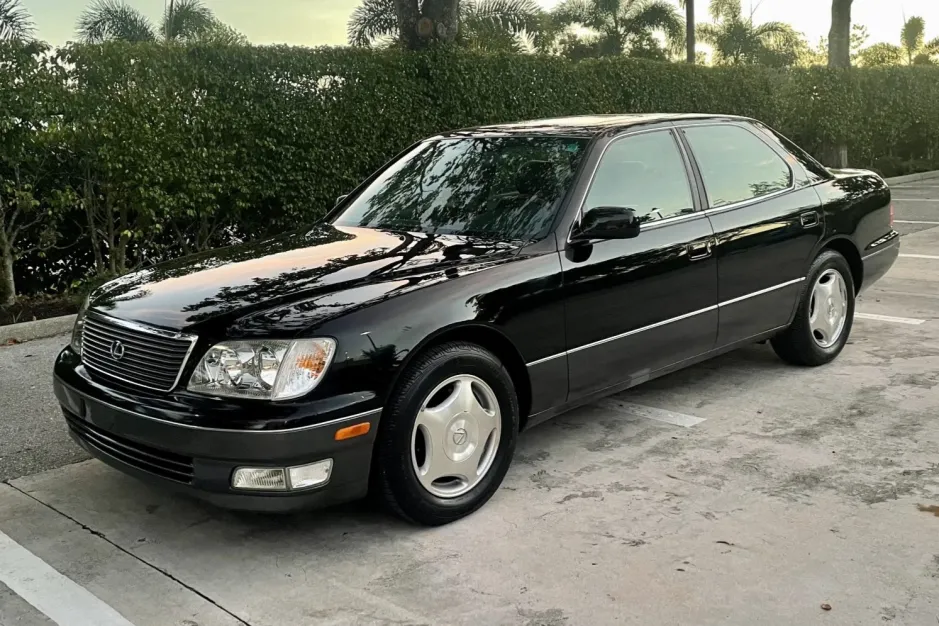
4. Lexus LS400: The Benchmark for Luxury and Longevity
The Lexus LS400 was the car that introduced Lexus to the world and redefined what luxury and reliability could mean when combined in a single vehicle. Launched in 1989, it stunned the industry with its quiet performance, precision engineering, and incredible longevity. Many examples have surpassed 400,000 miles with only regular maintenance, proving that Lexus built something truly extraordinary.
At the center of the LS400’s reputation is the 1UZ-FE 4.0-liter V8 engine, a masterclass in durability and refinement. Built with forged internals, tight manufacturing tolerances, and an aluminum block, it delivers smooth and consistent performance that can last for decades. This engine, paired with a dependable automatic transmission, became one of the most reliable powertrains ever fitted to a luxury sedan.
The LS400’s suspension system, while tuned for comfort, was built to last. Components such as control arms, bushings, and shock absorbers routinely exceed 200,000 miles before needing major attention. The car’s strong structure and quality rust protection help it endure in harsh climates without structural issues. Paint quality and body panel fitment remain impressive even in older models.
Inside, Lexus used premium materials that were designed to withstand years of wear. Leather seats resist cracking, buttons remain functional, and wood trim holds its shine. Even after decades, the LS400’s cabin often feels tighter and more refined than many newer luxury sedans.
The LS400 was engineered to deliver a serene driving experience. Its V8 provides effortless power and minimal vibration, while the suspension isolates passengers from road imperfections. Steering is light yet precise, and the chassis remains composed at highway speeds. It may not have been built for sporty handling, but it excels at providing quiet, confident comfort for long-distance travel.
The simplicity of the LS400’s mechanical systems contributes greatly to its longevity. Lexus avoided adding overly complex electronic systems or fragile air suspensions. Everything from the climate control to the power seats is engineered for durability and ease of maintenance. This thoughtful design makes the LS400 both luxurious and dependable, a rare combination even today.
The Lexus LS 500 continues the legacy in a modern form. Its twin-turbocharged V6 engine delivers brisk acceleration, reaching 60 mph in 5.7 seconds. Power delivery is smooth through a 10-speed automatic transmission, though response can be a little delayed during sudden throttle inputs. The optional adaptive air suspension produces a plush ride and isolates occupants from harsh pavement.
Inside, the LS 500 feels elegant and meticulously crafted. A 12.3-inch touchscreen, Apple CarPlay, and Android Auto come standard. Available features such as massage seats, Mark Levinson audio, and advanced driver assistance systems add to comfort and safety. The cabin remains one of the quietest in its class, reflecting the same engineering philosophy that made the LS400 so remarkable.
The LS 500, like its predecessor, offers impressive craftsmanship for its price. Lexus provides a four-year/50,000-mile bumper-to-bumper warranty and a six-year/70,000-mile powertrain warranty, both competitive within the segment.
The Lexus LS400 remains an icon of automotive engineering. It set a new standard for quality, precision, and dependability, proving that luxury could be built to last. Decades later, it stands as a symbol of what happens when perfection is the design goal rather than an aspiration.
Also Read: 10 Cars From the 2020s Already Building Bulletproof Reputations
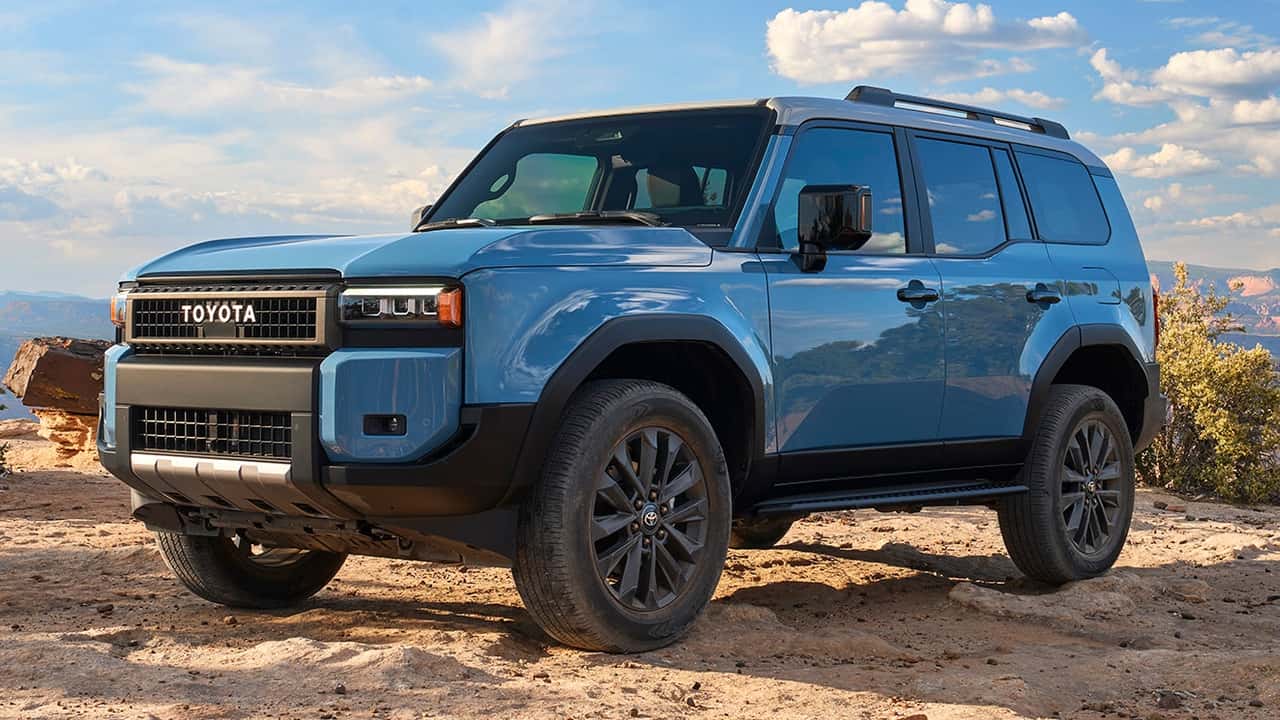
5. Toyota Land Cruiser: Built to Endure
The Toyota Land Cruiser has long been recognized as one of the most durable vehicles ever produced. Whether crossing deserts, climbing jungle trails, or hauling families through city streets, the Land Cruiser has proven itself time and again as a machine that refuses to quit. It was engineered to last decades, not just years, and routinely surpasses 300,000 miles with minimal maintenance.
From its earliest straight-six engines to the later 4.7-liter V8, the Land Cruiser’s powertrains have always been designed with reliability in mind. These engines are known for handling extreme heat, poor fuel quality, and sustained heavy loads without mechanical failure. The automatic transmissions and full-time four-wheel-drive systems are similarly robust, built to withstand abuse that would cripple lesser SUVs.
The Land Cruiser’s body-on-frame construction provides immense strength and contributes to its longevity. The thick steel frame resists twisting and flexing during off-road use, and the suspension components are overbuilt to handle punishing terrain. Corrosion resistance is excellent, allowing the vehicle to survive harsh climates where rust typically claims other trucks.
Toyota also made the Land Cruiser easy to repair. Its design emphasizes mechanical simplicity and interchangeability across generations. This approach, combined with Toyota’s vast global parts network, ensures that even in remote areas, a Land Cruiser can be serviced and returned to duty quickly.
In its latest form, the Land Cruiser trades its V8 for a turbocharged four-cylinder hybrid system. This setup focuses on efficiency and smooth operation rather than speed.
During testing, it reached 60 mph in 8.2 seconds, which is slower than some rivals, but the power delivery feels steady and confident. Steering is on the heavy side, and braking can cause noticeable nosedive, though ride comfort remains impressive for an off-road-capable SUV.
Off-road performance remains a highlight. The suspension soaks up rough trails, and the vehicle’s structure inspires confidence on uneven terrain. Ground clearance could be higher, and the standard all-terrain tires are more comfort-oriented than aggressive, but the Land Cruiser’s mechanical grip and traction systems allow it to handle most off-road challenges with ease.
Inside, the Land Cruiser blends ruggedness with refinement. The front and second-row seats are well-padded and supportive, though rear legroom is limited for such a large SUV. Headroom is excellent, and visibility is wide and clear. Controls are simple and logically arranged, making them easy to reach even while wearing gloves. Cabin insulation effectively blocks wind and road noise, adding to comfort during long drives.
The 12.3-inch touchscreen supports wireless Apple CarPlay and Android Auto, and multiple USB ports and a household-style outlet enhance convenience. Cargo space measures 37.5 cubic feet, but the hybrid battery raises the cargo floor, making it harder to load heavy items. Towing capacity stands at 6,000 pounds, enough for small trailers or campers.
The Land Cruiser’s hybrid system delivers an estimated 23 mpg combined, an improvement over previous generations but still requiring premium fuel. Its high price and modest interior space may deter some buyers, yet few vehicles can match its blend of reliability, craftsmanship, and off-road competence.
Toyota’s iconic SUV continues to embody the spirit of dependability that made it a legend. Whether used as a family hauler or an expedition vehicle, the Land Cruiser remains a symbol of enduring strength and thoughtful engineering.
6. Toyota Camry: The Benchmark of Reliability and Everyday Excellence
The Toyota Camry has established itself as a paragon of reliability and practicality over the decades. Known for its enduring performance and understated design, the Camry remains one of the few sedans capable of effortlessly surpassing 300,000 miles with proper maintenance.
Unlike rivals that rely on flashy trends or aggressive redesigns, Toyota continues to refine the Camry through proven engineering, thoughtful ergonomics, and a steadfast focus on quality.
One of the primary reasons the Camry has earned a reputation for durability is its robust powertrain. Toyota’s four-cylinder engines, particularly the 2.4L and 2.5L variants, are celebrated for their simplicity and resilience. These engines are not performance-oriented but are engineered for longevity.
Toyota’s use of timing chains instead of belts, limited use of turbocharging, and conservative power output all help minimize mechanical stress. The optional V6 variants deliver extra performance while maintaining dependability, though they generally entail higher maintenance costs.
Beyond the powertrain, Toyota’s meticulous approach to component design enhances long-term reliability. The Camry’s suspension, electrical systems, and interior materials are built to resist wear and tear.
Seats remain supportive even after years of use, buttons and switches function reliably, and rust protection on body panels exceeds class expectations. This consistent build quality allows the Camry to maintain a solid, composed feel even after high mileage.
Routine maintenance is another area where the Camry shines. Affordable, widely available parts and the ability for independent mechanics to service the vehicle without specialized tools keep ownership costs low. This accessibility encourages regular upkeep, which directly contributes to the model’s long-term survival on the road.
The Camry XSE trim, with its sport-tuned suspension, offers a balanced driving experience, smooth, confident, and slightly more engaging than older generations. It accelerates from 0–60 mph in 7.8 seconds, faster than some key rivals like the Honda Accord and Hyundai Sonata hybrids.
Steering is responsive, and braking is firm and reassuring. Toyota has refined the chassis to deliver both road connection and comfort, eliminating the “floaty” sensation that older Camrys were known for.
Toyota’s Safety Sense suite adds to the confidence behind the wheel. The latest system detects lane movement and adjusts speed autonomously. Optional features like Traffic Jam Assist even allow limited hands-free operation at low speeds, showcasing Toyota’s push toward semi-autonomous technology.
Inside, the Camry offers supportive front seats, ample legroom, and excellent visibility thanks to its upright seating position. The interior layout is both ergonomic and functional, with climate controls that are intuitive and effective. Road and wind noise are well-muted, providing a peaceful cabin environment. While the engine note can sound coarse under hard acceleration, the cabin remains refined for the class.
A 12.3-inch touchscreen with wireless Apple CarPlay and Android Auto ensures seamless smartphone integration. Toyota also includes a reliable wireless charging pad and optional JBL audio system, though the latter still trails some competitors in sound quality. Despite having slightly less trunk space on paper, the Camry’s 15.1-cubic-foot trunk and clever storage compartments make it highly practical for daily use.
With every Camry now offered as a hybrid, buyers have more options across trims. This strategy distinguishes Toyota from competitors who reserve hybrid powertrains for premium variants. The Camry delivers 44–51 mpg combined, making it one of the most fuel-efficient non-electric sedans available. During testing, the XSE hybrid achieved an impressive 45.9 mpg, validating Toyota’s efficiency claims.
The Toyota Camry’s enduring appeal lies in its ability to blend longevity, comfort, safety, and value into a single package. It may not be the most thrilling car on the road, but it’s remarkably competent, fuel-efficient, and easy to live with.
Whether as a first car, family commuter, or long-term daily driver, the Camry continues to uphold its reputation as the gold standard of dependable sedans, a vehicle that quietly excels at everything that matters most.

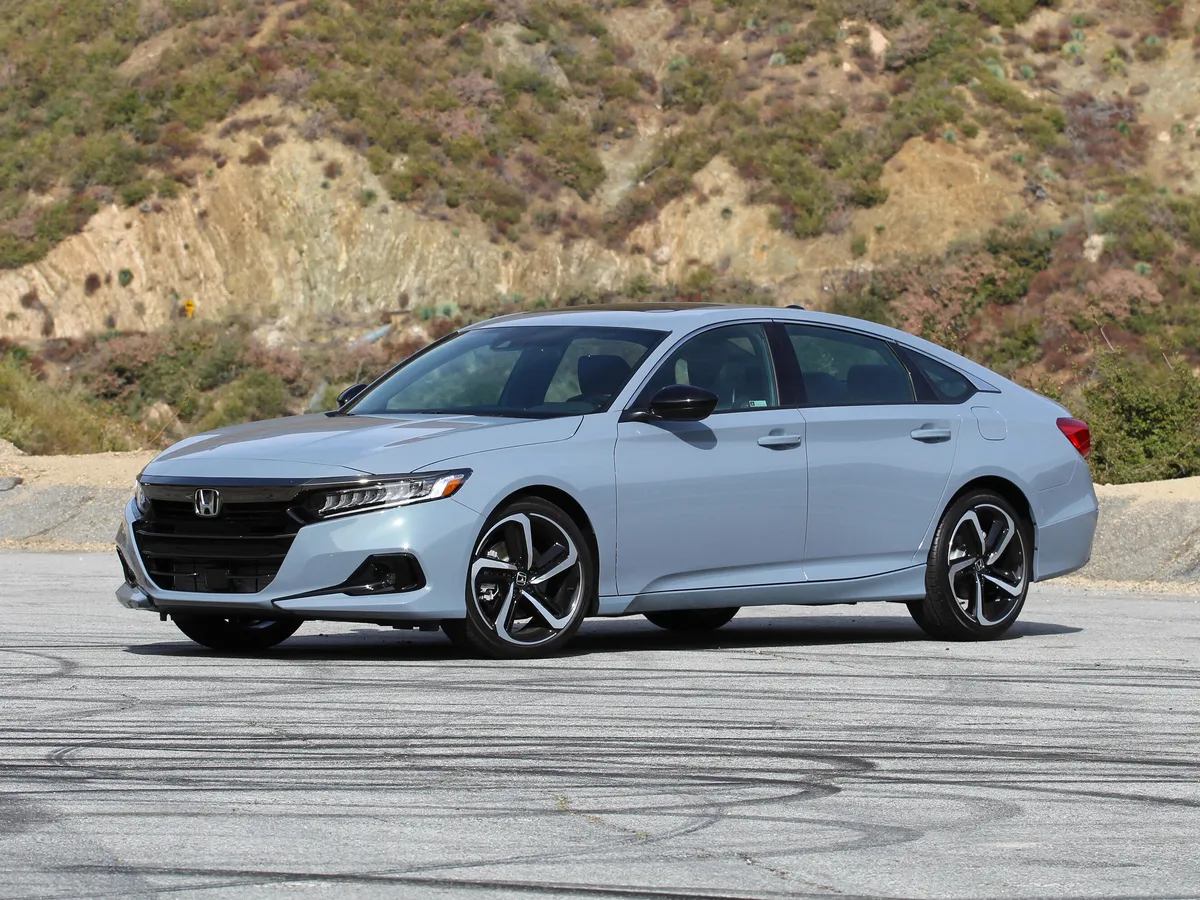
7. Honda Accord: The Perfect Blend of Reliability, Performance, and Practicality
The Honda Accord has long been celebrated for its seamless combination of comfort, performance, and dependability. Its reputation as a well-balanced midsize sedan stems from Honda’s dedication to mechanical integrity and thoughtful engineering.
Many Accord owners boast of surpassing 300,000 miles on original engines and transmissions, a testament to its exceptional longevity. Unlike trend-driven competitors, the Accord relies on proven design principles, mechanical simplicity, and a refined driving character that appeals to generations of loyal drivers.
The Accord’s reliability begins with its robust engine lineup, especially the K-series four-cylinder engines that have powered the model for nearly two decades. These engines are renowned for their resilience, capable of high mileage without leaks, overheating, or significant internal wear. They are paired with automatic transmissions designed for simplicity and durability, reducing the risk of costly failures.
What distinguishes the Accord is how gracefully it handles wear across its entire chassis. Components such as steering parts, suspension arms, bushings, and wheel bearings retain their integrity long after competitors begin to falter.
Even with age and heavy use, Accords maintain a tight, composed feel that speaks to Honda’s precision engineering. This mechanical harmony not only preserves ride quality but also helps sustain the car’s strong resale value and long-term usability.
Maintenance costs are manageable thanks to the Accord’s widespread popularity. Parts are easy to find, and a vast network of independent mechanics is familiar with its systems, keeping repair expenses low.
Whether it’s a decade-old model or one nearing two decades on the road, the Accord rarely surprises its owners with unexpected breakdowns. For drivers seeking reliability without compromising engagement behind the wheel, the Accord remains a top-tier choice.
The Accord Sport-L Hybrid exemplifies Honda’s ability to blend efficiency with performance. It accelerates from 0–60 mph in 7 seconds, outpacing most midsize hybrid rivals.
The continuously variable transmission (CVT) mimics the feel of a traditional automatic, delivering smooth power transitions without the rubbery sensation typical of CVTs. Steering is sharp and confident, while the suspension soaks up imperfections with ease, even on 19-inch wheels.
The larger body of the latest Accord slightly dulls its athletic edge compared to earlier models, yet it remains poised and responsive. Thin windshield pillars and a wide rear window provide excellent visibility, enhancing driver confidence.
Honda’s Sensing Suite of driver aids is effective, though its lane-keeping assist can feel a bit assertive. Adaptive cruise control is intuitive and easily engaged with a single steering wheel button.
Inside, the Accord’s cabin design favors simplicity and practicality. Large door openings make entry easy, and generous legroom ensures comfort in both rows. The driver’s seat, though slightly firm, offers plenty of adjustment options.
Honda uses effective insulation to block wind and road noise, creating a calm environment even at highway speeds. The climate control system operates with tactile knobs and responsive fan speeds, emphasizing function over flair. Rear passengers enjoy ample room, and LATCH anchors are easy to access for child seats.
Tech features in the Accord are modern and intuitive. A 12.3-inch touchscreen supports wireless Apple CarPlay and Android Auto, offering crisp graphics and responsive performance. However, Google Assistant integration is limited to the top Touring trim, which may frustrate buyers of lower trims. Still, the system’s user-friendly layout and fast interface enhance daily convenience.
Fuel economy is another Accord strength. The hybrid model with 17-inch wheels achieves up to 48 mpg combined, while the Sport-L Hybrid variant delivers 44 mpg according to the EPA. In real-world driving, it achieved 41.5 mpg, a solid figure for a sedan of its size and power. The Accord’s efficiency, combined with Honda’s strong reputation for reliability, makes it an excellent long-term investment.
The Honda Accord continues to set the standard for midsize sedans through its combination of engineering precision, fuel efficiency, and enduring comfort. Though it no longer carries the athletic personality of earlier generations, its smooth hybrid powertrain, thoughtful design, and exceptional reliability ensure it remains a trusted favorite.
The Accord doesn’t rely on gimmicks or luxury pretensions; it simply performs every task with quiet competence. For those who want a dependable, engaging, and practical car built to last, the Accord stands as one of the most complete sedans on the market.
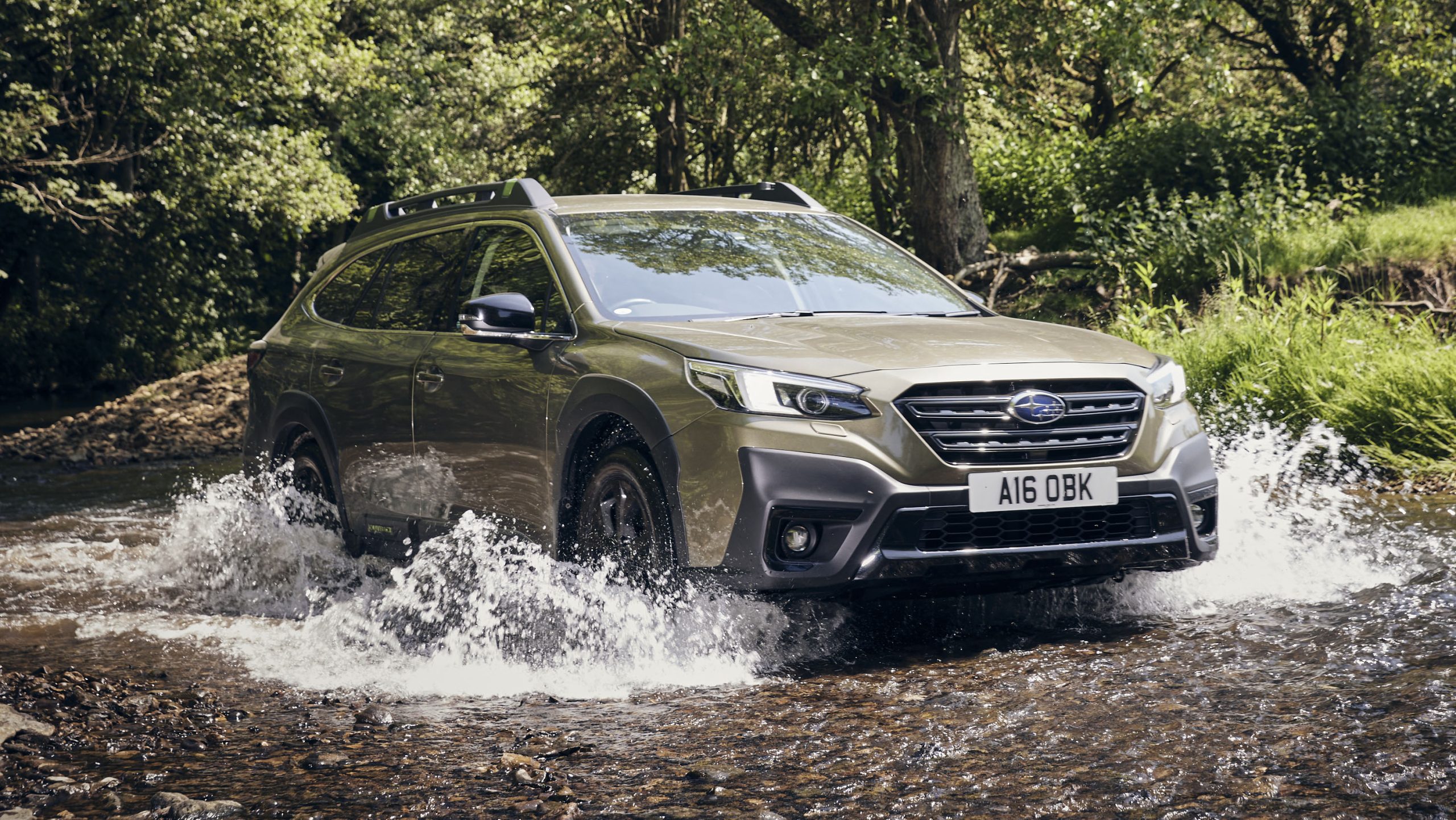
8. Subaru Outback: Built for the Long Haul
The Subaru Outback has long appealed to drivers who want practicality, comfort, and endurance in one package. It’s the go-to choice for those who need a reliable vehicle for everyday commuting, road trips, or backcountry adventures. When properly maintained, modern Outbacks can surpass 300,000 miles, proving that Subaru’s mix of rugged design and mechanical simplicity pays off.
Subaru’s flat-four engines, especially the naturally aspirated versions, are central to the Outback’s durability. Earlier models had some head gasket issues, but Subaru addressed those flaws in later generations.
The engines are straightforward, easy to service, and built to handle regular use without major wear. Routine oil changes, cooling system upkeep, and valve adjustments can keep these powerplants running smoothly for decades.
The Outback’s symmetrical all-wheel-drive system is another standout feature. It provides constant traction on all surfaces without relying on complex electronics or fragile clutches. This makes it a dependable setup that performs well in snow, mud, and rain without frequent repairs. As long as fluids are changed regularly and tires are evenly matched, the drivetrain will stay strong well past the 200,000-mile mark.
Inside, the Outback’s cabin is built with practicality in mind. Materials resist wear and tear, seats hold up under heavy use, and the cargo area can withstand years of hauling gear, pets, and luggage. The design avoids fragile luxury features, favoring sturdy construction that ages gracefully.
The optional turbocharged 2.4-liter engine transforms the Outback into a more capable performer, reaching 60 mph in 6.5 seconds during testing. It feels much livelier than the standard engine, especially when passing or merging.
Handling isn’t as precise as some rivals, with a bit of body roll and slow steering, but the Outback remains steady and predictable on most roads. With 8.7 inches of ground clearance and all-wheel drive, it handles light trails and snowy conditions better than many SUVs.
Subaru’s reputation for safety remains strong, but its driver assistance systems can be frustrating. Lane keeping, driver monitoring, and automatic braking tend to overreact, often activating when not needed. Still, they contribute to the Outback’s high safety ratings, even if the execution could be smoother.
Ride comfort is one of the Outback’s greatest strengths. The suspension easily absorbs potholes and bumps, and the cabin remains quiet at highway speeds. The front seats are supportive on long trips, with heating and ventilation options available, though the ventilation could be stronger.
Cabin layout is simple, but much of the climate and infotainment control is tied to the large touchscreen, which is slow to respond and can make basic adjustments tedious.
Cargo capacity is generous for a wagon-style vehicle. The low, flat load floor makes it easy to move heavy gear, and the roof rails are designed for bikes, kayaks, or cargo boxes. Installing child seats is simple thanks to wide door openings and accessible anchors.
The turbo engine delivers an EPA-estimated 25 mpg combined, a figure that matches what testers achieved in real-world driving. It’s not class-leading, but the balance between power and efficiency is reasonable. Pricing is competitive, especially for base trims that include standard all-wheel drive. Higher XT trims offer more performance while remaining more affordable than most comparably equipped SUVs.
The Subaru Outback remains a dependable and versatile vehicle for those who want long-term reliability, strong all-weather traction, and everyday practicality without unnecessary complexity.
Reliability never goes out of style, and the vehicles in “8 Cars That Rarely Need Major Repairs” are proof of that. Each one, from the Toyota Land Cruiser to the Honda Accord, was built with durability and consistency in mind.
They continue to perform year after year because their designs focus on strength, simplicity, and solid engineering rather than unnecessary complexity. These cars have earned trust through decades of dependable service and low maintenance costs.
For anyone who values confidence and longevity, they represent some of the best choices available. They are more than reliable transportation; they reflect thoughtful craftsmanship and a commitment to lasting quality.
Whether used for daily driving or long-distance travel, these vehicles demonstrate that the finest cars are those built to endure, providing steady performance and comfort through every stage of ownership.
Also Read: 10 Cars Known for Surviving Decades of Abuse
