Ask any seasoned mechanic what really makes or breaks a car, and most won’t mention the paint or the infotainment system they’ll talk about the engine. It’s the heart of every vehicle, the piece that defines performance, reliability, and long-term ownership costs.
Over the years, certain engines have built a near-mythical reputation for being bulletproof, while others became nightmares in repair shops, leaving both owners and mechanics shaking their heads.
This comparison isn’t about fancy horsepower figures or who has the latest hybrid trick up their sleeve. It’s about the engines that survive the long haul the ones mechanics trust enough to buy for themselves, versus the ones they warn customers to stay far away from.
It’s also about what happens after the honeymoon period when the warranty runs out, the miles pile up, and only real-world reliability matters.
Modern engine trends have shifted toward smaller displacement with turbochargers and complex electronics. While this tech has improved efficiency, it’s also created new headaches in maintenance and longevity.
Some automakers still hold onto old-school reliability, while others have cut corners in the chase for cost and emissions numbers. That’s why talking to mechanics the people who see what actually fails, paints a clearer picture than any glossy brochure.
So in this list, we’re digging into five engines that mechanics swear by, the ones known for surviving abuse, oil neglect, and high mileage with barely a complaint. Then we’ll tackle five that mechanics can’t stand, engines that spend more time on lifts than on the road. If you’re planning to buy a used car, this list might just save you from years of frustration and expensive repair bills.
5 Engines Mechanics Swear By vs 5 They Warn Against
Engines earn their reputations over years of real-world driving, not marketing hype. The ones that mechanics swear by usually share a few things in common: simple designs, durable materials, and the ability to handle neglect without falling apart. These are engines that run clean, burn little oil, and can hit 300,000 miles if you treat them halfway decently.
On the other side are the engines mechanics warn you about the ones with known design flaws, expensive maintenance quirks, or chronic failures that show up like clockwork. Maybe they overheat, maybe they burn oil faster than you can refill it, or maybe they just weren’t built to last beyond the warranty period.
In this breakdown, we’ll highlight ten engines five worth hunting down, and five worth avoiding. The focus will be on real-world dependability, ease of repair, performance balance, and how well these engines age. Whether you’re looking for a solid used buy or trying to dodge a lemon, these insights come straight from what mechanics see day in and day out.
ALSO READ: 10 Best 1990s SUVs That Enthusiasts Prize in 2025
5 Engines Mechanics Swear By
When you ask a mechanic which engines they actually trust, the answers usually come fast and with a grin. These are the powerplants that show up in the shop for regular service, not major surgery.
They’re the ones that shrug off high mileage, bad weather, and lazy maintenance. What makes them special isn’t fancy engineering or big horsepower numbers, but how well they hold up under pressure.
Engines that earn mechanic respect usually share a few things: solid materials, simple layouts, and proven track records. They don’t need constant attention, they don’t burn oil for fun, and they rarely overheat.
Models like Toyota’s 2UZ-FE V8 or Honda’s K-series fours have become legends because they’re easy to work on and hard to kill. Whether used for towing, commuting, or road-tripping, they just keep running quietly, smoothly, and reliably. For mechanics, that’s what real quality looks like.
1. Toyota 2UZ-FE V8 (Land Cruiser, Sequoia, Tundra – 1998–2011)
The Toyota 2UZ-FE is the kind of engine that defines the term “bulletproof.” Found in vehicles like the Land Cruiser, Sequoia, and early Tundras, this 4.7-liter V8 earned legendary respect for its ability to run forever with minimal fuss. Mechanics love it for one main reason it’s overbuilt. Thick iron block, sturdy internals, and conservative tuning mean it rarely fails unless you truly abuse it.
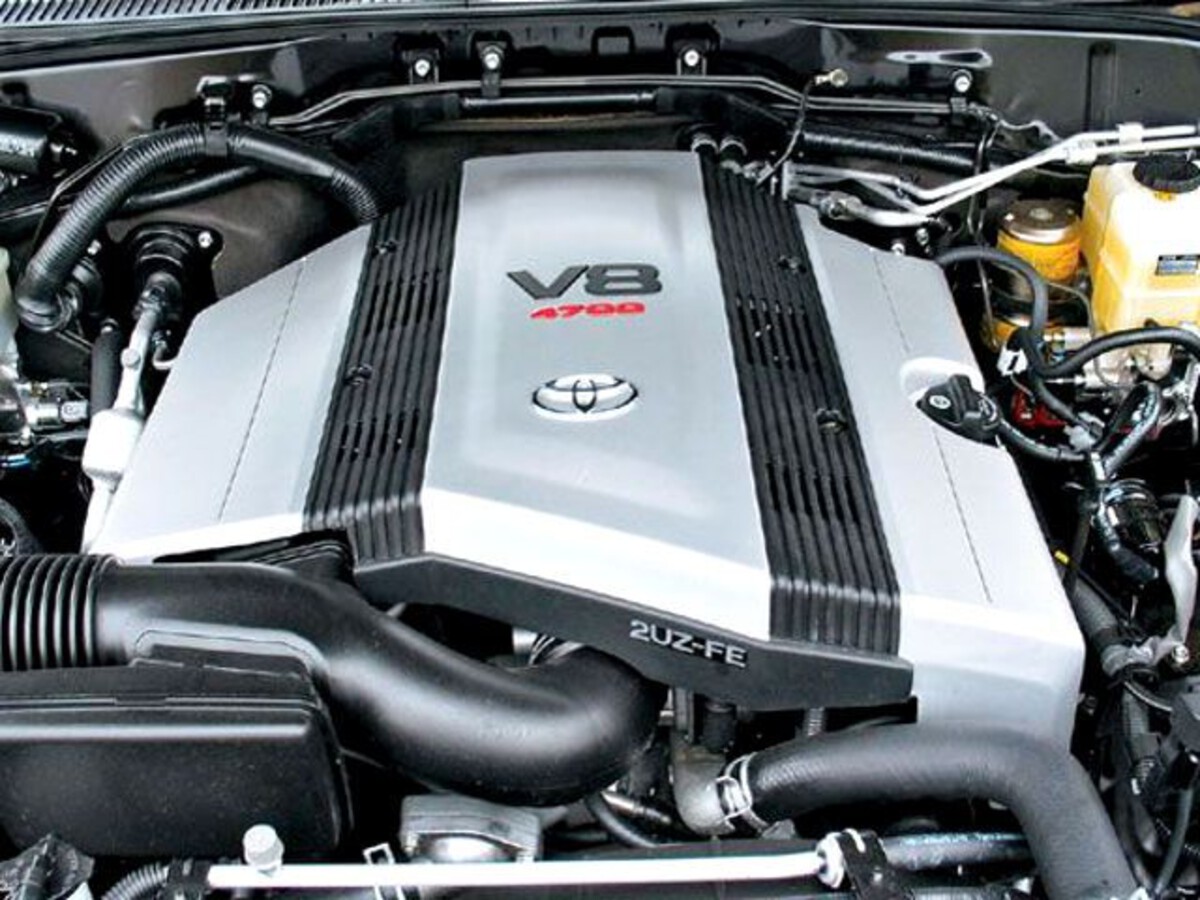
Performance isn’t wild by modern standards, but it delivers a smooth, consistent 230–270 horsepower with a torque curve that makes towing and off-roading easy. These engines don’t complain about heat, neglect, or rough terrain they just keep going. Oil leaks can appear over time from old seals, but that’s normal wear, not catastrophic failure.
The 2UZ-FE also avoids the overcomplicated electronics that plague newer engines. Timing belts are straightforward to service, and the cooling system rarely gives trouble. Mechanics often say it’s one of those engines that “just wants fresh oil and gas.”
It’s not the most fuel-efficient, but in return, you get an engine that will easily hit half a million miles. Ask any Toyota tech they’d take this V8 over most newer options any day.
2. Honda K24 (Accord, Civic Si, CR-V, Acura TSX – 2002–Present)
Honda’s K24 engine is one of those rare designs that nails the balance between performance and longevity. Mechanics appreciate its simplicity and robust engineering it’s a four-cylinder that revs happily but doesn’t self-destruct doing it. Found in everything from the CR-V to the Acura TSX, it’s the kind of engine that runs quietly for years with just regular oil changes.
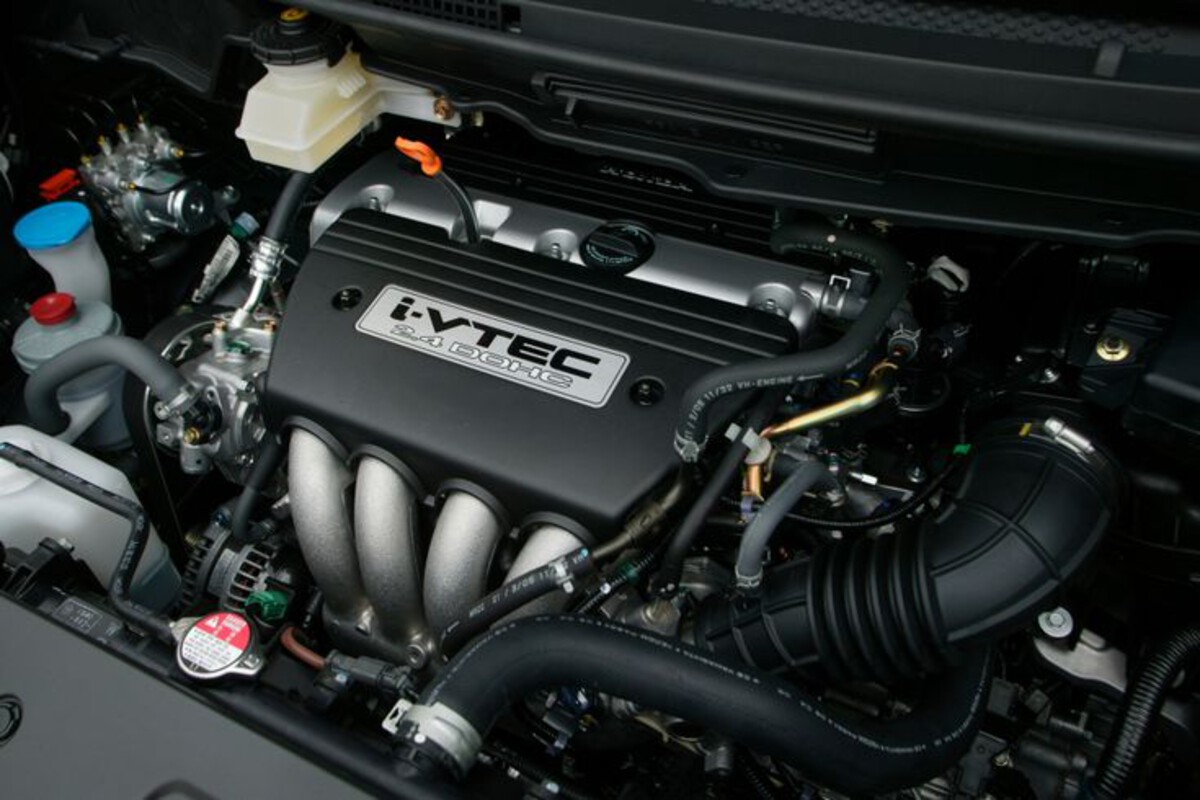
The K24’s chain-driven cam setup eliminates the need for timing belt replacements, and its aluminum block is known for excellent cooling. Even when owners neglect maintenance, these engines often soldier on. Many have crossed the 250,000-mile mark with original internals.
Performance-wise, it offers smooth power delivery and decent fuel economy, often above 30 mpg. Enthusiasts love the K24 for its tuning potential it can take a turbo or a high-rpm build without losing reliability if done right.
Mechanics say the only real downside is that the oil control rings on older versions can wear if you skip oil changes. Otherwise, it’s a low-drama, long-life engine that just works. In an era of small turbocharged motors that fail early, the naturally aspirated K24 is a refreshing reminder of Honda’s golden engineering years.
3. Toyota 1NZ-FE (Corolla, Yaris, Prius – 1999–2016)
The Toyota 1NZ-FE isn’t glamorous, but it’s a mechanic’s dream. Found in millions of Corollas, Yarises, and even some hybrid Priuses, this 1.5-liter four-cylinder has proven that simplicity equals survival. It’s small, efficient, and nearly impossible to kill. Mechanics often say the only way to break one is to run it dry of oil and even then, it might still limp home.
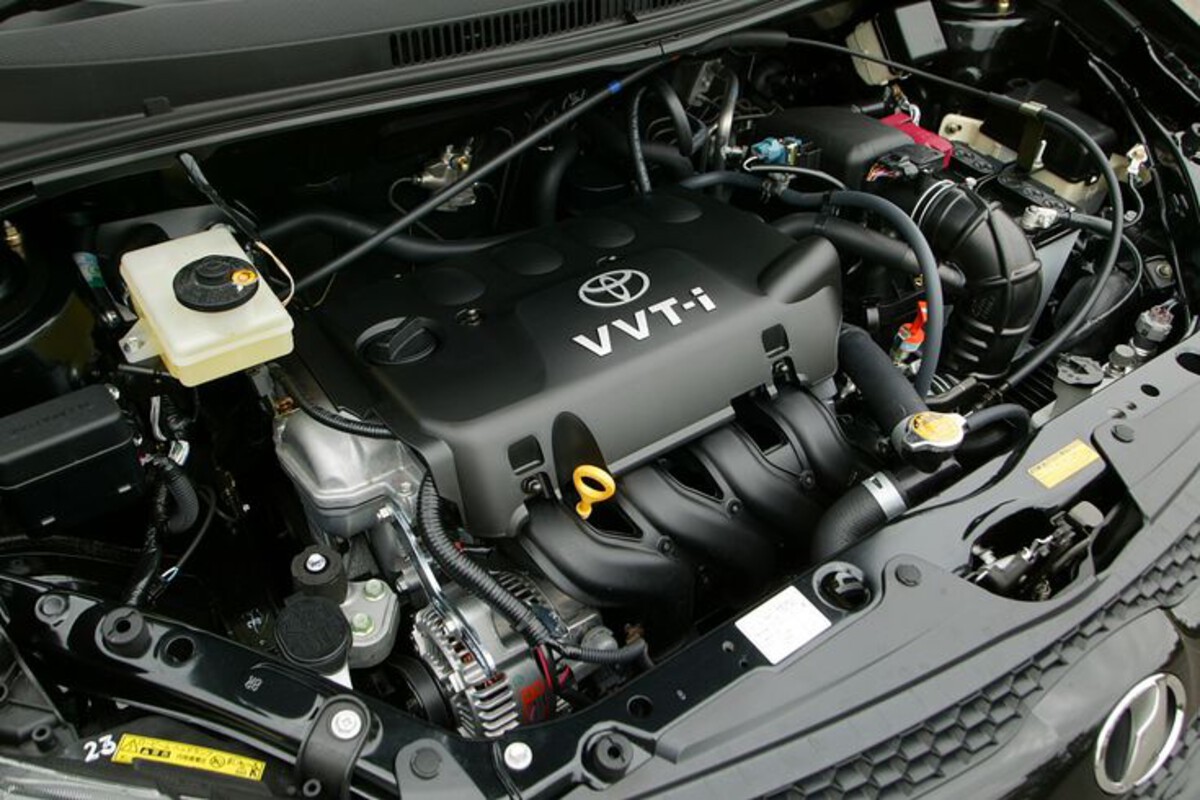
This engine uses a timing chain, not a belt, and it’s known for near-zero internal issues. Head gaskets, piston rings, and valves rarely fail. The fuel economy is impressive mid-30s to low-40s mpg depending on the car. And unlike many modern small engines, it doesn’t suffer from carbon buildup or turbo failures.
The 1NZ-FE might not thrill performance fans, but it’s dependable transportation. That’s why mechanics constantly recommend it to anyone who wants low-cost, low-stress driving. It’s also incredibly cheap to maintain parts are everywhere, and repairs rarely exceed a few hundred dollars.
For anyone looking for a used car to last a decade or more, a Toyota with this engine is as close to a sure bet as it gets. It’s proof that reliability doesn’t have to be fancy.
4. GM 3800 Series II V6 (Buick, Pontiac, Chevrolet – 1995–2008)
This old-school 3.8-liter V6 from General Motors might not sound exciting, but mechanics love it for being one of the toughest domestic engines ever made. Found in Buicks, Pontiacs, and even some Chevrolets, the 3800 Series II earned a reputation for being unkillable.
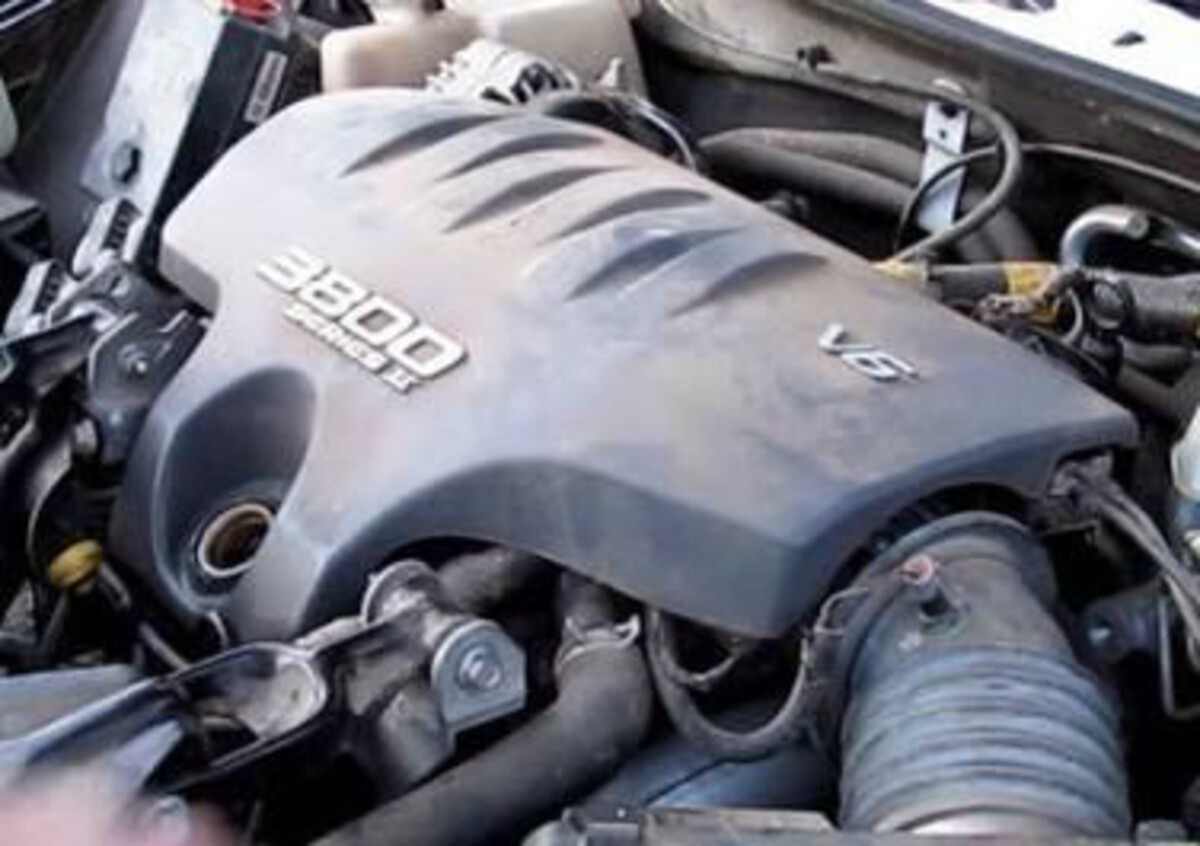
With proper maintenance, these engines easily surpass 300,000 miles. They’re known for strong torque, smooth power delivery, and surprising fuel efficiency for their age. Mechanics appreciate the iron block’s durability and the straightforward design it’s an engine that doesn’t need fancy tools or electronics to diagnose.
Sure, the plastic intake manifold was a weak spot on early models, but GM fixed that later on. Once that’s sorted, the 3800 is rock solid. It’s forgiving, easy to work on, and parts are dirt cheap.
Ask any veteran mechanic, and they’ll tell you the same thing: if you see a used Buick with this V6 and decent maintenance records, it’s probably got years left in it. It’s a reminder of when GM built engines to last instead of just to meet efficiency targets.
5. Ford 5.0L “Coyote” V8 (Mustang GT, F-150 – 2011–Present)
Ford’s modern 5.0-liter Coyote V8 is a mechanic’s favorite among newer engines. It combines modern power with old-school toughness a rare balance these days. Found in the Mustang GT and F-150, the Coyote makes around 400 horsepower and can handle hard driving without showing signs of stress.
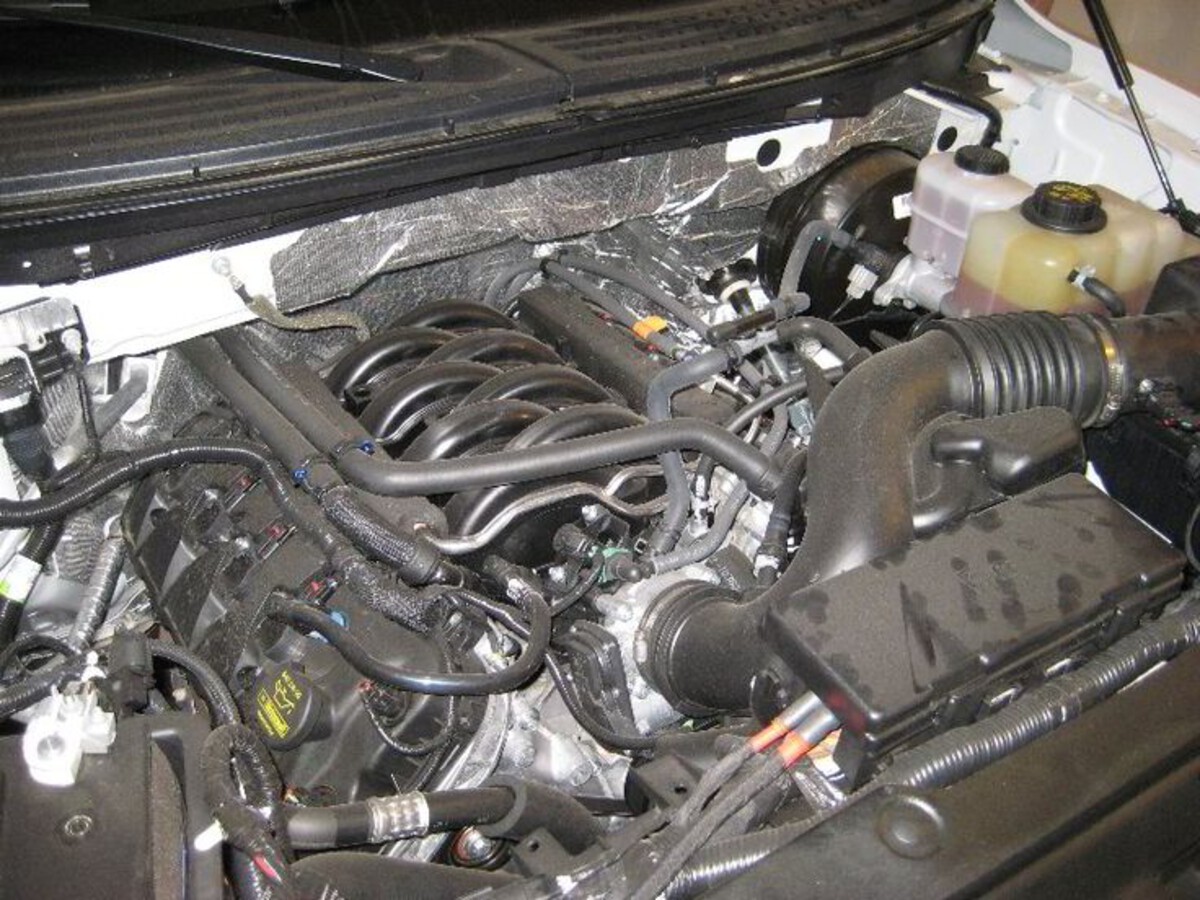
Mechanics respect it because it’s both powerful and dependable. The dual overhead cam setup and high-rev design give it serious performance credentials, yet it doesn’t have the chronic oil or cooling issues that plague many modern V8s. The aluminum block keeps weight down, and it’s surprisingly resistant to overheating.
Owners who keep up with oil changes regularly see 200,000-plus miles without major problems. Even when modified, the Coyote holds up. It’s well-balanced, durable, and easy to service compared to other high-output engines.
The only common complaint is some ticking from the valvetrain at high mileage, but that’s more of a noise issue than a real failure. Mechanics often say it’s the best thing Ford has built in years an engine that’s fast, reliable, and surprisingly easy to live with.
5 Engines Mechanics Warn Against
Every shop has its horror stories, and most start with a certain engine name. These are the ones mechanics warn customers about before they even pop the hood.
They look fine on paper, strong specs, good marketing but in reality, they’re fragile, temperamental, or just plain badly designed. These engines rack up repair bills, eat oil, or fail early because something fundamental went wrong in the engineering or quality control.
The usual suspects are overcomplicated or built with cheap materials that can’t handle heat or pressure. Turbo systems that overcook themselves, timing chains that stretch too soon, or gaskets that leak before 100,000 miles mechanics have seen it all.
Names like Subaru’s EJ25 or BMW’s N63 V8 instantly make techs sigh because they know what’s coming next: hours of labor, expensive parts, and frustrated owners. When a mechanic says “avoid it,” it’s not bias it’s experience talking.
ALSO READ: 14 Timeless 1990s Cars That Stay Roadworthy
6. Subaru EJ25 (Outback, Forester, Impreza – 1996–2010)
The Subaru EJ25 is a heartbreaker. On paper, it’s a strong boxer-four engine with decent torque and a loyal fan base. In reality, it’s the engine mechanics see over and over for the same problem: head gasket failures. No matter how carefully it’s driven, the EJ25’s gasket design tends to fail around 100,000 miles, leading to coolant leaks, overheating, and big repair bills.
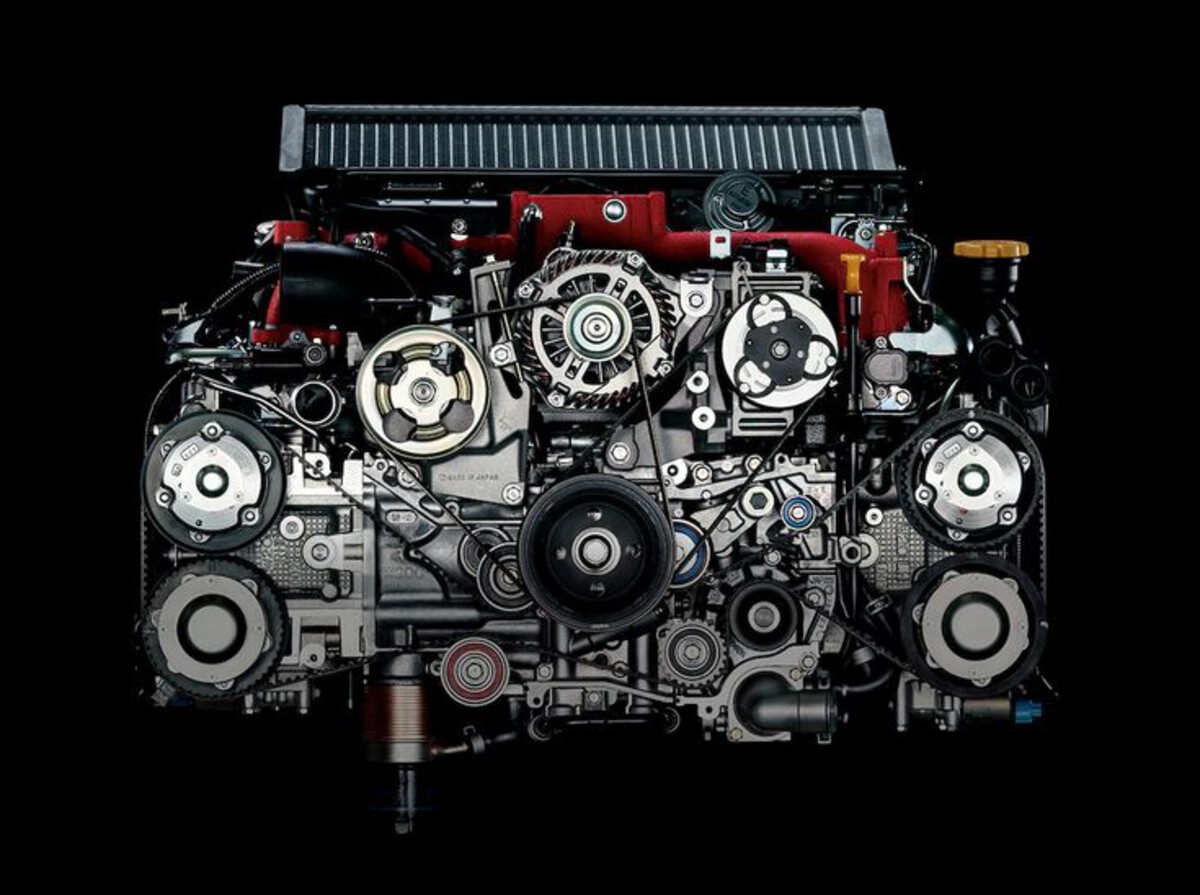
The horizontally opposed layout keeps the car balanced, but it also makes repairs expensive pulling the engine is often required just to replace simple seals. Mechanics dread it because while the rest of the car might be fine, the engine itself keeps coming back for the same issues.
Performance-wise, it’s pleasant enough, and the AWD setup in Subarus makes them great in snow. But long-term ownership costs skyrocket once the gasket goes. Even Subaru fans admit it’s their brand’s weakest point from this era.
If you’re looking at a used Subaru with an EJ25, make sure the head gaskets have been replaced by a trusted shop otherwise, you’re buying a ticking time bomb. Mechanics respect Subaru’s innovation, but this engine has caused more headaches than smiles.
7. BMW N63 Twin-Turbo V8 (5 Series, 7 Series, X5 – 2009–2019)
The BMW N63 V8 is infamous among mechanics for one simple reason: it’s overcomplicated and underbuilt. This twin-turbo 4.4-liter engine promised high performance but delivered high repair bills. Problems like oil consumption, timing chain stretch, and heat soak are so common that BMW had to issue a customer care package to fix them under warranty.
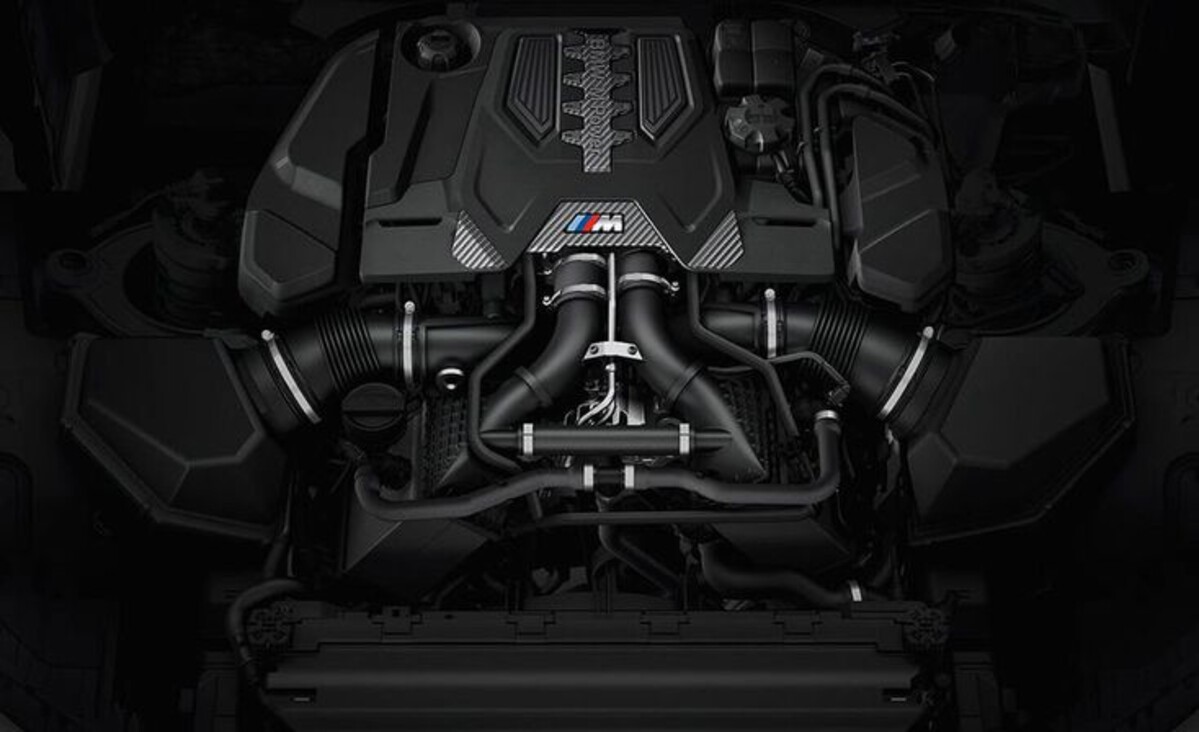
Mechanics hate working on it because almost everything is buried deep in the bay. Turbochargers sit inside the “V” of the engine, which traps heat and cooks the nearby components. That means gaskets, injectors, and even the turbos themselves often fail early.
When it’s running right, it’s an absolute monster smooth, fast, and refined. But keeping it running right is a full-time job. Independent BMW specialists often warn buyers that maintaining one of these engines after 80,000 miles can cost as much as a small used car every couple of years.
In short, the N63 is a lesson in what happens when performance takes priority over practicality. It’s thrilling, yes, but it’s also the reason many BMW owners trade in their cars before the warranty expires.
8. Chrysler 2.7L V6 (Intrepid, Sebring, Concorde – 1998–2010)
If mechanics could vote an engine off the island, the Chrysler 2.7-liter V6 would be first to go. This motor was notorious for sludging issues that often killed engines well before 100,000 miles. Poor oil flow design meant that if you skipped even one oil change, the engine could seize. Mechanics saw these come in with black sludge where oil should be and by that point, there was no saving it.
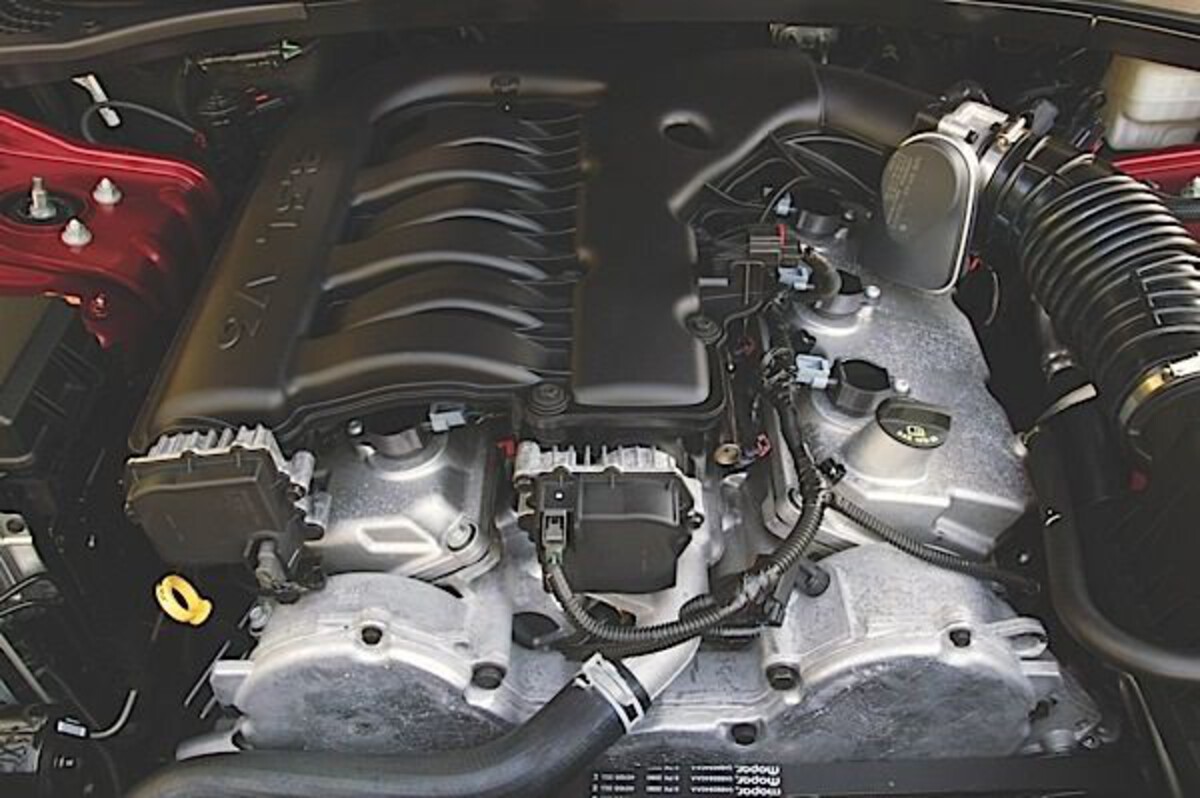
Even when maintained, the 2.7 was prone to timing chain tensioner failures and internal coolant leaks. These problems meant even low-mileage examples could blow up without warning.
Performance was mediocre, fuel economy unimpressive, and long-term reliability nonexistent. It became so infamous that many mechanics flat-out refused to work on them, knowing the results would be disappointing.
If you’re browsing used Chryslers from this era, the best advice is simple: avoid any with the 2.7L V6. If you want longevity, look for the 3.5L V6 instead. The 2.7 was a good idea on paper but ended up being one of the biggest engineering missteps of its time.
9. Ford 1.6L EcoBoost (Escape, Fiesta, Fusion – 2012–2018)
Ford’s 1.6L EcoBoost was supposed to combine turbo power and fuel efficiency, but it turned into a reliability nightmare. Mechanics frequently report issues with coolant leaks that can lead to engine fires, cracked cylinder heads, and warped blocks. There were even recalls because of overheating and stalling risks.
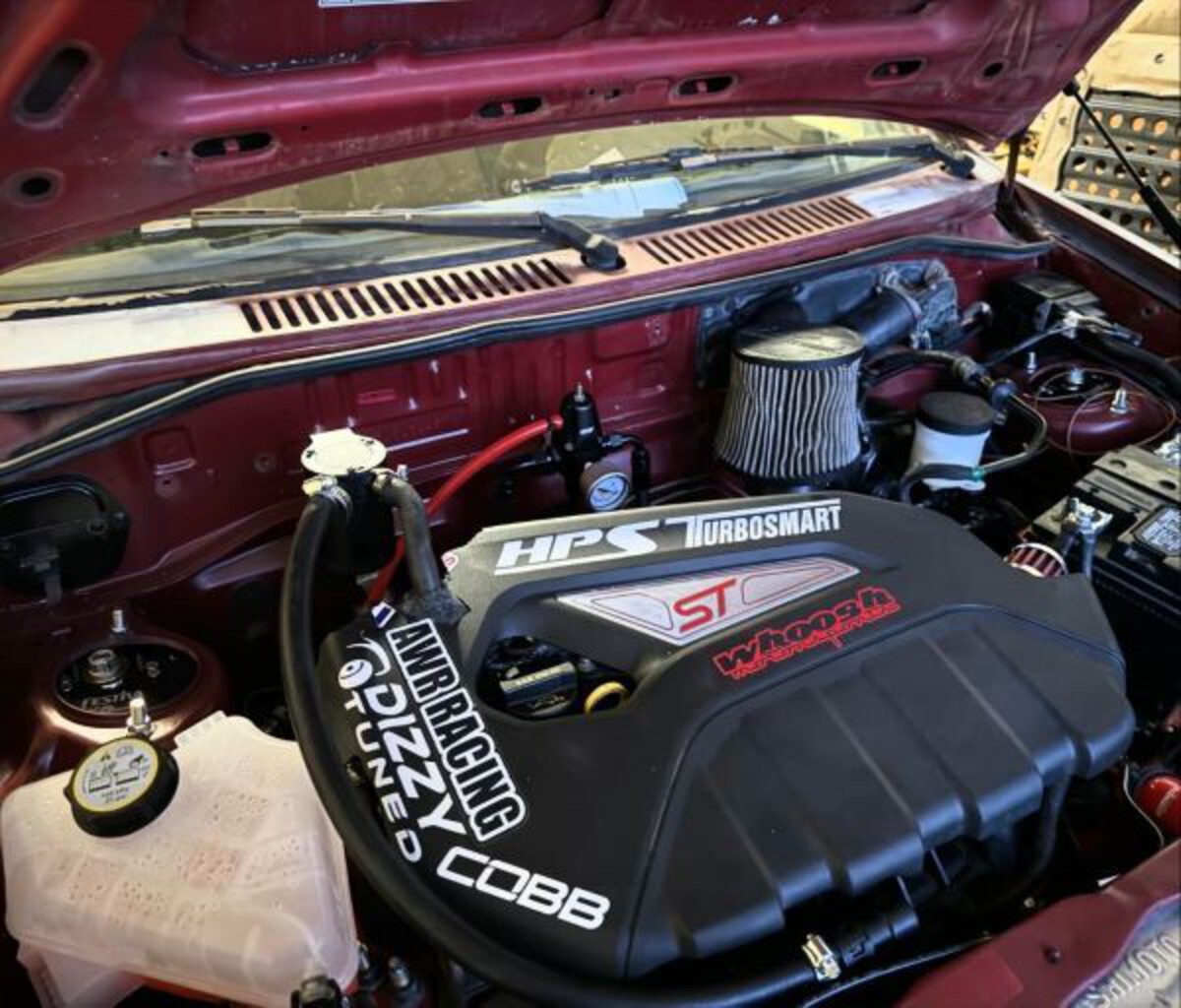
The small displacement and high-pressure turbo system made it sensitive to maintenance. Miss an oil change, and the turbo bearings could fail early. Many owners complained about rough idling, loss of power, and mysterious coolant loss with no visible leaks signs of internal gasket problems.
On paper, it’s a smart engine design. In reality, it’s fragile. Mechanics often say the 1.6 EcoBoost feels like it was designed to be disposable once it hits 100,000 miles. Later versions improved, but early ones left such a bad taste that even Ford fans are cautious.
If you want a reliable Ford turbo engine, the newer 2.3L EcoBoost is miles better. The 1.6, though, remains one of those engines most techs warn people to stay away from unless they enjoy playing coolant detective.
10. Volkswagen 2.0T TSI (Jetta, Passat, GTI – 2008–2014)
Volkswagen’s 2.0T TSI engine sounds great on paper turbocharged, peppy, and efficient but ask a mechanic and you’ll get an eye roll. This engine is known for multiple chronic issues, including carbon buildup on the intake valves, timing chain tensioner failures, and heavy oil consumption.
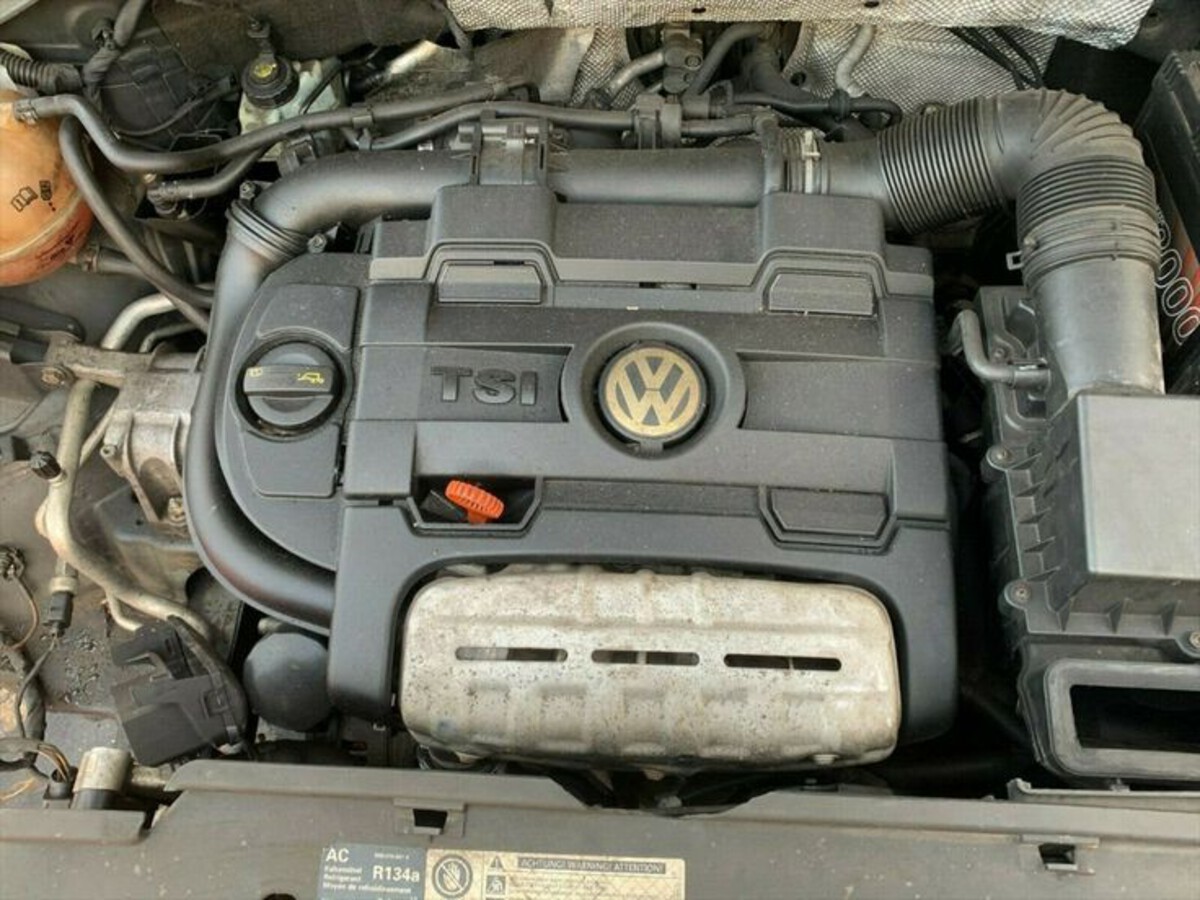
The direct injection design improves performance, but it also leads to sludge and carbon that rob power and cause misfires. Replacing timing components is expensive, and the chain tensioner on early models was a ticking time bomb. Many of these engines failed around 80,000 miles if maintenance wasn’t absolutely perfect.
When tuned right and properly maintained, the 2.0T can be fun and quick. But for everyday drivers, it’s too fragile and too costly to repair. Mechanics constantly deal with leaks, misfires, and oil issues.
It’s one of those engines that gives European cars their “high-maintenance” reputation. For buyers, it’s a gamble. You might get a gem or a headache that empties your wallet.
At the end of the day, an engine’s reputation isn’t built by marketing slogans or first-year reviews. It’s built in the real world in repair shops, driveways, and highway shoulders. Mechanics see patterns that data sheets can’t show, and over time, those patterns become wisdom.
The engines they swear by all have something in common: simplicity, overengineering, and tolerance for human error. The Toyota 2UZ-FE, Honda K24, and GM 3800 are engines you can trust even after years of hard driving. They may not be the flashiest or most powerful, but they don’t quit easily.
Meanwhile, the engines mechanics warn against tell the opposite story, designs that pushed performance or cost-cutting too far. The Subaru EJ25, BMW N63, and Chrysler 2.7L are examples of what happens when engineering gets more complicated than necessary.
If you’re shopping for a used car, the takeaway is simple: go for proven engines with a track record, not just what’s trending. Reliability means fewer surprises, lower bills, and a car that won’t let you down on a long trip.
Ask any honest mechanic they’d rather see you with a slightly older Toyota or Honda that runs strong than a newer turbo engine that’s one coolant leak away from disaster. When it comes to engines, boring is often brilliant.