
Oil changes are one of those things that separate responsible car owners from those who end up stranded by the roadside, wondering what went wrong. We all know we’re supposed to change our oil regularly, but let’s be honest here: some people treat their service intervals like suggestions rather than requirements.
What’s interesting is how different cars react to this kind of neglect. Some engines are so forgiving that they’ll keep running smoothly even when you’ve pushed well past the recommended mileage.
Others? They’ll punish you severely for even thinking about skipping an oil change, seizing up faster than you can say “expensive engine replacement.”
This difference isn’t about luck or chance. It’s about engineering philosophy, material choices, and design priorities. Some manufacturers build engines with generous tolerances and robust oiling systems that can handle abuse. They use quality materials that resist wear even when lubrication gets marginal.
Other manufacturers prioritize performance and fuel economy, creating engines with tight tolerances and aggressive designs that demand perfect maintenance. Neither approach is necessarily wrong, but the results are dramatically different when owners get lazy about maintenance.
Understanding which cars fall into which category can save you thousands in repair costs and countless headaches. If you’re the type who sometimes forgets about maintenance or pushes service intervals a bit longer than recommended, you need a forgiving engine.
But if you buy a car that demands perfect maintenance and then neglect it, you’re setting yourself up for catastrophic failure. Let’s look at five cars that tolerate missed oil changes remarkably well, followed by five that will seize up faster than you can imagine when maintenance gets neglected.
Cars That Rarely Miss Oil Changes

1. Toyota Corolla S (2003-2008)
Talk to any mechanic about which cars survive owner neglect, and the Corolla always comes up. Toyota engineered the 1.8-liter engine in this generation with conservative specifications and generous tolerances that give it remarkable tolerance for abuse.
The engine uses a timing chain rather than a belt, which means one less thing to worry about. Toyota designed the oiling system with adequate capacity and good circulation that keeps critical components lubricated even when the oil gets dirty and degraded.
The oil pump is robust and maintains pressure across a wide range of conditions. Everything about this engine reflects Toyota’s understanding that many owners won’t maintain their cars perfectly.
What makes this Corolla special is how the engine continues running smoothly even when the oil turns black and thick.
The piston rings maintain their seal, the bearings don’t wear excessively, and the valve train keeps operating quietly. Toyota used quality materials throughout, with cylinder walls that resist scoring and crankshaft journals that maintain their surface finish.
The oil passages are sized generously, which means they don’t clog easily even when oil quality degrades. The PCV system works effectively to prevent pressure buildup, and the oil filter has adequate capacity to keep functioning longer than smaller filters.
This engine was designed for owners who view maintenance as an inconvenience rather than a priority, and it delivers accordingly.
Mechanics report seeing these Corollas with oil that looks like tar, yet the engines still run smoothly without knocking or excessive noise. Owners admit to going 10,000 or even 15,000 miles between oil changes, yet the engines survive without catastrophic damage. When these engines are finally torn down for inspection, mechanics find wear but not destruction.

2. Honda CR-V EX (2007-2011)
Honda built the 2.4-liter engine in this CR-V generation with the same quality and attention to detail that made their reputation. The engine uses Honda’s i-VTEC technology, but the design remains fundamentally simple and robust.
Honda engineered generous oil passages and a reliable oil pump that maintains pressure even when oil quality degrades. The timing chain is durable and doesn’t require the periodic replacement that belts demand.
Honda used quality bearings and hardened surfaces throughout, which gives this engine the ability to tolerate conditions that would damage more sensitive powerplants. The piston rings maintain their seal even when oil gets dirty, and the cylinder walls resist wear better than many competitors.
The CR-V’s engine shows Honda’s practical approach to engineering. They didn’t chase maximum power or absolute efficiency at the expense of durability. The compression ratio is reasonable, the valve timing isn’t extremely aggressive, and the cooling system is sized adequately.
These conservative choices mean the engine doesn’t work as hard as more highly-tuned competitors, which translates directly into longevity and tolerance for imperfect maintenance.
onda designed an oil monitoring system that’s based on actual conditions rather than just mileage, which helps remind owners when service is actually needed. Even when that reminder gets ignored, the engine usually survives without major damage.
Mechanics familiar with these CR-V engines report remarkable durability even when owners admit to neglecting maintenance. The engines might develop slight ticking noises when oil gets really bad, but they typically don’t seize or suffer catastrophic failures.
When torn down for inspection, these engines show wear patterns consistent with poor maintenance, but the damage is usually superficial rather than terminal. The bearings might show scoring, the cylinder walls might have some glazing, but the fundamental components remain intact.
Also Read: 5 Cars That Still Run After Being Abandoned vs 5 That Don’t

3. Nissan Maxima SE (2004-2008)
Nissan’s VQ35DE engine in this Maxima generation has earned respect for its durability and tolerance of less-than-perfect maintenance. This 3.5-liter V6 produces good power but uses conservative engineering that gives it longevity.
Nissan designed the oiling system with adequate capacity and good circulation, using an oil pump that maintains pressure reliably. The timing chain is robust and doesn’t need replacement unless severely neglected.
Nissan used quality bearings and hardened surfaces throughout the engine, which helps it tolerate conditions that would damage engines with cheaper materials.
The cylinder walls are properly treated and resist wear even when lubrication becomes marginal. Everything about this engine reflects Nissan’s commitment to building power plants that work reliably in real-world conditions.
What separates this Maxima from more fragile vehicles is how the engine maintains its performance even when oil quality degrades. The variable valve timing system continues operating properly, the piston rings maintain compression, and the bearings don’t develop excessive clearances.
Nissan designed generous oil passages that don’t clog easily, and the oil filter has adequate capacity to continue functioning longer than minimal designs.
The PCV system works effectively to prevent pressure problems, and the cooling system keeps temperatures stable even when oil isn’t providing optimal lubrication. These engineering choices create an engine that can tolerate occasional maintenance lapses without immediate catastrophic consequences.
Mechanics who work on these Maximas report that the engines typically survive owner neglect without major failures. They might develop minor oil leaks or slight valve train noise when maintenance gets really bad, but they usually don’t seize or require rebuilding.
Owners admit to stretching oil change intervals to 8,000 or 10,000 miles without apparent problems, and the engines continue providing reliable service. When these engines are inspected after high mileage with inconsistent maintenance, mechanics find wear but not destruction.

4. Subaru Forester 2.5X (2009-2013)
Subaru’s naturally aspirated 2.5-liter flat-four engine might not be the most exciting powerplant, but it’s remarkably tolerant of maintenance neglect.
Subaru designed this engine with adequate oiling capacity and good circulation throughout the horizontal layout. The oil pump maintains pressure reliably, and the passages are sized generously enough that they don’t clog easily when oil quality degrades.
Subaru used timing chains rather than belts in this generation, eliminating one maintenance item. The engine employs quality bearings and properly treated cylinder surfaces that resist wear even when lubrication becomes less than ideal.
The horizontal opposed layout actually helps with oil distribution, ensuring that critical components receive lubrication even when oil levels drop or quality deteriorates.
What makes this Forester engine special is how Subaru engineered it for reliability rather than maximum performance. The compression ratio is reasonable, the valve timing isn’t extremely aggressive, and the entire design prioritizes longevity. Subaru learned from earlier head gasket issues and improved the design in this generation, making these engines more durable than their predecessors.
The cooling system is adequate, the oil capacity is generous for the engine’s size, and all the seals and gaskets use quality materials. These choices create an engine that can tolerate real-world ownership patterns, including the occasional missed or delayed oil change that happens with busy schedules.
Mechanics report that these Forester engines typically survive inconsistent maintenance without catastrophic failures.
They might develop minor oil leaks or slight valve train noise when severely neglected, but they usually keep running. Owners admit to pushing oil change intervals beyond recommendations without immediate problems, and the engines continue providing reliable service.
When inspected after high mileage with imperfect maintenance, these engines show wear consistent with poor care but remain functional. The bearings might have some scoring, the cylinder walls might show glazing, but the engine doesn’t typically seize or require complete rebuilding.
This Forester proves that Subaru understood how to build engines that tolerate real-world conditions, creating powerplants that forgive maintenance lapses while continuing to provide reliable transportation.
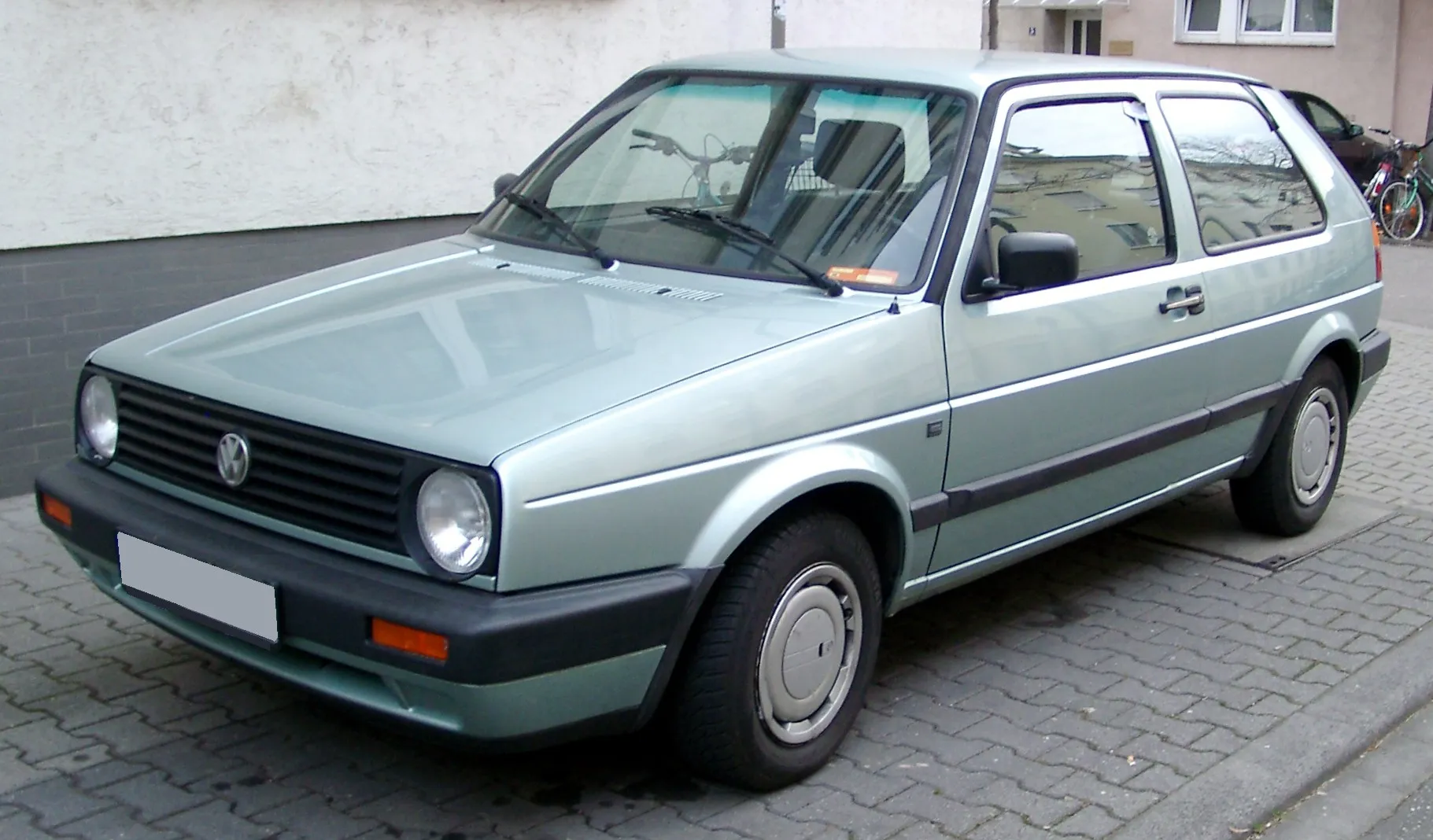
5. 1990 Volkswagen Golf Mk2 (Petrol)
Do not ever look down on a small car, oh. The 1990 Volkswagen Golf Mk2, specifically with the simple 8-valve, four-cylinder petrol engines like the 1.8-liter (GTI-look models), is a true little soldier that mechanics respect.
This car is a classic example of German engineering prioritizing functional toughness and longevity in a popular, mass-market package.
It is a small machine that has truly lasted the distance, often seen running today with rust on the body, but an engine that runs like a sewing machine. Its very design shouts simplicity, a mechanical innocence that protects it from the costly failures of its descendants.
The Mk2 Golf’s engine is incredibly forgiving because of its basic design. The simple 8-valve cylinder head design has fewer moving parts than later 16-valve or DOHC designs, which inherently reduces the risk of failure. The oil system is straightforward, and the engine’s cast-iron block is incredibly robust.
Just like the older Mercedes diesels, the conservative tuning and naturally aspirated design (for the most common models) mean the engine is not pushing the limits of its internal components. Even when the oil is heavily sludged from neglect, the simple hydraulic lifters and wide oil paths allow the engine to continue functioning for a period that would be unthinkable for a modern machine.
Mechanics often joke that these cars are kept running by sheer willpower and a strong chassis. The engines are known for their physical strength, built with thick cylinder walls and tough pistons that resist the excessive wear caused by degraded, acidic oil.
This Volkswagen is proof that a small, practical car can also be a hugely forgiving and reliable machine, a tough-headed vehicle that gives its owners a free pass on the occasional maintenance lapse.
Cars That Seize Up Fast

1. Audi A4 2.0T Quattro (2009-2012)
German engineering created something powerful but fragile with the turbocharged 2.0-liter engine in this A4. Audi designed this engine for performance and efficiency, using tight tolerances and aggressive tuning that demand perfect maintenance.
The turbocharger adds heat and stress that accelerate oil degradation, while the direct injection system requires clean oil to prevent carbon buildup. Audi used small oil passages that clog easily when oil quality deteriorates, and the variable valve timing system depends on clean oil to function properly.
The oil capacity is minimal for an engine producing this much power, which means oil degrades faster. Everything about this engine prioritizes performance over forgiveness, creating a powerplant that punishes maintenance neglect severely.
What makes this A4 dangerous for careless owners is how quickly problems escalate. Miss an oil change or two, and the timing chain tensioner can fail due to oil sludge. The turbocharger can seize from inadequate lubrication. The camshaft adjusters can fail, causing check engine lights and poor performance. The piston rings can stick, leading to excessive oil consumption that accelerates wear.
Audi designed this engine assuming owners would follow maintenance schedules religiously, using premium oil and changing it frequently. When those assumptions prove false, the engine fails quickly and catastrophically. The repair costs are astronomical, often exceeding the vehicle’s value.
Mechanics who work on these Audis report seeing catastrophic failures from missed oil changes. The engines develop sludge that blocks passages, causing oil starvation. The timing chain can jump or break, destroying valves and pistons. The turbocharger seizes, sending metal particles throughout the engine.
These aren’t minor problems that can be fixed cheaply; they’re terminal failures requiring complete engine replacement. Owners who admit to stretching oil change intervals often find themselves facing repair bills exceeding $8,000 to $12,000.
This A4 proves that high-performance turbocharged engines require perfect maintenance, and any deviation from the service schedule invites disaster. The engine simply cannot tolerate the neglect that other powerplants survive without issue.

2. BMW 335i (2007-2010)
BMW’s N54 twin-turbocharged inline-six engine produces impressive power but demands meticulous maintenance. BMW designed this engine with tight tolerances and aggressive tuning that require clean oil at all times. The twin turbochargers add enormous heat and stress that degrade oil quickly.
The direct injection system needs clean oil to prevent carbon buildup on intake valves. BMW used small oil passages throughout the engine that clog easily when oil quality deteriorates.
The high-pressure fuel pump is lubricated by engine oil and fails quickly when that oil degrades. Everything about this engine demands perfect maintenance, and it punishes neglect with catastrophic failures.
The N54 engine’s problems multiply rapidly when oil changes get delayed. The turbochargers can seize from inadequate lubrication, sending metal particles throughout the engine. The high-pressure fuel pump fails, potentially contaminating the entire fuel system.
The variable valve timing system stops working properly, causing poor performance and check engine lights. The piston rings stick, leading to excessive oil consumption that accelerates wear.
BMW designed this engine for enthusiasts who would maintain it properly, but many owners treat it like a regular car. That mistake proves expensive when the engine fails, requiring replacement that costs more than many used cars.
Mechanics report seeing these 335i engines fail catastrophically from missed oil changes. The turbochargers seize, the high-pressure fuel pump destroys itself, and the engine develops sludge that blocks critical passages. These failures aren’t repairable; they require complete engine replacement at costs exceeding $15,000.
Owners who stretched oil change intervals by even a few thousand miles often face these devastating problems. The engine simply cannot tolerate the neglect that simpler powerplants survive without issue.
This BMW proves that high-performance engines require dedication and perfect maintenance, and any shortcuts lead directly to financial disaster. The twin-turbo technology provides exciting performance when maintained properly but becomes a liability when owners get careless.

3. Volkswagen GTI 2.0T (2008-2009)
Volkswagen’s turbocharged 2.0-liter TSI engine produces good power from a small displacement, but that performance comes at a cost.
VW designed this engine with tight tolerances and aggressive tuning that demand clean oil constantly. The turbocharger operates at high temperatures and speeds, requiring excellent lubrication to survive.
The timing chain tensioner is particularly sensitive to oil quality, and failure causes catastrophic engine damage. Everything about this engine demands perfect maintenance, and shortcuts lead to expensive failures.
What makes this GTI particularly dangerous is how the timing chain tensioner fails when oil quality degrades. The tensioner depends on oil pressure to maintain proper chain tension, and degraded oil causes it to malfunction. When the tensioner fails, the timing chain can jump or break, causing valves to contact pistons and destroying the engine.
This failure can happen suddenly, without warning, leaving owners stranded with destroyed engines. VW designed this engine assuming owners would follow strict maintenance schedules, but many buyers treat it like a regular economy car. That mistake proves catastrophic when the engine self-destructs from a missed oil change.
Mechanics who work on these GTIs report seeing complete engine failures from delayed oil changes. The timing chain tensioner fails, the chain jumps, and the valves contact the pistons with terminal results. The repair requires complete engine replacement or extensive rebuilding, with costs often exceeding $6,000 to $8,000.

4. Mini Cooper S (2007-2010)
The turbocharged 1.6-liter engine in this Mini Cooper S is a nightmare for careless owners. BMW and Peugeot developed this engine together, creating a powerplant that produces good performance but demands perfect maintenance. The turbocharger operates at extreme temperatures and requires excellent lubrication.
What makes this Mini particularly problematic is how the timing chain system fails when oil quality deteriorates. The tensioner stops maintaining proper chain tension, causing the chain to stretch and eventually jump teeth or break completely.
When this happens, the valves contact the pistons, and the engine destroys itself instantly. The failure often occurs without warning, leaving owners with completely ruined engines.
BMW and Peugeot designed this engine for European owners who follow strict maintenance schedules, but many buyers don’t realize how sensitive it is. Delayed oil changes by even a few thousand miles can trigger catastrophic failure that totals the engine.
Mechanics report that these Mini engines fail spectacularly from maintenance neglect. The timing chain jumps, the valves hit the pistons, and the engine becomes scrap metal.
The repair costs often exceed the vehicle’s value, forcing owners to either replace the entire engine or scrap the car. Owners who admit to stretching oil change intervals frequently face these devastating failures.
The engine simply cannot handle the abuse that Toyota or Honda powerplants tolerate without problems. This Mini proves that small turbocharged engines require dedication and perfect maintenance, and any shortcuts lead directly to complete engine destruction. The cute styling and fun handling become irrelevant when the engine self-destructs from a missed oil change.
Also Read: 5 Well-Built Cars That Stay Easy to Handle vs 5 That Don’t

5. 2010 Mazda3 with 2.3L MZR (Turbo) Engine
Our final victim is the 2010 Mazda3 (First Generation), specifically the models featuring the 2.3-liter MZR (Turbo) engine often found in the Mazdaspeed variants.
This engine is a fantastic power unit, providing huge performance for a small car, but its turbocharged nature makes it incredibly vulnerable to oil neglect. This is a car that requires a perfect service history to survive; it is a demanding machine that rewards diligence and punishes procrastination.
The vulnerability of the MZR Turbo engine is centred on its turbocharger and its direct-injection system. The turbocharger operates under extreme heat and pressure, and the oil that lubricates and cools it runs through extremely hot areas of the engine.
When the oil is old, it breaks down quickly under this heat, leading to carbon deposits and sludge formation that block the turbo’s oil feed line. This blockage results in instant turbo failure, which, again, often sends metal shavings into the engine, causing total catastrophe.
The direct-injection system is unforgiving, and the engine’s design demands precise lubrication. Mechanics often see these cars fail early in their lives if the initial owner did not strictly follow the maintenance guidelines.
The small, hot environment of the engine bay, combined with the high RPM operation of the turbo, means that the engine oil is subject to constant abuse and must be fresh to perform its cooling duties.
This Mazda is a powerful lesson: if you buy a turbocharged car, you are also buying a non-negotiable contract for on-time synthetic oil changes.
