
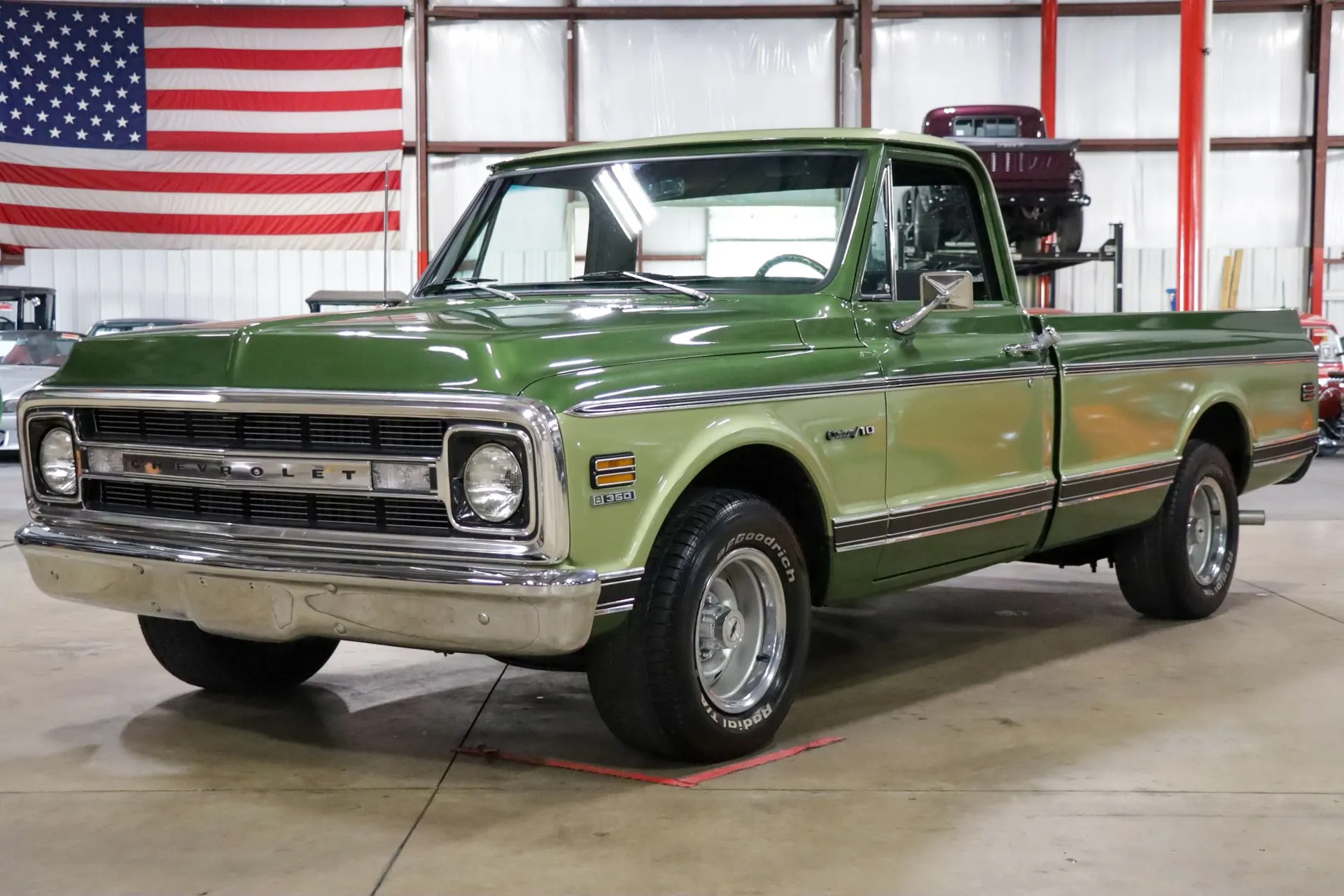
Pay attention now, because what I’m getting ready to share with you will leave you thinking hard before you end up nodding in respect for a classic champion. This is about a truck, a real, straightforward Chevrolet pickup from back in the day, the type your grandpa would take to town or use around the farm.
You see all these big, shiny, brand-new trucks on the road today, with touchscreens and cameras everywhere? Well, there is a ghost from the past giving them a serious run for their money.
Not just competing, oh no, but actually outselling them in the classic and custom vehicle marketplace. This is not just a little story; this is a marketplace madness, a proper vintage revolt!
You might be thinking, “Which old Chevy truck is doing this kind of magic?” It is not the flashy, short-lived experiments like the Chevrolet SSR Super Sport Roadster, which was too quirky for its own good, nor is it the basic, little Chevrolet LUV (Light Utility Vehicle) that Isuzu helped bring to life.
We are talking about the undisputed heavyweight champion of classic American utility: the Chevrolet C10 Half-Ton Pickup Truck. Specifically, the models from 1967 to 1972 “Action Line” generation have become such hot commodities that their transaction volume in the collector market is making a mockery of some modern showroom sales.
People are spending serious cash, six figures even, on meticulously restored and heavily modified C10s. This is more than just nostalgia; it is a full-blown economic phenomenon where the simple, classic beauty of old iron is winning the hearts and wallets of buyers who could afford anything.
Classic Aesthetics and Simple Engineering
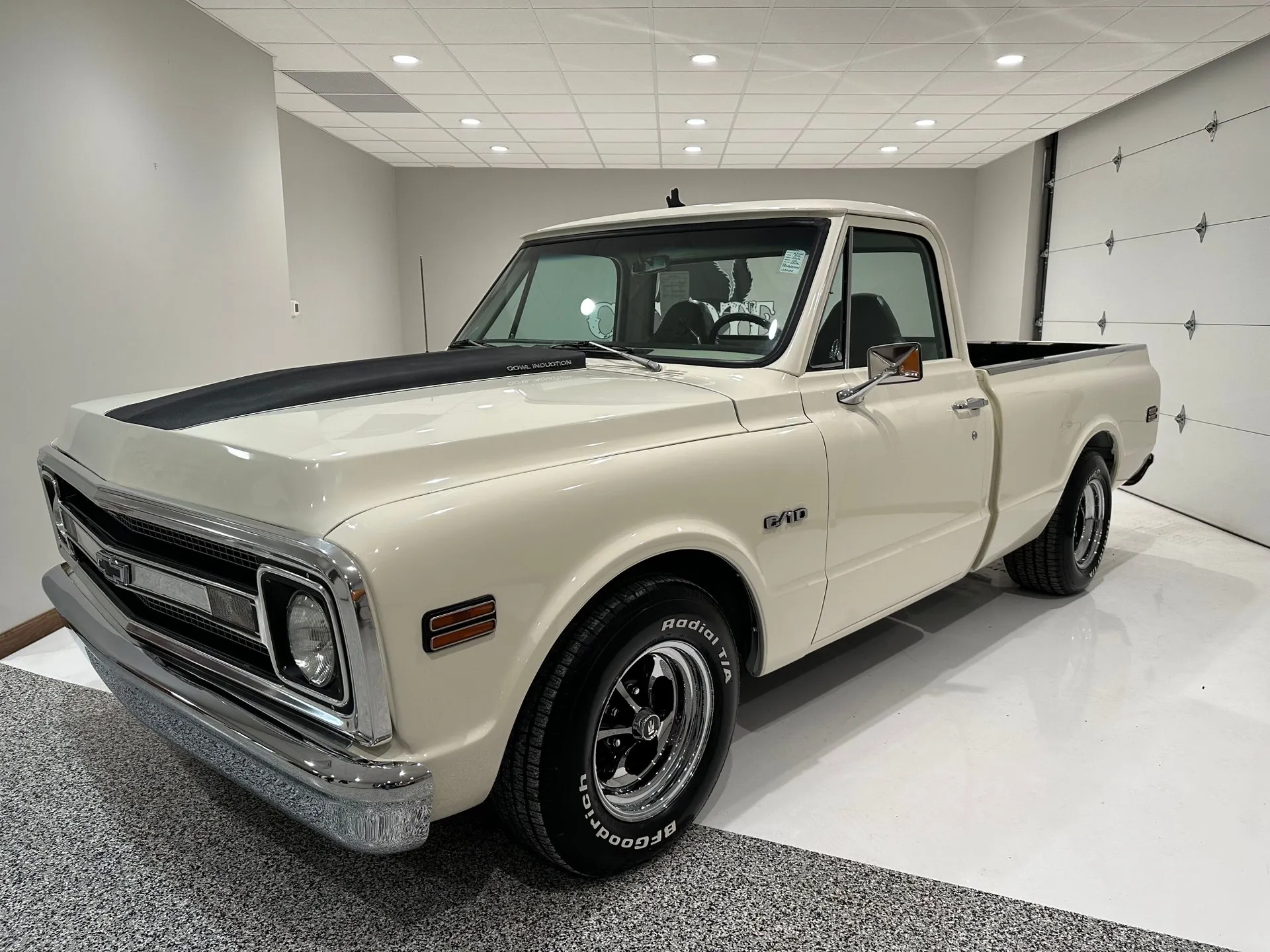
You know how things just looked better back in the day? The 1970 Chevrolet C10 Half-Ton Pickup Truck is the perfect example of that timeless style.
When you look at the trucks from that “Action Line” era, what you see is a design that is clean, squared-off, and honest. They didn’t have all the exaggerated angles and aggressive grilles that modern pickups like the current-generation Chevrolet Silverado 1500 or the Ram 1500 boast.
The C10 possessed a restrained, yet muscular, presence. That beautiful, single-year grille on the 1970 model, paired with the smooth, flowing lines of the Fleetside bed, simply screams cool without trying too hard. This is the kind of truck that looks good whether it is covered in mud from a farm job or polished to a mirror shine for a Saturday night cruise.
It is a genuine, unpretentious piece of Americana that modern designs, with all their aerodynamic testing and pedestrian safety requirements, just cannot replicate. The C10’s design is a powerful magnet for anyone who appreciates straightforward, handsome vehicle shapes.
The simplicity under the hood also plays a massive part in this classic truck’s unbelievable popularity. Unlike modern engines that are choked with sensors, complicated computer modules, and endless wires, the C10 was built around the straightforward, easy-to-work-on engines of its era.
This meant plenty of robust powerplants, including the famously reliable Chevrolet 350-cubic-inch Small-Block V8 engine that was a staple of the GM lineup.
This mechanical simplicity is a dream for restorers and customizers. If you want to drop in a modern, fire-breathing LS-series engine (a popular “restomod” move), the chassis and engine bay are incredibly accommodating.
You can practically build a brand-new truck from the ground up using original or readily available aftermarket parts. This level of mechanical accessibility is a liberty that owners of a highly computerized modern pickup, such as the Ford F-150 Lightning, can only dream of.
The ability to easily maintain, repair, and radically customize the C10 without needing a specialized software engineer is a powerful selling point that drives up demand and transaction volume in the vintage market, often making it a hotter “buy” than many of the new trucks sitting in dealerships.
It is a pure connection to the machine that modern vehicles have lost. The sheer number of these trucks produced also helps keep a steady stream of restoration candidates available, ensuring the market remains vibrant and active, a direct competition to the initial retail sales of smaller modern trucks.
This availability of parts and ease of modification create an enthusiast ecosystem that simply doesn’t exist for most other vehicles.
Customization Potential and Aftermarket Support
When you want to customize a modern vehicle, the computer chips and proprietary systems act like a big, digital bouncer, telling you “No entry” to any serious modification.
You can change the wheels or maybe a few bolt-on accessories, but getting deep into the performance or suspension requires expensive, specialized tuners.
With the vintage 1969 Chevrolet C10 Half-Ton Pickup Truck, the whole picture is different; the truck is essentially a blank canvas waiting for an artist’s touch.
The aftermarket industry has latched onto the C10’s popularity like a hungry tick, meaning that you can find practically any part, from a factory-spec replacement panel to a fully custom chassis designed for modern coil-over suspensions.
Companies are reproducing entire body panels, interiors, and even bespoke chassis setups that can turn a half-century-old pickup into a world-class performance machine capable of handling better than a brand-new sports sedan.
Think about the possibilities. You can build a low-rider C10 with air suspension that scrapes the ground, or you can create a Pro-Touring masterpiece with a massive, naturally aspirated 454 cubic-inch Big Block V8, aggressive brakes, and track-ready suspension.
You can even create a workhorse GMC K1500 Sierra Grande twin to the C10, complete with a powerful, modern Duramax diesel swap.
This kind of flexibility is practically impossible with a new truck like the Toyota Tacoma or the Nissan Frontier.
The moment you start messing with the structural or electronic elements of a modern pickup, you run into complicated warranty issues, or worse, you brick the electronics. The C10 does not care about your warranty; it just wants to be built.
The ability to create a truly one-of-a-kind vehicle that reflects the owner’s exact taste and vision, without legal or technical roadblocks, makes the C10 a far more desirable “project” and investment for a certain type of buyer.
This immense aftermarket support is a self-fulfilling prophecy, where popularity fuels part production, and part production reinforces popularity, driving up the number of transactions for these classic machines far past what some niche new-model pickups achieve.
Also Read: 5 Chevrolets That Hold Value at Trade‑In vs 5 That Dealers Ignore
Nostalgia and Cultural Iconography
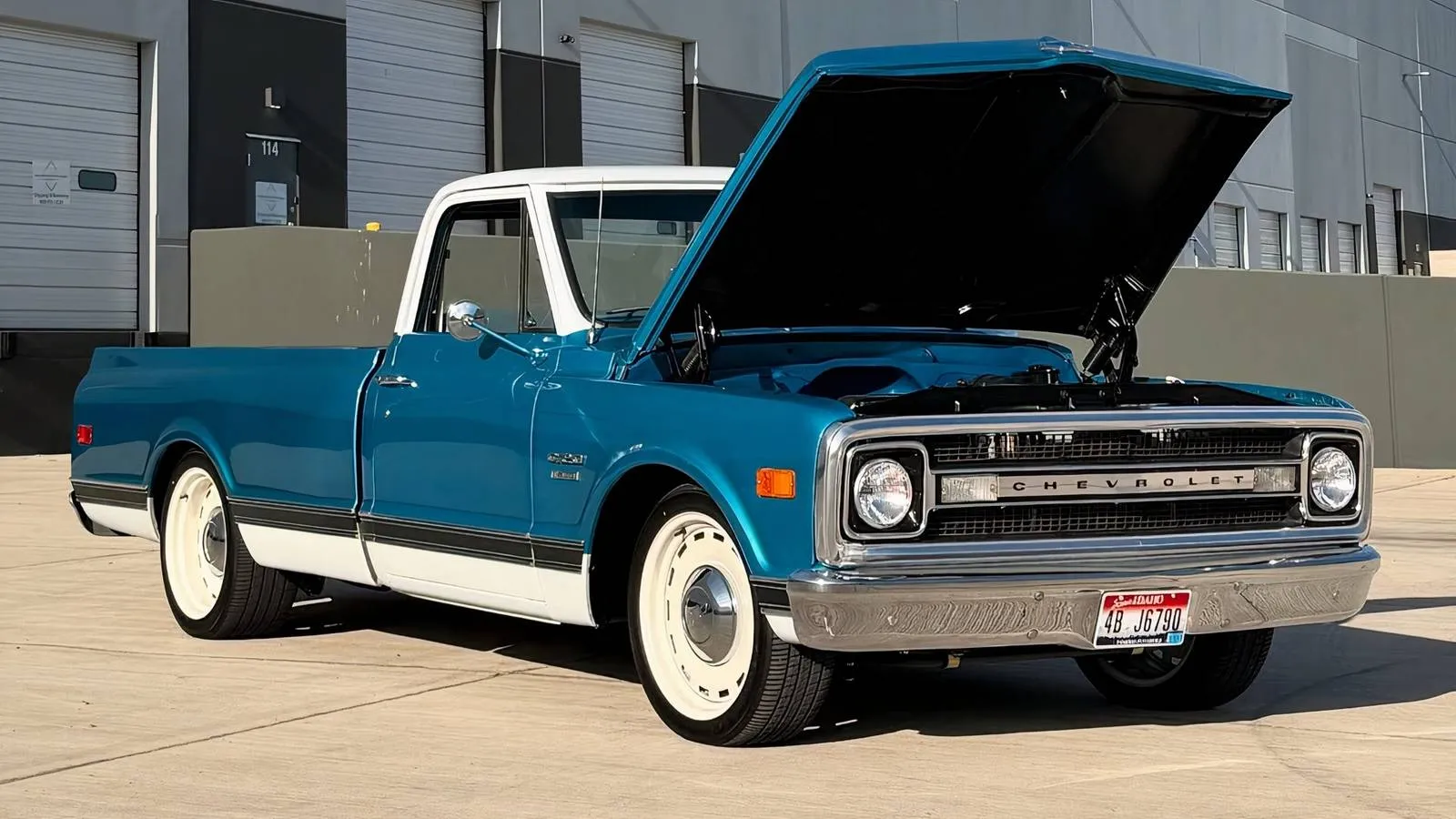
For many people, the purchase of a classic vehicle is not a cold, logical decision based on horsepower or fuel economy; it is a warm, emotional transaction rooted in memory. The 1971 Chevrolet C10 Cheyenne is one of those trucks that stirs deep feelings in generations of buyers.
It represents a simpler time in American history, often associated with childhood memories of family road trips, farm work, or just cruising down the main street on a Friday night. It is a piece of Americana, right up there with apple pie and baseball.
When people look at a clean ’71 C10, they don’t just see a pickup truck; they see their youth, their father’s work ethic, or the backdrop of countless cherished photographs. This nostalgic connection is potent and transcends the marketing power of any new vehicle.
Consider the cultural impact. The C10, particularly the 1967-1972 generation, has been cemented in popular culture through music videos, films, and television shows. It is the quintessential classic American pickup. This enduring presence in media further solidifies its status as a desirable collector’s item, creating a demand that is immune to depreciation.
A brand-new pickup truck, say a Ford Ranger, starts losing value the moment it leaves the dealership lot, a standard reality of the modern auto market. A beautifully restored 1972 Chevrolet C10 Pickup, especially one with the coveted Cheyenne Super trim, on the auction block, has the exact opposite trajectory.
Its price is likely to climb, not fall, because its value is tied to history and sentimentality, not to the ephemeral newness of technology. The market for these classics is driven by passion, making the transactions more frequent and often fetching prices that are well into the six figures for high-quality restomods.
This incredible emotional investment by the public is something no marketing department can manufacture for a new product, giving the old C10 an almost unfair advantage in terms of sheer transaction excitement.
Investment Value of a Classic
Let’s talk about the money side of things, because this is where the C10 really puts modern pickups to shame. When you buy a modern truck like the Chevrolet Silverado 1500 or its close cousin, the GMC Sierra 1500, you are buying a depreciating asset. It is a tool that loses value with every mile you drive.
Even the most capable off-roaders like the Ford F-150 Raptor will see their value drop year after year, no matter how much fun you have in them.
The story is completely different for the 1968 Chevrolet C10 Custom Pickup. Purchasing one of these trucks, especially a clean, rust-free example, is often viewed as an investment, not an expense.
The sales data from major auction houses make this very clear. Pristine, custom-built C10s are regularly crossing the block and selling for prices that are way higher than the sticker price of almost any base-model modern pickup.
You see them routinely going for$80,000, $100,000 and sometimes even well over, for a highly-spec’d Restomod with a powerful modern V8 engine and custom interior.
When a new truck sale is counted as one vehicle purchased, a C10 auction sale is not just one transaction; it is a confirmation of appreciating asset value and marketplace strength.
The frequency and the high value of these classic truck sales in the collector space mean that, in a specialized market metric that focuses on transactions of unique models, the C10 is a relentless powerhouse.
This is a crucial distinction. It’s not outselling the Ford F-150 in total units moved from the factory to the public, but in the highly competitive, high-value world of classic vehicle transactions, the C10 is the one exchanging hands for top dollar most often, dominating its own unique sales category against modern, highly customized trucks.
It is a classic example of an item’s perceived value going up because of scarcity and timeless design, unlike the mass-produced, quickly outdated nature of almost all modern vehicles.
Simple Maintenance and Available Components
Think for a moment about trying to fix something like a turbocharger issue on a new Ford Maverick or diagnosing a complicated electronic power steering fault on a current Honda Ridgeline.
You will need special diagnostic tools, maybe a subscription to a manufacturer’s database, and definitely a certified mechanic. The whole affair is expensive and frustrating. Now, picture working on a 1966 Chevrolet C10 Pickup.
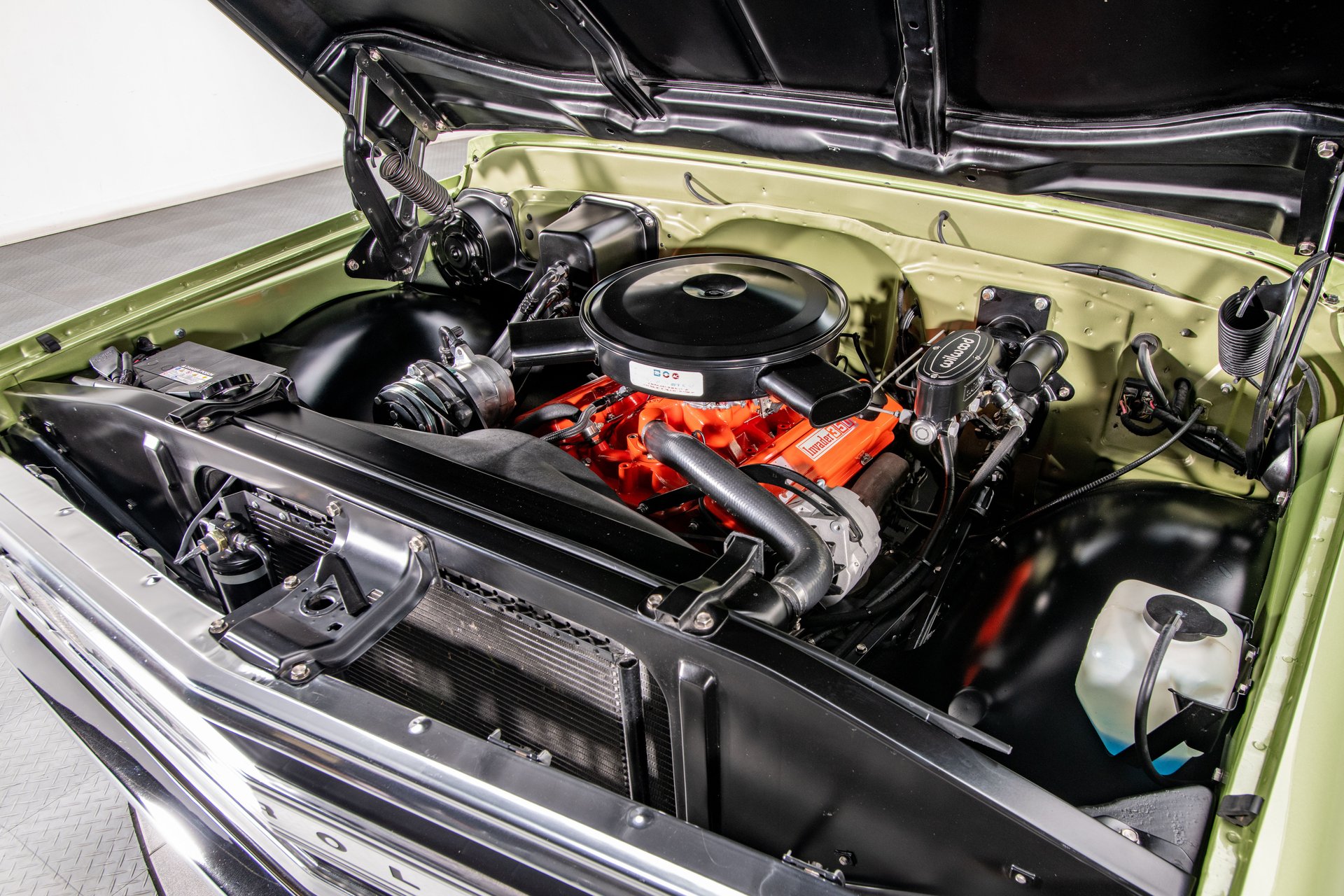
The mechanical systems are straightforward, the parts are robust, and the engine bay is so spacious you could almost sit in there with a beer and a spanner. This ease of maintenance is a huge selling point for anyone who likes to turn a wrench in their own garage.
Because GM built millions of these C/K series trucks (C for two-wheel drive, K for four-wheel drive) across their various generations, the parts supply is immense.
Even after decades, the sheer volume of production means that original, used, and, most importantly, brand-new reproduction parts are widely available and relatively cheap.
You can literally order a brand-new fender, cab corner, or chrome piece for a C10 off the internet and have it shipped to your door. This is not the case for many modern, forgotten trucks like the short-lived Dodge Dakota Convertible, for which parts are scarce and specialized.
The robust network of suppliers and restorers who specialize in the C10 creates a frictionless ownership experience, far simpler than maintaining a complicated new vehicle.
This ease of long-term ownership makes the initial purchase more appealing, helping to drive the high volume of C10 transactions that we are witnessing in the classic auction space. This is a practical victory for old-school engineering over modern, throwaway technology.
Unique Driving Experience and Road Presence
The experience of driving a modern pickup like a Hyundai Santa Cruz or a Subaru Baja is comfortable and car-like, designed to make you forget you are driving a truck. But that is exactly what some buyers do not want. They want to feel like they are driving a proper, solid piece of machinery.
The 1970 Chevrolet C10 Stepside Pickup, with its distinctively sculpted rear fenders, delivers that feeling in spades. It rides on a coil-spring suspension at all four corners, a feature that was revolutionary for its time and gave it a surprisingly smooth ride compared to its leaf-sprung rivals.
But make no mistake, it still feels like a truck. You hear the rumble of the engine, feel the road through the steering wheel, and sit high with a clear view out of that classic cab.
This raw, connected driving sensation is a deliberate choice for collectors. They are buying an experience that is authentic and unfiltered. It is a machine that requires you to drive it, not one that drives for you with a host of electronic aids.
The visual appeal and road presence of a classic C10 are unmatched. It attracts attention wherever it goes. People smile, give a thumbs-up, and start conversations.
A new, mass-market truck often just blends into the background of traffic. The sheer magnetic pull of the C10’s aesthetic guarantees that it will always be the most interesting vehicle at the gas station or the local show.
This powerful, visceral connection to the driving experience and the immediate social appeal are strong motivators for buyers, continually supporting the robust demand and high transaction rates of this vintage model against the muted appeal of a practical, contemporary choice.
Platform for High-End Restomods
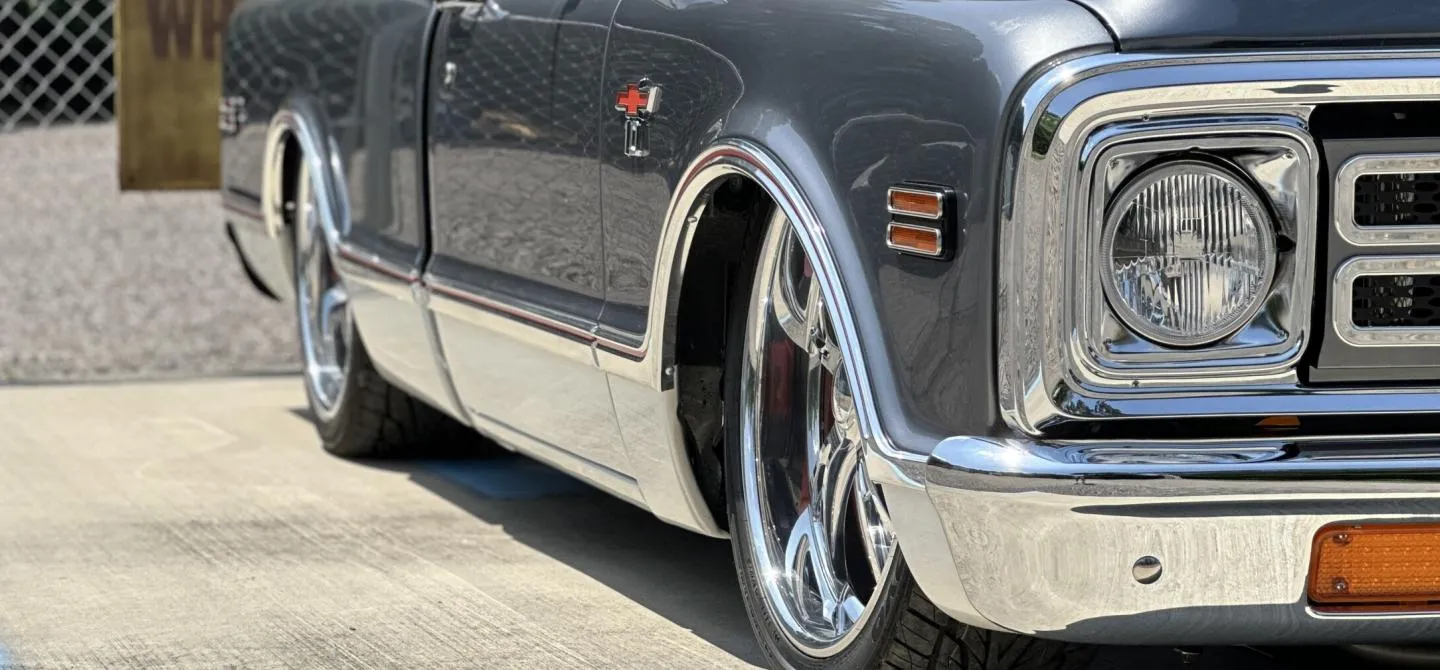
The current trend in the custom automotive world is the “Restomod,” which is the art of restoring a classic vehicle’s appearance while integrating entirely modern running gear, powerplants, and amenities. The 1972 Chevrolet C10 is arguably the king of the restomod scene because its platform is so adaptable.
It’s simple, separate body-on-frame construction makes it straightforward to remove the original body and place it on a custom chassis with modern, high-performance suspension components, often from manufacturers specializing in the classic truck platform.
This allows owners to have the drop-dead gorgeous, vintage style they love, but with the performance, handling, and braking of a contemporary sports car.
Imagine a C10 with a modern, fuel-injected Chevrolet LS V8 engine, producing well over 500 horsepower, mated to a six-speed manual transmission, all hidden behind that classic exterior. It is the best of both worlds. The popularity of this restomod formula has fueled an entire segment of the aftermarket industry.
High-end builds of models like the Chevrolet K20 Three-Quarter Ton 4×4 twin to the C20, or even the less common GMC C1500 Sprint (a variant of the El Camino), show that the classic GM utility platform is the go-to choice for bespoke, high-performance builds.
This segment of the market, where a C10 becomes a piece of automotive art, contributes massive transaction value that easily surpasses the total sales volume of smaller, more niche modern pickups like the Jeep Gladiator, which, while capable, simply lacks the customizable canvas and classic appeal of the old Chevy.
Legacy of the C/K Series
The C10 belongs to the larger Chevrolet C/K series of trucks, a lineage of half-ton, three-quarter-ton, and one-ton pickups that served as the backbone of America for decades. This expansive family tree contributes to the C10’s popularity because it means there is a huge community of enthusiasts and a wealth of shared mechanical knowledge.
If you are struggling with an issue on your 1970 C10, chances are someone in the C/K community, from owners of the earlier Chevrolet C30 One-Ton to later third-generation “Square Body” owners, has encountered and solved the problem before.
The strength of this communal support is something that is not always guaranteed with a modern, limited-production model. Think of a discontinued and somewhat obscure truck like the Isuzu Hombre (which was a badge-engineered Chevrolet S-10).
While it may have some dedicated followers, it does not have the sprawling, interconnected network of parts, forums, and specialized shops that the C10 enjoys. The C10 is the quintessential example of a popular classic that has created an entire culture around it, ensuring its continued relevance and market dominance.
The robust culture and the inter-generational shared knowledge surrounding the entire C/K line ensure a constant stream of high-quality restorations and custom builds are always being bought and sold, maintaining the model’s remarkable transactional frequency in the classic market. This level of communal enthusiasm guarantees that the C10 will never truly be forgotten.
Mechanical Feedback Over Digital Isolation
Modern trucks, even performance variants, are often described as feeling “numb” or “disconnected.” The driver is insulated from the mechanical operation by layers of sound deadening, electronic controls, and heavy use of computer-controlled assistance.
When you drive something like a modern, fully-loaded Toyota Tundra, the experience is plush and quiet, but it lacks the visceral feedback that many true driving enthusiasts seek.
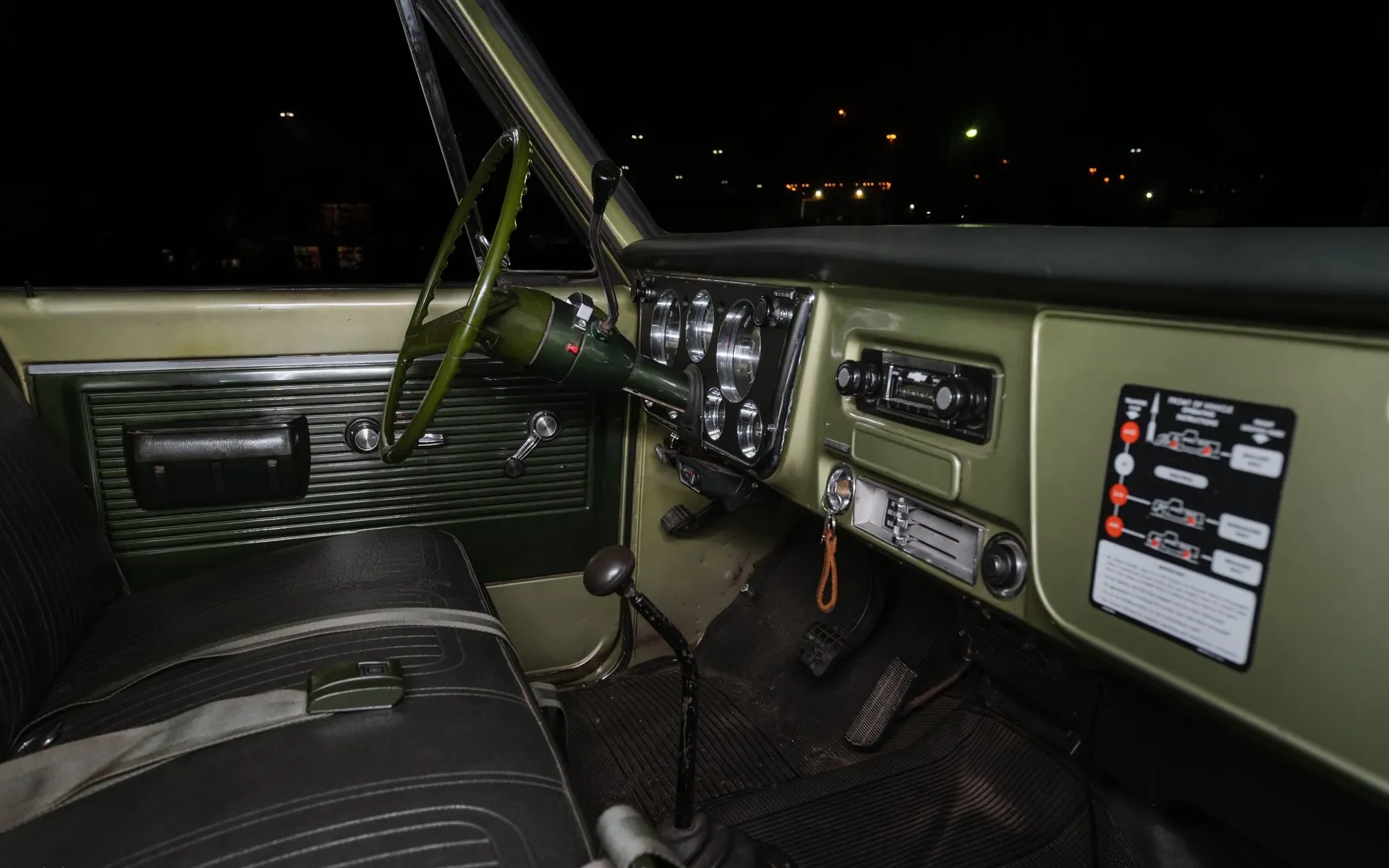
The 1967 Chevrolet C10 Stepside is the opposite; it talks to you. You feel the transmission move, you hear the raw induction noise of the V8 engine, and you have to truly steer the truck yourself.
This unfiltered driving experience is a valuable commodity in today’s highly sanitized automotive market. Buyers are actively seeking out vehicles that provide this level of mechanical engagement.
The C10, with its manual steering boxes (before power steering became universal) and simple drum or early disc brakes, requires the driver to be an active participant in the driving process.
This demand for an old-school, driver-centric machine is what drives up the desirability of the C10 over a technically superior, but emotionally distant, modern machine.
Even other cool, forgotten trucks like the Dodge Rampage (a front-wheel-drive car-based pickup) simply cannot offer the classic, rear-wheel-drive, V8-powered mechanical theatre that the C10 provides.
This passionate demand for a raw, engaging experience keeps the C10’s market soaring and its transaction numbers high in the emotional, high-value classic space.
Short-Bed Configuration and Desirable Trims
Within the C10 universe, certain configurations are far more desirable than others, and it is these specific models that command the highest prices and drive the most fervent sales activity. Chief among them is the short-bed, two-wheel-drive configuration.
Back when these trucks were new, the long-bed models were the most practical for work and therefore sold in higher volumes. Fast forward to today, and collectors prioritize style and proportion, making the rarer, sportier short-bed C10 models incredibly sought after. The shorter wheelbase simply looks better when lowered or customized, giving the truck a more aggressive and visually appealing stance.
The original trim packages also play a huge role in market demand. Finding an original 1971 Chevrolet C10 Cheyenne Super in good condition is like finding gold. These top-of-the-line trims offered car-like features such as comfortable interiors, extra chrome, and deluxe body moldings, which were unusual for a working truck of that era.
These well-optioned examples are the ones often seen setting auction records, frequently exceeding the sale prices of modern, entry-level full-size trucks like the GMC Savana Cargo Van. The focus on these high-desirability variants, such as the rare short-bed Fleetside, ensures that while the total units sold may not match a modern pickup, the transactional value and frequency within the classic truck space are phenomenal.
This targeted hunger for specific, rare C10 models keeps the classic market incredibly strong. The classic truck market is a pure example of desire determining price, and the C10 Short-Bed is the undisputed champion of desire.
Also Read: 5 Chevrolets That Stay Affordable Long Term vs 5 That Cost a Fortune
Modern Performance Upgrades and Hidden Power
The C10 is a dream for those who want modern performance discreetly tucked into a classic shell. The ability to perform an “LS Swap,” dropping in a modern, powerful, and highly reliable General Motors LS-series V8 engine, is a huge factor in the truck’s modern sales dominance.
These engines are everywhere, relatively inexpensive, and instantly give the old truck reliable, modern horsepower and efficiency.
You can have the best of both worlds: a truck that looks like it rolled straight out of 1970, but can blow the doors off a modern sports sedan. This blending of old aesthetics with new performance is what the market craves.
In addition, the original suspension design, with coil springs on all four wheels, makes it an excellent candidate for modern suspension geometry upgrades. Companies offer kits to completely overhaul the handling, turning a half-century-old utility vehicle into a corner-carving machine.
This is a level of simple, bolt-on performance transformation that few other classic vehicles, or even some niche modern trucks like the Nissan Titan XD, can match. The sheer engineering compatibility of the C10 platform with current performance technology ensures its enduring appeal.
People are willing to pay top dollar for a classic that drives and performs like a new, high-end muscle machine, and the C10 provides that perfect balance, making it a transactional rockstar in the custom vehicle market.
Community and Culture of the Build
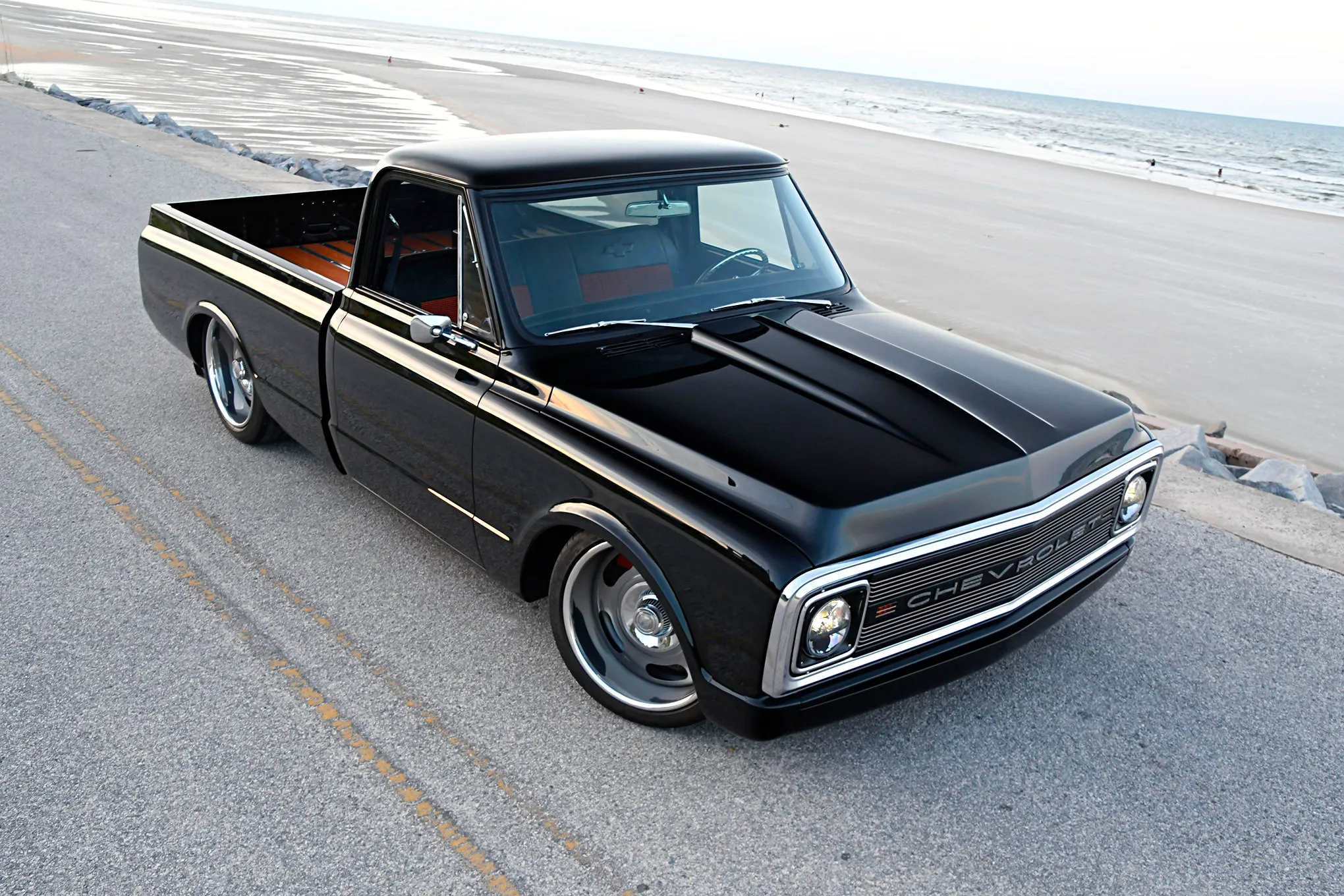
Beyond the steel and the engines, a huge part of the 1969 Chevrolet C10’s continued market success is the community that surrounds it. This is not just a bunch of solitary owners; it is a global collective of enthusiasts who host massive gatherings, share knowledge on online platforms, and support one another’s projects.
This robust community, often centered around specific generations of the C/K series, like the second-gen “Action Line,” creates a constant buzz and demand for the truck. When you buy a C10, you are not just buying a piece of metal; you are buying membership into a passionate, accessible group.
The “culture of the build” is just as important. The C10 is the perfect project truck. Its simplicity means that a father and son, or a group of friends, can realistically take on a restoration or customization project in a home garage.
This shared experience and the ability to personally build and bond with the truck an extremely powerful draw, one that a ready-made, brand-new machine simply cannot provide. This element of human connection and shared endeavor adds immeasurable value to the C10.
While a forgotten truck like the Mercury Mountaineer (an SUV, but often a forgotten relic) has a niche following, it does not have the sprawling, active, and accessible community that continually fuels the C10’s amazing transactional numbers and high resale values.
This social currency alone ensures the classic Chevy C10 remains a high-volume seller in its space for years to come.
