
You know what’s funny about the truck market? Two vehicles can roll off the same assembly line, serve their owners faithfully for years, and then, when it’s time to sell, one fetches a price that makes you smile while the other barely gets attention from buyers.
The difference isn’t always about condition or mileage, either. Some trucks just hold their value like they’re made of gold, while others drop faster than a stone in water. Understanding which trucks fall into which category can save you serious money or help you make a smart investment.
The resale value game is real, and it affects every truck owner eventually. Maybe you’re buying used and want something that won’t lose half its value in three years. Perhaps you’re selling and wondering why your truck isn’t getting the offers you expected.
Or you’re just planning, thinking about which truck will treat you right when it’s time to move on to something else. Whatever your situation, knowing which trucks command top dollar and which ones struggle helps you make better decisions with your hard-earned money.
What makes one truck worth more than another isn’t always obvious from the showroom floor. Brand reputation plays a part, sure, but so does build quality, reliability history, and what buyers actually want versus what manufacturers think they want.
Some trucks become legends that everyone chases, while others get forgotten, even though they might have been decent vehicles. Let’s break down five trucks that always sell for top dollar, followed by five that struggle to find buyers willing to pay fair prices. The differences might surprise you.
5 Trucks That Always Sell for Top Dollar
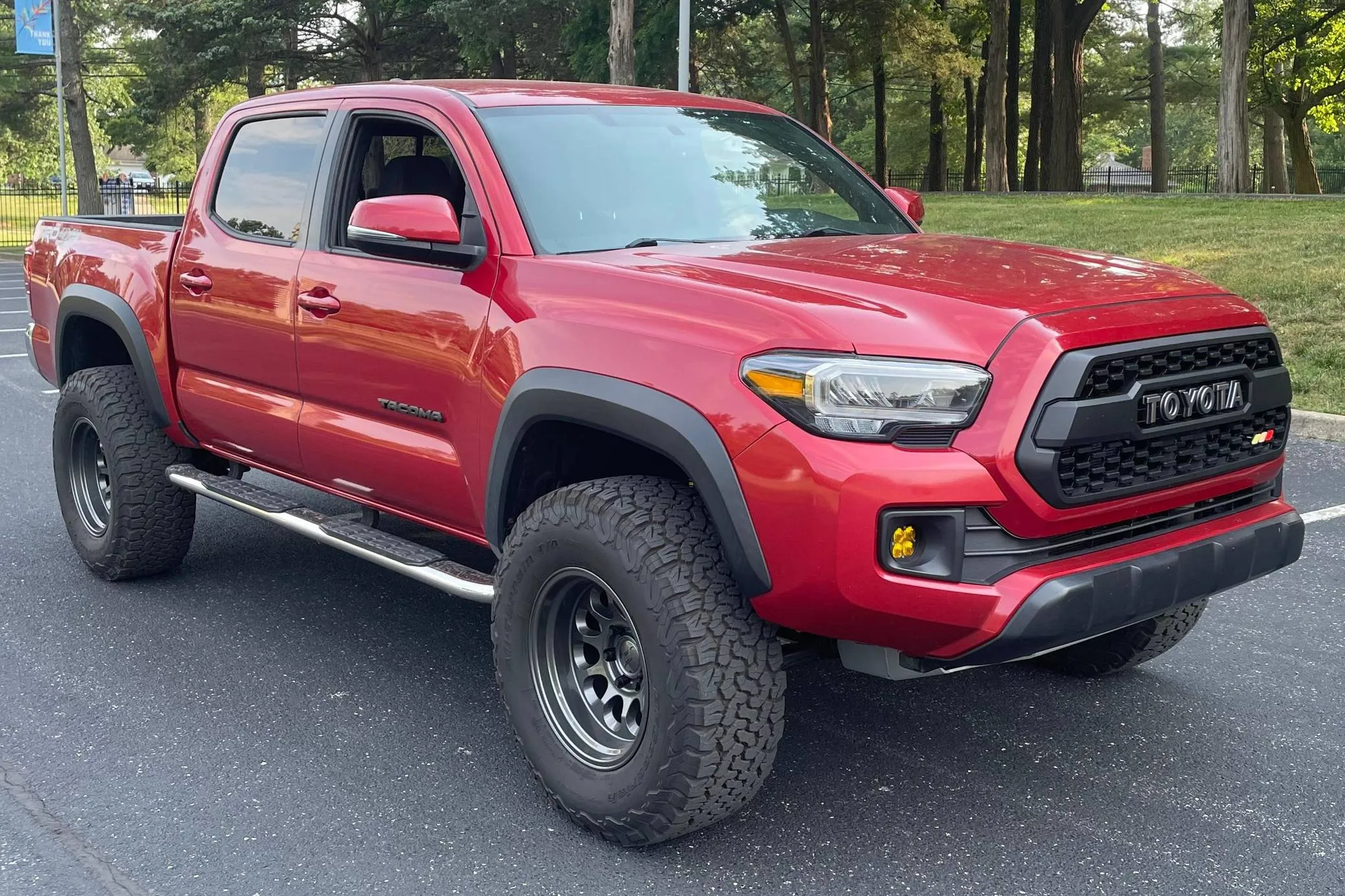
1. Toyota Tacoma TRD Off-Road (2016-2023)
Walk into any used truck lot and you’ll notice something interesting about Tacoma pricing. These trucks barely depreciate compared to everything else sitting on the lot. A three-year-old Tacoma TRD Off-Road often sells for nearly what someone paid new, which is crazy when you think about it.
Toyota built a reputation for reliability that buyers trust completely, and they’re willing to pay extra for that peace of mind. The TRD Off-Road package adds genuine capability without going overboard, giving buyers features they’ll actually use rather than just flashy badges.
The third-generation Tacoma that started in 2016 improved on an already solid formula. Toyota equipped these trucks with a 3.5-liter V6 engine that produces adequate power while maintaining the bulletproof reliability Toyota is famous for. The six-speed automatic transmission changes smoothly and proves durable through years of service.
Toyota designed the suspension for actual off-road work rather than just looking tough, and buyers recognize that authenticity. The truck feels solid in ways that convince people it will last forever, and Toyota’s track record supports that feeling. When buyers see a Tacoma, they see a truck that will still be running strong when everything else has broken down.
What really drives Tacoma values skyward is how few owners ever regret their purchase. These trucks do everything they promise without drama or expensive surprises.
The resale market reflects this satisfaction, with demand consistently exceeding supply. Dealers know they can price Tacomas aggressively because someone will pay it.
Private sellers get offers quickly, often at the asking price or above. The truck’s reputation has become self-reinforcing, where high resale values prove the truck’s worth, which makes more people want them, which keeps values high. It’s a cycle that benefits every Tacoma owner when selling time comes.
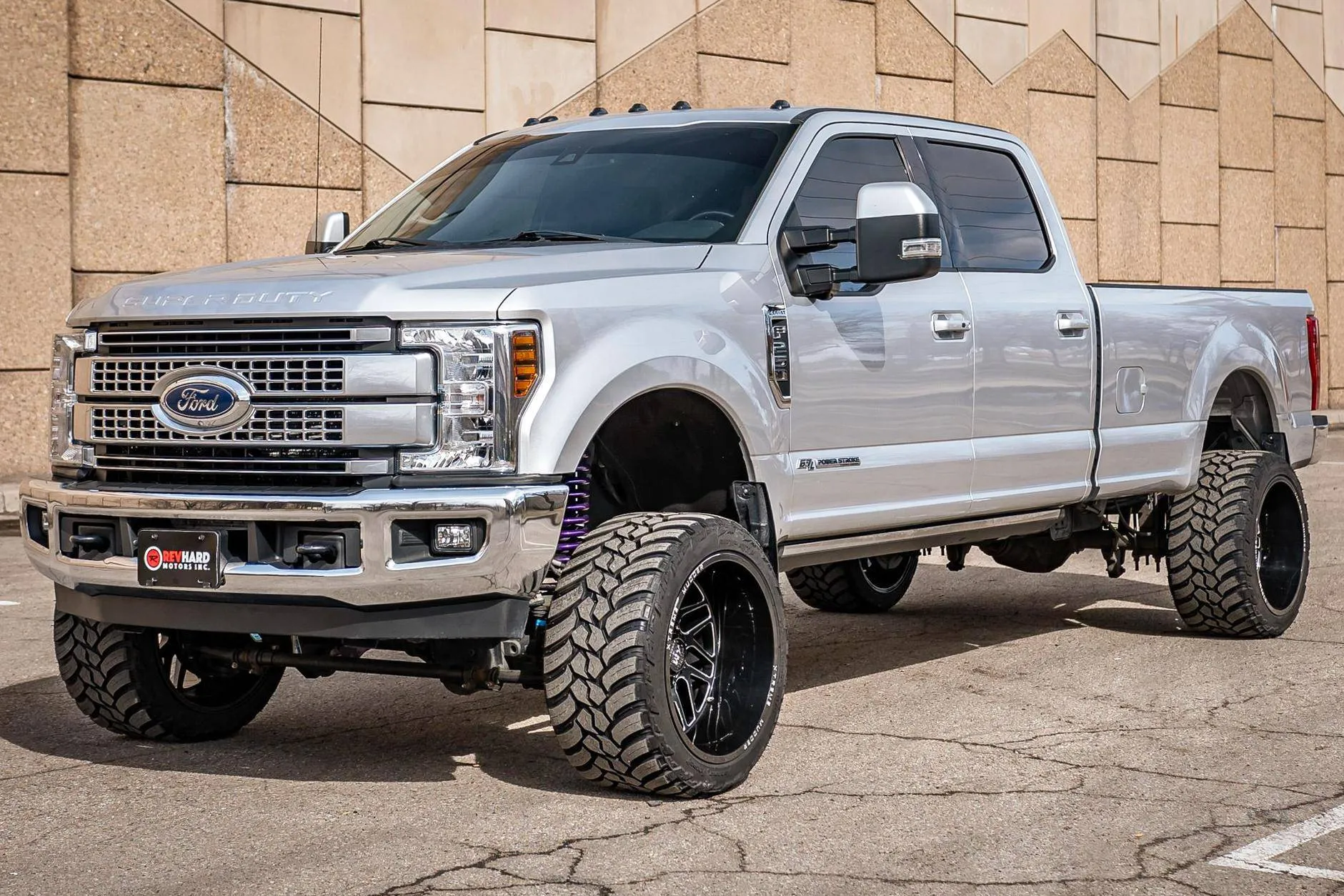
2. Ford F-250 Super Duty Lariat (2017-2022)
Heavy-duty trucks play by different rules than half-tons, and the F-250 Super Duty demonstrates this perfectly. These trucks sell for top dollar because they’re tools that make money for their owners. Contractors, farmers, and anyone who tows heavy loads regularly need a truck that won’t quit, and Ford’s Super Duty line delivers that capability reliably.
The Lariat trim adds comfort features that make these trucks pleasant for daily driving despite their serious capabilities. Buyers looking at used Super Duty trucks aren’t bargain hunting; they’re looking for capability they can depend on, and they’ll pay accordingly.
Ford equipped these F-250 trucks with either the 6.7-liter Power Stroke diesel or big gasoline V8 options, both capable of handling extreme workloads.
The diesel commands higher prices because buyers know it will tow massive trailers all day while returning decent fuel economy. Ford’s six-speed automatic transmission, and later the ten-speed unit, handle the engine’s torque output reliably.
The chassis components are sized for commercial use, which means they last longer than light-duty specifications. Everything about the Super Duty is built to handle abuse, and that durability translates directly into resale value. Buyers pay premium prices because they’re getting a truck that will work hard for years without major issues.
The market for used Super Duty trucks stays strong because demand never really drops. Someone always needs a capable heavy-duty truck, whether for business or serious recreational towing. Clean examples with maintenance records sell quickly, often fetching prices that seem high until you compare them to the costs of new trucks.
A three-year-old F-250 Lariat might sell for 70% of its original price, which is remarkable retention for any vehicle. Buyers accept these prices because they understand the alternative is buying new at even higher costs. The F-250 proves that trucks built for real work hold their value better than trucks built primarily for image.
Also Read: 5 Trucks That Stay Valuable at Auction vs 5 That Don’t
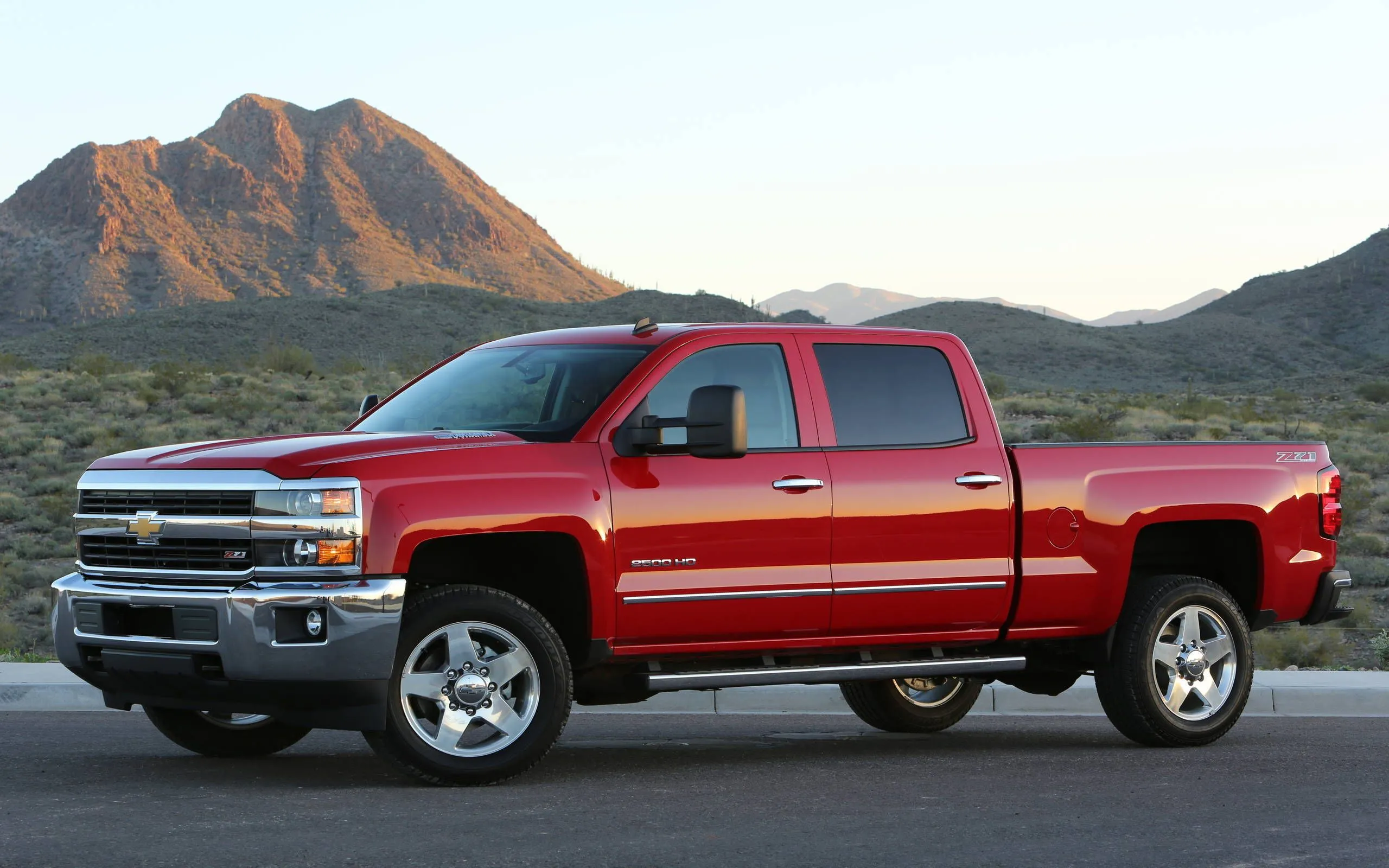
3. Chevrolet Silverado 2500HD (2015-2019)
Diesel heavy-duty trucks have a dedicated following, and the Silverado 2500HD with the Duramax engine sits at the top of many buyers’ lists. General Motors paired its trucks with the legendary 6.6-liter Duramax diesel and Allison transmission combination that became famous for durability and capability.
This powertrain can tow enormous loads reliably while lasting for hundreds of thousands of miles with proper maintenance. Buyers shopping for used diesel trucks know what they want, and they’re prepared to pay top dollar for trucks with this specific setup.
The combination of Chevrolet’s comfortable truck platform and proven diesel power creates something buyers chase actively. What makes these Silverado HD trucks special goes beyond just the engine.
Chevrolet designed comfortable interiors with materials that age well, avoiding the cheap plastics that plague some competitors. The ride quality is surprisingly good for a heavy-duty truck, making it pleasant for daily driving when not towing.
The suspension handles heavy loads without complaint, and the braking system provides confidence even when pulling maximum trailer weights. These trucks feel substantial in ways that convince buyers they’re built to last. The combination of comfort and capability appeals to buyers who need serious towing ability but don’t want to sacrifice everyday drivability.
The used market for Duramax Silverados stays hot because these trucks develop loyal followings. Owners who’ve had good experiences buy them again, and they tell their friends to do the same. Clean examples with full service records command premium prices, sometimes selling within days of being listed.
Dealers mark them up because they know someone will pay, and private sellers get the asking price or close to it regularly. A four-year-old Silverado 2500HD Duramax might sell for 65% of its original price, which demonstrates how well these trucks hold value.
The combination of proven reliability, strong capability, and comfortable daily driving creates a package that buyers willingly pay top dollar to own.
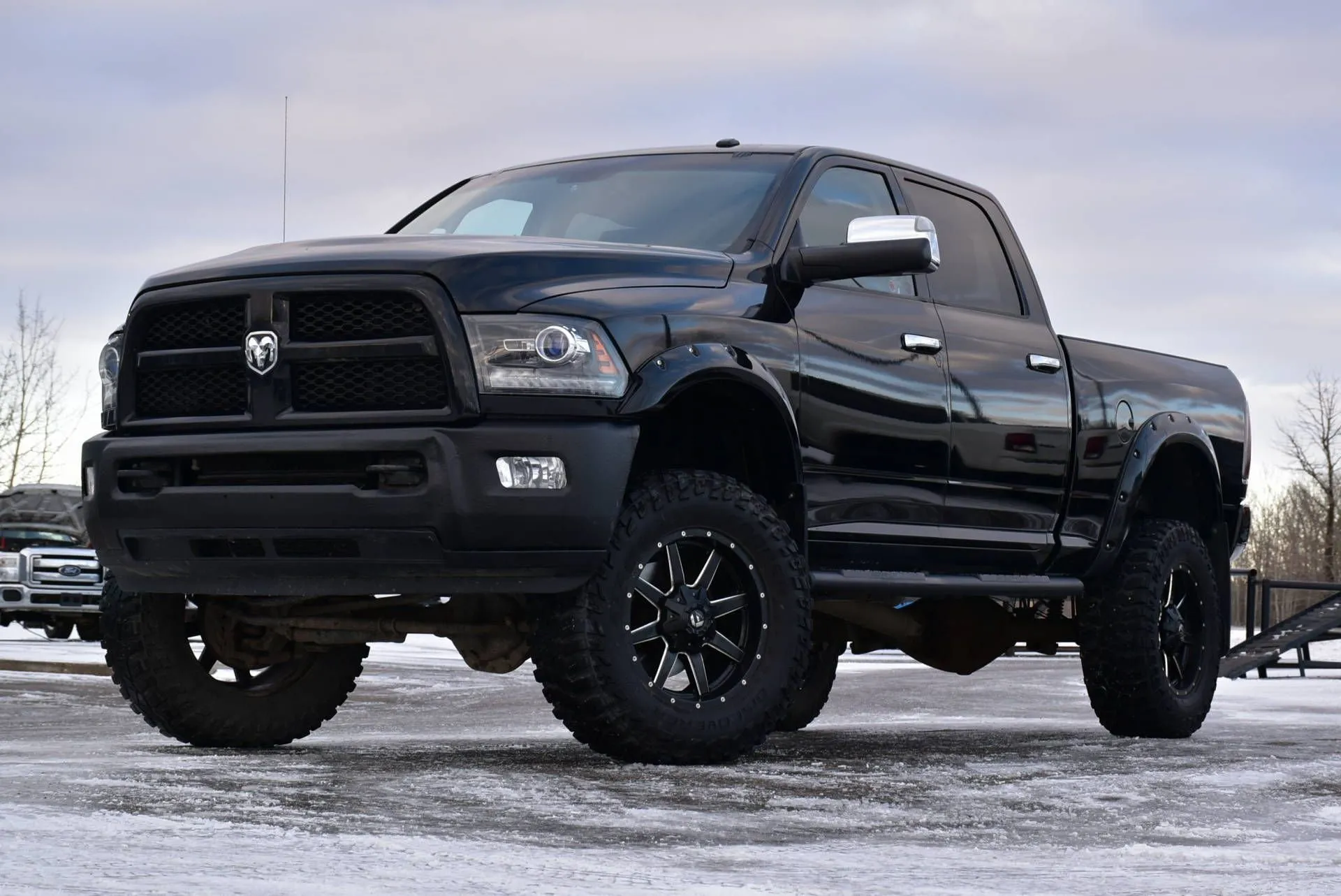
4. Ram 2500 Cummins Laramie (2013-2018)
Dodge’s decision to pair its Ram trucks with Cummins diesel engines created a combination that enthusiasts worship. The 6.7-liter Cummins inline-six diesel produces massive torque and legendary reliability that make it the engine of choice for many heavy-duty truck buyers.
When wrapped in the comfortable Laramie trim package, you get a truck that combines serious capability with luxury-level comfort. These trucks sell for top dollar because buyers recognize the value of owning a proven powertrain wrapped in a package that doesn’t sacrifice daily drivability.
The Cummins name alone adds value, with many buyers specifically seeking out this engine regardless of which truck it’s installed in. Ram improved their truck line dramatically during this generation, addressing previous criticisms about interior quality and ride comfort. The Laramie trim features leather seats, upgraded audio systems, and materials that feel premium rather than utilitarian.
The ride quality is excellent for a heavy-duty truck, with Ram’s coil spring rear suspension providing comfort that leaf-spring competitors can’t match. Yet all this comfort doesn’t come at the expense of capability.
These trucks still tow heavy trailers confidently and haul payloads without complaint. The combination of refinement and ruggedness appeals to buyers who need a work truck but don’t want to feel like they’re driving one.
The resale market for Ram 2500 Cummins trucks demonstrates their lasting appeal. These trucks regularly sell for prices that would buy brand-new half-ton trucks from other manufacturers.
Buyers accept these prices because they know what they’re getting: a diesel engine that will run for 500,000 miles with basic maintenance, wrapped in a truck that’s comfortable enough for long road trips.
Clean examples disappear quickly from listings, with buyers moving fast when good trucks appear. The Cummins engine’s reputation for durability means these trucks hold value better than their gasoline counterparts.
A five-year-old Ram 2500 Cummins Laramie selling for 60% of the original price isn’t unusual, proving these trucks resist depreciation better than most vehicles.
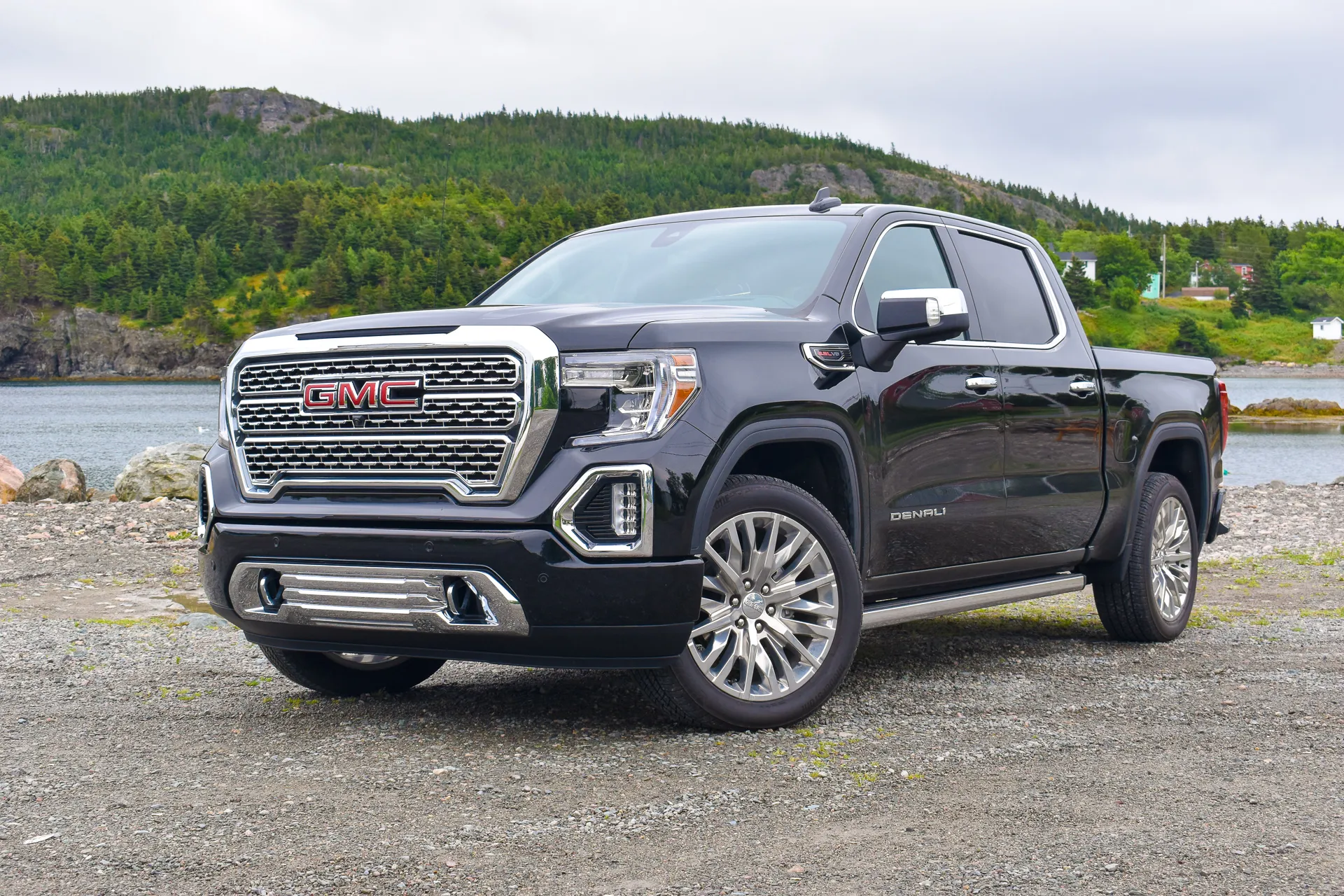
5. GMC Sierra 1500 Denali (2019-2023)
GMC positioned the Sierra Denali as a premium truck that competes with luxury SUVs rather than work trucks, and buyers responded enthusiastically. These trucks command top dollar in the used market because they deliver genuine luxury wrapped in pickup truck practicality.
The Denali trim includes features like leather seats, advanced technology, premium audio systems, and chrome exterior trim that sets it apart visually.
GMC equipped these trucks with powerful engine options, including the impressive 6.2-liter V8 that provides smooth, quiet power. Everything about the Denali says premium, and buyers looking for luxury trucks are willing to pay for that distinction.
What separates the Sierra Denali from regular trucks is how GMC focused on refinement without sacrificing capability. The interior rivals luxury sedans for material quality and design, with soft-touch surfaces and logical controls throughout. The ride quality is smooth and quiet, with excellent sound insulation keeping road noise minimal.
Yet this truck still tows heavy trailers and hauls payloads when needed. GMC succeeded in creating a truck that works hard during the week and feels appropriate for upscale occasions on weekends. This versatility appeals to buyers who want one vehicle that does everything, and they’re prepared to pay for that flexibility.
The used market treats Sierra Denali trucks kindly, with values staying high compared to lesser trim levels. These trucks attract buyers who want luxury without buying an SUV, and they’ll pay premium prices for clean examples. A two-year-old Sierra Denali often sells for 75% of its original price, which is excellent retention.
Dealers stock them confidently because they move quickly, and private sellers get strong offers. The Denali badge carries weight with buyers, signaling a level of luxury and capability that justifies higher prices. These trucks prove that the luxury pickup segment is real and profitable, with buyers willing to pay top dollar for trucks that deliver premium experiences.
5 Trucks That Struggle to Hold Value
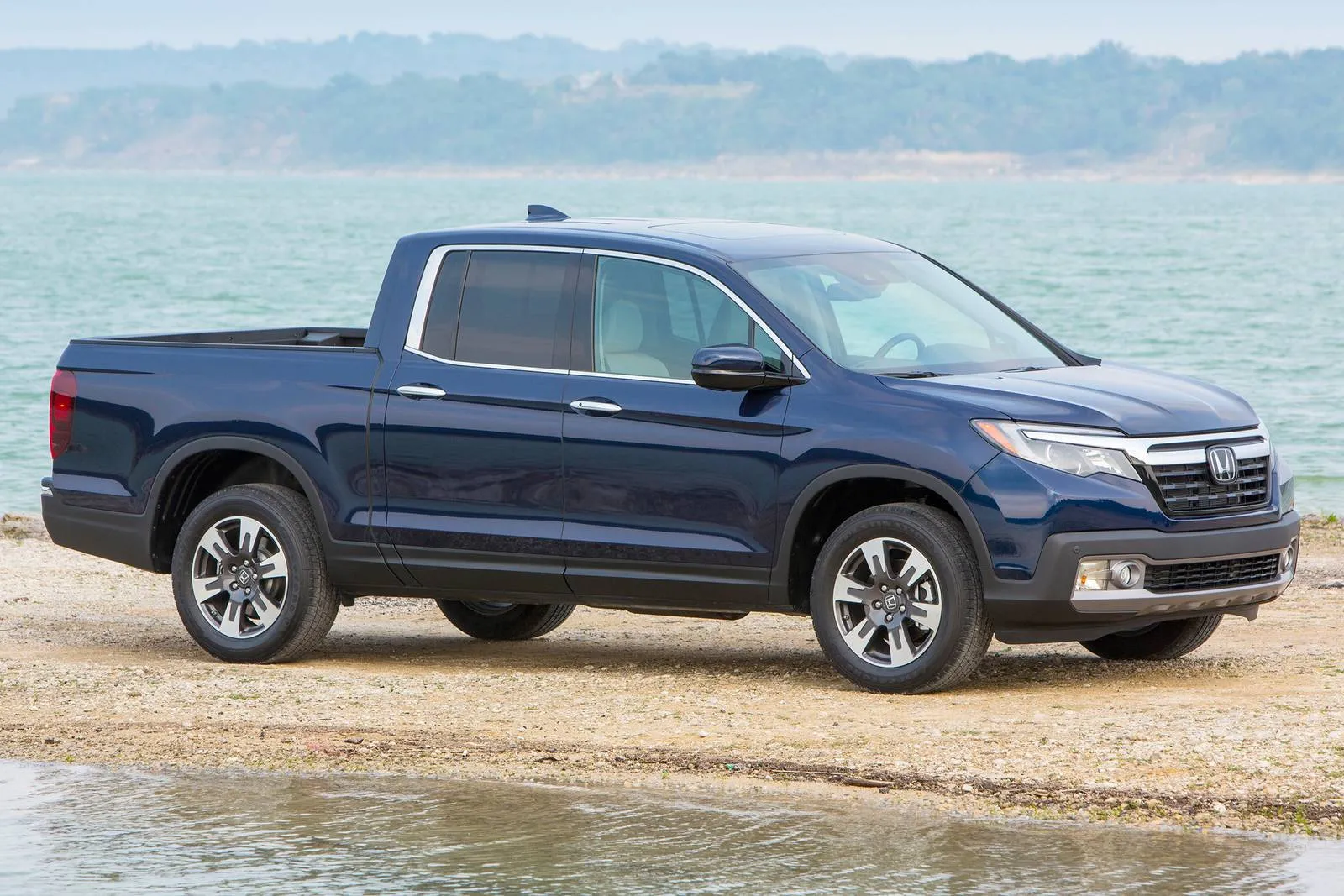
1. Honda Ridgeline RTL (2017-2023)
Honda built the Ridgeline to be different, and that difference hurts resale value. The truck employs a unibody construction rather than a traditional body-on-frame design, which immediately dismisses it as unacceptable to truck purists. Honda designed it for suburban families who occasionally need truck capabilities rather than contractors who need serious work tools.
This positioning creates a problem in the used market, where buyers looking for trucks want traditional capabilities and buyers looking for SUVs don’t consider pickups. The Ridgeline falls into a gap where neither group fully embraces it, depressing resale values despite the truck being quite good at what it does.
The reality is that Ridgeline does many things well. It rides comfortably, handles better than traditional trucks, and the in-bed trunk is genuinely useful.
Honda’s reliability reputation should help values, but the truck’s unconventional nature works against it. Buyers who want “real trucks” won’t consider it seriously, viewing the Ridgeline as a compromised SUV with a bed rather than a proper pickup.
This perception problem means Ridgelines sit on used lots longer and sell for less than comparable trucks from traditional manufacturers. A three-year-old Ridgeline might sell for only 55% of its original price, which is poor retention compared to Tacoma or even Colorado.
The struggle continues because Honda can’t seem to change the perception that matters to truck buyers. Marketing efforts emphasize the Ridgeline’s unique features and practicality, but buyers shopping for used trucks typically want conventional capabilities.
The all-wheel-drive system doesn’t match serious four-wheel-drive setups, the towing capacity is modest, and the bed is smaller than full-size competitors.
These limitations might not matter to buyers who’d actually use a Ridgeline well, but they matter enormously in the resale market, where perception drives pricing. The truck deserves better values based on quality and capability, but the market judges harshly when trucks deviate from traditional formulas.
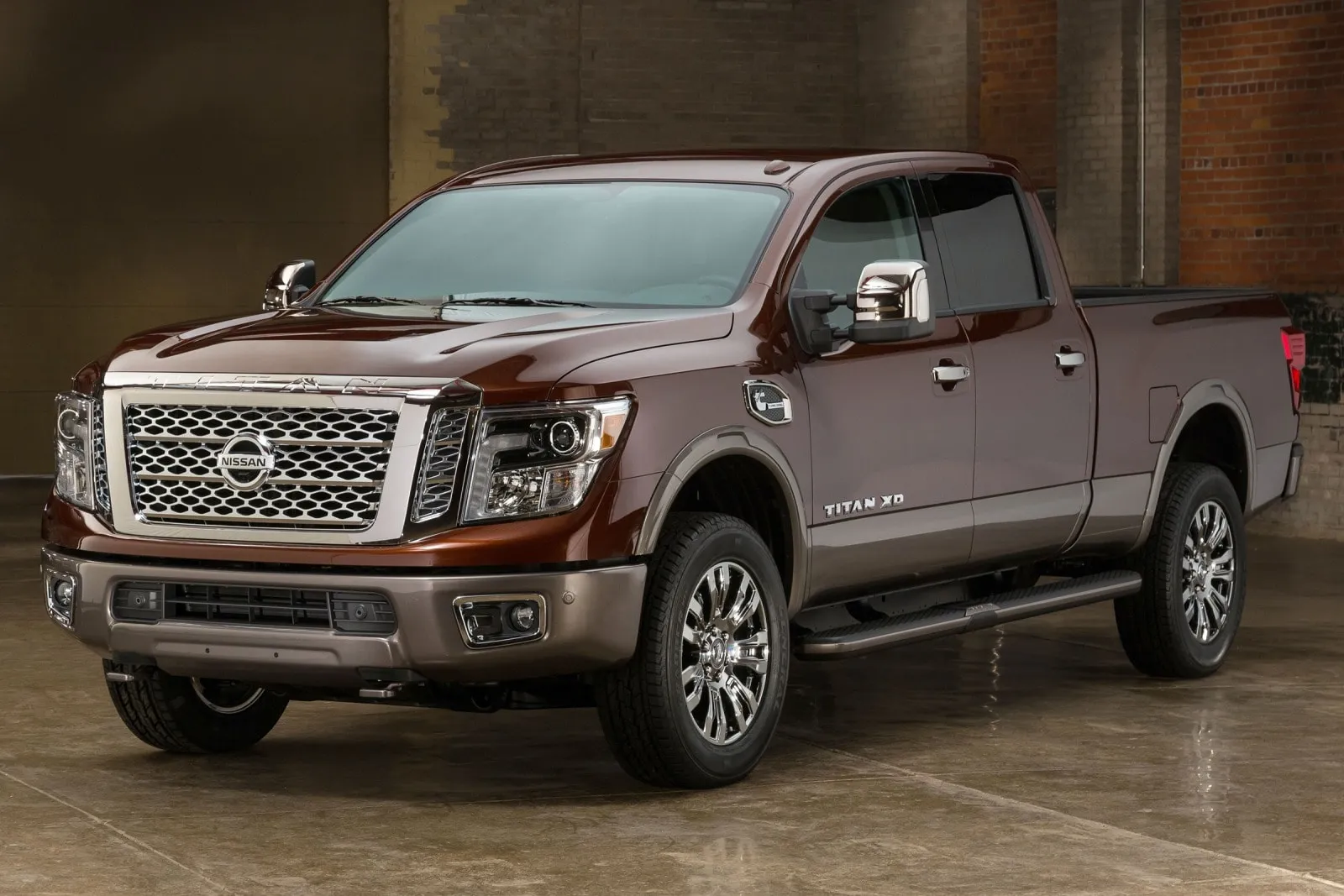
2. Nissan Titan XD SV (2016-2019)
Nissan tried something interesting with the Titan XD, creating a truck that falls between light-duty and heavy-duty categories. This in-between positioning confused buyers when new and continues to hurt resale values.
The truck is too expensive and heavy to compete directly with the F-150 or Silverado 1500, but it cannot match the F-250 or Silverado 2500HD. Buyers shopping for used trucks want clear categories, and the XD doesn’t fit neatly anywhere. This confusion depresses values, with XD trucks selling for much less than comparable heavy-duty trucks despite being much newer.
Nissan equipped early XD models with a Cummins 5.0-liter V8 diesel that sounded impressive but caused problems. The engine proved troublesome, with emissions equipment failures and reliability issues that scared away buyers. Later XD models used Nissan’s gasoline V8, which was more reliable but less appealing to buyers who wanted diesel power.
The truck’s payload and towing capacities fell short of true heavy-duty trucks, yet it rode rougher and consumed more fuel than light-duty alternatives. This worst-of-both-worlds situation makes used Titan XD trucks hard to sell, with values dropping to 45% of the original price after just four years.
The market has spoken clearly about the Titan XD, and the message isn’t good. These trucks sit on used lots for months, with dealers eventually slashing prices to move inventory.
Private sellers struggle to get reasonable offers, often settling for less than they hoped. The combination of identity confusion, reliability concerns, and limited capability creates a perfect storm that crushes resale values.
Buyers who might consider a Titan XD often walk away after comparing prices to true heavy-duty trucks, realizing they can get proven capability for similar or less money. The XD serves as a cautionary tale about creating vehicles that don’t fit established market categories.
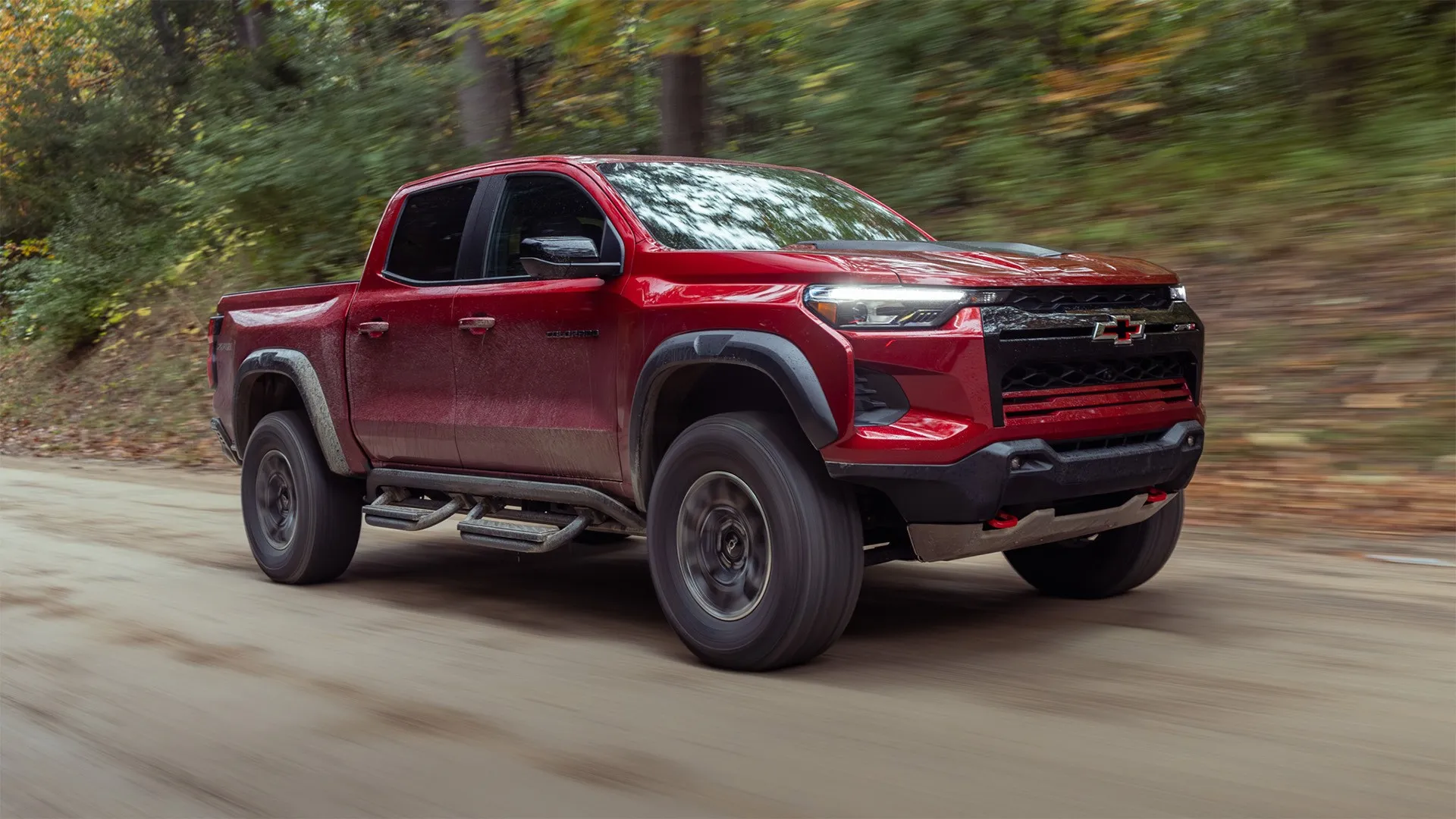
3. Chevrolet Colorado ZR2 (2017-2020)
Here’s an interesting problem: the Colorado ZR2 is actually a very capable truck, but its used prices don’t reflect that capability appropriately. When new, the ZR2 commanded premium prices for its off-road equipment and unique suspension design.
That premium doesn’t translate well to the used market, where buyers compare ZR2 prices to full-size trucks with similar capabilities.
A used ZR2 might cost nearly as much as a used F-150 Raptor, and buyers almost always choose the full-size option. This comparison problem means ZR2 trucks depreciate faster than Chevrolet expected, with values dropping to around 50% after four years.
The ZR2 package includes genuine off-road hardware like Multimatic shocks, locking differentials, and increased ground clearance. These features work well and deliver legitimate trail capability. But the mid-size platform limits towing and payload compared to full-size alternatives, and the interior feels cramped for taller drivers.
Chevrolet priced the ZR2 aggressively when new, which created expectations that the used market doesn’t support. Buyers shopping at ZR2 price points have many options, and most choose larger trucks with more versatility. The ZR2’s specialization becomes a liability in the broad used truck market.
Selling a used ZR2 requires patience and realistic pricing expectations. These trucks don’t move quickly like Tacomas, and dealers are cautious about stocking them because they tie up inventory dollars. Private sellers often list ZR2 trucks for months before getting acceptable offers.
The capability is real, and the truck serves its purpose well, but the market judges harshly when comparing mid-size specialty trucks to full-size alternatives. Buyers who need serious off-road capability but also want daily drivability often choose other options, leaving the ZR2 with a small potential buyer pool that depresses values across the board.
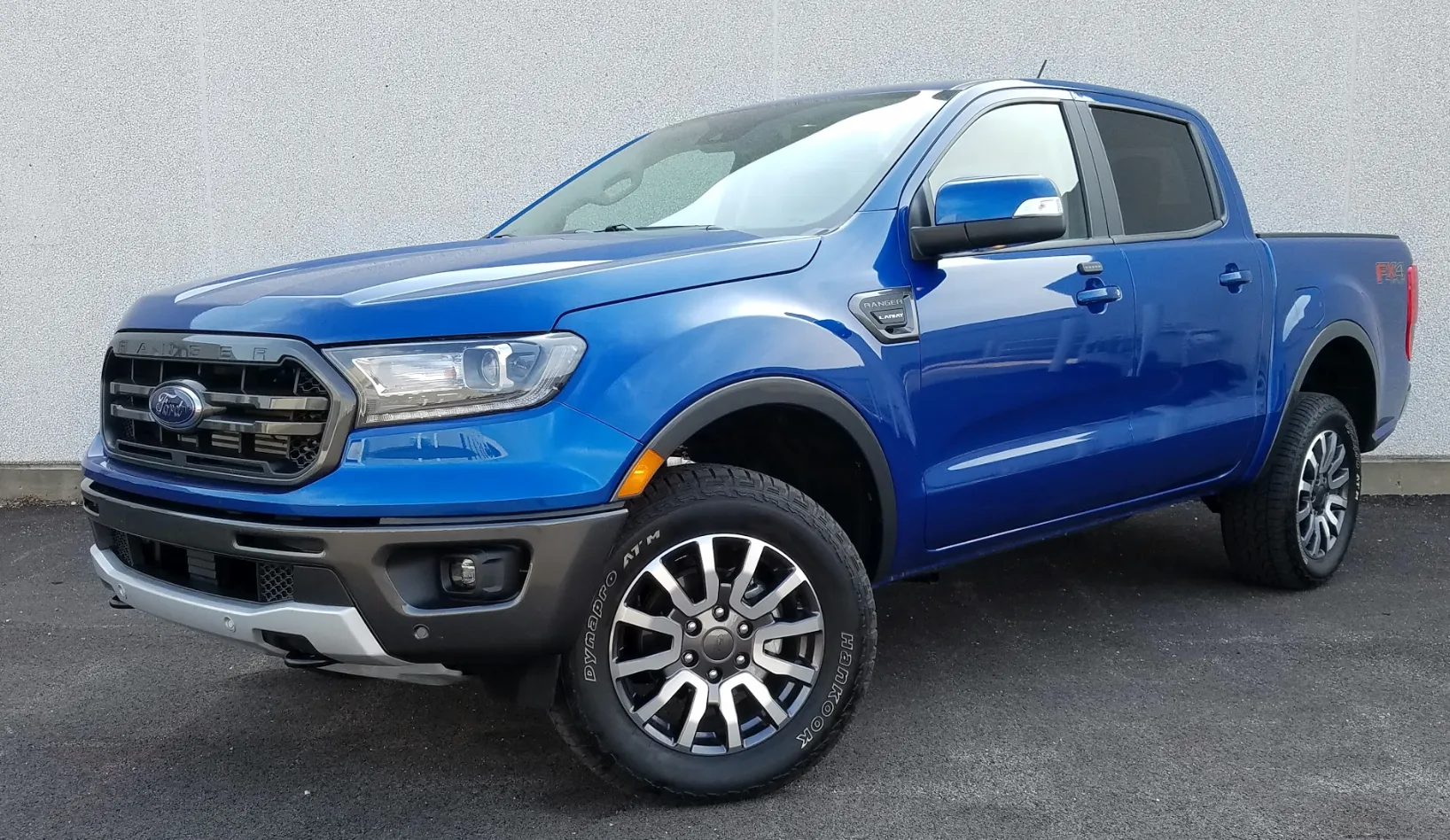
4. Ford Ranger Lariat (2019-2023)
Ford’s return to the mid-size truck market generated excitement, but the used market hasn’t been kind to Ranger values. The problem isn’t quality or capability; the Ranger is a solid truck that does everything Ford promised. The issue is pricing relative to alternatives.
A used Ranger Lariat often costs nearly as much as a comparable F-150 XLT, and buyers overwhelmingly choose the larger truck. This comparison kills Ranger resale values, with depreciation curves steeper than Ford anticipated. A three-year-old Ranger might retain only 55% of its original value, which is poor performance for a Ford truck.
The Ranger’s capabilities are adequate for most buyers, with decent towing capacity and reasonable payload ratings. The interior is comfortable and well-appointed in Lariat trim, with features that match larger trucks. But the size limitations become apparent when buyers compare bed lengths and cabin space to F-150 alternatives.
The Ranger’s fuel economy advantage over larger trucks is minimal with modern engines, removing what should be a major selling point. Without clear advantages over full-size alternatives, the Ranger struggles to justify its pricing in the used market. Buyers keep choosing F-150 trucks instead, leaving Rangers on lots longer.
The used market reality frustrates Ranger owners trying to sell. These trucks take time to move, requiring competitive pricing to attract buyers. Dealers offer trade-in values that disappoint because they know Rangers are harder to sell than F-150s. Private sellers get fewer inquiries and lower offers than expected.
The fundamental problem is that Ford’s own F-150 line cannibalizes Ranger sales in the used market, where size matters more than price for most buyers. The Ranger deserves better based on quality, but market forces push values down regardless of how good the truck actually is.
Also Read: 5 Jeep Trucks That Refuse to Quit vs 5 That Constantly Fail
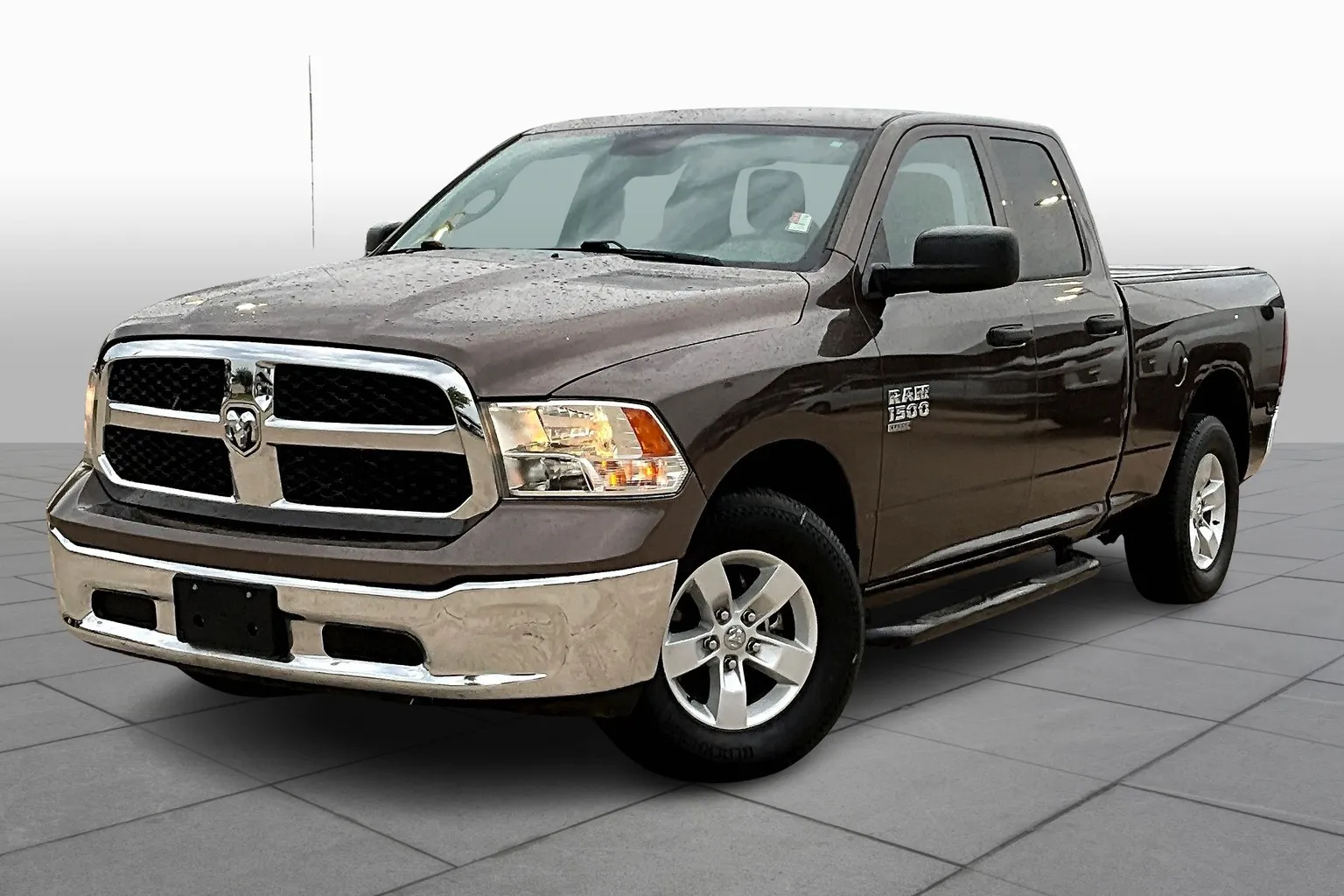
5. Ram 1500 Classic Tradesman (2019-2023)
When Ram redesigned their 1500 line, they kept producing the previous generation as the “Classic” model at lower price points. This decision created a budget truck that serves fleet buyers well but struggles in the used market. The Classic designation tells buyers this is yesterday’s technology being sold cheaply, which crushes resale values.
A two-year-old Ram 1500 Classic might sell for only 50% of its original price, which is terrible retention. The truck works fine for basic transportation and light duty, but the market judges it harshly for being outdated, even when relatively new.
The Classic uses the previous generation’s interior, which feels dated compared to current trucks. The materials are adequate but not impressive, and the technology lags behind modern standards. Ram equipped these trucks with proven engines and drivetrains, so reliability isn’t the issue.
The problem is perception: buyers see “Classic” and think “old,” even though the truck is functionally sound. This perception problem means Classic trucks sit on used lots while newer Ram 1500 models move quickly. Dealers price them aggressively just to move inventory, and private sellers struggle to get fair offers.
The market has decided that Ram 1500 Classic trucks are worth substantially less than equivalent trucks from other manufacturers. This judgment might seem harsh, given that the trucks work perfectly well, but used buyers have many options, and they choose based on perceived value.
The Classic’s budget positioning when new follows it into the used market, where buyers avoid vehicles that feel compromised or outdated.
Sellers discover that even low mileage and perfect condition don’t overcome the stigma of being yesterday’s design sold as today’s budget option. The Classic serves as a reminder that market positioning matters as much as actual quality when it comes to resale values.
The difference between trucks that hold value and those that don’t often comes down to factors beyond simple quality or capability.
Buyers pay top dollar for trucks with strong reputations, proven reliability, and clear positioning in the market. They avoid trucks that seem confused about their purpose, that use outdated platforms, or that compete poorly against alternatives at similar price points.
Understanding these market forces helps you whether you’re buying or selling, letting you make informed decisions that protect your investment. The trucks that command top dollar earn that position through excellence and reputation, while those that struggle often have fatal flaws in how they’re positioned or perceived, regardless of how well they actually work.
