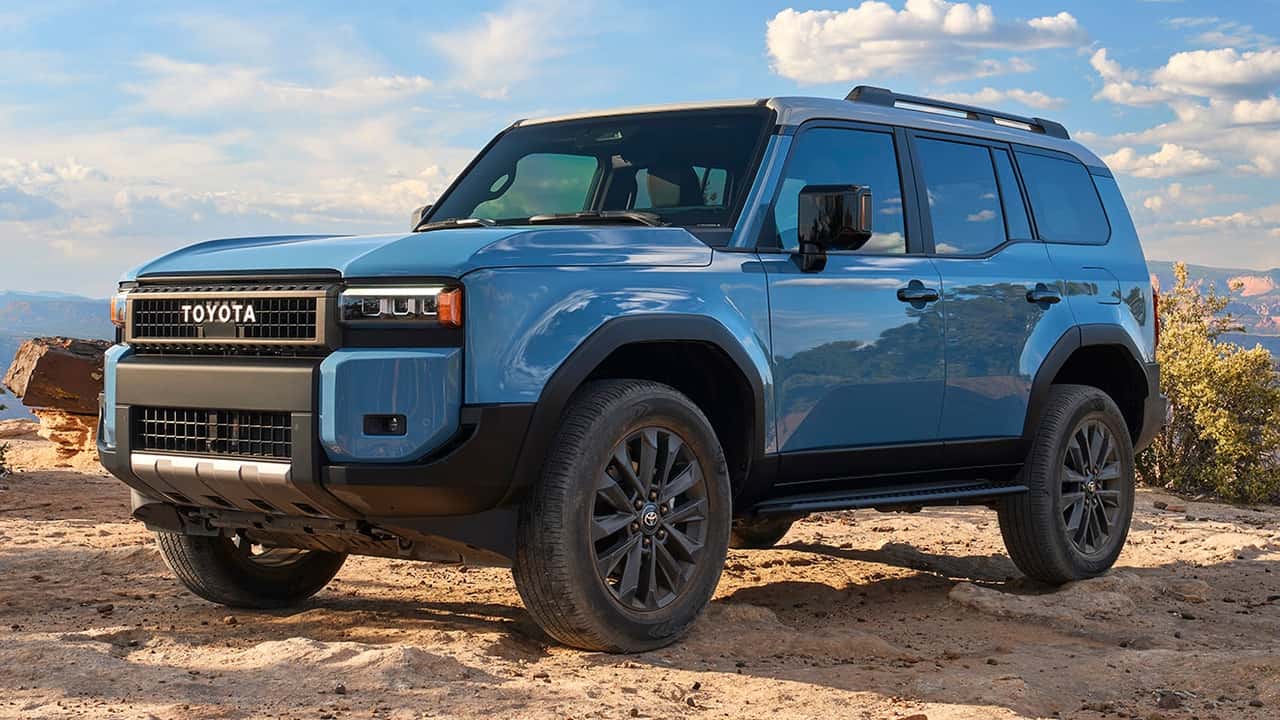
Some SUVs are built to last not just in years but in value. While many vehicles lose their worth quickly, a select few continue to command top dollar even 15 years after their release. These SUVs combine proven reliability, durable construction, and timeless appeal that keep them desirable long after their debut.
Rugged off-road models like the Toyota 4Runner and Land Cruiser deliver unmatched durability and performance, while luxury SUVs such as the Lexus GX and LX offer refinement alongside long-term dependability.
Family-friendly options like the Toyota Highlander and Honda CR-V are also highly valued for their longevity, low maintenance costs, and practical design.
Whether for daily driving or heavy-duty use, these vehicles show that thoughtful engineering pays off. This list highlights eight SUVs that have earned reputations not only as dependable vehicles but also as smart investments that retain their value exceptionally well over time.
1. Toyota 4Runner: Rugged Reliability and Lasting Value
The Toyota 4Runner has long been celebrated for its “bulletproof” reliability, robust construction, and off-road capability, making it a favorite in the midsize SUV segment.
The fifth-generation model (2010–2024) is particularly sought after on the used market due to its combination of durability, strong resale value, and everyday usability. Its reputation as a dependable, long-lasting SUV makes it a sound investment for buyers seeking a vehicle that retains value over time.
A key factor behind the 4Runner’s enduring popularity is its proven reliability. Owners report that, with proper maintenance, the SUV can reach high mileage without major issues.
Its traditional body-on-frame construction distinguishes it from modern unibody SUVs, providing superior strength for off-road adventures, towing, and heavy-duty use. Toyota’s commitment to high-quality components and engineering further ensures long-term dependability.
The 4Runner delivers adequate performance for daily driving with its gas powertrain, achieving 0–60 mph in 8.2 seconds. While slower than hybrid alternatives, it performs competently on highways and city streets. However, ride quality and handling are less refined; body roll is noticeable, rear suspension feels busy, and steering requires more effort than expected.
Despite these shortcomings, the SUV offers more comfort than rivals like the Ford Bronco and Jeep Wrangler. Safety features are strong, with adaptive cruise control, lane-keeping assistance, and blind-spot monitoring included across all trims.
The front seats are comfortable, but rear passengers face limited legroom and headroom. Rear doors are small, making child-seat installation challenging. Cabin isolation is decent, though engine noise can be intrusive at higher power levels.
Climate controls are user-friendly, and the SUV heats and cools quickly. Technology includes an 8-inch or optional 14-inch touchscreen, wireless Android Auto and Apple CarPlay, multiple USB ports, and an optional wireless charger. Toyota’s navigation system works well, but requires a paid data plan for extended use.
Cargo space behind the rear seats is 48.4 cubic feet, with a manageable load-in height. With the optional third row, space drops to just 12.1 cubic feet. Interior storage includes door pockets, a glovebox shelf, and a center console bin. Towing capacity is a strong 6,000 pounds, above average for the class.
Gas-only 4Runners achieve 21–22 mpg combined, while the hybrid offers 23 mpg. Pricing varies widely by trim, from affordable base models to top-tier TRD Pro and Limited trims exceeding $60,000. Build quality is solid, with minimal interior rattles even under off-road conditions.
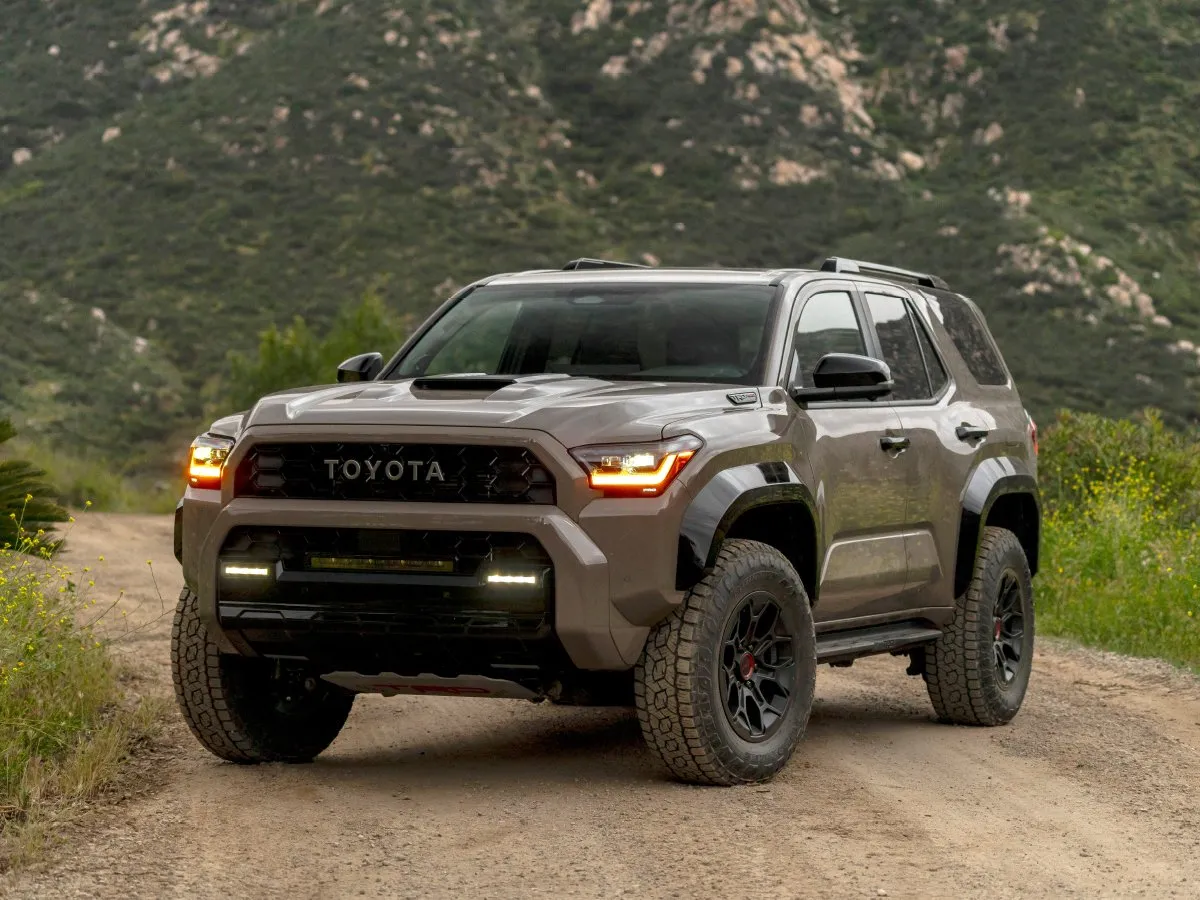
The 4Runner shines off-road, where its rugged design and capable drivetrain excel. Its styling remains muscular, with iconic touches like the “TOYOTA” grille lettering on off-road trims, reinforcing its status as a durable, adventure-ready SUV.
2. Toyota Land Cruiser: Legendary Durability and Timeless Appeal
The Toyota Land Cruiser is an icon of off-road capability and long-term reliability. Though not a top seller by volume, its reputation for “bulletproof” durability and legendary off-road performance ensures it retains value exceptionally well on the used market. Many Land Cruisers have been known to surpass 250,000 miles, and older models are highly sought-after by collectors and overlanding enthusiasts alike.
The Land Cruiser’s value is rooted in its over-engineered construction. Built with heavy-duty components and a body-on-frame design, it is engineered for decades of service, even in harsh conditions.
Its track record of enduring high mileage gives buyers confidence in used models, often making them willing to pay a premium. This perception of low maintenance and long-lasting performance further enhances its market value.
For generations, the Land Cruiser has been designed as a go-anywhere SUV capable of tackling the toughest terrain. Features like full-time 4WD, locking differentials, and multi-terrain select systems allow it to handle nearly any condition. While many owners may never take their Land Cruiser off-road, its heritage and proven capability remain central to its prestige and desirability.
Long-term ownership is common, with many Land Cruisers kept for over 11 years, reducing the availability of used models. This scarcity, combined with a passionate community of collectors and overlanders, drives demand and maintains high resale values. Certain older series, such as the 60, 80, and 100, are considered classics and can command prices rivaling supercars when low-mileage examples are available.
The Land Cruiser accelerates from 0–60 mph in 8.2 seconds, which is adequate but not sporty. Steering feels heavy, and braking can cause a noticeable nosedive. On-road handling is more composed than vehicles like the Ford Bronco or Jeep Wrangler, though it is less nimble than other luxury SUVs.
Off-road capability is strong, though additional ground clearance and aggressive tires would benefit serious trail enthusiasts. Standard safety features include adaptive cruise control, lane-keeping assistance, and Proactive Driving Assist.
The front and second-row seats are supportive, though rear legroom is limited for taller passengers. The cabin is well-insulated from noise, and controls are logically placed.
Technology includes a user-friendly touchscreen with wireless Android Auto and Apple CarPlay, multiple USB ports, and a household-style plug. Cargo space is 37.5 cubic feet, but a high cargo floor limits practicality, and smaller storage areas restrict convenience for larger items.
While the Land Cruiser is expensive, it combines luxury, durability, and legendary off-road capability. The hybrid powertrain provides an EPA-estimated 23 mpg combined, requiring premium fuel.
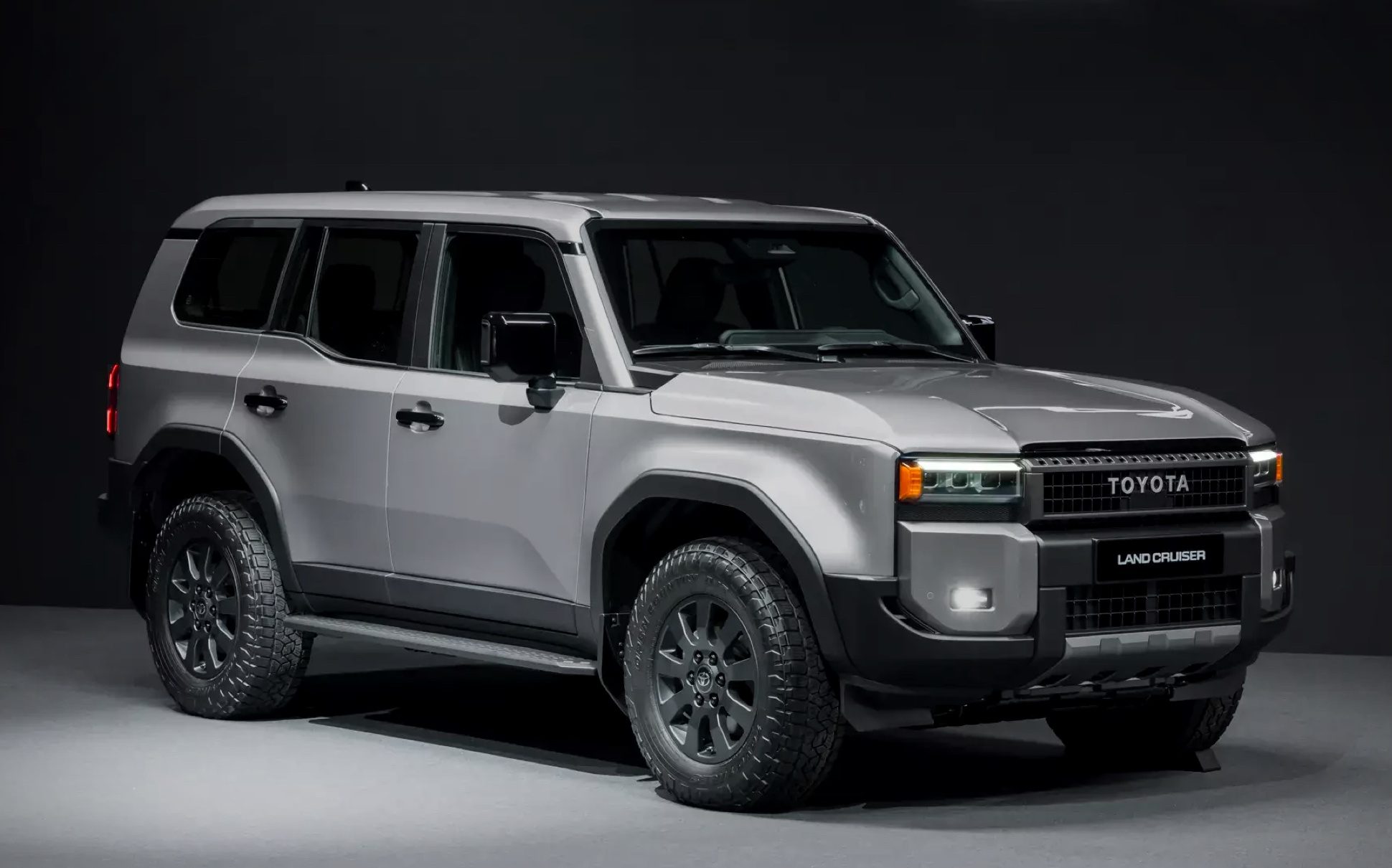
Its timeless styling, rugged charm, and iconic heritage make it a standout SUV for those valuing capability and prestige over sheer practicality. Once on challenging terrain, the Land Cruiser truly comes alive, demonstrating why it remains a legendary choice.
3. Jeep Wrangler: Iconic Off-Roader with Strong Resale Value
The Jeep Wrangler is a legendary SUV, celebrated for its rugged off-road capability, iconic design, and devoted fanbase. While it may not be the highest seller in terms of initial dollar volume, its low depreciation and enduring appeal make it a “resale darling” on the used market. Its distinctive open-air design and adventurous spirit ensure consistent demand across all generations.
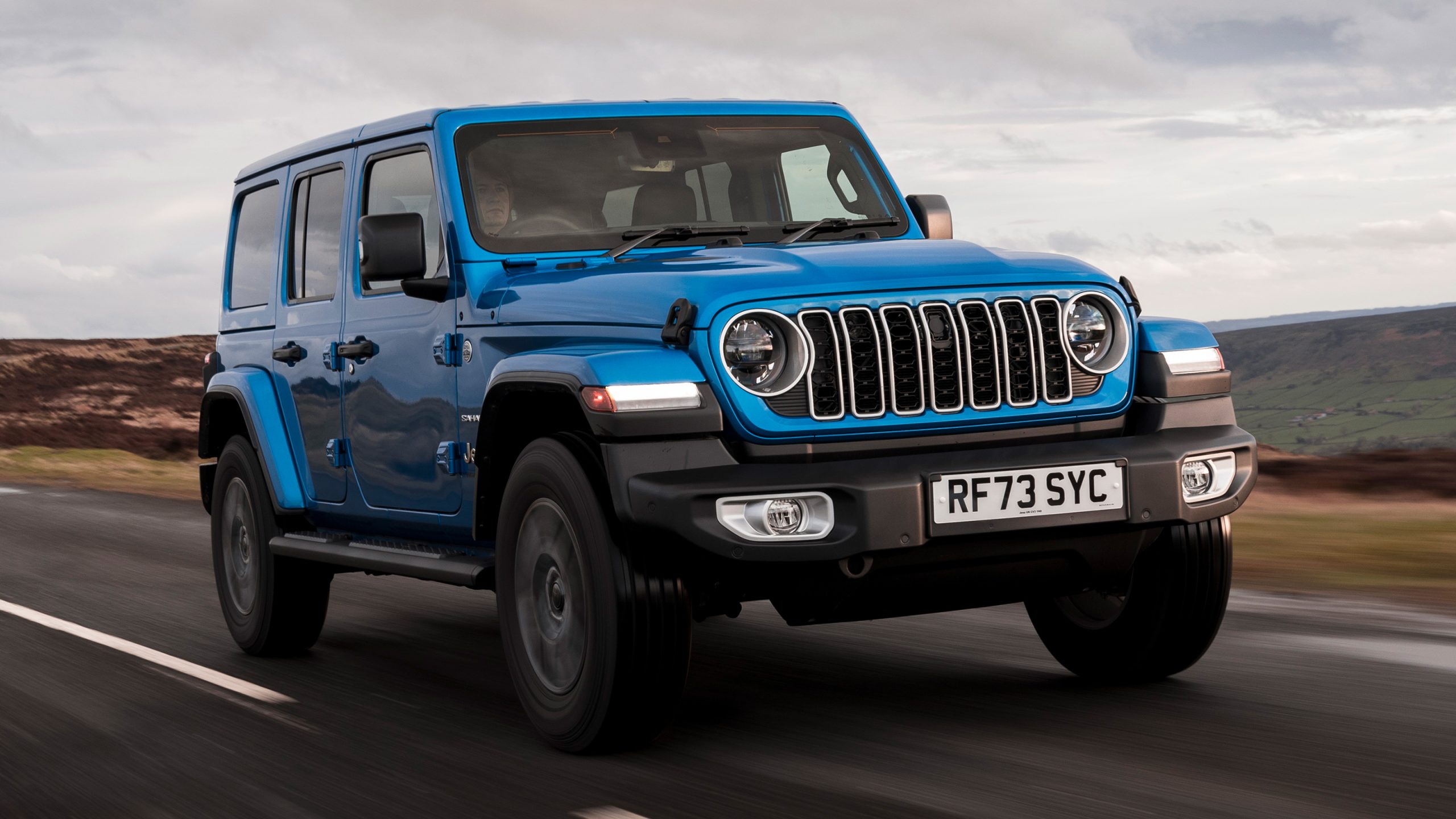
The Wrangler maintains value exceptionally well due to minimal depreciation. With a five-year depreciation rate of around 34%, it outperforms most vehicles in retaining worth. Its timeless, military-inspired design, including the classic seven-slot grille and round headlights, keeps older models visually relevant.
Legendary off-road capability, body-on-frame construction, high ground clearance, and solid axles reinforce its durability and reliability, making it a trusted choice for both buyers and enthusiasts.
Jeep offers vast aftermarket support, allowing owners to personalize Wranglers with lift kits, performance enhancements, and aesthetic modifications. This “modder-friendly” nature adds to its appeal in niche markets.
The Wrangler also benefits from a passionate community of enthusiasts, from casual owners to overlanders, who maintain a high interest in both new and used models. This combination of loyalty and customization keeps resale values high and strengthens the vehicle’s cultural significance.
Off-road performance is where the Wrangler truly shines. The Rubicon trim and optional Xtreme off-road packages allow it to tackle rock trails, sand dunes, and extreme terrain with confidence. On-road driving, however, is less refined: steering can feel vague, acceleration is modest, and braking distances are long.
The suspension absorbs bumps effectively, but the ride is firm. Jeep offers basic and advanced driver aids, including blind-spot monitoring and adaptive cruise control, but many features are optional depending on the trim.
The Wrangler’s cabin prioritizes rugged utility over luxury. Front seats are firm, and long drives can be tiring due to wind and tire noise. The upright seating position and grab handles help entry, but rear space is tight, particularly for taller passengers.
Technology is user-friendly, with a responsive touchscreen, wireless CarPlay and Android Auto, and off-road apps for trail navigation. Storage is limited, though the boxy shape maximizes usable cargo space, and towing capacity reaches up to 5,000 pounds.
The Wrangler offers a wide price range, from basic Sport trims to loaded Rubicon 392 models, allowing buyers to find options that fit their budgets. EPA-estimated fuel economy ranges from 17–21 mpg, depending on the engine and trim, which is comparable to other off-road SUVs.
Its enduring design, off-road capability, and active community make it a unique SUV that few competitors, such as the Ford Bronco or Mercedes-Benz G-Class, can match. For those seeking adventure, customization, and a distinctive driving experience, the Wrangler remains unmatched.
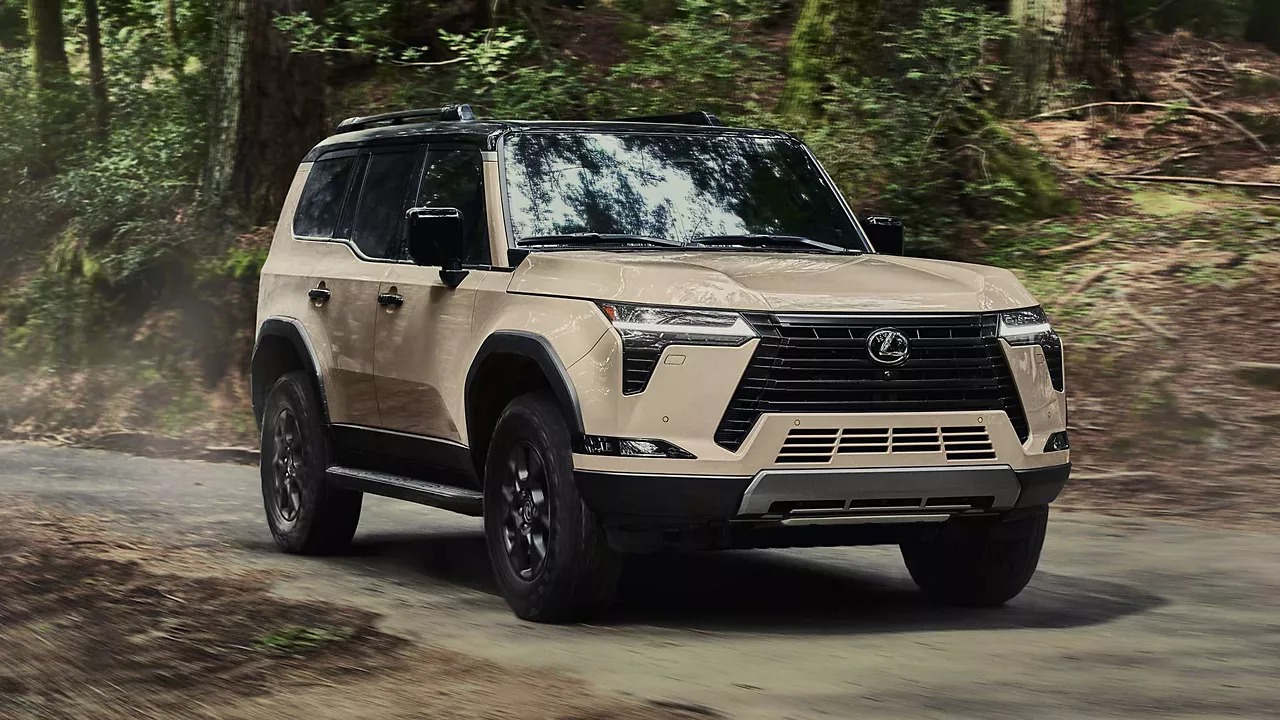
4. Lexus GX: Luxury Meets Rugged Reliability
The Lexus GX blends luxury, dependability, and off-road capability, making it a standout in the midsize luxury SUV segment. Built on a body-on-frame platform shared with the Toyota 4Runner, the GX is prized for its durability, robust V8 powertrain, and long-term value retention.
This combination of refinement, ruggedness, and strong resale makes it a smart choice for buyers seeking a luxury SUV that can endure daily driving and challenging terrain alike.
The GX inherits Toyota’s reputation for reliability and longevity, featuring solid body-on-frame construction and durable components. Its second-generation V8 engine (2010–2023) delivers smooth, long-lasting performance, with many owners reporting high-mileage vehicles that still drive like new. This durability enhances the GX’s resale value, as buyers have confidence in its low long-term maintenance costs.
Unlike most luxury SUVs, the GX maintains serious off-road capability. Standard four-wheel drive, low-range gearing, and available features like a locking rear differential give it superior handling in rugged conditions. Off-road-focused trims, such as the Overtrail, enhance capability further, allowing the GX to tackle trails that most luxury competitors cannot.
The GX’s turbocharged V6 paired with a 10-speed automatic transmission accelerates from 0–60 mph in 6.7 seconds, offering ample power for highway merging and overtaking. While handling shows noticeable body roll and is less agile on paved roads, the SUV provides a smooth and controlled ride both on- and off-road.
Driver-assistance features are plentiful, though some, like the hands-free driving system, have limitations and can be intrusive at times. Surround-view and off-road cameras improve visibility in challenging conditions.
The cabin is quiet and well-insulated, with supportive first- and second-row seats. The third row is cramped, making the GX best suited for five passengers on longer journeys. Controls are intuitive, combining physical buttons with touchscreen functionality.
The 14-inch touchscreen is responsive and crisp, though navigation requires a subscription after the trial period. Multiple USB-C ports and a wireless charging pad enhance in-cabin convenience.
Cargo capacity varies with seating configuration: three-row models offer 10.3 cubic feet behind the third row, expanding to 40.2 cubic feet with the row folded, and up to 76.9 cubic feet with the second row down. Two-row Overtrail trims provide more practical storage. The GX also excels in towing, with a capacity exceeding 9,000 pounds, outperforming many competitors in its class.
The GX offers a luxurious off-road experience with solid build quality, though pricing can be steep for higher trims. Fuel economy is modest at 17 mpg combined, comparable to other rugged luxury SUVs like the Mercedes-Benz G-Class.
Its combination of timeless styling, dependable performance, and capable off-road hardware makes the GX a highly desirable SUV for buyers seeking both luxury and adventure.
Also Read: 5 Cars That Rarely Have Electrical Issues vs 5 That Always Do
5. Toyota Sequoia: Durable, High-Value Full-Size SUV
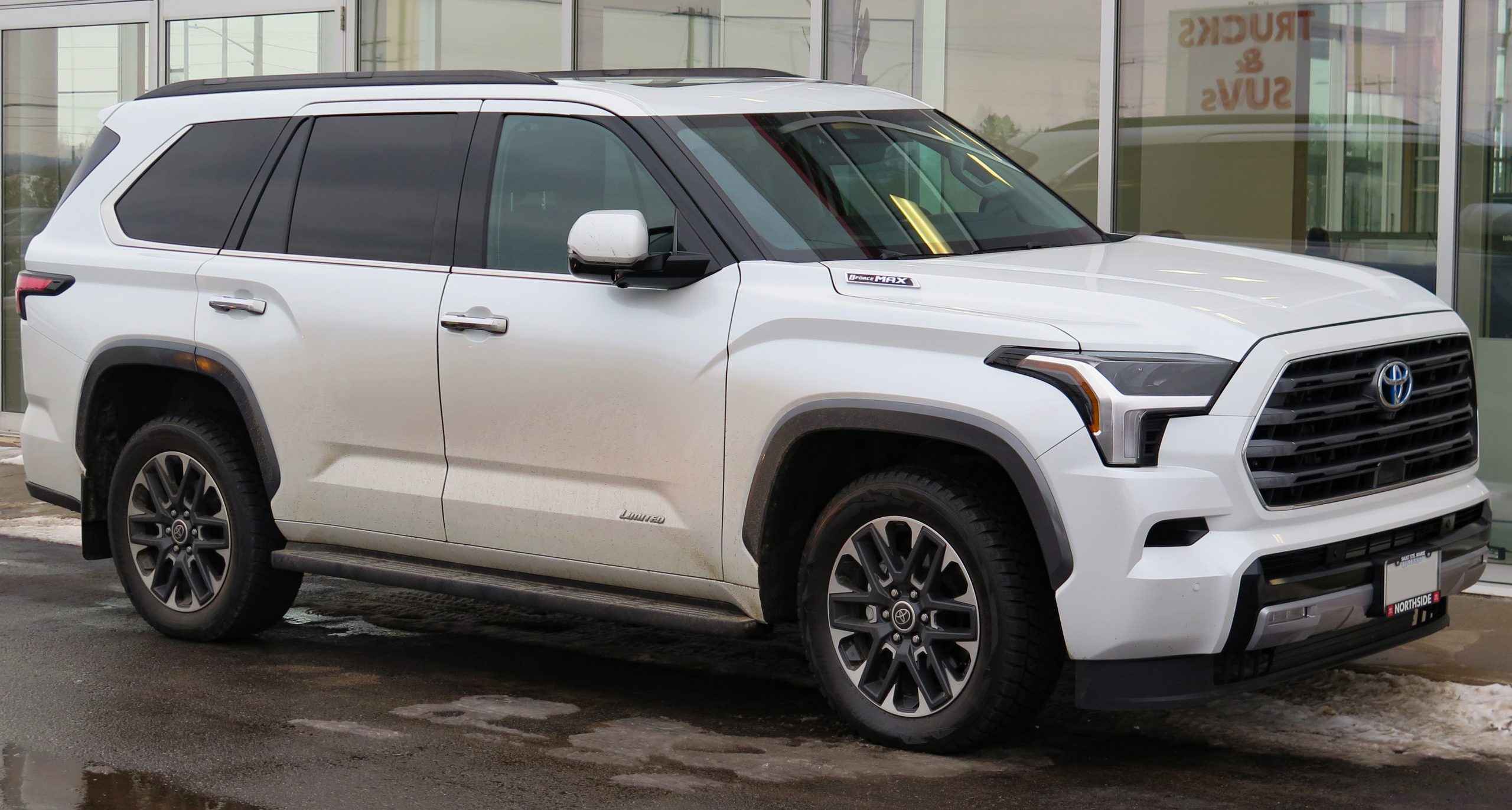
The Toyota Sequoia is a full-size SUV celebrated for its rugged durability, strong resale value, and long-term reliability. Built on the same body-on-frame platform as the Toyota Tundra pickup, the Sequoia combines truck-like sturdiness with family-friendly practicality. While it hasn’t always been a top-selling SUV, its reputation for longevity and off-road capability makes it a sought-after option on the used market.
The Sequoia’s body-on-frame construction and robust V8 engines (and more recently a turbo V6 hybrid) allow many examples to exceed 250,000 miles, with some surpassing 400,000 miles.
Its proven reliability and low maintenance needs contribute to high resale value, making it a dependable long-term investment. Toyota’s meticulous engineering ensures the Sequoia remains mechanically sound even after years of heavy use.
Equipped with a turbocharged V6 hybrid or a traditional V8, the Sequoia delivers impressive performance for a full-size SUV. Our TRD Pro test vehicle achieved 0–60 mph in just six seconds, a standout figure in its class.
Its solid rear-axle suspension is excellent for towing and off-road conditions, but can result in a slightly bumpier ride on paved roads. Visibility is aided by surround-view cameras, and Toyota’s Safety Sense suite provides reliable adaptive cruise control and lane-keeping assistance. The Sequoia’s towing capacity reaches up to 9,520 pounds, allowing it to handle boats, trailers, and campers with ease.
The Sequoia is spacious and practical for families, with seating for up to eight passengers and features like sliding second-row seats and power-folding third-row seats.
Front seats are supportive with heating and ventilation, but rear seats sit closer to the floor, creating a knees-in-the-air position for taller passengers. Cabin noise is noticeable at higher speeds, and ventilation fans can be loud, but step rails and large door openings make entry easy.
Technology includes a 14-inch central touchscreen, wireless phone charging, five USB ports, and a household-style power outlet. Apple CarPlay and navigation function well, though occasional connectivity issues may occur. Cargo space behind the third row is 22.3 cubic feet, expanding to 76.9 cubic feet with the second row folded. The hybrid battery limits a fully flat cargo floor, slightly reducing practicality.
The Sequoia’s value lies in its durability, towing capability, and off-road competence rather than luxury or interior refinement. Fuel economy is modest at 20 mpg combined but impressive for a hybrid full-size SUV.
The turbo V6 hybrid provides strong acceleration, accompanied by a satisfying engine note. Muscular styling, a capable drivetrain, and Toyota’s reputation for reliability make the Sequoia a compelling choice for buyers seeking a rugged, long-lasting SUV.
6. Lexus LX: Luxury and Durability on a Proven Platform
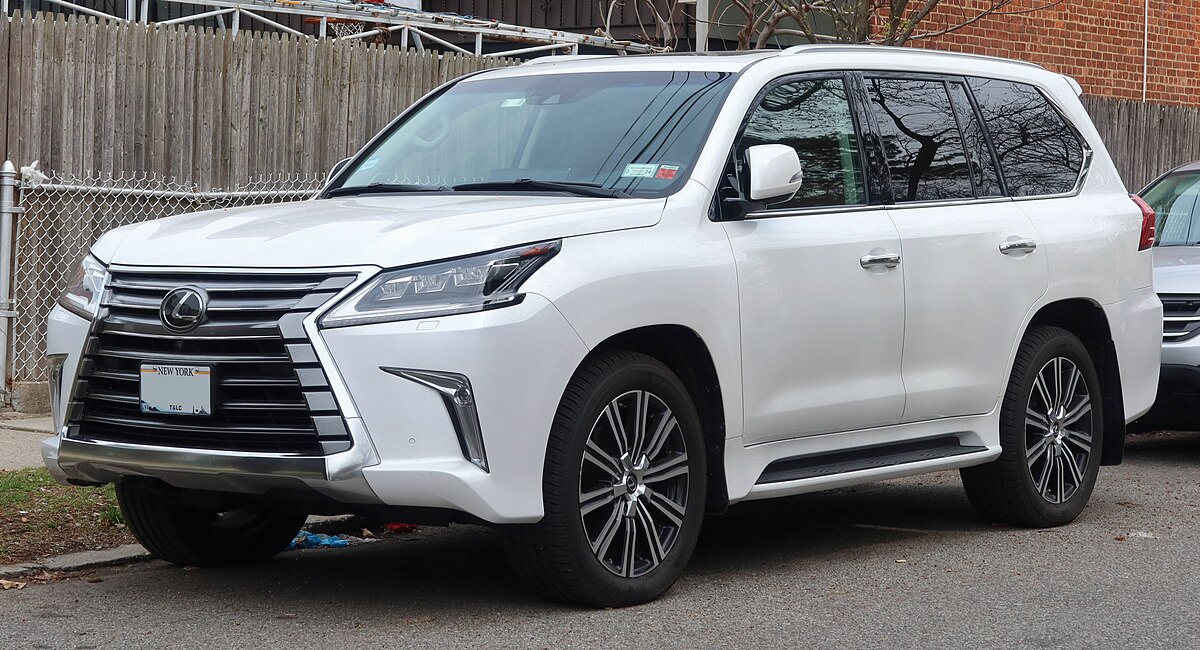
The Lexus LX is the luxury counterpart to the Toyota Land Cruiser, combining Toyota’s renowned reliability with Lexus-level craftsmanship and high-end features.
Built on a proven body-on-frame platform with robust V8 engines, the LX delivers exceptional long-term durability, strong resale value, and a refined, technologically advanced interior. Its high price tag reflects its luxury status, but for buyers seeking a dependable, opulent SUV, the LX remains a compelling choice.
The LX is celebrated for its indestructible naturally aspirated V8 engines and durable construction. With proper maintenance, these SUVs can accumulate hundreds of thousands of miles. Lexus’ meticulous engineering ensures that both the drivetrain and interior materials stand the test of time, contributing to the LX’s enduring desirability and high resale value.
Inside, the LX provides a quiet, opulent cabin with premium materials and thoughtful touches. Front seats are wide, supportive, and ideal for long drives, while the executive-style second-row seats in Ultra Luxury trims rival first-class airline comfort.
While two-row models offer generous space, third-row seating sacrifices versatility. High seats, step rails, and large center consoles can make entry and maneuvering slightly challenging for shorter passengers, but visibility remains excellent for all occupants.
Despite its luxury, the LX is a large, heavy SUV that can feel cumbersome on-road. The LX 600 features a turbocharged V6 and 10-speed automatic transmission, providing smooth acceleration.
Steering and braking feel disconnected due to its mass, and body roll is noticeable in corners. Handling is stable but uninspiring, especially over uneven surfaces. Off-road capability remains impressive, aided by crawl control, adjustable suspension, and a surround-view camera system.
The LX offers dual touchscreens, wireless smartphone integration, massaging seats, and abundant USB ports, though some features are limited to certain rows. Storage behind the second row reaches 46 cubic feet, with towing capacity rated at 8,000 pounds. Small-item storage is sufficient, and second-row LATCH points simplify car seat installation, though interior organization could be improved.
Fuel economy is modest, with an EPA estimate of 19 mpg combined (17 city/22 highway), and real-world tests average slightly lower. Warranty coverage is typical for the segment, with four years/50,000 miles for basic coverage and six years/70,000 miles for the powertrain, plus one year of free maintenance.
The LX’s high starting price may deter some buyers, but its combination of luxury, reliability, and off-road capability justifies the premium for those seeking a dependable high-end SUV.
The Lexus LX stands out for blending luxury with legendary Toyota reliability. Its plush cabin, premium features, and proven platform make it a top-tier choice for buyers who want both opulence and enduring durability in a full-size SUV.
7. Toyota Highlander: Reliable, Family-Friendly Midsize SUV
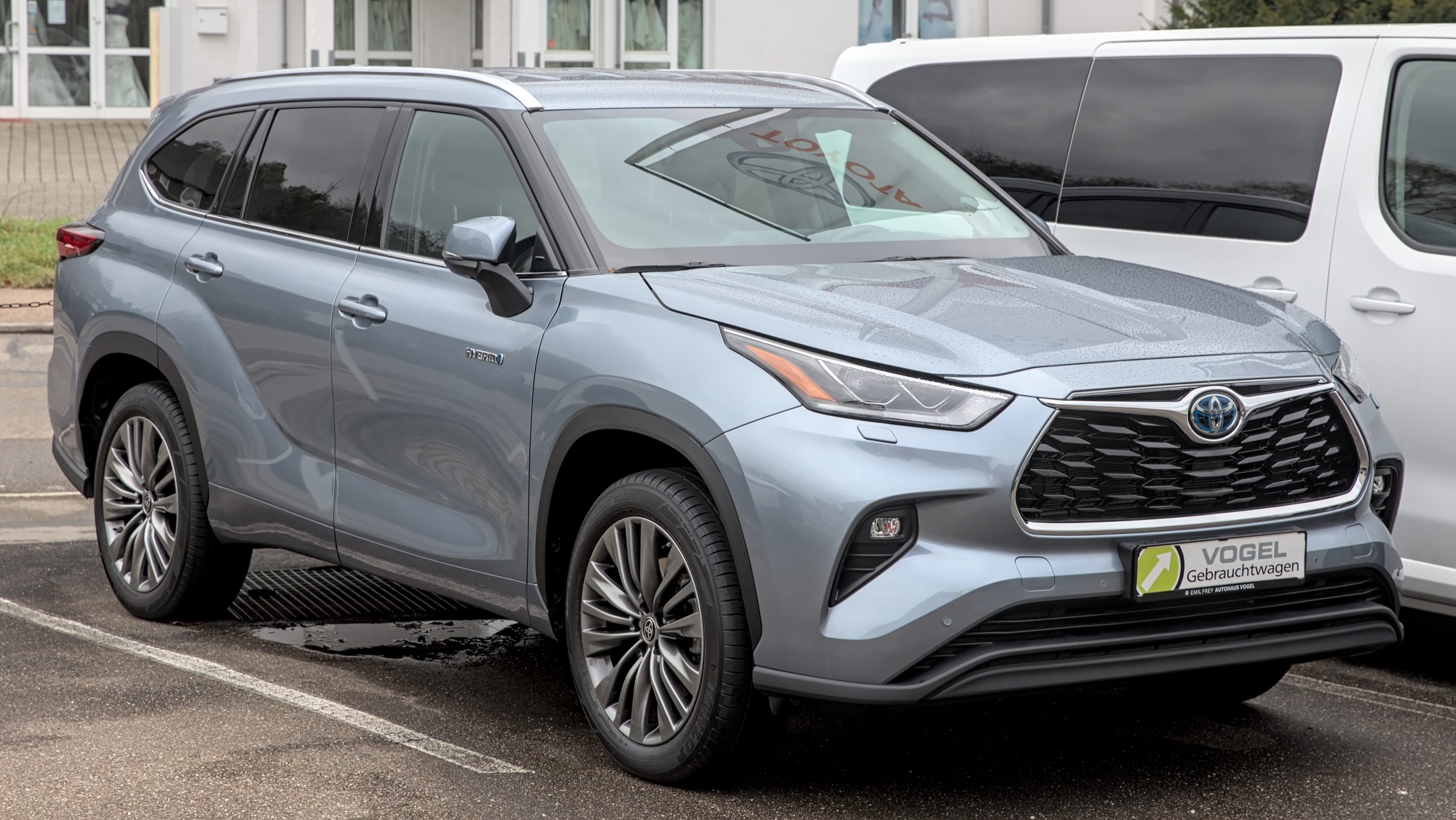
The Toyota Highlander is a midsize SUV that combines reliability, comfort, and practicality, making it a strong contender for families and long-term owners. With a reputation for longevity and high owner retention, the Highlander maintains excellent resale value and low long-term ownership costs. Its balance of space, safety, and versatility has kept it a top choice among midsize SUV buyers.
Built on a unibody car platform, the Highlander offers refined handling while retaining Toyota’s trademark reliability. Owners consistently keep Highlanders for long periods, with studies showing the highest retention rates for vehicles kept 15 years or more.
Solid construction and durable components allow the Highlander to handle high mileage with minimal maintenance, contributing to its strong resale value and reputation as a dependable family vehicle.
The Highlander resists depreciation better than many competitors due to high demand, durable engineering, and Toyota’s established brand reputation. Lower-than-average maintenance costs and robust build quality translate to reduced long-term expenses for owners, enhancing its value in the used market.
The Highlander provides seating for up to eight passengers and a versatile interior. The optional second-row captain’s chairs enhance comfort and ease of access to the third row, though the rear-most seats are tight and best suited for children.
Cargo space is functional, with 16 cubic feet behind the third row and 48.4 cubic feet behind the second row. Foldable rear seats create a flat load surface, while in-cabin storage includes sizable door pockets, shelves, and cupholders.
The Highlander delivers a smooth, quiet ride with compliant suspension that absorbs bumps without feeling floaty. Its car-based platform allows more refined handling compared to truck-based SUVs.
Adaptive cruise control, torque-vectoring AWD, and a suite of Toyota Safety Sense features enhance driving confidence, while outward visibility and user-friendly controls make daily driving easy. Our test vehicle accelerated from 0–60 mph in 7.4 seconds, impressive for a four-cylinder AWD three-row SUV.
Highlanders feature an intuitive touchscreen interface (8-inch standard, 12.3-inch optional) with responsive controls, wireless Apple CarPlay and Android Auto, and multiple USB ports. While reflections can affect touchscreen usability, the tech setup supports both convenience and safety.
Fuel economy is competitive, with AWD four-cylinder models achieving 24 mpg combined, front-wheel-drive versions slightly higher, and the Highlander Hybrid reaching 36 mpg combined.
Coupled with low maintenance costs and Toyota’s reliability, this makes the Highlander an economical choice for families. Warranty coverage includes three years/36,000 miles for comprehensive coverage and five years/60,000 miles for the powertrain, along with two years of free scheduled maintenance.
The Highlander blends practicality, composure, and style. Its sporty exterior hints at capability, while its smooth ride, quiet cabin, and family-focused features make it a dependable midsize SUV for long-term ownership.
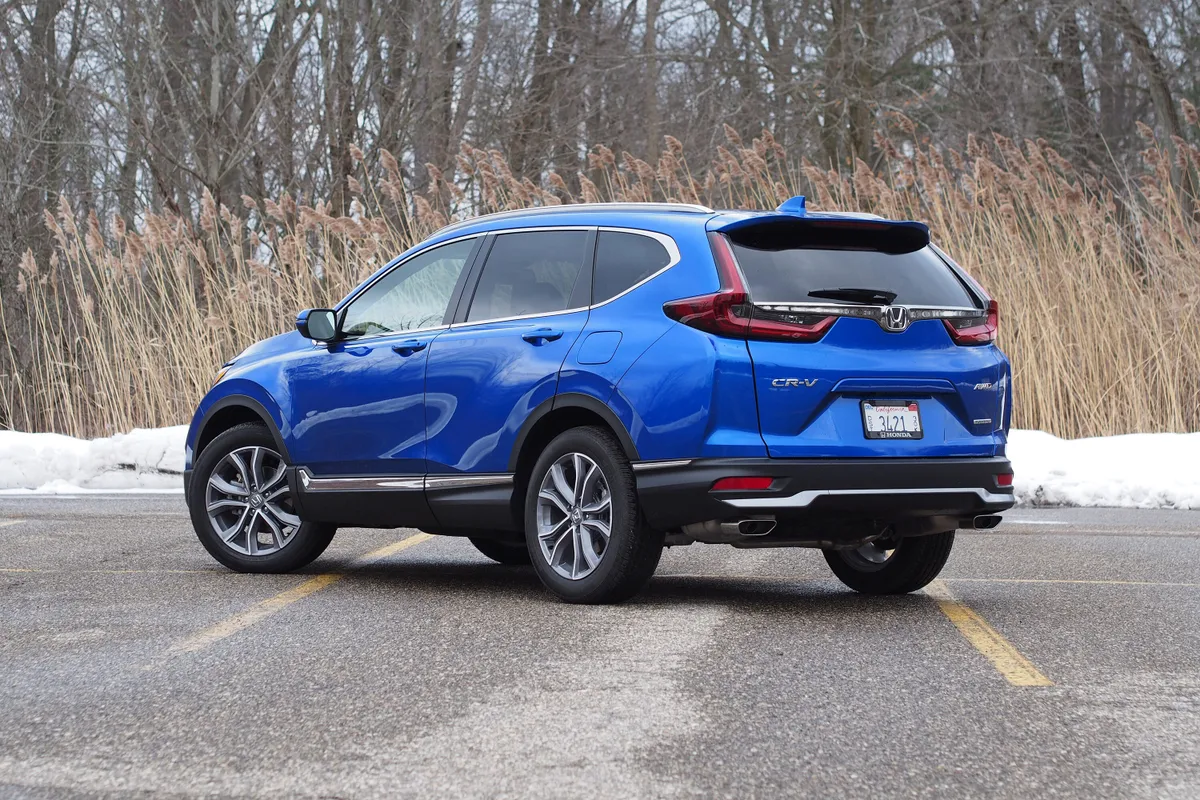
8. Honda CR-V: Dependable Compact SUV
The Honda CR-V has been a top seller for over 15 years, thanks to its blend of reliability, practicality, and fuel efficiency. Its reputation for low maintenance costs, durable construction, and strong resale value makes it a smart choice for new and used buyers alike. With a spacious interior, advanced safety features, and competitive performance, the CR-V continues to dominate the compact SUV segment.
Honda is known for building long-lasting vehicles, and the CR-V upholds that reputation. Its proven reliability and minimal maintenance requirements allow it to reach high mileage with ease. The CR-V holds value exceptionally well due to strong demand in the used market, making it a safe investment for drivers seeking a durable and dependable compact SUV.
The CR-V offers a well-thought-out cabin with ample room for passengers and cargo. Both rows provide generous legroom, and the seating height is comfortable for adults of all sizes.
Large door openings make it easy to enter and exit, and installing car seats is straightforward thanks to accessible LATCH anchors. The interior also includes well-placed storage compartments, cupholders, and an under-armrest bin, providing functional space for everyday items.
The CR-V delivers a smooth, composed ride for daily commuting and highway driving. Suspension tuning absorbs bumps effectively, while steering remains responsive and predictable. The hybrid Sport Touring model accelerates from 0–60 mph in 8.0 seconds, providing sufficient power for passing and merging.
Visibility is generally good, aided by large windows and parking cameras, though rearward sightlines are less ideal. Advanced driver assistance systems, including adaptive cruise control, lane departure warning, and automatic emergency braking, enhance safety and driving confidence.
Tech features are user-friendly and functional. A standard 9-inch touchscreen offers responsive controls, and wireless Apple CarPlay and Android Auto are included. Multiple USB ports and a wireless charging pad make it convenient to connect and charge devices. While the infotainment is not as large as some competitors’ systems, it remains practical for daily use.
The CR-V has impressive cargo space for a compact SUV. While the hybrid version sacrifices some volume, there is sufficient width and vertical height to accommodate bulky items. The rear seats fold flat to expand capacity, and interior storage pockets provide space for smaller belongings.
The CR-V delivers excellent fuel efficiency, with non-hybrid models reaching up to 30 mpg combined and hybrids achieving up to 40 mpg (37 mpg with AWD). Solid build quality, smooth ride, and strong reliability justify its competitive pricing. Warranty coverage is standard, with three years/36,000 miles bumper-to-bumper and five years/60,000 miles for the powertrain.
The CR-V balances practicality, comfort, and efficiency, making it a highly dependable compact SUV. While its styling is understated, the CR-V appeals to buyers seeking a reliable, functional, and efficient vehicle suitable for families and daily commuting.
Choosing an SUV that retains value for 15 years or more is rare, but these eight models show it is possible. Rugged vehicles such as the Toyota 4Runner and Land Cruiser, along with luxury options like the Lexus GX and LX, combine durability with lasting appeal.
Practical SUVs such as the Honda CR-V and Toyota Highlander demonstrate that reliability, low maintenance, and well-designed features make a difference in long-term value. These vehicles are more than transportation.
They are long-term investments that reward owners with strong resale prices, dependable performance, and lasting functionality.
From off-road capability to family-friendly versatility, each SUV demonstrates the advantages of solid engineering, quality materials, and a loyal following. Buyers who prioritize longevity and resale value can rely on these eight SUVs to remain desirable and valuable well into their second decade.
Also Read: 10 Cars With Dashboards That Refuse to Crack