

When most drivers think about buying a new car, longevity sits near the top of their wish list. After all, no one wants to pour thousands of dollars into a vehicle that starts falling apart after just a few years.
For American drivers, dependability isn’t just about saving on repair bills it’s about the freedom to take road trips, handle daily commutes, and still feel confident that the car will perform well after 200,000 miles.
Over the years, certain cars have built a reputation for lasting far beyond expectations.
These vehicles combine engineering excellence, smart maintenance requirements, and brand philosophies that prioritize endurance over flash. Here are ten cars that truly prove longevity is real.
1. Toyota Camry
The Toyota Camry is practically synonymous with long-term reliability. For decades, it has been one of America’s best-selling sedans, largely because of how well it ages. Owners routinely report surpassing 250,000 miles with little more than standard maintenance.
The Camry’s straightforward engineering, efficient yet dependable engines, and Toyota’s commitment to quality control make it a model of endurance.
Even older generations from the early 2000s are still common on US roads, which speaks volumes about Toyota’s approach to building cars meant to last a lifetime.
The 2022 Toyota Camry carries forward its well-known name, but its bold design and performance-focused variants make it stand apart from its predecessors. This generation arguably marks the Camry’s most engaging iteration yet.
The standard four-cylinder engine, while rather ordinary, delivers solid fuel efficiency and is well-suited for daily commuting.
For those prioritizing economy, the hybrid version provides exceptional mileage, though its acceleration remains modest. Stepping up to the 301-horsepower V-6 brings real vigor to the lineup, particularly in the sport-tuned Camry TRD, which proves genuinely fun to drive.

Although competitors such as the Honda Accord and Hyundai Sonata may offer greater refinement and overall satisfaction, the Camry boasts its own set of appealing traits, most notably its comprehensive suite of standard safety technologies and a hard-earned reputation for reliability built over decades.
For 2022, the Camry lineup’s changes are purely cosmetic. The Nightshade appearance package, featuring black exterior trim, wheels, and accents, can now be applied to hybrid variants.
Toyota also made minor updates to its paint palette: Edge White is newly available on non-TRD trims, while the Galactic Aqua color has been removed from the options list.
We’d go for the sportiest option, the TRD model. It comes exclusively with the 301-hp V-6 paired to an eight-speed automatic transmission. The TRD’s distinctive design includes a bold body kit with a subtle rear spoiler and dual exhaust tips.
Beyond its appearance, it features a sport-tuned suspension lowered by 0.6 inches, larger front brake rotors, and black 18-inch wheels available with either all-season or summer tires.
These enhancements make the TRD more enjoyable to drive than any other Camry trim, even if its cat-back exhaust note doesn’t quite match the drama suggested by its aggressive styling.
Also Read: 12 Hybrids That Don’t Struggle With Longevity
2. Honda Accord
Few sedans have the staying power of the Honda Accord. Known for its precise build quality and strong resale value, the Accord often feels just as solid at 150,000 miles as it did at 50,000.
Honda’s engines are among the most refined in the industry, with many four-cylinder and V6 models lasting two decades or more.
Its simple mechanical design, affordable parts, and tight manufacturing tolerances ensure minimal wear and tear. In a world where vehicles are increasingly complex, the Accord continues to prove that dependable simplicity still wins.
Offering three powertrain options, including a hybrid, the Accord expertly combines performance with efficiency. Its two gasoline-powered four-cylinder engines can be paired with either an engaging manual transmission or a smooth-shifting 10-speed automatic.
Agile handling has long been a hallmark of the Accord, and every trim benefits from its responsive chassis, light yet precise steering, and composed ride quality.
A suite of standard driver-assistance technologies, such as automated emergency braking, lane-keeping assist, and adaptive cruise control, further enhances its appeal.
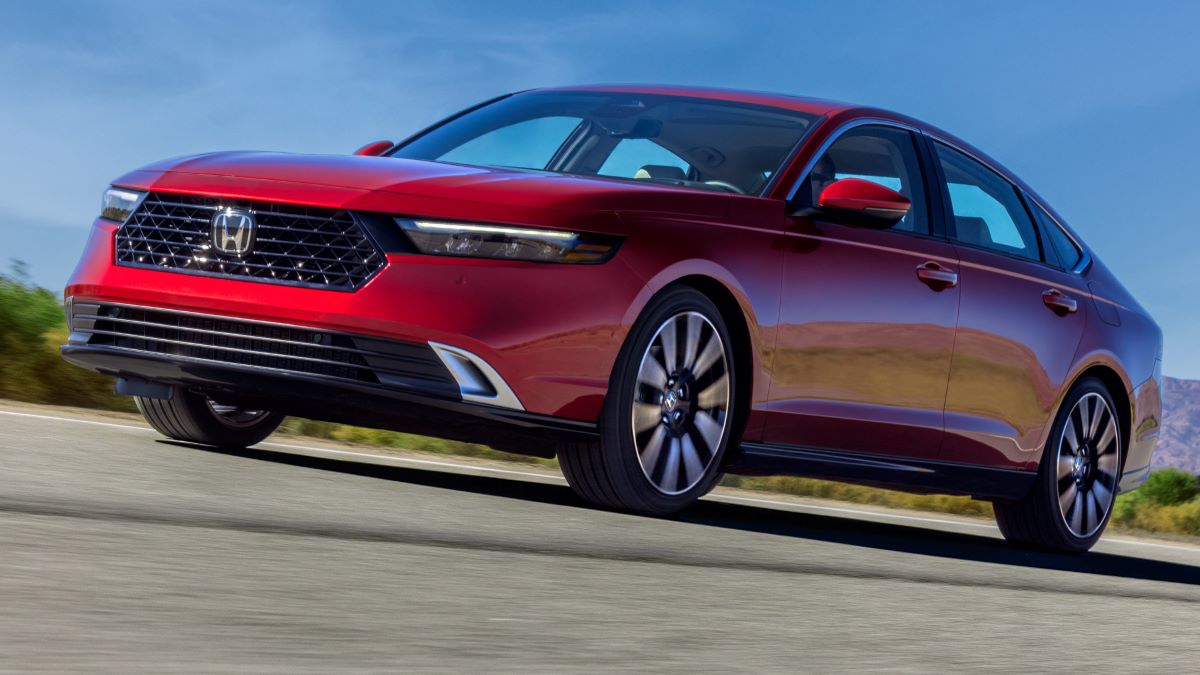
The 2020 Accord is not only the best-driving family sedan available but also one of the most comprehensively equipped, making it a clear choice for today’s discerning buyers.
Finding a family sedan that drives as well as the Accord, and still offers a six-speed manual transmission, is rare, which is why we recommend the Sport trim with the manual gearbox.
The stick shift is a delight to use, no matter which engine it’s paired with, and the Sport model adds several appealing upgrades.
These include 19-inch wheels, a 12-way power-adjustable driver’s seat, and an infotainment system featuring Apple CarPlay and Android Auto integration.
The base engine is a 192-horsepower turbocharged 1.5-liter four-cylinder, but our favorite is the more powerful 252-horsepower turbocharged 2.0-liter four-cylinder found in higher trims.
This engine can be paired with either the six-speed manual or the seamless 10-speed automatic transmission.
Both powertrains are refined and responsive, though the 2.0-liter variant delivers an exhilarating burst of acceleration, capable of spinning the front tires in first gear.
A hybrid model is also available, combining a four-cylinder engine with two electric motors for improved fuel efficiency.
The Accord’s chassis is expertly tuned, encouraging spirited driving through corners while maintaining impressive composure and minimal body roll.
The steering is light, as expected in this class, though a touch more feedback from the road would be welcome. Even so, the steering remains precise and predictable, making the Accord easy to place on the road.
Ride quality is firm yet comfortable, striking the perfect balance between a sporty character and everyday family-friendly usability.
3. Subaru Outback
The Subaru Outback is a staple in states like Colorado, Oregon, and Vermont places where weather and terrain test a car’s endurance.
Built with standard all-wheel drive and a boxer engine that distributes weight evenly, the Outback thrives under tough conditions.
Many older models from the mid-2000s remain loyal companions to their owners, especially when maintained with routine fluid changes and timing belt replacements.
The Outback’s practical design and long-lasting mechanical components make it a legend among those who live life off the beaten path.
Beloved by outdoor enthusiasts, the Subaru Outback offers far more than standard all-wheel drive and a sense of adventure.
It provides a composed, comfortable ride even over uneven pavement, and its spacious interior easily accommodates both passengers and cargo.

While some of its alerts can feel a bit overzealous, the inclusion of Subaru’s EyeSight safety features is a welcome highlight. Its rugged appeal is further enhanced by an available roof rack and seats covered in water-resistant upholstery.
The Outback’s exterior design has remained largely unchanged for more than a decade, so prospective buyers will need to be content with its familiar appearance. The base naturally aspirated engine lacks punch, and both available powertrains exhibit slightly rough idling.
We also wish Subaru had retained more physical controls instead of relying so heavily on the touchscreen interface.
Nevertheless, despite these minor drawbacks, the Outback is poised to remain one of our top recommendations in this segment heading into 2025.
The 2025 Outback lineup continues Subaru’s signature combination of flat-four engines, CVT transmissions, and standard all-wheel drive.
The entry-level powertrain is a 2.5-liter naturally aspirated boxer-four producing 182 horsepower and 176 lb-ft of torque.
Fuel efficiency should remain close to last year’s 26/32 mpg city/highway, giving this configuration the best mileage in the range.
For those seeking more performance, the available 2.4-liter turbocharged boxer-four delivers 260 horsepower and 270 lb-ft of torque.
Models equipped with this engine are expected to achieve nearly identical fuel economy to last year’s versions at 22/29 mpg, while the more rugged Wilderness trim returns 21/26 mpg.
4. Toyota Corolla
If one car defines automotive endurance, it’s the Toyota Corolla. With more than 50 million units sold worldwide, the Corolla has earned a reputation for being virtually indestructible.
Its powertrains rarely fail, and parts are abundant and inexpensive a perfect combination for long-term ownership. Many Corolla owners have documented their cars crossing the 300,000-mile mark with ease.
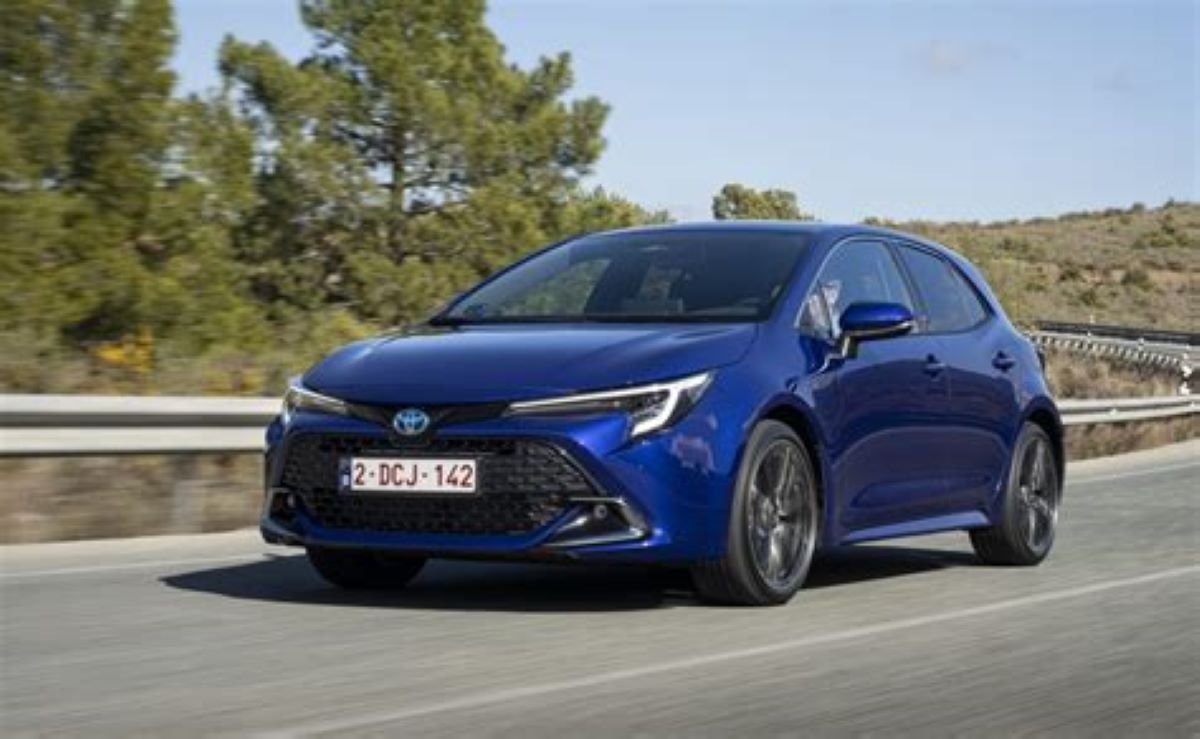
It might not be the flashiest vehicle on the road, but the Corolla’s consistency and low cost of ownership make it one of the most reliable daily drivers ever made.
5. Honda Civic
The Honda Civic has always been more than just a commuter car. It’s an engineering masterpiece of simplicity and durability.
Civics from the 1990s and early 2000s are still running strong, and newer models continue the tradition with bulletproof engines and transmissions.
The Civic’s design philosophy emphasizes long-term usability minimal strain on components, lightweight construction, and easily serviceable parts.
Whether driven in urban traffic or on long cross-country routes, Civics routinely reach 250,000 miles or more, proving that compact doesn’t have to mean short-lived.
It’s difficult to overstate just how much we admire the 2018 Honda Civic. With its turbocharged 1.5-liter four-cylinder engine, the Civic ranks among the best in its segment for delivering both brisk acceleration and outstanding fuel economy.
Inside, the cabin offers generous passenger space, clever storage compartments, and more cargo capacity than most rivals, regardless of body style. It also comes loaded with technology features that surpass many competitors and boasts top-tier safety ratings.
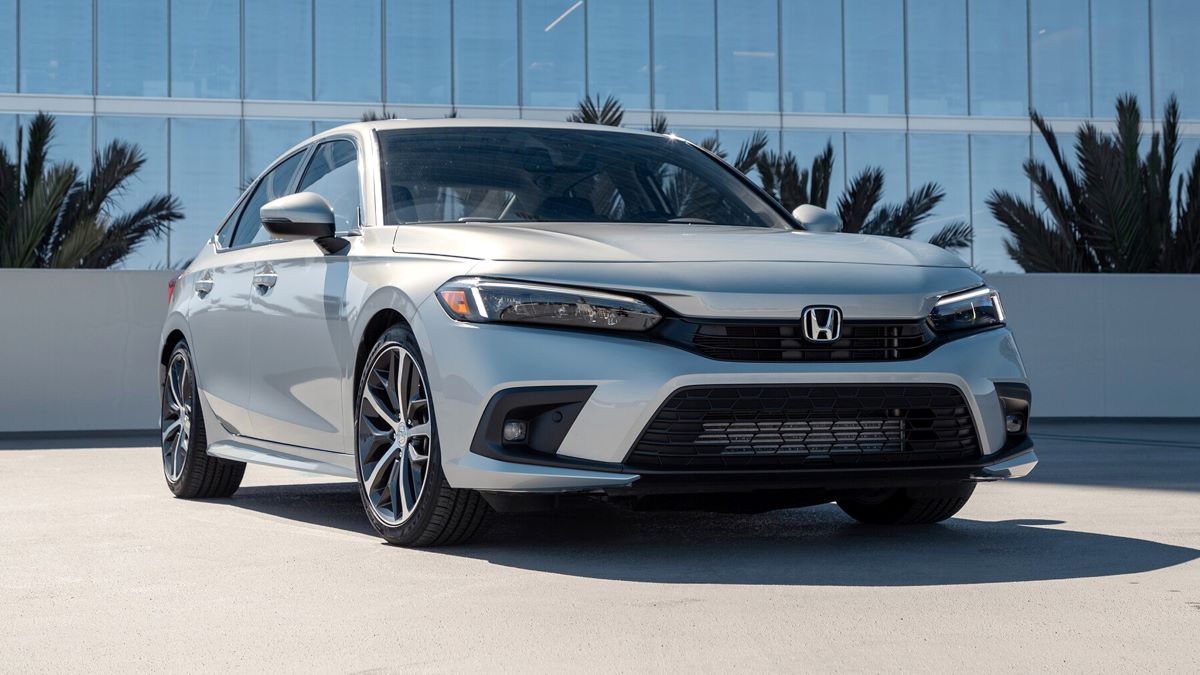
Available as a sedan, coupe, or hatchback, and with a range of powertrains, the Civic lineup has a version for nearly every type of driver, and each one excels in its own right.
There’s the sporty Civic Si or the track-ready, high-performance Civic Type R. Impressively, both maintain the everyday usability and refinement that make the standard models so appealing.
Still, the Civic isn’t without a few shortcomings. The infotainment system can be frustrating to use, and the available forward collision alert system sometimes reacts too aggressively.
Additionally, while cargo space is generous, the sedan’s trunk design and the hatchback’s sloping rear glass can make it difficult to fit taller or bulkier items.
That said, some rivals deserve a look. The Mazda 3 stands out for its engaging driving dynamics and upscale interior, while the Subaru Impreza offers standard all-wheel drive, and the Kia Forte delivers strong value.
Despite these alternatives, the Civic remains the best all-around choice thanks to its wide-ranging strengths.
6. Lexus LS
Luxury cars aren’t typically associated with longevity, but the Lexus LS breaks that stereotype. When Toyota launched Lexus, the LS was the flagship model meant to redefine luxury reliability.
Decades later, the LS remains one of the longest-lasting luxury sedans on the road. Its silky V8 engine, high-quality materials, and meticulous craftsmanship allow it to age gracefully.
Even after hundreds of thousands of miles, the interior feels solid, the ride remains quiet, and major mechanical failures are rare. The LS is living proof that comfort and durability can coexist beautifully.
Don’t let its sharp lines and striking design mislead you, the 2018 Lexus LS 500 remains every bit the traditional Lexus at heart.
With a complete redesign inside, out, and underneath, this flagship sedan reclaims its place among the elite, standing shoulder to shoulder with the latest luxury offerings from Audi, BMW, Mercedes-Benz, and Volvo.
Its plush ride quality and near-silent cabin deliver pure comfort, while state-of-the-art technology enhances safety and convenience. The LS 500 serves as a reminder that Europe doesn’t hold a monopoly on world-class luxury.

The new fifth-generation Lexus LS 500 is longer, lower, and wider than the outgoing LS 460, adopting a sleeker, coupe-inspired silhouette that gives it a more athletic presence, impressive for a sedan tipping the scales at over 5,000 pounds.
Its redesigned suspension provides a touch of sportiness to the handling, though this remains first and foremost a luxury car meant for gliding gracefully through curves, not charging into them.
Under the hood lies an all-new turbocharged V6 engine, producing more horsepower than the previous model and paired with a swift-shifting 10-speed automatic transmission.
The extended wheelbase, longer even than that of the former long-wheelbase LS, creates a spacious, opulent cabin designed to soothe executives and passengers alike.
Those opting for the available 28-way power-adjustable seats will find comfort tailored to perfection.
Even the base LS 500 arrives lavishly equipped, meeting the expectations of most buyers with ease. However, for those seeking an even more refined experience, Lexus offers a range of premium upgrades.
These include a height-adjustable suspension system for easier ingress and egress, an expanded suite of advanced driver-assistance features, and a top-tier sound system built to please the most discerning audiophiles.
7. Ford Crown Victoria
For years, the Ford Crown Victoria was the go-to car for police departments and taxi fleets across America and for good reason. Its body-on-frame construction, V8 engine, and simple drivetrain were nearly impossible to kill.
Many Crown Victorias surpassed 400,000 miles under grueling conditions. The combination of rugged reliability and low maintenance costs made it an urban workhorse.

Though it was discontinued in 2011, its legacy endures, with countless examples still serving as daily drivers or enthusiast projects. It’s one of the last truly old-school American sedans that could outlive almost anything.
If you recognize this car from the outside, you’ve likely watched your fair share of cop movies. If you’re familiar with it from the inside, chances are you’ve seen it from the back seat.
The Ford Crown Victoria stands as one of the most iconic police cars ever produced in the United States. At its peak, roughly 85% of all police vehicles across the U.S. and Canada were Crown Victorias.
Yet, beyond its law enforcement fame, the full-size sedan was also sold to the public and enjoyed respectable sales.
Sharing its platform with the Mercury Grand Marquis, the Crown Victoria came with fewer luxury touches but retained a comfortable, composed ride. Its rear-wheel-drive setup provided better balance and handling than most front-wheel-drive sedans of similar size.
From the outside, the Crown Victoria’s design was unmistakably traditional, with its broad headlights and chrome-accented grille.
Spotting one in your rearview mirror was nearly impossible to miss. The combination of a short front overhang and an extended trunk made the car appear even larger than its actual dimensions.
8. Toyota Land Cruiser
The Toyota Land Cruiser is legendary for surviving where few vehicles dare to go. From desert expeditions to mountain trails, it’s a global symbol of dependability.
American models, especially those from the 1990s and 2000s, are known to exceed 300,000 miles with regular maintenance. Its solid axles, heavy-duty frame, and overbuilt drivetrain make it nearly unstoppable.
Land Cruisers are expensive new, but they’re an investment in longevity many families pass them down through generations. It’s not just a vehicle; it’s a lifetime companion built to conquer time itself.
The Toyota Land Cruiser is a full-size SUV that has earned an iconic reputation for its ability to combine luxurious comfort with legendary off-road capability. Its bold, imposing design reflects strength and durability, while its long list of standard features ensures a premium experience.
On paved roads, the 2020 Toyota Land Cruiser delivers a smooth and forgiving ride, but it truly excels when the pavement ends, tackling steep trails, rocky terrain, and rugged landscapes with ease.

Its greatest drawback, however, is its poor fuel economy. Though Toyota isn’t traditionally viewed as a luxury brand, the Land Cruiser’s pricing and amenities place it in direct competition with premium SUVs from Land Rover and Mercedes-Benz.
Altogether, the Land Cruiser is an appealing choice for drivers who want a vehicle that’s both a highway cruiser and a confident off-roader.
Every 2020 Land Cruiser is powered by a 5.7-liter V-8 engine paired with an eight-speed automatic transmission, producing 381 horsepower and 401 lb-ft of torque. Full-time four-wheel drive comes standard.
Despite its substantial size, the Land Cruiser delivers a comfortable and stable ride with well-controlled body motions. Its steering is on the lighter side, and noticeable body roll prevents it from matching the sharp handling of some rivals in its price range.
Even so, performance is impressive for a vehicle of this size, during testing, the Land Cruiser accelerated from 0 to 60 mph in just 6.7 seconds, proving that its power matches its presence.
9. Chevrolet Silverado 1500
Pickup trucks have long been judged by how long they last, and the Chevrolet Silverado 1500 consistently earns its place among the most enduring.
Many owners in rural areas and construction trades report Silverados with 250,000–300,000 miles still running strong. GM’s small-block V8 engines are famous for their resilience, and the trucks’ straightforward mechanical layout means repairs are simple.
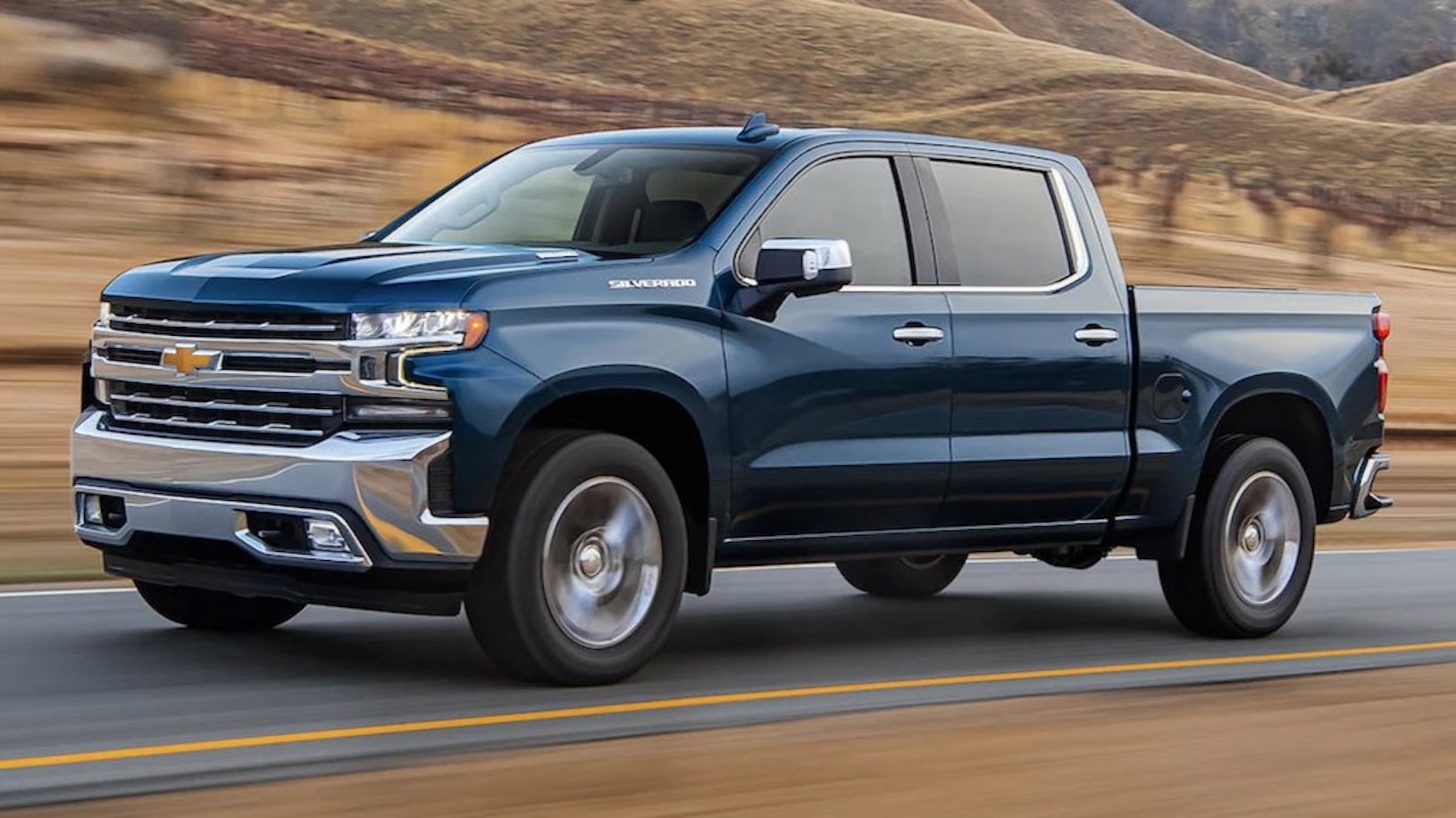
With proper maintenance and care, a Silverado is more than a work vehicle it’s a dependable partner that handles decades of towing, hauling, and highway cruising with ease.
It’s easy to see why the Chevrolet Silverado holds the title of General Motors’ best-selling vehicle. Americans have a strong affection for pickup trucks, and Chevy capitalizes on that by offering an extensive variety of Silverado configurations.
The 2018 Chevrolet Silverado 1500 is available with three cab styles, three bed lengths, and three engine options across six distinct trim levels.
Whether you’re seeking a basic work truck or a plush, feature-filled cruiser, there’s likely a Silverado that fits your needs.
While the Silverado may not be as recently redesigned as the Nissan Titan, as lightweight as the Ford F-150, or as plush as the Ram 1500, it remains a well-rounded contender. Chevy’s cornerstone pickup does nearly everything right and deserves a top spot on your list of trucks to consider.
10. Volvo 240
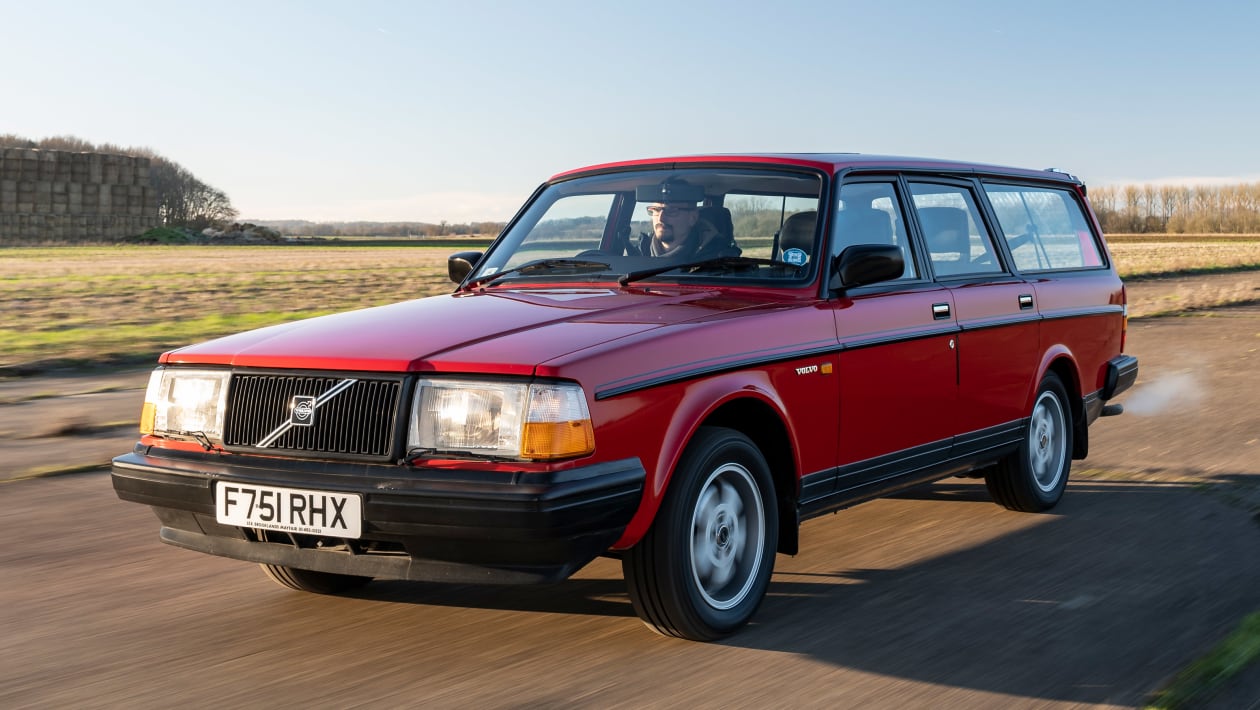
No list of long-lasting cars would be complete without the Volvo 240. Built like a vault and engineered with Scandinavian precision, this boxy classic from the 1970s to early 1990s remains a cult favorite for durability.
Its red-block engines are practically indestructible, capable of running half a million miles or more with proper upkeep.
The 240’s simple mechanical design, corrosion-resistant body, and excellent crash safety made it ahead of its time. Decades later, many 240s are still on American roads a testament to Volvo’s old-school focus on longevity over luxury.
In an era where technology dominates car design, longevity might seem old-fashioned but it’s more relevant than ever. Vehicles that last save owners money, reduce waste, and build brand trust.
For many Americans, a long-lasting car isn’t just about durability; it’s about freedom, stability, and pride in ownership.
From the rugged Land Cruiser to the humble Corolla, these ten cars remind us that when automakers focus on quality engineering and practical design, vehicles can defy time itself.
These models prove that longevity isn’t a myth it’s a matter of smart design, consistent maintenance, and the right philosophy behind the badge.
Whether you’re buying new or used, picking a car known for long-term endurance might be the most rewarding investment you’ll ever make.
