

The 1960s were a golden decade for the automotive world. It was an era defined by style, character, and mechanical simplicity a time when cars were more than just transportation; they were rolling expressions of identity and ambition.
While many vehicles from that period have long since rusted away or been replaced by modern machines, some have proven themselves to be mechanical marvels of endurance.
Across America, enthusiasts still proudly drive, maintain, and even daily-use cars that rolled off assembly lines more than 60 years ago.
These aren’t just museum pieces they’re testaments to timeless engineering, robust craftsmanship, and the passion of owners who refuse to let history die.
Below are ten standout cars from the 1960s that continue to run strong in 2025 each one representing a unique slice of automotive heritage that refuses to fade away.
1. 1965 Ford Mustang
When the Ford Mustang debuted in 1964½, it didn’t just start a trend it launched a movement. Affordable, stylish, and thrilling to drive, the Mustang became an instant hit with American car buyers.
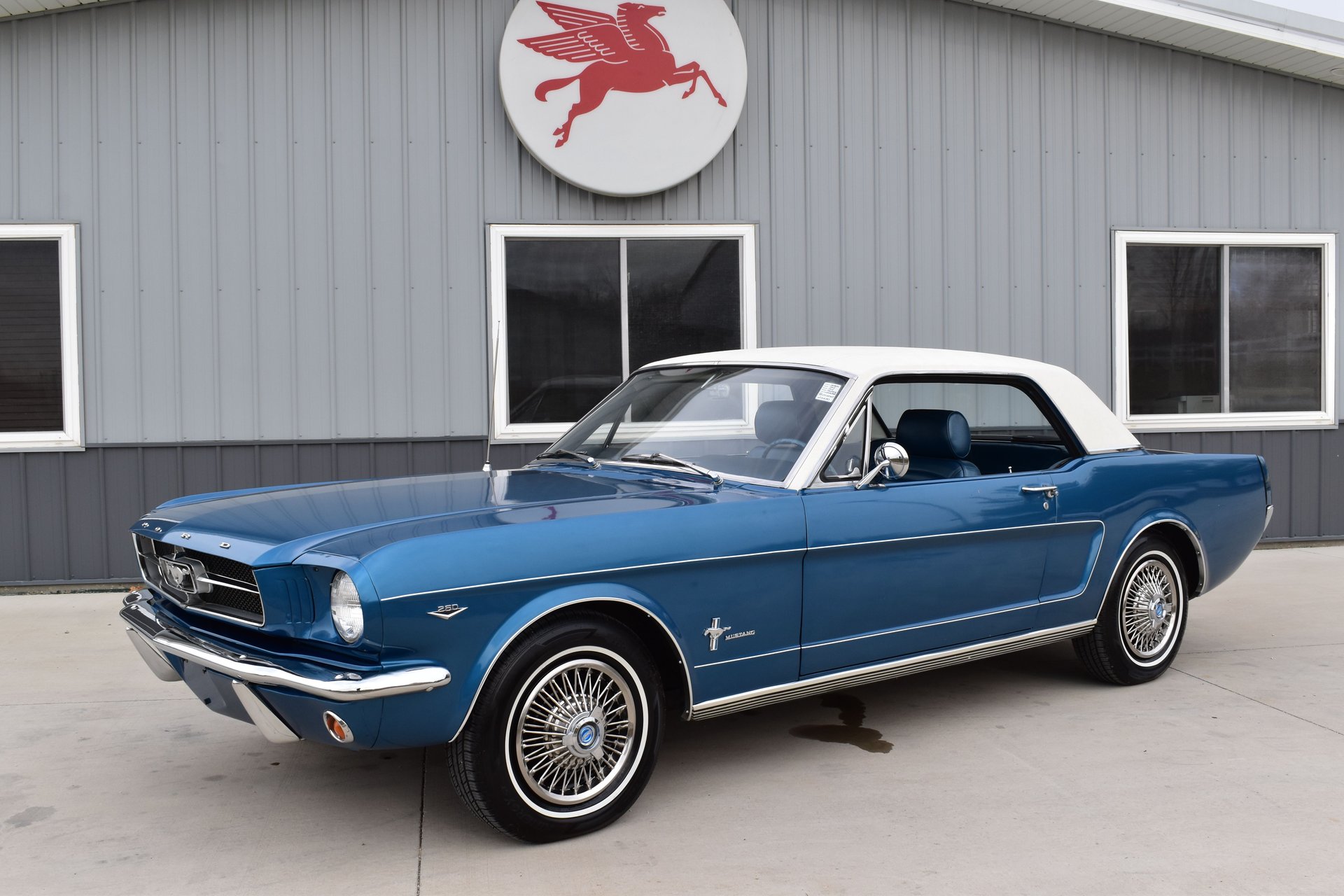
What’s remarkable is how many of these early models still roar down highways today. Thanks to a massive enthusiast community and easy access to parts, the ’65 Mustang remains one of the most commonly restored classic cars in the U.S.
Its simple V8 layout, durable frame, and endless aftermarket support make it both collectible and surprisingly usable in 2025.
2. 1967 Chevrolet Camaro
The Camaro was Chevrolet’s bold answer to Ford’s Mustang, and it arrived swinging. Sleek and aggressive, the first-generation Camaro became a symbol of American muscle.
Many 1967 Camaros are still alive and well thanks to the car’s robust small-block and big-block V8s, which can be rebuilt endlessly.
Whether fully restored or lightly modified with modern suspension and disc brakes, these cars are still seen at weekend cruise-ins and car shows.
In 2025, you’ll even find some daily-driven Camaros thanks to their straightforward mechanics and dedicated restoration scene.
This 1967 Chevrolet Camaro RS coupe is finished in turquoise with a black vinyl roof and a matching turquoise interior. Power comes from a 327ci V8 engine paired with a replacement four-speed manual transmission.
The seller acquired the car in 2022, and it is now being offered in Oklahoma with service records, manuals, and a Cherokee Nation title under the seller’s name.

Originally finished in Tahoe Turquoise, this Camaro was repainted approximately a decade ago, according to the seller.
It features a black vinyl roof cover, a black nose stripe, RS badging, hideaway headlights, chrome rocker moldings, and both front and rear spoilers. The gallery below shows scratches and small areas of bubbling paint.
The 15″ Rally wheels are fitted with chrome hubcaps and trim rings, paired with 215/70 BFGoodrich Silvertown Radial redline tires.
The car is equipped with power steering, while braking is managed by power-assisted four-wheel drum brakes. The seller mentions that the brake pedal feels soft and that the system will need servicing.
Inside, the cabin is equipped with turquoise vinyl front bucket seats and a folding rear bench, complemented by matching carpeting and door panels. Interior features include a center console, air conditioning, a Hurst shifter, deluxe seat belts, and a RetroSound stereo unit.
Instrumentation consists of a 120-mph speedometer and a fuel gauge. The five-digit odometer displays 52k miles, with approximately 4k miles added during the seller’s ownership.
Under the hood, the 327ci V8 is fitted with an Edelbrock intake manifold and a Holley four-barrel carburetor.
An MSD Digital 6A ignition control module is mounted on the right inner fender. The seller notes the presence of an exhaust gasket leak.
Power is delivered to the rear wheels via a four-speed manual transmission that was installed under previous ownership, replacing the original automatic gearbox.
Also Read: 10 Cars From the 2000s That Will Be Future Classics
3. 1963 Chevrolet Corvette Sting Ray
Few cars have aged as gracefully as the 1963 Corvette Sting Ray. With its split rear window and futuristic styling, it’s considered one of the most beautiful American cars ever made.

But beyond its looks, the ’63 Corvette was engineered to last. Its fiberglass body avoided rust, and its small-block V8 engines could run for decades with proper care.
Many of these Corvettes have been lovingly preserved, and it’s not rare to find them still running on their original frames in 2025 a true reflection of mid-century performance excellence.
4. 1969 Dodge Charger
If you’ve ever watched The Dukes of Hazzard or Fast & Furious, you already know the legend of the ’69 Charger. Its wide stance, muscular presence, and thundering 440 Magnum V8 made it a quintessential symbol of American power.
Many Chargers from this era were driven hard, but those that survived were built like tanks.
Enthusiasts continue to restore them using both OEM and reproduction parts, and thanks to Mopar’s strong restoration community, thousands still run in 2025 often as weekend warriors or show cars that turn heads wherever they go.
In the era of Hellcat Challengers and modern performance upgrades for everything from Civics to Cadillacs, the pro-touring movement continues to thrive. Every now and then, a standout build appears that immediately captures attention, even among a showroom full of rare, one-of-a-kind muscle cars.
Combining a finely tuned stroker engine and a proven Tremec 5-speed with a custom suspension and an extensive 2.5-year, ground-up restoration, it’s been turning heads since the day it arrived.
With its menacing stance and dark, aggressive presence, the car’s appeal is so strong that the team joked about keeping it as a permanent display piece.
Ultimately, reason won out, and it’s now being offered as an extraordinary classic built to dominate both the street and the show circuit.
The experts at Custom Classics & Restoration in McLeansville, North Carolina, stripped the car down to bare metal, repaired the lower rear quarters, and refinished the body in PPG Global D740 Black paint.
Once the flawless surface was sealed and polished, Flat Black war stripes were perfectly aligned with “CHARGER” and “512” callouts. By early 2014, this Dodge hit the show scene as a wickedly striking muscle car that perfectly blended old-school toughness with modern flair.

The year 1969 stands as a major moment in American pop culture, from the moon landing and Woodstock to the debut of one of Dodge’s most legendary creations.
Among muscle cars, few can match the fame and influence of the ’69 Charger. Every detail on this coupe highlights why.
Above that, a sculpted hood flows into dark-tinted glass framed by gleaming stainless trim. Chrome Chrysler door handles, traditional mirrors, smoked marker lights, and the iconic ‘pit stop’ fuel filler accent the sides.
When it came time to give this Mopar beast a new heart, the choice was clear — call up 440 Source. The result was a 512-cubic-inch Chrysler B V8 featuring a 4340 crank, forged pistons, 4340 rods, and a Comp hydraulic cam, producing roughly 700 horsepower with 10:1 compression.
A satin air cleaner tops a reusable filter, an 850 Holley carburetor, and an Edelbrock Performer RPM intake. On either side, aluminum 440 Source heads hold Mopar Performance rockers and fabricated valve covers over chrome TTI headers.
An MSD Pro-Billet distributor routes spark from the MSD ignition through loomed MSD Street Fire plug wires. A Billet Specialties Tru Trac system spins a polished alternator and AC compressor behind a Tapp radiator.
The Titanium-tinted engine contrasts beautifully against the smoothed, body-matched bay, while details like a coated fuel pump, polished power steering pieces, and urethane motor mounts underscore its craftsmanship.
Underneath, the Titanium-finished chassis is the result of high-end customization and premium components.
A Tremec TKO600 5-speed transmission, fitted with an American Powertrain clutch, flywheel, and bellhousing, sends power through an aluminum driveshaft to a Dana 60 rear end with a Sure Grip differential, 3.33 gears, and Strange 35-spline axles.
Inside, the cabin remains largely true to its stock roots but benefits from refined detailing and updated comfort. During the restoration, the original front bucket seats were reupholstered with Legendary covers, while the rear bench was subtly narrowed.
The Richard Petty-autographed dash houses white, blue-lit gauges, an Alpine CD player, and upgraded air conditioning controls. Below, fresh carpeting is complemented by “R/T” branded mats, a small fire extinguisher, and a classic Hurst shifter.
Legendary door panels feature soft armrests, stainless trim, and round, orange-tinged “Charger” emblems.
A tight black headliner supports a functional dome light, and a Joes Racing steering wheel keeps everything precise.
Behind the cabin, a fully carpeted trunk conceals the relocated battery, finishing off an interior that’s both functional and striking, the perfect match for this Charger’s ferocious personality.
5. 1967 Volkswagen Beetle
While most American muscle cars of the ’60s were about power, the Volkswagen Beetle was about persistence. Simple, durable, and affordable, the Beetle’s air-cooled engine made it one of the most reliable cars of all time.

Millions were built, and many remain operational in 2025. In warmer states like California, it’s not uncommon to spot original Beetles puttering through traffic, their engines still humming along with minimal maintenance.
Its charm and simplicity make it one of the most enduring symbols of the 1960s automotive era.
6. 1966 Ford F-100
Trucks from the 1960s were built for hard work, not luxury and the 1966 Ford F-100 is a prime example of that rugged spirit. It’s a truck that could haul, tow, and endure, and because of its sturdy construction, many still do exactly that.

Classic truck enthusiasts love the F-100 for its simplicity it’s a vehicle that can be repaired with basic tools and parts that are still readily available.
In 2025, you’ll find plenty of these old workhorses still running strong, some restored to pristine condition and others proudly wearing their age in patina.
Also Read: 12 Popular Cars Everyone Hates and 10 That Drivers Actually Love
7. 1968 Pontiac GTO
The GTO practically defined the term “muscle car.” Its 400-cubic-inch V8 delivered explosive performance, and its design captured the bold, confident vibe of late-60s America.
Many GTOs have survived thanks to meticulous restoration and a dedicated Pontiac community that continues to reproduce parts and maintain original drivetrains.

Even today, a properly tuned GTO can keep up with modern traffic while sounding infinitely better. It remains one of the most admired and roadworthy cars from the muscle car era.
For five consecutive years, the Pontiac GTO reigned supreme as the most coveted muscle car of the 1960s. Ushering in another successful generation of the legendary “Goat,” the 1968 Pontiac GTO underwent a dramatic transformation.
Both inside and out, it was a completely new machine. With its sensuous, flowing lines and bold proportions, the 1968 GTO remains one of the most alluring muscle cars ever built.
This model marked the debut of GM’s new split-wheelbase A-Body platform. The wheelbase was shortened to 112 inches, and though the car was slightly smaller in overall length, it actually gained weight compared to its predecessor.
Among its most distinctive updates were the dual hood scoops, hidden headlights, and the innovative Endura bumper. The Endura bumper, painted to match the body color, could withstand significant impact without deformation, a feature proudly highlighted in period advertisements.
It wasn’t the only hidden element either; the redesigned hood cleverly concealed the windshield wipers. Additionally, the traditional vertical headlights were replaced by a new horizontal setup.
The optional hidden headlights proved so popular that today it’s nearly impossible to picture a 1968 GTO without them.
Inside, the redesign was just as extensive. The new three-pod instrument panel gave drivers a fresh and sporty cockpit feel, while the signature bucket seats continued to define the GTO’s driver-focused character.
8. 1962 Mercedes-Benz 220SE
Not all survivors from the 1960s are American. The Mercedes-Benz 220SE, part of the W111 series, is a testament to German engineering longevity. Known for its solid build quality and timeless design, this model often reaches well over 300,000 miles with proper care.
Enthusiasts in the U.S. still import and restore these sedans and coupes because they offer the feel of classic motoring with surprising reliability. In 2025, many 220SE models are still used for vintage rallies and weekend cruising proof that Mercedes built cars meant to last generations.
The 1962 Mercedes-Benz 220SE stands as a shining example of luxury and precision engineering from an era when automobiles represented far more than transportation, they were symbols of prestige, craftsmanship, and innovation.
Born from the legacy of Mercedes-Benz, the renowned German automaker known for seamlessly blending performance with refinement, the 220SE emerged as a true icon of its time.
During a period marked by social and cultural transformation, this car embodied sophistication and status. Its prominence was immortalized when one famously chauffeured John F. Kennedy during his visit to Germany, solidifying its place in both automotive and political history.
The exterior of the 1962 Mercedes-Benz 220SE showcases timeless elegance through its balanced proportions and understated lines. Its refined stance radiates confidence and grace, while the interior envelopes occupants in luxury.
Rich leather upholstery, hand-finished wood veneers, and meticulous attention to detail create an atmosphere of comfort and class. At the forefront of automotive innovation, the 220SE featured fuel injection, a cutting-edge technology at the time that enhanced performance and efficiency.

Buyers could choose from a tasteful palette of colors, from traditional blacks and silvers to striking shades of deep red and blue, each emphasizing its timeless aesthetic.
In terms of engineering, the 1962 220SE broke new ground with its unibody construction, which significantly improved rigidity and safety compared to traditional body-on-frame designs.
This innovation not only enhanced driving dynamics but also set new industry standards for vehicle design. Its influence persists to this day, as modern cars continue to adopt similar principles that trace their lineage back to Mercedes-Benz’s pioneering efforts.
Powering the 220SE was a refined 2.2-liter inline-six engine that delivered a blend of smoothness and strength. Capable of reaching top speeds over 110 mph and accelerating from 0–60 mph in approximately 12 seconds, it offered impressive performance for a luxury car of its time.
On the road, it handled with composure and precision, gliding effortlessly over imperfections while maintaining stability through corners.
The driving experience was multisensory, the melodic hum of the engine, the firm yet responsive steering, and the overall balance combined to make every journey an occasion.
The 220SE was designed for versatility, serving equally well as a daily driver or an elegant weekend cruiser. Its robust engineering ensured reliability, though the cost of maintenance reflected its premium nature.
Owners willing to invest in proper care were rewarded with a car that not only provided dependable performance but also offered enduring beauty and prestige.
Among collectors, one of the most fascinating details is the rarity of the right-hand-drive cabriolet versions, fewer than 200 were ever produced, making them exceptionally sought after today.
The 220SE was a favorite among celebrities and dignitaries, often seen at high-profile events and diplomatic gatherings. While some critics noted its substantial weight, enthusiasts valued the car’s solid construction and the sense of security it provided behind the wheel.
The 1962 Mercedes-Benz 220SE is not merely a classic automobile, it is a masterpiece that captures the essence of mid-century European elegance and engineering brilliance.
Its design, technology, and craftsmanship laid the foundation for the modern luxury car. To see one in person, or better yet, to own one, is to experience a tangible piece of automotive history, a reminder of when cars were built to stir the soul as much as they were to move the body.
9. 1969 Datsun 240Z (Early Production)
Although it technically reached most markets in 1970, the earliest Datsun 240Z units were produced in late 1969 and they changed the sports car game.
Affordable, lightweight, and mechanically bulletproof, the 240Z was Japan’s answer to Europe’s high-priced performance cars. The inline-six engine proved extremely durable, and with proper upkeep, many still run effortlessly in 2025.

In fact, the 240Z has become a darling of restomod culture combining classic looks with modern drivability upgrades, ensuring its presence on roads for decades to come.
10. 1966 Chevrolet Impala
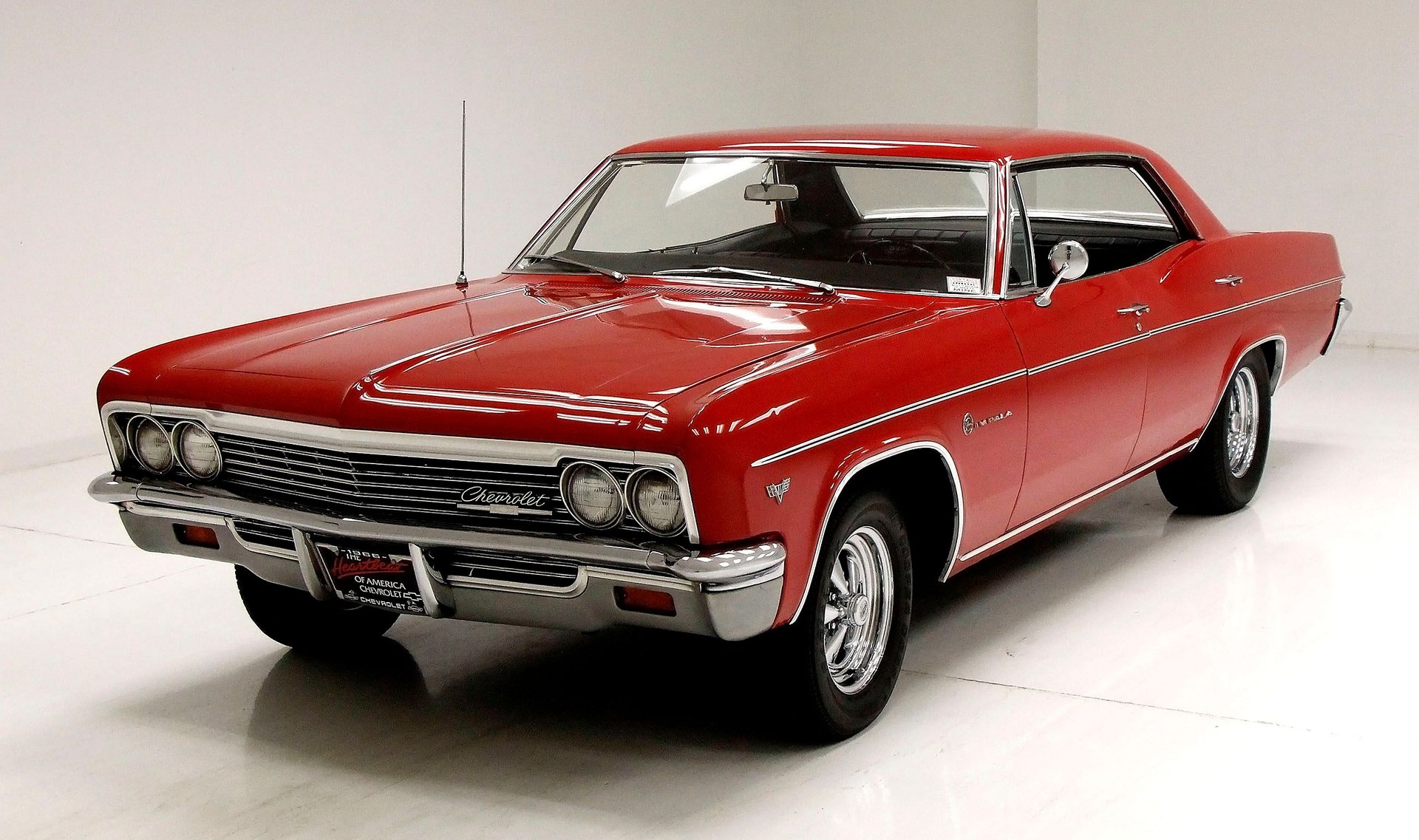
If there’s one car that represents the 1960s American family dream, it’s the Chevrolet Impala. The 1966 model was stylish, spacious, and available with powerful V8 engines that continue to run beautifully decades later.
Many of these cars were passed down through generations, often staying in families as prized heirlooms.
Their simple construction makes them easy to maintain, and they remain common sights at car meets across the U.S. in 2025 an enduring reminder of an era when size, style, and comfort ruled the road.
Cars from the 1960s endure for three main reasons: mechanical simplicity, robust craftsmanship, and passionate owners. Unlike modern vehicles loaded with computers and sensors, 60s cars were analog machines easy to understand, easy to fix, and built from heavy steel.
A 1966 Chevrolet Impala SS, which appears to have been parked for several years, is now looking to attract online bidders with its appealing combination of low mileage and a collection of extra parts.
However, the buyer will face only one realistic option: a full restoration to bring this classic back to its former glory.
The 1966 Impala didn’t see major updates from the previous year, and for good reason. The 1965 model had launched an all-new generation, allowing Chevrolet to shift its focus in 1966 primarily toward the Chevelle lineup.
Full-size models continued to sell well, so Chevrolet made only subtle refinements to keep the design fresh. The brand also aimed to strengthen its presence across multiple series to remain competitive in the American car market.
Full-size Chevrolets remained dominant, accounting for nearly 1.5 million of the 2.2 million cars Chevrolet sold in 1966. The biggest change that year was the Caprice’s elevation to series status after previously being a trim level of the Impala.
This move caused some overlap in sales, with the Caprice selling 181,000 units and slightly cutting into Impala demand. Even so, the Impala Super Sport (SS) continued to excite performance enthusiasts, with more than 119,000 examples sold.
Buyers largely moved away from Chevrolet’s earlier decision to offer six-cylinder SS models, as only about 900 left the factory with the less powerful engines.
The Impala SS featured here doesn’t boast the most desirable powerplant available in 1966, which could be a dealbreaker for some collectors. It comes equipped with the 283ci V8, a capable but modest engine by Super Sport standards.
That year, Chevrolet expanded the lineup by introducing the 427ci big-block as an upgrade from the 396, giving buyers the option of up to 425 horsepower for an additional $312.
In 2025, the sight of a well-kept 1960s car isn’t just nostalgia it’s proof that real craftsmanship never dies.
Whether you’re admiring a rumbling GTO, a chirping Beetle, or a pristine Mustang cruising down Route 66, these cars tell the story of endurance, pride, and the timeless love affair between Americans and their machines.
