For drivers across the U.S., paved roads aren’t always a given. Whether it’s rural backroads in Montana, gravel stretches in Colorado, or unpaved routes leading to cabins and lakes in the Midwest, many Americans need vehicles that can handle more than smooth asphalt.
Dirt roads bring dust, bumps, mud, and loose gravel, all of which test a car’s suspension, traction, and build quality.
Fortunately, some vehicles are designed with just the right balance of toughness, control, and comfort to take on these challenging terrains. Here are 12 cars that handle dirt roads easily, offering steady performance when the pavement ends.
1. Subaru Outback
Few cars are as synonymous with dirt-road versatility as the Subaru Outback. With its standard all-wheel drive, 8.7 inches of ground clearance, and X-Mode traction management, the Outback was practically made for rural America.
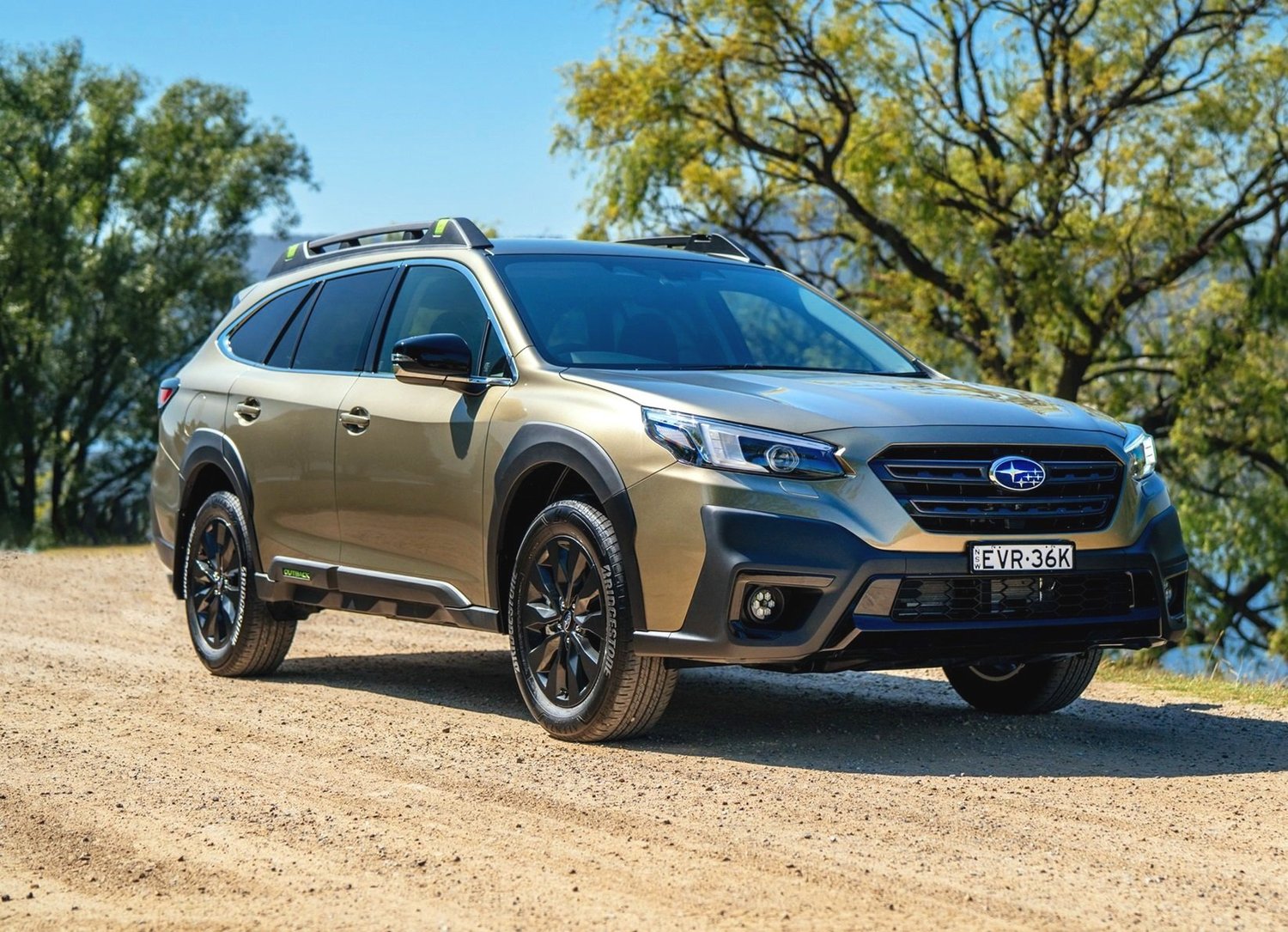
Its suspension soaks up uneven surfaces effortlessly, and the durable interior is built to handle mud, pets, and gear without issue.
Whether you’re venturing down forest trails in Oregon or driving across gravel roads in Vermont, the Outback remains composed and confident.
2. Toyota RAV4 TRD Off-Road
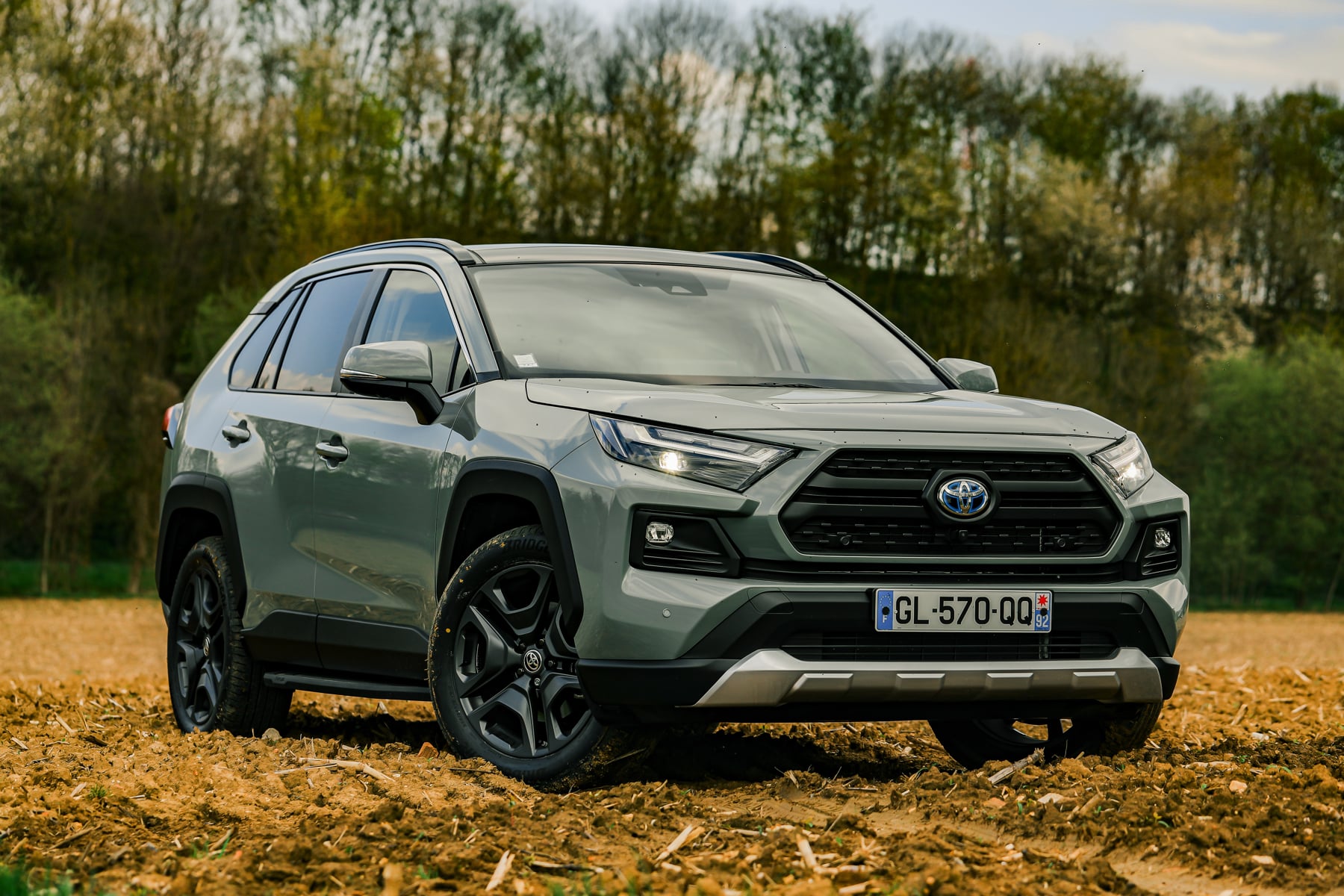
Toyota’s RAV4 has long been a dependable crossover, but the TRD Off-Road trim takes its dirt capabilities up a notch.
Equipped with all-terrain tires, a reinforced suspension, and dynamic torque vectoring all-wheel drive, this RAV4 variant is ready for any unpaved challenge.
It’s especially useful for adventurers who like to mix city comfort with occasional off-road fun. Its 8.6-inch clearance also helps prevent underbody scrapes on rougher roads.
In 2023, Toyota sold an impressive 434,943 RAV4s in the United States, more than any other vehicle that isn’t a full-size pickup truck. Depending on how broadly you define the term “SUV,” it also holds the title of America’s best-selling SUV.
Within Toyota’s own lineup, the RAV4 leads the pack, with the Camry sedan following at 290,649 units sold and the Tacoma mid-size pickup trailing at 234,768. The RAV4 may not be the fastest, sharpest-handling, most luxurious, or most fuel-efficient model out there.
Toyota produces 15 distinct versions of the RAV4 for the American market — quite literally offering something for everyone. So if you can’t find a RAV4 that suits you, perhaps it’s you who needs to adapt.
According to Toyota, the 2024 RAV4 lineup includes 15 variations of the compact SUV. The range begins with the front-wheel-drive LE model priced at $30,025, extends through the $41,380 Hybrid Limited with all-wheel drive, and tops out with the plug-in hybrid all-wheel-drive Prime XSE at $48,910.
Crunching the numbers, the TRD Off-Road costs $9,620 more than the base RAV4 but $9,265 less than the top-tier version. That places it squarely in the middle of the RAV4 lineup.
It’s a well-known formula by now. The RAV4 has been in production for 30 years, and this current fifth-generation model, known internally as the XA50, is in its sixth year.
Toyota assembles the RAV4 in seven different plants worldwide: two in Japan, two in China, and one each in Canada, the United States, and Russia. Most of the models sold in North America come from the Canadian and American facilities, while the plug-in hybrid Prime models are sourced from Japan.
Following the sensible rule that simple vehicles are best to buy and complex ones are best to lease, the RAV4 TRD Off-Road holds a key advantage, its mechanical simplicity.
There are no turbochargers, no hybrid systems, and no self-driving gimmicks. It offers a pure, uncomplicated connection between driver and machine.
Also Read: 9 Best Vehicles That Survive Multiple Generations of Owners
3. Jeep Cherokee Trailhawk
If there’s one brand Americans associate with rugged exploration, it’s Jeep. The Cherokee Trailhawk represents that legacy perfectly.
With Jeep’s Active Drive Lock 4×4 system, off-road suspension tuning, and skid plates for protection, this SUV is built to glide through loose gravel and rocky dirt paths.
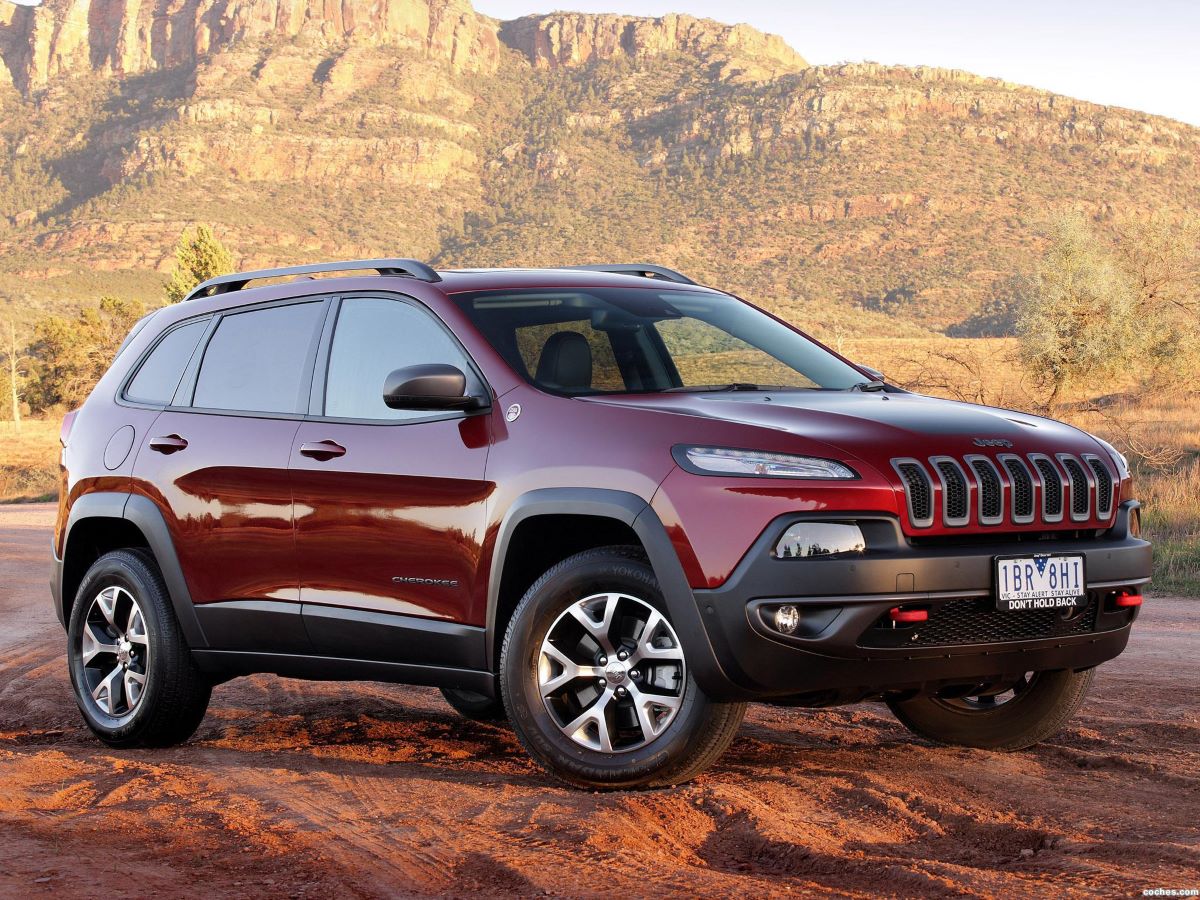
Even though it’s compact, the Cherokee Trailhawk’s trail-rated badge isn’t for show it truly handles uneven terrain like a champ while still maintaining daily-driver comfort.
4. Honda CR-V Hybrid Sport Touring
The Honda CR-V Hybrid Sport Touring might surprise some by making this list, but its new all-wheel-drive setup and improved ground clearance make it surprisingly competent on dirt roads.
Honda tuned its suspension for balance and comfort, meaning it absorbs vibrations from rough surfaces well.
The hybrid powertrain also offers smooth low-end torque, which helps when traction gets tricky on dusty trails. For suburban families who like weekend escapes, this CR-V is a smart, efficient choice.
Honda doesn’t currently offer a plug-in hybrid version of the CR-V, at least not one that can be refueled at a regular gas pump.
The only alternative is the CR-V e:FCEV, which combines hydrogen and electric power. However, it’s exclusively available in California and can only be leased, not purchased.
For everyone else, there’s the standard CR-V Hybrid, which takes a more conventional approach. It still runs on gasoline but uses a two-motor hybrid setup to enhance both performance and fuel efficiency.
That doesn’t mean the CR-V is falling behind. After decades as one of the best-selling compact SUVs, it still brings plenty to the table.
Even without a plug-in hybrid system, the CR-V delivers an efficient standard hybrid option, well-balanced driving dynamics, and one of the most comfortable cabins in its segment.
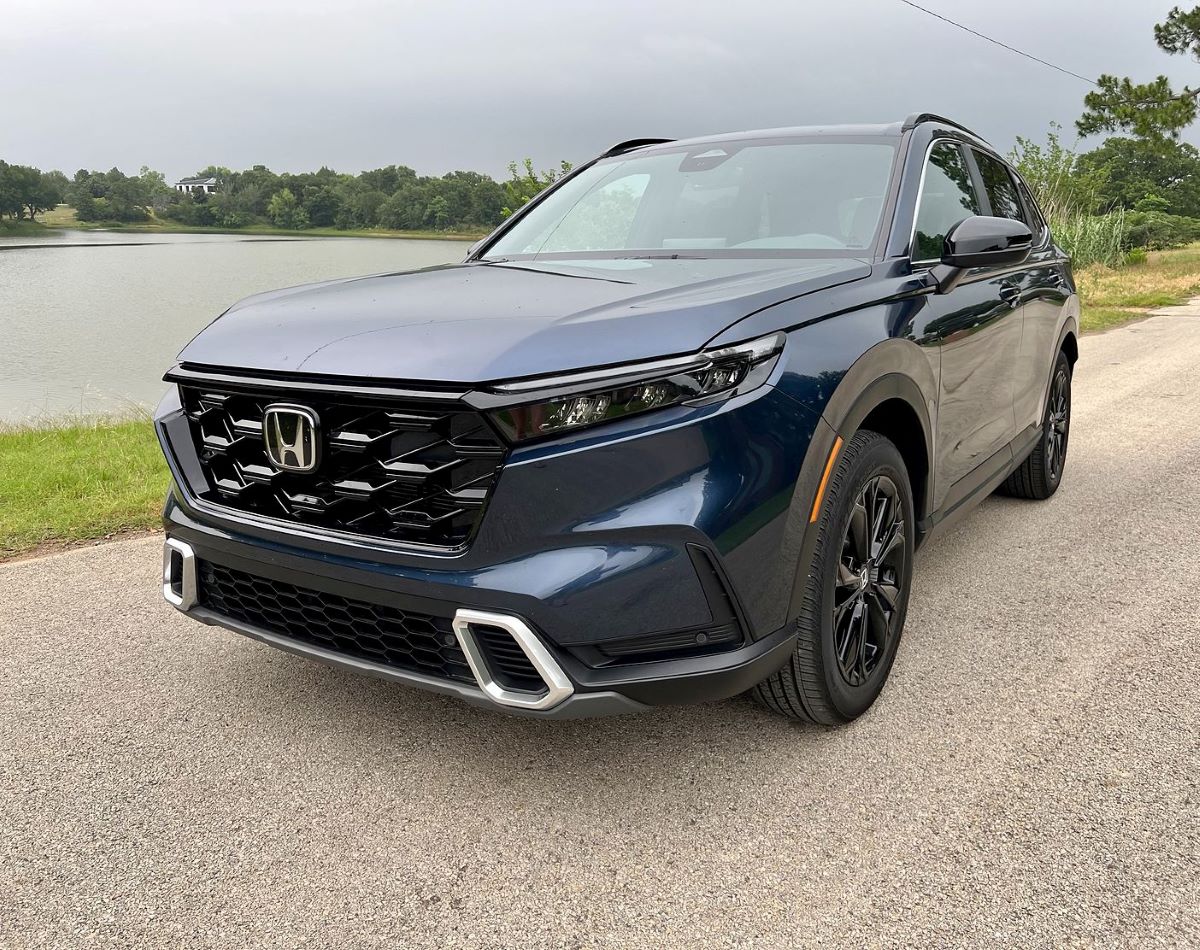
The 2025 Honda CR-V offers two different powertrains. The base setup uses a 1.5-liter turbocharged four-cylinder engine producing 190 horsepower and 179 lb-ft of torque. It’s lively enough to make driving enjoyable, though it’s not built for speed.
The hybrid powertrain, on the other hand, is the more engaging option, and it’s the one Honda provided for a weeklong test: the Hybrid Sport Touring, which sits at the top of the trim lineup.
Every CR-V Hybrid features a 2.0-liter four-cylinder engine paired with a two-motor hybrid system. We’ll get into trim levels later, but the key figure here is combined output: 204 horsepower and 247 lb-ft of torque.
While that’s only a modest 14-horsepower bump over the standard engine, the additional torque makes a major differences, especially since it peaks below 2,000 rpm.
This translates into strong off-the-line acceleration and a responsive throttle that feels eager without being twitchy.
Even though it lacks an all-electric driving mode, the CR-V Hybrid is an excellent urban commuter, offering ample low-end power for city use. The engine can sound a bit droney on steep inclines, but in most situations, it remains quiet and refined.
After several days behind the wheel, one word consistently came to mind: composed. No matter the road conditions or driving environment, the CR-V Hybrid maintained a calm, confident demeanor.
Through corners, it felt planted and secure, even during California’s rare mix of rain and snow earlier this spring.
There’s some body roll, as expected for an SUV, but steering is nicely weighted, and overall handling is impressive. Hybrid-equipped trims benefit from larger front and rear sway bars, which further enhance stability.
5. Ford Bronco Sport
Inspired by its big brother, the full-size Bronco, the Ford Bronco Sport was designed from the ground up for drivers who frequently encounter unpaved routes.
It comes standard with a rugged H.O.S.S. suspension system, G.O.A.T. (Goes Over Any Terrain) modes, and up to 8.8 inches of ground clearance.
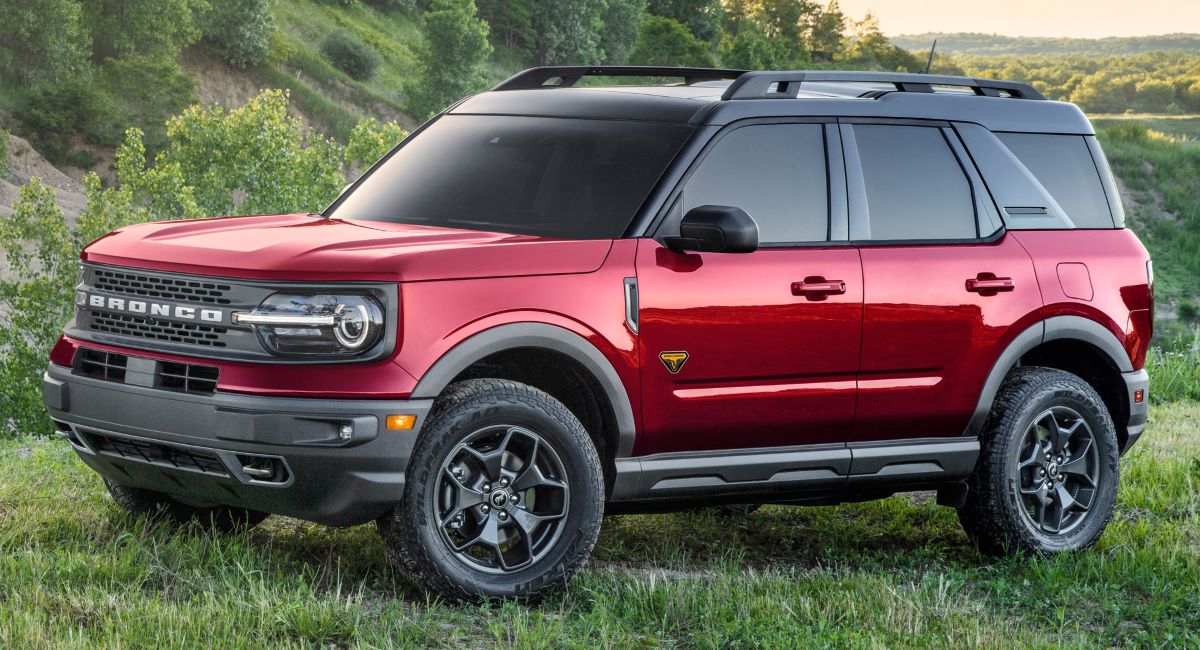
Whether you’re exploring backwoods campsites or driving over washboard roads, the Bronco Sport delivers both stability and fun behind the wheel.
6. Mazda CX-50
Mazda isn’t typically known for off-roading, but the CX-50 changes that perception. With standard all-wheel drive and a suspension system tuned for outdoor performance, the CX-50 handles dirt and gravel with surprising finesse.
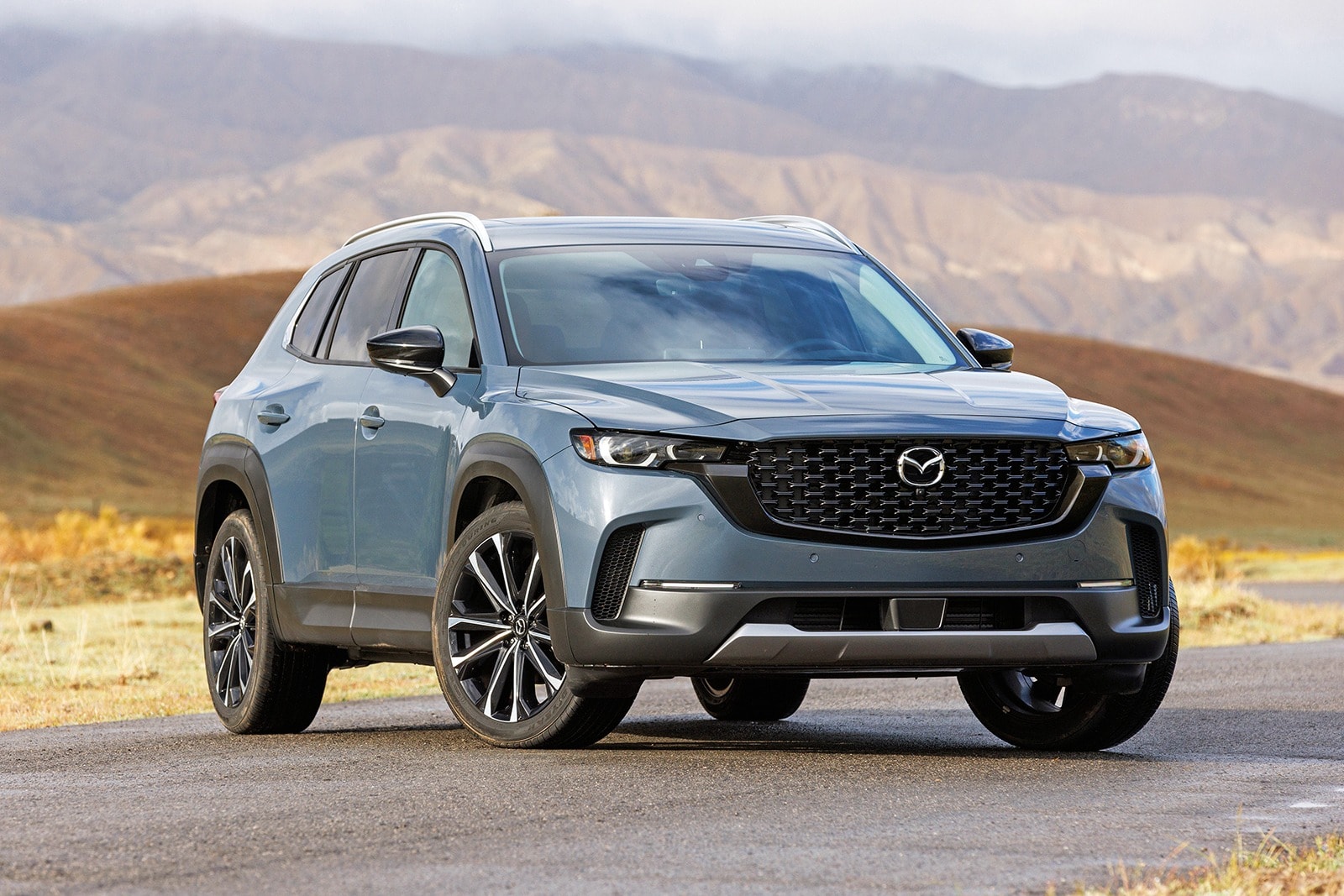
It’s built lower and wider than many rivals, giving it exceptional cornering stability even on loose terrain. The CX-50 also combines Mazda’s signature driving dynamics with practical off-pavement capability perfect for adventure-seekers who still value refinement.
Also Read: 12 Subaru Sedans That Keep Running Strong
7. Subaru Crosstrek
Another Subaru makes the list because the Crosstrek continues to be one of the best crossovers for unpredictable conditions.
Like the Outback, it features symmetrical all-wheel drive and 8.7 inches of ground clearance, giving it car-like comfort with SUV-like confidence.
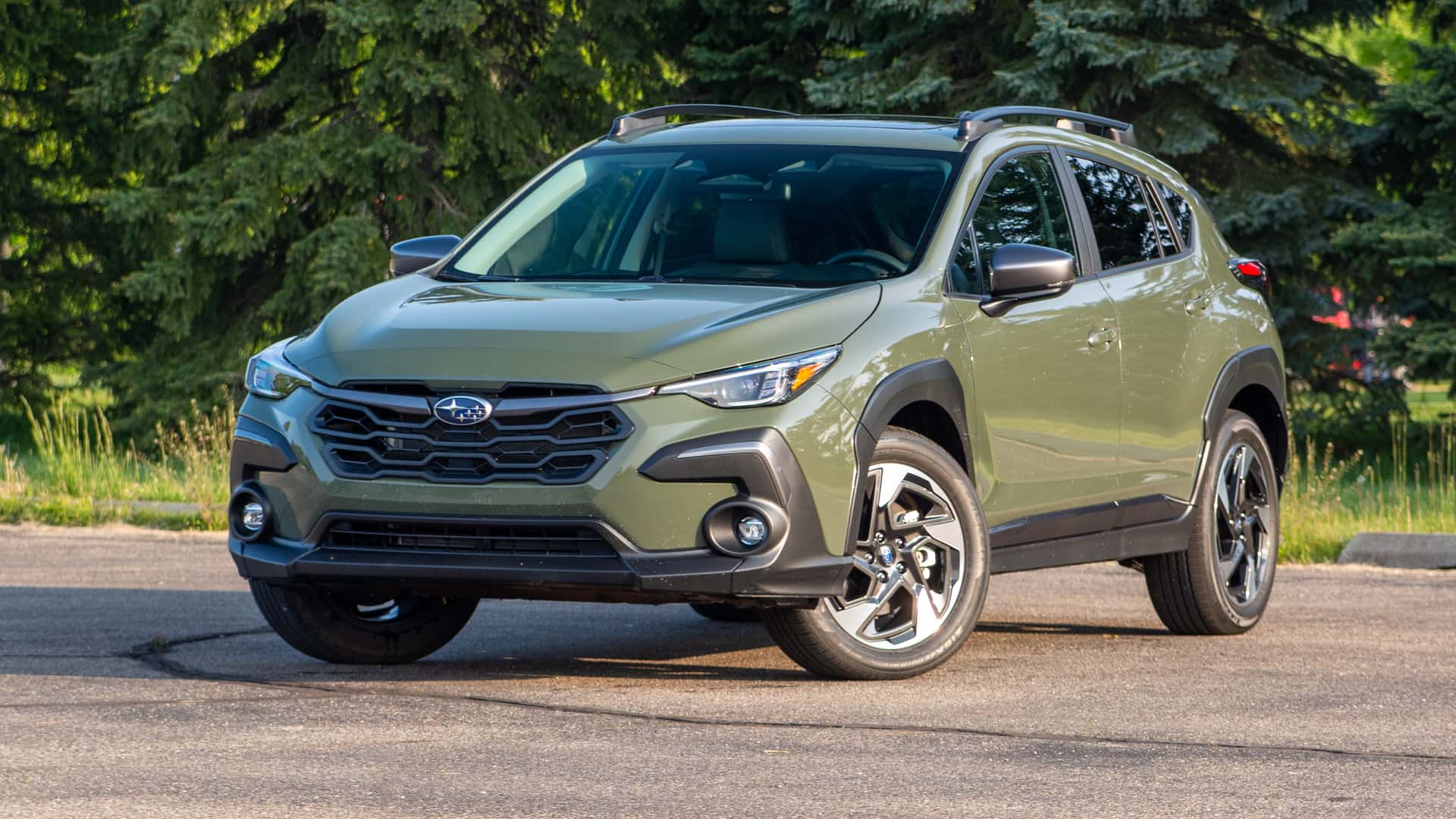
Lightweight and nimble, the Crosstrek excels on narrow dirt trails and uneven rural routes. It’s especially popular in areas with changing weather and road conditions, like upstate New York and the Pacific Northwest.
8. Toyota 4Runner
If your dirt roads verge on full-on trails, the Toyota 4Runner is an undisputed favorite. Built on a rugged body-on-frame platform, this SUV has the bones of a traditional off-roader.
It offers up to 9.6 inches of ground clearance, advanced traction control systems, and a Multi-Terrain Select mode that optimizes throttle and braking response for different surfaces.
The 4Runner has been a go-to for rural law enforcement, park rangers, and adventurers for decades for good reason.
The 4Runner’s driving experience has undergone a complete transformation, thanks to an all-new platform, powertrain, and chassis.
Steering precision has been vastly improved, and the SUV now takes corners with confidence, a notable feat considering it’s taller, wider, and offers more ground clearance than the outgoing fifth generation.
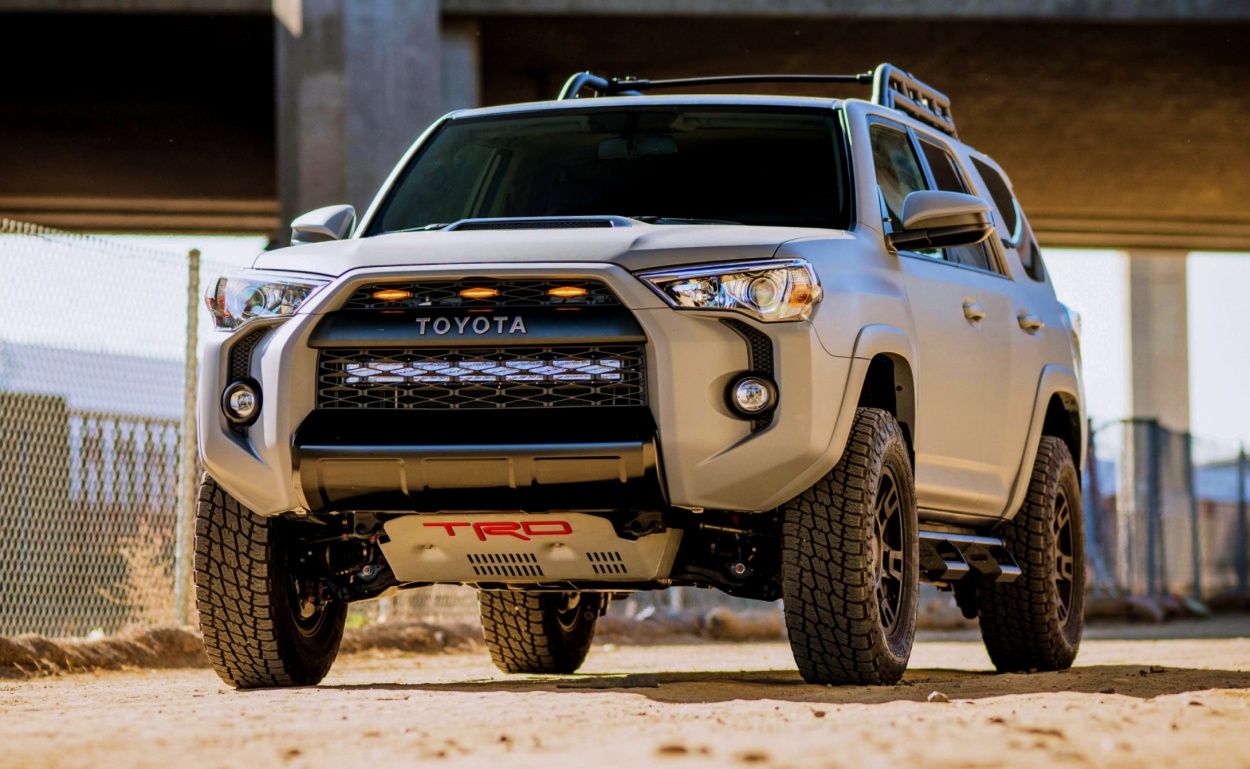
Built on Toyota’s new global truck platform, the same architecture that underpins the Land Cruiser, Sequoia, Tacoma, and Tundra, the latest 4Runner adopts a double-wishbone front suspension and a multilink coil-spring rear suspension, all supported by a robust boxed ladder steel frame.
Braking performance has also seen major refinement, with a firmer pedal feel and less dead travel. Gone are the awkward nose dives and spongy stops that once made passengers uneasy in the old model.
Both the Platinum and TRD Pro trims feel refined on the pavement yet remain impressively capable off-road. Cabin noise has been noticeably reduced, bringing the interior in line with what’s expected from today’s midsize SUVs.
Under the hood, the new iForce Max hybrid powertrain generates 326 horsepower and 465 lb-ft of torque from a turbocharged four-cylinder engine paired with an eight-speed automatic transmission.
It delivers significantly more low-end muscle than the previous generation’s 4.0-liter V6, which produced 270 hp and 287 lb-ft of torque and was mated to a five-speed automatic.
Of course, that’s not exactly a fair comparison, the old V6 design dates back to the early 2000s, while the new hybrid setup represents Toyota’s most advanced technology. I didn’t get the chance to test the base 278-hp four-cylinder found in lower trims, but it’s safe to expect it will feel far stronger than the outgoing V6.
9. Volvo V60 Cross Country
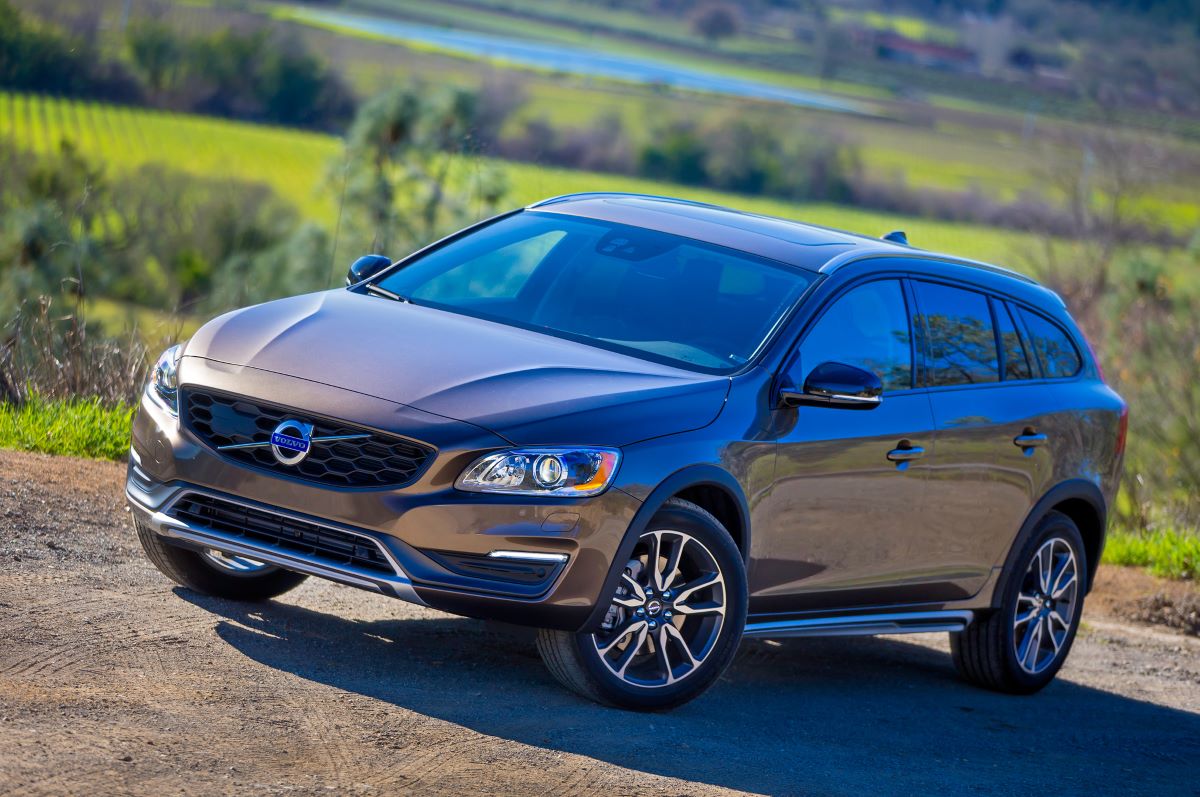
For those who want dirt-road confidence without sacrificing luxury, the Volvo V60 Cross Country delivers an ideal mix. It’s a lifted station wagon with standard all-wheel drive and a well-tuned suspension that glides over rougher terrain.
Its Scandinavian design and plush interior make it perfect for long scenic drives through backroads or mountain passes. Volvo engineered the Cross Country for countries where unpaved roads are common, so it feels right at home in America’s countryside too.
Contrary to popular belief, not everyone has jumped on the SUV bandwagon, count us among the few who haven’t, and for those who still appreciate a good wagon, the 2022 Volvo V60 and V60 Cross Country stand out as attractive, practical options.
The Cross Country version walks the line between wagon and crossover with its subtle plastic cladding and slightly elevated ride height.
Still, it’s the sporty Recharge T8 Polestar variant that truly turns heads, thanks to its 455-hp plug-in hybrid powertrain and up to 41 miles of electric driving range.
Apart from the Subaru Outback, the wagon body style has mostly become a luxury niche, with competitors including the Audi A4 Allroad, Mercedes-Benz E-Class All-Terrain, and Volvo’s own larger V90 Cross Country.
The most notable change for 2022 is that Volvo has discontinued the standard V60 wagon, leaving only the rugged Cross Country and the high-performance Recharge T8 Polestar as available options.
Wireless smartphone charging is now standard, and the semi-autonomous driving mode has been bundled into a new Advanced Package, which also includes a head-up display, a 360-degree camera system, and an air purifier.
Meanwhile, the Climate Package adds heated rear seats, a heated steering wheel, and headlamp washers. The power-operated rear liftgate, once standard, is now an optional feature. The Recharge model benefits from a stronger electric motor and a larger battery pack, boosting its electric-only range to 41 miles.
Its ride is firmer, but that’s a small trade-off for the T8’s potent hybrid powertrain and its ability to drive solely on electric power. If high performance isn’t your priority, the Cross Country remains an excellent, well-rounded choice.
The V60 Cross Country is equipped with a 250-hp turbocharged four-cylinder engine paired with all-wheel drive.
When we tested the T5 setup, it impressed us with a brisk 0–60 mph time of 6.4 seconds. The V60 handles corners with composure and agility, provided you don’t push it to extremes.
The high-output Recharge T8 Polestar takes performance to another level. It combines a turbo- and supercharged four-cylinder engine with electric motors for a total of 455 horsepower and all-wheel drive.
This setup rockets the wagon to 60 mph in just 4.4 seconds, making it far quicker than the T5. It also features a manually adjustable suspension system, a treat for driving enthusiasts, allowing owners to fine-tune the ride to their liking.
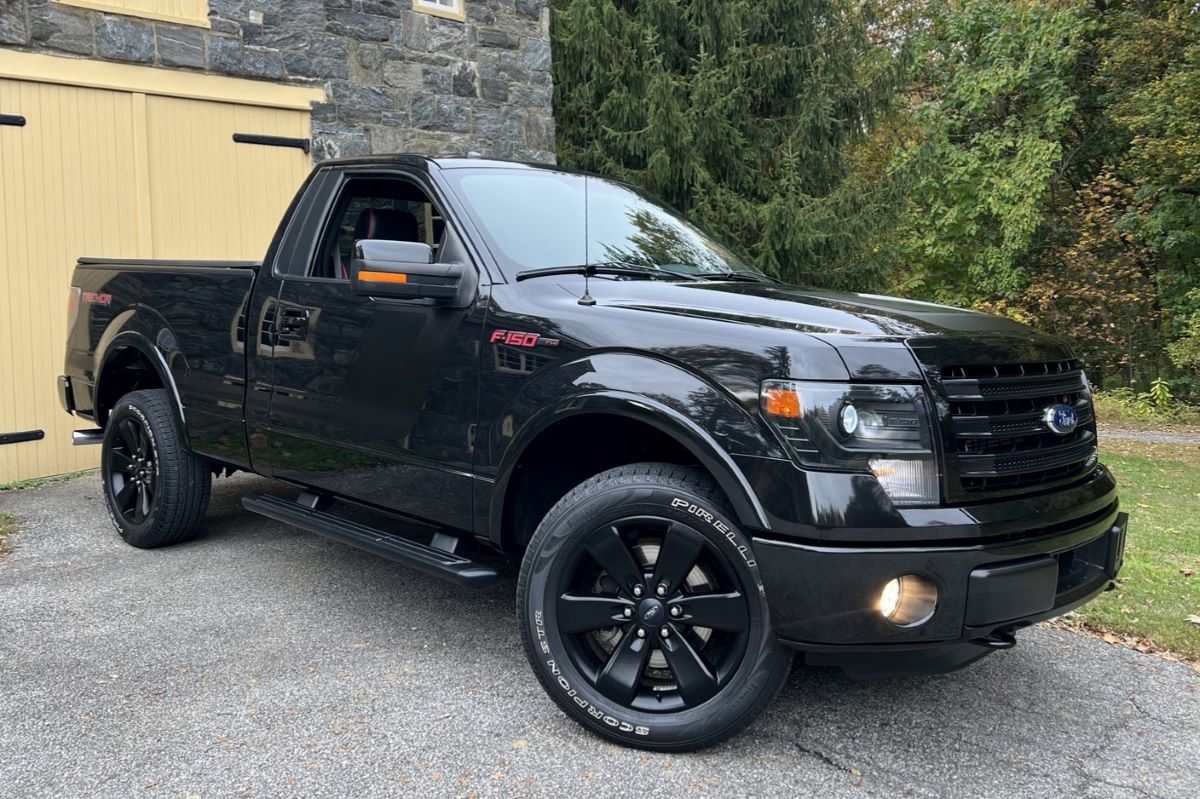
10. Ford F-150 FX4
The Ford F-150 FX4 package adds off-road muscle to America’s most popular truck. With off-road-tuned shocks, hill descent control, and an electronic-locking rear differential, the FX4 can confidently tackle uneven dirt roads and deep ruts.
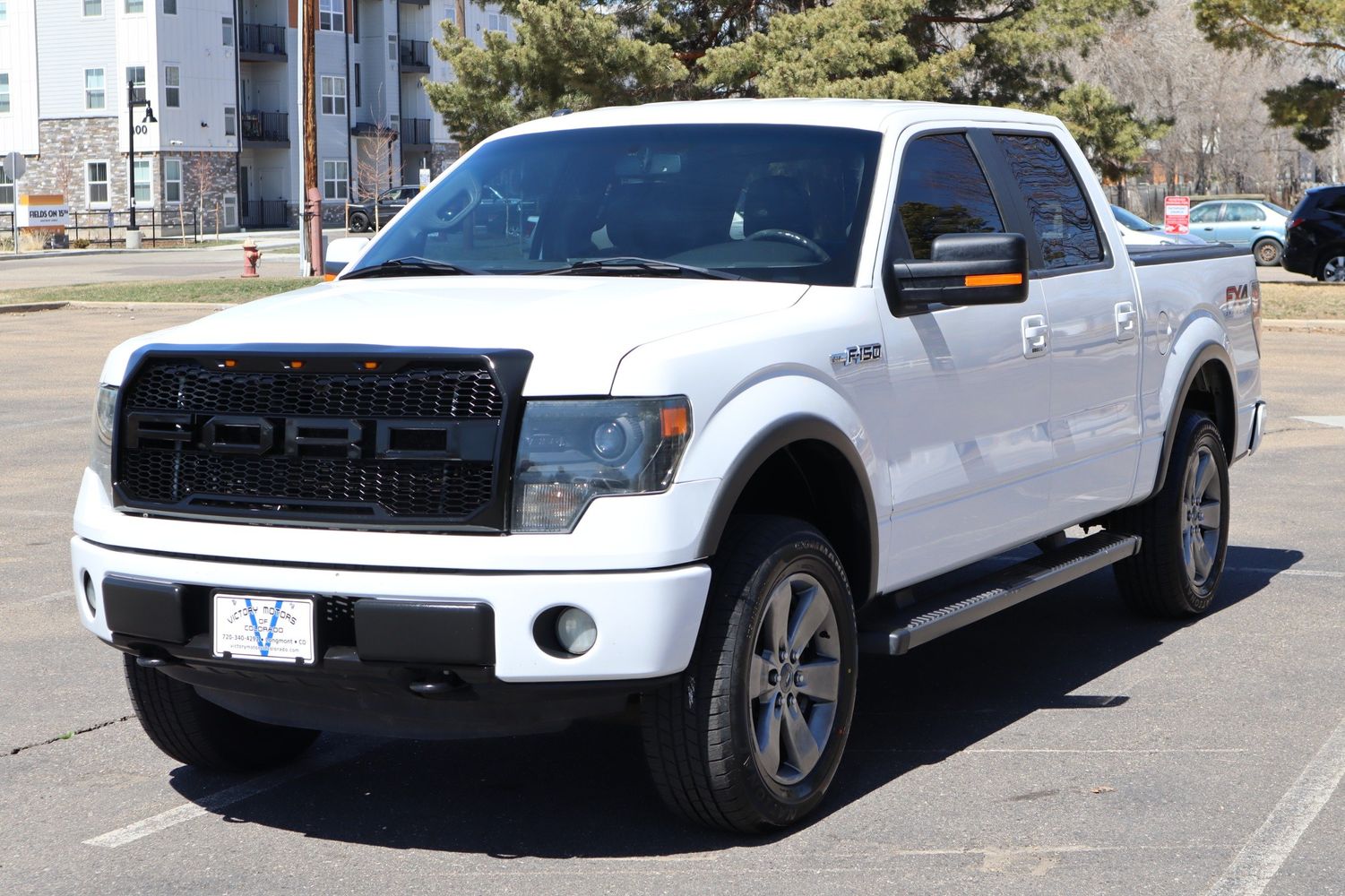
Even with its size, the F-150 remains surprisingly composed on rough terrain. For ranchers, construction workers, and off-grid travelers, this version of the F-150 combines raw power with practical trail performance.
11. Chevrolet Trailblazer ACTIV
The Chevy Trailblazer ACTIV is a compact SUV with surprising dirt-road capability. Its enhanced suspension system, skid plates, and all-terrain tires make it an affordable and capable option for those who live or travel in rural areas.
The lightweight design helps maintain control on gravel while minimizing bounce. For young drivers or small families who want something rugged but budget-friendly, the Trailblazer ACTIV hits the sweet spot.
Finished in the optional Iridescent Pearl Tricoat exterior, the refreshed 2024 Chevrolet Trailblazer looks more like a panda than any anime-inspired Toyota hatchback ever has.
For 2024, Chevy aims to make the Trailblazer a stronger player through updated styling and improved comfort features.
To our surprise, the refreshed Trailblazer is half a second quicker to 60 mph than the last AWD version we tested, despite being nearly identical mechanically. The 2021 Trailblazer was seven pounds lighter, yet it needed 9.3 seconds to hit 60 mph.
The new model also edges out the smaller, less powerful 2024 Trax Activ (which is front-wheel drive only) and even the more powerful Hyundai Kona N-Line AWD, both of which reach 60 mph in 8.5 seconds. Of course, none of these numbers will thrill speed enthusiasts.
Getting the best straight-line results requires some precise coordination of brake and throttle overlap before launch. Switching from AWD to FWD makes the Trailblazer feel a bit more responsive, though it’s easier for the front tires to lose grip under hard acceleration.
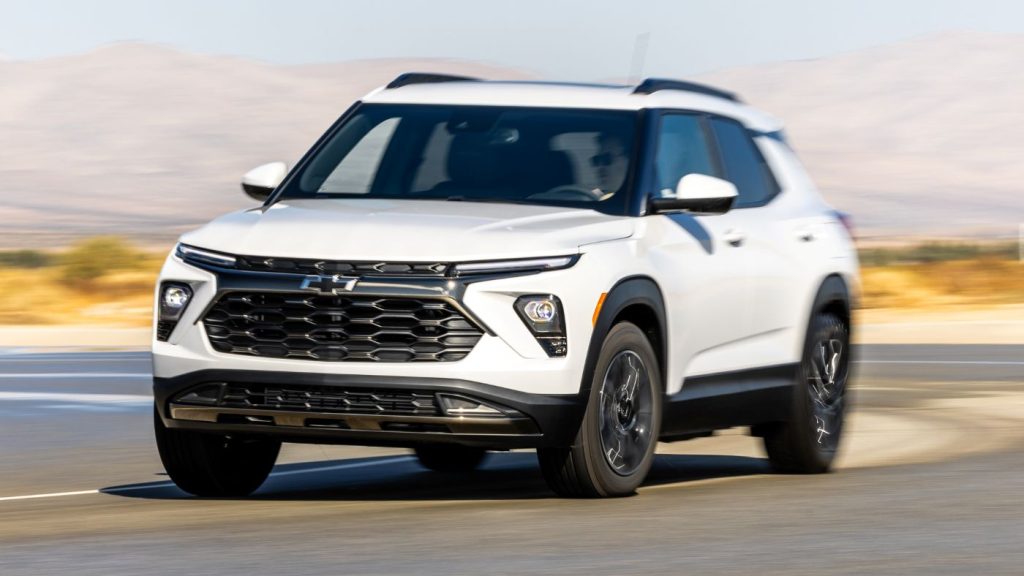
Step on the gas, and the Trailblazer’s tiny turbocharged three-cylinder engine produces a distinctive, somewhat agricultural growl, muted but unmistakably tractor-like.
The improvement in acceleration carries over to handling. Compared with the 2021 model, the 2024 Trailblazer performs slightly better in our lateral acceleration skidpad test and completes the figure-eight course 0.7 second faster, achieving a higher average g-force.
The new Trax delivers similar numbers, and both Chevys post stronger traction and quicker results than the same-year Hyundai Kona N-Line.
That said, the 2024 Trailblazer still isn’t a sporty crossover. While body movements are mostly well managed, a noticeable amount of road noise enters the cabin—even on smooth pavement.
The Activ trim’s standard sport-terrain tires may contribute to this, as their aggressive tread pattern adds some hum. Its off-road-tuned suspension dampers might also be partly to blame for the slightly unrefined ride.
Buyers in this category often prioritize fuel efficiency, and the Trailblazer Activ delivers a respectable 26/29 mpg city/highway, nearly identical to the 2021 RS model (which achieved 26/30 mpg).
That city rating beats the 1.6-liter turbo-four Kona by 2 mpg. The smaller Trax performs even better at 28/32 mpg, though it’s less powerful and only available with front-wheel drive.
Interior space remains unchanged, and that’s a good thing. For a subcompact SUV, the Trailblazer feels roomy, with excellent rear legroom, 39.4 inches, or 1.2 inches more than the gas-powered Kona.
The cabin of the Trailblazer Activ is clearly designed for durability. Seats are wrapped in Evotex synthetic leather, which resists wear, stains, and spills while being easy to clean.
Optional all-weather floor liners are rinseable, and plastic panels on the back of the fold-flat front passenger seat protect against scratches when hauling long items.
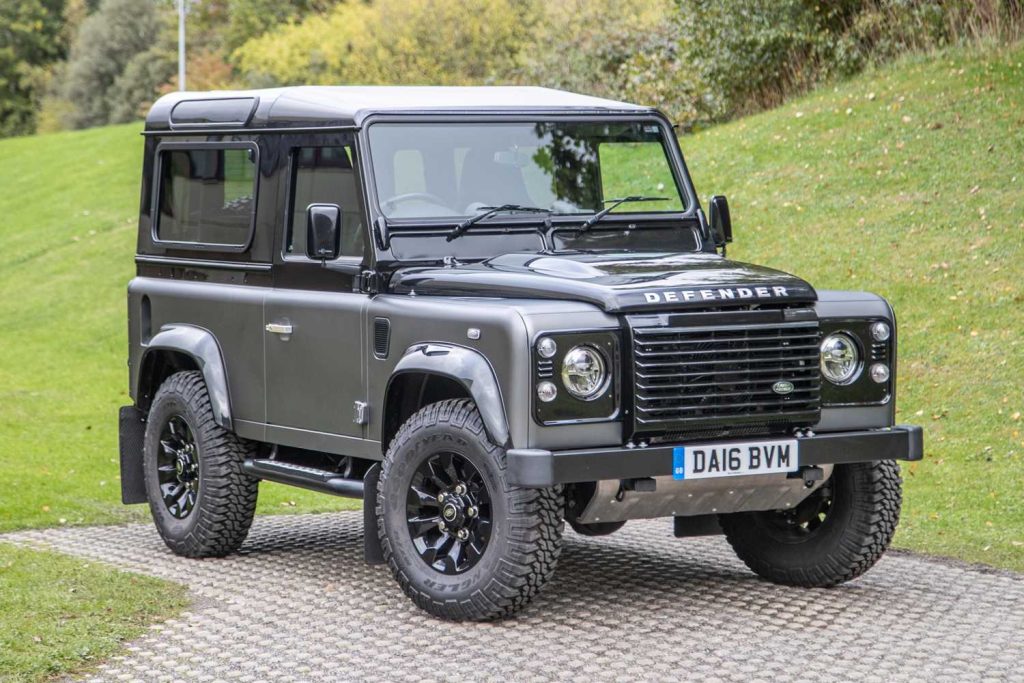
12. Land Rover Defender 90
No list of dirt-road conquerors would be complete without the Land Rover Defender 90. This iconic off-roader blends luxurious British craftsmanship with serious go-anywhere DNA.
It offers multiple terrain modes, adaptive air suspension, and impressive approach and departure angles, making it equally capable on muddy trails or dusty plains.
While it’s more expensive than most vehicles on this list, its balance of refinement and resilience makes it a dream car for dirt-road enthusiasts who want style and performance in one package.
Driving on dirt roads doesn’t have to mean sacrificing comfort or safety. The vehicles above prove that modern engineering has made it easier than ever to explore America’s backroads with confidence.
Whether you’re a weekend adventurer in a Subaru Outback, a family traveler in a Honda CR-V Hybrid, or a rugged explorer in a Toyota 4Runner, today’s vehicles offer the stability, traction, and suspension tuning needed to glide over unpaved surfaces.
For many U.S. drivers, dirt roads aren’t an obstacle they’re an invitation to explore. These 12 cars make that journey smoother, safer, and a whole lot more fun.