Back in the 1970s, SUVs were built for more than just grocery runs and soccer practice. They were made for work, wilderness, and weekend exploration.
Before touchscreens, driver-assist tech, and luxury badges started running the show, these machines were about raw capability. They were heavy, mechanical, and straightforward. And because of that, some of them are still pounding pavement and tearing up trails decades later.
Car enthusiasts look at 70s SUVs as a golden era when durability came from solid axles, big-displacement engines, and thick-gauge steel, not just software updates.
Mechanics admire them because you can actually fix them without plugging in a laptop. Collectors chase them because they’ve got style, soul, and a kind of reliability that modern vehicles sometimes miss.
For buyers looking for a classic SUV that’s still roadworthy, these old rigs can be a goldmine. The key lies in models that were overbuilt from the start ones with engines that run forever, frames that don’t fold under pressure, and simple electronics that just keep working.
The 1970s also marked the moment when SUVs started becoming mainstream. Jeep, Ford, Chevy, and Toyota all rolled out versions that could handle rough terrain but were also comfortable enough for daily driving. And that formula worked so well that many of those original models are still respected today, both for their heritage and their staying power.
In this list, we’ll look at ten SUVs from the 1970s that haven’t just survived, they’re still running strong, some with minor tweaks, others nearly bone-stock.
These vehicles have earned their longevity through simplicity, toughness, and mechanical honesty. Whether you’re a restorer, weekend adventurer, or someone who just appreciates old-school metal, these SUVs prove that the 70s built some real survivors.
The Survivors of Strength
When it comes to vintage SUVs that refuse to quit, not all are created equal. Some have been pampered by enthusiasts; others are still working hard every weekend.
But the ones that stand out all share a few traits: dependable powertrains, body-on-frame construction, and mechanical layouts that prioritize endurance over luxury.
For this list, the focus is on SUVs that hit the market in the 1970s and continue to be seen on roads and trails today either maintained, restored, or in their original glory.
The main criteria here are engine reliability, structural toughness, ease of maintenance, and reputation among owners and mechanics. These are vehicles that, even when rusty or worn, have a heartbeat that refuses to stop.
From the unstoppable Toyota Land Cruiser to the rugged Ford Bronco, these 70s SUVs have earned their place in history not just because they look cool but because they still start up and run like they’re supposed to.
In an era when cars seem to age faster than smartphones, these classics remind us what true automotive longevity looks like raw, loud, simple, and absolutely unbreakable.
ALSO READ: 12 Cars That Handle Dirt Roads Easily
1. Toyota Land Cruiser FJ40 (1960–1984)
The FJ40 is basically the poster child for durability. Introduced long before the word “reliability” became a marketing term, Toyota’s Land Cruiser from the 70s was designed to take abuse anywhere on earth from the Australian Outback to the African bush.
It’s powered by Toyota’s bulletproof inline-six, the 3.9L and later 4.2L engine, known for running well past 300,000 miles if you change the oil on time.
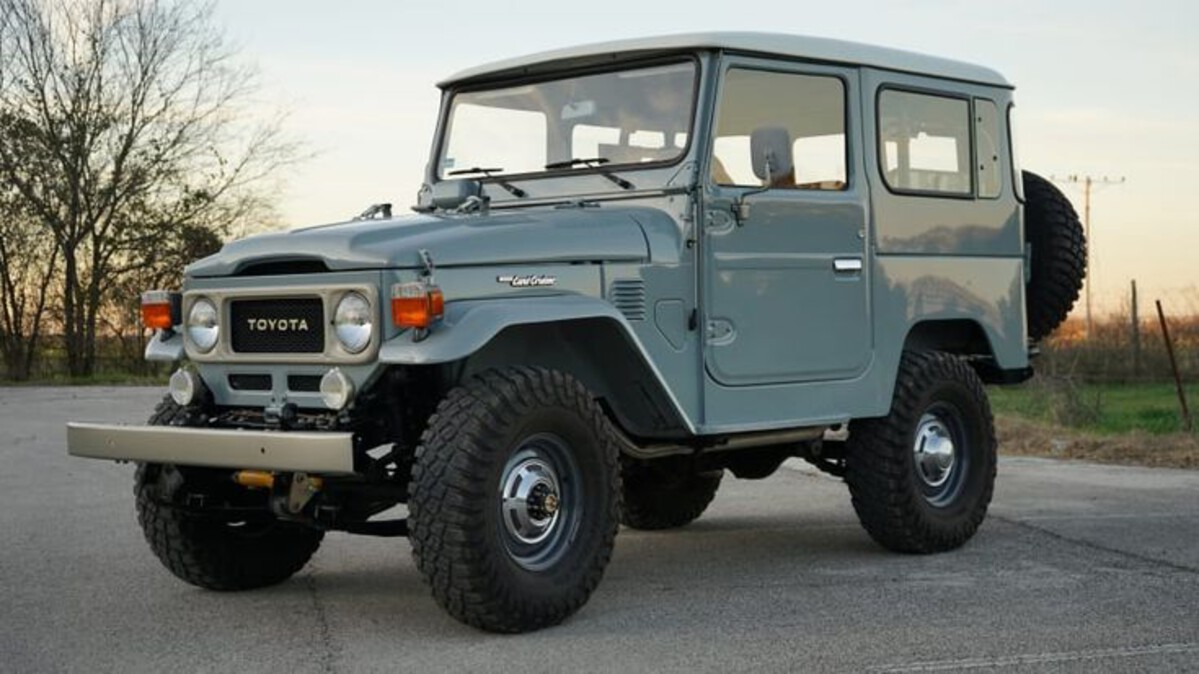
What made the FJ40 stand out wasn’t just its mechanical toughness but also its versatility. It could be driven through deep mud, sand, snow, or city streets without breaking a sweat.
The transmission is manual, simple, and practically indestructible. Its leaf-spring suspension might ride rough by modern standards, but it’s easy to repair and handles punishment like a champ.
Mechanics love it because everything is accessible, and parts availability remains surprisingly strong thanks to Toyota’s global reach and aftermarket support. The FJ40’s design has also aged gracefully, turning it into a collector’s favorite. It’s not fast, it’s not quiet, and it’s definitely not comfortable by modern SUV standards, but it just doesn’t die.
Ask anyone who’s owned one these things can sit for a decade, get a new battery, and fire right up. That’s the definition of still running strong.
2. Ford Bronco (1966–1977)
The original Ford Bronco wasn’t built for glamour; it was built to get dirty. With its simple body-on-frame construction, solid axles front and rear, and a selection of bulletproof engines, it set the tone for American off-roaders for decades.
The 70s Bronco models especially those from 1973–1977, are still among the most sought-after for restoration because of their dependability and timeless design.
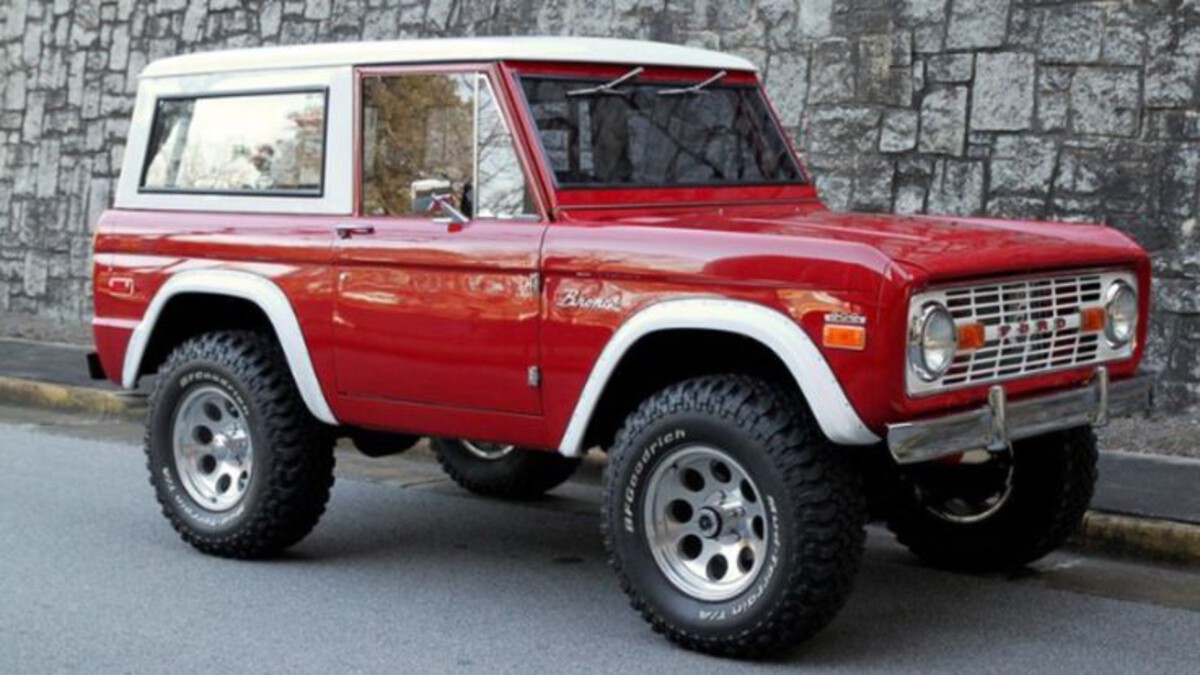
Under the hood, most came with either the 302 V8 or the 200 inline-six, both of which are easy to maintain and capable of going hundreds of thousands of miles.
The drivetrain was designed with off-road capability in mind, using a Dana 20 transfer case and manual locking hubs. This mechanical simplicity makes it one of the easiest 70s SUVs to keep running.
Broncos from this era have a cult following because they blend utility with charm. They’re not overcomplicated, and that’s their biggest advantage. Mechanics call them “farm-truck simple,” meaning you can wrench on one with basic tools and a little patience.
Plenty of these early Broncos are still trail-ready or used as weekend cruisers. And when a vehicle still holds value and respect fifty years later, it’s not nostalgia it’s proof of solid engineering that outlasts trends.
3. Chevrolet Blazer K5 (1969–1975)
Chevy’s K5 Blazer was the brand’s answer to the Bronco and the International Scout, and it quickly became a classic in its own right. Built tough and powered by a range of small-block V8s most notably the 350 the Blazer balanced comfort and capability better than almost anything else of its time.
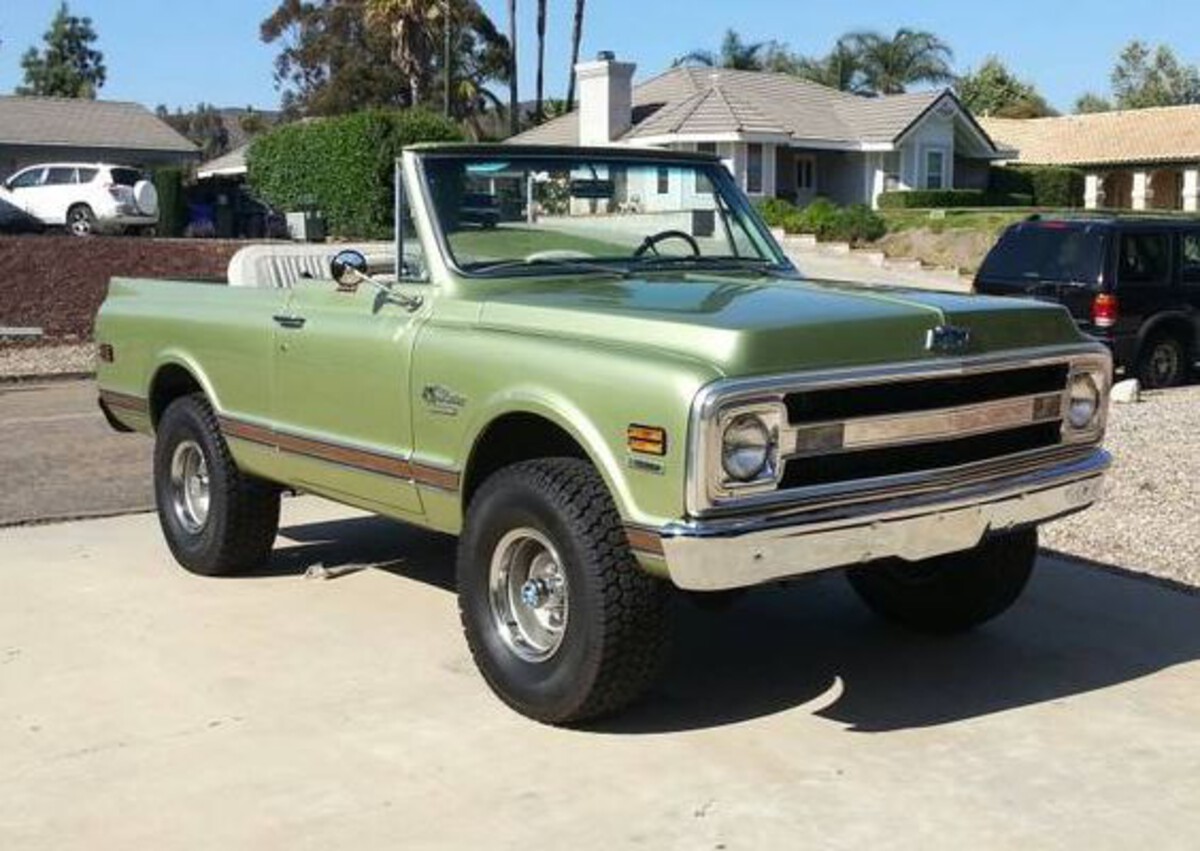
Owners love the K5 for its sheer durability. Its frame is stout, the engines are easy to rebuild, and the drivetrain is practically immortal when maintained. The K5’s removable hardtop also makes it a fun summer cruiser, but when weather turns rough, it’s still a serious off-roader.
Mechanics appreciate how straightforward the K5 is to work on. Everything from the carburetor to the transfer case is easily serviceable, and parts are widely available thanks to its shared components with Chevy’s truck lineup.
Even after decades, plenty of K5s are still running daily or used for off-road adventures. Some have been restored to near-showroom condition, while others still wear the scars of decades of hard use.
Either way, these rigs prove why Chevy trucks of the 70s earned their reputation for dependability they were simply built to take a beating and keep on driving.
4. Jeep Cherokee (SJ) (1974–1983)
The 70s Jeep Cherokee wasn’t a family crossover it was a brawny, full-size SUV born from the Wagoneer platform.
The SJ Cherokee combined off-road capability with comfort, becoming one of the first SUVs that could truly do both. Powered by the AMC 360 or 401 V8 engines, it had serious muscle for its time, and many of those powerplants are still going strong today.
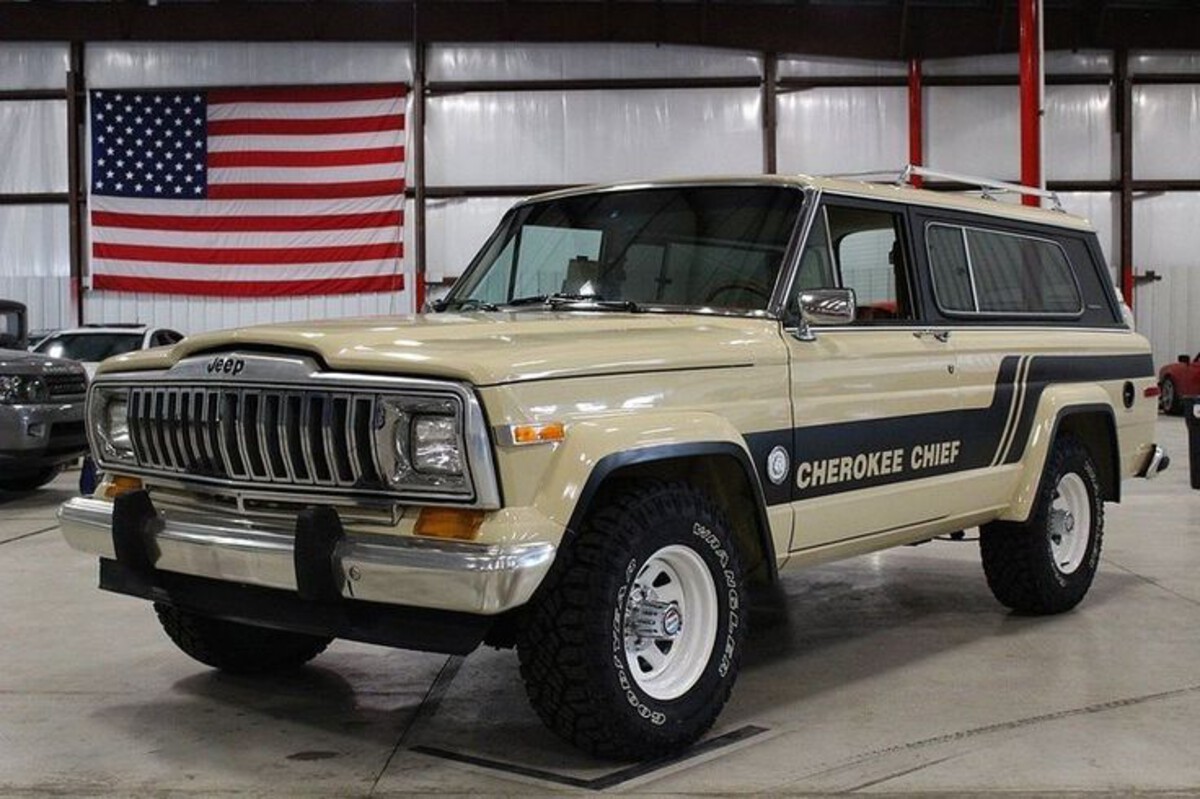
The Cherokee SJ was built on a sturdy ladder frame, which gave it excellent strength and rigidity. Its Quadra-Trac full-time four-wheel-drive system, introduced in the mid-70s, made it surprisingly capable in all conditions. Mechanics often say that the SJ was one of Jeep’s best-built vehicles before electronics took over.
The interior was simple but comfortable, with straightforward controls and durable materials. It was meant to be used, not babied. That’s part of why so many of these Cherokees can still be found in running condition they were made to last, not to impress.
While rust can be an issue, the mechanical components are easy to maintain. Enthusiasts often rebuild them into modernized classics, pairing rugged reliability with retro style. The fact that you can still see these on trails today proves how solid Jeep’s engineering was back in the 70s.
5. International Harvester Scout II (1971–1980)
Before SUVs became cool, the Scout II was already doing the job. International Harvester built it as a practical 4×4 that could handle workdays and weekends with equal grit. The Scout II came with several engine options from a 196 inline-four to the reliable 345 V8 all known for their toughness.
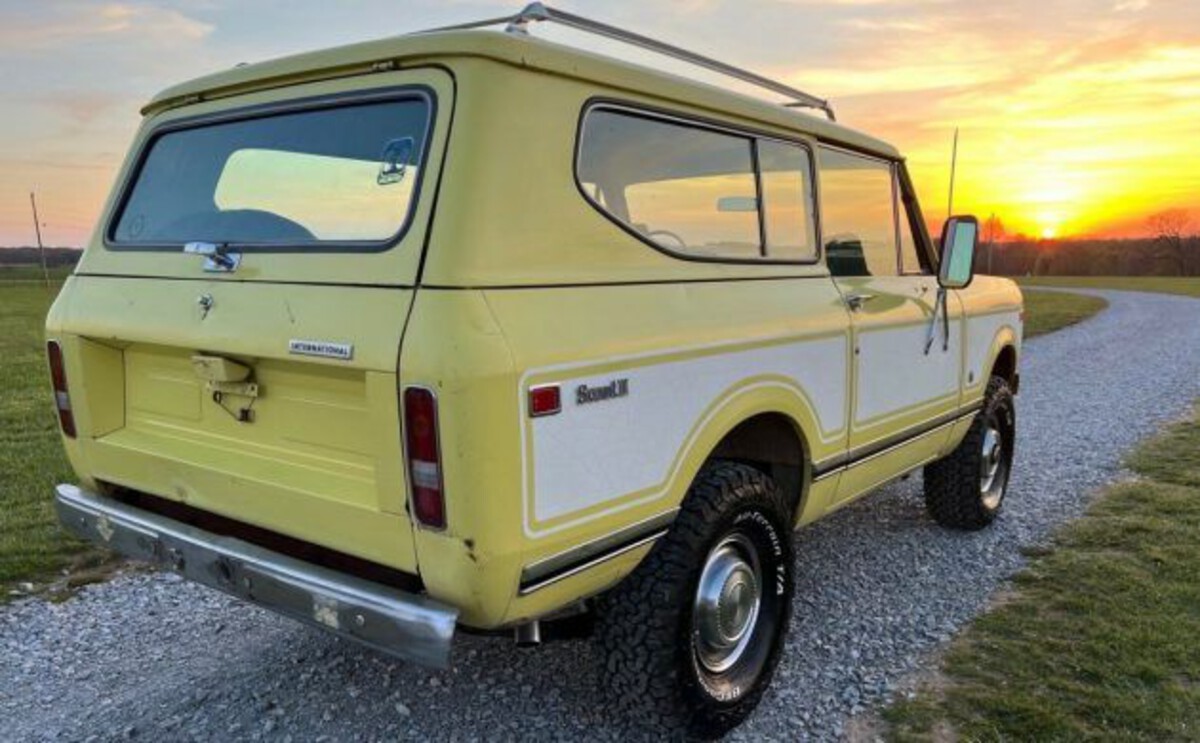
The Scout II had a reputation for being overbuilt, with a chassis and suspension system designed for punishment. It wasn’t fast or refined, but it could go places few other vehicles dared. The interior was utilitarian but functional, using simple gauges and switches that still work decades later.
Mechanics who’ve worked on Scouts praise them for their ease of service. Parts availability has improved thanks to a dedicated fan base and a growing restoration community. The Scout II’s biggest enemy was rust, but well-maintained or restored models continue to prove that these SUVs were among the toughest of their time.
It’s common to find Scout IIs still plowing snow or hitting the trails on weekends. Their engines sound like a heartbeat from a simpler era deep, mechanical, and steady. The fact that so many are still alive says everything about their design. These were workhorses built before anyone cared about convenience features and they just keep going.
6. Range Rover Classic (1970–1996)
The original Range Rover wasn’t a luxury SUV when it debuted; it was a tough, farm-ready machine with the manners to go into town. The 70s Range Rover Classic used an aluminum V8 derived from Buick’s 3.5L, paired with a permanent four-wheel-drive system that gave it incredible versatility.
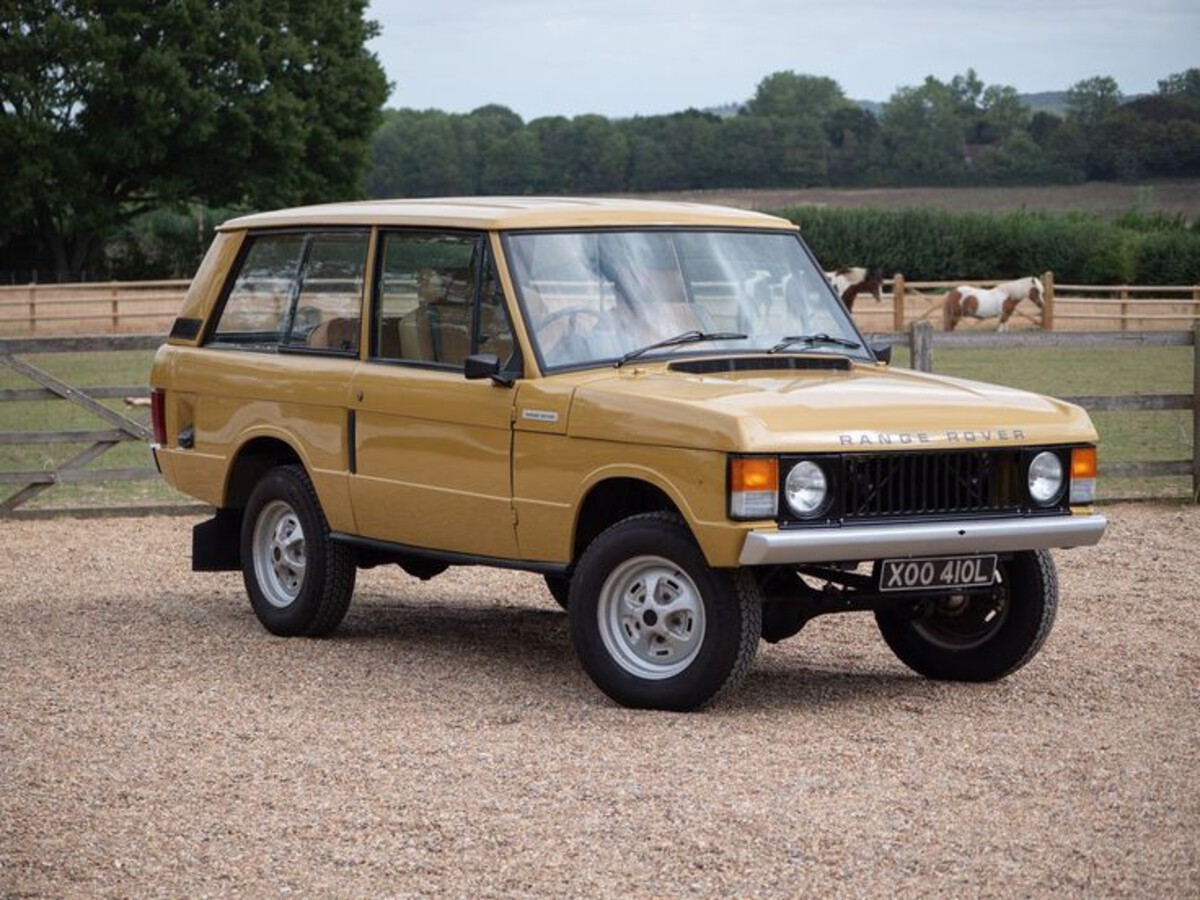
Early Range Rovers were surprisingly capable off-road, yet refined enough for long drives. Their boxy shape and simple interior design have aged beautifully, making them highly collectible.
While British electrics from the 70s aren’t known for reliability, the Range Rover’s core mechanical systems its drivetrain and chassis were well-engineered.
Many owners have replaced or upgraded wiring over the years, making them more reliable today than when new. Mechanics often praise the aluminum body panels, which resist rust far better than steel-bodied competitors. The suspension system, while complex for its time, can still be serviced with modern parts.
Plenty of 70s Range Rovers are still running in Europe and Australia, proving that solid engineering outlives reputation. It’s not the easiest SUV to maintain, but if you understand it and take care of it, it’ll reward you with timeless looks and a ride that feels like it’s from an era when Land Rover built machines, not luxury badges.
ALSO READ: 5 EVs That Rarely Retain Resale Value vs 5 That Lose Value Fast
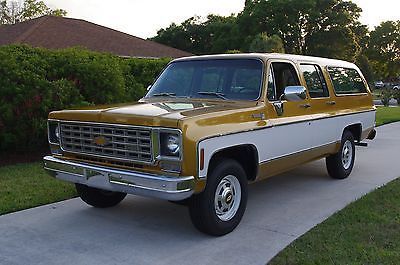
7. Chevrolet Suburban (1973–1979)
If there’s one SUV that defines longevity, it’s the Chevy Suburban. The 70s models were massive, mechanically straightforward, and powered by engines that could outlive their owners. The 350 and 454 cubic-inch V8s were common choices, known for brute torque and long service life.
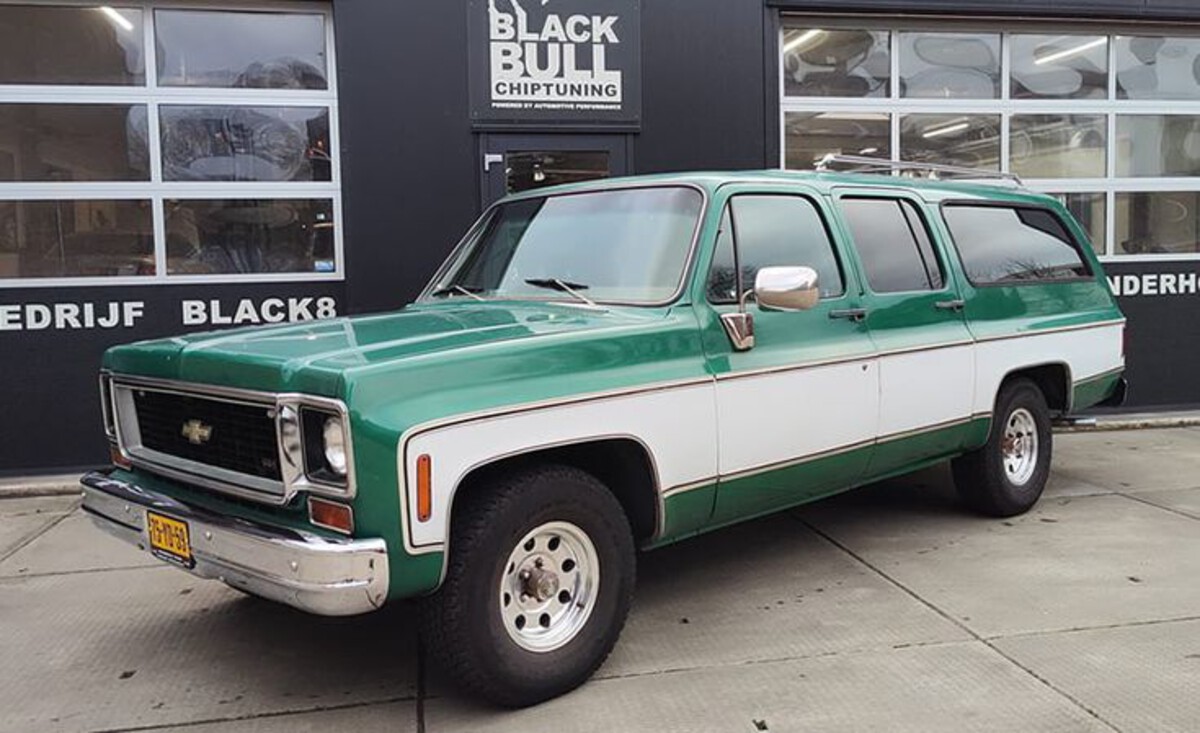
The seventh-generation Suburban introduced in 1973 became a legend among families and fleets. It could tow, haul, and take abuse without blinking. Its body-on-frame layout made it nearly indestructible, and because it shared parts with Chevy pickups, finding replacements today is still easy.
The Suburban’s interior was simple vinyl seats, basic gauges, and no fancy tech to fail. That simplicity is exactly why so many are still on the road. Mechanics love them because they’re easy to diagnose and built with standardized GM components.
Many 70s Suburbans are still working vehicles, used by ranchers, restorers, and vintage truck lovers. They might guzzle fuel, but they’ll start on the coldest mornings and pull anything you hitch to them. In a world obsessed with SUVs that look rugged but aren’t, the old Suburban is the real deal a vehicle that embodies the word “tough.”
8. Dodge Ramcharger (1974–1993)
The Dodge Ramcharger came into the 70s SUV scene swinging. Based on the Dodge D-Series truck, it shared the same toughness and attitude. The early models came with the 318 and 440 V8s both absolute workhorses. They weren’t refined, but they were reliable and simple to fix.
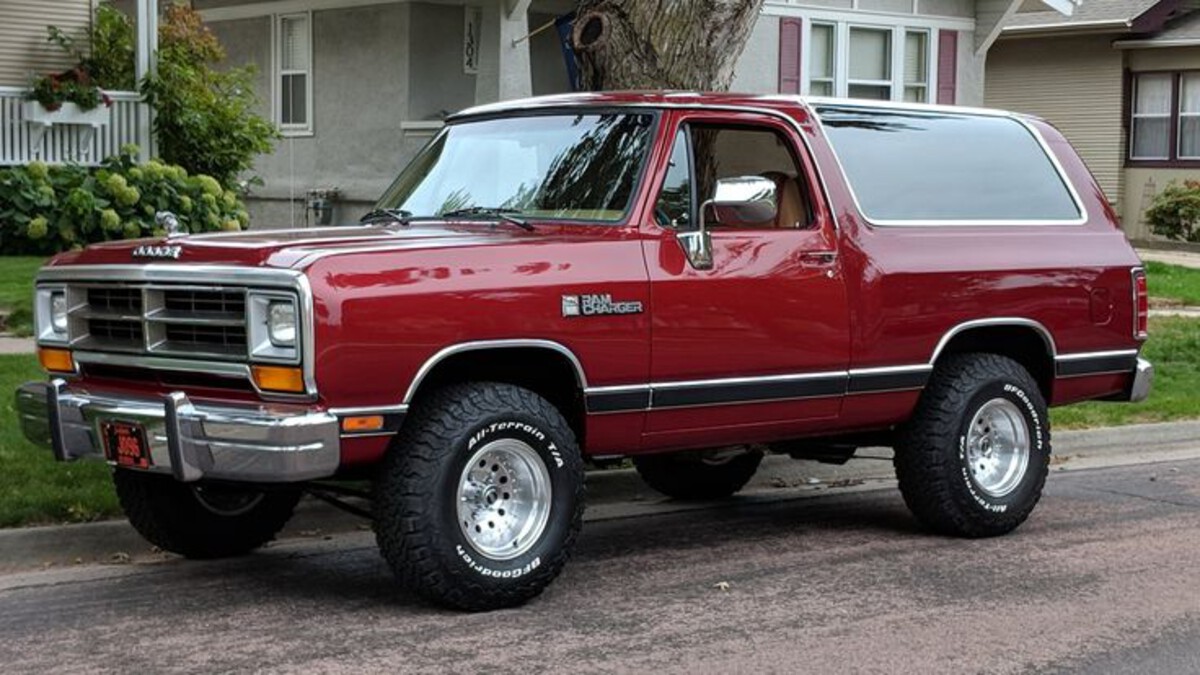
The Ramcharger’s shorter wheelbase gave it excellent off-road balance, and the removable hardtop added a fun factor that made it stand out. Its four-wheel-drive system was built for serious use, and the drivetrain was as rugged as they come.
Mechanics often point out how forgiving these engines are they’ll run even when neglected, and basic maintenance keeps them alive indefinitely. The frame and suspension design were straightforward, meaning you didn’t need fancy tools to keep it going.
While not as famous as the Bronco or Blazer, the Ramcharger holds a special place among enthusiasts for being underrated and brutally dependable. Many are still being used on farms or as trail rigs, proving that Dodge’s old-school engineering was right on the money. The Ramcharger is one of those vehicles that reminds you what “built like a truck” really means.
9. Nissan Patrol (160 Series) (1979–1989)
While Toyota’s Land Cruiser gets most of the fame, the Nissan Patrol deserves equal respect. The late 70s 160 Series Patrol was a beast simple, strong, and reliable. With its inline-six petrol or diesel engines, the Patrol earned a reputation in the Middle East and Australia as a machine that just doesn’t quit.
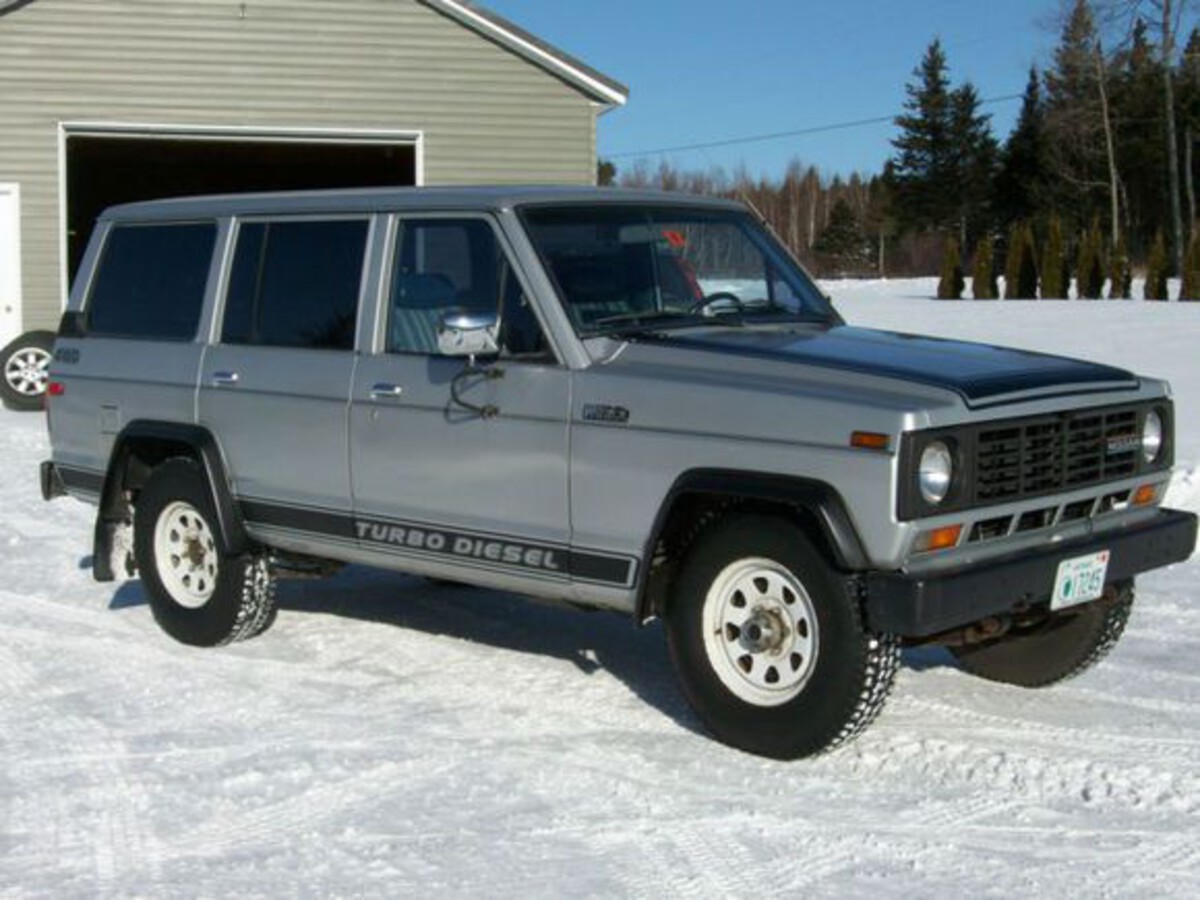
The Patrol’s ladder frame, solid axles, and manual transmission made it ideal for brutal environments. It could cross deserts, climb mountains, and drive through floodplains with confidence. The mechanical components were so well-built that many 70s Patrols are still in daily use in rural areas.
Mechanics often say the Patrol is one of the easiest Japanese SUVs to work on. Parts are sturdy, and the drivetrain rarely fails if maintained. The body might rust, but the engine and gearbox almost never do.
Drivers loved its simplicity no electronics, no fragile components, just solid metal and a motor that’ll run forever. For anyone who values old-school reliability over modern tech, a 70s Patrol still feels like a mechanical masterpiece that outworks and outlasts many newer SUVs on the market.
10. GMC Jimmy (1970–1979)
The GMC Jimmy was essentially Chevy’s K5 Blazer with a different badge, but it earned its own loyal following for good reason. The 70s Jimmy came with the same robust small-block V8 engines and heavy-duty components, giving it incredible staying power.
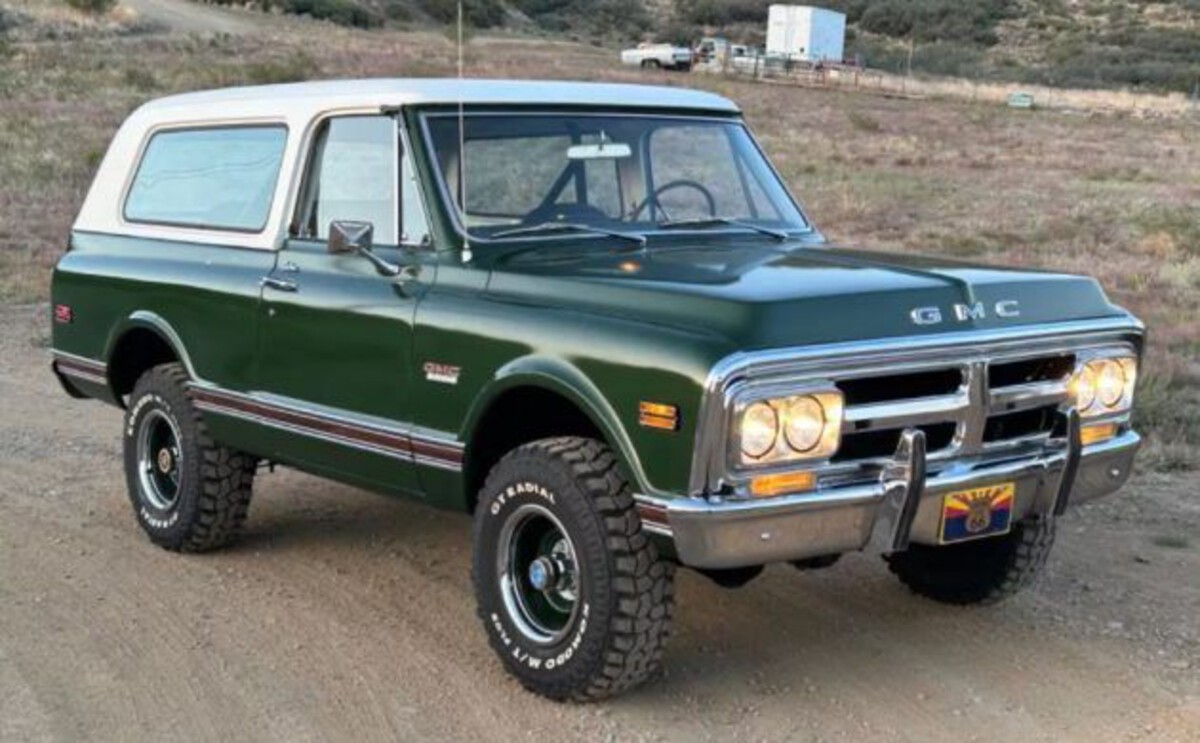
It handled like a truck because, well, it was one. The solid frame, basic leaf-spring suspension, and strong drivetrain made it nearly bulletproof. Off-road, it was unstoppable, and on-road, it could tow, haul, and cruise without much trouble.
Mechanics still recommend the Jimmy to classic SUV buyers because it’s one of the easiest vehicles to restore. Replacement parts are everywhere, and the mechanical design is so straightforward that even novice wrenchers can learn from it. Jimmy’s interior was basic but built to last metal dash, tough vinyl, and minimal electronics.
Plenty of these rigs are still on the road today, either restored or used as rugged weekend warriors. They embody the no-nonsense approach that defined 70s SUVs. The GMC Jimmy didn’t try to impress anyone, it just got the job done, and that’s exactly why it’s still running strong fifty years later.
What’s impressive about these 70s SUVs isn’t just their survival it’s how well they still perform decades later. In an age where vehicles are judged by touchscreen size and software updates, these old machines remind us that real reliability starts with solid metal and simple engineering.
Each SUV on this list was designed with longevity in mind. They weren’t meant to be leased for three years and traded in, they were meant to last generations.
Mechanics respect them because they’re repairable, not replaceable. You can pull apart an engine, rebuild it, and get another 200,000 miles out of it without any computers getting in the way.
For enthusiasts, these vehicles represent freedom the ability to go anywhere, fix anything, and drive something with character. They’ve survived economic shifts, changing tastes, and the rise of crossovers, yet they’re still seen as icons of reliability.
If you’re looking to buy one today, the key is maintenance history and rust condition. Find one that’s been cared for and you’ll have a piece of automotive history that still works like new.
The 70s gave us SUVs that were built on purpose and built to last. And while modern models may be smoother or smarter, few will still be running fifty years from now. These classics don’t need marketing slogans to prove their worth they just need a turn of the key.