In the world of automotive collecting, few segments have seen as much growth in recent years as pickup trucks.
Once utilitarian workhorses, classic and modern trucks alike have become prized possessions for collectors who value rugged design, durability, and nostalgia.
From early American icons to high-performance off-road beasts, some pickups continue to fetch big numbers at auctions like Barrett-Jackson and Mecum.
But not all trucks hold their value equally while a few appreciate like fine wine, others fall short despite their initial popularity or power.
Let’s explore five trucks that consistently stay valuable at auction and five that struggle to hold their worth, revealing the reasons behind these trends and what collectors really look for when the bidding starts.
Trucks That Stay Valuable at Auction
Some trucks lose their value the moment they leave the lot, but others hold strong, even decades later.
Whether it’s because of rugged durability, limited production numbers, or timeless appeal, certain pickups continue to command impressive prices when the auction gavel drops.
In this article, we’ll look at the trucks that have proven to be not just workhorses, but smart investments, vehicles that stay valuable long after their odometers have rolled over.
1. 1979 Ford F-150 Ranger
The late 1970s F-Series trucks have become a collector favorite in recent years, and the 1979 Ford F-150 Ranger sits at the top of that pack.
This generation marked the end of the classic square-body era before Ford transitioned to more modern, aerodynamic styling in the ’80s.

Enthusiasts love its boxy design, simplicity, and bulletproof 302 or 351 V8 engines. Well-preserved examples or properly restored ones often sell for over $40,000 at auctions, a number that would have been unthinkable just a decade ago.
Nostalgia plays a huge role this truck reminds buyers of a time when pickups were honest, no-nonsense machines built to last.
2. Toyota Land Cruiser FJ40
Although technically more of an SUV, the FJ40 has become a cult classic among truck and off-road collectors alike. Produced from the 1960s through the early 1980s, this Toyota icon is known for its incredible reliability and timeless looks.
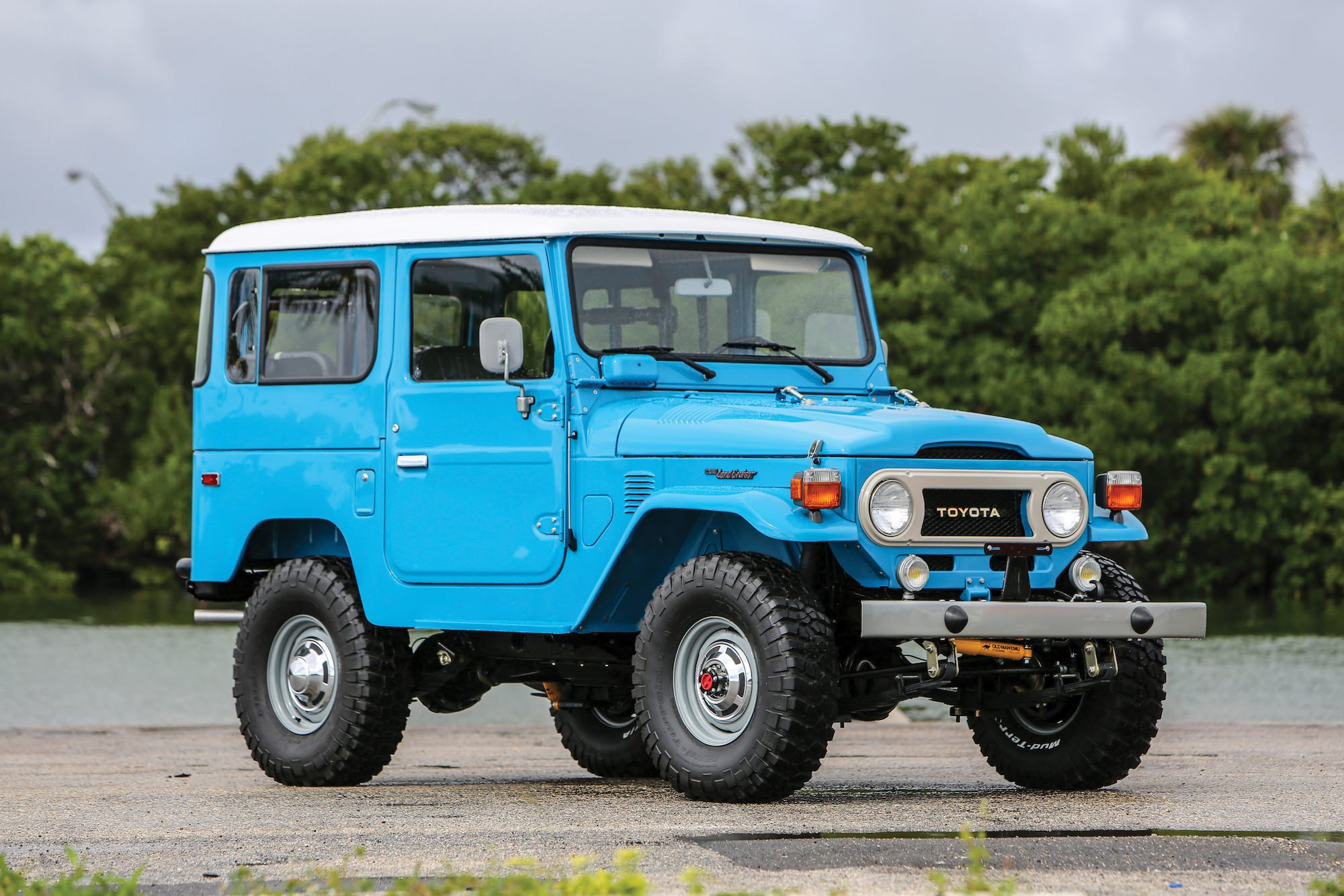
In the US, clean examples easily top six figures at top-tier auctions. Its value has remained strong because it represents Toyota’s legacy of toughness and simplicity traits American collectors adore.
Restomod versions, featuring modern powertrains and suspensions, often command even higher prices thanks to their blend of vintage design and modern usability.
The Toyota Land Cruiser FJ40 remains a true icon in automotive history, combining unmatched durability with a design that has stood the test of time.
In this feature, we explore the distinctive qualities and lasting allure that make the FJ40 a legend among enthusiasts.
Join us as we journey through the remarkable heritage of the FJ40, a model where authenticity harmonizes with modern refinement. From its sturdy steel frame to the powerful 1GR-FE Engine, every detail embodies the enduring spirit of the original Land Cruiser.
Step into our world of precision restoration, where traditional craftsmanship meets innovative restoration techniques. Our stage 3 restoration process ensures every element is renewed and perfected, creating an FJ40 that feels brand new.
Backed by decades of combined experience and a shared passion for Land Cruisers, our dedicated team brings these classics back to life with extraordinary attention to detail.
Experience the thrill of owning a genuine Toyota Land Cruiser designed to match your lifestyle.
Whether you dream of a relaxed weekend cruiser, a rugged off-road powerhouse, or a show-stopping collectible, The FJ Club collaborates with you to create the FJ40 you’ve always envisioned.
3. 1990 Dodge Ram 250 LE Cummins
When Dodge introduced the 5.9-liter 12-valve Cummins diesel in the late 1980s, it changed the heavy-duty truck market forever. The first-generation Dodge Ram 250 with the Cummins engine quickly became a legend for its durability and pulling power.

Today, these trucks are a hit at classic car auctions, especially those with low mileage and original components. Pristine models have fetched between $30,000 and $60,000 remarkable for what was once considered a work truck.
Collectors value them not only for their mechanical toughness but also as the beginning of the diesel performance era.
The Dodge team must have known they had struck gold when their bold Ram Pickup made its debut in 1994. Few trucks have managed to capture as much attention or spark as much conversation.
Whether dressed in the sporty Sport trim or flaunting a traditional chrome grille, this truck embodies pure, unapologetic toughness sculpted from steel.
Beneath the hood, the lineup ranges from practical to powerful. For those with everyday needs, there’s a modest 3.9-liter V6. For others, the thundering Cummins diesel provides the kind of deep, resonant growl and strength that makes a man want to grab his Stetson and hit the open road.
Check the options list, and you’ll find an 8.0-liter V10 producing 300 horsepower and a locomotive-worthy 450 pound-feet of torque. This formidable Magnum V10 is available exclusively in the heavy-duty 2500 and 3500 series pickups.
One of the early criticisms focused on cabin space. Initially, only a regular cab was available, seating three passengers on a single bench. While Dodge boasted that its cab was the most spacious in the industry, that offered little comfort to buyers who needed more seating.
To address this, Dodge added a Club Cab two years later, offering room for six adults, though rear access was somewhat limited. Last year, Dodge enhanced the Club Cab with standard rear-quarter windows.
Now, for 1998, the evolution continues with the introduction of the Ram Quad Cab, featuring rear-access doors on both sides. It’s easily one of the most convenient pickups on the market today.
Inside, the Ram Pickup has been refined with an interior redesign that finally matches the truck’s rugged capability. A passenger-side airbag now comes standard, and with a cutoff switch, it’s safe to secure a child seat in the front.
Step on the gas, and you’re met with a satisfying roar, an audible reminder of the truck’s power, though in most situations, the cabin remains relatively quiet.
The ride and handling are impressively composed, almost making you forget you’re driving a full-size truck, though some bumps are still noticeable. Visibility is excellent, and the controls are thoughtfully laid out.
The automatic transmission delivers firm yet smooth shifts, and the column-mounted gear selector operates with ease. For a vehicle of its size and heft, the Ram Pickup feels surprisingly agile and confident, just avoid any sudden maneuvers.
In its first three years, Dodge sold more than 800,000 Ram Pickups, and demand remains strong. To keep up, Chrysler even opened a new plant to maintain production flow.
While the initial curiosity may have settled, one thing is clear, when truck buyers dream about their next pickup, they’re counting Rams.
4. 2003–2006 Chevrolet Silverado SS
GM’s answer to the Ford SVT Lightning, the Silverado SS, has quietly built a strong following among collectors who appreciate early-2000s performance trucks.
Powered by a 6.0-liter V8 and available with all-wheel drive, it offered both muscle and comfort. With limited production numbers and a distinctive look, the Silverado SS is gaining momentum in the collector market.
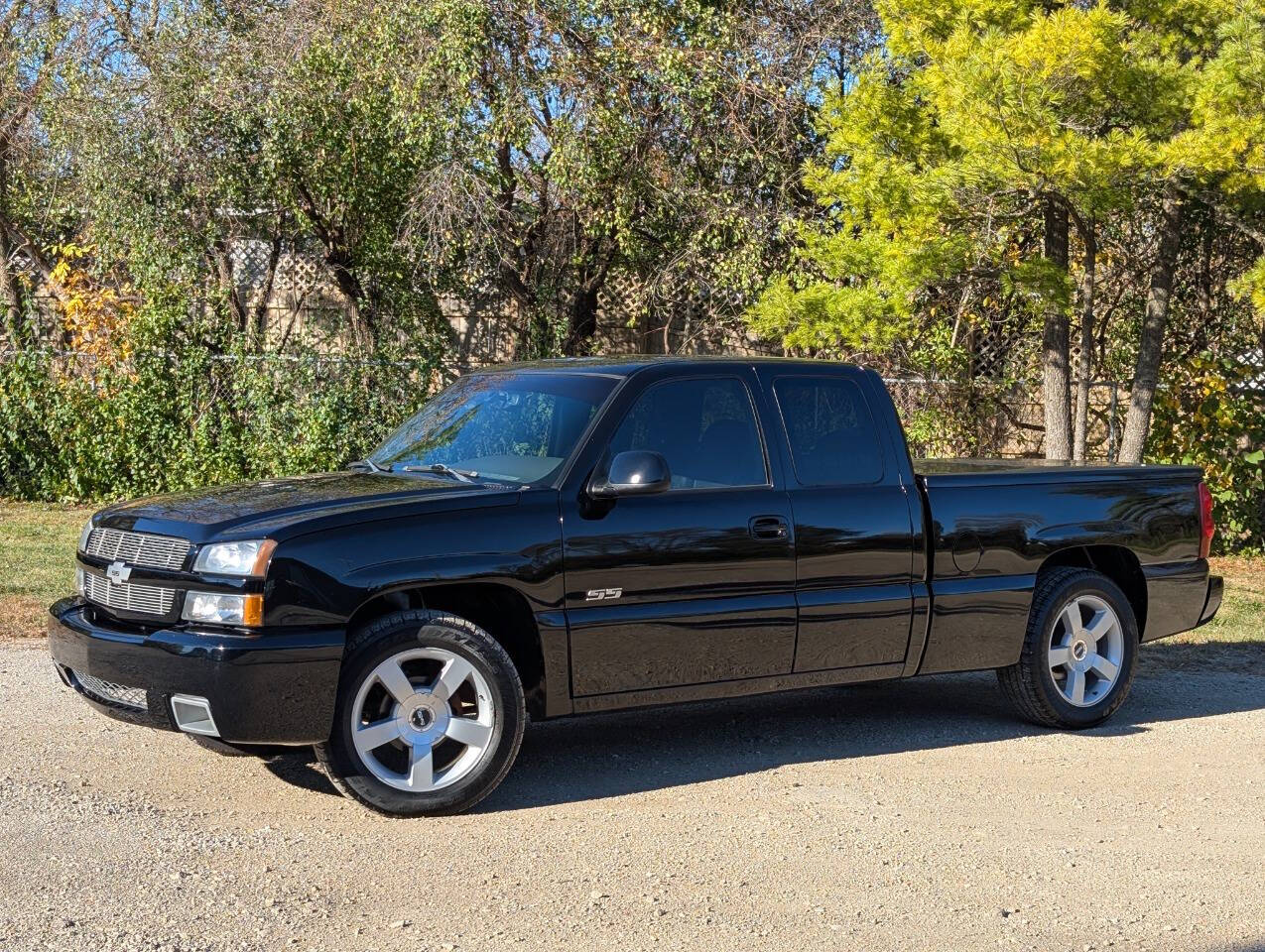
Clean examples now sell for upwards of $25,000 to $35,000, with the best low-mileage units climbing higher each year. As nostalgia for the early 2000s grows, this truck’s value is only expected to rise.
5. 2021 Ram 1500 TRX
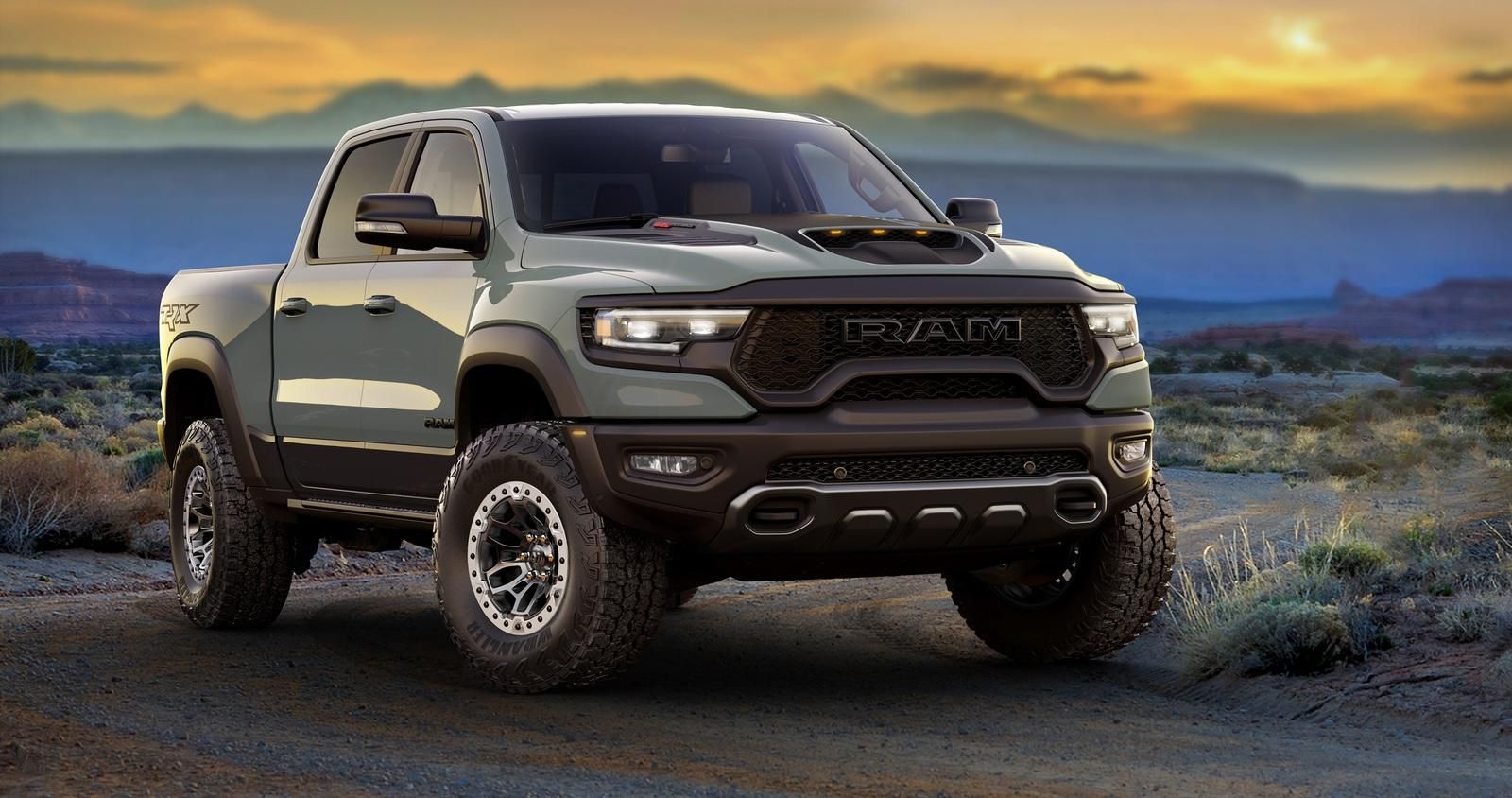
While most modern trucks depreciate rapidly, the Ram 1500 TRX has defied that trend. Powered by a supercharged 6.2-liter Hellcat V8 producing 702 horsepower, it’s one of the most powerful and outrageous pickups ever built.

Due to limited production and high demand, used TRX models often sell at or above their original MSRP, especially at collector auctions.
Enthusiasts view it as the pinnacle of the internal combustion off-road era, a last hurrah before the industry fully shifts toward electric trucks. This future-classic status has ensured the TRX remains a premium auction item.
Tucked between the TRX’s muscular fenders and beneath its aggressively scooped hood lies a supercharged 6.2-liter Hemi V-8.
Better known as the Hellcat engine, this version delivers a jaw-dropping 702 horsepower and 650 lb-ft of torque, sent to all four wheels through an eight-speed automatic transmission.
In our testing, the TRX rocketed from 0 to 60 mph in just 3.7 seconds and conquered the quarter-mile in 12.3 seconds at 110 mph, making it the quickest pickup truck we’ve ever evaluated.
Despite its considerable weight and massive proportions, the Hellcat-powered Ram is impressively composed and surprisingly easy to manage on paved roads.
Yet, with a simple tap of the throttle, the supercharged V-8 unleashes a thrilling symphony from its exhaust pipes. Of course, the TRX isn’t just built for the streets, it thrives in the mud, rocks, and sand as well.
Its reinforced steel frame and heavy-duty suspension system are designed for extreme durability, providing over 13 inches of travel for superior off-road performance.
The TRX rides on massive 35-inch all-terrain tires mounted to 18-inch wheels, giving it an impressive 11.8 inches of ground clearance. Ram also claims the half-ton Hellcat can ford through up to 32 inches of water.
Every model comes outfitted with extensive underbody protection sturdy enough to safeguard a Brink’s truck, Bilstein remote-reservoir dampers, an electronic-locking rear differential, and enormous 15.0-inch front brakes for stopping power that matches its ferocity.
Also Read: 8 Cars That Are Nightmare Money Pits After 80k
Trucks That Don’t Stay Valuable at Auction
Not every pickup is destined to be a collector’s dream. While some trucks gain value with age, others struggle to attract bids when they hit the auction block.
Depreciation, reliability issues, or lack of demand can quickly turn a once-popular model into a hard sell. In this article, we’ll take a look at the trucks that fail to hold their value, those that, despite their history or performance, just don’t shine when it’s time to auction them off.
1. 2004 Ford F-150 Heritage
While it has historical significance as the last of the old-style F-150s, the 2004 Ford F-150 Heritage hasn’t managed to capture collector interest.
Built primarily as a budget-friendly fleet and work truck, it lacks the charm and nostalgia factor that earlier F-Series models possess.
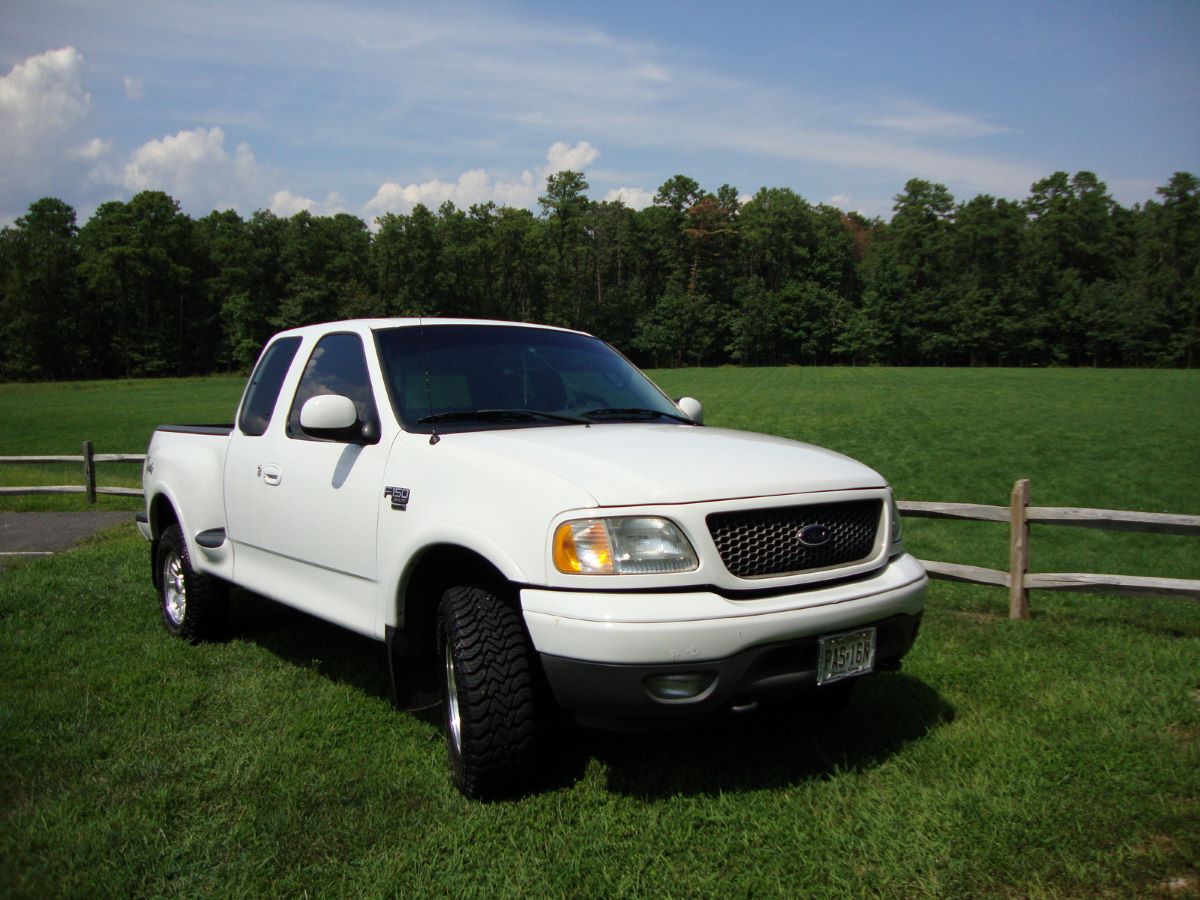
With generic styling and modest performance, most Heritage editions sell for little more than used-car prices at auctions. Collectors tend to gravitate toward earlier, more distinctive F-Series models or newer, high-performance trims like the Raptor.
2. Chevrolet Avalanche
The Avalanche was innovative when introduced blending SUV comfort with truck utility but it never truly found its niche.
While it offered clever features like the “midgate” for extending the bed, its polarizing design and heavy use of plastic panels turned off many buyers.

At auction, even pristine examples from the early 2000s rarely fetch more than $10,000. The Avalanche has yet to gain the retro appeal of other discontinued GM trucks, and collectors still view it as an odd experiment rather than a desirable classic.
The Chevrolet Avalanche entered the automotive scene as a unique blend of pickup truck and SUV, combining generous cargo space, passenger comfort, and impressive towing capability.
First introduced in 2002, it featured a distinctive midgate design that allowed the cargo bed to extend into the cabin, offering flexibility for hauling larger items without sacrificing interior seating.
This innovative approach made the Avalanche perfect for those needing both practicality and versatility. Throughout its production run, it was praised for its smooth ride, clever engineering, and ability to tackle demanding tasks while maintaining an attractive, modern appearance.
It catered to drivers who wanted the utility of a truck but still valued comfort and everyday convenience.
The story of the Avalanche began in the early 2000s, quickly earning attention for its adaptability and forward-thinking design. Over time, Chevrolet refined the model with upgrades in performance, safety, and technology.
The first generation (2002–2006) impressed critics and consumers alike with its groundbreaking midgate system, allowing an effortless transformation from a five-passenger crew cab into a long-bed cargo hauler.
The second generation (2007–2013) introduced sleeker styling, improved fuel efficiency, and advanced tech features, reinforcing the Avalanche’s position in the market.
Each version struck a careful balance between rugged functionality and comfort, attracting a wide range of buyers, from outdoor enthusiasts to contractors and families.
However, as market trends began to favor more fuel-efficient and technologically advanced vehicles, the Avalanche’s reign gradually came to a close.
The Avalanche’s appeal stemmed from its rare combination of versatility, strength, and comfort. Its signature midgate system set it apart, giving owners the freedom to switch between passenger transport and heavy hauling with ease, something no other truck could match at the time.
Known for its reliability and toughness, it excelled at towing boats, trailers, and construction equipment. Beyond its capability, the Avalanche offered a well-appointed interior with premium options like leather seating, upgraded sound systems, and advanced infotainment.
Its stylish exterior design and multipurpose nature made it a favorite for those who needed a vehicle that could serve as both a dependable workhorse and a comfortable family ride. This balance of practicality and refinement helped it build a strong and loyal following that lasted for nearly two decades.
Chevrolet officially ended production after the 2013 model year. The discontinuation came amid a shift in the automotive landscape, where priorities moved toward improved fuel economy, safety innovations, and advanced technology.
In response, Chevrolet redirected its focus toward strengthening its successful truck lineup, particularly the Silverado series, which continues to be a major player in the pickup market.
As a result, those interested in owning one will have to turn to the used market, where well-maintained models continue to attract enthusiasts who appreciate the Avalanche’s unique blend of strength, comfort, and versatility.
3. Nissan Titan (First Generation)
When Nissan entered the full-size truck market in 2004, the Titan offered impressive power and modern styling. However, it never managed to develop a strong following in the US a market dominated by Ford, Chevrolet, and Ram loyalists.
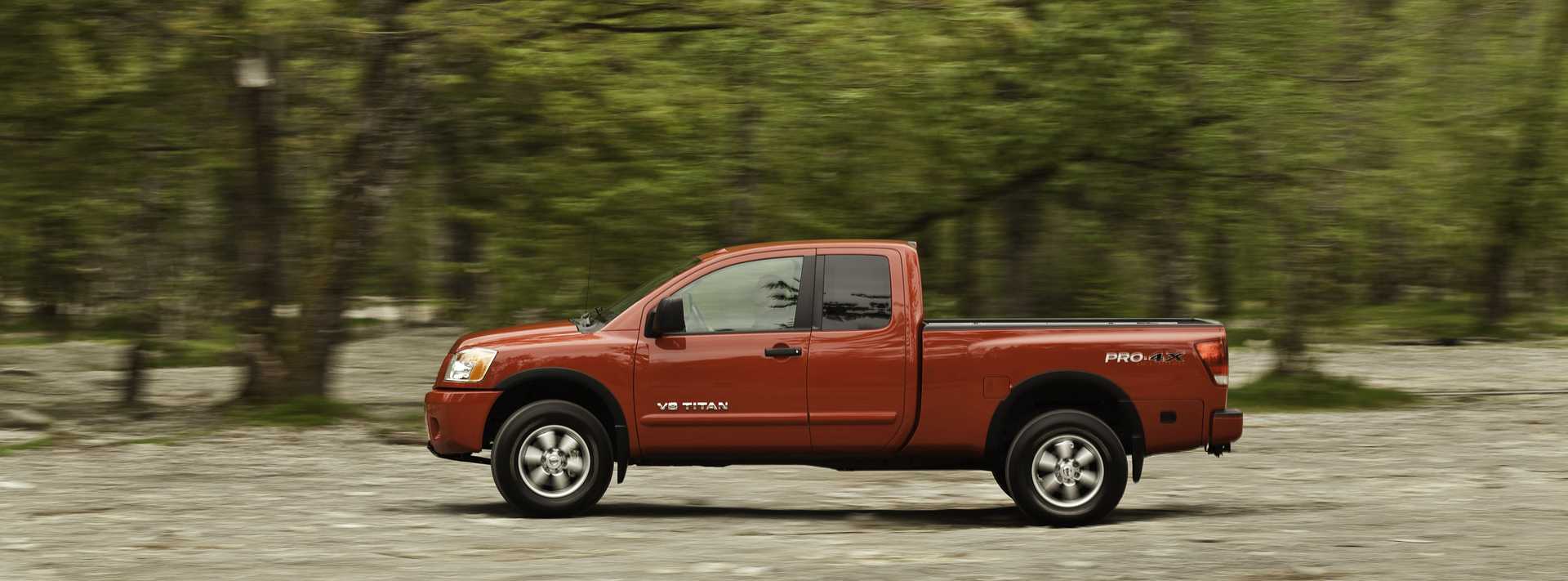
As a result, used Titans have consistently low resale and auction values. Collectors see them as competent but unremarkable trucks, lacking the emotional or historical connection that drives demand.
Even well-kept early Titans with V8 engines typically sell below $8,000 at auction.
4. GMC Canyon (First Generation)
The mid-2000s GMC Canyon shared its platform with the Chevrolet Colorado, but its smaller size and lack of distinctive styling have kept it from appreciating in value.
Early models often came with modest four- or five-cylinder engines, limiting their appeal among truck enthusiasts.
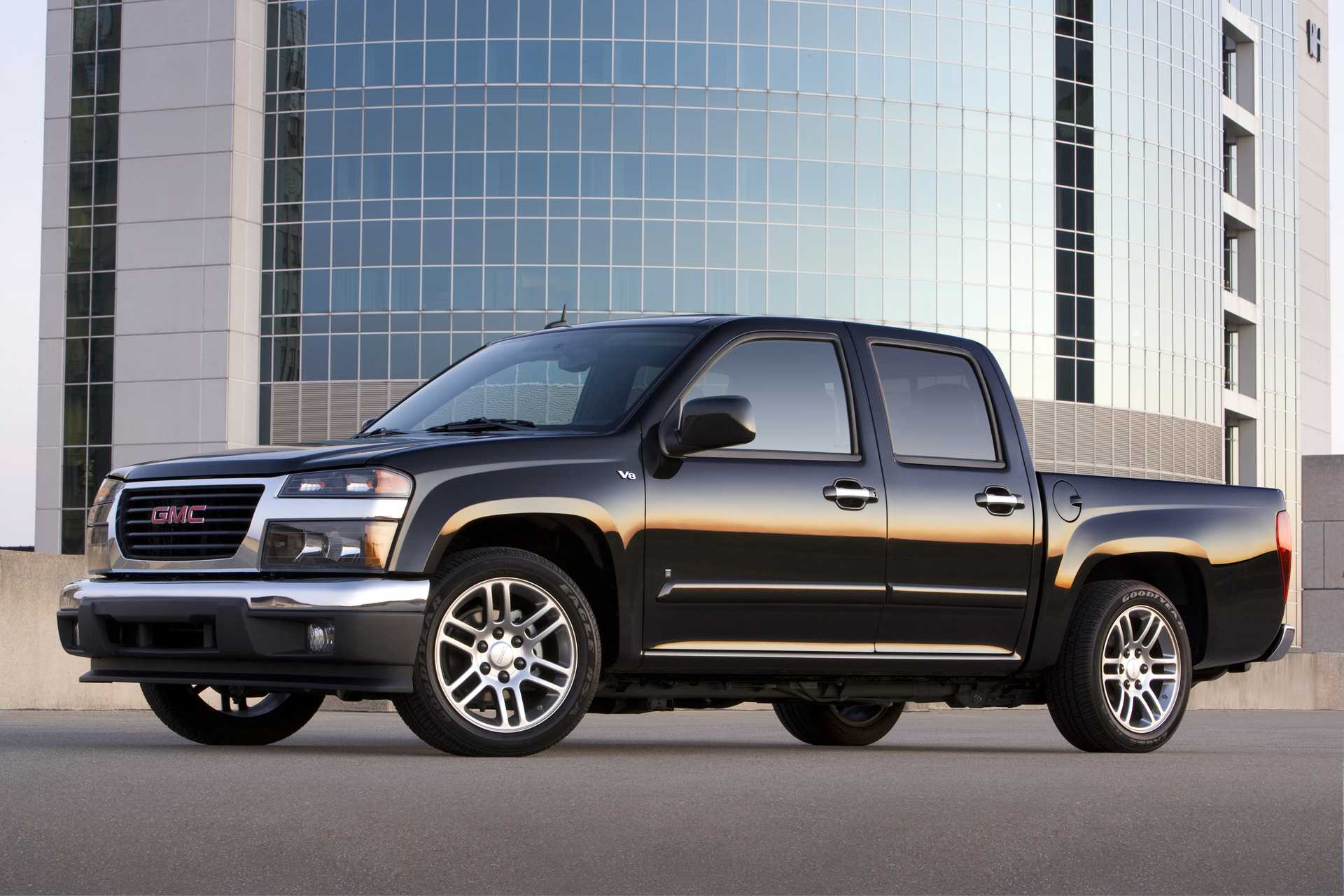
Unlike compact classics like the Toyota Tacoma or Ford Ranger from the same era, the Canyon never established a cult following. It remains practical for daily use but uninspiring to collectors, translating to weak auction performance.
The GMC Canyon, a mid-size pickup truck, boasts a rich history that mirrors the shifting demands of consumers and the broader evolution of the automotive industry.
First introduced in 2004 as a successor to the GMC Sonoma, the Canyon quickly established itself as a versatile and capable option in the pickup market, celebrated for its balance of practicality, performance, and distinctive styling.
The GMC Canyon made its debut in 2004 alongside its corporate sibling, the Chevrolet Colorado. Both trucks were designed to bridge the gap between compact pickups and full-size models, offering manageable dimensions without compromising capability.
During its early years, the Canyon was available with several powertrain choices, including inline-four and inline-five engines, allowing buyers to select the right balance between power and fuel efficiency.
This flexibility helped it appeal to a wide range of drivers, from those seeking a light-duty work truck to those needing a reliable everyday vehicle.
In 2012, GMC gave the Canyon a notable refresh, modernizing both its appearance and interior amenities. The exterior design adopted GMC’s contemporary styling cues, featuring a bold grille, sculpted body lines, and distinctive headlights.
After the 2012 model year, production of the GMC Canyon was temporarily paused due to shifting market trends and economic factors.
However, as the demand for mid-size trucks began to resurface, GMC recognized an opportunity to reintroduce the Canyon. The truck made its comeback in 2015, reflecting a renewed focus on capability, comfort, and advanced technology.
Inside, higher-quality materials, refined comfort, and advanced infotainment systems elevated the overall driving experience.
One of the standout additions to this generation was the introduction of a diesel engine option, which provided excellent fuel efficiency and robust towing power.
This new powertrain appealed to those seeking both strength and economy, expanding the truck’s appeal beyond traditional pickup buyers.
Over time, GMC continued to enhance the Canyon lineup with a wider range of trims, driver-assistance technologies, and connectivity features, catering to everyone from hardworking tradespeople to luxury-oriented drivers.
As the industry pivots toward electrification, GMC has revealed plans to launch an all-electric version of the Canyon. This move underscores the brand’s dedication to innovation and sustainability while aligning with the growing interest in electric trucks.
The upcoming electric Canyon promises to add an exciting new chapter to the model’s story, combining GMC’s rugged reputation with cutting-edge electric vehicle technology.
The history of the GMC Canyon highlights its continual evolution alongside the changing landscape of the pickup market.
From its early days as a versatile mid-size truck to its current role as a refined, tech-forward, and soon-to-be electrified model, the Canyon has consistently adapted to meet consumer needs.
With the anticipated launch of its electric variant, the Canyon is poised to carry its legacy forward, blending tradition with innovation to remain a strong contender in the ever-competitive pickup truck segment.
Also Read: Top 10 Pickups That Rarely Need Engine Swaps
5. 2019 Ford Ranger
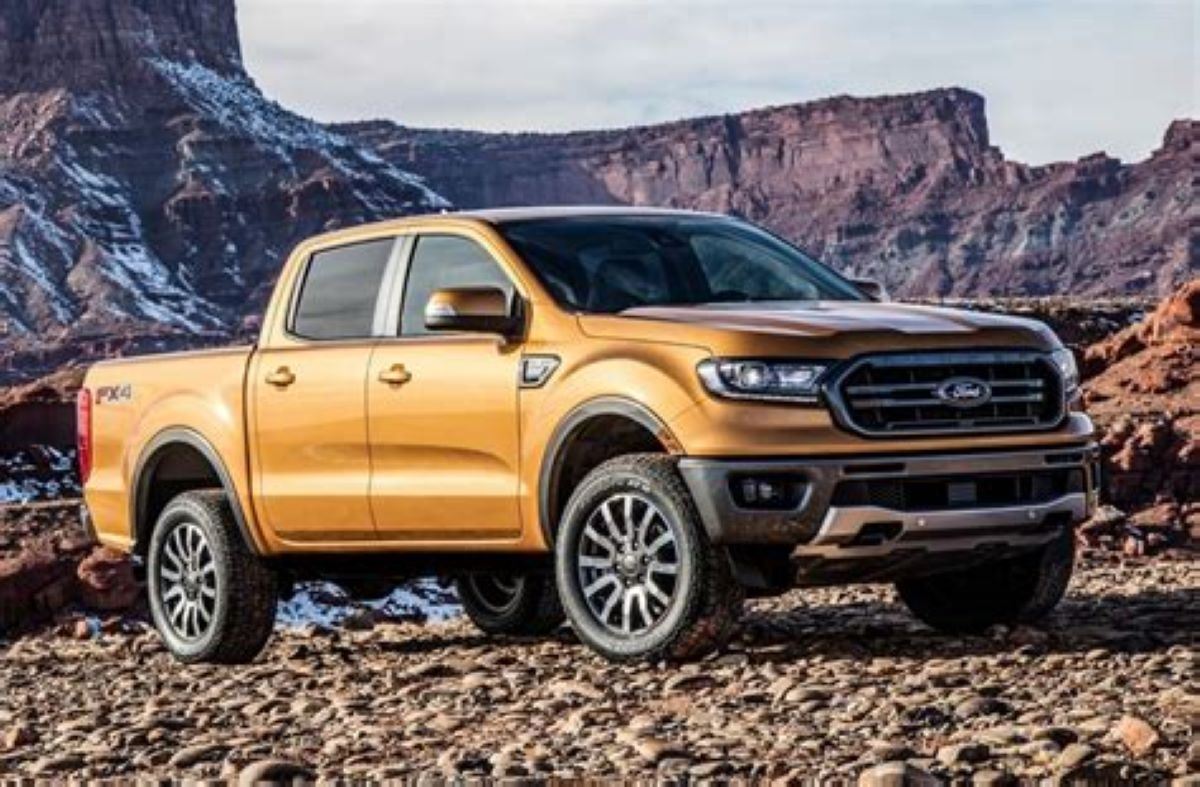
When Ford brought back the Ranger for the US market, fans were excited but the reality didn’t live up to the hype.
While reliable and efficient, the 2019 Ranger lacked the rugged appeal of its earlier compact predecessors. It also faced stiff competition from the Toyota Tacoma and Chevy Colorado, both of which offered more established reputations and stronger aftermarket support.
At auctions, these relatively new Rangers depreciate sharply, often selling for well below their original MSRP. Unless Ford releases a collectible edition or performance variant, these trucks are unlikely to gain auction value anytime soon.
In the US collector market, trucks have carved out their own lane. From vintage Fords and Toyotas to modern muscle pickups, the ones that maintain value combine heritage, performance, and scarcity.
The rest, though capable, simply don’t stir enough emotion to spark a bidding war.
For anyone looking to invest in a truck that stands the test of time, the key is to focus on models that define eras or break boundaries not just those that fill driveways. After all, at an auction, sentimentality can be worth as much as horsepower.