
When it comes to cars that truly stand the test of time, reliability often matters more than raw performance or flashy features. “10 Cars That Can Survive a Decade Without Major Repairs” highlights vehicles engineered to endure years of daily driving with minimal maintenance and maximum dependability.
From compact commuters like the Toyota Corolla and Honda Civic to rugged all-weather performers like the Subaru Outback and Toyota RAV4, these models prove that long-term value and performance can coexist.
Each car on this list has earned a reputation for exceptional build quality, efficient design, and consistent owner satisfaction. Whether you prioritize fuel economy, family practicality, or a bit of driving excitement, these vehicles offer peace of mind for well over 100,000 miles. In a world where many cars age quickly, these ten stand as modern benchmarks of endurance and engineering excellence.
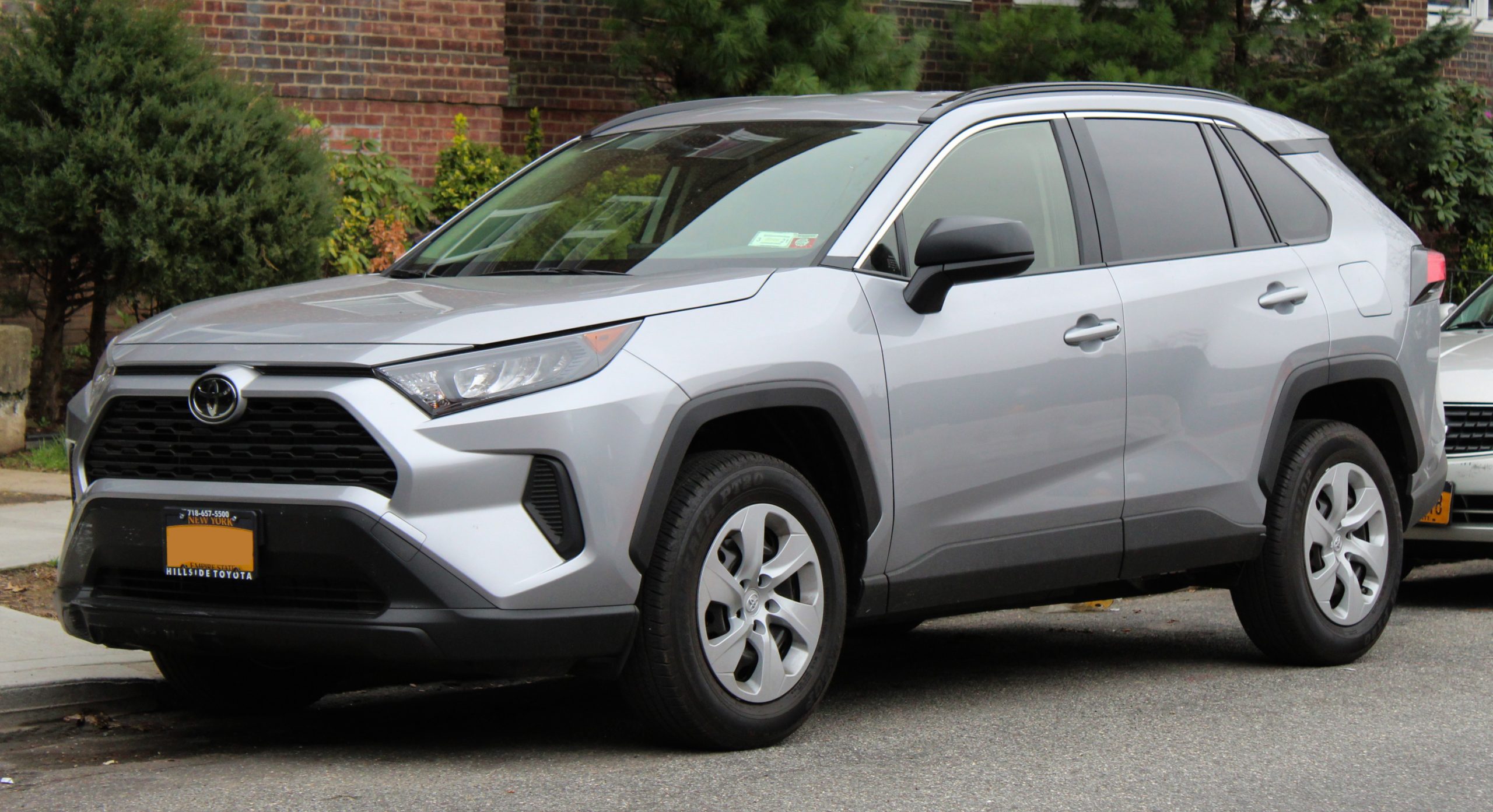
1. Toyota RAV4: A Dependable Compact SUV for the Long Haul
The Toyota RAV4 remains one of the most trusted and best-selling compact SUVs on the market, celebrated for its durability, practicality, and efficiency. Known for its strong resale value and minimal maintenance costs, the RAV4 exemplifies Toyota’s long-standing reputation for quality engineering.
Many owners report years of trouble-free driving, with the vehicle maintaining its performance and reliability well past the ten-year mark. Ideal for both city commuting and weekend getaways, the RAV4 offers a blend of comfort and rugged capability that appeals to a wide range of drivers.
Under the hood, the RAV4 features a 2.5-liter four-cylinder engine producing 203 horsepower and 184 lb-ft of torque, paired with an eight-speed automatic transmission. Front-wheel drive is standard, with all-wheel drive available for added traction.
While the engine delivers dependable power for daily use, it can sound coarse during heavy acceleration, and the transmission occasionally hesitates during downshifts. Nonetheless, the RAV4 offers a stable and predictable ride, excelling in highway cruising and moderate off-road conditions.
Although models like the Adventure and TRD Off-Road trims are no longer available, the RAV4 still delivers capable handling for most road conditions. In testing, the RAV4 reached 0–60 mph in 8.3 seconds, a respectable time for the segment. The RAV4 Hybrid, covered separately, performs even better, achieving a 7.4-second 0–60 mph sprint while offering superior fuel economy and a quieter driving experience.
The RAV4 continues to impress with its class-leading fuel efficiency. According to EPA estimates, front-wheel-drive models achieve up to 35 mpg highway, while all-wheel-drive versions return 33–34 mpg.
In real-world testing, the now-discontinued TRD Off-Road model delivered 32 mpg on a 75-mph highway loop, an excellent result for a compact SUV. With the simplified 2025 lineup, Toyota’s updated AWD systems are expected to improve these figures slightly. The RAV4 provides a balanced mix of performance and efficiency suitable for both short commutes and long road trips.
Inside, the RAV4 emphasizes comfort, utility, and versatility. The base LE trim offers durable cloth seats and practical materials, while the XLE and XLE Premium trims enhance the cabin with faux-leather upholstery, a stitched dashboard, and premium soft-touch surfaces. Higher trims feel noticeably upscale, making the RAV4 competitive with more luxurious rivals.
Cargo space is one of the RAV4’s strengths. It accommodates 10 carry-on suitcases behind the rear seats and 22 with the seats folded flat. The wide cargo opening and nearly flat load floor make it ideal for hauling gear, groceries, or luggage. The interior also features numerous storage compartments, ensuring everyday convenience for families and active lifestyles alike.
Toyota equips the RAV4 with user-friendly and modern technology across all trims. Lower models include an 8.0-inch touchscreen, while upper trims feature a 10.5-inch display with wireless Apple CarPlay, Android Auto, and 4G LTE Wi-Fi connectivity.
The Limited trim upgrades to a 12.3-inch fully digital gauge cluster, giving the cabin a high-tech appeal. Optional features include JBL premium audio, built-in navigation, and wireless phone charging.
Safety remains a hallmark of Toyota’s lineup, and the RAV4 includes a comprehensive suite of driver-assistance systems under the Toyota Safety Sense package, which adds adaptive cruise control, lane-keeping assist, and automatic emergency braking as standard.
With its blend of dependability, efficiency, practicality, and comfort, the Toyota RAV4 remains one of the most well-rounded compact SUVs available. It may not deliver the most thrilling drive, but its reliability, long-term value, and ease of ownership make it a standout choice for anyone seeking a versatile vehicle built to last.
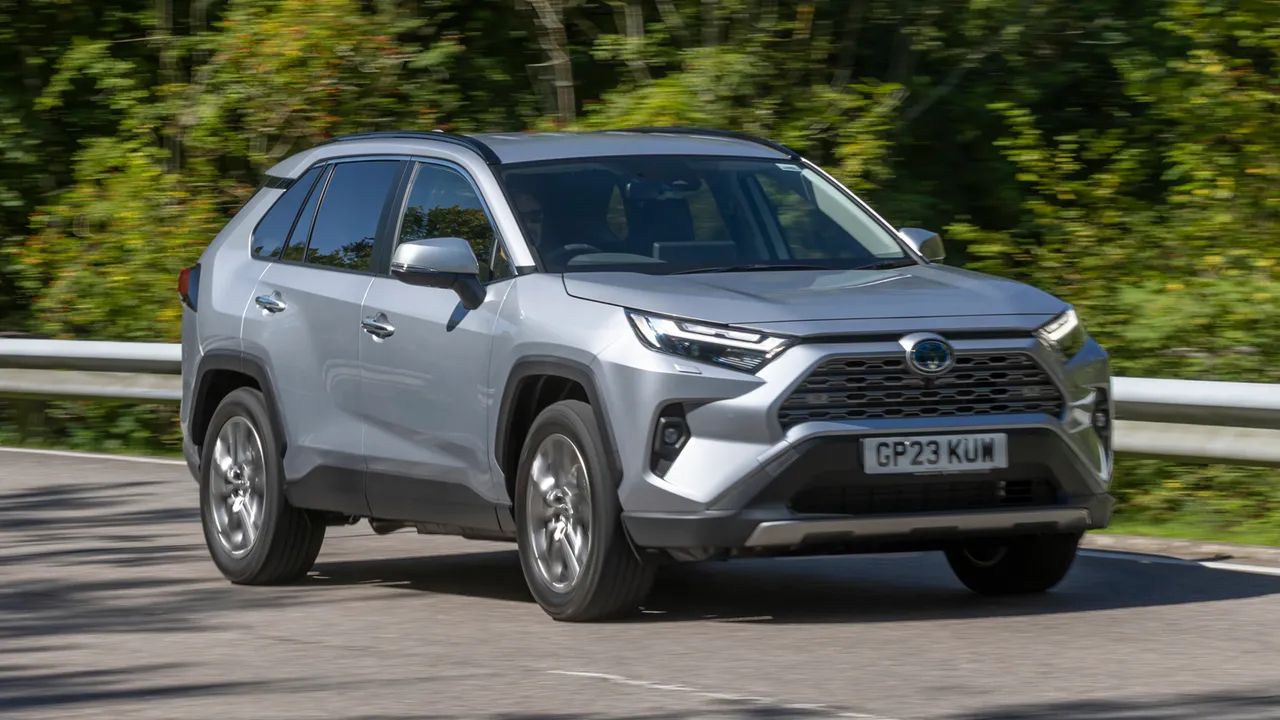
2. Lexus RX: Luxury That Lasts
The Lexus RX stands as a benchmark for long-term luxury ownership, blending refined comfort, strong reliability, and premium design in one cohesive package. Unlike many high-end SUVs that trade durability for prestige, the RX manages to deliver both.
Known for its exceptional dependability and high J.D. Power ratings, it is a vehicle that ages gracefully, with many owners reporting over a decade of trouble-free use. With its smooth ride, lavish interior, and practical features, the RX perfectly captures the idea of luxury built to last.
The RX 350 F Sport Handling trim offers a composed yet understated driving experience. Its all-wheel-drive system helps it reach 60 mph in 7.8 seconds, which is slower than some competitors but more than adequate for daily driving.
The sport-tuned suspension enhances cornering stability, although the tires lack grip for truly spirited handling. The brakes stand out for being firm, responsive, and confidence-inspiring in all driving scenarios.
Drivers seeking more power can choose the RX 500h hybrid model, which delivers quicker acceleration and stronger performance. The RX focuses more on comfort and composure than aggressive driving, reflecting Lexus’ emphasis on serenity and refinement.
The RX continues to excel in ride quality and seat comfort. The F Sport Handling trim, with adaptive suspension and 21-inch wheels, feels slightly firmer than base models but still provides a very smooth ride. The front seats are plush and supportive, offering quick heating and ventilation, while the rear seats feature excellent support and reclining backrests.
The three-zone climate control system effectively maintains temperature, though some vents are positioned too low to be fully efficient. Cabin noise remains minimal, with very little wind intrusion, although tire noise is more noticeable than expected. For long journeys or city commutes, the RX remains one of the quietest and most comfortable midsize SUVs in its class.
Lexus’ craftsmanship is evident throughout the modern RX interior, which combines high-quality materials with a user-friendly design. The 14-inch touchscreen stands out for its sharp graphics and fast response time.
The backup and surround-view cameras make parking easy, while most controls are intuitive and clearly labeled. The Prius-style shifter can feel awkward, and the unlabeled steering wheel buttons require glancing at the head-up display to confirm their function.
In terms of technology, the RX includes wireless smartphone connectivity, but built-in navigation becomes a paid subscription after the free trial. The optional Mark Levinson 21-speaker audio system offers superb clarity and sound quality. Lexus’ Safety System+ 3.0 adds a complete suite of driver assistance features with conservative but accurate responses.
The RX provides 29.6 cubic feet of cargo space behind the rear seats, which is smaller than that of the Acura MDX and Mercedes-Benz GLE. The cargo floor is flat and convenient for loading, and the center console and door pockets add useful storage for daily items.
Installing child seats is straightforward thanks to well-placed anchor points and reclining rear seatbacks. However, towing capacity is limited to 3,500 pounds, lower than what competitors offer.
The RX 350 AWD F Sport delivers an estimated 24 mpg combined (21 city / 28 highway), and testing confirms a real-world result of 25.4 mpg. This level of efficiency is impressive for a luxury SUV. Combined with Lexus’ reputation for durability, the RX remains cost-effective to maintain over time.
The RX’s value lies in its build quality, comfort, and dependability. With a four-year/50,000-mile basic warranty and a six-year/70,000-mile powertrain warranty, it matches class standards while offering superior reliability. Its strong craftsmanship, extensive standard features, and low maintenance needs make it one of the most trustworthy luxury SUVs on the market.
The Lexus RX continues to define what reliable luxury should be. It delivers a balanced blend of comfort, technology, and long-term quality that few rivals can match. Its refined interior, efficient performance, and proven dependability make it an ideal choice for drivers who want lasting comfort and sophistication without compromise.
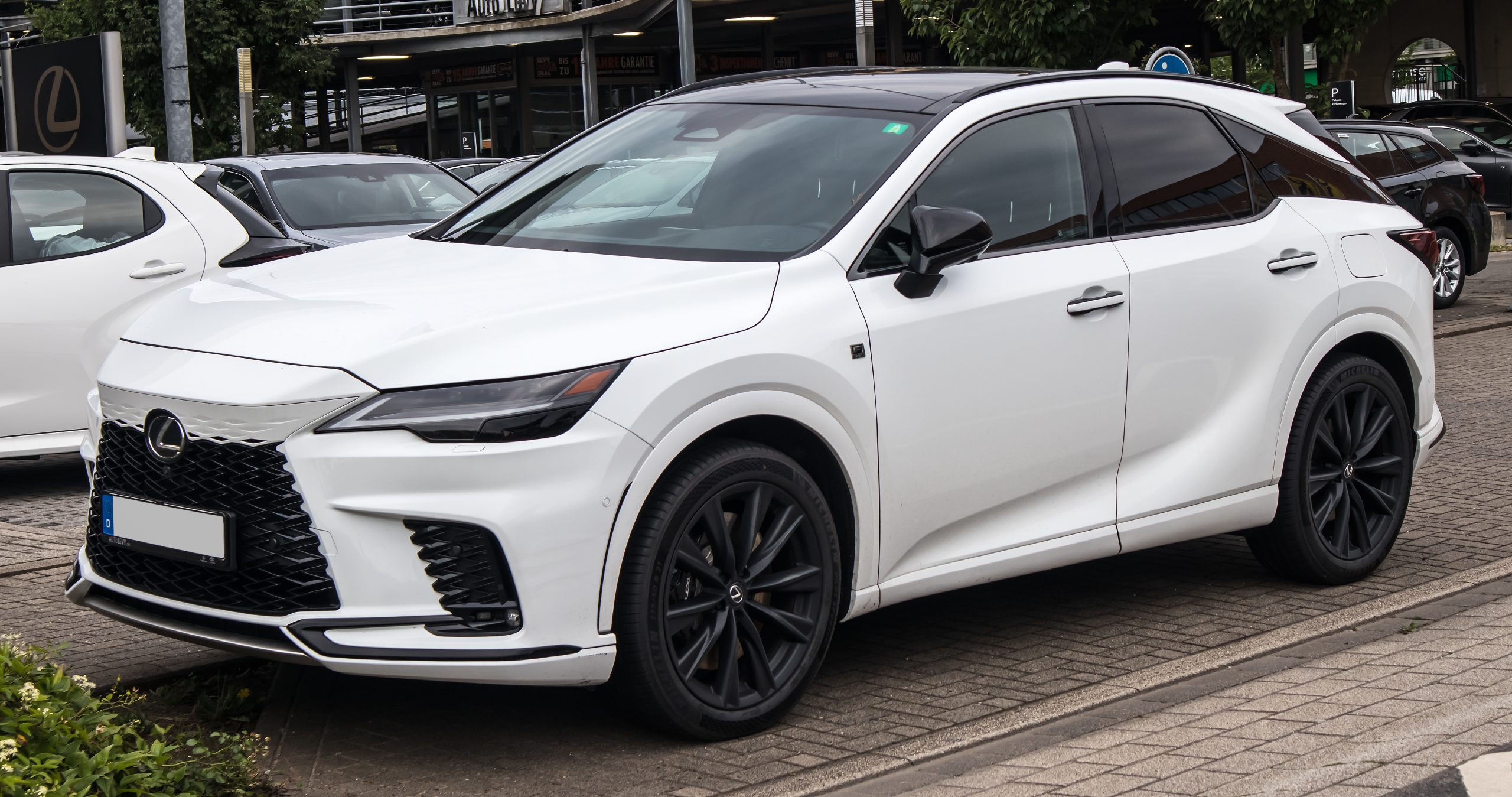
3. Honda Accord: The Midsize Sedan Standard
The Honda Accord continues to set the benchmark for midsize sedans with its durable engineering, long-term reliability, and strong resale value. A favorite among families and commuters, it combines efficiency, comfort, and practicality in a refined package.
Known for its ability to surpass 200,000 miles with ease, the Accord is one of the most dependable vehicles on the road. Its balance of affordability, driving quality, and low maintenance costs keeps it a leading choice for those who want a car built to last.
The Accord Sport-L Hybrid demonstrates how efficiency and performance can coexist. Its hybrid powertrain provides smooth acceleration and seamless transitions between electric and gas power. In testing, it reached 60 mph in 7 seconds, which is quicker than most rival hybrid sedans. The system mimics traditional gear shifts to give a natural driving feel even without a conventional transmission.
The Accord’s handling and steering are solid, offering good grip when cornering. While it no longer feels as sporty as older generations, it remains balanced and composed. The combination of performance and fuel efficiency makes it an excellent fit for both city and highway driving.
The ride quality in the Accord is refined and stable. Equipped with 19-inch wheels, the Sport-L trim absorbs bumps and road imperfections easily. The driver’s seat provides enough adjustments to find a comfortable position, though a bit more padding could improve long-distance comfort. The climate control system performs well in both hot and cold weather, maintaining a pleasant cabin temperature.
Noise levels are impressively low, giving the Accord a sense of refinement often found in pricier sedans. The EX-L trim with smaller wheels likely delivers an even smoother ride, but every version prioritizes comfort without sacrificing control.
The Accord’s interior design emphasizes simplicity and usability. The layout features large buttons and knobs, creating an easy-to-use cabin that feels familiar immediately. Wide door openings make entry effortless, though taller passengers need to watch their heads due to the sloping roofline. Despite that, the rear legroom is excellent and can accommodate adults comfortably.
Visibility from the driver’s seat is strong thanks to thin windshield pillars and a large rear window. Some shorter drivers may find that raising the seat too high can obscure the gauge cluster, but most will find the driving position well-suited for daily use.
The Accord’s 12.3-inch touchscreen is crisp and responsive, with wireless Apple CarPlay and Android Auto included. Google Assistant integration is available on the Touring trim, which feels unnecessarily limited to the top model. The Honda Sensing suite includes lane keeping, adaptive cruise control, and other driver aids. While the lane assist can be a bit aggressive, the system operates effectively once set up.
Activating adaptive cruise control is straightforward with a single button press on the steering wheel, reinforcing Honda’s focus on simplicity and usability.
Practicality is another Accord strength. With 16.7 cubic feet of trunk space, it easily accommodates luggage or long items like golf bags. The center console provides generous storage for smaller belongings, and the cupholders are large enough to hold tall bottles securely.
The rear seat area is well designed for families, with ample space for multiple child seats and easily accessible LATCH anchors. The only challenge is the low roofline, which can make installation a bit awkward.
The Accord offers impressive efficiency, with EPA estimates ranging from 32 mpg combined for the base engine to 48 mpg combined for the hybrid. The tested Sport-L Hybrid, with larger wheels, achieved 41.5 mpg during real-world driving, slightly below estimates but still commendable for its class.
From a value perspective, the Accord feels solid and durable, with tight panel gaps, quality materials, and no rattles or creaks. It provides excellent long-term dependability, even if its lower trims lack some of the features offered by competitors.
The three-year/36,000-mile basic warranty and five-year/60,000-mile powertrain warranty meet industry standards, and roadside assistance is included for the duration of the basic warranty.
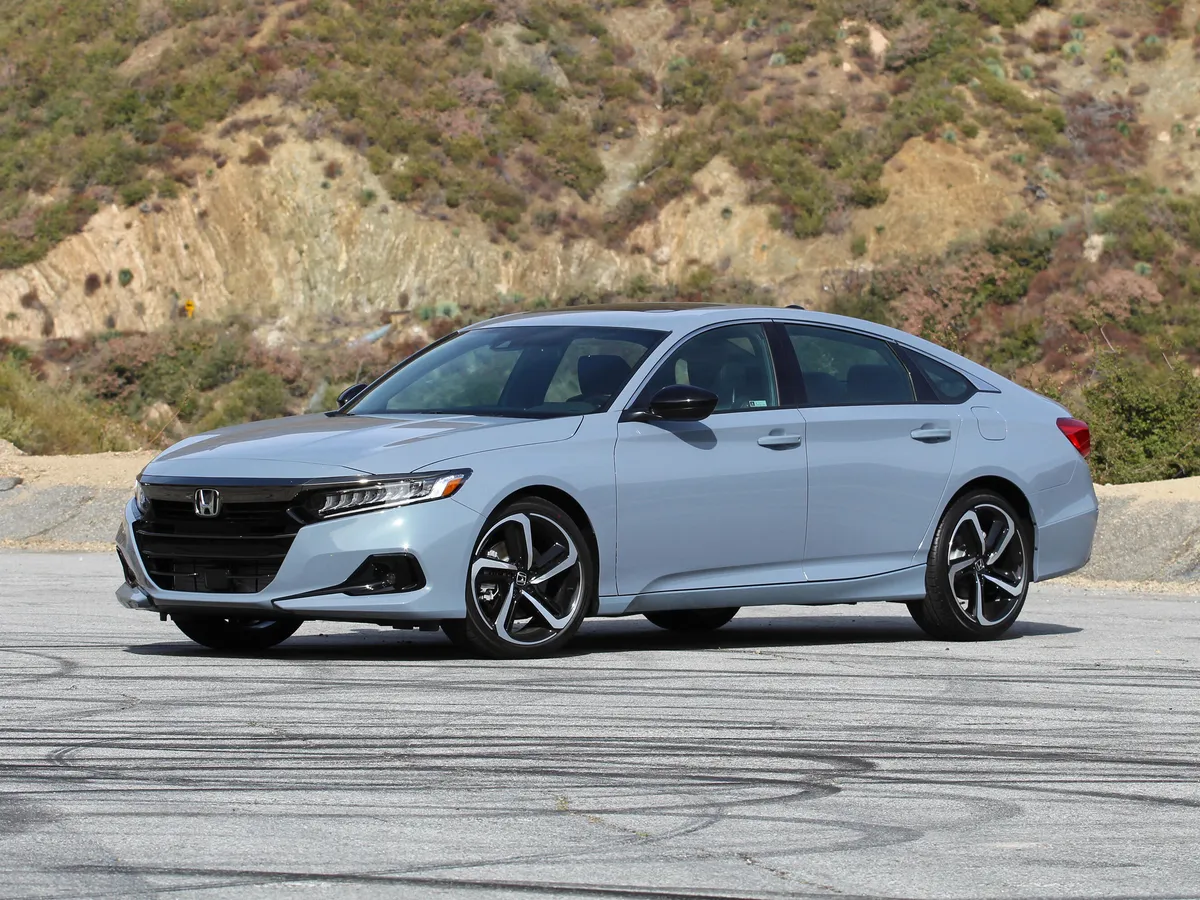
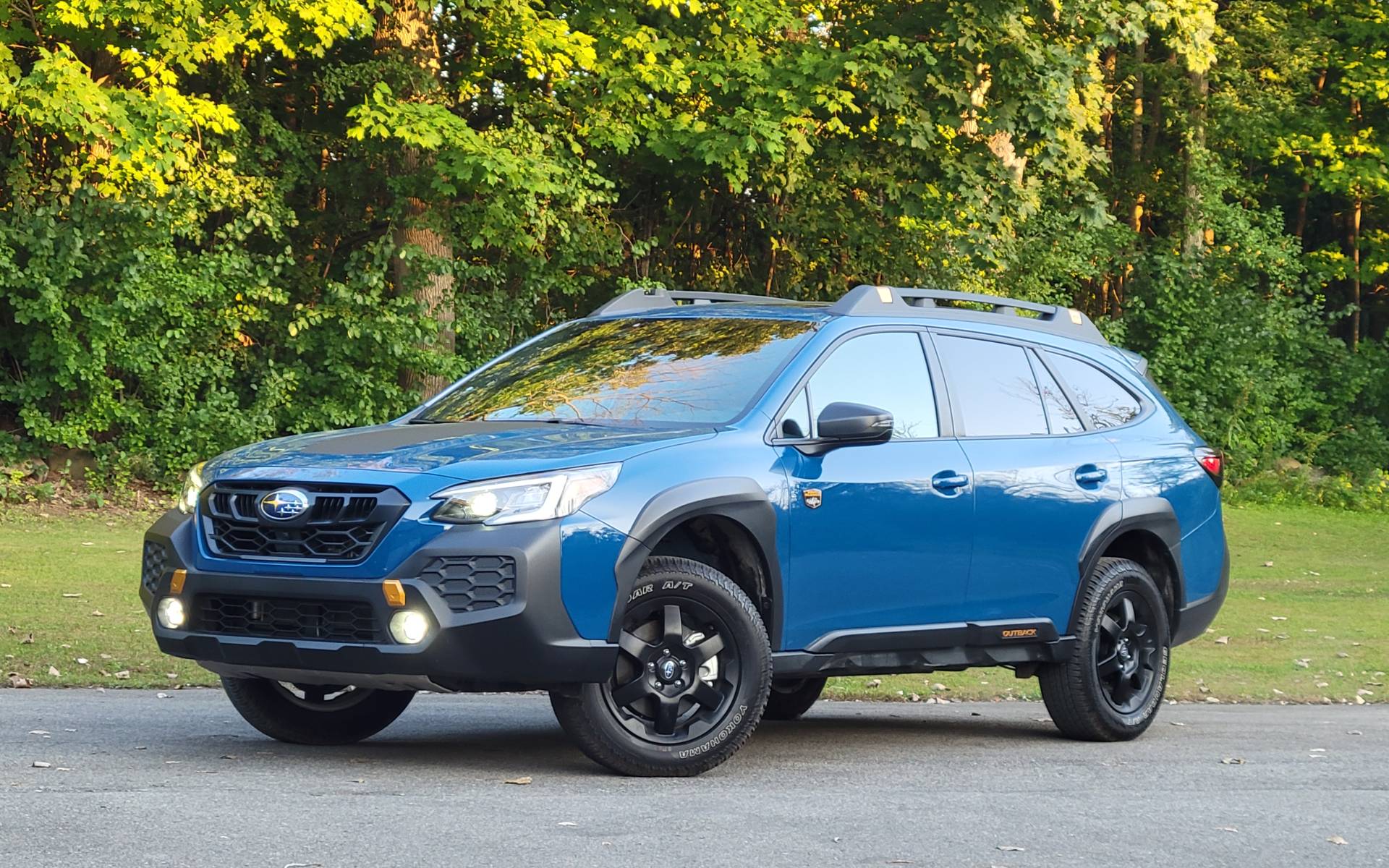
4. Subaru Outback: Adventure-Ready and Reliable
The Subaru Outback is ideal for drivers seeking a practical daily vehicle that can also take on weekend adventures. With its symmetrical all-wheel drive and rugged design, it performs well in diverse conditions, from snowy commutes to unpaved trails. Owners praise its spacious interior and large cargo area, which make it suitable for families, travelers, and outdoor enthusiasts alike.
Long-term reliability is one of the Outback’s greatest strengths. Many models easily surpass ten years on the road with minimal issues. For anyone wanting a dependable car that transitions effortlessly between urban life and outdoor exploration, the Outback is built to endure.
The Subaru Outback combines the comfort of a sedan with the capability of a crossover. Its wagon-based architecture gives it a car-like ride while maintaining the versatility and toughness expected from a utility vehicle.
The base engine is a 182-horsepower four-cylinder paired with a continuously variable transmission (CVT) and standard all-wheel drive, while a 260-horsepower turbocharged four-cylinder option is available for more spirited performance. Inside, materials are well-chosen and durable, with upper trims approaching a luxury feel.
Among the nine available trims, the Premium model offers the best value. It comes with an 11.6-inch touchscreen, heated front seats, a 4G LTE hotspot, and all-weather amenities like a windshield wiper deicer. Optional packages add conveniences such as keyless entry, a hands-free power tailgate, and advanced driver-assist features, including blind-spot monitoring and automatic emergency steering.
Drivers can choose between the standard 2.5-liter and turbocharged 2.4-liter engines. Subaru has refined the CVT to mimic the feel of a traditional automatic, resulting in smoother performance.
The standard engine delivers adequate acceleration and a relaxed driving character, while the turbocharged version adds more power for towing or highway merging. The Outback’s 8.7 inches of ground clearance enhances off-road capability, and the Wilderness trim pushes this further with skid plates, beefier suspension, and Snow and Mud modes.
Performance testing shows the turbocharged Outback Wilderness reaching 60 mph in 5.8 seconds, while the standard engine manages it in 8.5 seconds. Fuel economy remains strong for its class, at 26 mpg city / 33 highway for the base engine and 23 / 30 for the turbocharged version.
Inside, the Outback emphasizes comfort and practicality. Materials are durable yet soft to the touch, and there’s ample legroom and headroom in both rows. Available features include dual-zone climate control, heated and ventilated seats, and a heated steering wheel. Cargo space measures 33 cubic feet behind the rear seats, expanding to hold 23 carry-on bags when folded flat.
Technology is straightforward and user-friendly. The Premium trim’s 11.6-inch vertical touchscreen provides clear menus and responsive operation.
Apple CarPlay and Android Auto come standard, with available upgrades like navigation, a Wi-Fi hotspot, and a 12-speaker Harman Kardon audio system. Subaru also includes intuitive physical controls for volume and climate adjustments, an appreciated touch in a digital-heavy era.
The Subaru Outback remains a smart choice for those wanting comfort, reliability, and adventure capability in one well-balanced package. It’s not flashy or overly sporty, but it excels at being the dependable companion that can handle everyday driving and weekend escapes with equal confidence.
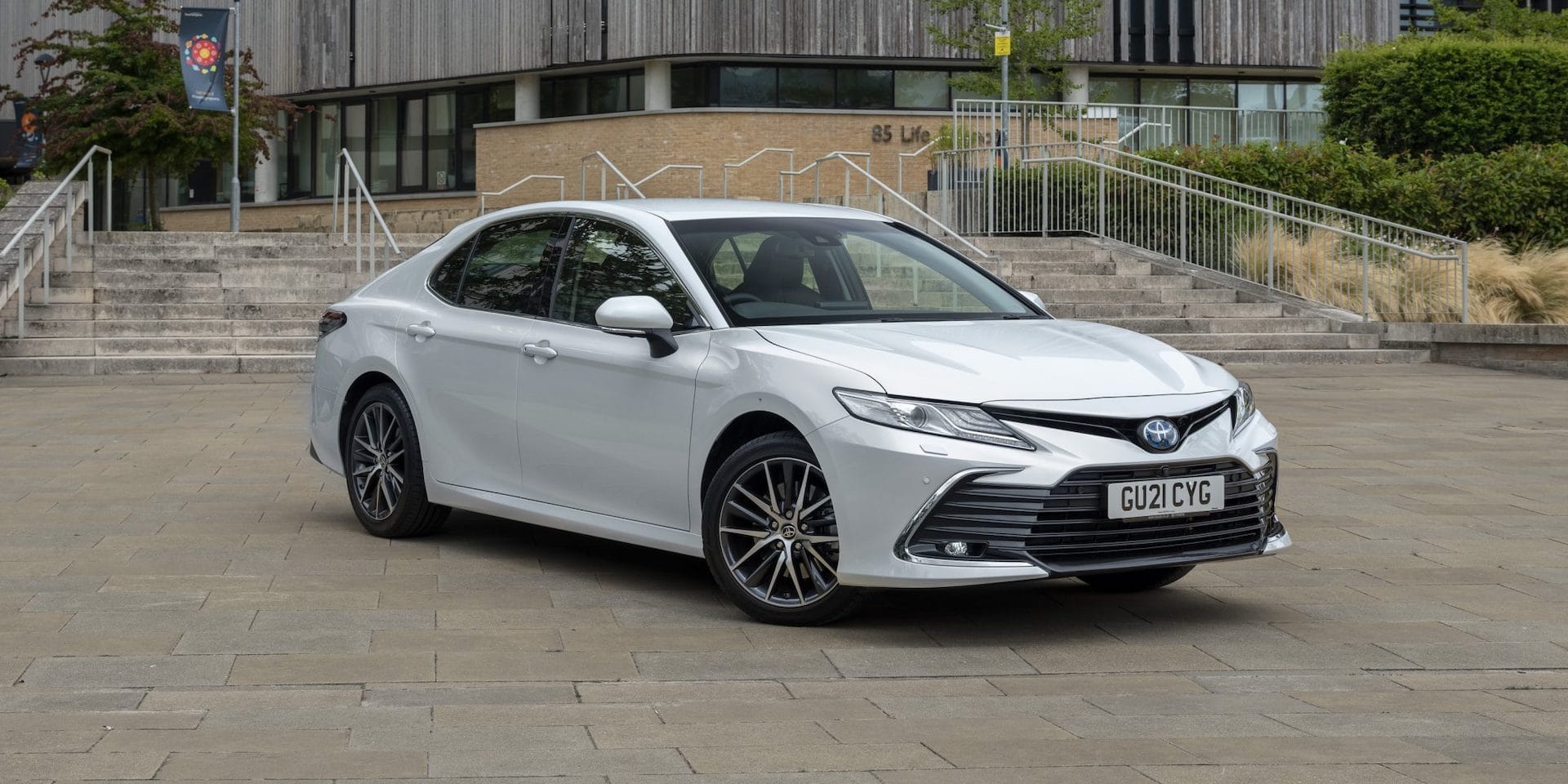
5. Toyota Camry: The Sedan Standard
The Toyota Camry has long been the benchmark for reliability and everyday practicality. Known for its ability to run well past 200,000 miles, it continues to attract drivers who value durability, comfort, and low ownership costs. Its strong resale value and minimal maintenance needs make it one of the most trusted names in midsize sedans.
For 2025, Toyota has taken a bold yet sensible step by making the Camry hybrid-only, further cementing its reputation for efficiency and modern engineering.
The refreshed model introduces sleeker styling, improved infotainment technology, and a revised hybrid powertrain lineup aimed at delivering both better performance and higher fuel economy. Despite these updates, the Camry remains focused on providing a dependable, no-fuss driving experience that families and commuters can count on.
The new Camry Hybrid comes with two hybrid powertrain options: a 225-horsepower front-wheel-drive system and a 232-horsepower all-wheel-drive setup that adds a third electric motor to drive the rear wheels. Both configurations pair a 2.5-liter four-cylinder engine with electric motors and a continuously variable automatic transmission (CVT).
The hybrid system feels responsive in everyday driving, providing quick torque from a stop while keeping the ride smooth and quiet. Though not as quick as the now-discontinued V-6, the Camry XSE AWD still achieves 0–60 mph in 6.8 seconds, making it one of the more energetic hybrids in its class.
Fuel efficiency is another strong point. The LE front-wheel-drive trim delivers an impressive 53 mpg city and 50 mpg highway, while the XSE all-wheel drive returns 44 city and 43 highway. During highway testing, the Camry XSE AWD matched its rating at 43 mpg, proving that Toyota’s hybrid system continues to set the bar for real-world economy.
Inside, the Camry Hybrid feels modern, airy, and thoughtfully designed. The cabin offers generous space for both front and rear passengers, with supportive seating and plenty of legroom.
Standard features include dual-zone climate control, rear air vents, and cloth upholstery, while higher trims like XLE and XSE add leather seating, heated front seats, a heated steering wheel, ambient lighting, and sound-insulating glass for a quieter ride. The dashboard’s horizontal trim design creates a wide, elegant appearance that complements the clean layout of the controls.
Technology plays a central role in the new model. The standard 8-inch touchscreen is quick and easy to use, while XLE and XSE trims upgrade to a 12.3-inch display running Toyota’s latest infotainment software. Wireless Apple CarPlay and Android Auto are standard on all trims, along with a digital gauge cluster. A nine-speaker JBL sound system is available on the top trims for drivers who want richer audio quality.
The 2025 Toyota Camry Hybrid continues the model’s legacy of reliability, efficiency, and value, now enhanced with improved technology and modern design. It’s not built to thrill, but it’s engineered to last, delivering exactly what generations of Camry owners have come to expect: a comfortable, dependable sedan ready for years of confident driving.
Also Read: 10 Cars That Stay Reliable for Multiple Generations
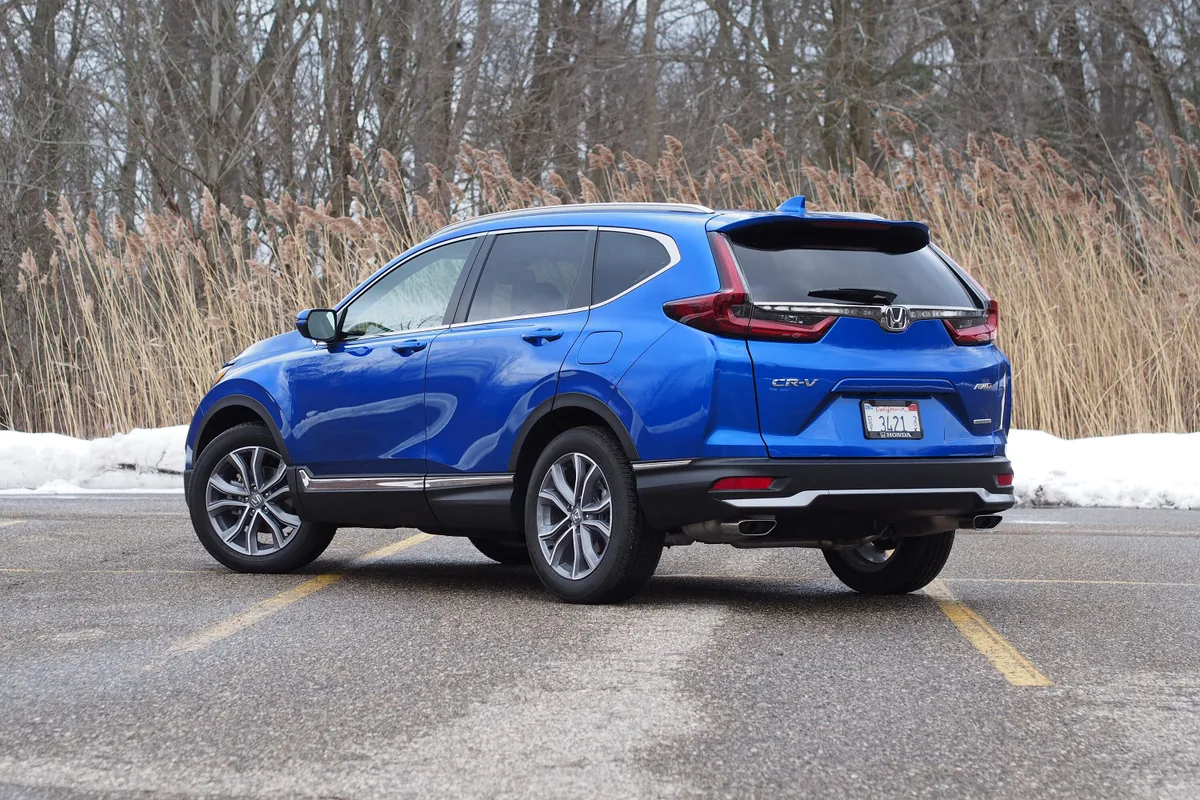
6. Honda CR-V: Built for the Long Road
The Honda CR-V stands as one of the most reliable and practical compact SUVs on the market. Renowned for its spacious interior, excellent fuel economy, and low maintenance costs, the CR-V consistently ranks high in long-term dependability.
According to Edmunds, many owners easily keep their CR-Vs running smoothly beyond ten years, a testament to Honda’s strong engineering standards. Its resale value also remains impressive, appealing particularly to families seeking a durable, comfortable, and efficient daily driver.
While not a performance-focused SUV, the Honda CR-V delivers a balanced and composed driving experience. The hybrid Sport Touring model accelerates from 0 to 60 mph in about 8 seconds, typical for its class. Both hybrid and 1.5-liter gas models feel responsive enough for city and highway driving. The brakes perform smoothly and confidently, enhancing everyday comfort and safety.
The CR-V’s steering offers good feedback, making the vehicle easy to handle, even around corners. Ride quality is among its strongest features, providing a soft and stable feel on rough roads. However, rear visibility could be better, though the parking cameras and driver-assist technologies help compensate. Competing SUVs may offer more advanced safety systems, but the CR-V’s setup is dependable and intuitive.
Inside, the CR-V emphasizes comfort, space, and practicality. Both rows offer ample legroom and headroom, with especially generous space in the rear seats ideal for child seats or adult passengers. The wide door openings and optimal seat height make entry and exit effortless.
Interior controls are well-placed and easy to use, especially the physical climate knobs that can be adjusted without taking eyes off the road. The large windows enhance visibility and give the cabin an airy, open feel, making it stand out in its class.
The CR-V’s infotainment system includes wireless Apple CarPlay, Android Auto, and a wireless charging pad as standard. While functional and quick to respond, its 9-inch touchscreen feels smaller compared to competitors’ offering larger displays. Multiple USB ports add convenience, though the base model lacks some premium touches.
Cargo capacity is above average for small SUVs. The gas version offers more space than the hybrid, which sacrifices some room and a spare tire for its battery setup. Despite that, the wide, tall cargo bay handles bulky items with ease.
Honda’s build quality is evident in the CR-V’s quiet cabin and lack of vibrations. While it uses some hard plastics, the design remains tasteful. Pricing is slightly higher than rivals, but its longevity and resale strength justify the cost.
Fuel economy impresses: up to 30 mpg combined for non-hybrids and 40 mpg (37 with AWD) for hybrids. Real-world tests average around 33 mpg, still commendable for an all-wheel-drive SUV.
The Honda CR-V blends comfort, reliability, and efficiency into a polished package. Its understated design may not turn heads, but its dependable performance, practical features, and long-term value make it one of the most well-rounded compact SUVs for families and commuters alike.
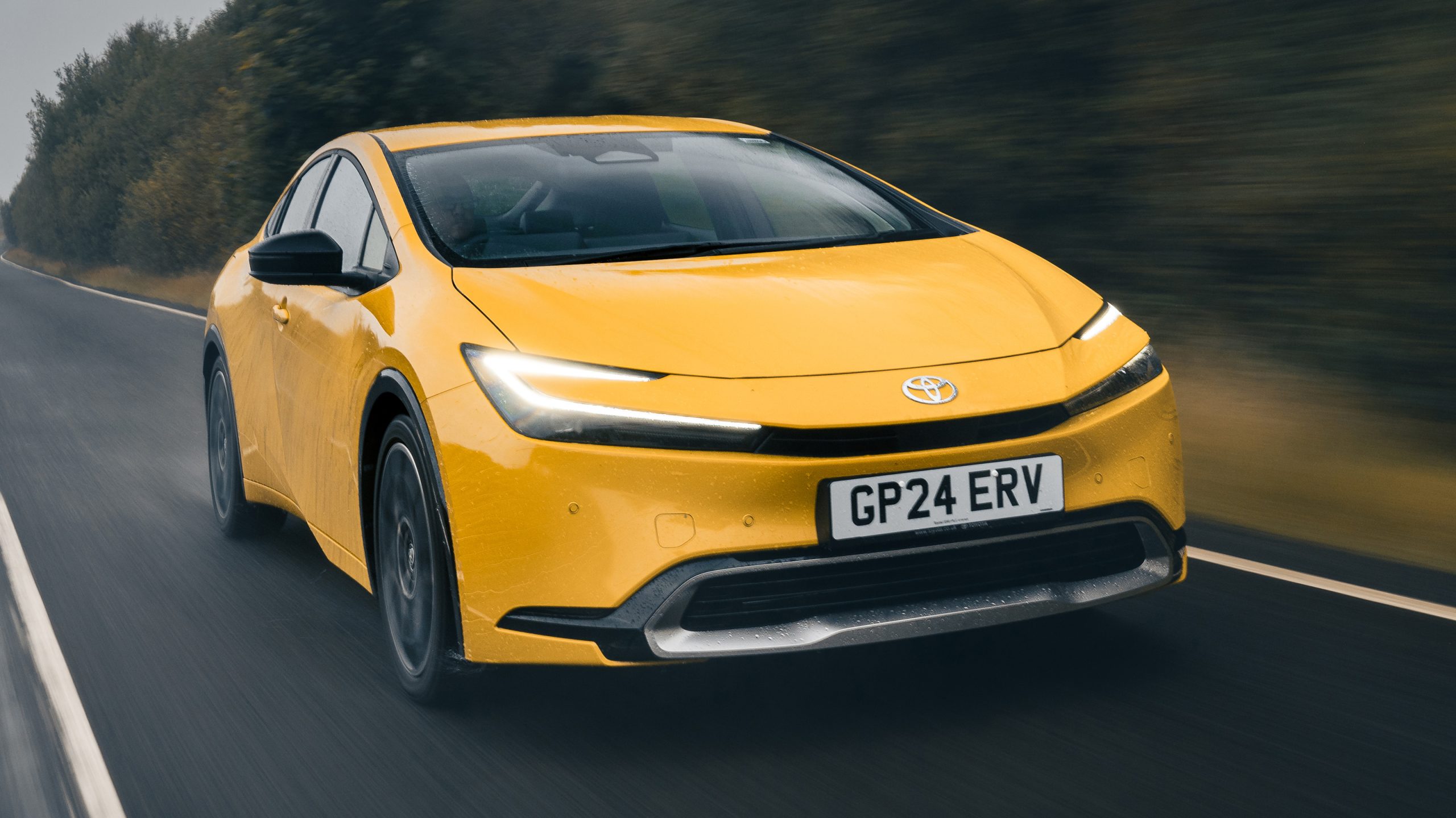
7. Toyota Prius: Hybrid Hero for the Long Haul
The Toyota Prius has long been the gold standard for hybrid vehicles, and it continues to impress with its exceptional reliability, long-lasting hybrid system, and outstanding fuel economy.
Known for its durable batteries that often last beyond 150,000 miles without major issues, the Prius offers low maintenance costs and dependable performance over time. Ideal for commuters and eco-conscious drivers, it delivers unmatched efficiency without compromising reliability, making it a vehicle you can confidently drive for over a decade.
The latest Toyota Prius offers a smoother and more dynamic driving experience than its predecessors. In testing, the front-wheel-drive model accelerated from 0 to 60 mph in 7.7 seconds, faster than the Kia Niro but slightly behind the Honda Civic Hybrid.
The Prius feels stable and secure around corners, though its economy-focused tires limit grip slightly. On the road, the Prius remains refined and composed, handling bumps and uneven surfaces with ease.
Hybrid transitions between the electric motor and gas engine are nearly seamless, enhancing its calm driving character. The lane-keeping assist and adaptive cruise control systems operate effectively, while the Proactive Driving Assist feature subtly helps with braking or acceleration cues in traffic. However, rear visibility is limited due to its sloping design and thick roof pillars.
The Prius focuses on efficiency and ergonomics, though it has a few trade-offs. The front seats are well-cushioned and supportive for long drives, but rear entry is less convenient due to small door openings and a low roofline. Taller passengers may find rear headroom tight, and the lack of seat recline affects comfort during long trips.
Noise insulation remains an area for improvement—tire, wind, and engine sounds are noticeable during acceleration. The Prius offers heated front seats on most trims and ventilated seats on the top Limited trim. While the dashboard layout is simple and intuitive, the digital instrument cluster sits awkwardly behind the steering wheel, making it partially obscured and overly cluttered for some drivers.
The Prius impresses with its modern tech suite, featuring a 12.3-inch touchscreen on upper trims that’s both responsive and easy to navigate. Standard wireless Android Auto and Apple CarPlay add convenience, and multiple USB-C ports ensure ample charging options. However, the wireless charging pad can overheat devices after extended use.
Cargo capacity stands at 20.3 cubic feet, more generous than a typical sedan but less than rivals like the Kia Niro. The raised cargo floor limits depth, though the hatchback design provides easy access for groceries and luggage. Up front, smart storage spaces like a deep center console and large cupholders enhance practicality.
The Prius remains an economical yet slightly premium choice. Higher trims and all-wheel drive add cost, bringing it close to larger hybrids in price. While the interior quality has improved, some hard plastics and thin door panels remain. Toyota’s warranty coverage is solid, especially the 10-year/150,000-mile battery warranty and two years of free maintenance, offering peace of mind for long-term ownership.
Fuel economy is the Prius’ strongest trait: up to 57 mpg combined for the base LE trim and 52 mpg for higher trims. Real-world testing achieved 52.3 mpg, confirming Toyota’s efficiency claims. Even with all-wheel drive, the Prius outperforms nearly every competitor in its class.
The Toyota Prius continues to lead the hybrid category with its remarkable fuel economy, reliability, and thoughtful design. While not the most spacious or luxurious compact car, it delivers an unmatched blend of efficiency, durability, and cutting-edge hybrid technology. Sleek, modern, and built for longevity, the Prius remains the quintessential hybrid hero for those seeking an eco-friendly car that goes the distance.
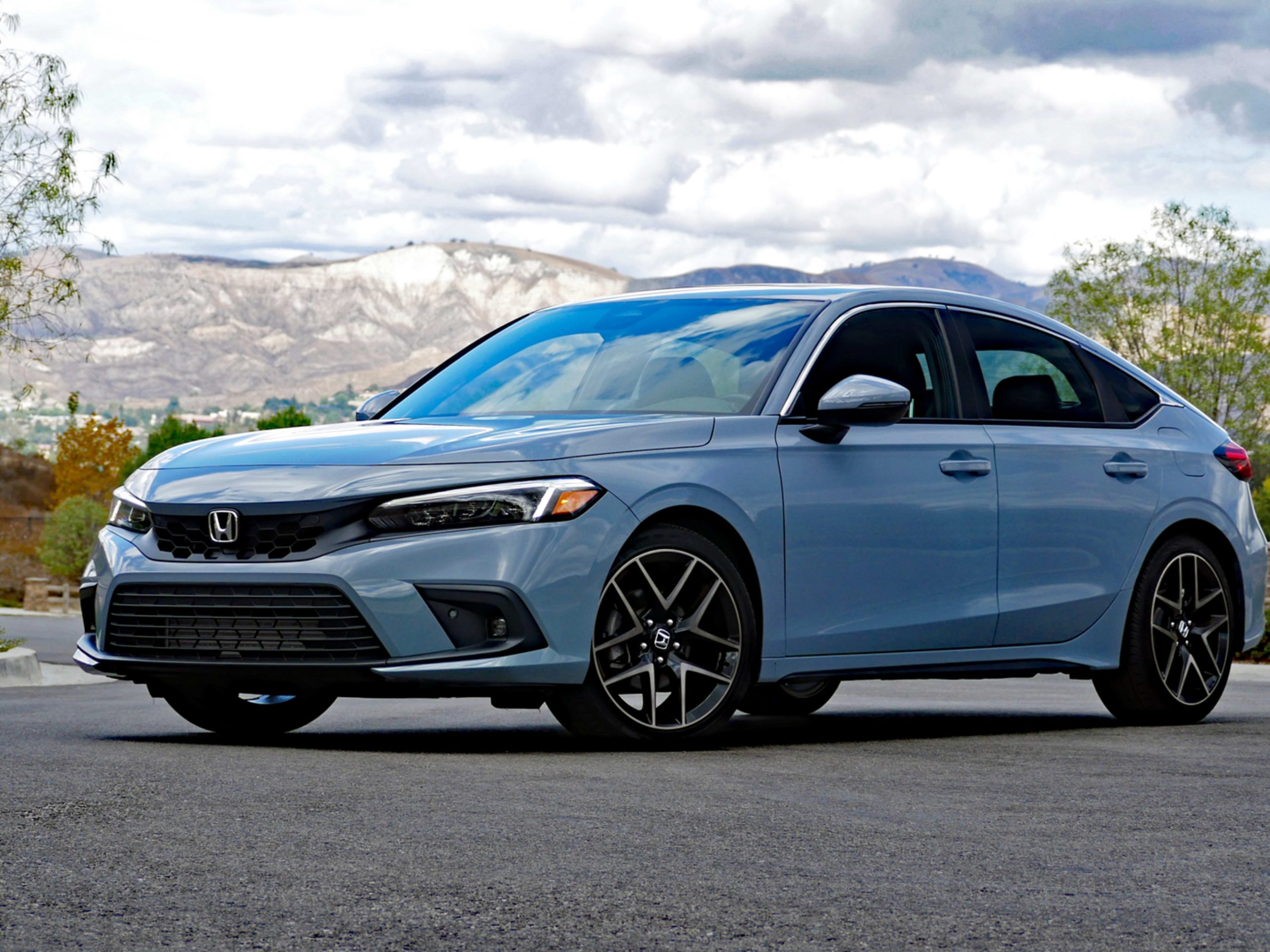
8. Honda Civic: A Perfect Blend of Style, Efficiency, and Longevity
The Honda Civic continues to be a standout in the compact car segment, seamlessly blending modern styling, reliability, and driving enjoyment.
Renowned for its exceptional build quality and long-term dependability, the Civic consistently earns top spots in Kelley Blue Book’s rankings and other automotive awards. Its reputation for exceeding 200,000 miles with minimal issues makes it a favorite among those seeking both value and performance in a daily driver.
For 2025, the Civic lineup includes non-hybrid and hybrid variants, both offering impressive balance and refinement. The standard 2.0-liter four-cylinder engine produces 150 horsepower and pairs with a continuously variable transmission (CVT) driving the front wheels. While not designed for high-speed thrills, it delivers smooth acceleration and agile handling, perfect for city commutes.
The highlight of the range is the Civic Hybrid, which combines a 2.0-liter engine with two electric motors for a total output of 200 horsepower.
This setup provides quick and seamless power delivery, resulting in a 0–60 mph time of just 6.2 seconds, faster than even the sporty Civic Si. The hybrid’s refined powertrain not only enhances responsiveness but also ensures quiet operation, contributing to a more premium driving experience.
The Civic continues to set benchmarks in fuel efficiency. The Civic Hybrid is rated at 50 mpg city, 47 mpg highway, and 49 mpg combined, making it one of the most efficient vehicles in its class. In real-world testing, it achieved 47 mpg on a 75-mph highway loop, validating its impressive EPA figures.
The nonhybrid Civic also performs admirably, with EPA estimates of 32 mpg city, 41 mpg highway, and 36 mpg combined for the base LX trim. This balance of power and efficiency ensures that both daily commuters and long-distance travelers enjoy low running costs.
Inside, the Civic sedan and hatchback offer a thoughtfully designed cabin that combines modern aesthetics with functionality.
The dashboard’s distinctive honeycomb-pattern mesh design conceals air vents for a sleek appearance, while soft-touch materials enhance the upscale feel. Both body styles seat five comfortably, with generous rear legroom and practical storage spaces, including a large center bin for personal items.
Cargo capacity is equally impressive; the sedan’s trunk easily accommodates luggage and groceries, while the hatchback’s expanded cargo area adds versatility for bulkier items. The Civic’s interior layout prioritizes comfort and convenience without compromising its sporty edge.
Every Civic comes equipped with modern connectivity features. The 7.0-inch touchscreen infotainment system is standard, while higher trims and hybrid models receive a 9.0-inch display, wireless Apple CarPlay and Android Auto, and a 10.2-inch digital instrument cluster. Optional upgrades include in-dash navigation, a 12-speaker Bose audio system, and a wireless charging pad.
In addition, all models include advanced driver-assistance features such as adaptive cruise control, lane-keeping assist, and automatic emergency braking, underscoring Honda’s commitment to safety and ease of driving.
The 2025 Honda Civic continues its legacy as one of the most balanced and dependable compact cars on the market. Combining refined design, advanced technology, impressive fuel economy, and enduring reliability, it remains a top choice for drivers seeking a car that is both practical and pleasurable to own.
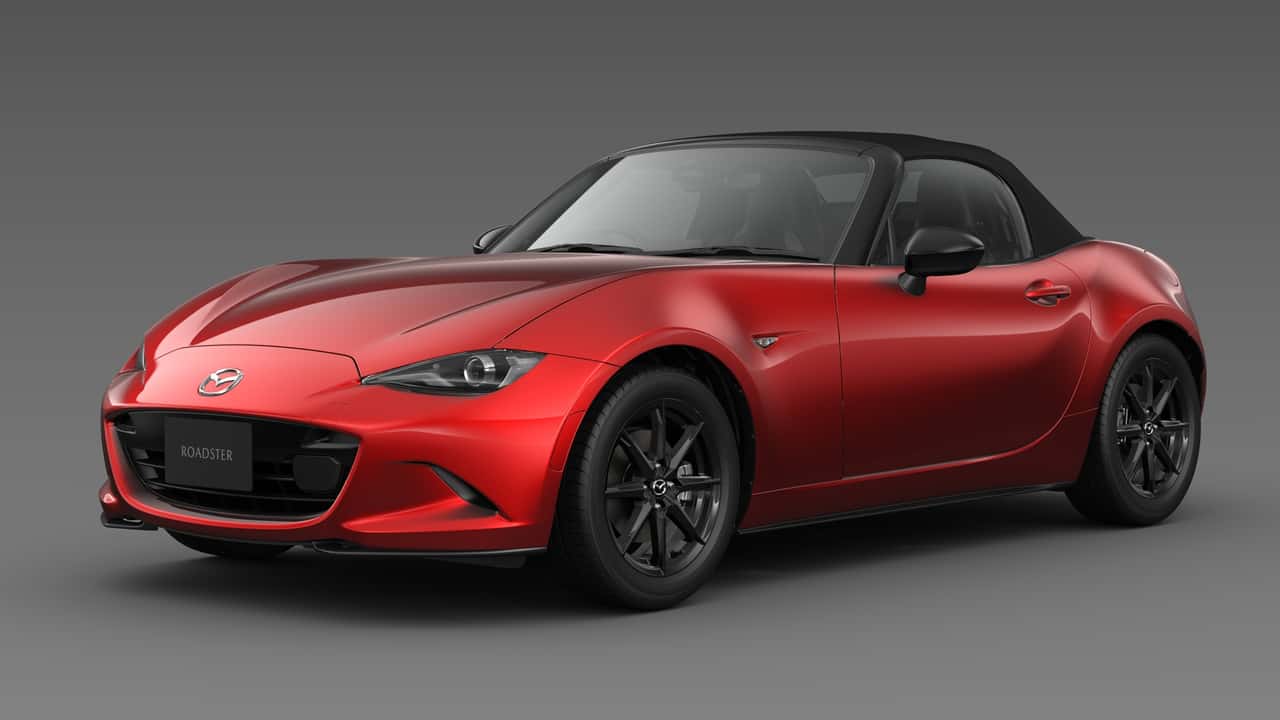
9. Mazda MX-5 Miata: Sporty and Sturdy
Few cars balance driving fun and dependability as effectively as the Mazda MX-5 Miata. This lightweight roadster has earned a reputation for reliability and mechanical simplicity, offering the thrill of a true sports car without the typical high maintenance costs. Its strong engineering and balanced design help it remain dependable for years, with many owners keeping their Miatas well past 100,000 miles with few issues.
Mazda has refined the Miata formula for more than three decades, perfecting the art of affordable performance. Available as a soft-top convertible or RF (Retractable Fastback), the Miata delivers a classic sports car experience with modern precision.
Power comes from a 181-horsepower 2.0-liter four-cylinder engine paired with a six-speed manual transmission that provides an engaging, hands-on driving experience. An automatic is available, but the manual version best captures the car’s spirit. The Miata’s sharp steering and nimble chassis make every turn enjoyable, even though the ride can feel firm over uneven roads.
In testing, the 2024 Miata RF Club accelerated from 0 to 60 mph in 5.5 seconds, showing that its modest power-to-weight ratio translates into lively performance. The Club trim features tighter suspension tuning that keeps the car playful yet controlled, while the light steering offers a direct connection to the road.
The Miata’s compact size also contributes to its impressive fuel economy. The EPA estimates 26 mpg in the city and 35 mpg on the highway, and during a 200-mile test route, a manual-equipped RF Club achieved 36 mpg, exceeding expectations.
Inside, the Miata offers a driver-focused cabin designed for simplicity and control. Space is tight, but the layout places every control within easy reach. Higher trims include leather-trimmed seats and color-matched accents that add a touch of style without unnecessary flash.
Storage is limited, though thoughtful touches such as removable cupholders and a small compartment between the seatbacks help make use of the available space. The trunk can hold a weekend’s worth of luggage for two people, making the Miata suitable for short getaways rather than long road trips.
Technology in the Miata is modern yet uncomplicated. Every model includes an 8.8-inch touchscreen infotainment system with Apple CarPlay and Android Auto integration. A Bose audio system, complete with headrest speakers, is available for those who want a premium sound experience while enjoying top-down drives.
The Mazda MX-5 Miata remains a rare combination of reliability, excitement, and craftsmanship. It delivers pure driving enjoyment while proving that performance and durability can go hand in hand. For anyone seeking a fun, low-maintenance sports car that feels timeless on the road, the Miata continues to set the benchmark.
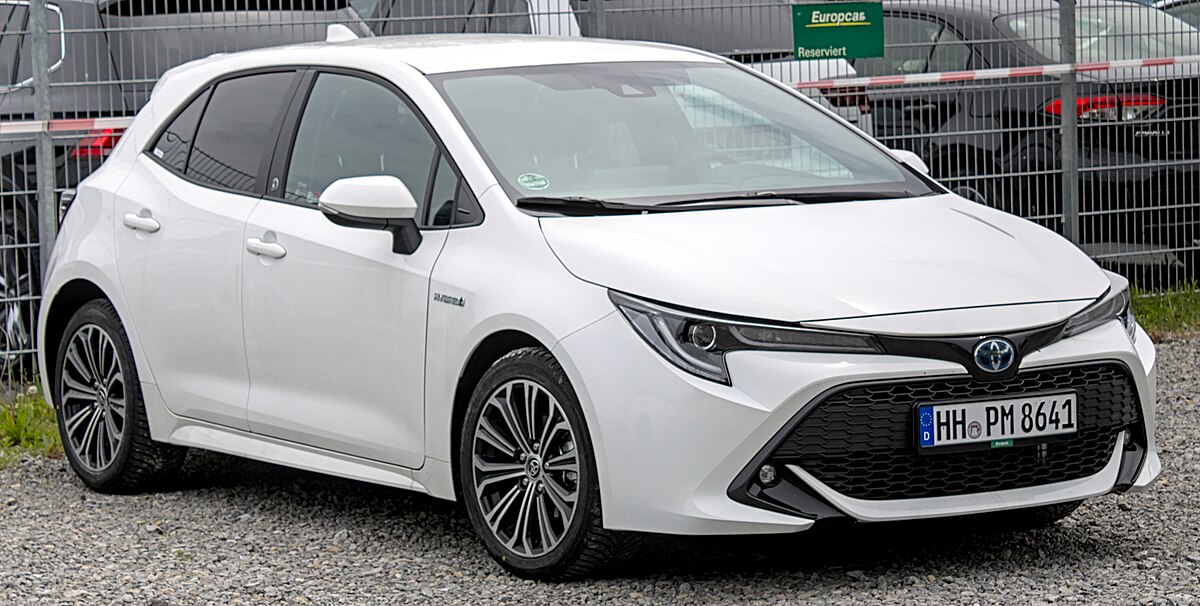
10. Toyota Corolla: The Benchmark of Reliable Compact Cars
The Toyota Corolla remains a symbol of dependability and value in the compact car segment. Known for its longevity, fuel efficiency, and minimal maintenance costs, the Corolla continues to attract commuters, students, and practical buyers who prioritize reliability over flash.
With J.D. Power’s top reliability ratings and countless reports of owners surpassing the 200,000-mile mark without major repairs, the Corolla stands as a testament to Toyota’s engineering consistency.
The Corolla lineup includes both sedan and hatchback variants powered by a 169-horsepower 2.0-liter four-cylinder engine paired with a continuously variable automatic transmission (CVT). While acceleration is modest, the Corolla offers a smooth and composed driving experience ideal for city commutes and highway cruising.
Drivers seeking better handling can opt for the SE and XSE trims, which feature sport-tuned suspensions and larger wheels. However, performance remains secondary to comfort and predictability. Compared to more dynamic rivals like the Honda Civic and Mazda 3, the Corolla’s steering feels competent but lacks sporty feedback.
The Corolla’s hybrid models further enhance its reputation for efficiency. The all-wheel-drive hybrid variant accelerates from 0–60 mph in about 9.0 seconds, while the gas-only hatchback achieves it in 8.3 seconds. Although neither is particularly quick, they prioritize refinement and steady performance over speed.
Fuel efficiency is one of the Corolla’s strongest suits. The Corolla Hybrid achieves an impressive 53 mpg city and 46 mpg highway in front-wheel drive form, while the all-wheel-drive hybrid earns 51 mpg city and 44 mpg highway.
Even the standard gasoline-powered versions deliver excellent economy, with up to 41 mpg highway for the sedan and 42 mpg for the hatchback. Real-world testing confirms these numbers, making the Corolla one of the most economical vehicles in its class.
Inside, the Corolla offers a clean, ergonomic design with soft-touch materials and an intuitive layout. Standard features include passive entry, push-button start, and an 8-inch touchscreen with Apple CarPlay, Android Auto, and Wi-Fi capability. Higher trims add premium touches such as dual-zone climate control, heated seats, and ambient lighting.
The sedan offers more rear-seat legroom, while the hatchback provides up to 23 cubic feet of cargo space with the Enhanced Cargo Space option. Though storage is limited compared to some rivals, smart use of space ensures everyday practicality.
All 2025 Corolla models feature an updated infotainment system, with a 10.5-inch touchscreen now standard on higher trims. Multiple USB-C ports, an optional wireless charger, and an available JBL audio system enhance connectivity and convenience.
The Toyota Corolla continues to define the compact car category through its exceptional reliability, efficiency, and sensible design. It may not thrill driving enthusiasts, but for those seeking lasting value and everyday dependability, it remains an unbeatable choice.
In the ever-changing automotive world, few vehicles achieve the rare balance of longevity, reliability, and everyday usability. The cars featured in “10 Cars That Can Survive a Decade Without Major Repairs” remind us that true value lies in consistency and craftsmanship rather than fleeting trends.
Models like the Lexus RX deliver lasting luxury, while the Honda Accord, Toyota Camry, and Honda CR-V continue to set industry standards for durability and comfort. Even the spirited Mazda MX-5 Miata and eco-conscious Toyota Prius prove that dependable performance doesn’t mean sacrificing fun or innovation.
Each of these vehicles stands as a long-term investment, one that rewards careful engineering and smart ownership. Whether you’re a first-time buyer or a seasoned driver seeking lasting quality, these ten cars demonstrate that with the right choice, your next vehicle can easily go the distance for a decade and beyond.
Also Read: 10 Cars That Keep Drivers Comfortable Past 200,000 Miles
