
You have probably pictured yourself cruising in a luxury car, the kind that turns heads and makes every drive feel like success. Those shining sedans and SUVs in showroom windows can easily make anyone dream. The soft leather seats, the quiet cabin, and the smooth sound of a powerful engine create an image of comfort and achievement.
Yet, there is a truth that many people forget when chasing that dream. Luxury cars do not all age in the same way. Some continue to deliver comfort and pride even after reaching 300,000 kilometers, while others turn into costly headaches that drain your pocket and your patience.
The difference lies in how each car is built and what the manufacturer values most. Some companies believe in creating vehicles that last for decades, maintaining both performance and beauty. Others only focus on catching attention during the first test drive, leaving long-term owners to face the consequences later.
Engineering strength, quality of materials, and genuine attention to durability separate lasting luxury from short-lived glamour. When spending big money on a car meant to stay with you for many years, knowing which side your chosen brand belongs to becomes very important.
Reaching 300,000 kilometers is no longer rare these days. Many modern engines can handle that distance if treated with care. The real challenge is keeping that luxury feeling alive after the numbers climb that high. Some cars still make you smile every time you sit inside, while others lose their magic and comfort completely.
That is why it helps to know which luxury vehicles age gracefully and which ones do not. This guide will take a closer look at five that keep their shine even with high mileage, and five that fail the test once time and distance begin to show their true effect.
Cars That Stay Luxurious at 300k
1. Lexus LS 460
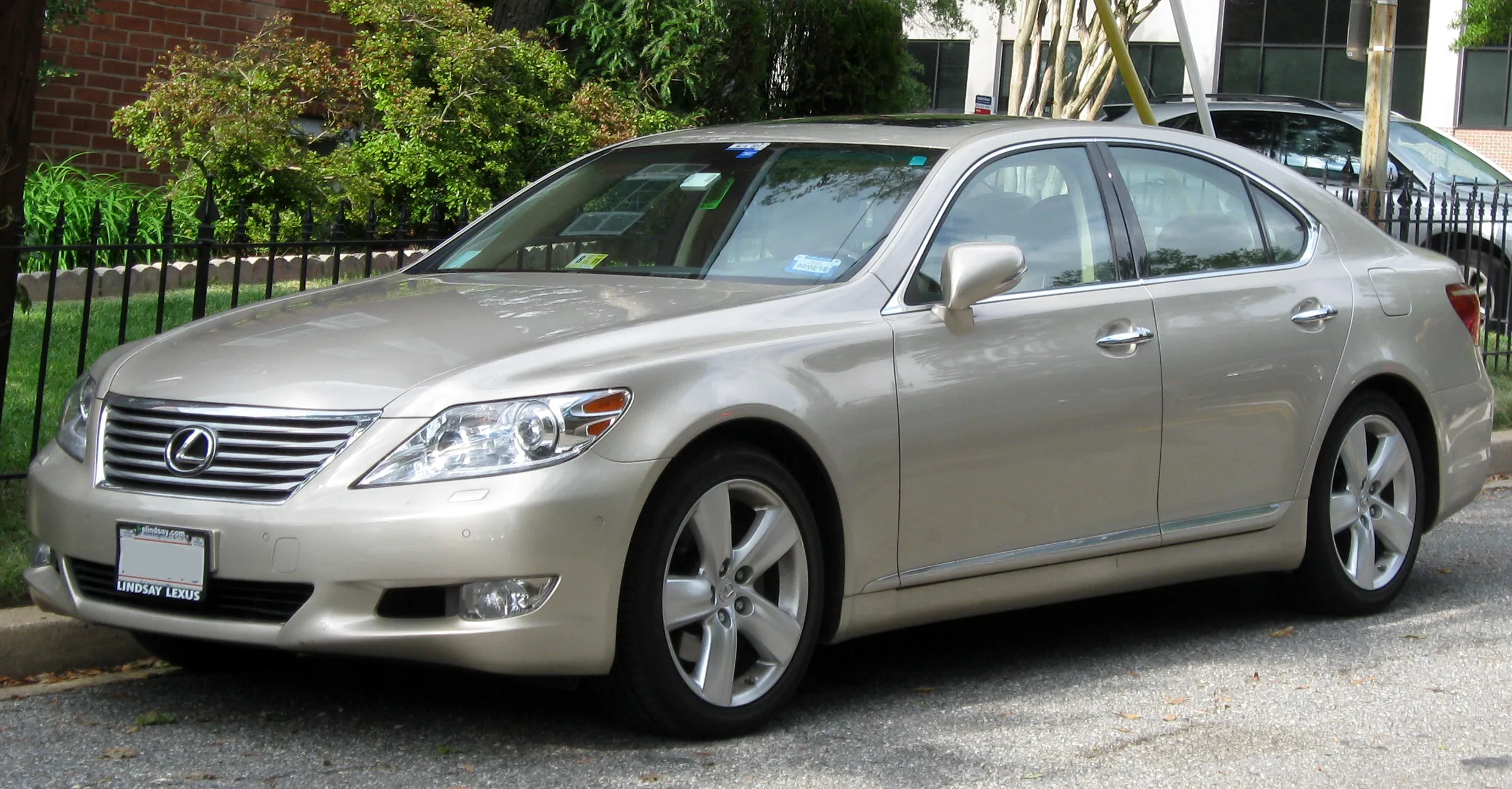
When Lexus launched the LS 460 in 2006, the goal was simple but ambitious. They wanted a luxury sedan that could stand shoulder to shoulder with German giants while keeping the reliability that Toyota was famous for. What came out of that effort was more than a match. It was a car that carried comfort, strength, and grace in equal measure.
Even after clocking 300,000 kilometers, an LS 460 still behaves like a vehicle that has barely reached half its life. Lexus engineers built it with a clear idea that true luxury is not about gadgets or flashy designs but about how well those features continue to perform years later.
Everything about the LS 460 feels carefully done. The build quality is extraordinary. Even after years of driving, the body panels remain tight, and the doors still close with that satisfying solid sound. Inside the cabin, you do not hear squeaks or rattles. Every button and knob feels firm and precise.
The seat adjustments move smoothly without effort, and even the air conditioning still works quietly. Lexus used real leather, polished wood, and durable plastics that resist wear, proving that attention to small details makes a big difference.
The 4.6 litre V8 engine is one of the car’s greatest strengths. It produces smooth power without pushing its limits, which helps it last longer than many competitors. With regular oil changes and sensible care, the engine and transmission continue to perform effortlessly. The suspension also holds up well, keeping rides soft and quiet. Owners often say the car still feels new even after hundreds of thousands of kilometers.
Maintenance costs remain friendly for a luxury sedan of its class. Spare parts are easy to find through Toyota dealers, and major repairs are rare. The Lexus LS 460 is proof that luxury and longevity can live together beautifully when built with care and purpose.
2. Mercedes-Benz W124 E-Class
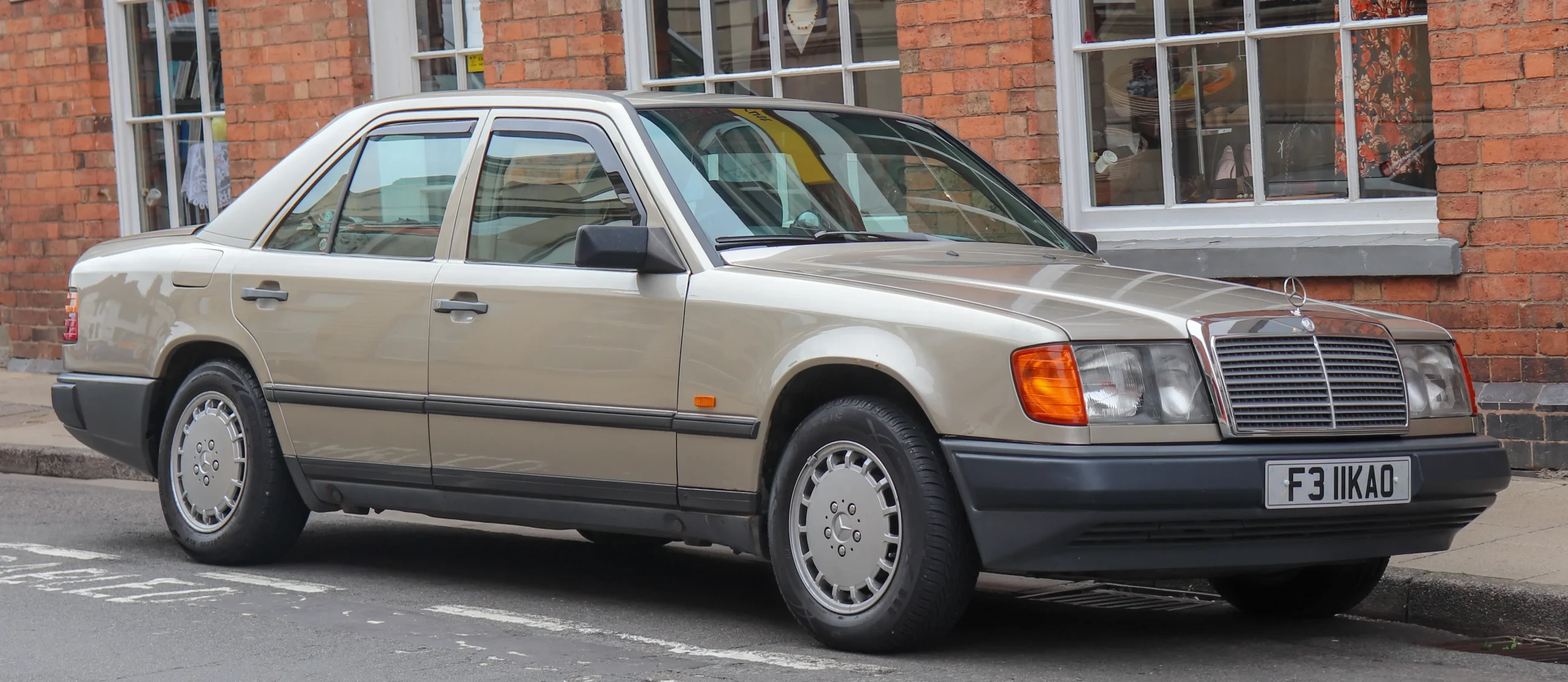
There was a period when owning a Mercedes-Benz truly meant something, and the W124 E-Class, produced between 1984 and 1997, remains one of the finest examples of that era. This car represents a time when engineers had full control, focusing on durability and honest quality rather than cutting costs.
The W124 was designed to serve for decades, and it lived up to that expectation perfectly. Even today, it is common to see one gliding along the road in near-perfect condition. At 300,000 kilometers, a well-kept unit still feels firm, confident, and luxurious in a way that newer models struggle to match.
The body structure is built like a fortress. Mercedes used thick steel panels that resist rust and give a heavy, reassuring sound when you shut the doors. Every joint, hinge, and weld was fitted with precision. There are no weak spots or unnecessary parts, only clean engineering that lasts. Many owners say their W124 feels just as stable and quiet as it did in its youth, even after years of driving across harsh climates.
The engines are another highlight. The straight-six petrol options became legends for their strength and dependability. They are simple to service, made from strong materials, and run comfortably below their limits. Regular oil changes and good care often take them beyond 500,000 kilometers without major trouble. Few modern engines can claim such longevity.
Inside, the comfort features were made to survive years of use. Power seats and climate controls still function in cars that have seen decades of driving. The switches and radios may look dated, but they still work as they should.
Spare parts are easy to find through dealers, enthusiasts, and scrapyards, and repairs are simple enough for any skilled mechanic. The W124 remains a timeless example of how true engineering never fades.
Also Read: 10 Cars That Stay Solid Even After Three Owners
3. Volvo S80 (First Generation)
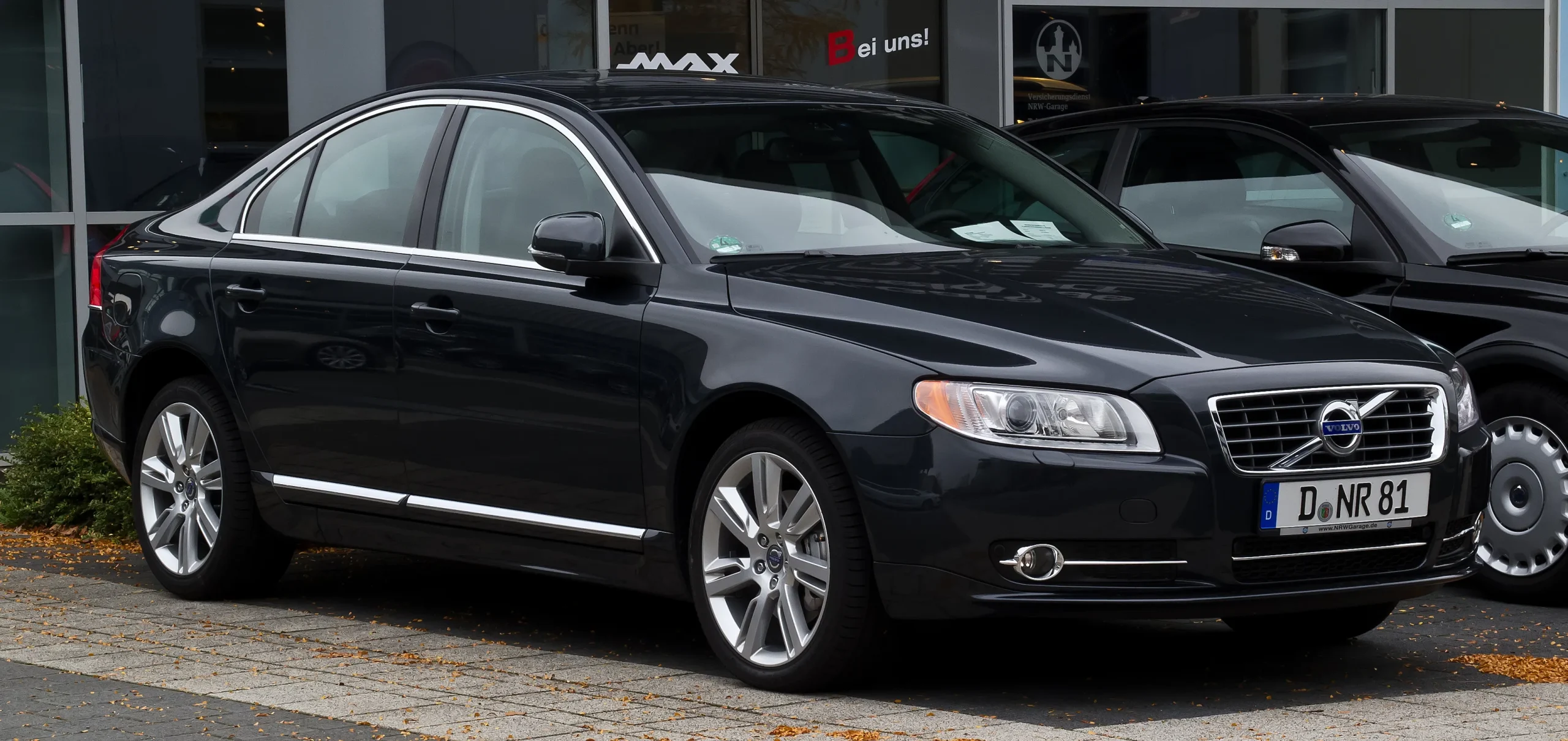
Swedish designers have always had a unique way of building cars, and the Volvo S80, introduced in 1998, is a perfect reflection of that spirit. This was Volvo’s flagship sedan, created with a quiet kind of confidence that focused on long-term comfort, strong safety, and simple reliability rather than showing off.
While other luxury brands were chasing flashier looks and complicated features, Volvo concentrated on making a car that would still feel special after many years of use. Even when the odometer passes 300,000 kilometers, a well-cared-for S80 still drives with calmness and grace.
One of its most loved features is the seat design. Volvo engineers spent years perfecting their seats, studying how to keep drivers relaxed on long trips. The result is a seat that remains supportive and comfortable even after decades of wear.
The materials used resist tearing, fading, and sagging, which is why you can sit in an old S80 and still feel at ease. Many owners say that comfort is what makes them keep their cars rather than replace them.
Build quality is another reason for the S80’s long life. Every panel, knob, and switch was made from strong materials. The dashboard feels solid, and the doors close with a heavy, satisfying sound. Volvo preferred using tested components over risky new technology, and that decision has paid off as time goes on. The features may appear simple compared to modern cars, but they keep working year after year without fuss.
Engines like the inline-five and inline-six options are known for reliability and smooth running. They may not be the fastest, but they are built to endure. Regular servicing can keep them alive well past 300,000 kilometers. Repairs are logical and affordable, and parts are easy to find. The first-generation S80 proves that true luxury is about lasting comfort, not temporary excitement.
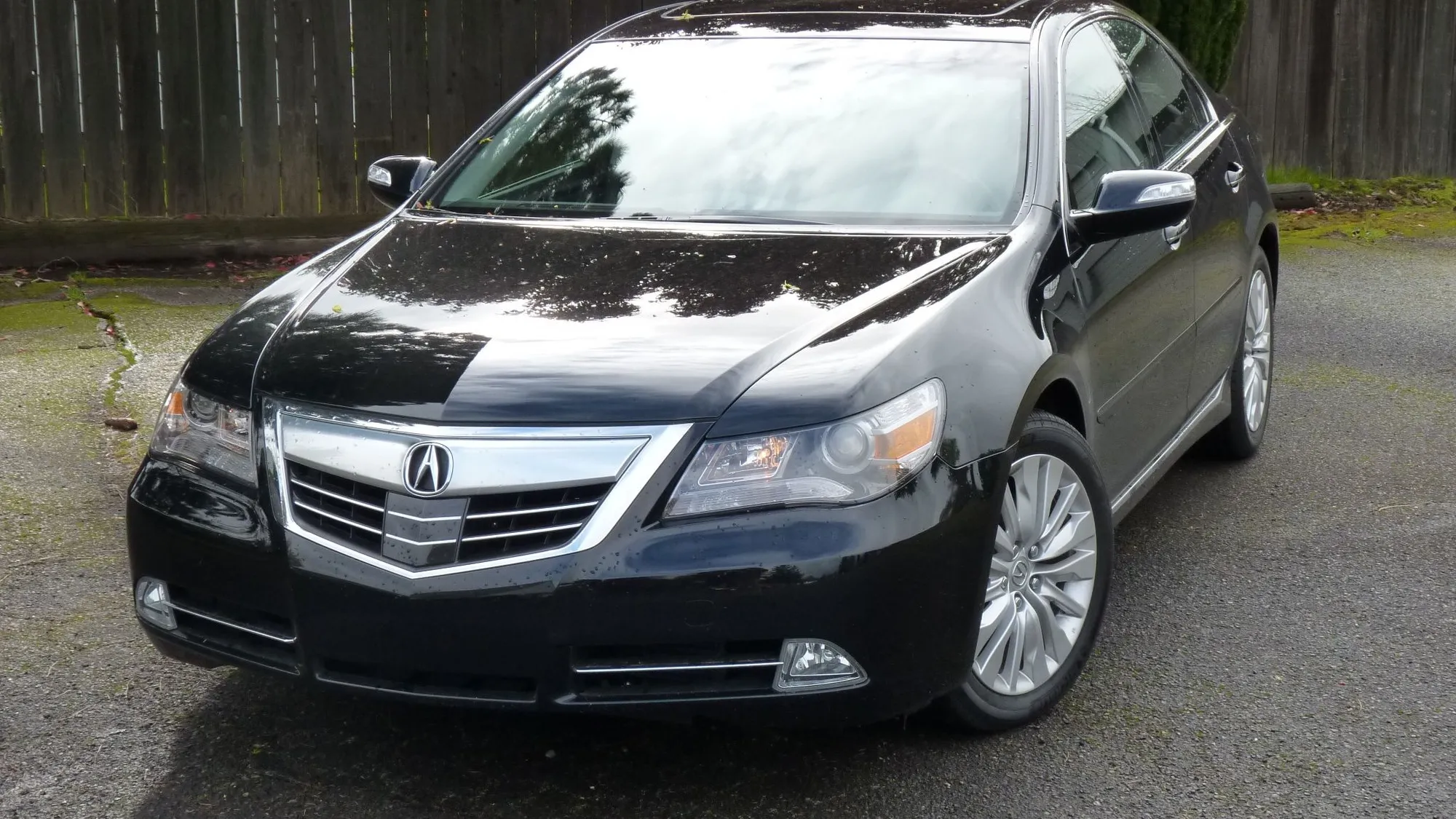
4. Acura RL (Third Generation)
Between 2005 and 2012, Honda’s luxury division produced the Acura RL, a sedan that quietly proved that true luxury does not depend on brand prestige. While it never reached the sales success of German rivals, those who bought it discovered a vehicle that aged with remarkable grace.
The RL carries the same dependable engineering found in Honda’s most trusted models, blended with refinement and comfort that last far beyond expectations. Even after years of driving and hundreds of thousands of kilometers, it continues to feel composed, strong, and genuinely luxurious.
At the heart of this car lies a 3.7 litre V6 engine, a fine example of Honda’s mechanical discipline. It delivers smooth power delivery and long-lasting reliability. The engine was designed to perform efficiently for hundreds of thousands of kilometers without showing fatigue. Drivers often report that even at 300,000 kilometers, it runs quietly, moves smoothly, and responds confidently. That kind of endurance is the reason many Acura owners stay loyal to the brand.
Inside the cabin, the quality surprises people who expect cost-cutting from a low-volume model. The interior uses genuine leather, real wood trim, and carefully fitted panels that still look elegant after years of use. Buttons and switches retain their original smooth movement, and the climate system continues to deliver consistent comfort. The sense of craftsmanship remains evident every time you sit inside.
Technology in the RL was advanced but carefully implemented. Features such as navigation and sound systems still function dependably at high mileage because Honda used tested components instead of risky innovations.
This attention to reliability extends to maintenance as well. Replacement parts are widely available, and repair costs stay reasonable. While many luxury sedans become burdens at high mileage, the Acura RL stands as a quiet success story, proving that well-planned engineering always wins with time.
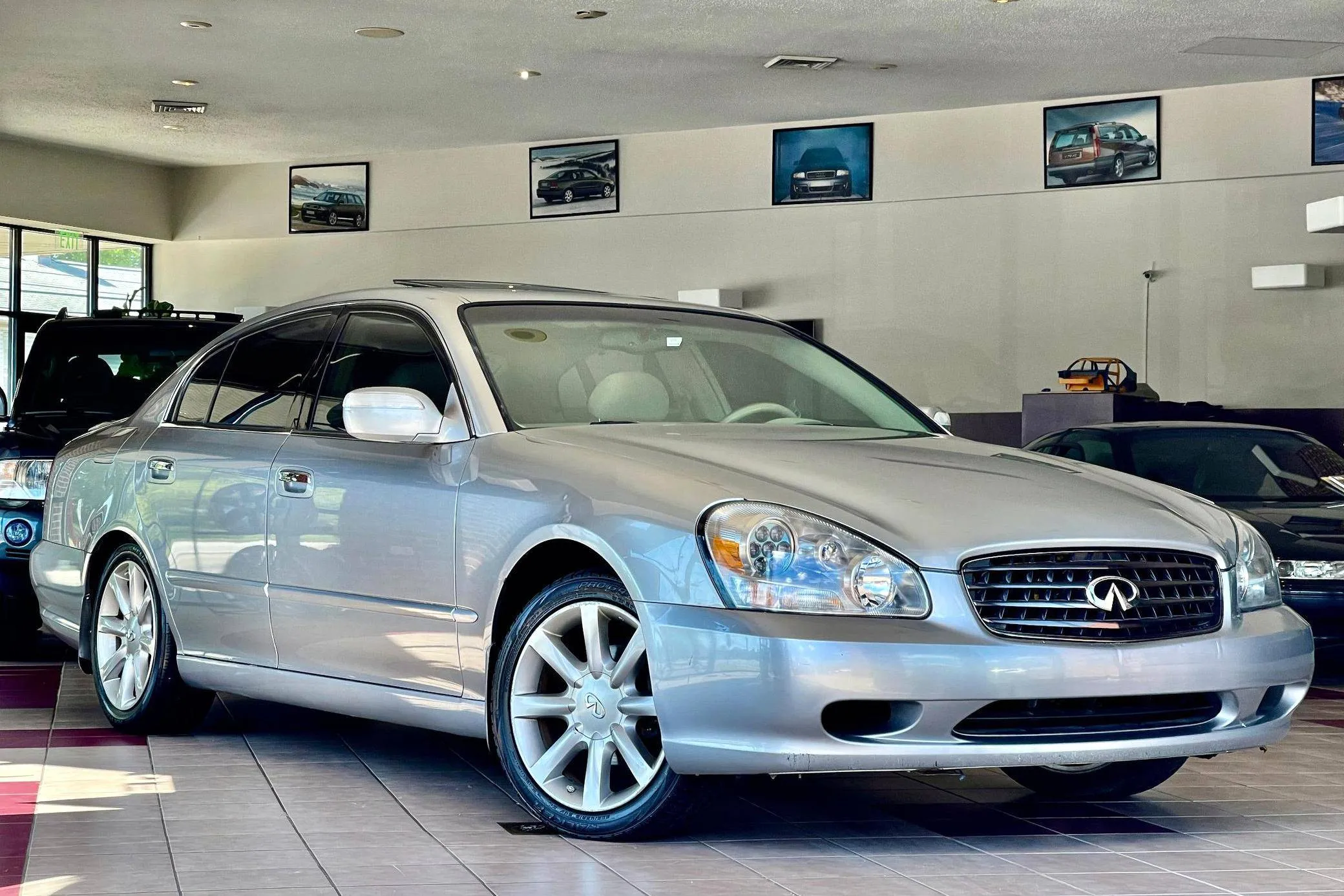
5. Infiniti Q45 (Third Generation)
When Nissan launched the Infiniti Q45, it was their answer to the big names in the luxury market. The third generation, built between 2002 and 2006, stands out as one of Infiniti’s most serious attempts at true luxury.
This car was designed to compete directly with the finest European sedans, and it succeeded in many ways. Even after years of use, the Q45 manages to keep its smooth and elegant personality. While many high-end rivals start showing fatigue after long service, the Q45 often still feels calm, tight, and dignified at high mileage.
Its strong point is the V8 engine, a symbol of balance between performance and reliability. Nissan created this powerplant to deliver smooth strength without stress. The result is an engine that remains quiet and confident even after hundreds of thousands of kilometers. Many owners report that their Q45 still starts easily, runs smoothly, and responds quickly even past 300,000 kilometers. That is the kind of steady power that defines true luxury performance.
Inside, comfort stays impressive. Infiniti used real leather that ages gracefully rather than cracking or tearing. The carpets remain rich and soft, and the dashboard materials hold up against sunlight and heat. Everything feels well chosen, with quality built into each part. Even after many years, sitting in a Q45 gives that same sense of quiet refinement that made it desirable when new.
The body construction reflects Nissan’s care. The doors shut firmly, the panels align perfectly, and the cabin stays silent even on rough roads. Few cars maintain this level of solidity with age. Because the Q45 shares some parts with Nissan models, repairs are convenient and affordable.
The engineering is straightforward, so maintenance does not require complicated tools. This combination of dependable power, lasting comfort, and sensible upkeep makes the Infiniti Q45 a smart choice for anyone who values long-term luxury.
Cars That Don’t Stay Luxurious at 300k
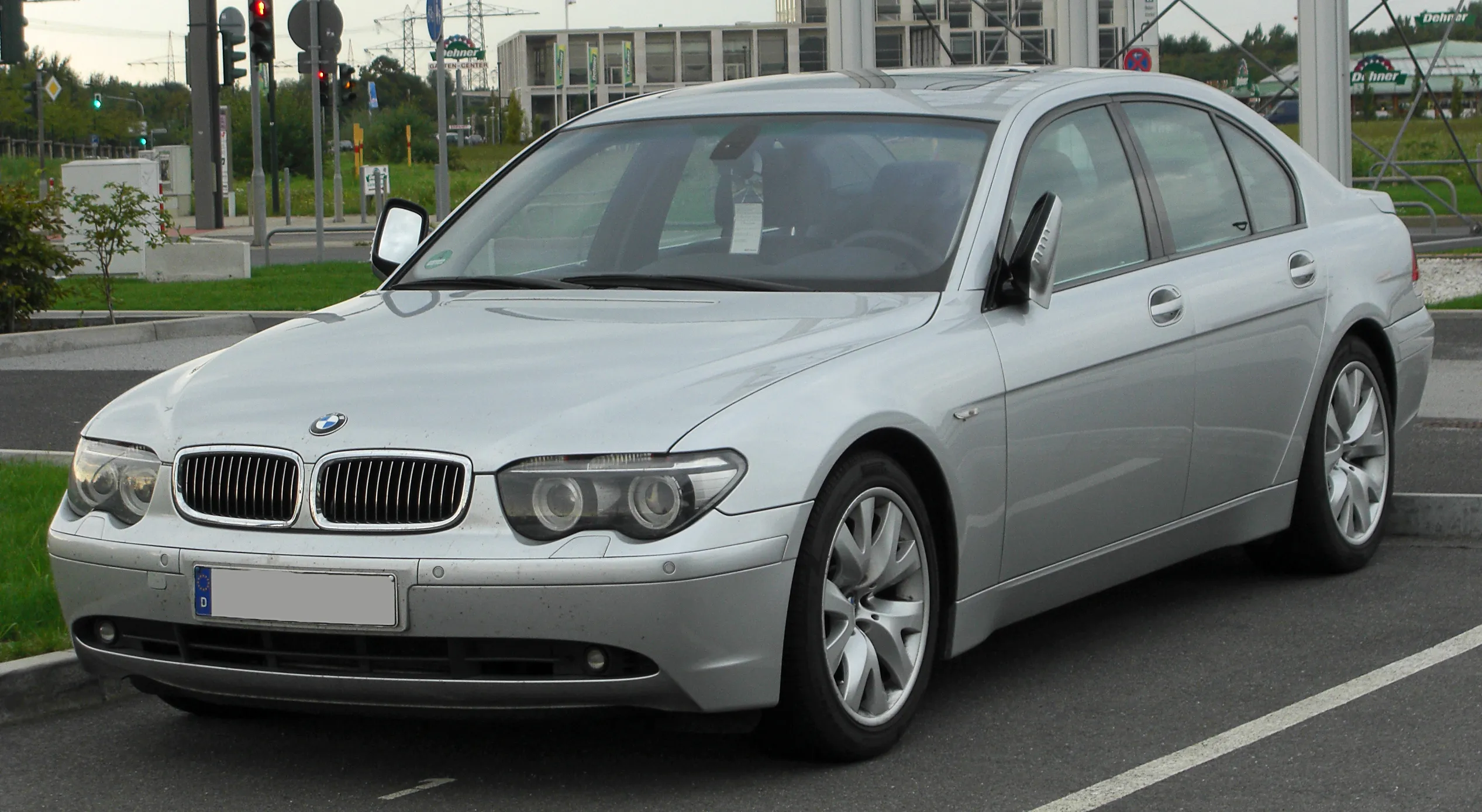
1. BMW 7 Series E65
The BMW 7 Series E65, produced between 2001 and 2008, is a warning about what can happen when luxury becomes too complicated for its own good. When new, it impressed buyers with sleek styling, advanced technology, and smooth performance.
Yet, once the mileage climbs beyond 200,000 kilometers, that shine fades quickly. By the time it reaches 300,000 kilometers, the car that once symbolized prestige often turns into a source of frustration and endless repair bills.
The main problem lies in its electronics. BMW loaded this model with complicated systems that control nearly every function inside the car. As time goes on, these electronic parts begin to fail without warning. Dashboard errors appear, features stop working, and repairs require specialized equipment that only dealers possess. Each fix costs a small fortune, and many owners simply give up.
Inside the cabin, the story is not much better. The interior looks beautiful when new, but ages poorly. Trim pieces loosen, plastic parts crack, and the leather wears out faster than expected. Even features like climate control and the iDrive system often stop working correctly after years of use.
Mechanical reliability is another weak point. Cooling systems, sensors, and suspension parts fail regularly, while automatic transmissions become rough and unreliable. Repairing these issues is very expensive, especially when air suspension problems appear.
By the time an E65 reaches high mileage, its maintenance costs exceed its actual value. What once represented cutting-edge luxury ends up feeling like an expensive mistake best avoided.
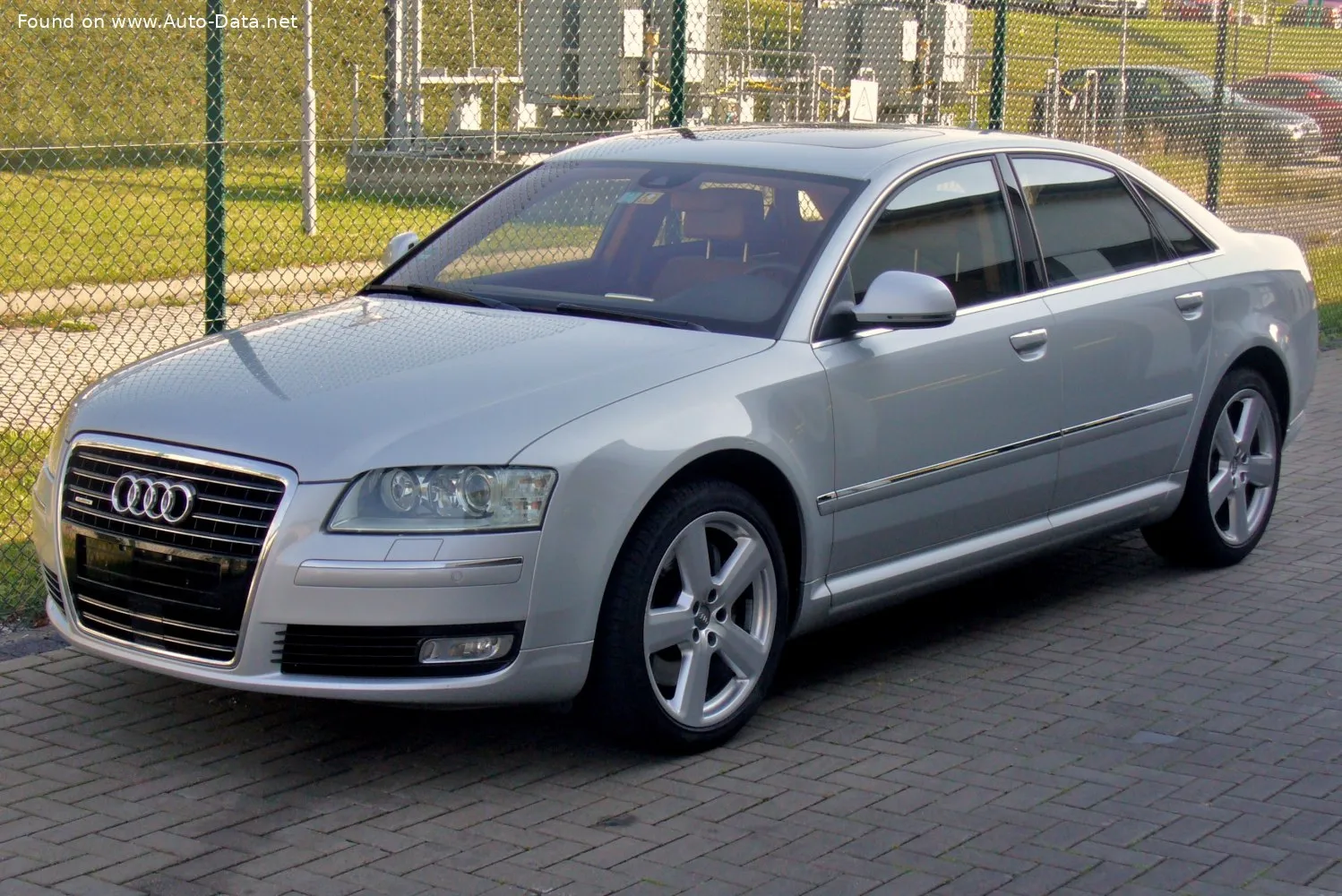
2. Audi A8 D3
The Audi A8 D3, produced between 2003 and 2010, presents a deceptive package. While its exterior appears refined and elegant, the reality beneath reveals a vehicle plagued with maintenance challenges. This generation exemplifies common issues found in contemporary German luxury automobiles: excessively intricate engineering, costly replacement parts, persistent electrical malfunctions, and construction quality that deteriorates with extended use. Vehicles approaching 300,000 kilometers typically require numerous expensive interventions and continue demanding more.
Audi promoted aluminum construction as advantageous for weight reduction and better performance. However, this material choice created repair complications since aluminum bodywork demands specialized equipment and expertise for proper restoration.
Corrosion in aluminum parts results in substantially higher repair expenses compared to conventional steel construction. Aluminum suspension mounting points are prone to cracking and deterioration, necessitating major repairs costing thousands.
Electrical problems escalate as these vehicles age. Air suspension systems fail frequently, forcing owners to choose between costly repairs or conversion to standard springs. Climate control systems develop expensive faults.
Navigation and entertainment units become outdated and malfunction. Continuous sensor failures trigger warning indicators and system disruptions. Dashboard displays suffer pixel damage requiring pricey replacements.
The Quattro all-wheel-drive system introduces additional expensive complications. Transfer cases malfunction, differentials need costly maintenance, and driveline parts wear regularly. These repairs demand extensive labor and component removal. Audi dealership parts carry exorbitant prices, while many independent workshops refuse service due to diagnostic difficulties.
Operating expenses render these cars impractical without substantial budgets. High fuel consumption, expensive insurance, and constant repair bills accumulate rapidly. By 300,000 kilometers, total maintenance expenses often exceed the original purchase price.
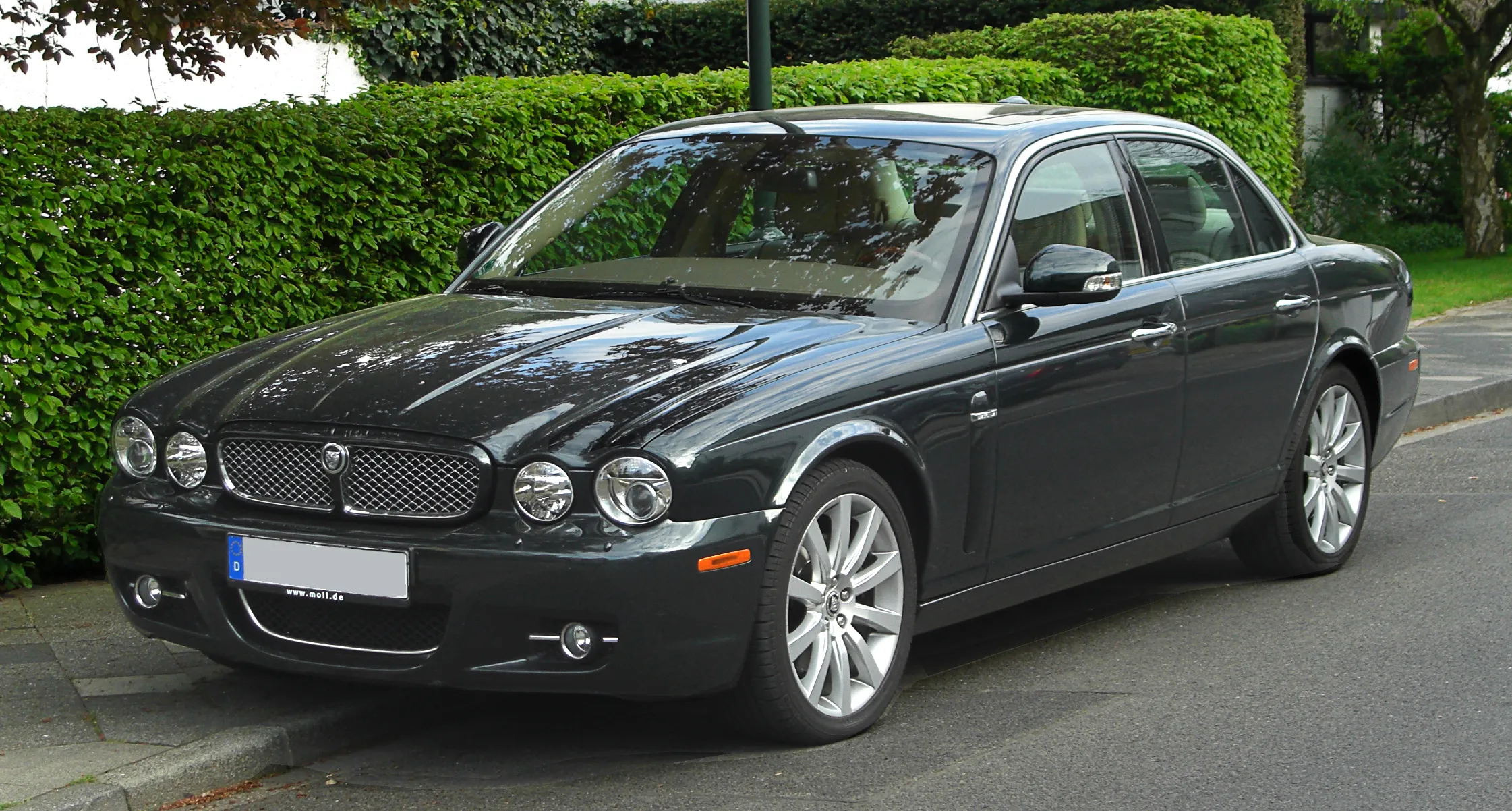
3. Jaguar XJ X350
The Jaguar XJ X350, produced from 2003 to 2009, represents the classic case of beauty hiding serious problems. Its elegant design, smooth ride, and refined interior made it a dream car when new. Yet, once the odometer approaches 300,000 kilometers, that dream often turns into a difficult and costly experience. What begins as British sophistication soon becomes a constant battle with electrical faults, mechanical failures, and costly maintenance.
Electrical reliability is the biggest downfall. Jaguar filled the X350 with advanced electronic systems that were impressive for their time but age very poorly. Owners of high-mileage examples face constant issues with random warning lights, malfunctioning controls, and failing modules. Diagnosing these faults can be frustrating and expensive, often requiring dealer visits that produce large bills. Independent mechanics usually avoid them because troubleshooting consumes too much time.
Inside, the luxurious interior materials do not stand the test of time. Leather cracks early, wood veneers lose their shine, and plastic trim becomes fragile. Even the aluminum body panels, once praised for their lightness, corrode in ways that are expensive to repair. By the time these cars reach high mileage, many look worn despite careful upkeep.
Mechanically, reliability is unpredictable. Cooling systems, timing chains, and transmissions often fail, with repairs costing thousands. Suspension components wear quickly, especially on models with air suspension.
Adding to the frustration, replacement parts are both expensive and difficult to find. Combined with high labor costs, these issues make owning a high-mileage X350 nearly impossible for anyone on a normal budget.
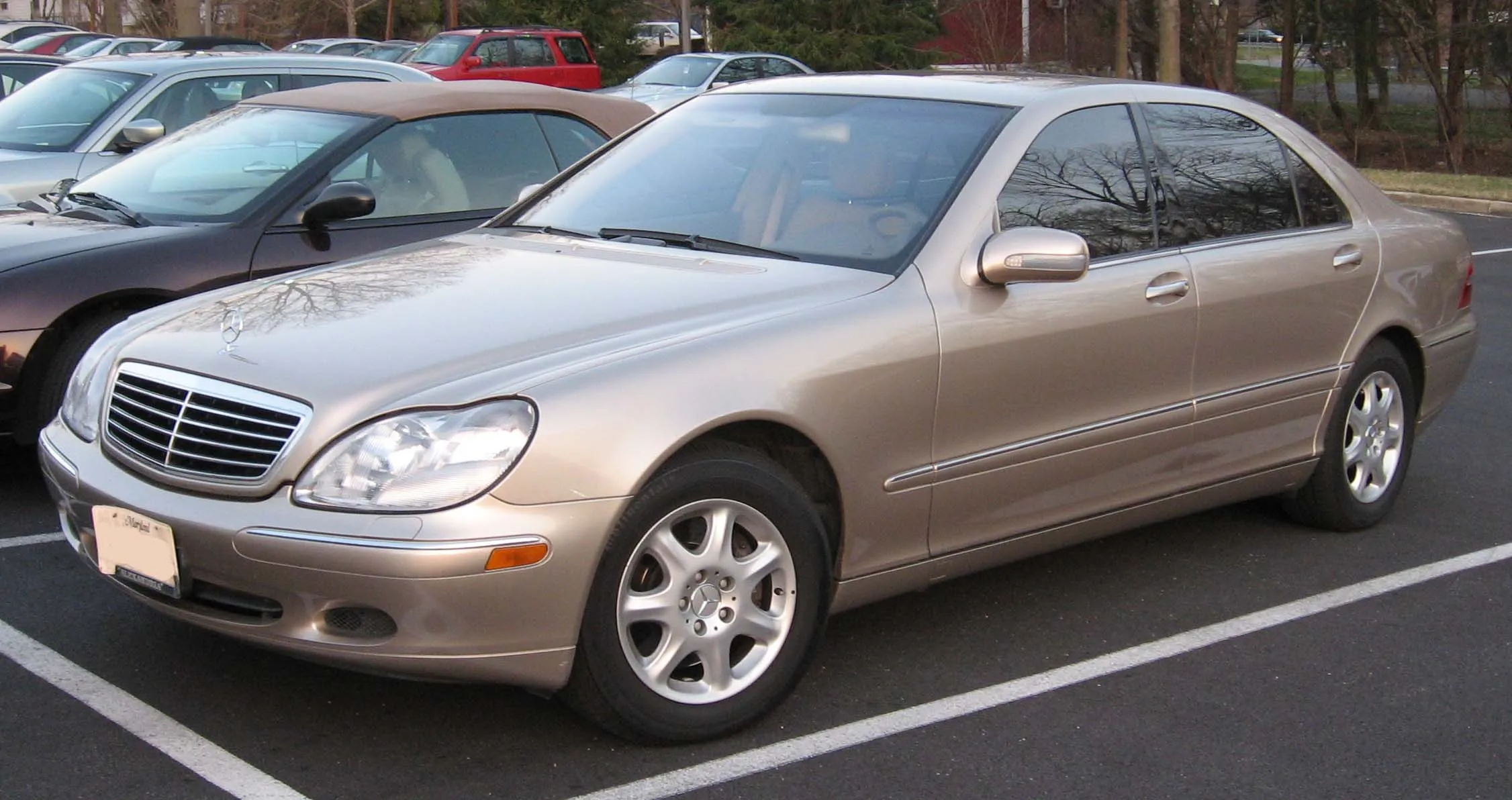
4. Mercedes-Benz W220 S-Class
The Mercedes-Benz W220 S-Class, built from 1999 to 2006, marked the moment when Mercedes began losing its reputation for durability. It introduced modern technology and new cost-cutting methods that made the car feel advanced when new, but those same choices caused massive problems later in life. Once these cars cross 300,000 kilometers, most are tired, unreliable, and extremely expensive to maintain.
The Airmatic suspension system is the most infamous issue. This air-based system, designed to deliver a smooth and adjustable ride, fails constantly as the car ages. Compressors stop working, air springs develop leaks, and sensors malfunction.
Repairing these parts often costs more than the entire car’s value at high mileage, forcing many owners to give up and scrap their vehicles. Instead of offering long-term comfort, the system becomes a financial burden that keeps breaking.
Electronics are another disaster. The Command infotainment system often malfunctions or freezes. Power seat controls fail, window regulators break frequently, and various modules display random errors. Even simple features such as roof controls and door locks stop working correctly. The more kilometers the car accumulates, the more systems fail, turning ownership into a constant repair cycle.
Interior quality also suffers. Plastics fade and crack, leather splits, and wood trim peels or discolors. What once felt luxurious begins to look neglected, even if well cared for.
Mechanical reliability depends on the engine type, but nearly all versions require costly upkeep. Between complicated electronics, fragile suspension, and expensive repairs, the W220 stands as one of Mercedes’ most disappointing long-term luxury cars.
Also Read: 10 Cars That Keep Running Long After the Warranty Ends
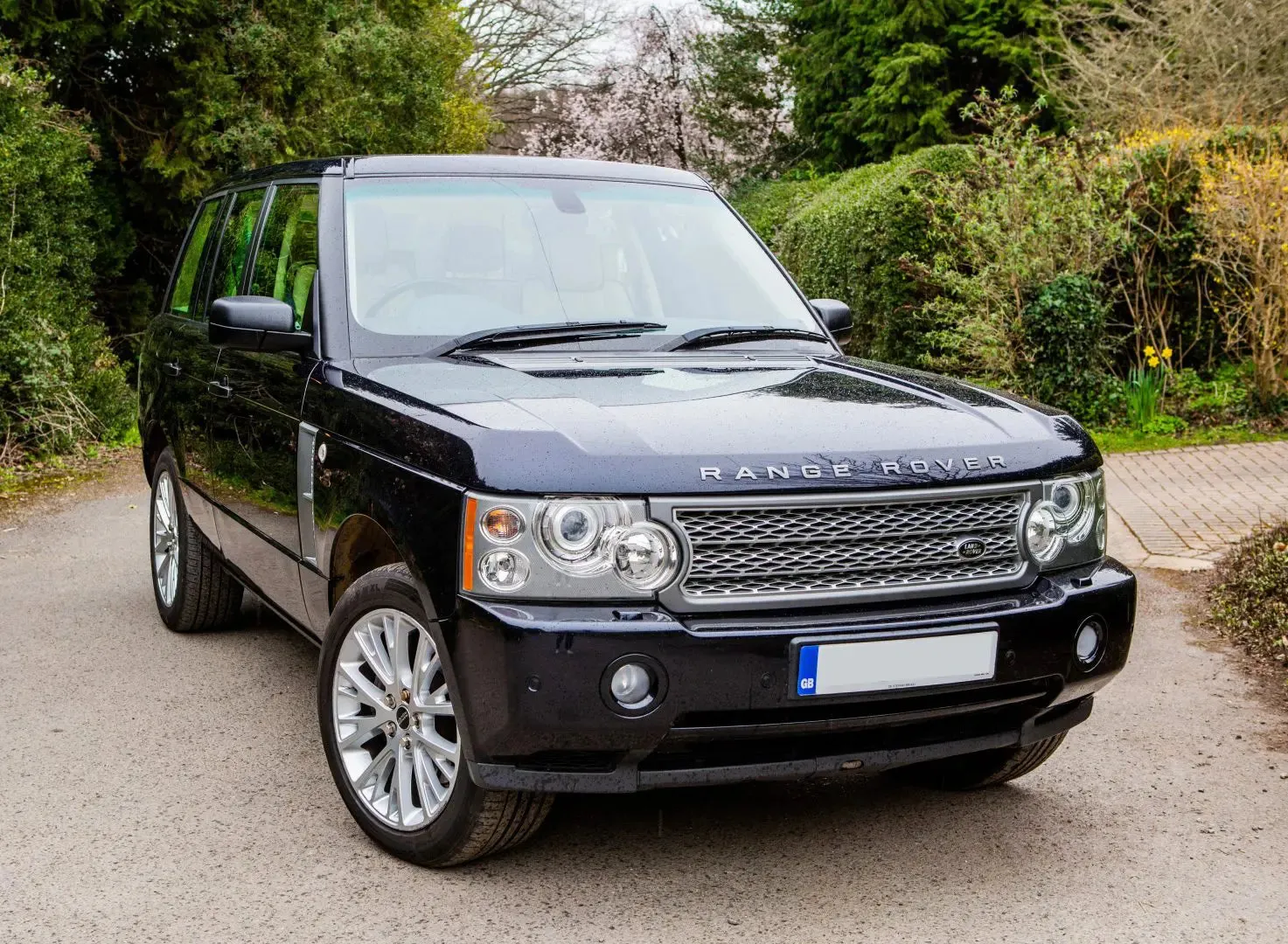
5. Range Rover L322
The Range Rover L322, produced between 2002 and 2012, is one of the most striking examples of a luxury vehicle that does not age gracefully. When new, it combined exceptional off-road capability with first-class comfort, creating an image of sophistication and power.
However, as the kilometers climb, that image falls apart under the weight of endless mechanical and electrical failures. Reaching 300,000 kilometers with one of these is almost a financial miracle, as the cost of keeping it running often exceeds the car’s value many times over.
The air suspension system is the most notorious problem. Compressors wear out, air bags leak, and sensors fail without warning. Each repair costs thousands, and many owners eventually replace the system with coil springs to stop the bleeding, sacrificing the smooth ride that defines a Range Rover. Even with conversions, ownership remains expensive because other components fail just as often.
Electrical issues are another constant frustration. Infotainment systems freeze, displays go blank, and numerous modules lose communication with one another. Diagnosis requires specialized tools and trained technicians, both of which are costly. These problems never truly disappear, turning ownership into a never-ending cycle of repairs.
Engines, while powerful, are not immune to failure. Supercharged V8 models suffer from cooling and supercharger issues, while diesel variants often experience injector and turbo failures. Every repair requires costly parts and expert labor.
Inside, luxury fades quickly. Leather cracks, switches break, and leaks cause interior damage. By 300,000 kilometers, most L322s feel tired, unreliable, and painfully expensive to keep alive.
