The SUV market in the United States has become a defining force in the automotive world. From daily commuters to off-road beasts and family haulers, SUVs dominate dealership lots and auction blocks alike.
But while some models hold their value and demand even years after release, others lose their shine faster than expected.
In the used car market, resale value isn’t just about brand it’s about reliability, fuel economy, desirability, and even perception.
Today, we break down five SUVs that stay hot in the used market versus five that freeze and struggle to attract buyers.
SUVs That Keep Buyers Interested
Some SUVs grab attention when they’re new, but only a few manage to keep it years down the road. These are the models that continue to attract loyal owners and new fans alike, thanks to their balanced performance, smart design, and lasting appeal.
Whether it’s comfort, reliability, or style that draws buyers in, these SUVs have the rare ability to stay desirable long after the showroom shine fades.
1. Toyota 4Runner
The Toyota 4Runner is a legend in the used SUV world it’s practically a gold standard for resale value. Built on a truck-based platform, the 4Runner’s reputation for durability and off-road prowess keeps it highly sought after.
Even older models with over 150,000 miles regularly sell for more than their competitors with half the mileage. Its resale strength comes from Toyota’s proven reliability, simple mechanical design, and cult following among adventure seekers.
Unlike most crossovers, the 4Runner hasn’t tried to be something it’s not and that honesty pays off when it comes time to sell.
Think of the 2020 Toyota 4Runner as the eccentric of the mid-size SUV world. It matches the segment in key stats, two rows of seats, 270 horsepower, and above-average cargo space, but the driving experience sets it apart.
This body-on-frame off-roader feels more at home tackling rugged trails than gliding through suburban parking lots. If your priorities revolve around smooth cornering on freeway ramps and you have no plans to conquer Moab, this SUV isn’t for you.
But if your sense of adventure leads you through rocks, ruts, and mud, the 4Runner is the capable companion ready to pull you toward a better life.
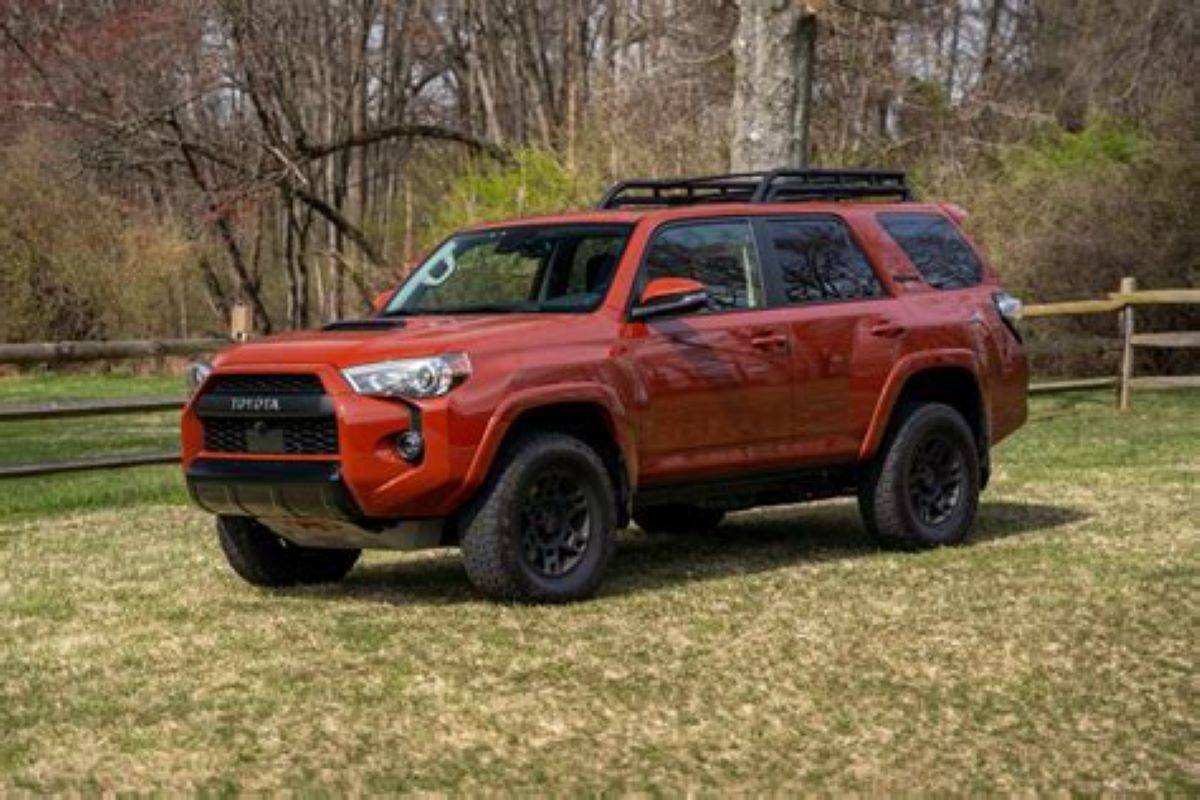
Every 2020 4Runner now comes standard with Toyota’s Safety Sense P (TSS P), a comprehensive suite of driver-assistance technologies.
This includes a pre-collision system with autonomous braking, adaptive cruise control, lane-departure warning, and automatic high beams.
The base SR5 trim features rear-wheel drive, while most other, except the top-tier Limited, use a selectable, part-time four-wheel-drive setup with a two-speed transfer case and low-range gearing.
The Limited trim offers full-time all-wheel drive with a Torsen center differential, which distributes torque between the front and rear wheels as needed based on traction and road conditions.
In testing, the TRD Off Road model reached 60 mph in 7.5 seconds, its V-6 producing a characteristically gruff tone.
Despite its old-school mechanicals, the 4Runner’s performance remains competitive with newer rivals such as the V-6 Dodge Durango and turbocharged Hyundai Santa Fe Sport.
Its sturdy frame and torque-heavy engine provide a strong edge in towing, boasting a 5,000-pound capacity, better than the Santa Fe Sport, Ford Edge, and Jeep Wrangler, though shy of the Durango’s 8,700-pound limit.
2. Honda CR-V
The Honda CR-V has mastered the formula of everyday practicality and long-term dependability. American families and commuters alike continue to chase used CR-Vs, especially from the 2017–2021 generation.
These SUVs boast excellent fuel economy, comfortable interiors, and Honda’s renowned longevity. The CR-V’s resale prices remain firm because it’s seen as a “no-drama” SUV affordable to maintain, easy to live with, and capable of lasting well over 200,000 miles.
In many U.S. regions, lightly used CR-Vs can sell for as much as 75–80% of their original price, a figure that would make luxury SUVs blush.
At first glance, distinguishing the 2026 Honda CR-V and the CR-V Hybrid from their predecessors isn’t easy, and that’s intentional.
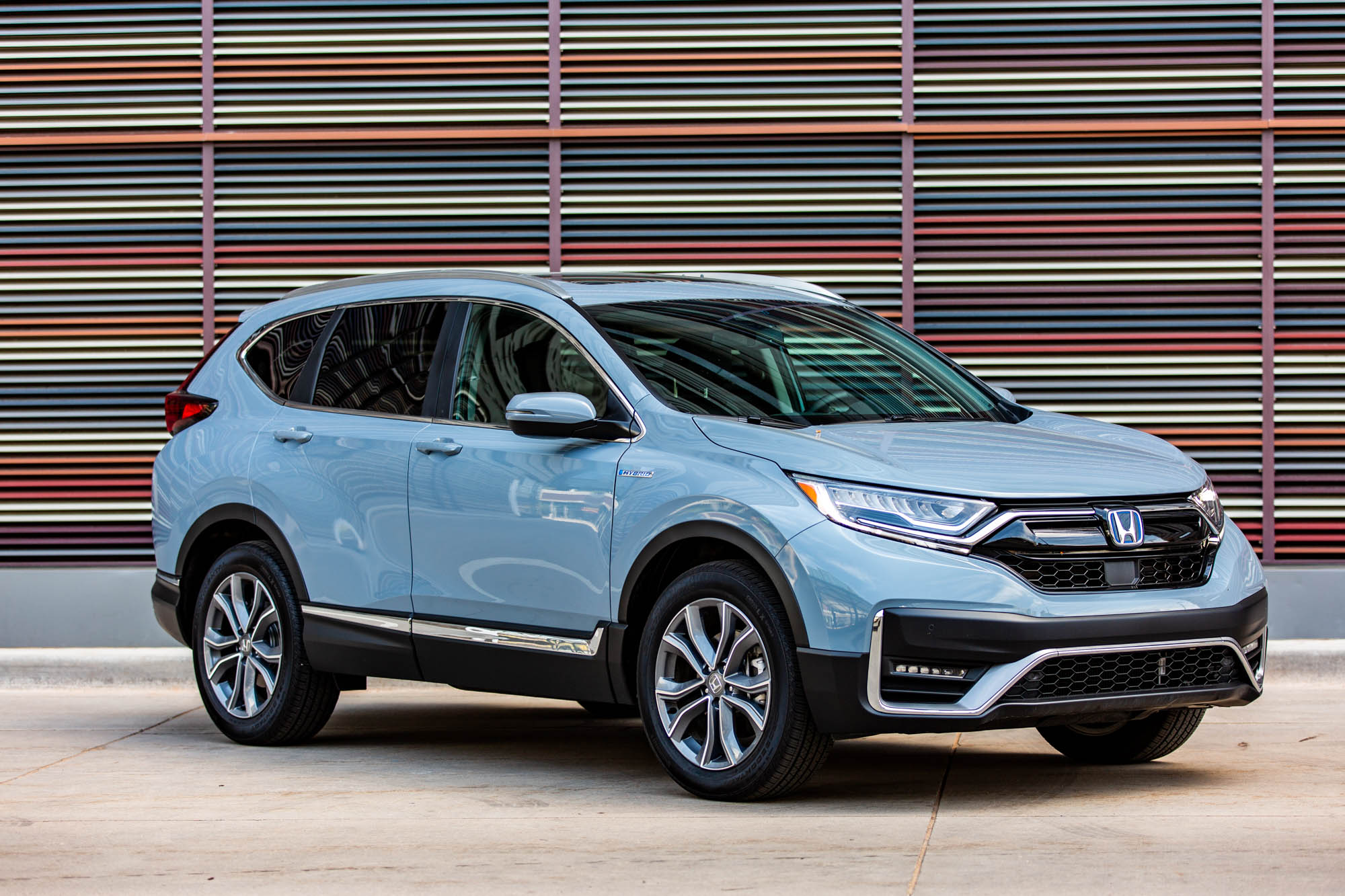
Honda has subtly refreshed the entire CR-V lineup for this model year, but with an impressive 402,791 units sold in 2024 and sales continuing to rise in 2025, the brand wisely avoided fixing what wasn’t broken.
Honda has also enhanced safety with additional driver-assistance features and upgraded the all-wheel-drive system for better performance.
While there are minor exterior tweaks, the most significant upgrades belong to the CR-V Hybrid, which is covered in a separate review.
The hybrid offers more power, greater fuel efficiency, and additional features, but at a higher price point. Despite being slightly more expensive than these rivals, the CR-V remains near the top of its class for space, comfort, and everyday usability.
The standard CR-V also impresses with solid handling, generous safety technology, and respectable fuel economy. What it doesn’t deliver, however, is excitement.
The cabin design leans heavily on gray plastics, the 0–60 mph sprint takes about 9 seconds, and the infotainment system, though simple, may appeal to those who prefer straightforward controls.
3. Lexus GX 460
Luxury SUVs often depreciate fast, but the Lexus GX 460 defies that rule. Built on a rugged body-on-frame platform, it combines old-school toughness with refined Lexus comfort.
The GX has earned a loyal base of buyers who want Land Cruiser durability without the Toyota badge. Its 4.6-liter V8, while not the most fuel-efficient, is bulletproof, and the interior craftsmanship holds up exceptionally well over time.
Because Lexus has kept the GX’s formula consistent, even decade-old models are in high demand. Many buyers see it as one of the few luxury SUVs that’s actually built to last not just to impress.
Viewed on its own, the 2018 Lexus GX 460 can easily impress with its plush, high-end interior, long list of features, and refined on-road ride. However, its aging design has lost much of its former appeal.
Compared with its three-row luxury SUV competitors, the GX 460 falls behind in key areas such as driving dynamics, interior space, power, and fuel economy. Many rivals also offer more features and a higher level of comfort overall.
Despite its shortcomings, there are still qualities to appreciate in the GX 460. Its rugged, body-on-frame construction, elevated driving position, and advanced off-road systems give it legitimate all-terrain capability.
It can take you just about anywhere you want to go. Unfortunately, the bold Lexus styling introduced a few years back compromised its approach angle and ground clearance.
Because of that, the GX actually has less ground clearance than a Volvo XC90, a vehicle far less capable off-road. Its truck-based structure also limits interior room and cargo flexibility.
To make matters worse, the GX retains an old-fashioned swing-out tailgate that opens toward the curb, reducing convenience in tight spaces.
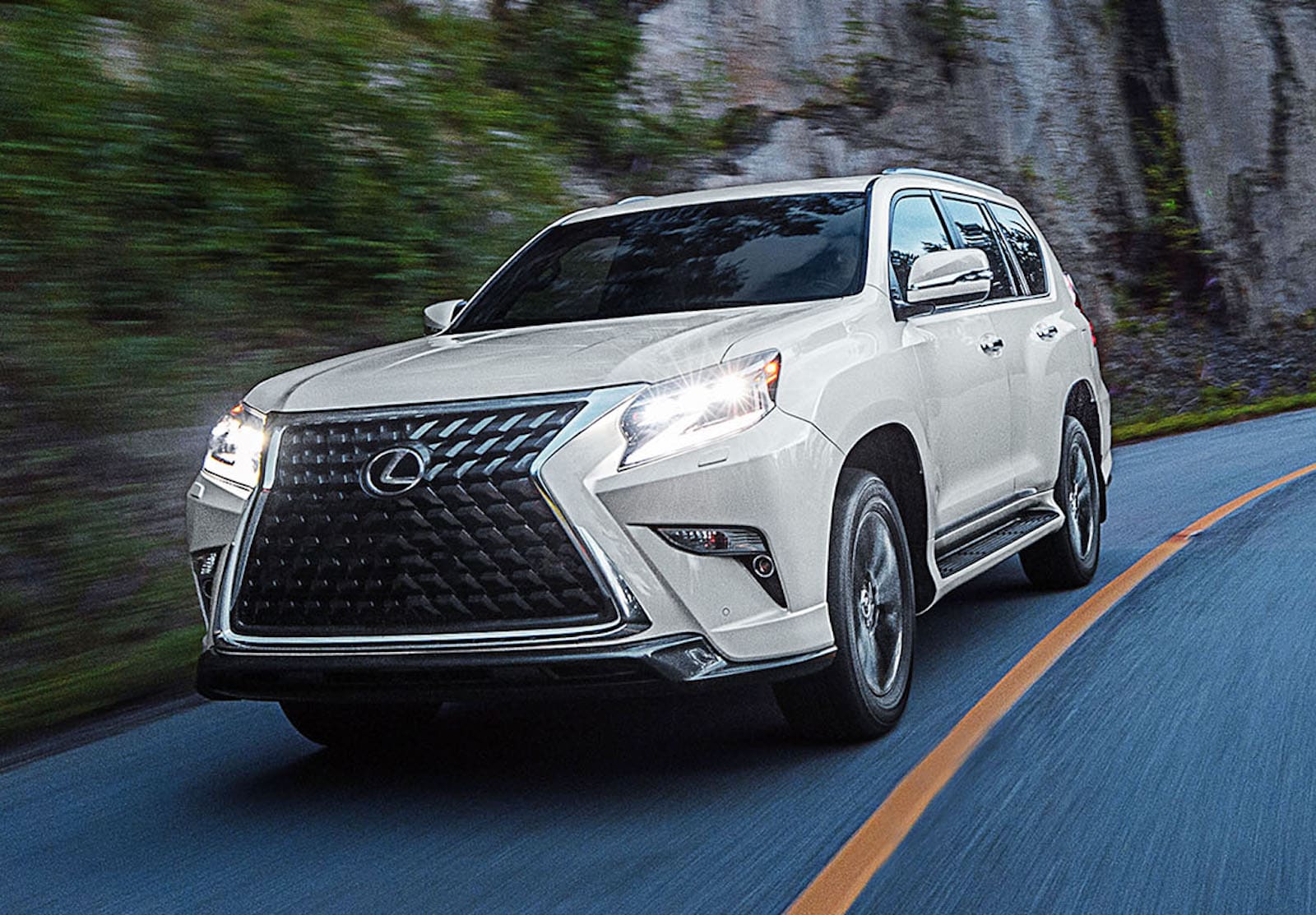
That’s the best word to describe the 2018 Lexus GX 460. Its off-road strengths are undercut by its luxury focus, while its luxury SUV credentials are hindered by its outdated design.
The GX 460 has potential but falls short in execution. The transmission and throttle response dull the V8’s willingness, and while the suspension gives it decent agility, the steering feels numb and disconnected. Its impressive off-road hardware also suffers from low-hanging bodywork that limits capability.
Ride comfort is generally good, and the cabin stays quiet. The climate control system performs well, keeping everyone content. However, the seat bottoms feel overly firm and flat, so it’s worth testing the seats before buying.
The GX 460’s interior design remains attractive and user-friendly. Controls are intuitive, and the high driving position offers excellent visibility, though getting in requires more effort than in most modern crossovers. Overall space is respectable, and it’s easy to find a comfortable driving position.
Both the second and third rows fold flat, but overall cargo capacity trails the competition due to the higher load floor typical of body-on-frame SUVs.
Towing strength is adequate, though the tow hitch and wiring must be added by a dealer rather than being factory-installed.
4. Subaru Outback
Part SUV, part wagon, the Subaru Outback remains a favorite among drivers in regions like the Pacific Northwest, New England, and the Rockies. Standard all-wheel drive, practical cargo space, and a loyal following give it enduring value on the used market.
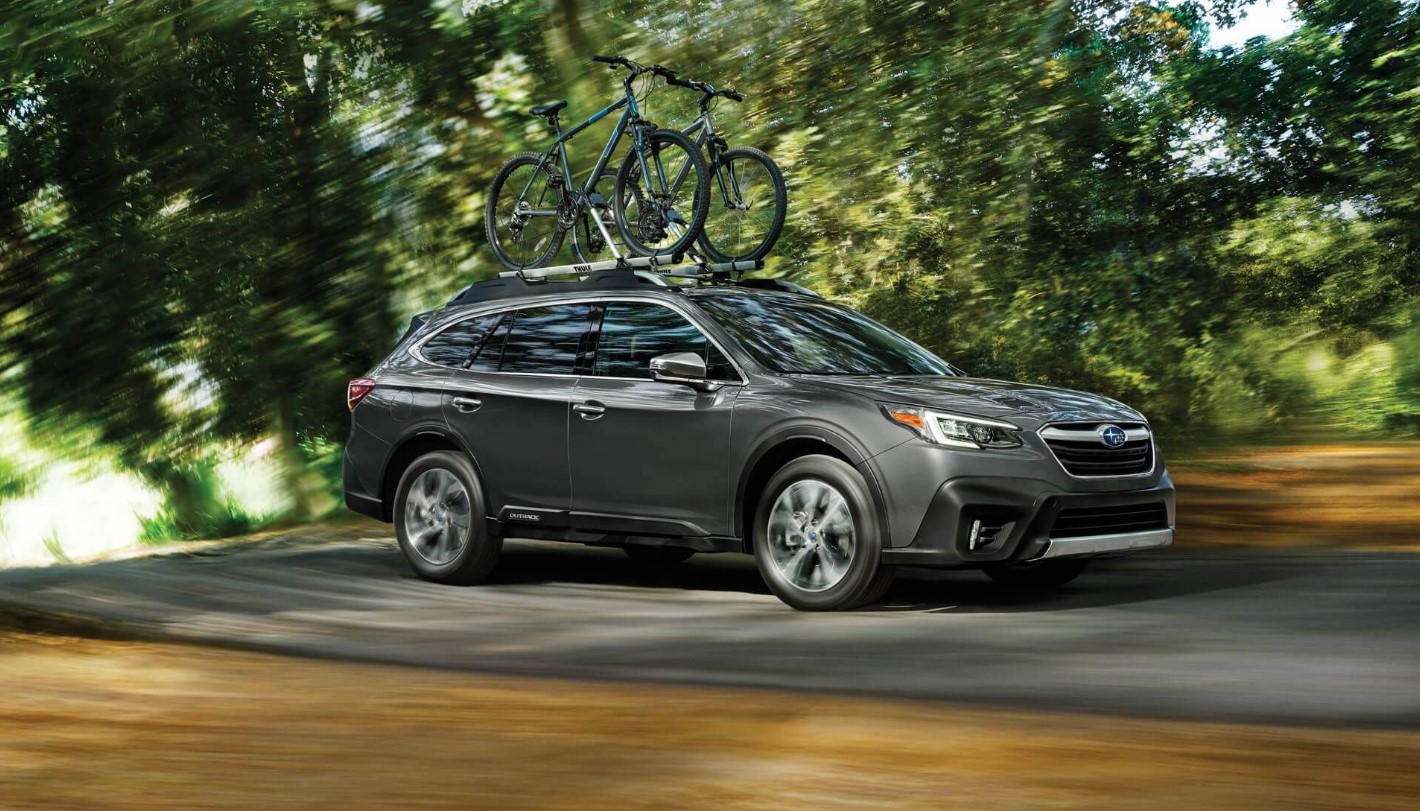
Buyers love that the Outback handles snow, dirt, and highway commutes with equal confidence. Subarus, in general, are known for owner loyalty many people buy another one after their first and that brand attachment helps maintain resale prices.
The Outback’s blend of efficiency, versatility, and capability keeps it “hot” no matter the season.
5. Toyota RAV4
Rounding out the “hot” list is the Toyota RAV4, consistently one of America’s best-selling SUVs. Its hybrid variants are especially prized in the used market, as rising fuel prices make buyers flock toward efficient options.
The RAV4’s reliability reputation and excellent safety scores make it a safe bet for used buyers who want long-term peace of mind.
Toyota’s hybrid system has proven durable over time, meaning models from just a few years ago still fetch strong money at resale. For many used car shoppers, a RAV4 isn’t just an SUV it’s a smart investment.
The 2020 Toyota RAV4 is powered by a 2.5-liter four-cylinder engine producing 203 horsepower, paired with an eight-speed automatic transmission.
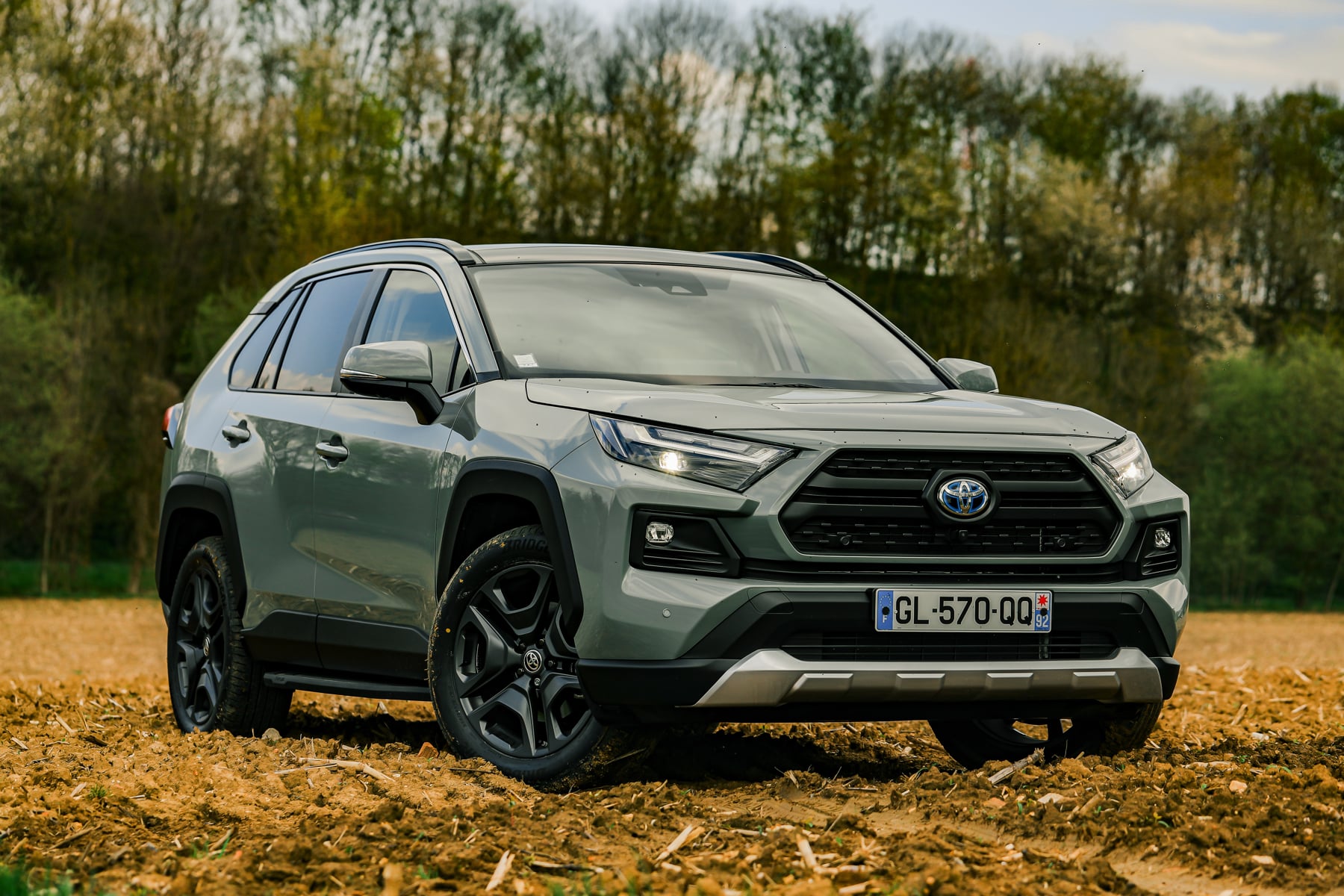
Front-wheel drive comes standard, while multiple all-wheel-drive systems are available depending on the trim level.
The Adventure model we tested featured an all-wheel-drive setup capable of disconnecting the rear axle to boost fuel efficiency when extra traction isn’t required.
On the test track, the RAV4 showed noticeable improvement over earlier versions. It reached 60 mph in 8.0 seconds, outperforming the 2019 model’s 8.3-second time and the 2018 version’s slower pace.
While the engine is responsive, it can get noisy under heavy acceleration, particularly during highway passing. Additionally, the transmission on our test vehicle occasionally hesitated when downshifting.
Also Read: 5 SUVs That Rarely Fail Off-Road vs 5 That Constantly Struggle
SUVs That Freeze in the Used Market
Some SUVs sell quickly no matter their age, but others seem to lose their appeal the moment they hit the used market. These models often linger on dealer lots, weighed down by issues like poor reliability, high maintenance costs, or outdated features.
Whether it’s disappointing performance or simply low demand, these SUVs struggle to attract secondhand buyers, and their resale values show it.
1. Jeep Compass
The Jeep Compass may carry the Jeep name, but its resale value doesn’t live up to the brand’s off-road image.
Many used buyers see it as a compromise less rugged than the Wrangler, less comfortable than rivals like the CR-V or RAV4, and not particularly efficient.
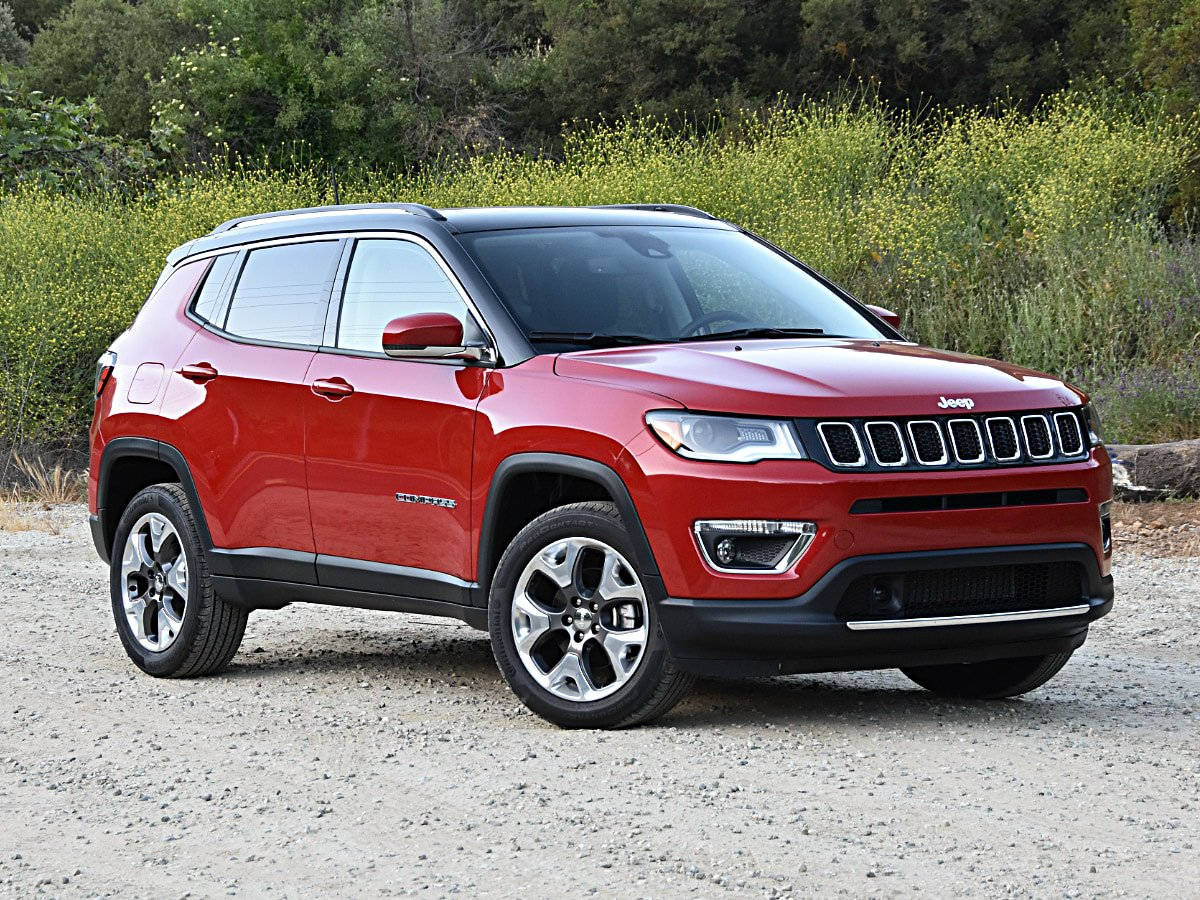
Reliability concerns and a history of underwhelming engines have hurt the Compass’s reputation over time.
Even newer models with improved interiors and tech can’t shake the “budget SUV” label. As a result, depreciation hits hard, and used Compass models often sit longer on dealership lots than their competitors.
Also Read: 5 Pickup Trucks That Always Sell for Top Dollar vs 5 That Don’t
2. Ford Edge
The Ford Edge once held a solid place in the midsize SUV market, but changing buyer tastes and tough competition have cooled its demand.
Many used shoppers find it stuck between categories too big for compact SUV buyers, yet lacking the third row that larger family SUVs offer.
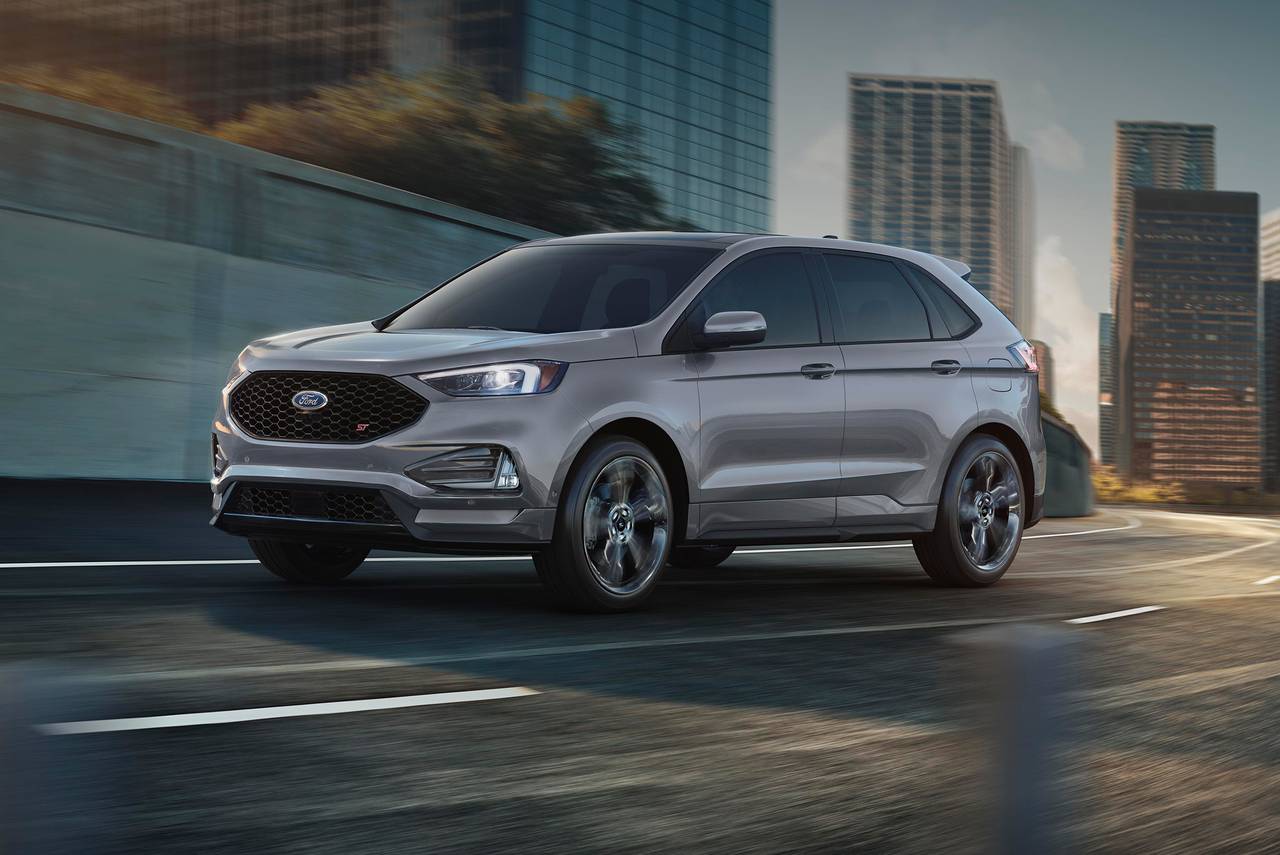
Add in inconsistent reliability scores and higher-than-average maintenance costs, and the Edge struggles to maintain value. Ford’s discontinuation of some trims has also cast uncertainty over future parts availability, which never helps in the used world.
3. Chevrolet Equinox
The Chevrolet Equinox sells well new thanks to aggressive pricing and wide availability, but in the used market, its appeal fades quickly.
Buyers tend to prefer Japanese rivals like the CR-V or RAV4 for long-term ownership, citing better reliability and lower operating costs.
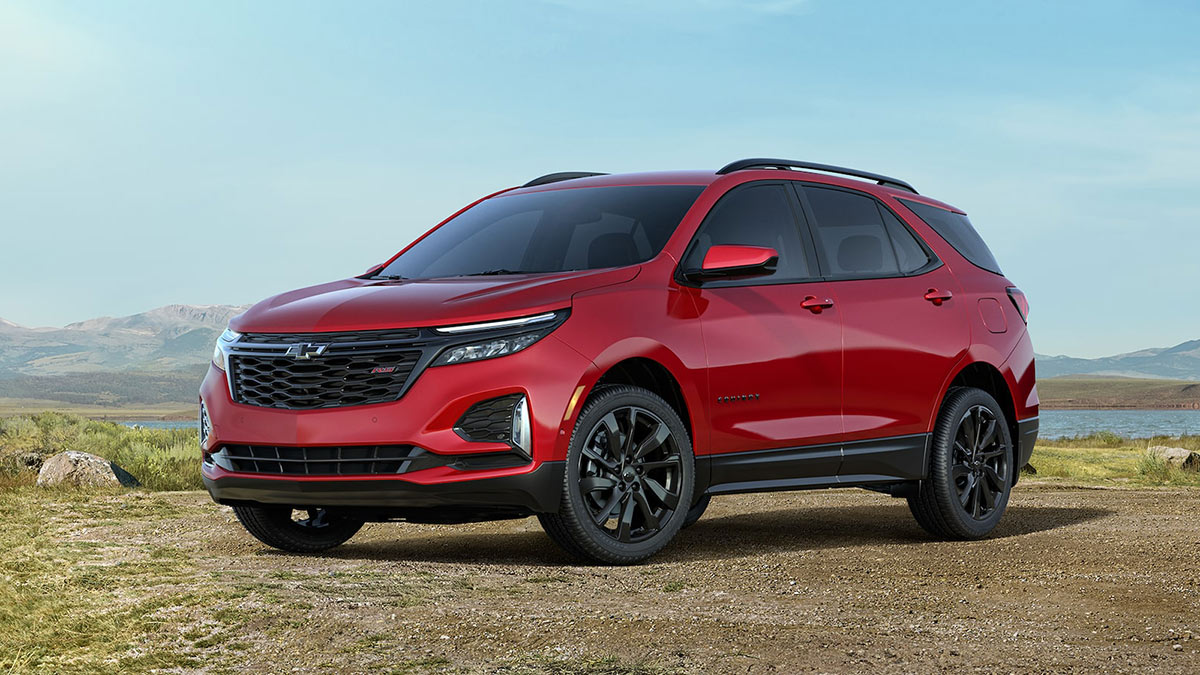
The Equinox’s interior quality and fuel efficiency have improved in recent years, but past models left a bad taste for many used buyers. Dealers often have to discount them heavily to move inventory a sure sign that resale value isn’t holding strong.
The Equinox’s turbocharged four-cylinder engine feels underpowered and often strained, delivering lackluster performance that’s unlikely to impress.
Its 1.5-liter turbo-four produces 170 horsepower, and when paired with the optional all-wheel-drive system, adding extra weight, it requires a firm press of the accelerator to reach highway speeds.
Front-wheel drive comes standard, and the six-speed automatic transmission provides smooth, unobtrusive shifts. However, in its effort to prioritize fuel efficiency, the transmission hesitates to downshift when additional power is needed.
On the road, the Equinox is pleasant and easy to drive, offering composed handling and steering that feels precise and responsive.
When properly equipped, the Chevrolet Equinox can also tow up to 3,500 pounds, adding a touch of versatility to its otherwise modest performance.
4. Volkswagen Atlas
The Volkswagen Atlas brought European styling and spacious seating to the midsize SUV game, but it hasn’t aged well in terms of resale.
Reliability has been inconsistent, and maintenance costs are higher than average for the class. While the Atlas offers a comfortable ride and plenty of room, buyers know that German vehicles often come with expensive upkeep and that keeps used prices soft.
The SUV’s fuel economy doesn’t help either, making it less appealing as gas prices fluctuate. It’s not that the Atlas is a bad vehicle it’s just one that loses its luster quickly in a crowded market.
If a big Volkswagen is what you need, none come larger than the seven-passenger Atlas. Returning with updates for 2024, this is a welcome refresh for the three-row SUV that originally debuted in 2018.
A fully redesigned second-generation model could arrive within the next few years. The Atlas continues to compete in a crowded segment against rivals such as the Honda Pilot and Ford Explorer.
For 2024, the Atlas gains several key updates. It now features a more powerful 2.0-liter turbocharged engine, updated front and rear fascias, and a refreshed interior with upgraded materials.
The previous V-6 engine has been discontinued, but a new rugged variant called the Peak Edition joins the lineup. Just as the Atlas was beginning to show its age, this thorough refresh brings it back into focus.
The new turbocharged four-cylinder engine replaces both outgoing engine options and provides a notable improvement in torque over the previous V-6.
Updated exterior styling, premium interior materials, and additional standard features enhance the SUV’s overall appeal.
Under the hood, all 2024 Atlas models are powered by a 2.0-liter turbocharged four-cylinder engine producing 269 horsepower and 273 lb-ft of torque, enabling a 0–60 mph time of 7.5 seconds.
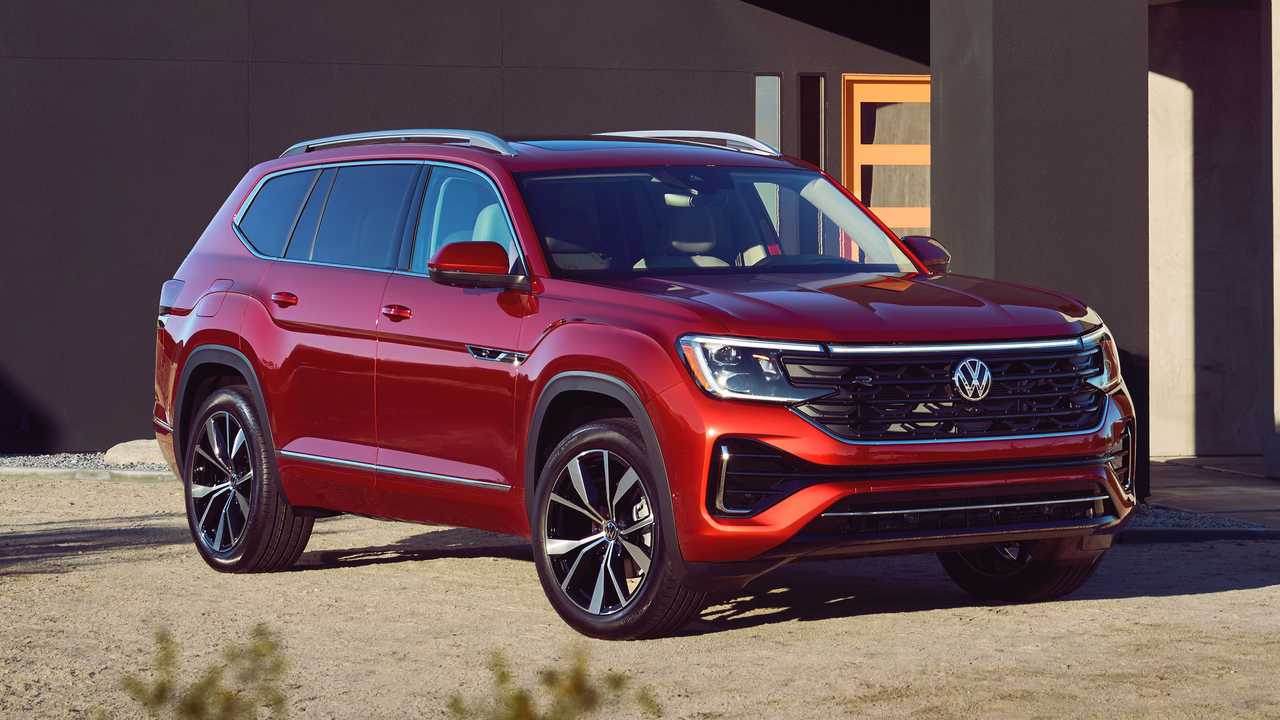
This output surpasses the old turbo-four and closely matches the discontinued 3.6-liter V-6. An eight-speed automatic transmission remains standard across the range.
Front-wheel drive is standard on lower trims, while all-wheel drive is available. Fuel economy improves slightly, with FWD models returning 20 mpg city and 27 mpg highway. AWD versions see a minor drop to 19 mpg city and up to 26 mpg highway.
Volkswagen’s IQ Drive suite, featuring adaptive cruise control, lane centering, emergency braking, forward collision alert, blind-spot monitoring, rear traffic alert, and travel assist, is now standard. Optional tech includes a head-up display and predictive adaptive cruise control.
Inside, the Atlas continues to impress with generous interior space, particularly in the third row. The new Peak Edition brings a more adventurous look to the Atlas lineup.
Inspired by the 2019 Atlas Basecamp concept, it features 18-inch wheels wrapped in all-terrain tires, silver underbody cladding, rugged side sills, and blacked-out exterior accents. Inside, it sports black and gray leatherette seats with orange stitching and backlit dash décor reading “Peak Edition.”
Technology is another highlight for 2024. Every Atlas now includes a dual-display setup featuring a 12.0-inch infotainment touchscreen and a 10.3-inch digital instrument cluster.
Pricing for the 2024 Atlas has increased by about $1,000 across all trim levels compared to the 2023 turbo-four models, with a slight $55 rise in the destination charge. The updated Atlas is scheduled to go on sale in the third quarter of 2023.
Overall, while the 2024 Volkswagen Atlas isn’t perfect, its refined powertrain, upgraded cabin, and long list of standard features help it remain a top choice for families seeking a spacious and capable three-row SUV.
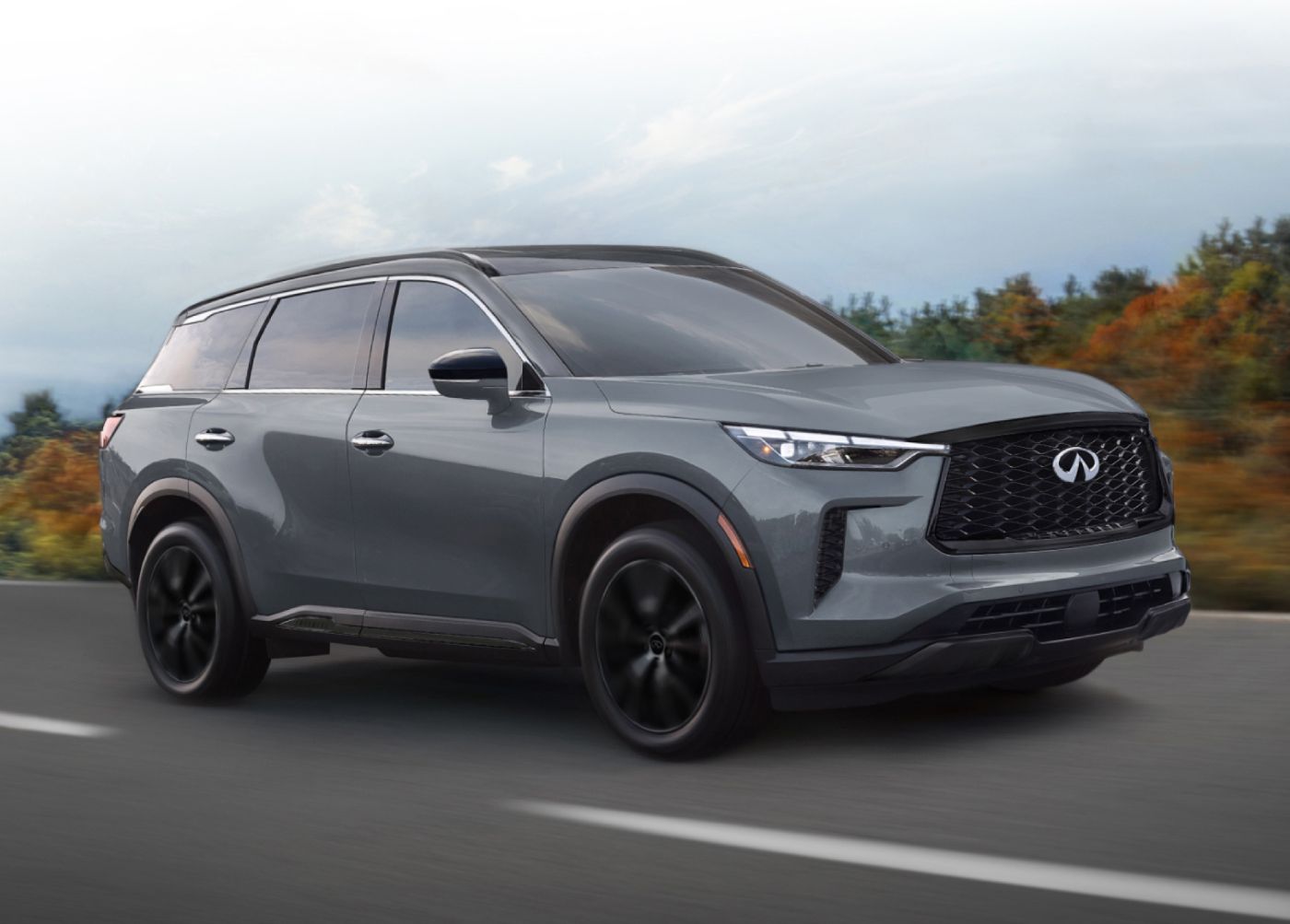
5. Infiniti QX60
Luxury SUVs can be tricky in the used market, and the Infiniti QX60 illustrates why. Despite offering a premium badge and a plush interior, it depreciates faster than rivals from Lexus or Acura.
Many used buyers find it lacks the refinement or long-term reliability they expect from a luxury model. The CVT transmission has also been a point of concern, with some owners reporting expensive repair bills down the line.
Combined with a shrinking brand presence in the U.S., these issues have made the QX60 a cold player in the used market stylish on the surface, but not a strong investment.
The 2019 Infiniti QX60 stands out as a refined and capable family SUV, perfect for long-distance comfort and versatility. It offers a large, upscale cabin with leather-appointed, stadium-style seating and an exceptionally smooth, quiet ride that keeps everyone relaxed on the road.
Under the hood, every QX60 comes with a 3.5-liter V6 engine producing 295 horsepower and 270 lb-ft of torque, paired with a continuously variable automatic transmission (CVT).
While CVTs are often criticized for delivering sluggish acceleration, this one feels refined and well-tuned, keeping the ride smooth and composed. It’s not the most dynamic SUV to drive, but it fulfills its luxury people-mover mission admirably.
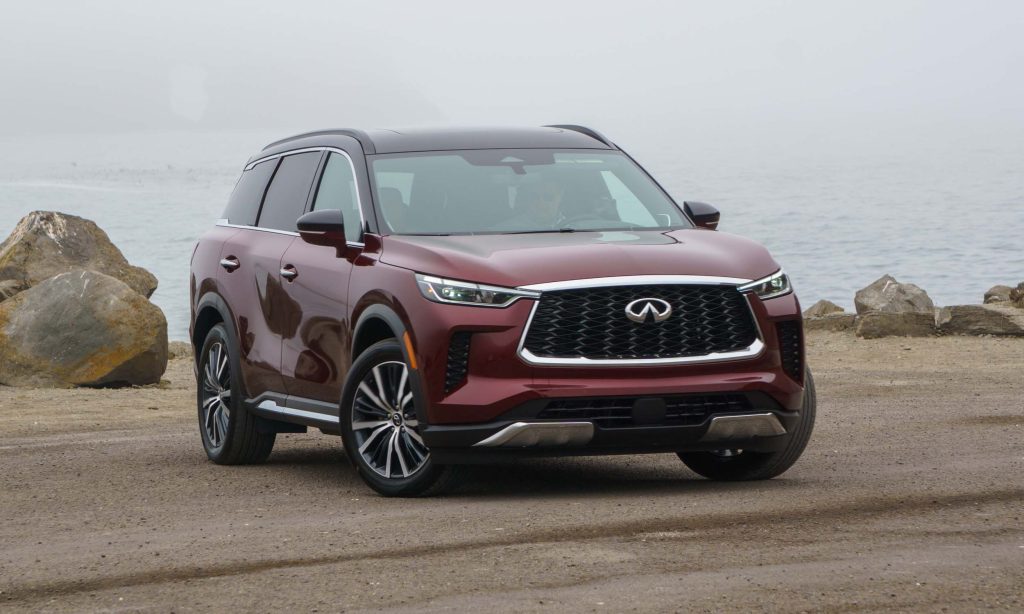
The QX60’s strengths lie in comfort and practicality rather than sportiness. Its soft suspension and light steering don’t deliver the same driving excitement as rivals like the Acura MDX, BMW X5, or Volvo XC90, but for those prioritizing quiet comfort and space, it’s an excellent fit.
In the used market, perception often matters as much as performance. SUVs like the Toyota 4Runner and Honda CR-V stay hot because they’ve proven themselves over decades reliable, practical, and easy to maintain.
They also benefit from strong brand reputations that buyers trust implicitly. On the other hand, vehicles like the Jeep Compass or Chevrolet Equinox suffer from inconsistency.
They might sell well new thanks to promotions or styling, but when it comes to ownership satisfaction, they don’t inspire the same loyalty.
Fuel efficiency, maintenance costs, and resale history all play into how an SUV performs after a few years. With more Americans buying used due to rising new car prices, these distinctions matter more than ever.
Whether you’re selling or shopping, understanding which SUVs stay hot and which freeze fast can make the difference between a smart purchase and a costly regret.