For decades, Toyota has stood as a symbol of reliability and value in the U.S. automotive market.
From families who rely on their SUVs for cross-country trips to off-roaders who count on their 4Runners to handle rugged terrain, Toyota has built a reputation for making vehicles that last.
But as any seasoned car owner knows, not every Toyota SUV holds up equally well.
Some models are practically bulletproof running for hundreds of thousands of miles with only routine maintenance. Others, however, have stumbled with design flaws, complex new systems, or subpar components that lead to recurring issues.
For anyone shopping the used SUV market or evaluating which Toyota to hold onto long-term, knowing the difference can save thousands in repairs and years of frustration.
Let’s break down five Toyota SUVs known for their durability and low repair needs, followed by five that are more prone to frequent and costly issues.
Long-Lasting Toyota SUVs That Rarely Need Repairs
Toyota has built its reputation on reliability, and nowhere is that more evident than in its lineup of SUVs. Known for their rugged engineering, durable components, and impressive longevity, Toyota SUVs consistently earn top marks for dependability.
Whether tackling off-road trails or enduring years of daily driving, these vehicles are designed to keep running smoothly with minimal repairs.
In this article, we’ll take a closer look at the long-lasting Toyota SUVs that stand the test of time and rarely leave their owners stranded in the repair shop.
1. Toyota Land Cruiser
The Toyota Land Cruiser is the definition of automotive endurance. This full-size SUV was engineered for global markets that demand reliability above all else places where failure could mean being stranded miles from help.
That same DNA makes it one of the longest-lasting SUVs on American roads. Owners routinely report Land Cruisers exceeding 250,000 miles with minimal drivetrain issues.
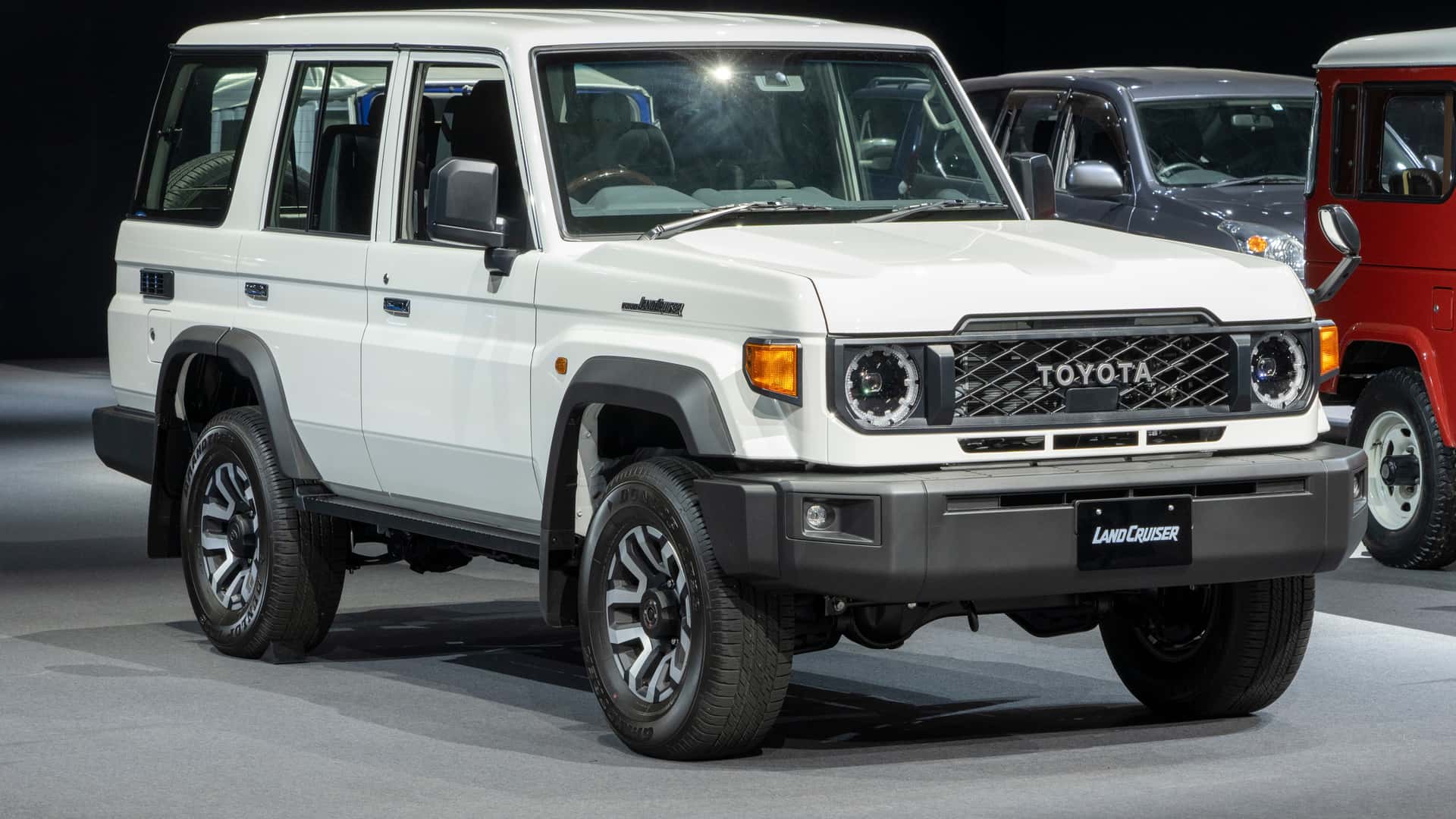
The secret lies in its overbuilt chassis, naturally aspirated V8 engine, and proven four-wheel-drive system. Even suspension components tend to last longer due to Toyota’s conservative engineering.
The downside is fuel economy this is not a vehicle for penny-pinching at the pump but in return, you get one of the toughest SUVs ever made.
Also Read: 5 Pickup Trucks That Always Sell for Top Dollar vs 5 That Don’t
2. Toyota Sequoia
Built on a Tundra pickup platform, the Toyota Sequoia is a large SUV designed for durability. It’s not as luxurious as the Land Cruiser, but its simple, robust construction means fewer headaches.
Owners often keep their Sequoias for over a decade, and resale values reflect that dependability.
Older V8 models from the late 2000s to mid-2010s are particularly reliable, with only minor suspension and exhaust issues over time.
The 2023 redesign introduced a new hybrid twin-turbo V6, which offers better fuel efficiency but is still too new to prove its long-term reliability.
If you want a proven long-hauler, the previous-gen Sequoia remains one of Toyota’s least troublesome full-size SUVs.
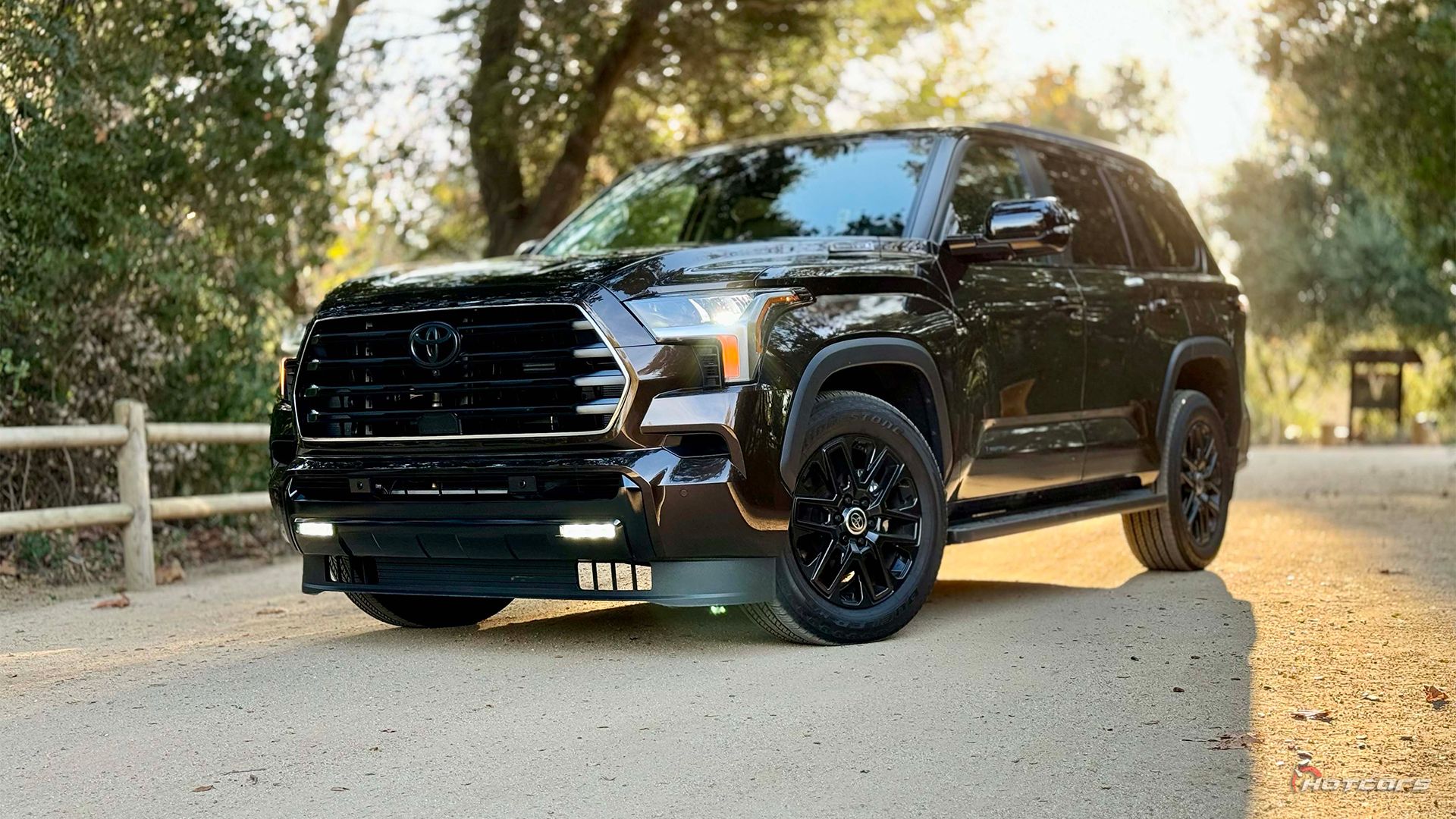
Toyota introduced the third generation of its largest SUV, the Sequoia, at the start of 2022, basing it on the same sturdy platform as the rugged Tundra pickup truck.
First launched in 2000, the Sequoia marked Toyota’s entry into the full-size SUV segment, competing with the likes of the Ford Excursion and Chevrolet Tahoe.
In 2007, the Japanese automaker released the second generation of its flagship SUV outside the Lexus lineup. However, it took another 14 years before an entirely new model finally arrived.
Up front, the Sequoia shared most of its key body panels with its pickup sibling, featuring similar headlights and a bold, oversized grille.
Beneath its thick bumper, an aluminum-style skid plate helped shield the vehicle’s underbody. From the side, Toyota’s largest 2022 SUV showcased a clean, straight line running from the hood all the way to the D-pillar.
Its flared wheel arches and sculpted quarter panels enhanced its commanding stance, with the automaker even suggesting that the design echoed the look of a “sumo warrior.”
Inside, the Sequoia could accommodate up to eight passengers across three rows of seats in a 2-3-3 arrangement, depending on the configuration.
The cabin design borrowed heavily from the Tundra’s dashboard but added refined trim detailing on the passenger side and optional ambient lighting, depending on the trim level.
A large 14-inch touchscreen dominated the upper center stack, offering seamless Apple CarPlay and Android Auto integration.
Sharing its platform with the Tundra also meant the Sequoia benefited from a fully independent front suspension and a five-link rear setup.
Under the hood, it came equipped with a hybrid powertrain that delivered power to the rear wheels or all four, depending on the chosen model.
3. Toyota 4Runner
Few vehicles have a cult following like the Toyota 4Runner. Known for its rugged, body-on-frame construction and time-tested V6 engine, the 4Runner consistently ranks among the most reliable midsize SUVs in America.
Whether you’re tackling trails or commuting in the suburbs, the 4Runner rarely lets you down mechanically. Engine, transmission, and drivetrain components are famously durable, and the simplicity of its design limits the number of things that can go wrong.
While its gas mileage and on-road comfort aren’t perfect, those are small trade-offs for an SUV that can survive decades of use with only basic maintenance.
Toyota’s lineup of off-road and truck vehicles has never been more up-to-date, following two busy years of major product launches.
After a long wait, the 4Runner has finally received a well-deserved modernization. The 2025 4Runner rides on the same platform as the Tacoma pickup truck and comes standard with a turbocharged four-cylinder engine that produces 278 horsepower.
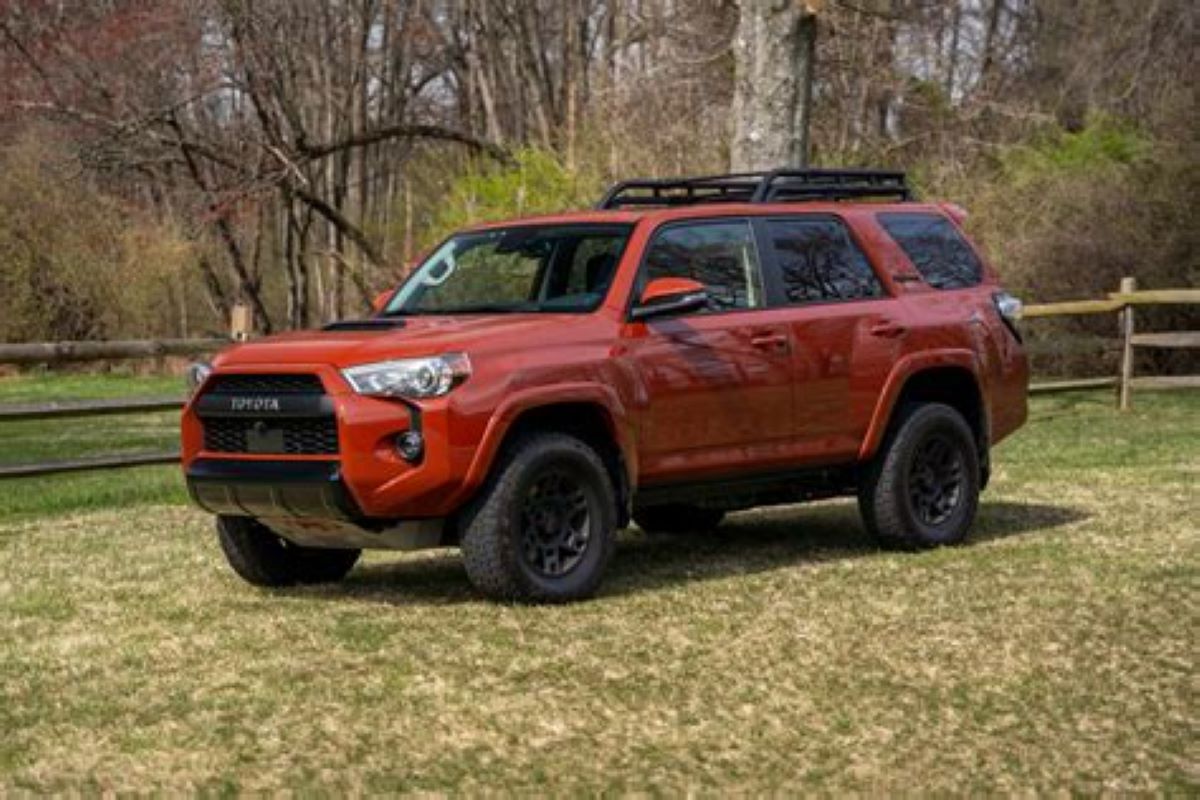
A 326-horsepower hybrid version is also available, though it’s reviewed separately. True to its heritage, Toyota has kept the signature roll-down rear window, while the new 4Runner maintains its tough, square-jawed, and attractive design.
Beyond its rugged looks, the SUV has been completely refreshed with optional features such as a 14.0-inch infotainment touchscreen, a head-up display, a 12.3-inch digital gauge cluster, and a wireless smartphone charging pad.
A full suite of driver-assistance technologies is also offered, with many of them coming standard.
Despite all the tech upgrades, the 4Runner hasn’t gone soft, it still packs a host of off-road equipment to handle the toughest trails.
Built on the same foundation as the 2024 Tacoma, the latest 4Runner introduces modern features while preserving its rugged, adventure-ready design.
We recommend the four-wheel-drive TRD Off-Road model for the best value. It offers a strong mix of off-road hardware without driving the price too high.
The Premium version adds further comforts like faux leather upholstery, a heated steering wheel, and an upgraded infotainment screen.
Every 2025 4Runner is powered by a 278-horsepower turbocharged 2.4-liter four-cylinder engine paired with an eight-speed automatic transmission.
Rear-wheel drive comes standard, while a full-time four-wheel-drive system with a two-speed transfer case (high and low range) is available.
Off-road capability remains a core part of the 4Runner’s DNA, with optional features such as disconnecting stabilizer bars, a locking rear differential, and an off-road cruise control system.
Hybrid variants add even more trail-ready features, including manually adjustable dampers, though that model is covered separately.
When tested both on- and off-road, the new 4Runner displayed significantly improved road manners compared with the previous generation.
Still, it retains a traditional, truck-based feel, robust, a bit bulky, and unmistakably SUV. Off the pavement, it’s especially enjoyable to drive thanks to its responsive steering and excellent visibility.
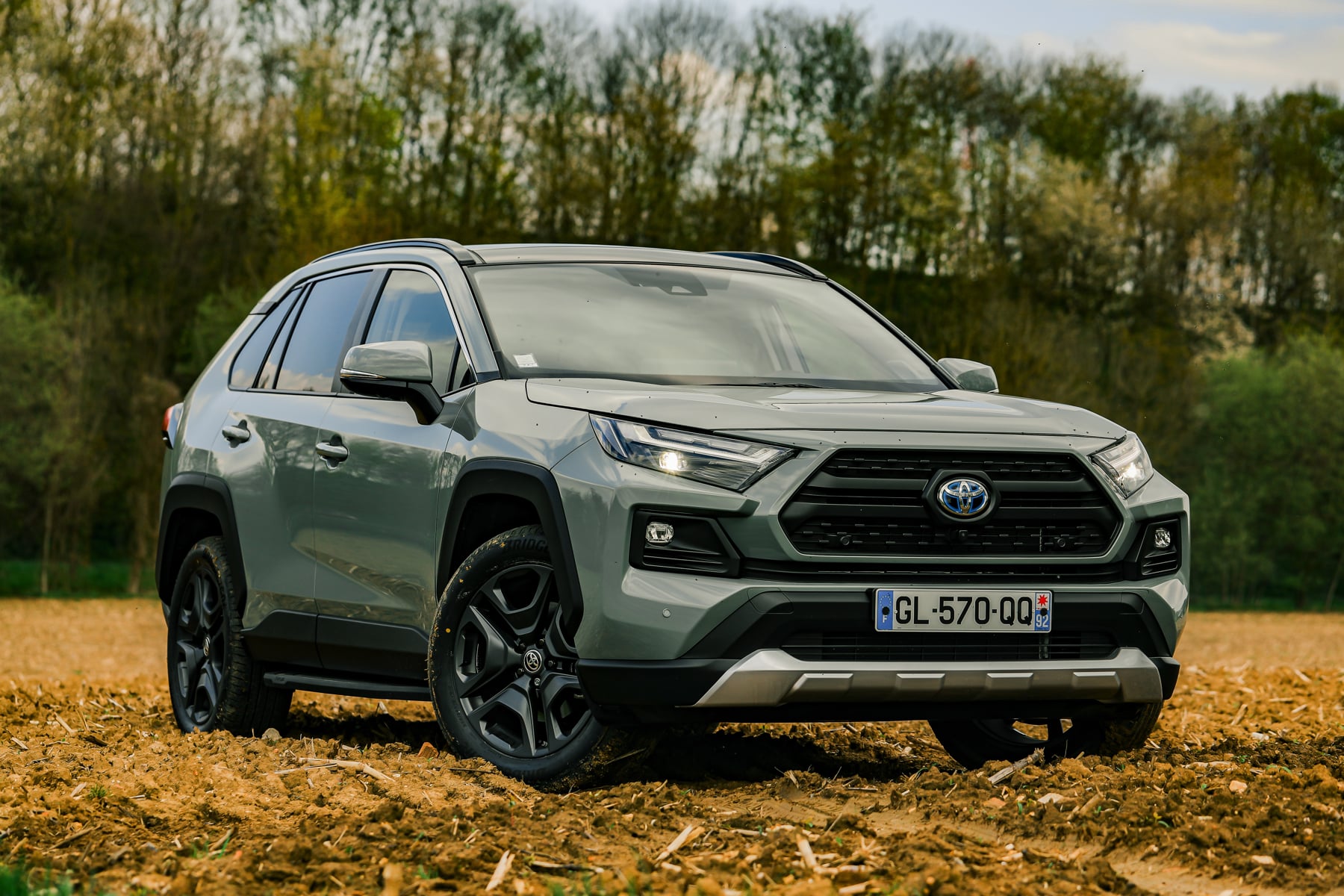
4. Toyota RAV4
As one of the best-selling SUVs in the U.S., the Toyota RAV4 has earned its popularity by being nearly trouble-free.
This compact crossover combines Toyota’s conservative engineering with efficient powertrains, delivering both long-term reliability and affordable ownership costs.
Toyota gave its popular RAV4 a full redesign just last year, bringing a host of upgrades that made it more appealing than ever. The new model gained a stronger engine, additional safety technologies, and bolder exterior styling.
These updates have undoubtedly helped maintain the RAV4’s status as one of America’s best-selling vehicles.
However, when compared to the strongest competitors in its class, it still struggles to reach the high bar set by the segment leaders.
The RAV4 certainly has its strengths. Its cabin is spacious, offering generous room for both rear passengers and cargo.
Standard safety equipment is another highlight, featuring advanced driver aids such as forward collision warning with automatic emergency braking.
For the 2020 model year, Toyota also added Android Auto compatibility, a welcome feature for Samsung, Pixel, and other non-iPhone users, and introduced the rugged RAV4 TRD Off-Road variant for those seeking more adventure.
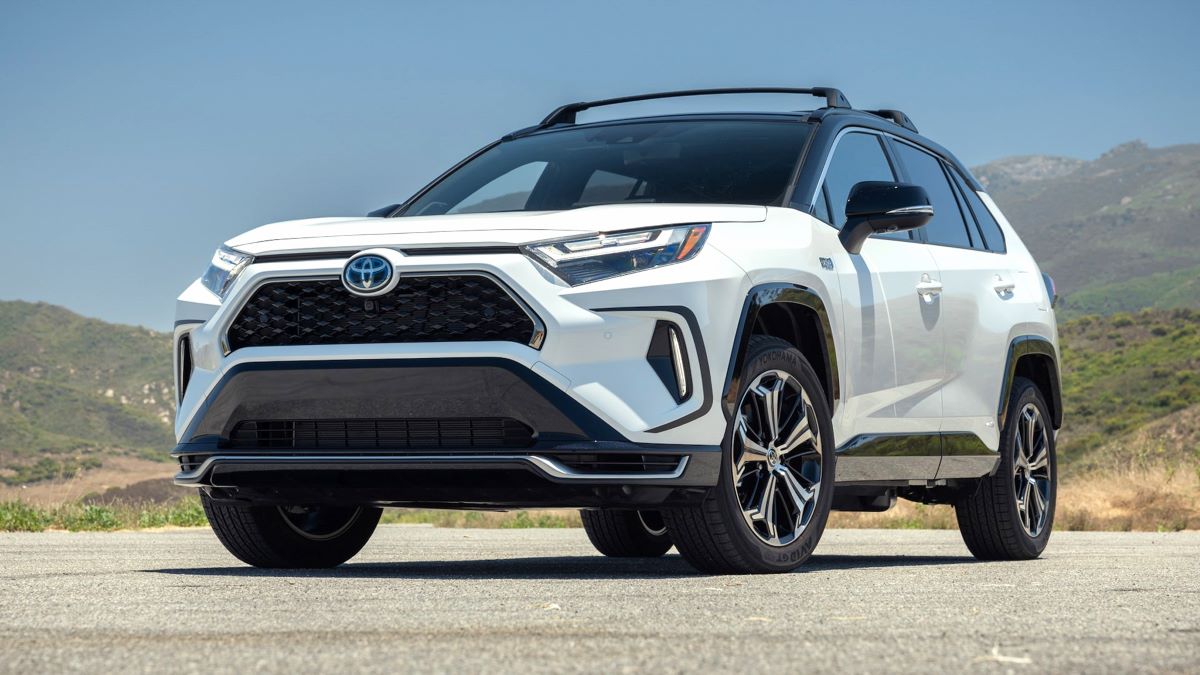
That said, the RAV4’s powertrain remains one of its weak points. Despite the engine improvements, it still feels somewhat lackluster and becomes noticeably noisy during hard acceleration.
Unlike some competitors, Toyota doesn’t offer an optional, more powerful engine for those wanting extra performance. The front seats also fall short in terms of long-distance comfort, and the steering lacks precision, providing little road feedback.
These shortcomings aren’t deal breakers, and the RAV4 remains a solid and dependable compact SUV overall. Still, a few alternatives may appeal more to certain buyers.
The Honda CR-V stands out as a well-rounded option, the Mazda CX-5 delivers a more engaging driving experience, and the Hyundai Tucson offers strong value for the money.
Its naturally aspirated four-cylinder engines are simple and resilient, while its transmissions have shown minimal failure rates across multiple generations.
Whether you choose a traditional gas version or a hybrid, the RAV4 remains a model you can count on for years of worry-free driving.
5. Toyota Highlander
If you want three rows without sacrificing Toyota’s trademark reliability, the Highlander is the sweet spot. It blends a car-like ride with truck-like toughness, and its long history means you can find proven model years with minimal problems.
The Highlander’s V6 engines, especially those in pre-turbo models, are well-regarded for their endurance.
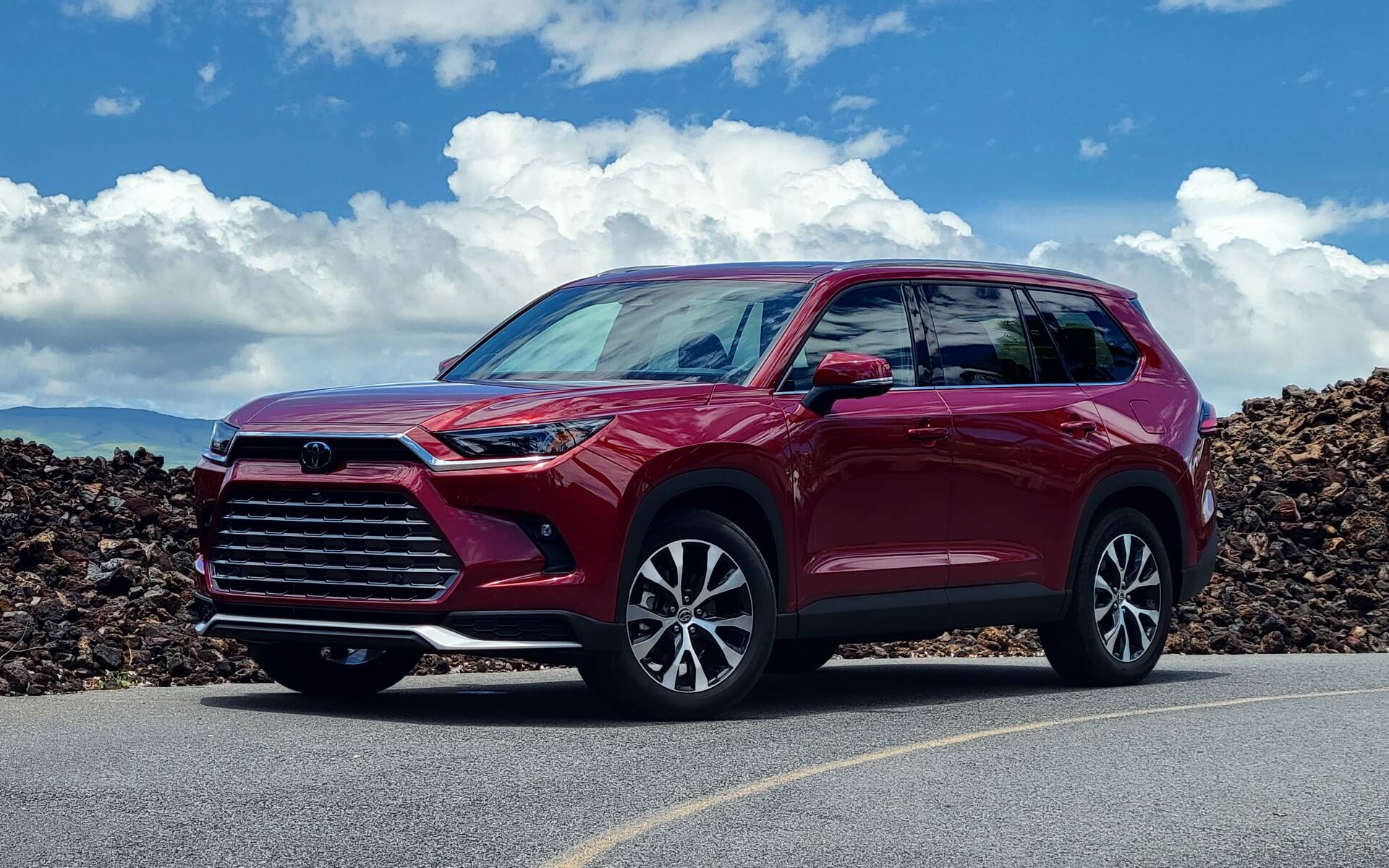
Many examples easily exceed 200,000 miles with basic care. Even hybrid variants have shown excellent reliability, thanks to Toyota’s industry-leading hybrid technology.
While newer turbocharged models are still too fresh to fully judge, older Highlanders remain one of the safest bets for reliability in the mid-size SUV category.
Also Read: 5 Best Sedans That Stay Smooth After Years vs 5 That Don’t
Toyota SUVs That Constantly Need Repairs
Even a brand as trusted as Toyota isn’t immune to models that fall short of expectations. Some Toyota SUVs, despite their strong reputations, develop recurring problems that turn routine maintenance into a constant headache.
From aging component fatigue to design flaws, these SUVs demand more time in the shop than many owners expect.
In this article, we’ll examine which Toyota SUVs have gained a reputation for frequent breakdowns, what kinds of issues they typically suffer from, and what warning signs prospective buyers should watch out for.
1. Toyota Tundra (2022–Present)
While the Toyota Tundra technically sits in the pickup truck category, its platform underpins larger SUVs, and its issues spill over into that realm.
The latest Tundra generation introduced a twin-turbo V6 hybrid system, and early reports show it’s been anything but smooth sailing.
Owners have complained of premature engine failures, electrical glitches, and software bugs. Some engines have even suffered catastrophic failures due to machining debris left inside the block.
For a brand known for rock-solid dependability, these growing pains have shaken confidence. Until Toyota fully resolves these issues, newer Tundras and related powertrain SUVs may be best avoided.
Yes, the 2022 Toyota Tundra makes a solid choice as a used truck. It’s offered with two strong twin-turbocharged V6 engines, along with an even more powerful hybrid option.
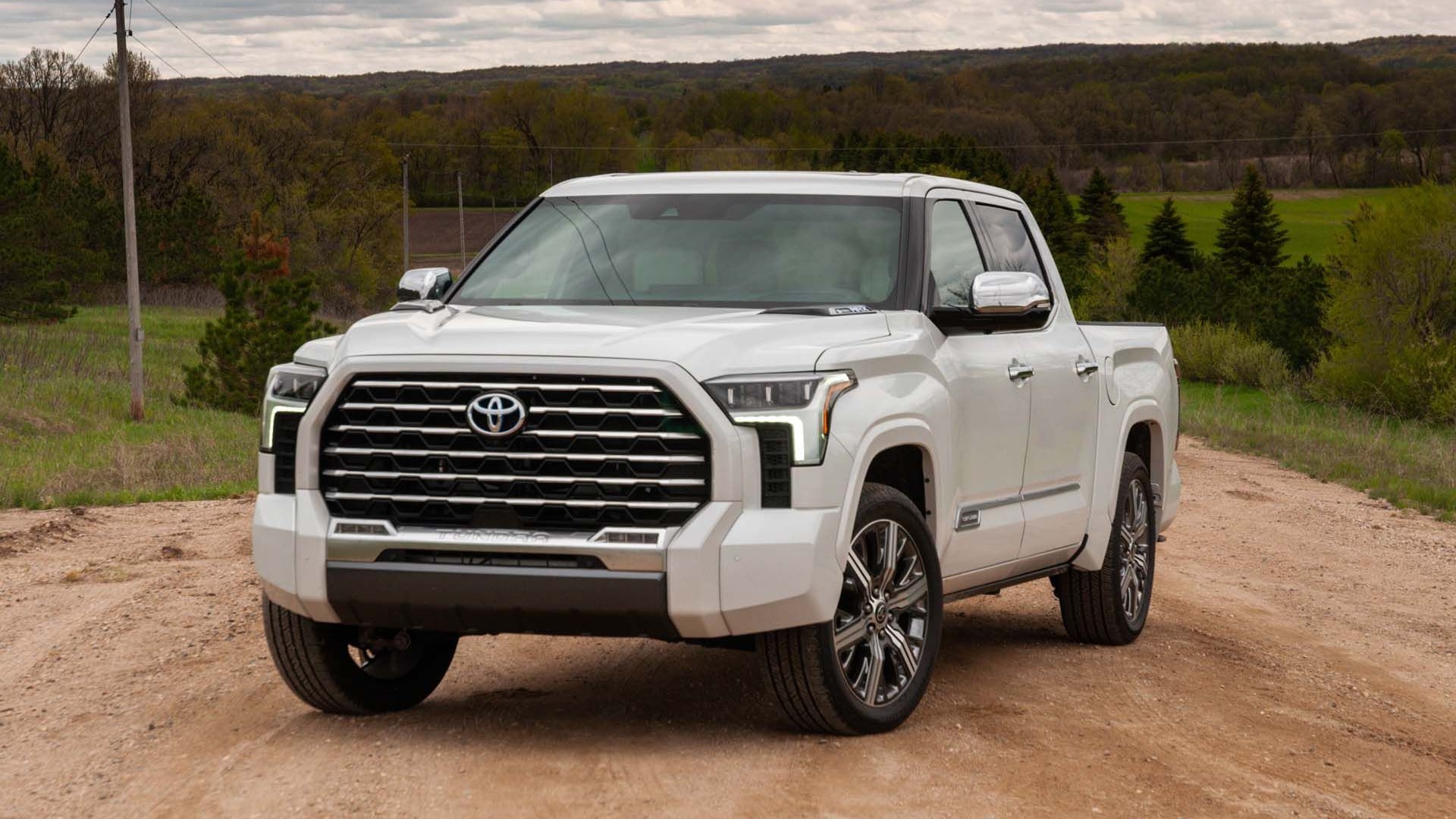
Both available cab configurations provide generous interior space, improved materials, and a sleek, modern design.
The infotainment systems are up to date, and an optional rear air suspension enhances comfort, even when towing or hauling heavy loads. Fuel economy is competitive with other trucks offering similar performance.
However, the Tundra’s reliability rating sits at an average level, and its five-year projected ownership costs are higher than many rivals in the full-size pickup segment.
The Ford F-150, by comparison, also offers a hybrid powertrain in addition to a wide range of gasoline engines and leads the class in towing and payload capabilities.
Meanwhile, the Ram 1500 remains the most refined option in the segment, thanks to its rear independent suspension, available four-corner air suspension, and an interior that rivals luxury vehicles in comfort and quality.
2. 2023 Toyota Sequoia
Toyota’s redesign of the Sequoia for 2023 brought modern tech, a hybrid system, and impressive towing numbers but at a cost.
Early models have reported infotainment freezes, turbo lag, and sporadic drivetrain issues, much of which stems from the same hybrid twin-turbo setup as the Tundra.
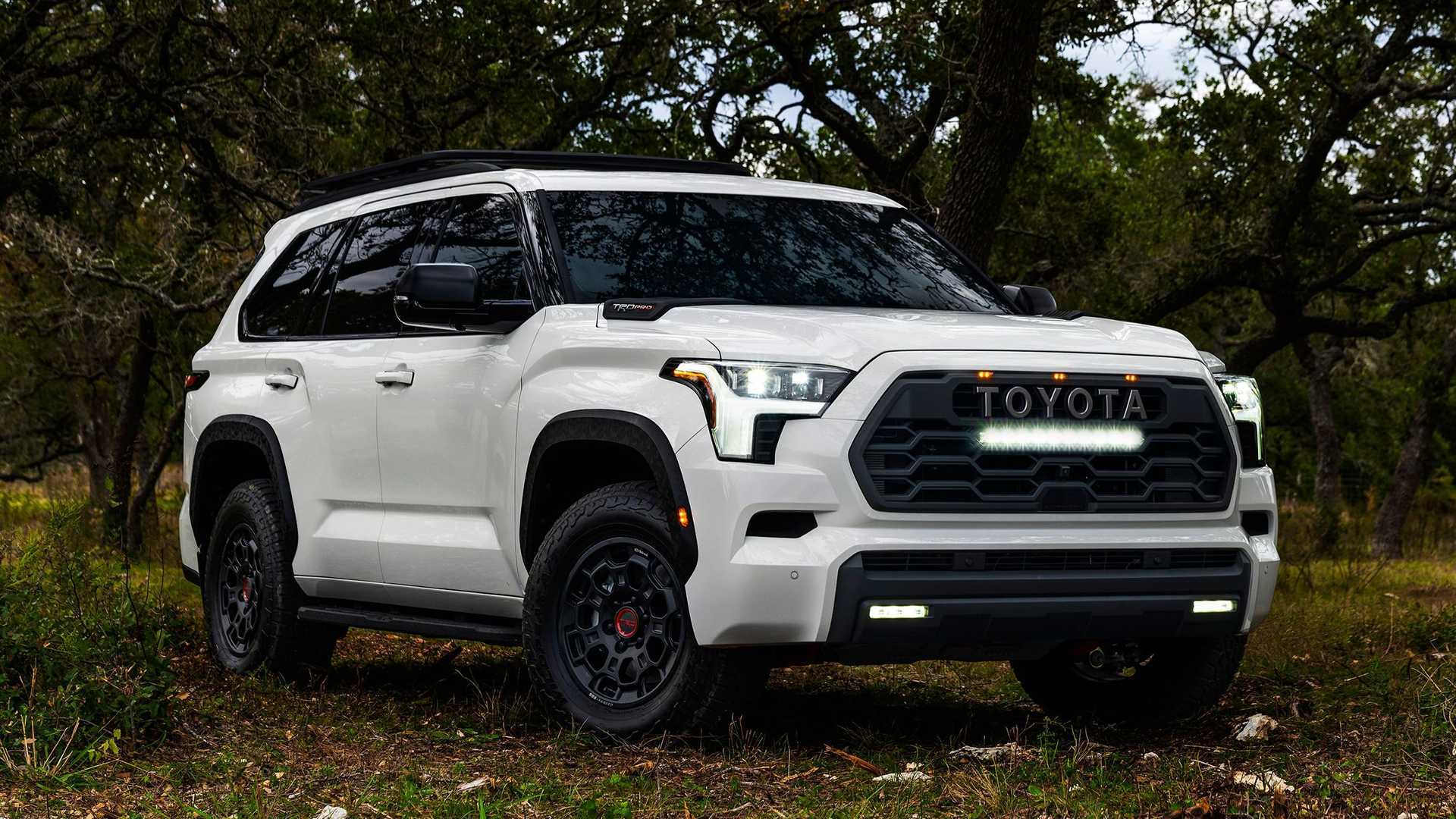
While these problems aren’t universal, they occur often enough to raise eyebrows among long-time Toyota loyalists.
The Sequoia’s reliability reputation is strong overall, but this generation might take a few years to fully iron out its engineering wrinkles.
3. Toyota Highlander Turbo (2023–Present)
In 2023, Toyota replaced its trusty V6 in the Highlander with a new turbocharged four-cylinder. While the move improved torque and fuel economy, the change introduced untested components and increased mechanical complexity.
Early owner feedback points to rough idling, occasional oil consumption, and hesitation under acceleration classic symptoms of first-generation turbo issues.
Toyota’s track record suggests these bugs will be addressed in time, but for now, earlier V6 Highlanders remain the safer, more dependable choice.
The refreshed 2023 Toyota Highlander midsize SUV stands out as much for its new additions as for the changes it leaves behind.
Toyota has replaced the previous gas-only V6 engine with a new turbocharged four-cylinder, which serves as an alternative to the hybrid powertrain.
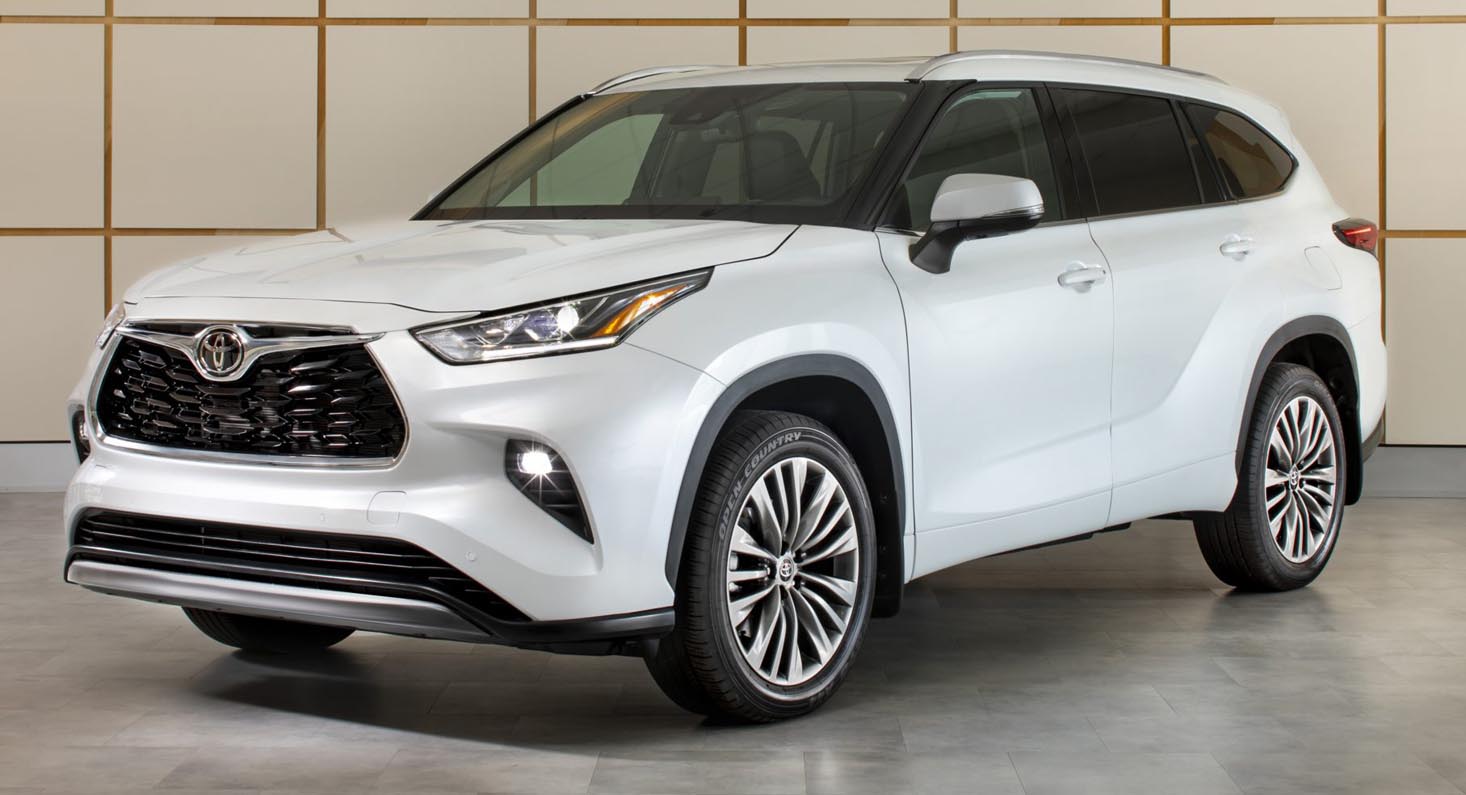
This new I-4 engine generates more torque but slightly less horsepower than the outgoing V6.
Delivering 265 horsepower and 309 lb-ft of torque, the turbocharged four-cylinder is paired with an eight-speed automatic transmission.
Toyota claims this setup not only enhances performance but also reduces NOx emissions by as much as 50 percent. On the practical side, the SUV can still tow up to 5,000 pounds.
Toyota’s decision to trade horsepower for torque seems to work well under certain conditions. In addition, the Highlander’s suspension transmitted noticeable jiggle and secondary movements when driving over uneven pavement.
The XSE AWD variant comes equipped with the Highlander’s more sophisticated all-wheel-drive system, featuring torque vectoring, drive mode selection, and a driveline disconnect function that switches to front-wheel drive to improve fuel efficiency.
During off-road testing, Detroit editor Alisa Priddle was “surprised at the ease with which it sliced through the deep sand.” She praised the intuitive layout of the off-road controls, including drive modes and 4-Lo engagement.
However, several testers noted that the stability control system frequently intervened on dirt surfaces, and there was occasional hesitation in sending power to the rear wheels.
Still, for a car-based crossover, the Highlander performed admirable, it never got stuck, proving its capability when pushed beyond the pavement.
4. Toyota C-HR
The now-discontinued Toyota C-HR was a stylish urban crossover, but it never lived up to the brand’s reliability reputation. Many owners report problems with CVT transmissions, weak suspension components, and glitchy electronics.
While repair costs aren’t astronomical, the C-HR’s frequent small issues make it one of Toyota’s more frustrating SUVs to own. It’s fine for short-term use, but if you want a long-term Toyota crossover, the RAV4 or Corolla Cross are far better options.
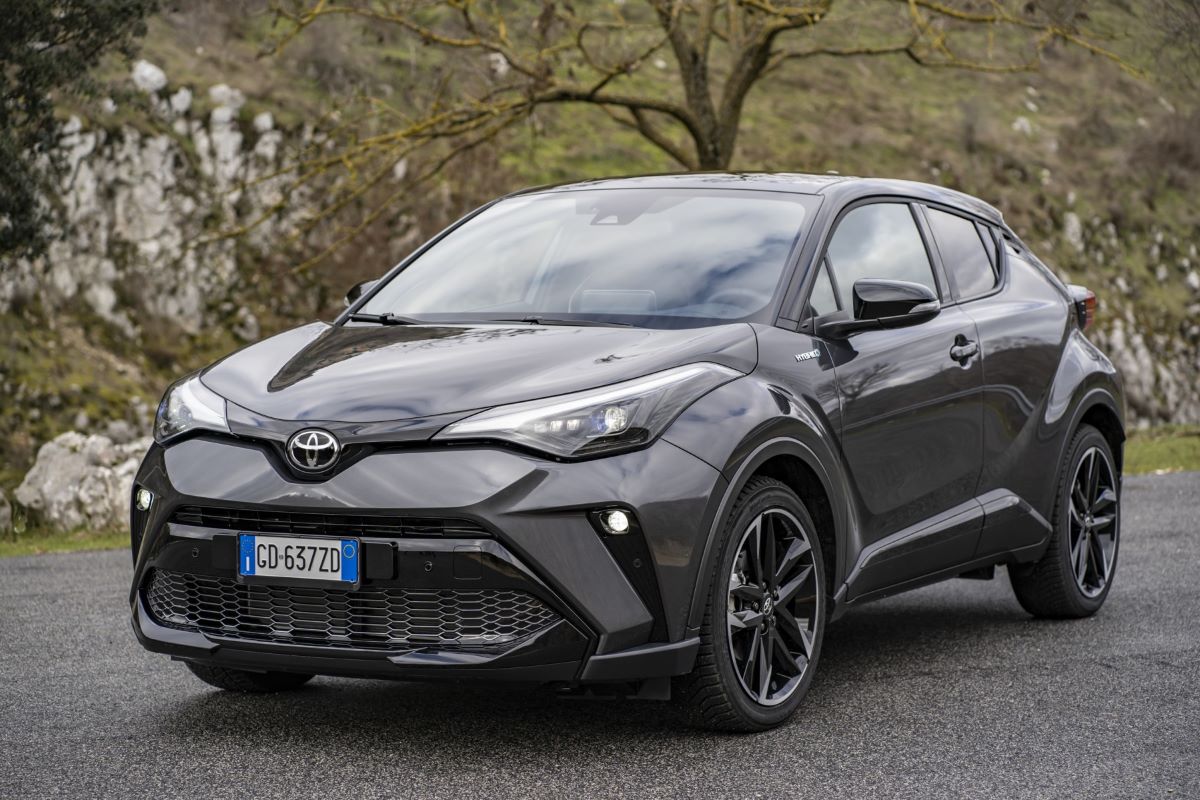
The global version of Toyota’s subcompact C-HR, not to be confused with the newly launched electric model for North America, has received several notable updates for the 2026 model year in Europe.
Even the world’s largest automaker, Toyota Motor Company, has its quirks, one of which is its tendency to confuse consumers with inconsistent naming conventions across regions.
This issue is especially evident in its electric vehicle lineup. In North America, for instance, the mid-cycle refresh of the uniquely styled Toyota bZ4X introduced a shorter name: simply bZ.
A larger variant, the bZ Woodland, also joined the lineup as part of Toyota’s midsize electric crossover range. To complicate things further, the C-HR name has been repurposed there for an all-electric compact coupe-style SUV.
However, in Europe, the naming system follows a completely different logic. The EV continues to be called bZ4X, perhaps as a test of patience for those trying to pronounce it correctly.
Meanwhile, the North American bZ Woodland is known overseas as the bZ4X Touring, and the C-HR remains the C-HR+.
Fortunately, the confusion clears up when it comes to the European-market C-HR, as the original subcompact crossover SUV still exists in its familiar form.
Known for its bold and distinctive styling, it continues to rival models like the Nissan Juke. The second generation debuted at the end of 2022, and the 2026 model year introduces a series of thoughtful refinements.
For 2026, the Toyota C-HR Mid+ trim gains new 18-inch matte black machined alloy wheels and updated Samara fabric upholstery made with a higher percentage of recycled materials.
The cabin also features grey contrast stitching on the front seats and a gunmetal finish on the gear shift knob.
Furthermore, the GR Sport trim, drawing inspiration from Toyota’s championship-winning motorsport division, now offers a 1.8-liter hybrid system in addition to the existing 2.0-liter plug-in hybrid (PHEV).
The hybrid variant produces a combined 138 horsepower, while the PHEV delivers 220 horsepower and provides up to 100 kilometers of electric city driving or 66 kilometers of combined WLTP-rated range.
Both versions benefit from Toyota’s Predictive Efficient Drive system, which uses geo-fencing to optimize energy use and extend battery life. The GR Sport also includes a head-up display as standard.
Hybrid models come equipped with 19-inch alloy wheels, while PHEV versions upgrade to 20-inch wheels, further emphasizing the C-HR’s sporty and upscale character.
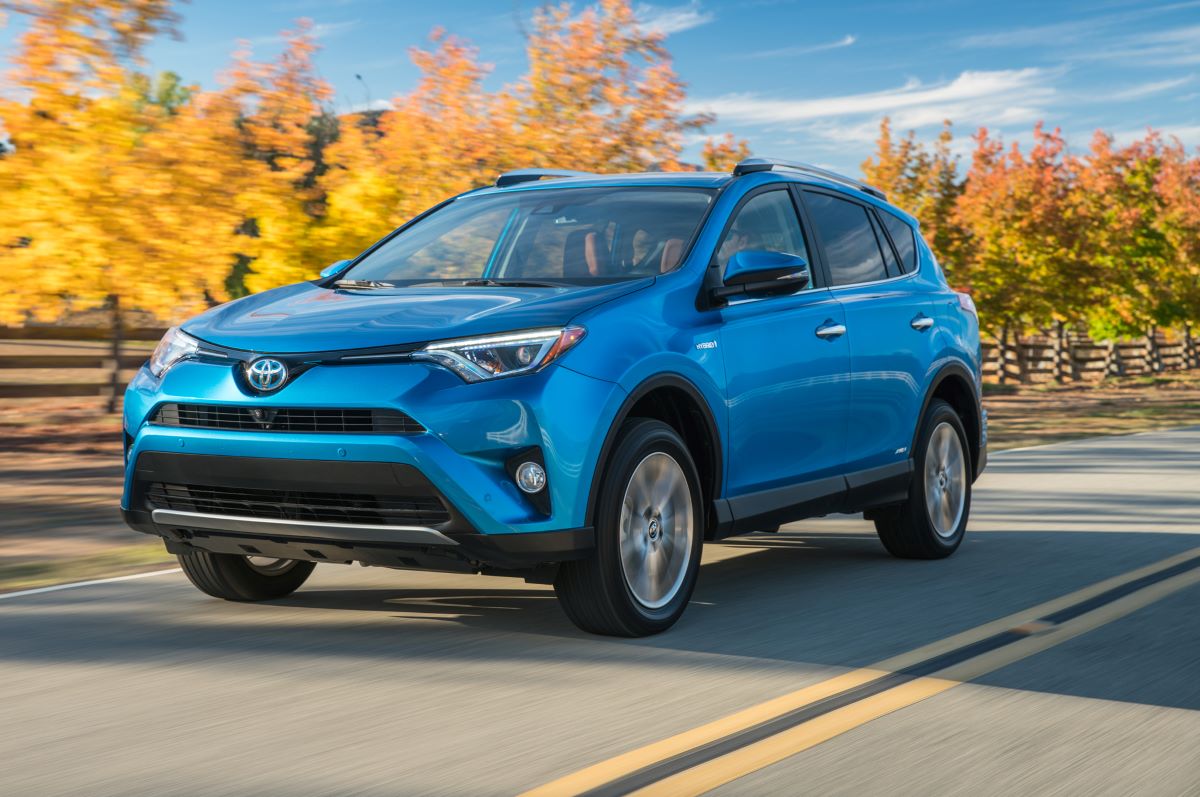
5. Early Model Toyota RAV4 Hybrids (2016–2018)
The RAV4 Hybrid has become a top pick today, but its earliest model years weren’t without flaws. Some owners experienced electrical faults, battery management issues, and unexpected system warnings.
These weren’t catastrophic failures, but they did require frequent visits to dealerships enough to frustrate buyers expecting typical Toyota simplicity. The good news is that Toyota learned quickly; post-2019 models are far more refined and trouble-free.
Toyota’s reputation for reliability didn’t happen by accident it’s built on a long history of conservative engineering and a culture of continuous improvement.
Models like the Land Cruiser, 4Runner, and Highlander prove that simple, well-tested designs stand the test of time.
However, as Toyota transitions toward more turbocharged and hybrid systems, a few newer SUVs have struggled with first-generation issues.
That doesn’t mean they’re bad vehicles, but it does mean that buyers should be cautious with early production years.
For U.S. drivers seeking peace of mind, choosing an established Toyota SUV and maintaining it diligently remains one of the best ways to own a vehicle that stays reliable and avoids those constant repair bills year after year.