For many American families, a car isn’t just transportation it’s a symbol of legacy. There’s something deeply sentimental about driving the same car your parents or even grandparents once did.
Some vehicles age gracefully, maintaining their reliability and charm long after the odometer hits six figures. Others, despite modern features and sleek marketing, just don’t stand the test of time.
In today’s automotive world where durability and long-term dependability are often the real test of value certain cars have earned reputations for being passed down from one generation to the next.
Others, however, fade quickly, plagued by mechanical failures, high repair costs, or premature rust.
Here’s a look at five cars that stand the test of time and get passed down proudly, and five that tend to give up early, often before they ever see a second owner.
Cars That Families Pass Down Generations
Some vehicles are more than just transportation, they become part of the family story. From road trips and graduations to countless memories in between, a truly special car earns its place in the garage for decades.
These are the cars built with the kind of quality, reliability, and sentimental appeal that make them worth preserving.
In this article, we’ll look at the models that families often pass down from one generation to the next, proving that great engineering, and great memories, can stand the test of time.
1. Toyota Camry
Few vehicles embody long-term family reliability like the Toyota Camry. Known for its bulletproof 4-cylinder engines, smooth transmissions, and low maintenance costs, the Camry has built its reputation as a car that keeps going no matter the decade.
Many American families report passing their Camrys from parents to kids, then to grandkids, still running strong after 200,000 miles.
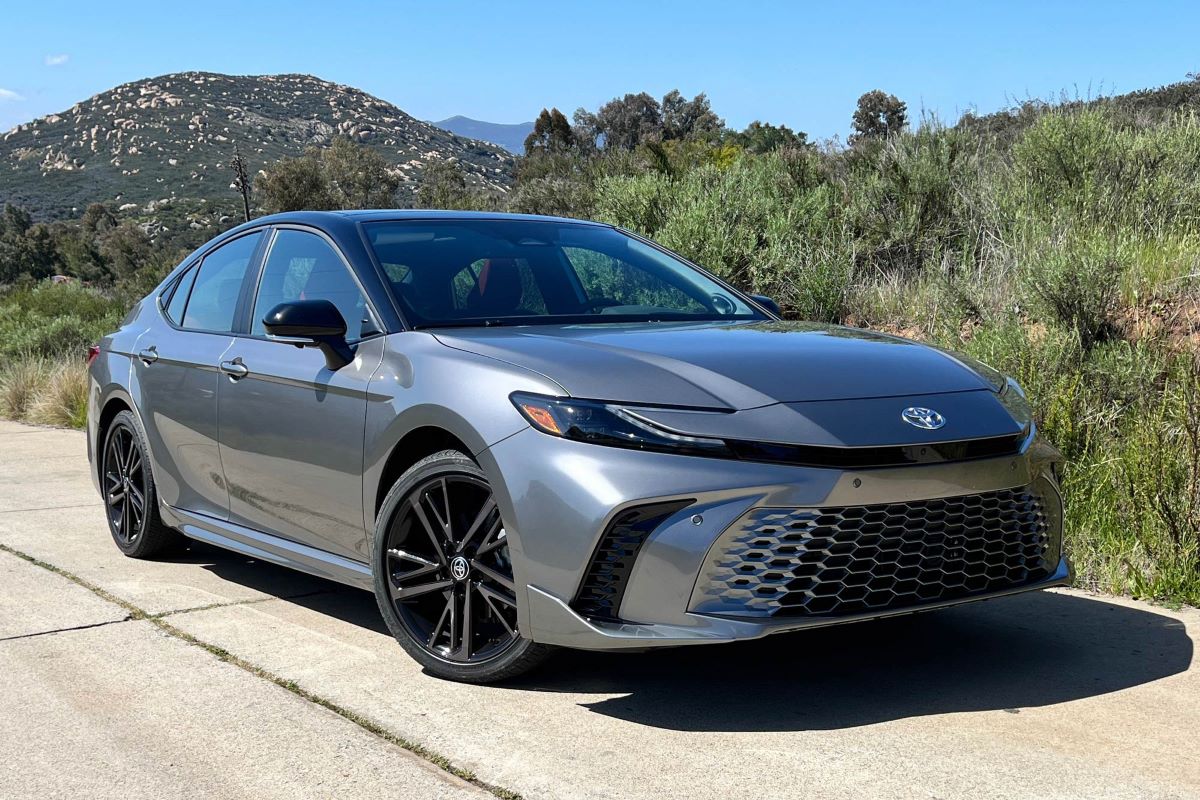
Older models from the late 1990s and early 2000s are particularly revered. They lack the complex electronics that can age poorly, making them easier and cheaper to maintain.
Toyota’s attention to detail and consistent reliability testing have made the Camry one of the most “inherited” sedans in the U.S. and for good reason.
2. Honda Accord
The Honda Accord has long been the car of choice for practical families who also enjoy driving. With engines that routinely last 300,000 miles and transmissions that rarely fail if serviced properly, the Accord continues to impress even after decades.
From college-bound teens driving their parents’ 2008 Accord to grandparents still holding onto their ‘90s model, this car’s longevity comes down to simplicity and solid engineering.
Honda’s focus on mechanical balance and fuel efficiency has kept the Accord relevant through every generation. When properly maintained, it’s not unusual to see a 20-year-old Accord still running with minimal issues.
The 2015 Honda Accord introduces several updates, including a standard HomeLink universal remote for EX-L models. The EX Coupe now comes standard with Honda’s LaneWatch system, while both EX and EX-L variants gain auto-dimming rearview mirrors.
The 2015 Honda Accord is a midsize vehicle available in both sedan and coupe configurations, with two gasoline engines and a hybrid powertrain option. The sedan is offered in five trim levels, while the coupe and hybrid each come in three variants.
Most 2015 Accord models feature a 2.4-liter inline-four engine producing 185 horsepower and 181 lb-ft of torque.
This engine is paired with a continuously variable transmission (CVT). A six-speed manual transmission is also available on four-cylinder sedans and all coupe versions. Depending on the body style and transmission, fuel economy varies from 24/34 mpg city/highway to 27/36 mpg.
For buyers focused on efficiency, the Accord Hybrid is the top choice. It pairs a 2.0-liter hybrid inline-four with an electric motor, delivering a combined output of 196 horsepower and 226 lb-ft of torque.
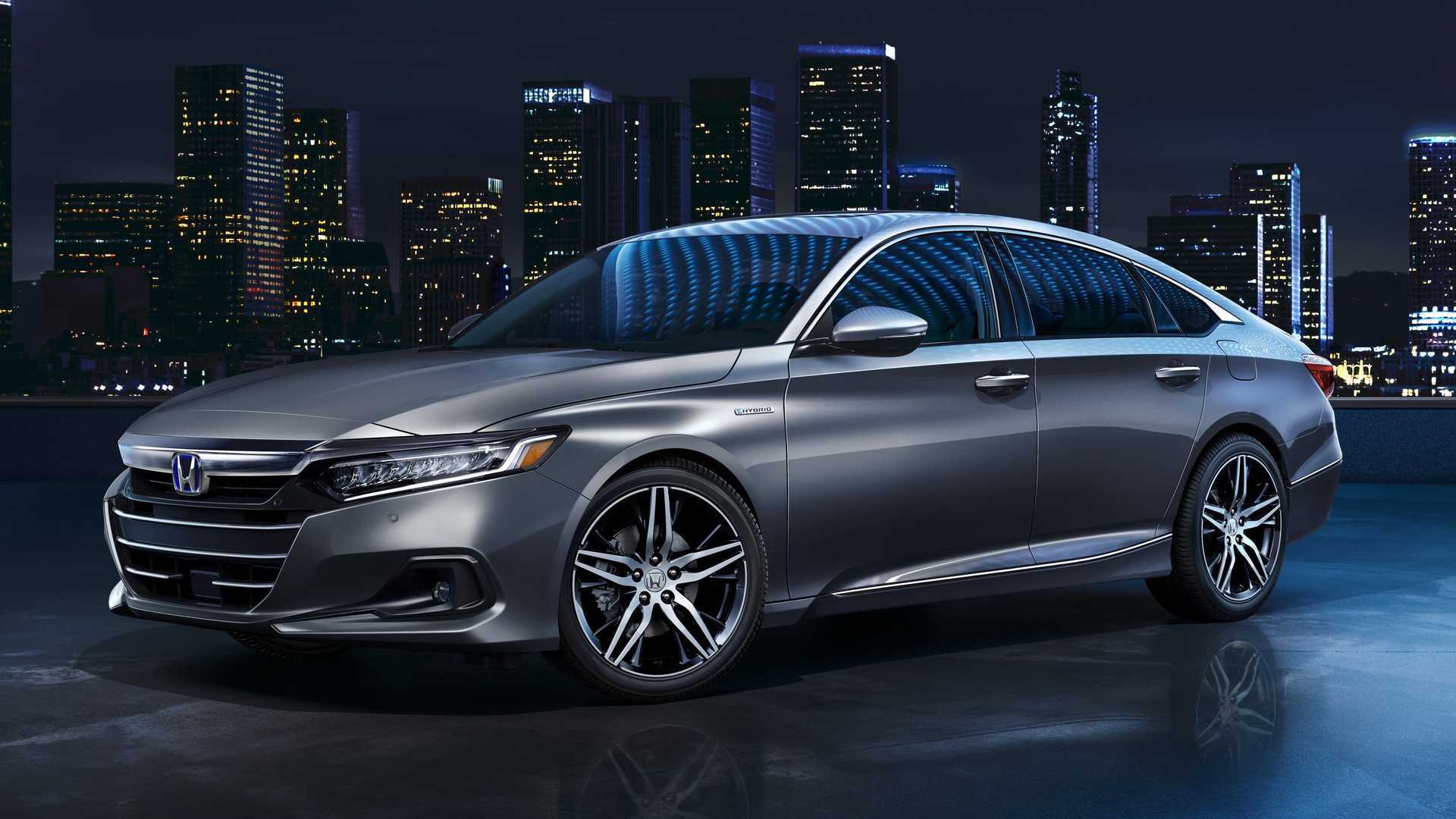
The hybrid stands out for its impressive 50/45 mpg rating and smooth operation, offering seamless transitions between hybrid and EV driving modes.
A 3.5-liter V-6 engine remains available, generating 278 horsepower and 252 lb-ft of torque. This engine provides the quickest acceleration in the lineup and can be paired with either a six-speed manual or automatic transmission.
Despite the added power, fuel economy stays respectable at 21/34 mpg for V-6 sedans and 21/32 mpg for automatic-equipped V-6 coupes. Choosing the V-6 with a manual gearbox, however, lowers fuel economy to 18/28 mpg.
Inside, the 2015 Accord provides generous space, particularly in the five-passenger sedan, which includes a roomy trunk and a fold-down rear seat. However, the one-piece seatback limits flexibility when transporting long items.
Cabin materials are generally high quality, though some surfaces, like the “hard door mounted armrests”, feel less refined. The two-screen infotainment setup also receives criticism, as it “seems doubly pointless” on models without a navigation system.
The 2015 Honda Accord continues to be a standout contender in the midsize segment, combining a spacious interior, refined driving dynamics, and strong fuel efficiency.
Nearly all versions, aside from the manual V-6 coupe, achieve over 30 mpg on the highway. The roomy interior remains a major advantage, comfortably seating five adults and offering a 15.8-cubic-foot trunk.
However, the hybrid’s battery pack reduces trunk capacity. Additionally, torque steer can be noticeable in V-6 models, particularly under hard acceleration.
Also Read: Top 10 SUVs That Car Dealers Fight to Buy Back
3. Subaru Outback
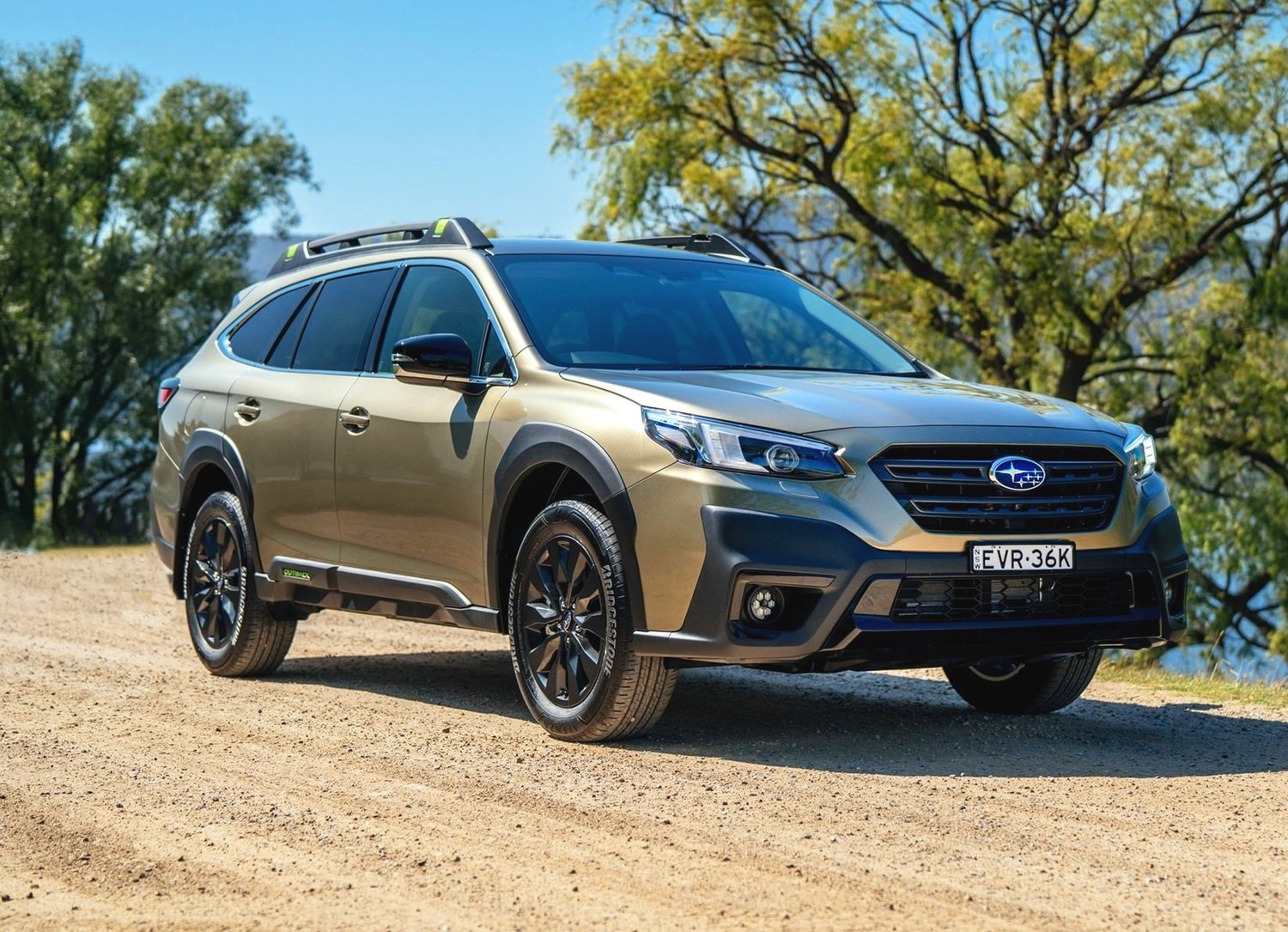
For families who love adventure, the Subaru Outback has become a generational favorite. It combines car-like comfort with SUV-like utility, making it perfect for families that value road trips, outdoor activities, and reliability in harsh weather.
The Outback’s legendary symmetrical all-wheel drive system and boxer engine contribute to its long lifespan. While earlier models had head gasket issues, those problems were largely solved by the mid-2010s.
Many families have passed their Outbacks down after a decade or two, finding that they remain dependable companions in both city commutes and mountain getaways.
The refreshed 2018 Subaru Outback arrives with a redesigned exterior, a retuned suspension for improved ride comfort, an upgraded multimedia system, and newly available adaptive full LED headlights.
The 2018 Subaru Outback is a midsize crossover-style wagon positioned above the smaller Forester in Subaru’s lineup. All trims come standard with all-wheel drive, enhancing traction and stability across various road conditions.
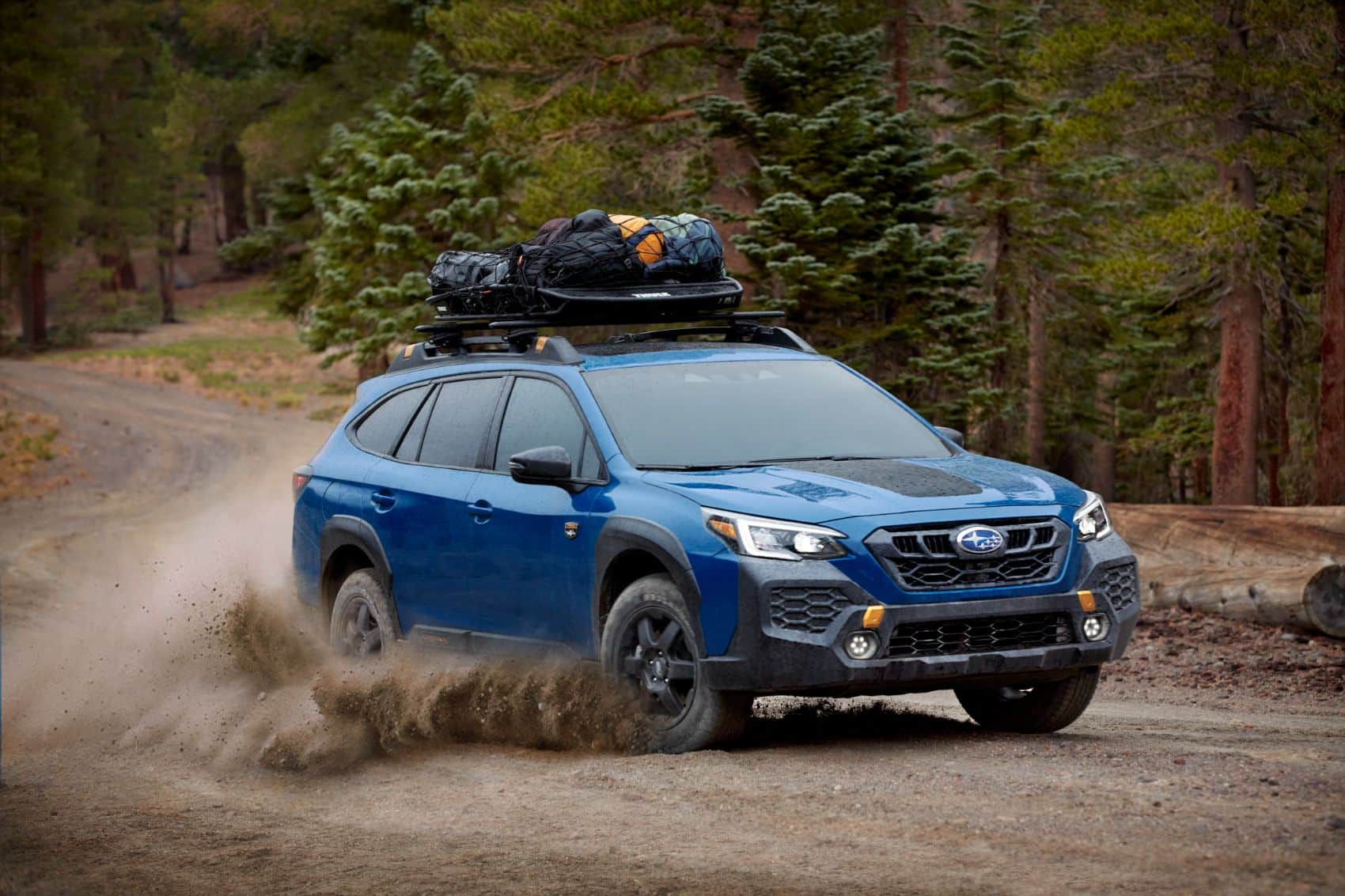
Two engine choices are available for the 2018 Subaru Outback: a 2.5-liter flat-four generating 175 horsepower and 174 lb-ft of torque, and a 3.6-liter flat-six producing 256 horsepower and 247 lb-ft.
Both engines are paired exclusively with a continuously variable transmission (CVT). The four-cylinder achieves EPA fuel economy ratings of 25/32 mpg city/highway, while the six-cylinder variant returns 20/27 mpg.
Cargo capacity is generous, offering 35.5 cubic feet of space behind the rear seats and expanding to 73.3 cubic feet when the standard 60/40 split-folding rear seats are folded down. Properly equipped, the Outback can tow up to 2,700 pounds regardless of engine selection.
Standard features on the base model include 17-inch alloy wheels, cloth upholstery, Bluetooth connectivity, Subaru’s Starlink multimedia system with a 6.5-inch touchscreen, Apple CarPlay and Android Auto integration, a four-speaker audio system, and a rearview camera.
Subaru’s EyeSight safety suite is offered starting with the Premium trim. The package includes forward collision warning, automatic front and rear emergency braking, adaptive cruise control, lane departure and sway warning, and lane keeping assist.
Additional features such as automatic high beams, blind-spot detection with rear cross-traffic alert, and lane change assist are also part of the EyeSight system.
The 2018 Outback, when powered by the base 2.5-liter flat-four, doesn’t deliver particularly brisk acceleration. As noted in a 2015 First Test, throttle response is somewhat sensitive, similar to its sedan counterpart, the Legacy.
However, for a tall, wagon-based crossover, the Outback handles confidently, thanks to its standard all-wheel-drive system. Inside, the cabin features high-quality materials, and Subaru’s Starlink infotainment system is intuitive and user-friendly.
4. Ford F-150
When it comes to American families, few vehicles have a stronger presence than the Ford F-150. It’s not uncommon for these trucks to be handed down through generations, still hauling, towing, and tackling daily drives decades later.
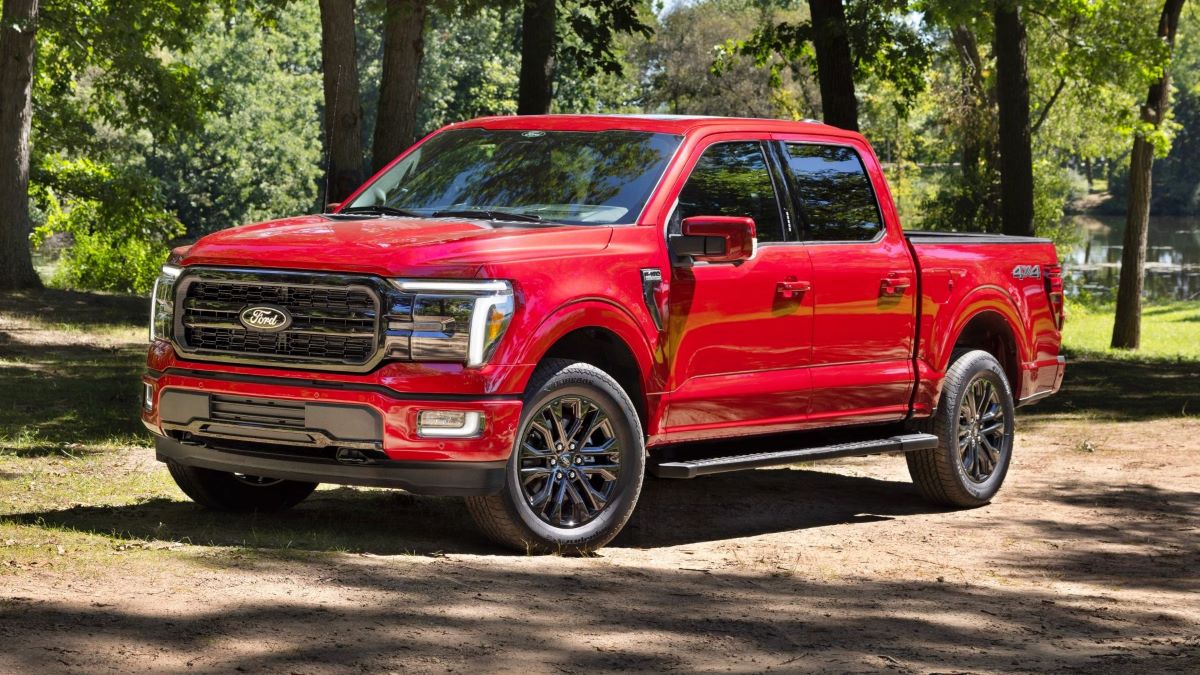
Part of the F-150’s longevity lies in its robust frame and widely available parts. Even older models from the early 2000s can be easily serviced, and many owners customize or restore them as family heirlooms.
Its combination of toughness, comfort, and adaptability makes the F-150 an enduring symbol of American automotive heritage.
5. Lexus LS
Luxury vehicles rarely make it onto “passed down” lists, but the Lexus LS is an exception. Built with obsessive attention to quality, the LS models from the late 1990s and early 2000s are known to last hundreds of thousands of miles with minimal issues.
Powered by some of Toyota’s best V8 engines and backed by one of the most reliable luxury brand reputations in the world, these sedans offer a premium experience that doesn’t fade.
Families who buy an LS often keep it for decades, enjoying its smooth ride and timeless design long after other luxury cars have been scrapped.
Though sedans aren’t as common as they once were, they still hold a firm spot in the market, particularly when it comes to large luxury models that continue to attract strong demand.
The 2025 Lexus LS comfortably fits into this elite group, standing alongside rivals such as the BMW 7 Series, Mercedes-Benz S-Class, and Audi A8.
These German powerhouses have long dominated the luxury sedan segment, but brands like Lexus, and even newer luxury offshoots from automakers like Hyundai, are closing the gap quickly.
The LS now rivals its European counterparts in craftsmanship and refinement, while its 416-horsepower twin-turbocharged V6 ensures it doesn’t fall behind in performance.
Add a significantly lower price tag into the mix, and it becomes a tempting entry point for those who have always dreamed of owning a high-end luxury sedan.
Even long-time admirers of the established German flagships may find themselves swayed by the LS’s compelling blend of quality, power, and value.
Apart from a modest price hike, the 2025 Lexus LS and its hybrid counterpart remain unchanged. This continuity makes sense, given the substantial updates introduced in the previous model year.
As the brand’s flagship sedan, the LS continues to undercut most of its luxury rivals in price. The 2025 Lexus LS 500 starts at an MSRP of $80,335 for the base rear-wheel-drive model. Opting for all-wheel drive raises the price to $83,585.
The more dynamic F Sport variant follows the same pricing pattern, with the RWD version listed at $84,475 and the AWD model at $86,925.
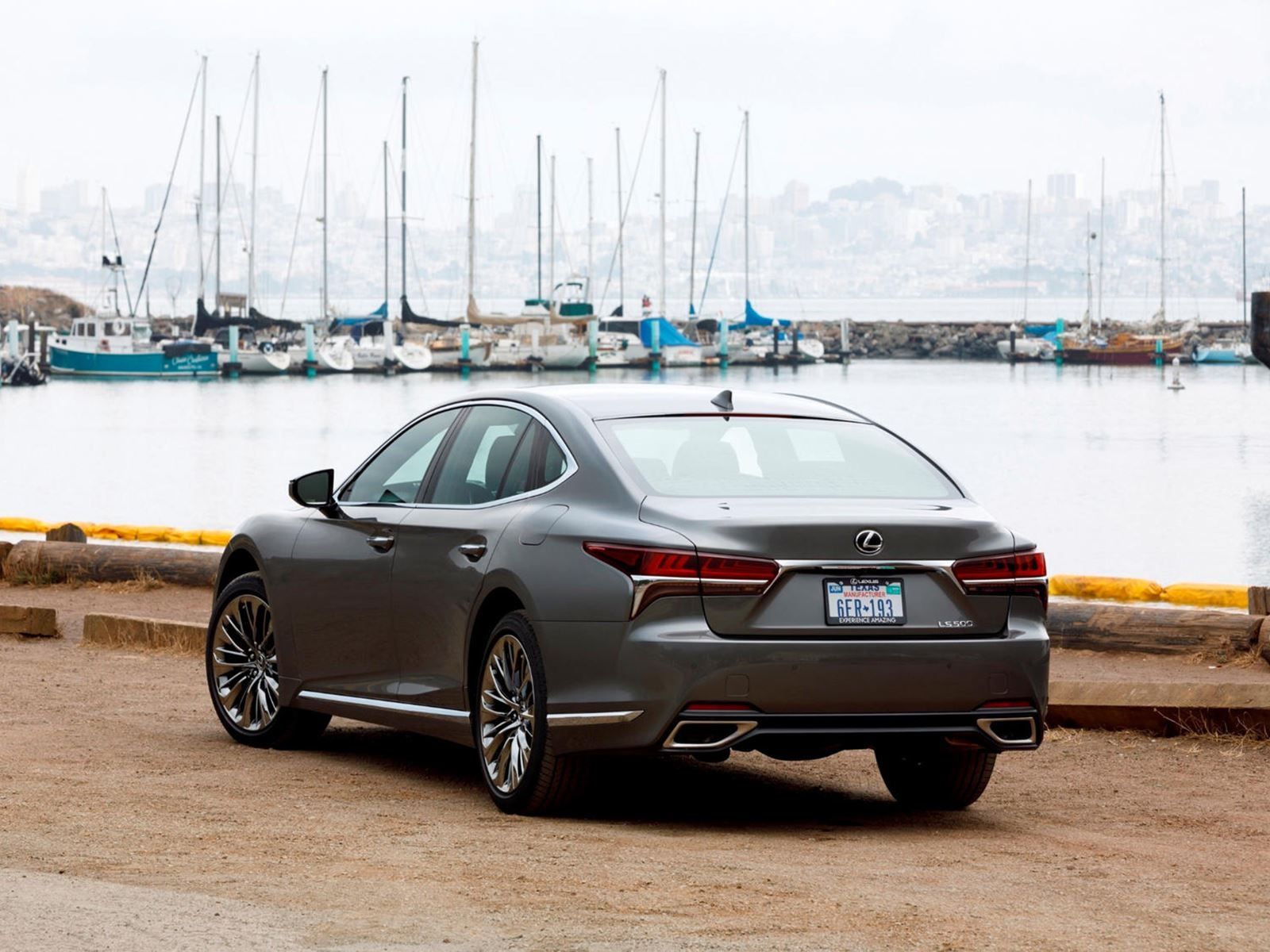
At the top of the lineup sits the LS 500h hybrid, priced at $115,210. All prices exclude the $1,350 destination and handling fee.
The F Sport trim offers sportier styling and firmer suspension tuning, but the trade-off in ride comfort may not be worth it for a vehicle that thrives on refinement.
After all, this is a flagship luxury sedan meant to deliver serenity on every drive, not sharpened handling at the expense of smoothness.
The hybrid’s $35,000 price premium is also hard to justify unless fuel economy or eco-conscious performance is a top priority. The standard LS 500 remains the best choice for most buyers, with optional AWD being worthwhile for those who regularly face slippery or wintry roads.
While the LS starts out feeling luxurious but somewhat understated, a few well-chosen options can transform the cabin into something truly lavish. Even in its standard form, the interior exudes sophistication and comfort.
Lexus refuses to play second fiddle to the industry’s leading premium automakers, and nowhere is that more apparent than inside the LS.
The cabin combines top-tier materials with refined craftsmanship to create a beautifully designed and serene environment. A large central touchscreen dominates the clean, well-organized dashboard, emphasizing the sedan’s modern and technology-driven character.
Ahead of the leather-wrapped steering wheel sits a sleek digital instrument cluster beneath a sculpted hood.
Physical controls are minimal, limited mostly to those on the steering wheel and a slim row of buttons beneath the central air vents, which blend seamlessly into the dash.
Unlike many competitors, Lexus includes premium amenities like a moonroof and a head-up display as standard equipment.
If the 2025 LS has one shortcoming, it’s interior space. While the seats are luxuriously cushioned and covered in first-rate materials, both headroom and legroom trail behind some European rivals.
The LS offers nearly 40 inches of rear legroom, which is perfectly comfortable, but competitors like the Mercedes-Benz S-Class and BMW 7 Series allow passengers to stretch out even further.
Headroom can also be tight, particularly with the optional panoramic moonroof, which reduces it to as little as 36.4 inches in the rear.
On the bright side, the front seats are power-adjustable, heated, and designed for maximum comfort and visibility, ensuring a relaxed experience behind the wheel.
The Lexus LS offers more trunk space than most of its rivals, with a generous 16.9 cubic feet of cargo volume, quite impressive for a luxury sedan.
This isn’t a class where luggage space usually tops the priority list, but the LS performs admirably when needed.
The hybrid models, however, lose some capacity due to battery packaging, providing 15.2 cubic feet as standard or 12.1 cubic feet when equipped with the optional rear cooler.
Inside the cabin, there are plenty of convenient storage options for smaller items.
These include a traditional glovebox, large door pockets, a spacious center console compartment, and a pair of cupholders hidden beneath a flip panel in front of the armrest.
Rear passengers are treated to cupholders in the fold-down armrest, and an optional cooler box can also be added for extra convenience and comfort.
Also Read: 12 Popular Cars Everyone Hates and 10 That Drivers Actually Love
Cars That Give Up Early
Some cars are built to last a lifetime, while others seem to wear out long before their time. Whether it’s due to poor reliability, costly repairs, or declining performance, these vehicles tend to lose their charm faster than expected.
In this article, we’ll look at the cars that give up early, models that may look good on the lot but struggle to stay strong as the miles add up.
1. Fiat 500
The Fiat 500 charmed U.S. drivers with its compact design and European flair, but beneath the cute exterior lies a car that often gives up early.
Many owners report frequent electrical issues, transmission failures, and expensive maintenance costs after just a few years.
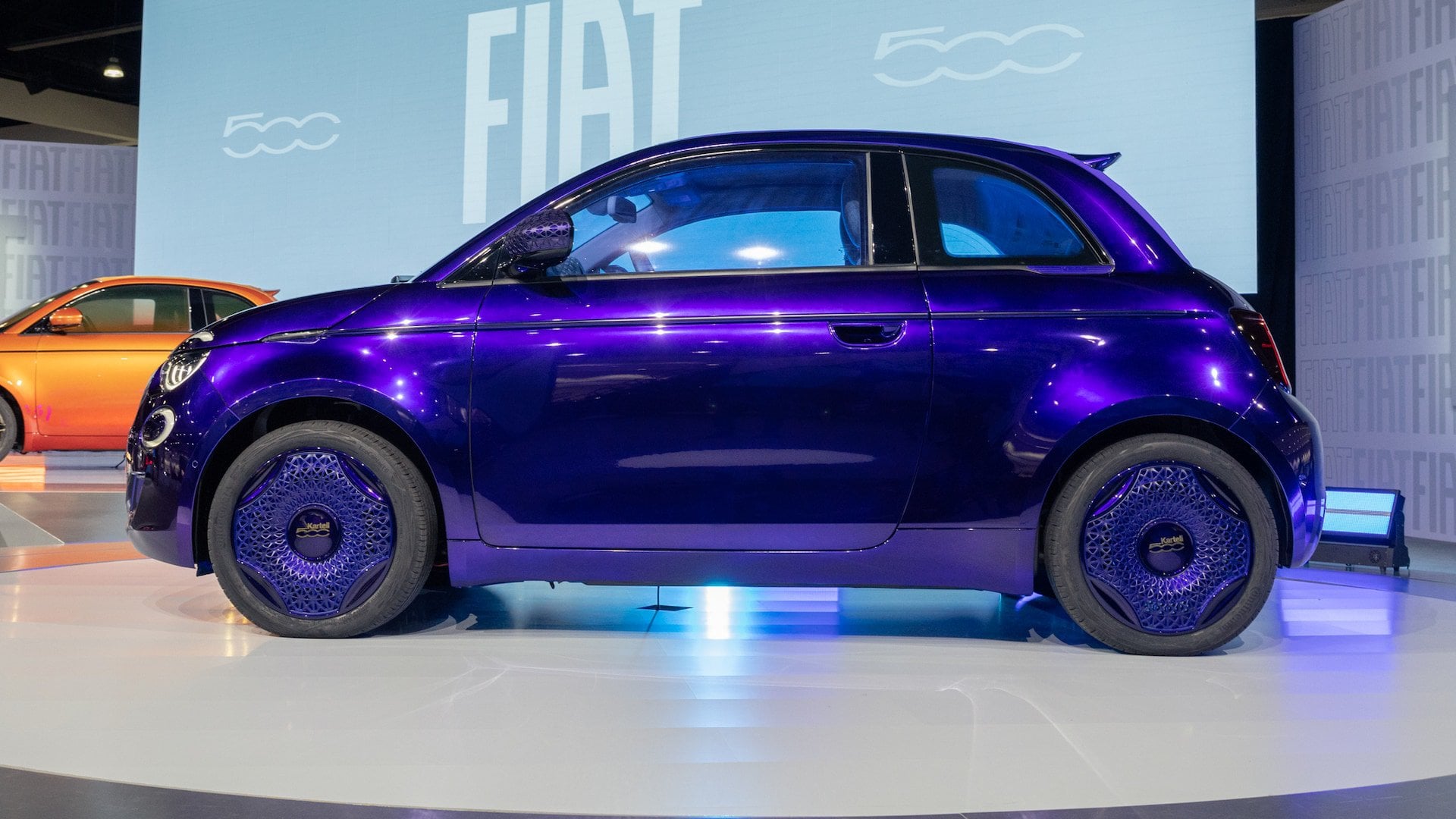
While fun to drive and stylish, the Fiat 500 struggles with longevity. Its small engines and inconsistent build quality make it a poor candidate for long-term ownership.
For families looking for a lasting investment, this is one car that’s unlikely to be passed down.
2. Volkswagen Jetta
The Jetta once carried a reputation for being the affordable European sedan, but modern versions have been plagued by reliability concerns.
Transmission problems, turbocharger failures, and electrical system faults often lead to expensive repairs within the first 100,000 miles.
While Jettas deliver a fun driving experience and premium feel, they don’t age as gracefully as their Japanese counterparts. Many U.S. owners trade them in early rather than invest in costly upkeep, making the Jetta a frequent “one-generation-only” car.
The 2021 Volkswagen Jetta remains a smart pick for drivers seeking an affordable and fuel-efficient compact sedan. It costs less and delivers better fuel economy than its hatchback sibling, the VW Golf, despite sharing much of the same underpinnings.
While the standard Jetta is ideal for practical-minded buyers, it lacks the spirited performance that would appeal to enthusiasts.
That role is left to the sportier GLI variant, which is reviewed separately. Under the hood, the regular Jetta features a 147-horsepower turbocharged four-cylinder engine that provides adequate performance for city driving but feels sluggish during highway merges or passing maneuvers.
A manual transmission is available, though only on the base model.
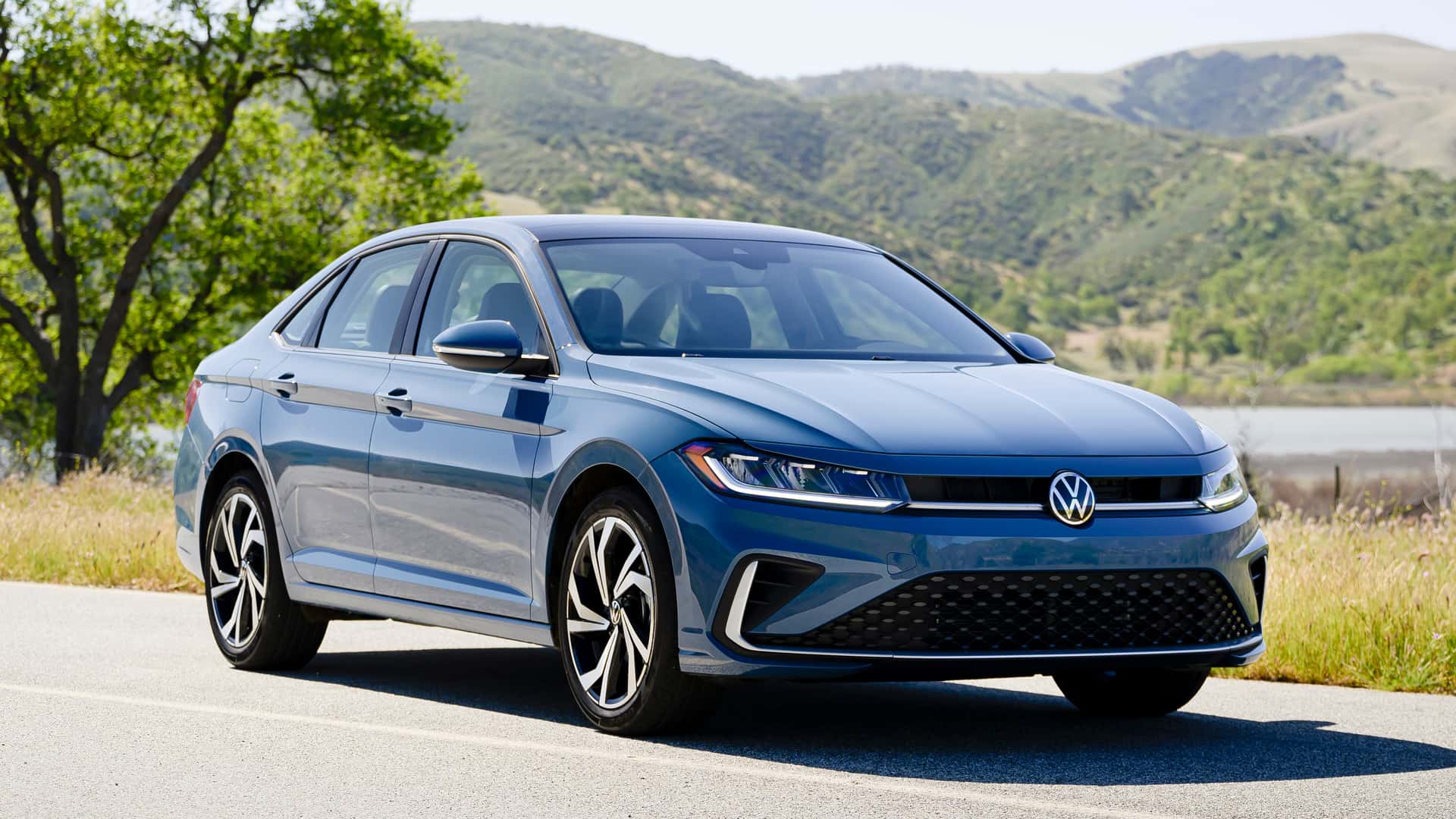
Overall, the 2021 Jetta impresses with its refined ride quality and excellent trunk space, but its lack of excitement and limited high-end options on lower trims reduce its overall appeal.
The Jetta carries over into 2021 without any mechanical or trim-level updates. The only changes are minor price adjustments, including a small increase in the base trim’s starting price and a rise in the cost of the Driver Assistance package, from $450 to $500.
Since the base model omits many desirable features, the R-Line trim is the most balanced option. It adds a sportier exterior design, a blind-spot monitoring system, keyless entry, and two-tone faux-leather upholstery that gives the cabin a more upscale look.
For those in colder climates, the Cold Weather package is a worthwhile upgrade, adding a heated steering wheel, heated rear seats, and remote start, among other amenities.
Every Jetta is powered by a 1.4-liter turbocharged four-cylinder engine producing 147 horsepower, sending power exclusively to the front wheels.
A six-speed manual transmission comes standard on the base model, while an eight-speed automatic is available, and standard, on all others.
3. Nissan Altima (2010s Models)
While newer Altimas have improved, models from the early to mid-2010s are notorious for early CVT (continuously variable transmission) failures. This issue alone caused countless owners to abandon their cars well before the 150,000-mile mark.
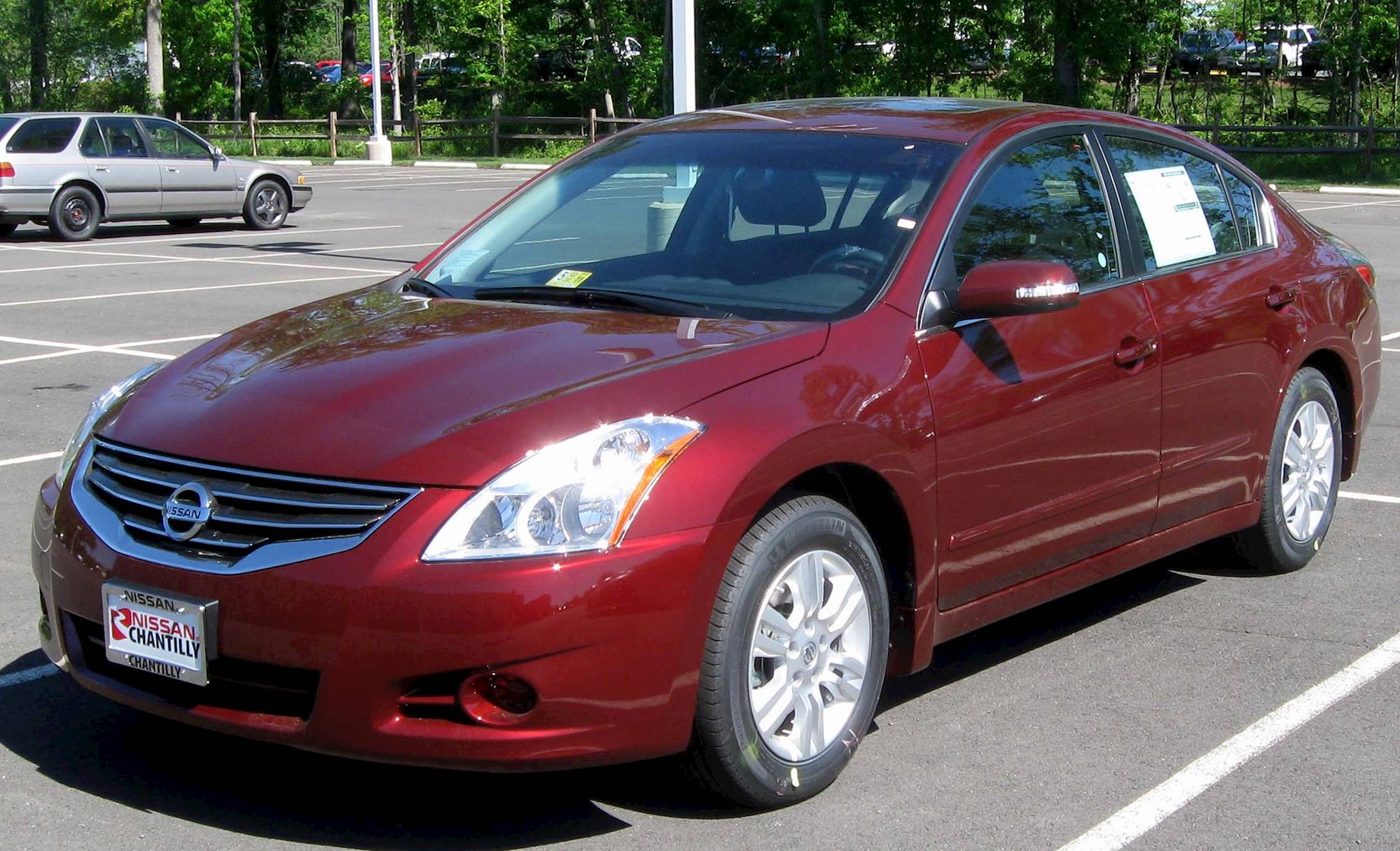
Many families who bought Altimas for reliability found themselves facing repair bills higher than the car’s resale value.
Nissan’s later CVT updates have helped, but the reputation damage lingers. As a result, these Altimas are rarely seen passed down from one generation to the next.
4. Mini Cooper
Mini Coopers are fun, stylish, and full of personality but they often wear out long before you’d expect.
Their compact engines and complex turbo systems are prone to overheating and oil leaks, while their suspension and electrical systems can be delicate.
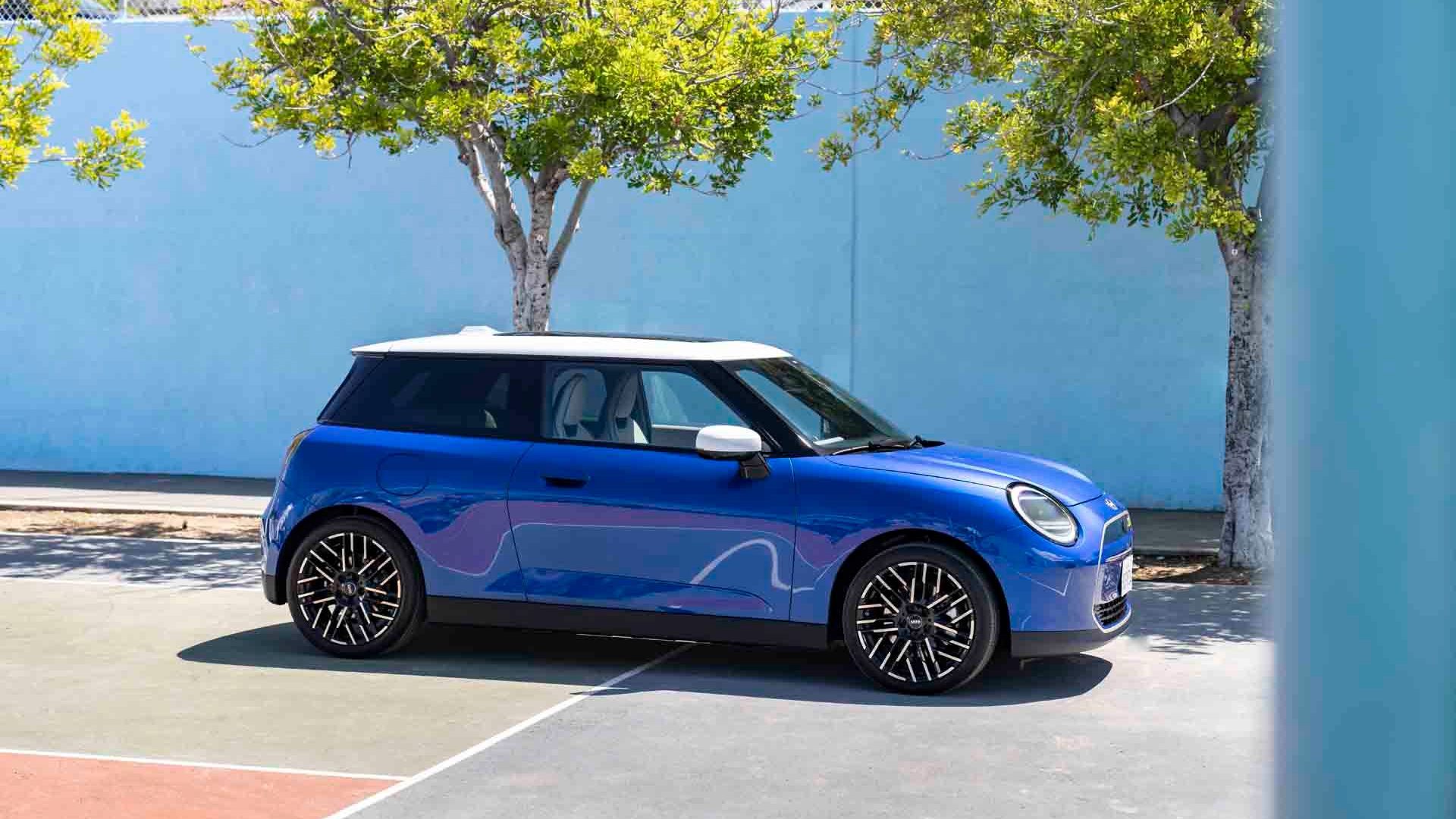
Even though the Mini’s design encourages long-term love, its mechanical reliability doesn’t. Many owners sell their Coopers within five years due to rising repair costs, making it a car that often breaks hearts before it builds family memories.
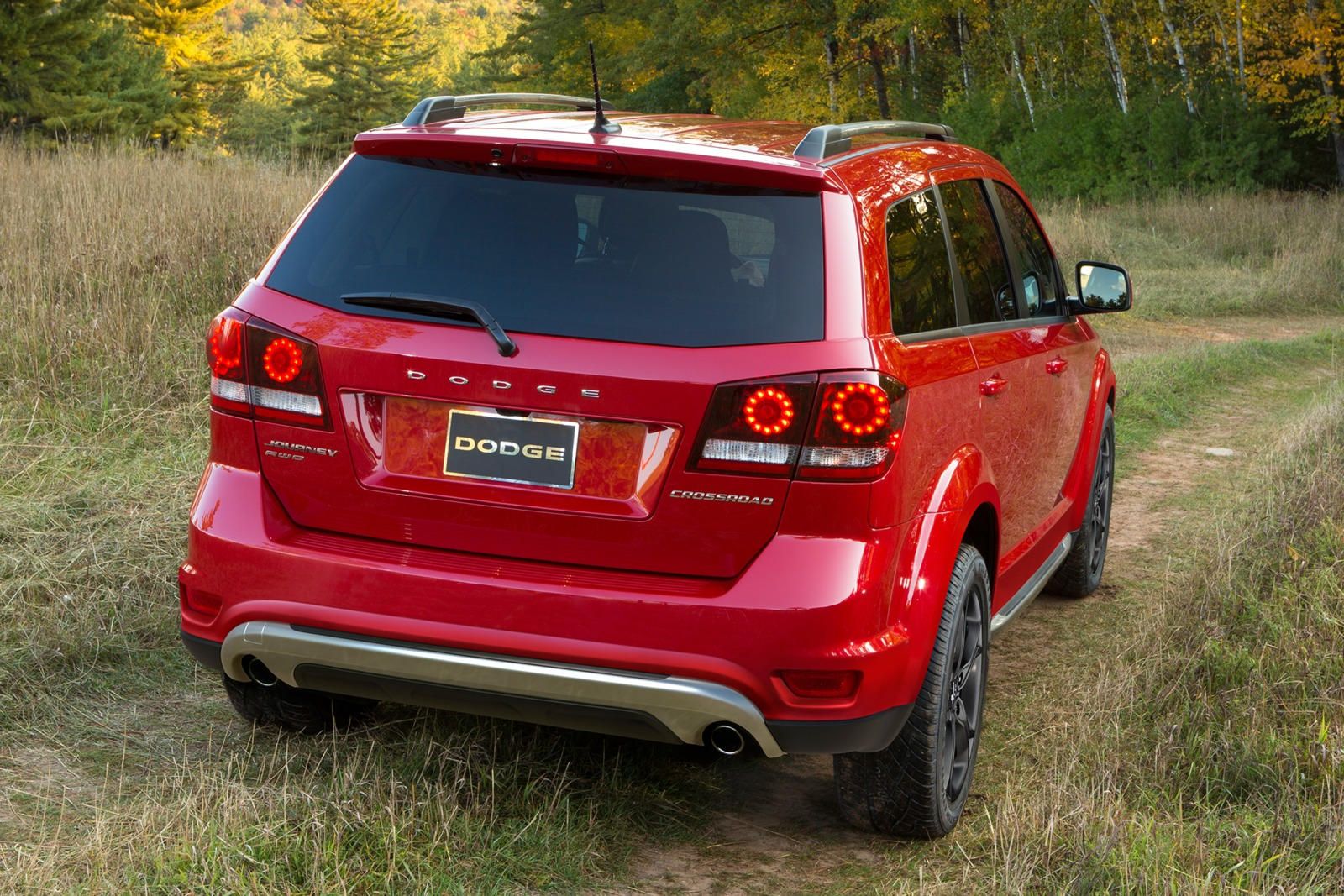
5. Dodge Journey
On paper, the Dodge Journey seemed like a perfect family crossover affordable, roomy, and versatile. In practice, it became infamous for its short lifespan.
Cheap interior materials, dated engineering, and frequent mechanical failures kept the Journey from becoming a long-term companion.
Transmission problems, poor fuel economy, and inconsistent quality control made it one of the least likely vehicles to survive a decade of family use.
While it served many families as a budget-friendly new car, few Journeys have lived long enough to become hand-me-downs.
Cars that last through generations share a few key traits: mechanical simplicity, solid engineering, and manufacturer commitment to reliability.
Vehicles like the Toyota Camry, Honda Accord, and Ford F-150 have stood the test of time not because of flashy technology, but because of thoughtful, consistent design.
Meanwhile, the cars that “give up early” often suffer from overcomplication, poor build quality, or lack of long-term durability. They might look appealing on the showroom floor, but they struggle to deliver value once the warranty expires.
In the end, the cars that earn their place in family history are the ones that keep running strong proof that true quality doesn’t just last years; it lasts generations.