
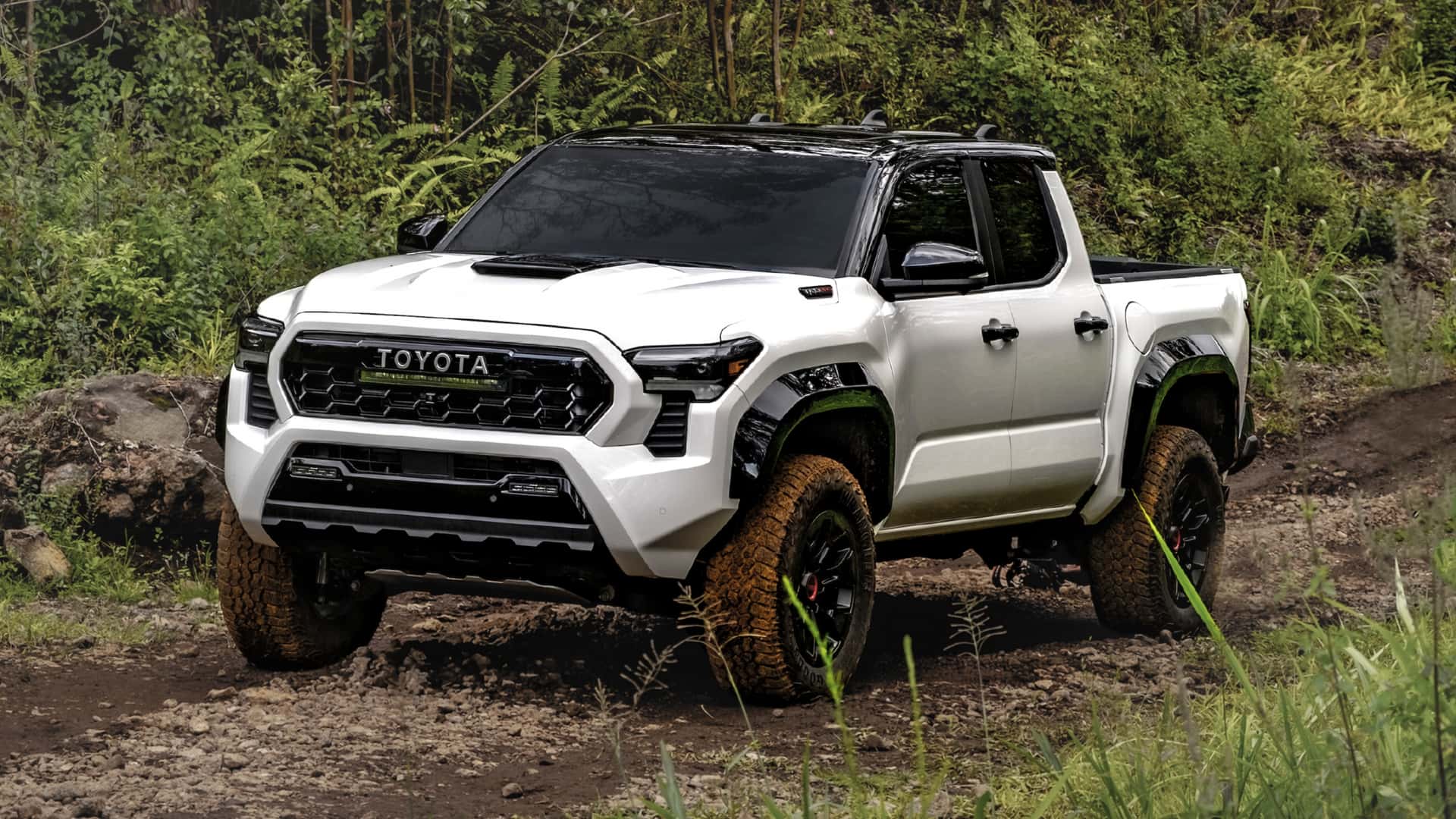
Depreciation is the silent cost that haunts nearly every car owner. The moment a new car leaves the dealership, its value can plummet by as much as 20% and after five years, many vehicles lose more than half of their original worth.
Yet, a select few models defy these odds. These vehicles manage to hold on to their value far better than the rest, often because of their reputation for reliability, limited supply, cult following, or simply timeless appeal.
For buyers in the United States who are conscious of resale value and long-term investment, understanding which cars resist depreciation can mean thousands of dollars saved.
Below are 12 cars that consistently beat the market’s expectations, each with a story behind its resilience.
1. Toyota Tacoma
The Toyota Tacoma has become almost synonymous with reliability and long-term value. Compact and midsize trucks usually hold their worth well, but the Tacoma leads the segment.
Its rugged build, excellent off-road capabilities, and legendary durability make it a favorite among outdoor enthusiasts and tradespeople alike.
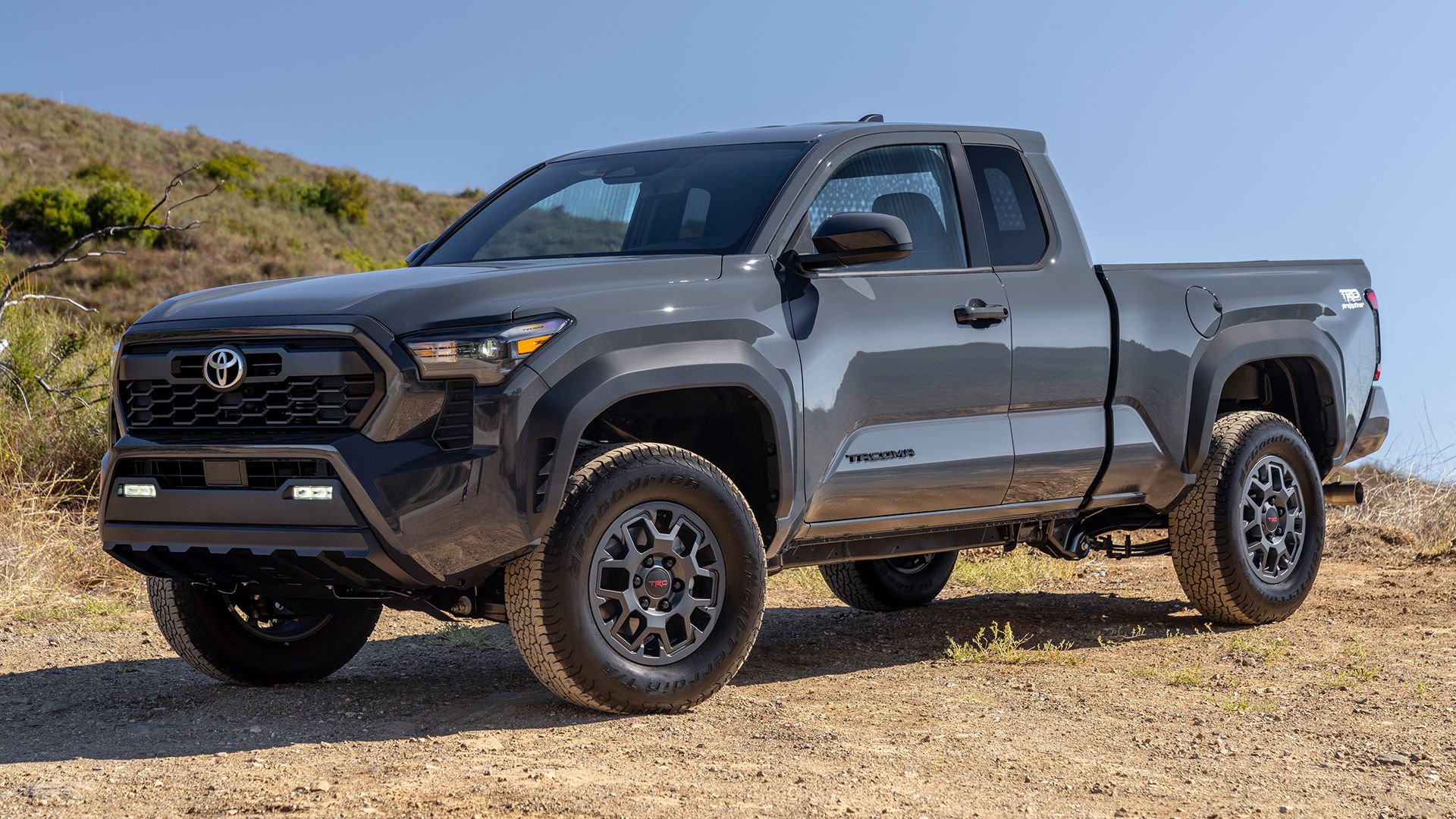
In the U.S., Tacomas are in constant demand, both new and used, which keeps resale prices remarkably high.
According to multiple auto market reports, the Tacoma retains nearly 70% of its value after five years a staggering figure in today’s automotive landscape.
2. Jeep Wrangler
Few vehicles have a cultural impact quite like the Jeep Wrangler. Its unique combination of adventure-ready design, removable doors and roof, and strong off-roading reputation makes it one of America’s most iconic SUVs.
The Wrangler’s loyal following ensures that even older models continue to sell at high prices.
This off-road legend’s depreciation curve is flatter than nearly any other SUV, largely because demand stays strong across all age groups from younger adventure-seekers to retirees looking for weekend fun.
The 2020 Jeep Wrangler perfectly embodies what the Jeep brand stands for, its lineage tracing back to the original World War II–era military vehicle, and its off-road capability remains nothing short of impressive.
While its design stays true to the first-generation Jeep that once supported troops, the modern Wrangler has evolved into a unique four-wheel-drive machine equipped with advanced technology and premium comfort features.
It offers everything from air conditioning to available leather upholstery. Two mild-hybrid engines are available, along with a longer, four-door model called the Wrangler Unlimited.
No matter which version you choose, the doors and roof can still be removed, the windshield folded down, and the open-air adventure enjoyed to the fullest.
For 2020, Jeep has introduced several new trim packages, an optional diesel engine, and updates to its gas-engine lineup.
The two-door Wrangler continues to be offered in base Sport, Sport S, and Rubicon trims, while the four-door Wrangler Unlimited expands that lineup with an additional Sahara model.
A 3.6-liter V-6 engine remains standard across all trims and now features optional mild-hybrid eTorque assist in the Sahara.
A turbocharged 2.0-liter four-cylinder engine is available in most versions and can also be paired with eTorque in the Sahara.
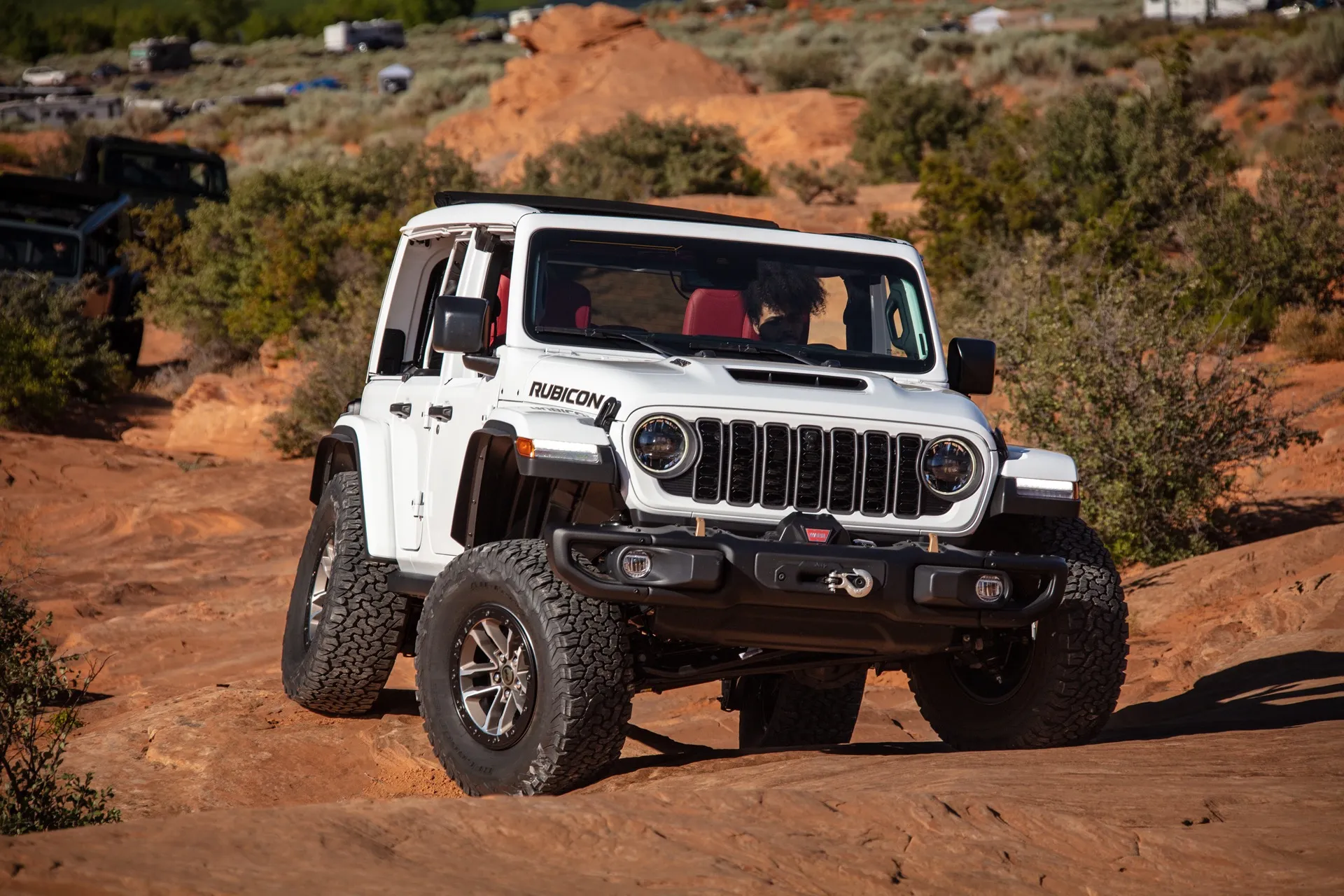
Three new optional packages make their debut this year. The Wrangler Willys Edition adds a limited-slip rear differential, rock rails, and chunky 32-inch mud-terrain tires for enhanced off-road performance.
The Wrangler Freedom Edition honors U.S. military members with exclusive exterior and interior details. The Wrangler Black and Tan package, unrelated to the Guinness beverage of the same name, features a tan soft top and black exterior badging for a stylish touch.
The biggest mechanical update is the arrival of a 3.0-liter V-6 EcoDiesel engine, delivering 260 hp and 442 lb-ft of torque, available exclusively for Unlimited models later in the model year.
The 2020 Jeep Wrangler starts at $29,790 and can climb up to $48,445 depending on trim level and options.
We recommend staying close to the Wrangler’s rugged roots while maintaining a reasonable price, starting with the two-door version, which comes standard with a removable cloth top.
For a touch more comfort and convenience, the Wrangler Sport S trim is the sweet spot, adding features like air conditioning, a leather-wrapped steering wheel, power windows and locks, automatic headlights, and heated mirrors.
We’d choose the 270-hp 2.0-liter turbocharged four-cylinder for its 295 lb-ft of torque, 35 lb-ft more than the standard V-6. This engine comes paired with an eight-speed automatic transmission, offering relaxed and capable trail driving.
The optional Technology Package is also worth adding for its larger 7.0-inch touchscreen, plus Android Auto and Apple CarPlay compatibility.
The standard 285-hp 3.6-liter V-6 engine from the previous generation returns for the JL model, paired with either a six-speed manual transmission or an optional eight-speed automatic for smoother shifts.
A turbocharged four-cylinder engine is also available, working with an electric motor for extra low-end power. Every Wrangler is built for off-road performance, featuring part-time four-wheel drive operated by a traditional lever on the center console.
In testing, a two-door Wrangler Sport with the V-6 and six-speed manual achieved a 0–60 mph time of 6.1 seconds.
A four-door Sahara equipped with the automatic reached 60 mph in 6.8 seconds, while the four-cylinder hybrid Sahara was slightly quicker at 6.5 seconds. The Rubicon model, with its heavier-duty off-road gear, is a bit slower.
Overall, performance testing shows that the new Wrangler JL is a marked improvement over the previous generation, even if it remains on par with competitors in certain areas.
Handling is better but still feels trucklike compared to modern SUVs and pickups. The four-door version delivers a reasonably smooth ride over rough terrain, though braking distances varied between test vehicles.
3. Porsche 911
Luxury cars are notorious for losing value quickly but the Porsche 911 is the rare exception. The German sports car blends performance, craftsmanship, and heritage in a way few others can.
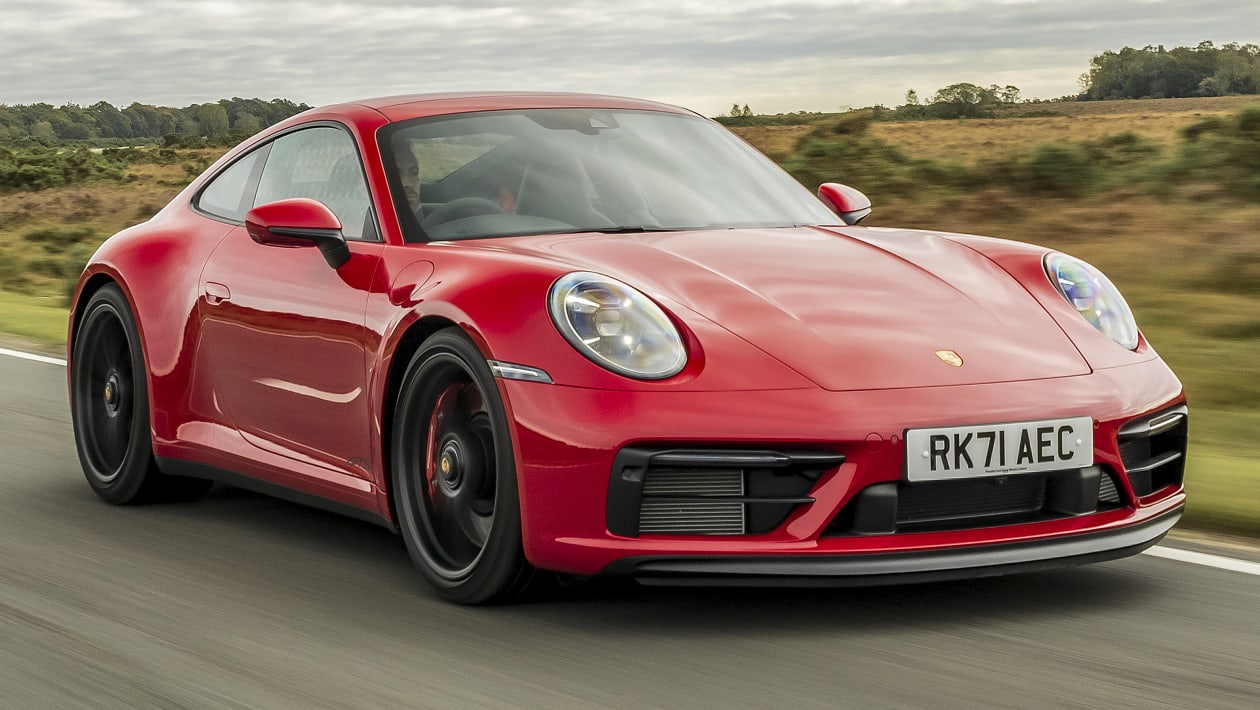
Many owners view a 911 not just as transportation, but as a lifelong possession or even a collectible. As a result, the 911 depreciates far more slowly than comparable sports cars from brands like BMW or Mercedes.
Older models, especially the air-cooled variants, have even appreciated in value over the years, proving that the 911’s prestige translates into long-term financial sense.
4. Toyota 4Runner
The Toyota 4Runner is another vehicle that defies the odds of depreciation thanks to its old-school toughness and dependability.
While the rest of the SUV market has shifted toward unibody crossovers, the 4Runner remains a body-on-frame traditional SUV built to last and handle real off-road conditions.
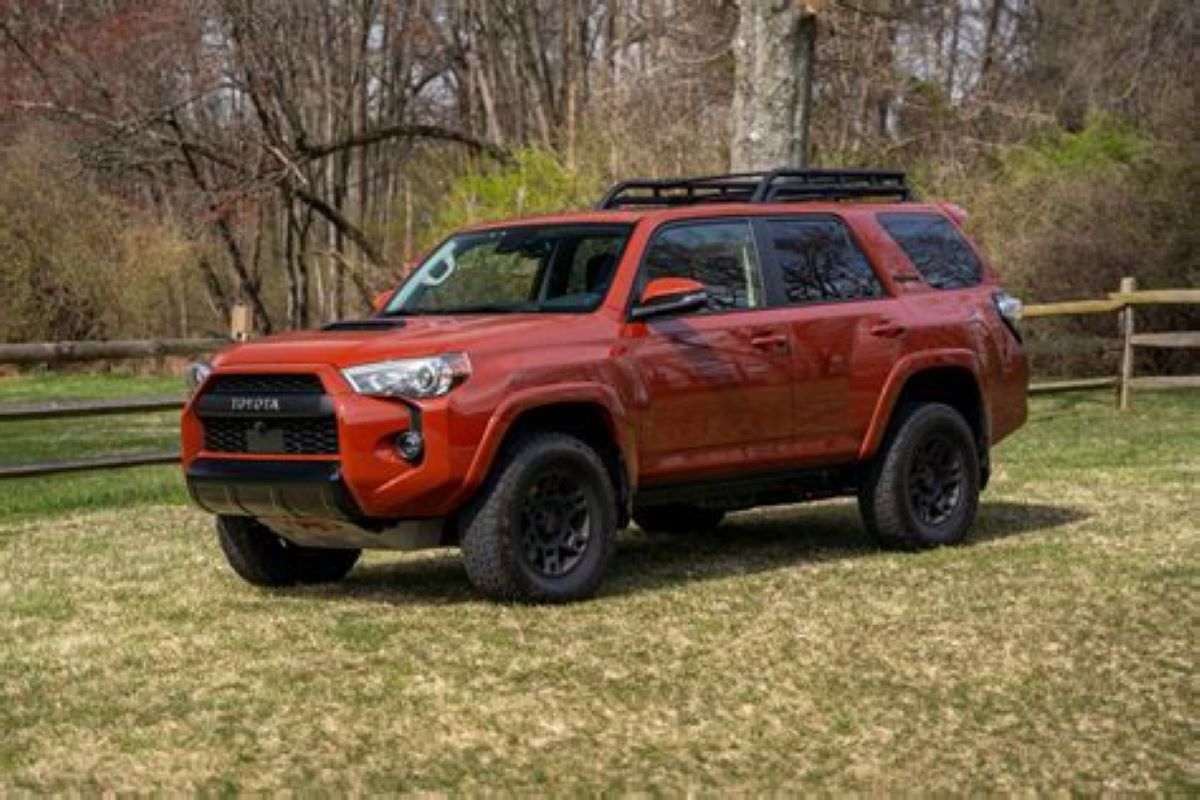
That reputation translates into strong resale value. Many 4Runners with over 150,000 miles still command impressive prices on the used market.
Buyers know what they’re getting: a rugged, reliable SUV that can outlast most of its competition.
5. Subaru WRX
The Subaru WRX appeals to a niche but passionate group of drivers who value performance and practicality in equal measure. With its rally-inspired handling, all-wheel-drive system, and sporty look, the WRX holds its appeal well beyond the initial purchase.
Unlike many performance cars that suffer from high depreciation due to maintenance costs, the WRX balances performance with everyday usability.
This combination keeps resale prices strong, especially among younger buyers seeking affordable, reliable fun.
The 2018 Subaru WRX stands out as one of the quickest and best-handling compact cars available. While it may not excel in comfort or cabin quietness, it remains an affordably priced performance sedan that’s perfectly suited for everyday driving.
Given Subaru’s long-standing heritage in rally racing, a motorsport often contested over dirt, mud, and gravel, it’s only natural to expect the WRX to have a few rough edges.
Yet, the real surprise lies in just how civilized and composed these cars have become. Both the WRX and the higher-performance WRX STI feature turbocharged four-cylinder engines tuned for spirited performance while maintaining respectable fuel efficiency.
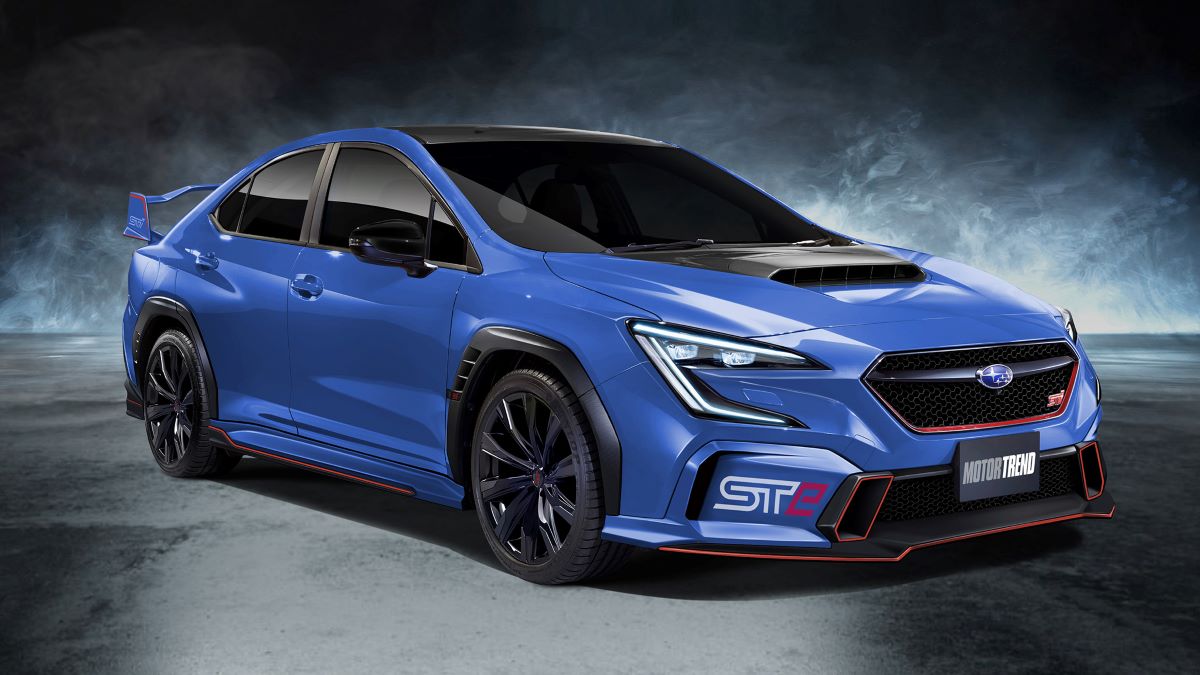
The WRX generates 268 horsepower and returns an EPA-estimated 23 mpg combined with the manual transmission, whereas the STI ups the ante with 305 horsepower and a 19 mpg combined rating.
The WRX also comes well-equipped with modern technology and convenience features, either standard or optional.
These include two multimedia systems, two available audio setups, smartphone app integration, navigation, and driver-assistance systems such as blind-spot monitoring, lane departure warning, and automatic emergency braking.
Combined with supportive seats, a spacious cabin, and excellent outward visibility, the WRX proves to be both a practical daily commuter and a family-friendly performance car.
Still, there’s no denying that the WRX is a noisy, high-energy machine. Cabin noise from the road and vibrations through the chassis are common, particularly in the STI, which feels ready to transition from dealership lot to weekend rally stage without skipping a beat.
In terms of refinement, competitors like the Volkswagen GTI and Ford Focus ST deliver a more polished everyday experience.
To Subaru’s credit, the company claims to have made strides in quieting the 2018 model through the use of thicker glass, improved seals, and added insulation.
However, we’ve yet to test the latest version to determine just how effective those updates are.
6. Honda Civic
The Honda Civic is a household name in America, and its reputation for dependability has made it one of the safest bets in the used market.
Even as newer models become more technologically advanced, older Civics maintain strong resale values thanks to their bulletproof reliability and fuel efficiency.
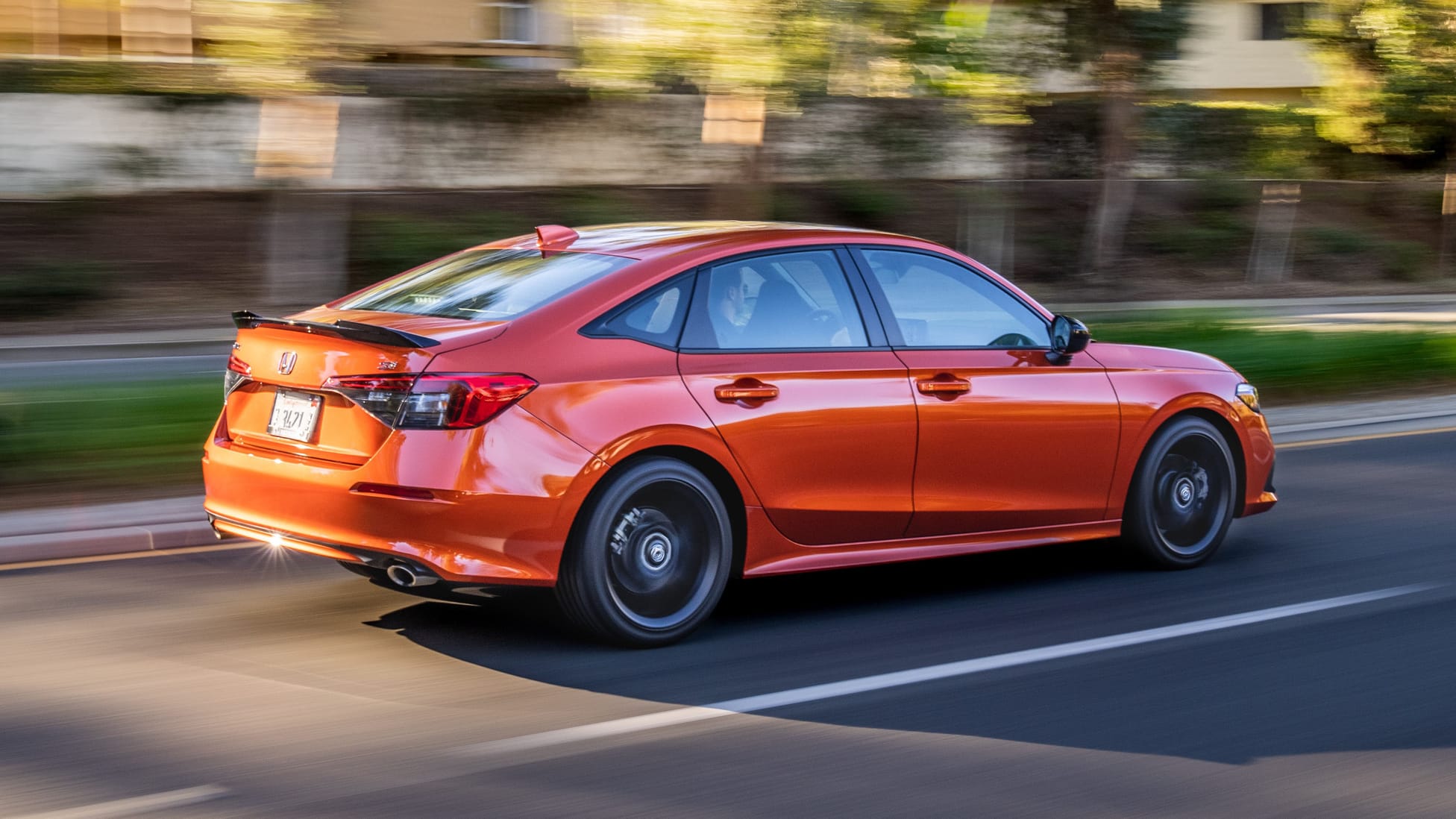
They’re particularly popular among students, commuters, and first-time car buyers groups that ensure constant demand. With such a wide buyer base, depreciation for the Civic remains minimal compared to other compact sedans.
7. Lexus GX
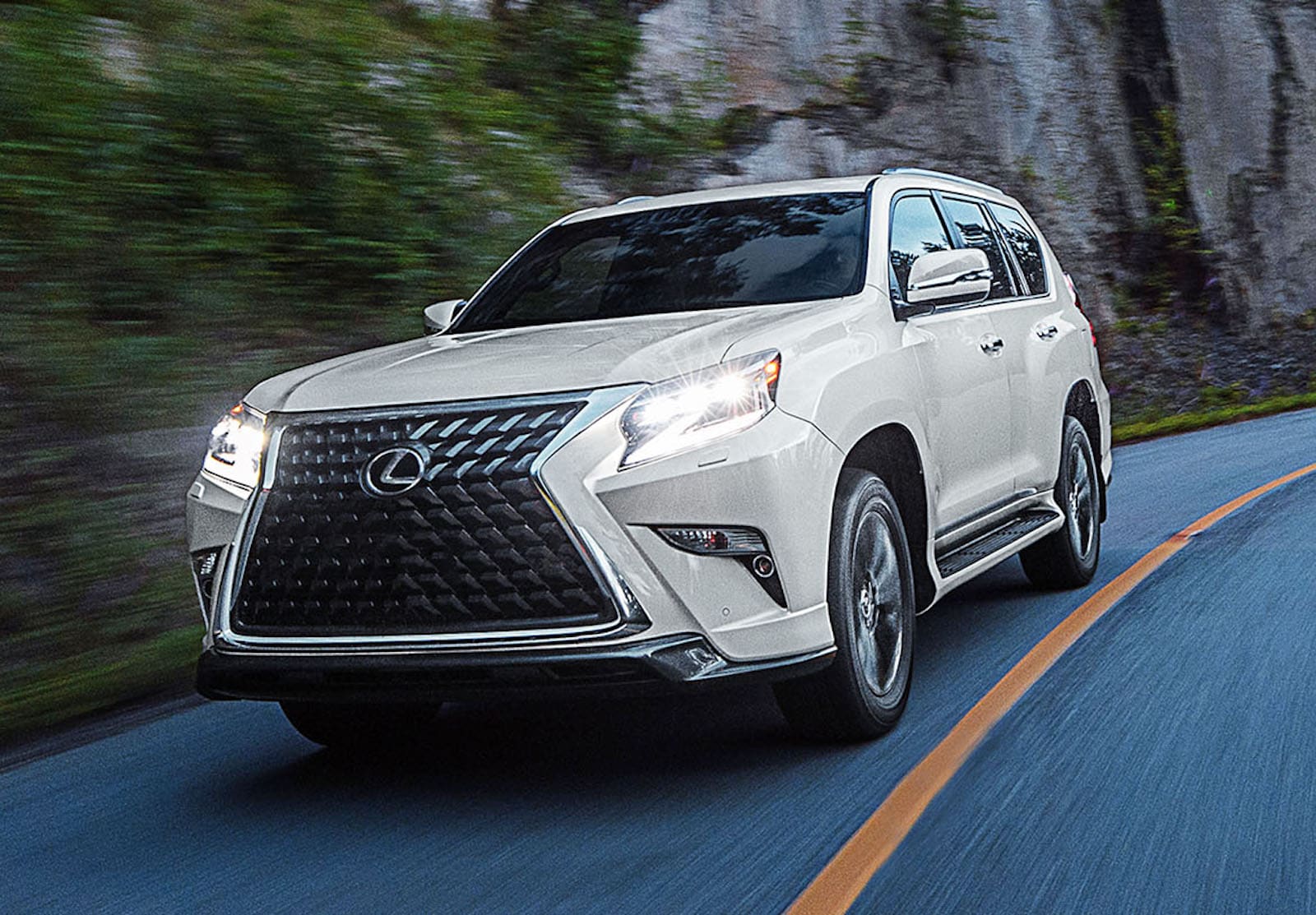
Luxury SUVs typically see heavy depreciation, but the Lexus GX stands out as an exception. Built on the same platform as the Toyota Land Cruiser Prado, the GX combines Lexus-level comfort with Toyota-grade reliability.
Its off-road capability and long lifespan make it a favorite among those who need both refinement and durability. Even used GX models with high mileage hold considerable value, making it one of the smartest luxury SUV buys in the U.S.
The 2018 Subaru WRX stands out as one of the quickest and best-handling compact cars available. While it may not excel in comfort or cabin quietness, it remains an affordably priced performance sedan that’s perfectly suited for everyday driving.
Given Subaru’s long-standing heritage in rally racing, a motorsport often contested over dirt, mud, and gravel, it’s only natural to expect the WRX to have a few rough edges. Yet, the real surprise lies in just how civilized and composed these cars have become.
Both the WRX and the higher-performance WRX STI feature turbocharged four-cylinder engines tuned for spirited performance while maintaining respectable fuel efficiency.
The WRX generates 268 horsepower and returns an EPA-estimated 23 mpg combined with the manual transmission, whereas the STI ups the ante with 305 horsepower and a 19 mpg combined rating.
The WRX also comes well-equipped with modern technology and convenience features, either standard or optional.
These include two multimedia systems, two available audio setups, smartphone app integration, navigation, and driver-assistance systems such as blind-spot monitoring, lane departure warning, and automatic emergency braking.
Combined with supportive seats, a spacious cabin, and excellent outward visibility, the WRX proves to be both a practical daily commuter and a family-friendly performance car.
Still, there’s no denying that the WRX is a noisy, high-energy machine. Cabin noise from the road and vibrations through the chassis are common, particularly in the STI, which feels ready to transition from dealership lot to weekend rally stage without skipping a beat.
In terms of refinement, competitors like the Volkswagen GTI and Ford Focus ST deliver a more polished everyday experience.
To Subaru’s credit, the company claims to have made strides in quieting the 2018 model through the use of thicker glass, improved seals, and added insulation.
However, we’ve yet to test the latest version to determine just how effective those updates are.
8. Chevrolet Corvette
The Chevrolet Corvette has transformed over the years from a pure American muscle icon to a world-class sports car capable of competing with European exotics.
This evolution combined with its relatively accessible price has boosted demand for both new and used Corvettes. The mid-engine C8 model, in particular, has created a frenzy in the resale market, with many buyers paying above MSRP.
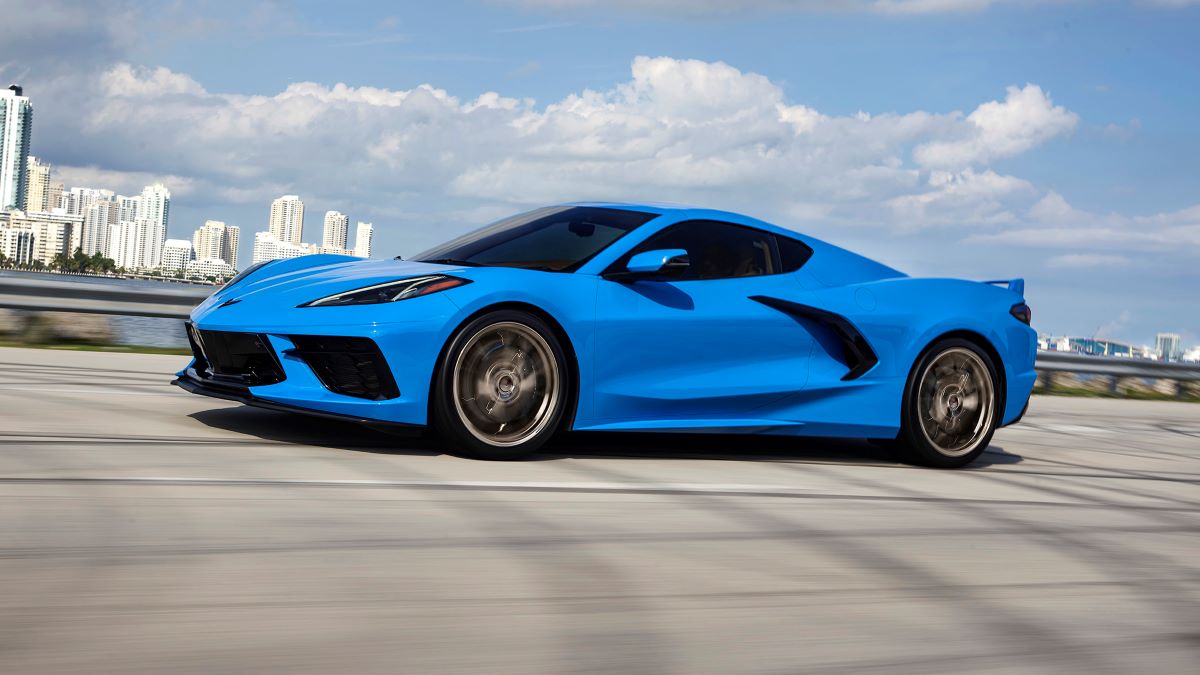
Even older generations like the C6 and C7 continue to hold value due to strong enthusiast interest and low production numbers for certain trims.
For 2020, the Corvette received the most dramatic redesign in its 67-year history.
Convinced that they had extracted every bit of performance possible from the Corvette’s traditional front-engine, rear-wheel-drive configuration, Chevrolet’s engineers opted for a new mid-engine layout to take advantage of its superior weight distribution.
Performance-wise, the Corvette matches or even surpasses vehicles that cost two to three times as much.
Its new 6.2-liter V8 paired with a dual-clutch automatic transmission delivers a formidable combination on the track while still providing ample power and smooth operation in nearly any driving condition.
The 2020 Corvette also communicates more about its handling balance and grip, giving the driver greater confidence when pushing the car to its limits.
Like previous Corvettes, the C8 remains practical for both daily commutes and long-distance travel. Although the overall cargo area is slightly less usable than before, it is still adequate for several pieces of luggage.
The removable targa roof panel for the coupe fits neatly in the rear, and the absence of a front engine allows for a small frunk in the nose.
The interior has been completely redesigned with a sharp, driver-focused layout and high-quality materials throughout. A Corvette convertible is also on the horizon.
The driver-oriented layout restricts access to most controls for the passenger. Additionally, the mid-engine configuration reduces rear visibility, and while Chevrolet has implemented new technology to help, it only partially solves the issue.
Overall, though, these are minor concerns. We are highly impressed with the way the new Corvette turned out.
It’s incredibly fast, exudes an exotic presence, and reinforces what Chevy’s sports car has always excelled at: delivering maximum performance at a reasonable price.
9. Tesla Model 3
Electric cars typically depreciate faster due to rapidly evolving technology, but the Tesla Model 3 has bucked that trend.
As Tesla continues to dominate the EV market, used Model 3s remain in high demand thanks to the brand’s unmatched charging infrastructure, over-the-air software updates, and strong performance.
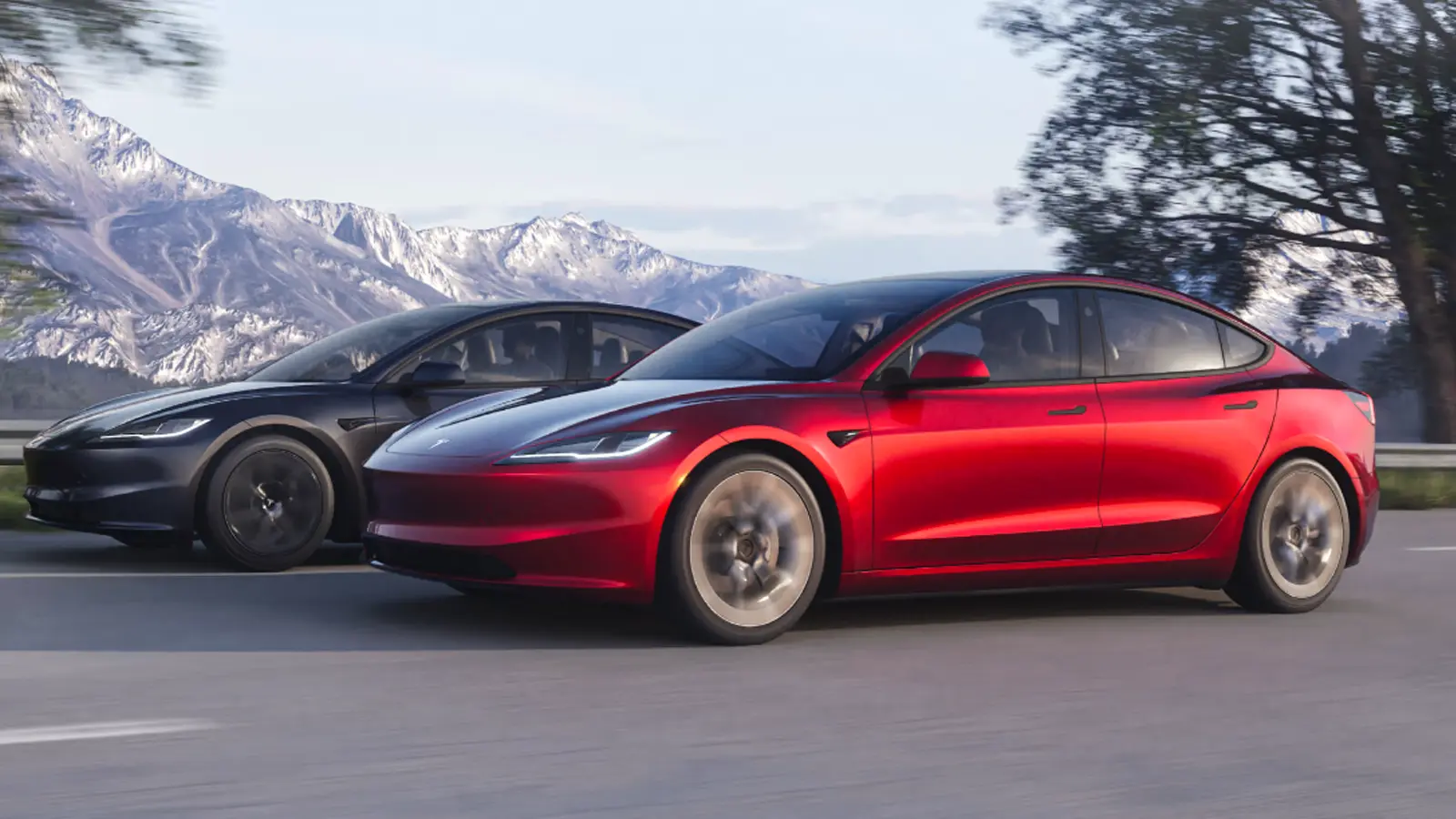
Moreover, Tesla’s brand appeal in the U.S. keeps resale values high compared to competitors like Nissan or Chevrolet. The Model 3 proves that electric vehicles can be both futuristic and financially sound investments.
10. Ford Bronco
The modern Ford Bronco has quickly established itself as a collector’s favorite and resale superstar. After a 25-year hiatus, Ford reintroduced the Bronco in 2021, and demand immediately outstripped supply.
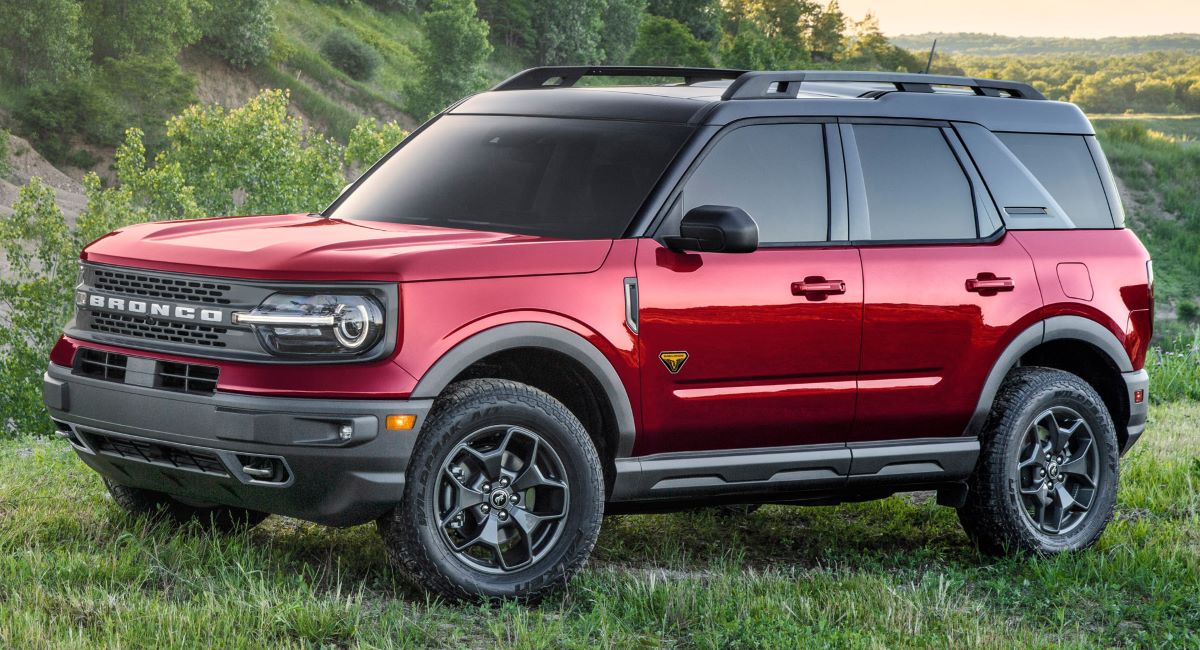
Even now, certain trims like the Raptor or Heritage Edition command above-retail resale prices. Its retro styling, impressive off-road credentials, and customization options have created a devoted fan base.
The Bronco’s combination of nostalgia and modern engineering helps it retain value far better than most SUVs.
The 2022 Ford Bronco delivers a design that evokes nostalgia while balancing civilized on-road behavior with serious off-road capability.
Its versatility is a major reason why Ford’s rugged SUV has become such a standout.
While the Jeep Wrangler has long dominated the off-road segment as the go-to SUV for buyers seeking genuine trail-ready credentials, even if their adventures never extend beyond a gravel path, the Bronco offers similar flexibility.
It comes with a convertible top, two- and four-door configurations, and removable doors. Inside, durable materials and a straightforward layout pay homage to the original, classic Bronco, though upper trims reveal an interior aesthetic that can feel a bit cheap.
Every Bronco comes with all-wheel drive and a choice between a turbo-four or a twin-turbo V-6. Neither engine excels in fuel economy or produces a particularly refined sound, but both deliver impressive responsiveness and speed.
After its inaugural model year, the 2022 Bronco lineup expands with the addition of the Everglades edition, which builds upon the off-road-focused Sasquatch package.
Along with distinctive visual touches, including a unique Desert Sand paint color, the Everglades features a snorkel air intake, a Warn winch rated for up to 10,000 pounds, and 17-inch rims wrapped in 35-inch tires.
However, it is limited to the four-door body style and is powered exclusively by the 300-hp turbo-four engine. Unfortunately, this engine pairs only with the 10-speed automatic transmission, as the seven-speed manual is unavailable.
Ford has also launched a $2,505 Hoss 3.0 package for the Wildtrak trim, adding stronger Fox adaptive dampers and other chassis upgrades, though it is currently restricted to reservation and unscheduled order holders.
The base two-door Bronco is priced just above $32,000, but costs rise quickly with higher trims. Our recommended setup is a four-door model with the more powerful engine and full off-road equipment, pointing toward the Wildtrak.
This trim comes standard with 17-inch beadlock-capable wheels and massive 35-inch mud-terrain tires, fully embracing the Bronco’s off-road heritage.
The Bronco does not offer an eight-cylinder engine. Instead, buyers can choose a 300-hp turbocharged 2.3-liter four-cylinder as standard or an optional 330-hp twin-turbo 2.7-liter V-6.
Both engines are paired with a 10-speed automatic transmission, though the seven-speed manual is only available with the smaller four-cylinder.
Neither engine delivers an enthusiastic exhaust note. All Broncos feature all-wheel drive, and the independent front suspension is more sophisticated than the Wrangler’s solid front axle.
Initial driving impressions show that the Bronco impresses with on-road refinement. Its steering is more precise than the Wrangler’s, and overall handling is more composed.
Naturally, with large tires and softer suspension, there is noticeable brake dive, and the body-on-frame construction is apparent.
Nevertheless, the Bronco excels beyond the pavement, capable of tackling challenging terrain with ease. Both two- and four-door models are rated to tow up to 3,500 pounds, the same as the Wrangler.
11. Honda CR-V
The Honda CR-V remains one of America’s most popular compact SUVs for a reason. It’s dependable, efficient, and offers solid resale value across generations.
Honda’s reputation for building long-lasting engines means used CR-Vs continue to attract families and commuters who want reliability without paying new-car prices.
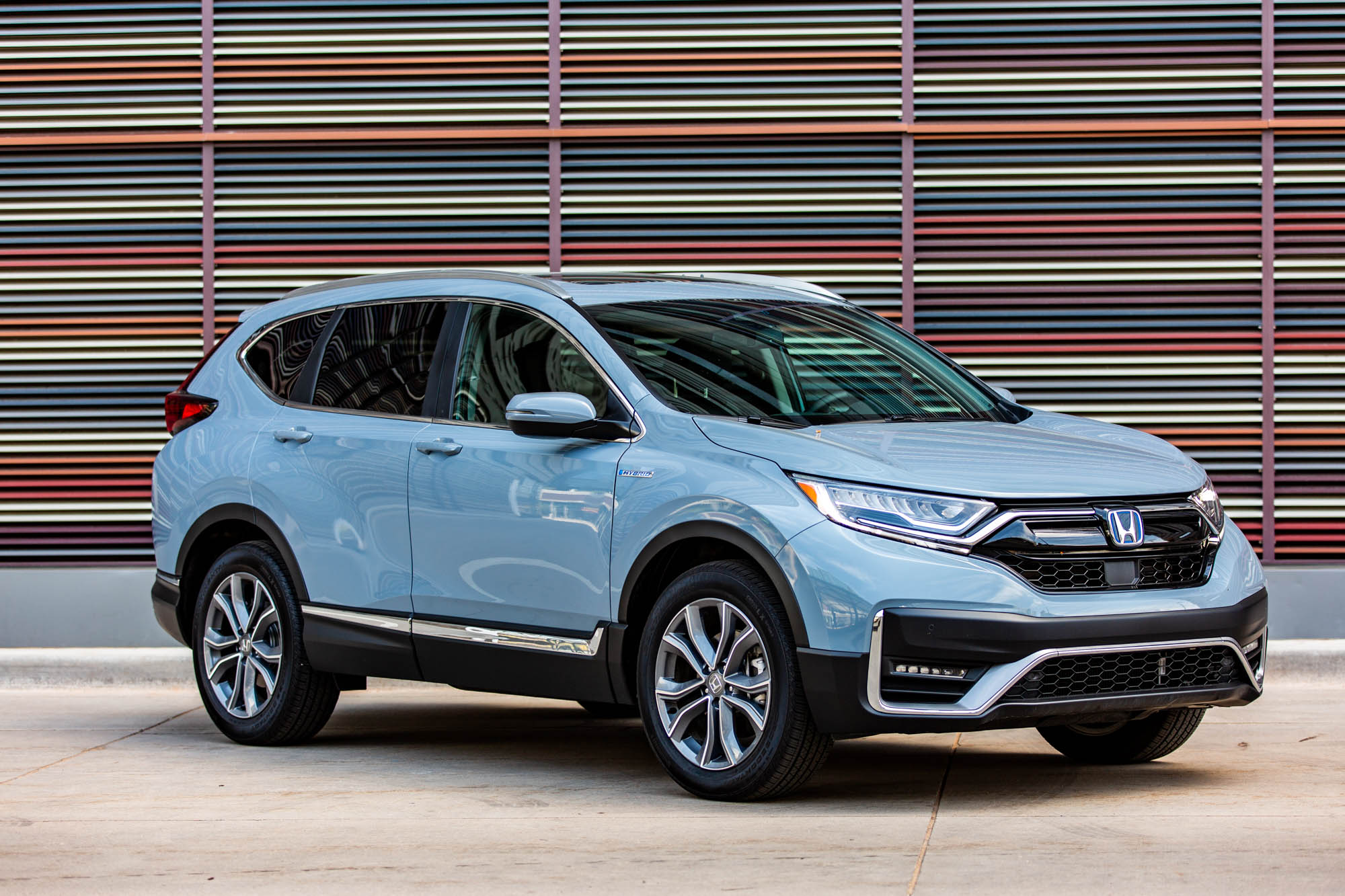
Even after years of ownership, a well-maintained CR-V can sell for a surprisingly high percentage of its original value, especially compared to rivals like the Nissan Rogue or Ford Escape.
12. Toyota Land Cruiser
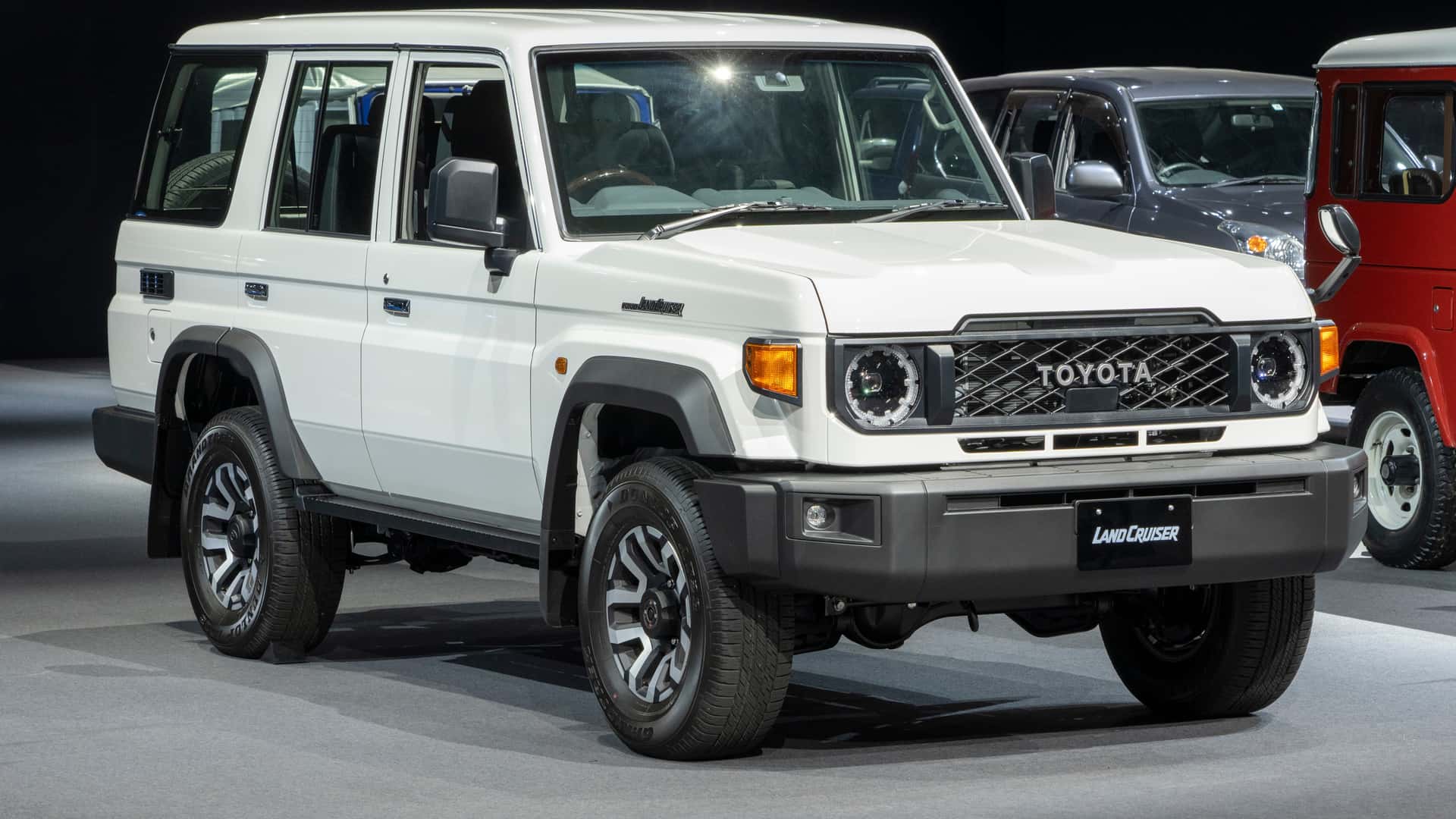
When it comes to vehicles that defy depreciation, the Toyota Land Cruiser is the gold standard. Built for durability and known for conquering extreme environments, the Land Cruiser’s reputation for reliability has made it a global icon.
In the U.S., it’s a rare sight on dealer lots, which drives demand even higher in the used market. Even older models from the early 2000s often fetch astonishing prices due to their long-lasting powertrains and timeless design.
For those who can afford its high upfront cost, the Land Cruiser offers unmatched resale security.
In an auto market where most cars lose half their value within five years, the models above stand apart as exceptions.
Whether it’s Toyota’s unbeatable reliability, Porsche’s enduring prestige, or Tesla’s cutting-edge innovation, each vehicle resists depreciation for distinct reasons.
For American buyers who want to make financially sound decisions without compromising performance or personality, these 12 cars are proof that a great ride doesn’t have to be a bad investment.
