
Listen, buying a truck is like making a commitment. You are putting your money into something that should stick around and serve you faithfully through thick and thin. But here is where things get tricky: some trucks are built like they will outlive your great-grandchildren, while others start showing their age before you have even finished paying them off.
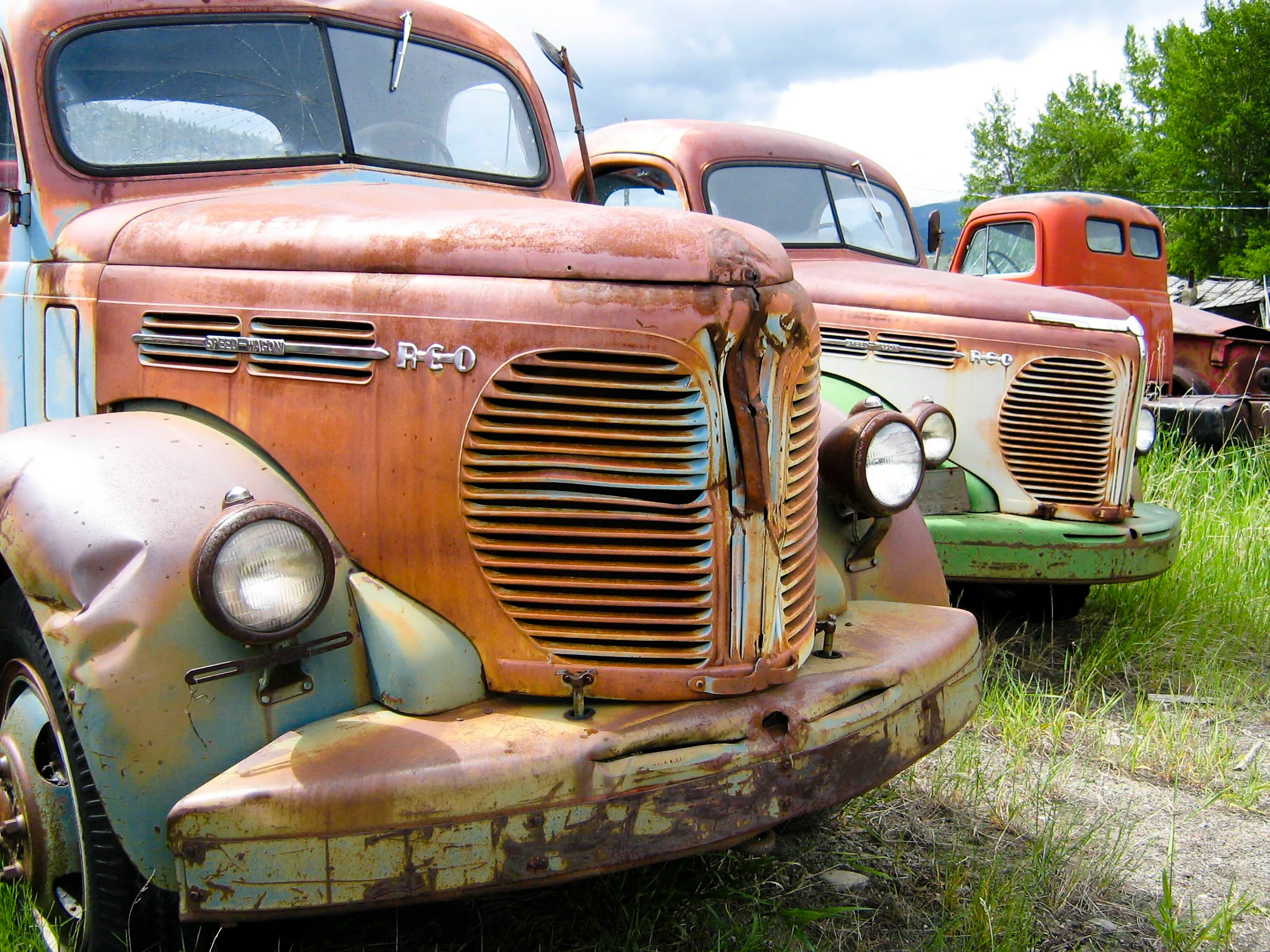
Rust and corrosion are the silent killers that turn your shiny investment into a crumbling disappointment. If you have spent any time around vehicles, you know that nothing kills a good truck faster than oxidation eating away at its body panels and underbody like some hungry monster.
Funny enough, it is usually a combination of all these factors working together. Some manufacturers have spent decades perfecting their rust-prevention techniques, while others seem to have barely cracked open the instruction manual on how to protect their vehicles from the elements.
This page exists because you deserve to know which trucks will keep running strong through rain, snow, salt, and everything that nature throws their way. We are going to walk you through five trucks that genuinely laugh at rust like it is some kind of joke, and then we will flip the script and show you five that will start developing corrosion problems faster than you can say “maintenance schedule.”
By the end of this journey, you will have a clear picture of where your money should go if longevity matters to you. Whether you are a first-time truck buyer or someone who has been in this game for years, this information will help you make a choice you will not regret.
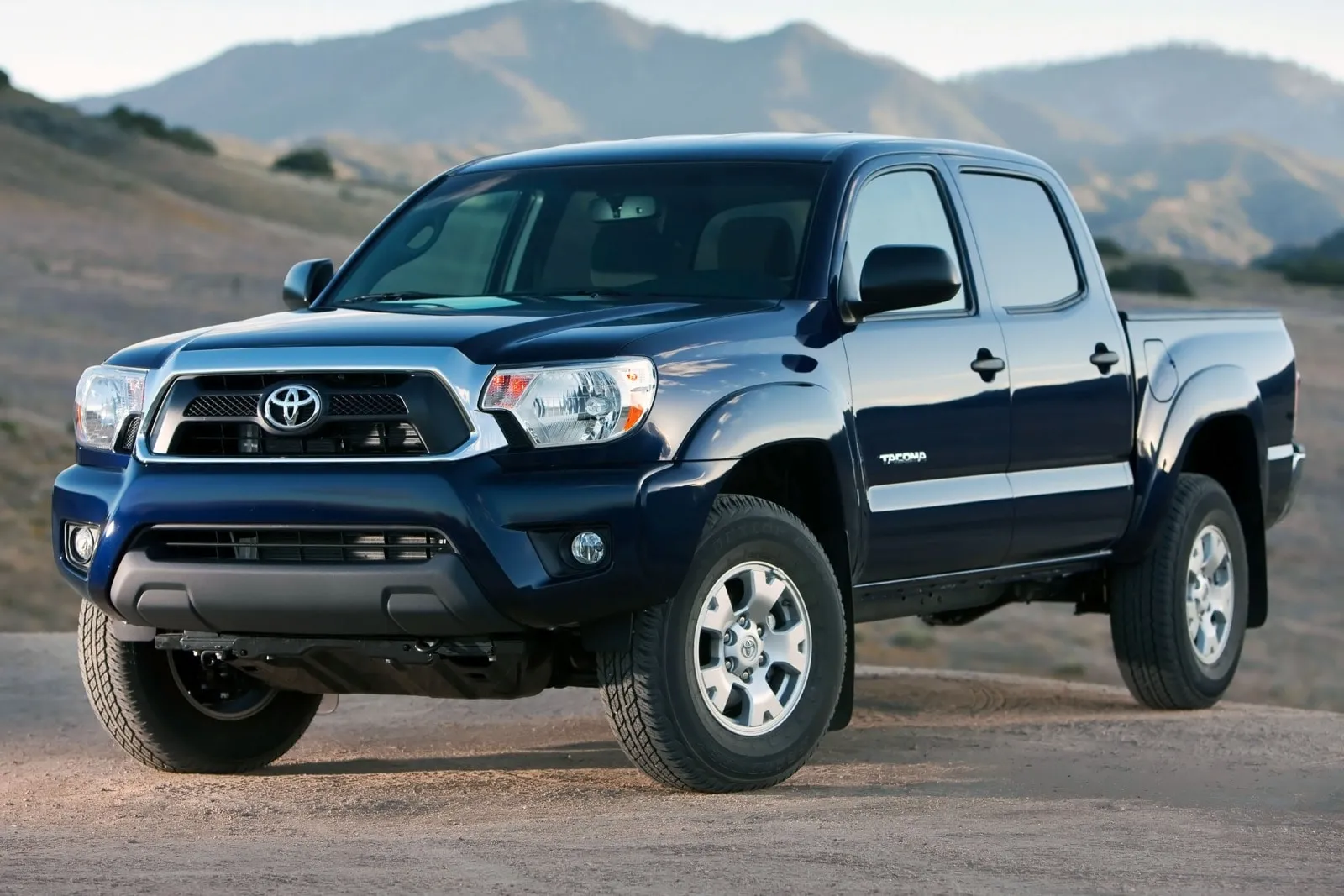
1. Toyota Tacoma (2015-Present Model)
Toyota has built its empire on the foundation of reliability, and the Tacoma is proof of this commitment. This mid-size truck refuses to surrender to rust the way its competitors do, and there are solid reasons for this stubborn resistance to corrosion. First, Toyota uses a higher-grade steel in major areas of the Tacoma’s frame and body.
They do not cut corners on this part. When you get under the truck and inspect the frame, you will notice that the welds are clean, the paint coverage is thick, and the protective coatings are applied with surgical precision.
One of the standout features of the Tacoma is its actual approach to rust prevention. Toyota applies a multi-layer protection system that starts from the factory floor.
Before any paint touches the metal, they spray the frame with a water-resistant wax-based compound. This is not some cheap afterthought. This is a calculated decision to ensure that moisture does not find its way into crevices and start its destructive work.
After this base layer, they apply multiple coats of epoxy and urethane paint that bond tightly to the steel. Multiple owners who have owned Tacomas for over ten years in harsh climates report that their trucks still look and perform like they have just rolled off the dealership lot.
Buy a Tacoma, and you are buying peace of mind. Sure, nothing lasts forever, but this truck comes remarkably close to defeating the odds. Owners in rust-prone regions from the Northeast to the Pacific Northwest have reported minimal corrosion issues even after driving their trucks through countless winters with road salt coating everything in sight.
You will find plenty of YouTube videos showing Tacoma owners washing underneath their trucks and finding zero rust spots, even on vehicles that are pushing fifteen years old. That kind of performance is not accidental. That is engineering excellence meeting quality manufacturing.
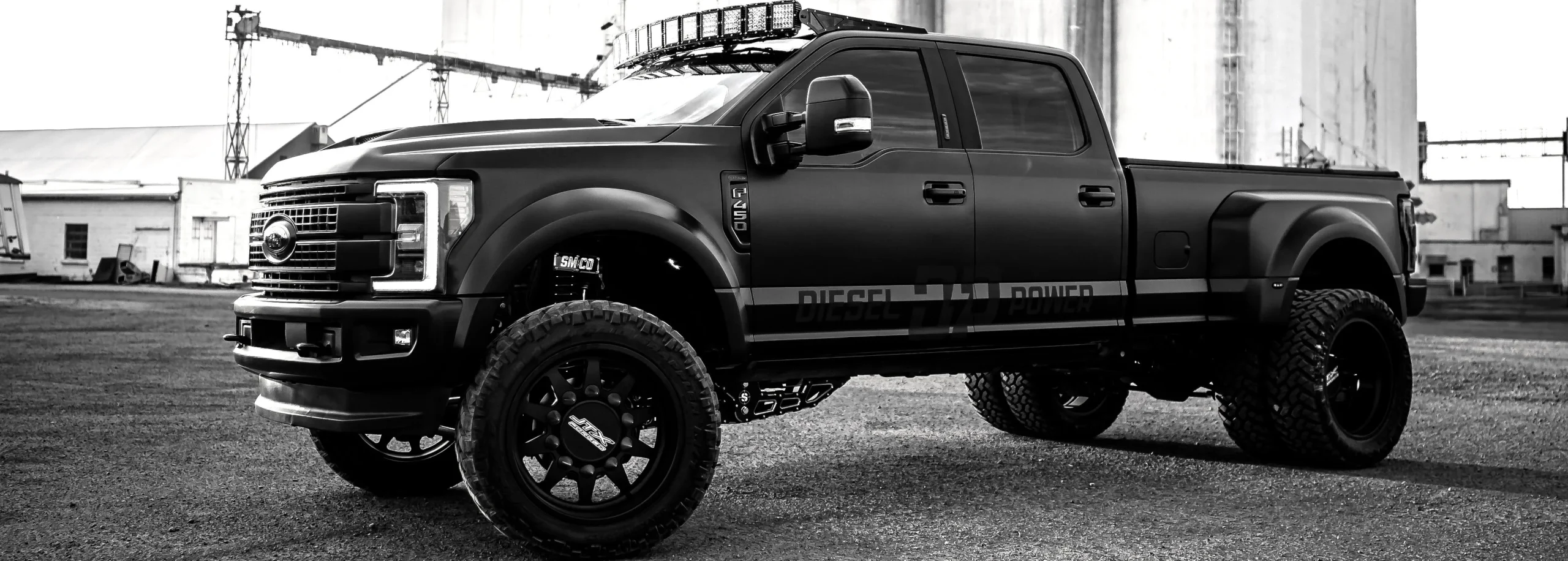
2. Ford Super Duty Series F-250/F-350 (2011-Present Model)
Ford’s heavy-duty lineup has earned a reputation as a workhorse, and their commitment to fighting rust has become legendary among truck enthusiasts and professional contractors. Your Super Duty comes equipped with what Ford calls “Class-Leading” corrosion protection, and for once, a marketing claim actually holds water.
When you compare the underbody of a Ford Super Duty to its competitors from the same year, you will immediately notice the difference in coating thickness and coverage.
Ford uses a proprietary galvanneal coating process that involves applying multiple rust-resistant layers to the steel. Picture this: the raw steel gets dipped in a zinc bath, and then high temperatures bond this protective layer permanently to the metal surface.
This is not paint sitting on top of metal. This is metal that has been chemically treated to become resistant to oxidation. Additionally, Ford applies a water-resistant wax-based undercoating to protect these layers further. Every seam, every joint, every potential water entry point receives attention.
What really sets the Super Duty apart is Ford’s focus on drainage design. Engineers have made sure that water cannot pool anywhere under the truck. Drain holes are strategically placed so that moisture naturally flows away from vulnerable areas.
Compare this to trucks, where water sits in frame pockets and slowly begins its destructive work over months and years. You will find thousands of Super Duty owners who live in snow states and coastal regions where salt and moisture are constant threats, yet their trucks are still running strong after twelve, fifteen, or even twenty years with minimal corrosion.
Also Read: 12 Trucks That Ride Smoother Than Luxury Cars
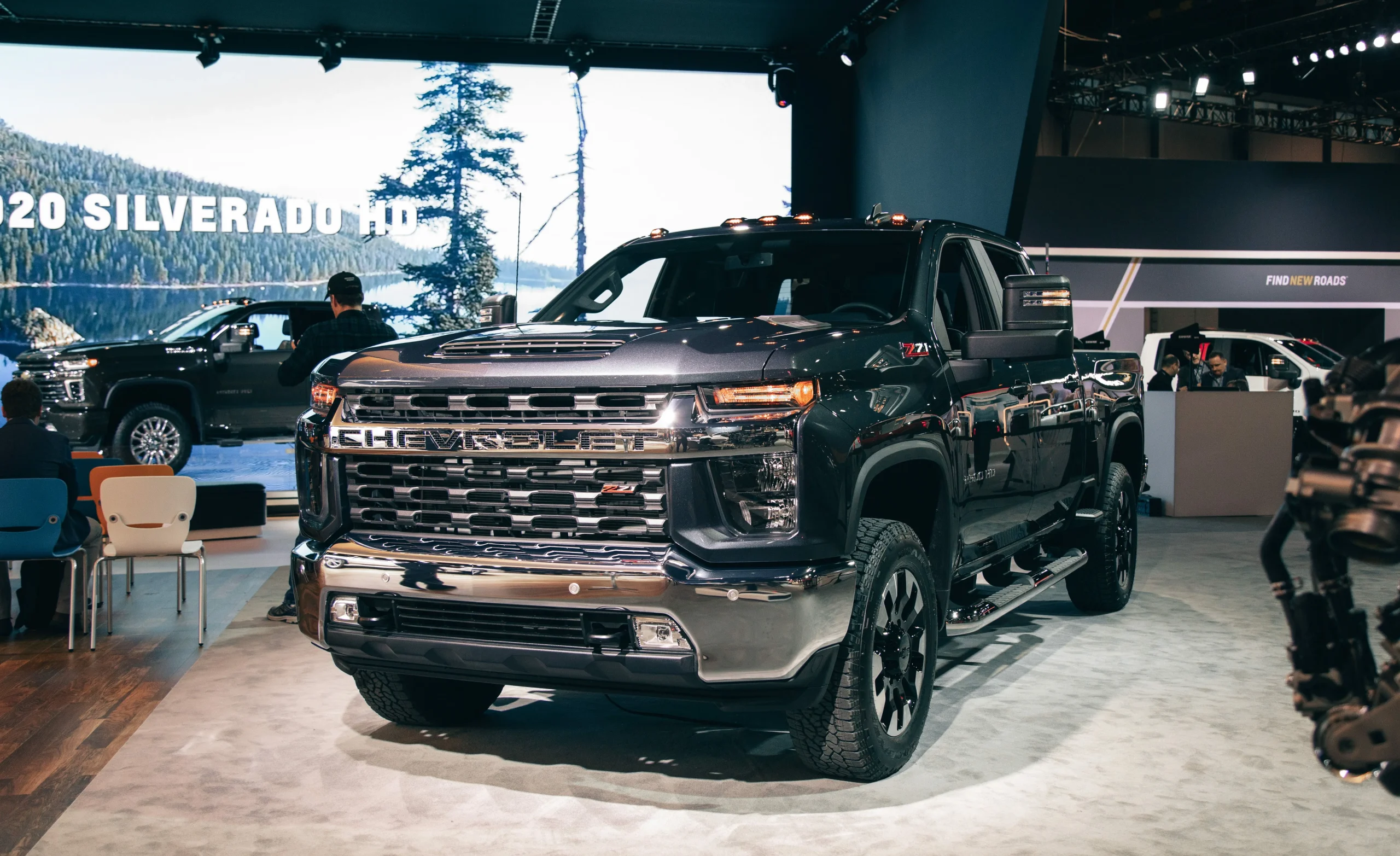
3. Chevrolet Silverado 2500 HD (2020-Present Model)
Chevrolet’s newest generation of heavy-duty trucks brought substantial improvements to rust resistance that earlier models simply did not have.
Engineers at Chevrolet decided to stop accepting rust as an inevitable reality and instead designed the Silverado 2500 HD with steel and protective coatings that fight back against corrosion from day one. When you look at side-by-side comparisons between the 2020 model and previous generations, the improvement is undeniable.
Chevrolet uses a combination of advanced high-strength steel in critical areas and hot-dip galvanized components throughout the frame. Hot-dip galvanizing is an industrial process where steel is submerged in molten zinc at over 800 degrees Fahrenheit.
When the steel cools, it has a permanent protective barrier that essentially becomes part of the metal itself. Unlike paint that can chip and scratch, this galvanized layer regenerates to some degree when scratched, as the zinc oxidizes instead of allowing rust to form on the underlying steel.
Getting into specific details here, Chevrolet also added sealed joints and multiple layers of protective coating in the 2020-and-newer generation. Every weld gets inspected, and the factory applies sealant that prevents moisture from entering these critical connection points.
Owners of new Silverado 2500 HD trucks report that even after their first winter driving through salted roads, the underbody remains clean and protected. The truck costs more than some competitors, but the investment pays dividends when you are still driving the same truck eight or ten years later without major rust remediation costs.
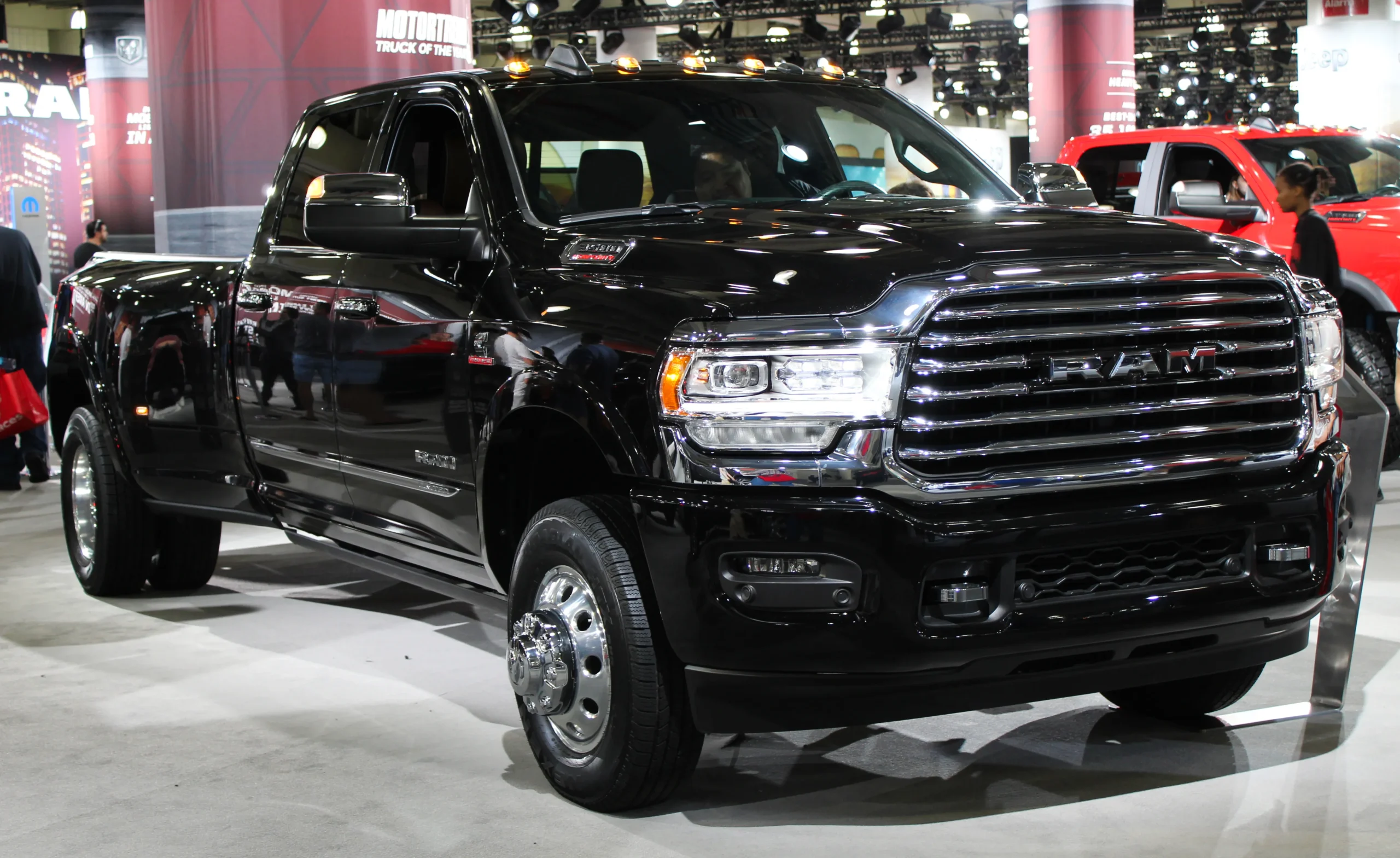
4. Ram 2500 Heavy Duty (2019-Present Generation)
Ram has been making serious waves in the heavy-duty truck market by putting real effort into durability, and their rust prevention strategy reflects this commitment.
Your new Ram 2500 comes with Chrysler’s proprietary corrosion protection system that combines sealed frame construction with multiple protective coatings. The company recognized that truck owners were getting frustrated with premature corrosion issues, so they invested heavily in changing this story.
What makes Ram’s approach distinctive is their focus on sealed construction. Rather than leaving gaps where moisture can creep in, Ram’s engineering team designed frame components with sealed sections that prevent water from becoming trapped inside cavities where it would otherwise cause rust from the inside out.
This is actually brilliant thinking because internal rust is often worse than external rust. You cannot see it developing, and by the time you discover it, huge damage has already been done. Ram’s sealed design stops this problem before it starts.
Add to this the hot-dip galvanized components and the multi-layer paint system, and you get a truck that actively fights corrosion rather than simply accepting it as inevitable. Ram 2500 owners who live in areas where winter road salt is standard report that their trucks maintain excellent condition even after years of exposure.
The commitment Ram has shown to this quality metric suggests that the company understands its customer base wants trucks that last, not vehicles that become increasingly disappointing investments as time goes on.
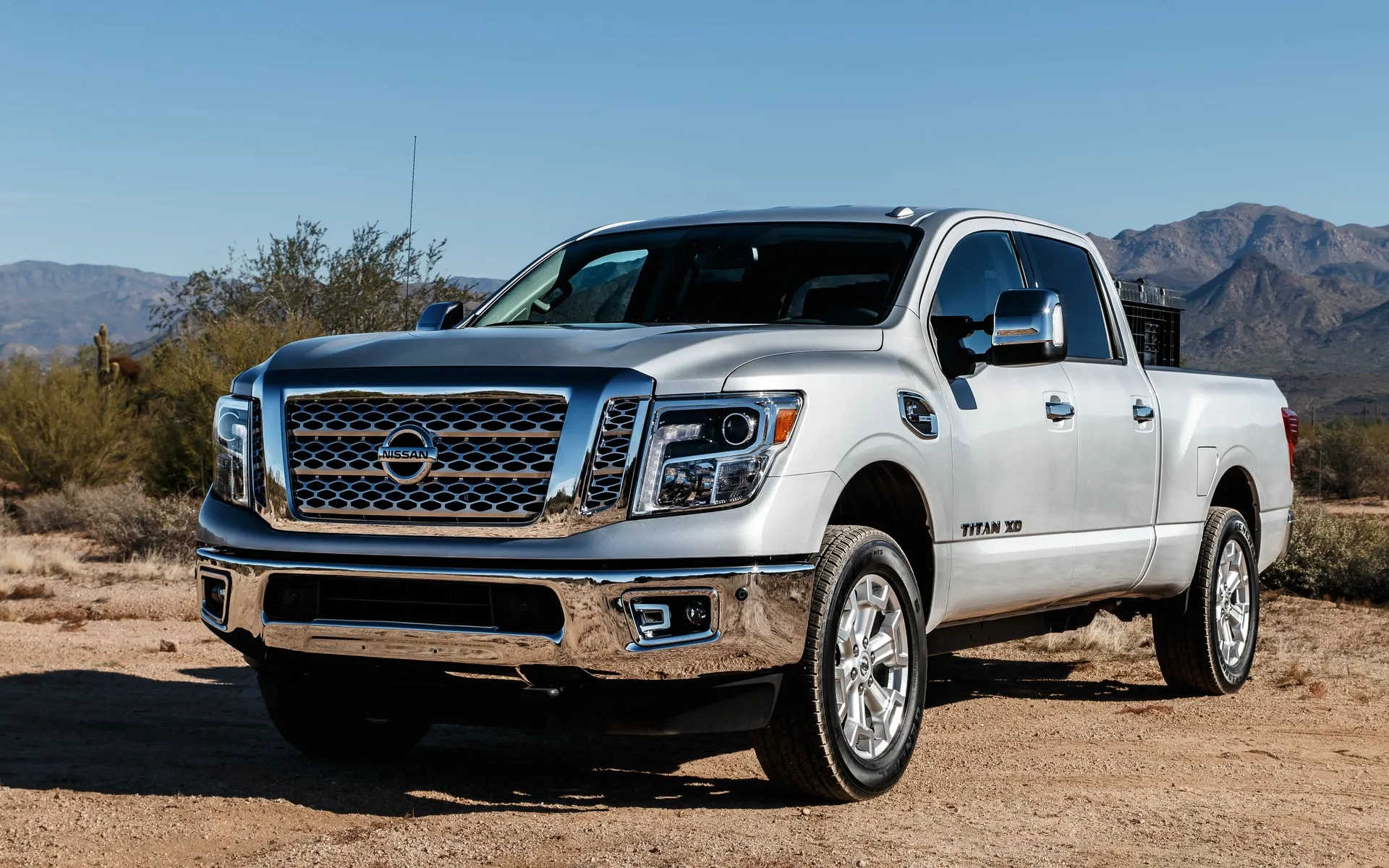
5. Nissan Titan XD (2016-Present Model)
Nissan’s Titan XD comes as a refreshing alternative for truck buyers who want something different from the typical American heavy-duty options, and this truck brings serious rust-fighting credentials to the table.
Nissan has engineered the Titan XD with comprehensive corrosion protection that puts many of its competitors to shame. You get a truck that combines Japanese attention to detail with American truck capability, and the rust resistance reflects this Japanese engineering philosophy.
Nissan applies a zinc-rich epoxy primer beneath all paint layers on the Titan XD, creating a barrier that actively prevents rust formation. Zinc does something clever: when it oxidizes, it creates a protective layer that actually slows down corrosion of the underlying steel.
This is science at work, not just wishful thinking. Beyond this primer, Nissan uses sealed frame construction and applies wax-based protective coatings to internal surfaces where moisture might otherwise accumulate.
Owners of Titan XD trucks report that their vehicles maintain excellent condition even in harsh climates. Because Nissan does not enjoy the same massive market share as Ford or Chevrolet in the heavy-duty segment, you hear less about the Titan XD in general conversation, but owners who have chosen this truck consistently report satisfaction with its durability and resistance to corrosion.
Buyers looking for something outside the mainstream should definitely consider what Nissan brings to the table here. You are getting proven Japanese reliability combined with truck capability that does not disappoint.
Trucks That Seem Determined To Rust
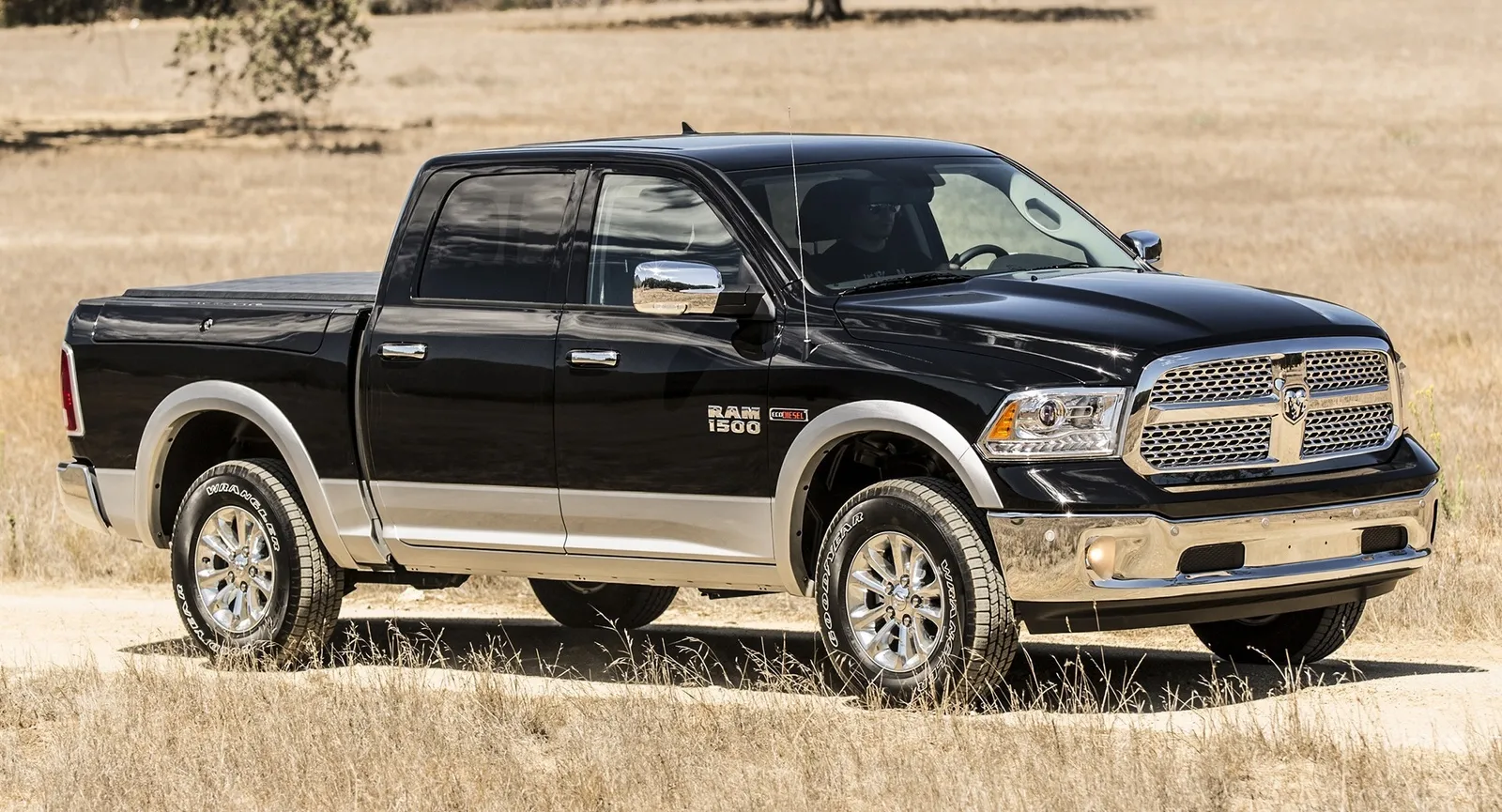
1. Dodge Ram 1500 (2009-2018 Model Generation)
Now, let us move gears and talk about trucks that seem determined to rust before they reach their prime. Dodge’s first-generation Ram 1500 (2009-2018) carries a reputation that precedes it, and unfortunately, that reputation involves premature rust and corrosion that becomes visible far earlier than anyone would hope.
If you dig through truck forums and owner reviews, you will find countless stories from Ram 1500 owners who discovered serious rust issues on trucks that were barely five or six years old.
What went wrong with this generation? Part of the problem stems from Dodge’s paint quality and application during this period. Multiple owners report that the paint seemed thin, and it began chipping and peeling with surprising ease.
Once the paint fails, the underlying metal becomes vulnerable, and rust begins its relentless march. Combine this with frame construction that did not incorporate adequate protective coatings, and you have a recipe for corrosion problems that pile up quickly.
One particular issue that plagued this generation was water intrusion around the windows and doors. Owners reported that water would accumulate in places where it should have drained away, leading to rust formation in areas you would not typically expect.
By year seven or eight, many of these trucks needed major body work or frame repair to address corrosion damage that had developed. For a vehicle that should have had a much longer lifespan before major structural issues appeared, this performance was disappointing.
Resale values on this generation of Ram 1500 suffered considerably as buyers learned about these corrosion problems through word-of-mouth and online forums.
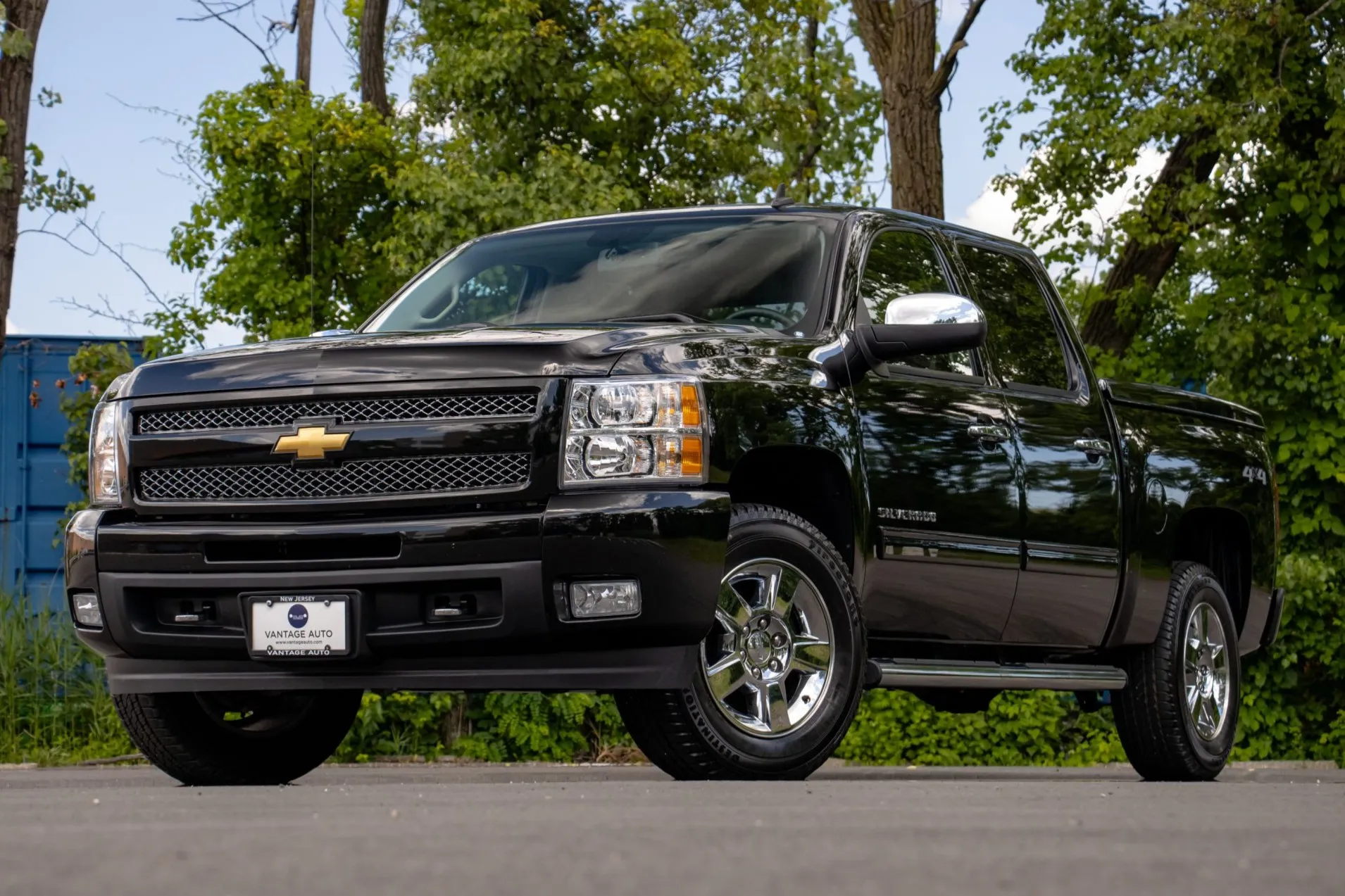
2. Chevrolet Silverado 1500 (2007-2013 Model Generation)
Chevrolet’s Silverado 1500 from the 2007-2013 era has become something of a cautionary tale when it comes to rust resistance, and owners who purchased these trucks during this period often express regret.
Factory corrosion protection on this generation was not adequate for the realities of harsh winter driving or coastal exposure. You will find numerous owners who discovered huge rust issues on their trucks well before they expected such problems to appear.
Paint adhesion was a particular weakness during this generation. Multiple owners report that the paint seemed not to stick properly to the metal, creating conditions where moisture could get between the paint and the steel, causing accelerated rust formation from beneath the surface.
This type of rust is especially frustrating because you cannot prevent it through regular washing and maintenance. By the time you notice bubbling paint or surface rust spots, internal damage may have already progressed even more.
Another issue specific to this generation involved inadequate sealing of the frame and body seams. Water would find its way into areas that should have been sealed, accumulate, and then slowly eat away at the metal as time goes on.
Owners in northern climates who drove through winters with heavy road salt application reported serious underbody rust after just six or seven years. Some trucks became so compromised structurally that safety became a concern before the vehicles reached ten years old. Buyers looking at used models from this generation should have their trucks professionally inspected for rust before committing to a purchase.
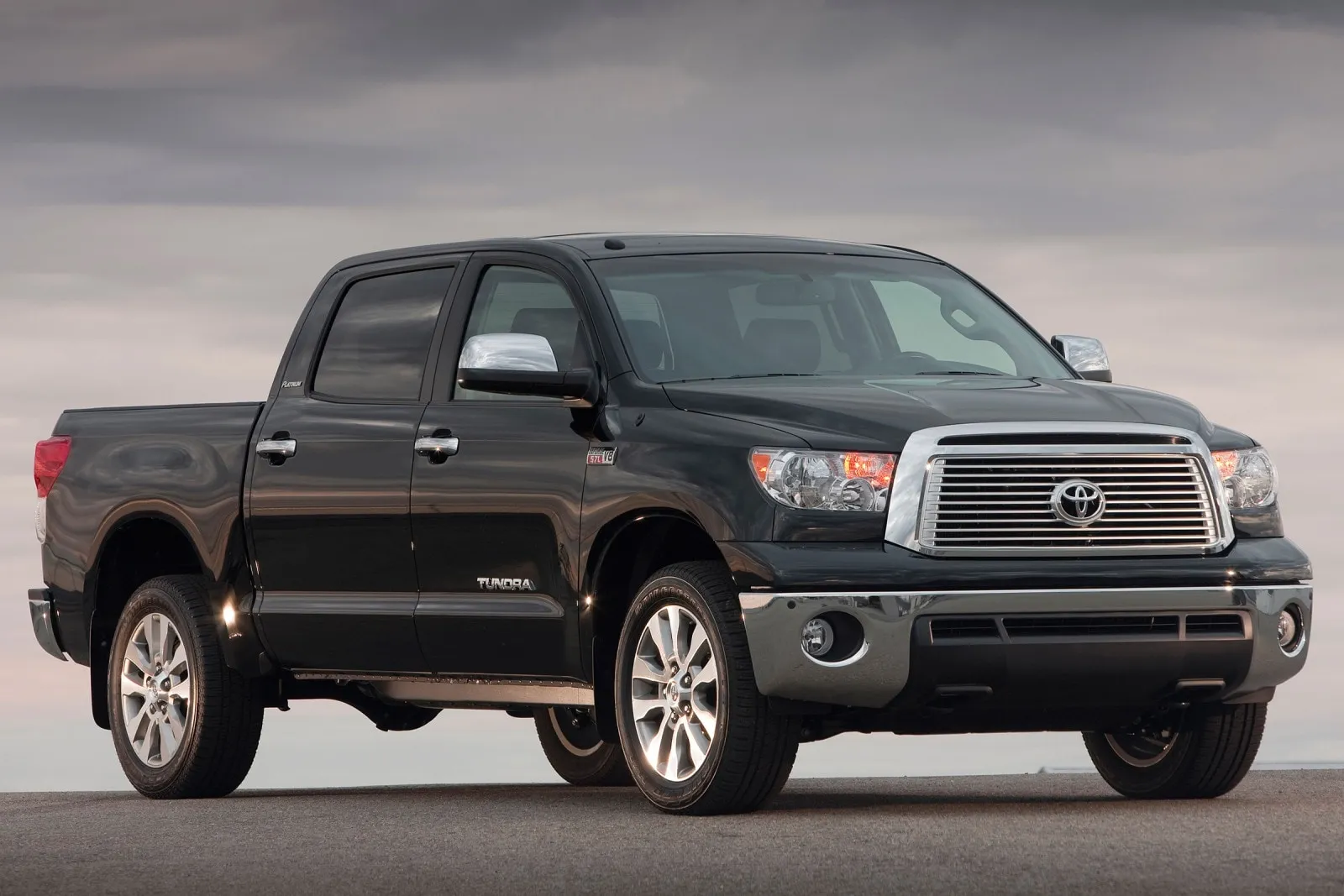
3. Toyota Tundra (2007-2021 Model Generation)
This might surprise some people, given Toyota’s sterling reputation for reliability, but the Tundra from 2007 through 2021 has shown surprising vulnerability to rust and corrosion issues.
While Toyota’s Tacoma mid-size truck earned praise for fighting off rust, its full-size Tundra has not enjoyed the same success, and owners have been vocal about their disappointment. This is an interesting case where a manufacturer’s reputation in one area did not translate to the same performance in another category.
What caused this apparent inconsistency? Investigations and owner reports point to insufficient protective coatings on the Tundra’s frame and underbody during this generation. Toyota seemed to have invested less in corrosion protection for the Tundra compared to what they applied to the smaller Tacoma.
Owners who subjected their Tundras to harsh climates found that rust appeared earlier than logic and Toyota’s brand reputation would suggest. Surface corrosion started appearing on some trucks within four or five years, which is genuinely disappointing for a vehicle bearing the Toyota name.
One frustration that Tundra owners have expressed involves Toyota’s handling of rust-related warranty claims. Even when corrosion appeared within what seemed like reasonable timeframes for a vehicle that should last decades, owners found that warranty coverage was limited or nonexistent.
This disconnect between Toyota’s reputation and the Tundra’s actual rust resistance created a credibility gap for the brand during this generation. Potential buyers considering a used Tundra from this era should absolutely factor in professional rust inspection as part of their due diligence.
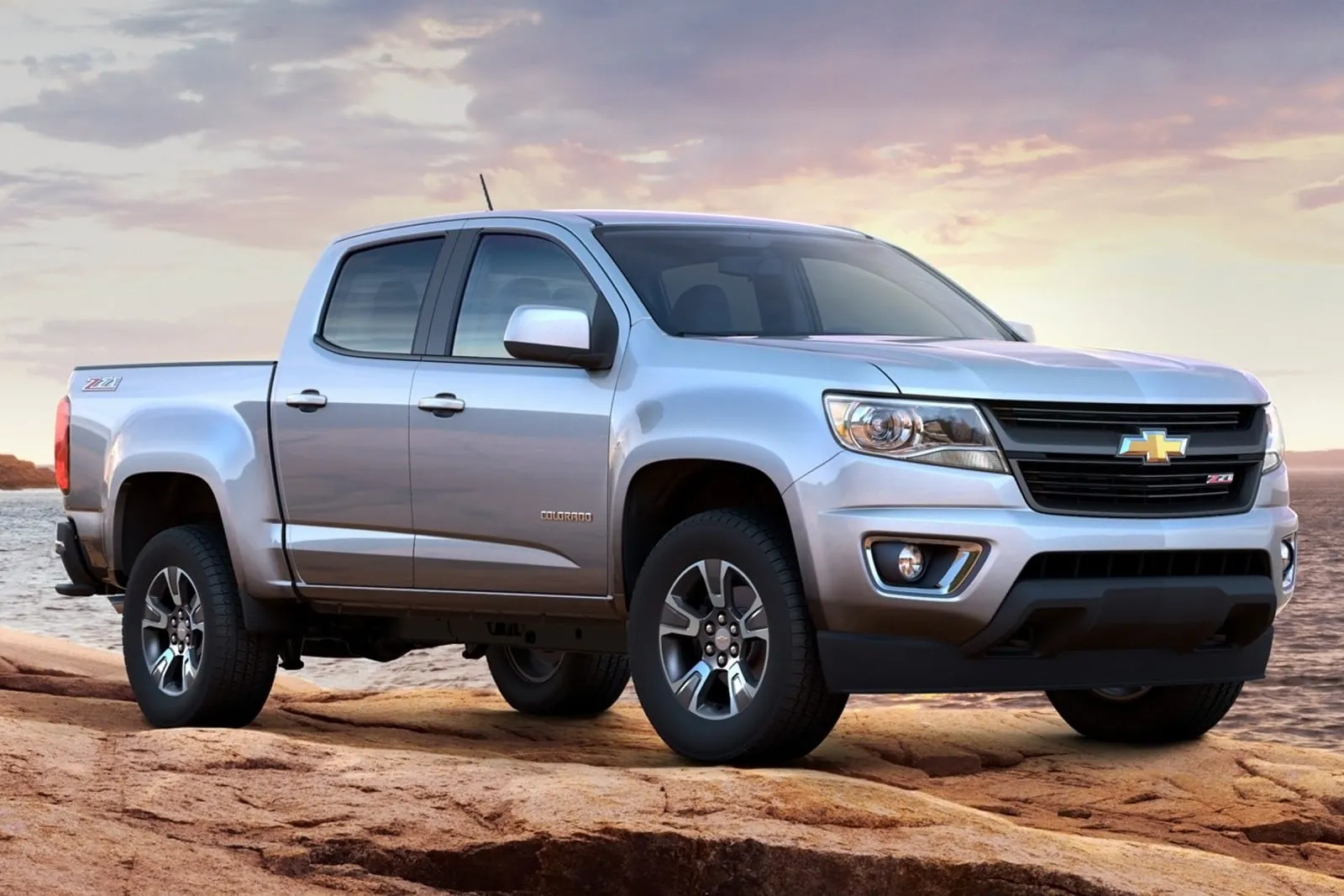
4. Chevrolet Colorado (2015-2019 Model Year Range)
Chevrolet’s Colorado mid-size truck gained considerable popularity with buyers looking for something smaller than a full-size pickup, but this truck has developed a reputation for rust that is not particularly flattering.
Multiple Colorado owners have reported corrosion issues appearing faster than they would have anticipated, especially in trucks that were only four or five years old. When you purchase a newer vehicle, you do not expect to be dealing with rust concerns so quickly.
Inadequate undercoating and protective coating application on the Colorado appears to be part of the problem. Owners who have inspected their trucks’ underbodies report that the protective coating seems thin and does not provide adequate defense against road salt and moisture.
One owner from Michigan reported finding rust on his Colorado’s frame after his third winter, which is simply too early for corrosion to be such an issue. Frame rust at this stage suggests insufficient factory protection rather than a product of extreme abuse or negligence.
Another troubling aspect involves Colorado’s reputation in owner communities. If you spend time in truck forums or on Reddit, where people discuss vehicles, you will encounter Colorado owners who are frustrated with corrosion development on their trucks.
This consistency of complaint across multiple owners and regions suggests a systematic issue rather than isolated cases of poor luck or bad maintenance. Buyers considering a Colorado should be aware of this reputation and factor potential rust remediation costs into their purchasing decision.
Also Read: 12 Trucks That Rarely See Frame Rot While Sitting For Years
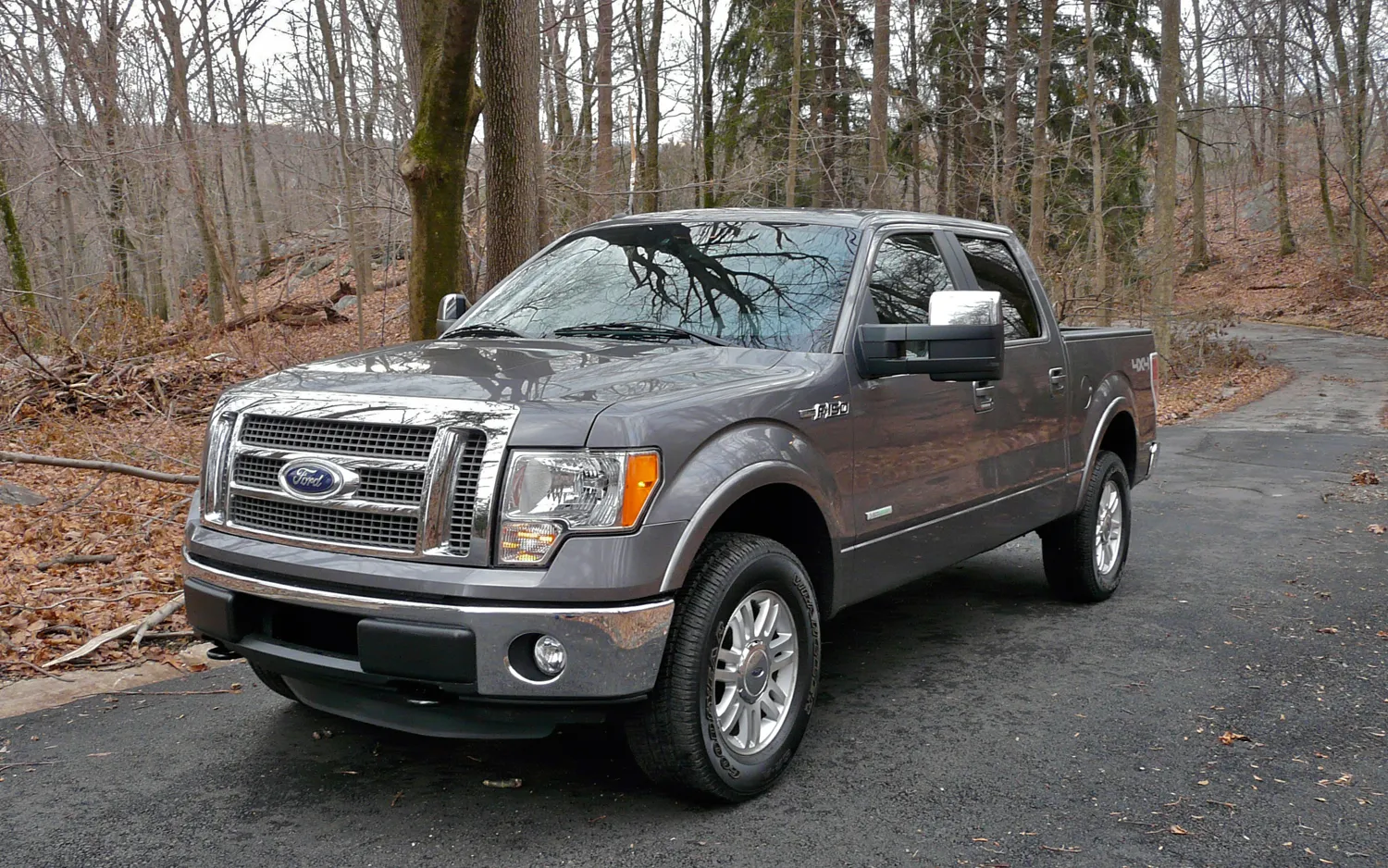
5. Ford F-150 (2009-2014 Model Generation)
Ford’s incredibly popular F-150 had a rough period during the 2009-2014 generation when it came to rust resistance. While Ford’s Super Duty heavy-duty trucks earned praise for corrosion protection, the light-duty F-150 from this era did not enjoy the same advantage.
Many F-150 owners from this generation have shared stories of premature rust development that did not match their expectations for a vehicle from such a prestigious manufacturer. Paint quality issues plagued this generation of F-150. Owners reported that paint would bubble, peel, and chip with unsettling frequency, creating entry points for moisture and rust formation.
Once the protective paint layer failed, the underlying steel became exposed to the elements, and corrosion would develop relatively quickly. Combine this with frame protection that many owners felt was inadequate, and you get a situation where rust became an unwelcome guest well before anyone would have hoped.
Resale values on this generation of F-150 suffered considerably when buyers learned about the corrosion issues affecting so many vehicles. This particular generation became something of a lesson in how even famous truck manufacturers can miss the mark when it comes to durability.
Used F-150s from this era may be cheaper than newer models, but potential buyers need to understand that the lower price often reflects the rust problems that plague these vehicles. Professional inspection before purchase is essential for anyone considering a 2009-2014 F-150.
Your choice between trucks that fight rust and trucks that surrender to it will impact your long-term satisfaction and your wallet. Spending a bit more money upfront on a truck with genuine corrosion protection might save you thousands in repairs and accelerated depreciation down the road.
Trucks like the Toyota Tacoma, Ford Super Duty, Chevrolet Silverado 2500 HD, Ram 2500, and Nissan Titan XD represent manufacturers who understand that rust prevention is not an afterthought but rather a fundamental aspect of truck design and manufacturing.
Knowing which trucks have struggled with corrosion helps you avoid costly mistakes. The Dodge Ram 1500 of that era, the Chevrolet Silverado 1500 from 2007-2013, the Toyota Tundra of recent years, the Chevrolet Colorado, and the Ford F-150 from 2009-2014 all carry reputations for developing rust sooner than their owners would prefer.
This information is not meant to shame manufacturers but rather to provide you with honest information that you can use to make intelligent purchasing decisions.
