
Picture this: a truck sitting in a driveway with over 500,000 miles on the odometer, yet it still starts up on cold mornings like it is a brand-new machine fresh from the factory. Sound impossible? It is not.
Across the world, thousands of vehicle owners are living this exact reality because they own cars and trucks powered by engines that refuse to quit. These are not mythical machines conjured from imagination. These are real power plants that have been engineered so well, so thoughtfully, that they laugh in the face of time and wear.
What makes an engine legendary is not some mysterious magic or divine intervention. It comes down to smart engineering, quality materials, and a manufacturer’s genuine commitment to building something that lasts.
Some companies understand this from the ground up. They design engines that can handle a million miles if treated with basic respect. Other manufacturers seem content to build engines that will get you from point A to point B, and if they last beyond the warranty period, well, that is just a bonus.
You might have heard stories about trucks with engines that go 300,000 miles, 400,000 miles, or even hit the million-mile mark. These are not urban legends or exaggerations. These stories are real, and they happen because certain engine designs are simply built differently.
When you understand which engines possess this staying power, you gain knowledge that can save you thousands of dollars in repair costs and keep you from making a vehicle purchase you will regret.
This journey through legendary engines will show you which powerplants have earned their place in automotive history through sheer performance and reliability. You will discover the technology behind their durability, the manufacturers who created them, and the stories from real owners who have pushed these engines to their limits and watched them keep going.
After reading through this page, you will understand why some engines become legends while others fade into obscurity within a few years.
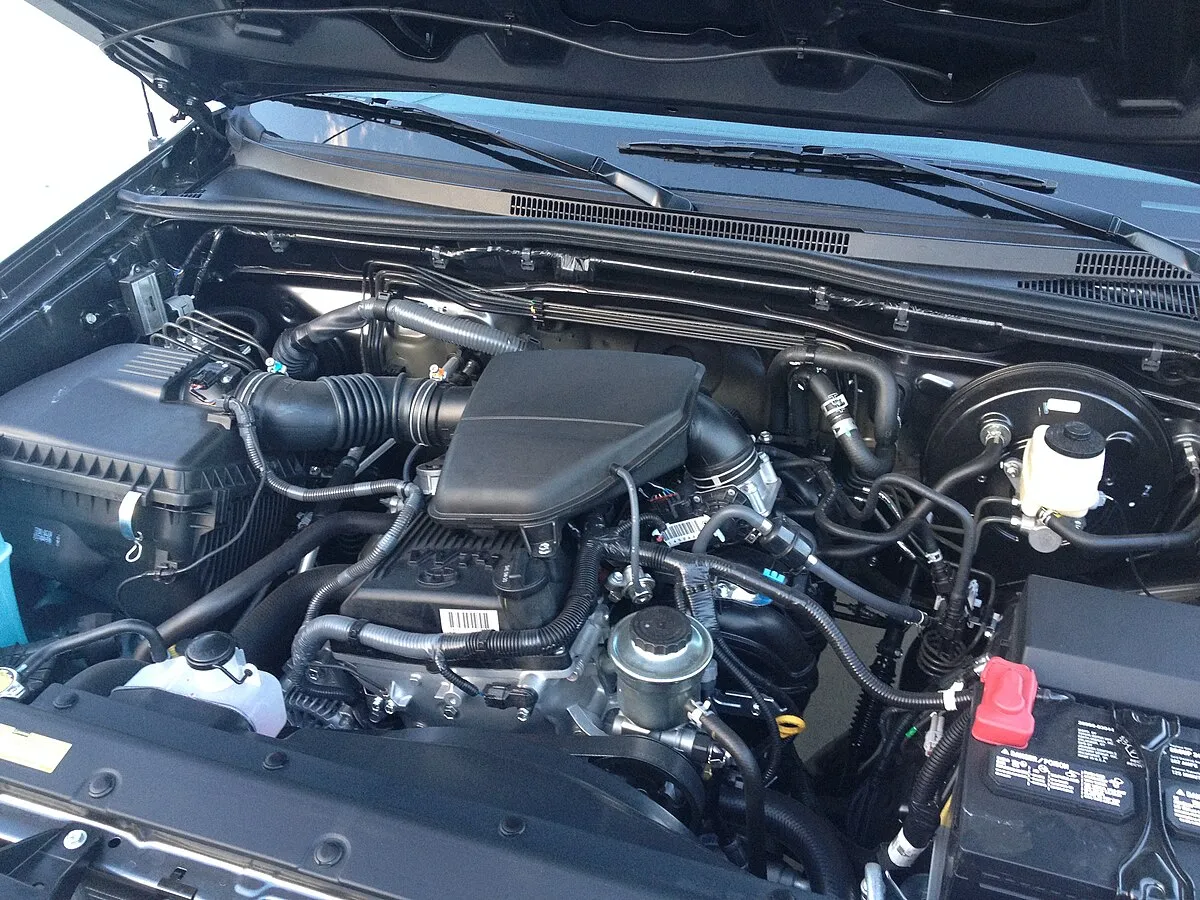
1. The Toyota 2TR-FE Engine in the Tacoma (2005-2015)
Toyota’s 2TR-FE engine earned a strong reputation among truck owners who value dependability and long service life. This 2.7-litre four-cylinder engine powered countless Tacoma pickups and quickly gained recognition through word of mouth and online discussions.
When drivers discuss engines that continue to run long after others have failed, the 2TR-FE is often mentioned with respect and genuine admiration for Toyota’s engineering approach.
Its strength lies in its simple but solid design. Toyota built the 2TR-FE with a cast-iron cylinder block instead of a lighter aluminium block. Heavier, cast iron can tolerate high temperatures and pressure without cracking or distorting. Every part of this engine was made to last, from the pistons to the valve train.
Toyota’s focus on simplicity meant fewer moving parts, which reduced the chances of mechanical failure. The fuel injection system and valve design are both easy to maintain and perform reliably for many years.
Drivers who own Tacomas with this engine often speak about its remarkable endurance. Many have driven well past 300,000 miles with nothing more than basic servicing.
Oil changes, fluid checks, and proper care are all it takes to keep these engines running smoothly. Some owners proudly share their experiences online, showing odometers reading 400,000 or even 500,000 miles while the engine continues to perform like new.
One driver from Colorado documented his Tacoma reaching 350,000 miles, still running smoothly after years of daily use. Apart from replacing normal wear items such as alternators and water pumps, the original engine remained untouched. His consistent maintenance and Toyota’s durable design combined to produce results few engines can match.
Such stories are common among Tacoma owners and have helped strengthen Toyota’s image for reliability. Even today, experienced mechanics and used car buyers often recommend older Tacomas because of the 2TR-FE engine. It remains a symbol of thoughtful engineering and practical design, showing that durability is not a mystery but the outcome of careful planning and respect for quality craftsmanship.
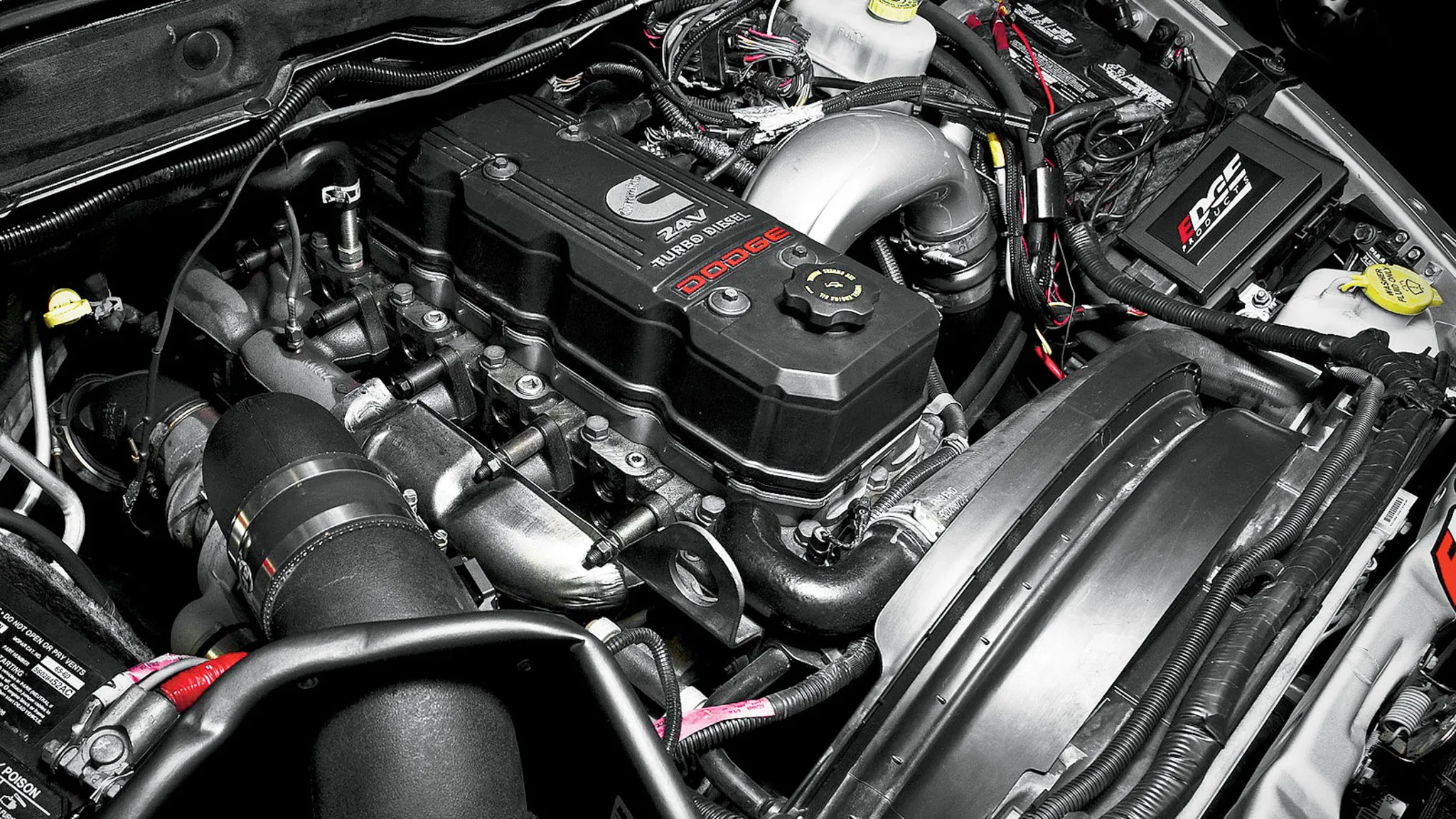
2. Cummins 5.9L Diesel in Dodge Ram (1989-2002)
Before Dodge outsourced their diesel engine development, it partnered with Cummins to create what many consider one of the greatest diesel engines ever installed in a pickup truck.
Your Dodge Ram equipped with the Cummins 5.9L diesel from 1989 through 2002 came with an engine designed and built by engineers who understood that trucks needed to work hard and last longer than the competition.
This engine built a legacy that persists today, decades after production ended. Cummins designed this engine with industrial-grade durability in mind. Your Dodge Ram was not just a passenger vehicle.
It was a tool for work, and Cummins engineered the 5.9L to handle whatever humans threw at it. Heavy loads, towing, idling for hours, extreme temperatures, rough roads that would shake most engines apart: the Cummins 5.9L absorbed punishment and kept running.
Owners of these trucks report taking their vehicles well past 300,000 miles and treating it like a normal day’s work. Some operators have pushed their Cummins-powered Rams to 500,000 miles, and the engines are still delivering power with surprising consistency.
What truly separated the Cummins 5.9L was the aftermarket support it generated. Because the engine was so popular and so robust, thousands of shops and individuals invested in building products for these engines.
Tuning kits, upgrade parts, and performance modifications became available, but more importantly, mechanics developed expertise in keeping these engines running strong. You could take your truck to almost any diesel specialist in the country and find someone who could rebuild a Cummins 5.9L or perform advanced diagnostics.
Several fleet companies built their entire operations around Dodge Rams with Cummins 5.9L engines. Construction companies, landscaping businesses, and hauling operations relied on these trucks for daily work.
When your business depends on vehicles running reliably, you do not purchase something unless you are confident it will keep working. Fleet managers chose Cummins 5.9L engines repeatedly, order after order, year after year. That consistent choice from professionals who needed reliability speaks volumes about the engine’s actual durability.
Also Read: 5 V6 Engines That Shine Long-Term vs 5 That Disappoint
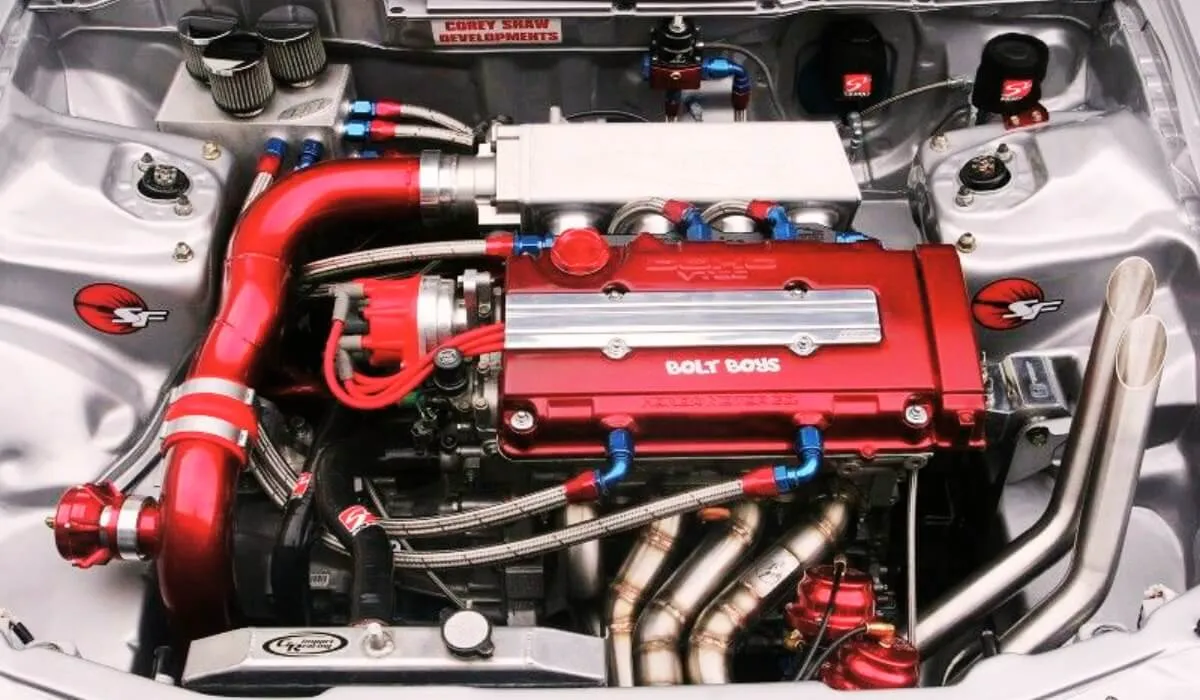
3. Honda B18C1 Engine in Civic Si (1999-2000)
Honda has always built engines with efficiency and longevity as priorities, and the B18C1 engine in the Civic Si represented the company’s commitment to creating powerplants that could run for hundreds of thousands of miles without major work.
This 1.8-liter four-cylinder engine came from a manufacturer that had mastered the art of building motors that lasted decades through proper engineering and precision manufacturing.
Honda’s engineering philosophy emphasized consistency and reliability above flashy performance numbers. Your B18C1 could produce just under 200 horsepower, which was respectable for a Civic Si, but more importantly, that power came from an engine designed to deliver it safely for years and years.
High-revving Honda engines became legendary for longevity. Owners report regularly driving Civics with B18C1 engines well past 200,000 miles without requiring engine rebuilds or major repairs. Some dedicated owners have documented Civics surpassing 300,000 miles with the original engine still running strong.
What separated Honda from its competitors was its manufacturing precision. Every B18C1 that rolled off the production line underwent strict quality control. Tolerances were tight, components were matched carefully, and assembly was done by skilled workers who understood they were building engines meant to last.
When you removed the valve cover on a B18C1, you would see machining that was exact and surfaces that were treated with care. Honda did not just slap an engine together and hope it worked. They built it to exacting standards because that was their way.
Aftermarket support for B18C1 engines remains strong even today, many years after production ceased. Honda enthusiasts maintain communities dedicated to keeping these engines running, sharing maintenance tips and troubleshooting advice. Shops that specialize in Honda vehicles keep B18C1 engines running reliably for hundreds of thousands of additional miles.
You can find plenty of Civics on the road today with B18C1 engines that have passed 250,000 miles, and their owners swear they could run to 400,000 miles if given the chance and proper care.
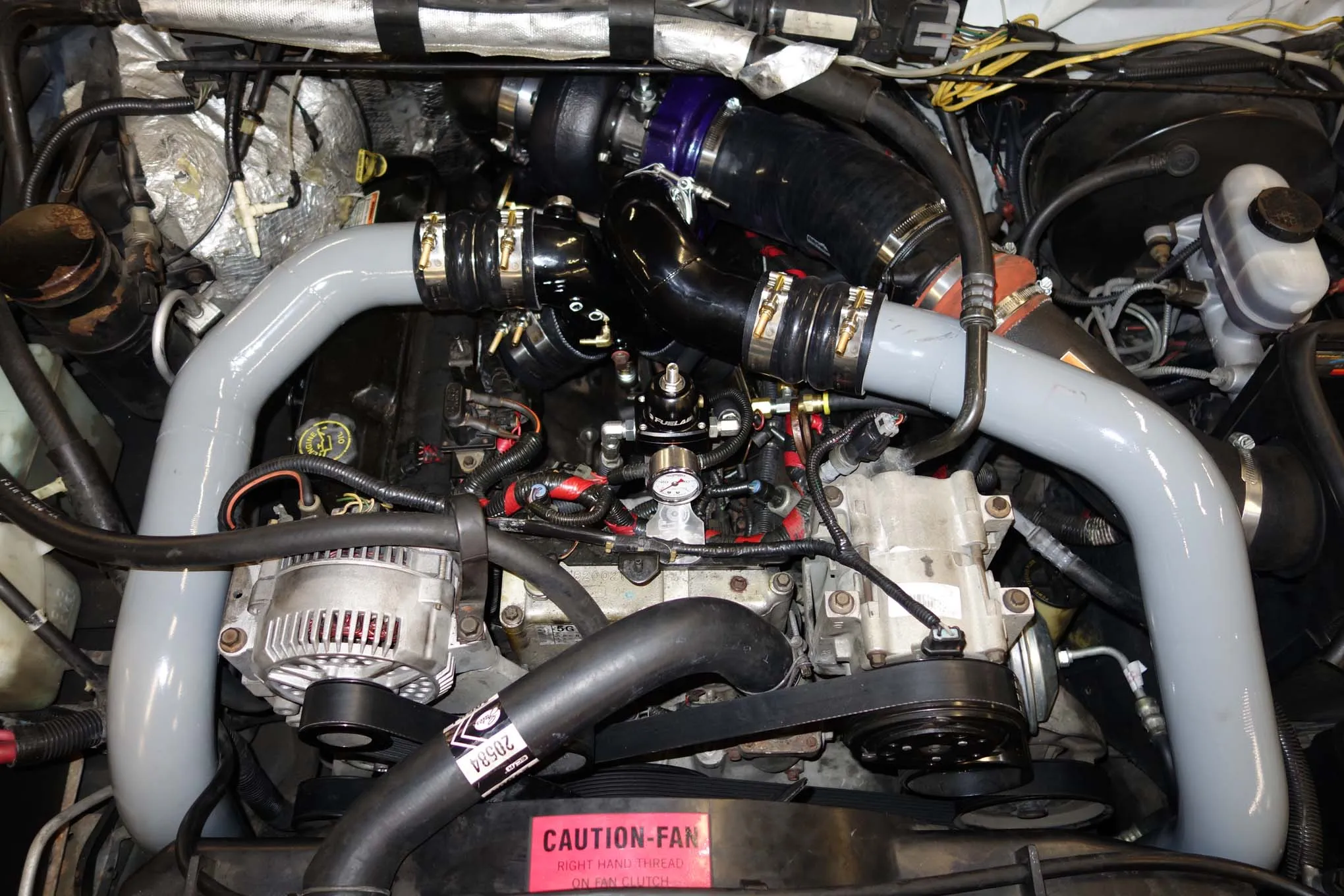
4. Ford 7.3L Diesel Powerstroke in Super Duty (1994-2003)
Ford’s commitment to building a diesel engine that could power their Super Duty trucks resulted in the 7.3L Powerstroke, and this massive diesel engine earned legendary status among truck owners and diesel enthusiasts.
When Ford partnered with Navistar to develop this engine, the goal was clear: create a powerplant capable of hauling heavy loads day after day, year after year, without surrendering to wear and tear. Ford achieved this goal and then some.
Your F-250 or F-350 Super Duty with a 7.3L Powerstroke came with an engine that operators regularly pushed past 300,000 miles while maintaining work duties. Some fleet operators have documented their trucks hitting 500,000 miles with the original Powerstroke engine still functioning and still capable of performing its job.
Diesel mechanics report that 7.3L Powerstrokes are stubborn about failure. You can treat them poorly, run them hard, and they will keep running like they were designed specifically to frustrate your attempts to wear them out.
Reliability came from several design choices that Ford and Navistar made intentionally. Heavy-duty internals meant the engine could handle high compression and combustion pressures without cracking or breaking. Robust fuel delivery systems ensured consistent performance even under extreme load conditions.
Cast iron construction provided durability that lighter materials could not match. Every component seemed overbuilt for the job it needed to do, and that overbuilding was intentional. Ford wanted these trucks to remain functional on job sites for decades, and they engineered the 7.3L Powerstroke with exactly that goal in mind.
What truly cements the 7.3L Powerstroke’s legendary status is the aftermarket community that surrounds it. Thousands of shops specialize in these engines, and owners are constantly sharing information about maintaining and rebuilding them.
Documentation of 7.3L Powerstrokes reaching 600,000 miles and beyond exists online and in owner circles. You can find people who have owned their Ford Super Duties for 20 years or more because the engine never gave them sufficient reason to replace the truck.
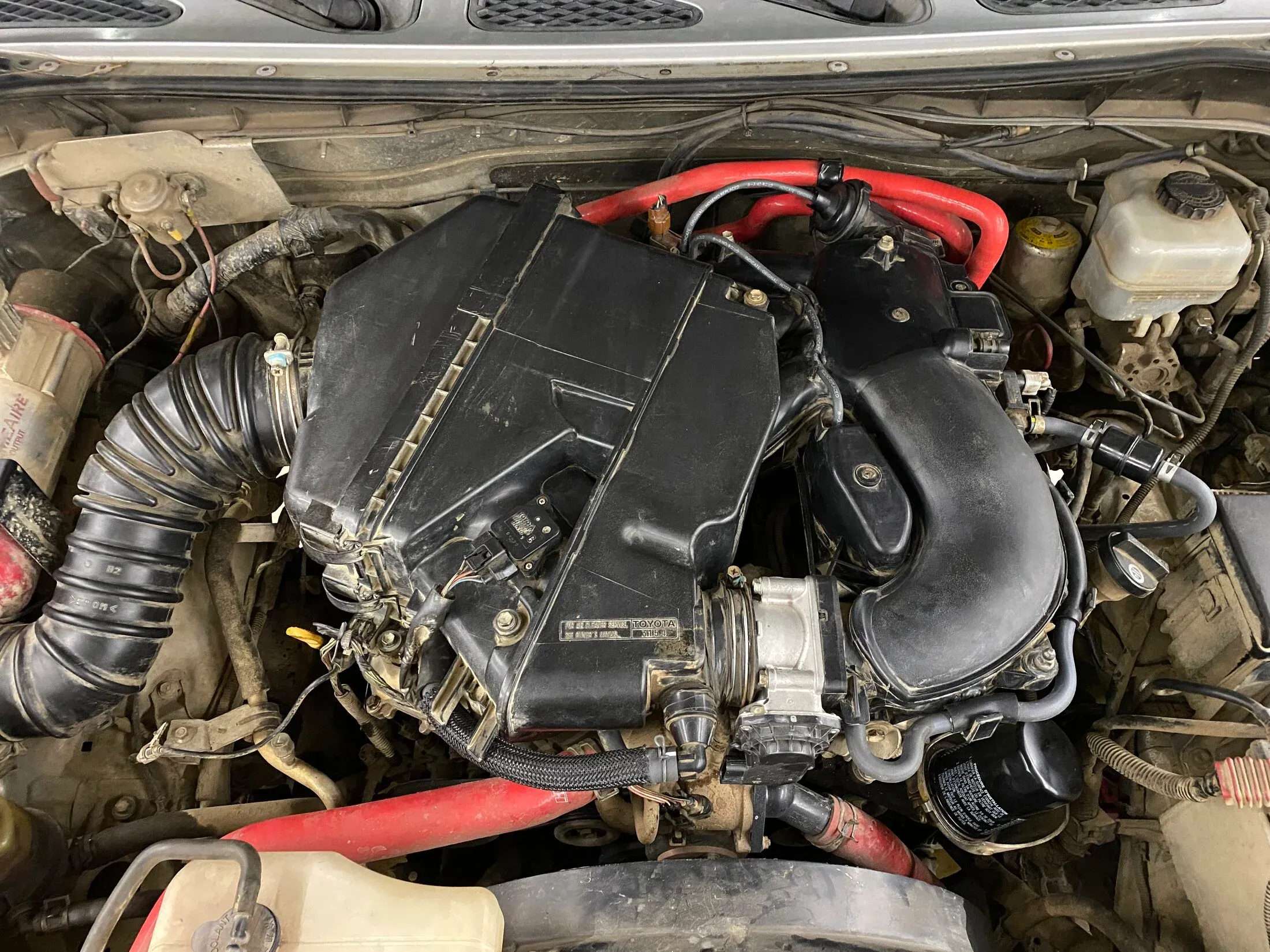
5. Lexus 1GR-FE Engine in LX470 (2003-2007)
Lexus produced the LX470 for drivers who wanted comfort, strength, and long-lasting reliability in a luxury sport utility vehicle. This model came with a 4.7-litre V8 engine known as the 1GR-FE.
The engine strengthened Lexus’s reputation for producing vehicles that could run for decades without suffering major mechanical problems. It also proved that a luxury vehicle could be as durable as a work truck if designed with care and precision.
The engineers at Lexus built the 1GR-FE with one goal in mind: to give owners peace of mind. They wanted people to enjoy their vehicles without worrying about engine failures.
The engine was constructed with aluminium alloy materials that balanced strength and weight. It was also equipped with an intelligent cooling system that controlled heat effectively, allowing the engine to operate smoothly in all conditions.
Fuel delivery in the 1GR-FE was managed through a computer-controlled injection system that guaranteed accurate fuel flow. This helped the engine maintain good performance and fuel economy even after years of use. Many LX470 owners have recorded odometer readings well above 200,000 miles, with some reaching beyond 300,000 miles while still running on the original engine.
Drivers appreciate this engine because of its quietness, smooth acceleration, and dependability. Whether starting in freezing temperatures or extreme desert heat, the LX470 responds without hesitation. Reports from different climates, from the cold regions of Alaska to the hot deserts of Arizona, show that this engine starts instantly and runs steadily regardless of conditions.
Many wealthy companies and high-end resorts also used the LX470 as part of their fleet because they trusted the vehicle’s endurance. They preferred to retain and maintain older units rather than replace them, knowing the 1GR-FE engine could continue serving dependably for years.
Even today, the LX470 remains highly valued in the used vehicle market. Its resale value stays strong because buyers recognise the durability of the 1GR-FE engine. This long-lasting reliability has made the LX470 a favourite among those who believe true luxury should include strength, dependability, and peace of mind.
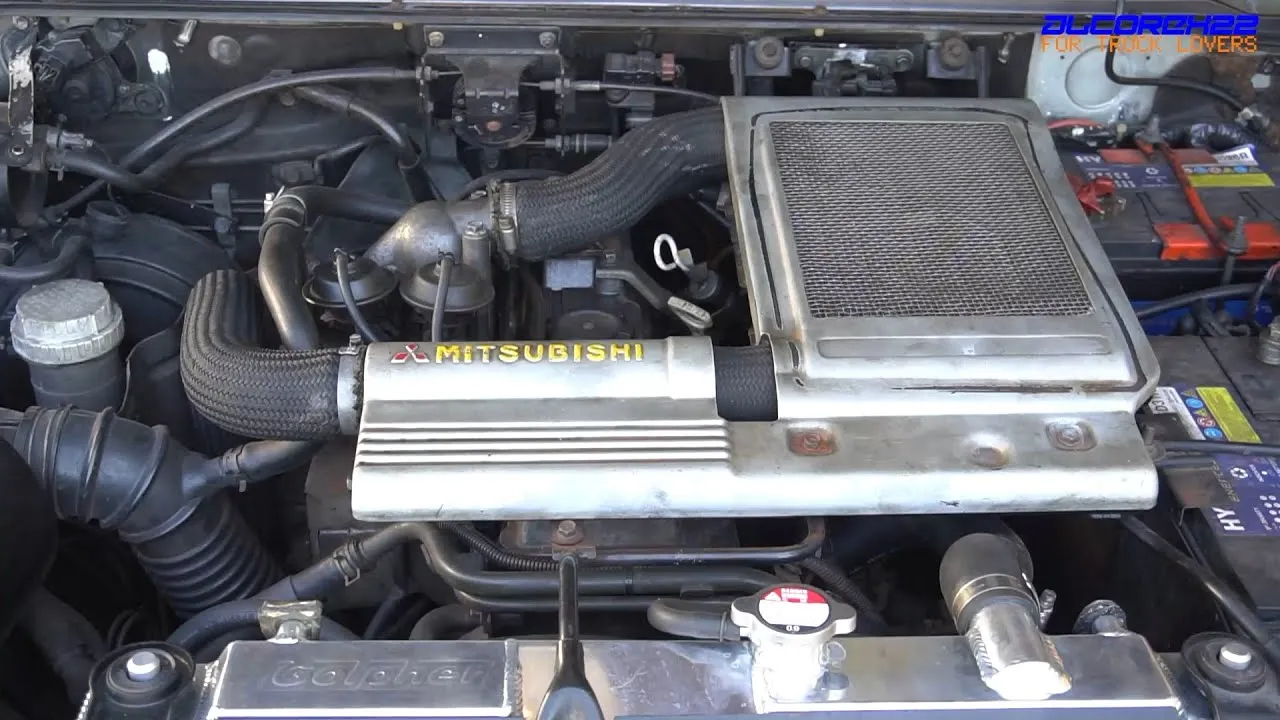
6. Mitsubishi 4M40T Engine in Pajero (2000-2006)
Mitsubishi created the 4M40T diesel engine for their Pajero SUV, and this 3.2-liter turbodiesel powerplant became legendary in regions where vehicles faced harsh conditions and extreme reliability demands.
Safari operators in Africa, adventure seekers traveling through deserts and jungles, and expedition companies relied on Pajeros with 4M40T engines because these vehicles simply would not quit when you needed them most.
Construction of the 4M40T emphasized simplicity and durability over high technology that could fail when you were far from repair facilities. Your Pajero with this engine came with a straightforward fuel injection system, robust cylinder block casting, and heavy-duty transmission components.
Safari guides reported running Pajeros with 4M40T engines to 400,000 kilometers and beyond, and the engines performed their duties without complaint. During one famous expedition through northern Africa, photographers documented a Pajero with over 500,000 kilometers on the odometer that was still capable of crossing dunes and climbing mountains that would destroy most vehicles.
Availability of spare parts in remote regions became one of the 4M40T’s hidden strengths. Because so many Pajeros were used in expedition and adventure contexts in developing countries, mechanics in these regions became expert at maintaining and rebuilding the 4M40T.
You could find parts and service in small villages where other vehicles would be abandoned. This practical reality meant that owners could keep their 4M40T Pajeros running longer than they expected, simply because repair and maintenance resources existed where they needed them.
Reports from expedition companies that operated multiple Pajeros documented consistent reliability across years and harsh conditions. Vehicles regularly exceeded 300,000 miles in conditions that would devastate most engines.
Heat, dust, rough roads, extreme temperatures, and heavy loads did not defeat the 4M40T because Mitsubishi designed it to laugh at these challenges. Owners who have traveled across African countries in Pajeros with 4M40T engines report that the vehicle’s longevity became a crucial factor in their ability to complete journeys through remote territories.
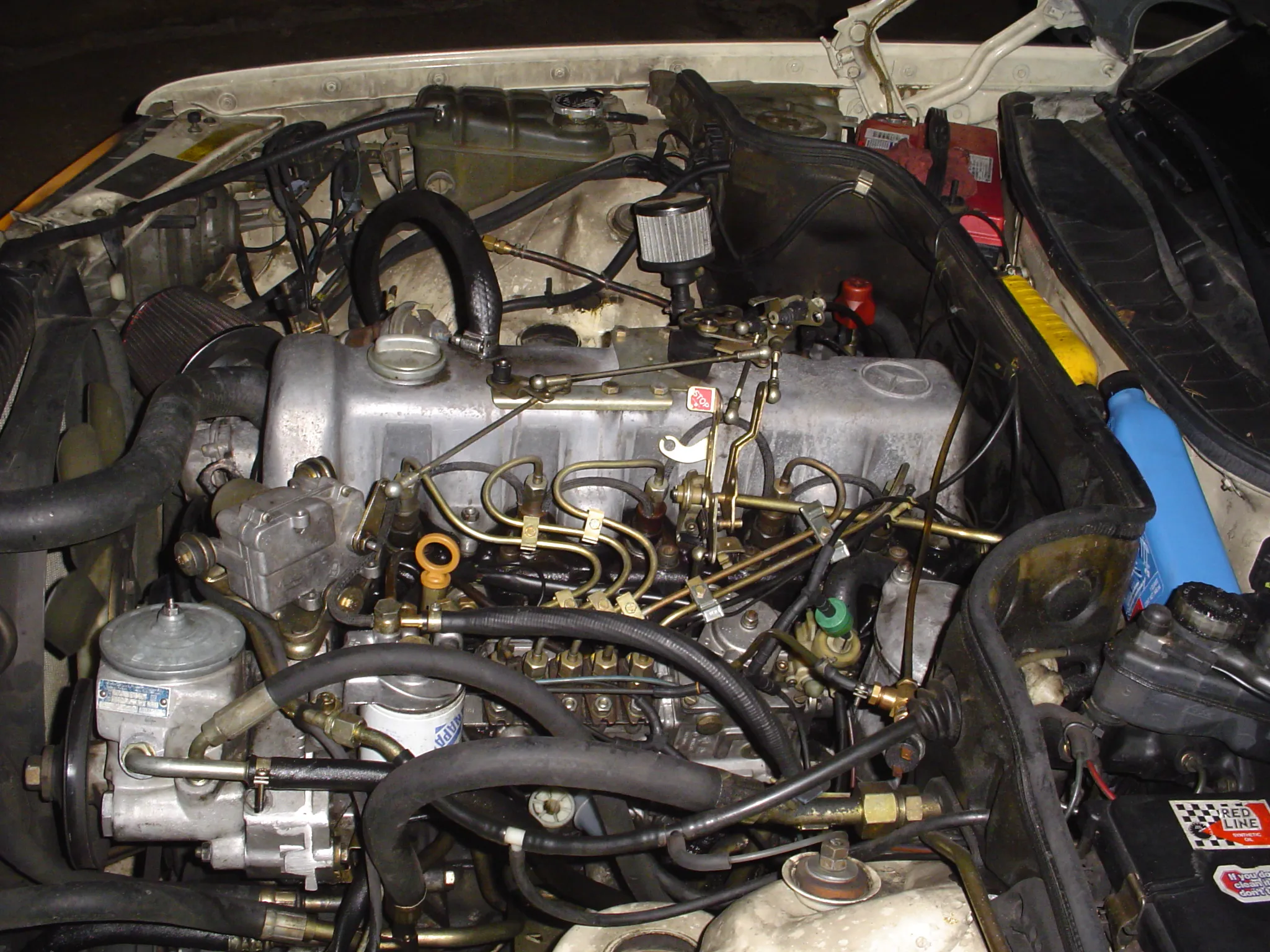
7. Mercedes-Benz OM617 Diesel in 300D (1974-1985)
The Mercedes-Benz OM617 diesel engine, used in the 300D models produced between 1974 and 1985, stands as one of the most durable and trusted engines ever built.
At a time when many cars struggled to last beyond moderate mileage, the OM617 proved that reliability could be engineered through precision, discipline, and purposeful design. It became a benchmark for endurance, valued by both private owners and commercial operators who depended on their vehicles daily.
The 3.0-litre inline-five turbodiesel engine in the 300D was engineered with exceptional care. Every part was built to exacting standards, using materials chosen for strength and durability.
The block, pistons, and valves were designed to handle the heavy stresses of continuous operation. Mechanics often commented that even engines with hundreds of thousands of kilometres still showed minimal internal wear.
Real evidence of this durability can be found in the many 300D units that served as taxis in Europe, Africa, and the Middle East. Some travelled beyond 500,000 miles on their original engines, while others exceeded 700,000 miles.
Well-documented examples have even recorded over one million kilometres without replacement. These achievements demonstrated that the OM617 was not just reliable by reputation but by measurable performance over decades of use.
Another strength of the OM617 was its simplicity. The engine used a mechanical fuel injection system and minimal electronics, allowing for easy maintenance even in areas with limited access to modern tools.
Skilled mechanics could rebuild the engine efficiently, often extending its lifespan by another 300,000 miles. This rebuild capability made the 300D economical to keep on the road for decades.
Owners valued the engine because it provided unmatched dependability. Taxi operators, rural drivers, and families trusted it to start every morning and deliver consistent performance under harsh conditions.
The OM617 became a symbol of practical engineering that placed reliability above fashion or luxury. Decades later, it remains a lasting reminder that true quality is measured not by appearance, but by how long a machine keeps working faithfully.
Also Read: 5 Inline-6 Engines That Stay Smooth Forever vs 5 That Don’t
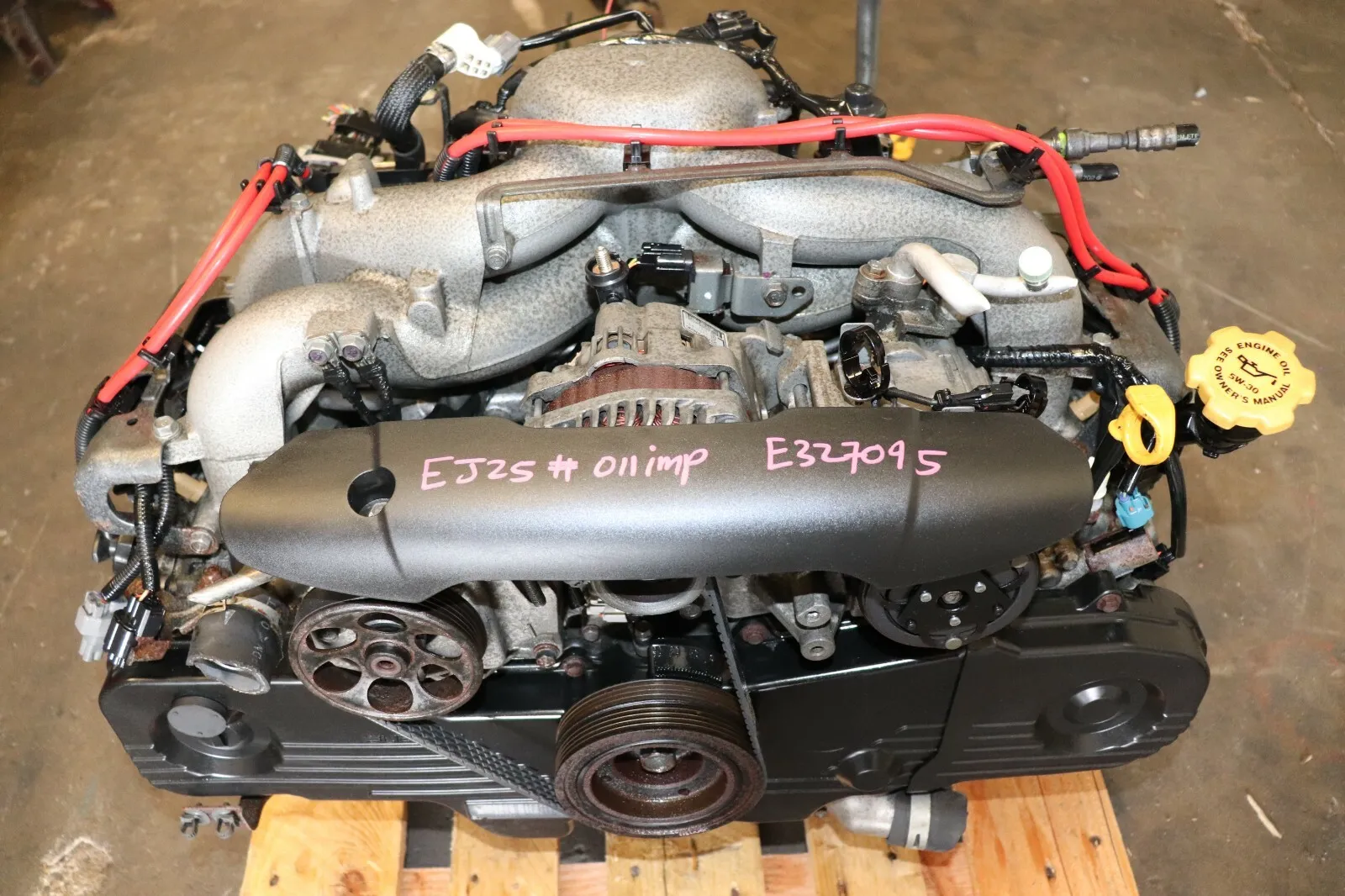
8. Subaru EJ25D Engine in Outback (1996-2002)
Subaru earned a strong reputation among drivers who valued vehicles that could endure demanding conditions, and the EJ25D engine fitted in the Outback from 1996 to 2002 became a trusted choice for many.
This 2.5-litre naturally aspirated engine proved that a car did not need high-end features or an oversized motor to deliver long service life. Many owners have driven their Outbacks beyond 250,000 miles, with some reaching and exceeding 300,000 miles, all while retaining the original engine.
Subaru’s engineers focused on creating a dependable and efficient powerplant using simple, practical design principles. The EJ25D used a horizontally opposed cylinder arrangement that gave the vehicle excellent balance and stable cooling, allowing the engine to perform consistently in both city driving and rugged roads.
The simplicity of the design reduced the chances of mechanical failure and made maintenance straightforward for both owners and mechanics.
Drivers from hilly regions such as the Drakensberg in South Africa and high-altitude areas of Kenya often share stories of their Outbacks climbing steep gradients with confidence, carrying loads, and maintaining reliable performance without constant repair needs.
Mechanics who specialise in Subarus often mention that they see Outbacks of this generation arriving in their workshops for routine service even after decades of use, still powered by original EJ25D engines. Subaru’s decision to prioritise durability over unnecessary technological experimentation earned them the loyalty of thousands of drivers.
Owners who purchased new Subarus often kept their old Outbacks as spare vehicles because the engines continued to perform dependably year after year. This long-term faith in the EJ25D’s reliability strengthened Subaru’s reputation in markets across Africa, where durability is often more valuable than luxury features.
Even in the used vehicle market, Outbacks with EJ25D engines are highly sought after by buyers who understand their reputation for lasting service. The enduring strength of this engine reflects Subaru’s careful engineering and practical understanding of what drivers truly need: an engine that keeps running faithfully, no matter the years or the miles.
Engines like the Toyota 2TR-FE, Cummins 5.9L, Honda B18C1, Ford 7.3L Powerstroke, Lexus 1GR-FE, Mitsubishi 4M40T, and Mercedes-Benz OM617 demonstrate what it means to design for longevity.
These power plants were built with purpose, using durable materials, precise engineering, and simple designs that prioritise reliability over flashy technology. Owners around the world have documented hundreds of thousands of miles of trouble-free operation, proving that careful engineering translates into real-world durability.
The stories of these engines show that maintenance and respect for the machine amplify their lifespan. Whether it is a Tacoma running 500,000 miles, a Dodge Ram Cummins still towing heavy loads, or a Mercedes 300D taxi surpassing one million kilometres, these engines continue performing when others fail.
They teach a crucial lesson: choosing a vehicle with a dependable engine protects your investment, saves repair costs, and provides peace of mind.
Understanding which engines earn legendary status equips buyers to make informed decisions. It allows you to invest in vehicles that will serve faithfully for decades rather than risk regret and constant repairs. Legendary engines are not just machines; they are tools built to last, and their durability shapes the experiences of everyone who relies on them.
