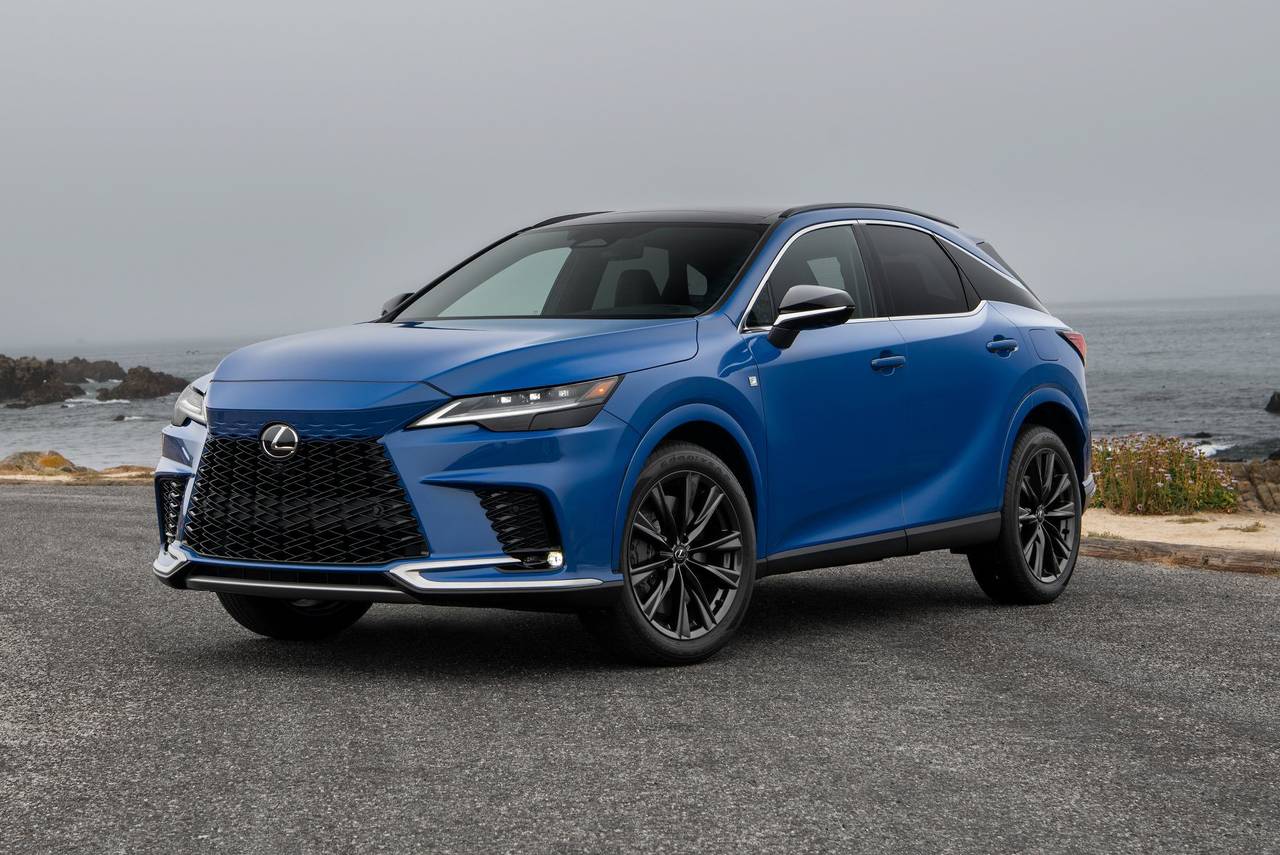
When buying a car, most Americans hope for more than just sleek design or high-tech features they want something that lasts. In an age when vehicles are often built with planned obsolescence in mind, some cars stand out for their sheer durability.
These models have proven capable of running smoothly for decades with minimal repair costs.
Based on long-term ownership data, mechanic insights, and reliability studies from sources like J.D. Power and Consumer Reports, here are 12 cars that rarely see the repair shop even after 20 years on the road.
1. Toyota Corolla
The Toyota Corolla has become synonymous with reliability. For over five decades, this compact sedan has built a reputation for being nearly indestructible.
Many Corolla owners report clocking over 300,000 miles with little more than routine maintenance. Its simple yet robust 1.8-liter four-cylinder engine, paired with Toyota’s bulletproof transmissions, makes it a model of mechanical consistency.
Replacement parts are affordable and widely available, meaning fewer reasons for extended downtime. Even after 20 years, a well-maintained Corolla can still handle daily commuting without major issues.
Those who prioritize safety and reliability over sportiness will find the 2019 Toyota Corolla an appealing and affordable choice. This compact sedan comes loaded with standard driver-assistance features, impressive crash-test results, and segment-leading rear-seat legroom.
What it lacks, however, is driving excitement. Its standard powertrain consists of a sluggish four-cylinder engine paired with a continuously variable automatic transmission (CVT), though an optional six-speed manual adds a hint of liveliness to this otherwise dull front-wheel-drive setup.
Despite its unimpressive fuel economy and subpar interior materials, the 2019 Corolla remains a trusted fixture in its class, satisfying those who simply need dependable transportation. Fortunately, the fully redesigned 2019 Corolla hatchback rides on a brand-new platform that ushers in the next generation of this model.
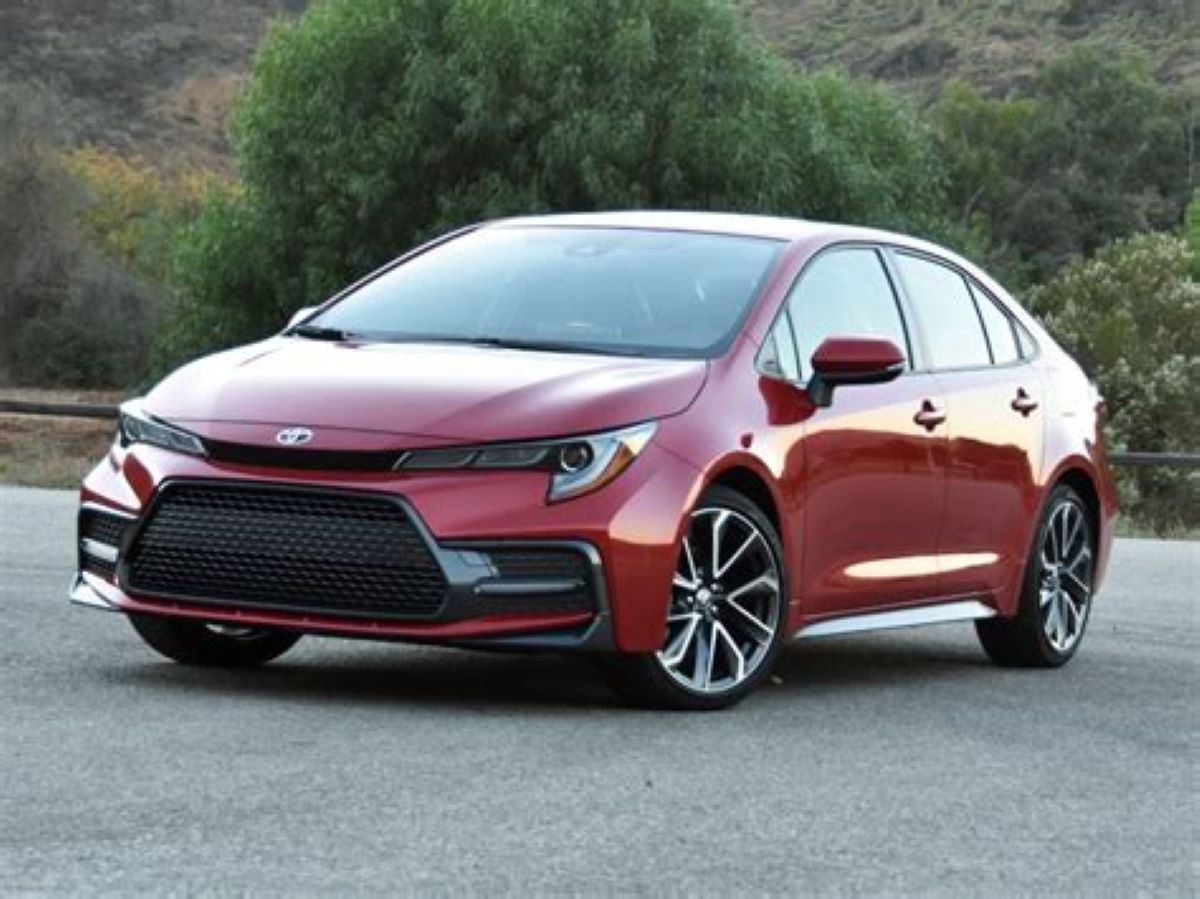
The 2019 Corolla carries over unchanged. This current generation has been on the market for several years, though it did receive mild exterior and interior updates in 2017. That same year, Toyota also made its suite of driver-assistance features standard across the lineup.
While the sedan remains the same for 2019, Toyota introduced an all-new Corolla hatchback that rides on a different platform. In addition, the fully redesigned 2020 Corolla sedan is now available, though it hasn’t yet been tested on the track.
The Corolla caters to budget-minded shoppers, offering multiple trims to match different needs. The LE Eco is ideal for drivers seeking better fuel efficiency, while the SE adds sporty styling and a six-speed manual transmission.
Our pick is the XLE trim, which enhances comfort and convenience with standard features such as heated front seats, a power-adjustable driver’s seat, a 7.0-inch touchscreen infotainment system, keyless entry, and a sunroof.
Although it costs more than the LE Eco or SE, the XLE delivers a smoother ride than the SE and a more upscale interior that compensates for the LE Eco’s fuel advantage.
If the saying “slow and steady wins the race” holds true, then the Corolla crosses the finish line first. Its modest engine and transmission choices are only notable for the optional manual gearbox and the slightly more powerful LE Eco variant.
Those who choose the manual will find a somewhat more engaging experience, though it’s far from thrilling. Drivers seeking a lively performance will want to look elsewhere.
The Corolla’s lackluster driving dynamics and weak braking performance contrast sharply with its otherwise stellar safety record. The sportier SE and XSE trims offer a mildly different experience, with 17-inch wheels and tires that improve handling at the expense of ride comfort.
Also Read: 5 Undervalued Used Utes That Last vs 5 Popular Utes That Fail Early
2. Honda Accord
The Honda Accord is a staple of long-term dependability in the midsize segment. Since the early 2000s, Honda’s engineering philosophy has prioritized engine longevity and smooth drivetrain performance.
The 2.4-liter i-VTEC four-cylinder and the 3.0-liter V6 variants are known for lasting well past 250,000 miles without needing significant engine or transmission work.
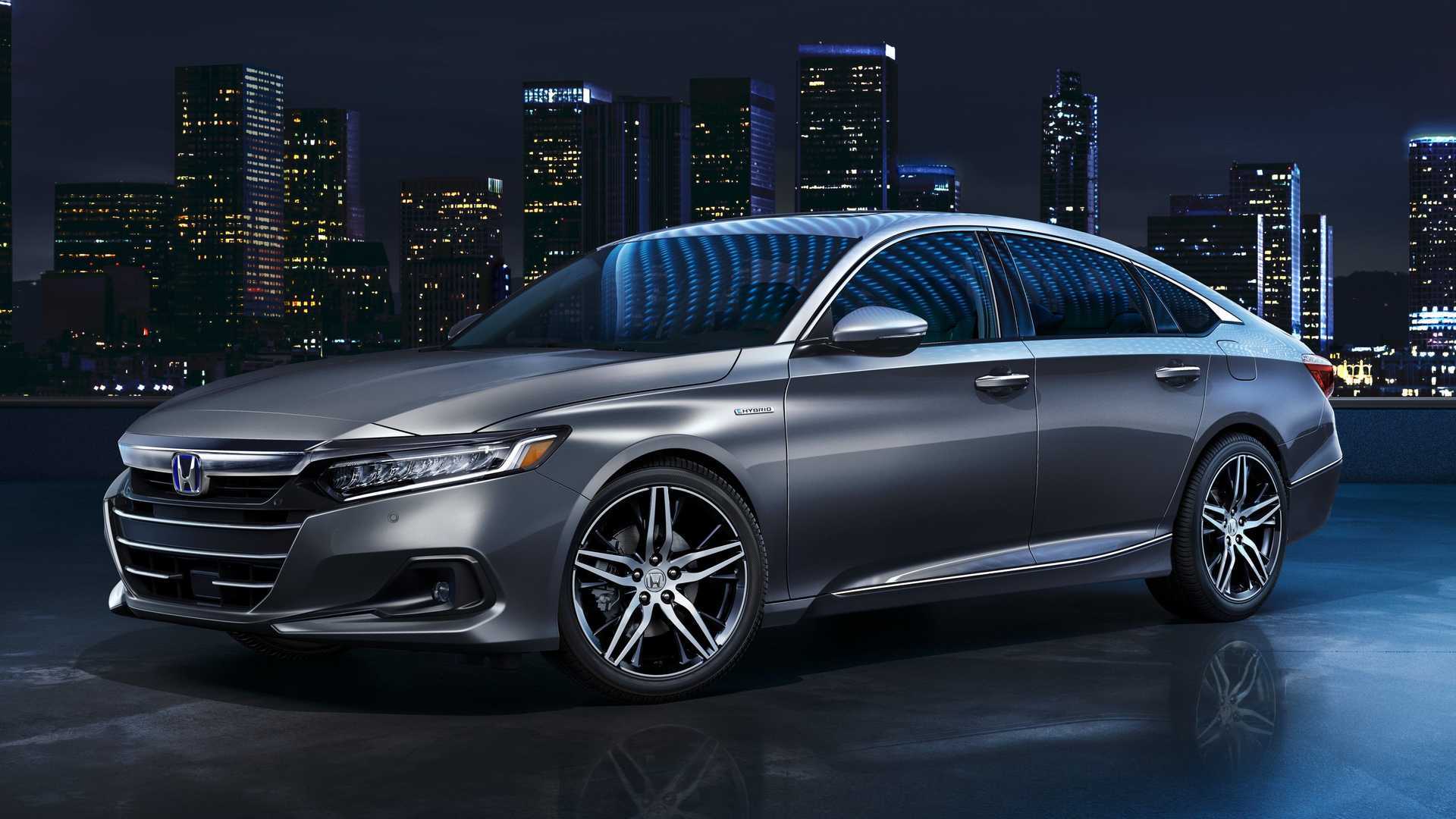
Accord owners frequently report only dealing with basic wear items brakes, tires, and timing belts. Even in older models, interior quality holds up remarkably well, making the Accord a trusted long-haul companion for American families.
3. Toyota Camry
The Toyota Camry continues to dominate long-term reliability charts, and it’s easy to see why. The Camry’s combination of refined engineering, conservative powertrain design, and exceptional build quality means fewer breakdowns over time.
Many 2000s-era Camrys are still running strong today, often on their original transmissions. The 2.4-liter and 3.5-liter engines are celebrated for their resilience, and the car’s solid chassis minimizes rattles even after decades of use.
It’s the kind of sedan that outlives most of its competitors and often its owners’ patience to buy something new. The Toyota Camry is a midsize family sedan that fits neatly between the smaller Corolla and the larger, more premium Avalon in Toyota’s lineup.
The current generation of the Camry debuted for the 2018 model year, continuing the model’s long-standing tradition of practicality and dependability. For many buyers, it remains the sensible option in its class, bolstered by Toyota’s strong reputation for reliability.
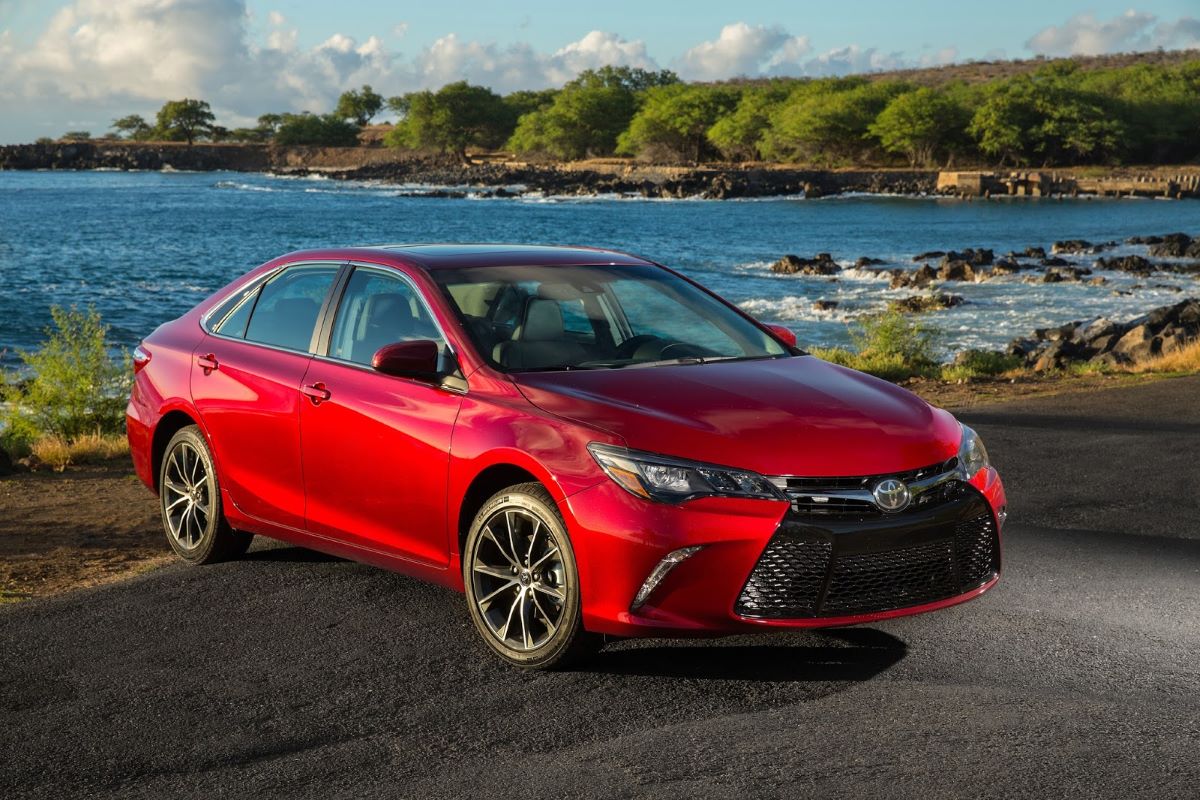
For 2021, the Camry receives subtle updates to its exterior and interior design. Toyota refreshed the front bumper and grille while introducing an optional 9-inch touchscreen display that sits higher on the dashboard than the standard 7-inch screen.
These refinements are welcome improvements, but they aren’t quite enough to push the Camry ahead of top rivals like the Kia K5, Honda Accord, and Mazda 6.
4. Lexus LS 430
If luxury and longevity could be combined in a single car, it would be the Lexus LS 430. Built during a time when Lexus aimed to outdo Mercedes-Benz in build quality, the LS 430 is practically over-engineered.
Its 4.3-liter V8 engine and smooth automatic transmission can easily cross 300,000 miles. What’s more impressive is how little tends to go wrong even after two decades.
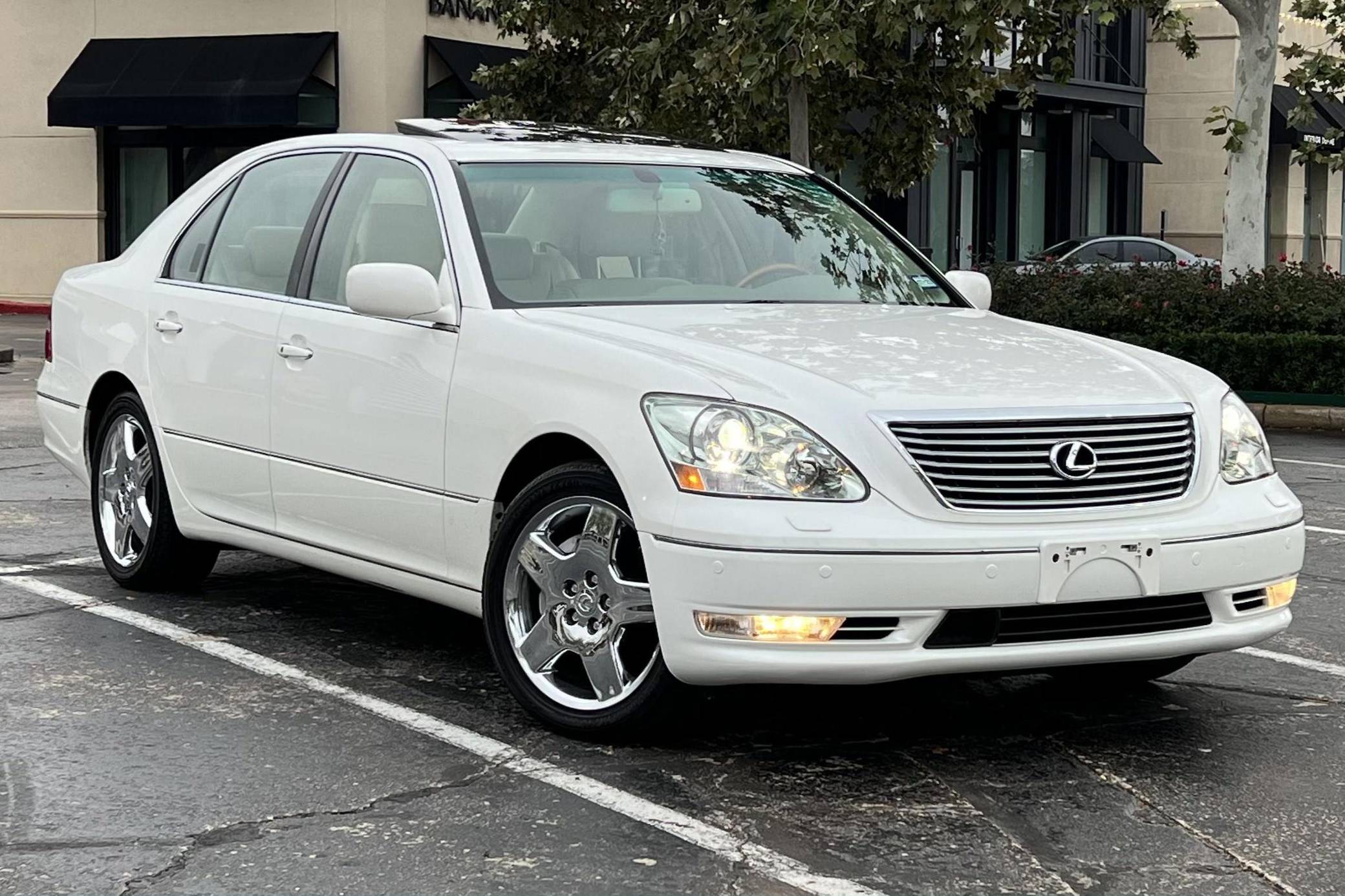
Electronics, air suspension, and comfort systems areas where luxury cars often fail remain surprisingly reliable in the LS 430, proving that quality engineering can endure the test of time.
5. Honda Civic
The Honda Civic is beloved for its efficiency, but it’s also one of the toughest small cars ever made. Older Civics, particularly those from the late 1990s to mid-2010s, were engineered to run with minimal mechanical stress.
Its simple yet effective engine design allows for years of consistent performance with regular oil changes and coolant flushes. Many mechanics note that Civics rarely suffer from major issues unless neglected.
Whether used for city commuting or long highway runs, this car’s bulletproof nature makes it a favorite among budget-conscious long-term owners.
The Civic’s four-cylinder engines deliver lively performance, with the more expensive yet more potent turbocharged variant standing out as our top choice. It’s an excellent powerplant that, during our testing, propelled the Civic Touring model off the line with enthusiasm.
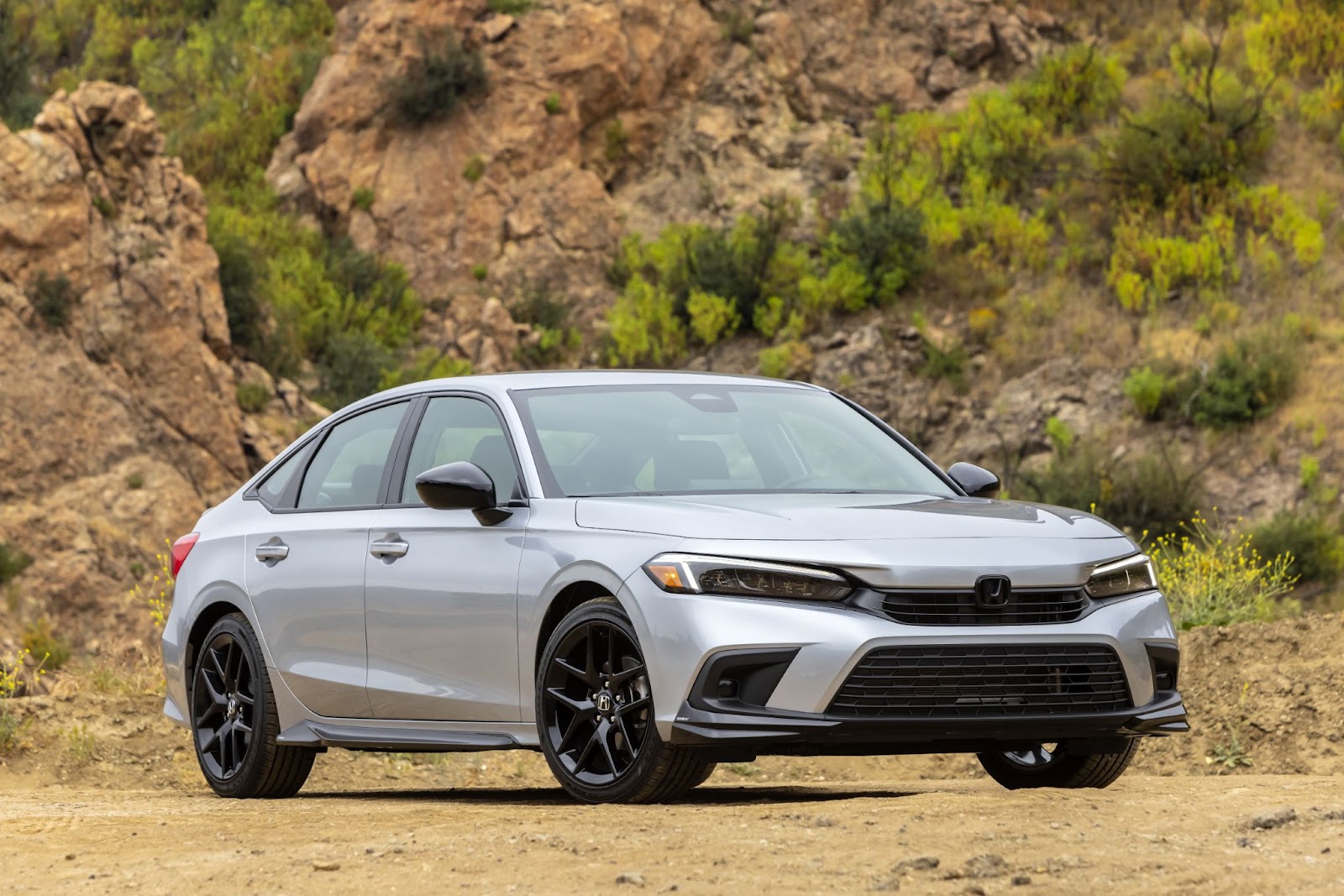
While we favor the light and precise feel of the six-speed manual transmission over the available continuously variable automatic transmission (CVT), the CVT is far from a weak point, in fact, it ranks among the best in its class.
A true all-rounder, the Civic strikes an impressive balance between comfort and driver involvement. Its refined ride, sharp steering response, and agile handling make it genuinely fun to drive.
The suspension tuning finds the ideal middle ground, neither too soft nor too firm, resulting in a composed and comfortable ride. The steering, quick and well-weighted with excellent feedback, adds to the Civic’s engaging character behind the wheel.
Drivers seeking a bit more excitement should explore the Sport trims, which offer quicker steering for a more dynamic feel. Although the Civic’s firm brake pedal provides good feedback, its overall braking performance falls slightly short of some rivals in stopping power.
6. Subaru Outback
The Subaru Outback is an American favorite, especially in regions with rough winters. Known for its rugged all-wheel-drive system and durable boxer engine, the Outback has earned a reputation for staying out of the repair bay even after 20 years.
Regular maintenance on fluids and timing belts keeps the engine smooth, and Subaru’s simple mechanical systems are easy for mechanics to service.
With proper care, even older Outbacks remain reliable daily drivers, often used in rural and mountainous areas where vehicles face constant environmental stress.
One glance at the Subaru Outback reveals exactly what it is: a raised wagon cleverly styled to resemble an SUV. Built upon the Legacy sedan platform, the Outback enhances practicality with greater ground clearance and added off-road capability.
This combination makes it one of the most versatile choices in the midsize SUV category, equally comfortable cruising city streets or tackling rougher terrain.
For 2021, Subaru adds adaptive LED headlights, a rear seat reminder system, and front and rear seat belt reminders as standard features across all trims.
Beneath the Subaru Outback’s subtly evolved exterior lies a crossover-wagon that perfectly merges the advantages of a car with the toughness of an SUV. The Outback’s suspension tuning delivers a luxuriously smooth ride that absorbs bumps effortlessly.
Even when the road gets twisty, the vehicle remains composed and confidence-inspiring, thanks to its well-controlled body motions.
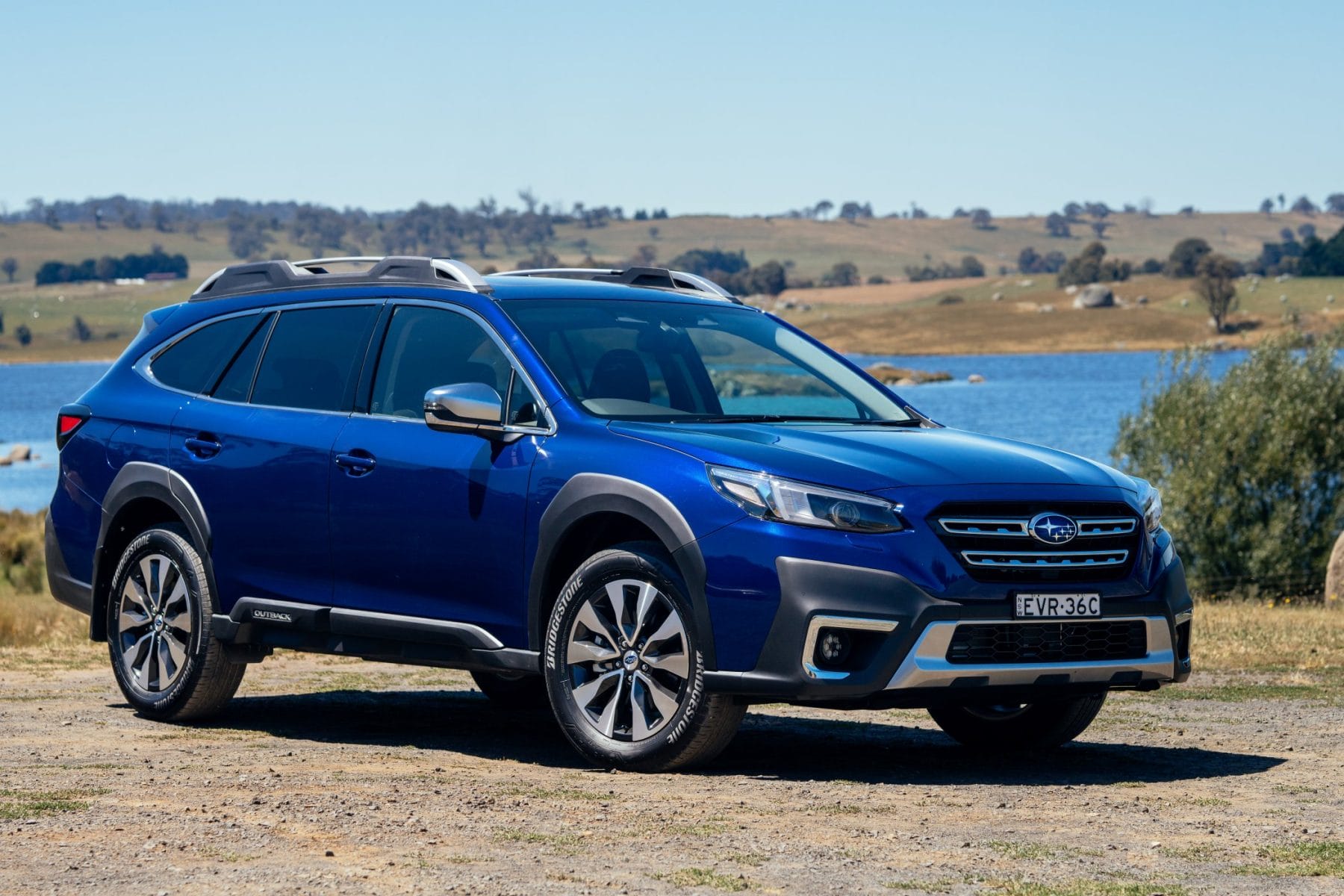
It’s not a sporty performer, but its balance and stability make it reassuring to drive. Venture off the beaten path, and the standard all-wheel-drive system ensures excellent traction, allowing the Outback to handle dirt trails with ease.
The cabin impresses with a refined layout, regardless of trim level. Details such as contrast stitching and optional waterproof upholstery enhance its rugged charm while maintaining a sense of sophistication.
However, the new Subaru multimedia interface leaves room for improvement, it can be slow to respond and occasionally distracts from driving.
Apple CarPlay integration also feels clunky. Still, Subaru has introduced refinements for 2021 that make the system somewhat better. The brand’s driver-assistance technology, though effective, can sometimes be overly sensitive, triggering false alerts.
Under the hood, the Outback offers two engine choices, each with its pros and cons. The standard 2.5-liter flat-four engine operates smoothly but lacks urgency, demanding extra patience for merging or overtaking.
The available turbocharged 2.4-liter engine delivers a substantial boost in power, though it suffers from noticeable turbo lag.
The continuously variable transmission (CVT) doesn’t always optimize performance, particularly with the turbo engine, as it struggles to keep the motor in its ideal power range. Despite that, the Outback remains among the quickest models in its segment.
Ultimately, the Subaru Outback masterfully blends the attributes of a wagon and an SUV, offering comfort, utility, and ruggedness in a family-oriented package. Just don’t expect the optional turbo engine to transform it into a high-riding WRX rally car.
Both engines are paired with a continuously variable automatic transmission (CVT). The Base, Premium, Limited, and Touring trims feature a 2.5-liter flat-four engine producing 182 horsepower and 176 lb-ft of torque
According to EPA estimates, the standard 2.5-liter engine achieves 26 mpg in the city and 33 mpg on the highway. The turbocharged 2.4-liter variant returns a slightly lower 23 mpg city and 30 mpg highway. Still, both engines deliver fuel efficiency that ranks on the higher end of the midsize SUV segment.
Also Read: 10 Cars That Keep Running Long After the Warranty Ends
7. Toyota 4Runner
The Toyota 4Runner is one of the last body-on-frame SUVs still around and it’s built to last. Whether tackling off-road trails or city traffic, the 4Runner’s durability is unmatched.
The 4.0-liter V6 engine is known for surviving high mileage without internal issues, and the transmission is one of the most reliable in its class.
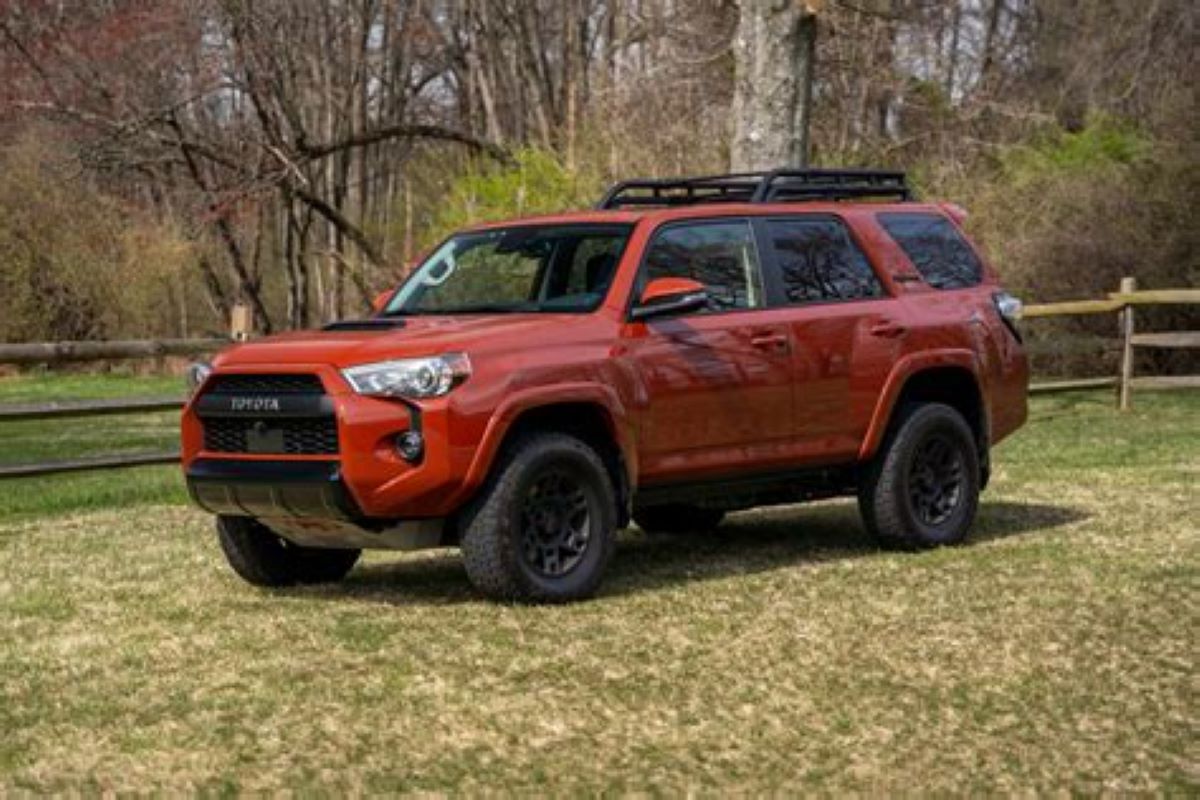
Owners often keep them for decades, using them as work vehicles or adventure rigs. With proper maintenance, the 4Runner remains one of the few SUVs that can truly stand the test of time both mechanically and structurally.
8. Mazda MX-5 Miata
Sports cars aren’t usually known for longevity, but the Mazda MX-5 Miata is an exception. Its lightweight design and simple naturally aspirated engine mean fewer mechanical failures over time.
Enthusiasts praise its mechanical purity there’s less to break, and what’s there is designed to last. Owners regularly report minimal issues even after 20 years of spirited driving.
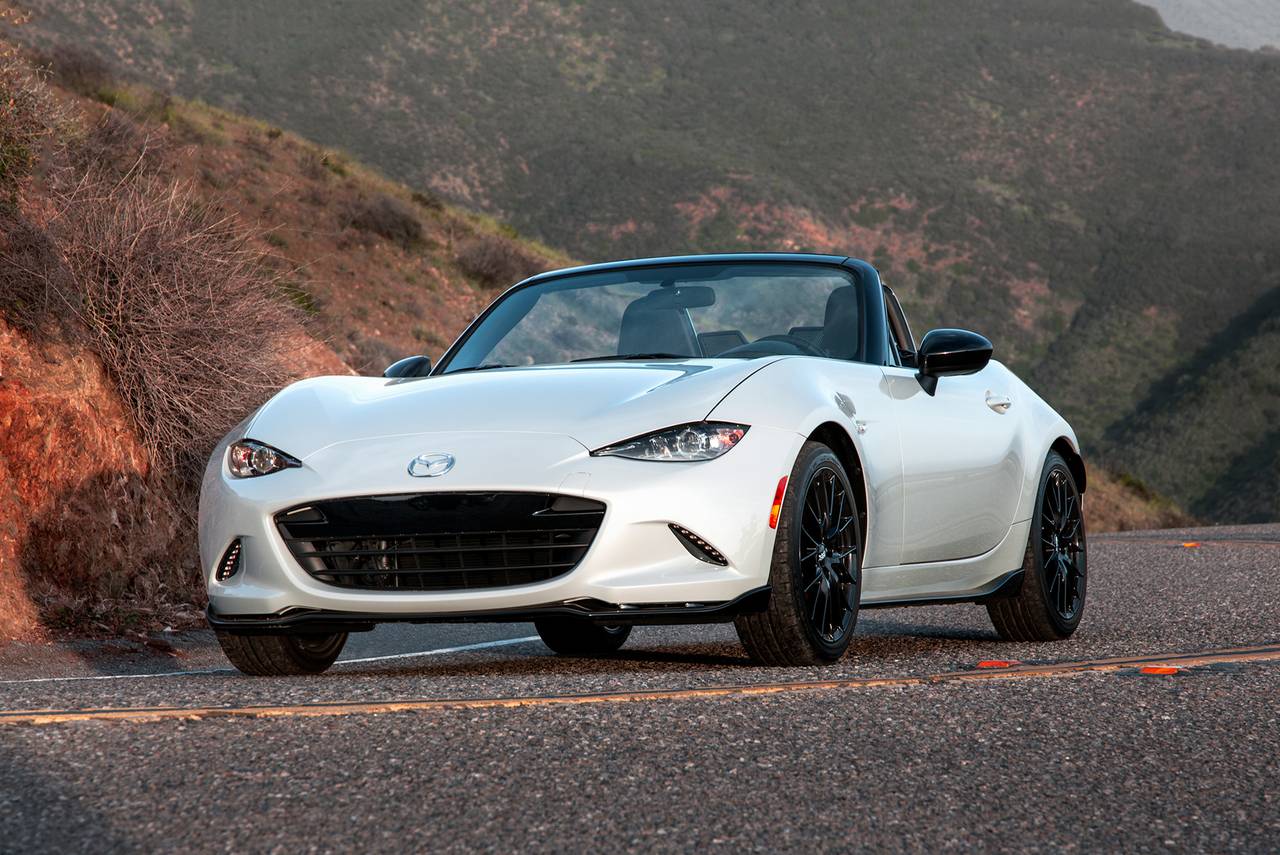
It’s also easy and inexpensive to maintain, making it one of the most reliable sports cars ever made. The Miata proves that fun and durability can coexist beautifully.
9. Toyota Land Cruiser
The Toyota Land Cruiser is legendary for its durability across the globe, from American highways to African deserts. Its 4.7-liter and later 5.7-liter V8 engines are engineered to withstand extreme use with minimal wear.
Owners routinely keep their Land Cruisers for 20 years or more, often exceeding 300,000 miles.
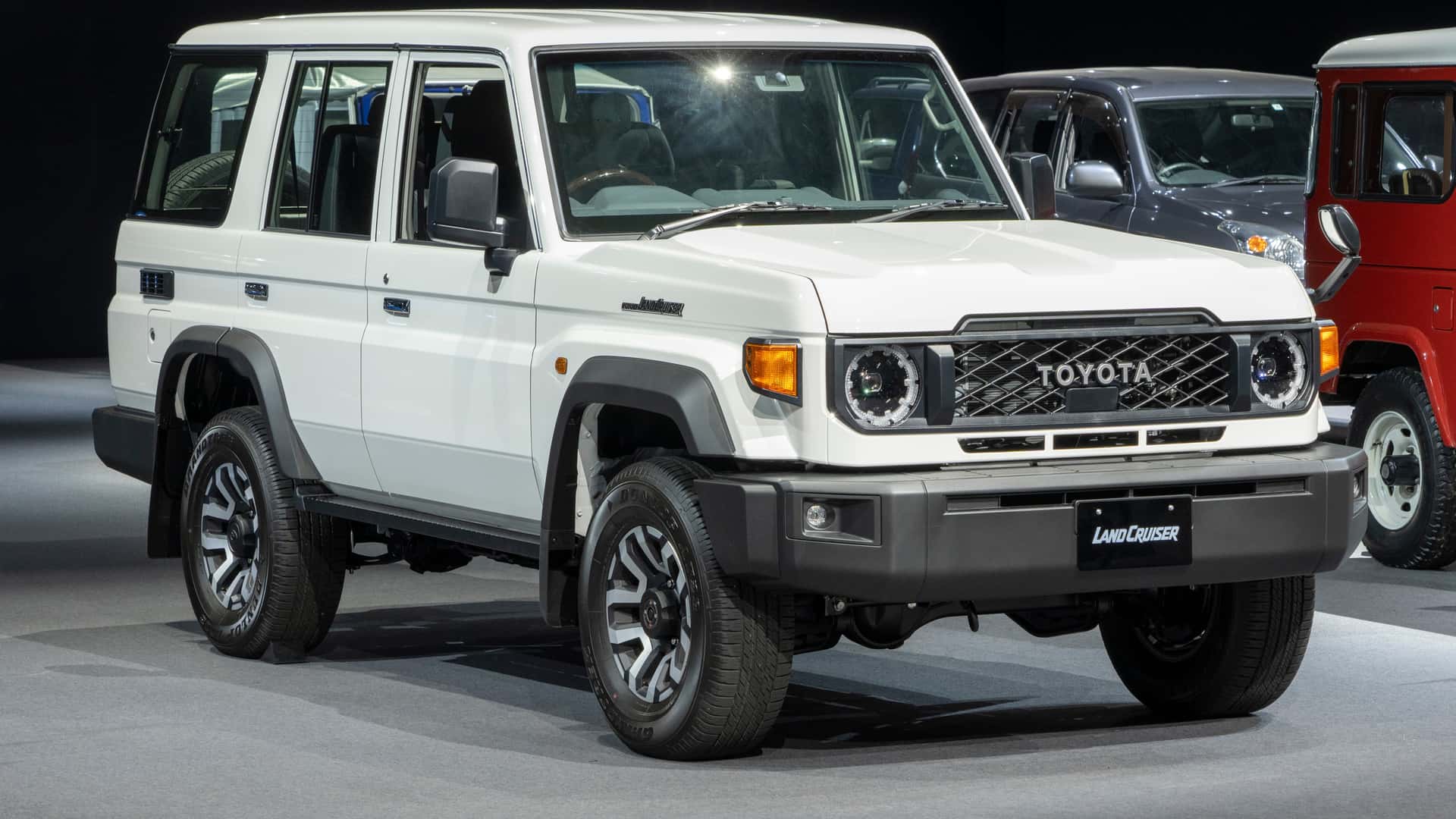
The vehicle’s robust drivetrain and strong chassis design make it nearly immune to the aging problems that plague other SUVs. It’s no wonder used Land Cruisers command such high resale values they’re nearly impossible to kill.
10. Lexus RX 350
The Lexus RX 350 offers a rare blend of luxury and longevity. Built on the same foundation as the Toyota Highlander, it inherits Toyota’s reliability while adding Lexus’ attention to detail.
Its 3.5-liter V6 engine is smooth, efficient, and nearly indestructible when maintained properly. Owners often report going over 200,000 miles without a single major repair.
Even its electronics and interior materials resist wear, which is unusual for luxury crossovers. The RX 350 continues to be one of the most dependable premium SUVs in the U.S.
The 2020 Lexus RX 350 stands as a strong contender in the midsize SUV segment, boasting a spacious, comfortable interior and the brand’s signature build quality.
However, previous iterations of this generation have disappointed with their uninspiring driving dynamics and a frustrating infotainment controller. For 2020, Lexus aims to address these drawbacks through a series of thoughtful refinements.
To enhance the RX’s performance and comfort balance, Lexus retuned the suspension and reinforced the body structure, aiming to deliver a sportier, more controlled feel through corners without sacrificing its trademark ride comfort.
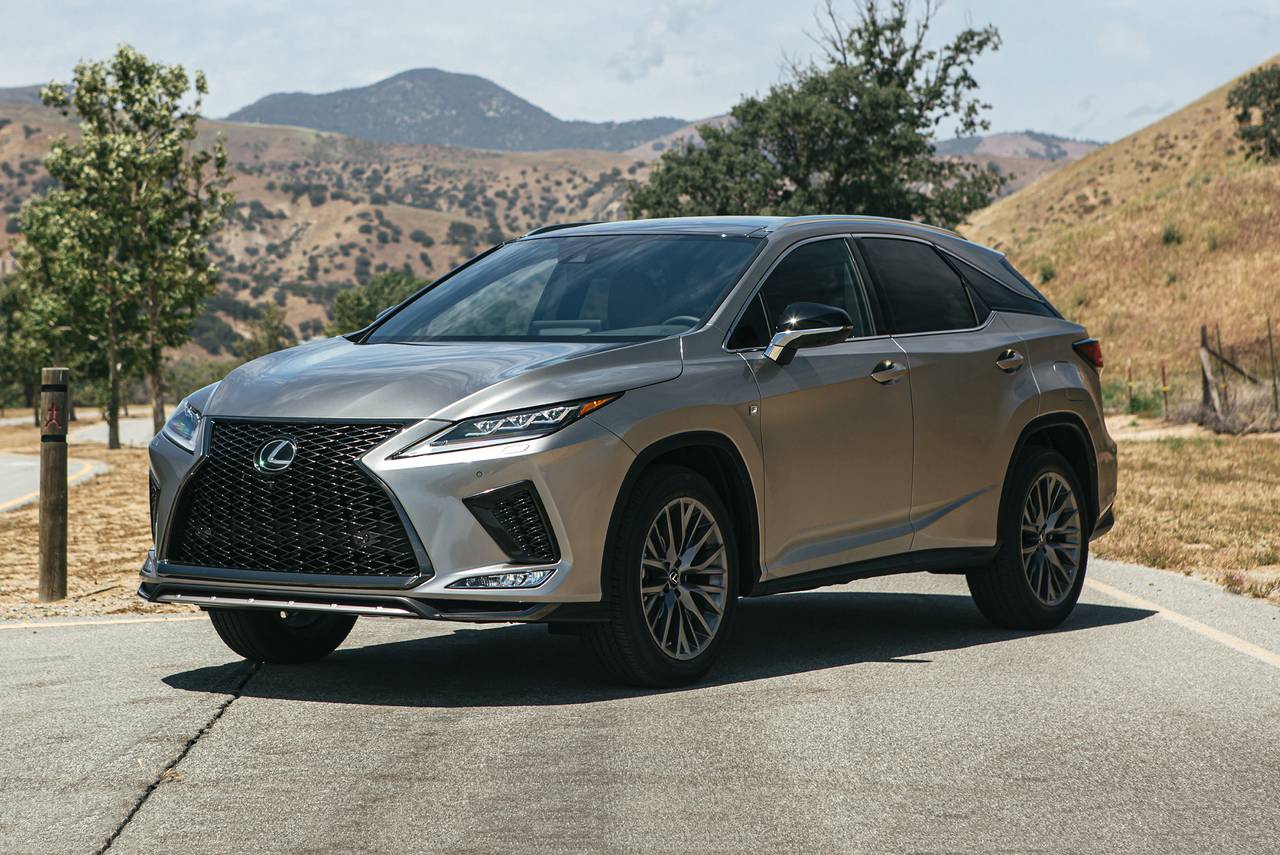
The F Sport model also benefits from a revised sport suspension setup, previously criticized for its stiffness and limited payoff, which now offers better compliance while maintaining a firmer, more engaging character.
Inside, Lexus has made notable updates to improve usability and driver convenience. The old mouse-style controller has been replaced with a new trackpad interface. While it represents progress, it can still be somewhat distracting to operate while driving.
The infotainment display itself is all-new and now functions as a touchscreen, allowing users to bypass the trackpad altogether by directly interacting with menus and controls.
Additionally, the screen has been repositioned roughly six inches closer to the driver for easier reach. For 2020, Apple CarPlay and Android Auto finally come standard, boosting the RX 350’s technology appeal.
Overall, the 2020 Lexus RX 350 emerges as a more compelling and competitive luxury SUV than before. Thanks to its substantial comfort, improved technology, and upgraded driving dynamics, it transforms from a middle-of-the-pack option into a well-rounded and desirable choice within the midsize luxury crossover class.
The 2020 Lexus RX 350 is available in two versions: the standard model and the F Sport. Both are powered by a 3.5-liter V6 engine producing 295 horsepower and 267 lb-ft of torque, paired with an eight-speed automatic transmission. Front-wheel drive comes standard, while all-wheel drive is available as an option.
11. Honda CR-V
The Honda CR-V has long been one of America’s best-selling SUVs for a reason it just doesn’t quit. The combination of Honda’s proven four-cylinder engines and well-tuned automatic transmissions gives the CR-V decades of dependable life.
Even older models from the early 2000s are still running strong today, often with original drivetrains. Its low-cost parts, ease of repair, and solid engineering make it one of the smartest used car purchases for long-term reliability.
This two-row crossover features a stylish and spacious interior with abundant storage options, making it an excellent companion for family adventures or long road trips. While neither of its four-cylinder engines, one turbocharged and one hybrid, are particularly quick, both provide commendable fuel efficiency.
Compared with competitors like the Mazda CX-5 and Volkswagen Tiguan, the CR-V isn’t as engaging to drive, but it maintains a composed demeanor and offers a smooth, comfortable ride.
Equipped with a host of active-safety technologies and a wide range of modern infotainment features, the 2021 CR-V combines practicality with sophistication, making it one of the best compact SUVs for small families.
Beyond the amenities, the hybrid model delivers a more refined and efficient drive than the gas version and comes standard with all-wheel drive.
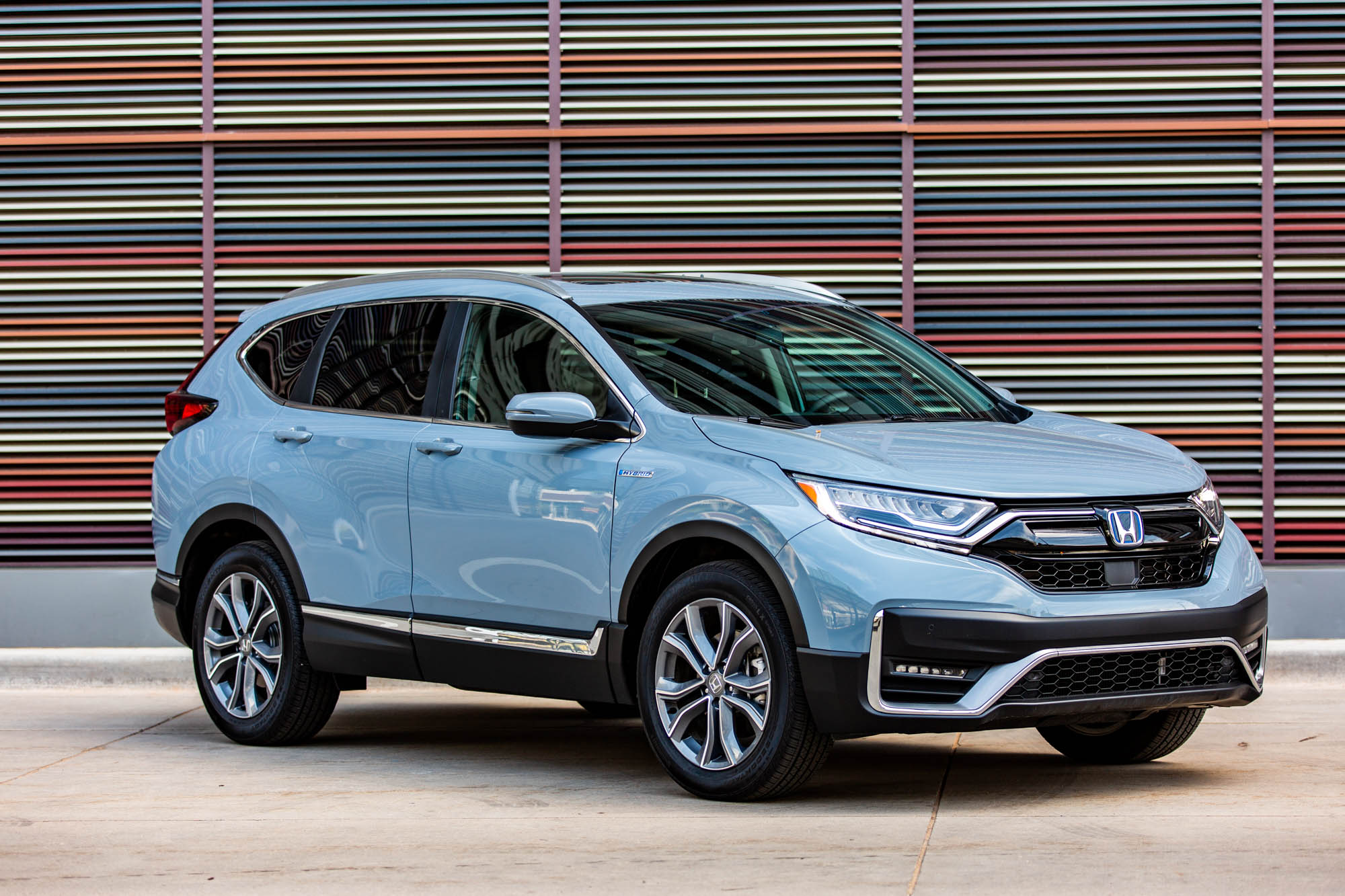
Honda’s decision to introduce its first turbocharged engine, a 1.5-liter four-cylinder producing 190 horsepower, into the CR-V was a smart move, especially when paired with one of the best continuously variable automatic transmissions (CVTs) on the market.
Despite its many strengths, the CR-V’s 1,500-pound towing capacity ranks among the lowest in its class. Those hoping for brisk acceleration may be underwhelmed, but everyone else will appreciate its composed handling, light yet precise steering, and confident braking performance.
The CR-V’s well-damped suspension ensures a comfortable, compliant ride whether you’re navigating city streets or highway commutes. The firm, responsive brake pedal delivers consistent stopping power on demand.
The hybrid model combines a 2.0-liter four-cylinder engine with two electric motors for a total output of 212 horsepower. Its power delivery is smooth and quiet, thanks to Honda’s careful tuning.
The company even addressed the droning sound often associated with hybrids by incorporating extra sound insulation and an active noise-cancellation system.
As a result, the CR-V Hybrid offers a notably quieter and more serene driving experience than the standard gas version, which can get quite vocal under hard acceleration.
12. Toyota Tacoma
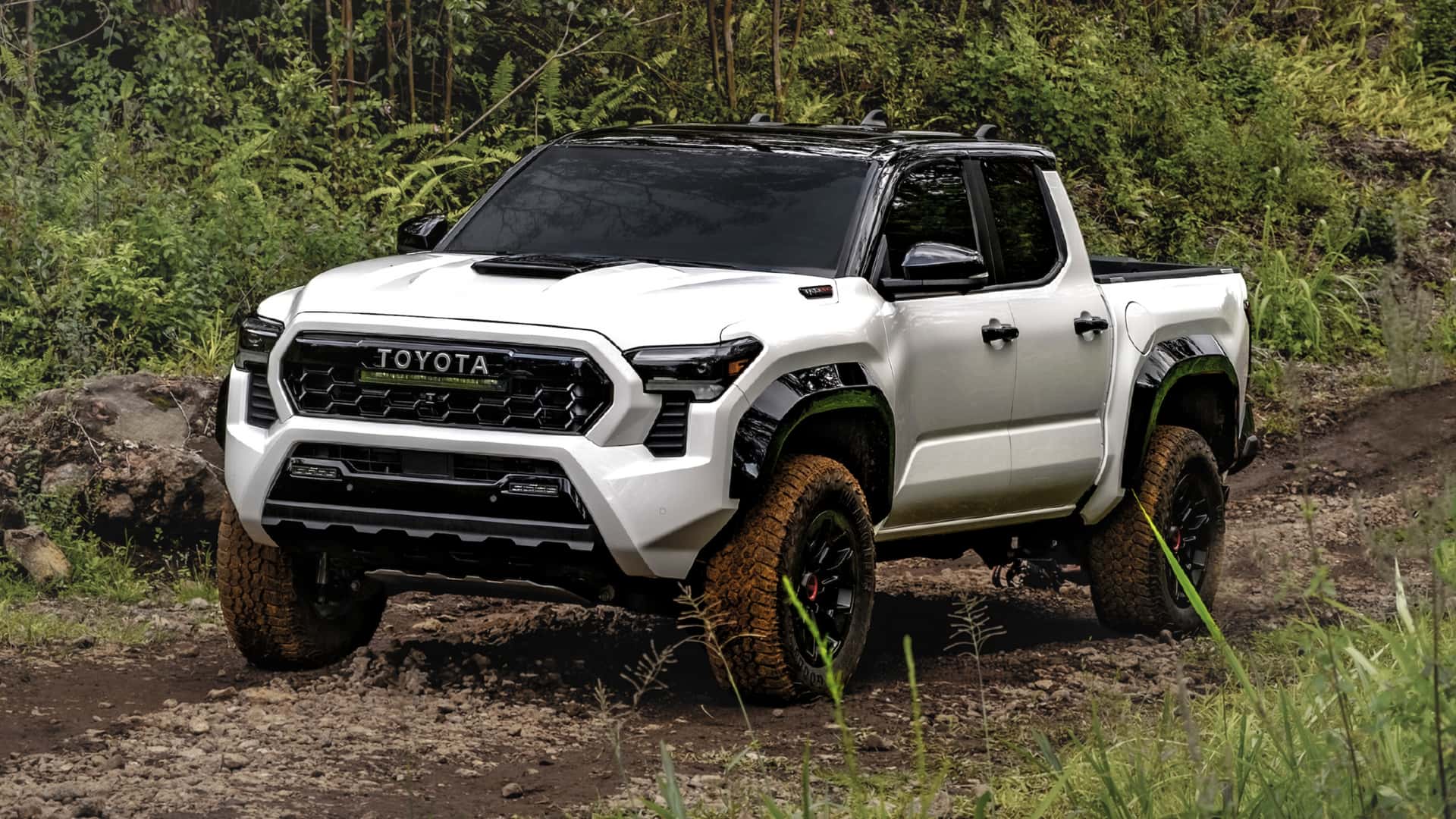
No list of long-lasting vehicles would be complete without the Toyota Tacoma. This midsize pickup truck is known for surviving abuse that would destroy lesser trucks.
Many Tacomas from the early 2000s still roam American roads and job sites. The 3.4-liter and 4.0-liter V6 engines are particularly respected for their resilience.
Whether used for hauling, off-roading, or daily driving, the Tacoma rarely breaks down if properly maintained. It’s not just reliable it’s one of the most trusted nameplates in U.S. truck culture.
Cars that last for 20 years without major repairs aren’t just flukes they’re the product of thoughtful engineering and consistent care.
Brands like Toyota, Honda, and Subaru have proven that durability isn’t about flashy technology but about designing vehicles that prioritize mechanical simplicity and quality materials.
For American buyers seeking true long-term value, these 12 vehicles are living proof that a reliable car can be a lifelong investment rather than a temporary purchase.