
When it comes to buying a car in the U.S., one of the biggest questions drivers face is longevity. How long will it last before major repairs start eating into your wallet?
While modern vehicles are packed with technology, not all are built to endure decades of driving, harsh winters, or long highway miles.
Yet, a few models have earned a reputation among mechanics and long-term owners as “forever machines” vehicles that seem to keep going strong well past 200,000 miles, with some even reaching the half-million mark.
Below are ten cars that mechanics consistently praise for their bulletproof engineering, low maintenance needs, and unmatched staying power on American roads.
1. Toyota Land Cruiser
Ask any seasoned mechanic about a vehicle that refuses to quit, and the Toyota Land Cruiser almost always tops the list. This legendary SUV, known for its rugged off-road capability and smooth highway manners, is built on a philosophy of overengineering.
Its 5.7-liter V8 engine and heavy-duty transmission were designed for endurance, not speed. Many older models from the 1990s and early 2000s are still running in harsh terrains around the world.
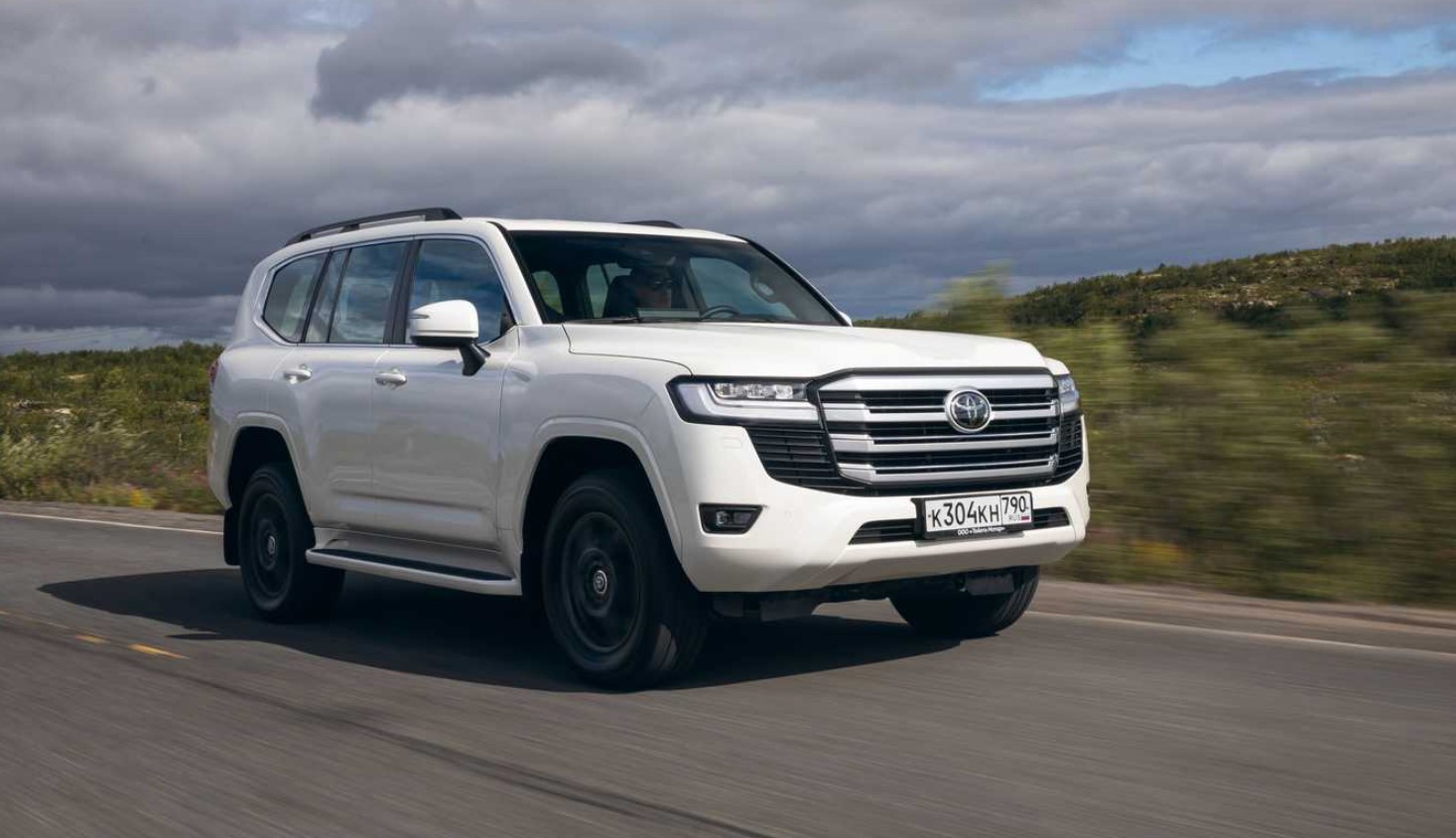
In the U.S., it’s common to see Land Cruisers exceed 300,000 miles with minimal issues beyond routine maintenance.
Even though Toyota discontinued it for the American market after 2021, the Land Cruiser remains a symbol of indestructibility and prices for used models prove it.
Being a tall, truck-based SUV, it’s no surprise that the 2024 Land Cruiser displays some body roll when cornering hard. However, its overall grip and handling surpass expectations.
In this latest iteration, it stands out as one of the more agile options in its segment, featuring a suspension system that efficiently absorbs bumps and maintains composure through turns. Naturally, it truly excels off-road, possessing the capability to tackle rock-crawling trails alongside the best in the business.
Every 2024 Land Cruiser comes powered by Toyota’s turbocharged i-Force Max hybrid powertrain, which pairs a turbocharged 2.4-liter engine with an electric motor to deliver a combined 326 horsepower and 465 pound-feet of torque.
Its full-time four-wheel-drive setup is complemented by standard center and rear locking differentials, while an available front stabilizer bar disconnect system enhances suspension articulation for improved off-road performance.
2. Honda Accord
Mechanics often refer to the Honda Accord as the definition of dependable transportation. It’s been part of American driveways for over four decades, and for good reason.
Whether powered by the efficient four-cylinder or the smooth V6, the Accord is known for engines that rarely fail and transmissions that go the distance.
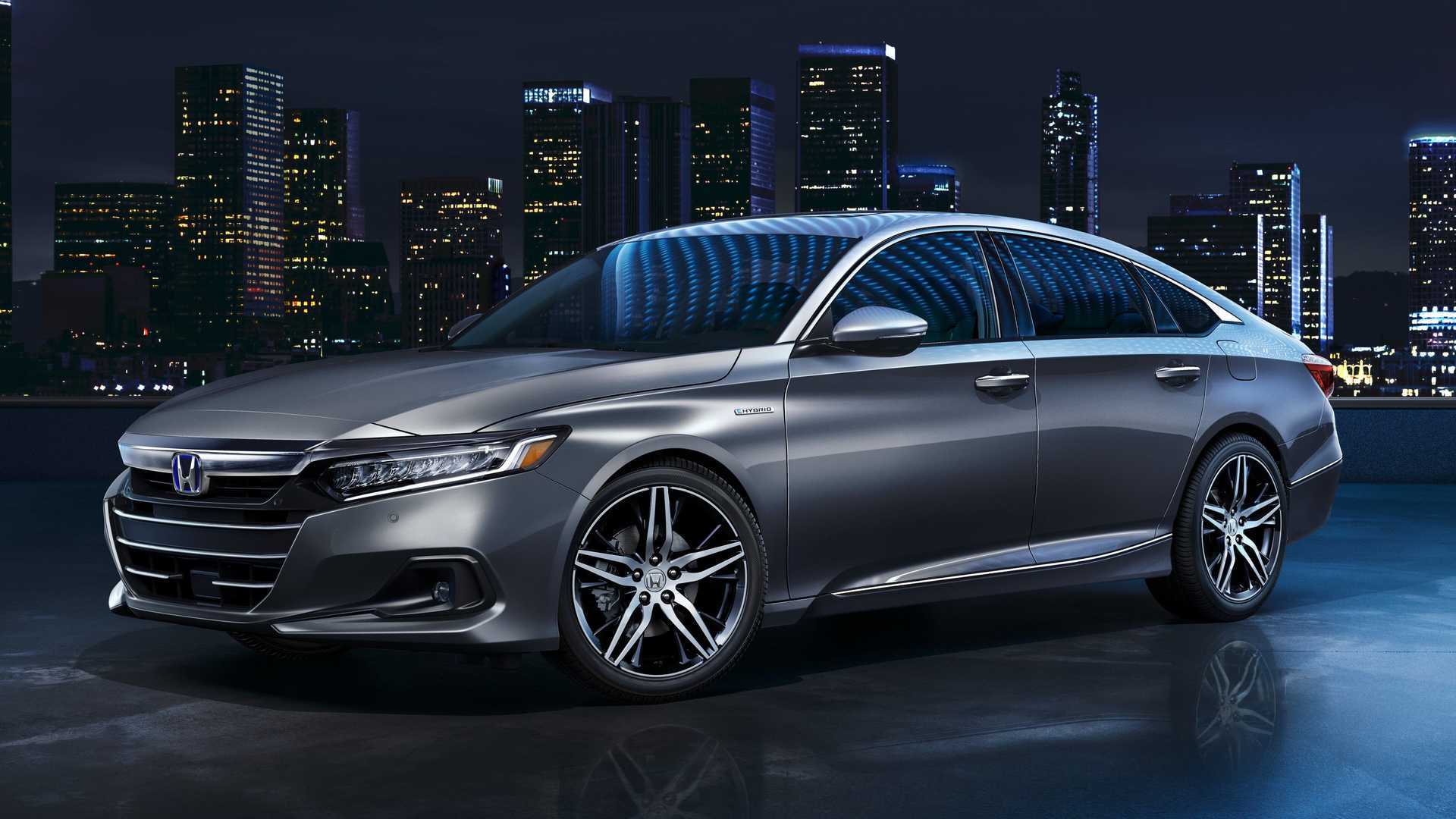
What sets the Accord apart is the way it blends durability with everyday practicality comfortable seating, strong resale value, and a reputation for reliability backed by real-world data.
Mechanics often note that well-maintained Accords can surpass 250,000 miles with little more than basic upkeep.
Also Read: 5 SUVs Families Keep Forever vs 5 They Quickly Trade In
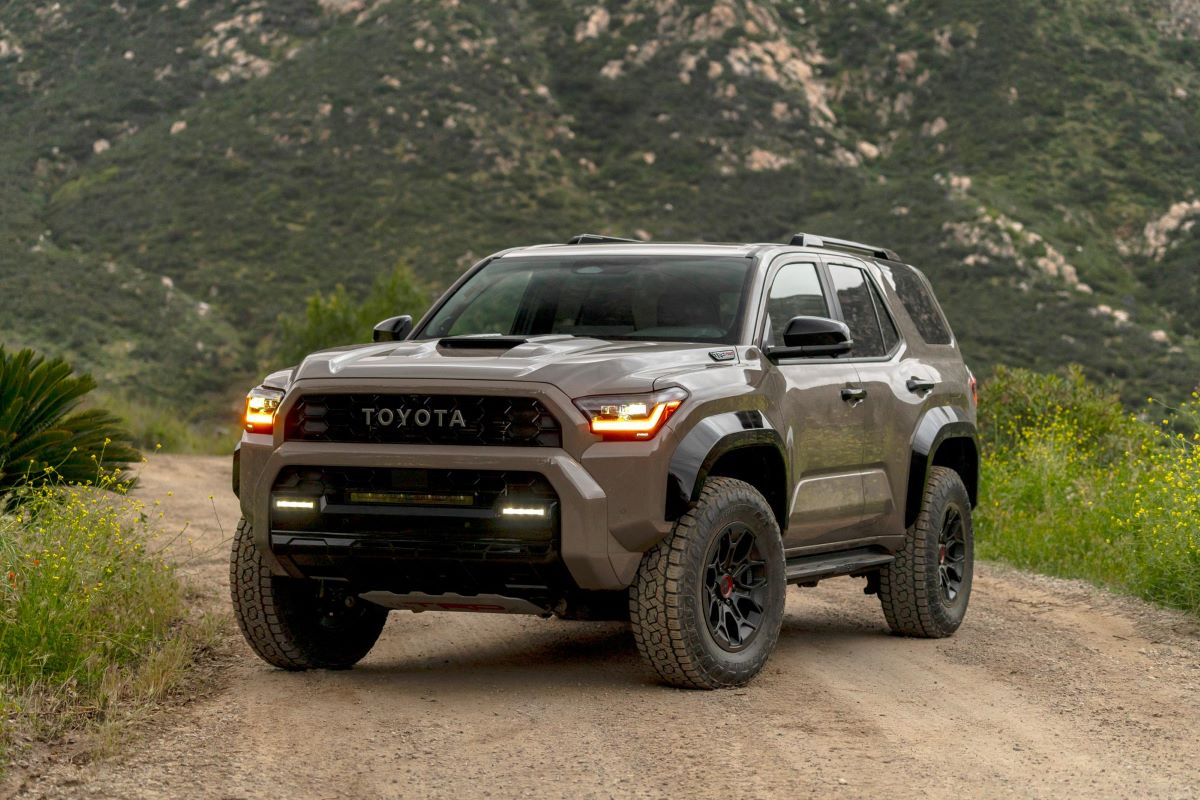
3. Toyota 4Runner
The Toyota 4Runner has become a cult favorite among adventurers and mechanics alike. Built on a truck-like body-on-frame design, it’s one of the few SUVs left that’s as tough as it looks.
From daily commuting to desert trails, the 4Runner’s naturally aspirated V6 engine is a masterpiece of simplicity and strength.
Mechanics love it for its lack of unnecessary complexity fewer turbos, fewer sensors to fail, and more focus on proven mechanical reliability.
Owners often keep their 4Runners for decades, passing them down through generations. It’s not uncommon to see models from the early 2000s still running strong with original drivetrains.
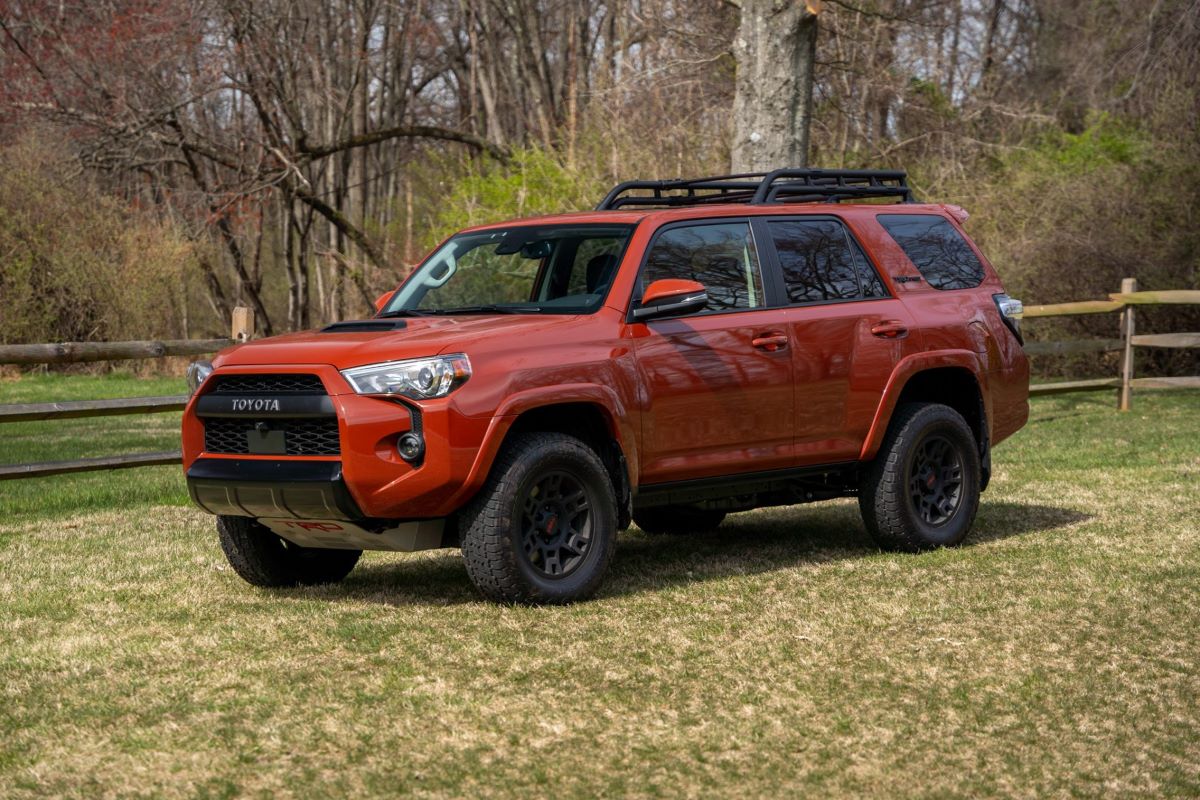
The 2023 4Runner is a decent option among used midsize SUVs. Few rivals can rival the Toyota’s off-road capability, and its cargo space ranks among the best in the segment. The seats offer reasonable comfort, and the infotainment system is straightforward to operate.
The 4Runner is something of a one-trick pony, its adventurous nature takes precedence over nearly everything else.
Unfortunately, that comes at the expense of on-road refinement, as it suffers from a coarse powertrain, lackluster fuel economy, uninspired handling, and a rough ride. The cabin is simple and functional, though the tech features, while user-friendly, feel dated.
While the 4Runner scores impressively for reliability within its class, it is held back by average crash-test results and notably high five-year ownership costs.
Those factors may lead shoppers to consider alternatives such as the Jeep Grand Cherokee or Honda Pilot. The Grand Cherokee combines upscale interior quality with strong off-road ability, whereas the Pilot offers a roomy cabin and a more pleasant everyday driving experience.
4. Lexus LS 400
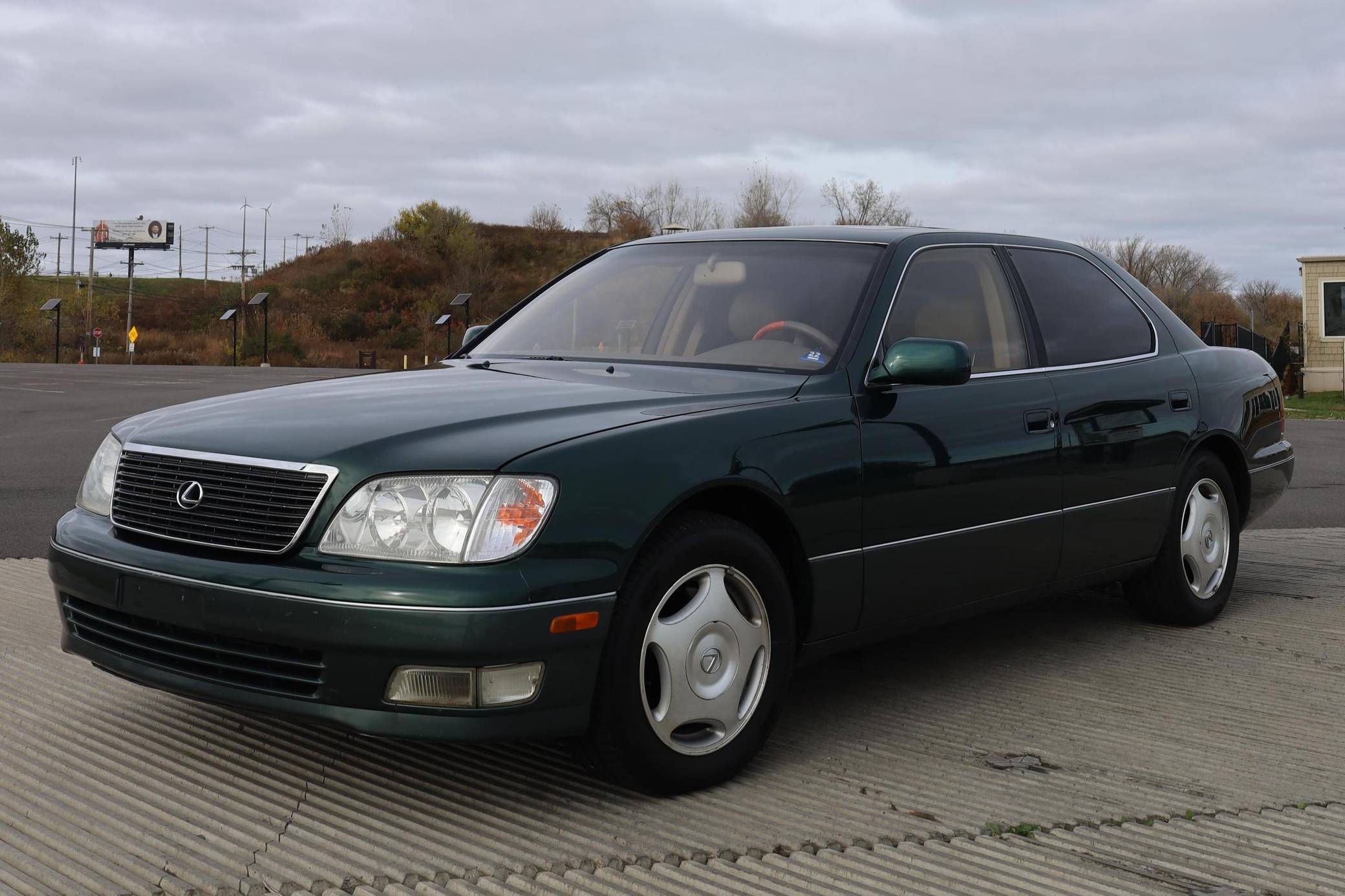
When Lexus entered the American market in 1989, it did so with the LS 400 a sedan so well-built that it redefined automotive reliability. Underneath its refined exterior lies an engineering marvel.
The LS 400’s 4.0-liter V8 was built with precision tolerance, balanced to perfection, and paired with a transmission that shifts seamlessly even after 300,000 miles.
Mechanics often joke that the LS 400 is “too well built” because it rarely visits the shop. Many examples from the 1990s still run quietly today, a testament to the era when Lexus was determined to outlast Mercedes-Benz and BMW in every measurable way.
Three years after debuting the fifth generation of the Lexus LS, the Japanese automaker unveiled a refreshed version of its flagship sedan for the 2021 model year.
When Lexus launched the fifth-generation LS in 2017, buyers were drawn to its serene cabin and exceptionally smooth ride. However, despite these strengths, the luxury brand overlooked the inclusion of several tech features that were already becoming common in competing models, such as Apple CarPlay and Android Auto.
Recognizing the growing demand for these amenities, Lexus addressed the issue with the facelifted 2021 LS, introducing notable upgrades and refinements. It was, after all, an ideal time for a thorough update to the brand’s prestigious full-size sedan.
Understanding that any successful facelift begins with design, Lexus started by reworking the LS’s exterior. The 2021 model showcased a sharper and more elegant appearance, highlighted by redesigned headlights with sculpted, organic contours and pointed inner corners.
From the side, the 2021 Lexus LS retained its sleek, coupe-inspired silhouette. The rising character lines along the doors and the upward sweep of the window trim accentuated its athletic stance.
Although the overall shape remained familiar, the updated model incorporated new touches, such as turn signal indicators built into the door mirror caps and a selection of redesigned alloy wheels available in sizes up to 20 inches.
At the rear, the L-shaped LED taillights glowed brighter with sharper detailing, and a new hands-free power trunk system added a layer of modern convenience.
Inside, the LS underwent thoughtful updates aimed at both technology and comfort. A reworked dashboard now housed a 12.3-inch touchscreen infotainment display with Apple CarPlay, Android Auto, and Amazon Alexa integration.
Lexus also introduced refined interior trims, including a metallic leaf motif that added visual sophistication. The seats received notable enhancements as well, featuring new materials and low-resilience urethane padding for improved comfort. Rear passengers could further indulge in heated and massaging outer seats, emphasizing the sedan’s luxury credentials.
Beyond design and comfort, the 2021 LS also benefited from comprehensive advancements in safety and performance. Every trim level came equipped with Lexus’s suite of advanced driver-assistance technologies, including adaptive cruise control, lane departure assist, and backup assist.
Buyers could choose between traditional internal combustion and hybrid powertrains. The gasoline-powered versions were paired with a 10-speed automatic transmission, while the hybrid models combined a four-speed automatic with an eCVT system.
Additionally, the LS was available with both rear- and all-wheel-drive configurations, as well as an optional rear-wheel steering system to enhance agility.
5. Subaru Outback
In parts of the U.S. where winters are brutal, the Subaru Outback has become a household staple.
Known for its symmetrical all-wheel-drive system and practical wagon design, the Outback earns high marks from mechanics who see them surviving decades in snowy regions.
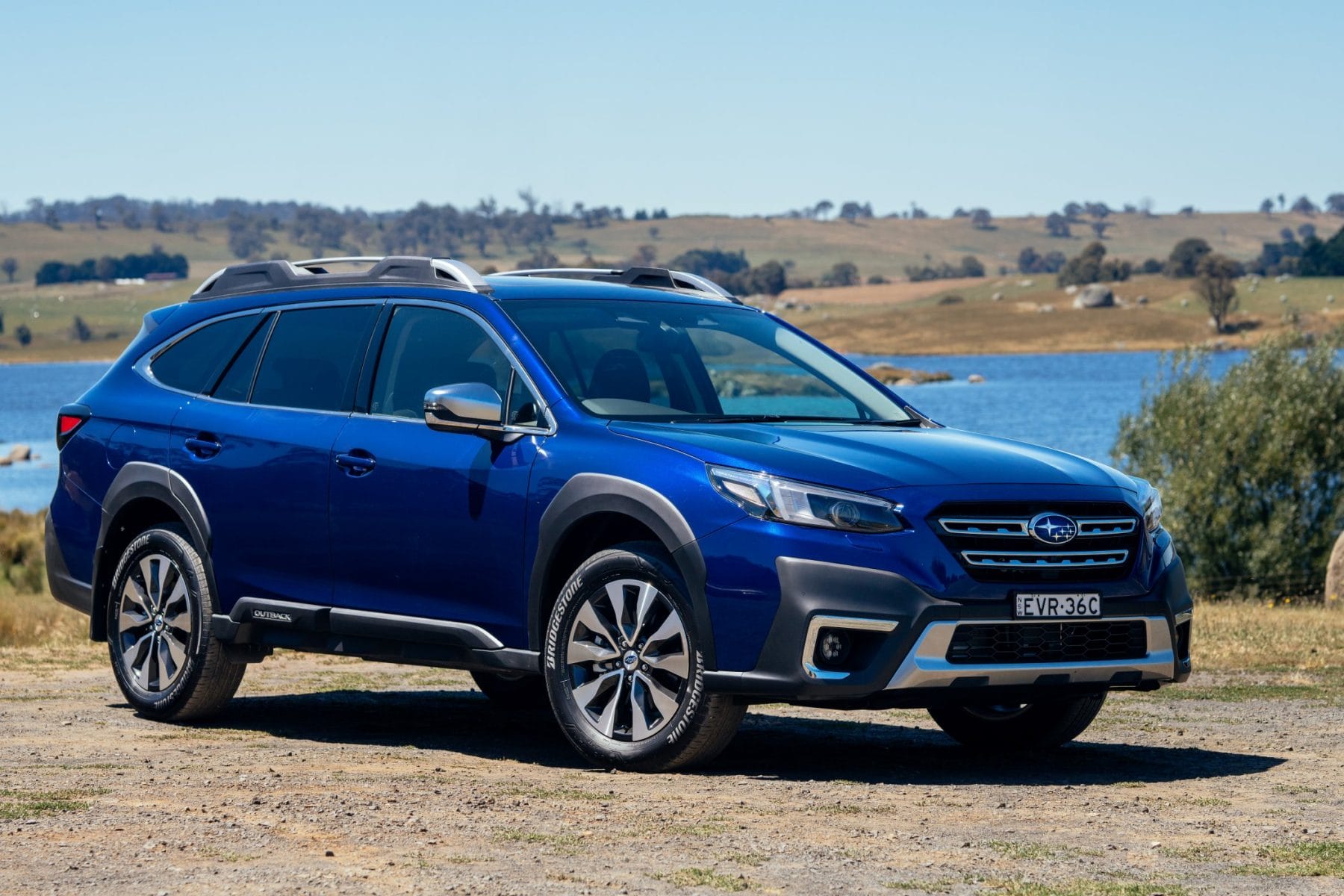
The flat-four “boxer” engine is simple and balanced, reducing vibration and improving longevity. While early models had some head gasket concerns, Subaru refined its engineering, and recent Outbacks regularly pass the 250,000-mile mark.
For those who maintain them properly, they’re dependable, capable, and nearly unstoppable in bad weather.
Also Read: 11 Cars That Stay Out of the Shop Longer Than Rivals
6. Toyota Corolla
Few cars symbolize everyday reliability like the Toyota Corolla. With millions sold in the U.S., it’s not just one of the most popular vehicles ever it’s one of the toughest. Mechanics praise it for its consistent engineering and conservative design choices.
There’s no flash or unnecessary innovation here just bulletproof components that seem to last forever.
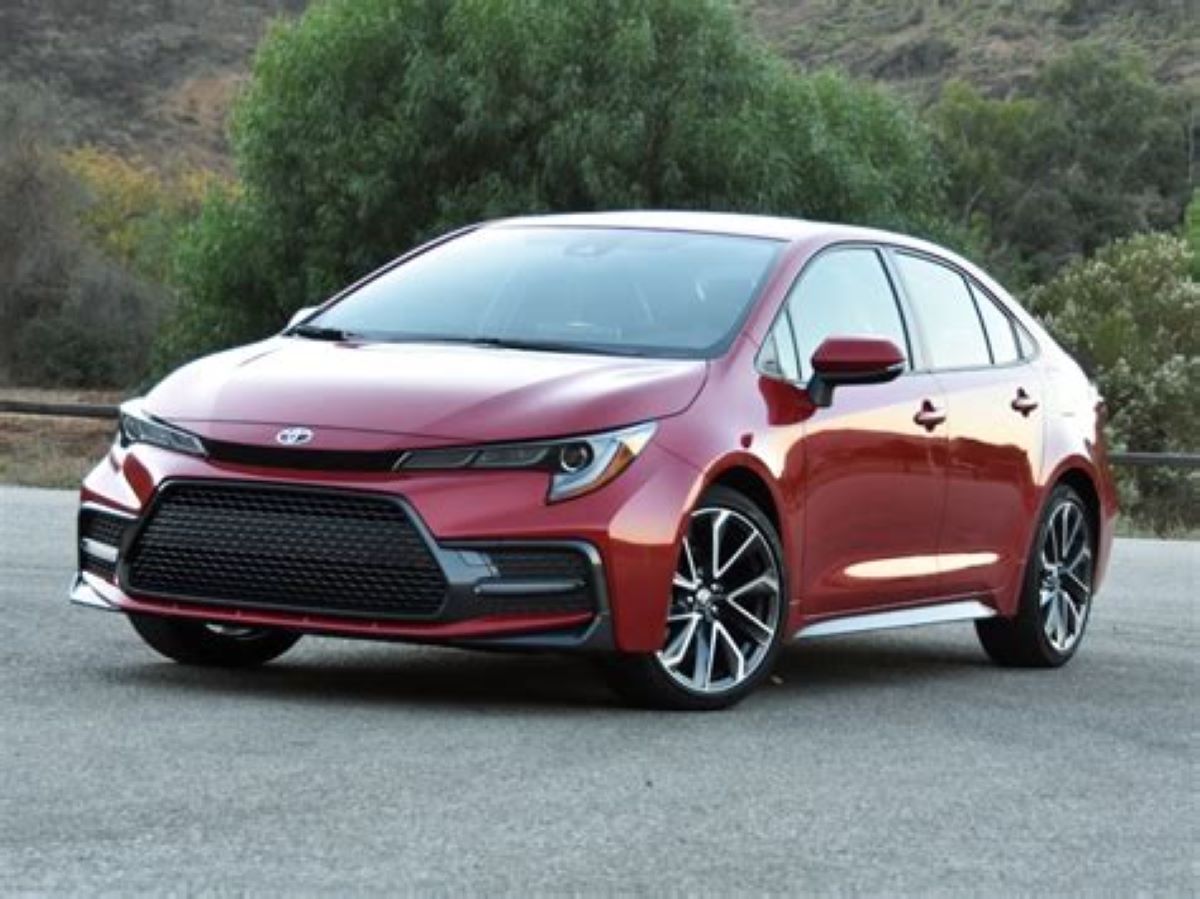
Corollas from the 2000s and early 2010s are still found on American highways with original engines and transmissions after 300,000 miles. Its affordability and ease of maintenance make it a favorite for anyone who wants worry-free driving.
7. Honda Civic
If the Corolla represents quiet reliability, the Honda Civic adds a touch of enthusiasm to the mix. Loved by commuters, students, and tuners alike, the Civic’s enduring appeal lies in its robust engine lineup and simplicity.
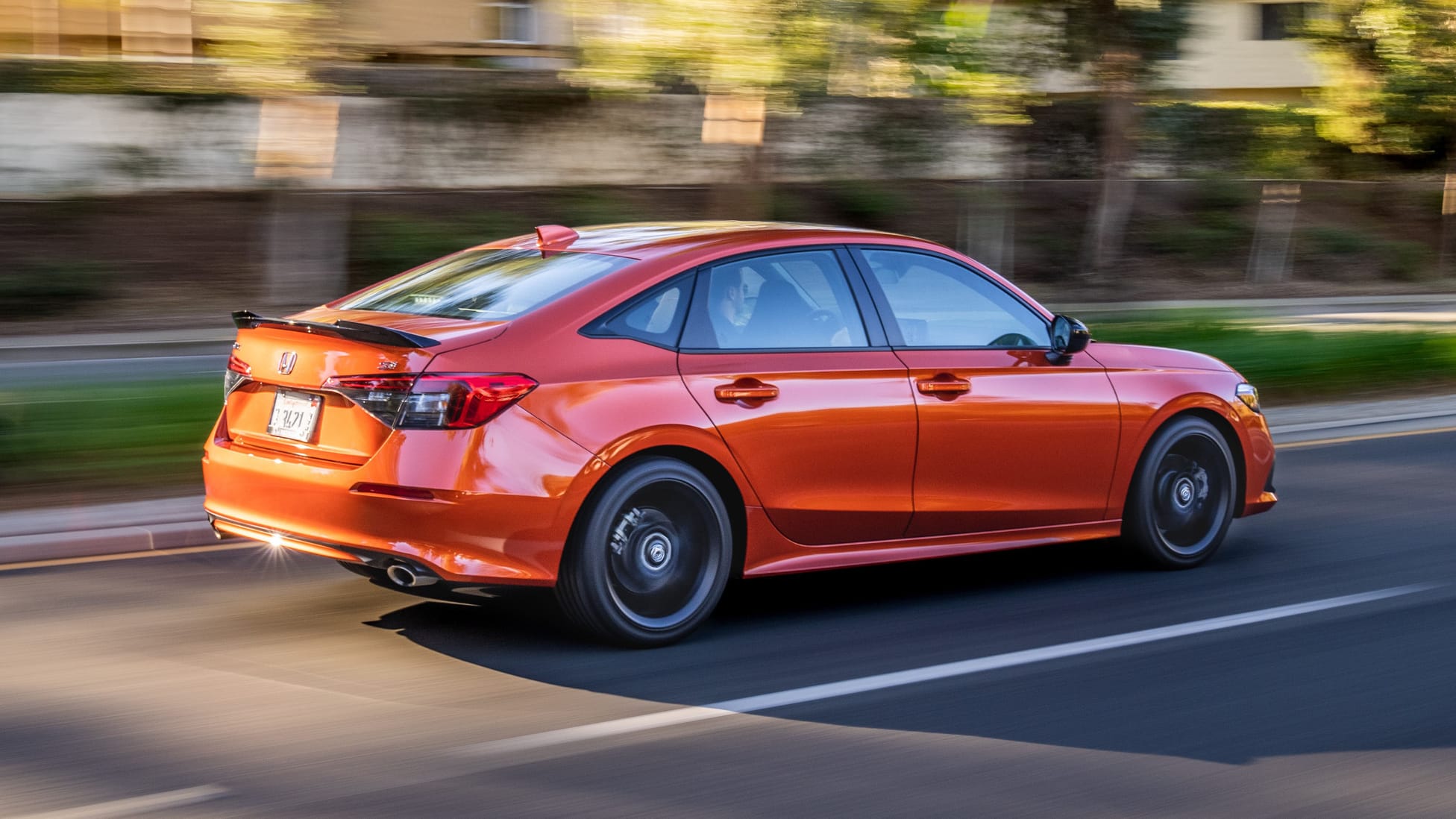
Mechanics often mention that Civics are easy to work on, with inexpensive parts and long-lasting components. Whether it’s a 2005 model still rolling through the suburbs or a newer turbocharged version, the Civic’s reputation for lasting durability holds strong.
Proper maintenance can easily push this car beyond 250,000 miles, making it a “forever machine” in its own right.
Once viewed simply as a basic means of transportation, the Honda Civic has evolved into a sought-after and genuinely fun-to-drive compact car.
Offered as either a sedan or a versatile hatchback, the Civic gives buyers a choice between two engines: a 158-horsepower 2.0-liter four-cylinder or a turbocharged 1.5-liter engine that produces up to 180 horsepower.
Honda also equips its smallest model with a wide range of standard driver-assistance technologies, including adaptive cruise control and lane-keeping assist.
Unfortunately for coupe fans, the Civic’s two-door body style has been discontinued after the 2020 model year. The sedan and hatchback variants continue, but Honda is already preparing an all-new generation of the Civic for 2022, expected to debut in spring 2021.
Our top pick is the Sport hatchback, which comes standard with a manual transmission. It offers more interior space than the sedan and features the stronger 180-hp turbocharged engine that’s optional on other trims.
Opting for the Sport also adds a long list of desirable features, such as Apple CarPlay and Android Auto compatibility, a 7.0-inch touchscreen infotainment system, an eight-speaker sound system, a leather-wrapped steering wheel and shift knob, push-button start, fog lights, and a rear-seat fold-down armrest.
Both of the Civic’s four-cylinder engines deliver lively performance, but the turbocharged version earns our top recommendation for its extra punch and refinement.
In testing, it propelled the Civic Touring briskly off the line, making it a standout in the segment. While the six-speed manual transmission offers light and precise shifts, making it our preferred choice, the optional continuously variable automatic transmission (CVT) is one of the best in its class, delivering smooth and responsive power delivery.
A master of balance, the Civic manages to blend comfort with engaging dynamics. Its suspension provides a composed ride that’s neither too soft nor too firm, while the steering feels quick, accurate, and nicely weighted.
The Civic’s handling inspires confidence, making it enjoyable to drive in nearly any setting. Sport trims dial up the excitement further with quicker steering response.
Although the brakes are firm and communicative, they don’t quite match the stopping power of some rivals. Nonetheless, the Civic remains one of the most well-rounded and rewarding compact cars on the road.
8. Toyota Tacoma
When it comes to small pickup trucks, the Toyota Tacoma has practically become folklore. Known for its ability to endure decades of heavy use, the Tacoma’s engine and frame are designed for abuse and yet it keeps going.
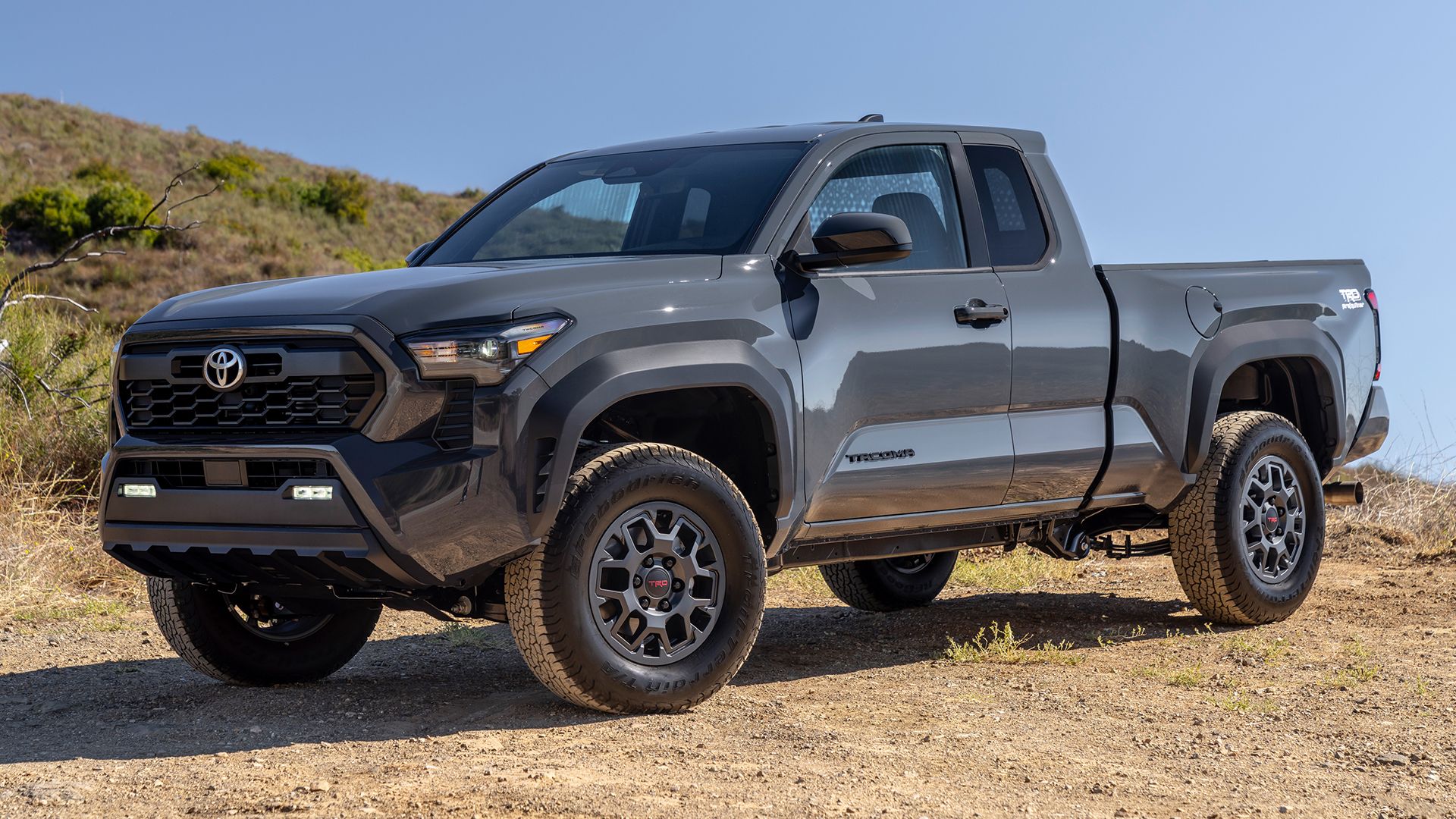
Mechanics often joke that the only way to kill a Tacoma is rust. Its 4.0-liter V6 and 2.7-liter four-cylinder engines are famously resilient, and it’s not rare to see Tacomas from the early 2000s still serving as daily drivers or work trucks.
Its blend of reliability, resale value, and sheer toughness has made it one of America’s most sought-after used trucks.
Not everyone needs the size, towing capacity, or bulk of a full-size pickup truck. That’s where midsize models come in, and the 2021 Toyota Tacoma stands out as one of the stronger options in this category.
While it ranks behind the more city-friendly Honda Ridgeline and the off-road-oriented Jeep Gladiator in overall standings, the Tacoma strikes a practical balance between the two. It also offers a touch more refinement than competing midsize trucks from Chevrolet, Ford, and GMC.
After a significant refresh in the previous model year, the 2021 Tacoma carries over largely unchanged. However, Toyota introduced two new limited-edition trims for buyers looking for something unique.
The Trail Special Edition, limited to 7,000 units, is based on the SR5 Double Cab and adds features geared toward outdoor enthusiasts. It includes all-terrain tires and lockable bed storage bins, with the driver’s side bin insulated to double as a built-in cooler.
Meanwhile, the Nightshade Special Edition, restricted to 5,000 units, takes the upscale Limited trim and gives it a darker, more aggressive aesthetic with blacked-out badging and trim details throughout.
When Toyota redesigned the Tacoma for the 2016 model year, we were eager to find out how it performed in everyday life. To do that, we added a 2016 Toyota Tacoma TRD Off-Road to our long-term test fleet and logged more than 40,000 miles over nearly two years.
While the Tacoma has received minor updates since that redesign, it remains within the same generation, so much of what we learned from that long-term experience still applies to today’s model.
9. Lexus GX 460
While many luxury SUVs rely on complex electronics and air suspensions that eventually fail, the Lexus GX 460 stands apart for being overbuilt and underappreciated.
Under its refined shell lies the heart of a Toyota Land Cruiser Prado a platform designed for global endurance.
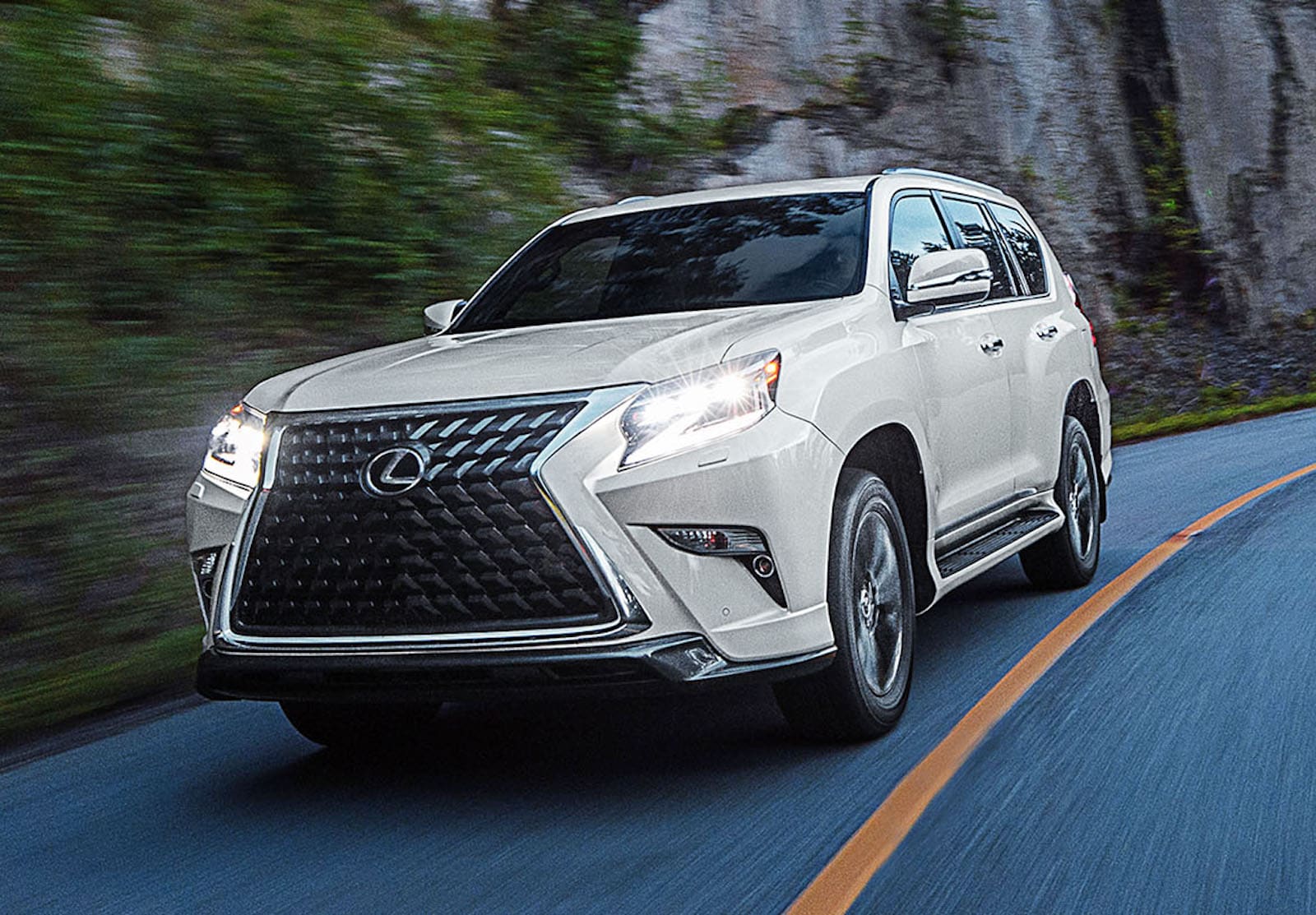
Mechanics love its 4.6-liter V8 engine, simple drivetrain, and durable transmission. It’s capable of tackling rough trails and long commutes alike without complaint.
Many GX owners report their vehicles running perfectly even after 300,000 miles, proving that comfort and durability can coexist beautifully.
On a rough, unpaved logging road in upstate New York, the strengths of the Lexus GX460 become immediately apparent. Its 4.6-liter V8 engine delivers smooth and steady power, while the high-travel shocks and rear air springs absorb the harsh terrain without complaint.
When the dirt gives way to rocks, features like the 360-degree monitor and short overhangs turn the GX into a capable crawler, so long as you’re mindful of its large, aggressive front fascia. It feels tougher and more resilient than any other luxury SUV, happiest when pushed hard across loose surfaces, almost like a baby Ford Raptor.
However, once the GX returns to paved highways en route to Brooklyn, its charm starts to fade. For all its off-road confidence, the GX460 doesn’t feel particularly refined on the road, certainly not enough to justify its $71,695 as-tested price. After all, the Raptor is not only cheaper but also larger and more versatile, with the added utility of a truck bed.
Of course, Lexus still outshines Ford, Jeep, and Toyota in the details. Every control knob feels perfectly weighted, the steering wheel blends leather and wood beautifully, and the cabin is draped in buttery-soft leather. But look a little deeper and signs of age begin to show.
The infotainment system is two generations old—designed before Lexus introduced its controversial mouse controller and somehow persisting beyond its retirement. It behaves like it, too: menus lag, responses are sluggish, and the navigation screen moves in awkward jumps rather than smooth scrolls.
Up-to-date tech might not be a top priority for GX buyers focused on off-road performance, but when basic operations become frustrating, it detracts from the overall experience.
It’s even more disappointing when you realize that both the Jeep Wrangler and Toyota 4Runner, vehicles aimed at the same adventurous crowd, offer far newer and more user-friendly infotainment systems.
Where the GX does pull ahead of the 4Runner is in ride comfort. Major bumps are handled with composure, and the GX feels more composed in city driving, even if it still suffers from the slight jitteriness common to body-on-frame SUVs. Generous insulation keeps the cabin serene, and the cargo area is spacious.
The side-hinged tailgate, though, feels like an odd choice, until you remember that in other markets, this vehicle is sold as the Land Cruiser Prado, complete with a tail-mounted spare tire.
That connection to the Land Cruiser lineage highlights the GX460’s central dilemma. It’s caught between two identities: the rugged, go-anywhere off-roader it was engineered to be and the polished luxury SUV Lexus wants it to become. Its excellence in the first role makes it endearing, but striving for the second has inflated its base price to over $53,000.
That pricing puts it in competition with more luxurious and road-focused SUVs like the Lexus RX, Acura RDX, and BMW X3, and even makes it pricier than a fully loaded Toyota 4Runner TRD Pro.
Perhaps it’s my affection for the 4Runner’s straightforward ruggedness, but it’s hard to see why someone would spend more for the GX. If you’re truly craving off-road luxury, the Land Cruiser or Lexus LX570 accomplish that mission far more convincingly.
10. Volvo 240
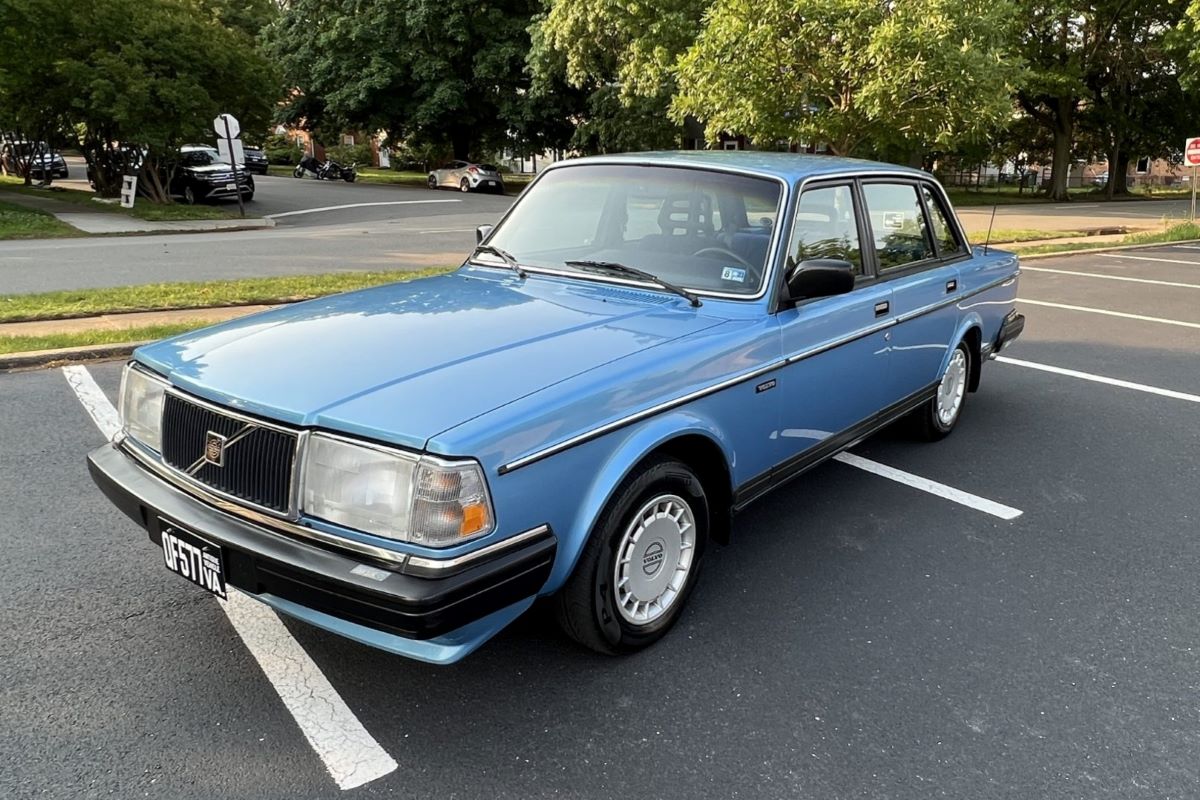
Before modern safety tech, there was the Volvo 240 a car that combined unbreakable engineering with legendary safety.
Produced from the 1970s through the early ’90s, the 240 was built to last in the harsh Scandinavian climate, which translated perfectly to American winters.
Mechanics and Volvo enthusiasts often note that the 240’s simple inline-four engine and robust mechanical systems can last indefinitely with proper care.
Many examples are still on the road today, often with over 400,000 miles. It’s a car that defined durability before Toyota and Honda became household names for reliability.
What separates these “forever machines” from the rest isn’t just engineering it’s philosophy. Each of these vehicles was built with longevity as a core goal rather than cost-cutting.
They use tried-and-true powertrains, quality materials, and maintainable designs. Mechanics across America agree that with regular oil changes, preventive maintenance, and quality parts, these cars can outlast almost anything else on the road.
In an era when automakers chase new tech and style trends, these models remind us that true value lies in what lasts.
Whether you’re driving a decades-old Corolla or a rugged 4Runner, some cars simply refuse to die and that’s what makes them forever machines.
