The 1970s were a turbulent decade for the automotive industry marked by oil crises, emissions regulations, and the rise of smaller, more efficient cars.
Yet despite the challenges, this era produced some of the most durable vehicles ever built machines that could endure rust, rough roads, and the passage of time better than many of their successors.
For many car enthusiasts, these ’70s rides remain icons of simplicity and strength vehicles that prove long-lasting durability isn’t just a marketing phrase, but something engineered into the very steel and soul of a car.
Here are 12 cars from the 1970s that continue to prove how real automotive longevity can be.
1. Toyota Land Cruiser FJ40
If there’s one vehicle that symbolizes unbreakable durability, it’s the Toyota Land Cruiser FJ40.
Built like a tank and designed to survive the world’s harshest environments, the FJ40 was a go-anywhere, do-anything 4×4 long before “off-road” became a marketing trend.
Its inline-six engine, solid axles, and minimal electronics made it nearly indestructible. Even today, FJ40s are prized for their ability to start up after decades of neglect often needing little more than fresh fuel and a charged battery.
The Toyota Land Cruiser boasts a rich and enduring legacy, with one defining trait remaining consistent throughout its 70-year production run, its unmatched ruggedness and reliability.
Originally built for military use, the first Land Cruiser was engineered to transport troops and cargo with a focus on durability and off-road capability above all else.
However, it was the 40 Series that truly elevated the Land Cruiser to global success, becoming one of Toyota’s top-selling models both in the United States and in markets such as Australia.
These vehicles were especially prized by people living in tough, remote environments where paved roads were scarce. Thanks to their simple yet robust design, even “shade-tree” and “bush” mechanics could repair and maintain them without needing specialized tools or a trip to the shop.
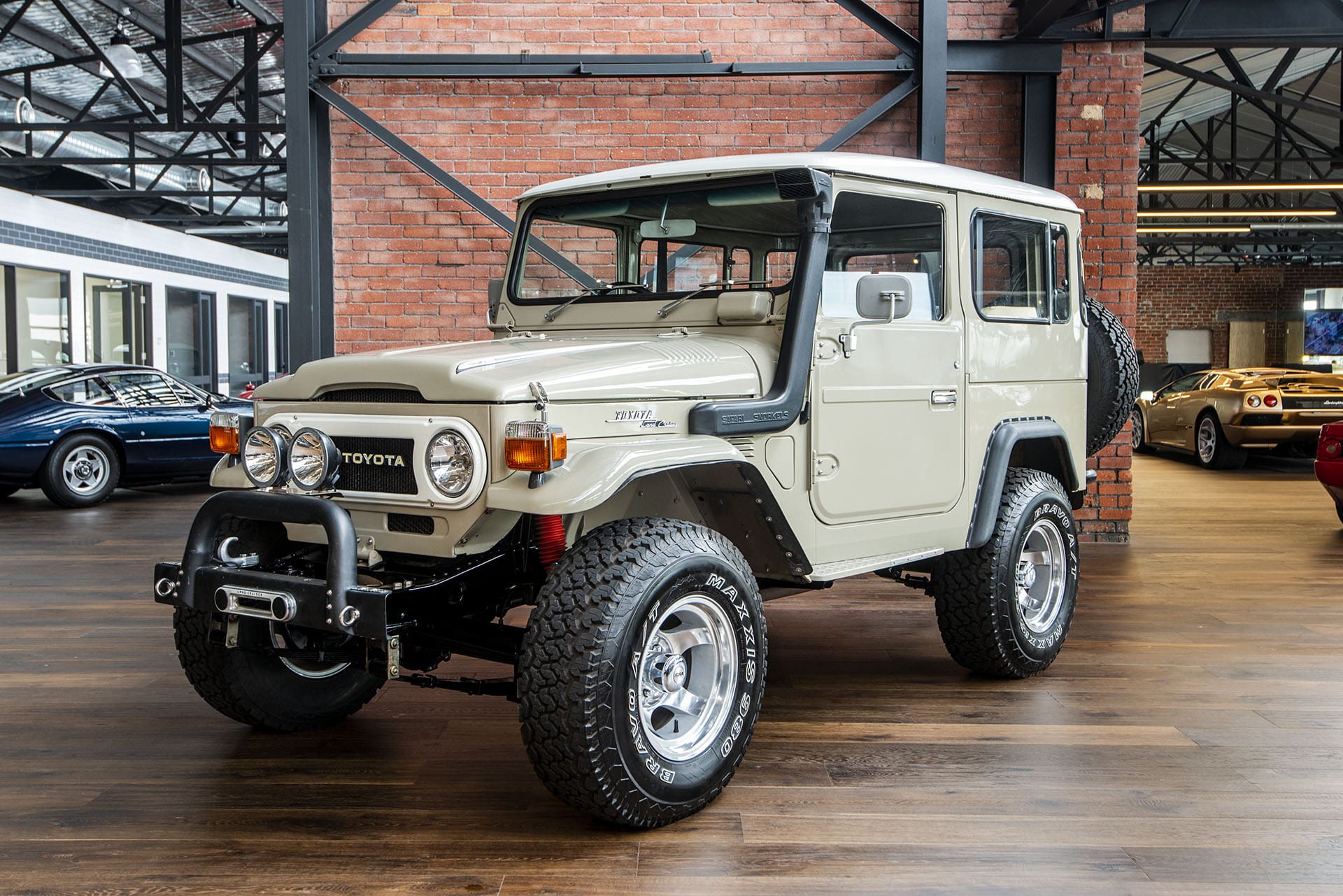
Under the hood, a 3.6-liter inline-six engine producing 125 horsepower powered the FJ40, earning a reputation for being virtually indestructible. The model’s enduring popularity was so strong that, despite the official end of global production in 1984, manufacturing continued in Brazil until 2001.
This particular 1970 Toyota Land Cruiser FJ40 is a two-door, short-wheelbase example paired with a 3-speed manual transmission. It underwent a meticulous nut-and-bolt restoration completed in 2013, during which every original component was either refinished or rebuilt.
The engine, transmission, transfer case, sheet metal, axles, starter, and carburetor were all restored to factory specifications to preserve the vehicle’s authenticity.
The engine was over-bored by 0.40 inches to 3.9 liters and fitted with a new camshaft, lifters, pistons, and bearings, while the transmission remained true to original factory standards. In cases where the original parts could not be reused, only genuine Toyota components were installed.
The FJ40 proudly retains its original Toyota Fashion Green paint, applied over all-original sheet metal. A black vinyl interior, paired with an off-white roof and grille, completes its timeless and classic aesthetic.
With selectable high and low gearing and manually engaged four-wheel drive, this Land Cruiser is built to conquer any terrain with ease. Today, it performs just as it did the day it left Toyota’s factory, dependable, capable, and a genuine pleasure to drive.
2. Mercedes-Benz W123
Produced from 1976 to 1985, the Mercedes-Benz W123 wasn’t just a car it was an engineering statement.
Built during a time when Mercedes prioritized quality over cost, the W123’s overbuilt components, durable diesel engines, and rust-resistant body structure made it a global taxi favorite.
Many of these sedans and wagons have surpassed the million-mile mark, proving that German engineering of the late ’70s was truly second to none.
Few vehicles in automotive history command the same respect and admiration as the Mercedes-Benz W123. Produced from 1976 to 1985, this iconic model has earned its legendary status not only for its timeless style and solid performance but also for something that’s increasingly rare in today’s automotive world, indestructibility.
Whether you’re a vintage car collector or simply someone who appreciates old-school craftsmanship, the W123 offers an unmatched combination of durability, elegance, and the engineering excellence that defined Mercedes-Benz during its golden era.
Introduced as the successor to the W114/W115 series, the W123 captivated both critics and consumers upon launch. It featured improved build quality, smoother ride comfort, a variety of body styles including sedans, wagons (T-models), and coupés, and enhanced safety innovations.
During its nearly decade-long production run, Mercedes-Benz produced more than 2.7 million units, making it one of the brand’s best-selling models of all time. The W123’s enduring reputation for reliability and craftsmanship has helped it remain a favorite among enthusiasts around the world.
The W123’s reputation for indestructibility is well-earned. Mercedes engineers deliberately overbuilt the car using thick sheet metal, robust components, and a focus on long-term durability.
Many examples have easily surpassed 500,000 miles with only basic maintenance, and countless stories exist of W123 taxis in Africa and the Middle East exceeding the one-million-mile milestone.
Its mostly mechanical systems, designed before the age of electronics-dominated cars, make it remarkably easy to maintain even decades later. Mercedes also improved rust protection with better undercoating and galvanized steel, ensuring the W123 aged far more gracefully than its predecessors.
The W123’s design reflects timeless sophistication. Its squared-off front grille, chrome accents, and balanced proportions give it a dignified and elegant presence that still commands attention today.
Inside, the car exudes understated luxury with thick, supportive seats, real wood trim on higher-end models, and the iconic vertical climate control sliders. Everything about the interior was crafted with longevity in mind, built to last, not to follow fleeting design trends.
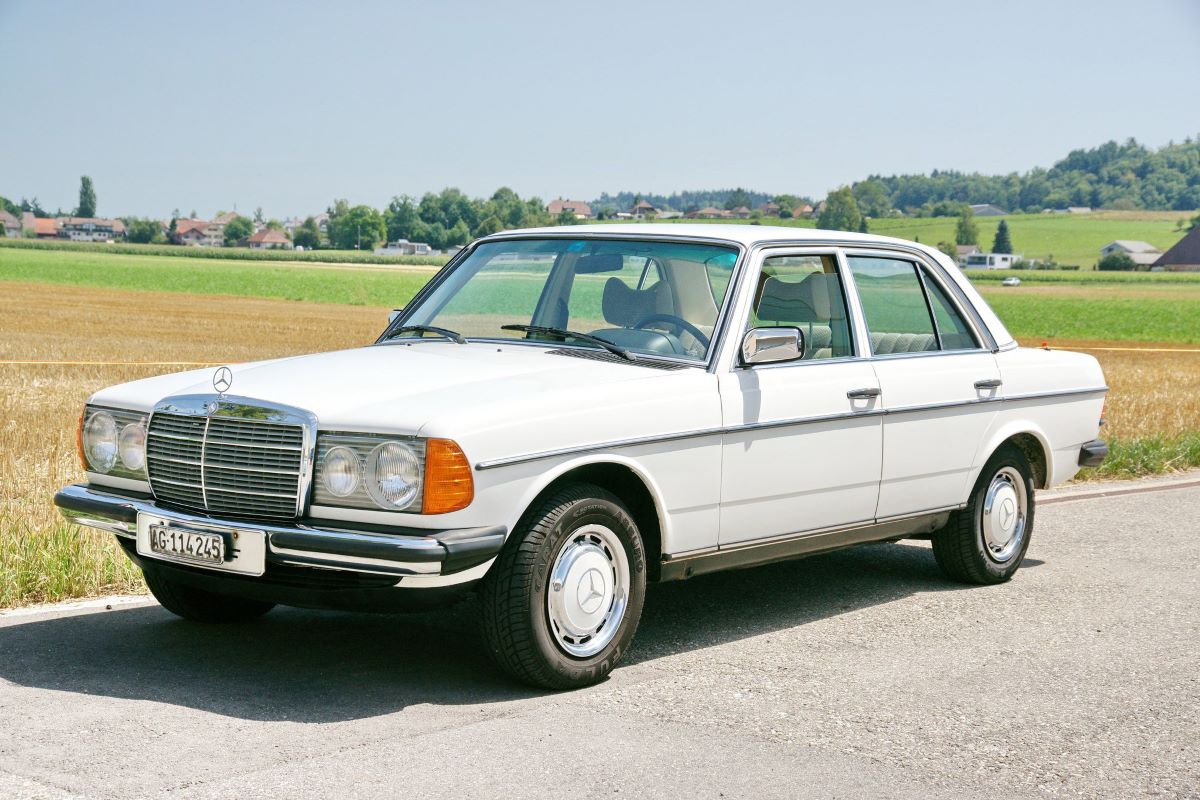
The W123 came in several beloved variants, each offering a unique driving experience. The 240D was slow but nearly bulletproof, the 300D and 300TD provided more power and were widely used in taxi fleets, while the 280E offered smooth performance from its inline-six petrol engine.
For those seeking elegance with a sportier flair, the 230CE coupé provided the perfect balance. No matter the model, all shared the same DNA of reliability, comfort, and exceptional build quality.
Decades later, the W123 enjoys a thriving global cult following. Collectors value its historical importance, mechanics admire its straightforward engineering, and daily drivers appreciate its comfort and dependability.
Younger enthusiasts are also discovering it as an affordable entry point into classic motoring. Enthusiast clubs, online forums, and restoration communities continue to celebrate the model with restoration projects, tips, and shared stories of ownership.
Driving a W123 is an experience in itself. It’s not about high speed or modern technology, it’s about refinement, confidence, and comfort.
The suspension delivers a smooth, composed ride, while the steering remains precise and communicative. Its quiet, well-insulated cabin makes long drives relaxing, embodying a sense of calm and control that modern cars often lack.
Maintenance is another area where the W123 shines. Unlike many classic vehicles, it benefits from exceptional parts availability and mechanical simplicity. Both OEM and aftermarket parts are still easy to find, and its straightforward design allows for DIY repairs.
Countless independent shops specialize in W123 servicing, ensuring that these classics remain roadworthy for decades to come. With regular oil changes and routine care, it’s common to find W123s performing better than much newer cars.
Despite growing collector interest driving up prices in recent years, the W123 remains one of the most affordable vintage Mercedes-Benz models. Buyers should look for examples with a well-documented service history, minimal rust, and properly functioning electronics.
Restored or well-maintained versions, especially rare models like the 280CE coupé or manual-transmission diesels, are steadily appreciating in value, making them smart investments for classic car lovers.
Fun facts about the W123 further highlight its legendary status. It was the most popular taxi in Germany during the 1980s, and its wagon version (T-model) was Mercedes’ first factory-built estate car. Some W123s are still used as taxis today, decades after production ended. In fact, the car was so over-engineered that Mercedes intentionally simplified its successors to reduce manufacturing costs.
Ultimately, the Mercedes-Benz W123 stands as a shining example of an era when durability, craftsmanship, and engineering excellence came before cost-cutting and mass production. Nearly half a century later, it continues to prove that true quality, and genuine automotive soul, never go out of style.
3. Volvo 240 Series
Few cars have achieved the cult-like reputation of the Volvo 240. Introduced in 1974, it was engineered for longevity and safety rather than speed or luxury.
Its brick-like design housed one of the most reliable four-cylinder engines of its time, and its simple rear-wheel-drive layout made it easy to maintain.
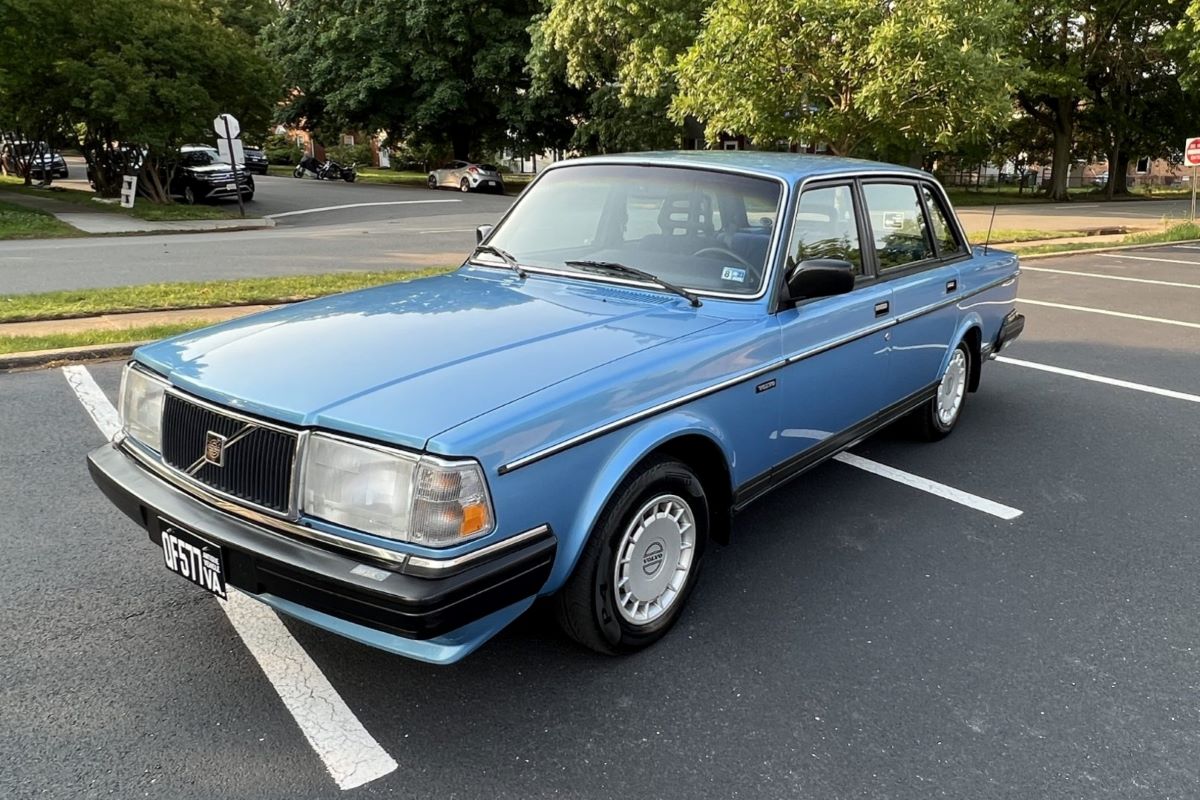
Even decades later, 240s are still daily drivers across the U.S., especially in northern states where their ruggedness and stability in snow remain unmatched.
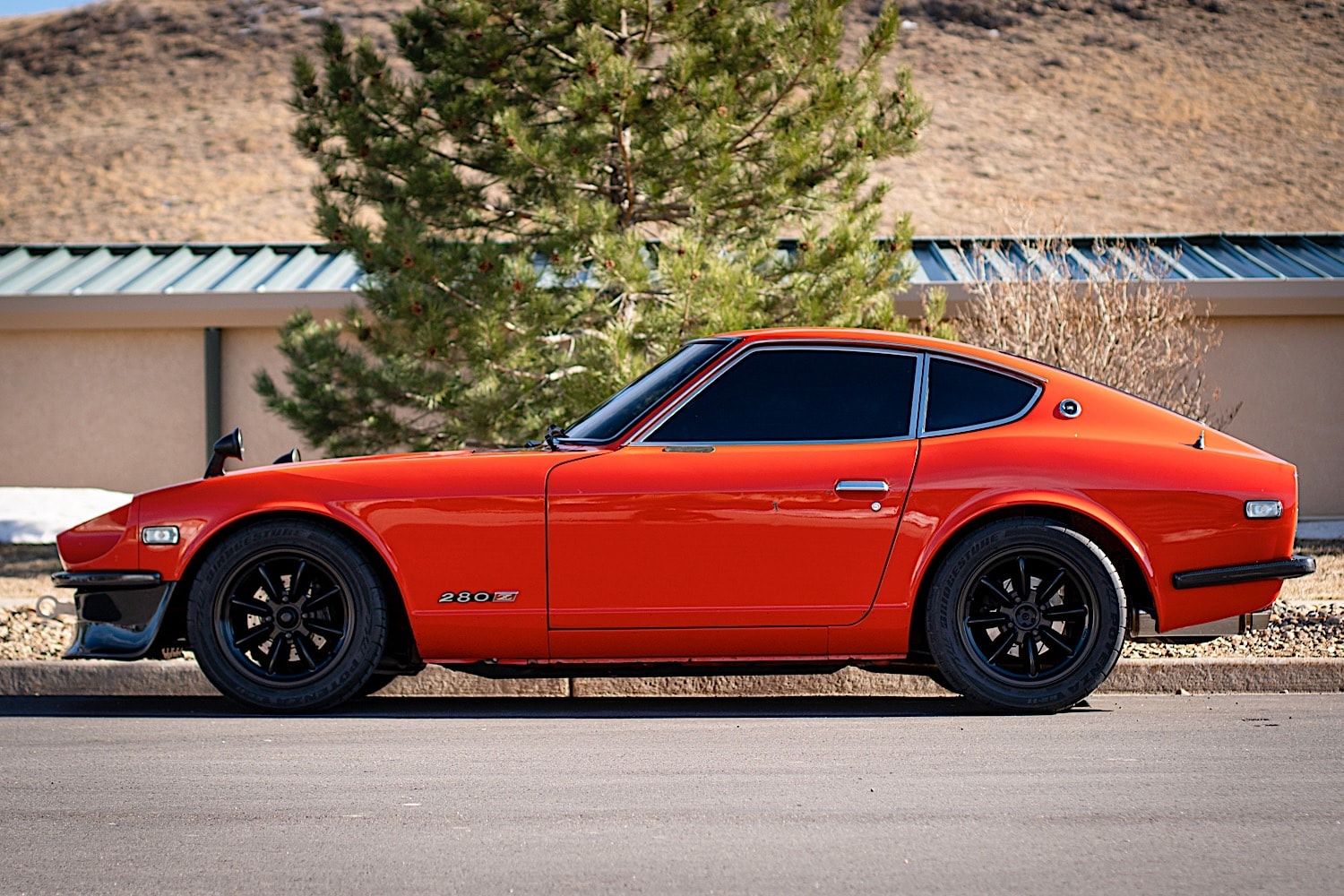
4. Datsun 280Z
Japanese automakers were just beginning to earn the trust of American drivers in the ’70s, and the Datsun 280Z helped lead that charge.
While the earlier 240Z gets most of the glory, the 280Z combined reliability with improved fuel injection and a tougher engine design.
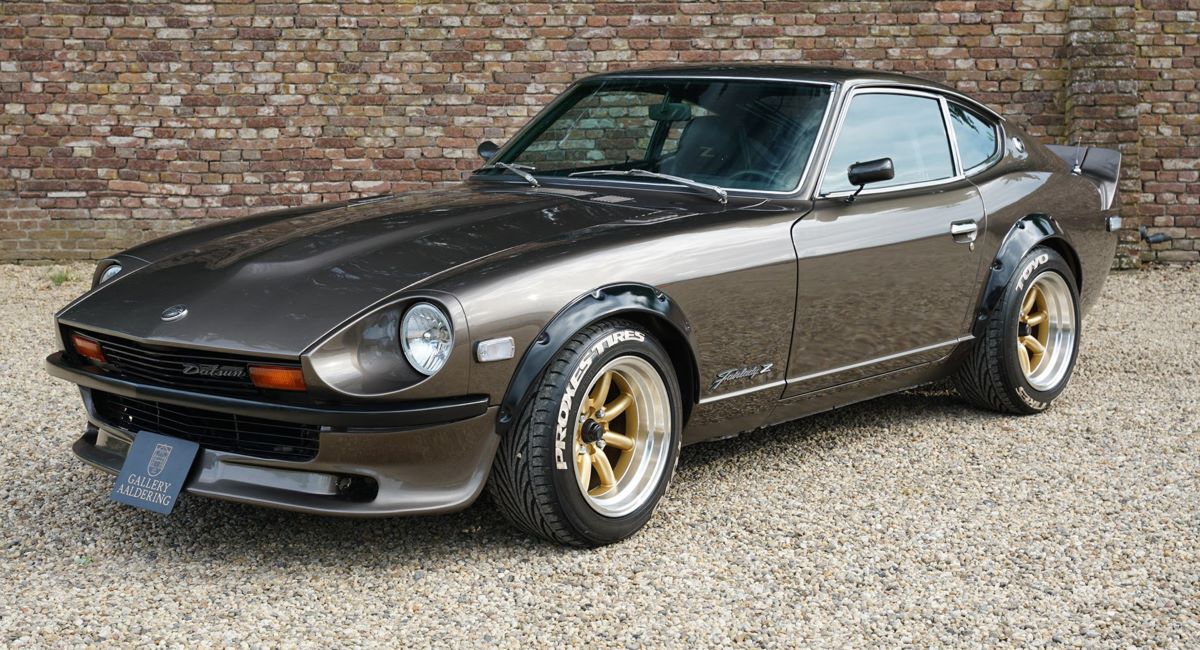
Owners regularly report these sports cars lasting well over 200,000 miles with only routine maintenance a testament to Nissan’s early commitment to build quality.
5. Chevrolet C/K Pickup (Third Generation)
Before trucks became luxury vehicles, the Chevrolet C/K series represented what hard work and endurance looked like on four wheels. Built from 1973 to 1987, this generation of Chevy trucks earned a reputation for toughness.
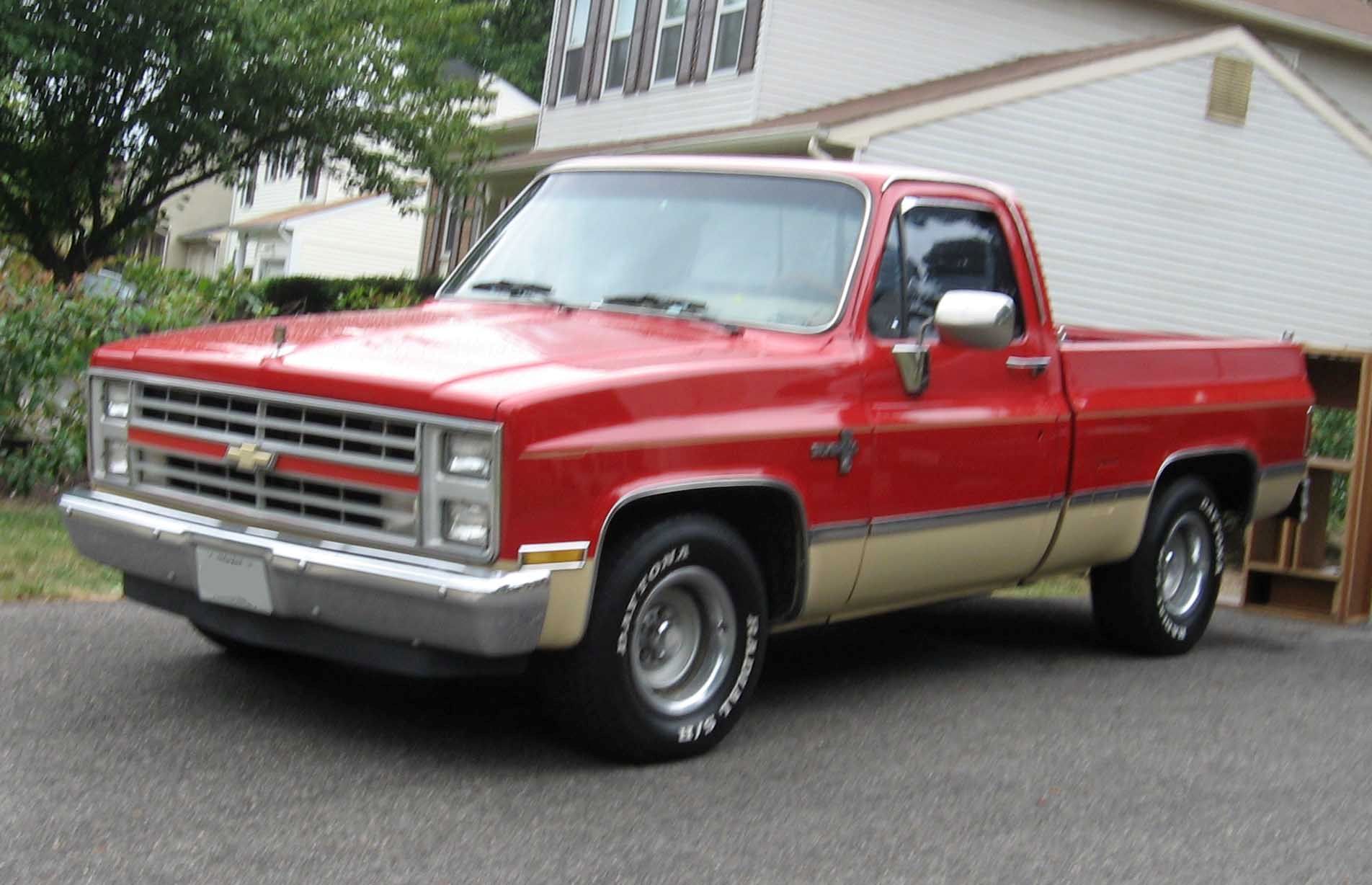
Their steel bodies, bulletproof small-block V8s, and simple mechanical design meant they could handle farm work, construction sites, and cross-country hauls without complaint.
Even today, you’ll find these pickups rumbling along rural backroads across America.
6. Honda Civic (First Generation)
When the first Honda Civic arrived in the early 1970s, Americans didn’t know what to expect from a tiny Japanese compact. What they got was a revelation a small car that refused to die.
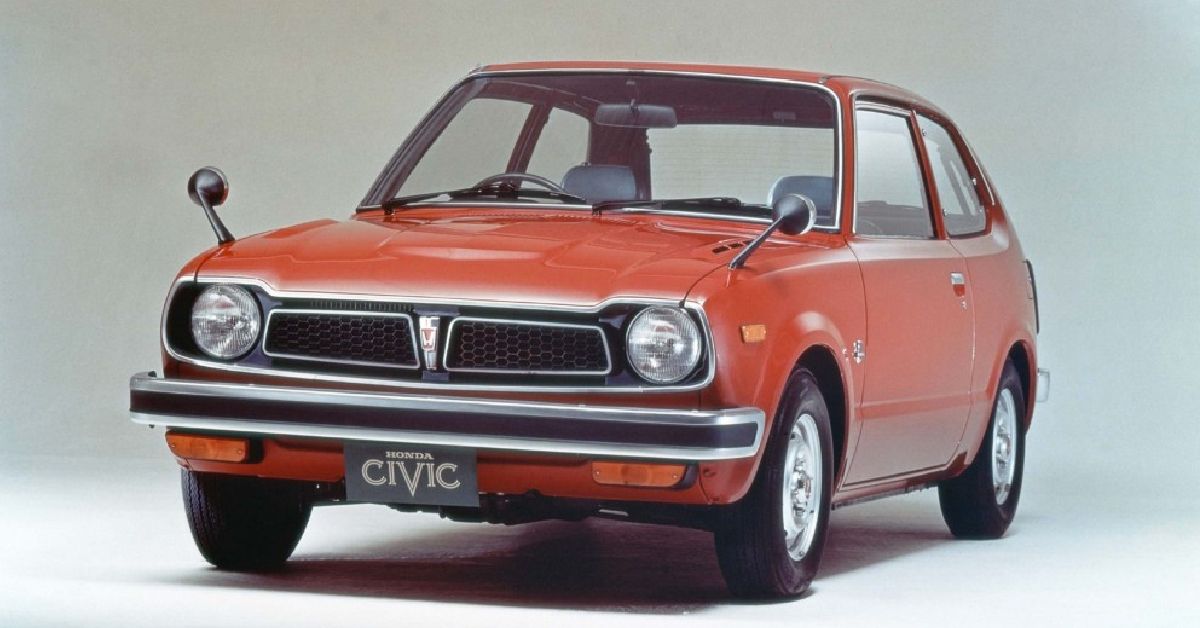
With its lightweight body, fuel efficiency, and nearly unbreakable engine, the Civic set the template for decades of Honda reliability.
Many of the original Civics from this era survived into the 1990s and beyond, a remarkable achievement given their simplicity and age.
7. Jeep CJ-7
Introduced in 1976, the Jeep CJ-7 continued the brand’s World War II-born legacy of resilience. With a rugged frame, solid axles, and minimal electronics, the CJ-7 was built to tackle mud, sand, snow, and rocks with equal ease.
The AMC inline-six and V8 engines that powered many of them were overbuilt and easy to service. Enthusiasts still rebuild and drive CJ-7s across the U.S., keeping their legacy of go-anywhere toughness alive.
The Jeep CJ holds a legendary place in automotive and off-road history, as it was the model that truly cemented Jeep’s reputation for rugged capability and go-anywhere performance.
Originally introduced after World War II as the “Civilian Jeep,” or CJ, it was a direct descendant of the military Willys MB that had proven itself on battlefields around the world. Early versions were crude, utilitarian, and built with little thought for comfort, but they offered unmatched off-road durability and toughness.
It wasn’t until American Motors Corporation (AMC) acquired Jeep from Kaiser in the 1970s that the CJ lineup evolved into a more refined yet still fiercely capable off-roader.
The result was the Jeep CJ-7, a model that bridged Jeep’s wartime heritage with the demands of modern drivers and laid the foundation for the Wrangler we know today.
Debuting in 1976, the CJ-7 represented the final and most developed iteration of the original Jeep formula. Despite AMC’s limited budget, engineers managed to incorporate key innovations that made the CJ-7 both more livable on-road and more stable off-road.
By this time, the world had changed dramatically since the introduction of the CJ-5 two decades earlier. The growth of the interstate highway system and increasing travel speeds had made the short-wheelbase, military-style CJ feel outdated on pavement.
Meanwhile, American drivers were demanding more comfort and refinement in their utility vehicles, thanks in part to the success of full-size pickups and SUVs like the Jeep Wagoneer. To stay competitive, Jeep needed to make the CJ more civilized without sacrificing its legendary trail performance.
The most important change came to the chassis. While the CJ-5’s ultra-short wheelbase gave it agility on tight trails, it also made it prone to instability at higher speeds or during quick steering maneuvers.
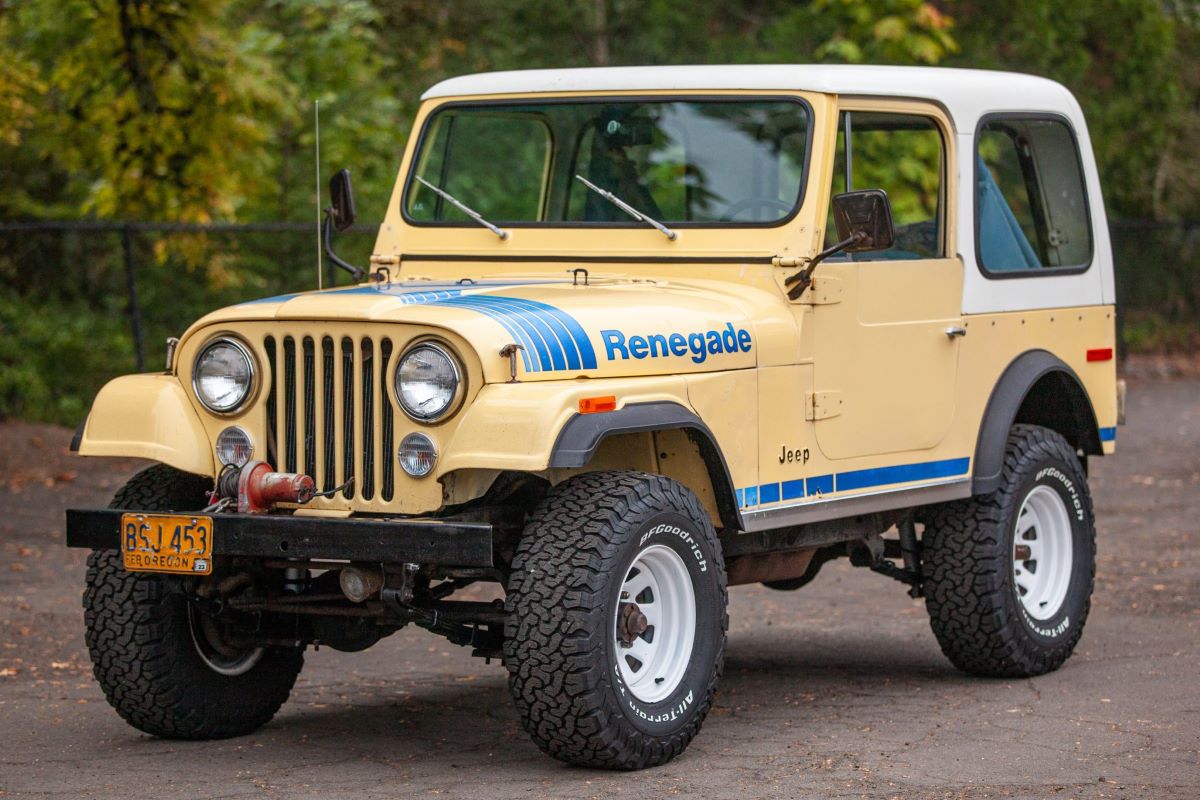
For the CJ-7, Jeep engineers stretched the wheelbase from 83.5 inches to 93.5 inches, a substantial 10-inch increase that transformed its stability and on-road behavior.
It wasn’t merely a lengthened CJ-5 frame either, the CJ-7 introduced C-section frame rails that widened toward the rear to accommodate a revised axle and suspension layout. These upgrades not only improved handling and comfort but also gave the CJ-7 a sturdier, more planted feel both on and off the pavement.
Comfort and convenience also saw notable improvements. The longer chassis provided smoother ride quality, and redesigned floor pans increased interior space.
For the first time, buyers could enjoy full-size doors for easier access and even opt for a removable plastic hardtop, bringing added practicality to the classic open-air Jeep experience.
AMC also introduced air conditioning and an automatic transmission, features that were previously unheard of in the CJ lineup and made the vehicle more appealing to everyday drivers.
Despite these modern touches, Jeep made sure the CJ-7 didn’t lose its off-road toughness. It remained every bit as capable as its predecessors, offering two four-wheel-drive systems, including a full-time setup for easier use on mixed terrain.
Under the hood, the CJ-7 came with a range of engine options, from a base four-cylinder to a pair of inline-six engines, with the popular 258-cubic-inch version providing excellent torque for trail use.
For those craving more power, Jeep offered a 304-cubic-inch V8 until 1981, producing 125 horsepower and nearly 220 lb-ft of torque, a major step up from earlier models.
Ultimately, the Jeep CJ-7 captured the best of both worlds. It offered the timeless ruggedness and off-road dominance Jeep was known for while adapting to the evolving expectations of modern drivers.
Its combination of improved stability, comfort, and versatility ensured its legacy as the final evolution of the original “go-anywhere” Jeep, paving the way for the birth of the Wrangler and cementing Jeep’s status as the ultimate symbol of adventure and freedom.
8. Ford F-100 (Sixth Generation)
In the 1970s, the Ford F-100 was America’s working-class hero. It was simple, durable, and endlessly repairable. Farmers, contractors, and families alike trusted it to haul, tow, and transport for years without failure.
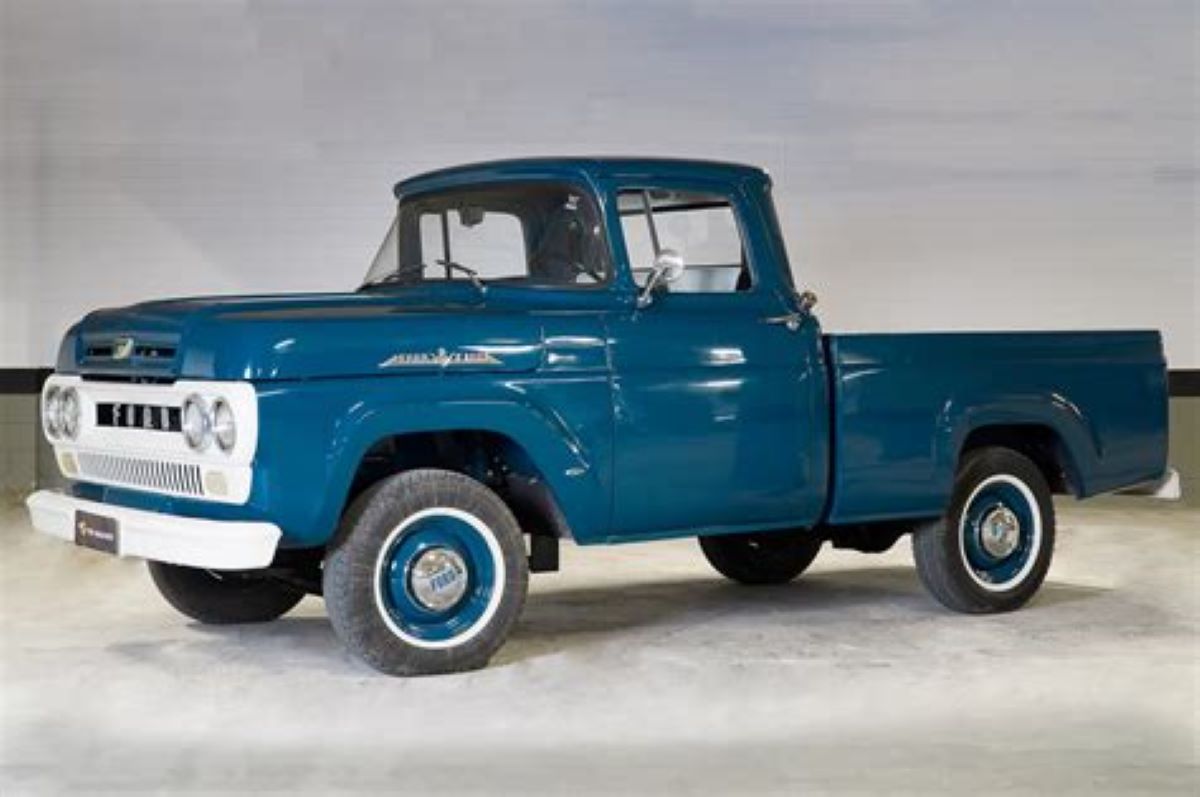
Many sixth-generation F-100s, especially those equipped with the inline-six or 302 V8 engines, are still running today some restored, others still performing daily labor on farms and ranches.
9. BMW E21 (3 Series)
The first-generation BMW 3 Series, the E21, debuted in 1975 and quickly established a reputation for balance and build quality.
While later BMWs would lean more toward luxury, the E21 was still a driver’s car mechanically simple, reliable, and built to last.
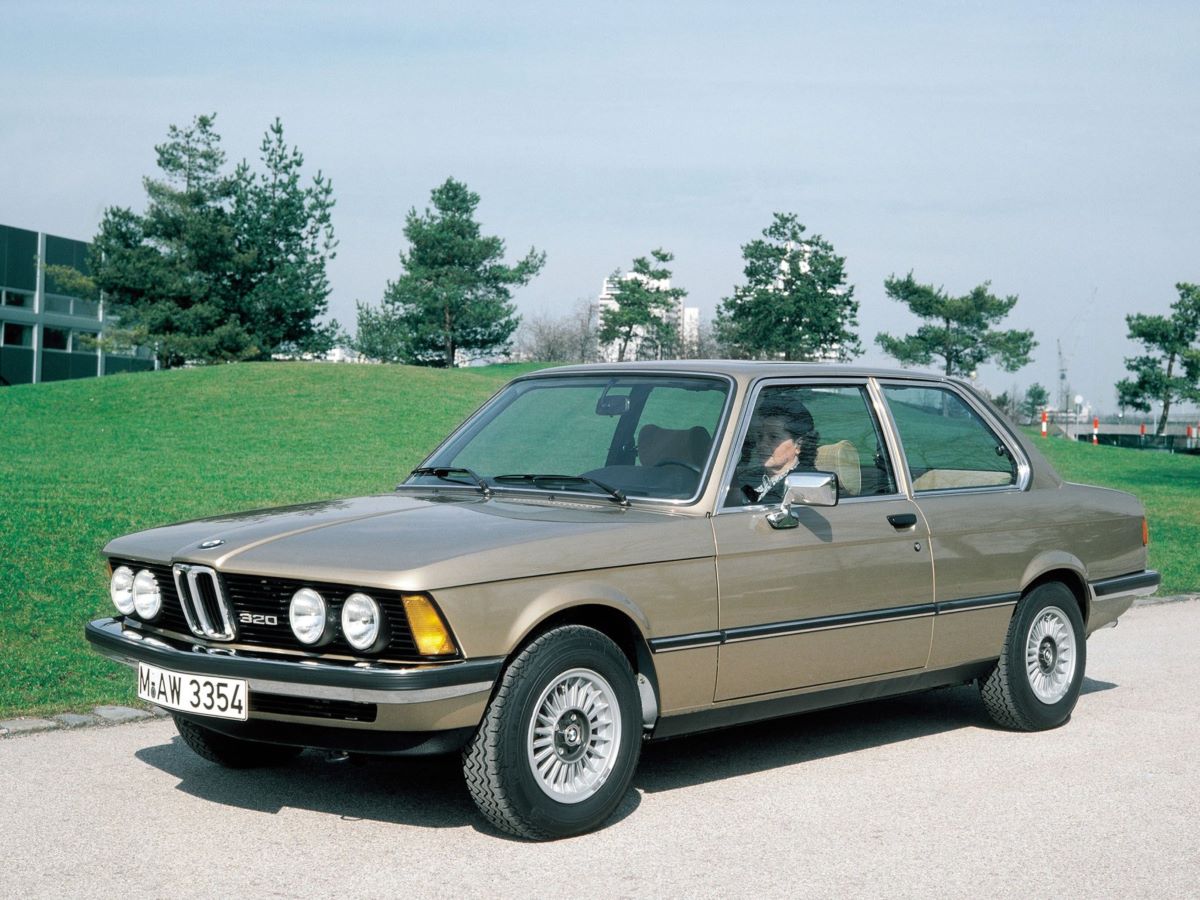
Its precision German engineering ensured that even decades later, many examples still handle with surprising smoothness and retain their mechanical integrity.
BMW launched the first generation of the 3 Series, known as the E21, in 1975 as a successor to the aging 02 Series, which had been in production for nine years.
This model marked the beginning of one of the most significant chapters in the company’s history and laid the groundwork for what would become a core part of BMW’s identity.
The concept proved to be a major success, with nearly 900,000 units sold between 1966 and 1977. However, BMW decided that after nearly a decade on the market, it was time for a replacement tailored to evolving customer expectations in Europe.
Work on the new model began in the early 1970s, culminating in the debut of the 3 Series at the Munich Olympic Stadium in the summer of 1975.
Alongside the new car, BMW also introduced a fresh naming convention: the first digit represented the model series, while the following two digits denoted the engine’s displacement, a system that would remain in use for decades with only minor exceptions.
At first glance, the new 3 Series (E21) appeared to be a subtle evolution of the 1600, but it was, in fact, a revolution in design and engineering. The front fascia retained the familiar twin-headlight layout, separated by a wide black grille with horizontal slats.
Inline-six versions later received a four-headlight setup, emphasizing performance. In the center, BMW’s now-iconic “kidney grille” stood prominently, reinforcing brand identity. A chromed metal bumper with rubber ends added durability, while a lower apron completed the sporty yet refined look.
The E21’s side profile featured a distinct “shark-nose” front end that gave it an assertive stance. With the engine mounted longitudinally, BMW was able to keep the hood low, enhancing aerodynamics.
The sloping windshield and short roofline flowed seamlessly into the rear section, which sported a sedan-style window and a gently descending trunk lid.
At the back, horizontal taillights framed the design, sometimes accented by a decorative plastic trim panel. Below the chrome bumper, either a single or dual exhaust system was fitted depending on the model variant. The E21 was sold exclusively as a two-door coupe, maintaining the sporty character BMW envisioned.
Inside, the cabin was driver-focused, featuring a black vinyl dashboard with a center console subtly angled toward the driver for easier control access. Matching vinyl door panels and cloth-upholstered seats created a simple yet functional aesthetic.
The instrument cluster was clean and purposeful, containing a speedometer, tachometer, fuel gauge, and coolant temperature dial, along with essential warning indicators.
The HVAC controls were centrally located, and an optional stereo provided modern convenience. The slim front seats offered surprising comfort, even for taller occupants, while the rear bench accommodated up to three passengers, though legroom was limited.
Initially, the E21 came equipped with 1.6-, 1.8-, and 2.0-liter inline-four engines. In 1977, BMW expanded the lineup to include six-cylinder options, offering 2.0- and 2.3-liter variants, the latter featuring a Bosch L-Jetronic fuel injection system for improved performance.
Power was sent to the rear wheels through a four- or five-speed manual transmission, depending on the trim, with a three-speed automatic available on select models.
With its mix of precision engineering, modern styling, and driver-oriented design, the E21 firmly established the 3 Series as a cornerstone of BMW’s reputation for sporty, high-quality vehicles, a legacy that continues to this day.
10. Subaru Leone
The 1970s Subaru Leone didn’t turn heads for its looks, but it quietly became one of the most dependable all-wheel-drive cars of its time.
Long before Subaru became synonymous with snow-country reliability, the Leone laid the groundwork. It was light, efficient, and capable of tackling bad weather without complaint.
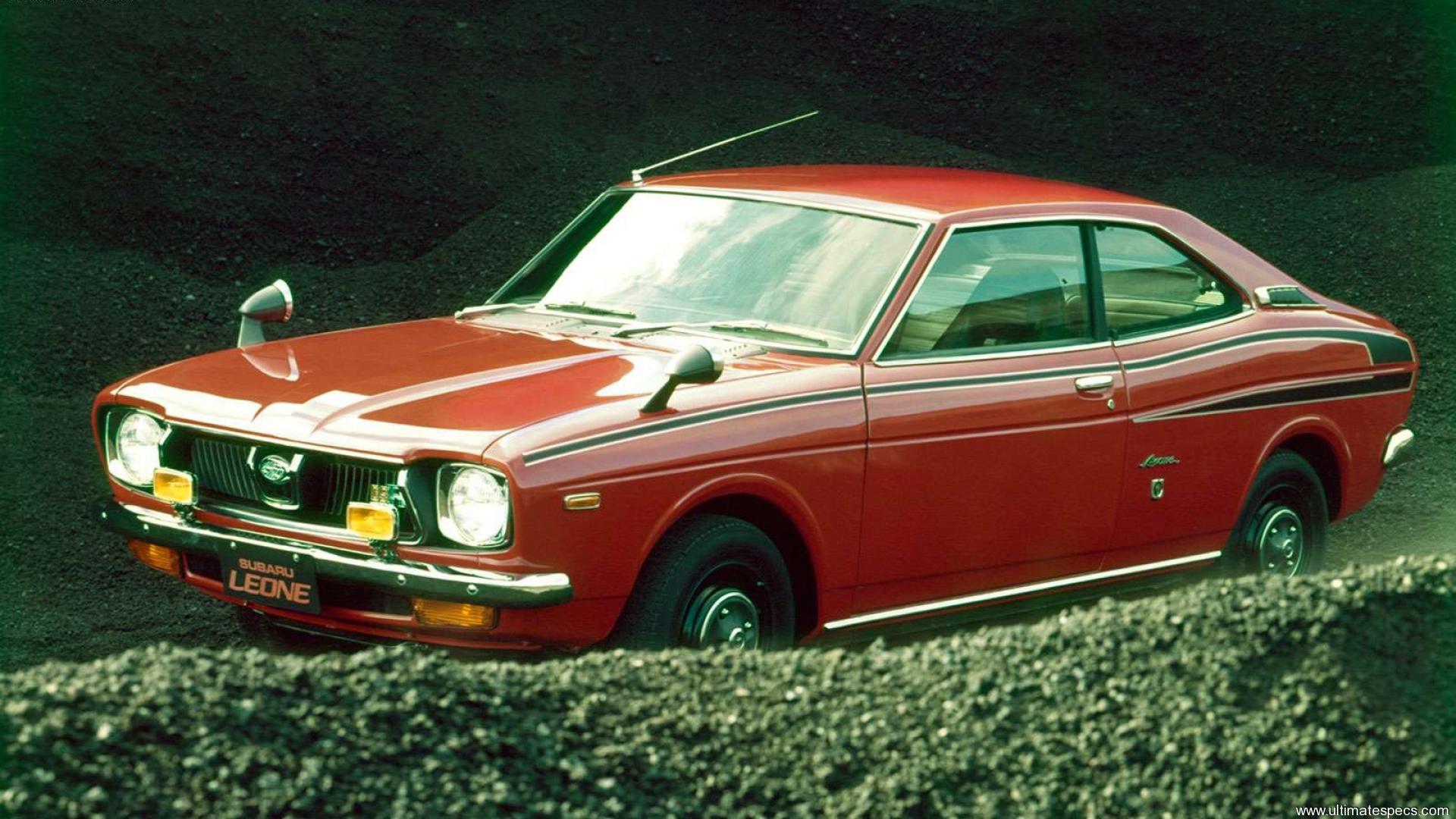
In rural regions of the U.S., particularly the Northeast, these Subarus became family staples and many kept running into the 1990s with minimal issues.
11. Toyota Corolla (E30–E70 Series)
No discussion of durability would be complete without the Toyota Corolla. During the 1970s, Toyota’s small sedan became a benchmark for reliability and economy.
The E30 through E70 generations featured robust engines and basic mechanical systems that seemed immune to neglect.
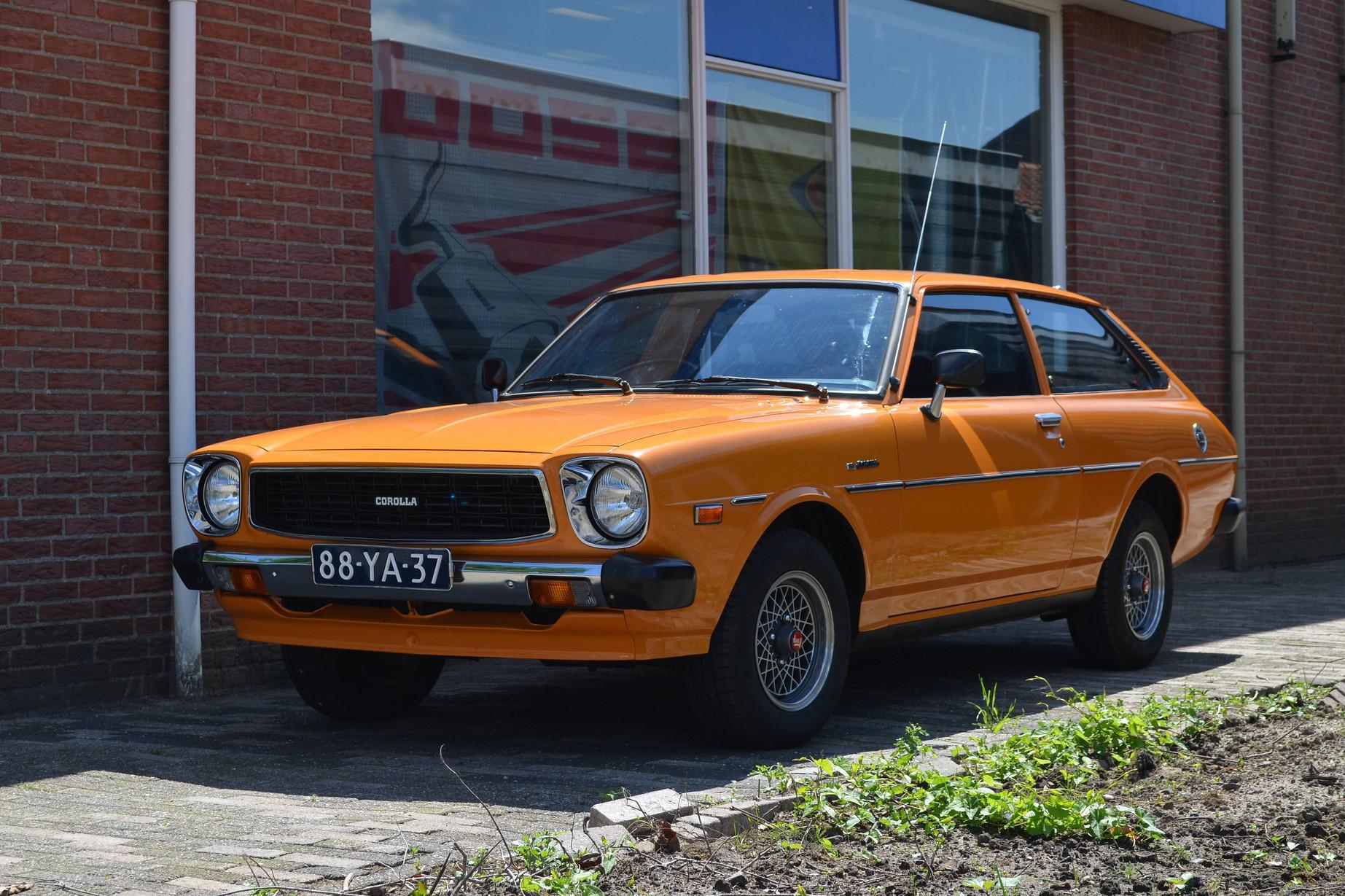
Affordable, easy to repair, and resistant to mechanical failure, the Corolla of the ’70s helped cement Toyota’s reputation for longevity in the American market.
12. Volkswagen Beetle
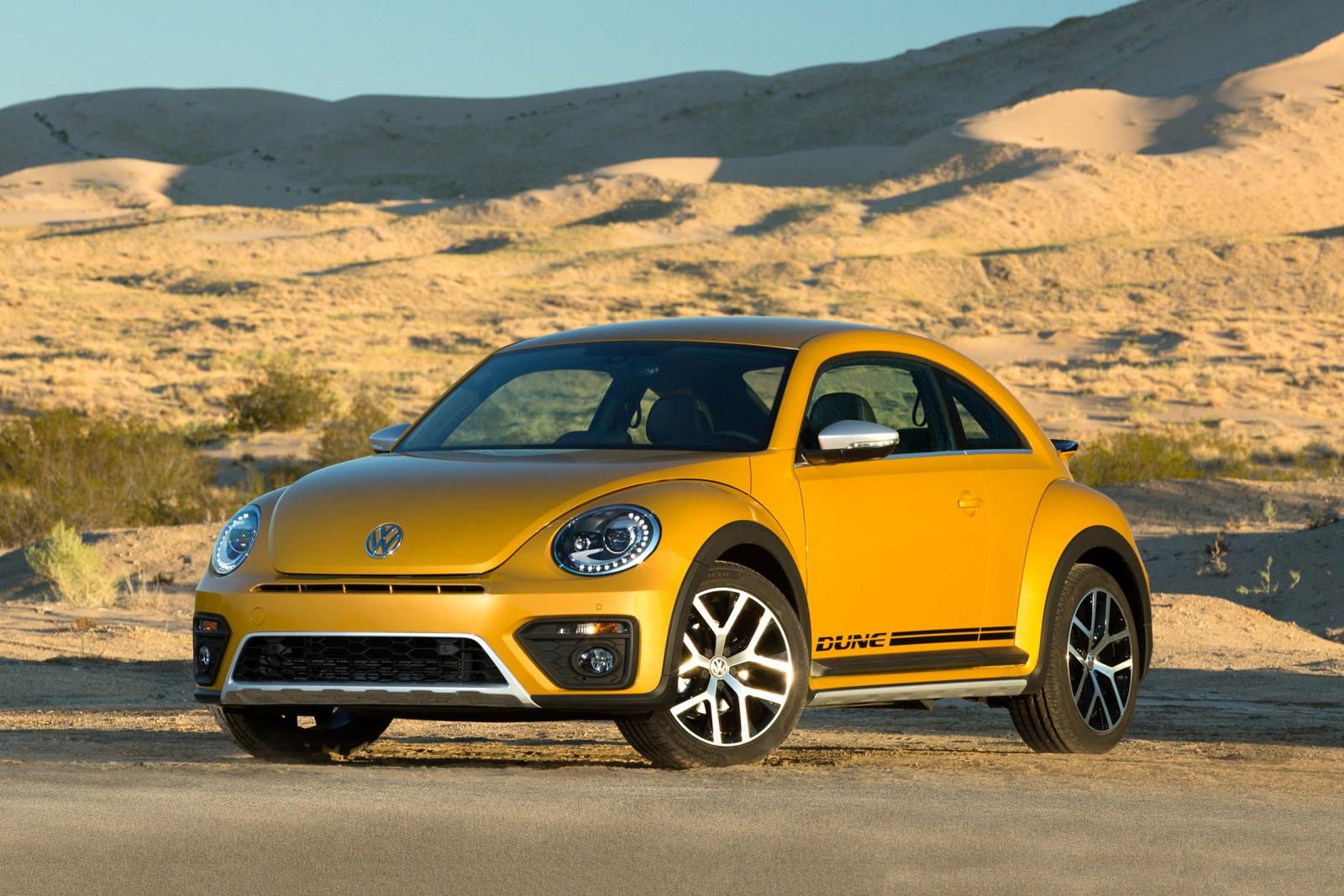
By the 1970s, the VW Beetle was already an icon but it was also one of the most durable machines ever put on the road. Its air-cooled engine could take abuse, heat, and neglect without giving up.
Minimal electronics and easy maintenance made it beloved by DIY mechanics. Even in 2025, it’s not uncommon to see classic Beetles buzzing around, many still using their original engines after 50 years of service.
The reason these cars endure goes beyond metal and mechanics it’s about design philosophy. In the 1970s, automakers built vehicles to last because they had to.
Electronics were minimal, engines were over-engineered, and repairs were made with tools you could keep in your garage. These cars were designed for owners, not computers, and their simplicity is exactly what makes them timeless.
In an era when many modern vehicles rely on complex sensors, software, and costly components, these ’70s survivors stand as reminders that true durability doesn’t come from advanced technology it comes from solid engineering and purposeful design.
Whether it’s a Land Cruiser crossing deserts or a W123 gliding through city streets, the message remains the same: some cars were simply built to last.