Few automotive brands embody long-term reliability and luxury quite like Mercedes-Benz.
While the brand’s sedans often get the spotlight, Mercedes’ SUVs have quietly built a reputation for being rugged, dependable, and capable of lasting hundreds of thousands of miles when maintained properly.
From the iconic G-Wagen to the early M-Class models that set the stage for today’s crossovers, Mercedes has consistently balanced engineering excellence with lasting durability.
This list dives into 10 classic Mercedes SUVs that rarely break, models that combine timeless design, solid build quality, and robust mechanical components the kinds of vehicles that can serve families, adventurers, and collectors for decades with minimal mechanical headaches.
1. Mercedes-Benz G-Class (W463, 1990–2018)
The Mercedes-Benz G-Class, or “G-Wagen,” is perhaps the most iconic and longest-lasting SUV in the brand’s history.
Originally designed as a military vehicle in the late 1970s, the civilian version (W463) became a symbol of durability and luxury. The ladder-frame chassis, solid axles, and triple locking differentials make it one of the most rugged SUVs ever made.
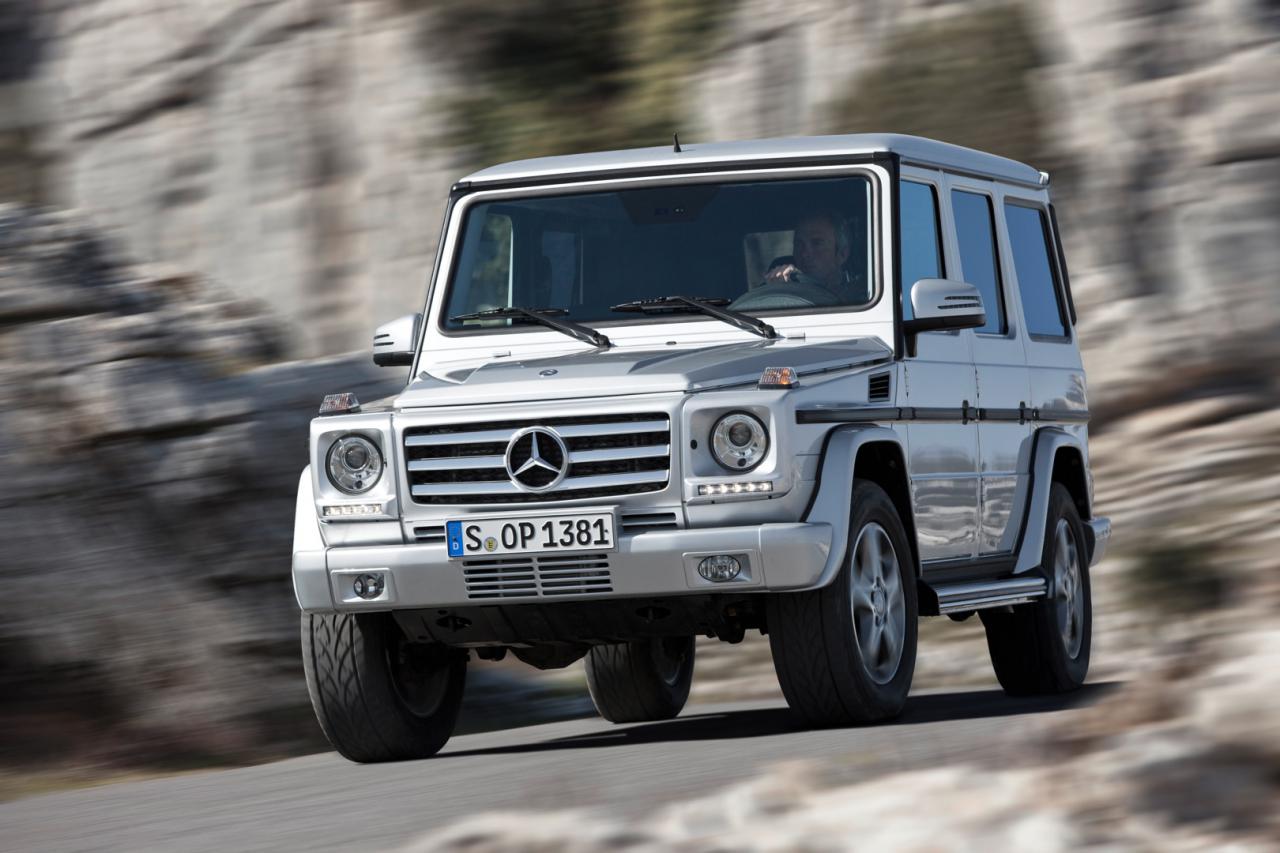
Many G-Class models from the 1990s and early 2000s especially the G500 and G55 AMG are still on the road today with well over 200,000 miles.
The naturally aspirated V8 engines and overbuilt drivetrains are known for their reliability, provided they’re properly serviced. Owners often joke that while you might pay a premium for maintenance, you’ll rarely face catastrophic failures.
2. Mercedes-Benz ML320 (W163, 1998–2002)
The ML320 marked Mercedes-Benz’s first serious entry into the luxury SUV market. Built in Tuscaloosa, Alabama, the first-generation M-Class had its share of early quality issues, but the later model years, especially the ML320, proved to be solid and long-lasting.
Its 3.2-liter V6 engine is simple, torquey, and designed for longevity. The body-on-frame design, rare for a luxury SUV at the time, gave it truck-like toughness.
Many owners report that their late-1990s MLs are still running strong with minimal engine or transmission trouble. In fact, the W163’s mechanical simplicity compared to later models is one reason enthusiasts still seek it out as a “forever SUV.”
As I drove the M-Class SUV, I found myself reflecting on how much it felt like any other Mercedes-Benz, whether an S-Class, E-Class, or even an SL, until something caught my attention out of the corner of my eye.
Glancing over, I saw a couple in a Chevrolet Blazer giving my unfamiliar vehicle a curious look as we cruised east along Interstate 20/59, leaving Tuscaloosa, Alabama, behind.
The only real difference between this Mercedes and its sedan or coupe siblings is the higher, more commanding seating position. Everything else, the tactile quality, the refinement, and the familiar Mercedes atmosphere, is instantly recognizable.
The M-Class carries all the hallmarks of the brand: the thick, grippy steering wheel, the wide and supportive seats, the signature instrument cluster, the gated shifter, and the burled-walnut trim that conveys understated luxury. E
ven the power window controls follow the brand’s unconventional tradition, mounted on the center console instead of the doors, just as they are in every other Mercedes.
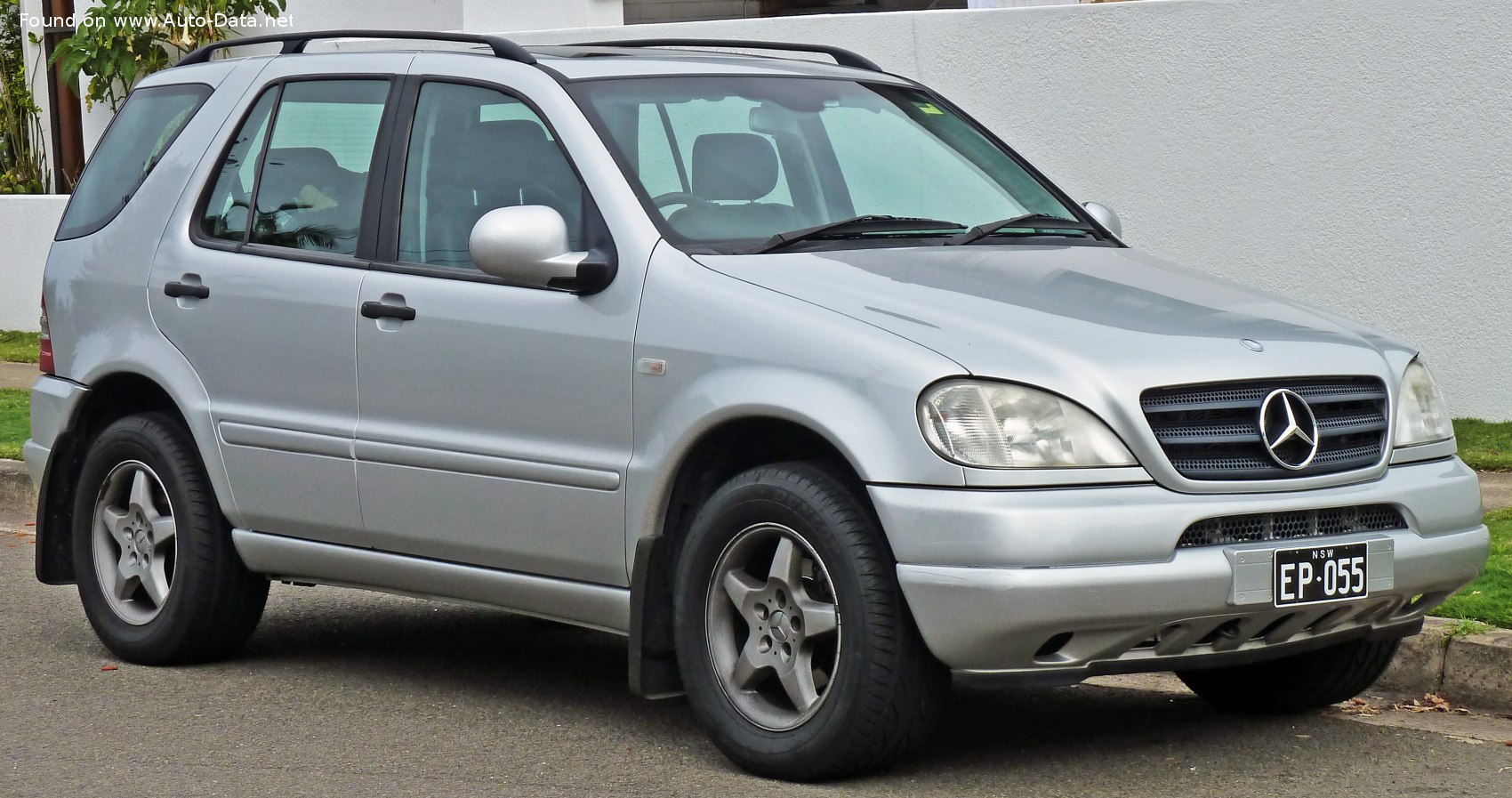
Despite that familiarity, the M-Class stands apart from the rest of the lineup. The model designation doesn’t carry a specific meaning, but the vehicle itself represents a new direction for Mercedes, one that blends the company’s signature comfort and craftsmanship with true off-road capability.
The only other Mercedes remotely comparable is the Gelandewagen, a rugged, military-derived SUV that was never officially sold through U.S. dealerships.
The M-Class is built on a body-on-frame platform, a structure more typical of traditional sport-utility vehicles that evolved from pickup trucks. Mercedes, which didn’t have a truck in its portfolio, concluded that a passenger-car platform wouldn’t be durable enough for the demands of SUV duty.
Indeed, the M-Class doesn’t resemble any other SUV. While most competitors favor a square, rugged, and aggressive design, Mercedes opted for a more fluid, modern aesthetic, one that feels almost space-age.
Its sloping hood, beveled edges, and SL-inspired grille give it an aerodynamic, almost androgynous look. It’s a distinctive, eye-catching vehicle, if one can even call it a “truck.”
Evidence of its attention-grabbing presence was clear from the curious stares it drew all the way from Tuscaloosa to Mercedes’ new Alabama assembly plant. On the highway, the M-Class moved effortlessly past the 70-mph mark, combining strong power delivery with impressive quietness.
Its aerodynamic efficiency, roughly 25 percent better than that of conventional SUVs, according to Mercedes, was apparent in the subdued whisper of wind noise, even around its large A-pillars and broad body.
Under the hood, the new 3.2-liter V6 produces 215 horsepower. While it doesn’t match the smooth, velvety nature of Mercedes’ classic inline-six, which it will eventually replace, it has a muscular tone and a strong power curve that propels the 4,200-pound SUV with ease.
The five-speed automatic transmission, borrowed from the S-Class, operates with near-seamless precision, shifting so smoothly it’s almost imperceptible. When quick acceleration is needed, a responsive downshift delivers a confident surge of power, keeping the M-Class composed, capable, and unmistakably Mercedes.
Also Read: 5 Mercedes Models That Rarely Need Service vs 5 That Do
3. Mercedes-Benz GL450 (X164, 2006–2012)
The first-generation GL-Class brought full-size SUV practicality to the Mercedes lineup. Despite being a large, seven-seat vehicle loaded with technology, the GL450 earned a solid reputation for reliability when equipped with the 4.6-liter V8.
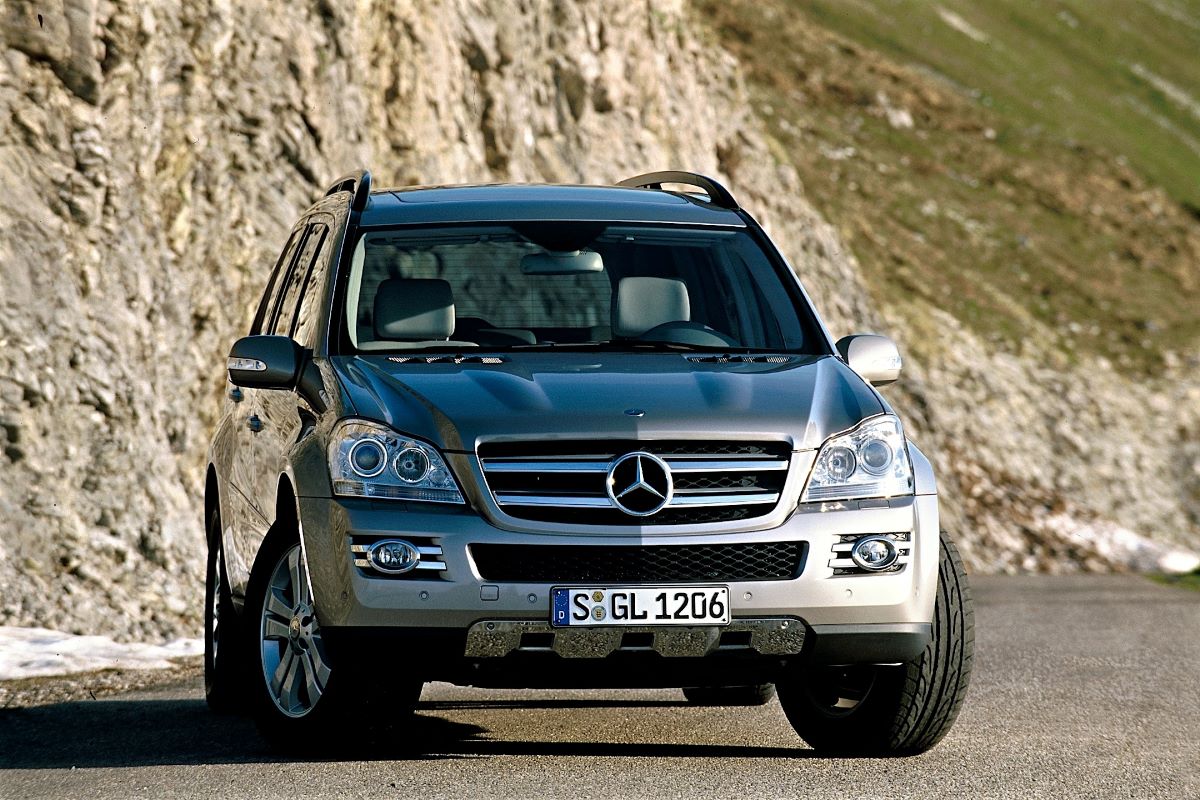
Built on a unibody platform shared with the M-Class, the GL450 balanced comfort and durability. Its powertrain was smooth and dependable, and the air suspension often seen as a weak point in luxury SUVs proved fairly reliable if maintained.
The GL450’s combination of long-distance comfort and mechanical toughness makes it a popular choice in the used SUV market.
4. Mercedes-Benz G55 AMG (W463, 2003–2012)
The AMG-tuned G55 is a special case of reliability mixed with brute force. Under the hood sits a hand-built supercharged V8 that can push the SUV from 0 to 60 mph in under six seconds yet it remains one of the most durable high-performance SUVs of its time.
Unlike many modern AMG vehicles that rely heavily on complex electronics, the G55 retained much of the G-Class’s old-school mechanical toughness.
Its drivetrain components are famously over-engineered, and even after years of hard use, these SUVs rarely develop serious engine or transmission problems.
The main upkeep concerns are minor electrical issues, but the core mechanical reliability remains stellar.
In 2005, Mercedes-Benz took the already iconic G-Class to new heights with the introduction of the G 55 AMG, a brute of an SUV that could hold its own against many contemporary sports cars in straight-line performance. This marked a dramatic evolution for a vehicle that had started life as a rugged military workhorse.
The G-Class story began in 1979 with the W460 generation, a utilitarian off-roader built to conquer terrain, not highways. It was boxy, slow, and unstoppable off the pavement, earning a reputation for toughness that would make it a legend.
Over time, however, the G-Wagen transformed from a military vehicle into a luxury status symbol, beloved by celebrities and the wealthy alike. Yet, despite its newfound prestige, one complaint persisted: it was painfully slow.
Mercedes-Benz turned to AMG, its in-house performance division, to remedy that problem once and for all. The result was the G 55 AMG, a machine that didn’t just improve performance; it completely redefined what the G-Class could be.
At first glance, the G 55 AMG appeared similar to other G-Class models. It retained the unmistakable flat front fascia, horizontal grille slats, and round halogen headlights that defined the G’s utilitarian heritage.
The front bumper incorporated rectangular fog lights, standard for the AMG but optional on other trims, and the familiar turn signals perched on top of the fenders, exposed screws and all. These design cues kept the G 55 instantly recognizable as a G-Wagen, even as it hid something extraordinary beneath the hood.
From the side, the AMG model revealed subtle but telling differences. It rode on distinctive 18-inch alloy wheels wrapped in 285/55 tires, giving it a more aggressive stance. “V8 Kompressor” badges gleamed on the front fenders, hinting at the supercharged powerplant within.
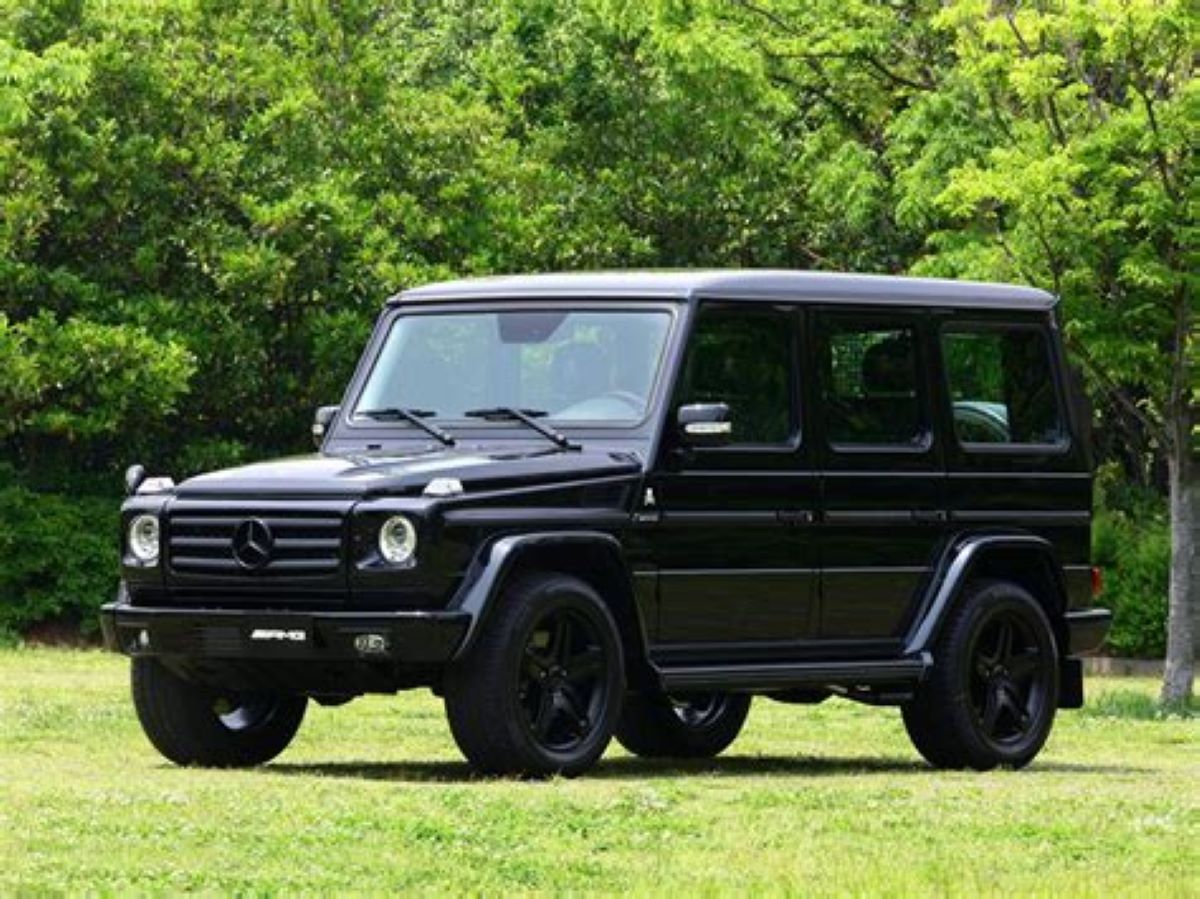
Chrome side steps came standard, and the SUV’s exposed door hinges and boxy silhouette remained unchanged. Perhaps its most defining AMG feature was the dual side-exit exhaust setup, which peeked out just ahead of the rear wheels, a visual and auditory reminder that this was no ordinary G-Class.
Inside, Mercedes gave the G 55 AMG the same interior overhaul it applied to the 2004 G-Class lineup, resulting in a cabin that blended luxury with performance cues. The dashboard featured a driver-focused instrument cluster reminiscent of AMG’s C-Class models, with silver-trimmed dials and a central LCD display.
The deeply bolstered front seats offered inflatable side supports for added comfort and control, while the rear seats provided generous headroom and shoulder space, though legroom was still tight, a quirk of the G’s upright design. Premium materials, precise detailing, and AMG badging throughout reminded occupants that they were sitting in something truly special.
The real transformation, however, was mechanical. While the G 55 AMG retained its rugged ladder-frame chassis and solid axles, it gained an entirely new heart, a hand-built 5.5-liter supercharged V8.
Producing 476 PS (469 hp) and immense torque, this engine turned the heavy, box-shaped SUV into a shockingly quick performer. Mated to a five-speed automatic transmission and a permanent all-wheel-drive system with a two-stage transfer case, the G 55 could blast from 0 to 100 km/h (0–62 mph) in just 5.6 seconds.
Top speed was electronically limited to 210 km/h (130 mph), but it was the relentless surge of power and the thunderous soundtrack from its side-mounted exhausts that truly set it apart.
The 2005 Mercedes-Benz G 55 AMG proved that even a decades-old off-road icon could evolve into a high-performance powerhouse without losing its soul.
It bridged the gap between rugged utility and luxury performance, turning the once-humble G-Class into a symbol of excess, engineering, and unshakable confidence, on the trail or the autobahn.
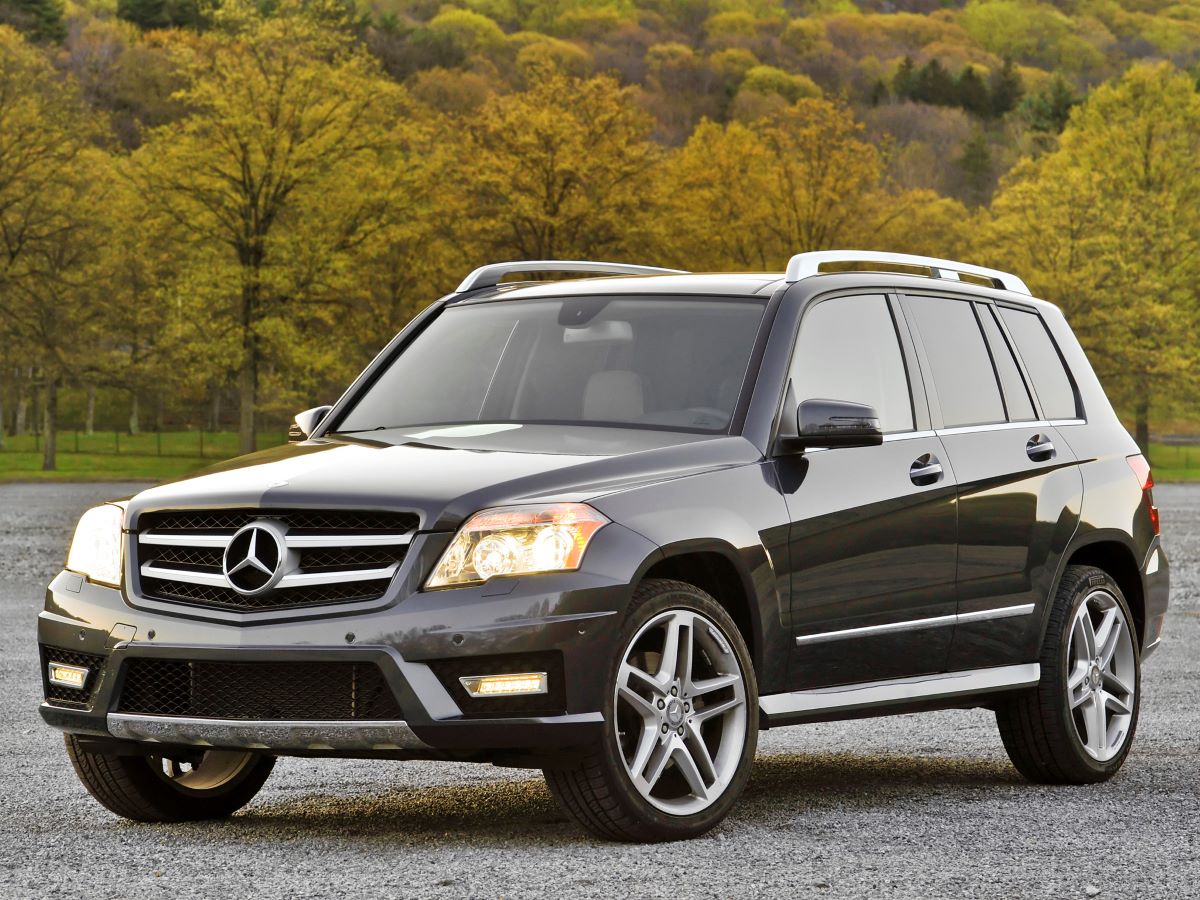
5. Mercedes-Benz GLK350 (X204, 2009–2015)
The compact GLK350 was Mercedes’ answer to the BMW X3, but it turned out to be more robust than anyone expected.
Its boxy design wasn’t just for show it signaled a return to SUV fundamentals with excellent build quality and mechanical simplicity.
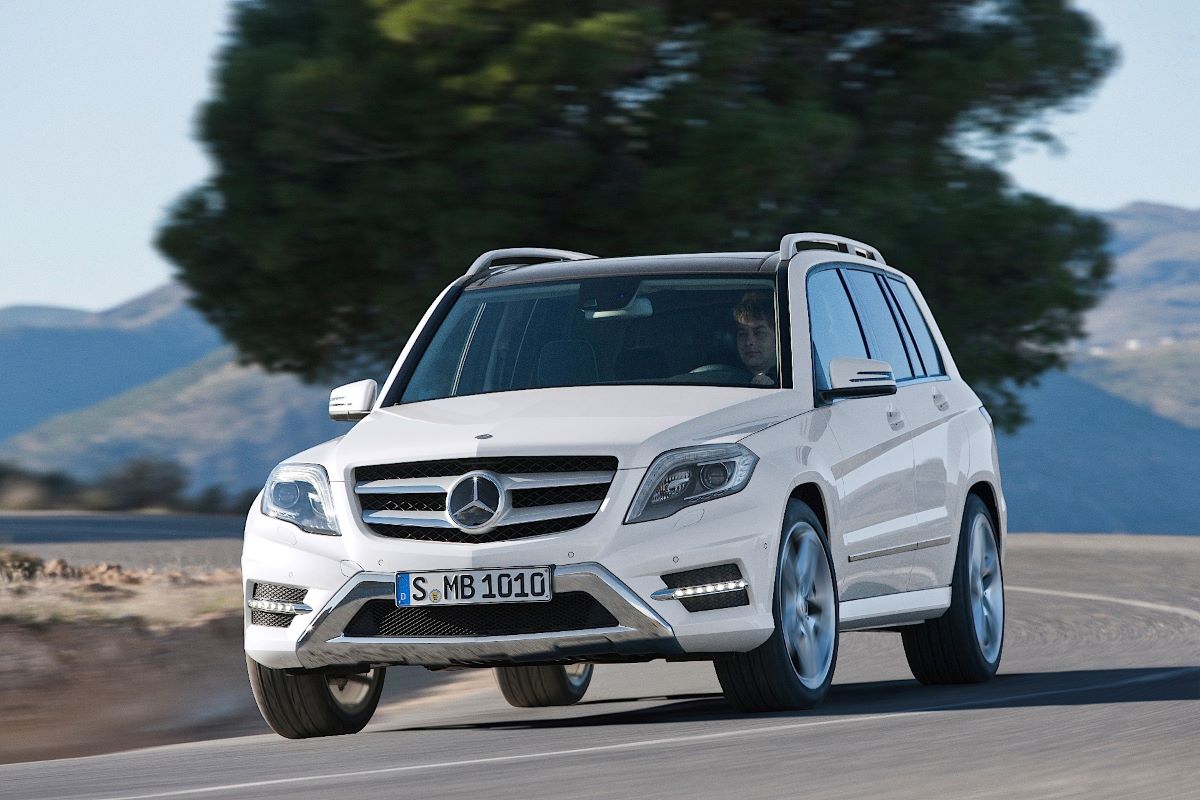
The GLK350’s naturally aspirated 3.5-liter V6 is widely considered one of Mercedes’ most dependable modern engines.
Paired with a smooth 7G-Tronic transmission, it delivers reliable performance with minimal maintenance concerns. Many GLK owners boast over 200,000 miles with only routine servicing, making this SUV one of the most dependable small luxury vehicles of its era.
6. Mercedes-Benz ML350 (W164, 2006–2011)
The second-generation M-Class improved on nearly every weakness of the W163. The ML350, with its 3.5-liter V6, became one of Mercedes’ most balanced SUVs offering solid power, improved safety features, and better refinement.
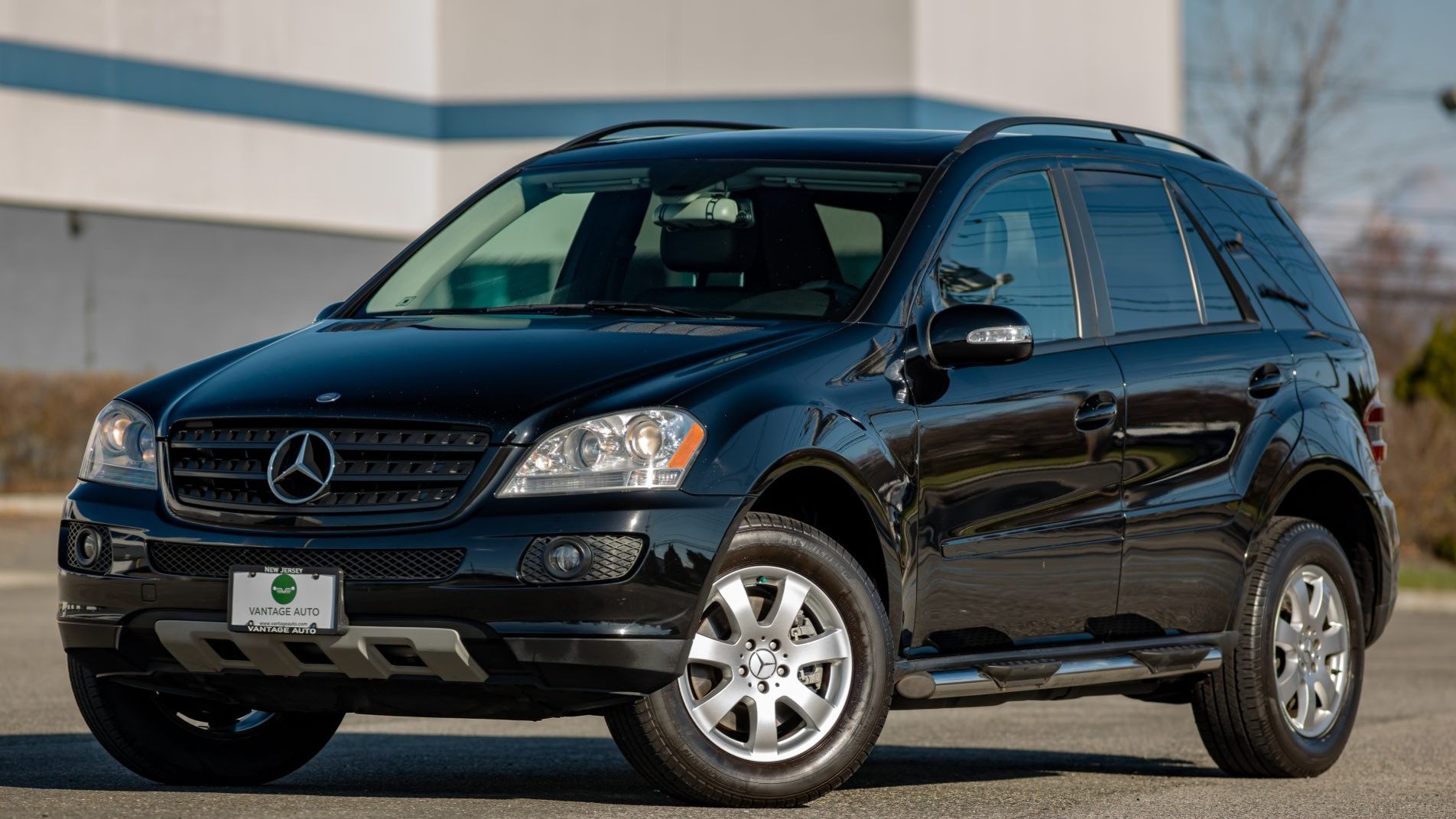
While not immune to wear-related maintenance, the W164 ML350 rarely suffers from catastrophic mechanical failure. It’s particularly known for its long-lived drivetrain and strong structural integrity.
Many of these SUVs remain in daily use across the US, especially among owners who maintain them regularly.
7. Mercedes-Benz G500 (W463, 1998–2008)
If there’s a Mercedes SUV that defines indestructibility, it’s the G500. The naturally aspirated 5.0-liter V8 used in these models is one of the most reliable engines ever put into a luxury SUV.
Combined with a bulletproof 5-speed automatic transmission and the G-Class’s tank-like construction, the G500 can handle extreme conditions with ease.
Owners often compare the G500 to old Land Cruisers not because of their similarities in purpose, but because of how they refuse to die.
Even with 250,000+ miles, many examples still perform admirably, requiring only periodic suspension or fluid work.
The 1998–2000 Mercedes-Benz G-Class SWB (W463 500) stands as one of the most distinctive and capable short-wheelbase SUVs of its era.
This model, part of the 1998 facelift of the W463 generation, combined the G-Class’s rugged off-road heritage with a refined V8 engine and luxurious appointments, setting a new benchmark for premium 4x4s.
Under the hood, the G 500 SWB featured the Daimler-Benz M113 E50 engine, a naturally aspirated 5.0-liter V8 with multi-port indirect fuel injection.
With a displacement of 4,966 cm³ (303 cu-in), this engine produced 296 PS (292 hp or 218 kW) at 5,500 rpm and 456 Nm (336 lb-ft) of torque between 2,800 and 4,000 rpm.
This torque-rich powerplant was mated to a five-speed automatic transmission, sending power to all four wheels through the G-Class’s signature all-wheel-drive system with a longitudinally mounted engine.
Despite its boxy shape and rugged build, the G 500 SWB delivered respectable on-road performance, reaching a top speed of 195 km/h (121 mph).
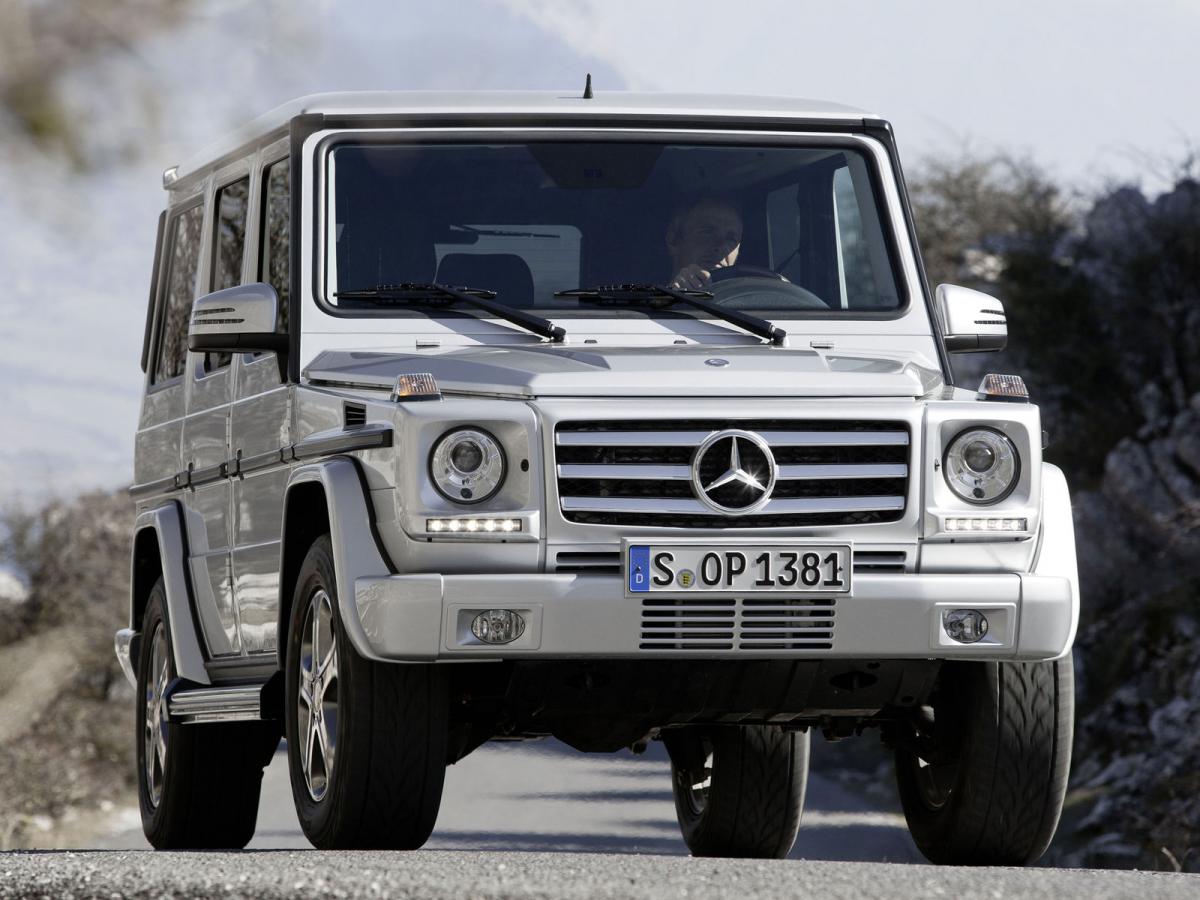
While its off-road credentials were beyond question, the vehicle’s driving character was also enhanced by its smooth-shifting transmission and the refinement typical of Mercedes-Benz engineering.
Fuel efficiency, as expected from a heavy V8-powered SUV, was not its strong suit. The G 500 SWB consumed 21.8 L/100 km in city driving (13 MPG UK / 11 MPG US), 13.7 L/100 km on the open road (21 MPG UK / 17 MPG US), and 16.7 L/100 km combined (17 MPG UK / 14 MPG US).
With a 96-liter fuel tank, it offered a driving range of approximately 574 km (357 miles). CO₂ emissions were rated at 400 g/km, and the engine came equipped with a catalytic converter and Lambda sensor to meet emission standards of its time.
Structurally, the G 500 SWB retained the classic body-on-frame construction and three-door layout of earlier G-Class models. The short-wheelbase configuration made it particularly agile off-road, capable of tackling steep inclines and tight trails that larger SUVs struggled with.
The solid axles and permanent four-wheel drive system ensured legendary durability and traction, while the powerful V8 added effortless highway performance to its resume.
The 1998–2000 Mercedes-Benz G-Class SWB (W463 500) perfectly embodied the spirit of the G-Wagen, uncompromising strength paired with refined luxury.
It bridged the gap between the brand’s utilitarian roots and its modern identity as a high-end off-road icon, remaining one of the most desirable short-wheelbase G-Class models ever built.
Also Read: Top 10 Cars That Survive Teen Drivers and Keep Going
8. Mercedes-Benz GLK250 BlueTEC (2013–2015)
The GLK250 BlueTEC is one of the few diesel-powered SUVs that’s both efficient and built to last. Its 2.1-liter turbo-diesel engine delivers impressive torque and longevity, with many owners reporting over 300,000 miles with minimal issues.
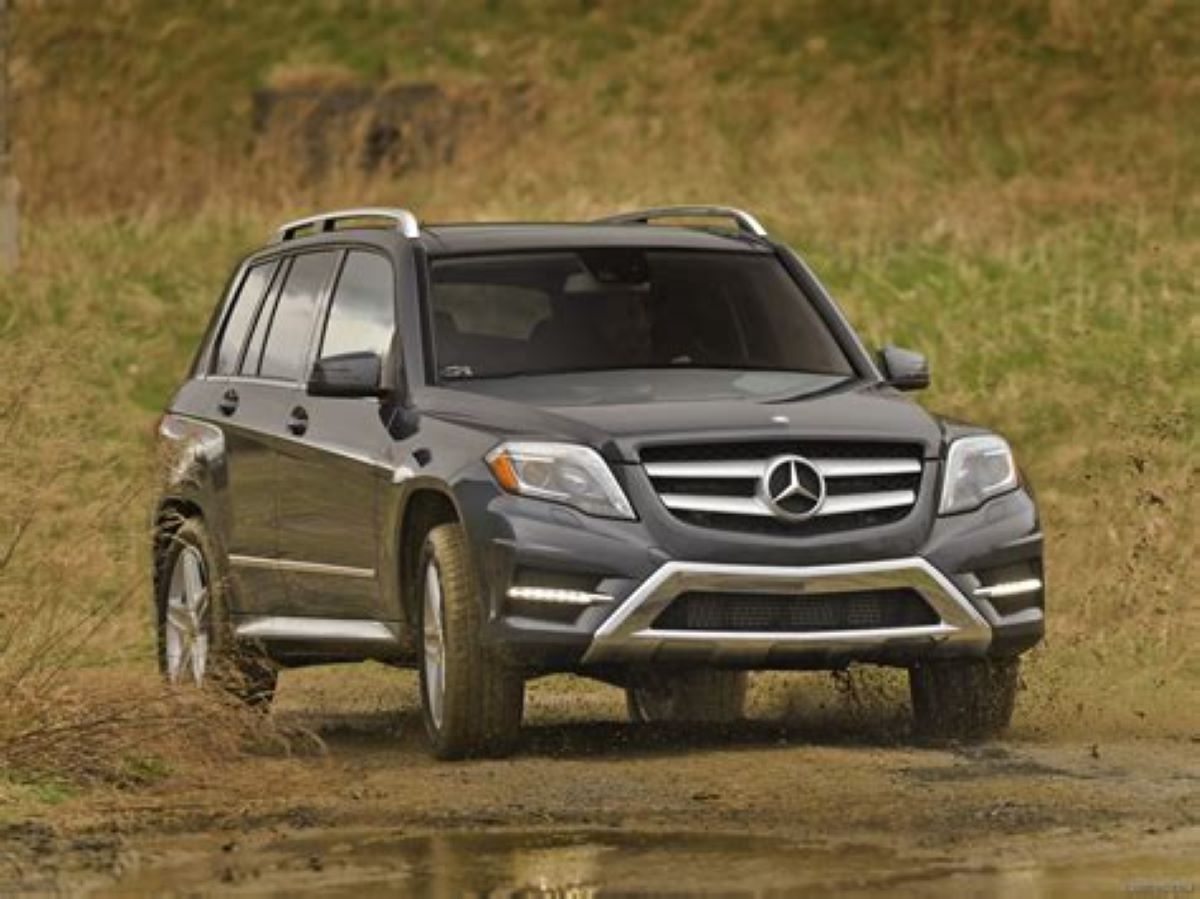
Diesel engines are inherently more durable due to their design, and Mercedes’ diesel expertise shines through here.
The GLK250’s strong fuel economy and simple drivetrain make it an excellent choice for those seeking a small luxury SUV that’s both reliable and practical for long-haul driving.
9. Mercedes-Benz GLE350 (W166, 2016–2019)
The GLE350, which replaced the ML350, represents one of the best examples of modern Mercedes reliability.
Built with improved materials and a more refined version of the 3.5-liter V6, this SUV is known to run smoothly past 150,000 miles with only basic maintenance.
Mercedes fixed many of the electronics and suspension issues that plagued earlier generations, resulting in an SUV that feels sturdy and dependable.
While it’s newer than most on this list, the GLE350 has already earned a reputation among mechanics for being one of the few modern luxury SUVs that doesn’t frequently visit the shop.
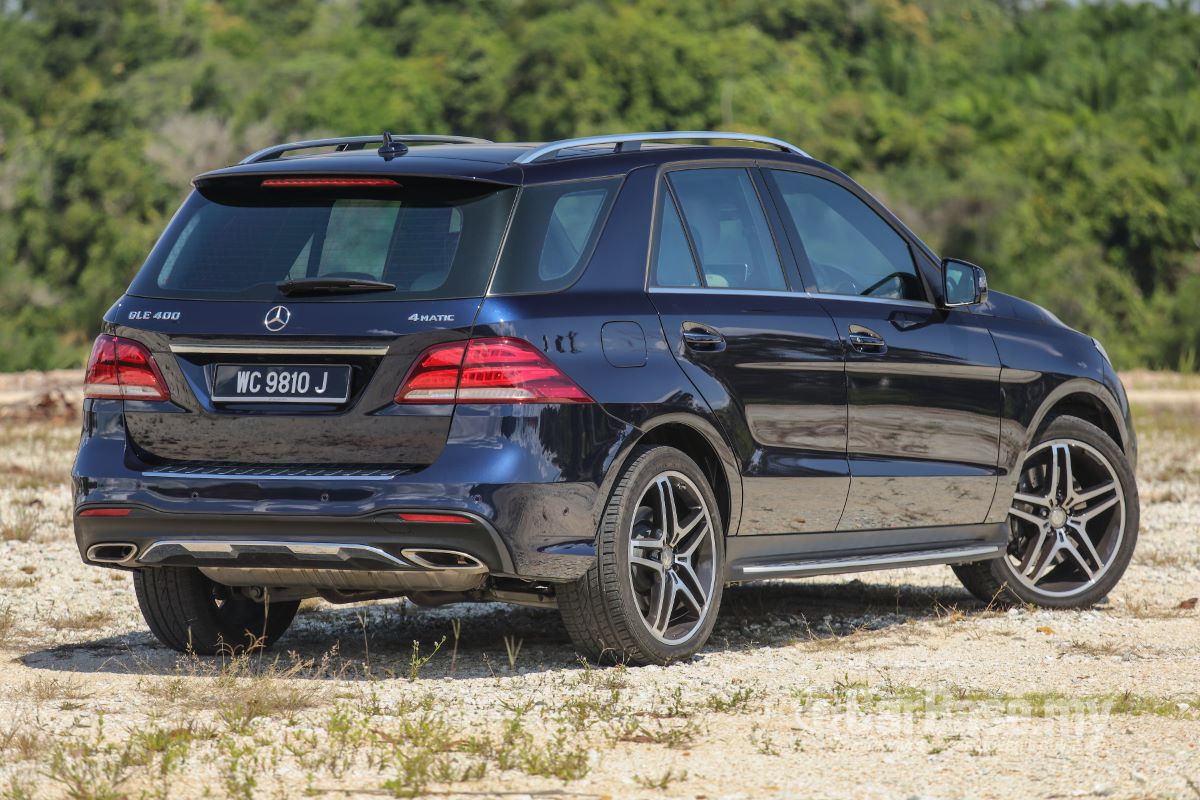
The 2017 Mercedes GLE is a solid choice if you’re in the market for a used luxury midsize SUV. This five-passenger vehicle provides a spacious cabin and ample cargo room, making it ideal for family trips and everyday errands. Inside, you’ll find premium materials and a refined design that align with Mercedes’ reputation for quality.
The GLE also earns strong safety ratings and comes with an array of powerful engine options to suit different driving preferences. Additionally, it includes a generous list of advanced safety technologies, with features such as forward collision warning and brake assist offered as standard equipment.
However, the GLE isn’t without its flaws. It comes with steep ownership costs and handling that can feel cumbersome at times.
There’s also a coupe-styled version available, but its swooping roofline reduces practicality by cutting into cabin and cargo space. Before making your decision, it’s worth exploring highly rated alternatives like the 2017 Lexus RX 350.
10. Mercedes-Benz G320 CDI (W463, 2006–2008)
The G320 CDI was one of the first diesel-powered G-Class models widely recognized for its bulletproof reliability. Powered by a 3.0-liter V6 turbo-diesel engine, it combines the G-Class’s classic build quality with a powertrain known for longevity.
These engines are renowned for their ability to run hundreds of thousands of miles with minimal mechanical wear.
The combination of diesel torque, low engine stress, and traditional mechanical systems makes the G320 CDI a standout among classic SUVs that truly “rarely break.”
While Mercedes-Benz is often associated with luxury and prestige, the brand’s classic SUVs prove that it also knows how to build machines that last.
The 2006–2007 Mercedes-Benz G-Class SWB (W463) 320 CDI Cabrio represents a unique blend of rugged off-road capability and open-top luxury. Powered by a 3.0-liter V6 turbo-diesel engine (Daimler-Benz OM642 DE30), it delivers 224 PS (221 HP / 165 kW) and 540 Nm (398 lb-ft) of torque between 1600 and 2400 rpm.
The engine uses a Common Rail fuel system and features turbocharging with an intercooler, ensuring strong performance and efficient fuel delivery. With a compression ratio of 17.7:1, the G-Class Cabrio maintains the robust characteristics expected from Mercedes-Benz’s long-running off-road icon.
The vehicle features a longitudinally mounted front engine paired with a 7-speed automatic transmission and all-wheel drive, providing solid traction across various terrains.
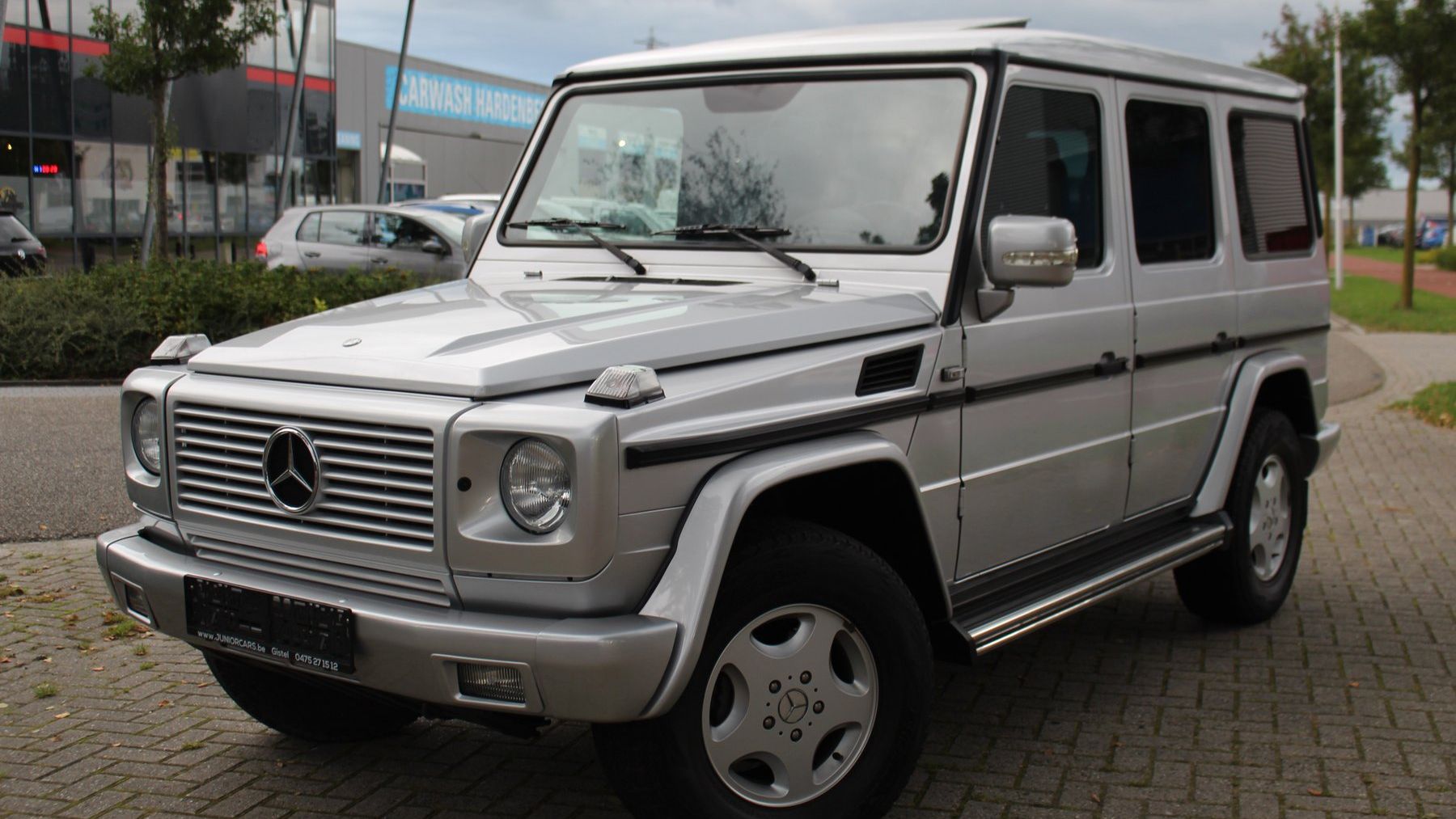
It reaches a top speed of 177 km/h (110 mph) and offers responsive acceleration despite its boxy design and rugged construction. Measuring 2987 cm³ (182.3 cu-in) in displacement, this V6 engine provides a balance between power and durability, ideal for both city driving and challenging trails.
Fuel efficiency is modest, with consumption figures of 12.2 L/100 km in the city, 10.8 L/100 km on the highway, and 11.5 L/100 km combined. This equates to approximately 23 MPG (UK) / 19 MPG (US) in urban conditions and up to 26 MPG (UK) / 22 MPG (US) on the open road.
With a 96-liter fuel tank, the G-Class Cabrio delivers an estimated range of 834 km (518 miles). CO₂ emissions are rated at 307 g/km, compliant with Euro 4 emission standards, and the vehicle includes a catalytic converter to minimize environmental impact.
The W463 2006 facelift version of the G-Class Short Wheelbase Cabriolet (SWB) comes with a two-door TT body style, combining the timeless, boxy design of the G-Class with the enjoyment of open-air driving.
Inside, the G-Class Cabrio maintains Mercedes’ focus on craftsmanship, offering premium materials and a durable layout suitable for off-road adventures. While its practicality is limited compared to the standard G-Class due to its smaller body and convertible setup, it compensates with exclusivity and charm.
From the indestructible G-Wagen to the surprisingly resilient GLK and ML series, these vehicles stand as reminders of an era when engineering came first.
Today’s Mercedes SUVs continue to evolve with hybrid systems and complex electronics, but for those who value mechanical integrity and time-tested durability, these ten models remain the gold standard.
Whether you’re a collector seeking a classic G-Class or a family looking for a reliable used SUV, these Mercedes options are proof that luxury and longevity can absolutely coexist.