Car prices continue to rise, but value-conscious drivers know that dependable used vehicles still offer unbeatable returns. In 2025, the smartest buyers are turning to proven models that combine reliability, performance, and modern technology at a fraction of new-car costs.
The guide “12 Used Cars That Are Still a Steal in 2025” highlights vehicles that continue to impress with durability, efficiency, and long-term comfort. From the refined Hyundai Sonata and the ever-reliable Honda Accord to rugged choices like the Toyota 4Runner, these cars prove that quality does not have to come with a hefty price tag.
Each model has earned its place through strong reliability records, accessible maintenance, and features that still feel fresh years later. Whether you need a fuel-sipping commuter, a family-friendly SUV, or a luxurious daily driver, these used cars offer confidence and value that stand the test of time.
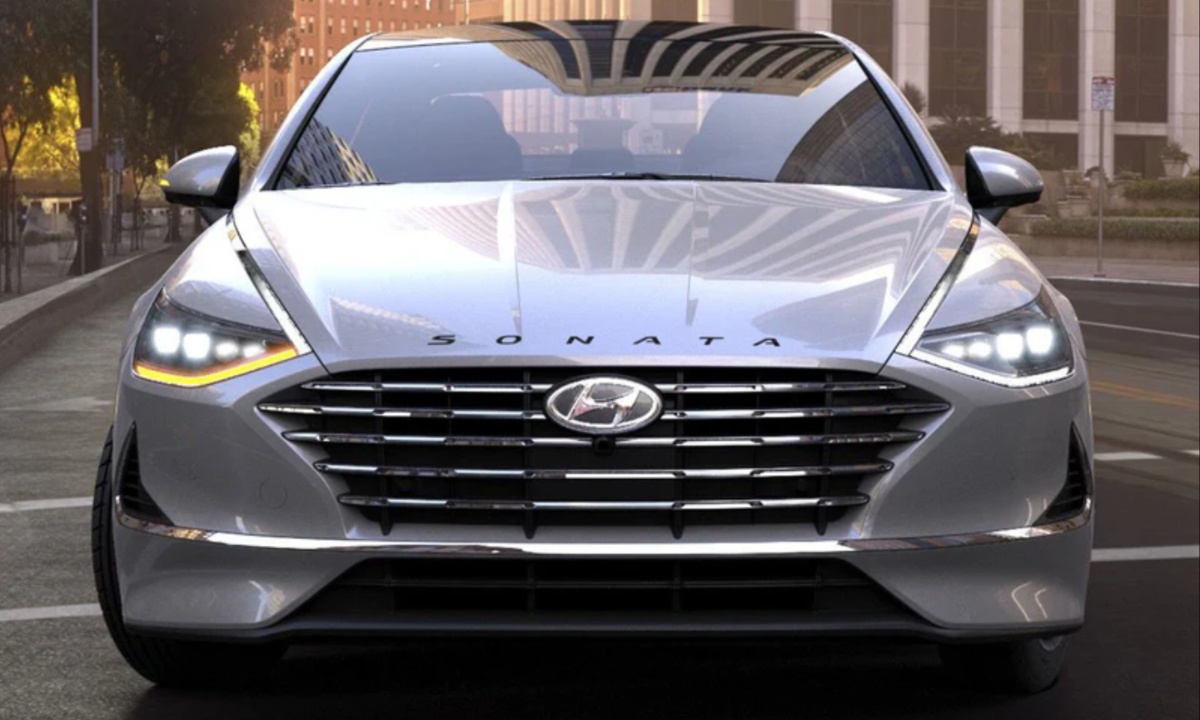
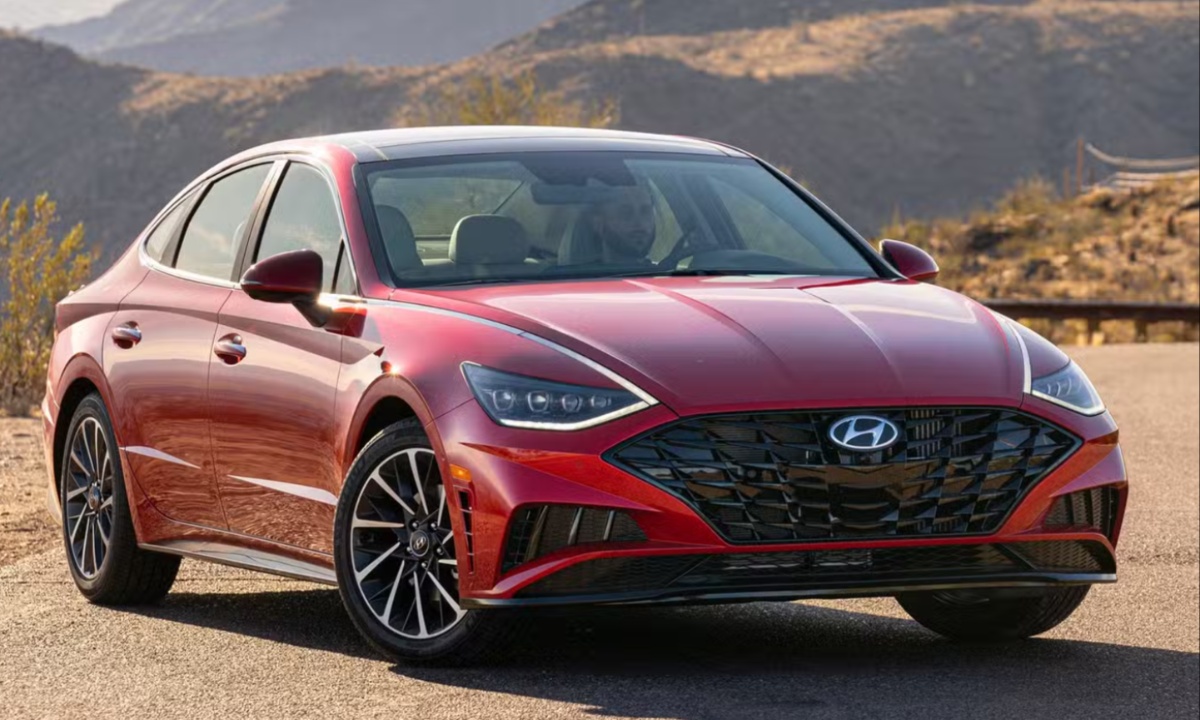
1. Hyundai Sonata (2020–2023)
The eighth-generation Hyundai Sonata shed its rental-car image through bold design, improved engineering, and a strong technology suite. It rides on Hyundai’s N3 platform and comes with several engine choices: a 2.5-liter four-cylinder with 191 horsepower, a 1.6-liter turbo with 180 horsepower, and a 2.0-liter hybrid that produces 192 horsepower combined.
The conventional eight-speed automatic delivers smooth shifts, while the hybrid uses a six-speed with an integrated motor for better efficiency. Fuel economy ranges from 27 to 32 mpg for gas models and 45 to 50 mpg for the hybrid, which places the Sonata among the most efficient sedans in its class.
Hyundai’s Smartstream engines introduced chain-driven oil pumps and advanced thermal management to reduce wear and extend life. The automaker also fixed early issues with telematics and battery drain through software updates.
Its torque-converter transmissions prove more durable than the CVTs used by some competitors. Combined with Hyundai’s class-leading 10-year/100,000-mile powertrain warranty (which transfers to second owners), these factors make the Sonata a compelling used-car choice.
On the road, the Sonata feels composed but not sporty. The 1.6-liter turbo version reaches 60 mph in 7.6 seconds, giving it just enough power for confident highway driving.
Ride quality leans firm, transmitting more road texture than expected, though steering precision is commendable. Braking feels consistent, even if the pedal emits a faint vibration under light use. The hybrid version rides softer and operates more quietly, making it ideal for commuters.
Inside, the Sonata impresses with space and technology. A wide 10.25-inch touchscreen responds quickly, and voice commands recognize natural speech. Smartphone integration works seamlessly with both Apple CarPlay and Android Auto.
The push-button gear selector takes getting used to, but most controls are logical and well labeled. Materials quality is solid for the price, though some trim pieces lack the polish of pricier rivals. Both rows offer generous room, and trunk capacity is excellent for the class, with rear seatbacks that fold easily to expand cargo space.
Safety equipment includes adaptive cruise control, lane-keeping assist, blind-spot monitoring, and available blind-spot view cameras. The hybrid’s quiet cabin, coupled with ventilated seats and effective climate control, enhances long-distance comfort.
Used examples from 2020 to 2023 typically range from $18,000 to $32,000, depending on trim and powertrain. With its warranty coverage, efficient engines, and abundant tech, the 2020–2023 Sonata delivers reliable sophistication without a premium price tag.
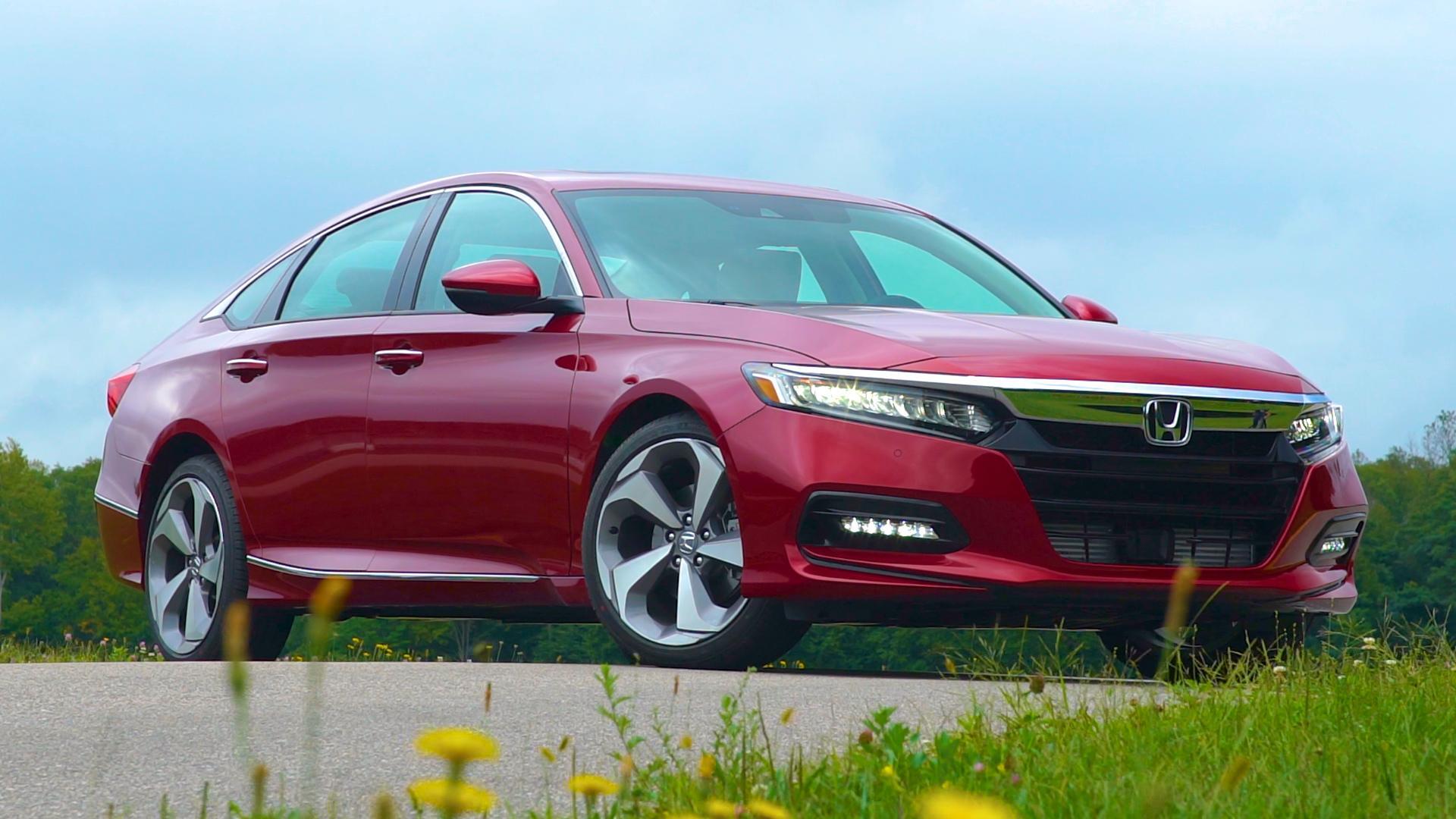
2. Honda Accord (2018–2022)
The 10th-generation Honda Accord stands out as a midsize sedan that blends everyday practicality with driver enjoyment. Known for its sharp handling, roomy cabin, and strong reliability record, it remains one of the smartest used-car buys for drivers who value both dependability and performance.
With impressive efficiency, advanced safety features, and proven longevity, the Accord captures the balance between comfort and fun.
The Accord offers three main powertrains: a 1.5-liter turbocharged four-cylinder (192 hp), a 2.0-liter turbocharged four-cylinder (252 hp), and a 2.0-liter hybrid system (212 hp combined). Transmission options include a CVT for the 1.5T, a 10-speed automatic for the 2.0T, and an e-CVT for the hybrid.
Early 1.5T models experienced minor oil dilution issues, but Honda corrected these with a 2020 software update. Later models benefit from improved engine tuning and quieter cabins. Reliability remains strong, with J.D. Power scores between 83 and 86 across model years. The 10-speed automatic has a failure rate below one percent, and the simple suspension design keeps repair costs low.
The 2020–2022 models are considered the best choices, featuring wireless Apple CarPlay, improved electronics, and subtle design updates. Typical 2025 prices range from $19,000–$24,000 for the Sport 1.5T, $23,000–$29,000 for the EX-L Hybrid, and $26,000–$32,000 for the Touring 2.0T. Buyers should verify that ECU updates are complete and check for brake or rotor wear on higher-mileage Sport models.
On the road, the Accord feels agile and responsive. The 1.5T version accelerates to 60 mph in about eight seconds, while the 2.0T offers notably stronger performance. Steering is light yet precise, and the brakes provide smooth, confident stops.
The Accord’s chassis balance makes it enjoyable to drive, especially on winding roads. Comfort levels are high, with supportive seats and good ride compliance. Tire noise can be noticeable on 19-inch wheels, but trims with 17-inch wheels offer a softer ride and better absorption over rough pavement.
Inside, the Accord’s cabin combines simplicity and sophistication. High-quality materials, clear controls, and generous legroom create an inviting atmosphere.
The infotainment system is intuitive and integrates Apple CarPlay and Android Auto, with higher trims adding a head-up display and premium audio. Safety technology is standard, including adaptive cruise control, lane keeping assist, and forward collision warning.
Practicality remains a strong point. The 16.7-cubic-foot trunk is among the largest in its class, and the hybrid achieves up to 48 mpg, while gas models average around 32 mpg combined. With its refined driving dynamics, efficient engines, and lasting reliability, the Honda Accord remains one of the most balanced and rewarding sedans in its class.
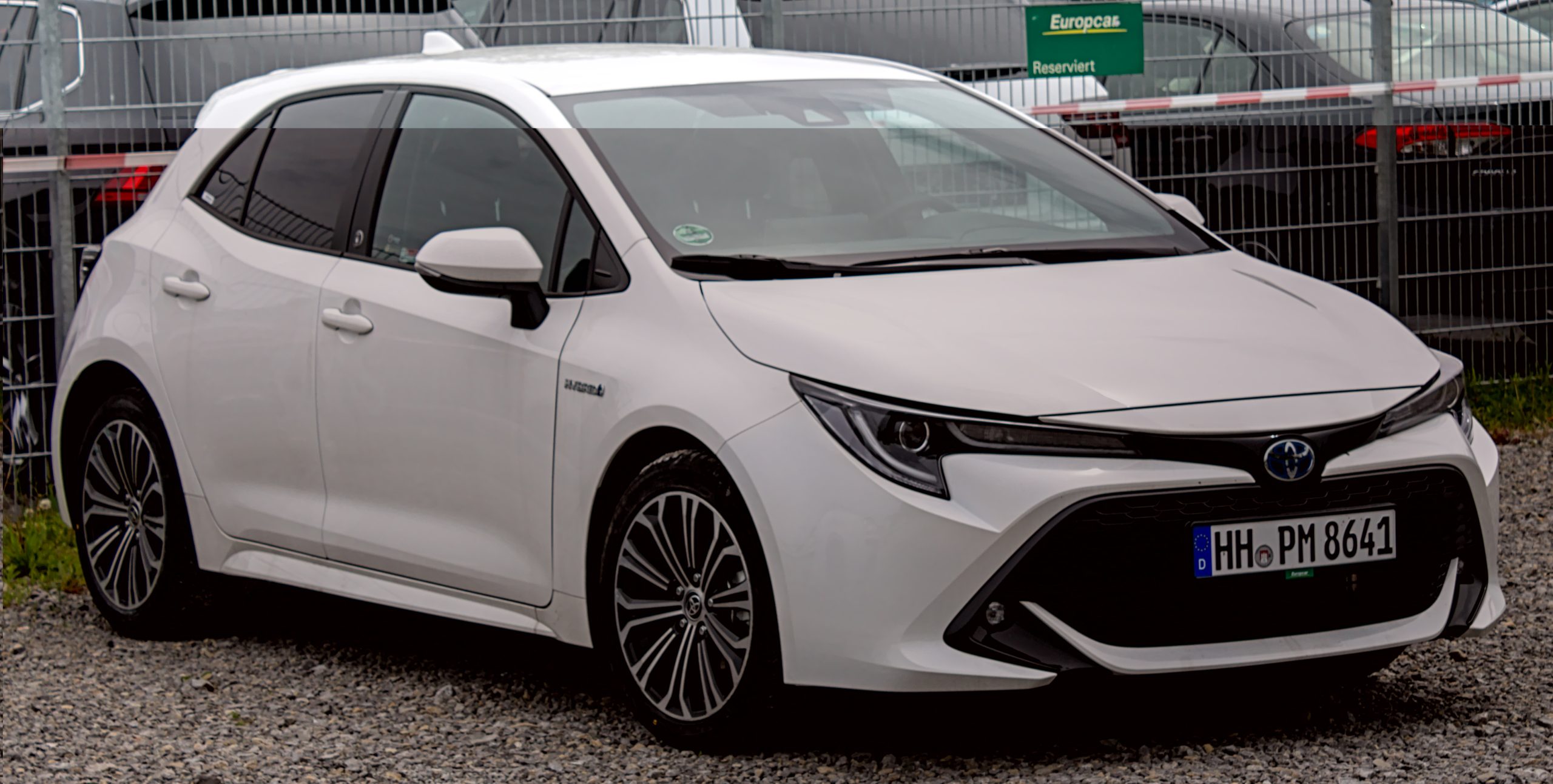
3. Toyota Corolla (2017–2023)
The Toyota Corolla has long been the gold standard for affordable reliability. The 12th-generation model continues that tradition with updated technology, excellent safety, and a powertrain lineup built to last.
Available as a sedan or hatchback, the Corolla offers dependable transportation for drivers who want simplicity, low costs, and peace of mind. It is one of the best used cars to buy if your goal is worry-free ownership for years to come.
The Corolla comes with three main engines: a 1.8-liter four-cylinder with 139 horsepower, a 2.0-liter four-cylinder with 169 horsepower, and a 1.8-liter hybrid system producing 121 horsepower combined. Gas models return around 30 to 35 miles per gallon, while the hybrid regularly exceeds 50 miles per gallon.
The Direct-Shift CVT uses a physical first gear for smoother takeoffs and improved durability. A six-speed manual is available on the SE and XSE trims. Every model includes Toyota Safety Sense, which brings adaptive cruise control, lane departure warning, and automatic emergency braking as standard.
Model years from 2019 to 2023 are the most appealing because of their updated engine, Apple CarPlay, and improved ride quality. Expect prices between 15,000 and 24,000 dollars, depending on trim and mileage.
Older 2017 to 2018 LE sedans can be found for less than 15,000 dollars, while newer hybrids and hatchbacks command higher prices for their fuel economy and flexibility. Before buying, check that the CVT fluid has been replaced every 60,000 miles, confirm completion of the fuel pump recall, inspect the front bumper for broken clips, and listen for rear brake squeal on 2020 and newer cars.
On the road, the Corolla favors comfort and efficiency over sportiness. The 2.0-liter engine moves the car from zero to sixty in about 8.8 seconds, which is modest but sufficient for daily driving. Steering is light and accurate, braking is easy to control, and the suspension delivers a smooth ride over most surfaces. The Corolla is simple to drive and maneuver, making it ideal for commuting or city travel.
Inside, the cabin is thoughtfully arranged with durable materials and logical controls. Front seats are supportive, while rear headroom is slightly limited for taller passengers.
The eight-inch touchscreen looks sharp and includes both Apple CarPlay and Android Auto. The 13-cubic-foot trunk is practical for daily use. With minimal maintenance, the Corolla can easily pass 250,000 miles, proving once again why it remains a symbol of long-term dependability.
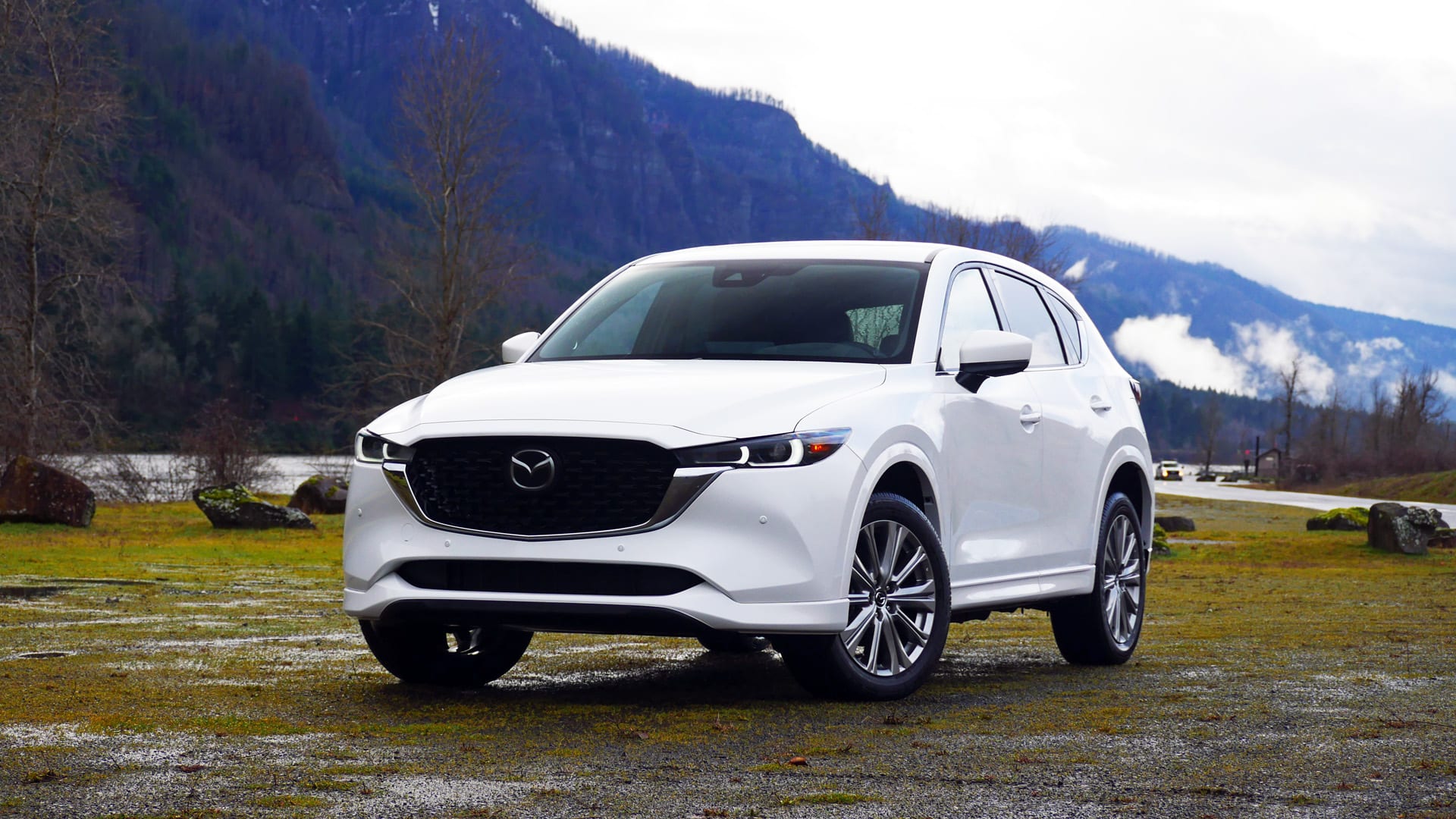
4. Mazda CX-5 (2017–2022)
The Mazda CX-5 stands out as one of the few compact SUVs that feels genuinely enjoyable to drive while remaining as dependable as its Japanese peers. It pairs sharp steering and composed handling with a cabin that feels close to entry-level luxury. This generation offers refinement, practicality, and a track record for longevity that earns it a place among the most reliable used cars to buy.
Two versions of Mazda’s 2.5-liter Skyactiv-G engine power the lineup: the standard 187-horsepower version and a turbocharged variant producing up to 256 horsepower on premium fuel. Both connect to a traditional six-speed automatic transmission, eliminating concerns about CVT failures.
Front-wheel drive is standard, with Mazda’s i-Activ all-wheel drive optional. Expect 24 to 28 miles per gallon combined, with the turbo only slightly thirstier. Every model in this generation earned the IIHS Top Safety Pick Plus rating, thanks to robust crash protection and standard driver aids such as adaptive cruise control and lane keeping assist.
Model years 2019 to 2021 are the sweet spot. They gained Apple CarPlay, improved cylinder-deactivation hardware, and better rust protection. Prices range from 18,000 to 30,000 dollars, depending on trim and mileage. Turbocharged Signature or Grand Touring Reserve trims add real punch without major fuel penalties.
Before buying, inspect rear brake calipers for early wear on 2017 and 2018 models, check rocker panels for rust, and confirm that the infotainment firmware version is 74.00.311 or later to prevent system reboots. Listen for front suspension clunks that often indicate worn sway-bar bushings, an easy fix and a good negotiation point.
Behind the wheel, the CX-5 separates itself from competitors with precision and balance. The base engine delivers 0 to 60 mph in 8.7 seconds, while the turbo drops that time to 6.6. Steering is responsive, and the chassis feels stable and confident in corners. The ride is firm but controlled, soaking up imperfections without harshness. Cabin noise remains subdued, even at highway speeds.
Inside, the CX-5 feels premium, with soft-touch materials, intuitive controls, and excellent visibility. The front seats are well-shaped for long drives, though the rear bench can feel flat for adults on longer trips. The 10.25-inch infotainment screen looks crisp and is easy to use.
Cargo capacity is slightly smaller than rivals, but everyday practicality remains strong. For drivers who want a crossover that combines dependability, style, and driving enjoyment, the Mazda CX-5 hits a rare balance that endures for hundreds of thousands of miles.
5. Toyota 4Runner (2016–2023)
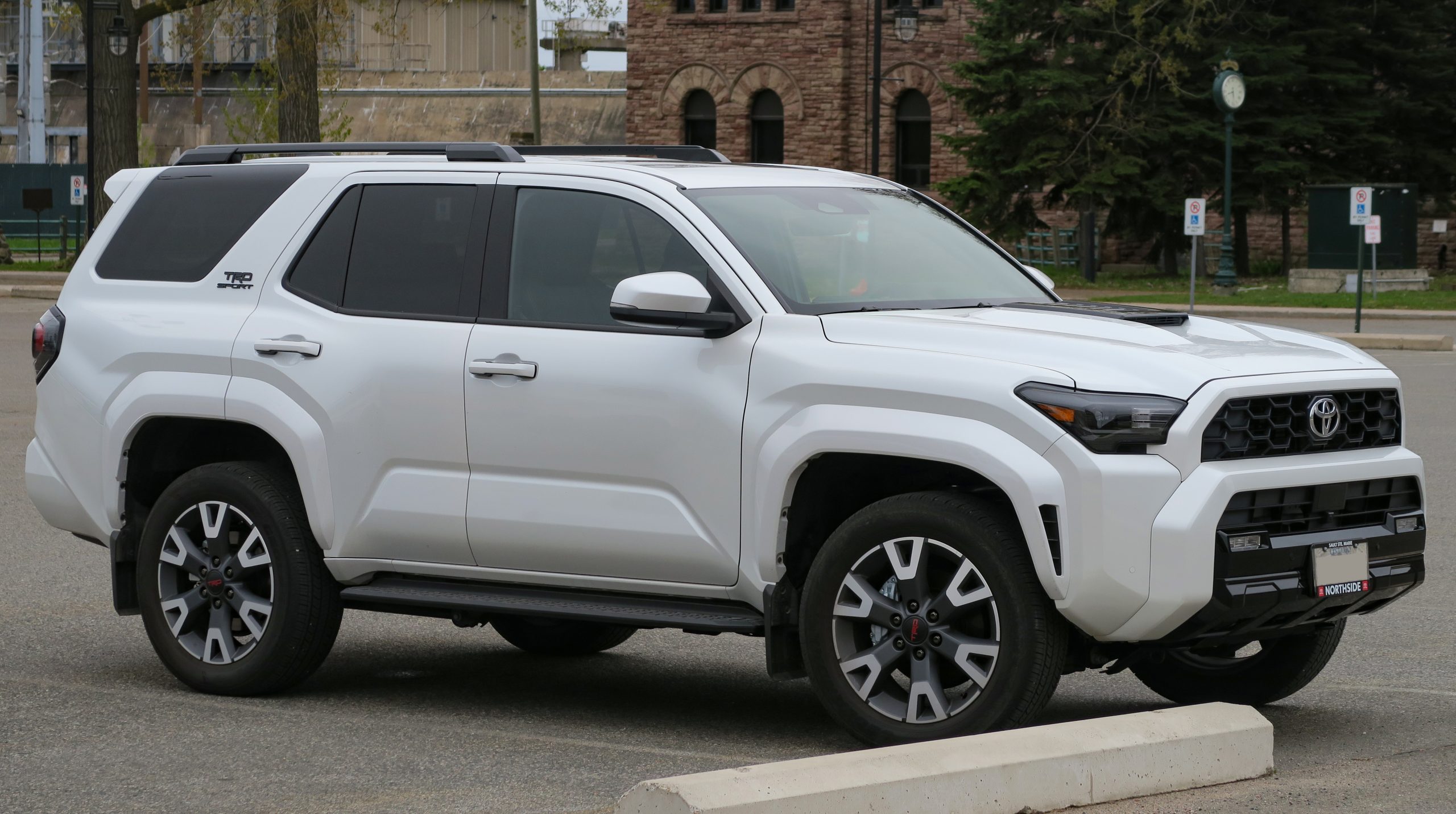
The Toyota 4Runner represents one of the last true SUVs built for toughness and longevity. Instead of chasing trends, it sticks with a traditional body-on-frame platform, a naturally aspirated 4.0-liter V6, and a durable five-speed automatic transmission.
That old-school formula makes it one of the most dependable used SUVs you can buy. With 270 horsepower and a 5,000-pound towing capacity, it handles daily use and weekend adventures with ease. Fuel economy averages 17 to 20 mpg, which is acceptable given its size and strength.
Where the 4Runner shines is off-road. High ground clearance, sturdy suspension components, and available features like crawl control and a locking rear differential make it a capable companion for trail driving, snow, or sand.
Drivers who enjoy exploring beyond the pavement will find that this vehicle feels steady and confident in challenging terrain. Even basic trims can handle rough conditions, while the TRD Off-Road and TRD Pro models add extra durability and traction technology.
On the road, the 4Runner’s ride is firm but predictable. The steering is steady, though the truck-based chassis means more body movement compared with car-based crossovers. Brakes feel strong but can dive under hard stops. Still, the powertrain’s smooth response and traditional automatic gearbox provide a sense of reliability that newer multi-speed transmissions often lack.
Inside, the 4Runner offers a spacious and functional layout. The driving position is high, visibility is excellent, and both rows of seats provide generous room. Materials are sturdy rather than fancy, designed to withstand years of outdoor use. Folding the rear seats opens a large, box-shaped cargo area suitable for camping gear, home projects, or even sleeping bags. Access is tall, but side steps help shorter passengers.
Technology has improved over the years, with the 2020 model gaining an 8-inch touchscreen that supports Apple CarPlay and Android Auto. Standard driver aids such as adaptive cruise control and forward collision warning also arrived, making newer versions more user-friendly while preserving their rugged simplicity.
Before buying, check for frame rust, smooth operation of the power rear window, and signs of oil seepage near the front differential. Brake calipers can stick around 100,000 miles, but are easy to replace. Prices range from about 27,000 to 42,000 dollars, depending on year and trim.
The 4Runner’s combination of simplicity, strength, and proven reliability ensures it will remain a favorite among adventure seekers for many years.
6. Toyota RAV4 (2019–2023)
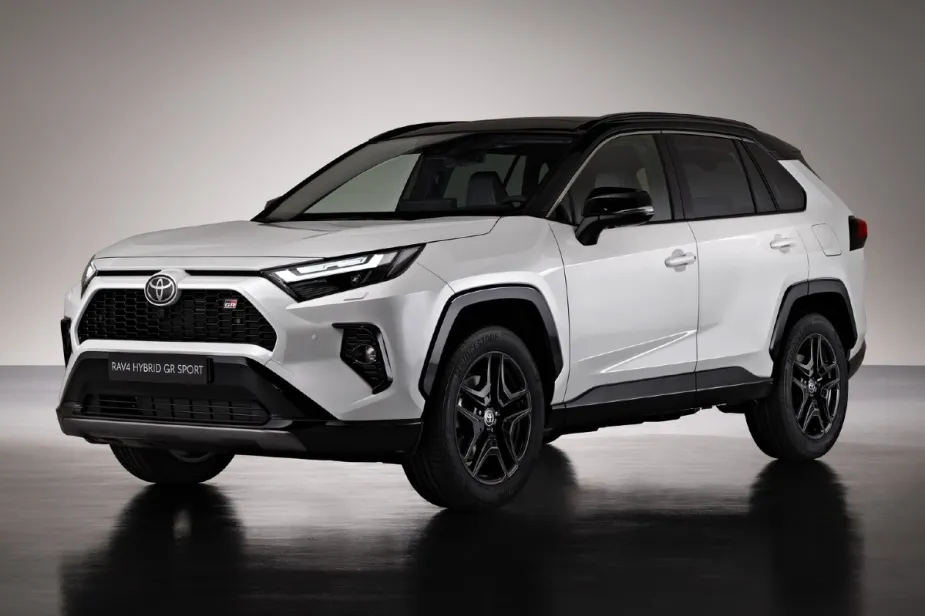
The fifth-generation Toyota RAV4 blends practicality, economy, and durability into a package that appeals to nearly every type of driver. Built on Toyota’s TNGA-K platform, it shares key components with the Camry and Avalon, keeping parts affordable and reliability high. It is equally at home running errands, handling light off-road trails, or crossing long highway stretches with minimal effort.
Three powertrains define the lineup: a 2.5-liter four-cylinder with 203 horsepower, a hybrid version producing 219 horsepower, and the plug-in hybrid RAV4 Prime with an impressive 302 horsepower.
The gas model uses an eight-speed automatic, while hybrid versions employ an e-CVT. Real-world fuel economy ranges from about 28 to 31 mpg for the gas version, 40 mpg for the hybrid, and up to 94 MPGe for the Prime. The hybrid’s electric rear motor replaces a driveshaft, simplifying the drivetrain and improving longevity.
The 2019–2021 gas models typically range from 22,000 to 30,000 dollars, while newer 2022–2023 hybrids fall between 30,000 and 36,000. The RAV4 Prime remains expensive, often exceeding 36,000 dollars, because used buyers cannot claim the federal tax credit. Adventure and TRD Off-Road trims add mild off-road capability with skid plates and chunkier tires for a small price premium.
Before purchase, confirm that the dashboard is free from vibration issues that affected early 2019 builds. Verify the installation of the Toyota Safety Sense 2.5 software on 2022 and 2023 models for improved lane-keeping. Inspect the rear differential on AWD gas models for oil seepage and ensure hybrid and Prime versions have received high-voltage battery coolant service at the 100,000-mile interval.
The RAV4 is not the quickest in its class. A gas-powered model reaches 60 mph in around nine seconds, and steering feel is light and vague compared with more engaging rivals like the Mazda CX-5. Yet the RAV4’s ride comfort and off-road ability compensate. The suspension absorbs rough pavement easily, and Adventure and TRD models use torque vectoring to distribute power for better traction on gravel or snow.
Inside, the RAV4 impresses with sturdy build quality and thoughtful design. The cabin features soft-touch materials, rubberized controls, and abundant storage cubbies. The seats are comfortable, though the front passenger seat lacks adjustment on most trims. Cargo space measures 37.5 cubic feet with the rear seats up and nearly 70 with them folded, making it one of the most spacious compact SUVs available.
With a reputation for reliability, strong resale value, and low maintenance needs, the Toyota RAV4 remains a top pick for anyone seeking a crossover that simply works and keeps working for years.
Also Read: 10 Cars That Keep Running Long After the Warranty Ends
7. Lexus RX (2018–2023)
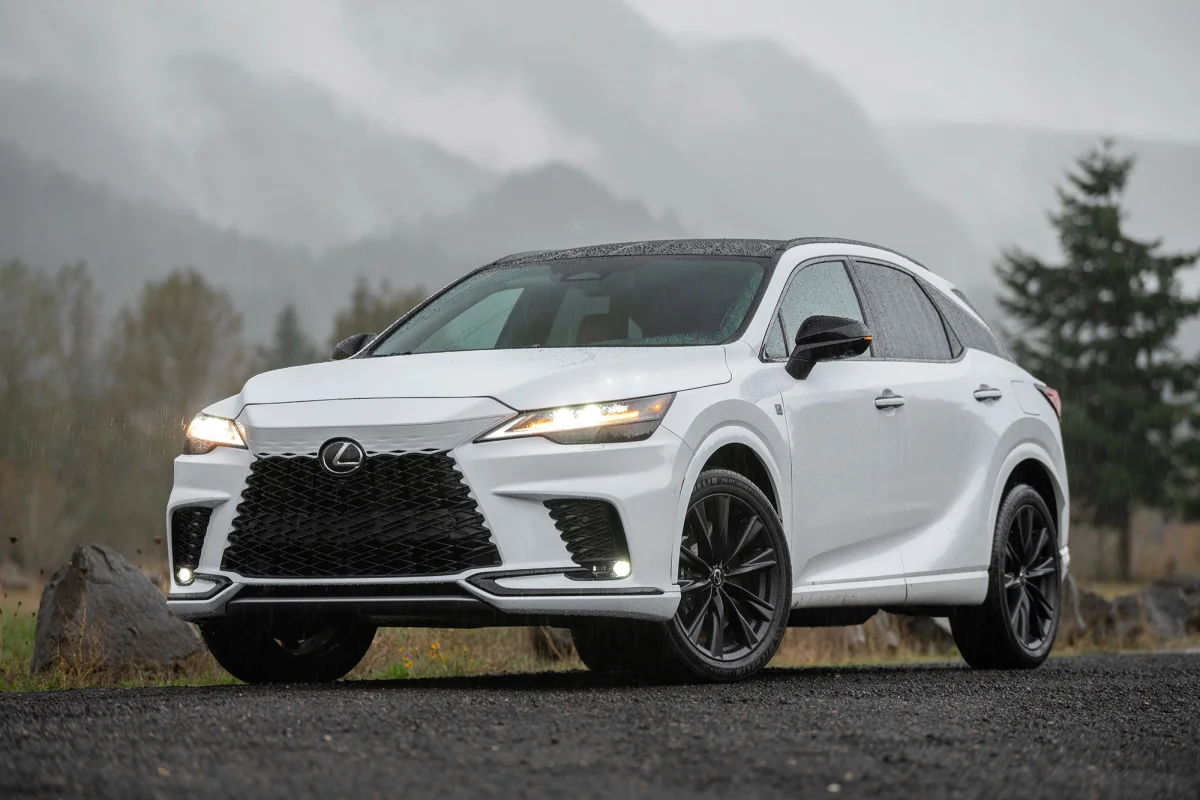
The Lexus RX blends refined comfort with Toyota-level dependability, making it one of the most secure used luxury SUV choices. Sharing its core powertrain with the Camry and Highlander, it benefits from proven engineering and affordable maintenance.
The 3.5-liter V6 provides 295 horsepower, while the hybrid version combines that same V6 with electric motors for 308 horsepower and improved efficiency. Both engines use timing chains and direct-plus-port fuel injection, reducing long-term maintenance issues. Fuel economy ranges from 22 to 27 mpg for the gas model and about 30 mpg for the hybrid.
Performance favors smoothness over excitement. The eight-speed automatic shifts seamlessly, and the hybrid’s e-CVT keeps the drive quiet and efficient. Acceleration is modest at around 7.8 seconds to 60 mph, but throttle response is predictable and confident.
Steering feels light, and body control remains composed, even through corners. The F Sport trim adds adaptive suspension and sportier seats, although comfort still takes priority. Braking performance is steady, with a firm pedal that makes daily driving easy.
Inside, the RX demonstrates Lexus craftsmanship with soft-touch materials, elegant wood or metallic accents, and impeccable assembly. The 2020 refresh brought a new touchscreen that finally supports Apple CarPlay and Android Auto, improving usability.
Seating comfort is excellent in both rows, with heating and ventilation available up front and generous cushioning throughout. The cabin stays quiet even at highway speeds, thanks to thick insulation and well-sealed doors. Rear space is sufficient for adults, and visibility is aided by large windows and a high seating position.
Cargo capacity measures 29.6 cubic feet behind the rear seats and expands with them folded. Though smaller than some rivals, the cargo floor is flat, and the wide opening makes loading simple. The center console and side bins offer useful storage for smaller items. The RX can tow up to 3,500 pounds, suitable for small trailers or light recreational gear.
Standard safety tech includes adaptive cruise control, lane keeping assist, blind-spot monitoring, and collision mitigation. Reliability remains a key strength. Common checks include verifying the 2020 fuel pump recall, inspecting roof seals, and ensuring smooth tailgate operation. Typical 2025 prices range from $28,000 to $48,000, depending on year and trim.
A well-kept RX combines comfort, quietness, and proven reliability in a way few luxury SUVs can match.
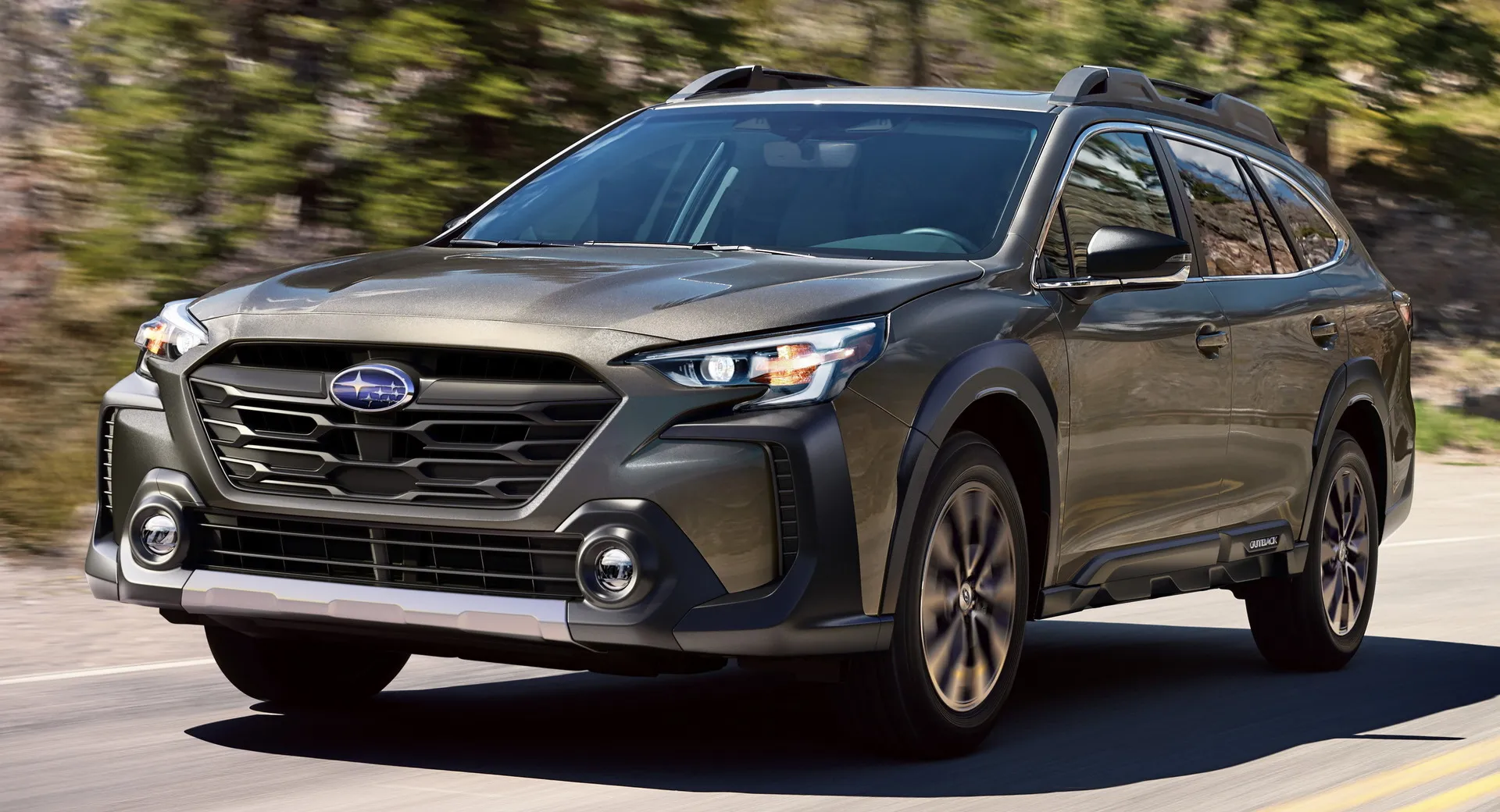
8. Subaru Outback (2018–2023)
The Subaru Outback blends car-like comfort with true all-weather ability, earning its reputation as the go-anywhere wagon for families and outdoor enthusiasts. The 2018–2023 generation refines the Outback’s formula with improved reliability, better safety tech, and upgraded materials while preserving the rugged charm that keeps it among the most dependable used vehicles on the market.
Every Outback comes standard with Symmetrical All-Wheel Drive and an 8.7-inch ground clearance, giving it real traction on gravel or snow-covered roads. Two engines are available: a 2.5-liter naturally aspirated flat-four with 182 horsepower and a 2.4-liter turbocharged flat-four producing 260 horsepower.
Both use Subaru’s updated Lineartronic CVT, now equipped with stronger internals and an external fluid cooler to improve longevity. Real-world fuel economy ranges from 26 to 29 mpg for the base engine and around 25 mpg for the turbo.
Subaru’s EyeSight safety suite is standard across all trims, offering adaptive cruise control, lane keeping, and collision mitigation. Interior quality took a leap forward with soft-touch materials and modern infotainment, while visibility remains excellent thanks to thin pillars and large mirrors.
Cargo capacity is generous, providing 35.5 cubic feet with the rear seats up and 73.3 with them folded. Roof rails with integrated crossbars add flexibility for bikes, kayaks, or cargo boxes.
The best model years for used buyers are 2019 through 2021, balancing reliability improvements with affordable pricing. Expect to pay between 18,000 and 34,000 dollars, depending on trim and mileage. The turbocharged XT trims and Wilderness edition (introduced in 2022) bring extra off-road capability, with skid plates and all-terrain tires for buyers who spend weekends beyond the pavement.
When shopping, verify that CVT fluid changes have been done every 60,000 miles and inspect the windshield for chips since recalibrating EyeSight cameras can be costly. Check for early rust near the rear wheel wells in salt-prone regions and test the battery, as weak voltage can trigger driver-assistance warnings.
On the road, the Outback feels composed rather than quick. The base engine is adequate for daily use but lacks punch for heavy loads or highway passing. The turbo delivers stronger acceleration without sacrificing comfort. Ride quality is plush, and the suspension smooths out rough surfaces, though wind and road noise are noticeable at higher speeds.
With its balanced mix of comfort, durability, and true all-weather confidence, the Subaru Outback remains a top choice for drivers who want reliability without giving up adventure.
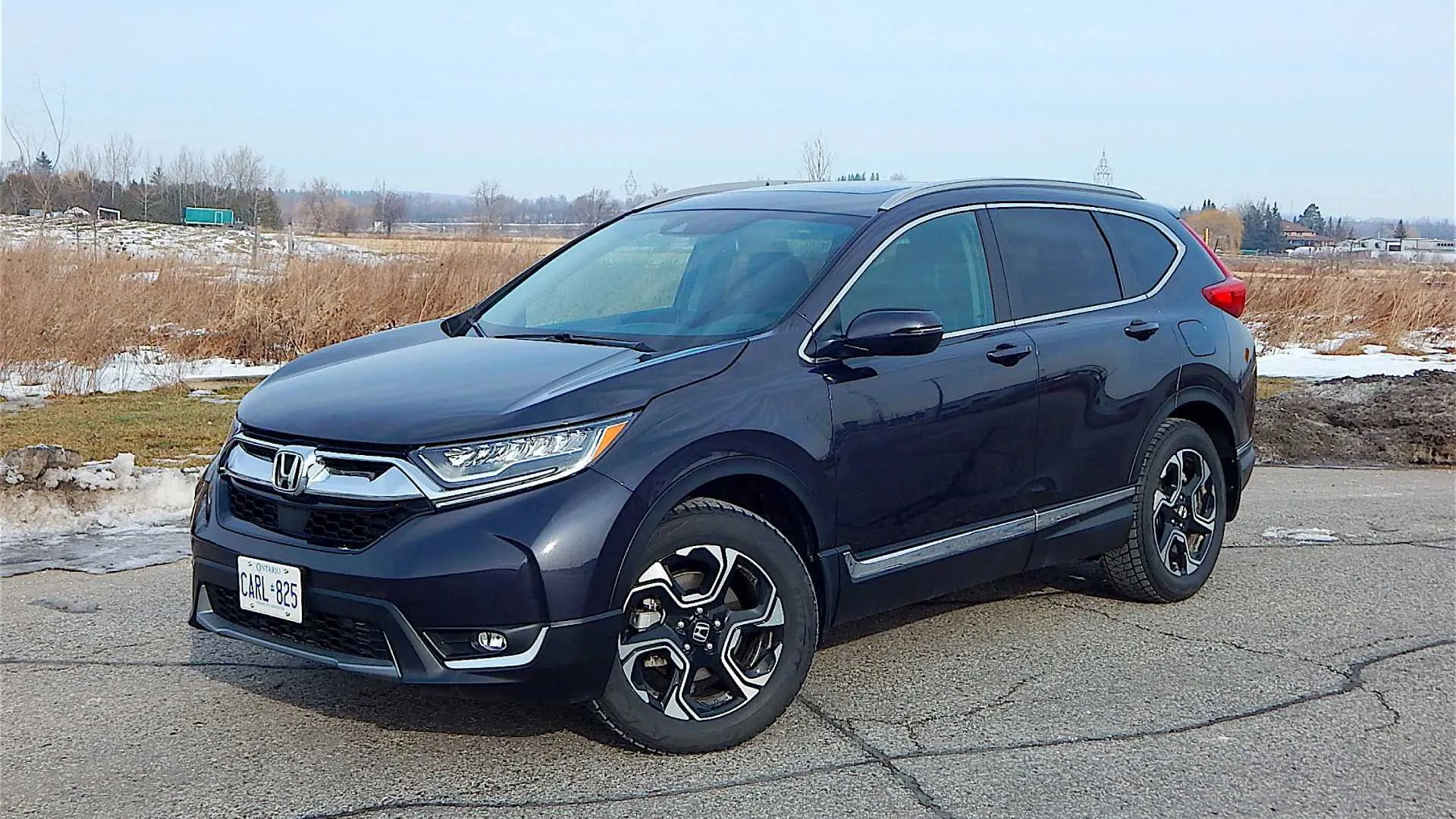
9. Honda CR-V (2017–2022)
The Honda CR-V continues to be the definition of reliable versatility. This generation combines strong fuel efficiency, spacious seating, and the kind of low-stress ownership that keeps drivers loyal for decades. It is easy to see why it remains one of the most recommended compact SUVs for 2025.
Under the hood, the 1.5-liter turbocharged four-cylinder engine produces 190 horsepower and works with a smooth CVT that mimics natural shifts. The hybrid version, introduced in 2020, pairs a 2.0-liter engine with electric motors for a combined 212 horsepower and 38–40 mpg.
Both powertrains offer relaxed, confident performance, with all-wheel drive available for those who regularly face snow or rain. Models built after early 2019 include factory updates that resolved fuel-dilution issues, making them the best choice for used buyers.
On the road, the CR-V feels balanced and composed. The steering is precise, the suspension absorbs bumps well, and body motions are tightly controlled. Acceleration to 60 mph takes about 8.2 seconds, and while it is not fast, the smooth power delivery makes highway merging effortless. The ride remains calm even on rough roads, with only moderate wind and tire noise entering the cabin.
Interior comfort is one of the CR-V’s greatest strengths. The seats provide excellent long-distance support, and rear passengers enjoy outstanding legroom for the class.
The wide door openings and raised seating height make entry and exit easy for passengers of all ages. Cargo capacity is also a highlight, offering 39.2 cubic feet behind the second row and expanding to 75.8 cubic feet with the seats folded. The configurable center console and numerous bins add useful storage for small items.
Technology and safety equipment are generous. Apple CarPlay, Android Auto, and multiple USB ports come standard on most trims. Every CR-V includes Honda Sensing, which bundles adaptive cruise control, lane keeping assist, and automatic emergency braking. These systems occasionally issue false alerts in dense traffic, but they add peace of mind during long drives.
Ownership costs stay low thanks to proven mechanicals and strong resale value. The AWD system needs fluid changes roughly every 40,000 miles, but otherwise, maintenance is simple and affordable. Buyers can expect to spend between 22,000 and 34,000 dollars, depending on year, trim, and condition.
The 2017–2022 Honda CR-V delivers practicality, comfort, and reliability in one neat package, proving that function and refinement can happily coexist.
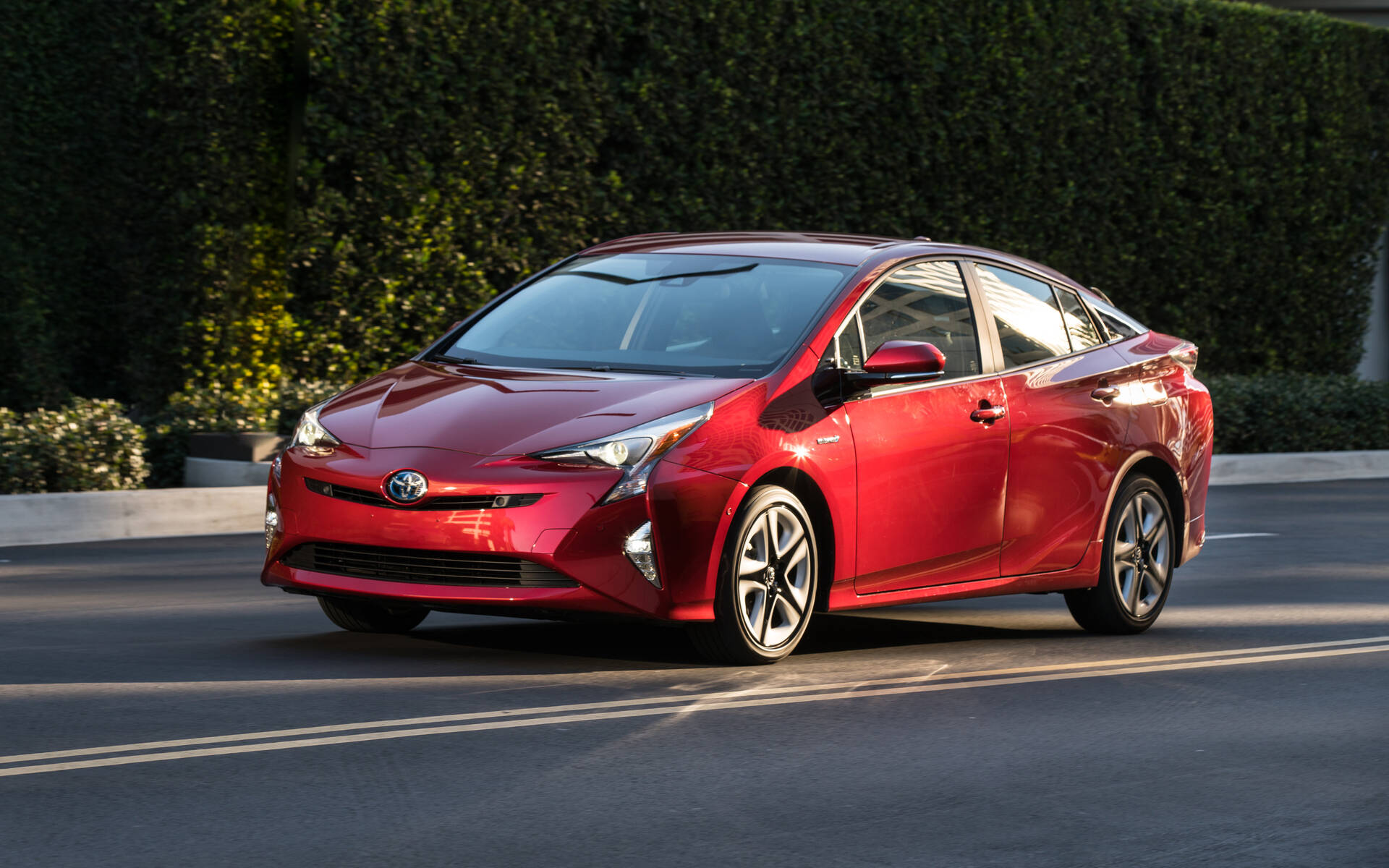
10. Toyota Prius (2016–2022)
The fourth-generation Toyota Prius redefined hybrid reliability and efficiency. Its 1.8-liter Atkinson-cycle four-cylinder engine pairs with two electric motors to deliver 121 horsepower through a seamless e-CVT. While acceleration is modest at 9.8 seconds to 60 mph, efficiency remains its strongest suit, returning between 50 and 56 mpg depending on trim.
The Prius Prime plug-in hybrid extends range with up to 25 miles of electric-only driving. The 2019 update added available all-wheel drive using an independent rear motor, enhancing traction without adding drivetrain complexity.
Long-term dependability is the Prius’ calling card. Toyota’s hybrid system has matured over two decades, and this generation has refined it further. The traction battery features a self-cleaning cooling fan to prevent overheating, while a dedicated inverter coolant circuit keeps electronics cool under stress.
Brake wear is minimal thanks to regenerative braking that handles most deceleration. Many owners report exceeding 300,000 miles with little more than routine maintenance. Used examples from 2016 to 2018 generally cost $15,000 to $20,000, while later AWD-e or Prime models run $18,000 to $28,000.
On the road, the Prius prioritizes smoothness and calm. The hybrid transitions between gas and electric power almost imperceptibly, and cabin noise is impressively subdued. The double-wishbone rear suspension, introduced for this generation, improves ride comfort and cornering stability compared with older models.
Steering feels light yet more connected than before, and the brakes modulate naturally despite their regenerative setup. Though not quick, the Prius drives with quiet confidence and is surprisingly composed on rough pavement.
Inside, Toyota abandoned the previous model’s quirky wraparound cockpit for a cleaner, more open layout. The digital instrument display remains in the center of the dash, while a head-up display projects essential information directly in front of the driver.
Materials are durable and neatly assembled, and the redesigned seats offer better support for long drives. The lower seating position improves ergonomics, while visibility remains clear through large windows and thin roof pillars.
Cargo capacity is strong for a compact hybrid at 24.6 cubic feet, expanding to 27.3 cubic feet in trims without a spare tire. Rear legroom is slightly reduced compared with earlier versions, but remains adequate for adults.
Standard safety features include adaptive cruise control, lane departure warning, automatic emergency braking, and stability control. With legendary reliability, low operating costs, and unbeatable efficiency, the 2016–2022 Prius remains the benchmark for practical hybrid ownership.
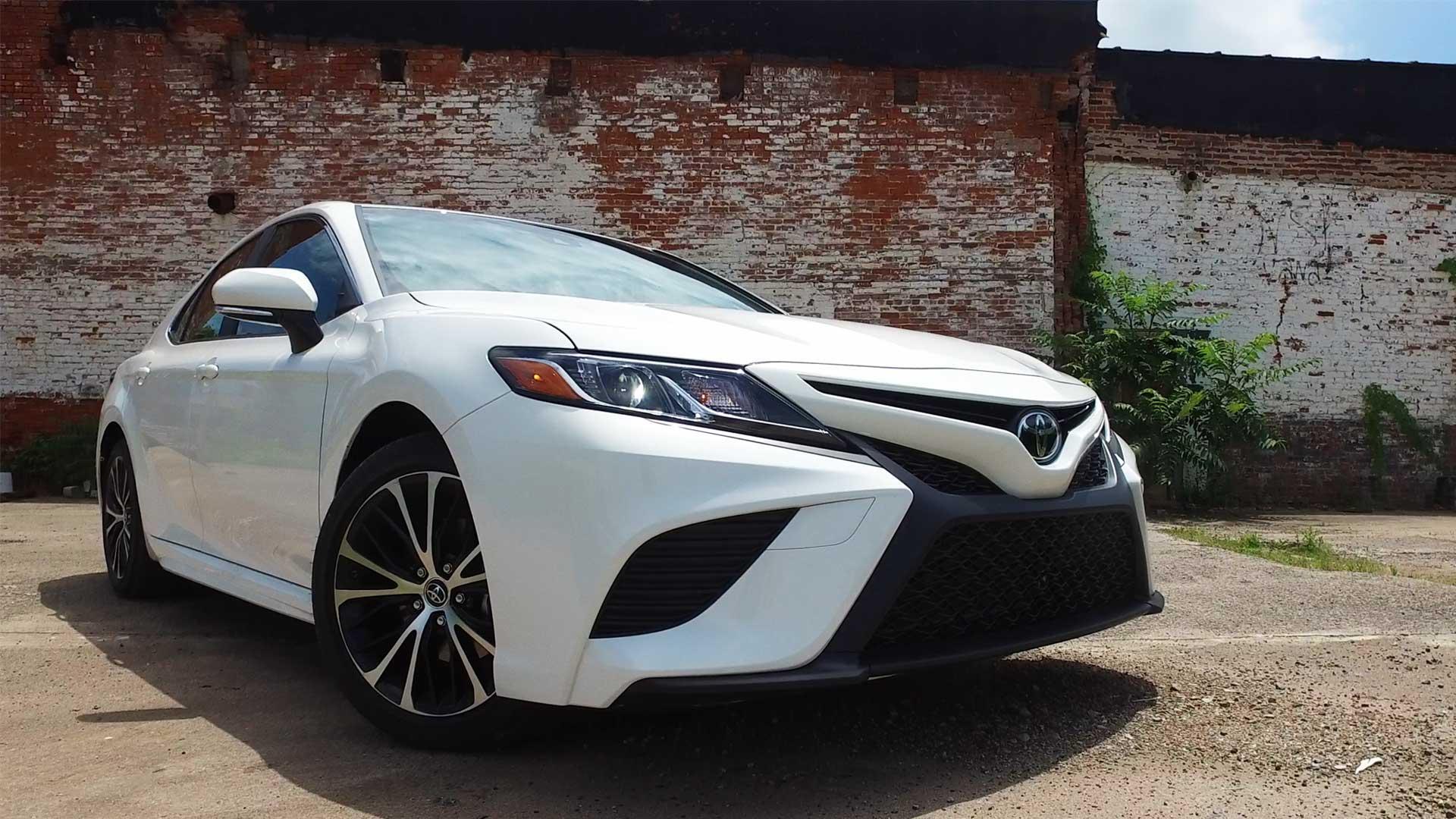
11. Toyota Camry (2018–2023)
The eighth-generation Toyota Camry has long been regarded as the gold standard for midsize sedans, valued for its durability, comfort, and efficiency. Between 2018 and 2023, over 300,000 units were sold each year, creating a vast supply of affordable parts and maintenance knowledge.
Known for reliability and low ownership costs, the Camry remains the go-to choice for families and commuters seeking dependable transportation without premium fuel or costly repairs.
The Camry’s reputation for reliability comes from its straightforward engineering. Toyota retained naturally aspirated powertrains, avoiding turbochargers and complex direct-injection systems that often lead to carbon buildup or oil leaks.
The dependable 2.5-liter four-cylinder and 3.5-liter V6 engines use durable timing chains and easily accessible water pumps, reducing long-term maintenance costs. The transmissions, an eight-speed automatic and a hybrid e-CVT, are equally simple and built for longevity. J.D. Power consistently rated the Camry above 85 for reliability, confirming its strong mechanical record.
For used buyers, model years 2018 through 2023 are ideal, with prices ranging from $17,000 to $30,000 depending on trim and powertrain. The hybrid’s higher upfront cost is typically recovered within three years through fuel savings, as it averages 46 to 52 miles per gallon. When properly maintained, these models can easily exceed 250,000 miles with minimal issues.
Performance scores a 7.5 out of 10, with the four-cylinder version reaching 60 mph in 8.2 seconds. While acceleration is modest, the eight-speed transmission’s quick responses help make up for the lack of power. The SE trim includes a slightly sportier suspension that provides a stable, confident ride for everyday driving.
Comfort is also a strong point thanks to large, supportive seats and a smooth, composed ride. However, the cabin allows more road and wind noise than some rivals, especially at highway speeds.
Rated 8 out of 10 for interior design, the Camry emphasizes functionality and ease of use. Its spacious layout, wide openings, and excellent visibility make it practical for daily use. The intuitive controls, optional 360-degree camera, and clear instrument layout cater to drivers of all experience levels.
The infotainment system supports Apple CarPlay, Android Auto, and Amazon Alexa, while Toyota Safety Sense 2.5+ includes adaptive cruise control, lane keeping assist, and automatic emergency braking.
Storage space is generous, with a 15.1-cubic-foot trunk, foldable 60/40 rear seats, and several small compartments throughout the cabin.
Fuel economy is one of the Camry’s greatest strengths. The four-cylinder delivers an EPA-estimated 32 mpg combined, while the hybrid achieves up to 52 mpg.
Long-term testing confirms consistent fuel efficiency, low maintenance costs, and excellent resale value. Although warranty coverage is average, the Camry’s combination of dependability, comfort, and practicality makes it one of the most trustworthy midsize sedans available.
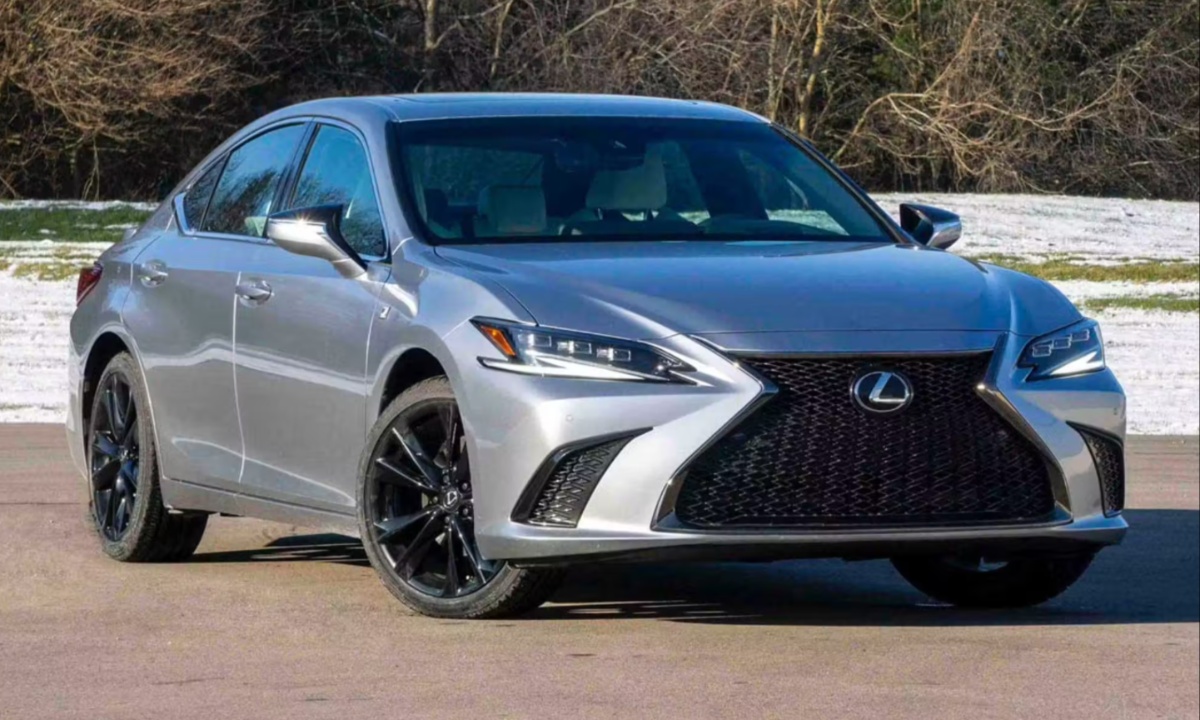
12. Lexus ES (2019–2024)
The Lexus ES blends Toyota’s proven engineering with a layer of luxury refinement, making it one of the most dependable and comfortable midsize luxury sedans available.
Sharing its core platform and powertrains with the Toyota Camry, the ES adds sophistication through premium materials, advanced technology, and an exceptionally quiet cabin. It offers the reliability of a Toyota with the craftsmanship expected of a Lexus, often lasting well beyond 200,000 miles with minimal maintenance costs.
The ES has earned 5 out of 5 reliability ratings from Consumer Reports every year since 2013, a testament to its engineering simplicity and quality. It avoids the complexity of turbocharged engines and air suspensions common in German rivals, relying instead on naturally aspirated powertrains and durable components.
The 3.5-liter V6 (302 hp) and 2.5-liter hybrid (215 hp) are proven units, using lifetime timing chains and an e-CVT transmission with an almost nonexistent failure rate. Shared chassis components with the Camry also mean that parts and repairs remain affordable despite the Lexus badge.
The 2019–2024 models are particularly desirable. The 2019 redesign introduced a stronger GA-K platform and Apple CarPlay, while the 2022 refresh added a touchscreen and improved driver-assist technology. For 2025, expect used prices between $28,000 and $37,000 for the ES 350 and $30,000 to $40,000 for the ES 300h hybrid.
The Ultra Luxury trim adds features like semi-aniline leather and a powered rear sunshade. Buyers should check for hybrid battery warranty transfers, fuel pump recall completion, and proper function of adaptive dampers if equipped.
The ES 350 surprises with its composed and confident driving manners. The V6 delivers smooth and responsive power, accelerating from 0–60 mph in 6.8 seconds. Steering is well-weighted and precise, while the suspension balances comfort with stability. Though it lacks the sharp handling of sport sedans, it offers a relaxed and refined experience ideal for everyday driving.
Comfort remains a Lexus hallmark. Seats are supportive and highly adjustable, and the cabin effectively isolates passengers from road imperfections. Wind noise at highway speeds is more noticeable than expected, but the ride quality remains exceptional. The climate control system works efficiently, with rapid seat heating and cooling, though vent airflow could be stronger.
Inside, the ES showcases premium craftsmanship with soft-touch materials, tight panel gaps, and elegant stitching. The cabin is spacious, offering excellent legroom for all occupants. Visibility is generally good, although thick front pillars can slightly obscure tight turns. The 13.9-cubic-foot trunk is generous for the segment, though the fixed rear seats limit versatility.
Technology is another strong suit. The available 12-inch infotainment display delivers sharp graphics and seamless integration with Apple CarPlay and Amazon Alexa. The Mark Levinson audio system provides concert-level clarity. Standard Lexus Safety System+ includes adaptive cruise control, lane-tracing assist, and automatic emergency braking.
Fuel efficiency is competitive for a luxury sedan. The V6 averages 26 mpg combined, while the hybrid version achieves 44 mpg, making it a practical choice for long commutes.
With minimal maintenance needs and affordable replacement parts, the Lexus ES offers long-term luxury ownership without financial strain. Its combination of reliability, refinement, and understated elegance makes it one of the most well-rounded midsize luxury sedans on the market.
Reliable used cars remain one of the best ways to get lasting quality without breaking the bank. The models featured in “12 Used Cars That Are Still a Steal in 2025” deliver the rare mix of dependability, comfort, and modern technology that keeps them desirable even years after release.
Vehicles like the Hyundai Sonata, Toyota Camry, and Lexus ES continue to outperform expectations with refined engineering and impressive resale value. Each one has been tested by time and proven to provide low-cost ownership and high everyday satisfaction.
Whether you prioritize fuel efficiency, smooth performance, or rugged durability, these cars deliver real substance over flash. Choosing any of them means investing in a vehicle built to last, ready to serve faithfully through countless commutes, road trips, and adventures. True value endures, and these twelve models remain the proof that smart buying never goes out of style.
Also Read: 5 Cars That Families Pass Down Generations vs 5 That Give Up Early