Luxury cars often symbolize refinement, comfort, and long-term dependability, but they are not the only vehicles built to stand the test of time. Many affordable sedans today deliver the same level of reliability and endurance without the premium price tag. “8 Affordable Sedans That Last as Long as Luxury Cars” showcases vehicles that combine smart engineering, quality craftsmanship, and proven performance.
From the tech-savvy 2025 Honda Civic and the ever-reliable Toyota Corolla to the versatile Subaru Crosstrek and sporty Kia Forte GT, each model offers exceptional value and longevity.
These sedans are designed to provide peace of mind for years of ownership, supported by strong safety ratings, excellent fuel efficiency, and affordable maintenance costs. They prove that you do not need to spend luxury-level money to enjoy a dependable and enjoyable driving experience built to last for hundreds of thousands of miles.
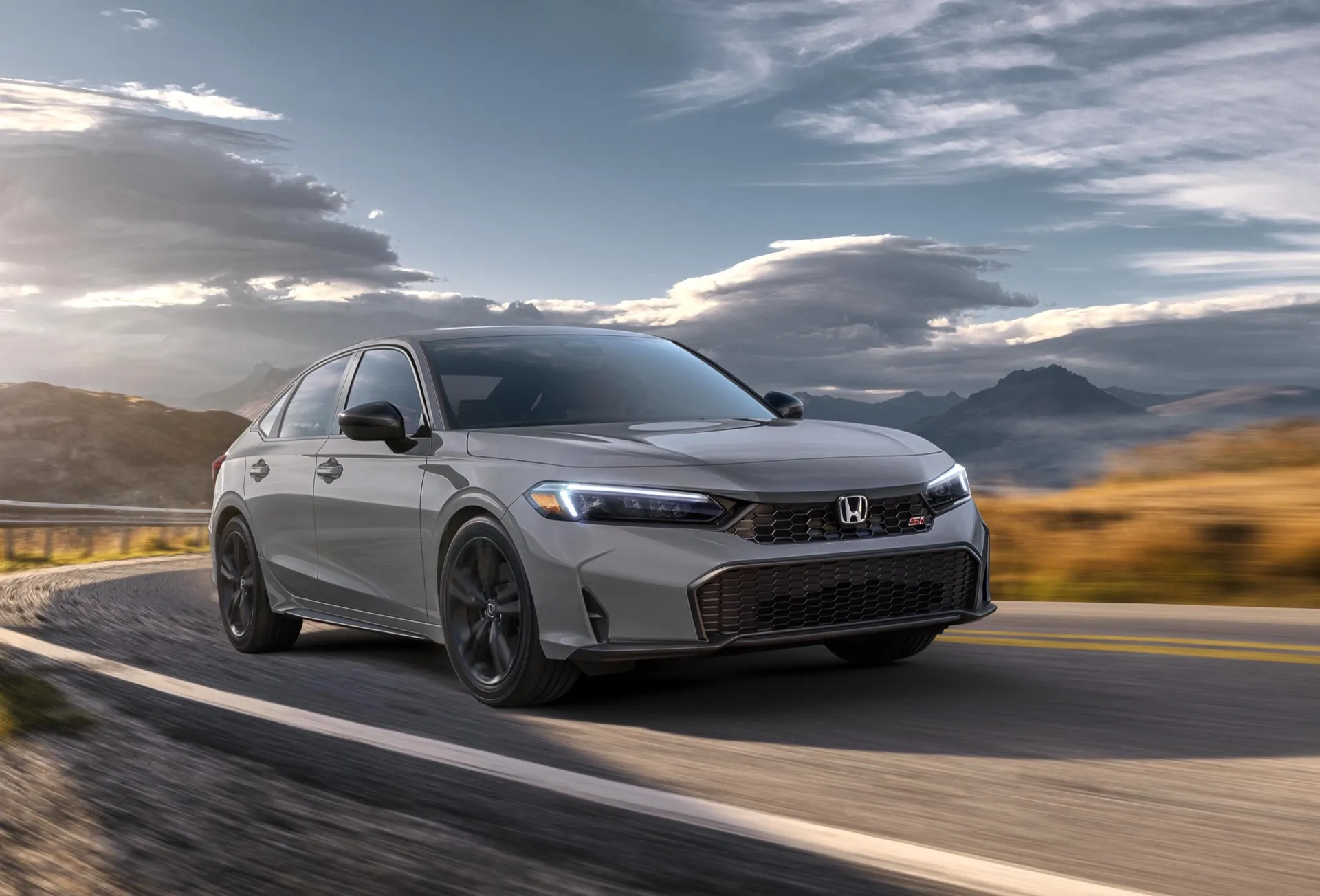
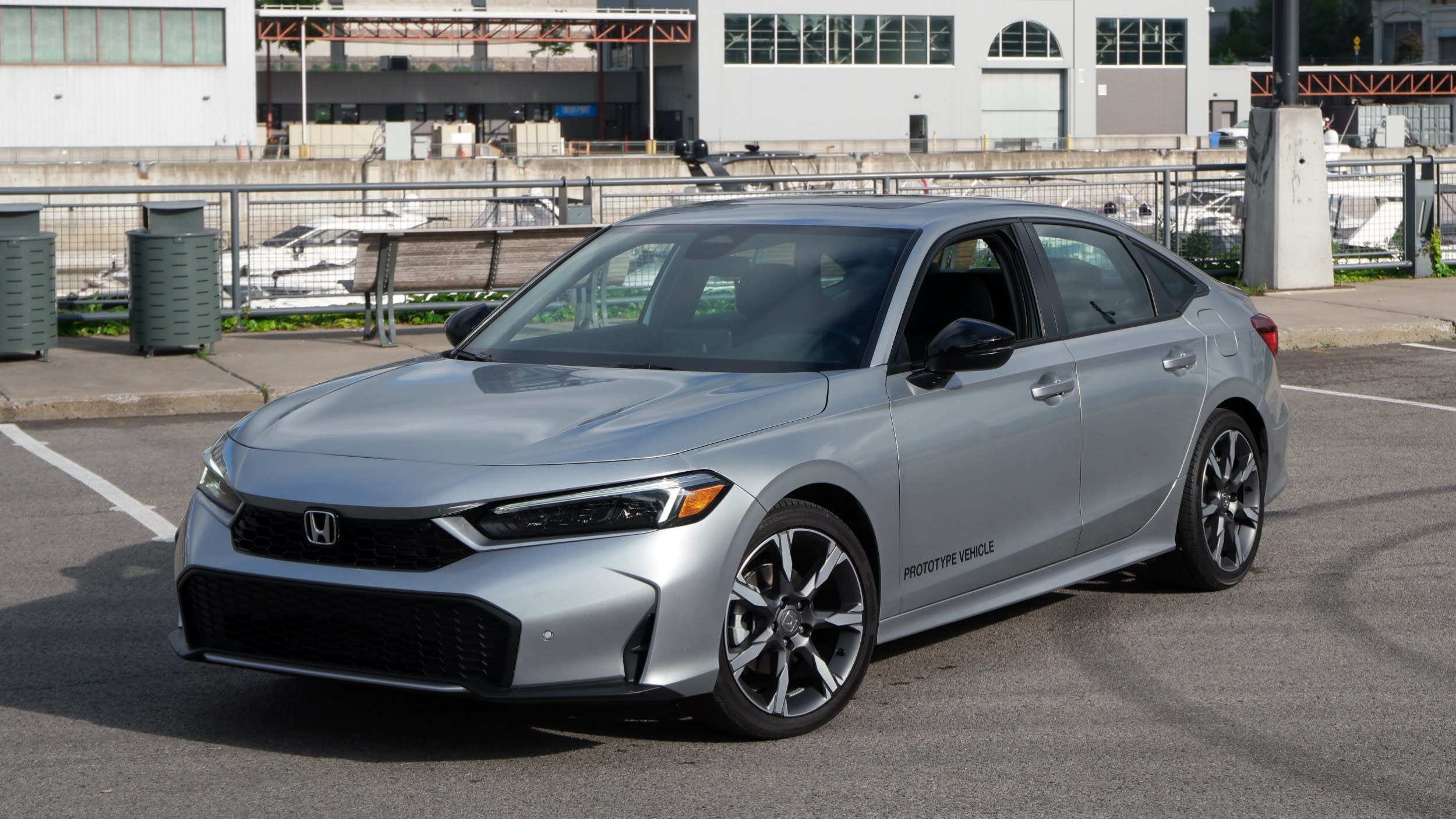
1. 2025 Honda Civic: A Refined Blend of Power, Efficiency, and Everyday Practicality
The 2025 Honda Civic continues to define what a compact car should be, offering affordability, reliability, and driving enjoyment in one well-rounded package. With a starting price of $24,250 and an impressive rating of 82/100, the Civic remains one of the most complete vehicles in its class.
Its strong build quality, dependable engineering, and modern technology reaffirm Honda’s reputation for creating efficient yet engaging cars that appeal to a wide range of drivers.
The standard Civic comes equipped with a 2.0-liter 4-cylinder engine that produces 158 horsepower and 138 lb-ft of torque. This powertrain is simple, proven, and dependable. However, the most significant update for 2025 is the introduction of a new hybrid variant. The hybrid delivers 200 horsepower and 20 percent more low-end torque compared to the regular engine, giving it a stronger and smoother response.
In testing, the hybrid accelerated from 0 to 60 mph in just 6.6 seconds, which is faster than most small sedans and even quicker than the sporty Civic Si. Despite its performance, the hybrid still achieves 49 miles per gallon in combined city and highway driving.
To make room for this new setup, Honda has discontinued the 180-horsepower turbocharged engine. The 2025 model also gains mild exterior design updates and a new infotainment system with Google Built-In, offering Google Maps, voice commands, and improved connectivity for a more integrated driving experience.
On the road, the 2025 Civic offers an ideal mix of comfort and control. The hybrid powertrain provides brisk acceleration and smooth power delivery, while the balanced suspension helps the car remain composed on all types of roads. The Civic feels agile in corners yet stable at highway speeds. Its steering is precise, and the driving experience is both enjoyable and confidence-inspiring.
Visibility is excellent due to the narrow roof pillars and door-mounted mirrors, which reduce blind spots. The sloping roofline does limit the rearward view slightly, but the multi-angle rearview camera helps compensate. Honda’s standard driver-assistance features, such as adaptive cruise control and lane-keeping assist, perform consistently and add to the car’s safety and ease of use.
Inside, the Civic features a clean, modern cabin with high-quality materials and user-friendly controls. Both front seats provide plenty of support and space for taller passengers. The rear seats offer generous legroom and shoulder space, although the sloping roof may reduce headroom for some.
The cabin is quiet, with minimal wind and road noise, and the climate control system is easy to use thanks to traditional dials and intuitive air vents. One small drawback is the absence of rear air vents, which would improve comfort for backseat passengers.
Higher trims of the Civic come with a 9-inch touchscreen featuring Google Built-In, wireless Apple CarPlay and Android Auto, and an optional Bose premium audio system. Lower trims include a 7-inch display with wired smartphone connectivity.
The sedan version offers 14.8 cubic feet of trunk space, while the hatchback hybrid provides 24.5 cubic feet, giving it more cargo capacity than the Toyota Prius. The folding rear seats add extra versatility for carrying larger items.
Although the Civic Hybrid costs slightly more than competitors such as the Hyundai Elantra Hybrid and Toyota Corolla Hybrid, it delivers superior performance, refinement, and driving satisfaction. With its excellent 49 mpg fuel economy, dependable reliability, and well-crafted interior, the 2025 Honda Civic combines efficiency with excitement and remains one of the best compact cars on the market.
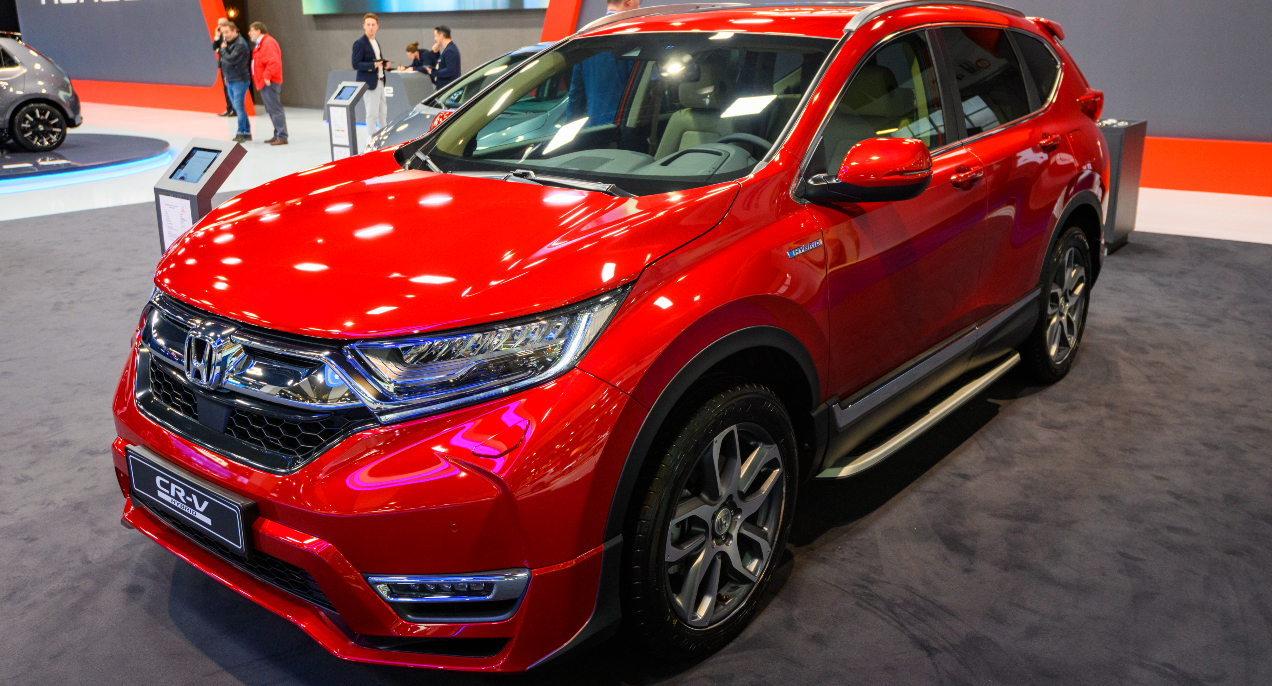
2. 2022 Honda CR-V: A Dependable Compact SUV with Space, Comfort, and Value
The 2022 Honda CR-V remains one of the most well-rounded compact SUVs available. With a rating of 82/100 and an average used price ranging from $22,000 to $35,000, it delivers a proven blend of reliability, practicality, and comfort.
Equipped with a 1.5-liter turbocharged 4-cylinder engine producing 190 horsepower and 179 lb-ft of torque, the CR-V offers a capable and refined driving experience that makes it a consistent favorite among small SUV buyers.
The CR-V’s reputation for durability is well earned. Studies by iSeeCars show that it is one of the few compact SUVs with a strong chance of exceeding 250,000 miles, and many examples are known to last even longer. Honda’s build quality plays a big part in this longevity.
Over recent years, the CR-V has seen very few recalls, reinforcing its dependability. Consumer Reports continues to rank Honda as one of the most reliable automotive brands. Although the 2022 model belongs to an older generation first introduced in 2017, it remains a top recommendation due to its lasting appeal and practicality.
The CR-V’s turbocharged engine delivers strong everyday performance with smooth power delivery. The continuously variable automatic transmission (CVT) operates more naturally than most others in its class, offering responsive acceleration when needed.
During testing, the all-wheel-drive version reached 60 mph in 8.2 seconds, which is respectable for a compact SUV. Steering is precise and well-weighted, giving drivers confidence on winding roads and in city traffic. The suspension keeps body movements well controlled, contributing to a composed ride that passengers will appreciate.
Comfort is another area where the CR-V excels. The ride is quiet and stable, even over rough pavement. While there may be slight wind and tire noise, it remains minimal and unobtrusive.
The front seats provide solid support during long drives, and the rear seats offer generous legroom and a reclining backrest for added comfort. The automatic climate control system occasionally struggles to maintain a consistent temperature, but rear air vents help keep backseat passengers comfortable.
The CR-V’s cabin is designed with practicality in mind. Wide door openings make entry and exit easy, and the driver’s seat and adjustable steering wheel allow for a comfortable driving position.
Interior space is among the best in the segment, with enough room for four adults to sit comfortably. The only drawback is that some of the on-screen controls are small and difficult to use while driving, and the digital gauges can become hard to read in bright sunlight.
Technology in the CR-V is functional but not cutting-edge. Apple CarPlay and Android Auto are standard on most trims, while the base LX trim lacks these features. Higher trims add extra USB ports, navigation, and a clearer touchscreen interface, although some menus can feel clunky.
Standard Honda Sensing safety features include lane-keeping assist, adaptive cruise control, lane departure warning, and automatic emergency braking. While these systems occasionally issue unnecessary alerts in heavy traffic, they work reliably to improve safety.
Storage is one of the CR-V’s strongest areas. It offers 39.2 cubic feet of cargo space behind the rear seats and 75.8 cubic feet with them folded down. The center console provides deep and flexible storage, ideal for small items or valuables.
Installing child seats is straightforward thanks to easily accessible anchors, and the spacious rear area prevents the need to move front seats forward. The only shortcoming is the modest 1,500-pound towing capacity, which limits its ability to tow larger trailers.
The EPA estimates that front-wheel-drive models achieve 30 mpg combined, while all-wheel-drive versions reach 29 mpg combined. In real-world testing, some CR-Vs have achieved up to 35 mpg, demonstrating excellent efficiency for their class.
Build quality is solid, with well-fitted panels, soft-touch materials, and refined finishes throughout the cabin. Honda provides a three-year/36,000-mile limited warranty and a five-year/60,000-mile powertrain warranty, along with roadside assistance.
With its balance of reliability, space, comfort, and strong resale value, the 2022 Honda CR-V remains a benchmark choice for those seeking a capable and long-lasting compact SUV.
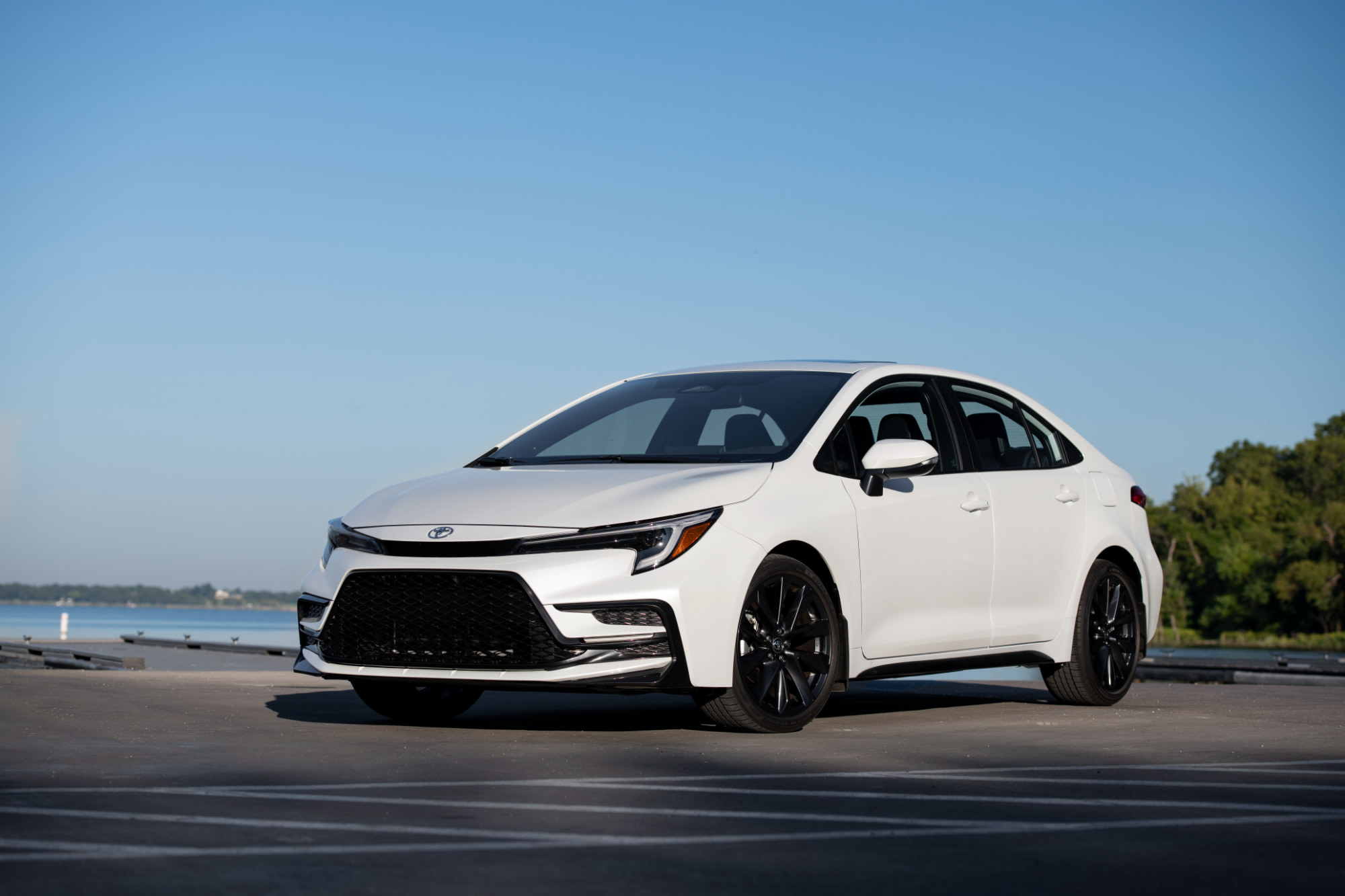
3. 2025 Toyota Corolla: The Benchmark for Affordable Reliability
The 2025 Toyota Corolla continues to uphold its legacy as one of the most dependable and accessible compact sedans on the market. With a starting price of $22,175 for the standard version and $23,625 for the Hybrid LE, it offers remarkable value for anyone seeking a practical daily driver.
Powered by a 2.0-liter 4-cylinder engine producing 169 horsepower and 151 lb-ft of torque, the Corolla maintains its tried-and-true formula of simplicity, efficiency, and long-term reliability.
Few vehicles have earned a reputation for dependability like the Toyota Corolla. Over more than 12 generations since the 1970s, it has become synonymous with long-lasting, low-maintenance transportation. The 2025 model continues this tradition, with minimal changes from the previous year.
Between 2021 and 2024, the Corolla experienced only two minor airbag recalls and none affecting its mechanical systems. According to Consumer Reports, Toyota ranks just below Lexus in predicted reliability, further confirming the Corolla’s status as one of the most trustworthy compact cars available.
The design has remained consistent since 2018, meaning fewer complex systems that could lead to mechanical issues. A redesign is expected in the near future, but for now, the 2025 Corolla’s appeal lies in its proven dependability and low cost of ownership. A new FX Special Edition adds a touch of flair, featuring a rear spoiler, 18-inch black-painted alloy wheels, lowering springs, and blacked-out trim for a sportier look.
Performance is adequate but not particularly exciting. The Corolla FX took 8.8 seconds to accelerate from 0 to 60 mph in testing, which is sufficient for city and highway driving but lacks punch for spirited performance. The continuously variable automatic transmission (CVT) operates smoothly and remains quiet under normal use, though the engine can sound strained during hard acceleration.
While the FX trim aims to add sportiness, it still leans noticeably in corners and provides modest grip. Nonetheless, the Corolla’s small size and light steering make it easy to maneuver in urban settings. Its braking is predictable and easy to modulate, ensuring confidence during daily driving.
The Corolla’s ride comfort is one of its strengths. It smooths out rough pavement effectively, and the front seats are well-shaped for both short commutes and longer trips.
The cloth seats are preferable for breathability in warm weather, while the available synthetic leather adds a premium touch. Some road noise is present at highway speeds, and the engine becomes vocal when accelerating hard, but the CVT’s simulated gear shifts help reduce droning.
Inside, the Corolla features a clean and practical cabin layout. Controls are logically arranged, easy to reach, and free of clutter. Front passengers have ample room and clear visibility, while the rear seats are a bit tighter, especially in headroom. Entry and exit are simple thanks to wide-opening doors. Material quality is solid for the class, and the design emphasizes durability over flashiness.
Technology in the Corolla balances simplicity with modern convenience. The standard 8-inch touchscreen and optional 10.5-inch display look sharp, though both can lag during navigation or voice commands.
Toyota’s connected features, such as remote start and phone-as-key, require a paid subscription, which may disappoint some buyers. Still, Apple CarPlay, Android Auto, USB-C ports, and an available wireless charging pad keep it competitive.
The driver-assistance features are excellent. Lane keeping assistance gently centers the car, adaptive cruise control operates smoothly, and forward collision warning is reliable. The available JBL audio system offers impressive sound quality, adding an upscale touch.
The Corolla’s 13-cubic-foot trunk is slightly smaller than some rivals, but it remains usable for everyday errands. The rear seatbacks do not fold flat, which limits the ability to carry longer items. Interior storage is modest, with just enough space for small personal items. Installing child safety seats is easy, thanks to clearly marked anchors and wide rear door openings.
Efficiency is one of the Corolla’s biggest advantages. The EPA estimates 34 mpg combined for the FX trim and 35 mpg for the base LE. In real-world testing, the Corolla achieved an impressive 40.2 mpg, outperforming expectations. For maximum fuel savings, the Corolla Hybrid is an even better choice.
With its upscale build quality, strong reliability record, and two years of free scheduled maintenance, the 2025 Toyota Corolla remains a smart and economical choice. It may not be the most thrilling car to drive, but for those seeking dependable, efficient, and straightforward transportation, the Corolla continues to set the standard for affordable excellence.
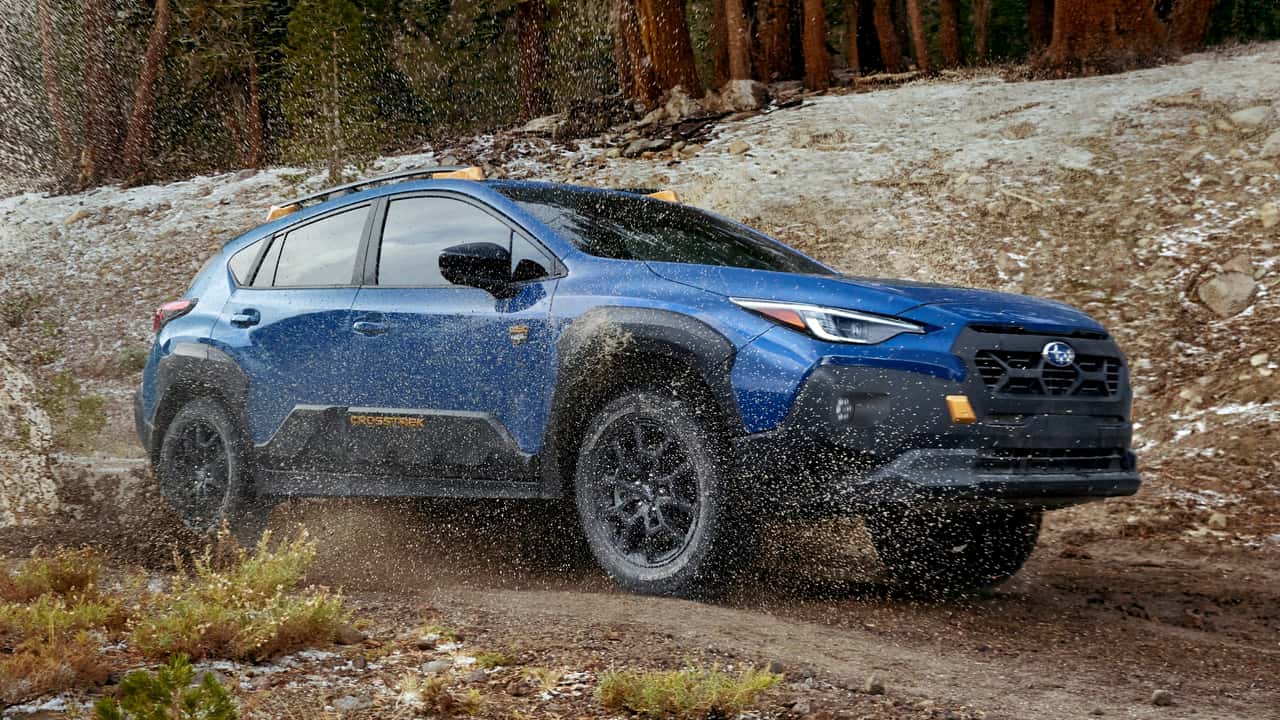
4. 2025 Subaru Crosstrek: A Reliable Adventurer for Everyday Life
The 2025 Subaru Crosstrek continues to be one of the most accessible and capable compact SUVs for drivers who value reliability and all-weather versatility. Starting at $25,695, the Crosstrek offers Subaru’s signature symmetrical all-wheel drive system, practical utility, and a proven reputation for dependability.
Power comes from a 2.0-liter Boxer 4-cylinder engine producing 152 horsepower and 145 lb-ft of torque, though a stronger 2.5-liter engine with 182 horsepower is available on most trims and is well worth the upgrade.
Subaru’s reputation for building long-lasting vehicles is one of its biggest strengths, and the Crosstrek fits right in. In J.D. Power’s quality and reliability ratings, it scores an impressive 83 out of 100, while RepairPal awards it 4.5 out of 5 for reliability.
Subaru, as a brand, ranks just behind Honda in Consumer Reports’ reliability survey, supported by low ownership costs and a very low likelihood of severe repairs. These strong ratings make the Crosstrek one of the most dependable small SUVs you can buy today.
On the road, the Crosstrek’s base 2.0-liter engine delivers leisurely performance, taking about 9.9 seconds to reach 60 mph. The optional 2.5-liter engine, standard on all but the base trim, improves acceleration by more than a second and makes daily driving far more satisfying.
Handling is composed but not sporty. The steering feels light and somewhat vague, and there is noticeable body roll when cornering. However, the Crosstrek excels in comfort and confidence, especially when the pavement ends.
Its standard all-wheel-drive system provides excellent grip and stability in bad weather and on unpaved roads. Whether dealing with snow, gravel, or mud, the Crosstrek feels sure-footed and reassuring.
This off-road ability gives it an edge over rivals that focus mainly on on-road performance. The only drawback is that Subaru’s driver-assistance systems can be overly sensitive, producing too many beeps and alerts during regular driving.
The Crosstrek’s interior design prioritizes simplicity and ease of use. The layout is clean, with large physical buttons and knobs that are easy to operate even while driving. Steering-wheel controls are clearly labeled and provide good feedback. Though the design lacks flair, it is functional and well thought out.
The cabin feels more spacious than expected, thanks to a high roofline and long cabin, while wide door openings and elevated seating make entry and exit effortless. Seat comfort is solid, with enough adjustment to accommodate drivers of different heights. The materials are durable, which suits the Crosstrek’s rugged personality.
Technology has never been Subaru’s strongest area, and that remains true for the 2025 Crosstrek. Most trims now feature an 11.6-inch tablet-style touchscreen that houses nearly all vehicle functions. While the interface is large and the icons are easy to see, the graphics look dated, and the system can be slow to respond.
Fortunately, Subaru includes wireless Apple CarPlay and Android Auto, along with both USB-A and USB-C ports for front and rear passengers. There’s also a wireless charging pad, which adds convenience for modern users.
Storage capacity is one of the Crosstrek’s few weaknesses. With the rear seats up, it provides 19.9 cubic feet of cargo space, which trails rivals like the Chevrolet Trailblazer and Volkswagen Taos. The door pockets and cupholders are small, and the center console offers limited room for larger items. However, the Crosstrek’s folding rear seats still make it flexible enough for weekend trips or outdoor adventures.
The Crosstrek delivers competitive efficiency for an all-wheel-drive SUV. The EPA estimates 29 mpg combined for the 2.0-liter model, and in real-world testing, it achieved an impressive 33.4 mpg.
The larger 2.5-liter engine matches the same 29 mpg rating, making it an easy recommendation for the extra performance. Even the rugged Wilderness trim, with off-road tires and added capability, still manages 27 mpg combined.
The Crosstrek’s value lies in its versatility and dependability. While its interior features and technology may not lead the class, the combination of standard all-wheel drive, excellent reliability, and off-road capability makes it stand out.
Subaru’s warranty coverage is average at 3 years/36,000 miles for basic coverage and 5 years/60,000 miles for the powertrain. It does not include free scheduled maintenance, which some competitors offer.
The 2025 Subaru Crosstrek is not the most powerful or high-tech SUV in its class, but it remains one of the most practical and trustworthy. Its durable construction, standard all-wheel drive, and impressive fuel economy make it ideal for those who want a compact crossover that can handle both urban life and outdoor adventures.
While its infotainment system feels dated and storage space is limited, the Crosstrek’s blend of reliability, efficiency, and rugged capability keeps it among the most appealing choices in the small SUV segment.
Also Read: 10 Cars That Keep Running Long After the Warranty Ends
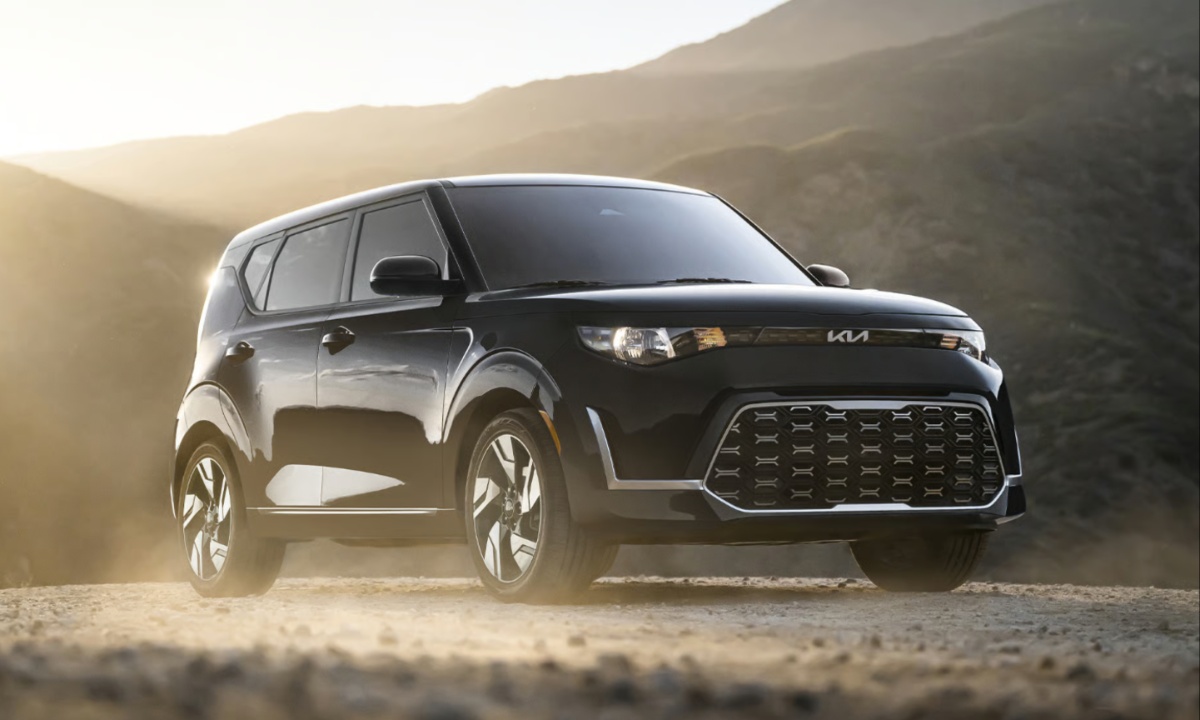
5. 2025 Kia Soul: Affordable, Funky, and Surprisingly Refined
The 2025 Kia Soul remains one of the most practical and distinctive subcompact crossovers available. Starting at $20,290, it delivers a combination of affordability, interior space, and reliability that makes it stand out in its class.
Power comes from a 2.0-liter four-cylinder engine producing 147 horsepower and 132 lb-ft of torque, paired with a continuously variable automatic transmission. While the Soul is not built for speed, it is dependable, efficient, and well-suited for city and highway driving.
Kia’s reputation for durability is well represented in the Soul. The 2025 model has a few minor recalls, but none impact its long-term reliability. With an 86 out of 100 reliability rating from J.D. Power and Kia’s 10-year/100,000-mile powertrain warranty, the Soul offers one of the strongest ownership packages in its category.
Buyers seeking an affordable vehicle with low maintenance costs and peace of mind will find it an appealing choice. Its build quality and thoughtful design make it a strong value among small crossovers.
The Soul’s 2.0-liter engine provides enough power for confident commuting. It accelerates from 0 to 60 mph in 8.5 seconds, which is competitive in its class. Steering feels natural, and the suspension delivers a firm yet comfortable ride.
The Soul’s handling is balanced, making it easy to control in tight spaces or on winding roads. Although it lacks all-wheel drive, the front-wheel-drive system performs well in most weather conditions.
Braking is responsive, though the pedal can feel sensitive at first. The Soul’s tall windows and upright seating position give the driver excellent visibility, making parking and lane changes stress-free. Standard driver assistance features, including forward collision warning and lane keeping assist, perform accurately and help create a sense of security without unnecessary alerts.
Inside, the 2025 Soul feels more spacious than its compact size suggests. The boxy shape provides excellent headroom and legroom for both front and rear passengers. Wide door openings make entry and exit easy, while the seating position gives a commanding view of the road. Four adults can travel comfortably, even on longer trips.
Front seats are supportive and easily adjustable, while the height-adjustable driver’s seat adds comfort. Rear seatbacks are fixed at a comfortable angle, but installing child seats can be slightly challenging because of recessed anchors. Road and wind noise are noticeable at higher speeds, but the cabin remains comfortable for extended drives.
Material quality exceeds expectations for this price range. The Soul features synthetic leather accents, textured trim, and a leather-wrapped steering wheel on higher trims, adding refinement to the simple but stylish interior.
Most trims include a 10.25-inch touchscreen with Apple CarPlay, Android Auto, and available navigation. The system is user-friendly, though the graphics appear slightly dated. The optional Harman Kardon audio system produces impressive sound quality, while wireless charging and multiple USB ports enhance convenience.
Cargo capacity is another strong point. The Soul offers 24.2 cubic feet of space behind the rear seats, more than most rivals. The deep cargo area provides flexibility, though the folded seatbacks create a small hump that limits room for larger items. Numerous bins and cupholders throughout the cabin add to its practicality.
The Soul achieves 30 to 31 mpg combined, depending on the trim, which is average for its segment. In testing, real-world efficiency was slightly lower but still impressive for a vehicle of this size.
What truly sets the Soul apart is its distinct personality. Its boxy styling, generous interior space, and youthful character give it an identity that few competitors match. The Soul proves that affordable cars can still be fun, comfortable, and reliable.
The 2025 Kia Soul combines affordability, comfort, technology, and practicality in a unique package. It offers solid performance, a well-designed interior, and one of the best warranties in the industry. Although it lacks an all-wheel-drive option and could use a little more power, it remains one of the most appealing small crossovers for drivers who want dependable transportation with personality
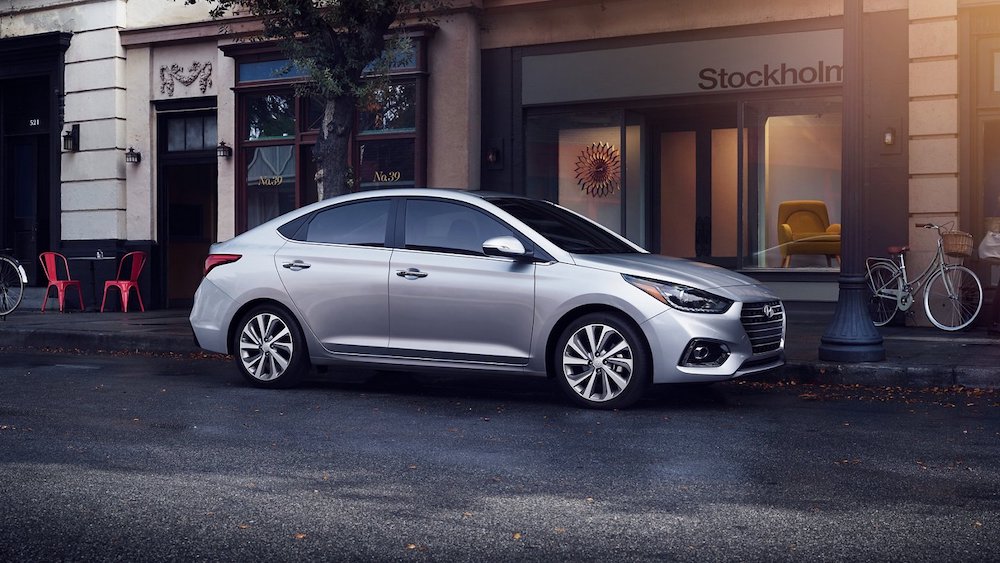
6. 2022 Hyundai Accent: Simple, Efficient, and Incredibly Reliable
The 2022 Hyundai Accent may no longer be in production, but it remains one of the most dependable and budget-friendly vehicles available on the used market. With a J.D. Power reliability rating of 87 out of 100, the Accent is a standout among subcompact sedans for its long-term durability, low ownership costs, and refined driving manners.
Starting between $15,000 and $20,500 when new, this small sedan still represents strong value for anyone seeking reliable transportation without unnecessary extras.
Power comes from a 1.6-liter four-cylinder engine that produces 122 horsepower and 114 lb-ft of torque. It is not designed for speed, but the Accent performs competently in everyday driving. The 0–60 mph time of 8.5 seconds is respectable for a car in this category.
Steering feel is somewhat vague, yet the Accent is stable and composed through turns and remains confident even on uneven roads. While passing and merging require some planning, the car’s light weight and responsive handling make city driving easy and predictable.
The Accent focuses on simplicity rather than luxury, but it still provides a pleasant experience for daily commuting. The cloth seats are flat and lightly cushioned, offering just enough comfort for short to moderate trips. Longer drives may leave drivers wishing for additional support, especially on hot days when the fabric retains heat.
However, the suspension tuning is impressive. It absorbs most bumps and potholes with ease, and the car feels stable on rough pavement. The cabin is also quiet at idle, and wind noise at highway speeds is modest for a vehicle in this price range.
Inside, the Accent uses its compact dimensions efficiently. The dashboard slopes forward, creating an open, airy feel for front occupants. Headroom in the front seats is generous, although taller drivers may wish for a telescoping steering column to fine-tune their position.
The wide door openings make getting in and out simple, though the sloping roofline reduces headroom for rear passengers. Visibility is strong in all directions thanks to the car’s low hood and relatively short trunk.
Technology is minimal, as expected in a value-focused sedan. The base SE trim includes AM/FM radio, USB, Bluetooth, and an auxiliary input. Audio quality is basic, but functional. Bluetooth pairing is straightforward, though slightly slow.
The single USB outlet provides limited power for modern devices, but connecting via the 12-volt outlet offers better charging performance. Buyers seeking more connectivity features can find them on higher trims, though even those remain simple compared to larger Hyundai models.
Despite its small size, the Accent offers 13.7 cubic feet of trunk space, which is competitive for its class. The wide opening and low lift-over height make loading and unloading easy. The 60/40 split rear seats enhance flexibility, though they do not fold completely flat.
Cabin storage includes small bins and cupholders, adequate for light everyday use. Installing child seats is straightforward, with easily accessible tethers and anchors, though bulky rear-facing seats can limit legroom up front.
Fuel efficiency is one of the Accent’s strongest traits. The EPA estimates 36 mpg combined, and real-world testing confirms that figure. Its lightweight, efficient engine and smooth transmission contribute to excellent gas mileage, making it an ideal commuter car or city runabout.
What makes the Accent exceptional is its affordability and build quality. Even as one of the least expensive cars Hyundai offered, it feels solidly constructed. During testing, there were no squeaks or rattles, and the fit and finish rivaled cars costing much more. Hyundai’s five-year/60,000-mile basic warranty and 10-year/100,000-mile powertrain coverage add extra peace of mind.
The 2022 Hyundai Accent may be simple, but it excels at what it was designed to do: deliver reliable, efficient, and comfortable transportation at a low cost. For anyone seeking an inexpensive, dependable used car, it remains one of the smartest choices available.
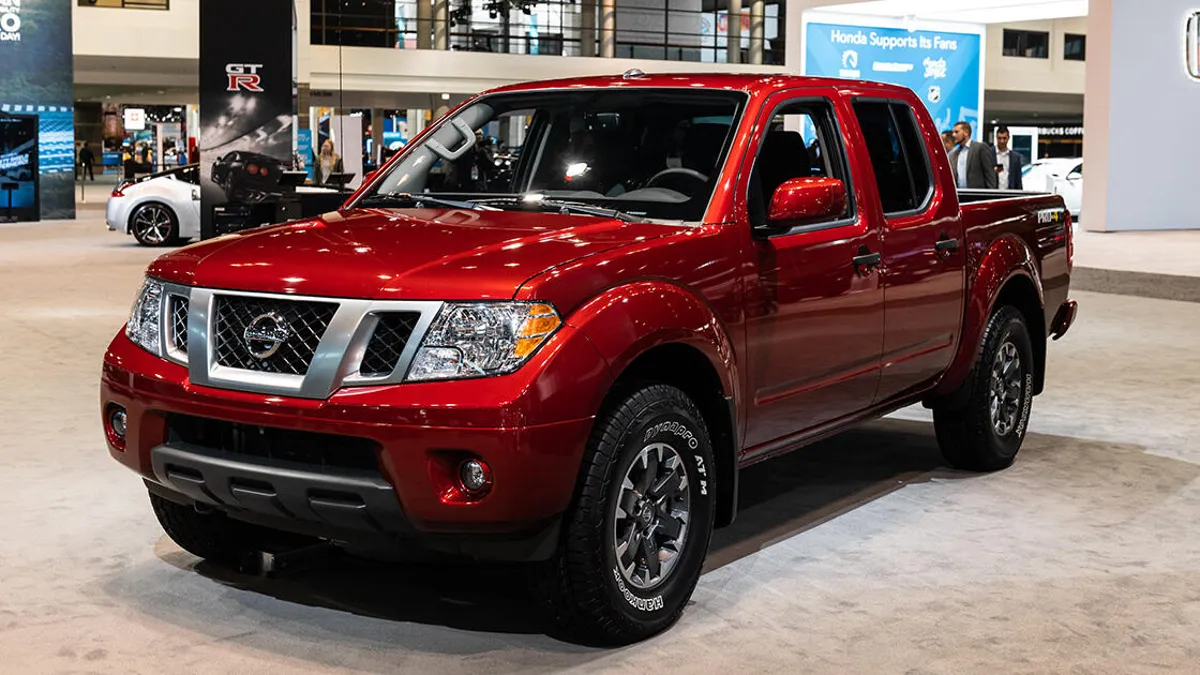
7. 2021 Nissan Frontier: Proven Durability in a Classic Package
The 2021 Nissan Frontier stands as a time-tested midsize pickup, representing the final year of a generation that lasted more than 15 years. Despite its dated design, the Frontier remains one of the most dependable trucks in its class, earning a J.D. Power reliability score of 87 out of 100. With a starting price between $20,500 and $31,500, it offers strong value for drivers seeking a tough, long-lasting workhorse.
Power comes from a 3.8-liter V6 engine producing 310 horsepower and 281 lb-ft of torque, paired with a nine-speed automatic transmission. The powertrain provides confident acceleration for daily use and light towing, with a 0–60 mph time of 7.8 seconds.
This is competitive with rivals like the Toyota Tacoma and Chevy Colorado. The transmission shifts smoothly and responds quickly, making city and highway driving easy.
Braking performance, however, is less refined, with a soft pedal feel that takes getting used to. Steering is vague and lacks precision, but off-road performance is a strong point, especially in the Pro-4X trim, which includes skid plates, off-road tires, and a locking rear differential for added traction.
Comfort is not the Frontier’s main strength, but it performs adequately for a truck of its age. The front seats lack lumbar support and have limited bolstering, while the rear seats are upright and less accommodating for long trips.
The ride can feel stiff, especially on uneven roads, allowing bumps and vibrations to enter the cabin. However, noise levels remain moderate, with only minor wind sounds from the large mirrors. The climate control system is effective, cooling or heating the cabin quickly, though the heated seats could be stronger.
The Frontier’s interior design reflects its age, emphasizing durability over sophistication. Materials are hard and utilitarian, yet the build quality is solid and free from rattles. The driver’s position offers a commanding view of the road, helped by large windows and mirrors.
While controls are small and dated, they are logically placed and easy to use without distraction. Visibility out the front is excellent, but thick roof pillars and large rear headrests limit the view to the rear. Access to the front seats is easy thanks to wide doors, though rear seat entry requires more effort, especially in the crew cab models.
Technology in the 2021 Frontier is minimal, reflecting its old-school approach. The Pro-4X trim includes a 5.8-inch touchscreen with built-in navigation, but the graphics are outdated, and the system often struggles to interpret voice commands.
There is only one USB port, and Apple CarPlay and Android Auto are unavailable. Bluetooth connectivity is optional but unreliable, sometimes dropping audio connections during use. Driver-assistance features are almost entirely absent, though a rearview camera is standard and functions well, despite its small display.
The Frontier’s towing capacity is up to 6,720 pounds, with a payload limit of 1,460 pounds, sufficient for small trailers or moderate work tasks. The bed’s movable tie-down cleats make securing cargo simple.
Interior storage is limited, particularly in crew cab models with the optional subwoofer under the rear seat. The Frontier’s shorter length compared to competitors means less interior space, though this makes it easier to maneuver in tight areas.
With four-wheel drive, the Frontier averages 19 mpg combined according to EPA estimates. In testing, the Pro-4X model achieved 18.1 mpg, a typical result for midsize trucks with V6 engines. Fuel efficiency is not remarkable, but it is consistent and dependable.
The 2021 Frontier is appealing for its proven reliability and simple mechanics. While its cabin and technology lag behind modern rivals, it compensates with strong build quality, a robust powertrain, and reasonable pricing. The Frontier includes three years/36,000 miles of basic warranty coverage, five years/60,000 miles for the powertrain, and three years of roadside assistance.
For buyers seeking a dependable, no-nonsense pickup that can endure years of work and outdoor adventures, the 2021 Nissan Frontier remains an excellent choice. It may lack refinement, but its toughness, reliability, and affordability make it a lasting favorite among practical truck owners.
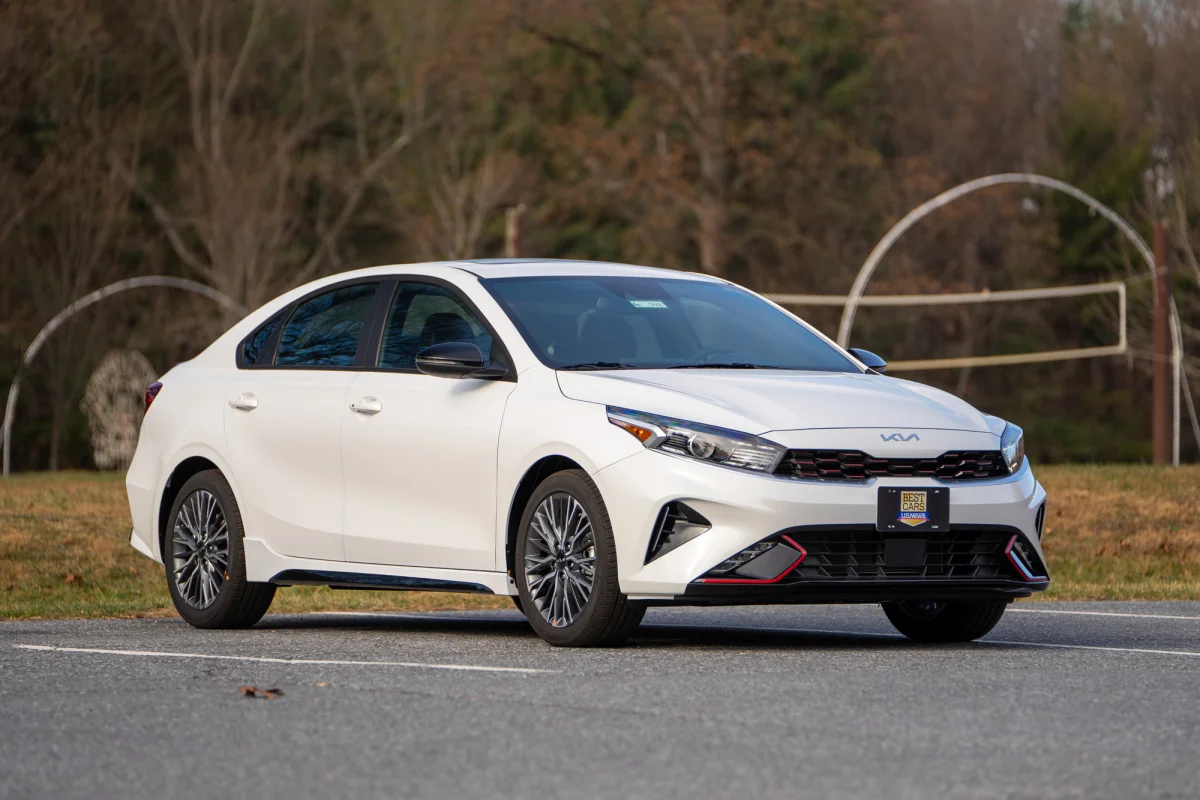
8. 2024 Kia Forte GT: Sporty Value with Everyday Practicality
The 2024 Kia Forte GT proves that compact sedans remain relevant and appealing. With a J.D. Power reliability rating of 89 out of 100, the Forte GT ranks at the top of its class, outperforming both the Honda Civic and Toyota Corolla in predicted dependability.
Starting at $24,690, it combines strong performance, modern technology, and long-term value supported by Kia’s 10-year/100,000-mile powertrain warranty. Although production ends after 2024, the Forte GT remains an excellent buy for drivers seeking a fun and affordable small car.
Power comes from a 1.6-liter turbocharged four-cylinder producing 201 horsepower and 185 lb-ft of torque. Buyers can choose between a six-speed manual or a seven-speed dual-clutch automatic, both offering responsive and smooth shifts.
In testing, the Forte GT reached 0 to 60 mph in 6.6 seconds, making it one of the quicker options in its class. The turbo engine delivers lively acceleration with strong midrange pull for effortless highway merging. The exhaust note can sound harsh at higher revs, but performance remains confident and consistent.
Handling feels stable, and steering is direct, though not as precise as the Civic Si. Braking performance depends on tire selection; all-season tires offer average grip, while summer tires enhance stopping distances significantly.
The Forte GT provides a satisfying balance between sporty responsiveness and everyday comfort. The suspension is firm enough for enthusiastic driving yet compliant over rough pavement. The front seats are supportive and cushioned, though additional bolstering would better suit spirited drivers.
The cabin stays quiet during highway travel, and wind noise is minimal. The climate control system maintains temperature effectively, keeping the interior pleasant in all conditions. Ride comfort is commendable, particularly for a compact sedan designed with performance in mind.
Inside, the Forte GT’s cabin emphasizes function and clarity. The 10.25-inch touchscreen sits prominently on the dashboard and offers intuitive navigation through menus. Materials combine soft-touch surfaces with some harder plastics, but fit and finish are sturdy and precise.
Drivers benefit from a wide range of seat adjustments and a telescoping steering wheel, making it easy to find an ideal driving position. Visibility is excellent thanks to thin roof pillars and large windows, while the rearview camera displays sharp images even in low light. Rear passengers have sufficient space for short trips, and wide-opening doors aid entry and exit.
The Forte GT stands out for its impressive tech package. The standard 10.25-inch touchscreen supports Apple CarPlay, Android Auto, and built-in navigation. The Harman Kardon premium audio system (with the GT2 package) delivers clean sound with strong bass.
Wireless charging, multiple USB ports, and user-friendly interfaces make the car feel modern and convenient. Safety and driver-assistance technologies include adaptive cruise control, lane keeping assistance, and pedestrian and cyclist detection, all of which operate seamlessly in daily use.
Practicality remains a key strength of the Forte GT. The 15.3-cubic-foot trunk is one of the largest in the compact segment, featuring a wide opening and low lift-over height. The 60/40 split-folding rear seats provide flexibility for long or bulky items.
The cabin offers clever storage spaces for small belongings, and the center console has a useful amount of room. Installing child safety seats is straightforward, with adequate space left for front occupants even when a bulky seat is in the rear.
The Forte GT achieves an EPA estimate of 30 mpg combined (27 city/35 highway) with the automatic transmission. During real-world testing, it matched those numbers with ease. The manual version trades a little efficiency for more engagement, appealing to driving enthusiasts. For a turbocharged sedan with sporty performance, these fuel economy figures are highly competitive.
Value defines the Forte GT experience. It offers strong performance, advanced technology, and segment-leading reliability at a price lower than most rivals. Though a few interior surfaces feel inexpensive, the build quality is excellent.
Kia’s five-year/60,000-mile basic warranty and 10-year/100,000-mile powertrain coverage continue to set the industry benchmark. Even without complimentary maintenance, the long-term ownership costs remain low.
The 2024 Kia Forte GT combines excitement, practicality, and reliability in one affordable package. With its turbocharged power, refined comfort, and generous tech features, it stands out as one of the most rewarding compact sedans available today.
Affordable sedans have evolved to deliver more than just basic transportation. The models featured in “8 Affordable Sedans That Last as Long as Luxury Cars” demonstrate that reliability, comfort, and performance can come together in one well-priced package.
From trusted favorites like the Honda Civic and Toyota Corolla to the stylish and dependable Kia Forte GT, these cars continue to outperform expectations year after year. They combine advanced safety systems, efficient engines, and durable construction that rivals even high-end vehicles.
For drivers who value long-term peace of mind, low ownership costs, and everyday practicality, these sedans are smart choices that make financial and functional sense. They stand as proof that luxury does not define longevity; quality does. Choosing one of these models means investing in a vehicle designed to go the distance, providing reliability and satisfaction well beyond its price tag.
Also Read: 5 Cars That Families Pass Down Generations vs 5 That Give Up Early