High price does not always mean superior performance, comfort, or features. The 2025 SUV lineup proves that buyers can find vehicles that compete with or even surpass more expensive rivals without overspending.
From subcompact crossovers like the Nissan Kicks and Hyundai Kona to midsize family-friendly options such as the Ford Explorer and Hyundai Santa Fe, these SUVs deliver style, technology, and driving dynamics at accessible prices.
Whether fuel efficiency, interior space, or sporty handling matters most, budget-friendly SUVs now offer a strong combination of value and capability. This guide highlights 15 standout models that perform above their price point, showing that affordability and excellence can go hand in hand.
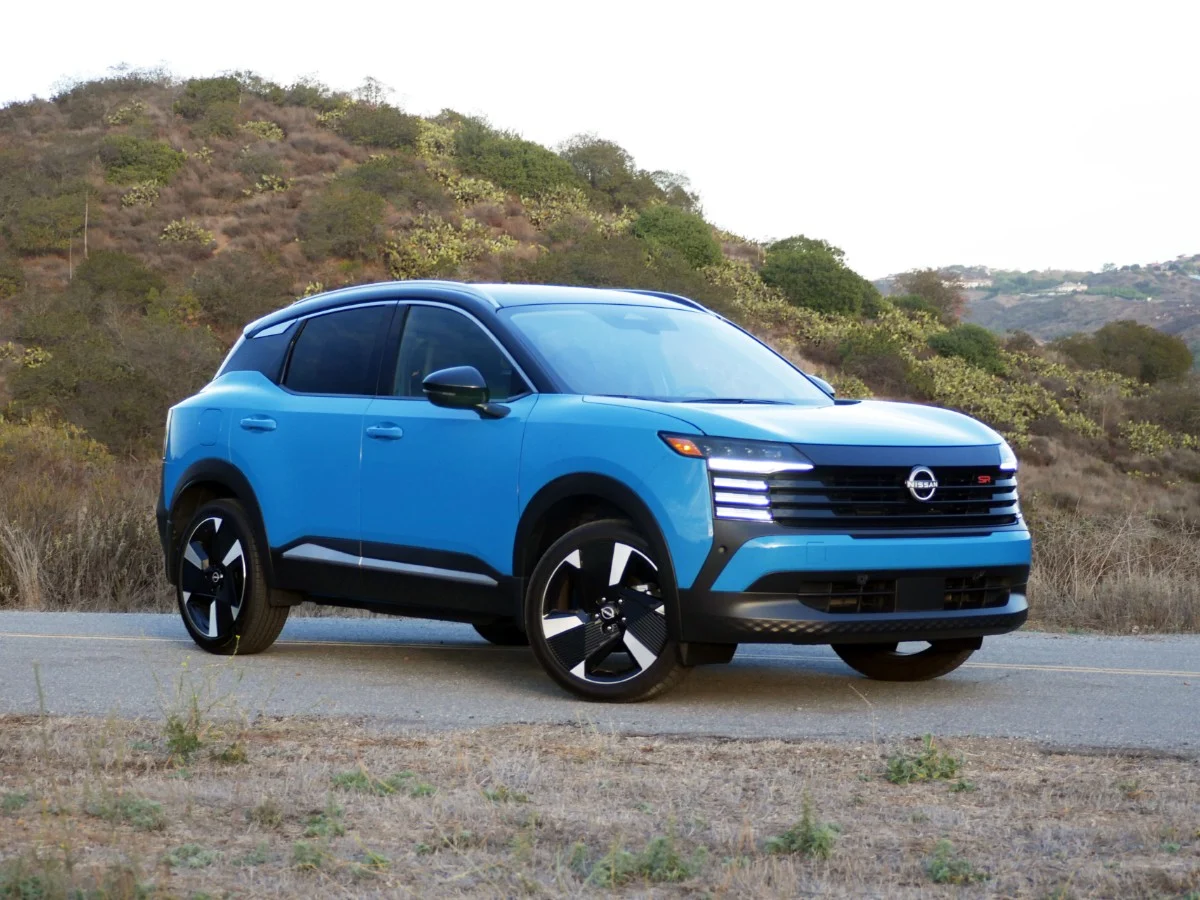
1. 2025 Nissan Kicks S: A Stylish Redesign Held Back by Performance
The 2025 Nissan Kicks S marks a complete redesign for the model year, transforming from an overlooked subcompact SUV into a striking, modern crossover now available with all-wheel drive (AWD). Priced at $23,325 (including destination) and rated at 31 mpg combined, the Kicks brings fresh styling and notable tech upgrades but falls short in performance.
Nissan’s redesign gives the Kicks a confident look, with standard features like a 7-inch touchscreen, keyless entry, push-button start, and key safety aids such as blind-spot warning and rear cross-traffic alert. However, the base S trim lacks smartphone integration, limiting convenience for connected drivers.
Powered by a 141-hp 2.0-liter four-cylinder, the Kicks delivers modest acceleration. Its 0–60 mph time of 10.3 seconds makes it the slowest in its class, and the continuously variable transmission (CVT) struggles to optimize performance. The result is a noisy, sluggish ride that feels unsettled on imperfect roads. Braking is smooth in everyday use, though the 132-foot panic stop distance is on the longer side.
Inside, the Kicks offers surprisingly comfortable front and rear seats, with quality materials that outshine expectations for the price. Controls are logically arranged, though the capacitive climate controls can be finicky. Rear access is easy, though tight for rear-facing car seats. Noise levels are tolerable, except when the engine is pushed hard.
Upper trims introduce premium touches like a 12.3-inch touchscreen, Bose audio, and wireless Apple CarPlay/Android Auto, while the S trim makes do with fewer amenities. Cargo space ranges from 23.9 to 30 cubic feet, depending on drivetrain, with clever in-cabin storage for daily items. The Kicks isn’t rated for towing, limiting its utility.
Despite its weaknesses, the Kicks remains a value-focused choice. Standard warranties include 3-year/36,000-mile bumper-to-bumper and 5-year/60,000-mile powertrain coverage, plus two years of free maintenance. Ultimately, while the 2025 Kicks impresses with design, comfort, and safety, its underpowered engine and middling efficiency keep it from being a top performer in the extra-small SUV segment.
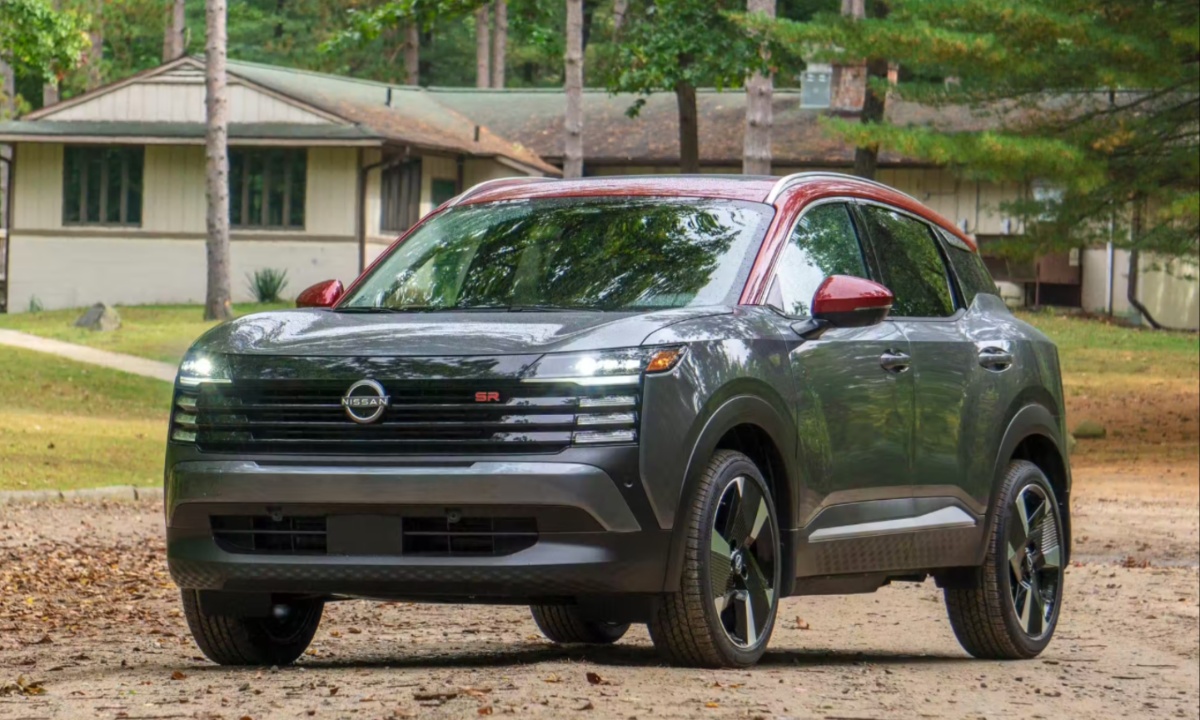
2. 2025 Chevrolet Trailblazer LS: A Well-Balanced and Confident Small SUV
The 2025 Chevrolet Trailblazer LS, starting at $24,495 (including destination) and delivering 31 mpg combined, continues to establish itself as a confident and practical subcompact SUV. Introduced in 2021, the Trailblazer blends a versatile design, everyday usability, and well-integrated technology, making it a solid choice for those seeking comfort and convenience in a compact package.
Powered by a 137-hp turbocharged 1.2-liter three-cylinder engine, the Trailblazer offers front-wheel drive with a continuously variable transmission (CVT) or optional all-wheel drive paired with a nine-speed automatic. Its 0–60 mph time of 9.4 seconds is slower than rivals, but the transmission keeps the engine in its efficient range, resulting in smooth urban performance.
The brake pedal feels overly sensitive, and handling isn’t particularly nimble, though steering precision maintains driver confidence. Ride comfort is a highlight, especially on highways where the Trailblazer absorbs bumps well without feeling stiff. Standard driver aids include automatic emergency braking and lane keeping assist, though key features like blind-spot monitoring and adaptive cruise control are optional.
Inside, the Trailblazer offers firm yet supportive seats and generous passenger space. Rear entry and exit are easy, and even tall passengers enjoy adequate headroom, particularly impressive given the available panoramic sunroof.
Visibility remains excellent despite the sloped roofline. Noise levels are moderate, with a subtle engine hum and some road and wind intrusion. Climate controls are intuitive, though fan noise can be noticeable.
The cabin tech impresses with wireless Apple CarPlay and Android Auto as standard, displayed on a sharp touchscreen interface. Navigation isn’t built-in, but voice controls and multiple USB ports enhance usability. Cargo capacity is among the largest in its class, offering generous space for luggage and daily gear. Interior storage is average but functional, with a deep center console bin and adequate door pockets.
Though priced slightly higher than some competitors, the Trailblazer feels well-built and feature-rich. Standard coverage includes five years/60,000 miles of roadside assistance and one year of free maintenance. Its 1.3-liter turbo AWD version averages 27 mpg, with the added bonus of running on regular fuel.
The 2025 Trailblazer distinguishes itself with its balanced blend of comfort, refinement, and practicality. While not the quickest or sportiest SUV in its segment, its spacious interior, solid ride quality, and strong feature set make it a well-rounded and dependable small crossover for everyday driving.
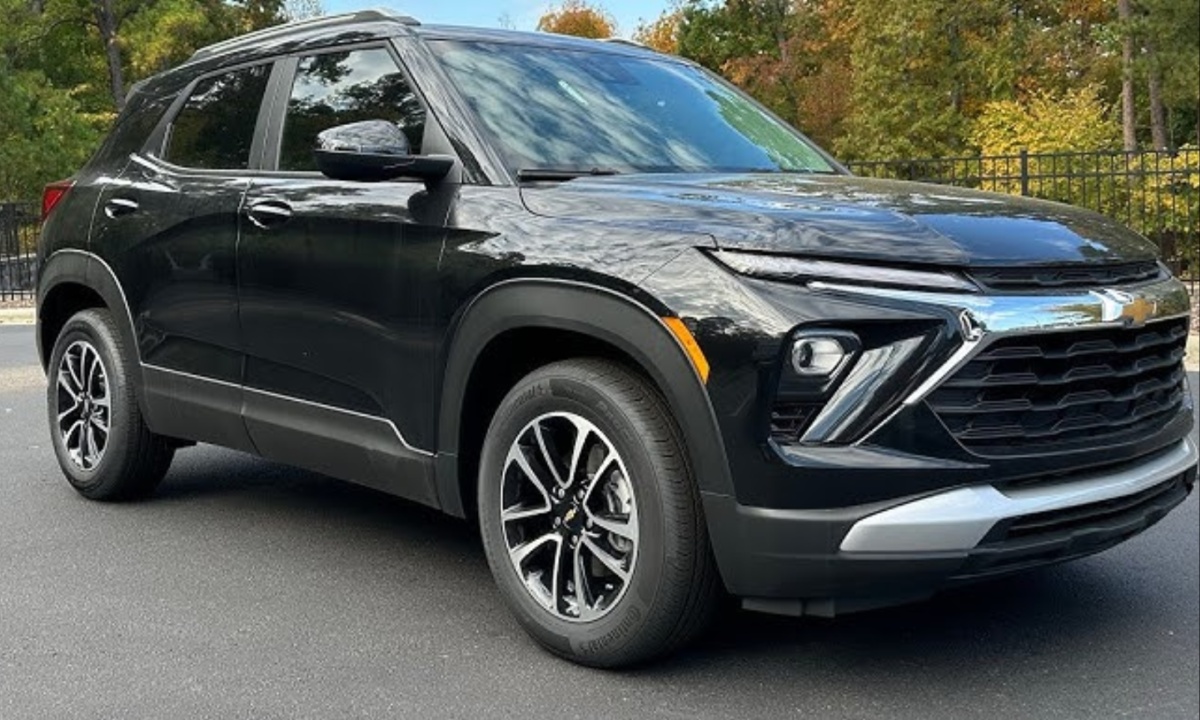
3. 2025 Toyota Corolla Cross L: Practical, Polished, but Lacking Excitement
The 2025 Toyota Corolla Cross L, priced at $25,585 (including destination) and offering 32 mpg combined, continues Toyota’s tradition of reliability and practicality. Positioned below the larger RAV4, this compact SUV shares its platform and 169-hp 2.0-liter four-cylinder powertrain with the Corolla sedan.
It is a dependable crossover designed for daily commuting and family use, though it lacks the punch or personality of some competitors.
Performance is adequate but far from thrilling. The Corolla Cross records a 0–60 mph time of 9.6 seconds, which places it on the slower end of the segment. Power delivery is smooth around town, but overtaking on the highway requires planning and patience.
The suspension is tuned for comfort rather than agility, absorbing bumps effectively but feeling soft and floaty on uneven roads. Steering and braking responses are predictable yet uninspiring, prioritizing stability over sportiness.
Toyota includes a generous set of driver aids such as adaptive cruise control, lane keeping assist, and automatic emergency braking, though the cruise system’s wide following distance can be frustrating in traffic. Visibility is good from the front and sides, but the low-resolution rear camera detracts from the experience.
The cabin is spacious and easy to use, with simple controls and convenient entry points. The front seats provide decent support, though taller drivers may find them lacking in thigh comfort. Rear legroom is tighter than expected, limiting space for adult passengers.
While road noise can be noticeable at higher speeds, the air conditioning system performs well and includes rear vents, a feature not always found in this class. Installing child seats is straightforward, but the narrow rear doors make positioning larger seats more difficult.
All trims come with an 8-inch touchscreen and wireless Apple CarPlay and Android Auto. The L trim offers one USB port and a wireless charger in the front, along with two USB ports in the rear. Cargo capacity measures 25.2 cubic feet in AWD models, providing generous space for luggage or groceries. The 1,500-pound towing capacity adds a degree of flexibility for light hauling.
Build quality feels sturdy, though hard plastic materials make the cabin seem less refined. Toyota’s warranty includes three years or 36,000 miles of basic coverage and five years or 60,000 miles for the powertrain, along with two years or 25,000 miles of complimentary maintenance.
The 2025 Corolla Cross delivers exactly what many small SUV buyers seek: dependability, comfort, and efficiency. It is not exciting to drive or particularly upscale inside, but it excels at daily practicality. For drivers who value reliability and function over flair, the Corolla Cross remains a sensible and confident choice in the compact SUV category.
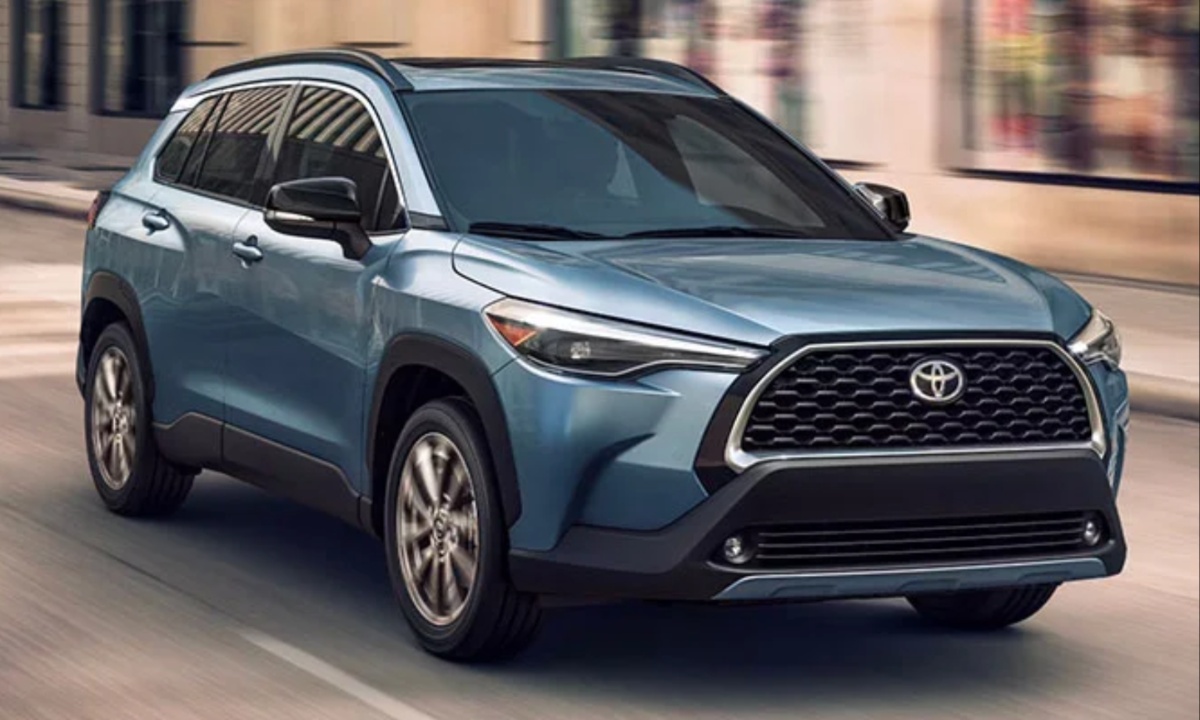
4. 2025 Mitsubishi Outlander Sport S: Affordable but Outdated
The 2025 Mitsubishi Outlander Sport S, priced at $26,040 (including destination) with a 26 mpg combined rating, remains one of the most affordable compact SUVs on the market. Despite its appealing price and standard all-wheel drive, this long-running model shows its age in nearly every area, from performance to technology.
The Outlander Sport S is powered by a 148-hp 2.0-liter four-cylinder engine paired with a continuously variable transmission (CVT) and standard AWD. The “Sport” name is misleading since the engine feels weak and the transmission struggles to deliver smooth, confident acceleration.
Steering requires frequent correction, and the suspension feels stiff yet unsettled, creating an uncomfortable ride on uneven roads. Under braking, the vehicle experiences excessive nose-dive and side-to-side movement, which reduces driver confidence. Handling lacks precision, and the driving experience feels dated and unrefined.
Ride comfort is not one of the Outlander Sport’s strengths. The suspension transmits harshness over bumps while feeling floaty on smoother stretches. The seats are hard and unsupportive, and the cabin lets in noticeable noise from the road, wind, and climate control fans.
The interior layout is simple and user-friendly, with clearly labeled controls, but space is limited. Rear passengers may need to duck to enter, and rear headroom and legroom are tight. The driver’s seat offers limited adjustment, forcing an upright driving position. Visibility is restricted by thick roof pillars and a small rear window.
Technology in the base trim is minimal. A 7-inch infotainment touchscreen is standard, but Apple CarPlay and Android Auto are not available unless you move to higher trims. Bluetooth connectivity is included and easy to use, offering basic convenience.
Storage capacity is decent, with folding rear seats that create a flat load floor and a tall roofline that makes loading larger items easier. Cabin storage options include large door pockets, two cupholders, and a small center cubby.
The Outlander Sport offsets its shortcomings with affordability and a strong warranty package. Mitsubishi offers one of the longest warranties in the segment, along with a roadside assistance plan that provides lasting peace of mind. Build quality feels solid despite low-grade interior materials, though many modern features and refinements are missing.
The 2025 Outlander Sport S appeals primarily to budget-focused buyers who value cost and standard AWD over performance or advanced technology. While dependable and inexpensive, its aging design, lack of comfort, and limited refinement make it difficult to recommend compared with newer, more capable rivals.
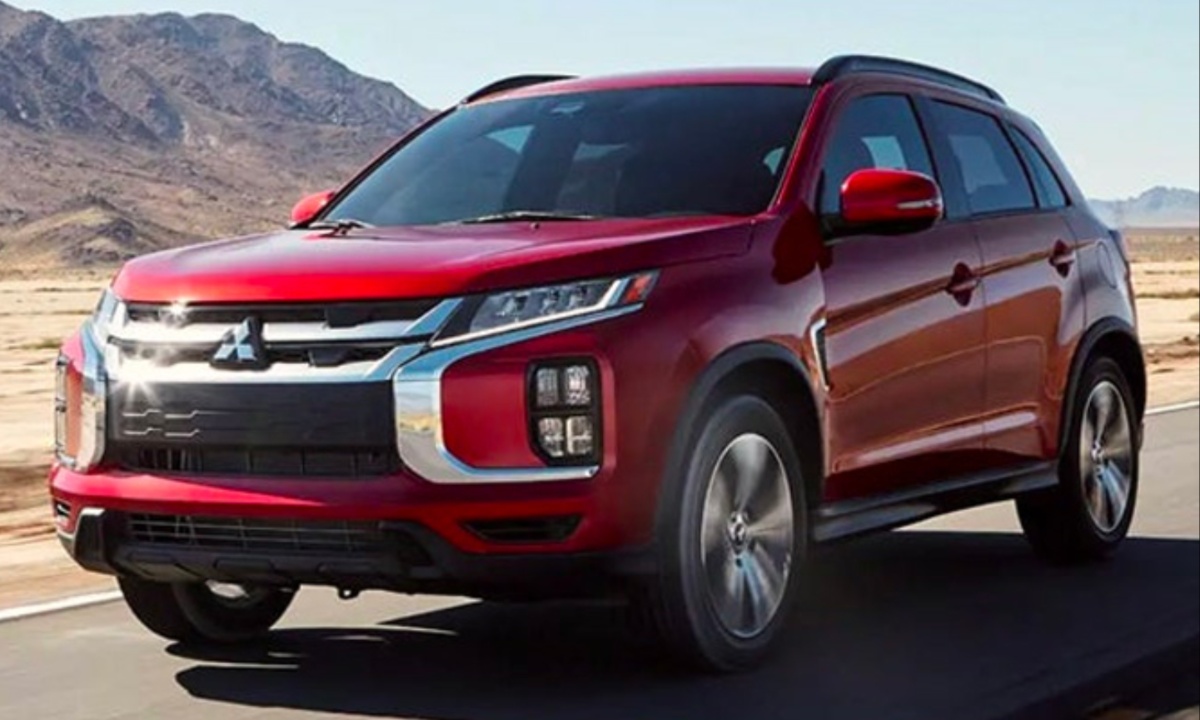
5. 2025 Hyundai Kona SE: Stylish, Tech-Savvy, and Moderately Reliable
The 2025 Hyundai Kona SE, priced at $26,045 (including destination) and rated at 31 mpg combined, continues to stand out as a stylish and well-equipped subcompact SUV. Following its 2024 redesign, the Kona gained updated styling, added passenger space, and enhanced technology, strengthening its appeal among small SUV buyers seeking practicality with a modern edge.
The base SE trim features a 147-hp 2.0-liter four-cylinder engine paired with a continuously variable transmission (CVT). While the powertrain delivers good fuel economy, it lacks the punch of turbocharged rivals. Acceleration can feel sluggish, and some drivers have noted jerky throttle response at low speeds.
The engine also grows noisy and coarse under heavy acceleration, diminishing refinement. For those wanting more power, the 190-hp turbocharged 1.6-liter engine in the N Line and Limited trims provides stronger performance at the cost of slightly lower efficiency at 28 mpg combined. Ride comfort and handling balance well for city driving, with smooth suspension tuning and responsive steering.
Inside, the refreshed Kona offers more passenger space than its predecessor, especially in the rear. Materials quality is solid for the class, with a clean, minimalist design and well-positioned controls. Cabin noise levels are competitive for its segment, though the engine can sound louder than expected when pushed.
Seating comfort is good for daily use, with sufficient legroom and headroom for adults. The SEL trim with the convenience package adds desirable features such as a leather-wrapped steering wheel and dual-zone climate control, enhancing comfort and value.
The 2025 Kona earns average reliability projections from Consumer Reports, based on prior-year data. While J.D. Power rates it “Great” for quality and reliability, some owners report low-speed drivability issues and engine noise concerns.
Reliability is viewed as its weakest area, despite strong ratings for design and value on Kelley Blue Book. On the positive side, the NHTSA has reported no safety recalls for the 2025 model year, supporting confidence in long-term dependability.
The 2025 Hyundai Kona SE successfully combines style, technology, and efficiency in a compact, easy-to-drive package.
Its average reliability, modest performance, and occasional cabin noise prevent it from leading the class, but it remains a well-balanced and attractive option for those prioritizing comfort, features, and fuel efficiency over outright power. Buyers seeking more refinement or performance might prefer the SEL or N Line trims, while those prioritizing reliability could consider earlier model years.
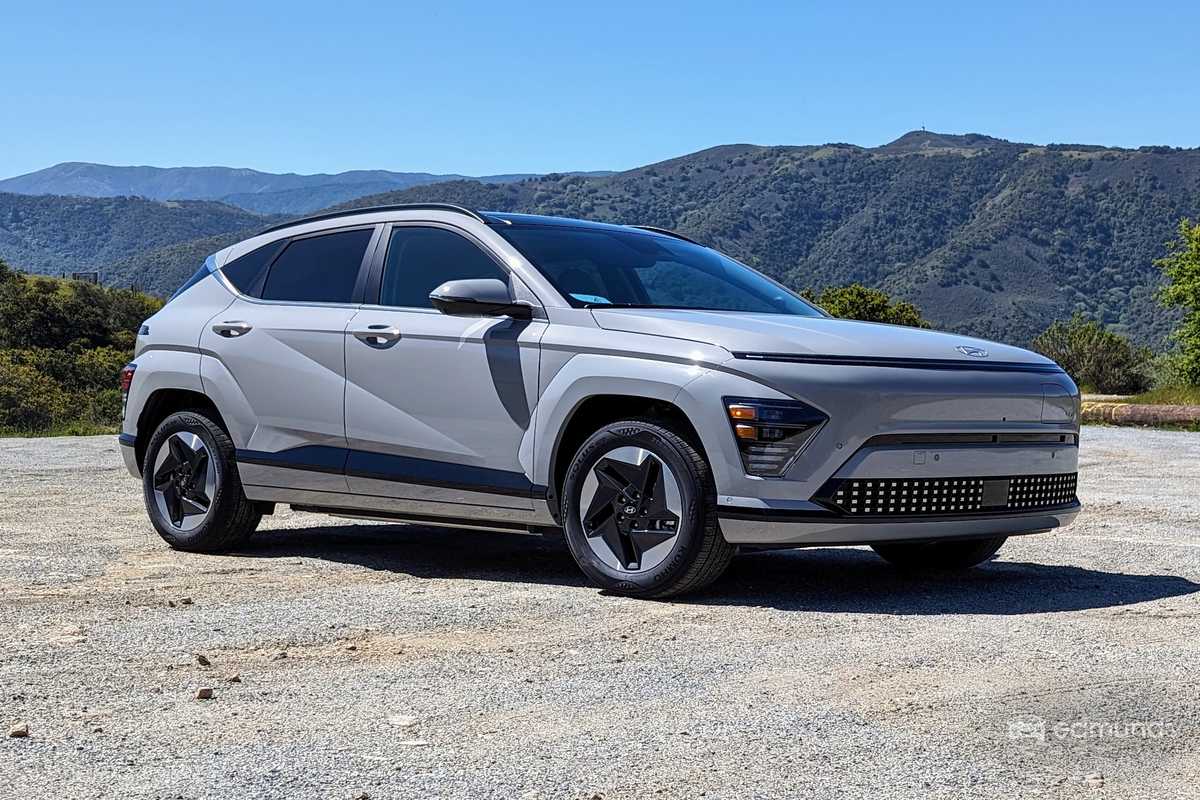
6. 2025 Dodge Hornet: A Compact SUV With Sports-Car Spirit
The 2025 Dodge Hornet, starting at $31,400, blends performance and style in a compact SUV package. Sharing its platform with the Alfa Romeo Tonale, the Hornet delivers European-inspired driving dynamics with Dodge’s aggressive design and attitude, making it one of the sportiest choices in its class.
Power is the Hornet’s defining trait. The GT and GT Plus trims use a 2.0-liter turbocharged four-cylinder producing 268 horsepower and 295 lb-ft of torque, paired with a nine-speed automatic transmission and standard all-wheel drive.
This setup launches the SUV from 0 to 60 mph in 5.7 seconds, giving it performance levels close to entry-level sports cars. Steering is sharp, body control is tight, and grip is strong through corners.
For even more punch, the R/T and R/T Plus trims add a plug-in hybrid system that combines a 1.3-liter turbo engine and electric motor for 288 horsepower and 383 lb-ft of torque. The hybrid’s PowerShot feature adds short bursts of 30 extra horsepower, trimming the 0–60 mph time to 5.6 seconds. It can also drive up to 33 miles on electric power alone, giving it a balance of speed and efficiency.
The cabin feels sporty and upscale, with driver-focused controls, quality materials, and bold stitching. The GT Plus trim adds heated and ventilated leather seats, a sunroof, and an upgraded sound system, making daily driving more enjoyable. The front seats are supportive and spacious, but the rear seat is tight, and cargo space is limited compared to rivals.
Standard tech features include a 10.25-inch touchscreen, 12.3-inch digital display, wireless Apple CarPlay and Android Auto, and a strong suite of driver aids. The infotainment system is quick and easy to use. While fuel economy trails many competitors, the Hornet compensates with its strong performance and premium equipment.
The 2025 Dodge Hornet is a compact SUV built for drivers who crave excitement. It’s quick, well-equipped, and engaging to drive, though less practical than rivals. The GT Plus trim offers the best mix of performance, comfort, and value in this sporty, confident package.
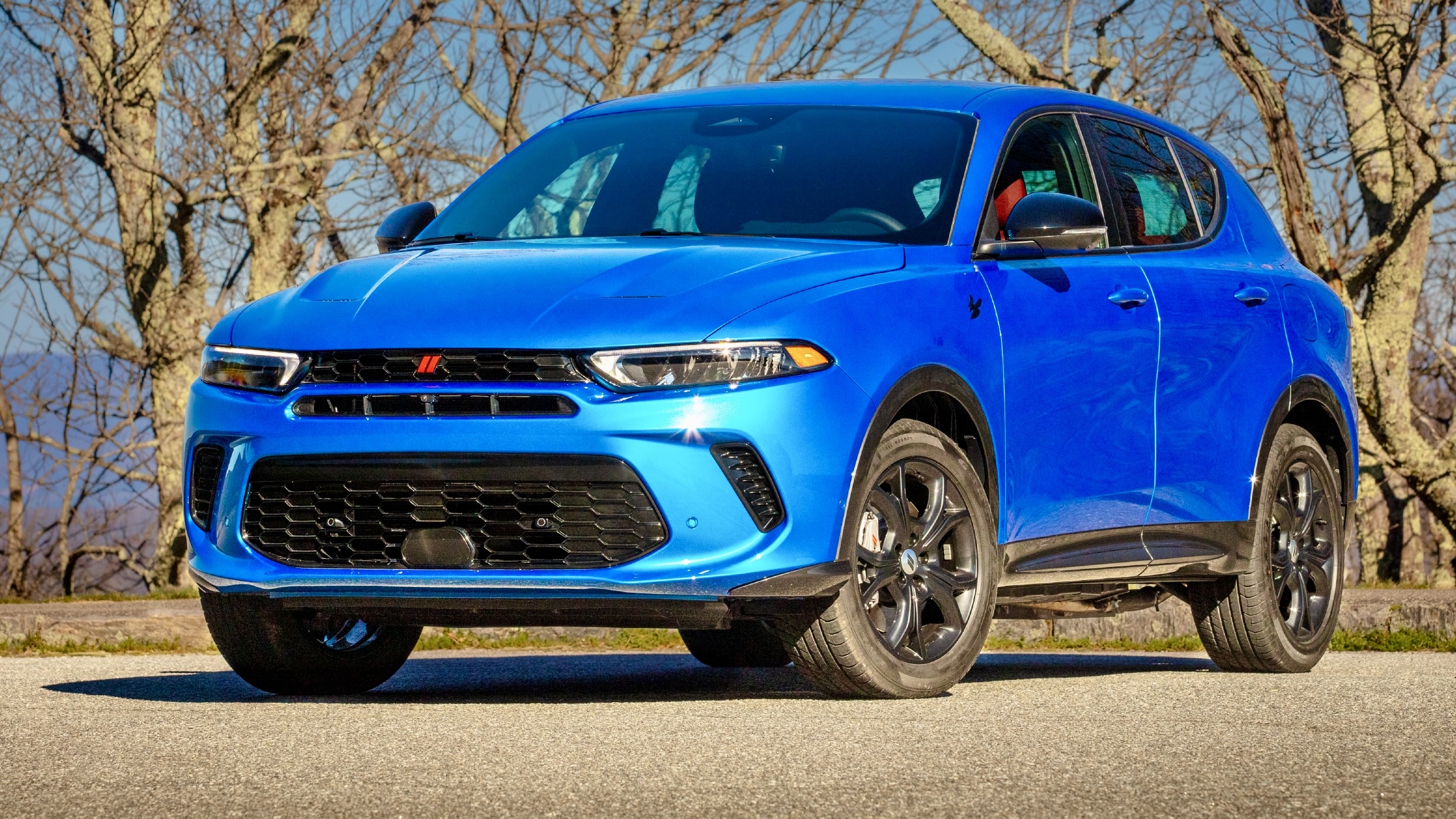
7. 2025 Mazda CX-30 Turbo: Premium Performance in a Small Package
Starting at $32,940, the 2025 Mazda CX-30 Turbo stands out as one of the most refined and engaging subcompact SUVs on the market. Combining athletic handling, upscale design, and a powerful turbocharged engine, it delivers a driving experience that feels closer to a luxury sports crossover than an economy SUV.
The CX-30 Turbo uses a 2.5-liter turbocharged four-cylinder paired with a six-speed automatic transmission and standard all-wheel drive, producing 250 horsepower and 320 lb-ft of torque. It accelerates from 0 to 60 mph in 5.8 seconds, making it one of the quickest vehicles in its class.
The engine’s strong torque provides immediate response, and steering precision makes the CX-30 rewarding to drive on winding roads. The suspension is firm but well-tuned, balancing sporty handling with good ride comfort. At highway speeds, it remains composed and quiet, reinforcing its premium character.
Inside, the CX-30 feels more like an entry-level luxury car than a mainstream SUV. High-quality materials, elegant stitching, and minimalist design create a refined cabin.
The front seats are supportive and comfortable for long trips, while the rear seats are best suited for shorter passengers due to limited legroom and a low roofline. Noise insulation is excellent, and features like dual-zone climate control and heated seats add comfort, though cooling performance could be stronger.
The biggest drawback is the infotainment system. While Turbo models get a 10.3-inch display, it’s primarily controlled by a console-mounted knob that’s awkward to use. Wireless Apple CarPlay and Android Auto are available but not standard. Cargo space measures 20.2 cubic feet, which is modest but practical for daily use.
The CX-30 Turbo costs more than many rivals, but it justifies its price with luxury-grade craftsmanship, excellent driving dynamics, and strong power. Fuel economy is rated at 25 mpg combined, which is lower than average yet reasonable given the performance.
The 2025 Mazda CX-30 Turbo blends elegance, power, and driving joy better than nearly any other SUV in its class, offering a genuine premium experience in a compact footprint.
Also Read: 10 Cars That Stay Solid Even After Three Owners
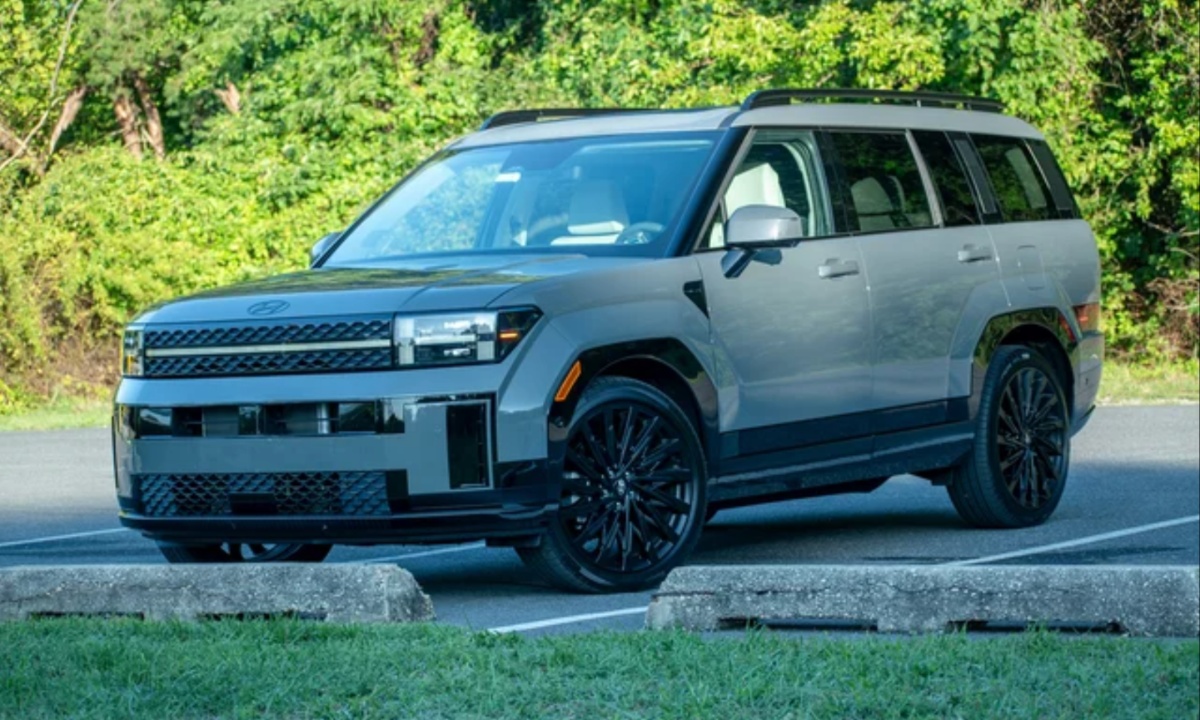
8. 2025 Hyundai Santa Fe: Stylish, Spacious, and Surprisingly Quick
Starting at $34,200, the 2025 Hyundai Santa Fe enters a new era with bold, Range Rover-inspired styling and a three-row layout that adds family-friendly versatility. While it’s one of the most affordable midsize SUVs on the market, it offers upscale design, a refined interior, and impressive standard technology.
The Santa Fe is powered by a 2.5-liter turbocharged four-cylinder engine producing 277 horsepower and 311 lb-ft of torque, paired with an eight-speed automatic transmission and available all-wheel drive. It can sprint from 0 to 60 mph in 6.3 seconds, which is quick for a three-row SUV in this price range.
Power delivery is smooth once the turbo spools up, though there’s slight hesitation at low speeds. Steering is accurate, and the brakes are confident, though emergency stops can feel long on off-road-oriented tires. The Santa Fe XRT trim adds a raised suspension and all-terrain tires, making it suitable for light trail duty while maintaining on-road composure.
Ride quality is one of the Santa Fe’s strongest attributes. The suspension absorbs bumps gracefully, providing a calm, composed feel over rough roads. Front and second-row seats are well-padded and supportive, while the third row is best for short trips or children.
Cabin noise is minimal, with only a bit of tire noise from the XRT’s off-road setup. Inside, the Santa Fe feels airy and thoughtfully designed, with wide doors, adjustable second-row seating, and easy access throughout. Visibility to the rear is limited due to thick pillars, but the elevated driving position helps.
The centerpiece of the tech suite is a 12.3-inch touchscreen that’s responsive and easy to navigate. Wireless Apple CarPlay and Android Auto come standard, and the voice recognition system works smoothly. Hyundai’s Highway Driving Assist offers semi-hands-free driving for short periods, ideal for long trips.
Cargo capacity is generous: 14.6 cubic feet behind the third row, 40.5 cubic feet with it folded, and nearly 80 cubic feet with both rear rows down. Smart storage touches, like a two-tier center console and power-folding seats, enhance practicality.
The 2025 Hyundai Santa Fe blends elegant design, abundant features, and strong performance, making it a standout choice for families seeking style and value.
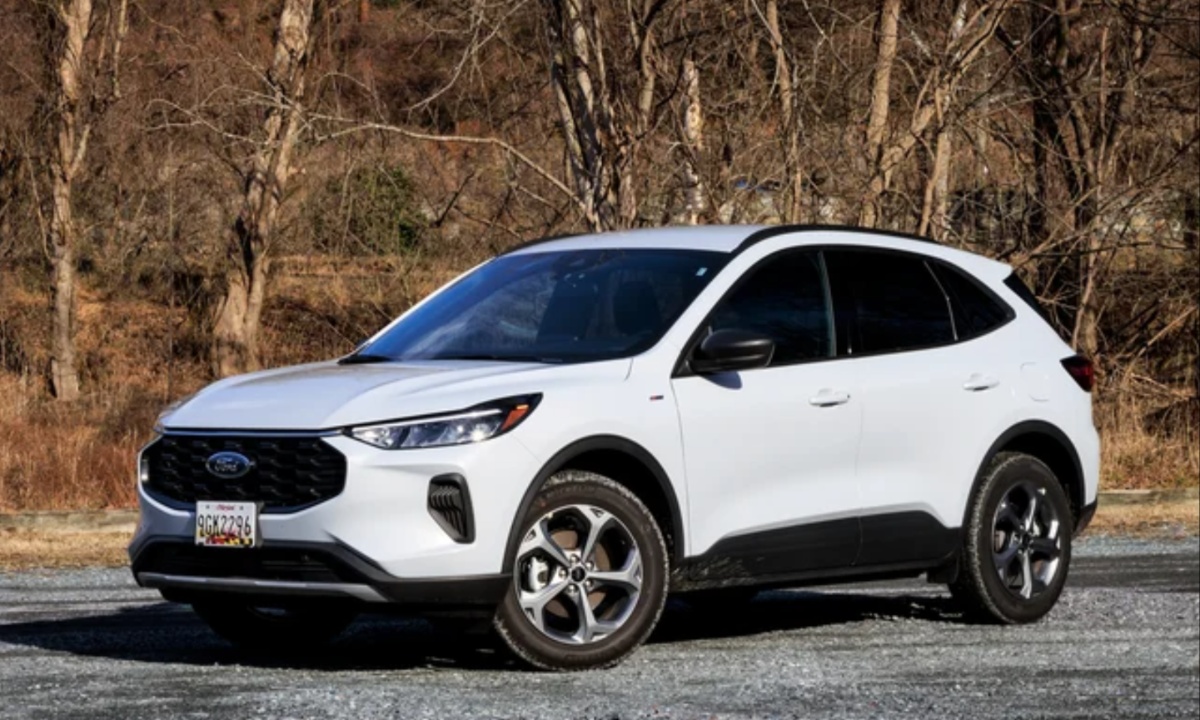
9. 2025 Ford Escape ST-Line Elite: Style, Speed, and Everyday Practicality
Starting at $36,540, the 2025 Ford Escape ST-Line Elite blends performance and practicality with a sporty edge. While its Bronco Sport sibling tackles dirt trails, the Escape is built for the streets, offering a refined ride, sleek design, and solid technology. The ST-Line Elite trim adds flair and excitement with athletic styling and the stronger of the available engines.
The ST-Line Elite uses a 2.0-liter turbocharged four-cylinder engine producing 250 horsepower and 280 lb-ft of torque, paired with an eight-speed automatic transmission and standard all-wheel drive. This setup enables a brisk 0–60 mph time of 5.8 seconds, putting it among the quickest compact SUVs in its class.
Acceleration is immediate and satisfying, and highway merging is effortless. The eight-speed automatic can occasionally shift abruptly, and the steering lacks some feedback, but the Escape remains smooth and predictable on most roads. The suspension prioritizes comfort over sharp handling, offering a compliant ride that absorbs bumps without feeling overly soft.
Inside, the Escape offers spacious seating for five and a sliding second row, which allows flexibility between passenger comfort and cargo space. The ST-Line Elite trim elevates the cabin with red-stitched leather-trimmed seats, a flat-bottom sport steering wheel, and 19-inch wheels that enhance its athletic look.
Interior materials are improved from lower trims but still include some hard plastics. Noise isolation is good, making for a calm ride during commutes or long drives.
Tech is a standout feature. The large 13.2-inch SYNC 4 touchscreen is responsive and easy to use, with wireless Apple CarPlay and Android Auto as standard. The system pairs with a digital instrument cluster, wireless charging pad, and Wi-Fi hotspot. Driver-assist technologies include adaptive cruise control, lane centering, blind-spot monitoring, and automatic emergency braking, enhancing confidence on the road.
The 2025 Ford Escape ST-Line Elite strikes a strong balance between sporty performance and family functionality. It isn’t the sharpest SUV to drive, but its speed, technology, and comfort make it one of the most appealing choices in the compact SUV segment.
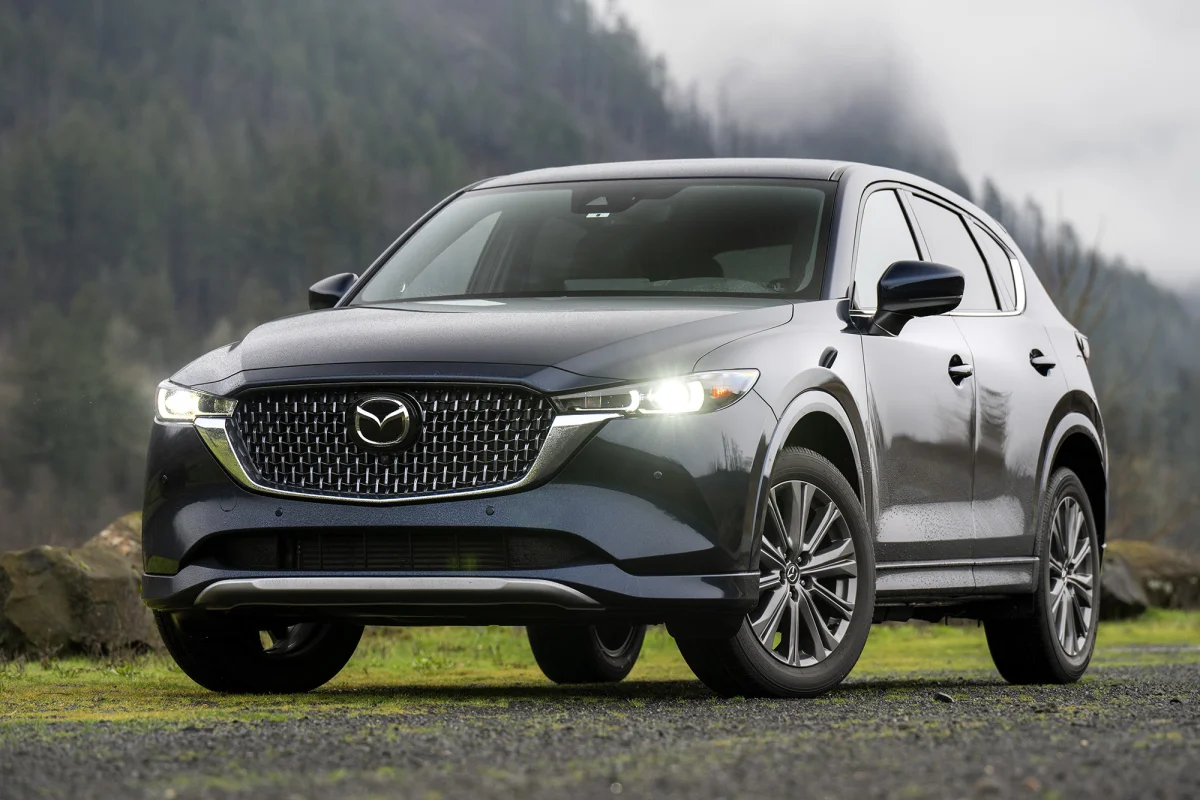
10. 2025 Mazda CX-5 Turbo: Sporty Luxury in a Midsize SUV
The 2025 Mazda CX-5 Turbo, starting at $37,000, continues Mazda’s reputation for blending style, comfort, and driving enjoyment. Though the current generation has been around since 2017, it remains a benchmark for sporty, premium-feeling midsize SUVs, offering a sophisticated cabin and engaging handling.
The CX-5 Turbo is powered by a 2.5-liter turbocharged four-cylinder engine producing 256 horsepower and 320 lb-ft of torque, paired with a six-speed automatic transmission and all-wheel drive. It accelerates from 0 to 60 mph in 6.2 seconds, delivering brisk, responsive performance.
Steering is precise, and cornering is confident, giving the CX-5 a sporty feel that stands out in its segment. The suspension is tuned for a balance of agility and composure, though the ride can feel firm on uneven roads.
The cabin exudes a near-luxury feel, with high-quality materials, soft-touch surfaces, and comfortable seating. Front passengers enjoy excellent support on long drives, and the elevated driving position offers a commanding view of the road. Rear seating is slightly tighter, making longer trips less comfortable for taller passengers. Noise insulation is strong, helping maintain a calm environment even at highway speeds.
The CX-5 includes a range of standard safety and driver-assistance features, such as adaptive cruise control and lane-keeping assist, though some aids are limited to lower speeds. The infotainment system is functional but lacks a touchscreen, which can make it less intuitive than competitors. Apple CarPlay and Android Auto integration are available, enhancing smartphone connectivity.
Cargo space is adequate but modest for the class. A maximum towing capacity of 2,000 pounds is sufficient for small trailers, but below some rivals. Interior storage includes standard cupholders, door bins, and a center console bin, which are functional but not exceptional in size.
The 2025 Mazda CX-5 Turbo offers a compelling combination of sporty performance, a premium interior, and driver engagement. While cargo space and infotainment may lag behind some competitors, it remains an excellent choice for buyers prioritizing driving enjoyment and upscale design.
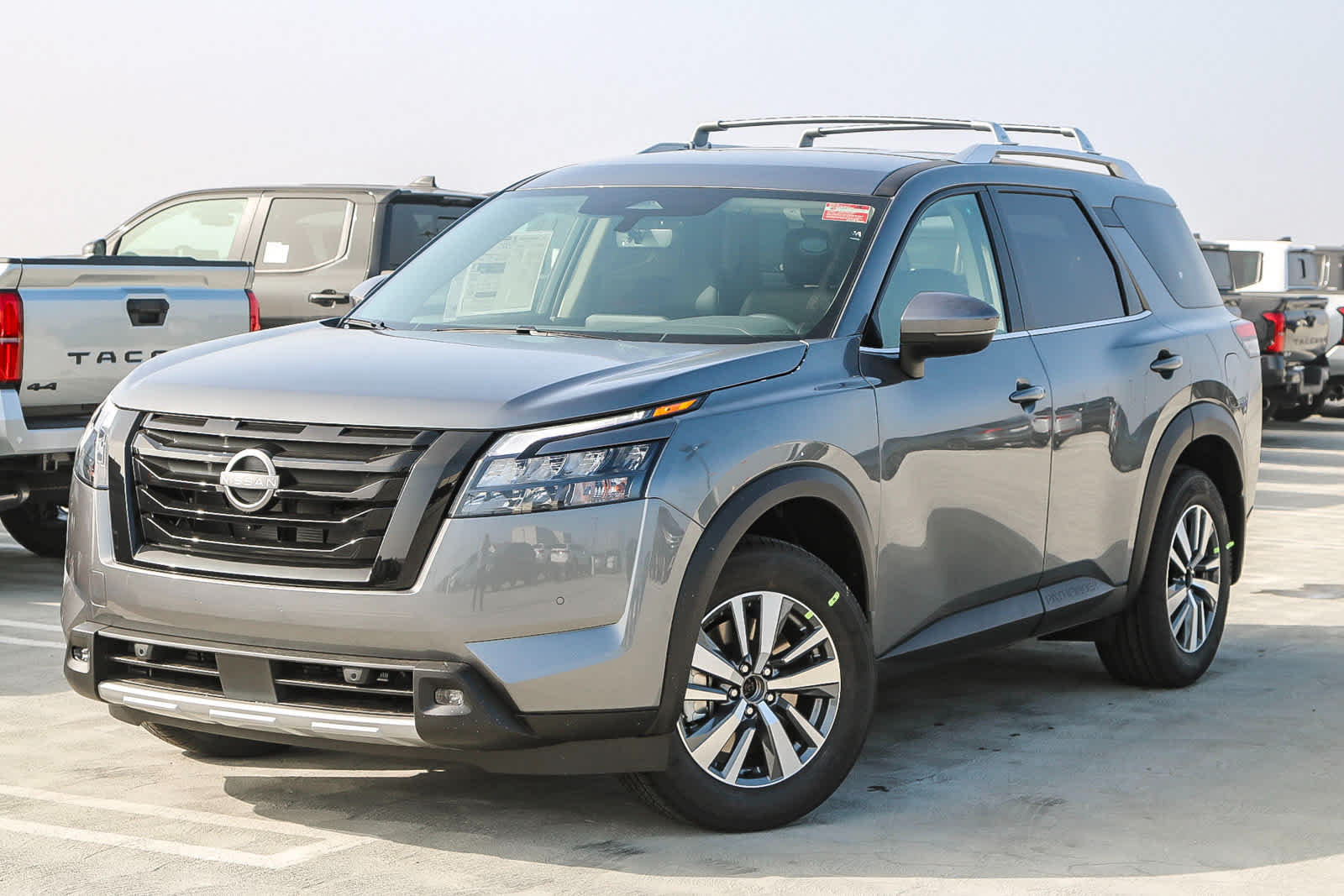
11. 2025 Nissan Pathfinder: Rugged and Practical Three-Row SUV
The 2025 Nissan Pathfinder, starting at $37,070, is a mid-size SUV that balances rugged styling, three-row seating, and strong capability at a competitive price.
With a 3.5-liter naturally aspirated V6 engine producing 284 horsepower and 259 lb-ft of torque, paired with a 9-speed automatic transmission, the Pathfinder accelerates from 0 to 60 mph in 6.6 seconds. It offers both front-wheel drive and all-wheel drive configurations and a top towing capacity of 6,000 pounds with the available towing package.
The Pathfinder drives competently for its class. The V6 engine provides steady power, though the transmission can hesitate when downshifting uphill. Braking performance is adequate, and the SUV feels stable in corners. Steering is light but direct, making the sizable Pathfinder manageable in parking and tight turns. Suspension tuning balances comfort with composure over bumps, giving a smooth ride without excessive bounce.
The cabin seats up to seven adults, with generous space in the first two rows and adequate legroom in the third row for short trips. Front seats are firm and may become tiring on longer drives. Climate control works efficiently, and noise levels from wind and road are low. The driving position is adjustable and ergonomic, while controls are logically placed and easy to operate.
The Pathfinder comes equipped with Nissan’s ProPilot Assist, including adaptive cruise control tied to navigation and lane-centering assistance. A built-in navigation system provides clear directions, and wireless Apple CarPlay and Android Auto are included, though connectivity issues were noted with Apple devices. A wireless charging pad is standard, but additional USB ports would improve convenience for passengers.
Cargo space measures 16.6 cubic feet behind the third row, expanding to 45 cubic feet with the third row folded and 80.5 cubic feet with both rows down. Storage bins are plentiful, and the wide, open layout makes loading large items easier.
The Pathfinder offers solid build quality and a clean interior design, though some rivals offer longer warranties and slightly more features for similar prices. EPA ratings are 23 mpg combined for FWD and 21-23 mpg for AWD, with real-world testing averaging 22.2 mpg.
The 2025 Pathfinder is a practical, capable, and stylish three-row SUV with strong towing capacity, spacious seating, and confident road manners, though it sacrifices sporty driving excitement for comfort and utility.
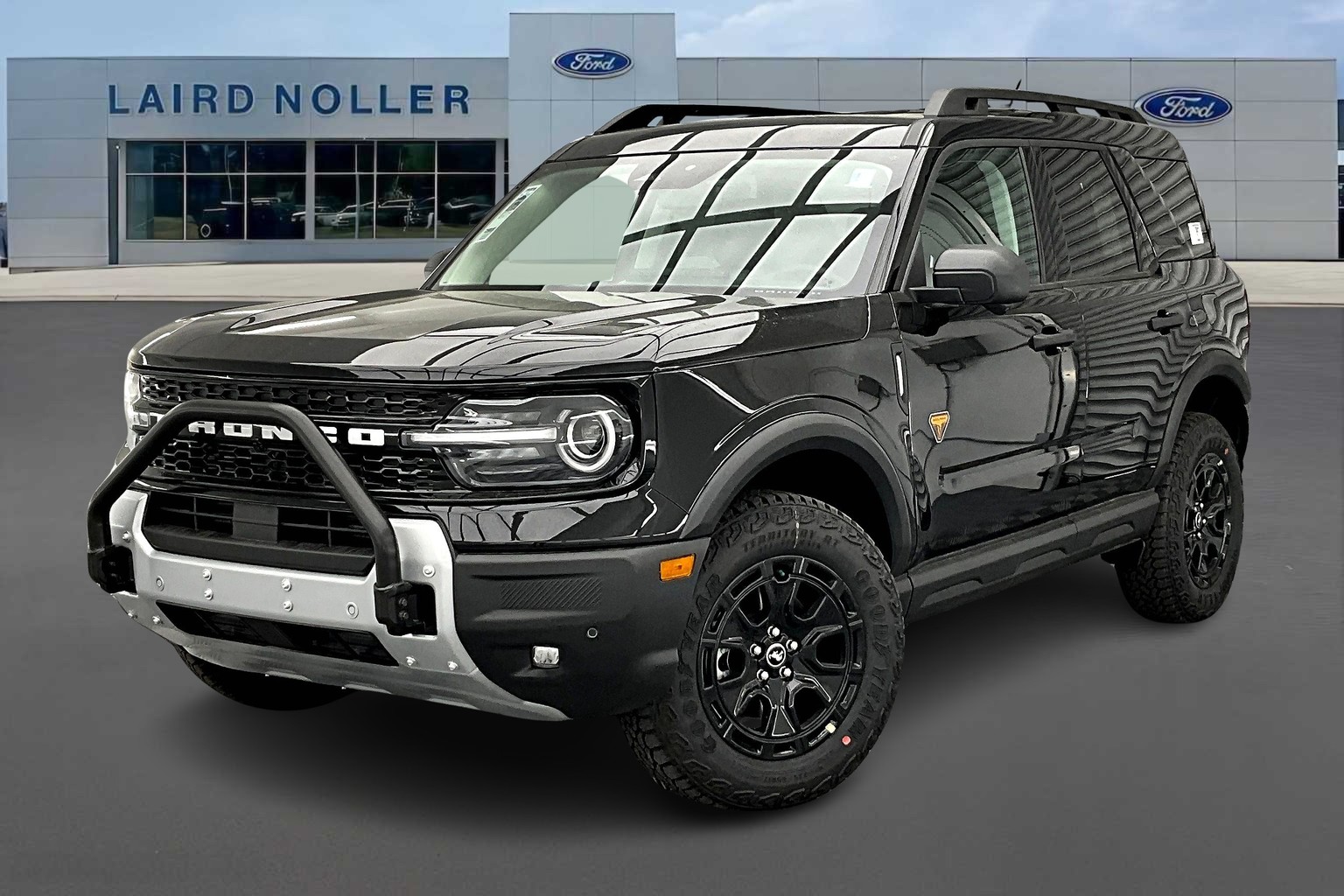
12. 2025 Ford Bronco Sport Badlands: Rugged and Capable Off-Roader
The 2025 Ford Bronco Sport Badlands starts at $38,390 and targets drivers who want true off-road capability without stepping into full-size Bronco territory.
Its 2.0-liter turbocharged inline-four engine delivers 250 horsepower and 277 lb-ft of torque, paired with an 8-speed automatic transmission and standard four-wheel drive. Acceleration is brisk for an off-road SUV, reaching 0 to 60 mph in 5.9 seconds, while the top speed is 125 mph.
The Badlands trim is designed for off-road adventure. All-terrain tires, a suspension lift, and upgraded dampers make it capable on rough terrain. On pavement, the ride can feel slightly stiff or “jiggly” due to its off-road tuning, but handling is secure, and acceleration remains impressive for a utilitarian SUV. A twin-clutch rear differential and Bilstein shocks enhance traction and control over challenging surfaces.
Inside, the Bronco Sport Badlands is practical but not luxurious. Materials are functional rather than premium, and the rear seat is a bit small for adults. Front seats are comfortable enough for longer drives, though the cabin prioritizes durability over refinement. The layout is intuitive, and controls are easy to reach, reflecting Ford’s focus on usability in outdoor conditions
The Badlands trim comes equipped with standard driver aids and modern infotainment, including smartphone integration. Additional off-road enhancements for 2025 include skid plates, a front bush guard, and recovery hooks, increasing its appeal for adventurous drivers.
J.D. Power rates the 2025 Bronco Sport Badlands with 88/100, reflecting strong reliability. Consumer reviews show 65% of owners give it five stars, though past models have experienced recalls for engine, transmission, and electrical components. Ensuring past recall repairs are complete is recommended.
Cargo space is practical for weekend adventures, and the rear hatch provides easy access. Small-item storage is adequate for gear and essentials, and the rugged interior surfaces are easy to clean after off-road excursions.
The 2025 Ford Bronco Sport Badlands combines quick acceleration, serious off-road capability, and practical features for outdoor enthusiasts. Its off-road tuning may compromise ride comfort on highways, but it excels in rugged terrain and provides the confidence needed for adventurous driving.
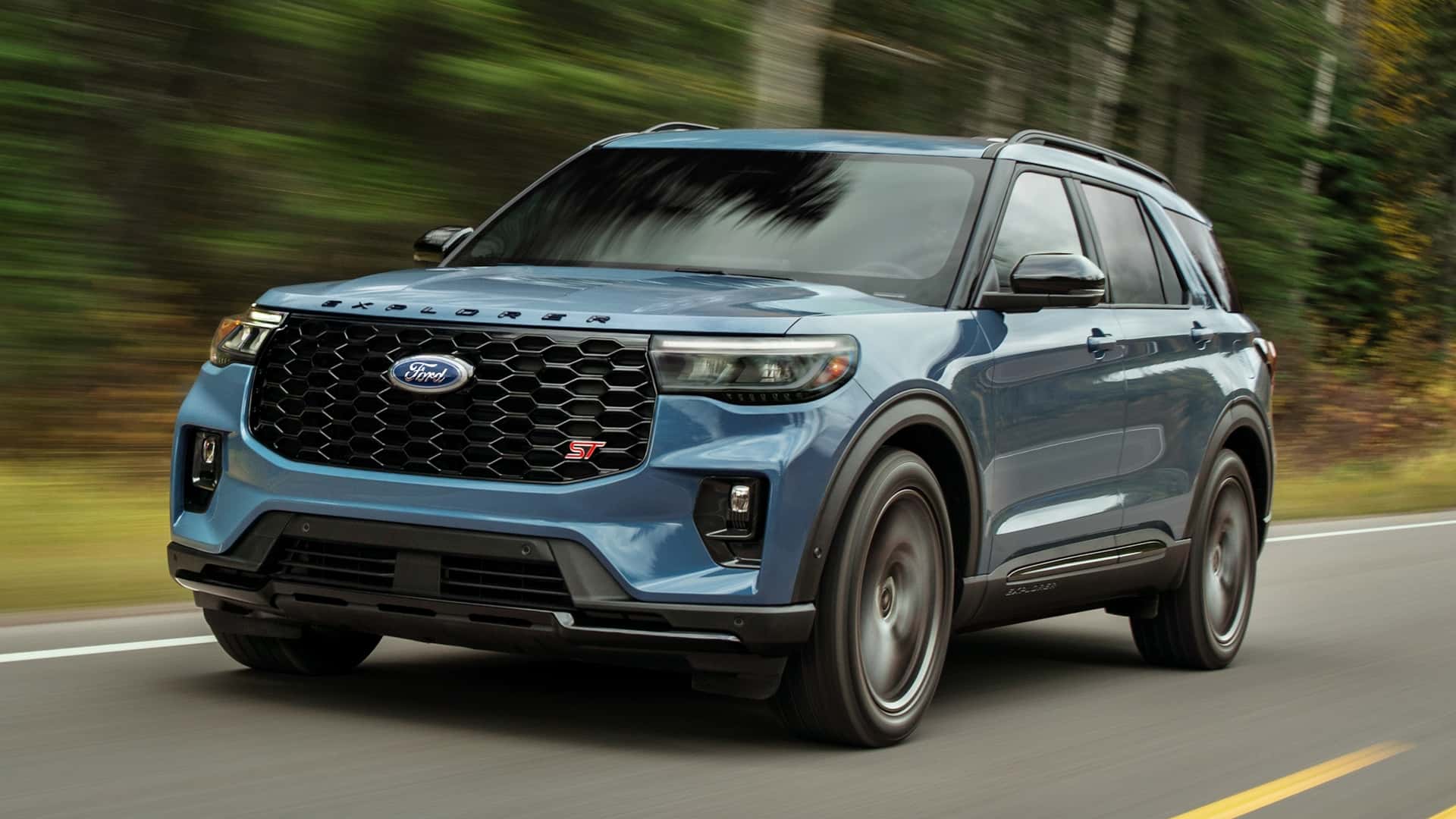
13. 2025 Ford Explorer: Family-Friendly with a Sporty Edge
The 2025 Ford Explorer starts at a competitive price and offers a three-row midsize SUV layout with plenty of practicality. Its base 2.3-liter turbocharged inline-four engine produces 300 horsepower and 310 lb-ft of torque, paired with a 10-speed automatic transmission and available rear- or all-wheel drive.
The Explorer accelerates from 0 to 60 mph in 6 seconds, while the top speed reaches 143 mph. Higher trims, including the ST and Platinum, offer a 400-horsepower twin-turbo V6, making the Explorer one of the quicker SUVs in its class.
The Explorer is surprisingly agile for its size. The ST model particularly impresses with sporty handling and stability, though it rides more stiffly than other trims. The base turbo-four engine is strong but can drone under hard acceleration, and the auto stop-start system is intrusive at stoplights unless disabled. Braking is solid, and the available BlueCruise hands-free driving system adds convenience on highways.
Front-seat passengers benefit from supportive, well-cushioned seats, with heating, ventilation, and optional massaging features available on higher trims. The second and third rows are less comfortable: seats are firm, narrow, and poorly bolstered, especially the third row, which sits close to the floor. Ride quality depends on trim level, with performance-oriented models feeling stiffer over bumps.
The Explorer offers a 12.3-inch instrument cluster and 13.2-inch center touchscreen. Google Maps and Google Assistant integration are standard, along with wireless Apple CarPlay and Android Auto. USB ports are plentiful, ensuring devices stay charged for the whole family.
Cargo space behind the third row is 16.3 cubic feet, expanding to 85.3 cubic feet with all rear seats folded. Useful touches include underfloor storage and a reversible cargo cover, though second- and third-row passengers have fewer storage options than those in front.
The Explorer provides strong features and build quality but lacks some of the refinement and warranty benefits of competitors like the Hyundai Palisade and Kia Telluride. Turbocharged engines can consume fuel quickly, so aggressive driving may reduce the EPA-estimated 20–24 mpg combined.
The 2025 Explorer is a well-rounded midsize SUV that balances family practicality with sporty performance, especially in ST trims, making it one of the more engaging choices for a three-row vehicle.
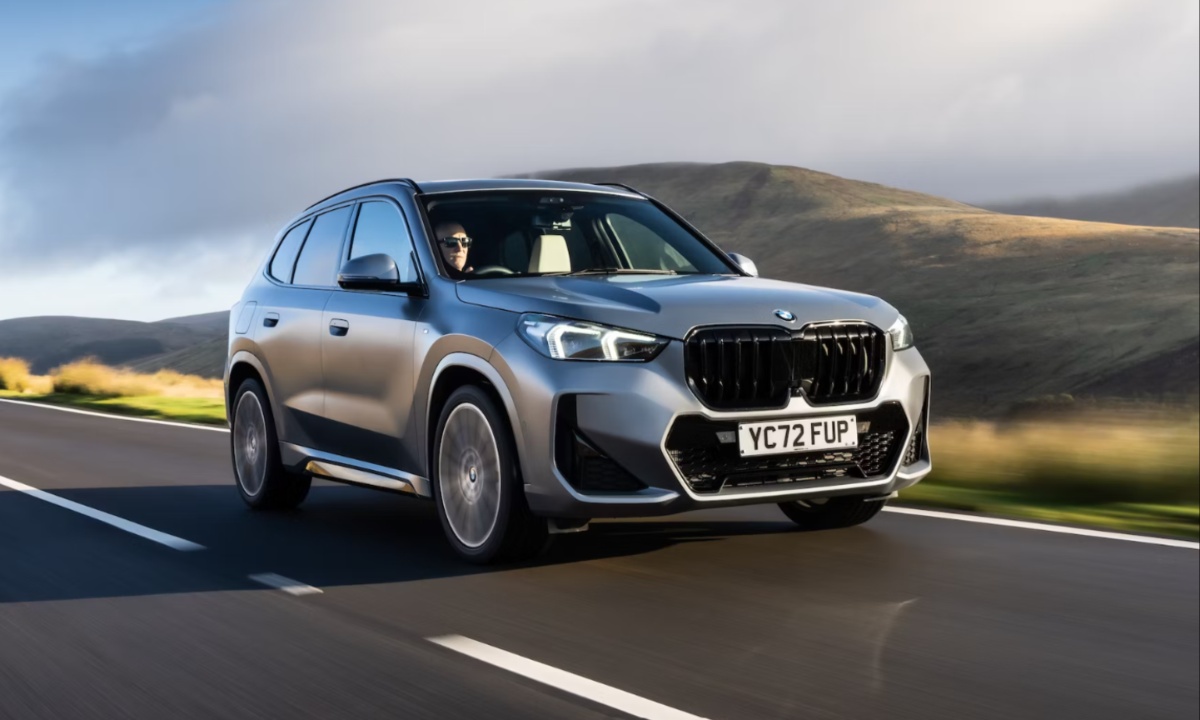
14. 2025 BMW X1: Compact Luxury with Sporty Dynamics
The 2025 BMW X1 starts at $40,950 and offers a compact luxury SUV experience with strong performance and premium appointments. It is powered by a 2.0-liter turbocharged inline-four, producing 241 horsepower and 295 lb-ft of torque, paired with a 7-speed auto-shift manual and standard all-wheel drive.
The X1 accelerates from 0 to 60 mph in 5.4 seconds, with a top speed of 129 mph, making it one of the quicker vehicles in the extra-small luxury SUV segment.
The X1 excels on twisty roads, providing precise handling and a well-balanced chassis. The M Sport package enhances the experience with 19-inch wheels, high-performance tires, and adaptive suspension, though it slightly firms up the ride.
Sport mode sharpens steering feel, adding excitement, but the turbo-four can feel flat-footed due to transmission tuning. City driving is easy thanks to light steering and compact dimensions, though the engine stop-start system can be intrusive.
Front seats are supportive, especially with the M Sport package, but firm suspension can make daily driving bumpy. Climate controls routed through the touchscreen create a sleek cabin, though physical buttons might be easier to use. Interior space is generous for the class, with sufficient legroom and headroom in both rows. Entry and exit are simple due to the X1’s height, and blind spots are minimal.
BMW’s latest iDrive system improves usability, with wireless Apple CarPlay and Android Auto functioning seamlessly. Optional Harman Kardon audio provides solid sound. While adaptive cruise control was not included in the test model, blind-spot monitoring and lane departure warning performed well. USB-C ports are plentiful, and the wireless charging pad works, though it can heat devices.
Cargo capacity is 26 cubic feet, with a split-folding rear bench for flexibility. Cupholders are average, and the center console accommodates oversized items. Rear seats easily support a rear-facing car seat with accessible anchors.
EPA estimates 28 mpg combined, with real-world testing showing 27.1 mpg. While pricing rises with options, the X1’s build quality, premium materials, and three years of included maintenance justify the cost, offering a solid compact luxury SUV experience.
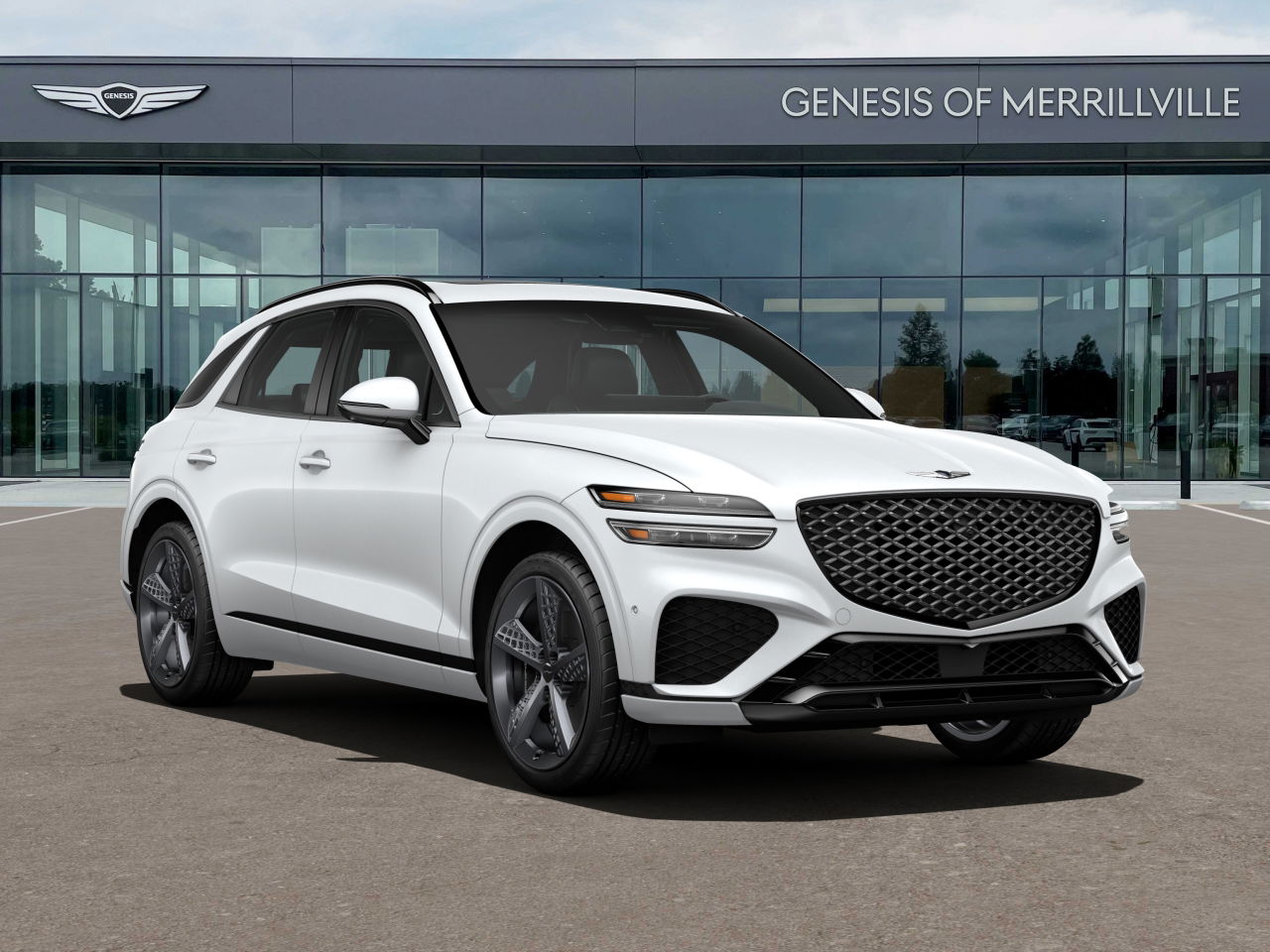
15. 2025 Genesis GV70: Affordable Luxury with Strong Performance
The 2025 Genesis GV70 starts at $45,700, offering a compact luxury SUV experience that rivals higher-priced competitors. Its base 2.5-liter turbocharged inline-four produces 300 horsepower and 311 lb-ft of torque, paired with an 8-speed automatic and standard all-wheel drive, accelerating from 0 to 60 mph in 5.6 seconds.
Opting for the 3.5-liter turbo V6 increases output to 375 horsepower, achieving 0-60 mph in 4.6 seconds, making it one of the quickest in its class.
The GV70 delivers smooth, accessible power and a responsive driving experience. Its adaptive suspension, standard on the V6, adjusts to road conditions, providing a balance of comfort and composure.
While not as sporty as a Porsche Macan, the GV70 handles predictably and intuitively, making it easy to enjoy on twisty roads. The transmission shifts crisply when driving aggressively but remains smooth during everyday commuting.
Front seats are highly adjustable, heated, ventilated, and include a massaging function. Rear seats offer a decent recline, though headroom is somewhat limited. The cabin is quiet, thanks to dual-pane windows, with minimal road noise.
Climate controls are touchscreen-based but remain intuitive, and heated steering adds to the comfort. Installing child safety seats is straightforward, though towing capacity maxes out at 3,500 pounds.
The GV70 features sharp touchscreen graphics and optional 15-speaker Lexicon audio for premium sound. Apple CarPlay and Android Auto are wireless, and Genesis Connected Services allow smartphone control. Storage within the cabin is adequate, with a well-placed wireless charger, center armrest bin, and tandem cupholders.
Rear cargo space measures 28.9 cubic feet, expandable by folding the rear seats. The smart trunk opens automatically based on proximity, offering convenience for loading and unloading. Interior storage is sufficient for daily needs, though not exceptional.
The V6 delivers 20 mpg combined, with real-world testing confirming this figure. The GV70 provides strong value with its feature set, build quality, and Genesis’ five-year/60,000-mile bumper-to-bumper and 10-year/100,000-mile powertrain warranties, unmatched in the segment. Its styling, interior design, and enjoyable driving experience make it a compelling choice for a compact luxury SUV.
These 15 SUVs prove that style, comfort, and performance do not require a high price. From practical daily drivers to sporty crossovers and family-ready three-row SUVs, each model offers features and capabilities that rival costlier alternatives.
Options like the Mazda CX-30 Turbo, Ford Bronco Sport Badlands, and Genesis GV70 demonstrate that value does not mean compromise. For buyers seeking balance between affordability and quality, these SUVs provide luxury, capability, and enjoyment without the hefty price tag.
Also Read: 5 Cars That Families Pass Down Generations vs 5 That Give Up Early