
Car names are meant to inspire excitement, trust, or identity. Some names instantly connect with drivers, becoming icons for generations. But every so often, automakers release models whose names don’t stand the test of time.
What once sounded modern or confident can later appear awkward, ironic, or out of touch. When trends shift and cultures evolve, certain names age poorly, leaving behind confusion, unintended humor, or outdated references.
Naming a car is as much an art as engineering one. Companies often aim for words that convey speed, strength, or aspiration, yet marketing teams sometimes misjudge long-term impact.
A name that fits a specific decade’s energy might lose its appeal decades later. Some even take on unintended meanings as slang, social trends, or cultural sensitivities change.
Cars with names that aged poorly show how perception shapes legacy. A model could be mechanically sound or even innovative, but if its name evokes laughter or discomfort, it’s remembered for the wrong reasons.
From strange translations to bold ideas that simply didn’t resonate, these cars serve as a reminder that branding matters as much as performance.
The following eight cars highlight how missteps in naming can overshadow engineering achievements. Each carried intentions that seemed clever or forward-thinking at the time, yet hindsight shows how easily language, context, and audience expectations evolve.
Whether due to questionable translations, misplaced confidence, or cultural tone-deafness, these names didn’t keep their intended charm.
Let’s take a look at eight cars whose names haven’t aged well models that, despite their technical merits, remind us that a single word can define public perception for decades.
Also Read: 10 Classic Mercedes SUVs That Rarely Break
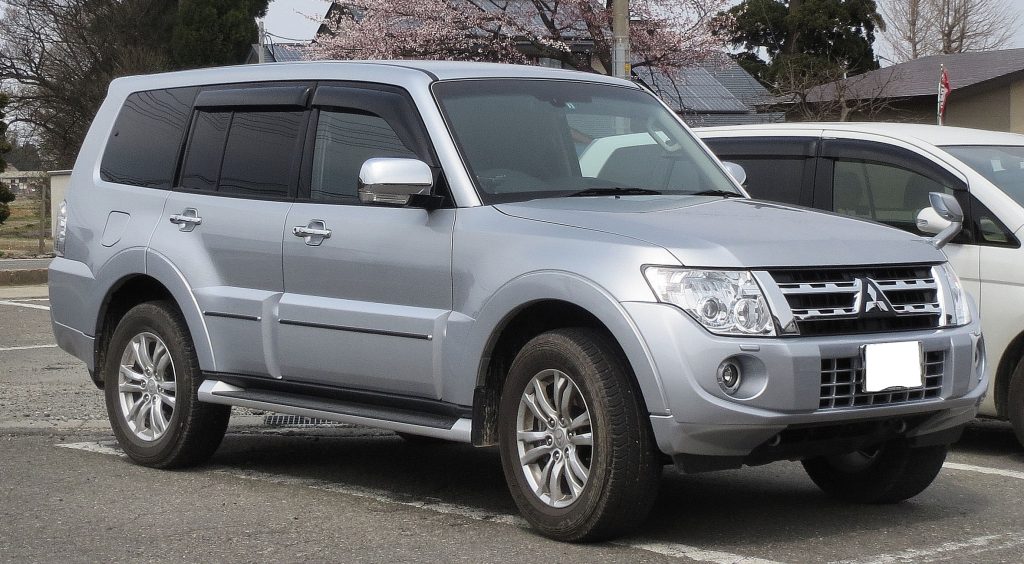
1. Mitsubishi Pajero
The Mitsubishi Pajero remains a strong off-roader, but its name caused unexpected controversy when sold internationally. In Spanish-speaking regions, “Pajero” is slang with an inappropriate connotation, far removed from the vehicle’s rugged image.
Mitsubishi originally named the SUV after the Pampas cat, Leopardus pajeros, native to South America. The intention was to symbolize agility and toughness. However, when global marketing teams began promoting the vehicle in Spanish-speaking markets, the name’s slang meaning essentially a vulgar insult created instant backlash.
To mitigate embarrassment, Mitsubishi rebranded the Pajero as the “Montero” in Latin America and the “Shogun” in the UK. Despite the quick fix, the incident became a classic case study in how a brand name can unintentionally offend an audience.
Ironically, the Pajero itself was one of Mitsubishi’s best products. It competed well with the Toyota Land Cruiser and Nissan Patrol, boasting impressive off-road durability and rally success. Yet outside Japan and non-Spanish markets, its global identity fractured because of the name.
While most buyers judged it by performance, the name lingered as a punchline in marketing circles. Decades later, even newer Mitsubishi SUVs faced jokes referencing the Pajero’s misfortune.
The lesson here isn’t about translation alone but about cultural sensitivity. What seems harmless in one language may carry unintended meaning in another. Mitsubishi learned this the hard way, spending years rebuilding its image abroad.
The Pajero stands as proof that a car’s name can travel faster than the vehicle itself sometimes into trouble.
2. Ford Probe
The Ford Probe of the late 1980s and 1990s was designed to replace the Mustang, positioned as a futuristic sports coupe for a new generation. Yet, despite its sleek shape and decent performance, its name quickly became an unfortunate talking point.
At the time, “Probe” sounded scientific, echoing the excitement around space exploration and technological progress. Ford’s design and marketing teams believed it represented precision and innovation.
However, the term’s medical connotations became impossible to ignore. The name “Probe” soon drew ridicule, turning what was meant to sound modern into something unintentionally awkward.
Mechanically, the car had potential. Built on a Mazda platform, it delivered sharp handling and decent fuel efficiency for its class. It even developed a small following among enthusiasts for its clean design and balance. Unfortunately, jokes about the name spread faster than word of its capabilities.
Ford’s attempt to make “Probe” the future of sporty American coupes backfired. Consumers didn’t connect emotionally with the model, and the idea of replacing the Mustang only worsened the car’s reputation. Despite its merits, the name became a hurdle the product couldn’t overcome.
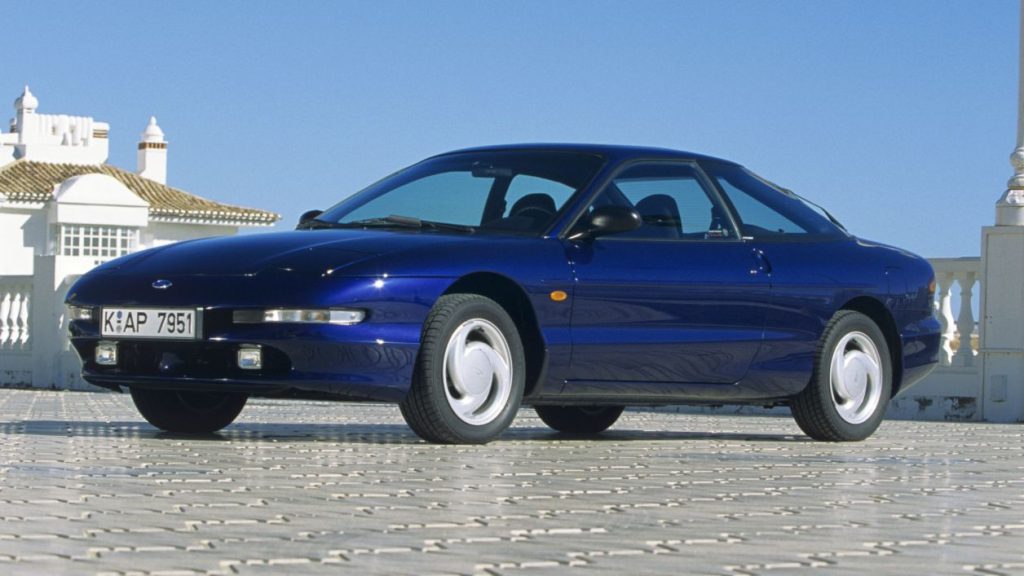
Years later, the Ford Probe remains a reminder that futuristic names can age awkwardly when they lack emotional warmth.
The problem wasn’t that the name was offensive, but that it felt cold and clinical. For a performance-oriented car meant to inspire passion, “Probe” sounded more like lab equipment than a machine for driving excitement.
The Ford Probe’s story shows how language, context, and emotion shape a vehicle’s legacy long after its production ends.
3. Daihatsu Charade
The Daihatsu Charade was introduced in the late 1970s as a small, affordable city car designed to compete globally. It offered practicality, reliability, and efficiency, especially appealing in markets facing rising fuel costs. Yet its name, “Charade,” aged poorly because of how its meaning contrasts with the car’s intent.
“Charade” literally refers to something deceptive or pretended. While Daihatsu meant it as a playful, light-hearted name, many English-speaking buyers found it odd to drive a car whose title implied a kind of fake performance.
The irony became stronger as critics accused early versions of lacking real power or refinement, unintentionally reinforcing the name’s negative tone.
Performance-wise, the Charade wasn’t a bad car. It was one of the first in its class to feature a three-cylinder engine, offering good mileage and nimble handling for urban driving.
Later turbocharged versions even became competitive in motorsports, proving the car’s engineering credibility. Yet the name’s association with something insincere made it difficult to take seriously in certain markets.
As decades passed, the word “charade” became even more loaded, often used in headlines or jokes about false appearances. In an era when car names like “Civic” and “Corolla” symbolized dependability, “Charade” unintentionally suggested the opposite. It wasn’t offensive, but it didn’t inspire trust either.
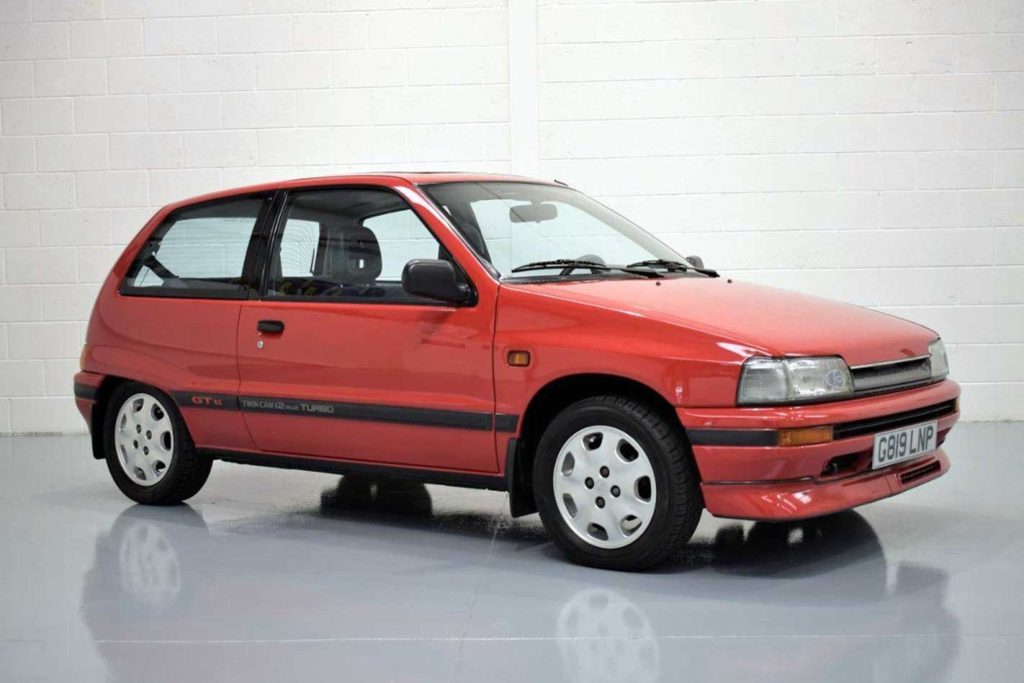
Daihatsu’s global marketing teams faced an uphill task convincing customers that this small hatchback was anything but a “pretend” car. While it gained modest popularity in Asia and Europe, the brand never managed to overcome the name’s baggage in English-speaking countries.
The Daihatsu Charade stands as an example of how tone and semantics matter in branding. Even a solid, practical product can feel undermined by a name that sends mixed messages. Daihatsu’s intentions were harmless, but time proved that cleverness doesn’t always age gracefully.
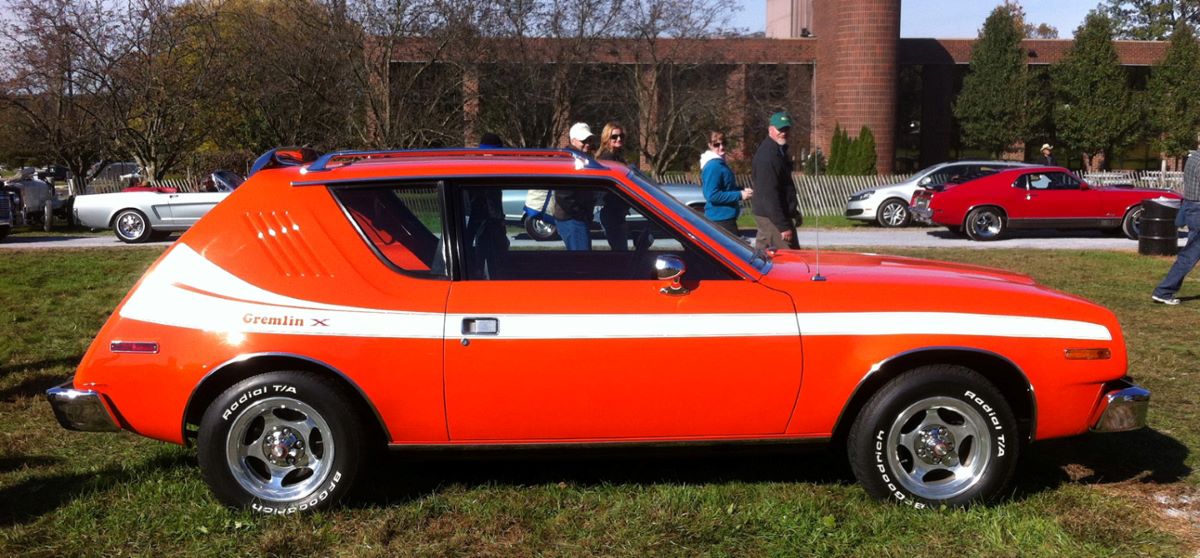
4. AMC Gremlin
The AMC Gremlin launched in 1970 as one of America’s first subcompact cars, arriving just before the fuel crisis. It was quirky, affordable, and designed to appeal to young buyers seeking economy and individuality. Unfortunately, its name became one of the most poorly aging titles in automotive history.
A “gremlin” is a mischievous creature from folklore known for causing mechanical trouble. Naming a car after something that sabotages machines was a strange choice, especially for an automaker already struggling with reliability perceptions. AMC’s marketing team wanted to project fun and uniqueness, but consumers immediately noticed the irony.
The car itself had personality. Its chopped rear end, short wheelbase, and punchy inline-six engine made it stand out.
However, its unusual proportions and reputation for inconsistent build quality reinforced the very idea its name unintentionally suggested: unpredictability. Jokes about “gremlins in the engine” became common, damaging its long-term image.
Despite this, the Gremlin sold reasonably well in its early years. Its price and charm made it accessible to younger buyers, and its styling captured 1970s eccentricity. But as decades passed, the name aged poorly, coming to represent mechanical quirks and questionable decisions in automotive design.
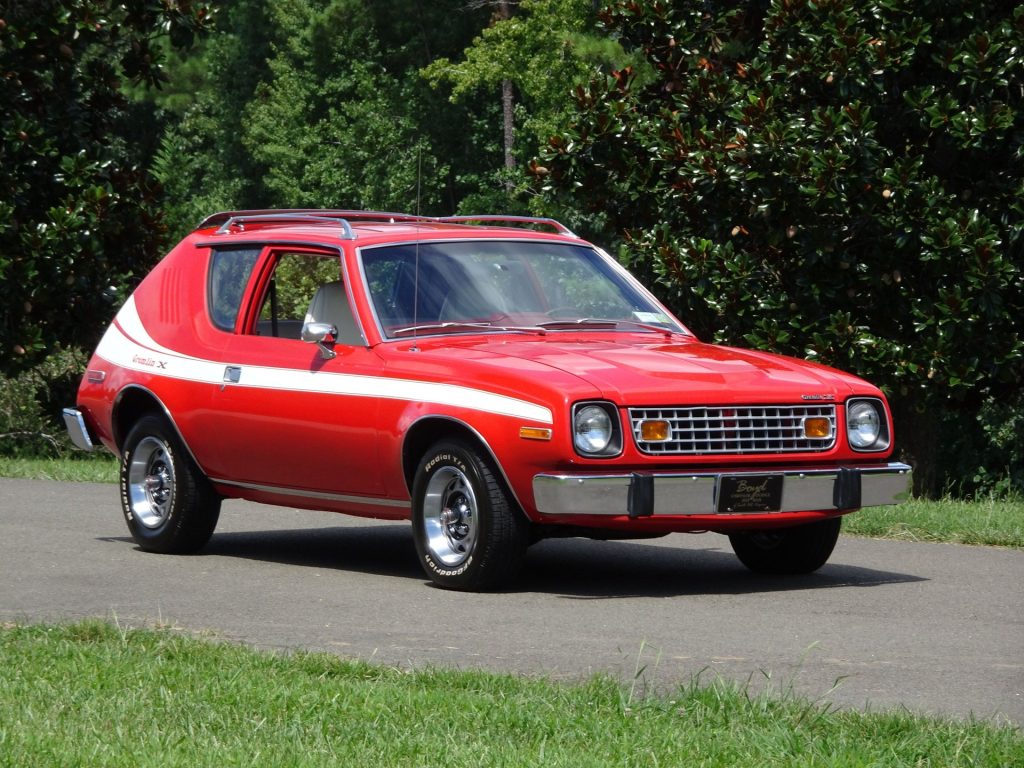
AMC eventually replaced it with the Spirit and later the Eagle, but the Gremlin’s legacy lingered. Even today, its name is cited as a classic example of why linguistic symbolism matters.
The AMC Gremlin might have been a product of its time, but the name doomed it to perpetual punchline status. It showed that even clever marketing can’t overcome a title that invites ridicule.
5. Chevrolet Citation
The Chevrolet Citation debuted in 1980 with ambitious goals. It was General Motors’ first front-wheel-drive compact car, intended to signal modern engineering and efficiency. Unfortunately, its name quickly turned against it, and time hasn’t been kind to how it sounds today.
The word “citation” generally refers to a legal notice or ticket, especially for traffic violations. That alone created a strange contradiction a car sharing its name with something drivers actively try to avoid.
At launch, the name was meant to imply recognition or an “award,” suggesting excellence and innovation. But as the model’s reliability issues became apparent, the irony became difficult to ignore.
The Citation initially sold well, thanks to strong anticipation and GM’s promotional campaign. Early reviews praised its handling and space efficiency. However, within a few years, reports of quality problems, brake failures, and inconsistent performance emerged. Consumers started making jokes about receiving a “Citation” from Chevrolet in more ways than one.
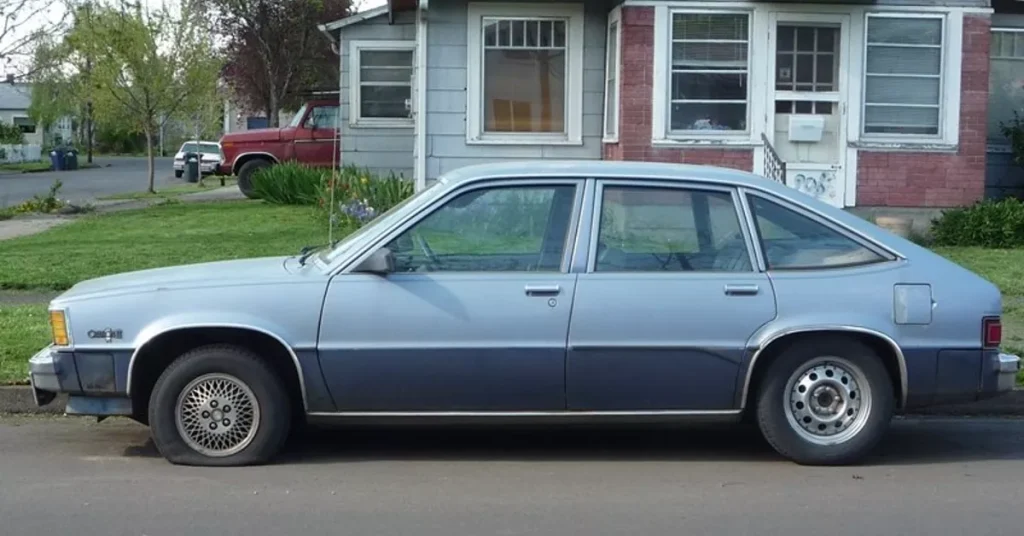
This mismatch between marketing intent and real-world perception caused long-term brand damage. A name that might have been perceived as authoritative or sophisticated ended up sounding like punishment.
It also didn’t help that competing models, like the Ford Escort and Honda Accord, carried names evoking reliability and connection rather than reprimand.
Even today, the name “Citation” feels outdated and tone-deaf. It’s hard to imagine any modern automaker choosing a title associated with fines or court summons. Chevrolet quietly retired the nameplate after the 1985 model year, replacing it with designs that avoided such linguistic pitfalls.
The Chevrolet Citation remains a lesson in unintended consequences. When a name carries dual meanings, public perception usually decides which one sticks. In this case, the association with tickets and trouble lasted far longer than Chevrolet ever expected.
6. Isuzu Mysterious Utility Wizard
The Isuzu Mysterious Utility Wizard, or MU Wizard, might hold the record for the most confusing vehicle name ever created.
Released in the early 1990s, this SUV shared much of its engineering with the Isuzu Rodeo, a well-regarded compact off-roader. Yet, its full name became a running joke among enthusiasts and critics alike.
The “Mysterious Utility Wizard” title seemed to come straight from a fantasy novel rather than an SUV brochure.
Isuzu likely wanted something that sounded magical and adventurous to stand out from competitors like Toyota and Nissan. However, what might have sounded creative in Japan didn’t translate well internationally.
Outside its home market, the name felt clumsy and difficult to take seriously. “Mysterious Utility Wizard” raised questions rather than inspiring confidence. What was mysterious about it? Who was the wizard? The awkward phrasing made it sound like a parody rather than a serious product.
To avoid embarrassment abroad, Isuzu dropped the name in most export markets, rebadging the model as the “Rodeo” in North America and the “Frontier” in parts of Asia. Despite this, the original Japanese name became an internet legend, often appearing in lists of bizarre automotive branding choices.
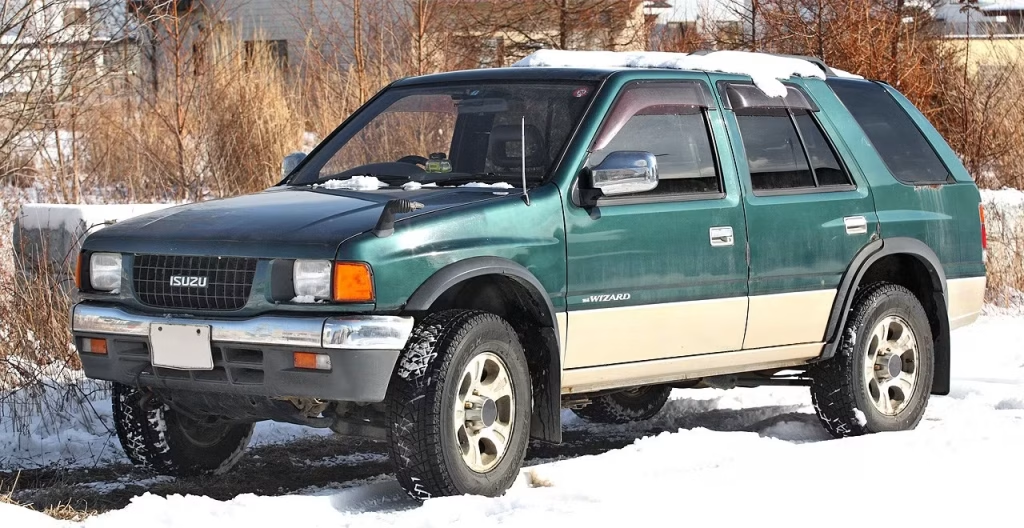
Underneath the odd label, the MU Wizard was actually a solid SUV. It offered dependable off-road ability, a robust frame, and decent comfort for its time. But no matter how capable it was, its name always distracted from its performance.
In hindsight, the MU Wizard highlights how cultural and linguistic translation can make or break a brand’s image. What works as quirky at home may sound comical abroad. Isuzu’s creative risk backfired, turning what could have been a respected global nameplate into a punchline.
It remains a reminder that not every bold naming idea should make it past the planning board.
7. Studebaker Dictator
The Studebaker Dictator, produced from 1927 to 1937, represents one of the most striking examples of a name aging disastrously.
When it was first introduced, the term “dictator” didn’t carry the heavy political baggage it does today. Studebaker intended the name to convey authority, control, and precision the idea that this car “dictated” the standard for performance and quality.
At the time, that choice seemed reasonable. The Dictator was a stylish and well-built sedan, offering advanced engineering for its price range.
It featured smooth six-cylinder engines and elegant styling, and it competed favorably against rival brands. The name aligned with Studebaker’s marketing tone, which emphasized leadership and power.
But as the 1930s progressed, global events changed everything. The rise of authoritarian leaders in Europe gave the word “dictator” dark and violent undertones. Suddenly, what once sounded commanding became politically charged and deeply inappropriate.
Studebaker tried to manage the growing discomfort around the name by rebranding the car in export markets, calling it the “Commander” instead. Eventually, by 1937, the company retired the Dictator badge entirely.
Unfortunately, the damage was already done. Even decades later, the name still stands out as one of the most ill-fated branding decisions in automotive history.
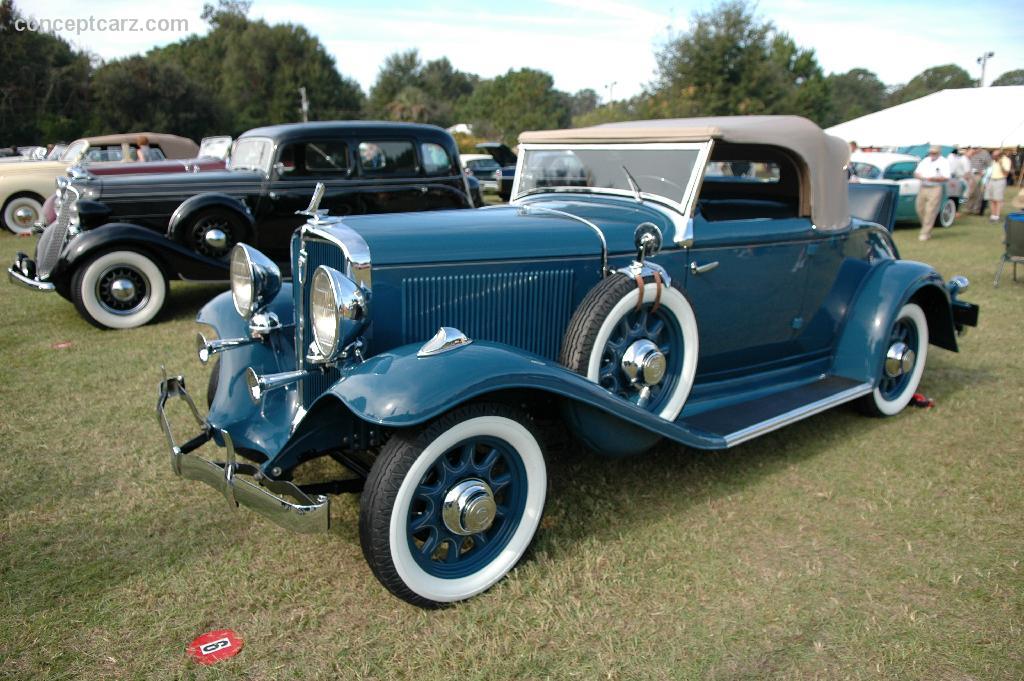
The irony is that the Studebaker Dictator itself was an excellent car for its time. Owners praised its comfort, craftsmanship, and value. But the name overshadowed every other aspect, especially as world politics evolved. What was once meant as a symbol of excellence became an emblem of insensitivity.
Today, the Dictator serves as a powerful reminder of how language can shift over time. A name that feels strong in one era may become unacceptable in another, proving that even the best products can’t outrun cultural change.
8. Dodge Swinger
The Dodge Swinger is a case where a name that once sounded carefree later developed connotations that made it difficult to take seriously.
Introduced in the late 1960s as a trim level of the Dodge Dart, the Swinger was originally meant to represent youth, freedom, and fun. It fit perfectly within the advertising tone of the time casual, confident, and upbeat.
In its era, “Swinger” referred to someone who enjoyed music, dancing, and an active social life. It aligned with the vibrant energy of the late 1960s and early 1970s.
The Dart Swinger was compact, affordable, and offered V8 performance that appealed to younger drivers. It was sporty without being excessive, and the name was intended to attract that energetic crowd.
However, by the 1980s, the cultural meaning of “swinger” had shifted. The term became heavily associated with partner-swapping and adult lifestyles, transforming the once lighthearted name into something risqué. What was once fun and youthful became awkward and suggestive.
As Dodge’s brand evolved, the Swinger name disappeared from showrooms. When nostalgia brought back vintage advertising materials, modern audiences couldn’t help but chuckle. The name, once innocent, now sounded comically inappropriate.
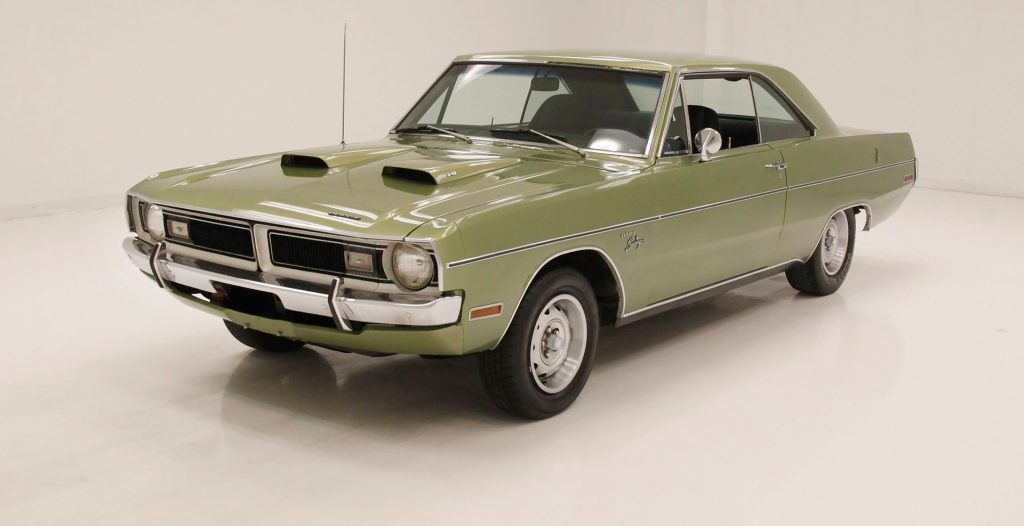
Despite this, the Dart Swinger remains appreciated by collectors for its straightforward mechanics and nostalgic charm. The car itself wasn’t controversial only its name. Its performance and styling captured the spirit of late-’60s muscle-lite motoring, making it a genuinely enjoyable model of its time.
Still, the Dodge Swinger illustrates how quickly language and culture can outgrow even well-intentioned branding. What starts as cool and carefree can become unintentionally comic as times change.
Car names are more than labels they shape how we perceive and remember vehicles. A name can inspire confidence or invite ridicule, and the eight examples above reveal how time and culture can turn a clever choice into a liability.
The Mitsubishi Pajero and Ford Probe highlight the dangers of linguistic misunderstanding. Pajero, named after a South American cat, became notorious for its unintended vulgar meaning in Spanish-speaking countries.
Ford’s Probe, meant to sound futuristic, ended up sounding clinical and awkward. Both show how intentions can’t always protect brands from unintended humor.
Daihatsu’s Charade and AMC’s Gremlin demonstrate how irony can undermine credibility. The Charade’s name clashed with its practical design, while the Gremlin invited mechanical jokes that aligned too closely with its early reliability issues. In both cases, the names unintentionally reinforced negative perceptions.
The Chevrolet Citation and Isuzu Mysterious Utility Wizard show how names can become victims of tone and translation.
Citation sounded like punishment rather than praise, while Isuzu’s MU Wizard was so bizarre that it overshadowed a competent vehicle. These names remind automakers that clarity and simplicity matter more than forced creativity.
Studebaker’s Dictator serves as a cautionary tale about how meaning can evolve. What once sounded powerful and authoritative became unacceptable due to historical events. The name aged from strong to insensitive within a decade, proving that cultural awareness must guide branding decisions.
Finally, the Dodge Swinger illustrates how shifting social values can change a word’s tone entirely. Once synonymous with youthful energy, “Swinger” eventually carried adult-themed connotations, making it impossible to use again without irony.
What unites all these cases is the unpredictability of language. A name that feels timeless at launch can quickly feel tone-deaf as society evolves. Successful car names like “Civic,” “Accord,” or “Mustang” endure because they connect emotionally without depending on trends or slang.
Automakers learned valuable lessons from these missteps. Today, global marketing teams vet potential names across languages and cultures before launch. What once relied on local instincts now involves linguistic experts, focus groups, and legal reviews to ensure lasting appeal.
Still, even with all that preparation, naming remains risky. As these eight examples show, once a name hits the public, its meaning belongs to the audience, not the brand. The past proves that even great cars can carry titles that age poorly and once that perception sets in, it’s nearly impossible to reverse.
These stories serve as entertaining yet instructive reminders of how language, humor, and culture evolve. They prove that the automotive world doesn’t just build machines it builds symbols. And those symbols live or die not just by performance, but by the power of a single word.
Also Read: 10 Used Trucks That Still Have 100k Miles of Life Left
