
Modern cars come with an ever-growing list of new technologies. Some are flashy gimmicks, while others genuinely improve driving, safety, and convenience.
This article focuses on features that actually make sense innovations that provide clear benefits to drivers and passengers, enhancing the overall experience without unnecessary complexity.
The right feature can make a noticeable difference. Whether it improves comfort, helps with everyday tasks, or enhances safety, a well-designed system adds value. Drivers increasingly want technology that is practical, intuitive, and easy to use, rather than features that exist only to impress on paper.
Advanced driver-assistance systems are now common, but not all are created equal. Features like automatic emergency braking or adaptive cruise control actively prevent accidents and reduce stress during long drives. Infotainment and connectivity features, when designed thoughtfully, improve convenience without causing distraction.
Other innovations focus on efficiency and usability. Smart climate controls, digital key systems, and wireless charging simplify life inside the car. Safety improvements, such as blind-spot monitoring and 360-degree cameras, provide peace of mind in busy traffic and tight parking spaces.
This article highlights twelve new car features that actually make sense. Each one has been chosen because it improves a real aspect of driving or ownership. The goal is to help readers understand which modern technologies are worth considering, whether buying a new car or evaluating upgrades.
By focusing on practical, intelligent innovations, these features demonstrate how technology can enhance driving without unnecessary complication. From safety and convenience to comfort and efficiency, these systems show that thoughtful design can make a tangible difference for anyone behind the wheel.
Also Read: 12 Trucks That Survive Generational Workloads
1. Adaptive Cruise Control
Adaptive cruise control is a modern upgrade to the traditional cruise control system. Instead of maintaining a fixed speed, it adjusts the car’s speed automatically to match traffic conditions. This helps reduce driver fatigue during long drives and improves overall safety on highways.
The system uses radar or cameras to monitor the distance between your vehicle and the one ahead. If the car in front slows down, adaptive cruise control reduces your speed accordingly. When the lane clears, the car accelerates back to the preset speed. This allows the driver to maintain a steady pace without constantly using the brakes or accelerator.
One of the main benefits is reduced stress during traffic. Long highway trips can be exhausting due to constant speed adjustments, but adaptive cruise control handles that work. It ensures safe following distances, which can prevent rear-end collisions caused by inattention or misjudgment.
Many systems also integrate stop-and-go functionality. This feature is especially useful in heavy traffic, as the car can come to a complete stop and resume driving without the driver touching the pedals. It makes congested driving much less tiring while keeping safety in check.
Another advantage is fuel efficiency. By maintaining smoother acceleration and braking patterns, adaptive cruise control reduces unnecessary speed fluctuations. This leads to slightly better fuel economy over long trips compared to constant manual adjustments.
Adaptive cruise control also pairs well with lane-keeping assist. When combined, it provides a semi-autonomous driving experience on highways. The car can help maintain lane position while adjusting speed automatically, creating a more relaxed and controlled drive.
This feature is no longer exclusive to luxury cars. Many mid-range vehicles now offer adaptive cruise control as part of driver-assistance packages. Its practicality, ease of use, and measurable safety benefits make it a feature that genuinely improves daily driving, rather than being just a gimmick.
For anyone who drives frequently on highways or experiences stop-and-go traffic, adaptive cruise control is one of the most useful innovations in recent years. It blends convenience and safety, proving that some new car technologies have a clear, meaningful purpose.
2. Blind-Spot Monitoring
Blind-spot monitoring is a safety feature that helps drivers avoid collisions during lane changes. Traditional mirrors provide a limited view, and drivers often misjudge nearby vehicles. This system alerts the driver when another vehicle is in the blind spot, reducing the risk of side collisions.
Most blind-spot monitoring systems use radar sensors mounted on the rear corners of the car. When a vehicle enters the monitored area, the system provides visual or auditory alerts. Some cars include a warning light on the side mirrors, while others may vibrate the steering wheel or issue a soft beep to catch the driver’s attention.
This feature is especially helpful in heavy traffic or on highways. Drivers frequently need to switch lanes quickly, and blind-spot monitoring provides an extra layer of awareness. It compensates for human limitations, ensuring a safer lane change even if the driver is momentarily distracted.
Blind-spot monitoring also integrates well with other technologies. For example, many systems work with lane-change assist, preventing the car from moving into a lane where another vehicle is detected. This adds a proactive level of protection beyond simple alerts.
Another benefit is peace of mind. Drivers no longer have to twist their heads repeatedly to check blind spots, which can reduce fatigue during long drives. This makes everyday commuting safer and less stressful, especially for less experienced drivers.
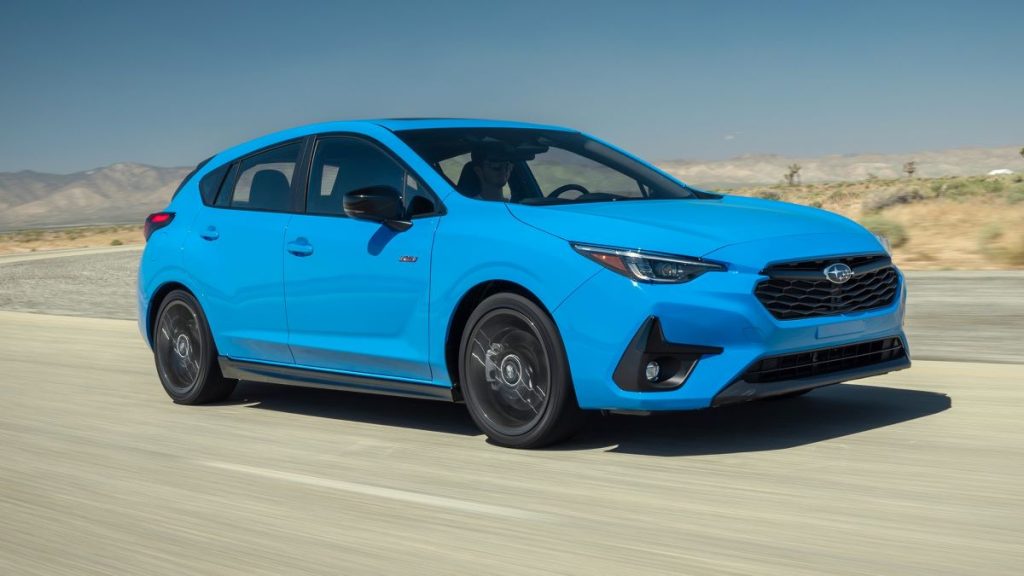
Blind-spot monitoring is not limited to expensive vehicles. Many modern cars, including compact sedans and SUVs, now offer this feature either standard or in optional safety packages. Its affordability and practicality make it one of the most sensible technologies in recent automotive innovation.
By providing real-time feedback and enhancing situational awareness, blind-spot monitoring demonstrates how technology can directly improve safety. It addresses a common driving hazard effectively and shows that not all new car features are gimmicks some genuinely make sense.
3. Automatic Emergency Braking
Automatic emergency braking (AEB) is a safety feature designed to prevent or reduce the severity of collisions. The system uses sensors, cameras, or radar to detect vehicles or obstacles ahead. If a potential collision is detected, it can automatically apply the brakes to avoid impact or reduce speed.
The primary advantage of AEB is accident prevention. Many collisions occur due to delayed reaction times, distracted driving, or misjudged stopping distances. AEB provides a safety net by reacting faster than a human can in critical situations, often preventing accidents that could cause injury or property damage.
Some systems are designed to work in urban environments, where sudden stops are common. For example, if the car ahead brakes abruptly in traffic, AEB can engage automatically, reducing the risk of rear-end collisions. This functionality is particularly helpful in stop-and-go city traffic, where human reaction time may not be enough.
AEB is often integrated with forward-collision warning. Drivers receive an alert before the system intervenes, giving them the opportunity to act. If the driver fails to respond, the brakes are applied automatically. This dual-layer approach combines human decision-making with technological assistance for maximum safety.
Another benefit is enhanced pedestrian and cyclist safety. Many modern systems can detect pedestrians or cyclists in the car’s path, automatically braking if a collision is imminent. This feature significantly reduces the risk of accidents in populated areas, adding practical value beyond vehicle-to-vehicle safety.
Automatic emergency braking also has long-term financial advantages. Reducing collisions helps prevent costly repairs, insurance claims, and potential liability. By decreasing accident frequency, AEB can indirectly lead to lower insurance premiums for vehicles equipped with it.
The feature is now widely available in mid-range and premium vehicles, demonstrating its practicality and effectiveness. It is not a gimmick or unnecessary technology it directly improves safety for drivers, passengers, and others on the road.
Incorporating AEB into your vehicle provides confidence and peace of mind. Knowing that your car can intervene in critical situations reduces stress during driving. It is one of the most sensible automotive innovations of recent years, combining technology and safety in a way that benefits everyone.
4. Lane-Keeping Assist
Lane-keeping assist (LKA) is a feature designed to help drivers maintain their lane position and prevent unintentional drifting. Using cameras mounted near the windshield, the system monitors lane markings and provides corrective steering inputs when the car begins to drift without signaling.
The main benefit of LKA is reducing accidents caused by inattention. Even attentive drivers may drift due to fatigue or distraction, especially on long highway drives. Lane-keeping assist acts as an extra set of eyes, keeping the vehicle safely centered within its lane.
Some systems provide subtle steering corrections, nudging the car back into the lane without requiring driver input. Others combine visual, auditory, or haptic alerts to make the driver aware of the drift before intervening. This layered approach helps drivers maintain control while still staying engaged.
LKA is particularly helpful in heavy traffic or during monotonous highway driving. On long trips, small lapses in attention can result in lane deviation. By reducing the risk of drift-related accidents, LKA improves safety and decreases driver stress.
The system often works in conjunction with adaptive cruise control. Together, they provide a semi-autonomous driving experience, maintaining both speed and lane position. This combination reduces fatigue while enhancing safety, especially on long highway stretches.
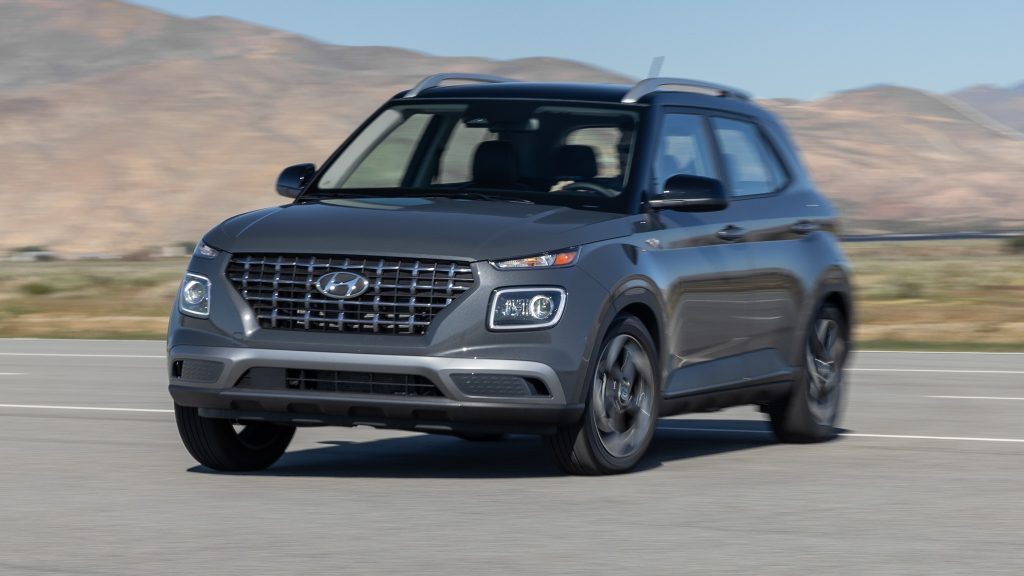
Modern vehicles offer lane-keeping assist in a wide range of models, from compact sedans to SUVs. Its practicality and low distraction make it a technology that genuinely improves everyday driving rather than serving as a gimmick.
Lane-keeping assist also complements other safety systems like blind-spot monitoring and collision avoidance. When used together, these features create a safer driving environment by addressing multiple potential hazards simultaneously.
Overall, LKA demonstrates how simple, well-executed technology can provide real-world benefits. It helps prevent accidents, supports driver awareness, and makes highway driving less stressful, proving that not all new car features are unnecessary extras.
5. Rear Cross-Traffic Alert
Rear cross-traffic alert is a safety feature that helps drivers avoid collisions when backing out of parking spaces. Many accidents occur because drivers cannot see approaching vehicles or pedestrians. This system uses radar sensors to detect movement behind the car and warns the driver of potential hazards.
The system typically provides audible warnings, visual alerts on the dashboard or side mirrors, and sometimes haptic feedback like steering wheel vibrations. These alerts give the driver extra time to react, preventing accidents that might occur from vehicles approaching from the sides.
This feature is particularly useful in crowded parking lots or tight spaces. When reversing, it can be challenging to spot fast-moving vehicles or small obstacles, especially if your view is blocked by larger cars. Rear cross-traffic alert enhances awareness without requiring the driver to constantly turn their head.
Many systems also integrate with automatic braking. If the driver does not respond to an alert and a collision is imminent, the car can apply the brakes automatically. This additional layer of protection reduces the severity of accidents or prevents them entirely.
Rear cross-traffic alert is beneficial for new and experienced drivers alike. Even seasoned drivers can miss approaching vehicles in busy parking areas. By providing consistent and reliable detection, it increases confidence and reduces the stress associated with reversing.
The feature is now available on a wide range of vehicles, including sedans, SUVs, and compact cars. It does not require complicated setup or ongoing maintenance, making it a practical, user-friendly addition.
Overall, rear cross-traffic alert demonstrates how technology can address a common safety challenge. It reduces blind spots, prevents low-speed collisions, and protects both drivers and pedestrians. By combining convenience with safety, this feature proves its real-world value and practicality in modern vehicles.
6. Digital Key / Smartphone Integration
Digital keys and smartphone integration allow drivers to lock, unlock, and start their vehicles using a smartphone or smartwatch. This replaces traditional key fobs and provides added convenience, security, and flexibility.
One major advantage is ease of access. Drivers no longer need to carry a physical key, reducing the chances of losing it or forgetting it at home. Digital keys also enable remote vehicle access, which is helpful for car-sharing, lending a vehicle to family members, or valet parking.
Security is another benefit. Digital keys often use encrypted communication and biometric authentication, such as fingerprint or facial recognition. This reduces the risk of unauthorized access, making it safer than traditional key systems.
Some digital key systems allow temporary or restricted access. Owners can send a digital key to another person with time limits or speed restrictions. This feature is practical for families, ride-sharing, or lending a car without handing over a physical key.
Integration with smartphone apps often includes additional functionality. Drivers can check fuel levels, lock or unlock doors remotely, start the engine, or even track their vehicle’s location. This adds convenience and peace of mind in daily use.
Digital key systems are increasingly supported by many automakers and are compatible with both Android and iOS devices. They provide a modern, practical solution to vehicle access and security while enhancing the ownership experience.
By reducing reliance on physical keys and adding flexibility, digital key technology simplifies life for drivers. It is a practical innovation that improves convenience, safety, and usability, demonstrating that not all new car features are gimmicks some genuinely make sense.
7. Wireless Charging
Wireless charging is a feature that allows drivers to charge smartphones and other devices without plugging in cables. Most systems use a charging pad integrated into the center console or dashboard. This simple setup reduces clutter and makes charging more convenient.
The main advantage is ease of use. Drivers can place their device on the charging pad and immediately begin charging, eliminating the need to find and connect cables. This is especially useful for people who frequently use their phones for navigation, music, or communication while driving.
Wireless charging also reduces wear and tear on charging ports. Repeated plugging and unplugging can damage cables and connectors over time. A dedicated charging pad provides a durable alternative, extending the lifespan of both the device and its accessories.
Many wireless charging systems support fast charging, providing enough power to keep devices functional during daily commutes or road trips. While not as rapid as some wired chargers, the convenience outweighs minor differences in speed for most users.
Wireless charging is also safer during driving. It allows the driver to place the device in a designated spot without fumbling with cords, reducing distractions and keeping attention on the road. The phone remains secure while charging, minimizing movement and potential interference with driving.
Integration with other car systems adds value. Some vehicles display battery status on the infotainment screen, making it easy to monitor charging progress. Certain systems can also pause charging if the device gets too hot, protecting both the phone and the car’s electronics.
Overall, wireless charging is a practical feature that addresses everyday challenges. It simplifies device management, improves safety, and keeps the cabin organized. For modern drivers who rely heavily on smartphones, this feature is a convenient and logical addition to any vehicle.
8. 360-Degree Camera Systems
360-degree camera systems provide a bird’s-eye view of the car and its surroundings. Using multiple cameras placed around the vehicle, the system stitches together images to create a comprehensive top-down view, making parking and low-speed maneuvering easier and safer.
The primary benefit is improved visibility. Many accidents in parking lots or tight spaces occur because drivers cannot see obstacles around the car. A 360-degree camera system eliminates blind spots, allowing drivers to detect objects, pedestrians, and other vehicles that might otherwise go unnoticed.
These systems are particularly useful for parallel parking or navigating narrow spaces. The top-down view gives a clear sense of the car’s position relative to surrounding objects, reducing the risk of collisions. Drivers can adjust their steering more precisely, making even tight maneuvers stress-free.
Many systems provide dynamic guidance lines that turn with the steering wheel. This feature helps drivers judge angles and distances accurately, further enhancing control and confidence while reversing or parking.
360-degree cameras also integrate with parking sensors and alerts. If an object is detected near the car, visual and audio warnings notify the driver, adding an extra layer of protection. This combination of technology makes it easier to avoid minor accidents and costly repairs.
The feature is now common in SUVs, sedans, and crossovers, proving its practicality across various vehicle types. It addresses a real problem, helping drivers operate safely in situations that are traditionally challenging.
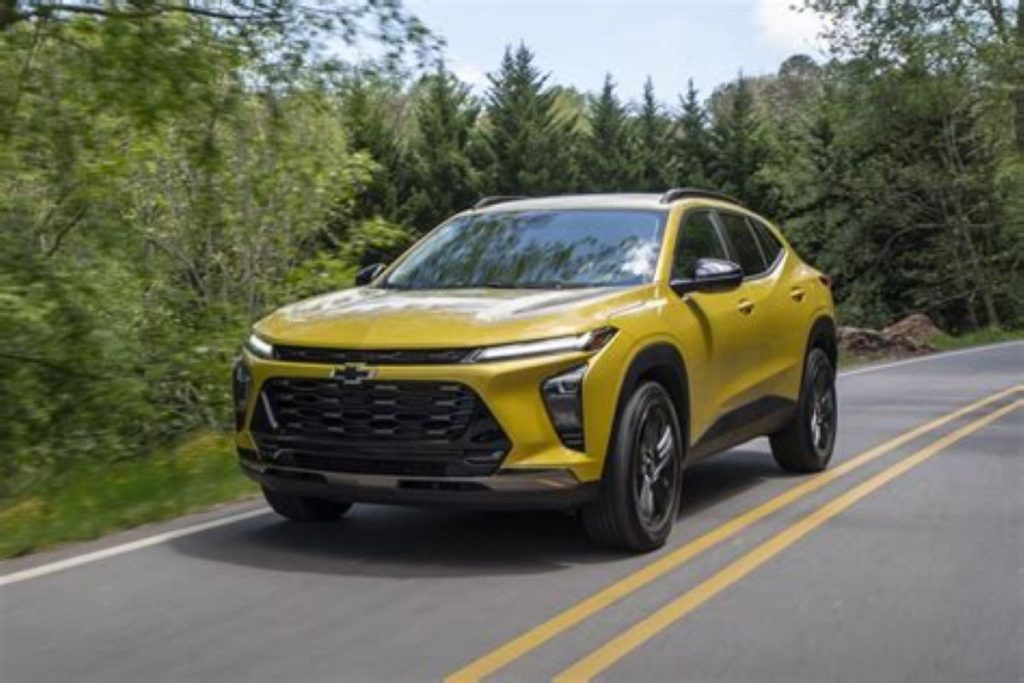
By improving awareness and reducing blind spots, 360-degree camera systems enhance safety and convenience. They demonstrate that some new car technologies genuinely improve the driving experience, rather than existing purely for show.
9. Traffic Sign Recognition
Traffic sign recognition (TSR) is a feature that uses cameras to detect and interpret road signs such as speed limits, stop signs, and no-entry zones. The system then displays this information on the dashboard or head-up display, helping drivers stay informed and compliant with traffic rules.
One of the main advantages of TSR is improved safety. Drivers can miss signs due to distraction, weather conditions, or road complexity. By providing real-time alerts, the system ensures the driver is aware of important information, reducing the risk of speeding or entering restricted areas.
TSR is particularly useful on unfamiliar roads. When driving in new cities or rural areas, it is easy to overlook posted speed limits or changes in traffic regulations. TSR highlights these signs, keeping the driver updated and avoiding potential fines or accidents.
Many systems integrate with adaptive cruise control. For example, when the car detects a reduced speed limit, the adaptive cruise system can adjust the vehicle’s speed automatically, ensuring compliance without manual intervention. This reduces driver workload and helps maintain safe speeds.
TSR also assists during long trips. Fatigue can affect a driver’s awareness of traffic signs, and the system provides a consistent reminder. By offering visual or auditory alerts, it reinforces situational awareness and prevents mistakes caused by tiredness.
The technology is increasingly available in mid-range and premium vehicles. It is easy to use, requires no special setup, and functions seamlessly alongside other driver-assistance features. Its practical benefits make it a technology that genuinely improves daily driving, rather than being a luxury gimmick.
Overall, traffic sign recognition enhances road safety, convenience, and compliance. It empowers drivers to make better decisions, reduces stress, and integrates well with existing vehicle systems. TSR is a clear example of a new car feature that makes sense in real-world driving.
10. Automatic High Beams
Automatic high beams are a feature that adjusts a vehicle’s headlights based on surrounding traffic. Using sensors, the system switches between high and low beams automatically, ensuring optimal illumination without blinding other drivers.
The main benefit of automatic high beams is safety. Nighttime driving can be challenging, and manually switching between high and low beams can be distracting. The system eliminates this concern by adjusting lights automatically, allowing drivers to focus entirely on the road.
Automatic high beams improve visibility. They provide maximum illumination when roads are empty, enhancing the driver’s ability to spot hazards, pedestrians, or wildlife. When other vehicles are detected, the system quickly dims the lights to prevent glare, maintaining courtesy and safety for all road users.
This feature is particularly helpful on poorly lit roads or highways. Drivers can maintain optimal lighting without worrying about constantly adjusting the beam, reducing fatigue and improving reaction times.
Integration with other vehicle systems enhances effectiveness. Some cars combine automatic high beams with forward-facing cameras, adaptive headlights, or cornering lights. This allows for dynamic adjustments based on vehicle speed, steering angle, and surrounding conditions, further improving nighttime driving safety.
Automatic high beams are widely available in modern vehicles. They require no special action from the driver and operate seamlessly, providing consistent lighting and reducing the cognitive load associated with nighttime driving.
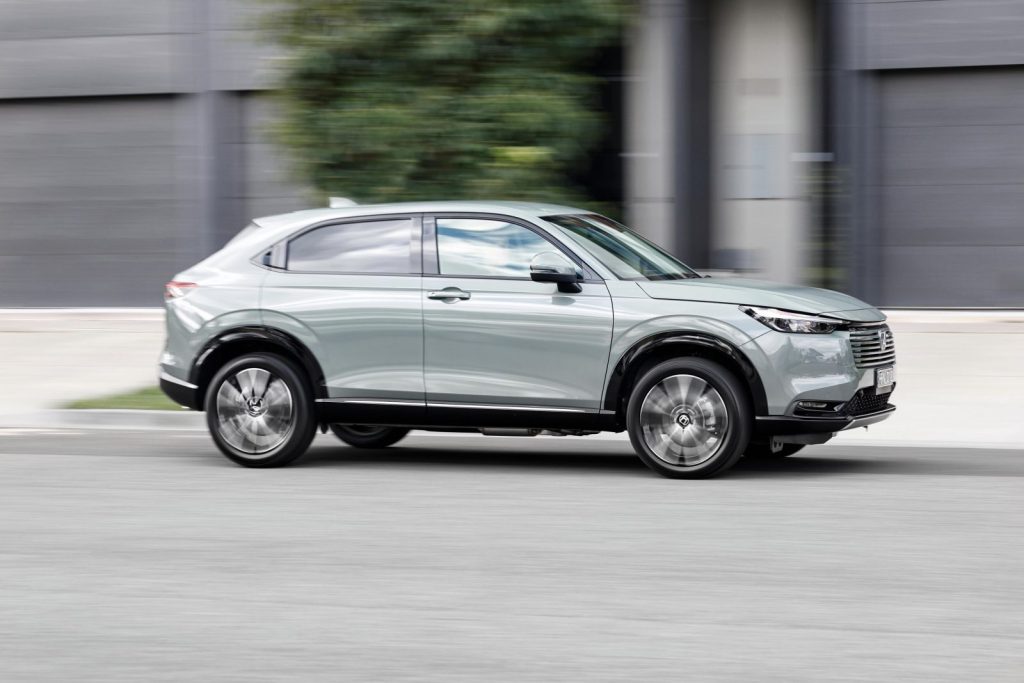
By enhancing visibility, reducing distractions, and improving overall safety, automatic high beams demonstrate a practical and intelligent approach to vehicle technology. They are a clear example of a feature that makes sense, addressing a common driving challenge effectively and unobtrusively.
11. Smart Climate Control
Smart climate control is an advanced system that automatically adjusts a vehicle’s interior temperature based on environmental conditions and passenger preferences. Unlike traditional air conditioning, it uses sensors to monitor sunlight, humidity, and cabin occupancy, delivering a consistent and comfortable experience.
One of the main benefits is convenience. Drivers and passengers no longer need to manually adjust settings to maintain comfort. The system responds dynamically to changes in weather, sunlight intensity, and cabin load, ensuring a balanced temperature throughout the journey.
Smart climate control also improves energy efficiency. By optimizing airflow and temperature settings, it reduces unnecessary energy consumption, which is particularly important for electric and hybrid vehicles. This can lead to slightly extended battery range and lower fuel consumption in conventional vehicles.
The system often allows for individual preferences. Many modern cars have dual or tri-zone climate control, letting the driver, front passenger, and rear passengers set different temperatures. Smart climate control manages these zones efficiently, distributing airflow intelligently to maintain comfort for all occupants.
Another advantage is reduced distractions. Drivers can focus on the road without constantly fiddling with knobs or buttons to achieve the desired temperature.
Some systems can even precondition the cabin before driving, such as cooling it down on a hot day or warming it on a cold morning, further enhancing convenience.
Smart climate control also integrates with seat heaters, ventilated seats, and defogging systems. It can coordinate these features to provide optimal comfort while ensuring visibility and safety. For example, it may increase airflow to the windshield to prevent fogging while maintaining cabin comfort.
Overall, smart climate control is a practical and thoughtful innovation. It addresses everyday driving needs, enhances comfort, and adds efficiency without unnecessary complexity. For anyone spending significant time in their vehicle, it provides a noticeable improvement in the driving experience.
12. Heads-Up Display (HUD)
Heads-up displays project critical information, such as speed, navigation directions, and safety alerts, onto the windshield or a transparent screen in the driver’s line of sight. This allows drivers to access essential data without looking away from the road.
The main advantage of HUDs is safety. By keeping important information within the driver’s natural field of vision, the system reduces distractions and the need to glance at the instrument cluster or infotainment screen. This can prevent accidents caused by momentary inattention.
HUDs improve situational awareness. Many systems display turn-by-turn navigation, speed limits, lane departure warnings, and adaptive cruise control status. Drivers can monitor these details while maintaining focus on traffic conditions, which enhances both convenience and safety.
Some HUDs are customizable. Drivers can choose which information appears, adjust brightness for day or night, and even reposition elements for optimal visibility. This personalization ensures that the display is intuitive and unobtrusive.
Advanced HUDs integrate with driver-assistance systems. For example, they can highlight potential hazards, upcoming curves, or pedestrian crossings. This proactive communication helps drivers make better decisions in real time, particularly in complex traffic situations.
The technology is now available in many mid-range and premium vehicles, demonstrating practicality. HUDs are not a luxury gimmick they provide measurable benefits, improve focus, and reduce cognitive load while driving.
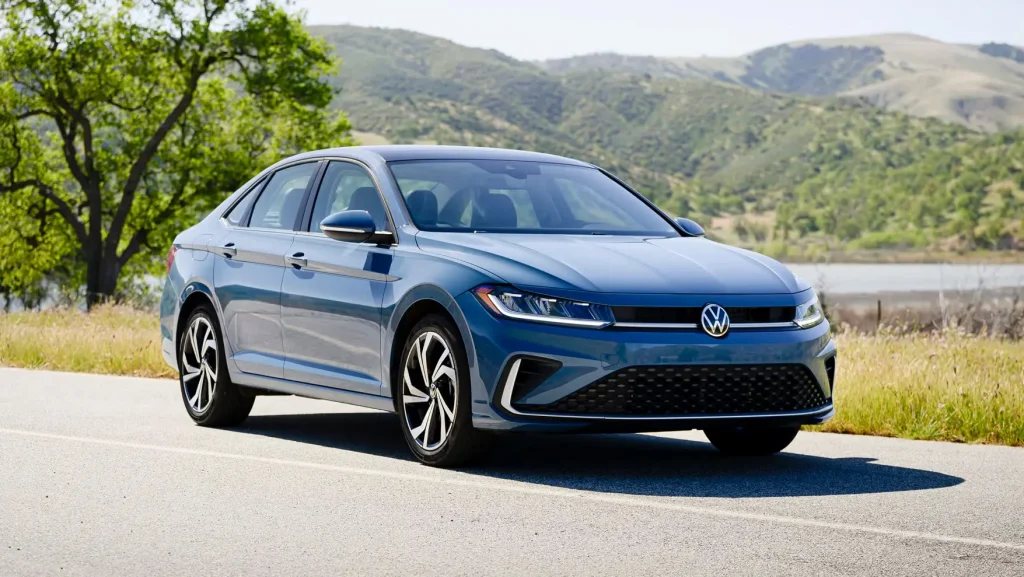
Overall, heads-up displays enhance safety, convenience, and situational awareness. By presenting key information in an accessible, non-intrusive manner, they exemplify how modern technology can genuinely make sense in a vehicle, improving the driving experience for everyone.
Modern vehicles offer a range of technologies, but not all are useful. The twelve features highlighted in this article stand out because they provide clear, practical benefits for drivers and passengers.
Adaptive cruise control and automatic high beams enhance convenience and safety, reducing fatigue during long drives and improving nighttime visibility. Lane-keeping assist, blind-spot monitoring, and rear cross-traffic alert prevent accidents by increasing awareness of the car’s surroundings.
Features like wireless charging, digital keys, and smart climate control simplify daily life inside the vehicle. They reduce distractions, streamline routine tasks, and improve comfort for all occupants.
Traffic sign recognition and 360-degree camera systems further enhance safety by keeping drivers informed and providing a comprehensive view of the vehicle’s environment. Heads-up displays ensure essential information is always visible without taking attention off the road, contributing to safer driving.
Each of these systems demonstrates thoughtful design, focusing on practicality rather than gimmicks. They integrate seamlessly with other vehicle technologies to create a more intuitive, safer, and more enjoyable driving experience.
By understanding and utilizing these features, drivers can benefit from modern innovations that genuinely make sense, improving safety, convenience, and comfort on every journey.
