
Some cars win admiration for beauty, balance, and logic. Then others make people shake their heads and smile at the same time.
Their designs seem mismatched, exaggerated, or completely unnecessary, yet they’ve found a devoted following. These cars prove that emotional connection often matters more than perfect proportions or conventional styling.
Automakers sometimes take bold chances to stand out, and that’s where many of these creations come from. Whether it’s strange headlights, awkward shapes, or curious rooflines, these models defy the rules of design but manage to charm their way into people’s garages.
In many cases, their odd looks have even become their identity. Drivers buy them not in spite of their design quirks but because of them.
There’s a certain honesty in cars that refuse to conform. They reflect personality and creativity, even when the results seem questionable.
Some feel nostalgic, others futuristic, and a few just plain confusing. Yet they all share one thing in common: they stir emotion. People love them for standing out in a world where most cars look nearly identical.
This collection covers ten cars whose design choices leave experts puzzled but fans loyal. They may look mismatched or unconventional, but their uniqueness has made them beloved.
Whether through nostalgia, humor, or genuine charm, these cars remind us that the bond between driver and machine isn’t built on logic alone. It’s about character, individuality, and the joy of liking something that others just don’t understand.
Also Read: 12 Sedans That Will Be Worth a Fortune in 10 Years
1. Pontiac Aztek
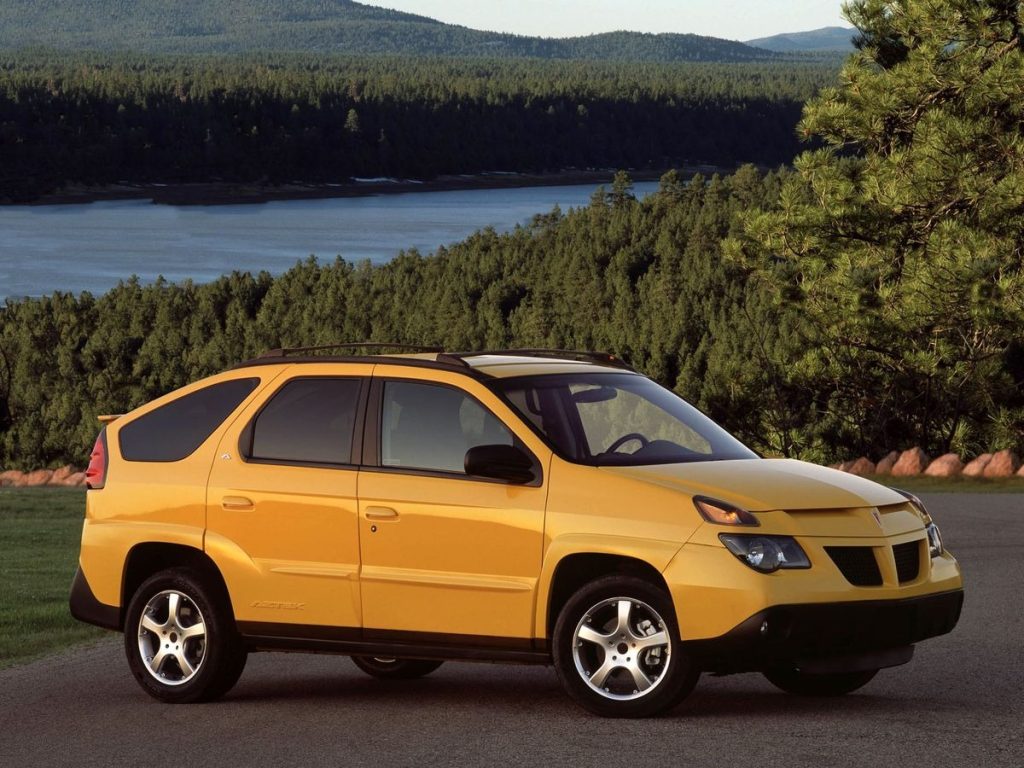
Few cars have faced as much ridicule and later affection as the Pontiac Aztek. When it first appeared in the early 2000s, critics called it awkward, bulky, and confused.
Its mix of sharp lines, strange proportions, and plastic body cladding made it stand out for all the wrong reasons. Yet over time, that very weirdness became part of its charm.
The Aztek looked like it couldn’t decide whether it wanted to be an SUV, a minivan, or a hatchback. The split-level headlights, oversized rear end, and narrow stance gave it a design that felt almost experimental.
Pontiac’s goal was to make something futuristic and adventurous, but the result was more polarizing than planned. Still, it caught attention everywhere it went, which secretly thrilled many of its owners.
Underneath the unconventional shape, the Aztek was actually practical. It offered generous interior space, removable rear seats, and a camping package complete with an inflatable mattress and tent.
For families and outdoor enthusiasts, it provided function that few vehicles of its time could match. The odd exterior masked one of the most useful interiors in the segment.
Over the years, the Aztek’s reputation shifted. What was once mocked became a cult favorite. Pop culture helped too, especially after it appeared in television shows and movies that gave it a quirky, lovable personality.
Owners began to embrace its strange looks as part of its appeal, proudly standing out in traffic.
Today, the Pontiac Aztek represents a different kind of automotive confidence. It’s proof that design doesn’t have to be beautiful to be memorable.
Sometimes, a bold mistake ends up becoming an icon. People love the Aztek not because it’s pretty but because it dared to be completely different.
2. Fiat Multipla
The Fiat Multipla is one of the strangest-looking cars ever to hit the road, yet it has an almost cult-like following in Europe.
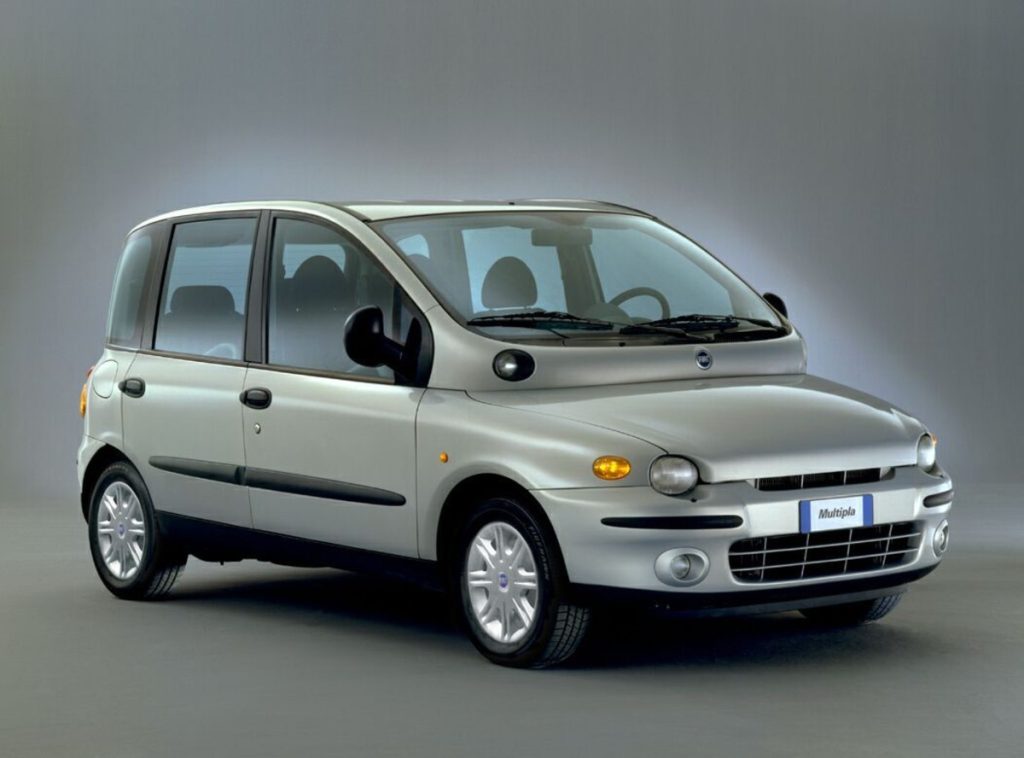
From the moment it launched in the late 1990s, it drew reactions ranging from laughter to disbelief. Its odd two-tiered front design, with a narrow band of headlights above a bulging nose, made it look unlike anything else.
What makes the Multipla so fascinating is how functional it actually is. Fiat designed it to maximize interior space within a compact footprint.
It seats six people in two rows of three, something unheard of in most small cars. The tall roofline and wide cabin give it a feeling of airiness that families appreciate, even if the exterior looks bizarre.
The front end seems to have been designed by two different teams who never met. The upper headlights sit just below the windshield, while the lower pair rests on the bumper.
Combined with the short hood and wide stance, it gives the Multipla a face that’s more cartoonish than automotive. Yet for many, that playfulness adds personality.
Inside, it’s surprisingly clever. The dashboard wraps around the driver, and storage compartments appear in nearly every corner.
Despite its strange shape, visibility is excellent, and the driving position feels commanding. Owners often claim that once you’re behind the wheel, the odd styling fades into the background.
Over time, the Multipla became a symbol of nonconformity. People grew fond of its unapologetic design and the fact that it never tried to look like anything else.
It’s often voted both among the ugliest cars ever made and the most beloved for its practicality. The Fiat Multipla proves that a design can be completely illogical yet earn affection simply by being genuine.
3. Nissan Juke
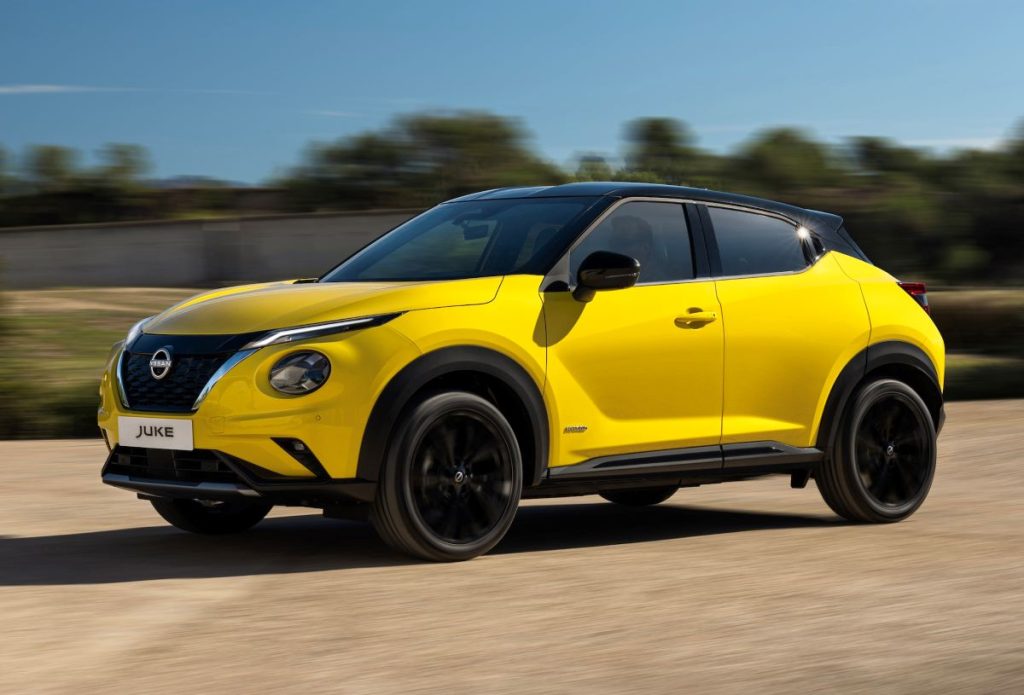
The Nissan Juke is instantly recognizable, thanks to its unusual combination of rounded headlights stacked over narrow indicators and a bulbous body.
When it debuted in 2010, reactions were split: some drivers loved the quirky look, while others called it one of the strangest cars on the road. Its design defied conventional thinking for compact crossovers, yet it quickly developed a loyal following.
Its odd proportions make it appear almost cartoonish, especially the high-mounted front lights and exaggerated fenders.
The compact body tapers in ways that seem unusual, giving it a playful yet aggressive stance. While critics often mocked its styling, fans appreciated the boldness. The Juke’s personality shines through before you even step inside.
Inside, the cabin is surprisingly practical for a small crossover. The dashboard layout is clean, and materials are decent for the segment.
Storage is sufficient, and the higher seating position provides good visibility, which adds to the driving experience. Despite its odd exterior, it functions well for urban driving and short trips.
The Juke’s appeal isn’t just practicality. Its unusual shape creates an emotional connection with owners who want to stand out.
The design has attitude and flair that make it memorable, which is rare in a segment dominated by bland competitors. The higher trims include sporty touches like paddle shifters, leather seats, and infotainment features, reinforcing the car’s unique character.
Over time, the Juke became a statement vehicle. People grew attached to its bold styling and unconventional approach. It’s the type of car that sparks conversation wherever it goes.
Critics may have questioned its aesthetics, but the Juke proved that personality can outweigh conventional beauty. Its success paved the way for other playful, design-forward small crossovers.
Ultimately, the Nissan Juke shows that a car doesn’t need traditional appeal to be loved. Its design may make little sense on paper, but its charm lies in being different and unapologetically expressive. Owners embrace its quirks, making it one of the most talked-about compact SUVs of its time.
4. Toyota Prius (Second Generation)
The second-generation Toyota Prius, launched in 2004, took hybrid design to an unusual place. Its wedge-like shape, high roofline, and split rear windows left many scratching their heads.
While aerodynamics drove much of the styling, the result was a car that looked unconventional and even awkward, yet millions bought it willingly.
The front end is sharp and narrow, while the rear slopes dramatically toward the bumper. The triangular profile and sharply angled tail create a futuristic but polarizing silhouette.
Critics labeled it odd and unattractive, yet the shape became an identifier for hybrid drivers. It was instantly recognizable and impossible to confuse with other sedans on the road.
Inside, the cabin contrasts with the exterior strangeness. It’s roomy, comfortable, and designed with functionality in mind.
The dashboard features a digital instrument cluster in a central position, which felt unusual at first but made sense for visibility and ergonomics. Seating is supportive, and the tall roofline provides ample headroom for passengers.
The Prius design may make little aesthetic sense to some, but it delivers efficiency and practicality. Its shape improves aerodynamics, and its interior space maximizes comfort for a compact footprint. Many owners embraced the styling as a badge of environmental consciousness and individuality.
Over time, the second-generation Prius became a cultural icon. Its odd lines are now celebrated by fans, and the car’s silhouette has become synonymous with hybrids.
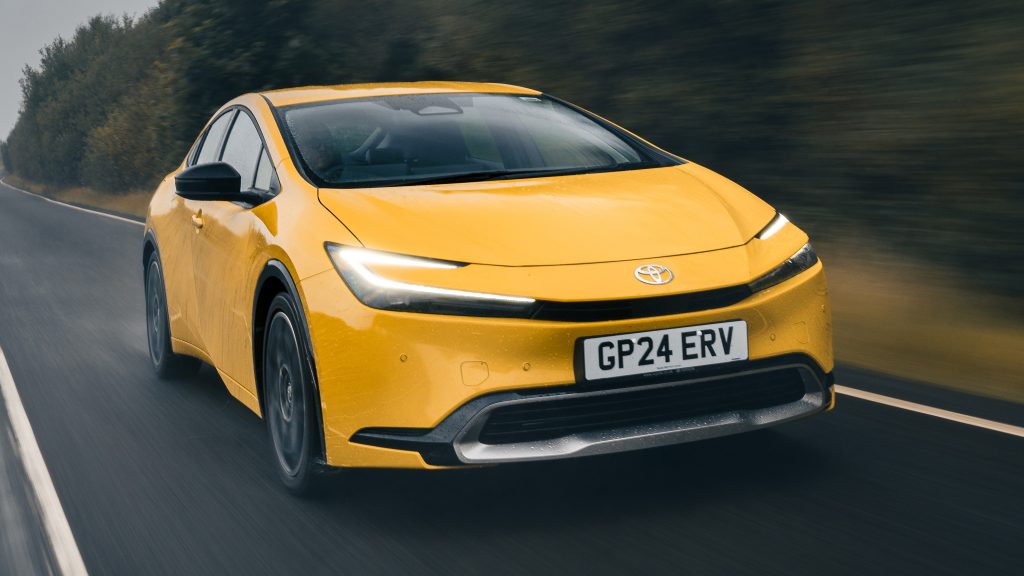
People learned to appreciate its quirks as part of its identity. While it remains divisive in appearance, the Prius demonstrates that unusual design can be a statement rather than a flaw.
The second-generation Prius proves that even if a car’s looks defy expectations, functionality, uniqueness, and emotional appeal can make it beloved.
Its design doesn’t follow conventional rules, yet it earned loyalty through personality, efficiency, and unmistakable character.
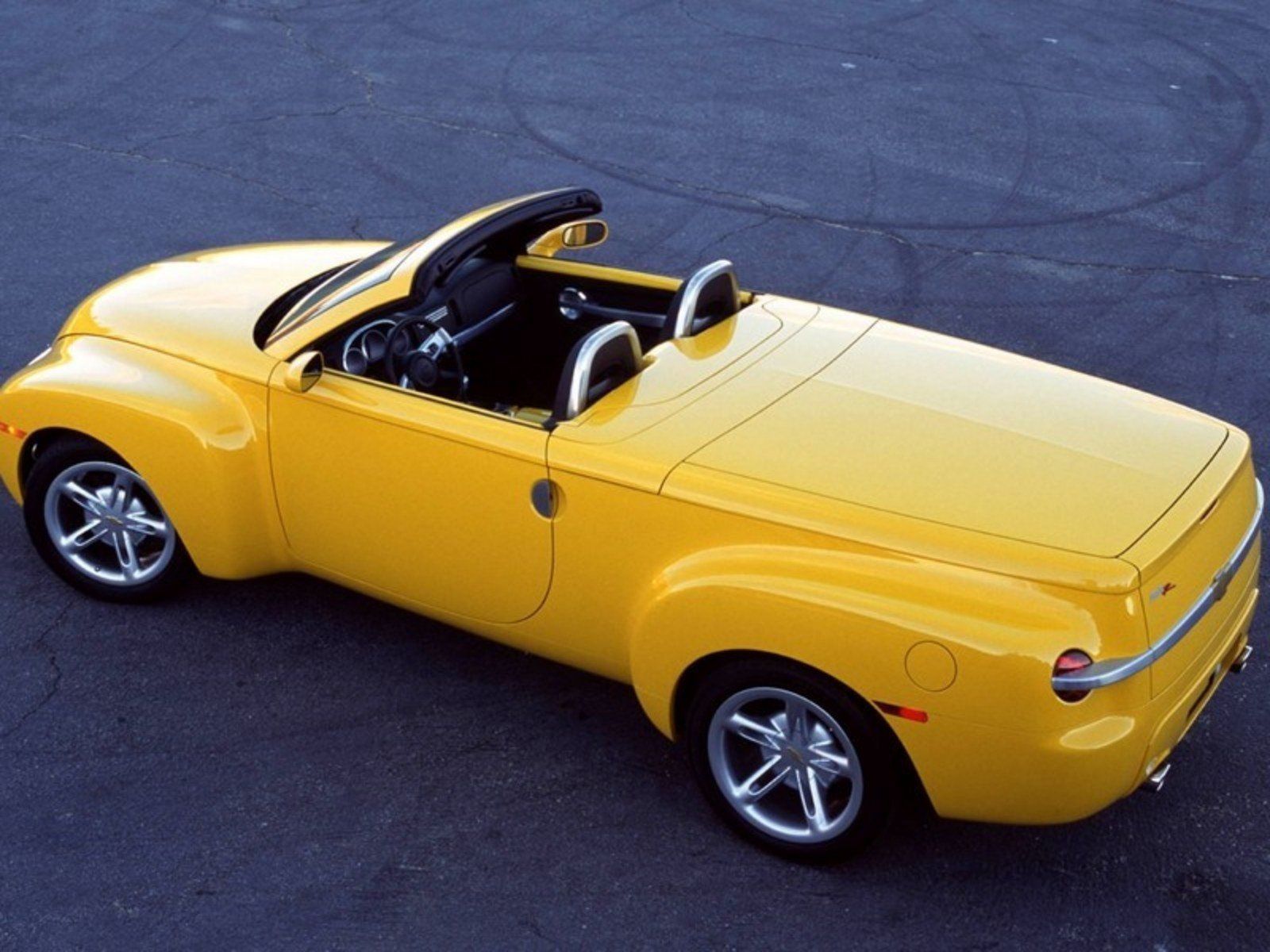
5. Chevrolet SSR
The Chevrolet SSR is a pickup and convertible hybrid that looks like it came from a designer’s daydream. When it was introduced in the early 2000s, few people could make sense of its styling.
The combination of retro curves, a retractable hardtop, and exaggerated wheel arches made it appear almost cartoonish. Despite the odd proportions, it won over enthusiasts who wanted something entirely different.
The front end is rounded and bold, with oversized headlights and a steeply sloping hood. The rear features a pickup bed tucked under a sleek roofline that doesn’t look like any traditional truck. Its stance is wide and aggressive, giving it a presence that’s hard to ignore.
While some critics called it overdone, fans appreciated the playful approach. The SSR doesn’t try to blend in.
Inside, the cabin offers surprisingly refined touches for a vehicle with such wild exterior design.
Seats are supportive and upholstered in leather, while the dashboard layout is simple and driver-friendly. Even though the car is small for a truck, the driving position is comfortable, and visibility is adequate for most situations.
The SSR’s appeal comes as much from its personality as its function. The retractable hardtop allows drivers to enjoy open-air cruising, while the unusual proportions and retro styling create a memorable identity. It stands as a car for those who want to make a statement rather than conform to expectations.
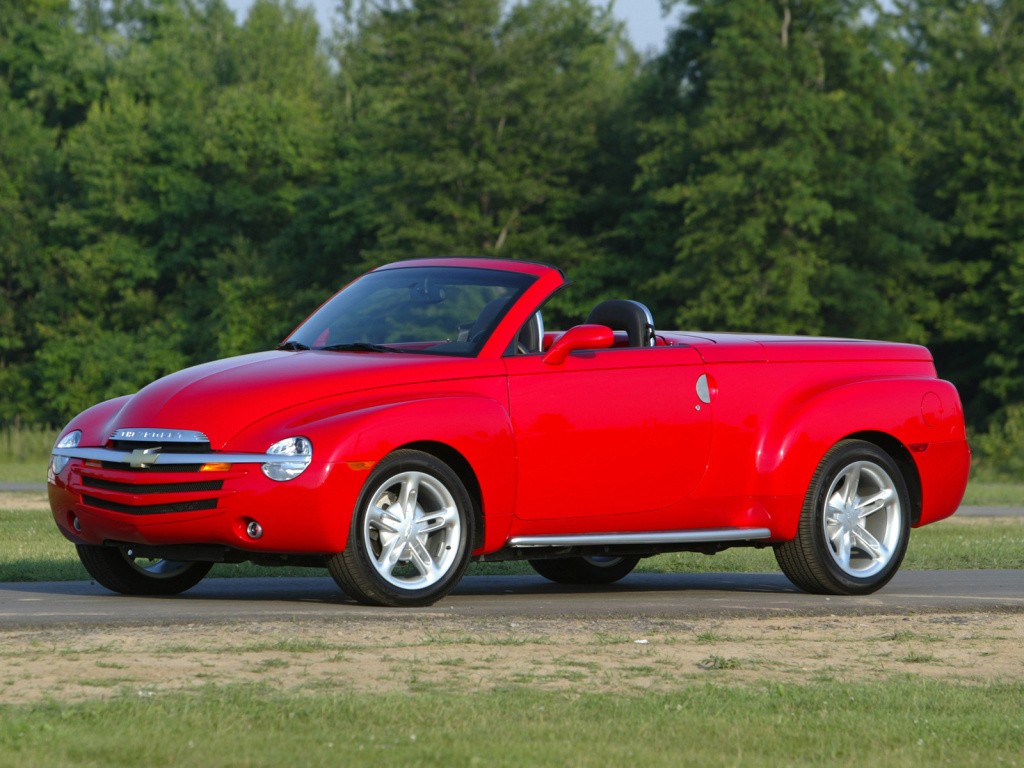
Over time, the SSR became a cult classic. Its oddball design makes it instantly recognizable, and its combination of truck utility with sports car flair resonates with a niche audience. Owners celebrate its quirks and boldness, viewing the aesthetics as part of its charm.
The Chevrolet SSR demonstrates that automotive design doesn’t have to follow conventional rules to succeed. Its playful, confusing, and almost theatrical style makes it stand out, and people love it for the uniqueness and character it brings to the road.
6. Kia Soul
The Kia Soul is a boxy compact crossover that defied expectations when it debuted. Its tall, squarish body and wide stance were unusual for a small SUV, making it look awkward to some but appealing to others. While the design may not make traditional sense, it carved out a loyal following thanks to its distinctive character.
The front end features upright headlights and a simple grille, which combined with the upright windshield and flat roof, create a shape that some might call strange.
Its proportions make it feel almost cartoon-like, yet that is precisely what many buyers find charming. The design is memorable, and it stands out in a sea of generic crossovers.
Inside, the Soul surprises with spaciousness. The tall roofline allows excellent headroom, and the boxy shape translates to more usable cargo space than many competitors.
The cabin feels airy and comfortable, with thoughtful storage solutions and intuitive control placement. For urban drivers, it proves both practical and enjoyable.
The Kia Soul’s personality extends beyond the interior. Its shape allows for customization, and Kia embraced bold colors and trims that highlight the boxy design. Drivers often enjoy the sense of individuality that comes with owning a vehicle so different from mainstream offerings.
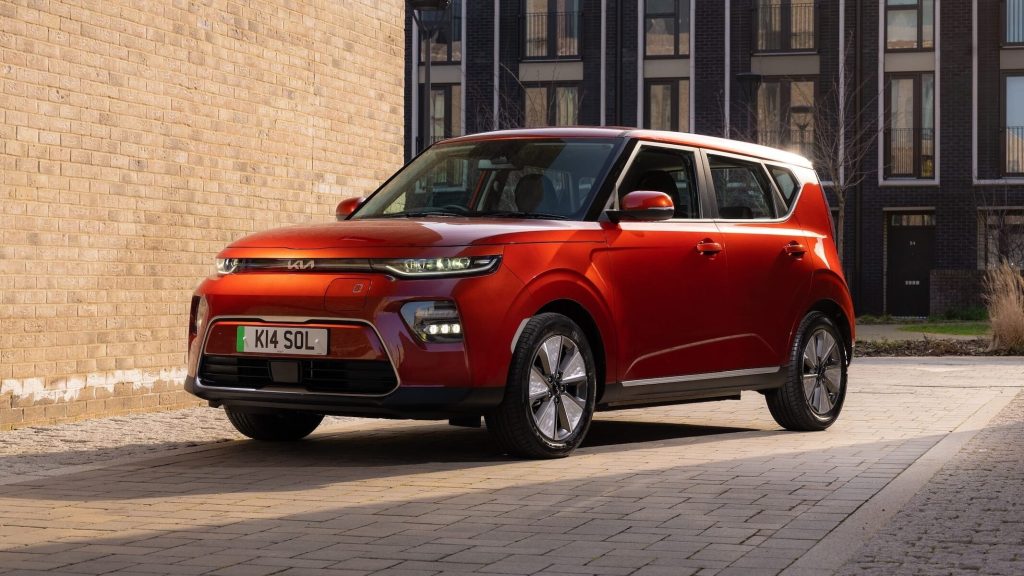
Over time, the Soul has become an icon for its segment. Its quirky, sometimes puzzling design has made it instantly recognizable and beloved by a generation of drivers. It proves that standing out can be more important than following trends.
The Kia Soul shows that even designs that appear illogical can attract devotion. It’s a car that defies norms yet succeeds by combining practicality, personality, and a bold statement that owners proudly embrace.
7. Toyota FJ Cruiser
The Toyota FJ Cruiser is one of the most polarizing SUVs ever made. Its retro-inspired design, large round headlights, and boxy body immediately grab attention.
When it first appeared in 2006, many people were confused by its unusual proportions, yet the same features earned it a devoted following among off-road enthusiasts.
The front end is bold and distinctive, with a flat grille and oversized round lamps that give it a rugged, almost cartoonish personality.
The short overhangs and squared-off wheel arches enhance the adventurous aesthetic but make it look unconventional compared to standard SUVs. Despite its odd appearance, it communicates durability and capability clearly.
Inside, the FJ Cruiser surprises with comfort and practicality. The cabin is spacious enough for five passengers, with supportive seats and materials designed to withstand outdoor use. Controls are straightforward, and visibility is improved by high seating and large windows, which is especially helpful off-road.
The design also serves functional purposes. The boxy shape allows for ample headroom, and the wide doors facilitate entry and exit even with outdoor gear. The styling choices, while seemingly strange, were not just for show they supported utility while giving the SUV a unique identity.
Over the years, the FJ Cruiser became a cult favorite. Its quirky exterior made it stand out in a crowded SUV market, and enthusiasts appreciated the personality that came with its design.
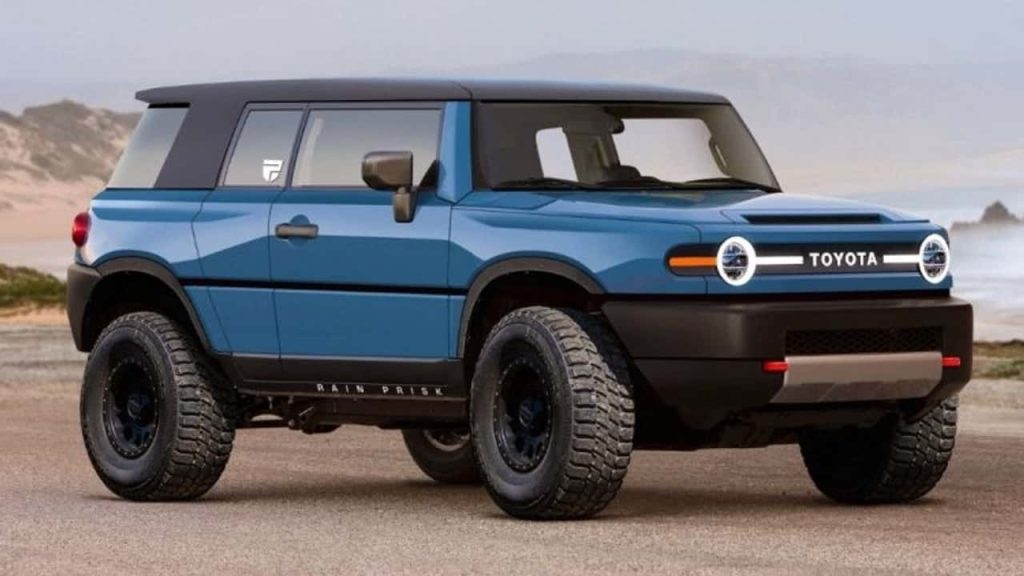
People embraced its unconventional look as a badge of adventure and individuality, proving that aesthetics can be celebrated even when they defy norms.
The Toyota FJ Cruiser demonstrates that a vehicle doesn’t need traditional beauty to succeed. Its unique, sometimes puzzling styling became part of its appeal, attracting buyers who value distinction and functionality in equal measure.
Its design may not make sense on paper, but it resonates strongly with those who crave character and rugged charm.
8. BMW i3
The BMW i3 is a compact electric car that challenges conventional design ideas. Its tall, narrow stance, blacked-out roof pillars, and rear-hinged rear doors create a silhouette unlike any other in the city car segment. While critics often questioned its styling, fans appreciate its futuristic approach and clever use of space.
The front end features large U-shaped headlights and a small, stylized kidney grille, which give it a high-tech, almost spaceship-like appearance.
Its short overhangs and upright stance create a surprisingly spacious interior despite its small footprint. Though the proportions may seem awkward at first glance, they maximize utility and maneuverability in urban environments.
Inside, the cabin is airy and modern. The use of sustainable materials such as recycled plastics and natural fibers is unique, enhancing its identity as an environmentally conscious vehicle. The dashboard is minimalist, with digital displays and simple controls that keep the focus on functionality rather than ornamentation.
The i3’s design also prioritizes practicality. The rear-hinged back doors allow easier access to the rear seats, especially in tight parking spaces. The tall roofline ensures comfortable headroom for passengers, and the lightweight construction improves efficiency and handling.
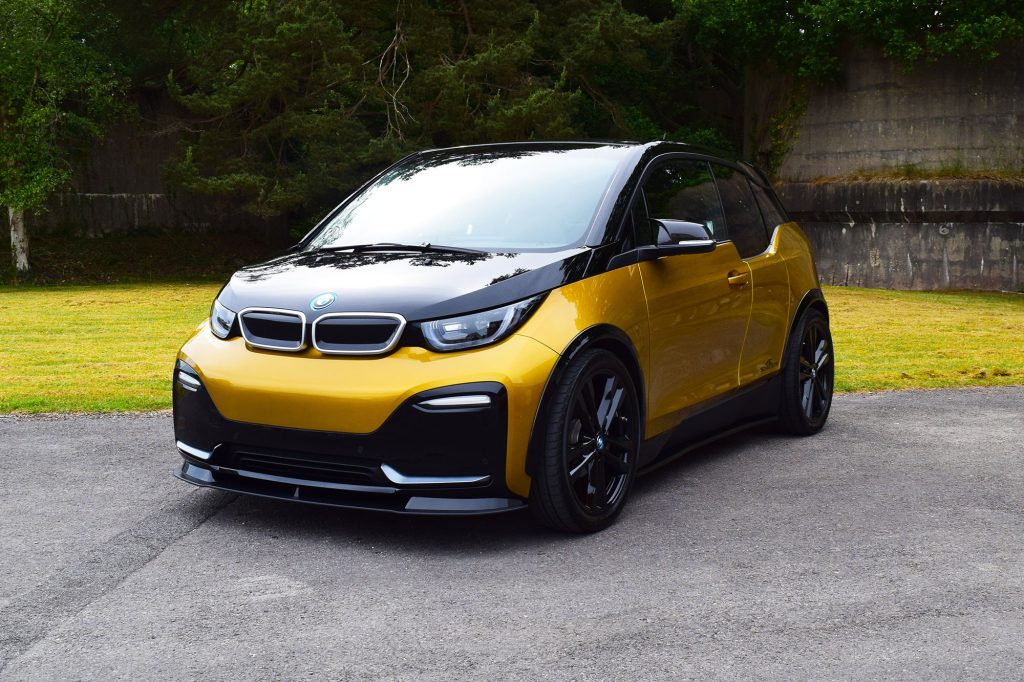
Over time, the BMW i3 developed a devoted following among urban commuters and eco-conscious drivers. Its unusual design may defy expectations, but it communicates innovation, sustainability, and individuality. People are drawn to its distinctive look and clever solutions that other cars of similar size often lack.
The BMW i3 proves that a design can appear unconventional yet still win admiration. Its futuristic styling, practical innovations, and eco-friendly materials show that creativity and function can combine in ways that make a vehicle both loved and memorable, even if it initially confuses onlookers.
9. Honda Element
The Honda Element is instantly recognizable thanks to its boxy shape and utilitarian design. Launched in the early 2000s, it confused many with its flat sides, tall roof, and clamshell rear doors.
Yet despite its unconventional appearance, the Element found a loyal following, especially among outdoor enthusiasts and pet owners who valued function over form.
The front end is wide and upright, with a squared-off grille and angular headlights that emphasize practicality rather than style.
Its short overhangs and flat roof give it an unusual, almost playful silhouette. While it doesn’t conform to traditional automotive aesthetics, the design perfectly reflects its intended purpose: flexibility and durability.
Inside, the Element surprises with clever use of space. The interior is roomy and modular, with seats that fold flat or can be removed entirely.
Durable materials line the cabin, making it easy to clean after muddy adventures or transporting pets. The boxy exterior translates directly to usable volume inside, which many owners appreciate more than outward looks.
The Element’s personality comes from its unapologetic utility. Its quirky exterior and functional layout attract buyers who want a car that stands out and solves real-world problems. Despite critics mocking its style, owners celebrate its practicality, durability, and distinct character.

Over time, the Honda Element became a cult favorite. Its oddball design has made it instantly recognizable, and people have grown fond of its playful, practical nature. The unconventional styling communicates purpose, and that honesty resonates with fans.
The Honda Element proves that cars don’t need sleek lines to be loved. Its strange proportions and utilitarian appearance make perfect sense to the people who use it daily. It is a car that embraces individuality, demonstrates clever engineering, and earns affection despite or because of its puzzling looks.
10. Suzuki X-90
The Suzuki X-90 is a tiny two-seater SUV that left many scratching their heads when it appeared in the mid-1990s.
Its small size, rounded body, and Targa-style roof created a vehicle that seemed to exist somewhere between a compact car and an off-roader. While its design makes little conventional sense, it found a devoted following among drivers who appreciated its quirky character.
The front end features a short, rounded hood, small headlights, and a wide bumper that gives it a playful, almost toy-like appearance.
Its stubby proportions and high stance make it look top-heavy, yet this contributes to its unique personality. The X-90 refuses to blend in, and that boldness became one of its defining traits.
Inside, the cabin is surprisingly simple but practical. With just two seats, the interior feels spacious for its small footprint, and the low dashboard and high seating position provide decent visibility.
Though it lacks luxury features, it offers an engaging and fun driving experience, especially in sunny weather with the removable Targa roof.
The X-90’s appeal extends beyond its odd looks. Its small size and lightweight frame make it nimble in city driving, and the convertible-like roof adds a sense of adventure. Owners often highlight its charm and playfulness, enjoying the fact that it doesn’t take itself seriously and stands out wherever it goes.
Over time, the Suzuki X-90 became a cult classic. Its bizarre proportions and unusual silhouette made it memorable, while its fun driving dynamics created a loyal fanbase. People embrace its quirks, and many enthusiasts maintain them as collectible vehicles today.
The Suzuki X-90 demonstrates that a car doesn’t need traditional appeal to be adored. Its oddball design, small size, and playful nature combine to create an unforgettable vehicle. Fans love it for its personality, showing that uniqueness and charm can triumph over conventional aesthetics.
Cars don’t always have to follow conventional rules to be loved. The ten models highlighted in this collection prove that unusual, puzzling, or even awkward designs can attract devoted fans. From the Pontiac Aztek to the Honda Element, these vehicles challenge expectations yet manage to stand out in memorable ways.

What unites these cars is their personality. Each design choice, whether it’s the bulbous fenders of the Nissan Juke, the tall boxy silhouette of the Kia Soul, or the wedge-shaped Prius, communicates character.
Drivers connect with these quirks because they make a car unique, recognizable, and emotionally engaging. Even when the aesthetics seem confusing, the cars convey confidence and individuality.
Function often complements the unusual styling. The Honda Element’s modular interior, the Fiat Multipla’s six-seat layout, and the Chevrolet SSR’s retractable roof show that unconventional looks can also deliver clever solutions.
Odd designs are not always frivolous they frequently serve practical purposes that enhance usability, comfort, or efficiency while maintaining a memorable exterior.
Time has softened criticism and strengthened fandom. Vehicles like the Pontiac Aztek and Toyota FJ Cruiser, initially mocked for their unusual shapes, are now celebrated as cult classics.
Their distinctiveness has turned what some saw as flaws into defining traits. Pop culture, word of mouth, and sheer uniqueness have helped these cars maintain relevance and admiration long after their release.
Ultimately, these ten cars demonstrate that design doesn’t need to be logical to succeed. Creativity, function, and character can outweigh conventional beauty. People love them not in spite of their strange looks but because of them.
They remind us that cars are not just transportation they are statements, reflections of personality, and sources of joy. In the end, a car’s ability to connect with its driver often matters more than symmetry, lines, or traditional proportions.
Also Read: 10 New Cars With the Best Rear Visibility
